Chapter 22 - An Age of Nationalism and Realism, 1850 - 1871
 Call Kai
 Learn
Learn Practice Test
 Spaced Repetition
 Match
Match Flashcards
 Knowt Play
1/29

There's no tags or description
Looks like no tags are added yet.
Name | Mastery | Learn | Test | Matching | Spaced | Call with Kai |
|---|
No analytics yet
Send a link to your students to track their progress
30 Terms
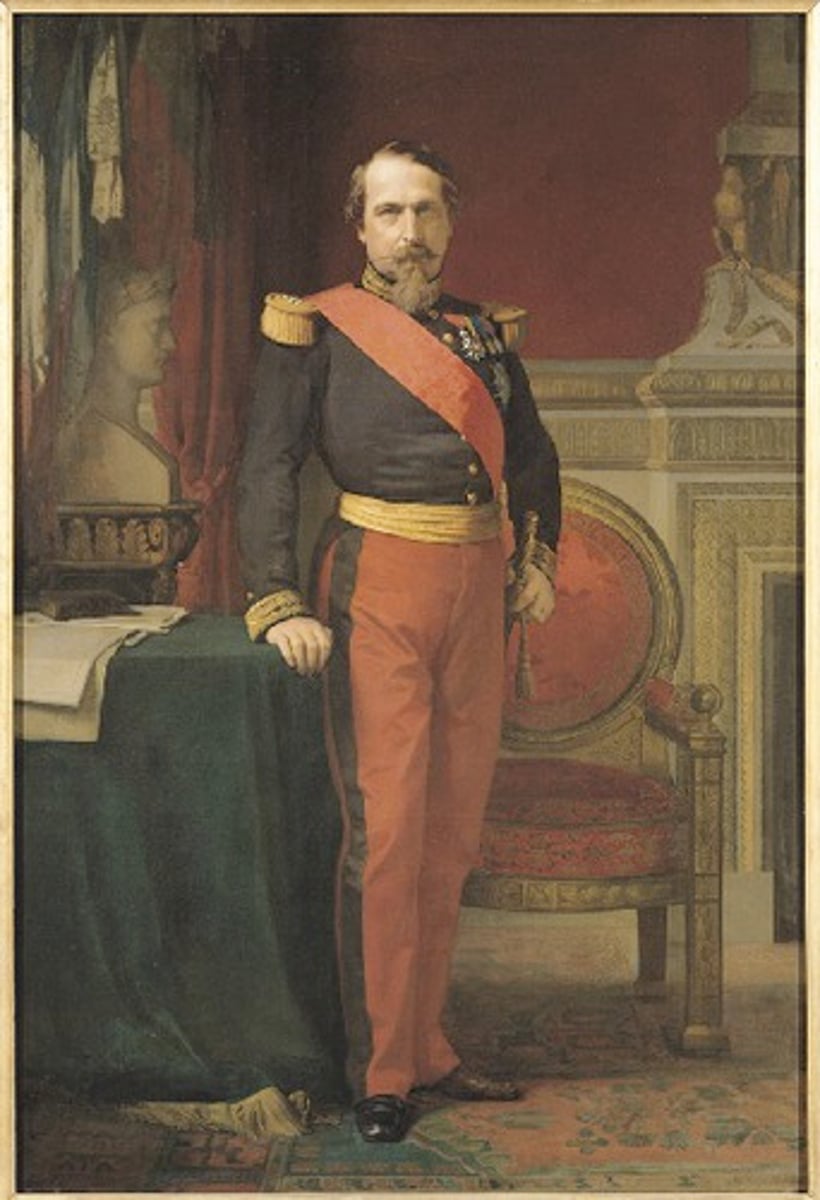
Napoleon III
The French leader that used his name and famous relative to come to power. He had many domestic policy successes however, his foreign policies and wars would cost him his position as the head of the Second Empire.
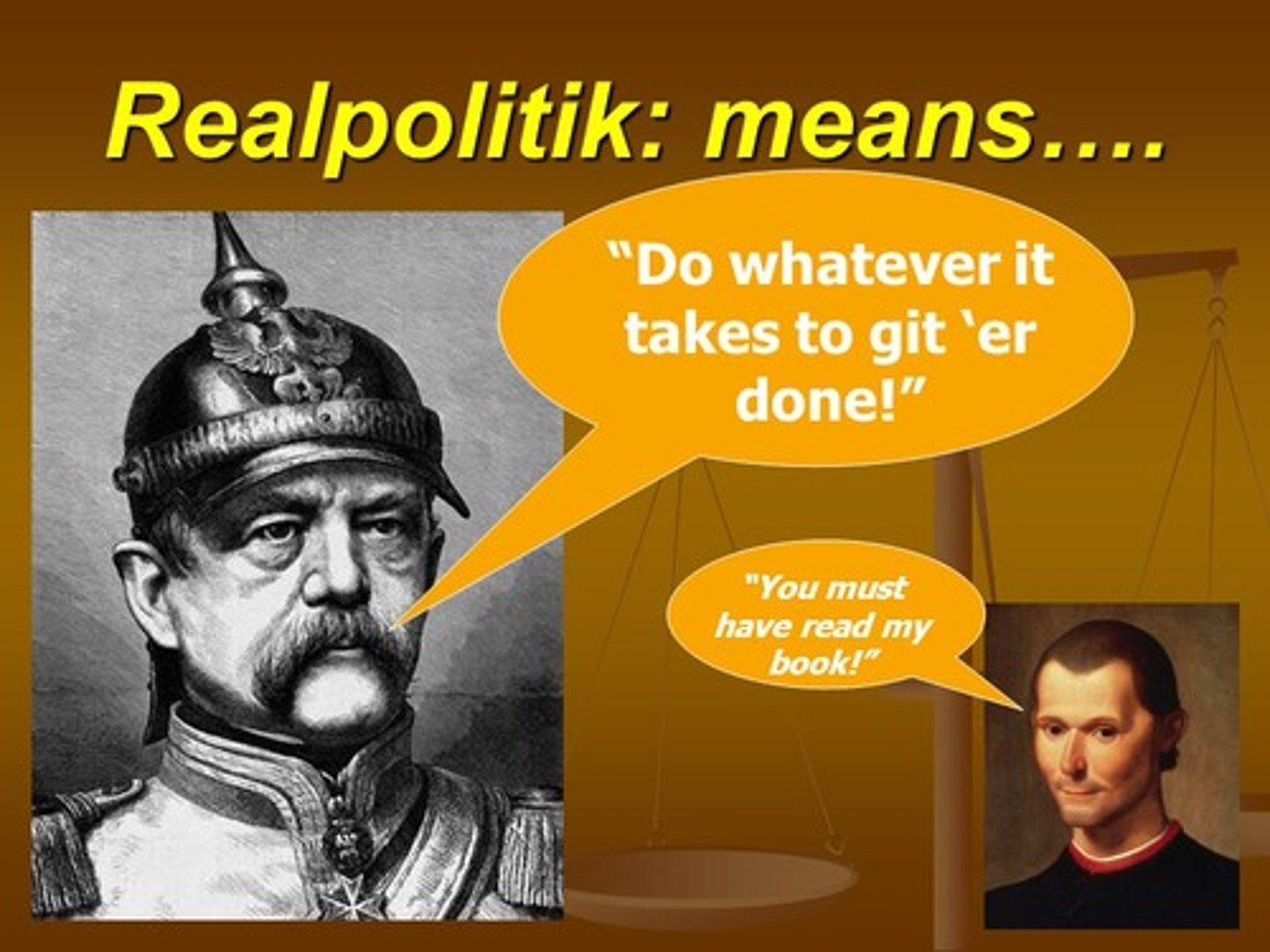
Realpolitik
The term used to describe the politics of reality. Practitioners of this policy would use what tools they thought were necessary, and possible, to best rule over their country and maintain power.
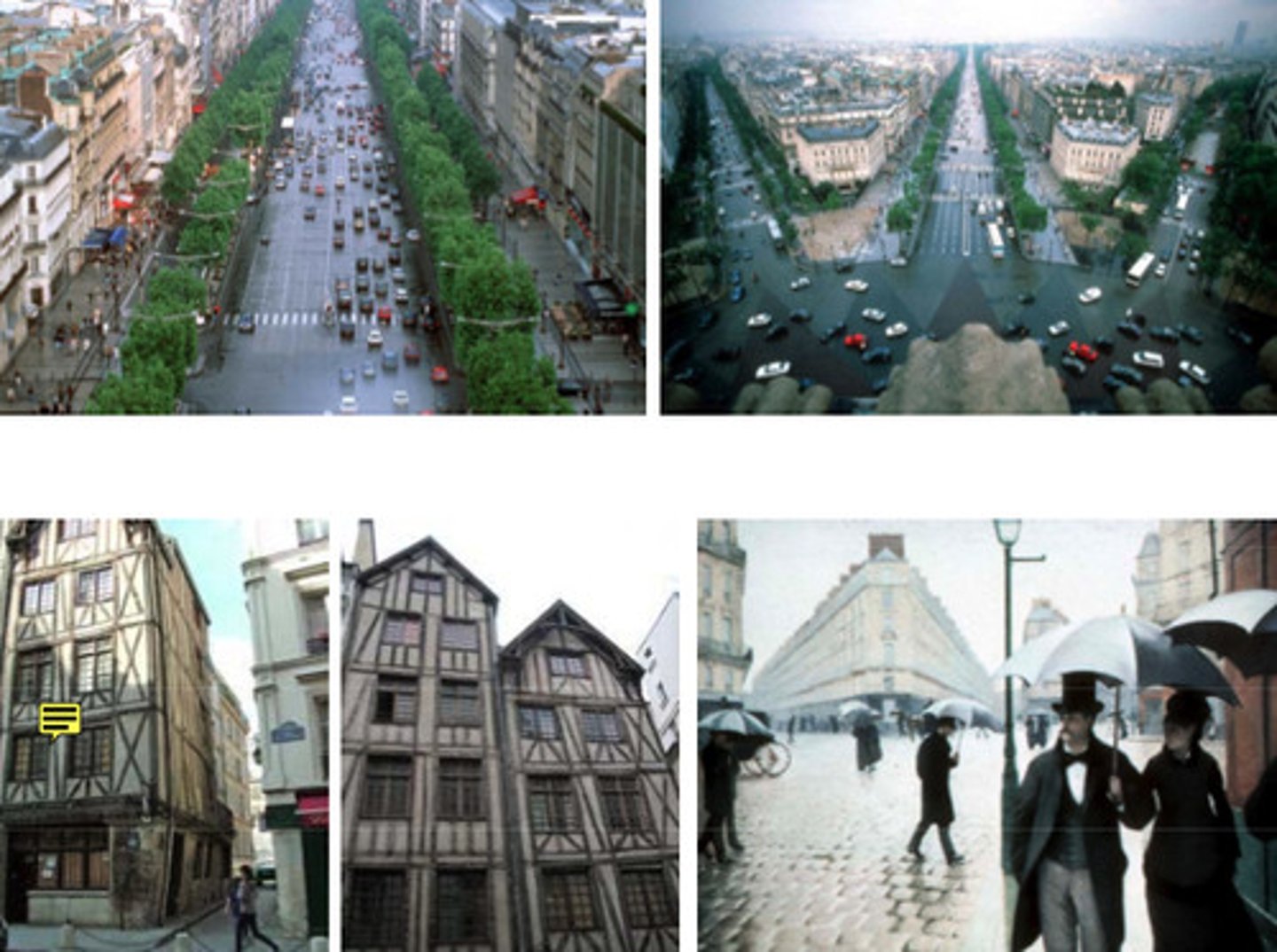
Baron Haussmann
Oversaw the destruction of much of the old streets and buildings in Paris, under the orders of Napoleon III, and built a modern, new city complete with wider streets, gaslights, and a sewer system.
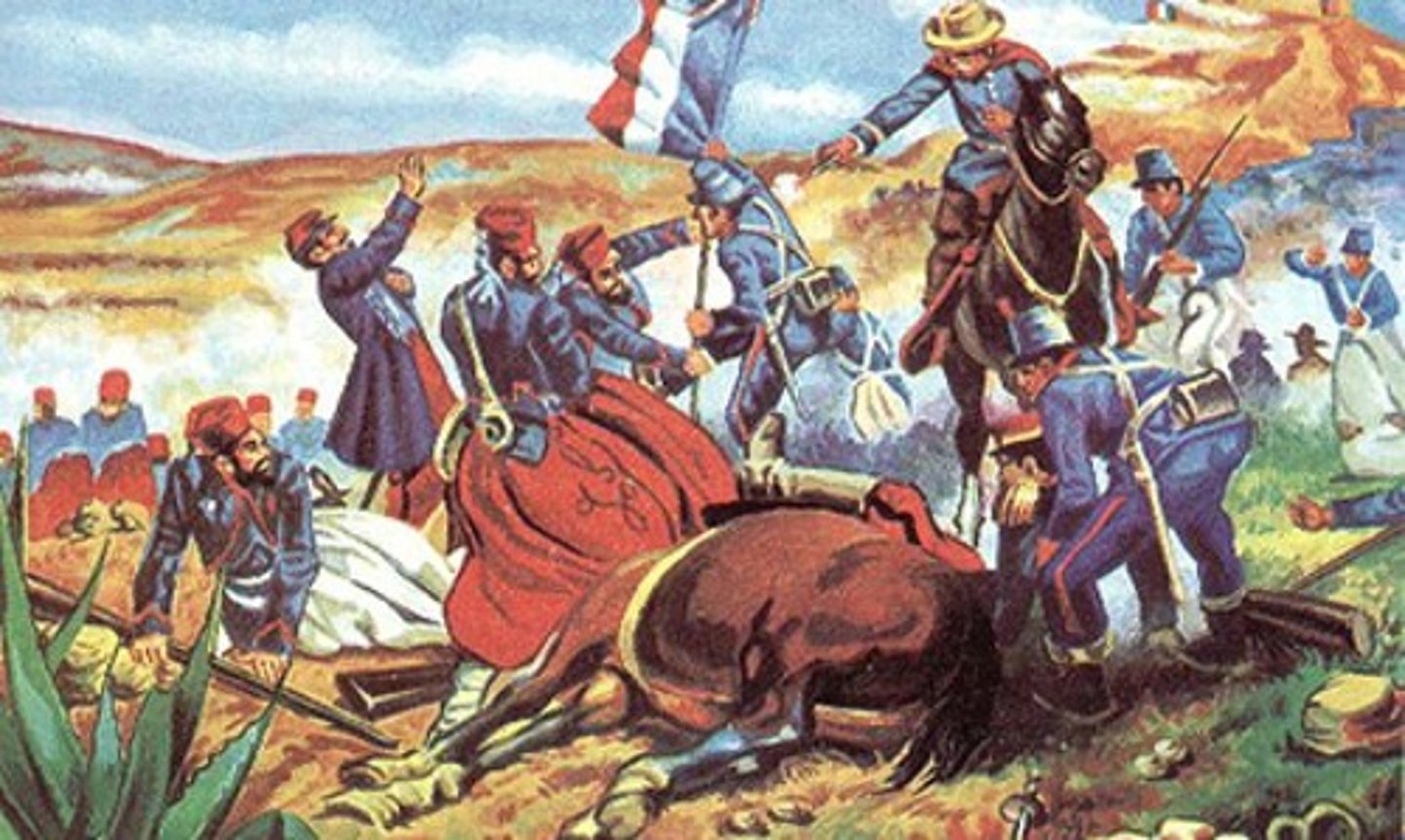
The Mexican Adventure
The attempt to install a government here that was friendly to France backfired and became the first foreign policy disasters for Napoleon III.
The Crimean War
This war was fought to maintain the balance of power in Europe. France and England were afraid Russia would become too powerful if it were able to gobble up too much territory from the failing Ottoman Turks.
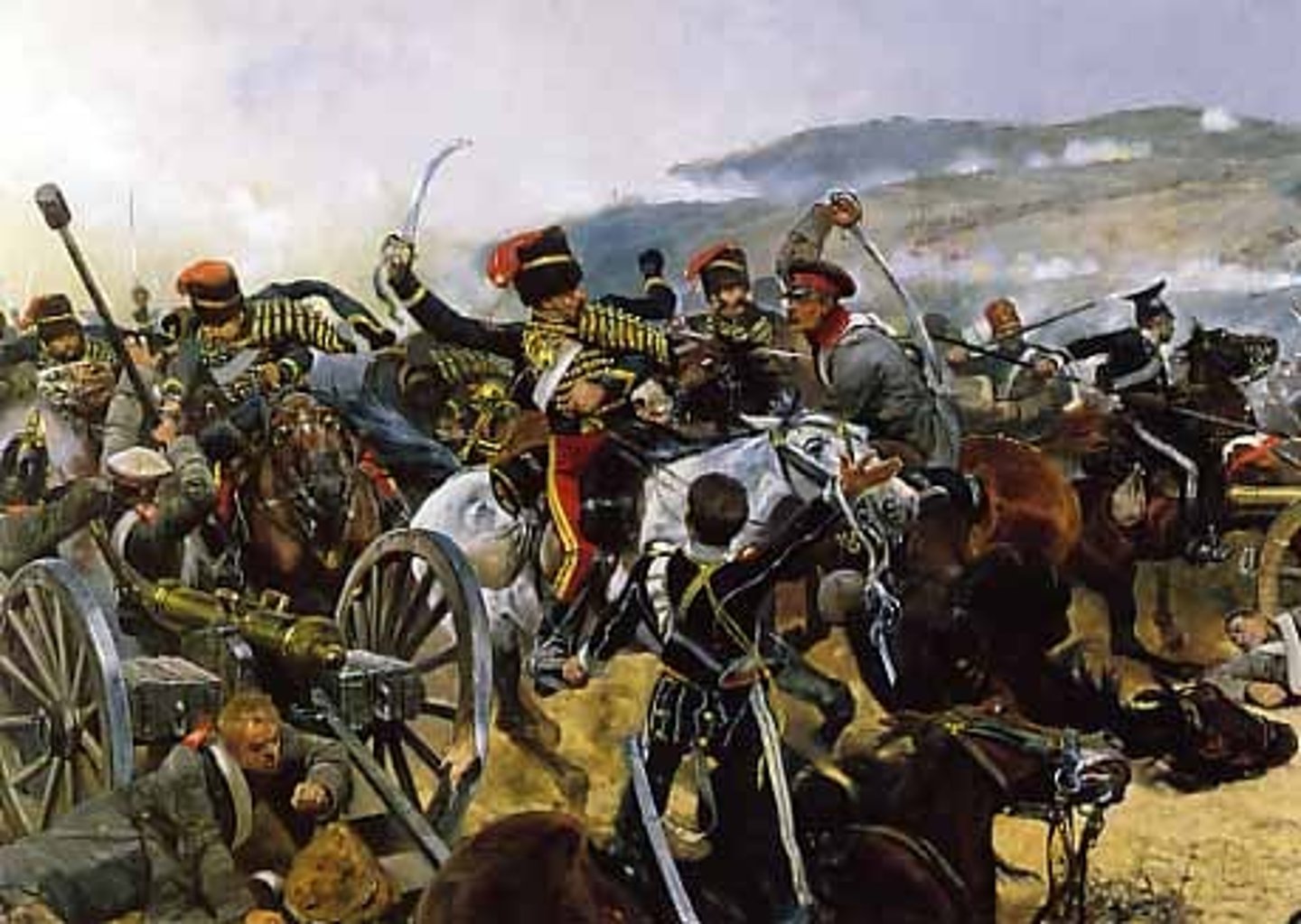
Florence Nightingale
A British nurse that worked during the Crimean War that earned fame for her efforts to make hospitals sanitary and clean saving many lives. She helped make nursing a profession for middle class women.
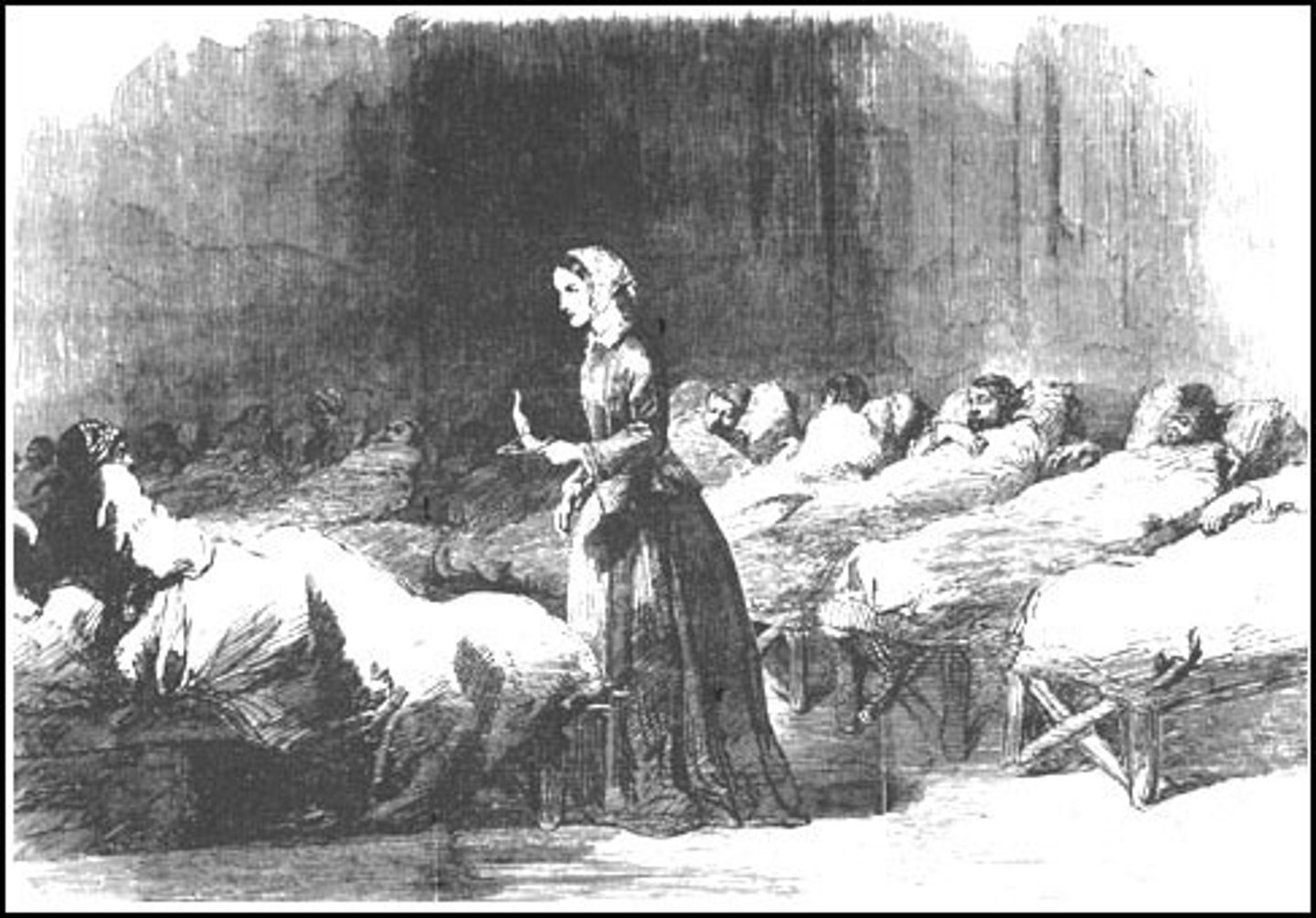
Count Camillo di Cavour
He was the consummate politician that used his power and influence and agreement with Napoleon III to help liberate Northern Italy from Austria and worked towards Italian unification.
Giuseppe Garibaldi
This was the leader of the Italian unification efforts in Southern Italy. He was famous for his battle tactics and his army of 1000 Red Shirts that fought for Italian unification under his orders.
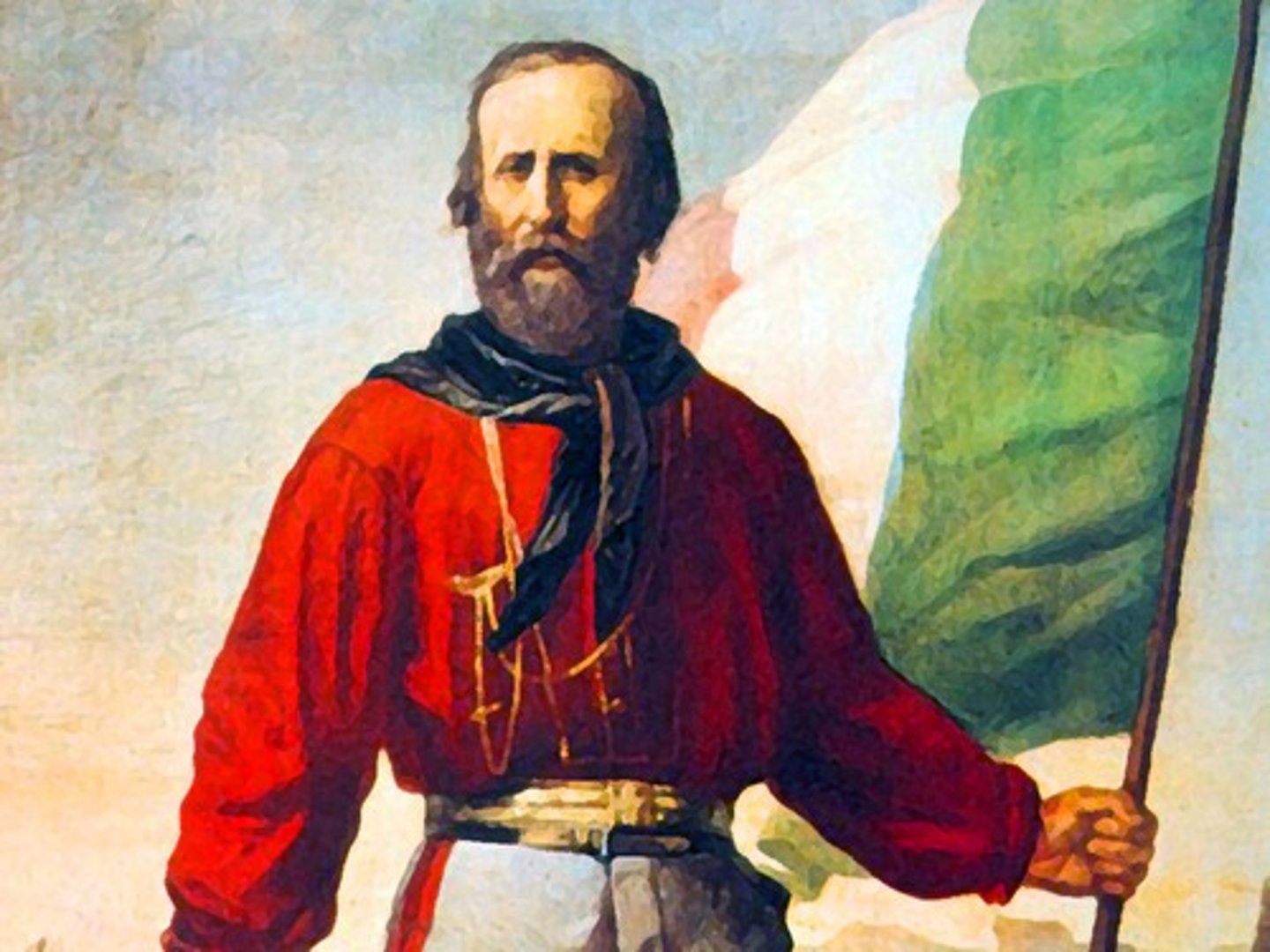
Otto von Bismarck
A Prussian Junker that worked to achieve German unification. He would plan and act to achieve his goal of German unification using Realpolitik and three wars to make his plans a reality.
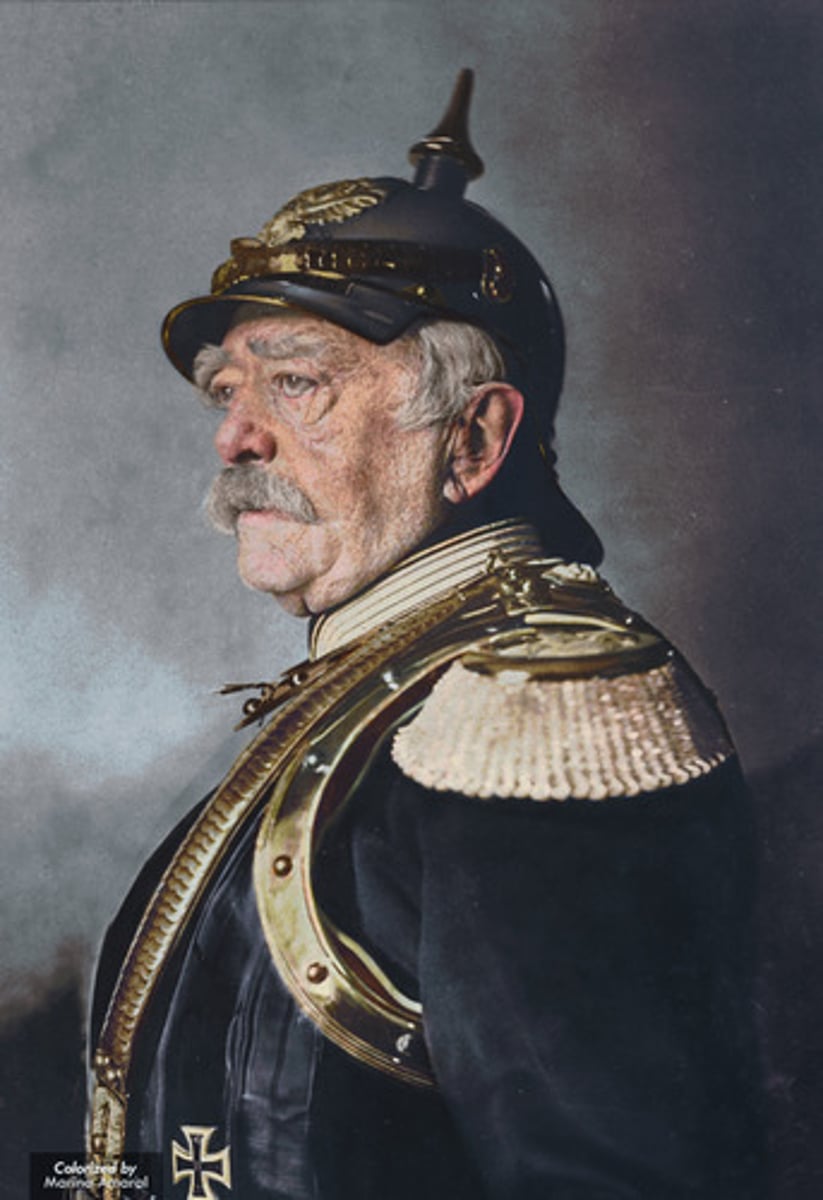
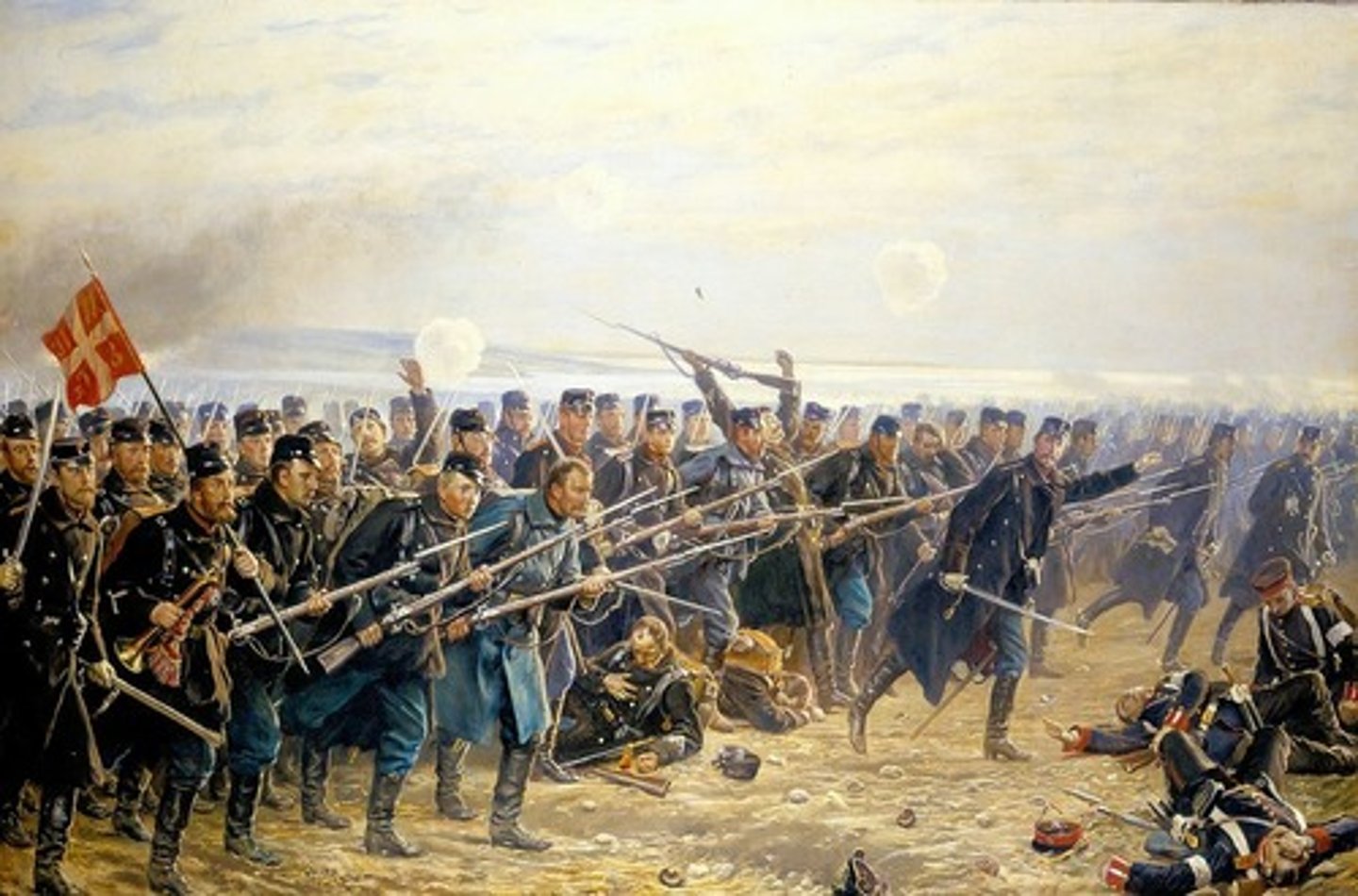
The Danish War (1864)
The first planed war of Otto von Bismarck to help attract other German states to the Prussian cause and help work toward a unified Germany.
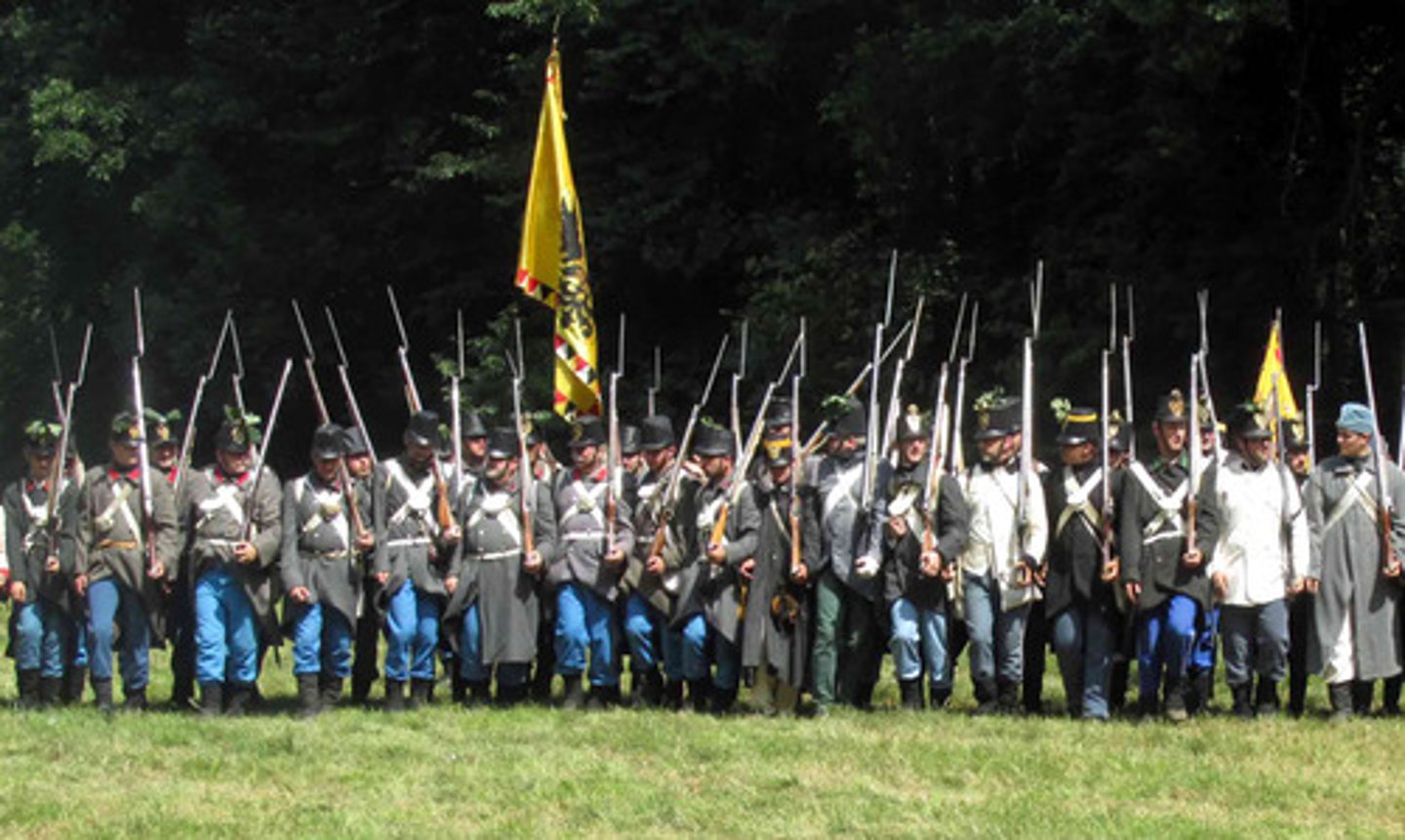
The Austro-Prussian War (1866)
This was Otto von Bismarck's 2nd war. The goal of this war was to settle once and for all who would control the German states, Prussia or Austria. Prussia would gain a major victory and further consolidate German states on the path to unification.
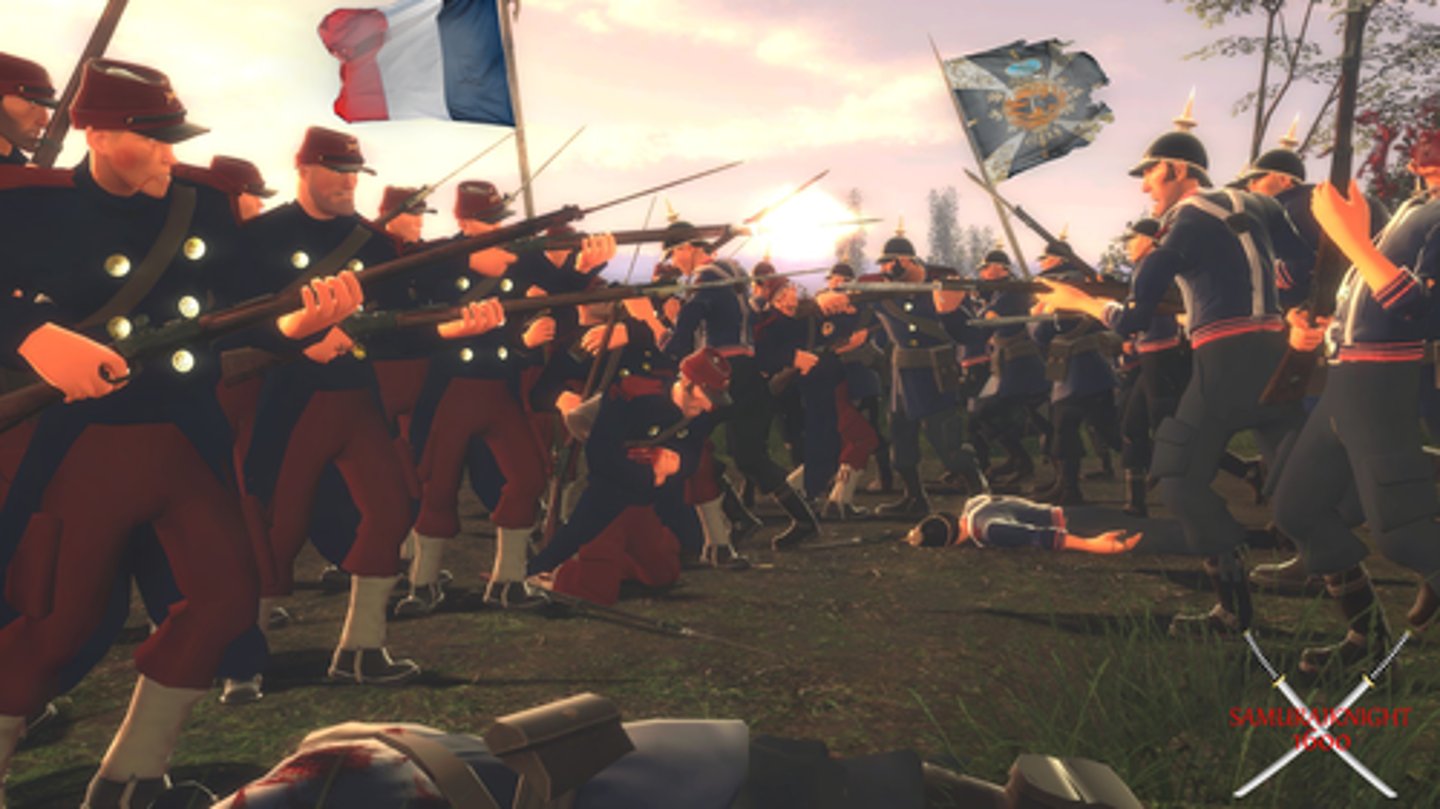
The Franco-Prussian War (1870-1871)
The third and final war planed by Otto von Bismarck that would see the defeat of Napoleon III's France and would see the unification of Germany under Prussian leadership.
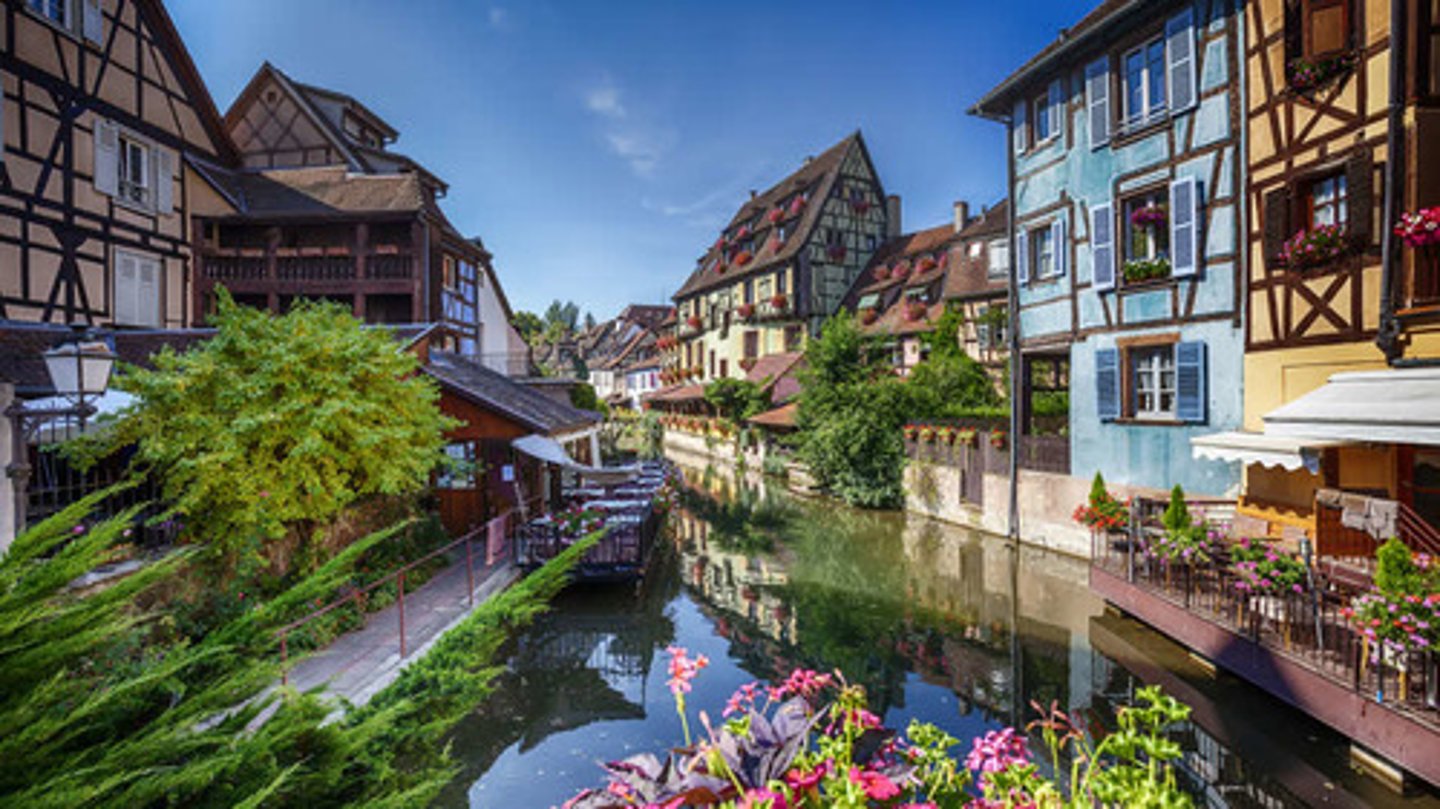
Alsace and Lorraine
These are two territories that France lost in the Franco-Prussian War that caused the French great anger and a desire for revenge. This loss and the desire to get them back would be a factor in starting WWI.
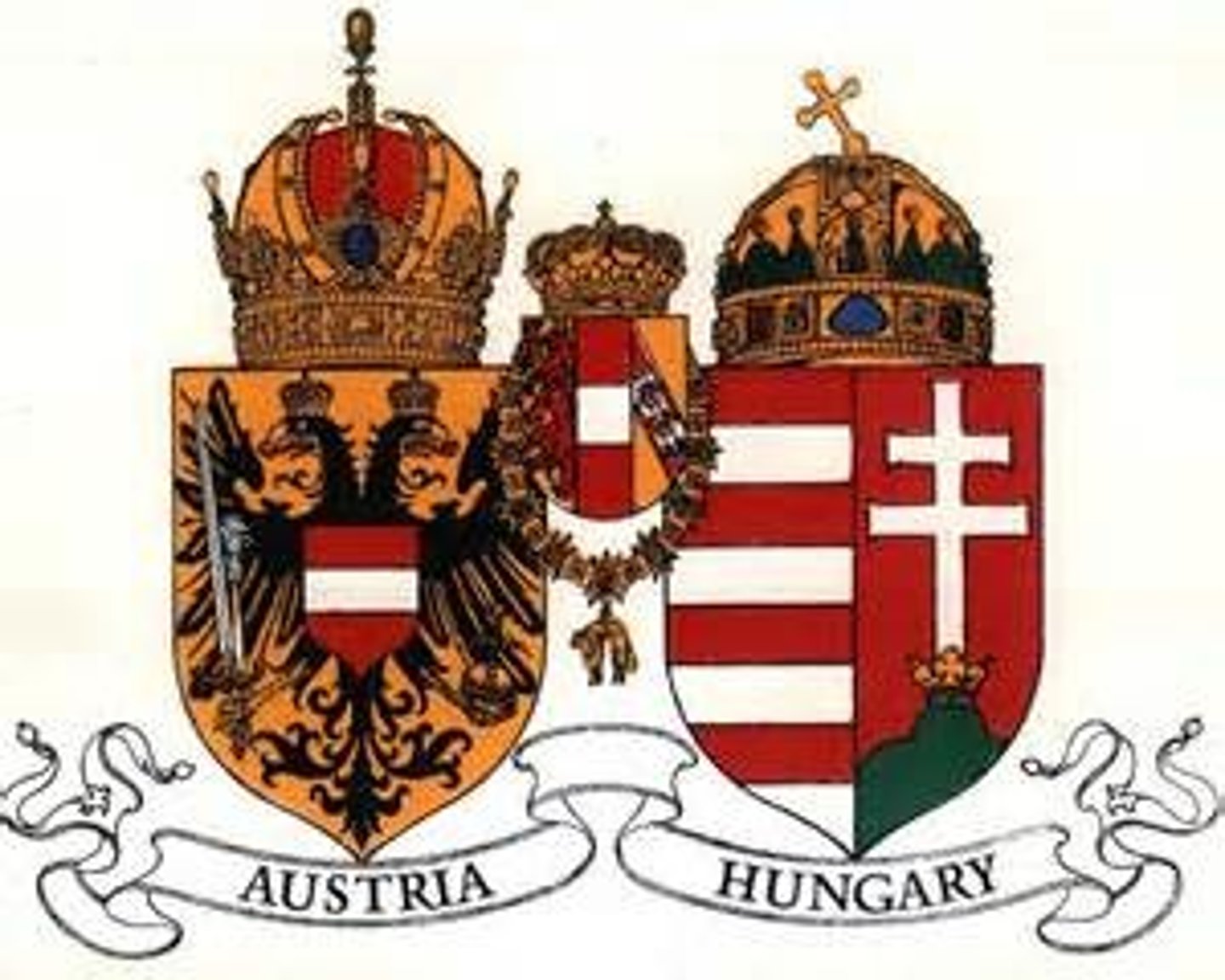
Ausgleich
This term means 'compromise'. This refers to the deal Austria made with Hungary in giving them freedoms, rights and greater independence within the empire. It helped relations with Hungary but did nothing to help stop the anger and resentment of the rest of the many nationalities and minorities in the Austrian Empire.
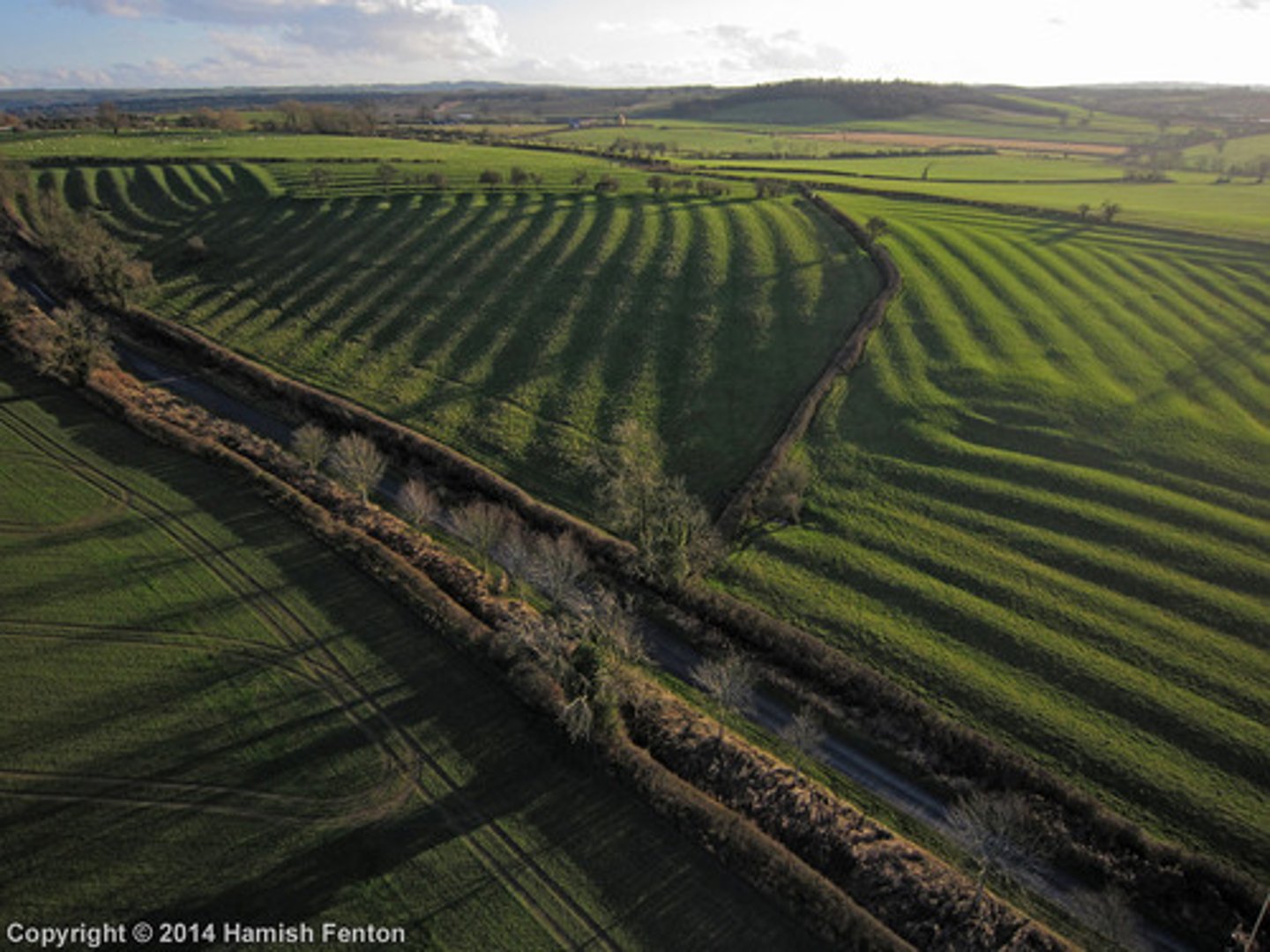
Mir
The village commune. This Russian organization oversaw the collection of debt the Russian peasants owed as a result of them being 'given' land by the Russian government after it abolished serfdom. This system saw very little true reform or improvement over the old system based on serfdom.
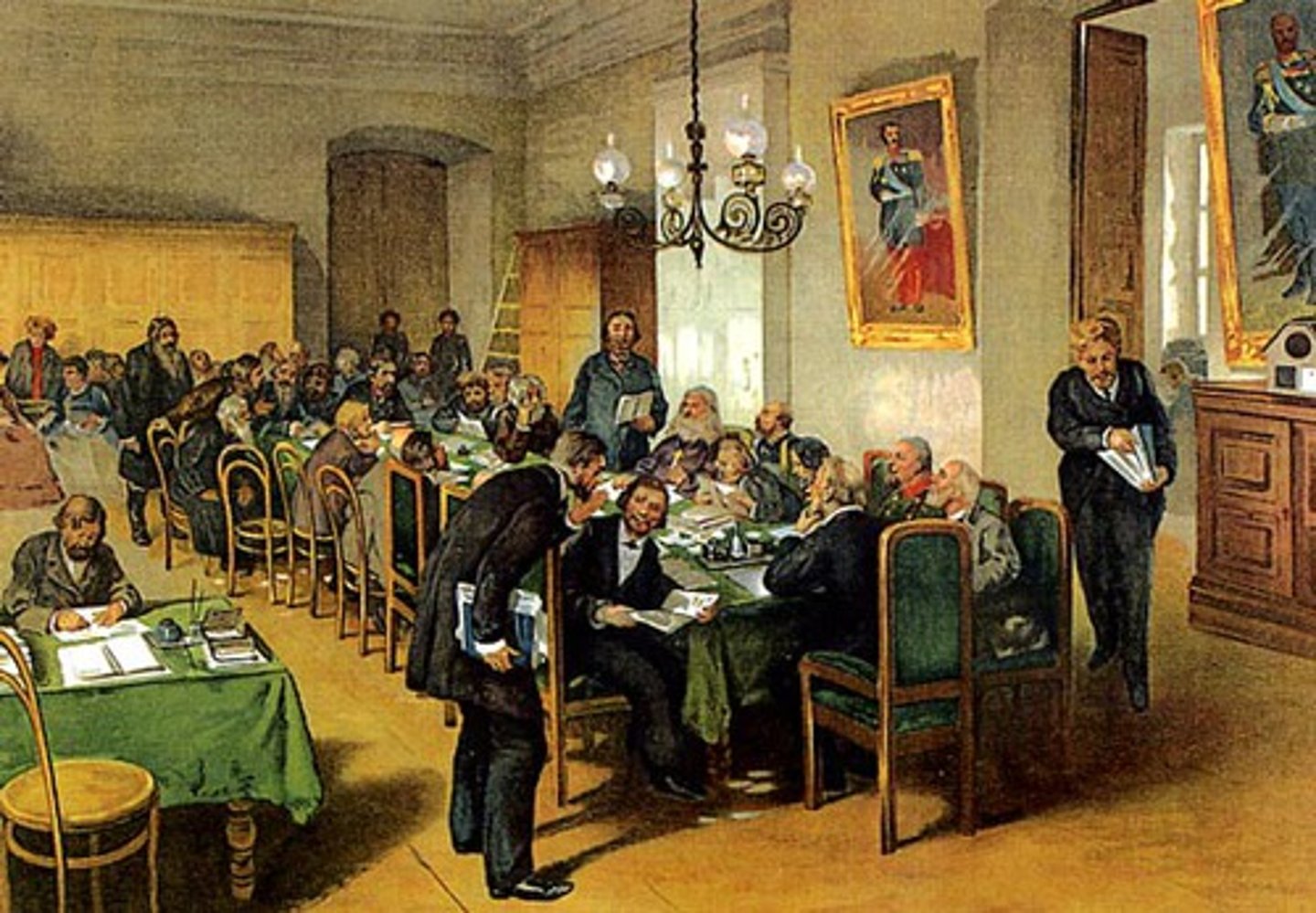
Zemstvos
Local assemblies that provided some level of local control and autonomy to the Russian peasants. This system still favored the nobles but it did provide a more equal representation of the people living under its local control.
Populism
A movement in Russia based on the aims to create a new society through the revolutionary acts of the peasants. They pushed for land and freedom for the working class and independence and rights for the average person. Some in the movement would resort to violence to achieve their goals.
Queen Victoria
One of the longest ruling monarchs in history, 1837 to 1901. Her rule reflected her personal sense of duty and moral respectability. She would rule over Great Britain during its golden age of great power and wealth. The era would even be named after her, The Victorian Age.
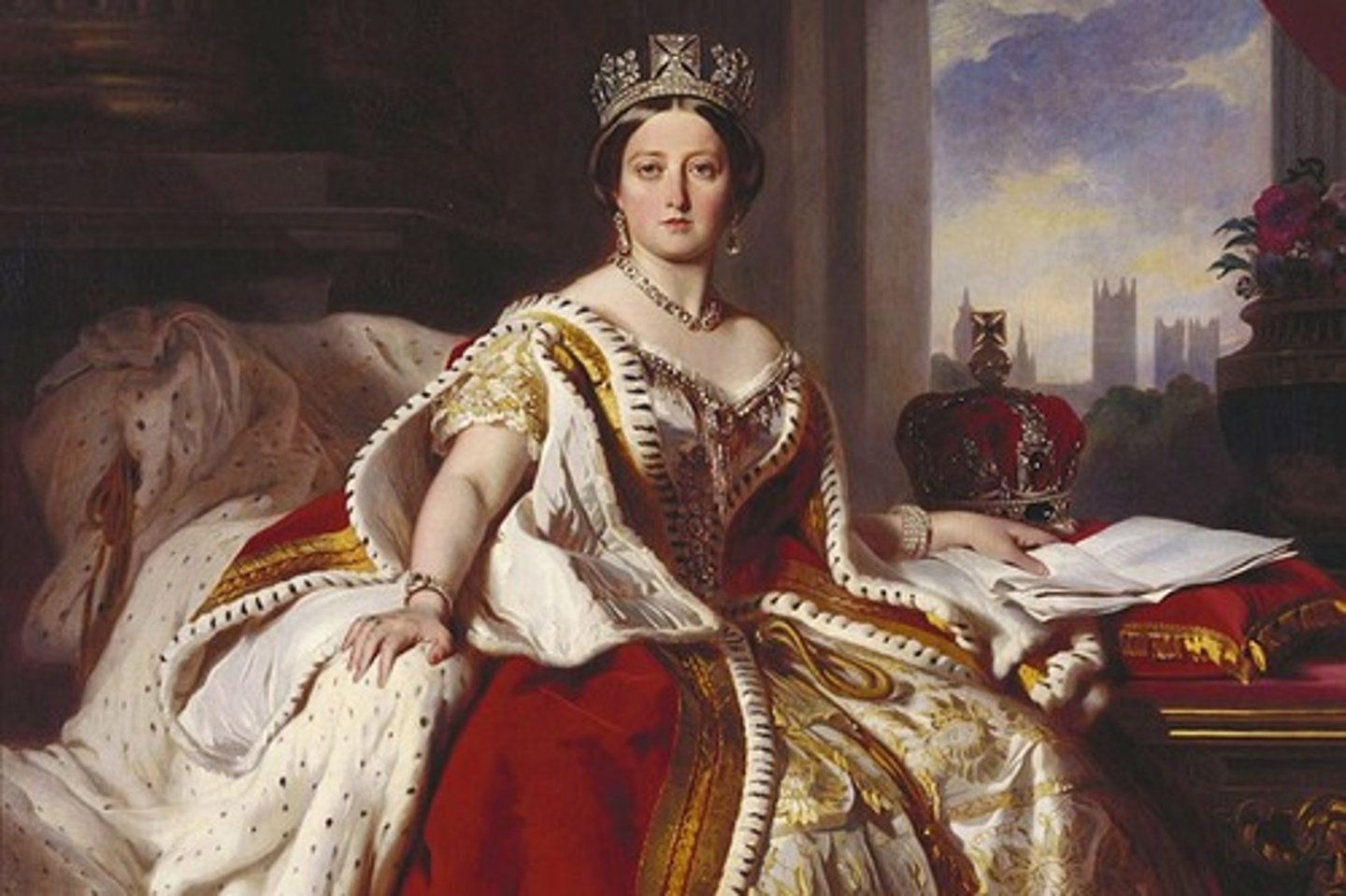
The Reform Act of 1867
This was an important step in the democratization of Britain. It would lower the requirements for being eligible to vote. The number of voters went from around 1 million to just over 2.
William Gladstone
The head of the Liberal movement in Britain. In his administration, 1868 to 1874, he would have great success in pushing through reforms such as making it so the best qualified person got the job, no more buying positions or ranks as well as making elementary schools available to all children.
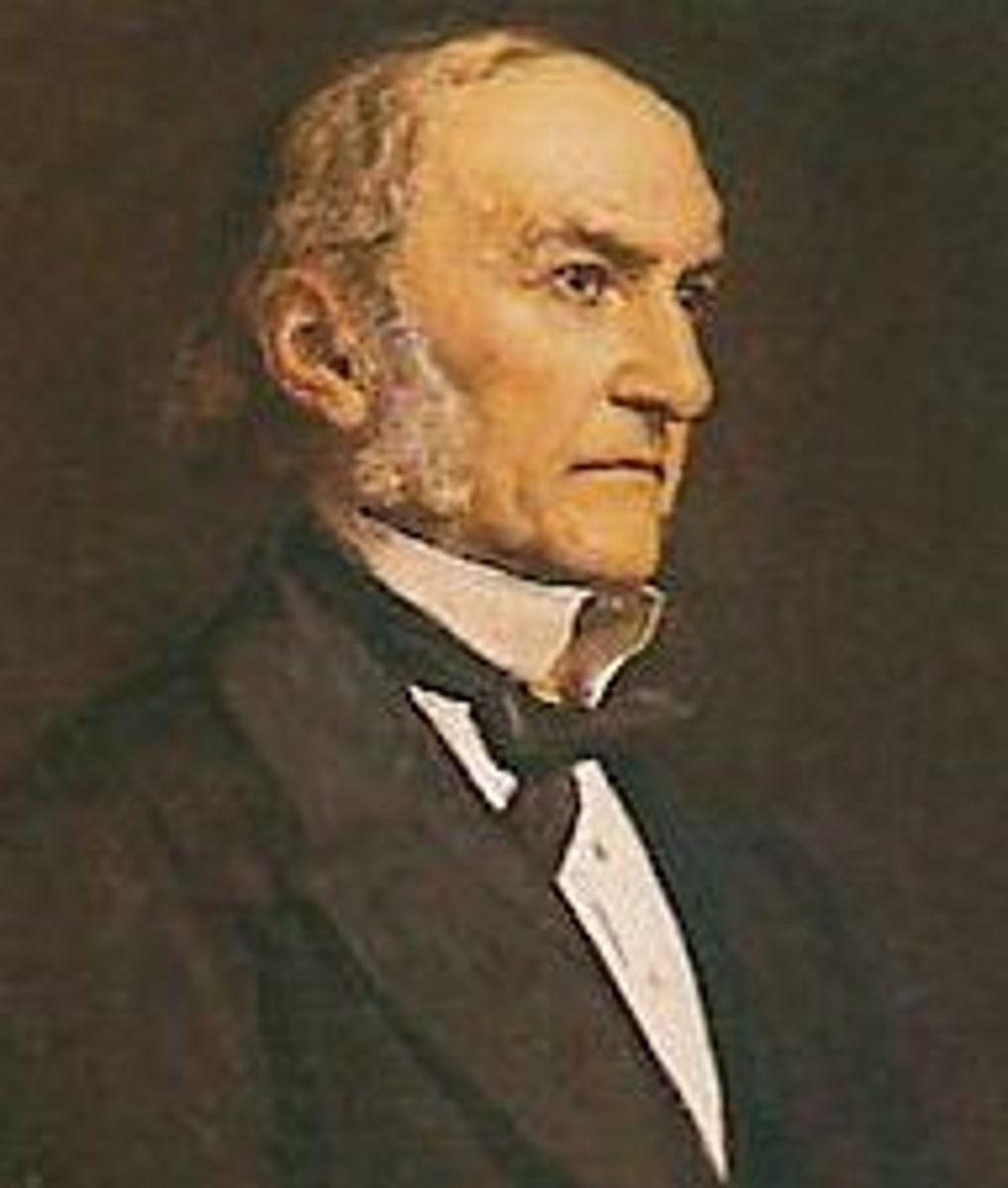
The United States Civil War
This war erupted between the states in a divide over how to handle the issue of slavery and the desire for some to have stronger states rights over federal authority. Europe would stay neutral during the conflict, only sending military observers to monitor the conflict, not to take part in it.
Joint-Stock Investment Banks
These banks were crucial to Continental industrial development because they gave investors access to huge amounts of capital resources for investments and growth.
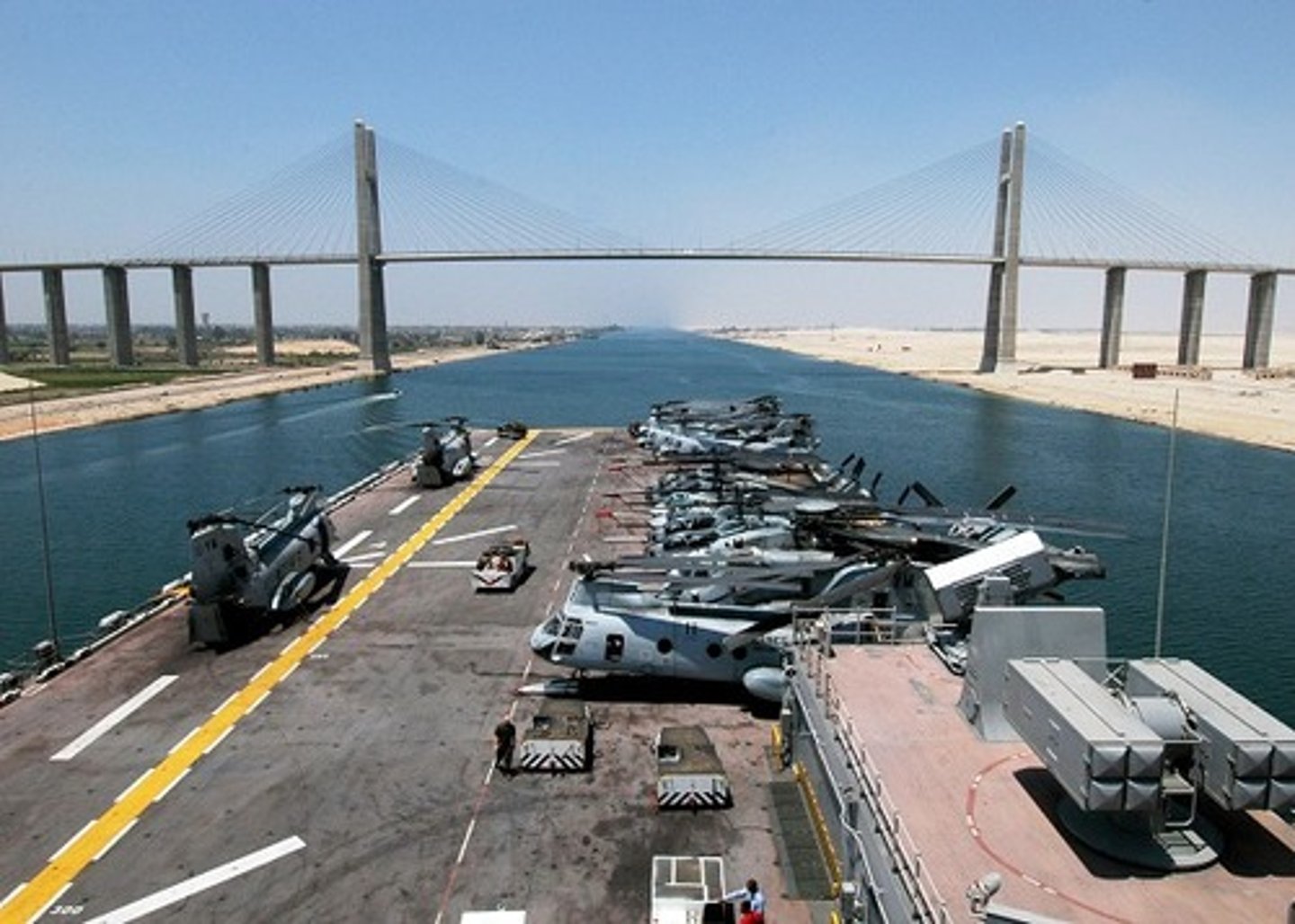
Suez Canal
This construction and feat of engineering connected the Mediterranean and Red Seas making travel and the transportation of goods faster and easier. It was started in 1859 and was completed 10 years later.
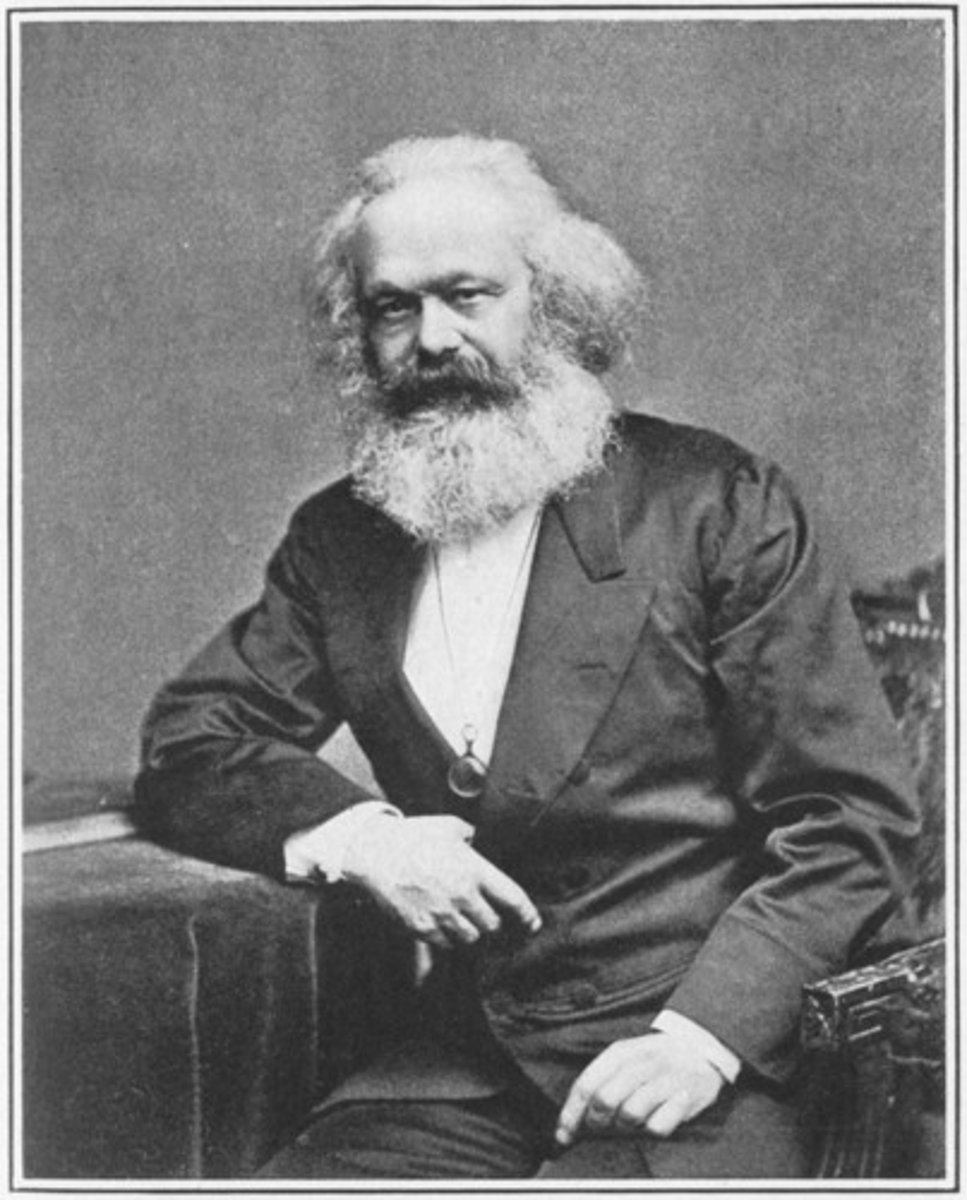
Karl Marx
A radical German journalist who would join up with Friedrich Engels to write the Communist Manifesto in 1848. His work and writings would be the basis for communist revolutions and movements all over the world decades later.
The Communist Manifesto
The book that outlined the ideas of Marx and Engels that spelled out their beliefs that history was a collection of examples of class struggles. The working class vs. the wealthy and that the working class would overthrow the elites and form a new society.
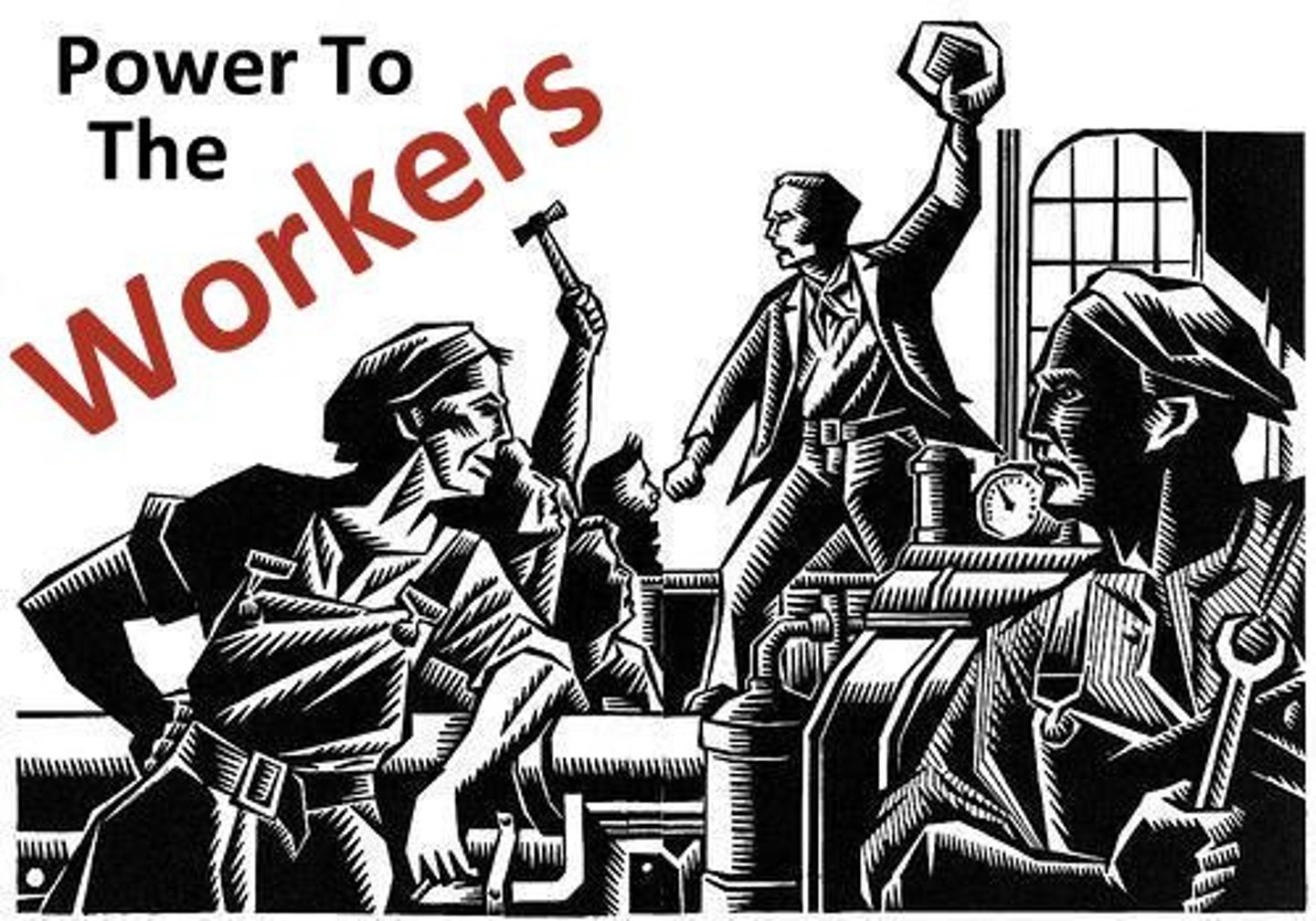
Proletariat
The term used to describe the industrial working class.
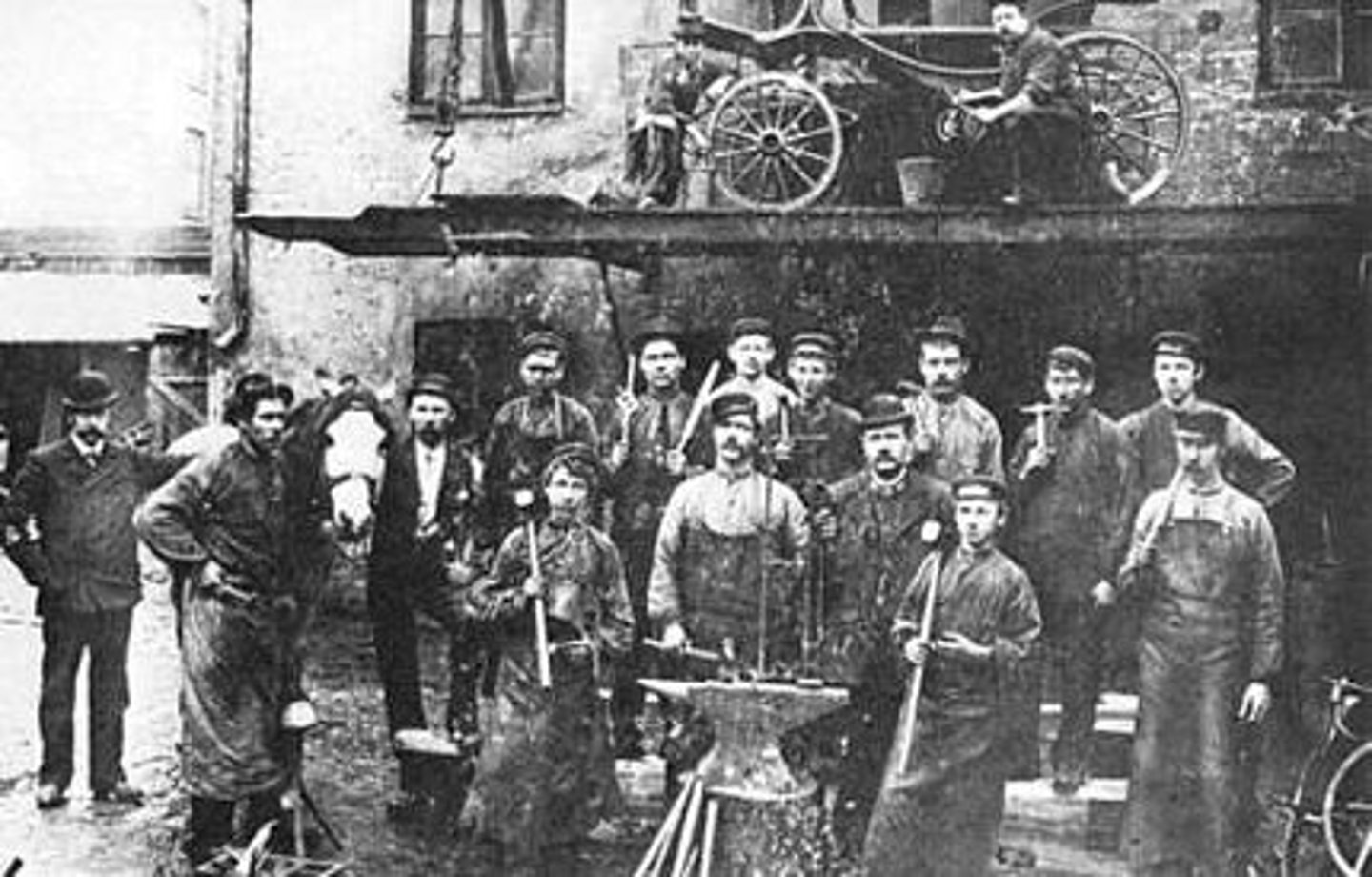
Materialism
The belief that everything mental, spiritual, or idea was simply a result of physical forces. This view saw people as just another part of the natural world and did not put any faith in feeling or intuitive flashes. Truth was to be found in the concrete material existence of people.
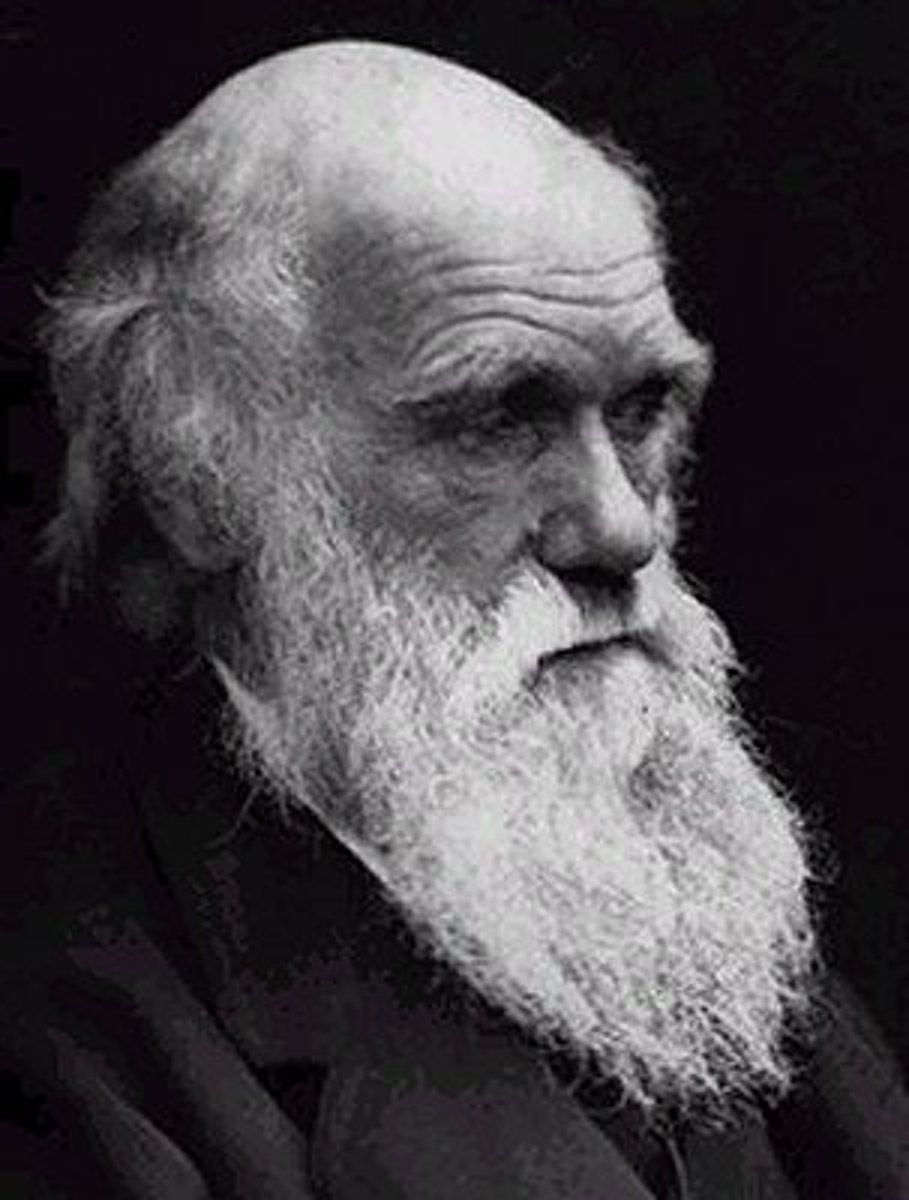
Charles Darwin
An amateur scientist that would go on to observe plants and animals in isolation and develop the theory of evolution and natural selection.
On the Origin of the Species by Means of Natural Selection
The famous book by Charles Darwin that put forth the idea that all plants and animals had evolved over a long time period from earlier and simpler forms of life. This was known as Organic Evolution.
Mastered (29)
You've been getting these terms right!