Defense against disease part 1
 Call Kai
 Learn
Learn Practice Test
 Spaced Repetition
 Match
Match Flashcards
 Knowt Play
1/42

There's no tags or description
Looks like no tags are added yet.
Name | Mastery | Learn | Test | Matching | Spaced | Call with Kai |
|---|
No analytics yet
Send a link to your students to track their progress
43 Terms
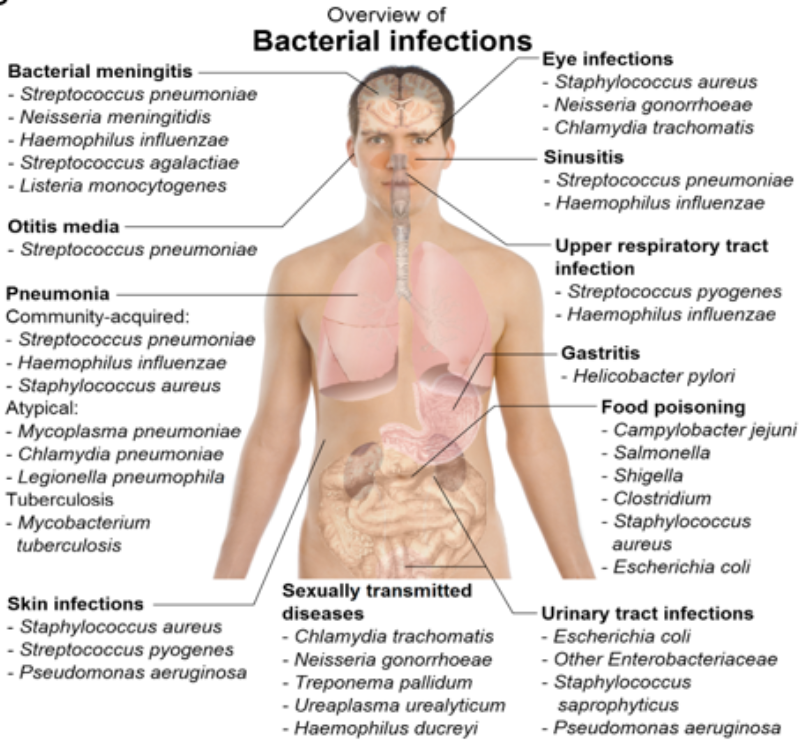
pathogen
disease-causing microorganism (virus, bacteria, protozoa, fungus, protozoan parasites, helminthic parasites, etc.)
bacteria
nucleoid, no nucleus
prokaryotes
divide by binary fission (asexual)
cell walls composed of peptidoglycan
infectious and non-infectious
food poisoning, salmonella, conjunctivitis, strep throat, cholera, etc.
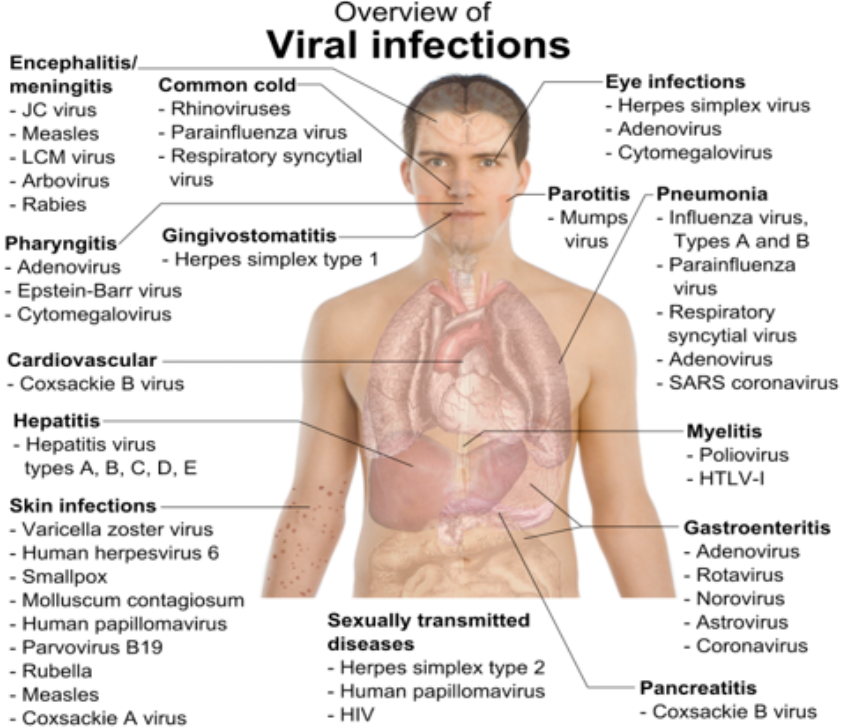
viruses
DNA or RNA (single stranded or double stranded), no nucleus
require host cell to reproduce
cannot be killed by antibiotics
flu, common cold, HIV, herpes, etc.
fungi
have nucleus
eukaryotes
polysaccharide chitin in cell walls
reproduce by producing spores
athlete’s foot, skin rashes, vaginal candidiasis, allergic reactions, ringworm, etc.
protozoan parasites
parasitic or symbiotic organisms
unicellular eukaryotes → treatment difficult
Malaria, Leishmaniosis, Giardia, Trypanosoma, Sleeping sickness, Lyme disease, etc.
helminthic parasites
parasitic diseases
multicellular and eukaryotic
elephantiasis, schistosomiasis, toxocariasis, pinworm, roundworm, tapeworm
prion
protein molecules which enter the body and reach brain tissue where more proteins are converted to prion proteins, causing brain cell malfunction and disease
innate immune system
responds to broad categories of pathogens, does not change during an organism’s life
skin and sebaceous glands
mucous membrane
phagocytes
skin
much of the body is covered by tough layer of dead cells containing large amounts of protein keratin, physical barrier to entry of pathogens and physical or chemical damage
sebaceous glands
associated with hair follicles on skin, secrete chemical sebum, maintaining skin moisture and slightly lowering skin pH to inhibit growth of bacteria and fungi
mucous membrane
thinner and softer type of skin secreting mucus, found in areas such as the vagina, foreskin, head of penis, and airways leading to the lungs
mucus
sticky solution of glycoproteins
physical barrier trapping harmful particles and pathogens to be swallowed or expelled
antiseptic properties because presence of anti-bacterial enzyme lysozyme
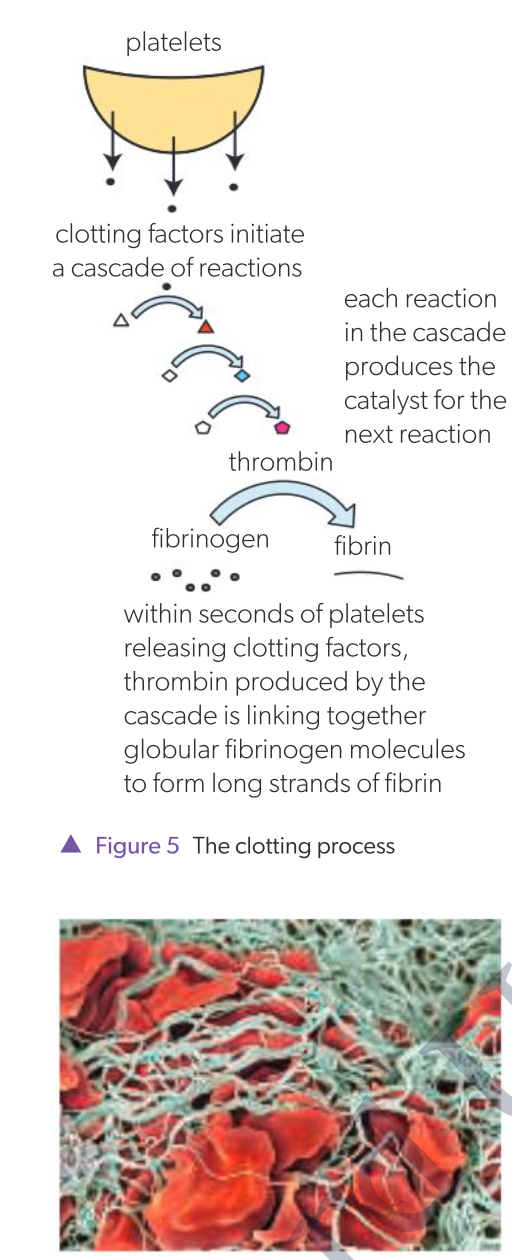
blood clotting
cascade of events triggered by blood platelets and clotting factors, reduces chances of invasion by disease-causing organisms
skin is cut blood vessels are severed and start to bleed
platelets/blood-cell fragments aggregate at site of damage to blood vessel
platelets form a temporary plug and release clotting factors to trigger clotting process
clotting factors initiate cascade of reactions, resulting in production of enzyme thrombin
thrombin converts protein fibrinogen dissolved in blood plasma to insoluble fibrin
fibrin forms a mesh in cuts, trapping more platelets and blood cells
resulting gel clot which dries to form hard scab if exposed to air
phagocytes
type of white blood cell
which squeeze out through pores in walls of capillaries and move to site of infection
engulf pathogens by endocytosis, digest pathogens using enzymes from lysosomes
large number attracted to infected wound results in formation of white liquid pus
macrophage
specialized phagocytes which kill extracellular pathogens and display antigens on plasma membrane
adaptive immune system
responds in a specific way to particular pathogens using memory of encountered pathogens, offering more effective protection against common infectious diseases, includes antibody-producing lymphocytes
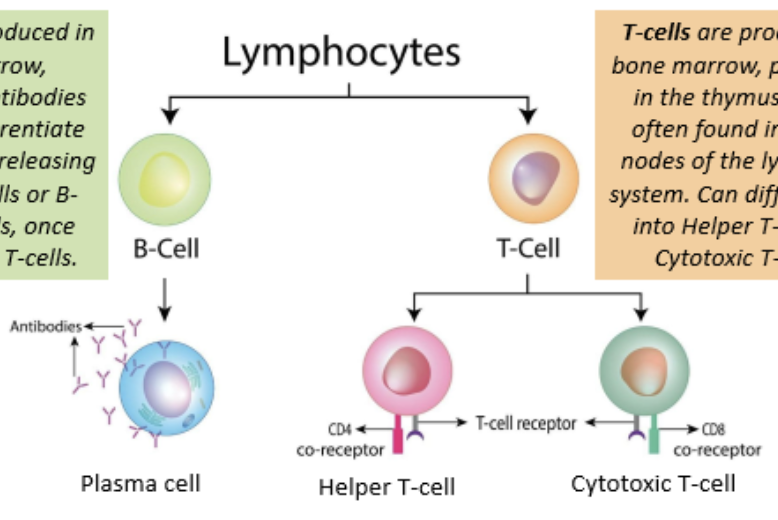
lymphocytes
antibody-producing cells circulating in blood and occurring in large numbers at lymph nodes the lymphatic system, have a rounded nucleus and a small amount of cytoplasm
each can produce only one type of antibody, small number for producing each type of antibody
antibody production
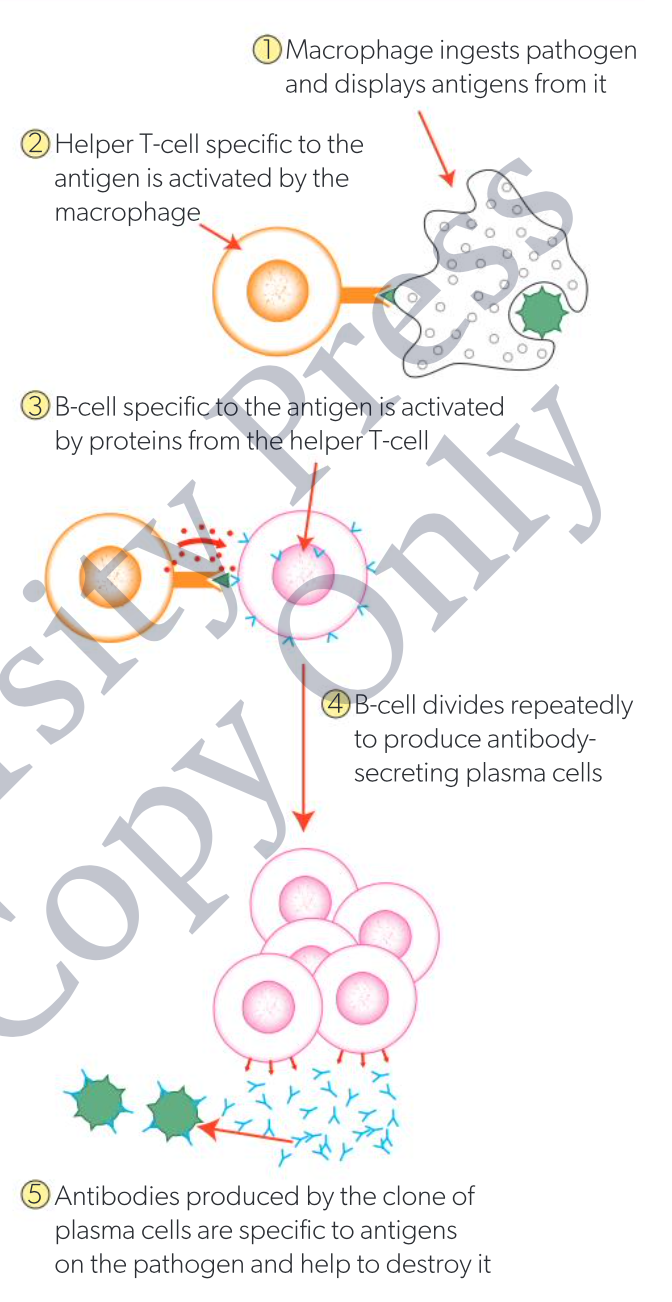
macrophage ingests pathogen and displays antigens from it
helper T-lymphocyte specific to the antigen is activated by the macrophage
B-lymphocyte specific to the antigen is activated by proteins from the helper T-lymphocyte
B-lymphocyte divides repeatedly to produce antibody-secreting plasma B-cells
antibodies produced by the clone of plasma B-cells are specific to antigens on the pathogen and help to destroy
antigen
glycoprotein (sometimes other proteins or large polysaccharides) located on the surface of the pathogen which stimulates an immune response by triggering lymphocytes to produce antibodies
occur on cancer cells, parasites, bacteria, pollen grains, viruses, cells from another human
helper T-lymphocyte specific to antigen is activated by the macrophage
antibody-like receptor protein on plasma membrane of specific helper T-lymphocyte binds to antigens displayed by macrophage
major histocompatibility complex (MHC) proteins
protein complexes which present antigens and help cells of the immune system identify one another
coded for by a group of genes on chromosome 6, genetically specific and unique to each individual
B-lymphocyte specific to the antigen is activated by proteins from the helper T-lymphocyte
helper T-lymphocyte activates B-lymphocytes by binding antigen to B-cell’s specific receptor protein and releasing signaling protein
B-lymphocyte divides repeatedly to produce antibody-secreting plasma B-cells
B-lymphocytes do not immediately produce antibody upon activation because they lack necessary organelles and there are too few B-lymphocytes to make significant quantities of antibody
activated B-lymphocytes divide repeatedly by mitosis to form a clone of cells that all produce the same antibody
B-lymphocytes grow in size and differentiate into plasma B-cells (or memory B-cells)
plasma B-cells
cells that have grown and differentiated for antibody production
extensive endoplasmic reticulum with many ribosomes attached
large Golgi apparatus
antibodies produced by the clone of plasma B-cells are specific to antigens on the pathogen and help to destroy
structure of plasma B-cells allows for rapid production of antibodies by protein synthesis
antibodies
large proteins that help destroy pathogens with two functional parts
hypervariable region that recognizes and binds to a specific molecule on a pathogen
region that helps body fight the pathogen
antibody-antigen binding
lymphocyte produce antibodies in response to antigen
hypervariable region of antibody binds to antigen based on matching shapes (protrusions match hollows) and chemical properties (positive matches negative)
irreversible
does not cause antigen to change chemically
antibody hypervariable region causes specificity in binding
immunity
ability to eliminate an infectious disease from the body, caused by either antibodies against pathogen or memory cells that allow rapid production of antibody
short-term immunity
antibodies persist in body for a few weeks or months after secretion by plasma B-cells
plasma B-cells that secrete antibodies gradually lost after infection overcome due to absence of associated antigens
long-term immunity
most B-cells in a clone produced by mitosis become active plasma B-cells, the rest become memory B-cells
plasma B-cells do not survive long after fulfilling role of rapid antibody production
memory B-cells do not immediately secrete antibodies and remain for a long time after infection
memory B-cells
inactive until activated by infection of same specific pathogen and allow rapid production of antibody
human immunodeficiency virus (HIV)
retrovirus which uses reverse transcriptase to convert its RNA genome into DNA, which is subsequently integrated into host DNA, cause of AIDS
invades and destroys helper T-lymphocytes, causing progressive loss of capacity to produce antibodies
immune system weakened as a result, fewer antibodies are produced, diseases develop easily
transmission of HIV through bodily fluids
may be present in blood, semen, vaginal fluids, rectal secretions, and breast milk
sex without a condom, during which abrasions to the mucous membranes can cause minor bleeding
sharing of hypodermic needles by intravenous drug users
transfusion of infected blood, or blood products such as factor VII
childbirth and breastfeeding
early stages of HIV infection
positive test if immune system’s antibodies against HIV are detected
late stages of HIV infection
antibody production becomes so ineffective that a group of opportunistic infections can strike
pathogens which are normally fought off easily by healthy immune system are used as marker diseases (e.g. Kaposi’s sarcoma)
acquired immune deficiency syndrome (AIDS)
collection of several diseases or conditions existing together acquired after HIV infection once CD4+/helper T-lymphocytes cells drop below a critical level and the immune system is ineffective, leaving patients susceptible to opportunistic infections
HIV treatment
antiretroviral drugs inhibiting reverse transcriptase
drugs targeting enzymes that insert viral DNA into host cell’s chromosomes or prepare coat proteins for assembly of new virus particles
groups of antiretroviral drugs slow down or prevent damage to the immune system
antibiotic
chemical that inhibits growth of microorganisms by disrupting metabolism of prokaryotic cells without affecting eukaryotic cells
target bacterial DNA replication, transcription, translation, ribosome function, cell wall formation
antibiotic resistance
bacteria experience selective pressure when antibiotics kill susceptible bacteria and leave behind resistant bacteria which survive and reproduce, occurs as a result of
spontaneous DNA mutation
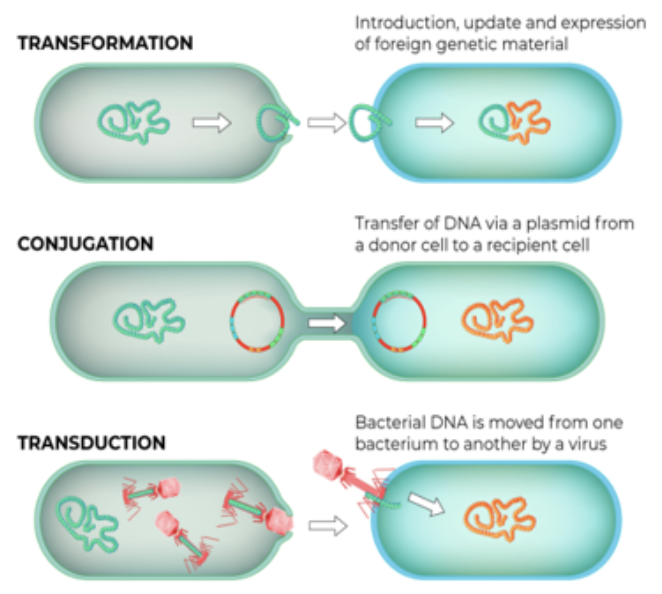
obtaining genes encoding antibiotic resistance (transformation, conjugation, transduction)
Methicillin-resistant Staphylococcus aureus (MRSA)
bacteria responsible for infections of blood or surgical wounds of hospital patients, shows increasing rate of resistance
measures to avoid antibiotic resistance
doctors prescribing antibiotics only for serious bacterial infections
patients completing courses of antibiotics
hospital staff maintaining high standards of hygiene to prevent cross infection
farmers not using antibiotics in animal feeds to stimulate growth
introduction of new types of antibiotics
antibiotics as incompatible for blocking processes in eukaryotic cells
viruses use host cell metabolism to reproduce and therefore cannot be targeted by antibiotics
antiviral drugs
some target specific proteins
many target specific stage of viral life cycle
interferons stimulate immune system to prevent replication of invading virus