bio 111 lab midterm
 Call Kai
 Learn
Learn Practice Test
 Spaced Repetition
 Match
Match Flashcards
 Knowt Play
1/41

There's no tags or description
Looks like no tags are added yet.
Name | Mastery | Learn | Test | Matching | Spaced | Call with Kai |
|---|
No analytics yet
Send a link to your students to track their progress
42 Terms
cell membrane
it is selectively permeable
“security system” of cell
Nucleic acid
RNA/DNA building blocks
store and transmit genetic info
“help desk” of cell
enzymes
protein catalyst that speeds/slows reactions
“fast passes” of the cell
ribosomes
make proteins
“food stands” of the cell
eukaryotes
membrane bounds nucleus
really big
ex": plant, animal, fungi cells
prokaryotes
NO nucleus
small
bacteria
three domains of life
bacteria (most diverse)
archea
eukarya (smalles # of species)
seven levels of taxonomic classificaiton
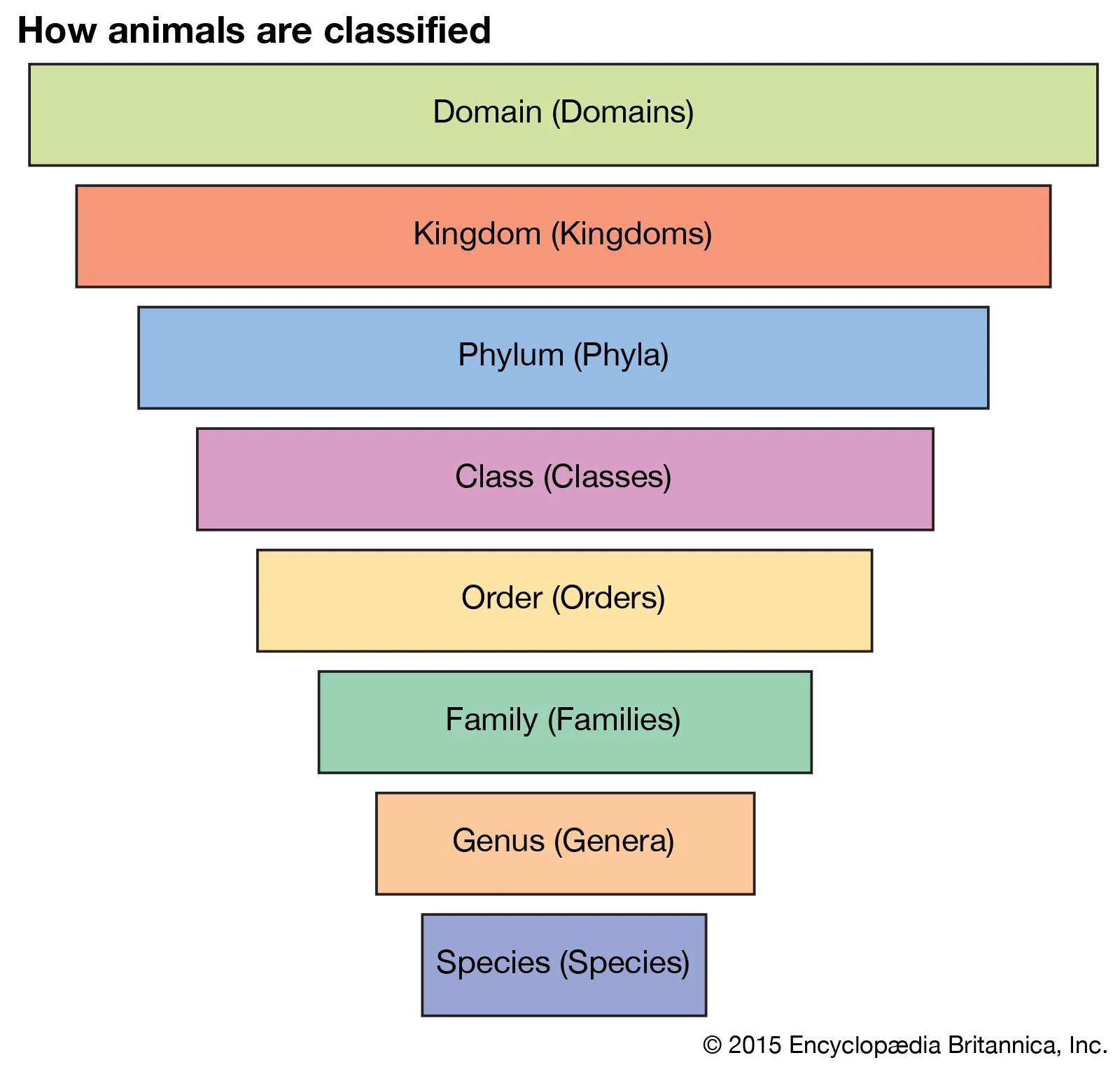
taxonomic names for species identification
genus, species
bacteria cell specialized feature
flagellum, cell wall
plant cell’s specialized feature
chloroplasts
microbial eukaryotes specialized feature
cell membrane, membrane bound nucleus
fungus cell specialized feature
chitin cell wall
animal cell specialized feature
lysosomes
why is bacteria most diverse domain
most species since
can specialize to live almost anywhere on Earth
from inside the human body to deep underwater.
why is eukarya most morphologically diverse
because it has both plant cell and animal cell organisms
ectotherm
most body heat comes from outside
endotherm
body heat from inside
costly
homeotherm
small thermal range
body temp does not fluctuate much (like us)
heterotherm
broad/large thermal range
fluctuates a lot
central dogma
flow of genetic info
DNA → RNA → protein (drive expression/traits)
start codon
initiator sequence for a gene
stop codon
end of gene
exons
parts of genes that are directly related to proteins
“EXpressed as proteins”
introns
parts of genes cut out before translation
transposons
“nosy neighbor”
chunks of DNA able to copy/paste themselves into different spots in genome
phosphate buffered saline
keeps cheek cells isotonic
buffer AL
has detergent that aids in cell disruption
solubilize hydrophobic compounds
proteinase K
enzyme that aids in cell/membrane disruption/lysis
digests proteins
buffer AW1
DNA remains precipitated and in filter in spin column
washes away remaining pro, carb, lipids, salts
buffer AW2
washes away even more proteins, carb, lipids, salts
DNA remains precipitated in filter of spin column
AE buffer
DNA sample will precipitate back into solution (bc no ethanol)
steps of PCR
denaturing - stranded DNA →2 strands
Annealing - primers bATTACH beginning and end of target DNA
Extension - DNA polymerase EXTENDSto the 3’ end of primers along template strand
what happens because negative electrode and negatively charged DNA?
repels to positive electrode
Hardy Weinburg Equilbrium
population’s allele and genotype frequencies r constant UNLESS evolutionaly force acts upon them
no evolution occuring
allele equation
p + q =1
genotype euqation
p² + 2pq + q² =1
hardy weinburg assumptions
no mutation
random mating
large population
no natural selection
no migration
chloroplast
organelle where photosynthesis occurs
chlorophyll
photosynthetic pigment in chloroplasts
photosynthesis equation
water + co2 + sunlight → o2 + glucose