Lecture 21: Beef Cattle Nutrition 1
 Call Kai
 Learn
Learn Practice Test
 Spaced Repetition
 Match
Match Flashcards
 Knowt Play
1/39

There's no tags or description
Looks like no tags are added yet.
Name | Mastery | Learn | Test | Matching | Spaced | Call with Kai |
|---|
No analytics yet
Send a link to your students to track their progress
40 Terms
beef cows are NOT:
small, unproductive dairy cows
beef are scavengers
dairy cow are foragers
key point: beef cows rely on forage and body reserves; fairy cows are managed for maximal nutrient throughout
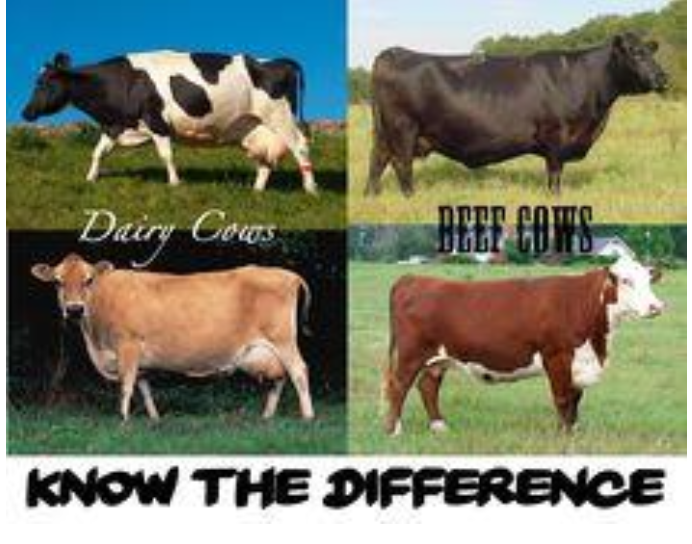
dairy cow vs beef cow, know the difference!
cow-calf operations —> then go to:
backgroundings/stocker —> finishing
goal of cow-calf operations:
produce healthy weaned calves
stocker goals:
grow frame/lean tissue
finishing goals:
maximize carcass value
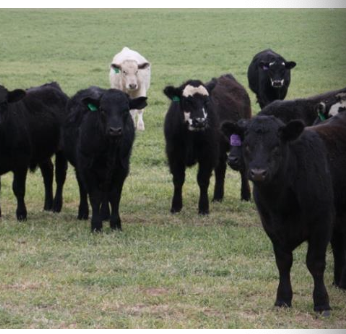
stocker operations›
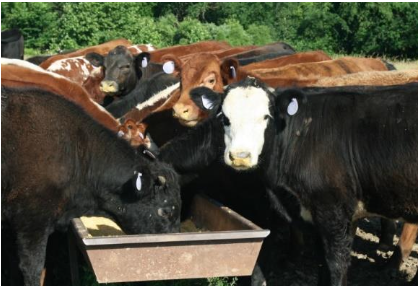
background operations
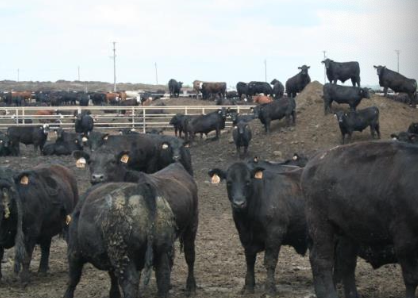
finishing/feedlot operations
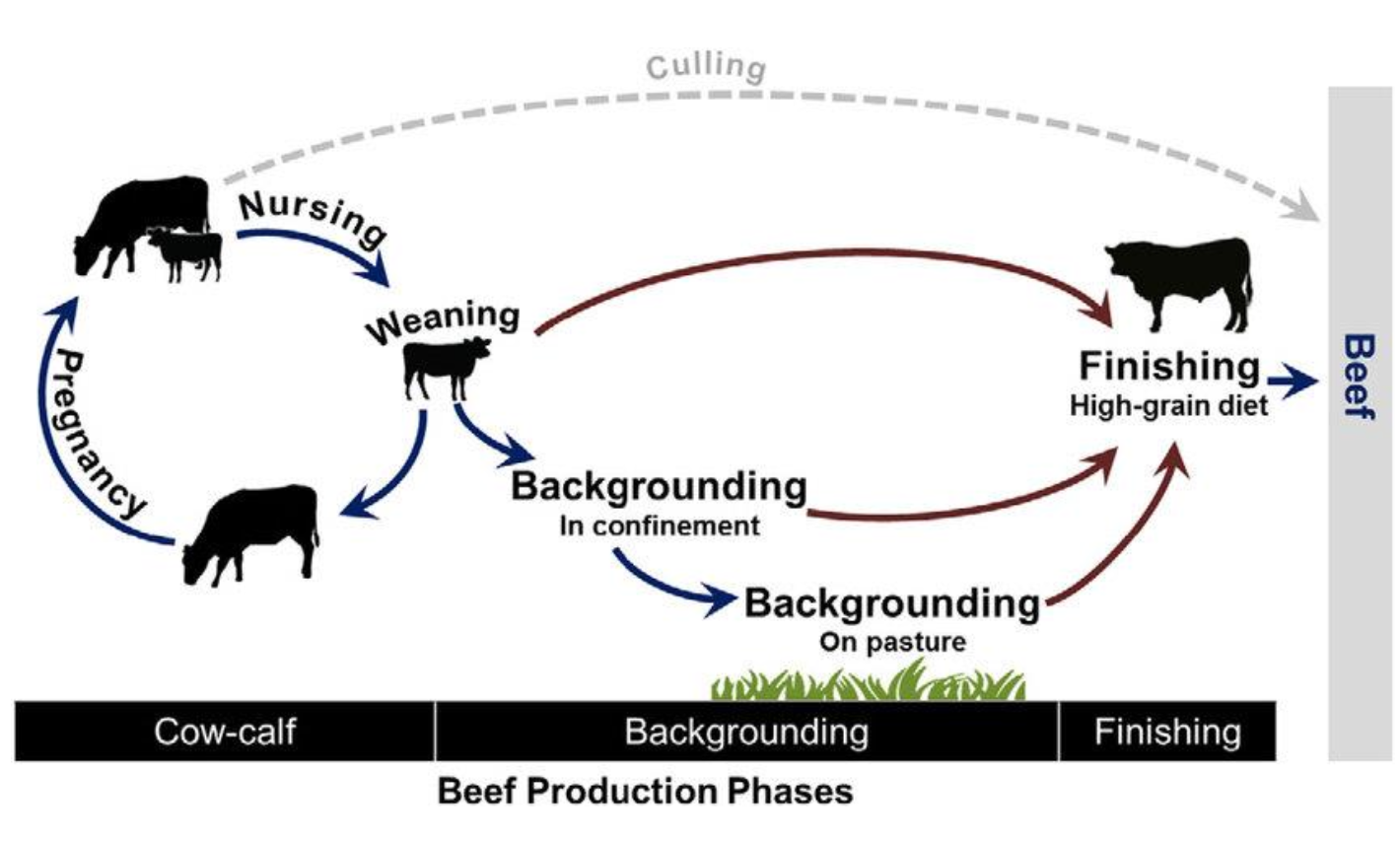
beef production phases
cow-calf operations are:
small-large scale
permanent herd
replacement heifers, bull calves will be sold
produce feeder calves for downstream production systems
sold —> stocker/background
big goals of cow-calf operations
maximize calves weaned
maintain reproductive efficiency
minimize morbidity/mortality
minimize overwintering cost
produce marketable calves
technology use increases with what?
operation size!
technology use otherwise known as
NAHMS
Examples of tech use with operation size in beef cattle
palpation/semen evaluation (around 20%)
embryo transfer (around 3 percent)
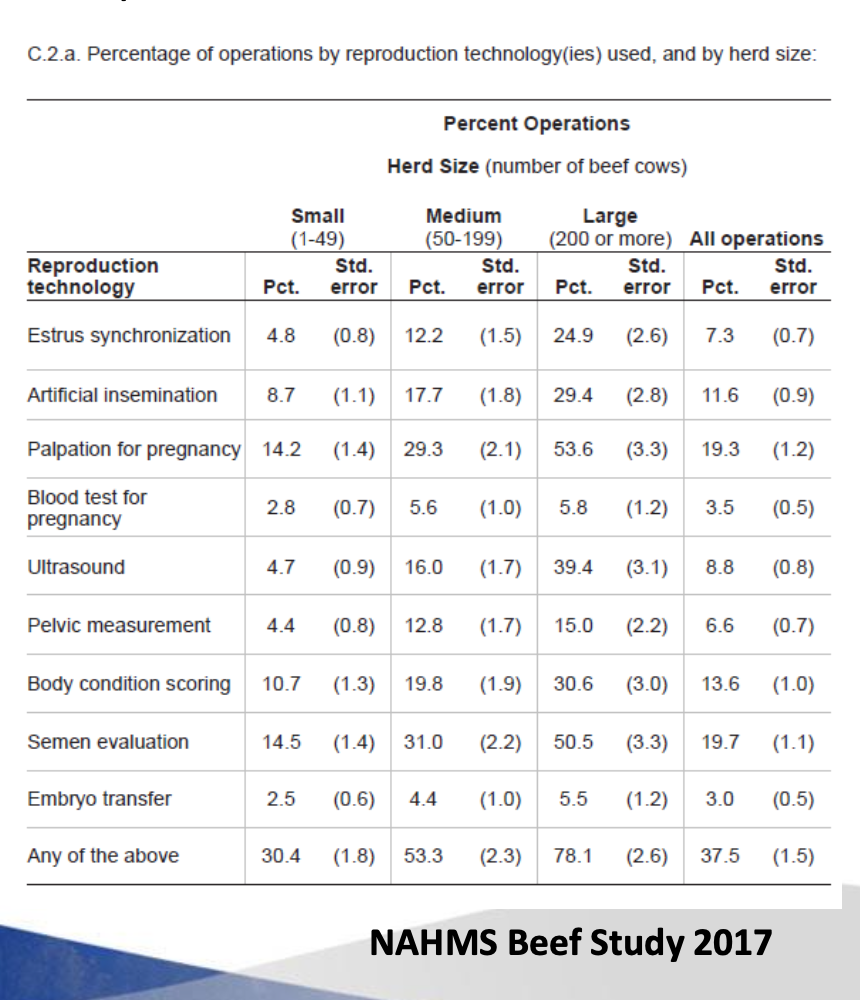
NAHMS beef study
key performance indicators
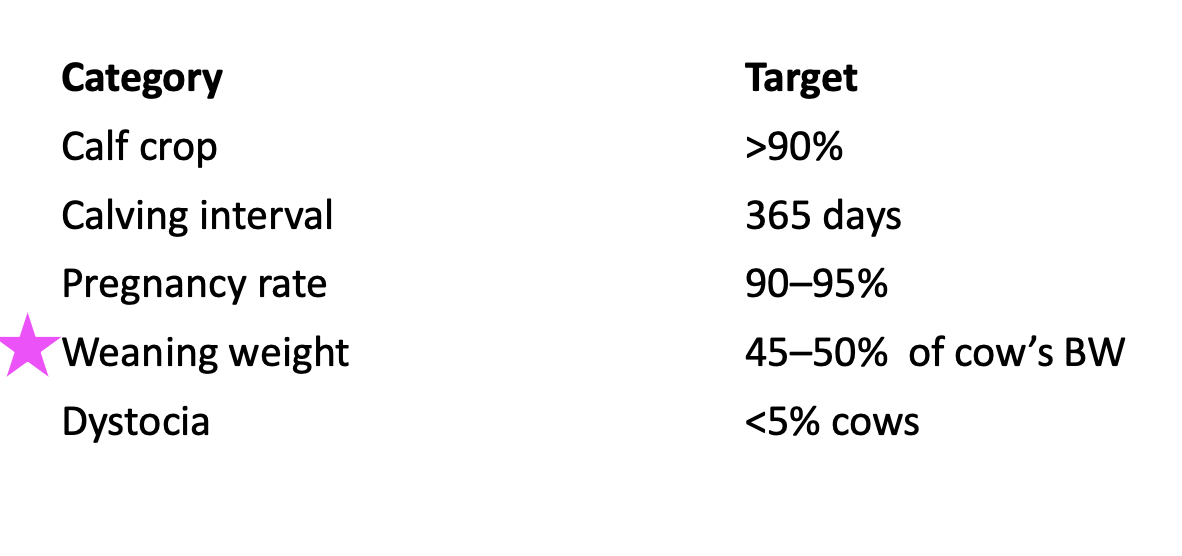
key point on beef performance indicators:
deviations often indicate nutritional or repro issues
what should be the weaning weight of beef calves?
around 50% of cow’s BW
additional herd metrics
weaning age: around 180 days
cow longevity: 7-8 years
culling rate: 5-10%
profit vaires with herd size
weights throughout production
bith —> weaning —> feedlot —> carcass
dressing percentage:
hot carcass weight/live weight —> will decrease further by 2-4% once carcass is chilled
beef cattle weight
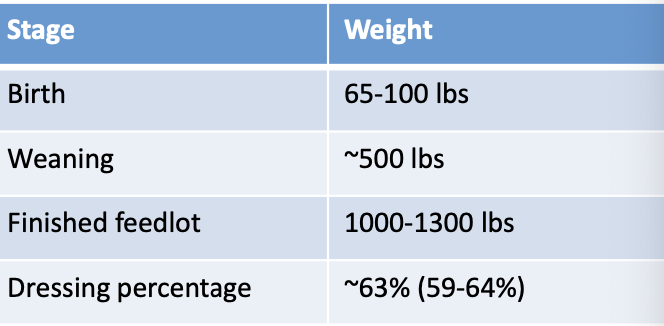
live cow weight to chilled carcass:
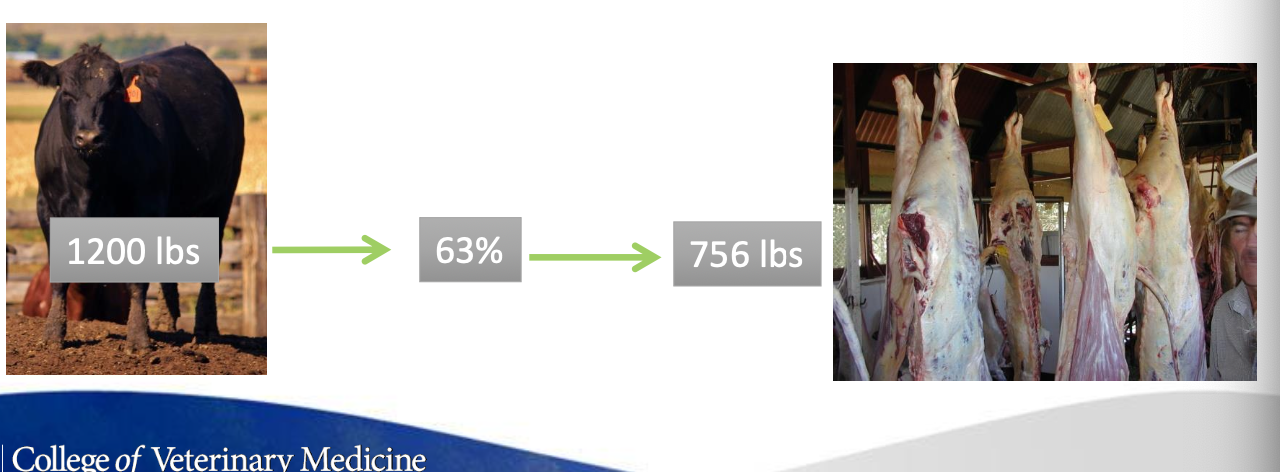
backgrounding/stocker systems
for newly weaned calves not ready for the feedllot
enter at 700-800 lbs
goal: lean growth, not fat
key point of backgrounding/stocker systems
nutrition prioritizes protein and moderate energy
transition to nutrition: what nutrients drive these performance outcomes?
nutrient categories:
energy
protein
minerals
vitamins
energy requirements for beef cattle:
net energy for maintenance (Nem)
basal metabolism
environmental adjustments
net energy for production (NEg)
weight gain - lean vs fat
body condition gain
fetal growth
milk production
which component of protein is associated with energy requirements in beef cattle?
degradable intake protein (DIP)
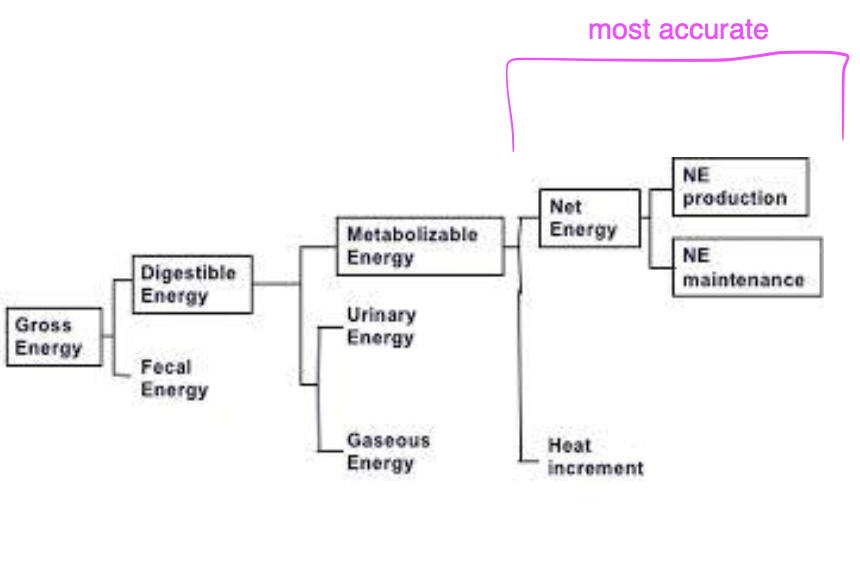
beef cattle energy diagram
protein overview for beef cattle
CP —> DIP (RDP) + UIP (RUP)
DIP (RDP) —> used by microbes (need N) —> microbial crude protein (MCP)
DIP associated with energy requirements of microbes —> energy needed for microbes to utilize DIP
MCP + UIP (RUP) —> MP (metabolizable protein)
key point: MP is what the animal actually uses
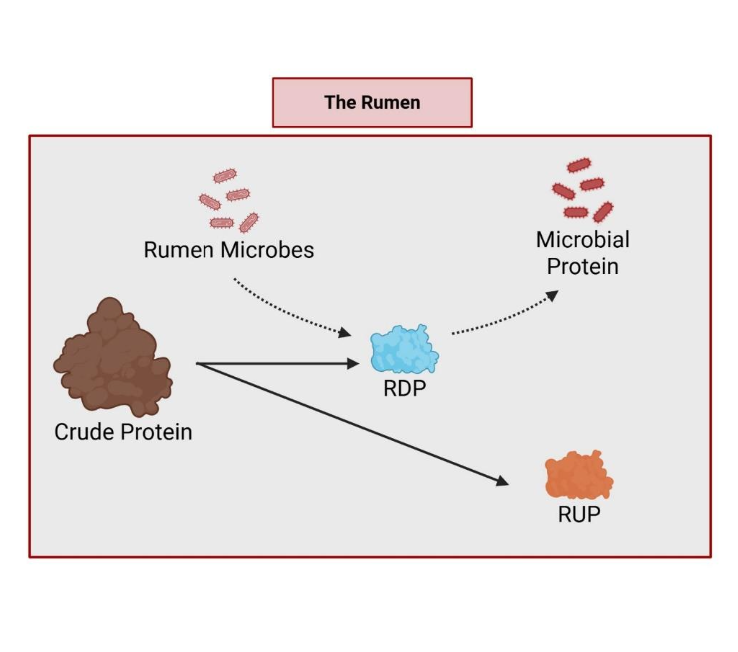
the rumen and protein
protein requirements for beef cattle
driven by average daily gain (ADG)
growing animals —> higher MP demand
major minerals for beef cattle
calcium
high in forages
low in grains
phosphorus
high in grains and corn by-products
low in forages
key point: Ca:P imbalance (high P diet) —> urinary calculi
other macro minerals to know about for beef cattle
Mg —> grass tetany
low in spring grass
Na —> supplementation needed
K —> high in forage
S —> toxicity risk

trace minerals and vitamins
trace minerals:
Co, Cu, I, Fe, Mn, Se, Zn
supplement!
- loose mineral or block
vitamin requirements:
vitamin A, D, E supplemented
note: rumen synthesizes most B vitamins and K vitamins
some B vitamins may need to be supplemented for stressed calves at weaning

applied nutrition - which factors affect requirements?
stage of production
environment
body condition
breed/size
stage of production
gestation
lactation (supplementation of energy and CP necessary)
average forage is deficient in energy for about 6 months post-calving
average forage is deficient in CP for 3-4 months post-calving
maintenance
key point: lactation = highest nutrient demand
environemental effects
cold —> increased energy
heat —> decreased intake
most on grain, less dramatic on forage
thermoneutral zone
energy is not expended to maintain mody temp
cattle = 32-77 degrees
maintaining depends on BCS, haircoat, if haircoat wet, dry, or muddy
summary for cattle nutrition 1
production system determines nutritional strategy
energy and protein drive performance
minerals prevent major disease issues
requirements are dynamic