GLOBAL CORPORATIONS
 Call Kai
 Learn
Learn Practice Test
 Spaced Repetition
 Match
Match Flashcards
 Knowt Play
1/12

There's no tags or description
Looks like no tags are added yet.
Name | Mastery | Learn | Test | Matching | Spaced | Call with Kai |
|---|
No analytics yet
Send a link to your students to track their progress
13 Terms
agricultural revolution
The Innovation: Domestication of plants and animals.
The Result: Far more productive than hunter-gatherer societies.
The Key Outcome: We had EXTRA food.
- Not everyone needed to farm.
- This led to permanent settlements, trade, and population growth.
Industrial revolution
New Tools: Steam engines, manufacturing, mass production.
New Way of Working:
From: Working at home, making a product from start to finish.
To: Wage labor in factories, specializing in a single task.
The Result: Massive increases in productivit, rising standards of living, and a wider variety of goods.
CAPITALISM
- is a system in which all natural resources and means of production are privately owned.
- It emphasizes profit maximization and competition as the main drivers of efficiency.

INVISIBLE HAND
- Is a concept by Adam Smith.
- It means that when people pursue their own self-interest, they unintentionally benefit society
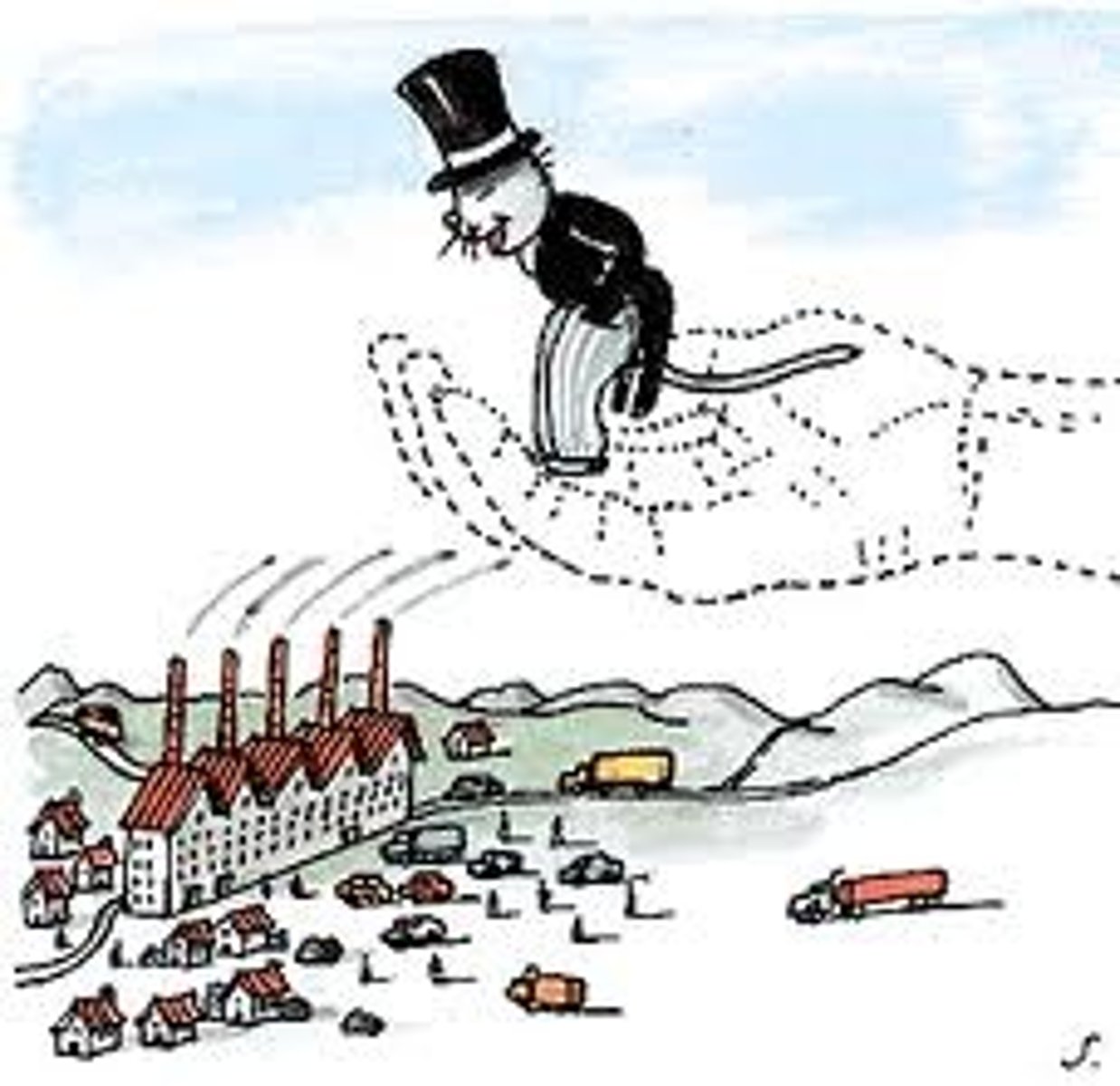
MONOPOLY
Is a situation in the market where only one company controls a product or service, and it has no direct competitors.

SOCIALISM
property is owned by the government and allocated to all citizens, not only
those with the money to afford it.
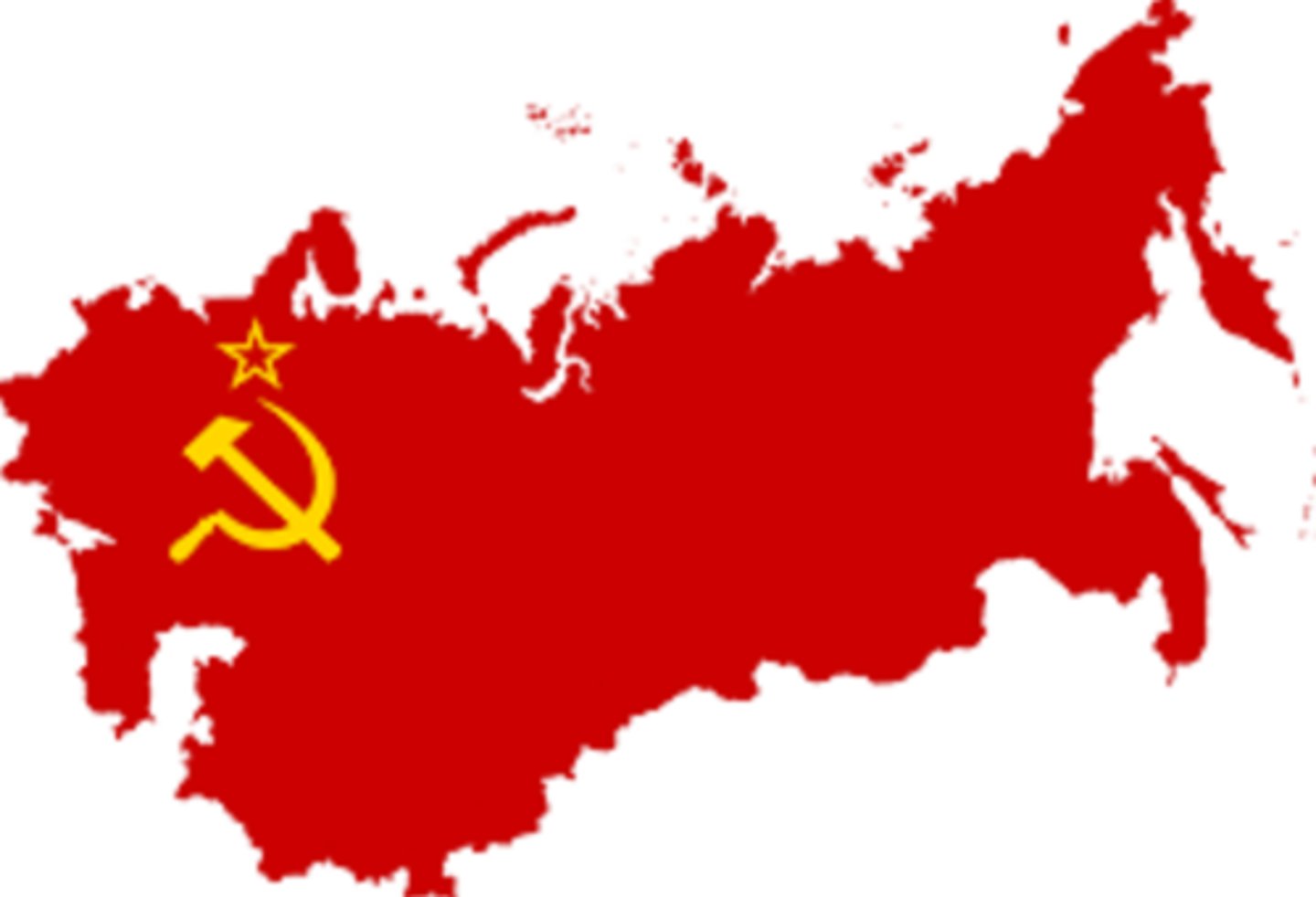
SOVIET UNION
was a country that followed a socialist/communist system
Global corporations
- operate in many countries.
- Also called multinational or
transnational corporations.
- International trade allows them to grow worldwide.
- Trade groups help regulate global business.
GLOBAL CORPORATIONS
- Products are made in different countries.
- Materials may come from various places.
- Factories are often located where labor is cheaper.
- Goods are sold worldwide.
EX: Mcdonald's, Coca-cola. Apple
Positive effects
- Create jobs worldwide
- Lower prices of products
- Increase economic growth
- Spread technology and ideas
Negative Effects
•Low wages in developing countries
•Poor working conditions.
•Job loss in home countries.
•Influence on politics and trade laws
Trade
spreads culture andideas.
Internet
Makes communication faster.