L24 - Cytoskeleton Toxins
 Call Kai
 Learn
Learn Practice Test
 Spaced Repetition
 Match
Match Flashcards
 Knowt Play
1/6

There's no tags or description
Looks like no tags are added yet.
Name | Mastery | Learn | Test | Matching | Spaced | Call with Kai |
|---|
No analytics yet
Send a link to your students to track their progress
7 Terms
overview
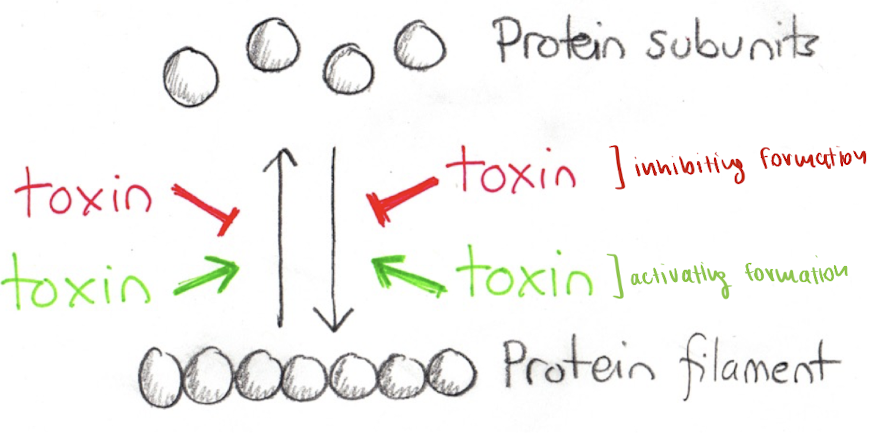
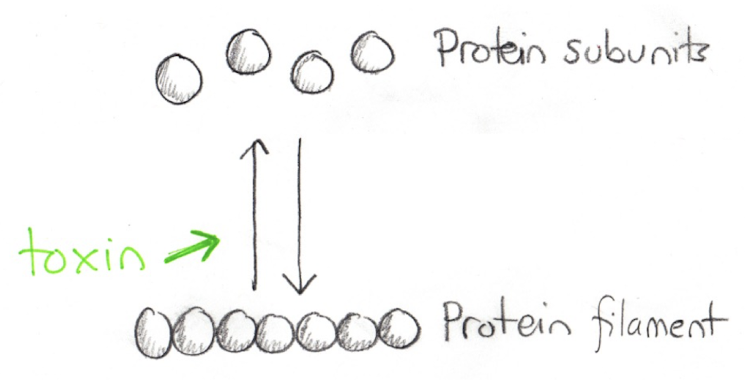
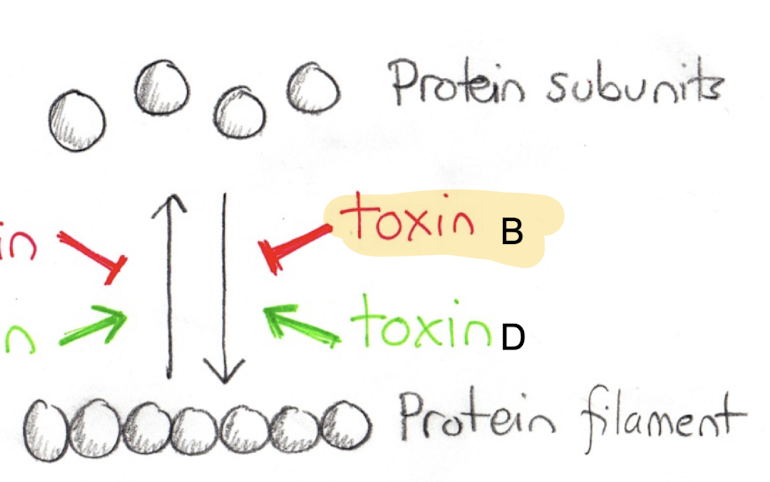
toxins can inhibit the formation/removal of protein subunits for protein filaments
or
toxins can activate the formation/removal of protein subunits for protein filaments
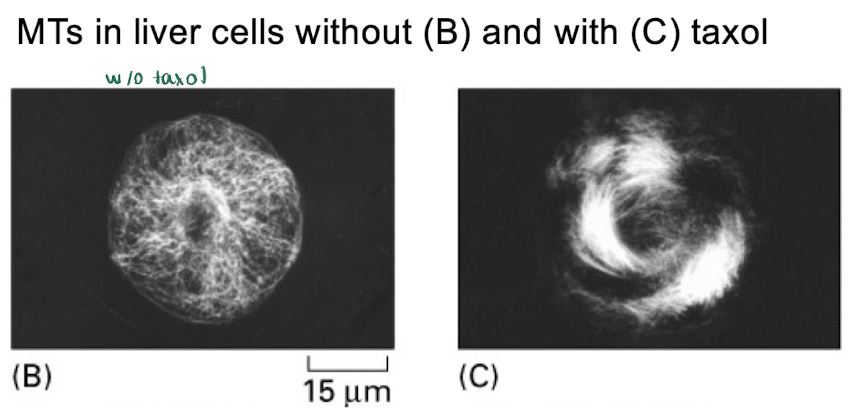
Taxol
source: fungus living on pacific yew tree (was anti-cancerous)
mechanism:
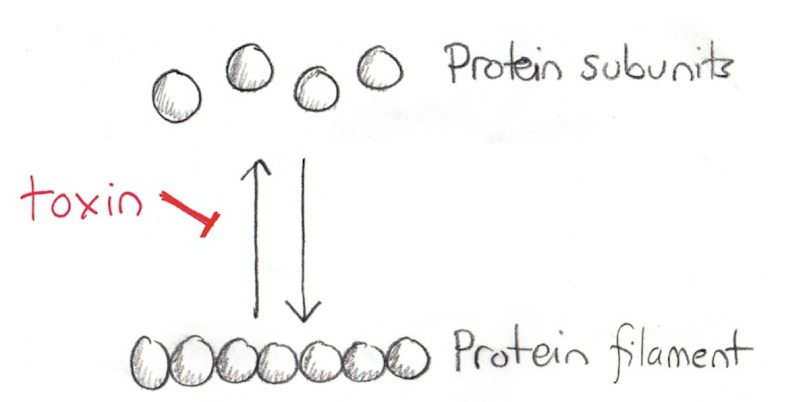
inhibits formation of tubulin (subunit) from MTs
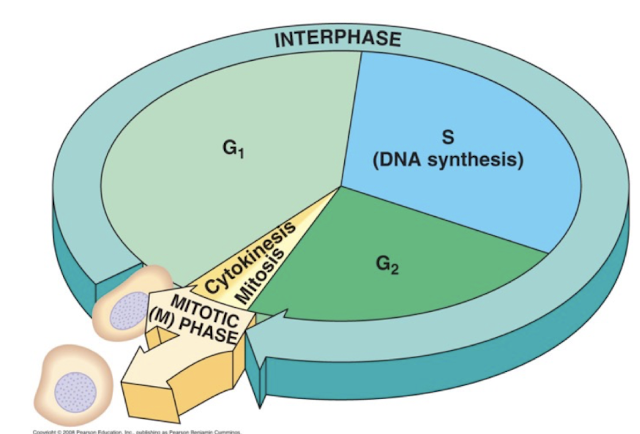
consequence: cells get stuck in mitosis & CANT do metaphase or anaphase (NO cytokinesis)
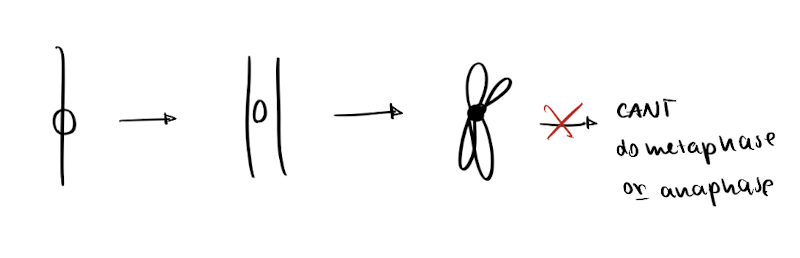
significance: used to treat certain cancers - bc they CANT separate/replicate
Acrylamide
= crosslinks proteins
synthetic + used in PAGE
very toxic (only when its NOT cross-linked yet)
mechanism:
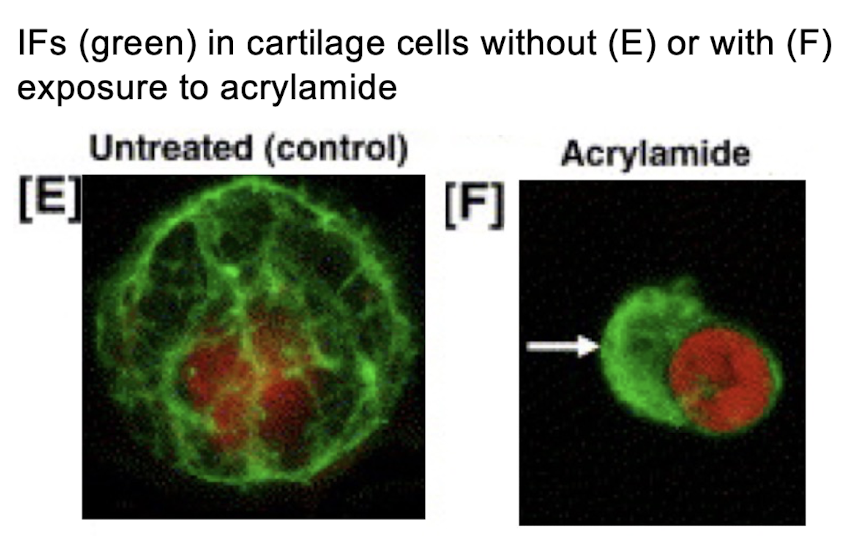
activates formation of IFs to keratin (subunit)
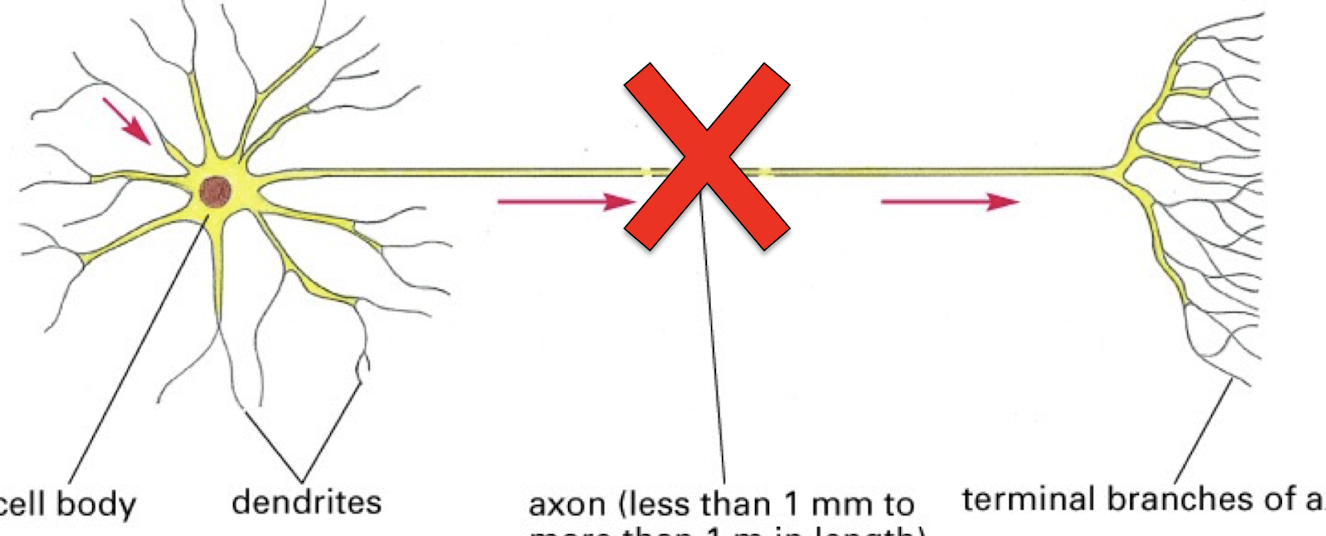
consequence/ significance: axons are ripped to pieces on sensory neurons
aggregates the neurofilaments
THUS, dont spill this on yourself
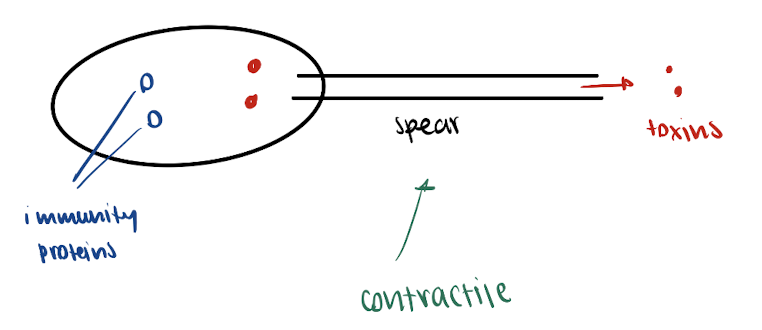
T6SS toxins
= assoc w gram negative bacteria + are contact dependent
multiple toxin mechanisms
mediates coexistence, competition, & predation defense
structure: spherical & hollow
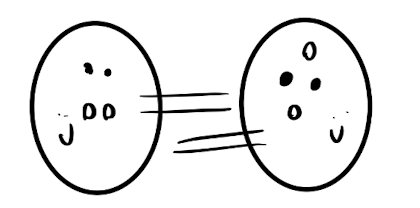
→ friends T6SS action:
when they have the SAME immunity proteins for survival
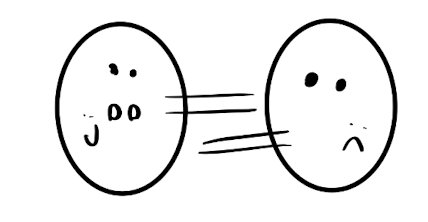
→ T6SS competition:
when they DONT have the same immunity proteins (can die even if the same species)
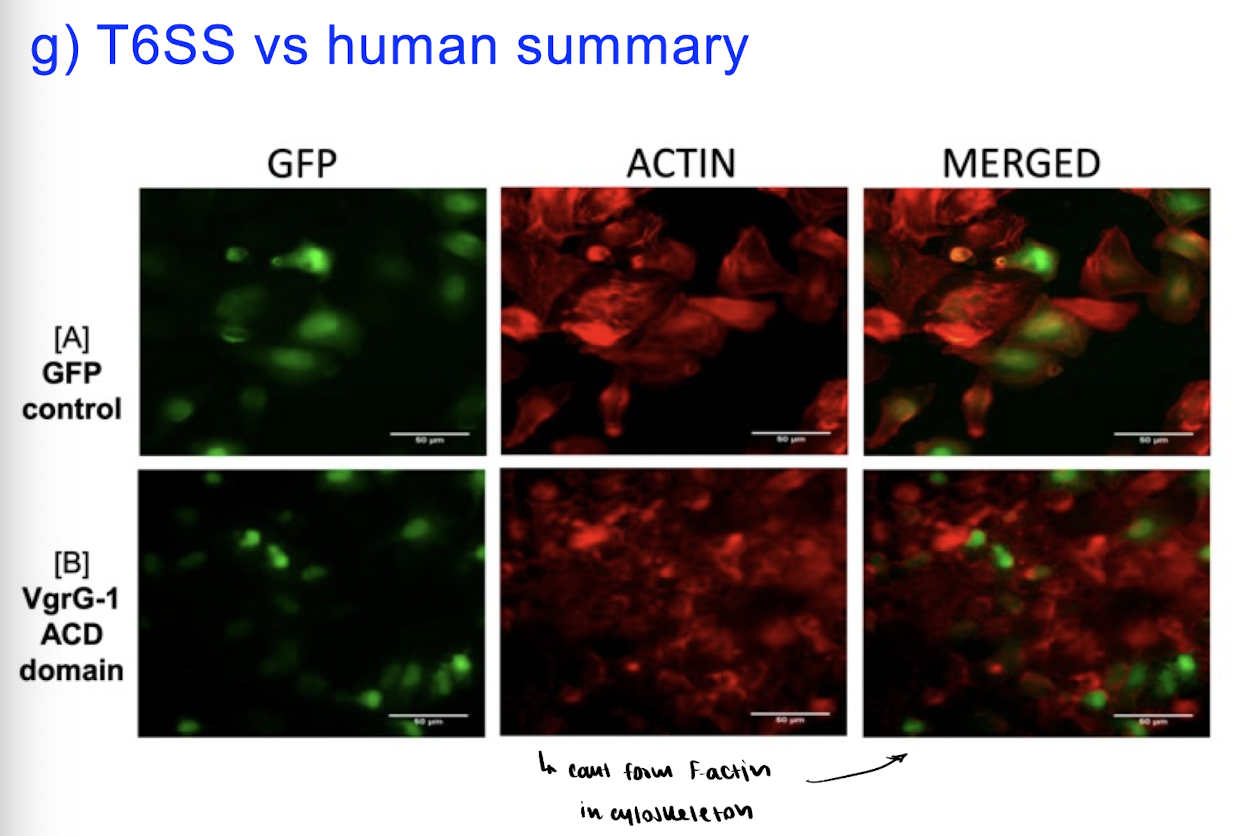
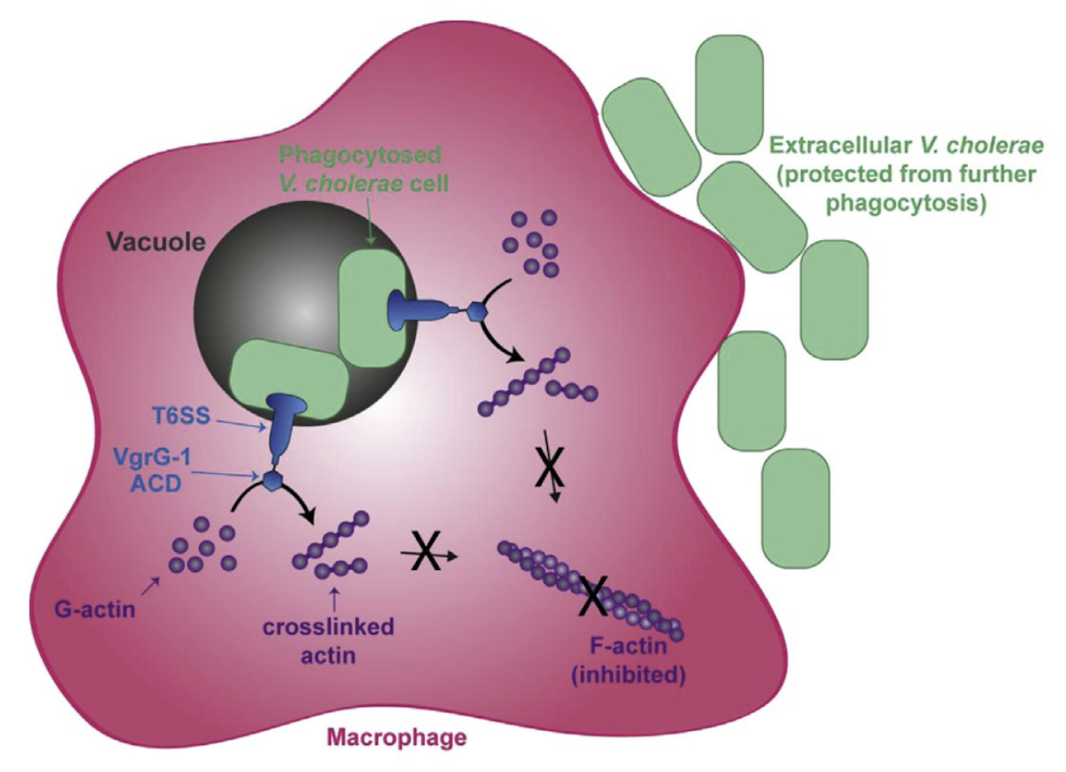
Human T6SS interactions : via VgrG-1 toxin
secretes out VgrG-1 during macrophage phagocytosis
→ destroys cell cytoskeleton machinery
note: toxin can also remain attached
mechanism:
inhibits F-actin filament formation from G-actin
Which cytoskeleton proteins do these cytoskeleton toxins damage?
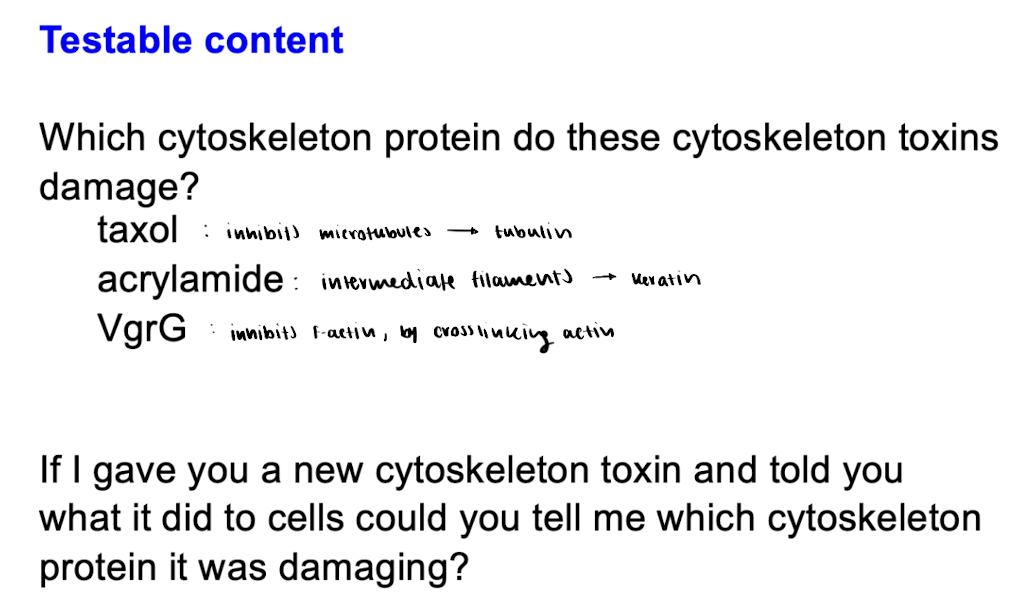
taxol : inhibits MT → tubulin (cant disassemble)
acrylamide : activates IFs → keratin (aggregates)
VgrG : inhibits F-actin by cross linking G-actin
Examinable content