psy100 term test 1
 Call Kai
 Learn
Learn Practice Test
 Spaced Repetition
 Match
Match Flashcards
 Knowt Play
1/321

There's no tags or description
Looks like no tags are added yet.
Name | Mastery | Learn | Test | Matching | Spaced | Call with Kai |
|---|
No analytics yet
Send a link to your students to track their progress
322 Terms
psyche
life, spirit, soul or mind
logos
explanation or study
what does the mind generate
thoughts, feelings, and beahaviour
thoughts and feelings
internal mental processes which are harder to study as you got to tell researcher first then they’ll study that (ie # of anxious behaviour)
behaviours
observable overt actions which are easier to study
what does science require
opened to any idea (possibility
Critize and test every idea
base views on amount of high quality evidence
simple explanations towards big questions
simple cute funny memorable explanations might be popular but are often incomplete/wrong —> incomplete due to the topic being very complex
“real” answers to complex questions needs research
collect data via observation under different conditions
steps when collecting data
theory —> test —> data
what does data/observations provide
inform theories that help us understand, predict, and manage thoughts, feelings and behaviour
what causes our behaviour - stimuli
at any time we are exposed to many diff. things (like smells, what we see, feel textures, words or hormones) —> we are invluenced by variety of things
can act alone or tgt
STIMULI trigger responses
through thoughts feelings or behaviours
stimuli and people
meaning varies across people and contexts (not universal)
individual differences
some people are highly sensitive to certain odors (ie not liking a certain smell —> dogs/cats)
context matters: stimuli
smoke in a kitchen is normal but if you see smoke in a hotel lobby it might cause panic ( when expected vs when not expected)
stimulus influence
conscious awareness isn’t required for a stimulus to be influential
what can we use psychology to do
identify, predict and treat maladaptive behaviours (cognitive behavioural therapy)
facilitate behaviours (sports psychology)
explain and sometimes predict population events (behavioural economics)
psychology in everyday life
relationshops - marriage councellors
mental health - psychiatrists
education system - developmental psychologists
entertainment and media - video game psychology
work environment - industrial/organizational psychologist
law development and enforcement - criminal profiling
branches of psychology
pure psychology (lab setting)
Applied psychology (real world settings ie clinical)
pure psychology tends to…
explore mechanisms through experiments
abstract concepts and minutiae
in lab
applied psychology tends to…
deal with what predicts, changes behaviour (therapeutic context)
deal with more concrete outcomes (often therapeutic)
real world
applied psyc and pure psyc’s relationship
they are inter-related ONE INFORMS THE OTHER
3 levels of analysis
social clture influences
psychological
biological
biological factors
molecular level involving molecules and brain structures
biological factors: what changes our physiology
eating, fasting and fat storage and more change our physiology
what does physiology in turn affect
hunger and likelihood of eating
biological factors that influences (NUTRIENT RELATED SIGNALS)
blood sugar, insulin, ghrelin, leptin levels all matter
ie. fasting —> ghrelin levels increases apetite and hunger increases (hormonal signals)
leptin —> less eating/appetite but increase body fat increase leptin increase body weight
we can get hungry just by looking at food - CEPHALIC PHASE
the sight smell or though of food can truger phsiological cascade which prepares us for eating
become hungry by sensory stimuli regardless of fat storage —> salivatic phase increase hunger
biological factors: specific brain areas
ie hypothalamus are involved in eating and energy metabolism (dramatic increase in consumption and weight)
biological factors: genetic factors suggestion
eating disorders (ie obesity) runs in family
specific genes have sometimes (rare) been identified
More biological effects
marketing
social
self control
emotional
incentive value and hedonic value
Incentive: motivation
hedonic: does it taste good (ie. expect good taste with oreos and gets them even if not hungry)
psychological influence
mental/neurological leval involving thoughts feelings and emotions
other traits might contibute to psycholoical influence
delay gratification: pass reward now for later
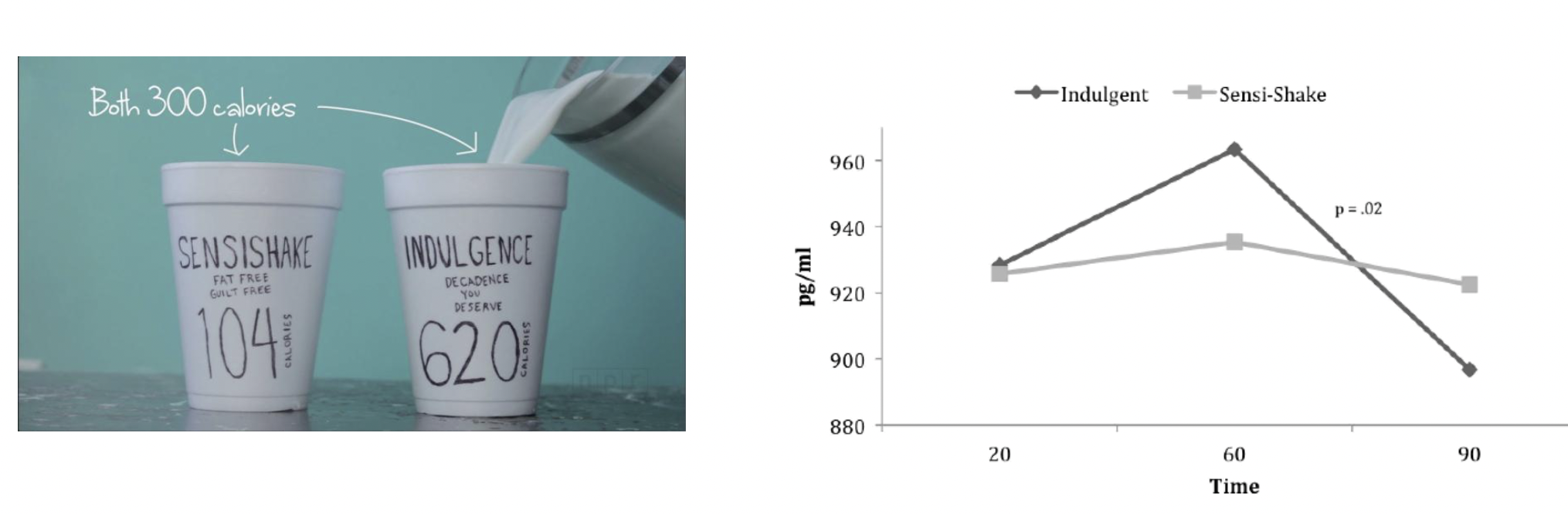
perceptions (mindset) could matter
shake study in which 2 shakes are similar in contents but have different names, they are associated with different “hunger hormone” levels the one on right seems more rich filling food but two are the same
levels of analysis: social culture influence
social or behavioural level in which you relate to others and personal relationships
social culture influence: learned routines
consistent eating times (dinner at 6) where time may be conditioned/learned cue that increases hunger
social culture influence: influences of marketing
light foods (food/veggies) marketed to women while heartier foods to men
social culture influence: environment
social facilitation of eating is well known depending on familarity with other people (ie, already eaten but when at function if everyone else is eating you may eat again)
these ideas may be controversial
its observations not endorsements/disapprovals
no necessary policy/cultural implications
society get to discuss these ideas tgt and decide what is worth of action and what that action should be
undertsanding behaviour is tough: multifactorial
many factors influential, each of small effect (some stronger than others but all interact)
psyc is a rigourous discipline
require scientific approach (takes training)
not common sense and often requires acting against human nature
we’re all subject to biases and fallicies
biases - preferences in judgement
fallacies - errors in logical resoning
unconscious —> automatically applied without awareness
biases and fallicies
confirmation bias: looking for info that confirms our beliefs
illusion of causality
confirmation bias
overvaluing info that agrees with our beliefs and less info that doesnt
common/hard to avoid
affects public attitudes and policies on issues like climate change and drug use
consider ALL sources: meta analysis
what matters is high quality studies
eg. determine the strength of macbeth effect, which was studied 14 times
use meta analysis we can weight average effect of all these 14 studies
pair 14 studies and analyze statisticall (average it)
Illusion of causality
we are hardwired to form relationships between things linked in space and place (eg space time contiguity —> 2 things in similar space associated tgt)
clouds and rain
coughs and colds
blueberries and woods
SOMETIMES WE ARE WRONG
spurious/random relationships
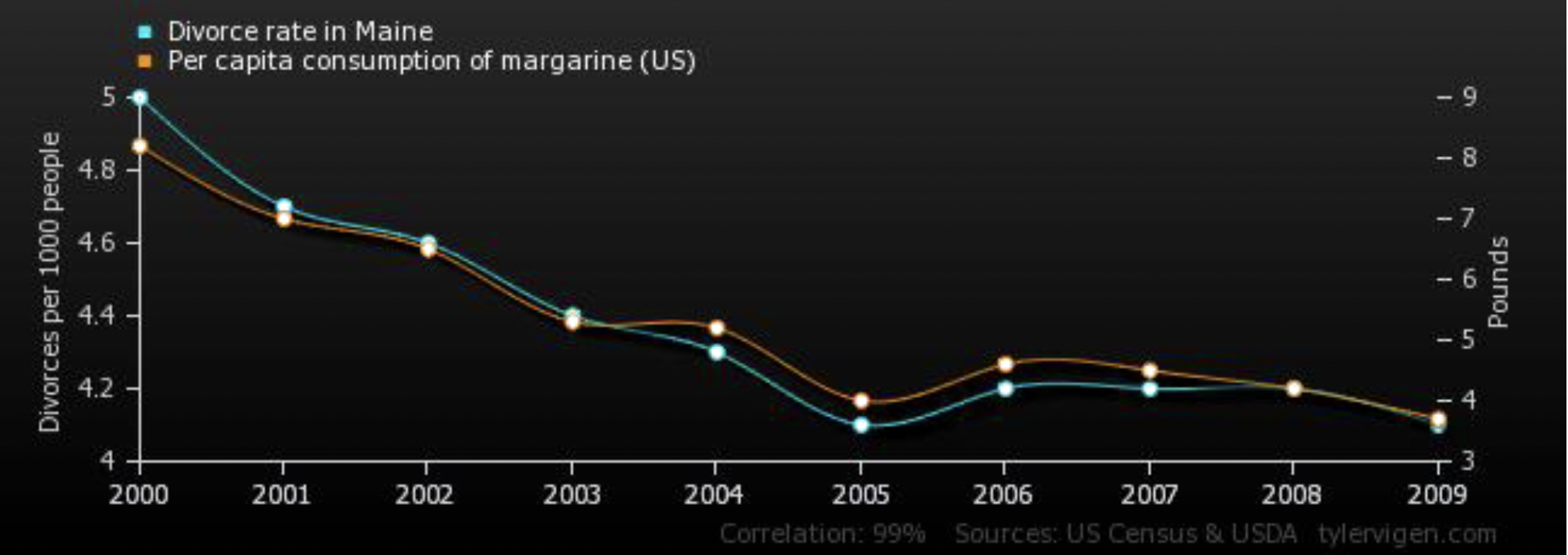
does margarine really cause divorce
same trends but not good eveidence as sperious relation, misleading
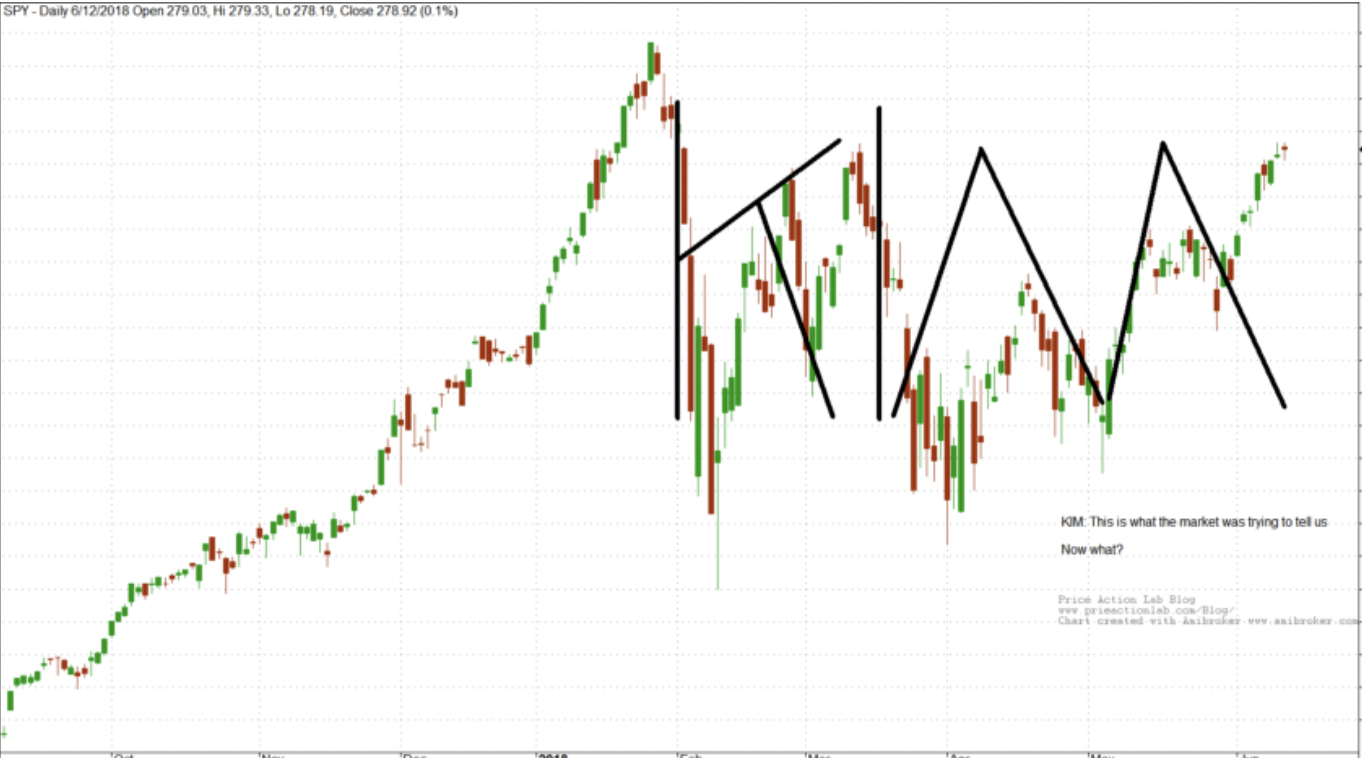
the clustering illusion
we may erroneously infer patterns from small, non-representative amounts of data that are actually random (cant rely on single period on inference need enouh data to infer -→ goes up during feb-march doesnt mean itll continuously do so)
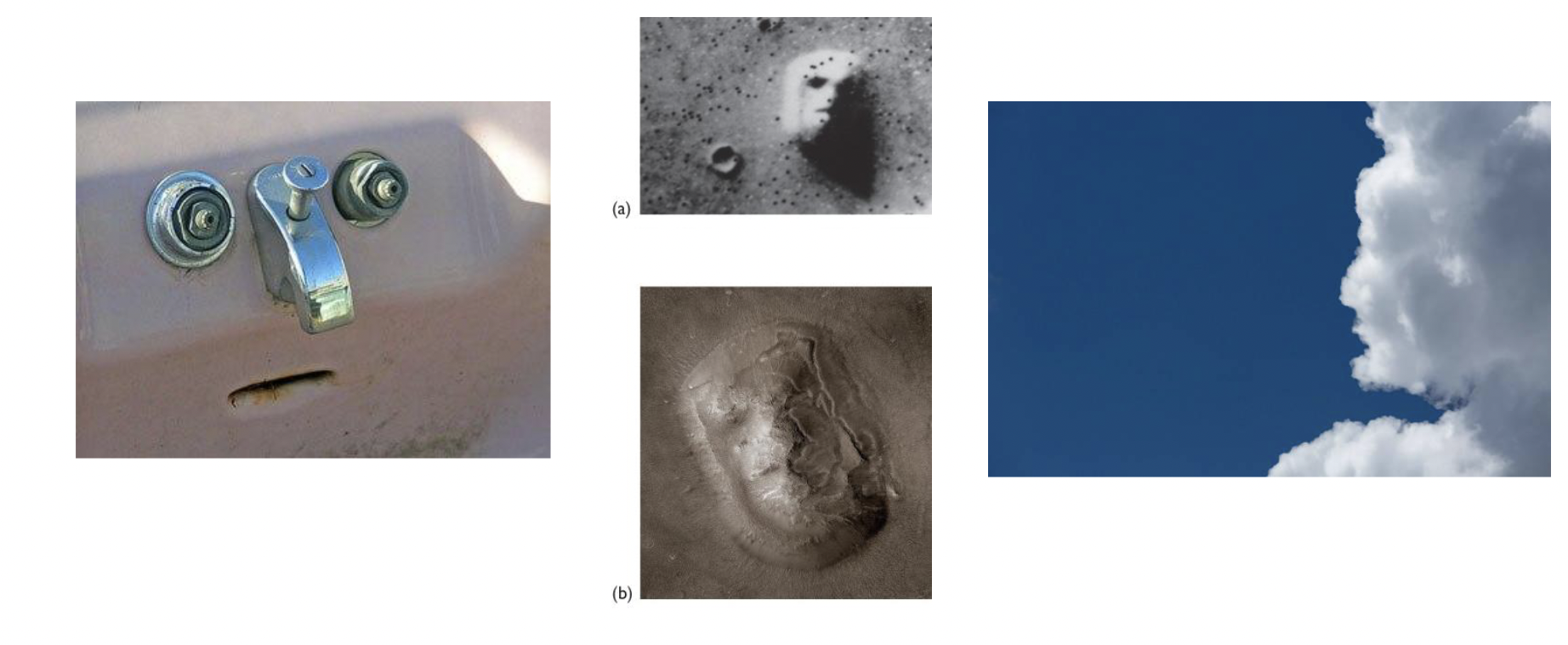
apophenia
have a clear unidirectional bias to detect faces in our environment, we see faces in clouds but never clouds in faces
only 1 way biases
Fallacies: argument from antiquity
this idea has been around forever, so it must be true
Fallacies: argument to authority
someone important said this, so it must be true (but they might not be credible in this area)
Fallacies: argument to ignorance
this idea has not been refuted yet so it must be true
Fallacies: bandwagon
everyone else cannot be wrong
Fallacies: either/or fallacy *dichotomous/binary thinking)
no appreciation of gradients, degress or complexity (see world in black and white)
Fallacies: not me fallacy
i dont make mistakes others do
why do we cling to certain beliefs: evidence
many are irrational and dont require evidence
paranormal beliefs common, moral views are hard to explain
evidence might not matter for returning beliefs as they were not present in initial belief
why do we cling to certain beliefs: avoid negative affects
beliefs may be maintained if they help us avoid negative affects or bc changing our mind is costly (embarrassment vs certain beliefs that provide us comfort)
Terror management theory
aware death is inevitable (unpredicatable)
we manage this anxiety through beliefs of continuit —> feel better and manage
cognitive dissonance theory
if beliefs dont match evidence we may become uncomfy and take actions to resolve discomfort ( embarassing to admit you wrong)
perspective
differ in many ways (eg. assumptions, tools, objectives context)
apply several perspectives at once to understand an issue
structuralism
experiences are composed of many diff. elements/ parts
dont combine automatically but merge into an experience via attention, volition and creativity of the individual
WUNDT AND TITCHENER
structuralism: introspection
involves verbal reports on experience
smell of rose and analyze report of 500 other to find consitincy - not much found
proved unreliable and was abandoned
structuralism: mental chronometry
study of decision making time (decision in 2 diff choices)
still used today
structuralism: pros and cons
gave credibility to psyc as an experimental science
HOWEVER, unconcious processing not addressed, practical applications discourages (eg mental health)
little use of animals
Functionalism
explain how behaviour served adaptive functions that increased fitness
why its useful instead of what pieces were involved
related to evolutionary theory by darwin (things maintained cause its useful)
WILLIAM JAMES
Functionalism: key notes
led to developments of many new theory
evolutionary psyc that remains today
transformed public perspectives (good/bad became about context)
not experimental —> mostly descriptive
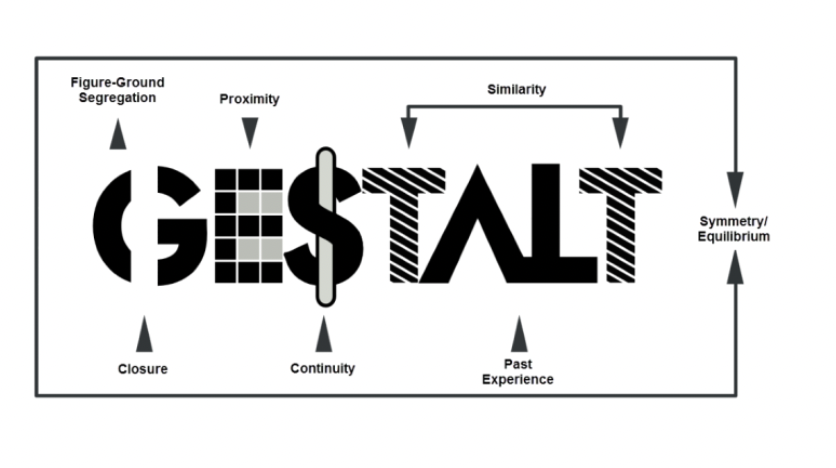
Gestalt psychology
the whole is greater than the sum of parts (stimulis alone may not be best)
contrasts with structuralism)
visual perception (not perfect)
assume GESTALT but you autocompleted the letters
WERTHEIMER, KOHLER AND KOFFKA
Gestalt psychology: key notes
Reconsider reductionist approach (the whole always matters, stimuli are interpreted in context)
identified key perceptual principles
visual only (what happened but cant tell you why) - descriptive
psychoanalysis
unconscious through various methods (free association, dream)
importance of childhood
freud and jung
psychycoanalysis: key notes
popularized psyc and revolutionized mental health care
importance of unconcious processing
psychycoanalysis: cons
fixation on case studies (generalized concerns —> small pop cant rep all ppl)
many theories untestable, others not supported
overvalued enviornment influences
overemphasized sexual function and early childhood conflict/ development
behaviourism
focused on what was believed that the mind and mental processes could not be easily examines
contrast with psycoanalysis just behaviour and how its affect by enviornment
WATSON AND SKINNER
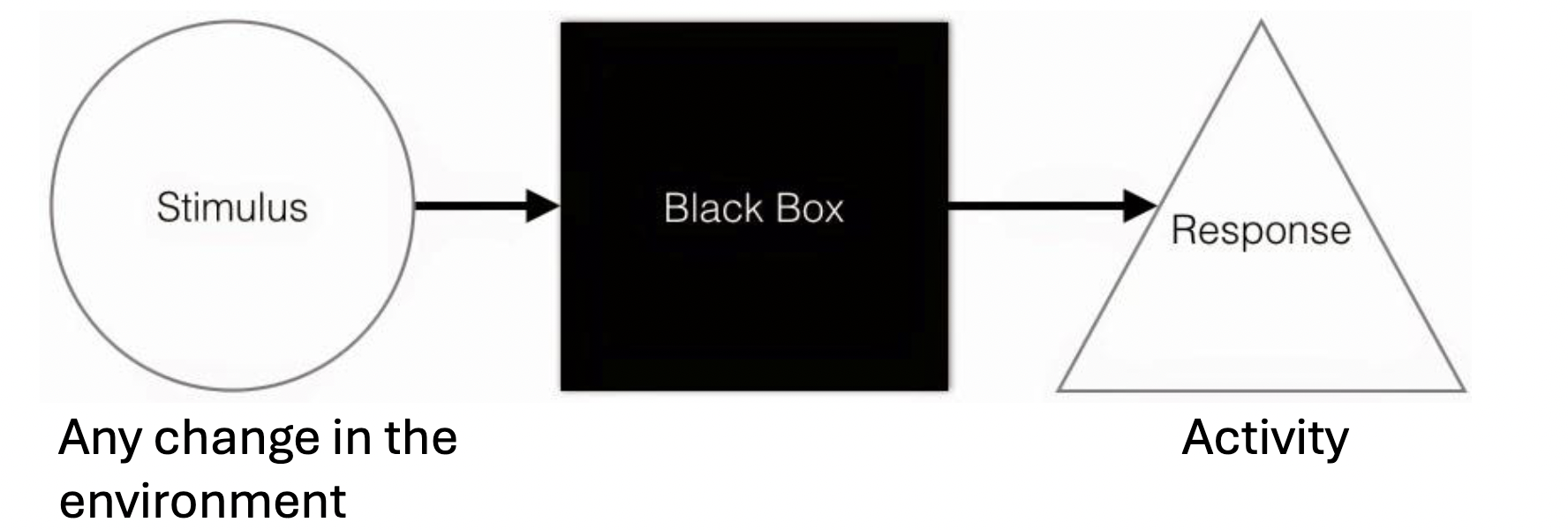
behaviourism: key notes
experimental rigor (used animals)
identified learning principles and informed mental health care
behaviourism: cons
overvalued environ influence
undervalued importance of interpretation and mental processes’
cant explain certain behaviours (language)
lack consideration for species differences (animals not always good)
cognitivism
direct contrast to behavioursim (mental processes)
innovative models experimental designs and approches
PIAGET
cognitivism: key notes
mental processes rather than just on behaviours
accomanying roles of emotion interact
accompanied by neuroimaging
social/cultural psychology
study how social situations and culture influence decision making
understand contextx cultures and ppl better
broad implications
LEWIN, FESTINGER, AND SCHACHTER
bystander effect
reduced tendency to help when in environment with many ppl present
social/cultural psychology: cons
low effect sizes are common
lab environments artificial
what is a variable
an attribute that assumes different values across ppl, places, and timepoints
eg. Thoughts, feelings and behaviors or height, weight
different variations
Variations between people (individual differences) and within people
within —> 1 year gap
psychological variable are NOT able to be
easily measured
easily comparable between individuals
can be held/ seen
conceptual variables
cannot prove they are real but pretend they are bc its useful to do so
look for things associated with conceptual variables and measure them instead (i.e., intelligence)
measuring intelligence
conceptual
to approximate intelligence, find measuring qualitys that we think are associated with it (ie cognitive behaviour)
study things we think smart ppl do
more than 1 way to define variable: standardized tests
effective definitions rely on criteria validated by the community
comfortable with this choice as its done by many
more than 1 way to define variable: operational definition
in a given study we choose one definition
test you pick over everything else.
operational definition comprise choice
this choice is a compromise between validity, cost and convenience
one variable, many operational definitions
eg. employee satisfaction: # of days per month that employee shows up to work on time to rate job satisfaction from 1 - 9
not perfect cause always being late will get you fired
sample: personality questionnaire
valid test but time is money and ppl might not complete this if its too long
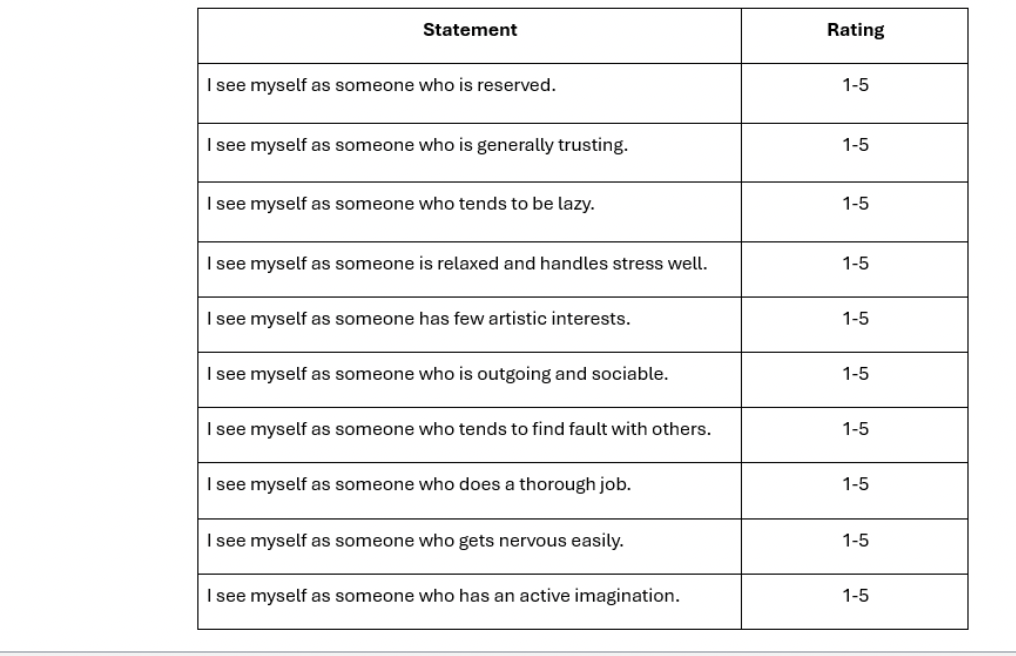
for certain tests: biases
positive impression management - exaggerate positive traits
malingering - exaggerate/manufacture problems (make it much worse then it is)
for certain tests: accuracy varies
self rating: high for extroversion, low for anxiety (mostly overstated anxiety),
rating of others is better, not perfect
halo effect/horns effect
person has particular characteristic, you tend to infer other characterisitcs uncontinously
ie more attractive criminal gets less time —> precieved as better person
for certain tests: framing
wording of the question matters
acedemic problem: major in change in 2 options
save 200/600
400/600 will be lost
same options worded diff but ppl will pick 1
test test reliability
everytime we do the test, we get a similar result/ similar value (ie when you step on a scale its normally around the same weight)
inter rater reliability
no matter who is scoring the test, we get similar results
construct validity
degree to which construct (our test) measures what it claims to be measuring
you give definition, test results will have to match it
ie. test for intelligence must actually work
operational definition
specific test of the conceptual variable (intelligence ex)
construct validity
does you test result predict the relevant things in the real work
eg. intelligence test results predict GPA, income…
validity and value
if a test doesnt have validity, it doesnt have real value