properties of modern materials
 Call Kai
 Learn
Learn Practice Test
 Spaced Repetition
 Match
Match Flashcards
 Knowt Play
1/4

Earn XP
Description and Tags
Name | Mastery | Learn | Test | Matching | Spaced | Call with Kai | Chat |
|---|
No analytics yet
Send a link to your students to track their progress
5 Terms
modern materials
KPHP
a material that has been engineered to have improved properties
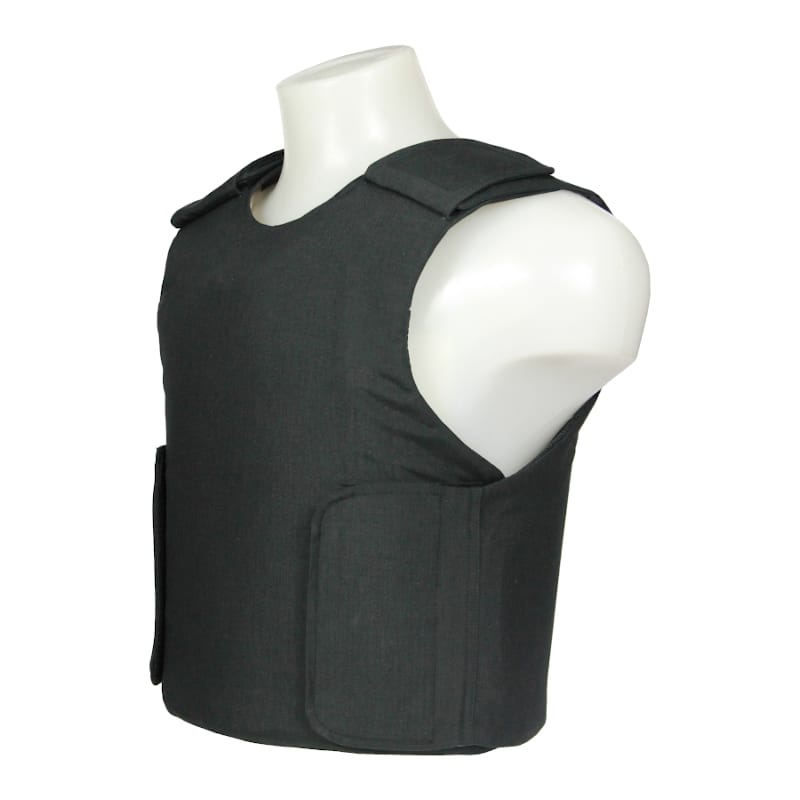
kevlar
Used for body armour, cut-proof gloves, surfboard components and puncture resistant tyres - aramid fibres
Advantages
Impact resistant
Heat resistant
Disadvantages
Poor UV resistance and degrades with sunlight
Prone to moisture degradations
Poor in compression unless reinforced
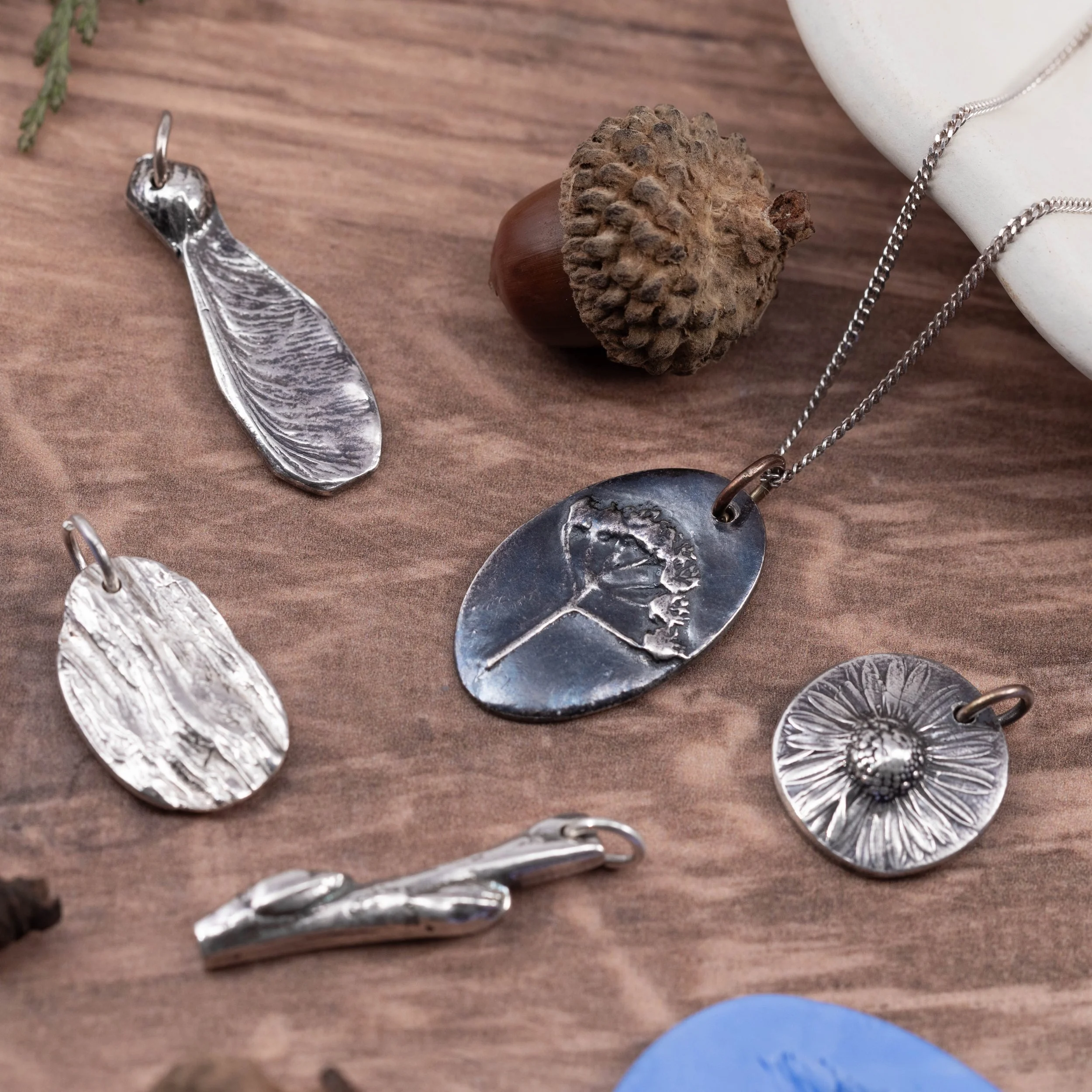
precious metal clay (PMC)
Used for jewellery, decorative items, small sculptures - clay consistency made up of fine metal particles
(works like ceramic clay easily mouldable, shaped and formed)
Advantages
Easily mouldable/formable
Sets hard once fired with kiln/butane torch
Inexpensive compared to solid metals
Disadvantages
Fragile (behaves like ceramic)
Can dry out whilst being moulded
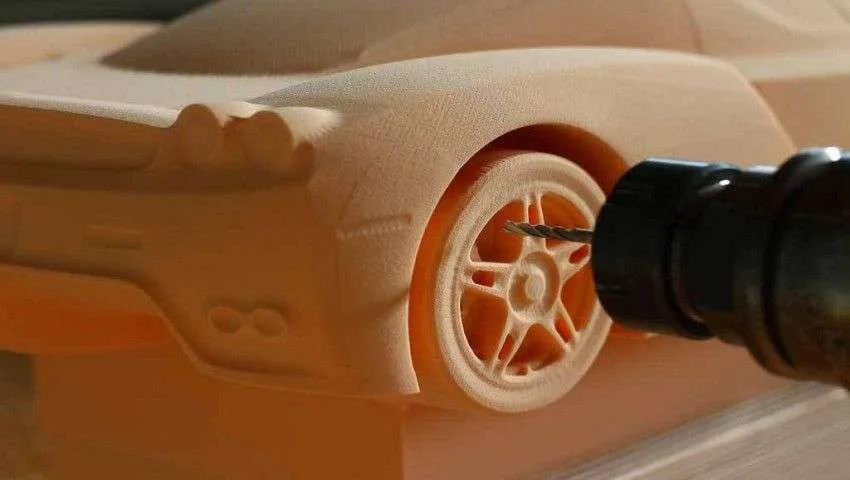
high density modelling foam
Used for 3D modelling, prototypes - polyurethane closed cell foam blocks or sheets
Advantages
Easy to work using traditional woodworking tools (CNC miller/router)
Can be sanded easily
Intricate shapes can be created
Lightweight
Disadvantages
Adhesives can dissolve the material
Material is soft/deforms easily
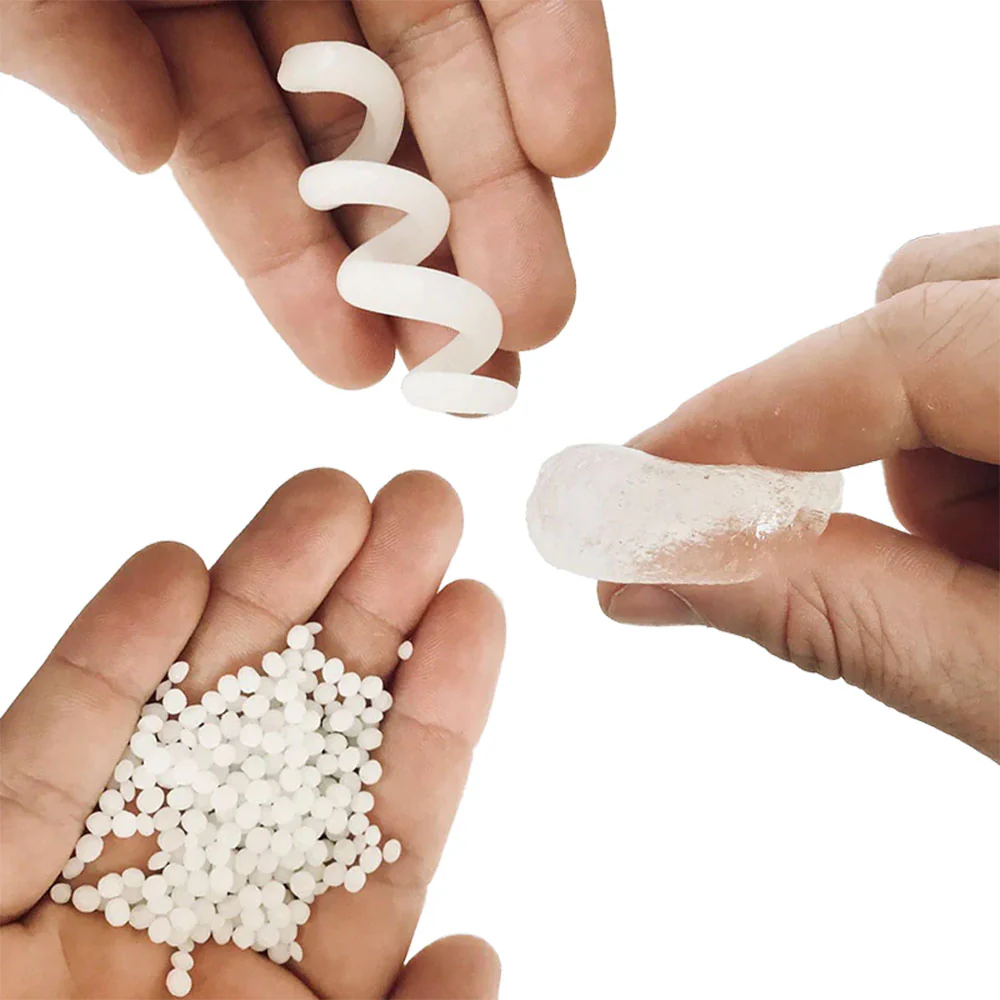
polymorph
Used for modelling, shaping ergonomic handles, prototype mechanical parts - it comes in small beads and is used for modelling and prototyping
Advantages
Can be remoulded multiple times
Low melting point (62 celcius)
Easily pigmented
Made from thermoplastic material, it can be shaped and reshaped a number of times
Disadvantages
Only mouldable for limited time
Can be burned if heated above 65C for a long time