EXAM 3 BIO VOCAB
 Call Kai
 Learn
Learn Practice Test
 Spaced Repetition
 Match
Match Flashcards
 Knowt Play
1/47

There's no tags or description
Looks like no tags are added yet.
Name | Mastery | Learn | Test | Matching | Spaced | Call with Kai |
|---|
No analytics yet
Send a link to your students to track their progress
48 Terms
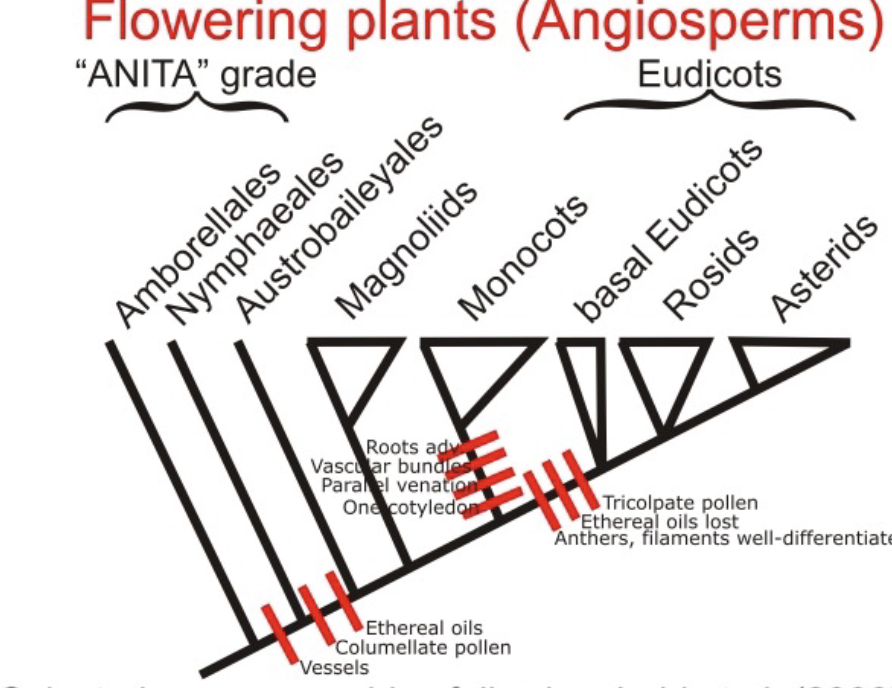
angiosperm
Flowering plants. Co-evolved with pollinators. Fruits: “ripened ovaries” 80% of plant species are angiosperms.
monocots
A subsection of angiosperm
Seeds typically contain only one embryonic leaf, or cotyledon
•Monophyletic group
•Grasses including grains
•Palms, bananas, onions
•Orchids, tulips, daffodils, irises
flowers in multiples of 3
•Flower parts in threes or sixes
eudicots
A subsection of angiosperm
190,000 species
reduced subset of directs
mainly woody and herbaceous (soft sperm)
mainly food plants
flowers in multiples of 4 or 5
EXAMPLES
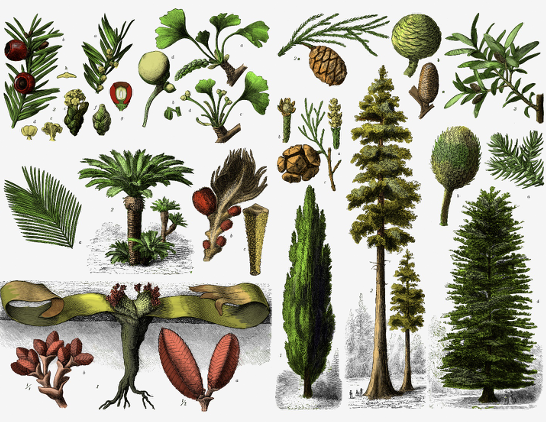
GYMNOSPERMS
•Naked seeds
•Cones, no swimming sperm
•Wind-pollinated
•Cycads, gingkos, Gnetophytes, Conifers
HORSETAILS AND FERNS
•Vascular structures
•Equisetum sp.
•Sporophyte dominated life cycle
•Ferns: fiddleheads and fronds
•Swimming sperm
endosperm
A specialized triploid seed tissue found only in angiosperms; contains stored nutrients for the developing embryo.
ALTERNATION OF GENERATIONS
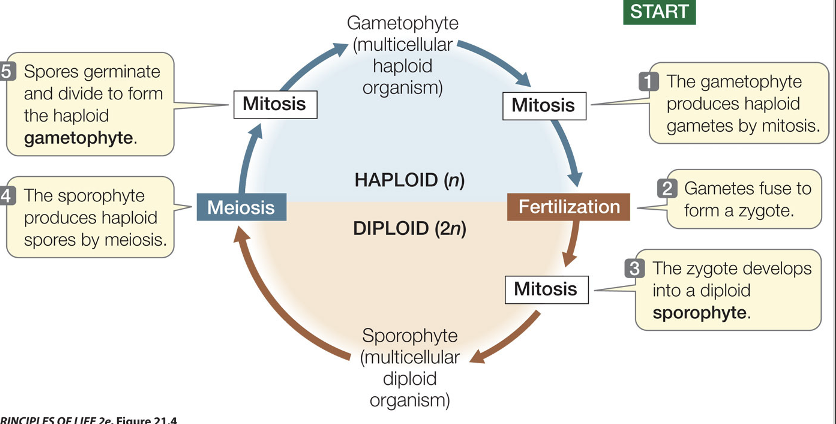
Gametophyte
The multicellular haploid phase of a plant's life
sporophyte
The multicellular diploid phase of a plant's life cycle.
tissue
An organized group of cells that have features in common and that work together as a structural and functional unit.
organ
An anatomical feature that consists of several types of tissues that together carry out a particular function.
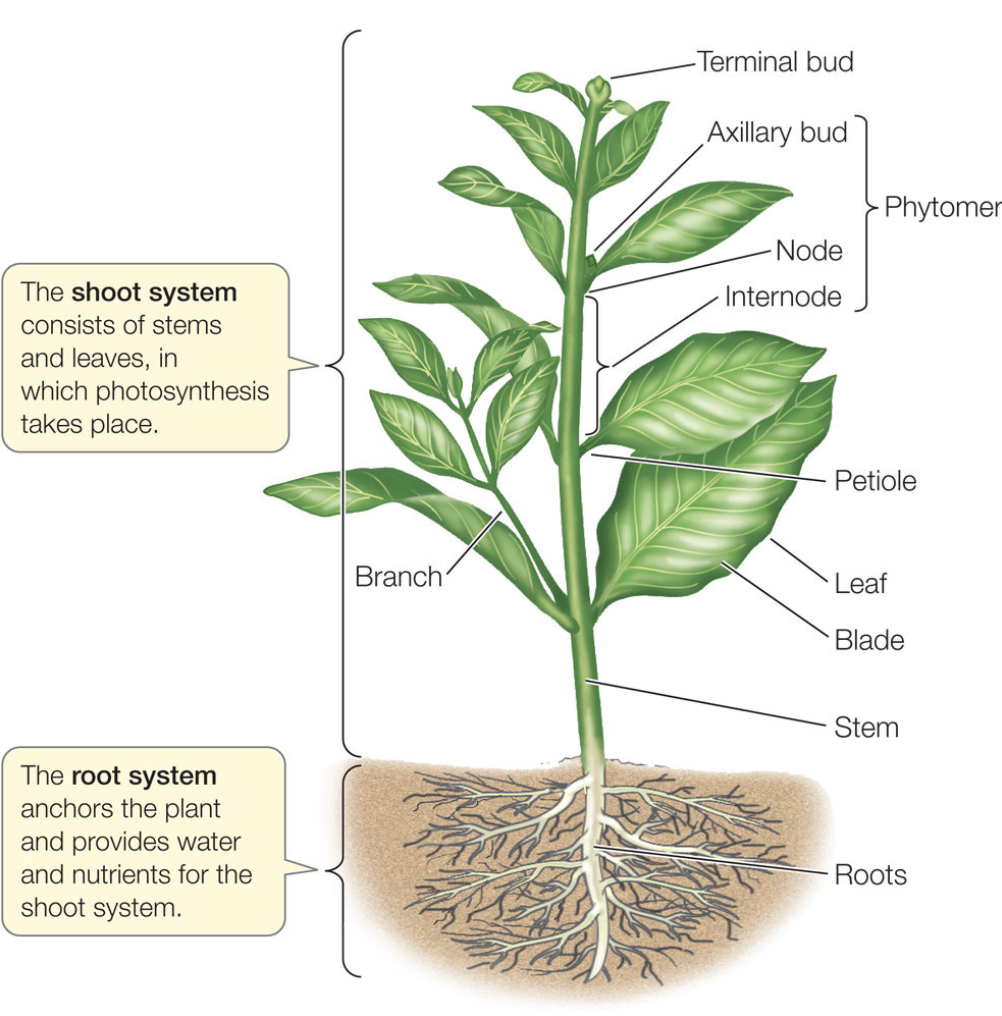
shoot system
The aerial portion of a plant body, consisting of stems, leaves, and flowers.
seed bank
Natural storage of seeds, often dormant, within the soil of most ecosystems.
Dermal tissue system
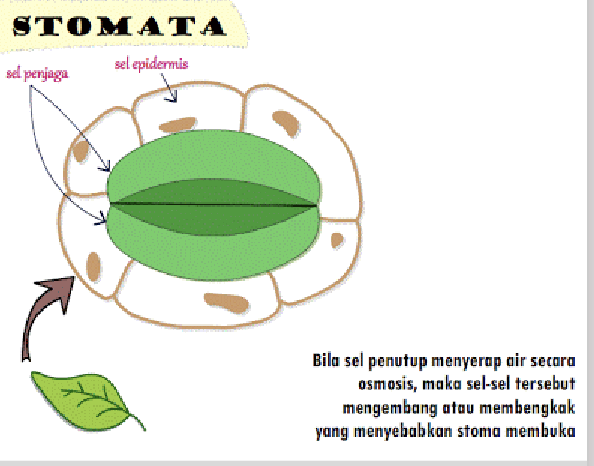
Forms plant epidermis, usually one cell layer. Some epidermal cells differentiate: Stomata, trichomes, root hairs
Outer covering of plant
Stomata
pores for gas exchange
Trichomes
leaf hairs, protect from herbivores and damaging solar radiatio
Root hairs:
increase root surface area
Vascular Tissue System
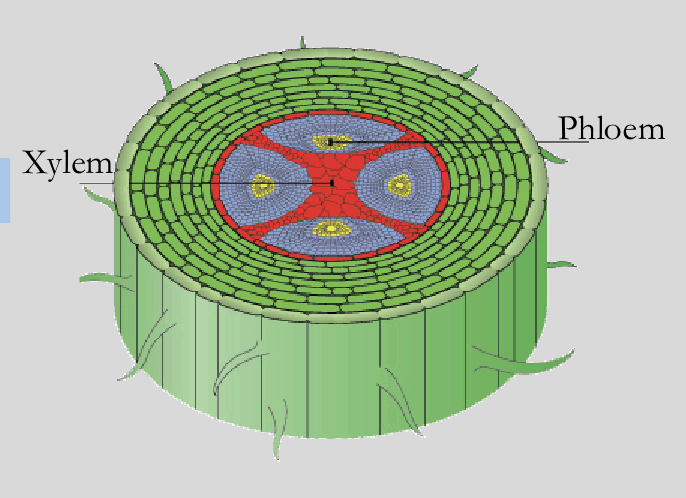
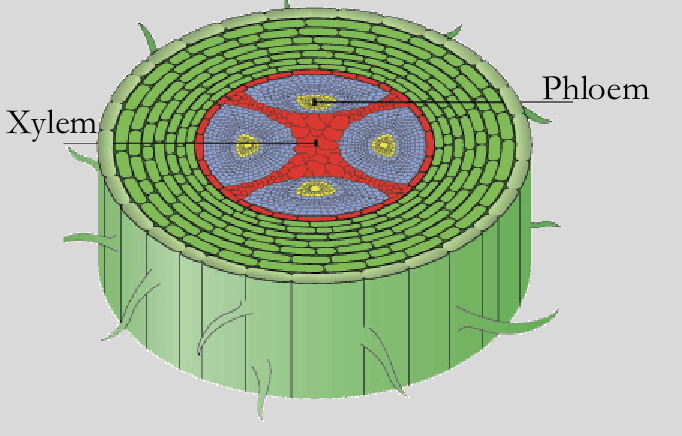
conducts water and solutes throughout the plant. Xylem and Phloem.
Xylem
in vascular tissue system. Plant tissue that transports water and minerals, typically from roots to leaves
Phloem
in vascular tissue system. Plant tissue that transports sugars and other solutes, typically from leaves to the rest of the plant.
Meristem
The tissue in most plants containing undifferentiated cells (meristematic cells), found in zones of the plant where growth can take place. Meristematic cells give rise to various organs of the plant and keep the plant growing.
Totipotent
capable of developing into a complete organism or differentiating into any of its cells or tissues
Indeterminate growth
Growth processes that do not terminate when the adult stage is reached or a pre-determined structure has formed. Instead growth is open-ended and lifelong.
Hormone
Signaling molecules that regulate and control physiology, growth, or behavior
pigment
A compound that has a distinctive color due to selective color absorption
Secondary metabolites
Organic compounds that are not directly involved in the normal growth, development, or reproduction of an organism. Often they contribute to a “secondary” function such as defense against herbivory.
Water potential
The tendency of water to move from one area to another due to osmosis, gravity, mechanical pressure, or matrix effects such as capillary action. Water moves toward more negative water potentials.
Environmental condition
An abiotic environmental factor which varies in space and time. Examples include light level, temperature, moisture, salinity, and concentration of pollutants. Conditions, unlike resources, are not consumed or used up by organisms.
Ecological resource
All things consumed by an organism
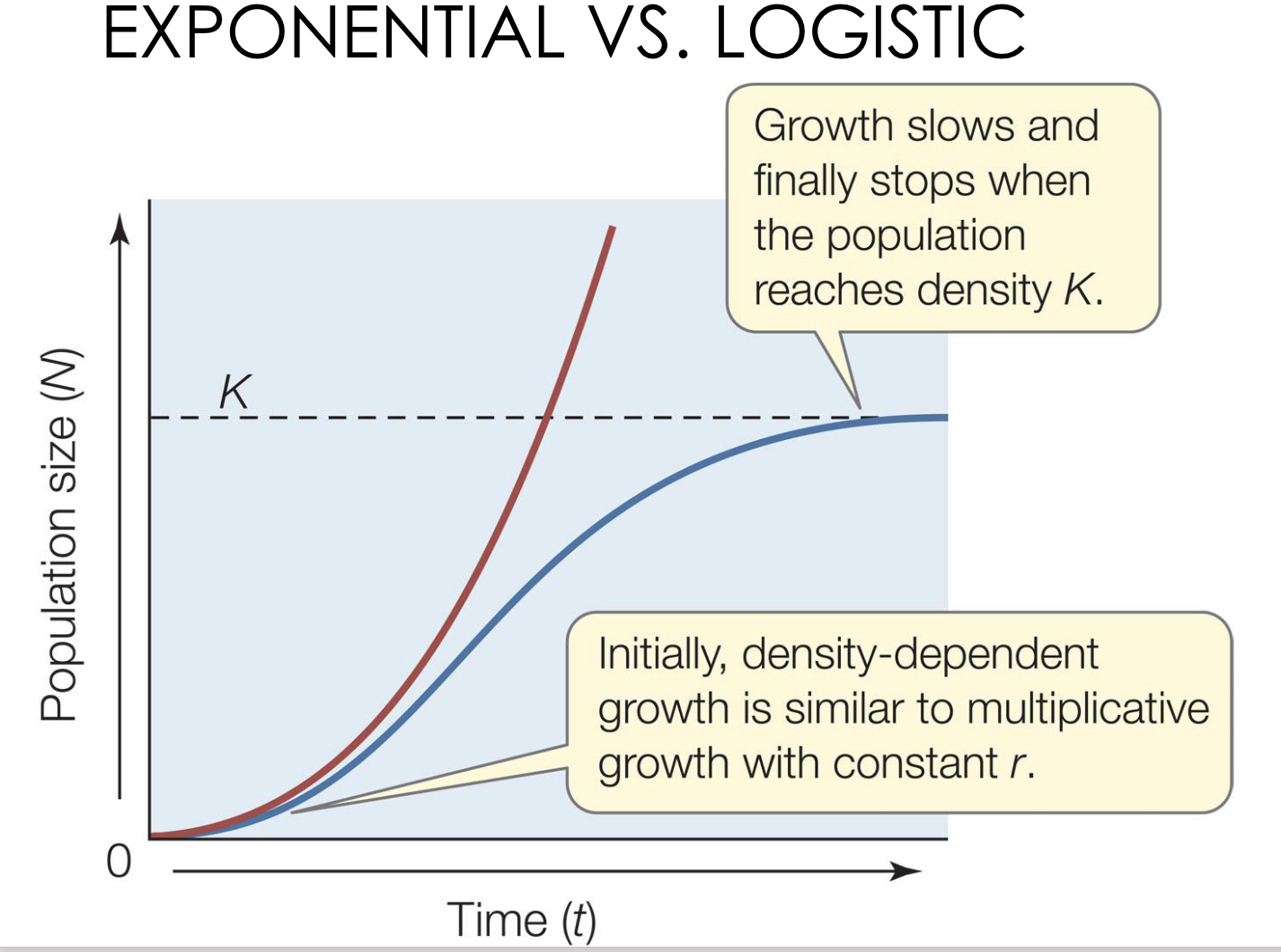
exponential vs logistic
r-selected species
Weedy species that has evolved to maximize its reproductive output. also, r-strategist
K-selected species
Species adapted to produce fewer offspring in which much more is invested in their success. also, K-strategist
Intraspecific competition
Competition for resources by members of the same species
Interspecific competition
Competition for resources by members of different species
Consumer-resource interaction
An interspecific interaction in which one organism consumes another as a resource, including predation, herbivory, and parasitism
Ecological niche
The abiotic and biotic conditions under which a given species can persist; the functional role of the species in its community
Food chain
A succession of organisms that eat other organisms and are, in turn, eaten themselves
Trophic level
the position an organism occupies in a food chain or food web, including levels such as producer, consumer, predator, secondary predator etc.
Trophic cascade
Large alterations to organism abundances at lower trophic levels by changes at a higher trophic level, particularly removal or addition of a top predator.
Ecological community
A set of species living together in a given area. A group of populations.
Climax community
final stage of succession where a steady state community is reached. An example would be an old-growth forest
Keystone species
A species that has a disproportionately large effect on its community and environment relative to its abundance.
Ecosystem engineer
Any organism that creates, significantly modifies, maintains or destroys a habitat.
Dominant species
A species within an ecological community that makes up a large proportion of the total biomass.
soil
The unconsolidated mineral and organic material on the immediate surface of the earth that serves as a natural medium for the growth of land plants.
Soil organic matter
Organic (carbon-based) material, typically brown in color, that builds up in the upper layers of soil as a result of long-term decomposition of living tissues by soil microbes
CLORPT
5 factors that control soil: Climate, Organisms, Relief, Parent Material, Time
Ecosystem
A community of living organisms in conjunction with the nonliving components of their environment (things like air, water and mineral soil), interacting as a system.