Roman Art Case studies
 Call Kai
 Learn
Learn Practice Test
 Spaced Repetition
 Match
Match Flashcards
 Knowt Play
1/68

There's no tags or description
Looks like no tags are added yet.
Name | Mastery | Learn | Test | Matching | Spaced | Call with Kai |
|---|
No analytics yet
Send a link to your students to track their progress
69 Terms
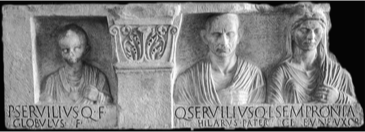
(date, location, description)
Tombstone of Servilii (1st c BC, Rome, freedmen family and togate son)
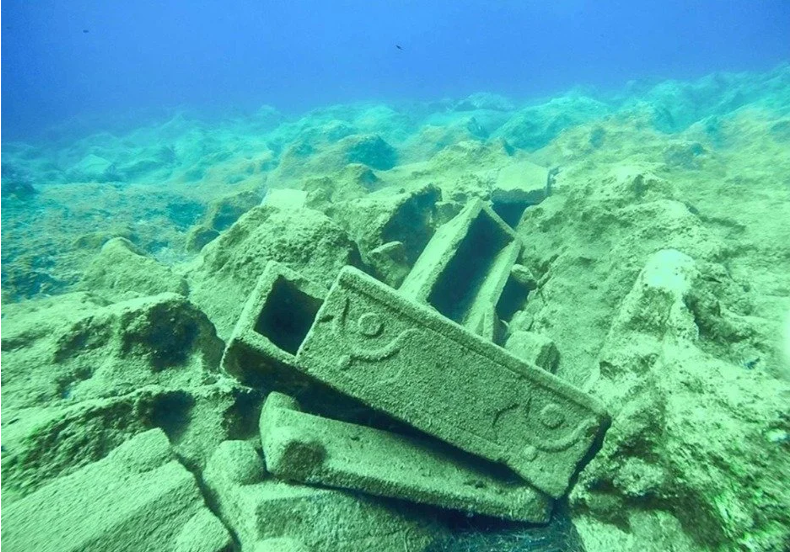
(date, location, description)
Sapienza shipwreck sarcophagi (Imperial, Italy, roughed out sarcophagi)
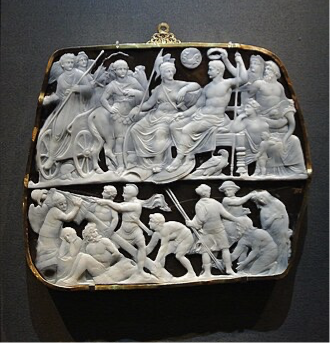
(date, location, description)
Gemma Augustea (AD 10-20, Rome, Augustan imperial family beside the gods)
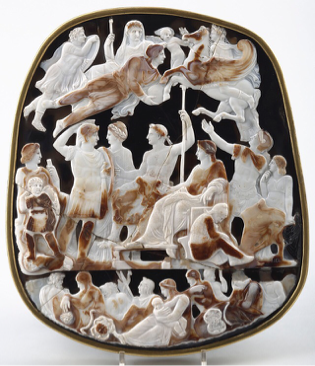
(date, location, description)
Grand Camee de France (AD 23 or 50-54, Paris, Tiberius, Livia, Germanicus & Agrippina, deified Augustus above prisoners)
(date, location, description, comparison)
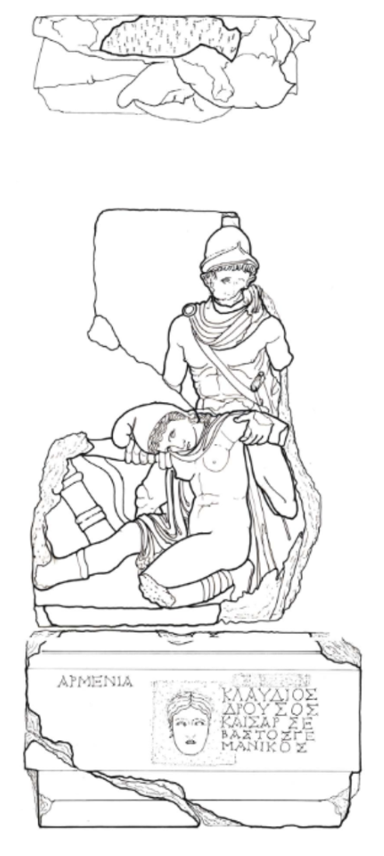
Nero & Armenia (AD 20-60, Sebasteion, Aphrodisias, heroic vs vulnerable nudity, phrygian cap, cf. Claudius & Britannia)
(date, location, description, comparison)
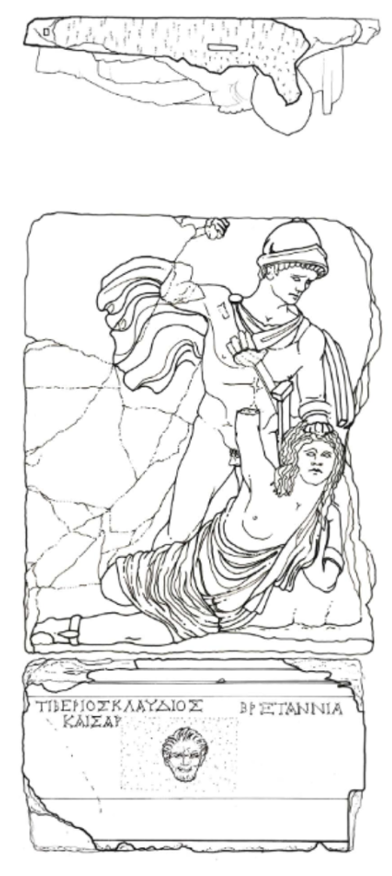
Claudius & Britannia (AD 20-60, Sebasteion, Aphrodisias, heroically nude Claudius subdued personified female Britannia, cf. Nero & Armenia, Amazonomachy)
(date, location, description, comparison)
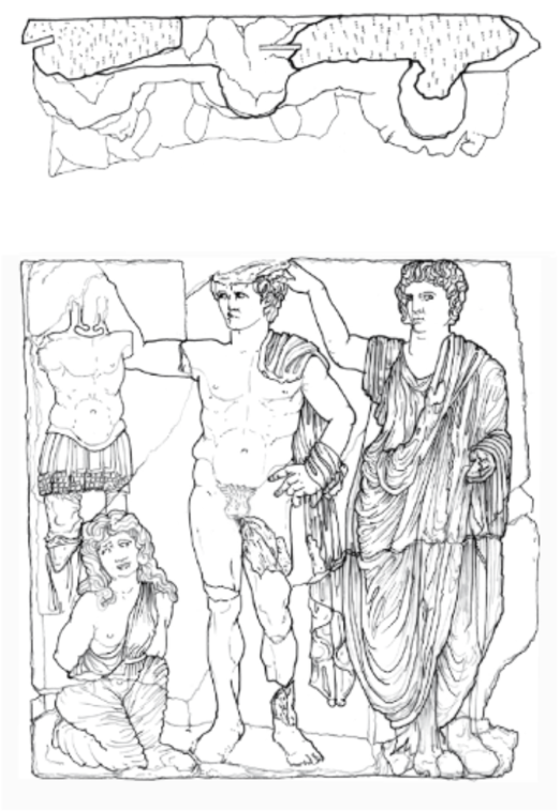
Crowned emperor (AD 20-60, Sebasteion, Aphrodisias, generic Julio-Claudian possibly Nero, crowned by togate god Rome? Tropaion & province, cf. Nero & Agrippina)
(date, location, description, comparison)
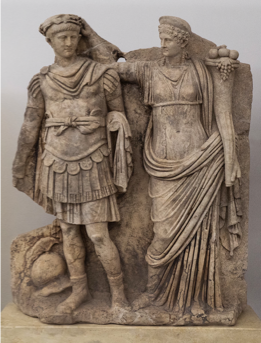
Nero & Agrippina (AD 20-60, Sebasteion, Aphrodisias, recognisable portrait types, Agrippina as a goddess crowning cuirassed Nero, cf. AD 59 palatine Nero, crowned emperor sebasteion)
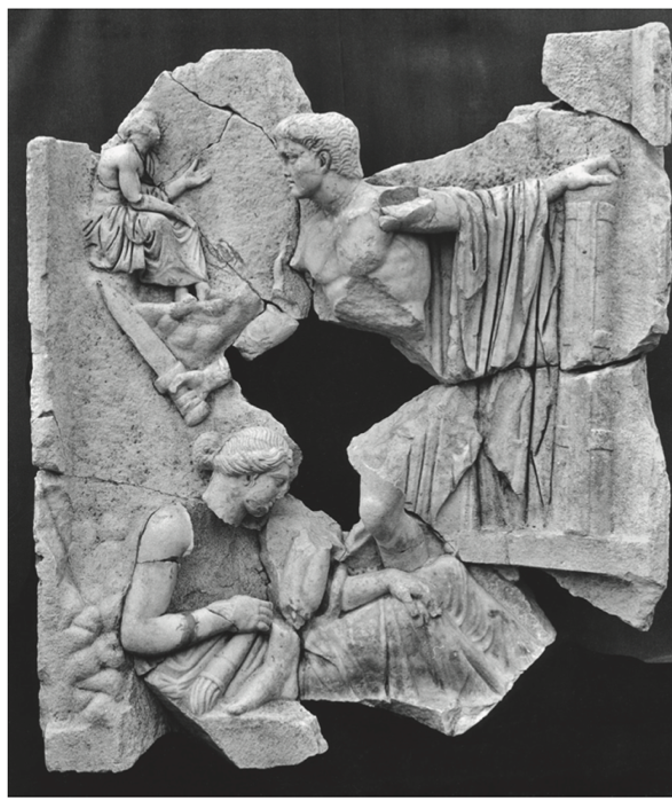
(date, location, description, comparison)
Orestes relief (AD 40-60, Sebasteion, Aphrodisias, Orestes creeping left holding sword and Delphic tripod, sleeping fury at his feet, cf. Orestes sarcophagus AD 130)
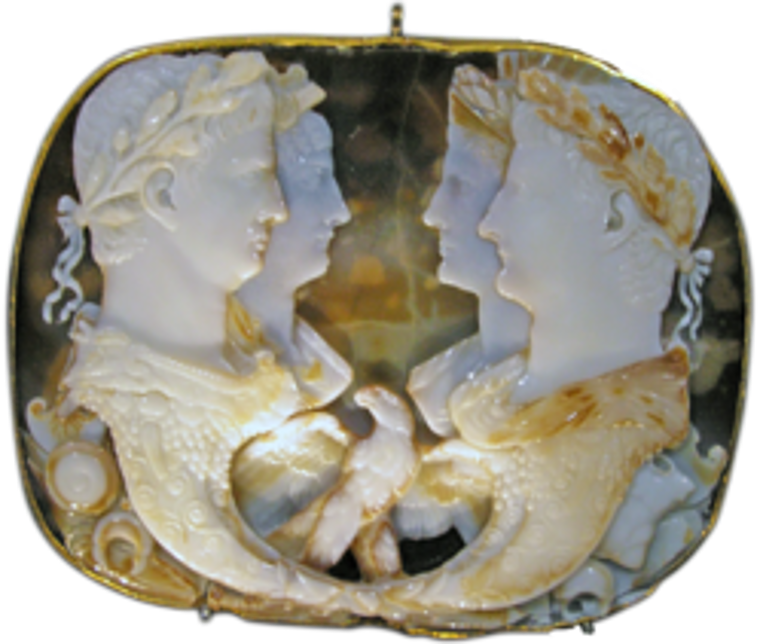
(date, description)
Gemma Claudia (AD 49, cameo, 4 cornucopiae with portraits of Claudius & Agrippina, Germanicus & Agrippina, civic wreaths, eagle)
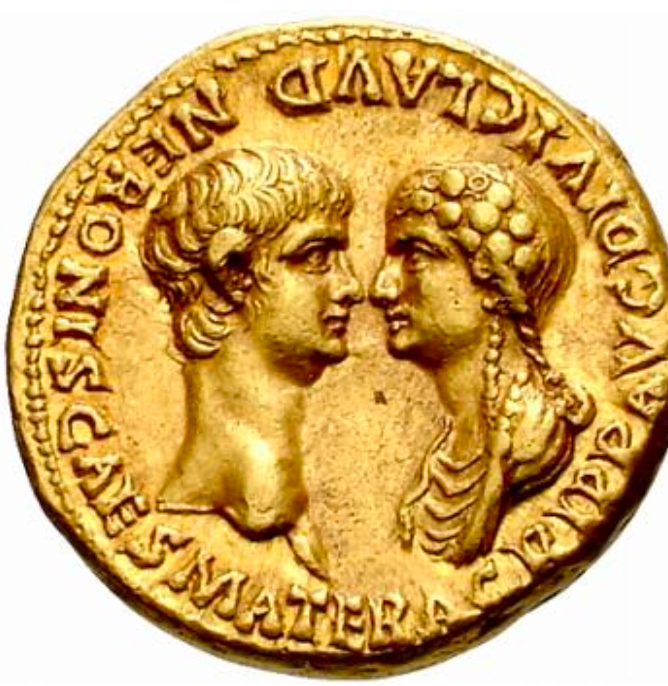
(date, description, comparison)
Nero & Agrippina aureus (AD 54, early portrait type of julio-claudian Nero facing Agrippina on obverse, cf. Sebasteion, Suffolk head, Palatine head)
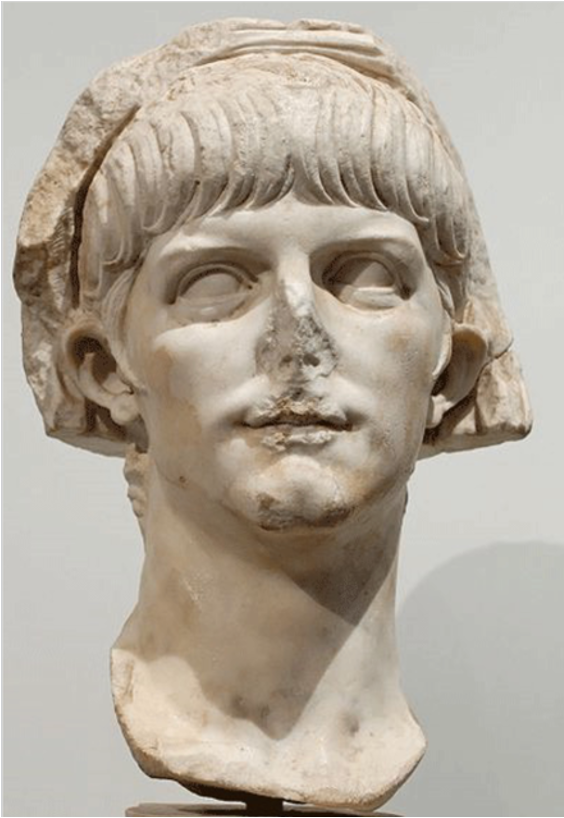
(date, location, description, comparison)
Early Palatine Nero (AD 55-59, Palatine hill, togate with hood pulled up, pietas, julio-claudian comma locks, cf. Suffolk Nero)
(date, location, description, comparison)
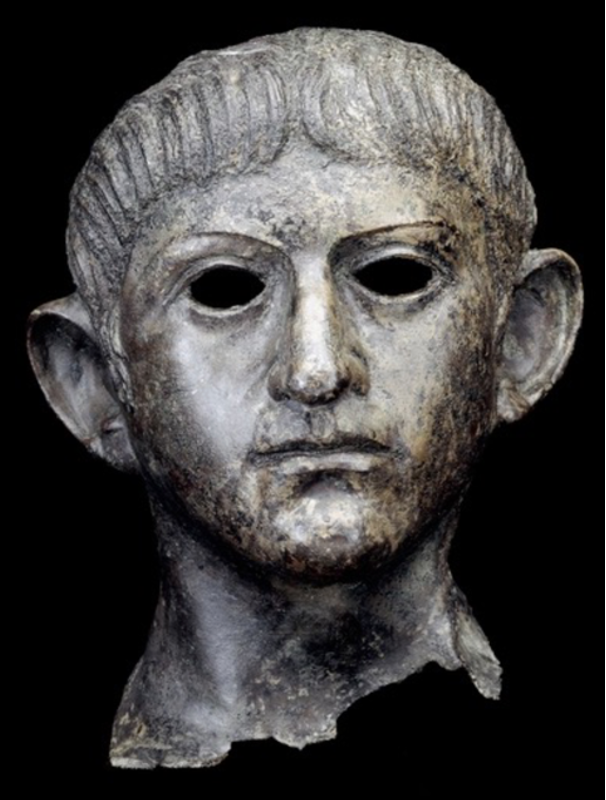
Bronze Nero head (AD 55-59, River Alde, Suffolk, originally thought Claudius, early Julio-Claudian Nero type, cf. Early Palatine Nero)
(date, location, description, comparison)
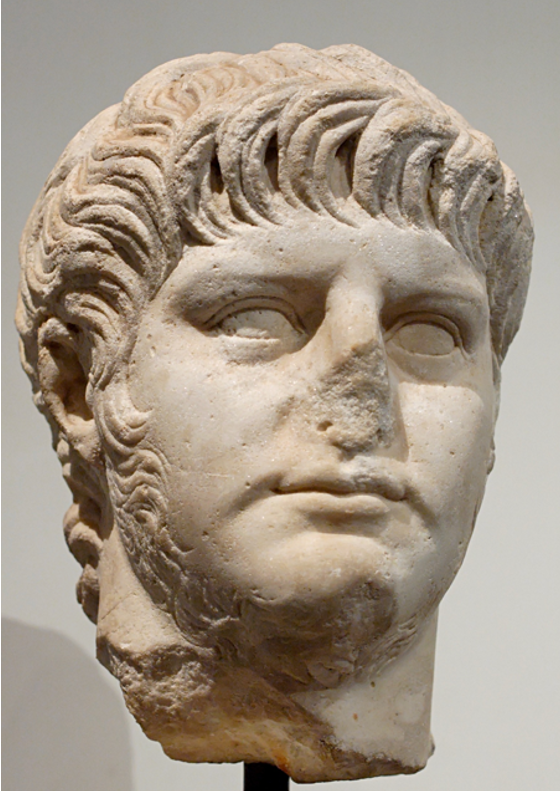
‘Hellenistic’ Palatine Nero (AD 59-64, Palatine hill, marble, deviates from classical model, fleshy features, sideburns & ‘stepped’ hair, cf. Hellenistic kings)
(date, description, reverse)
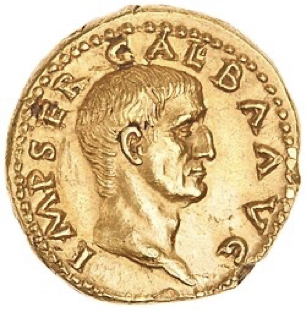
Galba aureus (AD 68-69, lack of sculpture, comma lock hair, severe, republican image highlights age & experience, pax reverse)
(date, length of reign, description, reverse, comparison)
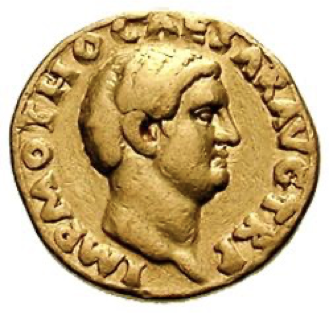
Otho aureus (AD 69, 95 day reign, stepped hairstyle, heavy fleshy features, pax, cf. Nero portraits)
(date, description, reverse)
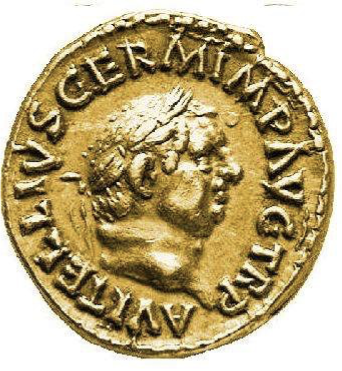
Vitellius aureus (AD 69, laureate, individualised, fleshy features and bulbous nose, not overtly similar to others, libertas)
(date, location, owners)
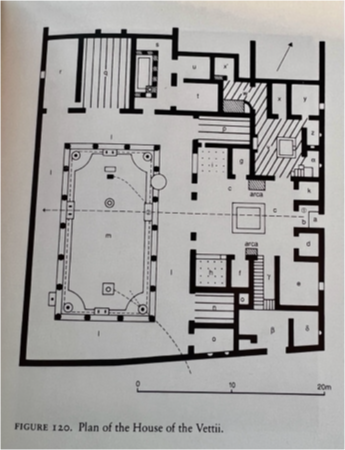
House of the Vetii (AD 62-79, Pompeii, freedmen Aulus Vettius Restitutus & Aulus Vettius Conviva political grafitti)
(date, location, description, comparison)
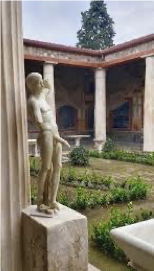
Priapus statue (AD 62-79, H. of the Vettii, Pompeii, garden statue of fertility god Priapus, apotropaic, less overtly mercantile, cf. Priapus fresco)
(date, location, description, comparison)
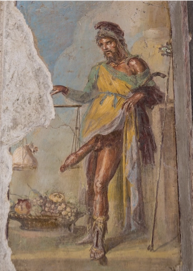
Priapus fresco (AD 62-79, H. of the Vettii, Pompeii, fauces b, near entrance, weighing erect penis against sack of money attributes of Mercury, associations with merchants, freedmen but not exclusively cf. Priapus statue)
(date, location, description, comparisons)
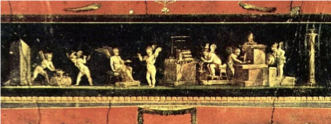
Cupids frescoes (AD 62-79, H. of the Vettii, Pompeii, oecus q, cupids metalworking, fulling, perfume making, wine making, seen as freedmen pride in craft but inaccuracies in processes suggests surface level interest, instead process involved in luxuries enjoyed in reception space. cf. Eurysaces tomb baker frieze, food mosaics)
(date, location, description, comparisons)
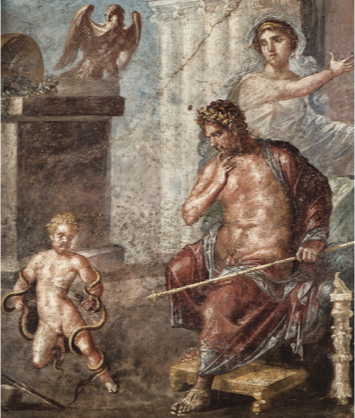
Hercules fresco (AD 62-79, H. of Vettii, Pompeii, detailed and skilful rendering of 3D form, mythological composition of child with snakes, cf. Pliny HN 35 painting by Zeuxis)
(date, location, description, comparisons)
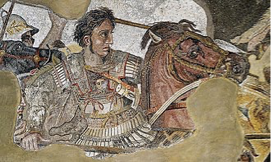
Alexander Mosaic (2nd c BC-1st c AD, House of the Faun, Pompeii, opus vermiculatum, Alex v Darius, atypical of Italian mosaics, thought as copy of Hellenistic painting, but possibly Hellenistic original moved & restored, cf. Triumph of Neptune, Cave Canem mosaics)
(date, location, description, comparisons)
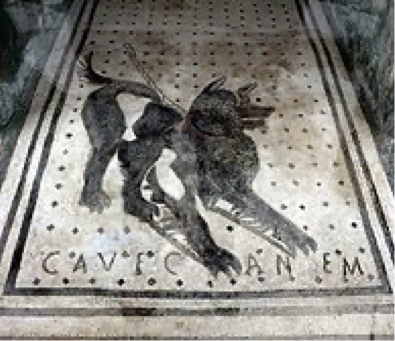
Cave Canem mosaic (1st c AD, Pompeii, typical black & white style of Italy in this period, available materials, technique, silhouette vs detail, perspective skilfully achieved, cf. Triumph of Neptune, Hellenistic polychrome mosaics)
(date, location, description, comparisons)
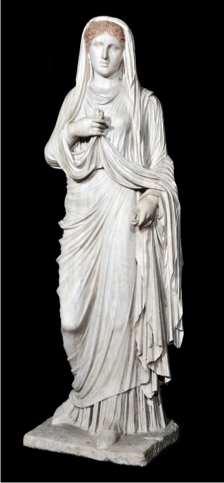
Eumachia statue (1st c AD, Eumachia’s building, Pompeii, marble, veiled wearing palla over stola & tunic, public priestess of Venus Pompeiana, classicising portrait features, centrally parted hair, cf. Agrippina jr. portraits)
(date, location, description, comparisons)
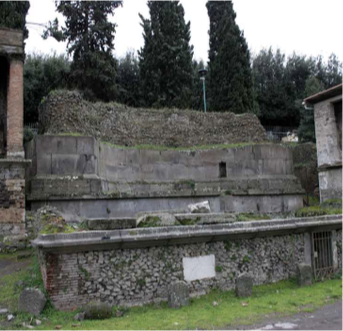
Eumachia Tomb (1st c. AD (for 30 years), Pompeii, ostentatious demonstration of wealth, personal preference, against elite trends but cannot always be seen as evidence of lower class as she was part of one of the oldest, most prominent Pompeian families, cf. Gauis Cestius)
(date, location, description, comparisons)
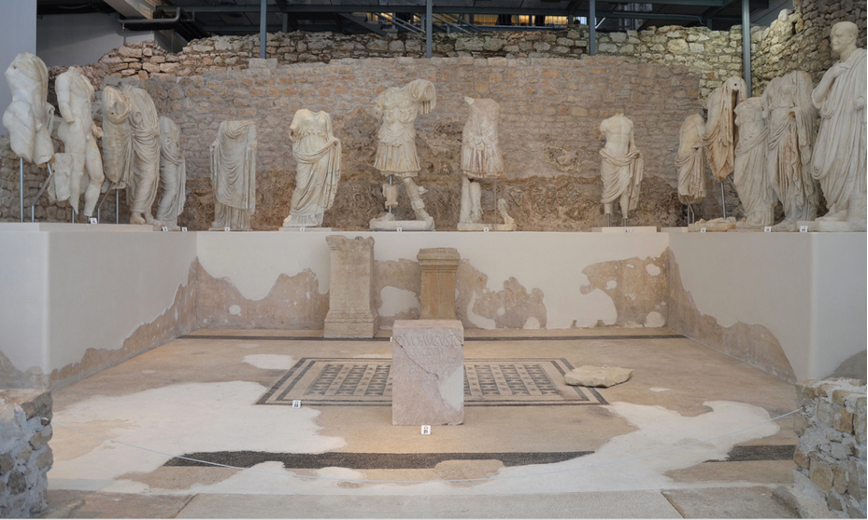
Augusteum at Narona (1st c. AD, Croatia, temple of imperial cult, statues of Augustii, examples of typical body-types, sculptures likely moved together much later in antiquity, cf. Olympia, Velleia)
(date, original use, location, description, comparisons)
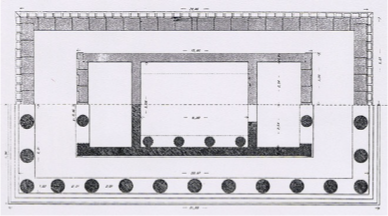
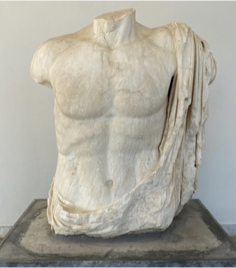
Metroon at Olympia (1st c. AD, 4th c. BC Doric temple, statues of emperors, possibly cult function, Augustus (?) as Zeus, 3 male, 3 female, cf. Narona, Velleia)
(date, location, description, comparisons)
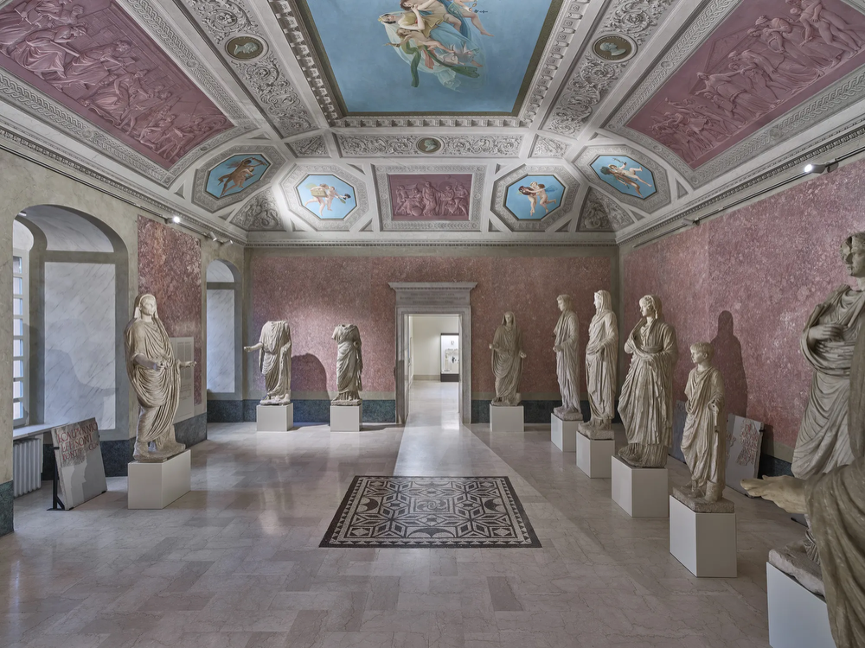
Basilica at Veleia (1st c AD, Italy, 12 statues of julio-claudian emperors and others added later, young Nero, early type comma locks, cf. Narona, Olympia)
(date, number, description, context, comparisons)
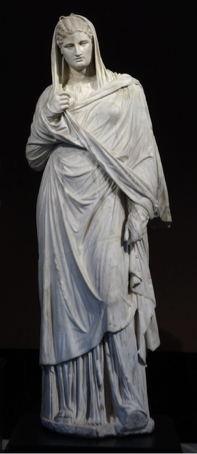
Large Herculaneum Woman (1st c AD, statue type, 180 extant, matron wrapped in mantle, unrealistic standard for modesty, standard statue-type conveyed ideas about wealth, beauty, modesty & social graces through non-individualised portraits. Herculaneum example found in theatre, likely honorific, cf. small Herculaneum woman, Venus portraits)
(date, number, description, production, context, comparisons)
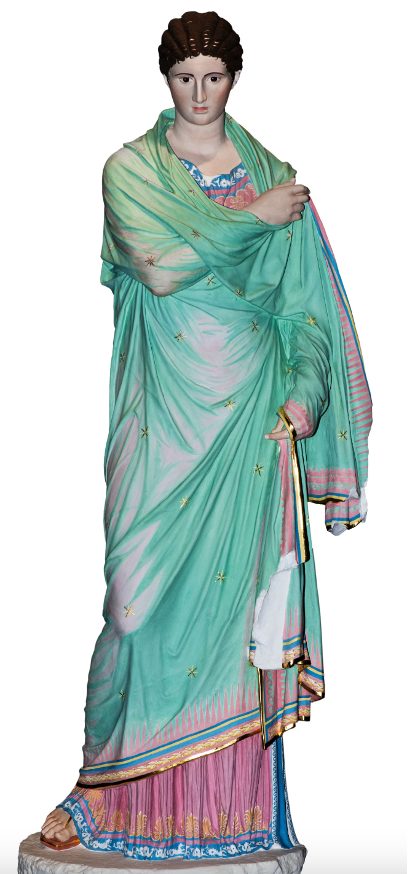
Small Herculaneum Woman (1st c AD, 160, younger woman, adjusting mantle over left shoulder, memorial of imminent disintegration, composure, modesty, self-control, formulaic poses likely roughed out at quarries before transportation, 2 statues found with polychromy preserved to detect highly different colour schemes, degree of individualisation, found in theatre, likely honorifit, cf. Large H woman, Venus portraits)
(date, location, description, comparison)
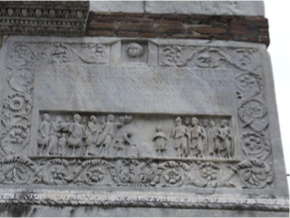
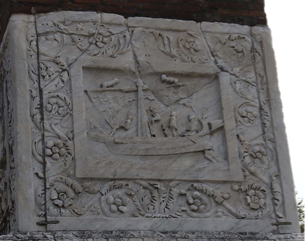
Naevoleia Tyche monument (1st c AD, Herculaneum road, female dedicator portrait above inscription, freedman husband’s achievements, Gaius Fastus grain distribution, bisellium, ship indicates trade business, cf. Eumachia tomb, Nonius Zethus)
(date, location, description, inscription, comparisons)
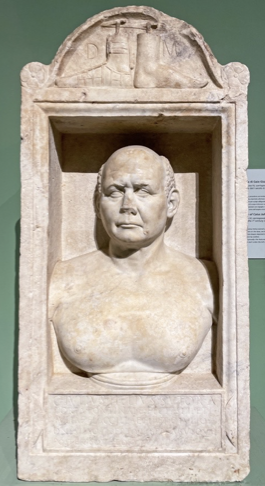
Gaius Helius tomb (1st c AD, Rome, marble veristic portrait emulating Republican noble portraits, originally highlighted wisdom & state experience, here hard work & success, inscription - shoemaker, shop on Porta Fontinalis on Campus Martius, good location, cf. Eurysaces, Naevoleia Tyche, Nonius Zethus)
(date, location, description, interpretation, comparisons)
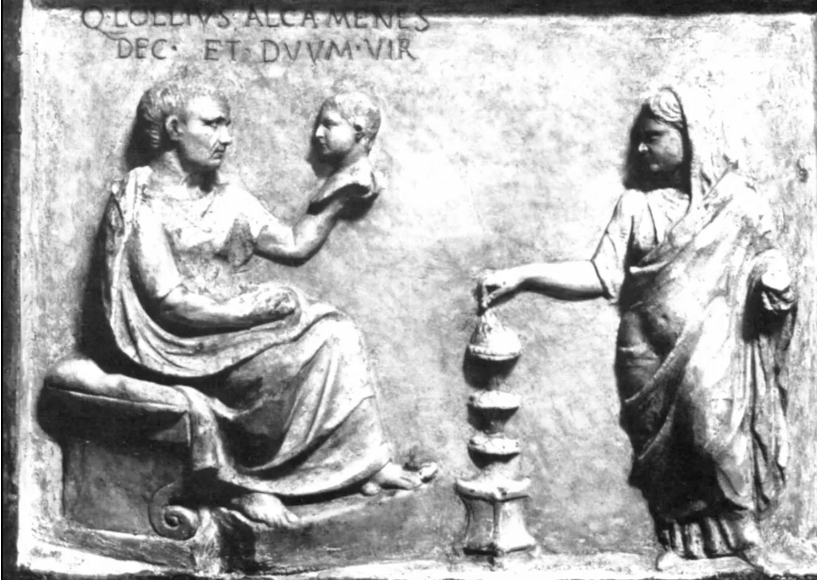
Lollius Alcamenes funerary relief (1st c. AD, Rome. Left: togate man, chair & dias mark office of diumvir, inscription confirms, sculpting a portrait, veristic ageing face; right: veiled matrona, likely wife, burning incense, politician & craftsman, cf. Naevoleia Tyche, Nonius Zethus)
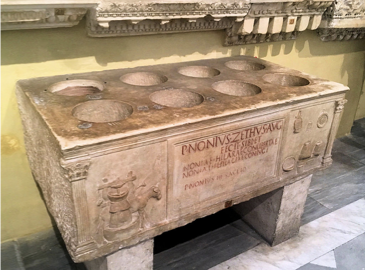
(date, location, description, inscription, comparisons)
Nonius Zethus (1st c AD, Ostia, pseudo-sarcophagus ollarium with 8 niches for family urns, baking tools & cow operating large machinery, pride in profession, inscription - member of Augustalis, a libertalis (freedman), cf. Naevoleia Tyche, Eurysaces, Verrus, Atimetus & Epaphra)
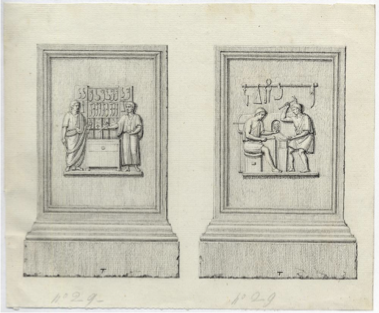
(date, location, description, interpretation, inscription, comparisons)
Atimetus & Epaphra altar (1st c AD, Rome, workship scene 2 men crafting blades; shop scene with knife display, 1 of 2 men togate, customer or deceased, pride in profession, inscription - freeborn Atimetus commissioned for himself & his freedmen. Cf. Eurysaces, Verrus, Nonius Zethus, Naevoleia Tyche)
(date, location, description, context, comparisons)
Trajan’s Column (
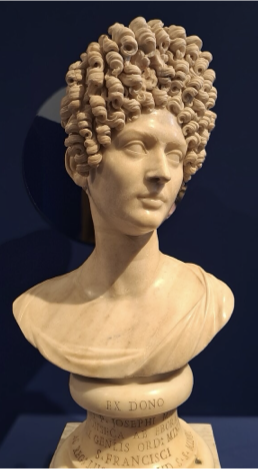
(date, location, description)
Fonseca bust (late 1st c AD, Rome, marble bust of unidentified woman, possibly Trajan’s niece, corbe comarum ‘circle of hair’, virtuosity of carving & coiffure imitating Domitian’s wife Domitia Longina, ostentation & elite competition)
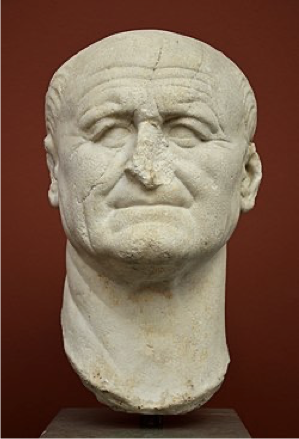
(date, location, description, comparison)
Naples Vespasian (c.AD 70, Naples, marble portrait, veristic, lined face, bald patch, thin lips, highlights military experience, distanced from julio-claudian & Neronian, recalls popular Republican portrait style, cf. Galba aureus)
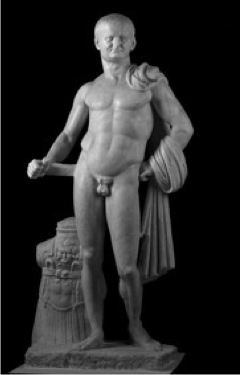
(date, location, description, commission, comparison)
Misenum Vespasian (Late 1st c. AD, Augusteum at Misenum, Italy, marble heroic nude portrait, deified Vespasian beside Hellenistic-type tropaion, passive divinity vs vital living emperor, veristic, republican, weathered portrait features, age & experience, commissioned by individual local Augustales. cf. group with Titus & equestrian Domitian)
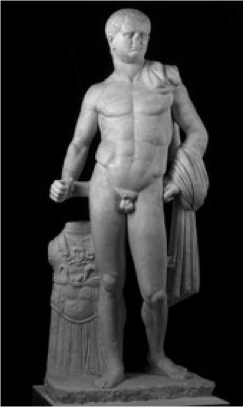
(date, location, description, commission, comparison)
Misenum Titus (Late 1st c AD, Augusteum at Misenum, Italy, marble heroic nude deified Titus beside Hellenistic-type tropaion, similar features to neighbouring Vespasian, identical pose, emphasises dynastic links, younger but still weathered face, commissioned by individual local Augustales. cf. group with Titus & equestrian Domitian)
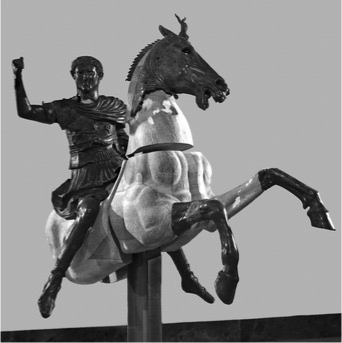
(date, rework, location, description, commission, comparison)
Misenum Domitian-Nerva bronze (c. AD 94/5, reworked c. AD 96/7 into Nerva following damnatio memoriae, mounted emperor, cuirassed with same Hellenistic type as trophies in Vespasian & Titus linking the group, dynamic pose & rearing horse emphasises militaristic virility, suggests the emperor was living, not deified, outside Augusteum, commissioned by same Augustales, cf. Vespasian & Titus)
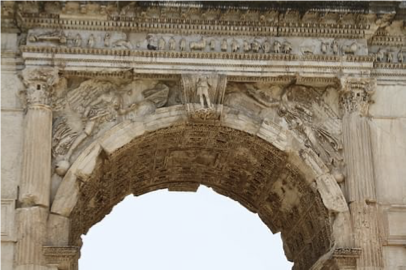
(date, location, architecture, description, comparisons)
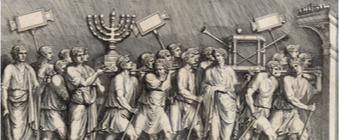
Arch of Titus (c. AD 81, likely posthumous [Kleiner], Rome, single-bay arch, engaged columns, divine elements, apotheosis of Titus though idealised julio-claudian features on coffered arch, cf. Sabina apotheosis, Antoninus & Faustina joint apotheosis)
Arch of Titus Inscription
‘The Senate and the Roman people dedicate this to the deified Titus Vespasian Augustus, son of the deified Vespasian’.
(date, location, description, comparisons)
Great Titus reliefs (AD 81, likely posthumous [Kleiner], Arch of Titus, Rome, commemorate AD 72 triumph of Vespasian & Titus, ‘conquest’ of Jerusalem, spoils relief: gold with blue background, menorah, gold trumpets, fire pans, Table of Showbread, procession through monumental arch; Titus attended by genii & lictors, winged Victory crowns with laurel, quadriga chariot, possibly Domitian beside, cf. Arch of Beneventum, Arch of Constantine)
![<p>Great Titus reliefs (AD 81, likely posthumous [Kleiner], Arch of Titus, Rome, commemorate AD 72 triumph of Vespasian & Titus, ‘conquest’ of Jerusalem, spoils relief: gold with blue background, menorah, gold trumpets, fire pans, Table of Showbread, procession through monumental arch; Titus attended by genii & lictors, winged Victory crowns with laurel, quadriga chariot, possibly Domitian beside, cf. Arch of Beneventum, Arch of Constantine)</p>](https://assets.knowt.com/user-attachments/2e6bf7e6-6abb-4001-8348-7b261c50ca25.png)
(date, rework, location, description, comparisons)
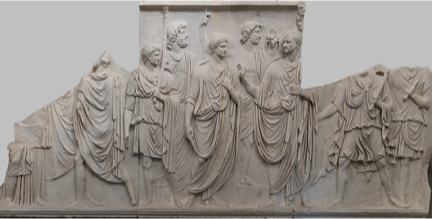
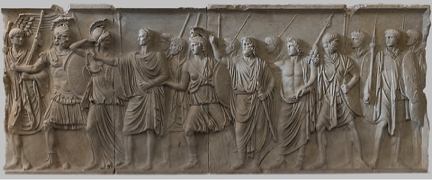
Cancelleria Reliefs (AD 83-95, reworked under Nerva, Rome, 2 incomplete marble bas-reliefs, emblematic of high classical style of Roman historical reliefs, delicate drapery, dynamic poses & proportions, cf. Arch of Constantine, Decursio reliefs)
(date, location, description, comparisons)
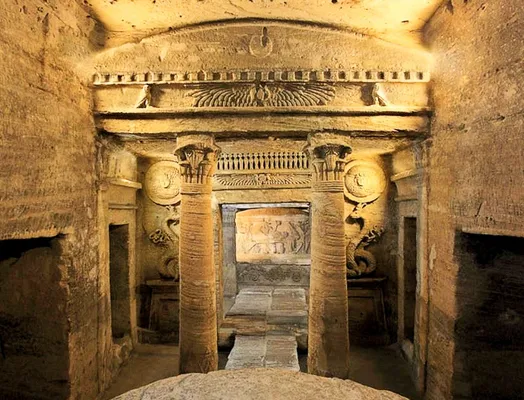
Kom el-Shoqafa hypogeum (2nd c AD, Alexandria, traditional Egyptian architectural decoration using highly stylised local style and religious iconography, e.g. Apis bull, anubis statues, but with Roman-style portraits and sarcophagi and Hellenic depiction of Persephone myth, cf. Valerii tomb)
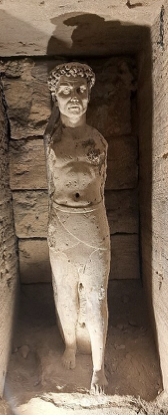
(date, location, description)
Kom el-Shoqafa catacomb statues (2nd c AD, Alexandria, 2 portrait statues with Romanised facial features, traditional rigid Egyptian bodies & dress, man wears shendyt, drilled hair)
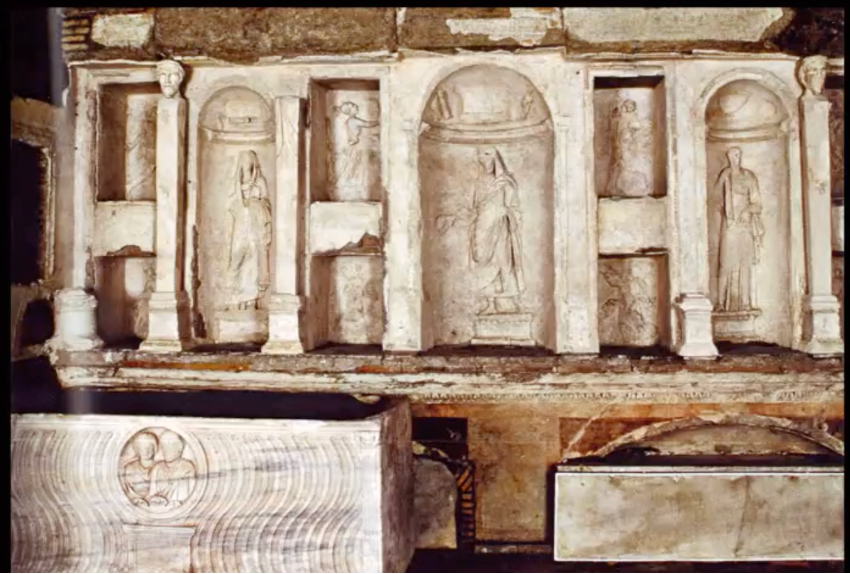
(date, location, owner, description, comparison)
Tomb of Valerii (2nd c AD, largest mausoleum in scavi, Vatican necropolis, C. Valerius a freedman built as family & freedmen mausoleum, designed for 170 burials, eventually 250 by Constantine period, stucco reliefs, Apollo flanked by Cybele & Minerva, togate man likely Valerius, full-length Antonine portraits partially preserved, infant funerary mask, strigilated sarcophagus, cf. Nonius Zethus ollarium)
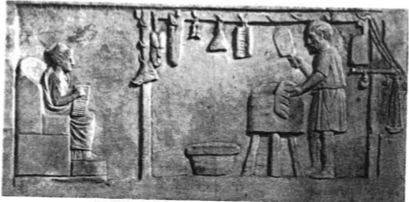
(date, location, description, context, interpretation, comparison)
Butcher funerary relief (AD 125-50, Italy. Left: seated woman with writing implements, Hadrianic hairstyle; right: butcher working in shop, tomb facade, no indication of freedmen status but common themes. Cf. Naevoleia Tyche)
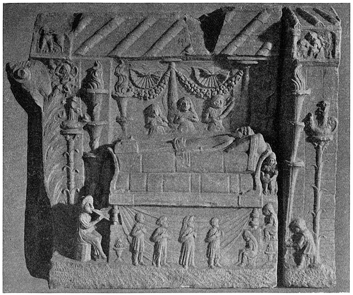
(date, location, description, interpretation comparison)
Hatera Helpis relief (Early 2nd c AD, Haterii tomb, Rome, collocatio [laying out] kline within colonnaded atrium, manumitted slaves wearing freedmen caps, likely freed in will, smaller scale, surround deceased, adherents to Roman custom, proud display for freedman highlighting belonging in society. cf. freedmen tombs, Naevoleia Tyche)
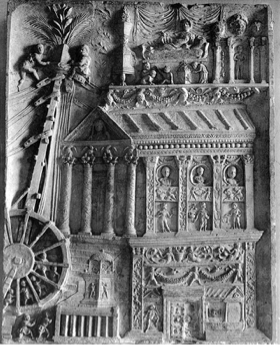
(date, location, description, comparison)
Tomb-Crane relief (Early 2nd c AD, Tomb of Haterii, Rome, construction of temple-shape funerary monument, grander than Haterii, elaborated version, portrait busts, garlands, used as evidence for building contractor profession. cf. profession tombs)
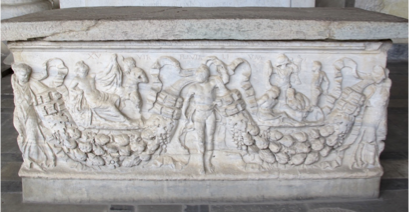
(date, location, description, owner)
Bellicus Natalis Tebanianus sarcophagus (AD 110, Pisa, one of earliest mythological sarcophagi, popular amongst all groups, displays philhellenism, learnedness, novo homus from Gaul)
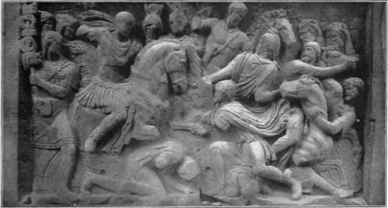
(date, location, reuse, description, interpretation, comparison)
Great Trajanic frieze (c. AD 107, Rome, spolia on Arch of Constantine AD 315, E & W sides of attic, inside archway. Scenes from Dacian wars, Romans trampling Dacians on horseback, Trajan-Constantine wreathed by victory, mounted, cuirassed, highlights militaristic aspect of campaign, cf. Trajan’s column)
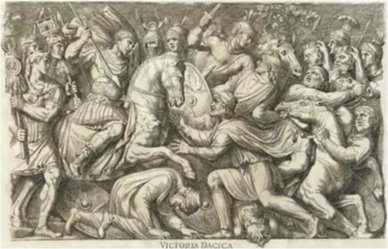
(date, debate, location, description, interpretation, comparison)
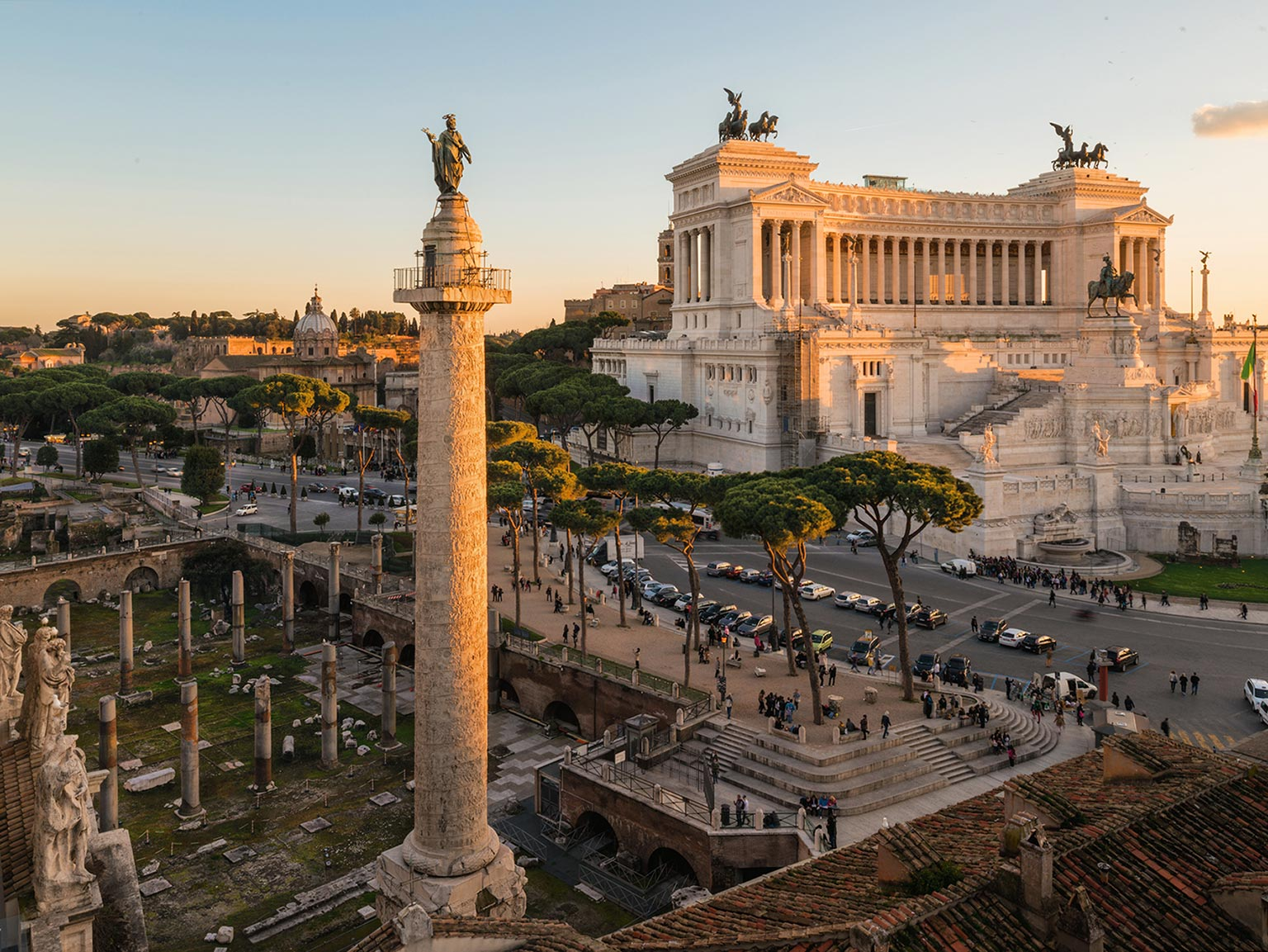
Trajan’s Column (c. AD 113, Claridge argues for Hadrianic date, Rome, narrative account of Dacian wars, only ¼ battles, logistical organisation. Issues of visual interpretation due to spiral & height, likely based on Commentarii de bellis Dacicis byTrajan. Cf. Great Trajanic relief, Beneventum)
Visual interpretation of Trajan’s Column
Problem: spiral composition, levels of detail and height of the frieze, impossible to ‘read’ the narrative from the ground.
Solutions: Vertical sightlines create narratives (four ‘corners’), repeated scenes (ad locutio, embassies, construction, sacrifice, journeys; assume at least one of each visible from ground), polychromy (individualised figures, easily recognisable), raised viewpoints from surrounding buildings (Latin & Greek libraries likely containing Trajan’s account)
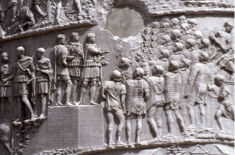
(scene, description)
Scene 10, Trajan addressing the troops
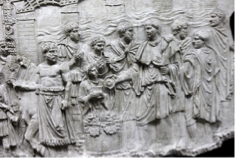
(scene, description)
Scene 99, Trajan sacrifices before the Danube
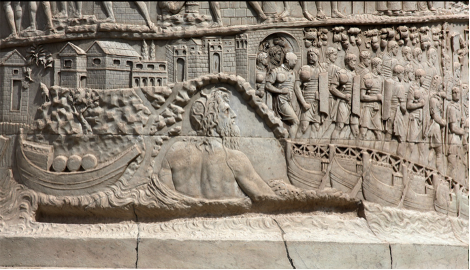
(scene, description)
Scene 4, Personification of the Danube river, over-lifesize, beneath a bridge where the Roman army is crossing
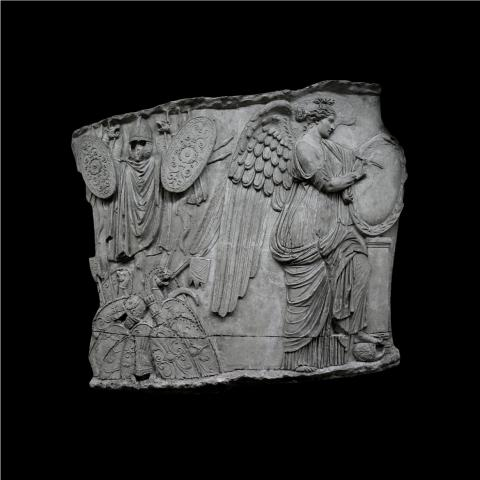
(scene, description)
Scene 78, tropaion beside a winged Victory records Trajan’s victory on a shield, boundary between 1st and 2nd Dacian campaign
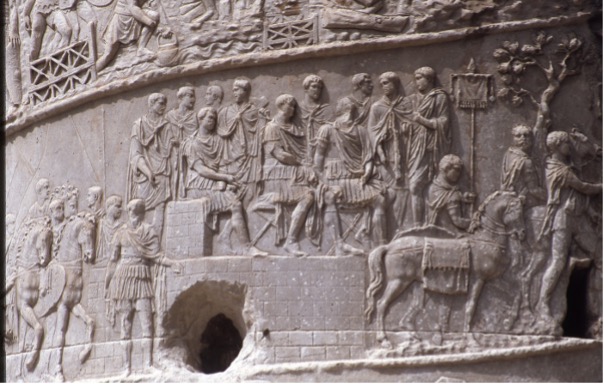
(scene, description)
Scene 6, Trajan sitting as part of a war council
(date, location, description, comparison)
(date, location, description, comparison)
(date, location, description, comparison)
(date, location, description, comparison)
(date, location, description, comparison)
(date, location, description, comparison)
(date, location, description, comparison)