Chemical Reactions
 Call Kai
 Learn
Learn Practice Test
 Spaced Repetition
 Match
Match Flashcards
 Knowt Play
1/21

There's no tags or description
Looks like no tags are added yet.
Name | Mastery | Learn | Test | Matching | Spaced | Call with Kai |
|---|
No analytics yet
Send a link to your students to track their progress
22 Terms
Indicators of Chemical Change
sound produced
change in colour
gas being produced
Reactants
the substances that undergo change in a chemical reaction
Products
the substances formed in a chemical reaction
During a chemical reaction, the atoms are _______ to make new _______.
rearranged substances
To identify the Reactants:
look at what substances are being mixed/heating/or reacting
To identify the products:
look for evidence of a chemical change
Writing a chemical equation in the correct order: reactants on the ____, products on the ______, arrow meaning _______, and separate reactants/products with a ____ sign.
left right produces plus
Example of a Chemical Equation
magnesium + hydrochloric acid (arrow) magnesium chloride + hydrogen
Atoms are not destroyed, they simply rearrange
True
Law of Conservation of Mass
states mass cannot be created or destroyed
Closed System
a system in which matter cannot enter or leave (e.g a sealed container)
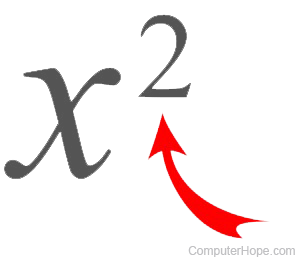
Superscript
the charge of an atom
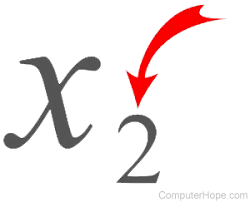
Subscript
how much of each atom you have (cannot be changed)
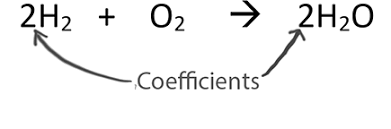
Coefficient
how many atoms you have (can be changed)
Rate of Reaction
a measure of how fast the reactants turn into products
Collision Theory
the idea that particles need to collide to react
Changing the Temperature Rate of Reaction
+heat means particles are more likely to collide, -heat means they are less likely to collide
Changing the Concentration Rate of Reaction
increase the concentration particles are more likely to collide, decrease the concentration particles are less likely to collide
Change the Surface Area Rate of Reaction
larger total surface area means more particles are likely to collide, smaller total surface area means less particles are likely to collide
Catalyst
a substance that is added to a reaction to speed it up without chemically changing the reaction
Exothermic Reactions
reactions that release heat energy into the surroundings, happens when the energy in the reactant bonds is more than in the product bonds
Endothermic Reaction
reactions that absorb heat from the surroundings, happens when the energy in the bonds of the products is more than the bonds of the reactants