History of Architecture Tours
 Call Kai
 Learn
Learn Practice Test
 Spaced Repetition
 Match
Match Flashcards
 Knowt Play
1/21

There's no tags or description
Looks like no tags are added yet.
Name | Mastery | Learn | Test | Matching | Spaced | Call with Kai |
|---|
No analytics yet
Send a link to your students to track their progress
22 Terms
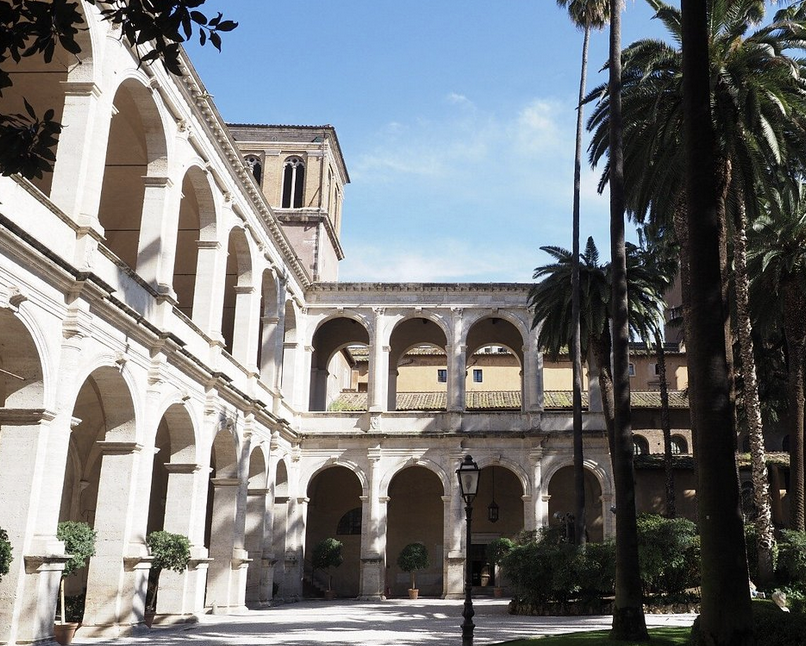
Palazzo Venezia, rebuilt in 1451 under venetian pope Paul II
cardinal palace for venetian cardinal, turned into a papal palace when the cardinal became pope paul II, project continued by the nephew 1471-1590
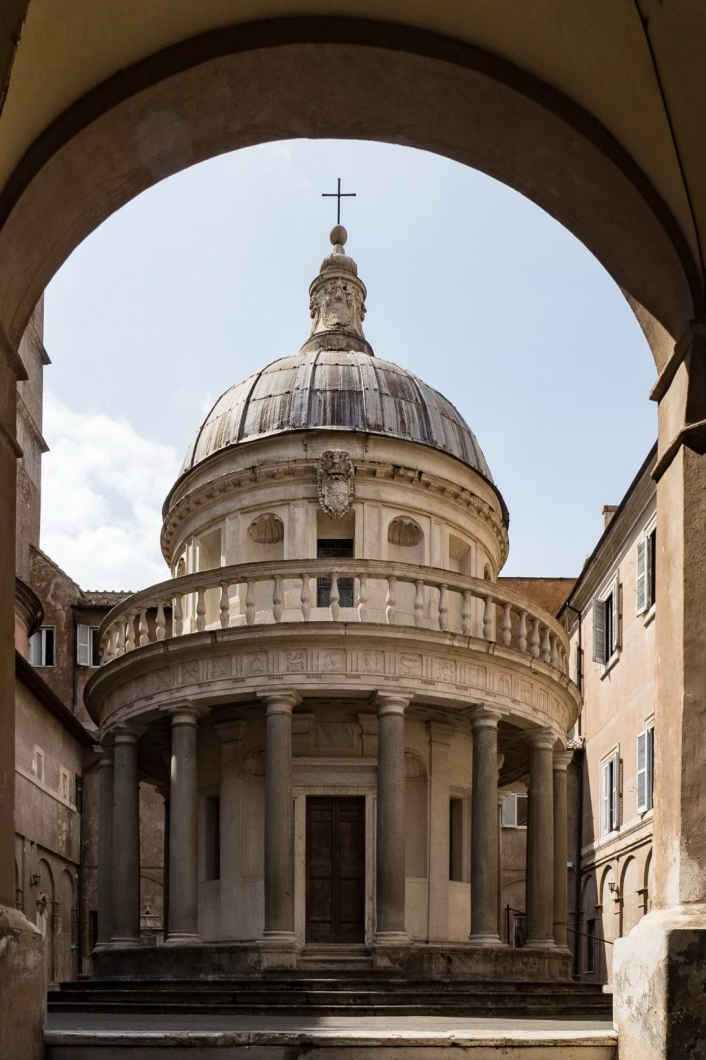
Tempietto, Bramante, began 1502 (debated), temple adjacent to san pietro in montorio, Janiculum
commissioned by ferdinand and isabella of spain, supposedly over the site of st peters crucifixion
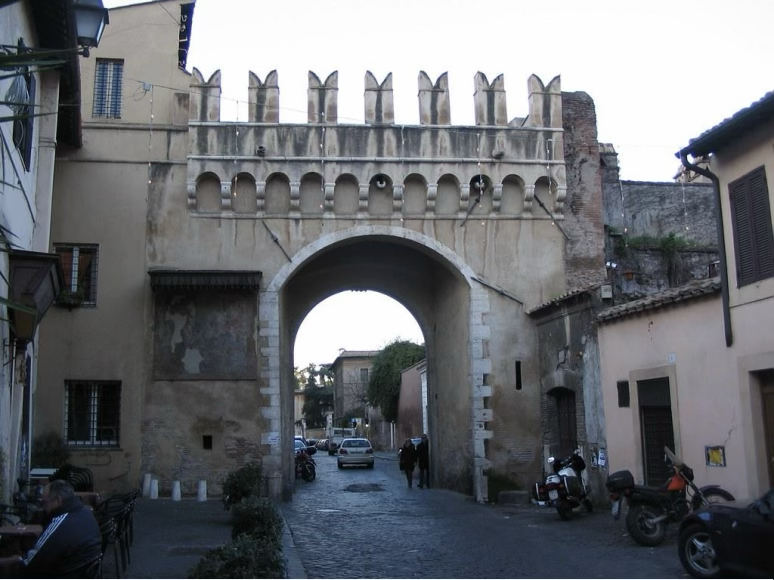
Porta Settimiana on Via della Lungara, early 16th century, Trastevere
laid out under Alexander VI and completed by Julius II
counterpart to via Giulia across the river, urban interventions
served for villas and gardens along the tiber
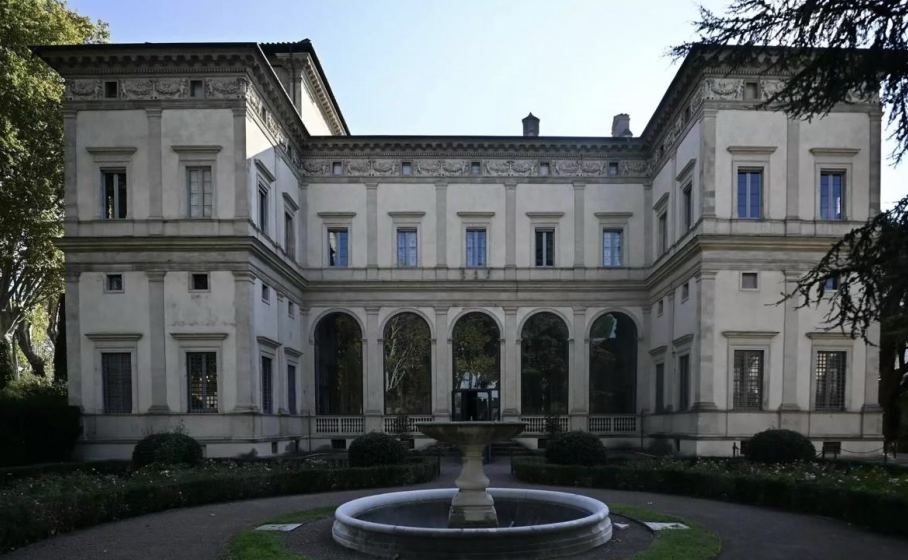
Villa Farnesina Chigi, Baldassare Peruzzi, 1506-1511, Via Lungara
built for the sienese banker agostino chigi, C shaped plan with loggia toward the garden, acquired by the farnese in 1579, designed as uniting architecture, garden and painting, small podium to help against the floods
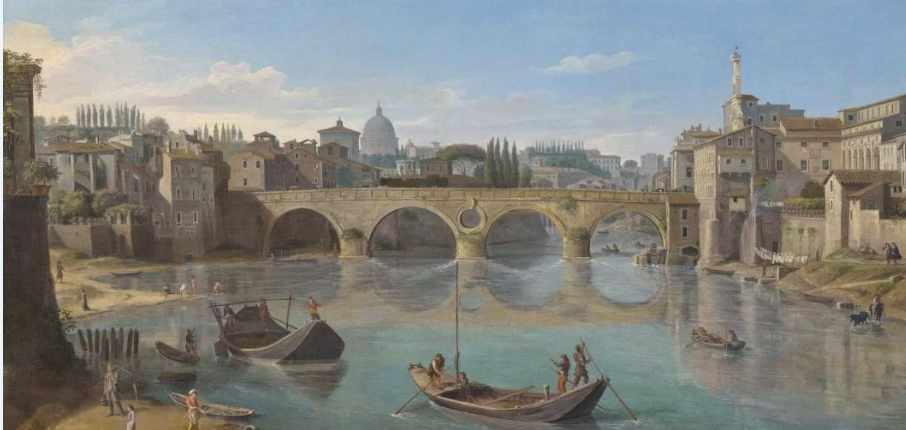
Ponte Sisto, Sixtus IV, 1473-79
rebuilt under julius IV for the Jubilee of 1475, built on the foundations of the ancient pons aurelius, to relieve pilgrim pressure on ponte sant angelo, bridge as instrument of urban policy
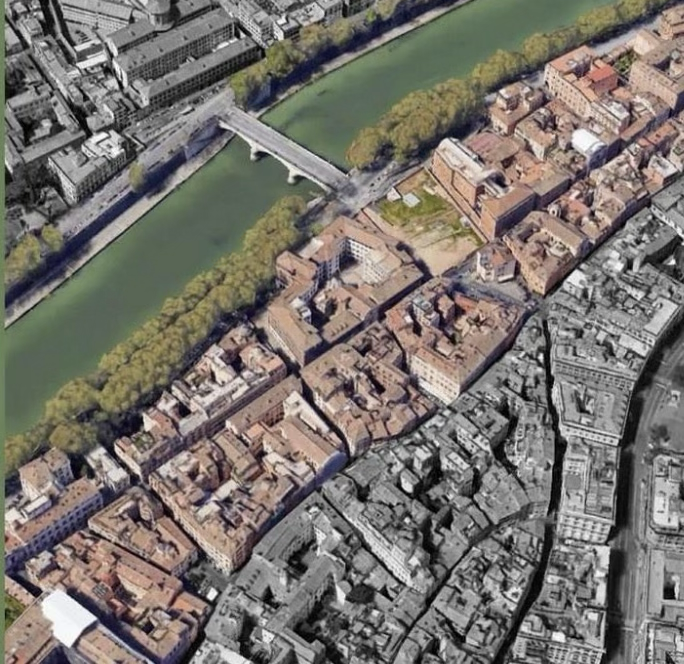
Via Giulia, Julius II with Bramante, ca. 1508
straight street of 1km running through medieval fabric, papal urbansim, largest project realized till then, street can be seen as a designed architectural object
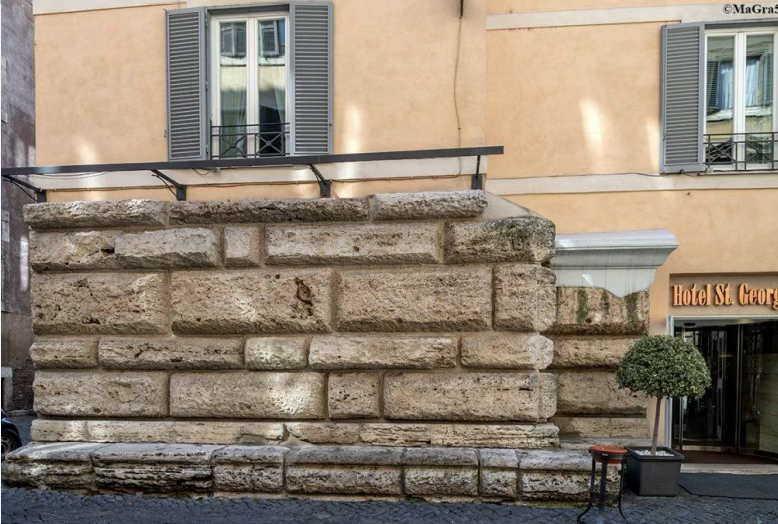
Palazoo dei Tribulani, Donato Bramante, begun c. 1508-13, via giulia
prroject was abandoned after 1513, only some blocks surviving, projected palace of justice by julius II who died in 1513, “sofas” of via giulia
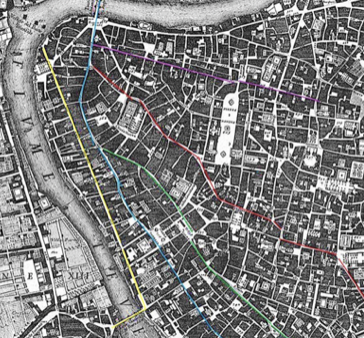
via dei banchi veccchi and via perefrinorum,
via peregrinorum was the route the pilgrims took, connected to the via dei banchi vecchi, irregular line counter model to the straight streets of julius II
blue: via dei banchi vecchi, green: via perefrinorum, yellow: via giulia
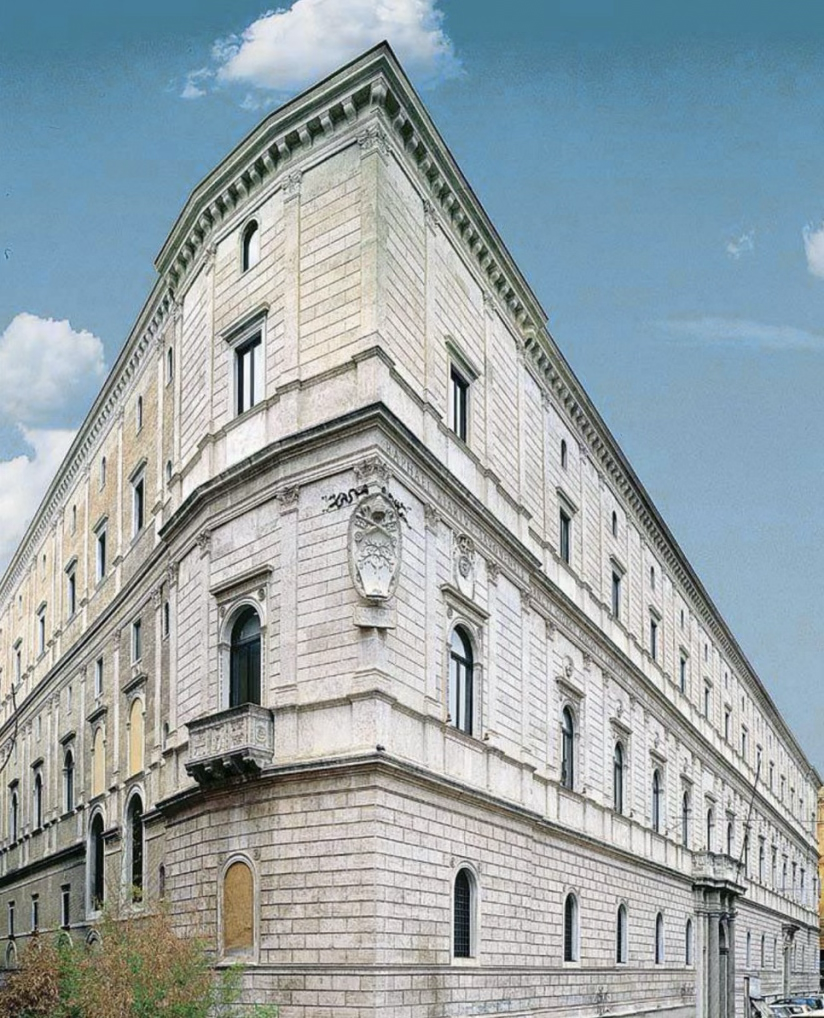
Palazzo della Cancelleria, Cardinal Raffaele Riario, c. 1485-1513
built for a nephew of sixtus IV, first monumental and entirely ancient like palace of the renaissance, early phase by unknown architect, gatherings of several artists and architects for suggesting solutions for the detailing of the project, some known figures involved: andres bregno, andrea mantegna, bramante
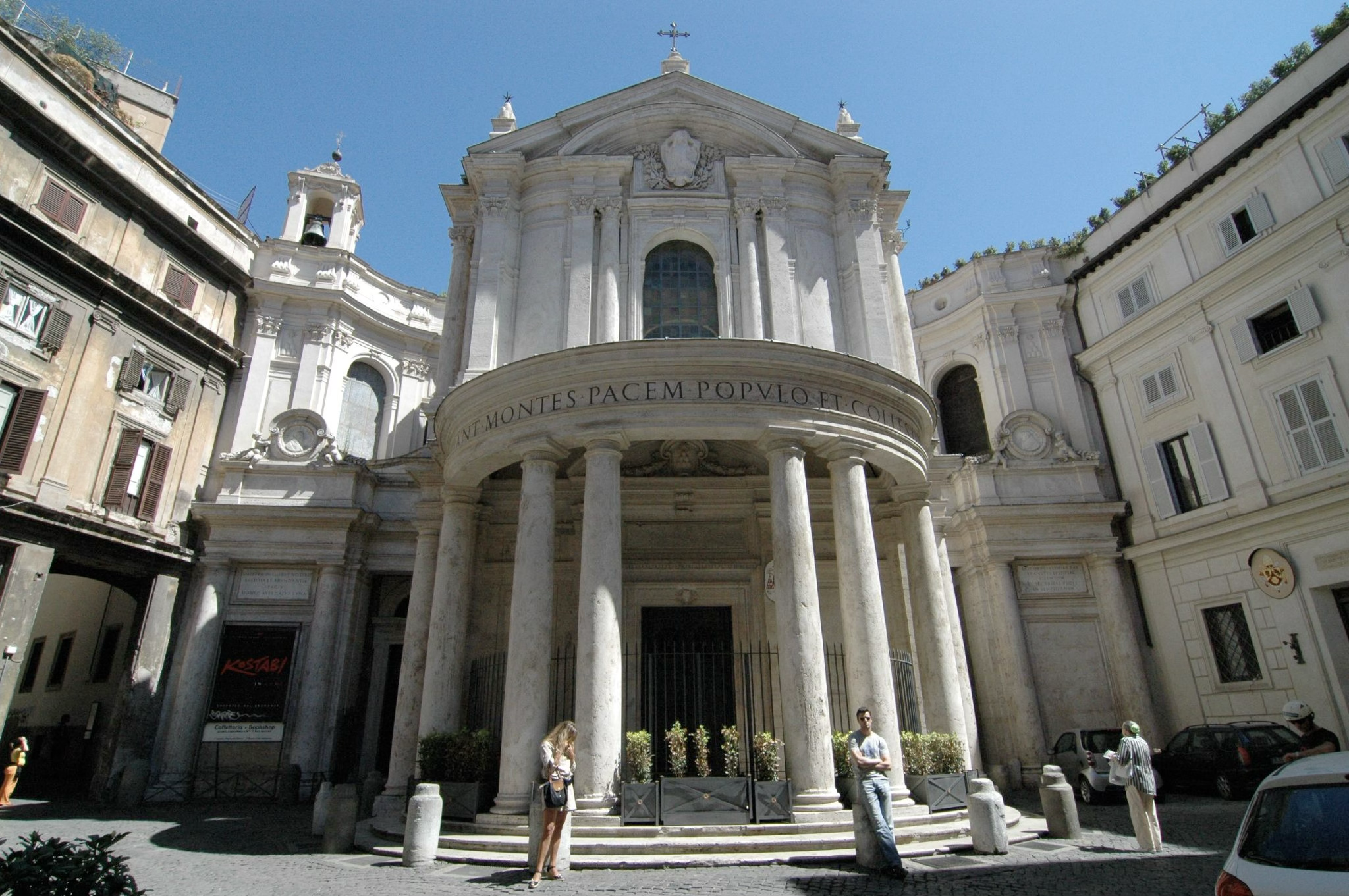
santa maria della pace, baccio pontelli, 1482-84
built unter sixtus IV, dedicated to the peace concluded after the pazzi conspiracy, attributed to baccio pontelli but undocumented, dome and drum completed in 1520 by antonio da sangallo
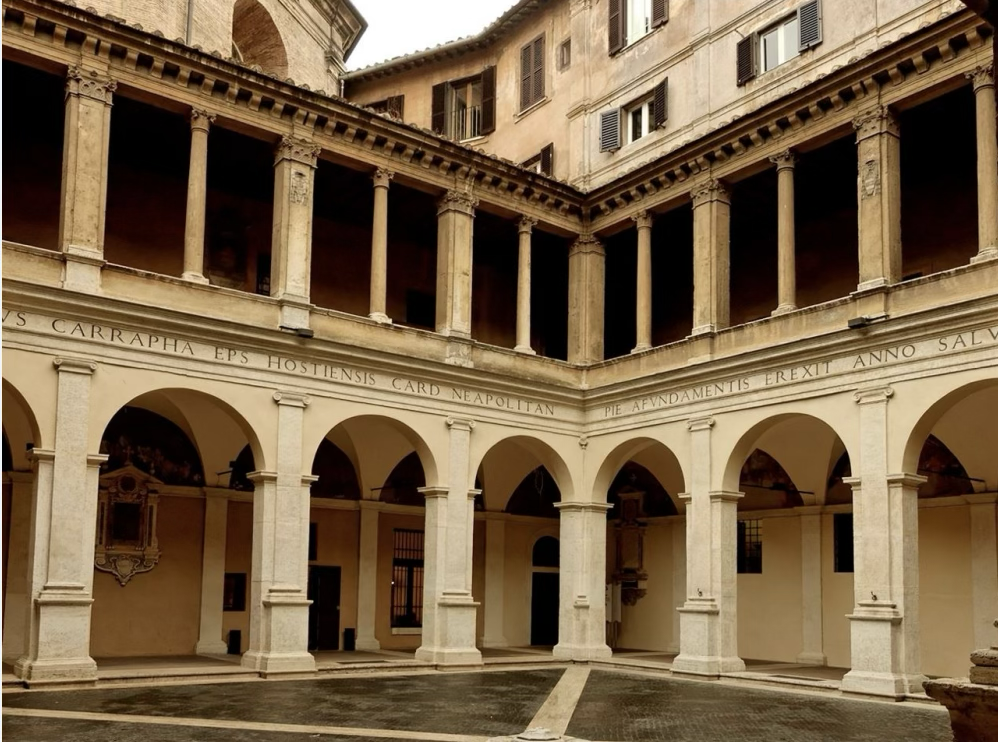
The Cloister of Santa Maria della Pace, Donato Bramante, 1500-1504
bramantes first documented work in rome, made for cardinal oliviero carafa
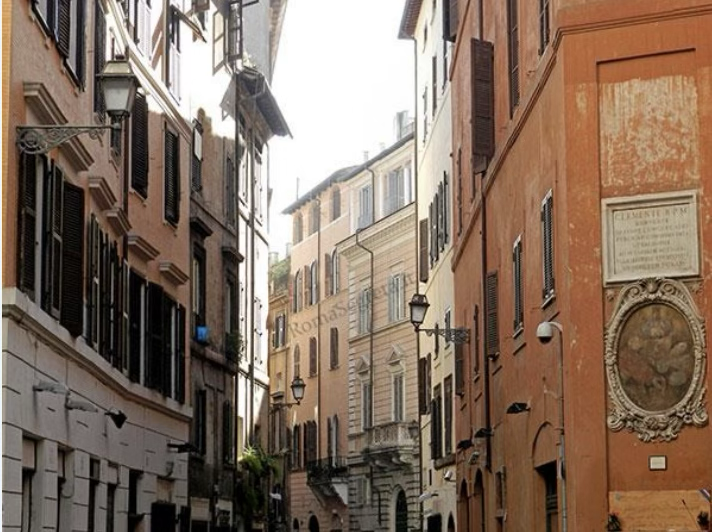
Via Papalis with Roman Palazzetto,
via papalis was the processional route of the papal ceremony, now via del governo vecchio, takes its name from old seat of papal government, several examples of palazzetto romano: modest town house with shops below and dwelling above, ordinary house type
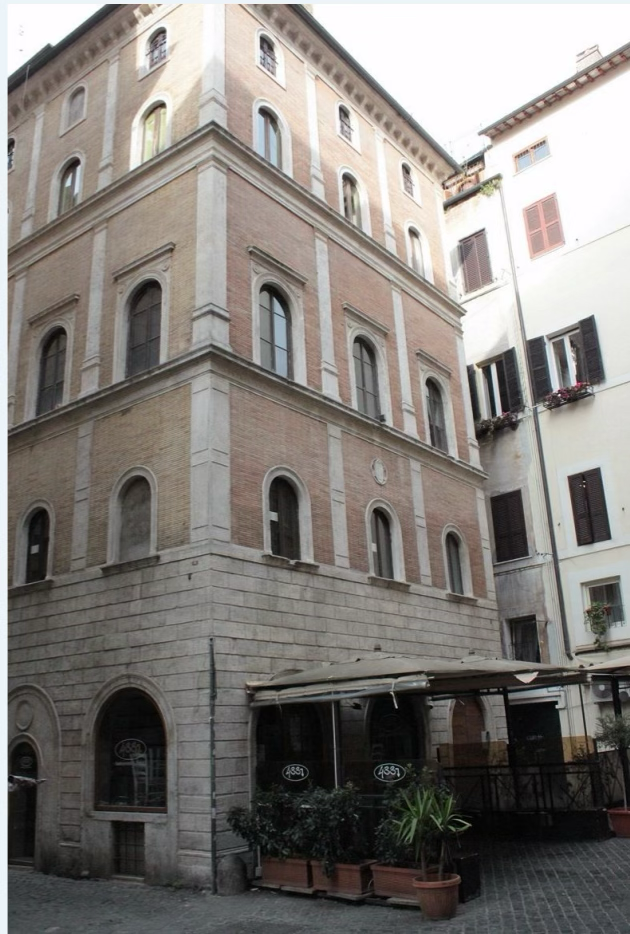
Palazzetto Turci, 1500, Via del Governo Vecchio,
example of the palazzetto type, also known for “small cancelleria” bc of similarities to the palazzo della cancelleria courtyard, an invention became a repeatable model
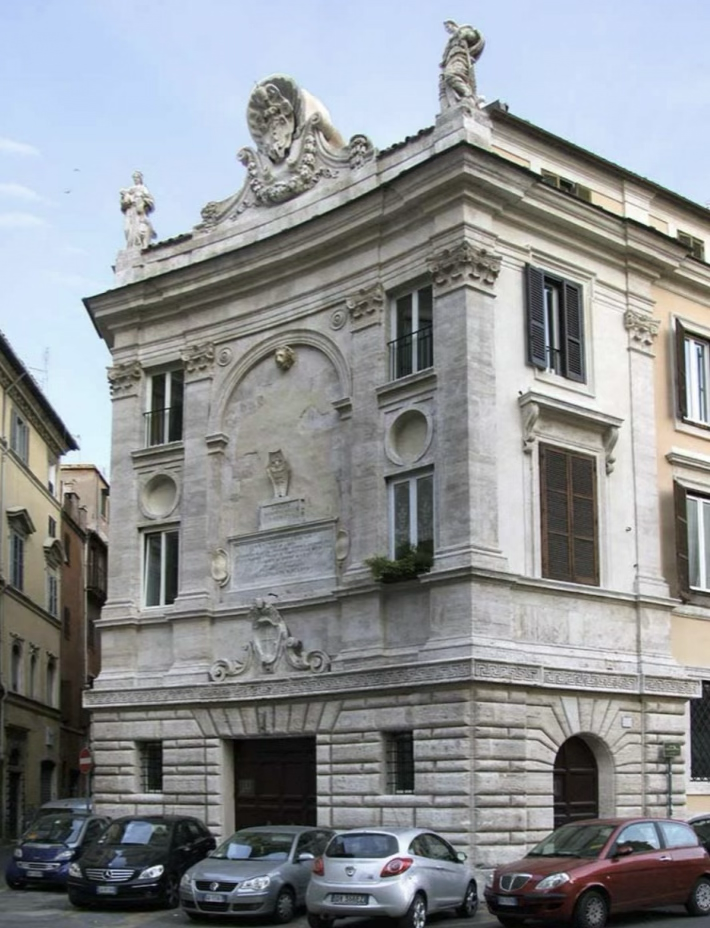
The Mint on Via del Banco di Santo Spirito,
part of the street of the banks leading towards ponte san angelo, former papal mint by julius II in 1504, pre-existing building was transformed by bramante, current facade built by antonio da sagallo the younger for leo X ca 1520-24
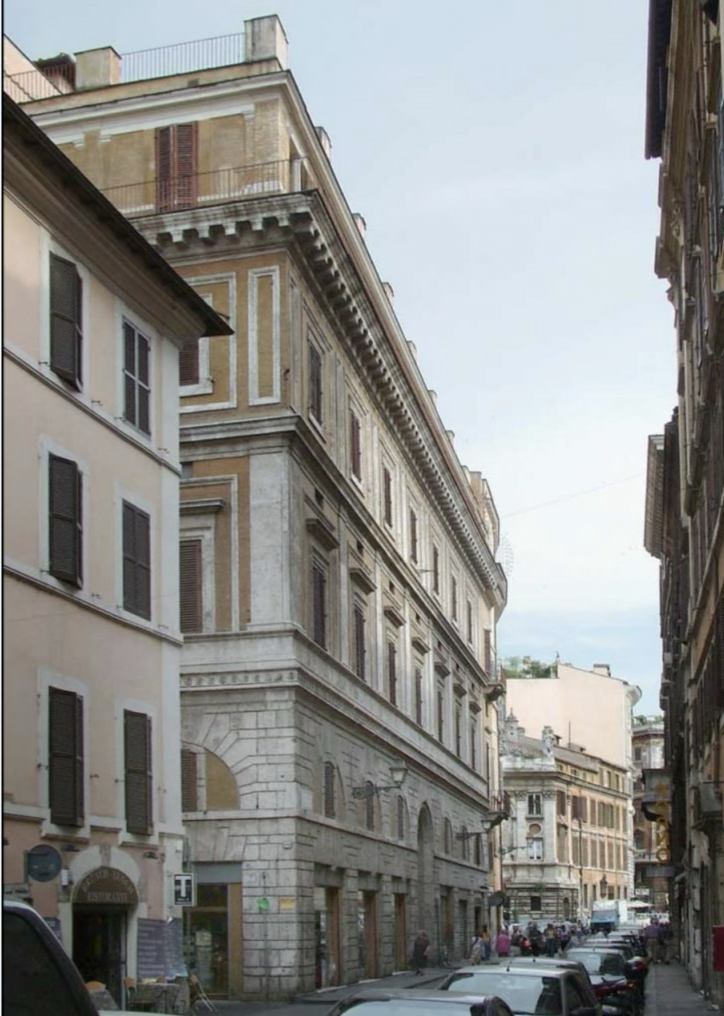
Palazzo Alberini, Raphael with Giulio Romano, c.1515,
designed by Raphale and executed by Giulio Romano, facade reshapes the caprini scheme, shift from brqamantes columnar weight, more flat and linear wall, not a familiar private palace but an economic investment in one of the most expensive districts in the city
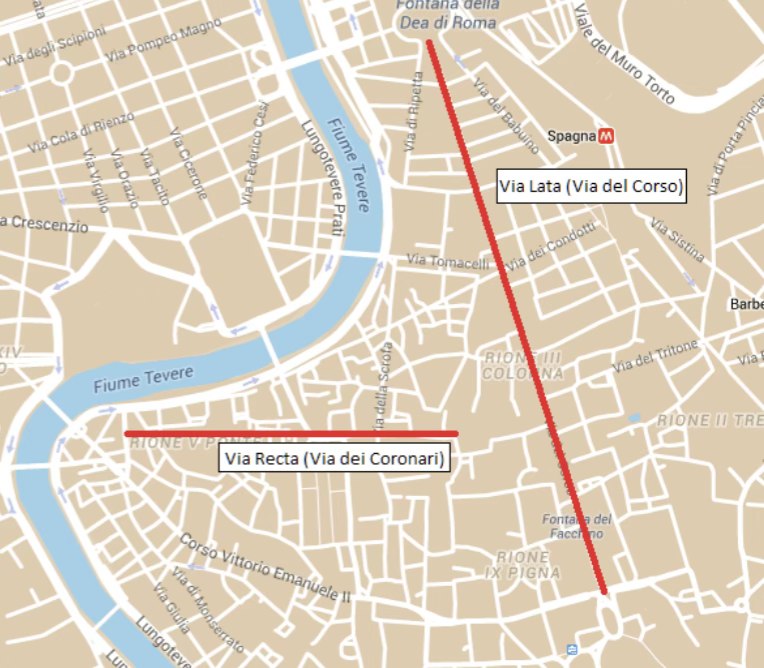
via recta,
via dei coronati follows the ancient via recta, name recalls coronari (rosary sellers who supplied pilgrims), regularised under sixtus IV, favorite address lined with renaissance houses
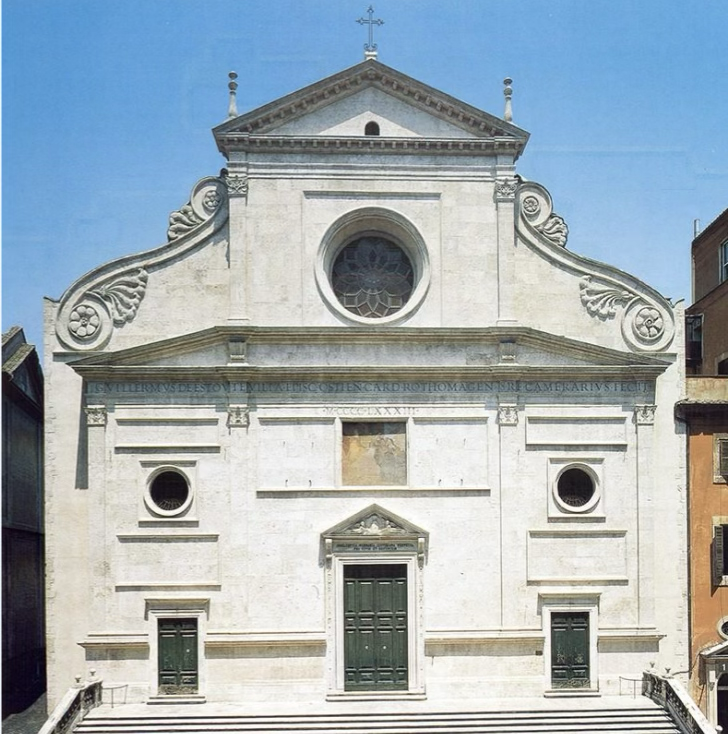
Sant Agostino, 1479-83, for cardinal guillaume d’estouville,
one of the earliest church fronts in rome completely in travertine, traditionally connected with giacomo di pietrasanta, predates high renaissance vocabulary
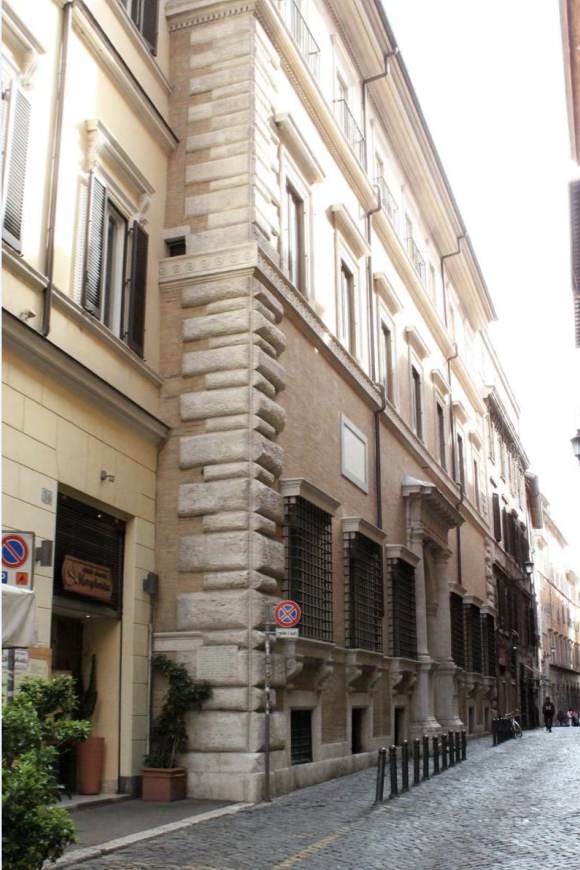
Palazzo Baldassino, Antonio da Sangallo the younger, ca 1514-20,
built for the jurist melchiorre baldassini, sober and flat facade, regarded as a model of the sangallo palace type,
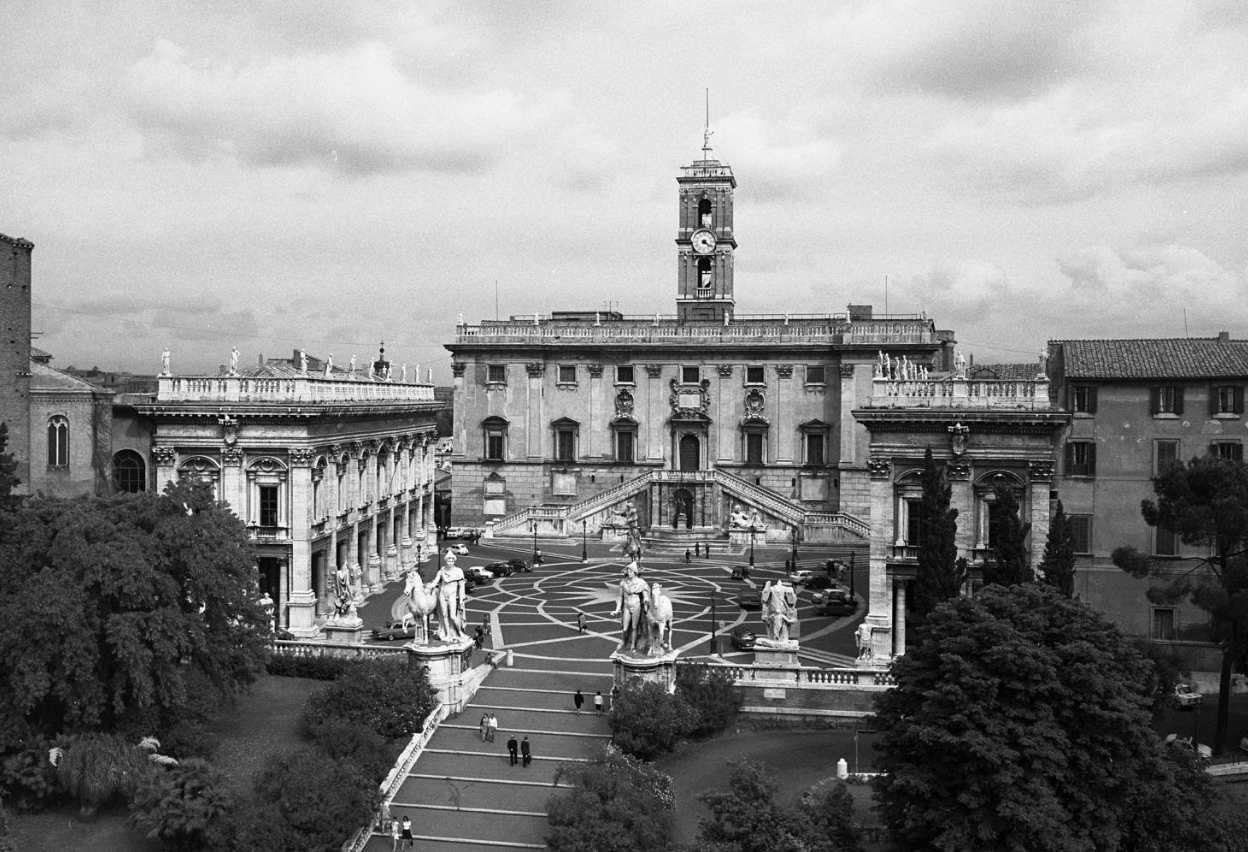
Piazza del Campidoglio, Capitoline Hill starting 1538
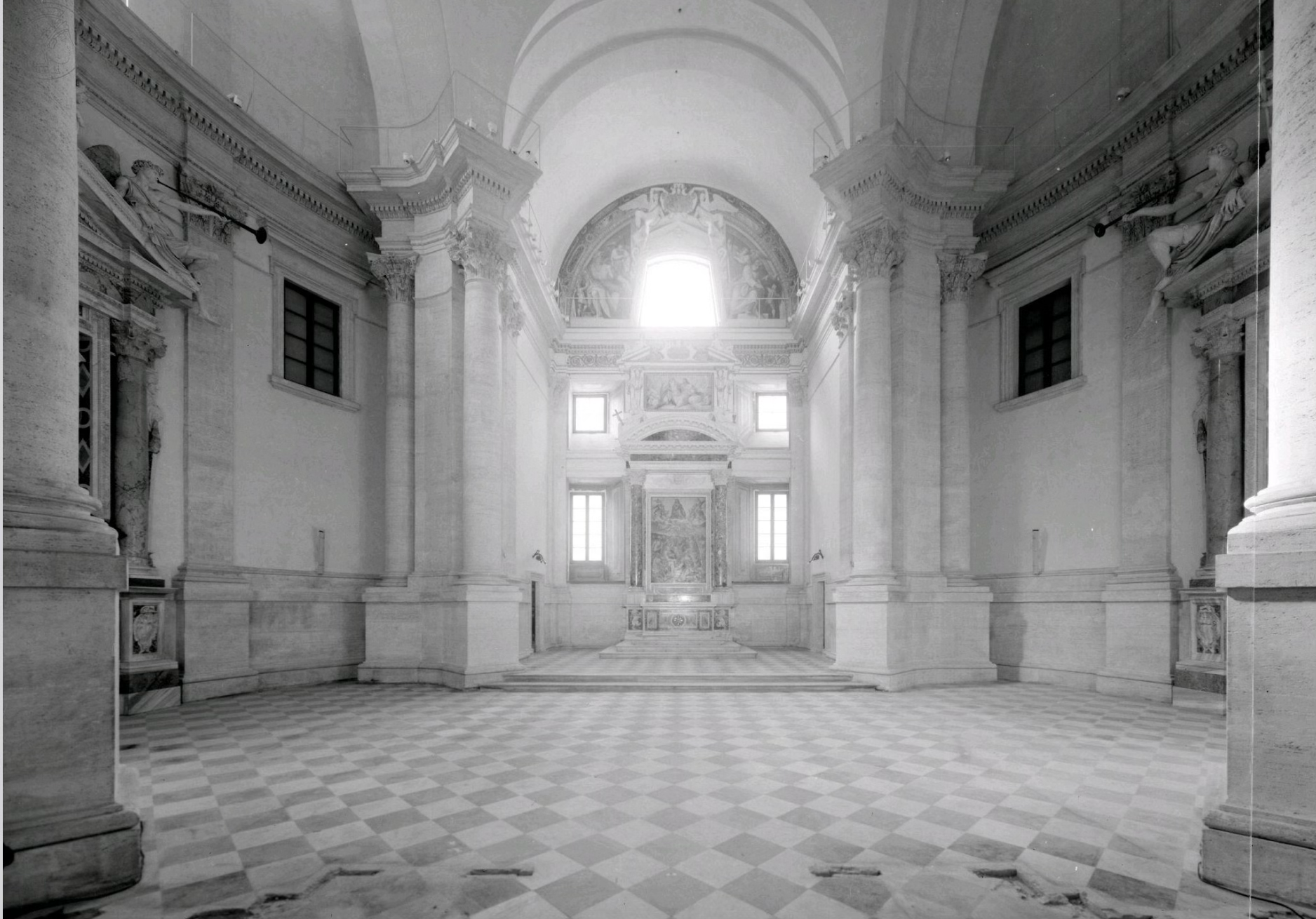
Sforza Chapel in Santa Maria Maggiore, starting 1560,
mausoleum of Cardinals Guido Ascanio Sforza di Santa Fiora and Alessandro Sforza, 1562 Michelangelo got involvedin the project, when Michelangelo died in 1564 Tiberio Calcagni and Giacomo della Porta continued the work
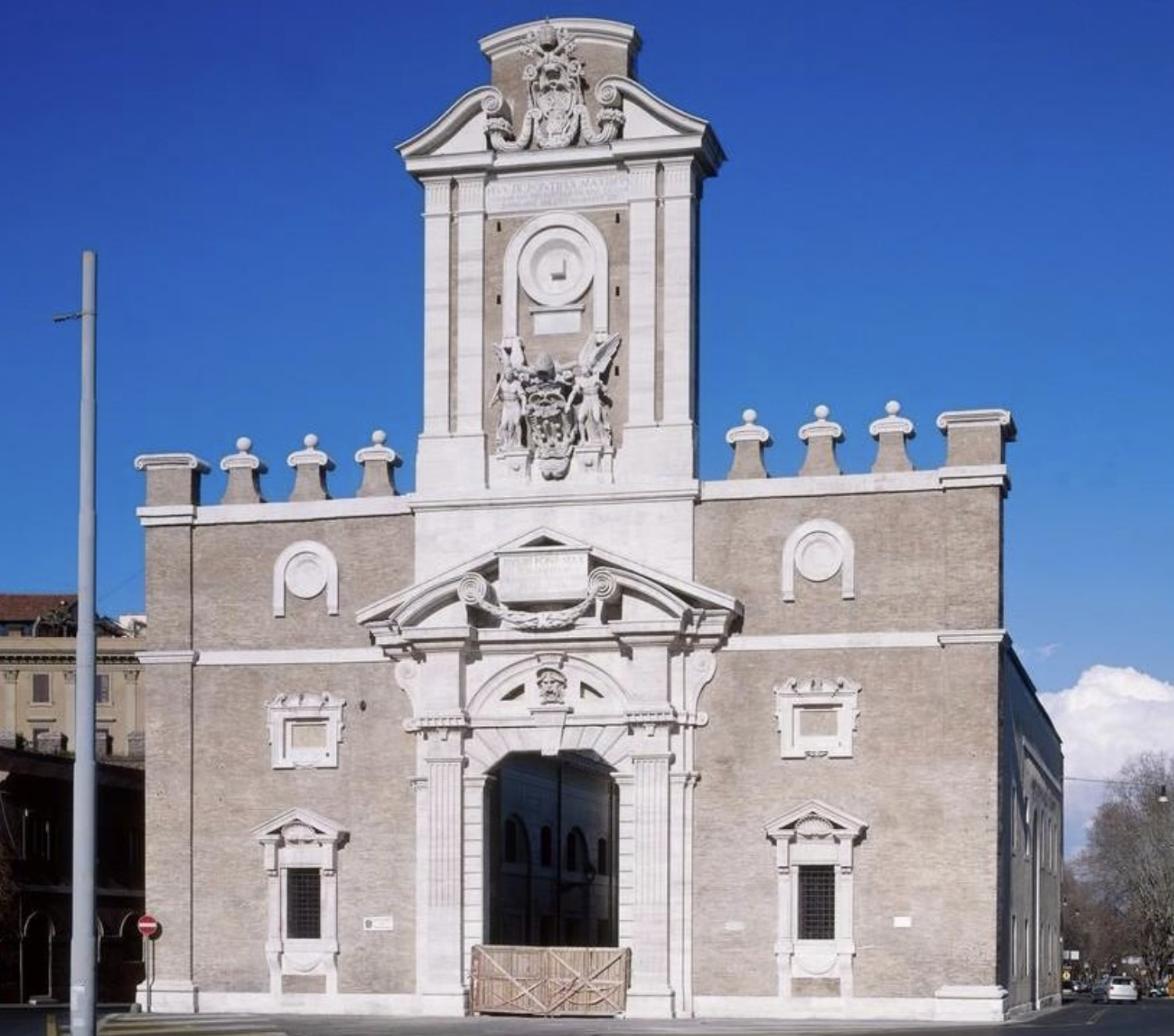
Porta Pia, starting 1560, Michelangelo
main face of the door points towards the internal part of the city, creating an urban scene, sarcastic - arch doesn’t have a true round form, mockery of an arch
Santa Maria degli angeli, 1561, Michelangelo
originally tepedarium of the baths of diocletian, converted into church in 1561 by michelangelo, later remodeled by luigi vanvitelli, basilica entirely comprised of ruins of the bath