AS theory
 Call Kai
 Learn
Learn Practice Test
 Spaced Repetition
 Match
Match Flashcards
 Knowt Play
1/526

There's no tags or description
Looks like no tags are added yet.
Name | Mastery | Learn | Test | Matching | Spaced | Call with Kai |
|---|
No analytics yet
Send a link to your students to track their progress
527 Terms
which logic gate doesn’t use two inputs
the NOT gate
what is data redundancy
having multiple copies of data, and depending on purpose, this can be good or bad
how may an AND gate be written
A.B
how may an OR gate be written
A+B
how may a NOT gate be written
Ā
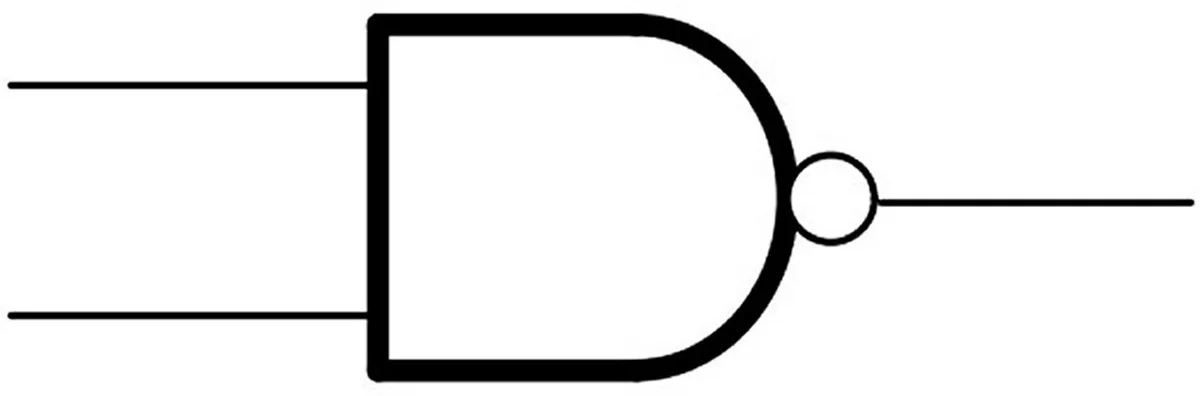
what logic gate is this
a NAND (NOT AND) gate, output is 1 if any output is 0

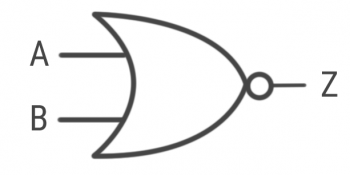
what logic gate is this
a NOR (NOT OR) gate, output only true when all inputs are false (0)
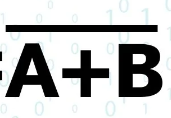
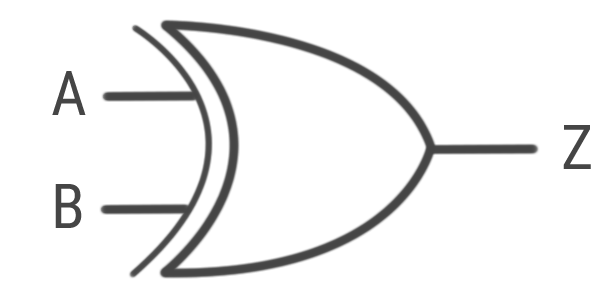
what logic gate is this
a ZOR (or XOR) gate, for a positive output there can only be one positive input

what gate is 1 when only one input is 1
a XOR gate
0.A=
0
0+A=
1
1.A=
A
1+A=
1
A+A’=
1
A.A’=
0
A.A and A+A=
A
A+ A’.B
A+B
A+A.B
A
A.(A+B)
A
what are kilobytes and what are kibibytes
kilobytes are 1000 bytes and kibibytes are 1024. It goes KB, MB, GB, and TB
what is hexadecimal
base 16, it uses MAC addresses, used in colours and it’s more efficient when representing large binary numbers / are easier for people to read
how do we convert hexadecimal to denary
the most right value is multiplied by 16^0, the next, by 16^1 etc. and are then added together
what are binary coded decimals
when each digit is split and represented as 4 bits
when are binary coded decimals applied
financial calculations as it errors/ ensures accuracy, electronic displays as it’s a visually simpler way of showing bits/ make conversion to and from denary easier, same with storage of date and time in the BIOS
what is 1’s complement
a method of representing signed binary numbers where positives are shown in the standard form, and negatives are produced by inverting each bit of a positive number
what’s two’s complement
the same as one’s complement, but this time a one is added at the end to make arithmetic operations easier
what’s the smallest / largest two’s complement binary number
the smallest is 10000000 and the largest is 01111111
what’s another way of subtracting binaries
adding them and then using two’s complement
what is ASCII and what’s its downside
it consists of 128 characters, each represented by 7 or 8 unique bits and stored in the order of the word, but it’s limited to the Latin alphabet. Note extended ASCII is made up of 256 characters
what’s unicode
essentially a larger version of ASCII, supporting over 150 scripts (i.e. multiple languages), and characters are represented using 8 to 32 bits but it also takes up more space than ASCII
what is an overflow in bits
when the number of bits a register can hold is exceeded, the overflowing bit is normally discarded
what are bitmap images
grids of pixels, each with its own colour and intensity, used in digital photography, web graphics, and desktop applications in formats like JPEG/ PNG
what is colour/ bit depth
the number of bits used to represent the colour of a single pixel/ the number of colours that can be used to represent an image. The higher this is, the better the colour quality
what is a pixel
the smallest part of an image
what is a file header
data stored with the file that contains information about it, like image dimensions, colour depth, and compression type
what is image resolution
the total number of pixels (bits) in an image, typically represented as width x height
what is screen resolution
the (max) number of pixels able to be displayed on screen, it affects how bitmapped images are rendered
how is file size calculated
width of pixels x height of pixels x bit depth if provided. If we want it in bytes rather than bits, this number is divided by 8, then 100 if we further want KB etc.
how is bitmap image quality affected when factors are increased
an increase in pixels makes the image look more detailed, as will increasing image resolution, higher screen resolution means a better display of images (making them sharper/ more detailed), and colour depth allows for a greater range/ accuracy of colour
what happens when factors are decreased in bitmap images
quality is worsened, looking more pixelated , less realistic and can result in banding (visible steps between colours), but file size is smaller
what’s bad about better image quality
more pixels, mean more bits need to be stored, increasing file size. Resolution, however, does not impact file size
what are vector graphics
images created using mathmatical formulas to define shapes, lines, colours etc. they’re commonly used for logos/ illustrations because of their scalability, and in formats like SVG
how do vector images differ from bitmap ones
they are resolution-independent meaning they can be scaled to any size without losing quality, but it requires expensive equiptment
how may vector images be compressed
reducing drawing list properties and removing unused data (?)
what are vector graphics composed of
a drawing list, a group of commands used to define a drawing object and its properties (allowing it to be scalable and not lose quality)
what is a drawing object
a basic element like a shape or line that’s defined mathematically
what is a property
attributes of a drawing object like colour or line thickness
how are sound files recorded and encoded
via an analogue to digital conversion (ADC), which uses sampling. This is where the amplitude of the sound wave is measured at regular intervals, and these sample amplitudes are rounded (quantised) and used to help the computer fill in the rest. This is then encoded, given a binary number, which is saved in sequence
a higher sampling rate / resolution means what
a more accurate version of the sound wave will be represented // less errors will be produced, as more data is recorded, but it will take up more space/ more time to load
what does sampling rate mean
the number of samples taken per second
what does sampling resolution (bit depth) mean
the number of bits used to represent each sample’s amplitude
analogue vs digital data
analogue is continuous sound signals representing vibrations in air pressure, its sound graph is smooth whereas digital data is numerical representations of sound and can be used by digital systems
how do we figure out file size for sound
if it’s in kHZ, multiply it by 1000 to get HZ, which represents bits per second, and then multiply that by the length (in seconds) and the sampling resolution
why is compression needed
high-resolution images can be stored in a smaller size without losing quality and saving storage, data will be transmitted faster (less buffering if a video), and it helps website performance by improving load time, which enhances user experience
what is lossy compression
where data is removed to create a smaller file size and is irreversible. It’s used when data can be lost, like in images or videos
what is lossless compression
where an algorithm is used to reduce file size and is reversible. It’s used when no data can be lost, like in text or software as all data is required, but will generate a bigger file than lossy
what is run-length encoding (RLE)
a form of data compression where consecutive repeated values are stored as a single value, i.e. AAAA would be 4A
how may a sound file be compressed
run length encoding where sounds are grouped (lossless), or removing frequencies outside human range (lossy)
how may an image be compressed
by cropping the image / decreasing the colour depth (lossy) or RLE (lossless)
What's a wide area network
a network that covers a wide geographic scale by combining LANs
what are the pros of using a WAN
wider reach, resources like server databases can be shared, and they’re easy to expand, but it has a low transfer rate
what are some cons of using a WAN
expensive to set up as dedicated lines and routers needed, more complex to manage, weaker security
What's a local area network
networks that cover a small geographical area, like a single building
what are benefits of a LAN
resources can be shared, it’s more secure due to it’s smaller size, it has a high data transfer rate, it has central management
what are some cons to using a LAN
hacking can affect the entire network, it’s harder to manage,the range is limited and it can depend on a single server
what are the benefits of networking computers and devices
data and resources can be shared (i.e. files or hardware like printers), which reduces cost, it provides better communication/ collaboration (through shared applications), and it increases security as a network manager can oversee networks and apply/ restrict access
what are computer networks made up of
the nodes, transmission data that can be wired (i.e. cables) or wireless (i.e. Wi-Fi), and network devices (like routers/ switches) that allow communication to take place
what are WAPs
wireless access points, which are devices that allow devices to connect wirelessly to a network/ LAN. Note: because of its limited range, places like airports would need several WAPs to ensure no interruption
what technology do wireless access points use
spread spectrum technology or infrared
what's a client server
a server-based network where devices (clients) request information from the main/ central server which then sends the data
what are the pros of using a client server
it has centralised management, it’s easier to manage/ monitor resources or access rights, increasing security, and it ensures data consistency as all clients can access the same data
what are some cons of using a client server
it’s more expensive to set up and maintain, if the server(s) go down, so does the network, and clients are dependent on the server for resources
what's a peer-to-peer model
its a decentralised network type, meaning it has no central server; instead, peers are connected and are of equal status, sharing resources directly.
Note: not good for scenarios with more than 10 devices
what are the cons of a peer-to-peer model
it has weaker security as it’s harder to enforce policies, data consistency is difficult because it’s distributed, and the network’s performance depends on the peers’ capability
what are some benefits of a peer-to-peer model
it’s cheaper to install/ maintain as it doesn’t use a dedicated server; if one peer goes down, the network still works, it’s easier to expand as peers can just join, and no central server increases privacy
what two client types does the client-server model offer
thin clients and thick clients
what's a thin client
A software that relies on a central server to perform tasks and won’t work without one. Most of the processing occurs on a remote server and needs a good/stable connection. e.g. Google docs
pros of a thin client
It’s easier/ less expensive as updates/ managements are central, which can offer protection against hacking/ malware, and cheap devices can be used
cons of thin client
high reliance on server - if the server goes down/ break in communication link, devices cannot work, and startup costs are higher than for thick clients
what can be said about thin clients’ resources
they require minimal local storage
what's a thick client
a client (device) that does some of the processing itself and the system can work offline or online. It relies heavily on local resources but is more tolerant of a slow network connection. e.g. outlook
pros of a thick client
more robust and clients have more control as they can store own data/ files
cons of a thick client
they're less secure as it relies on clients to keep their own data secure and each client needs to update data/ software individually
What's a bus network topology
all devices are connected to a single, central cable. Data only goes one way and terminators are needed at each end to prevent signal reflection.
what are the advantages of a bus network
it's easy to expand, requires little cabling, and if one node fails network continues to function
what are the disadvantages of a bus network
if main cable fails the whole network goes down, heavy loading decreases performance of network and network is not secure since each packet passes through every node
how are bus topologies in terms of scalability
it’s less suitable for large networks as collision likelihood is increased while performance is decreased
how are packets sent/ data transmitted in a bus network
each node looks at packet and determines whether packet address matches its own, leading to potential data collisions and retransmission
what's a star network topology
where all devices are connected to a central hub or switch, which manages data transmission
what are the advantages of a star network
it’s easy to add/ remove devices because each device is connected directly to a central switch. The central switch makes the network easy to manage and troubleshoot, lowering collision risk. It’s more secure, and if one connection is broken, it only affects one of the hubs
what are the disadvantages of a star network
initial installation costs are high and if central hub/switch fails the whole network goes down
how are packets handled in a star network if central nod is a switch
packets are only sent to nodes where the address matches the address in packet.
how are packets handled in a star network if central nod is a hub
all packets are sent to all device/ node on star network. if address matches it's accepted, if not, it's ignored
how is data generally transmitted in a star topology
data from any device is sent to the central hub, which routes it to the destination device, reducing likelihood of data collision
how are star topologies in scalability
star topologies are suitable as adding or removing devices is simple and won’t affect the rest of the network. may see this network type in hospitals
what is a mesh topology
A group of devices is connected, creating multiple paths for data transmission (as it can communicate directly or through other nodes), enhancing redundancy and reliability
what are the disadvantages of using a mesh network
large amount of cabling needed, which is expensive/ time consuming and set up/maintenance is difficult
what are the advantages of a mesh network
easy to identify where faults have occured, broken links don't affect other nodes, good privacy/ security and easy to expand
how are packets handled/ data transmitted in a mesh network
best route is determined and each packet of data is transferred from the node that recieved it to the node closest to the destination, but it could take several other paths, reducing the chance of network failure, and improving fault tolerance
how are mesh networks in terms of scalability
it’s highly scalable and can handle large amounts of traffic volume but it’s complex and expensive due to it’s extensive cabling / hardware needed