Flashcards for Anatomy and Physiology
 Call Kai
 Learn
Learn Practice Test
 Spaced Repetition
 Match
Match Flashcards
 Knowt Play
1/42

There's no tags or description
Looks like no tags are added yet.
Name | Mastery | Learn | Test | Matching | Spaced | Call with Kai |
|---|
No analytics yet
Send a link to your students to track their progress
43 Terms
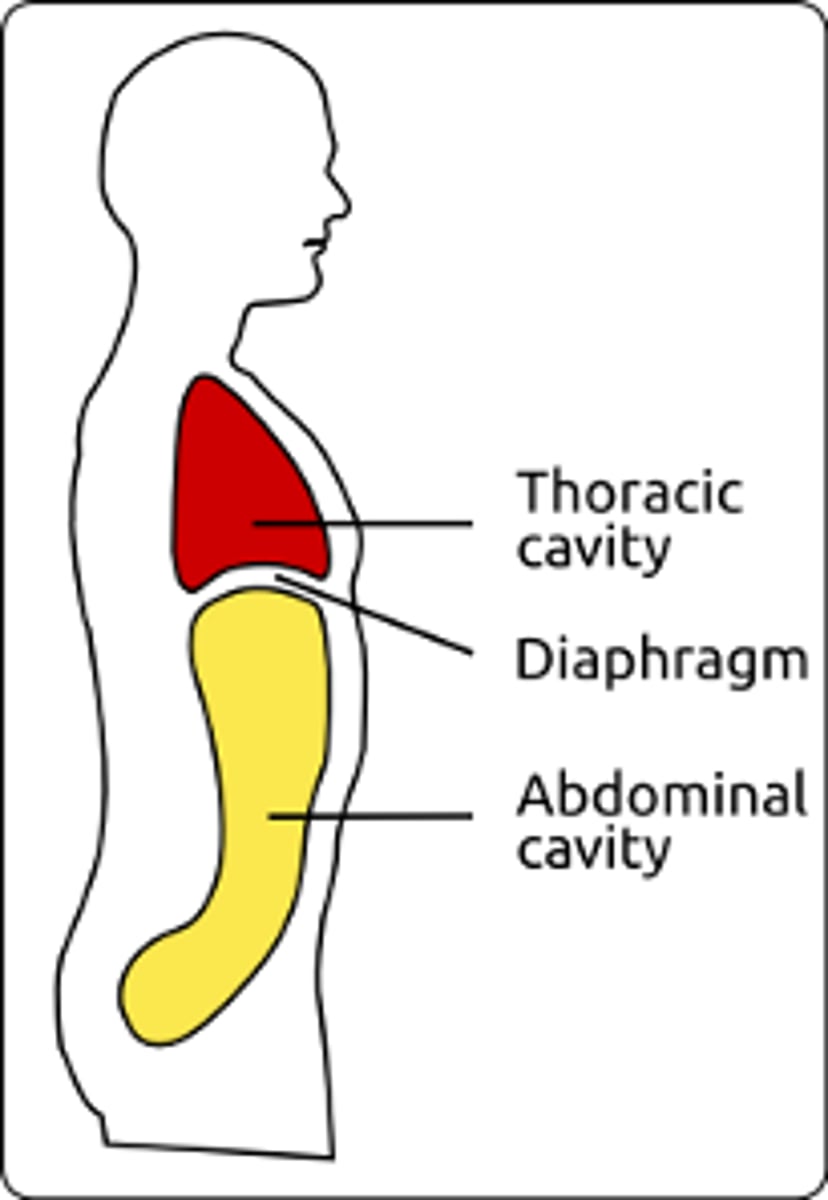
Thoracic cavity
The heart is located in the thoracic cavity
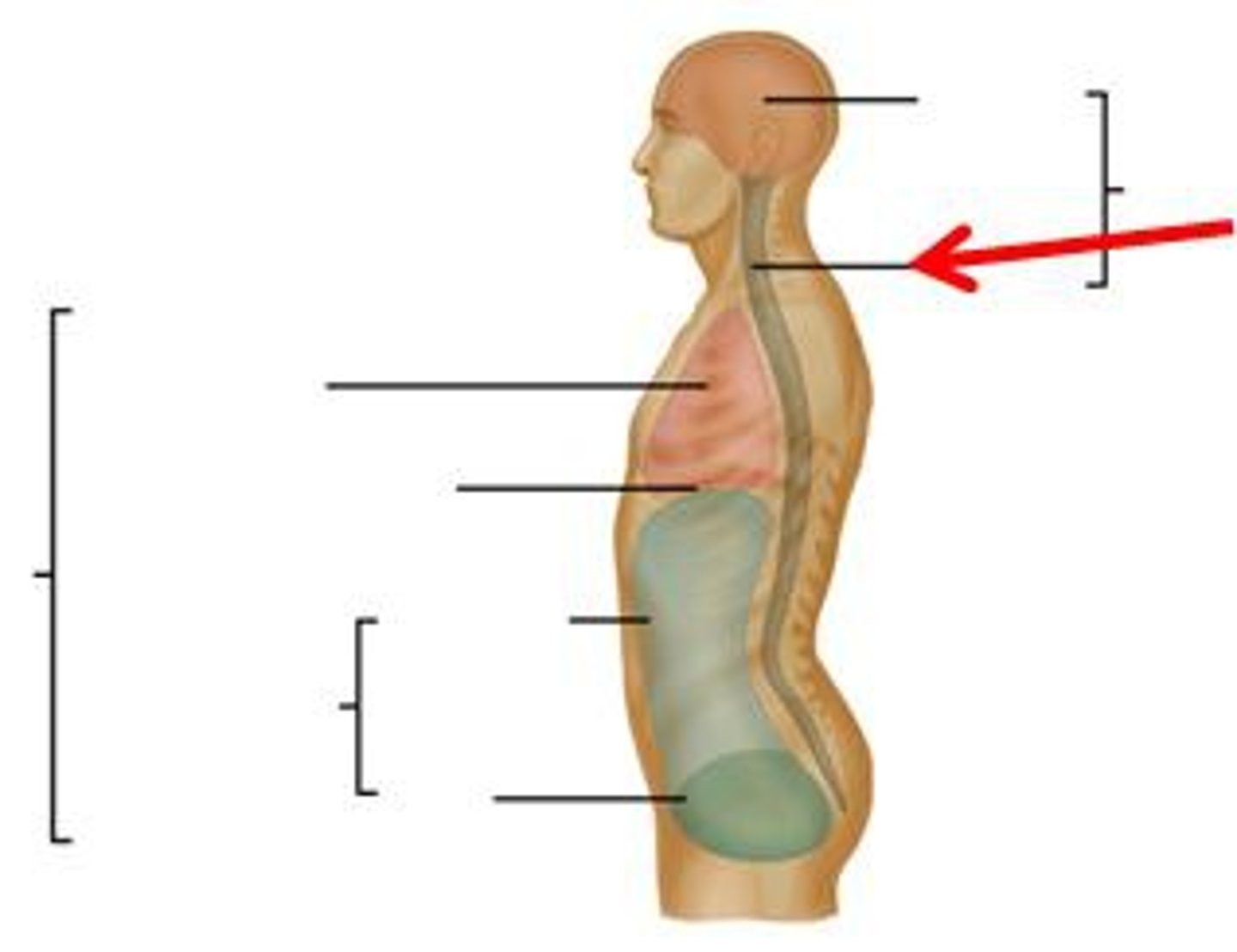
Vertebral cavity
Contains the spinal cord
Visceral pericardium
Serous membrane covering the heart
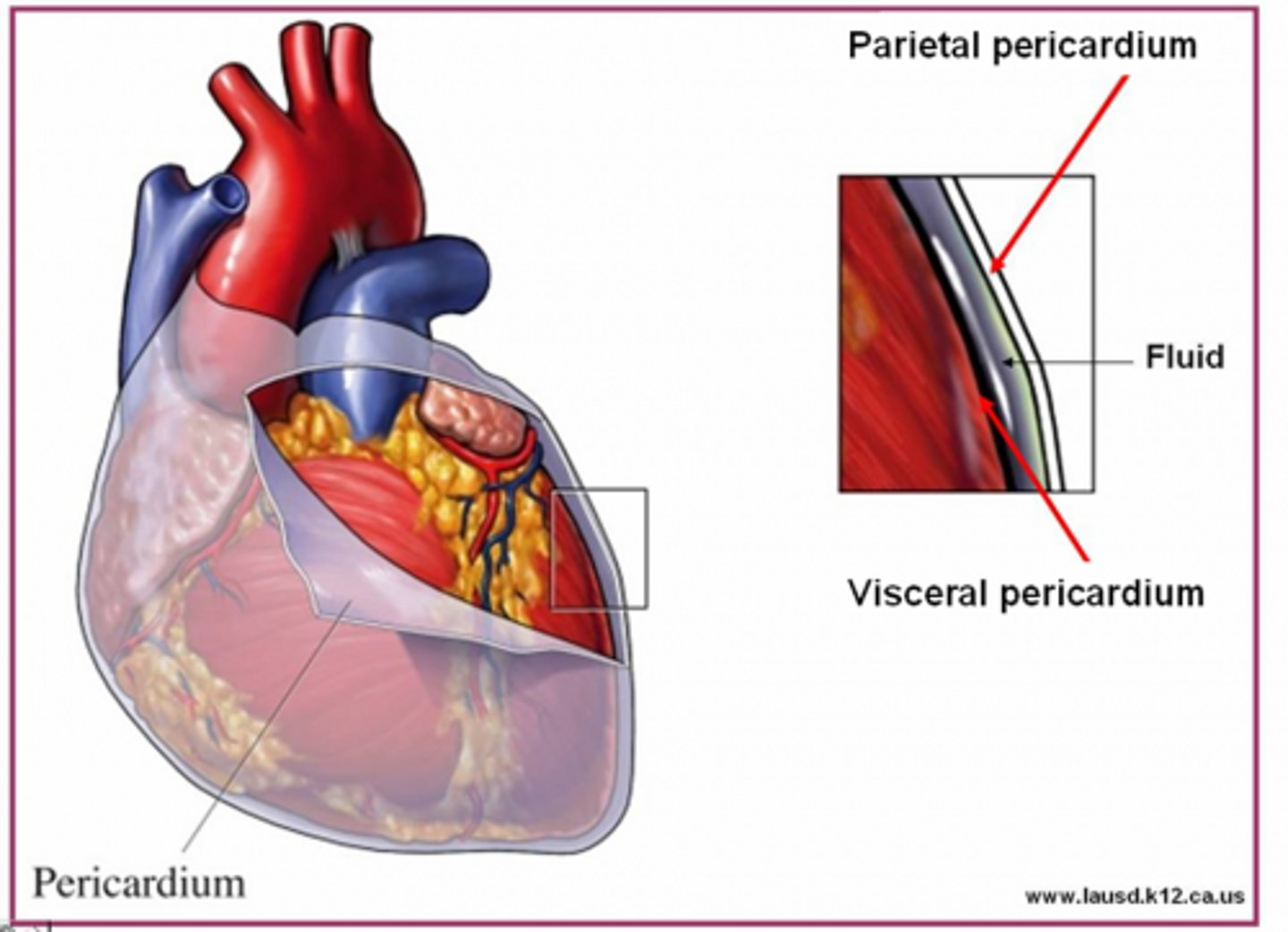
Parietal pericardium
Serous membrane lining the heart cavity wall
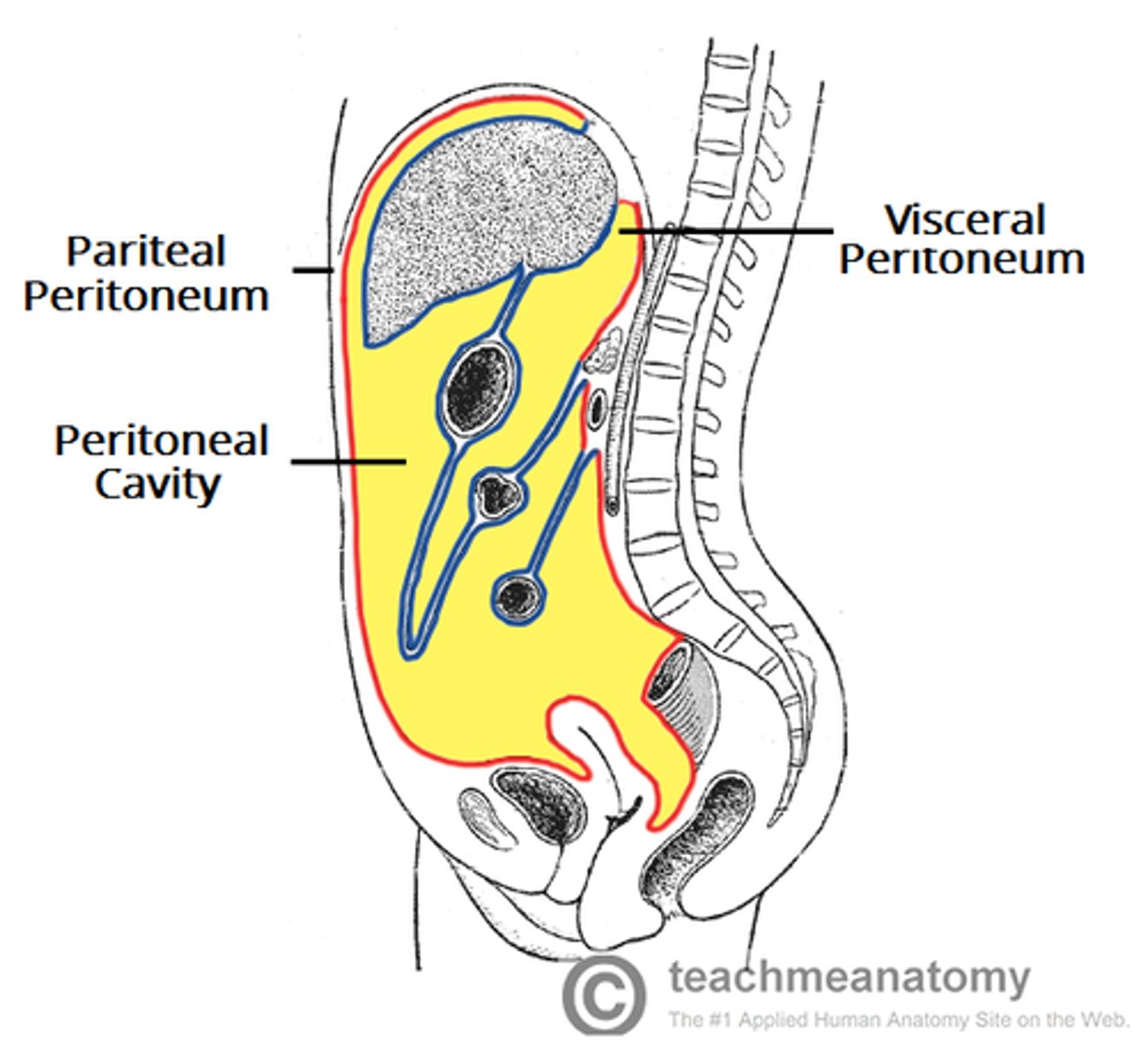
Parietal peritoneum
Serous membrane lining abdominal cavity wall
Inferior (mouth vs nose)
Mouth is inferior to the nose
Medial (heart vs lungs)
The heart is medial to the lungs
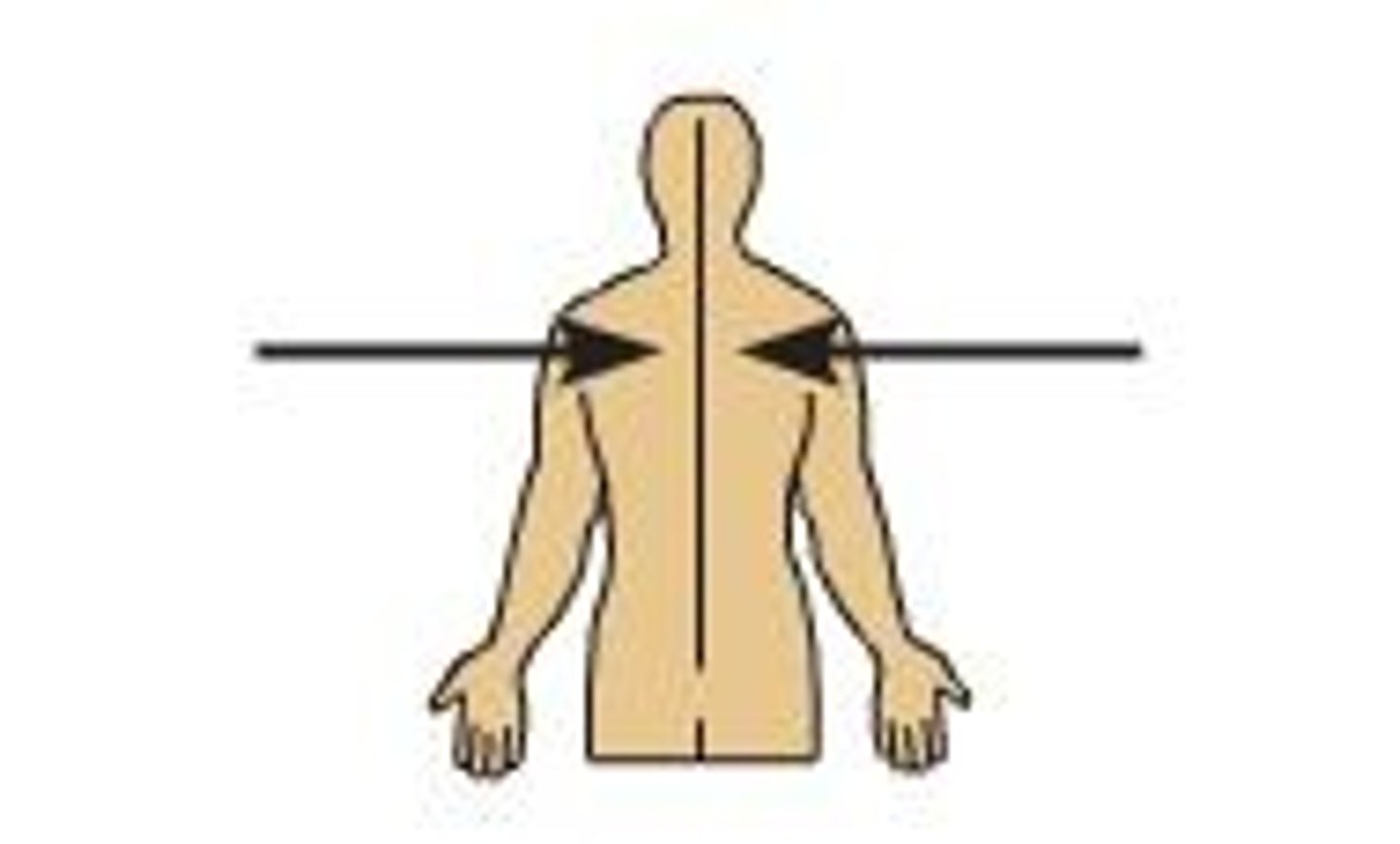
Inferior (tarsal vs patellar)
Tarsal region is inferior to patellar region
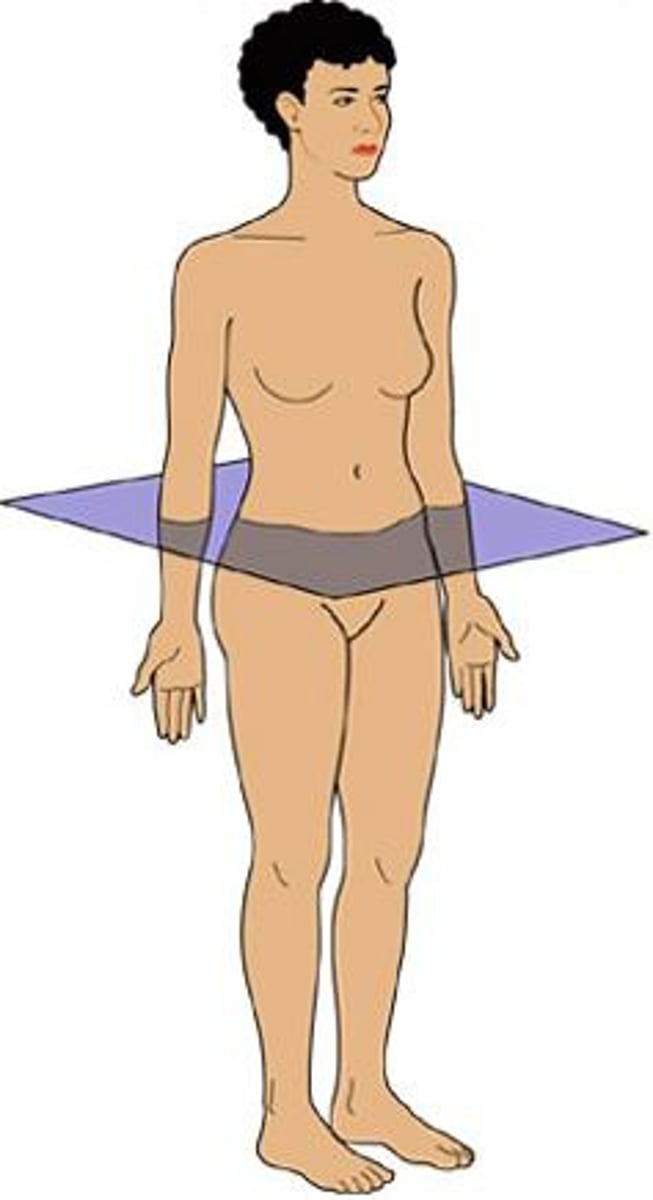
Transverse plane
Divides body into superior and inferior parts
Axillary region
Axillary region Armpit region
Antebrachial region
Forearm region
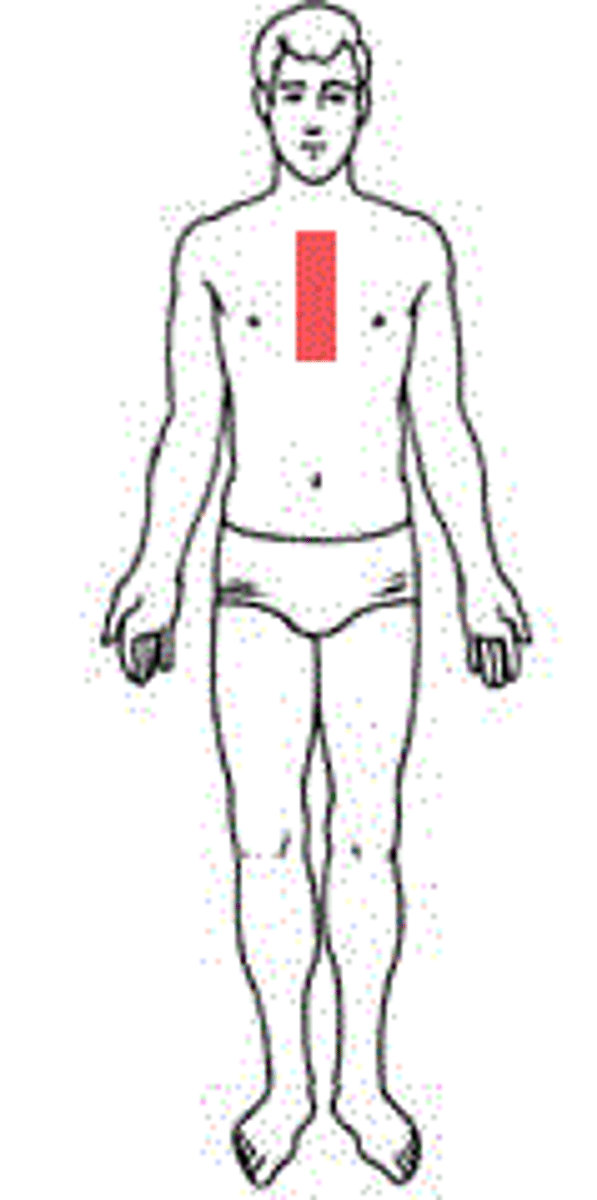
Sternal region
Breastbone area
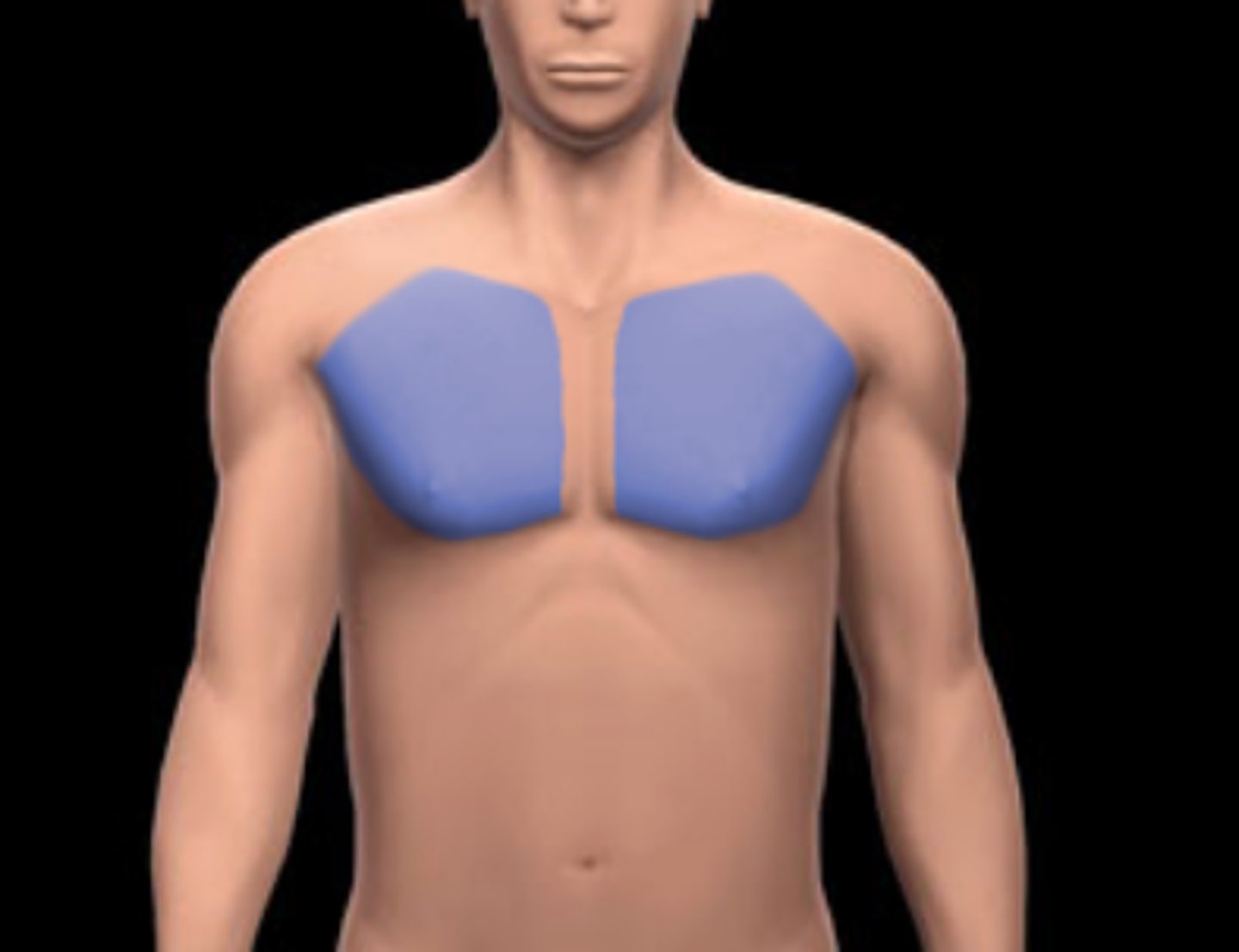
Pectoral region
Chest region
Carbohydrates, lipids, proteins, nucleic acids
The four macromolecules
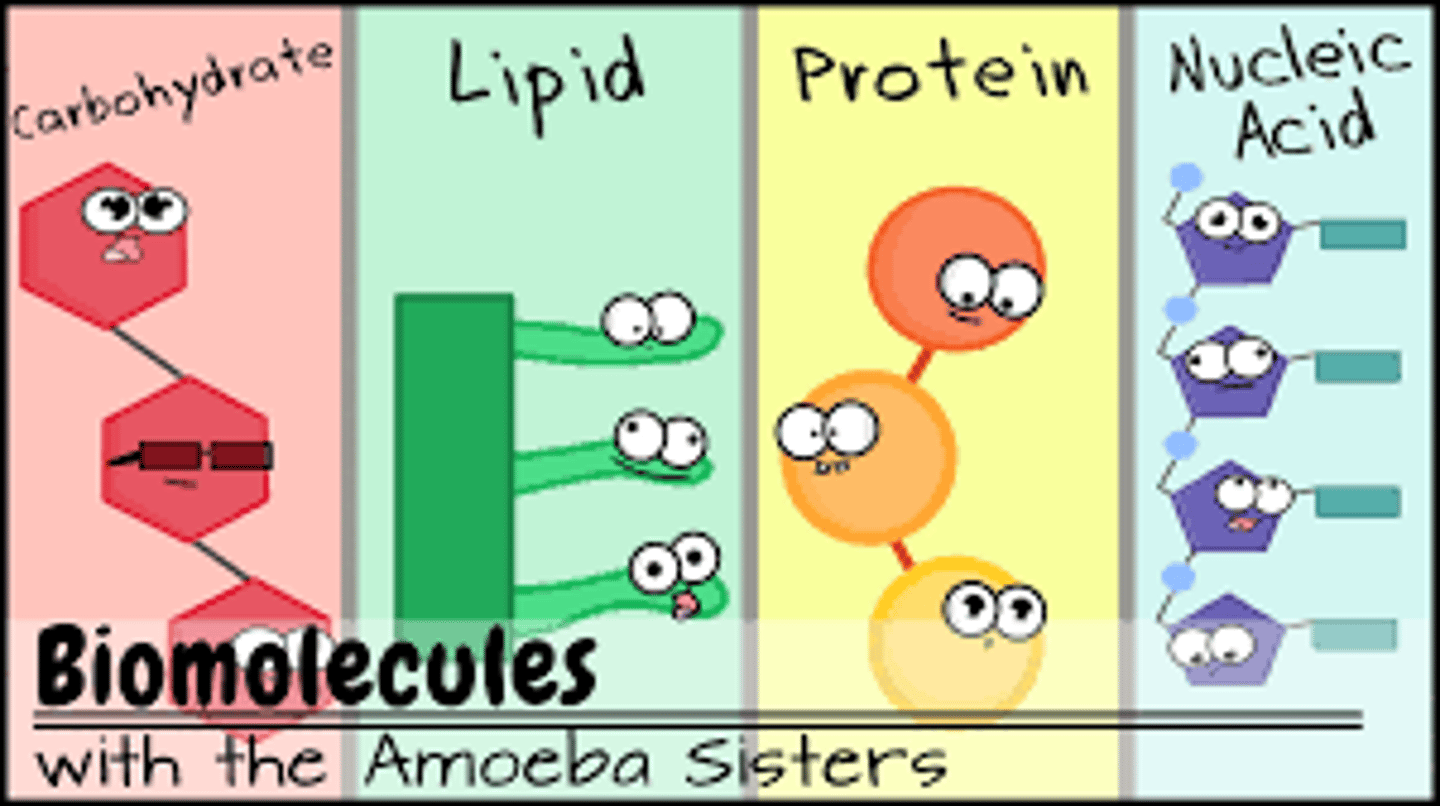
Carbohydrates
Main energy source for cells
Proteins
Catalyze chemical reactions (enzymes)
Lipids
Used to make membranes
Nucleic acids
Used to make DNA
Amino acid
NOT part of a nucleotide
Phosphate, sugar, nitrogen base
Components of a nucleotide
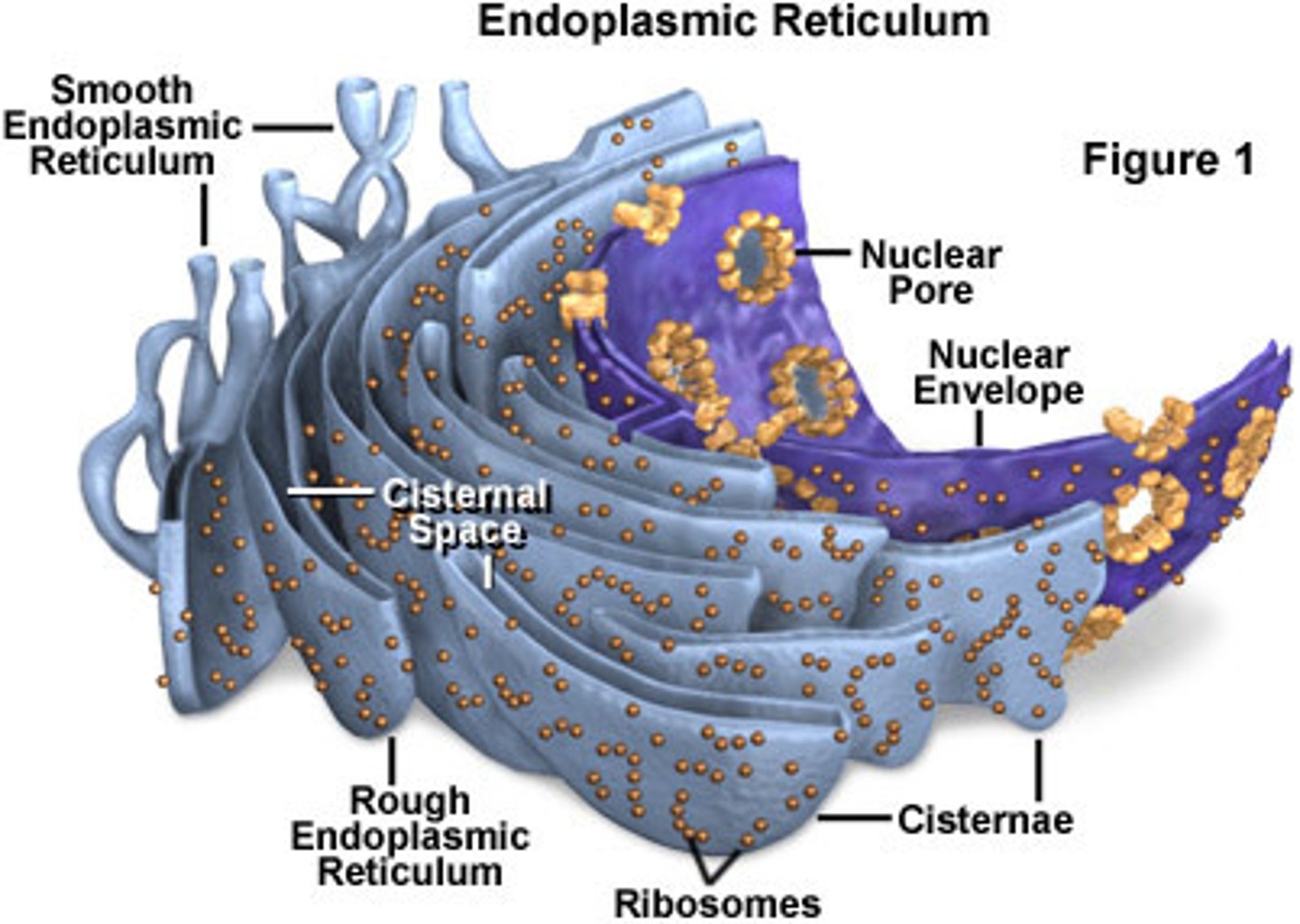
Rough endoplasmic reticulum
Protein synthesis (ribosome attached)
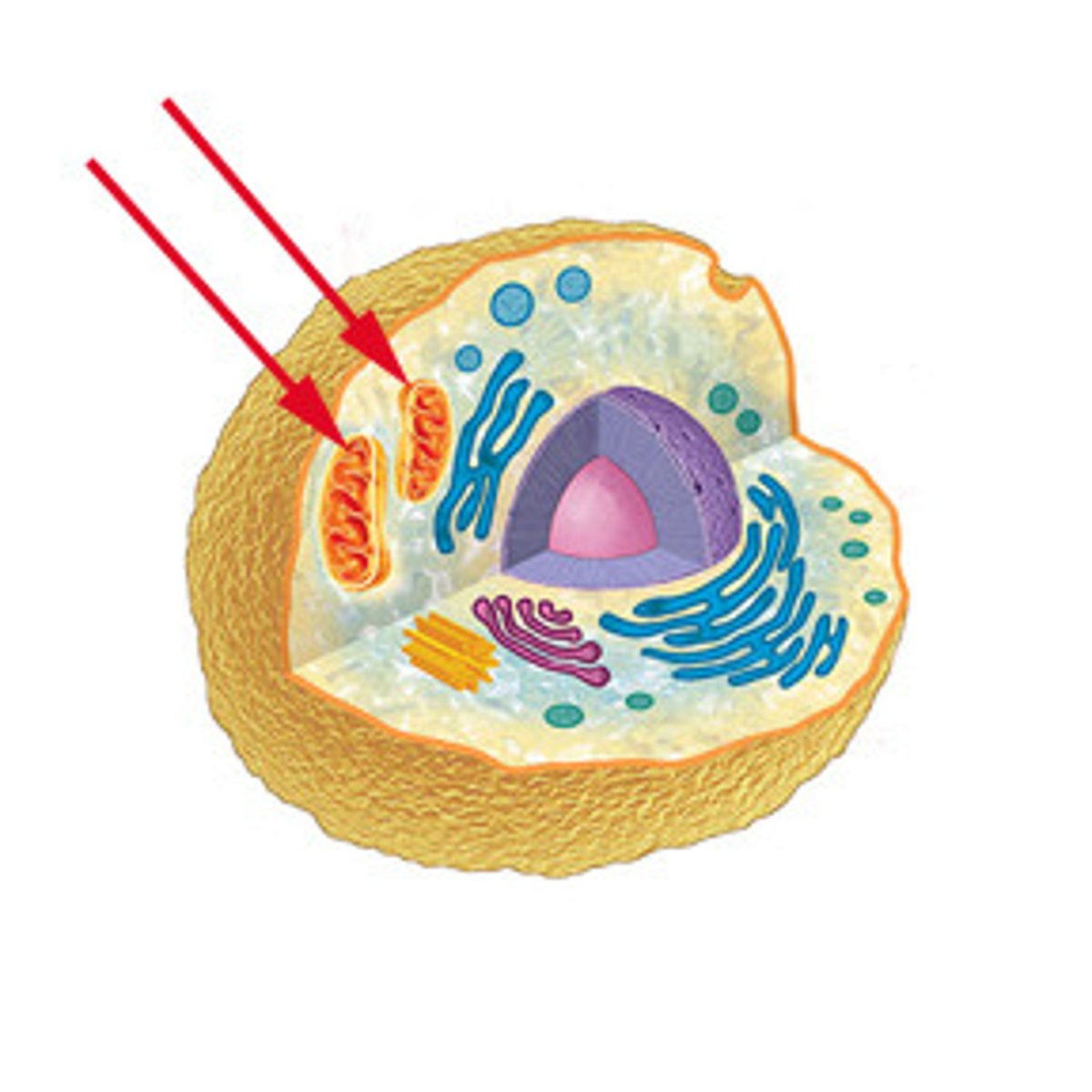
Mitochondria
Produces ATP (energy)
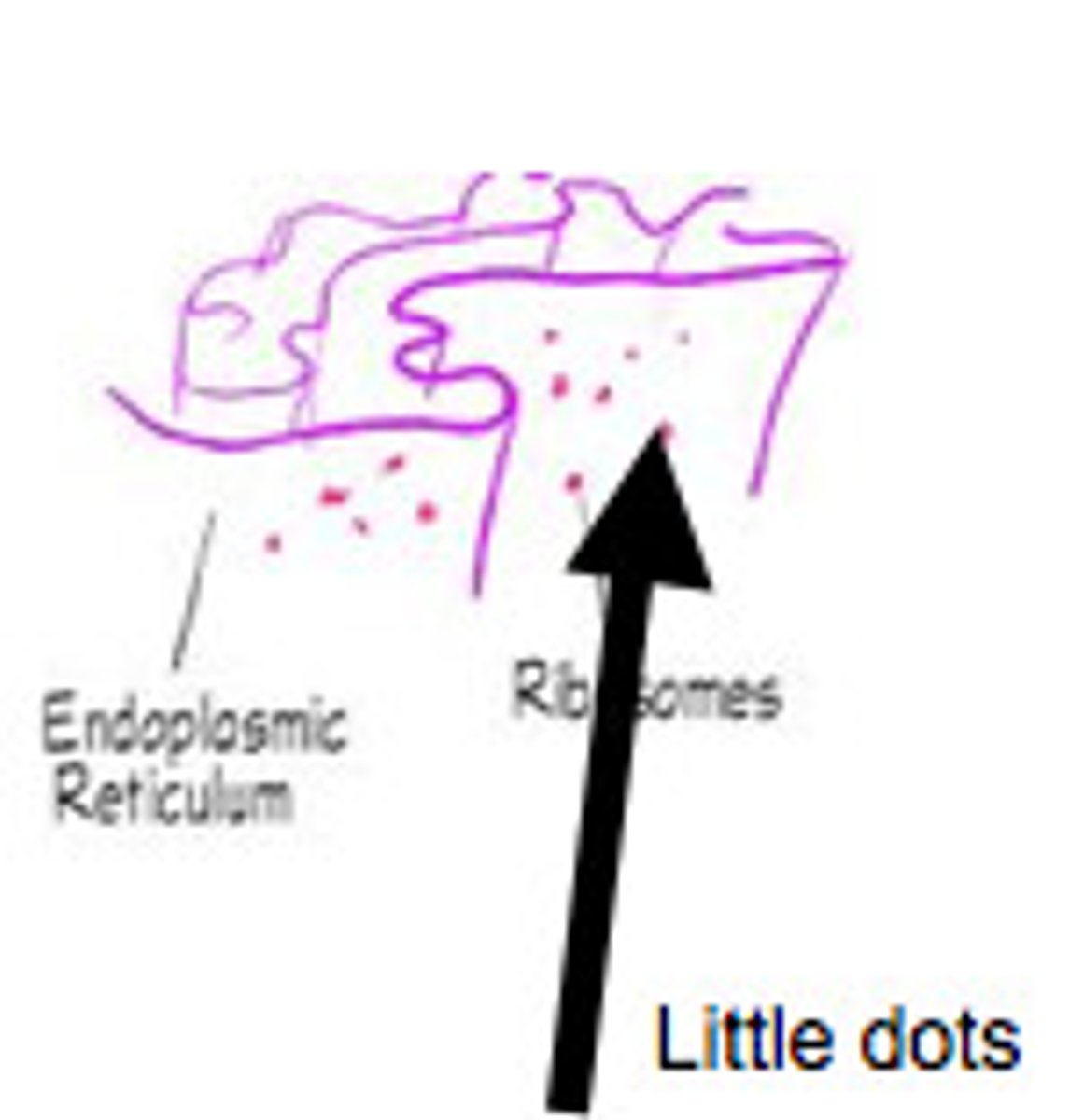
Ribosomes
Protein synthesis
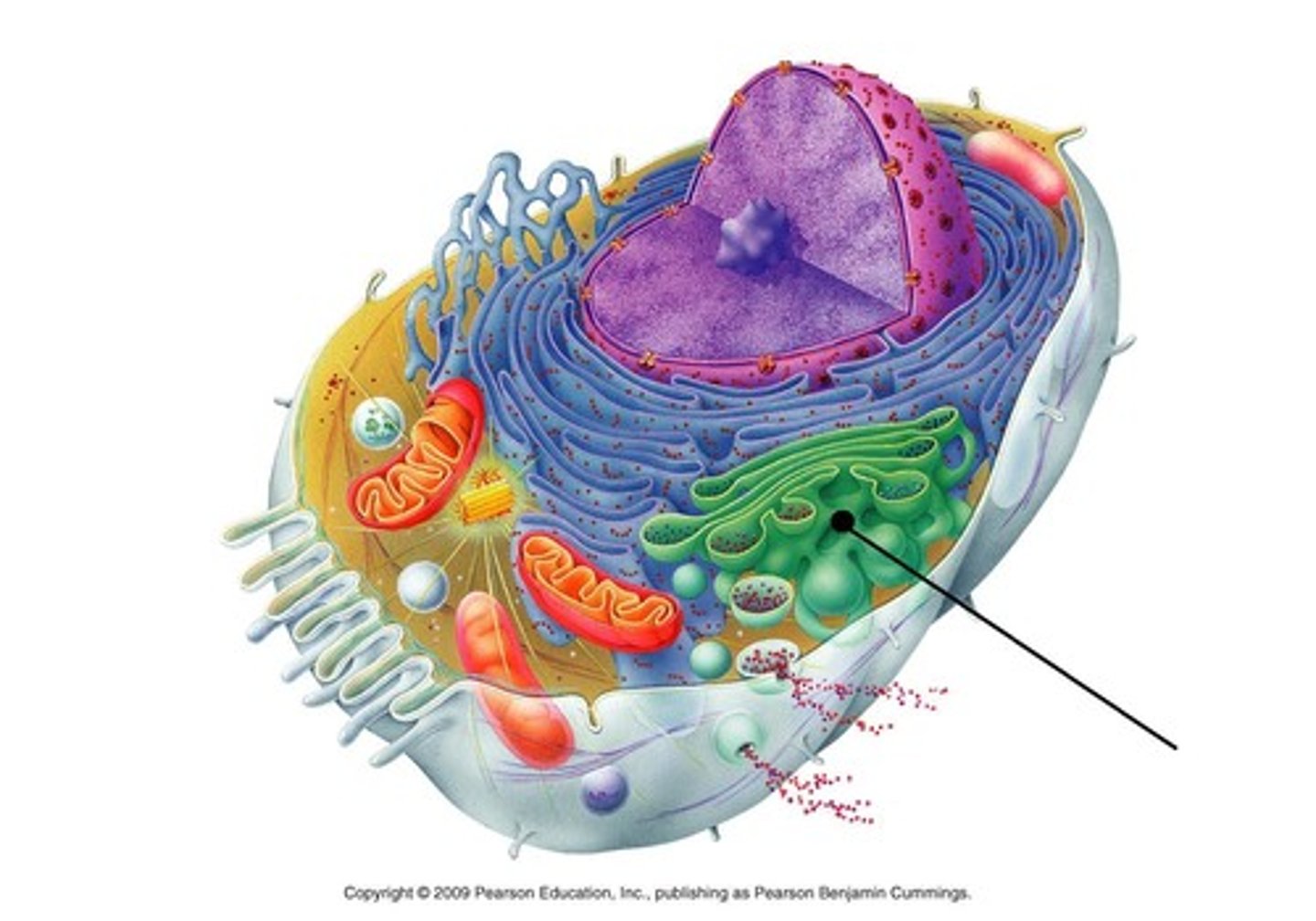
Golgi apparatus
Modifies and packages proteins
Tight junctions
Seal cells together to prevent leakage
Negative feedback
Restores body to set point
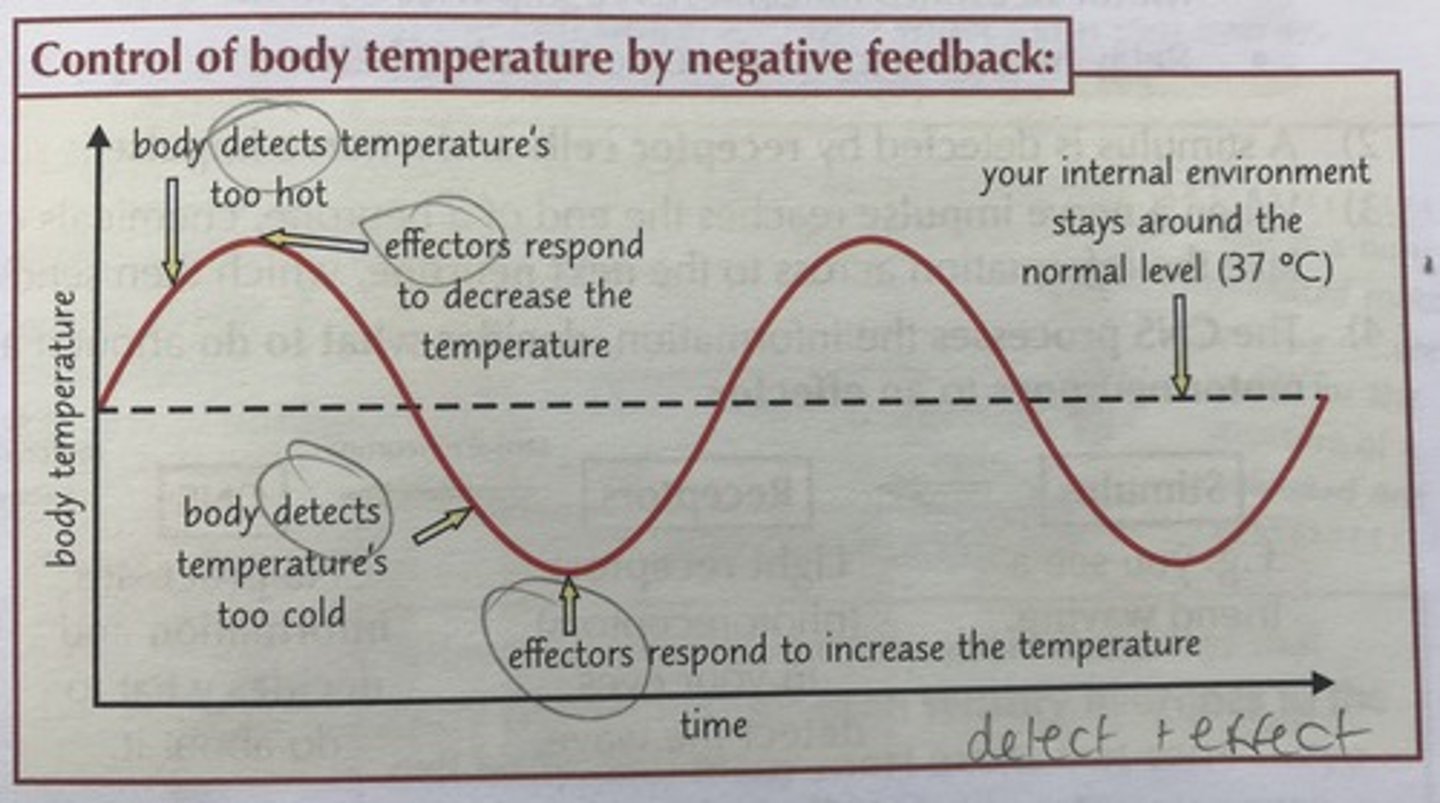
Homeostasis
Maintains relatively constant internal conditions
Dynamic equilibrium
Fluctuations around a set point
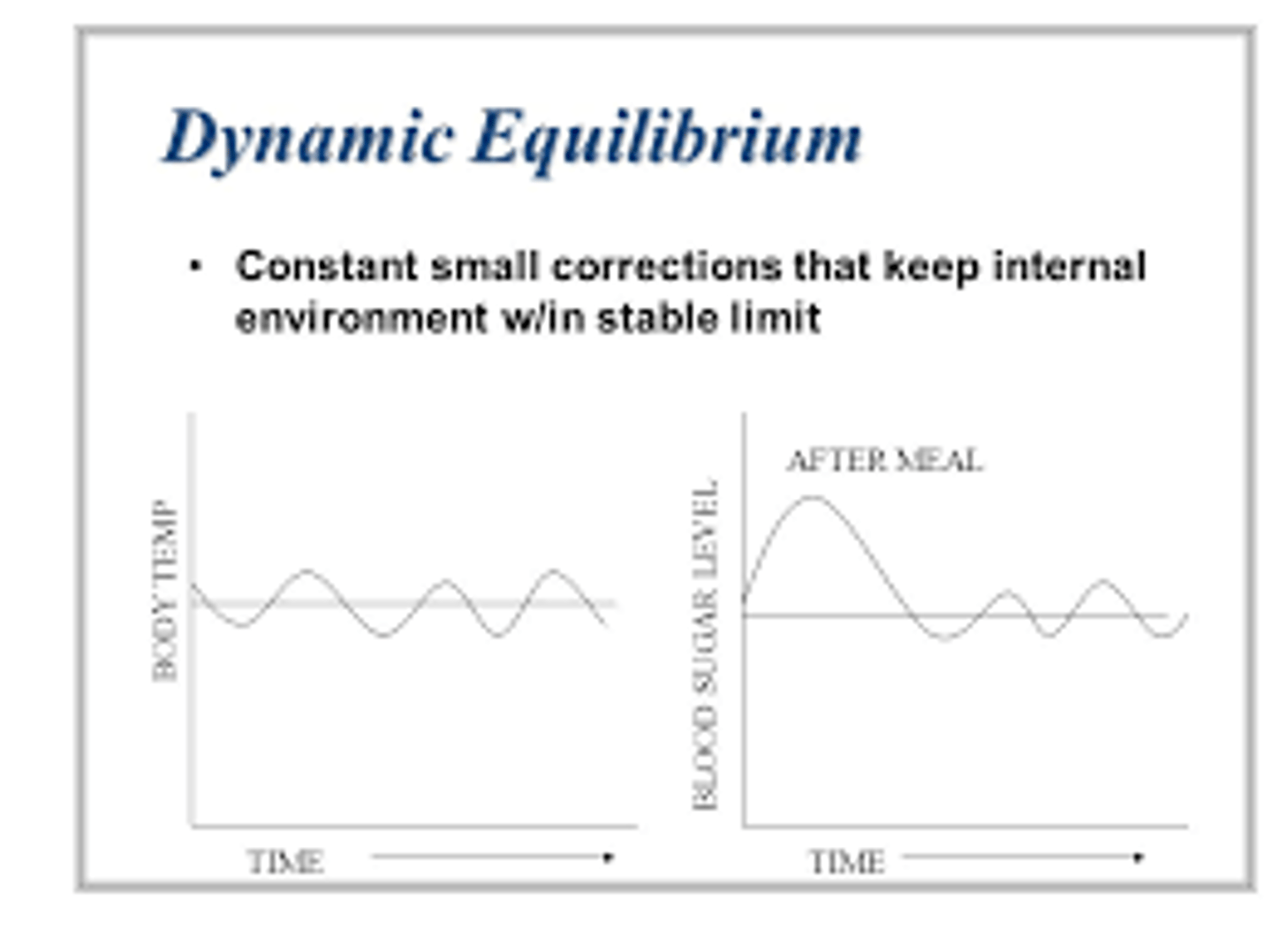
Set point
Normal target value that can change
Effectors
Alter body conditions
Stimulus → Receptor → Control center → Effector
Sequence in a feedback loop where a change is detected, processed, and responded to by the body
Stimulus
A change in the internal or external environment that triggers a response
Receptor
Detects a stimulus and sends information to the control center
Control center
Processes information and sends commands to effectors
Organ system level
Most complex level of organization
pH 2 vs pH 10
Higher H+ concentration at pH 2
10x rule per pH unit
Each pH unit = 10x difference
pH 10 vs pH 8
pH 10 is 100x less acidic
Primary structure (proteins)
NOT affected by pH
Secondary/tertiary/quaternary structure
Affected by pH changes
Nucleotides
NOT a lipid
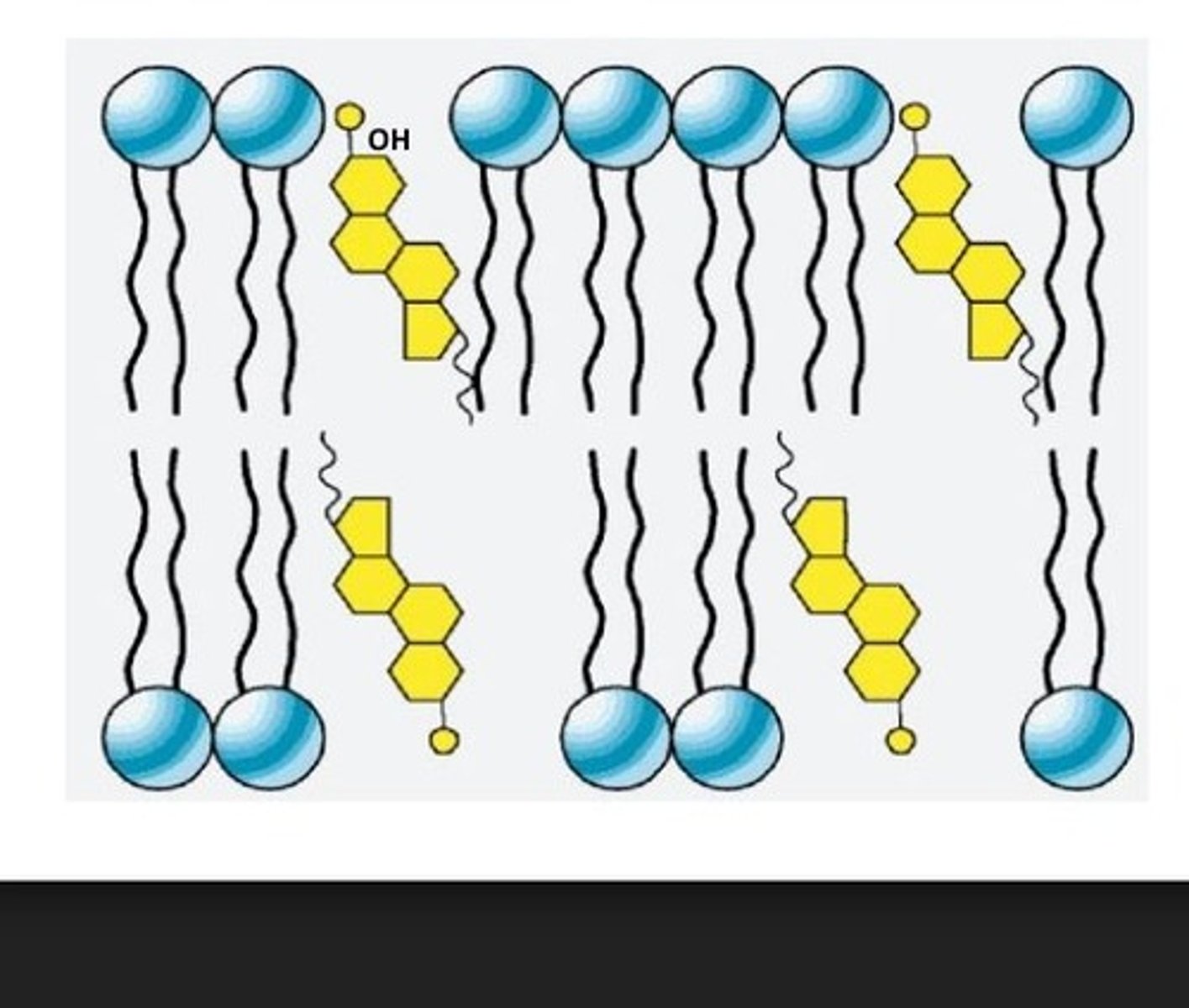
Phospholipid tails
Nonpolar
Oxygen (O2)
Nonpolar