ATI important topics
 Call Kai
 Learn
Learn Practice Test
 Spaced Repetition
 Match
Match Flashcards
 Knowt Play
1/62

There's no tags or description
Looks like no tags are added yet.
Name | Mastery | Learn | Test | Matching | Spaced | Call with Kai |
|---|
No analytics yet
Send a link to your students to track their progress
63 Terms
What can be done to decrease the risk of flexion contractures?
assist the pateint into the prone position for 20-30mins every 3-4 hr after an amputation and range-of-motion (ROM) exercise
what are flexion contractures.
when a joint becomes stuck in a bent (flexed) position and cannot fully straighten (extend) because the muscles, tendons, ligaments, or skin around it have shortened and stiffened.
What is immediate memory and how is it tested?
the ability to recall information just heard or seen within seconds.
It’s tested by asking the person to repeat a series of numbers, words, or objects right after hearing them.
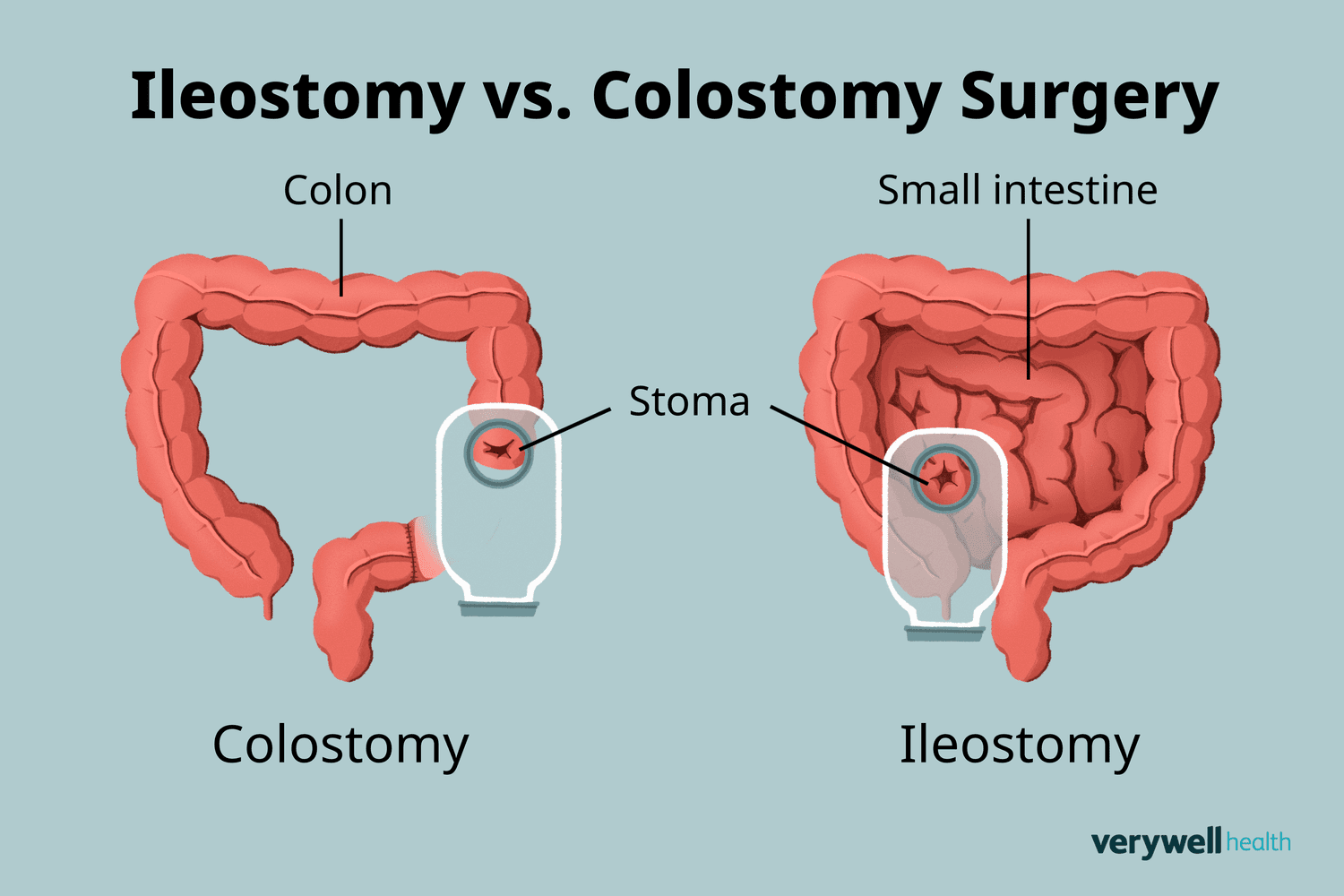
what is an ileostomy
An ileostomy is a surgical opening in the abdominal wall where the end of the small intestine (ileum) is brought to the surface to allow stool to pass into an external pouch.
What is hydrotherapy
the therapeutic use of water to relieve pain, promote healing, and improve circulation and mobility—commonly used for wounds, burns, or physical therapy.
Assist the client into a warm tub of water or use warm running water, as if to shower, to cleanse the wound.
Use mild soap or detergent to wash burns gently, and then rinse with room-temperature water.
Encourage the client to exercise the joints during hydrotherapy treatment.
What are the signs and symptoms of elevated thyroid-stimulating hormone (TSH)?
Fatigue, lethargy (sleeping up to 16 hr/day)
Irritability
Intolerance to cold
Constipation
Weight gain without an increase in caloric intake
Pallor
Thick, brittle fingernails
Depression and apathy
Joint or muscle pain
Bradycardia, hypotension, dysrhythmias
Slow thought processes and speech
-Hypoventilation, pleural effusion
Thickening of the skin
Hair loss
Thinning of hair on the eyebrows
Dry, flaky skin
Swelling in face and tongue, hands, and feet (myxedema [non-pitting, mucinous edema])
Decreased acuity of taste and smell
Hoarse, raspy speech due to myxedema affecting the larynx
Abnormal menstrual periods (menorrhagia/amenorrhea)
Decreased libido, impotence
Many individuals who have mild hypothyroidism are frequently undiagnosed, but the hormone disturbance can contribute to an acceleration of atherosclerosis or complications of medical treatment (intraoperative hypotension, cardiac complications following surgery).
What are the signs and symptoms of hypoglycemia?
Shakiness, sweating, hunger, irritability, confusion, headache, dizziness, blurred vision, and in severe cases—seizures or loss of consciousness.
What is a computed tomography (CT) scan?
A CT scan is an imaging test that uses X-rays and computer processing to create detailed cross-sectional images of the body’s organs, bones, and tissues.
What are the early and late signs of hypoxia?
Early signs: Restlessness, anxiety, confusion, pale skin, increased heart rate, and elevated blood pressure.
Late signs: Cyanosis, decreased level of consciousness, bradycardia, low blood pressure, and cardiac dysrhythmias.
what is urien specific gravity
Urine specific gravity measures the kidney’s ability to concentrate urine by comparing urine density to water.
Normal range: 1.005–1.030.
Low: Dilute urine (overhydration, renal issues).
High: Concentrated urine (dehydration).
What is Lyme disease and what are the normal signs and symptoms?
Lyme disease is a bacterial infection transmitted by tick bites.
Common signs: Fever, headache, memory problems, fatigue, muscle and joint aches, and a characteristic “bull’s-eye” rash (erythema migrans).
what supplement can interfere with levothyroxine
calcium
What is a halo fixator?
A halo fixator is a device used to immobilize and stabilize the cervical spine after fractures or surgery. It consists of a metal ring (halo) attached to the skull with pins and connected to a vest worn on the torso.
What is extracorporeal shock wave lithotripsy (ESWL)?
a noninvasive procedure that uses shock waves to break kidney or ureteral stones into small pieces so they can be passed in the urine.
Uses sound, laser, or shock-wave energies to break calculi into fragments
Requires moderate (conscious) sedation and ECG monitoring during the procedure
Bruising is normal at the site where waves are applied.
There will be hematuria postprocedure.
What is a paracentesis and what needs to be done before it?
A paracentesis is a procedure to remove fluid from the abdominal cavity (ascites) using a needle.
Before the procedure: Obtain informed consent, assess vital signs, review coagulation status, have the patient empty their bladder, and position them sitting upright or lying flat with the head slightly elevated.
Have the client void, or insert an indwelling urinary catheter.
Position the client in an upright position, either on the edge of the bed with feet supported or a high-Fowler’s position in the bed. Clients who have ascites are typically more comfortable sitting up.
Review baseline vital signs, record weight, and measure abdominal girth.
Administer sedation as prescribed.
Administer IV bolus fluids or albumin, prior to or after a paracentesis, to restore fluid balance.
What are some signs and symptoms of a hemolytic transfusion reaction
Results from a transfusion of blood products that are incompatible with the client’s blood type or Rh factor. Can occur following the transfusion of as few as 10 mL of a blood product.
Can be mild or life-threatening, resulting in disseminated intravascular coagulation (DIC) or circulatory collapse.
Findings include chills, fever, low-back pain, tachycardia, hypotension, chest tightening or pain, tachypnea, nausea, anxiety, hemoglobinuria, and an impending sense of doom.
What to do if u suspect a hemolytic transfusion reaction
Stop the transfusion.
Remove the blood tubing from the IV access. Avoid infusing further blood products into the circulatory system.
Initiate an infusion of 0.9% sodium chloride using new tubing.
Monitor vital signs and fluid status.
Send the blood bag and administration set to the lab for testing.
What are important things to keep in mind when giving Aldronate (alendronate)?
the med is for osteoporosis,
Take on an empty stomach with a full glass of water,
remain upright for at least 30 minutes after taking to prevent esophageal irriation and ulceration,
do not eat or drink anything else during that time
monitor for esophageal irritation or jaw pain.
What are concerning signs and symptoms after a transurethral resection of the prostate (TURP)?
Heavy bleeding, blood clots in urine, severe pain or bladder spasms, fever, signs of infection, decreased urine output, and confusion or electrolyte imbalances (from continuous bladder irrigation).
Education following a transurethral resection of the prostate (TURP)
Avoid heavy lifting, strenuous exercise, straining, and sexual intercourse for the prescribed length of time (usually 2 to 6 weeks).
Drink 12 or more 8-oz glasses of water each day unless contraindicated.
Avoid nonsteroidal anti-inflammatory medications due to increased risk for bleeding.
Avoid bladder stimulants (caffeine, alcohol).
If urine becomes bloody, then stop activity, rest, and increase fluid intake.
Contact the provider for persistent bleeding or obstruction (less than expected output or distention).
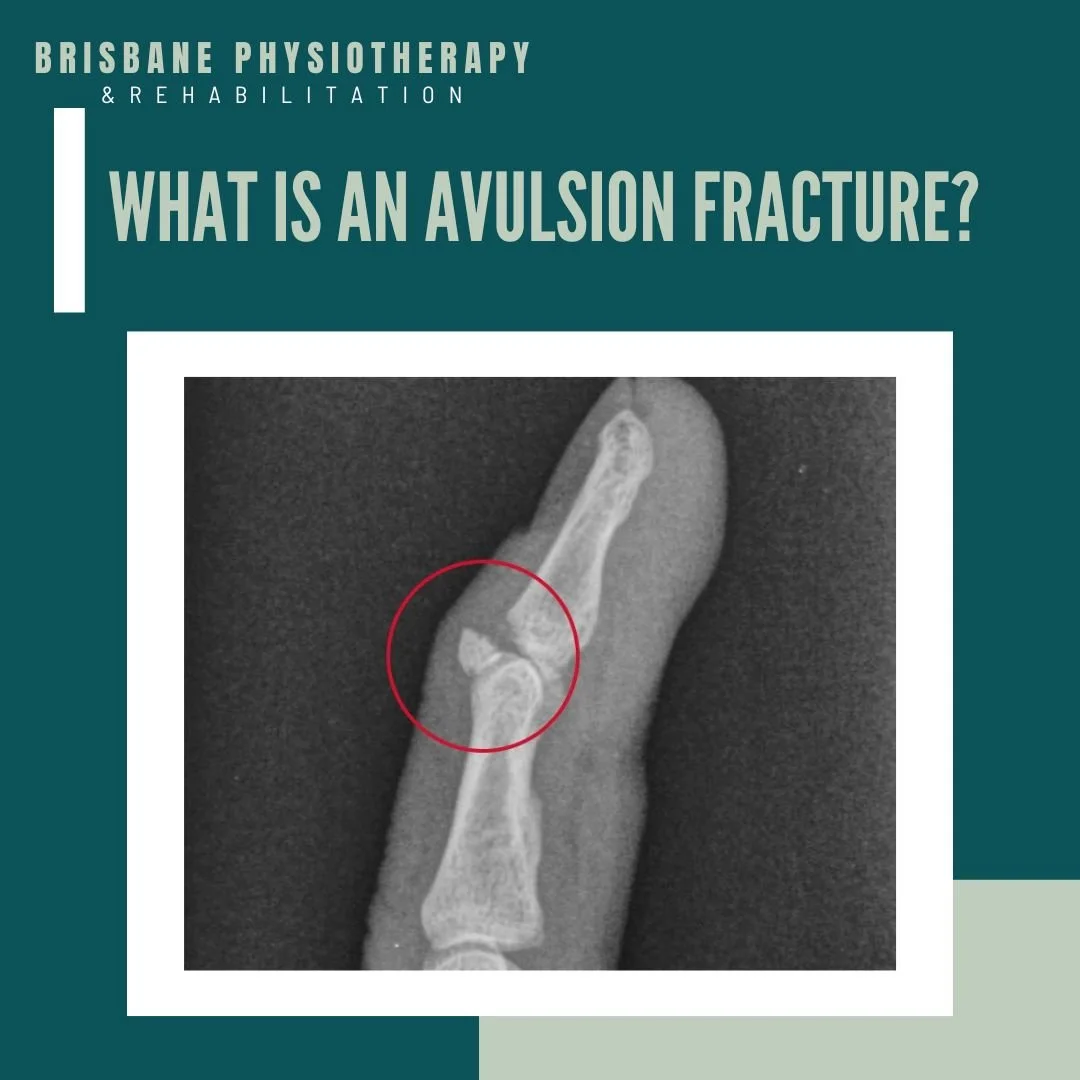
What is an avulsion fracture?
An avulsion fracture occurs when a small piece of bone is pulled off by a tendon or ligament, usually at the site of attachment.
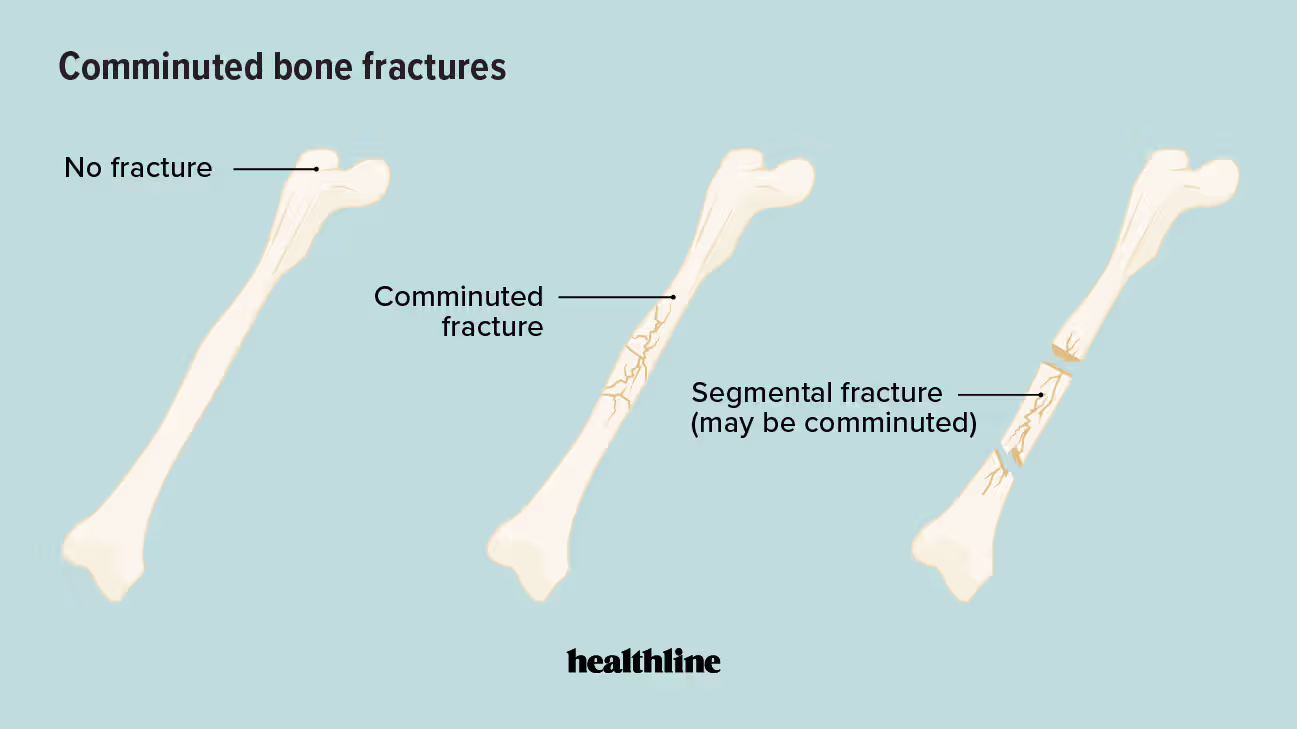
What is a comminuted fracture
A comminuted fracture is when the bone breaks into three or more pieces, often due to high-impact trauma.
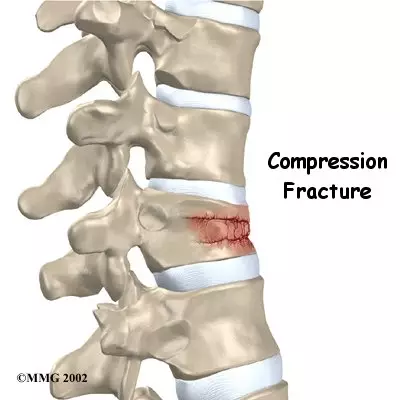
what is a compression fracture
A compression fracture occurs when a bone, usually a vertebra, is crushed or collapsed, often from osteoporosis or trauma.
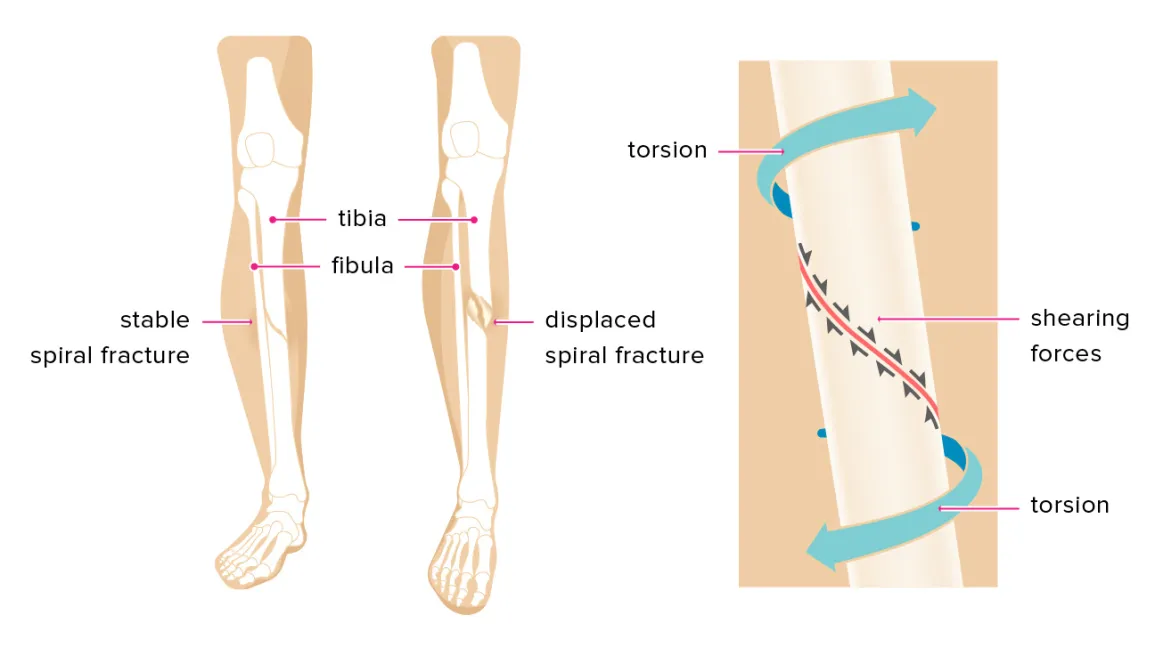
What is a Sprial fracture
A spiral fracture is a bone break that twists around the bone’s axis, usually caused by a twisting injury.
what is compartment symdrome
a condition in which increased pressure within a muscle compartment reduces blood flow, causing pain, swelling, numbness, and potential tissue damage.
what to do if you suspect compartment syndrome
Assess for worsening pain, swelling, and tense or taut skin.
Report unusual findings to the provider immediately.
Prepare the client for a fasciotomy to relieve compartmental pressure.
What are important things to note about phantom limb pain?
It is pain felt in a limb that has been amputated, often described as burning, tingling, or cramping. It can be triggered by stress, temperature changes, or pressure
the sensation should decrease over time
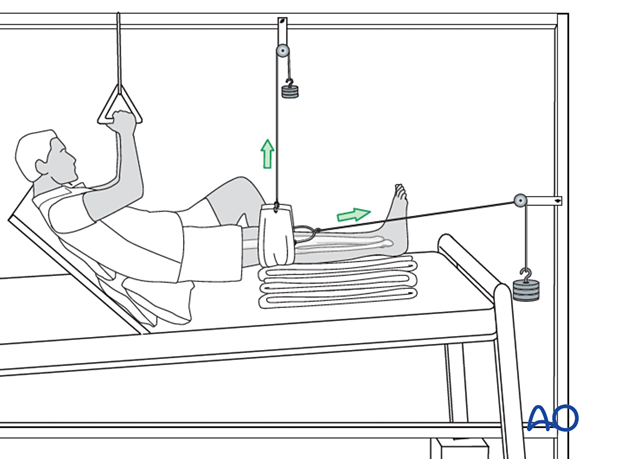
what is a skeletal traction and some important things about it
uses pins, wires, or screws inserted into the bone to apply continuous pulling force to align fractures.
Assess neurovascular status of the affected body part every hour for 24 hr and every 4 hr after that.
Maintain body alignment and realign if the client seems uncomfortable or reports pain.
Avoid lifting or removing weights.
Ensure that weights hang freely and are not resting on the floor.
What is a common medication that interacts with the gout medication probenecid?
Aspirin and other salicylates can interact with probenecid, reducing its effectiveness in promoting uric acid excretion.
what is a maxillary fixation
Maxillary fixation (also called jaw wiring) is a procedure that immobilizes the upper and lower jaws, often with wires or elastic bands, to allow proper healing after jaw fractures or corrective surgery.
Osteoarthritis vs. Rheumatoid Arthritis
Osteoarthritis (OA):
Degenerative joint disease from wear and tear
Affects cartilage and bone
Commonly affects weight-bearing joints (knees, hips)
Symptoms: joint pain, stiffness (worse with activity), limited range of motion
Usually asymmetric
Rheumatoid Arthritis (RA):
Autoimmune inflammatory disease
Affects synovial membranes
Commonly affects small joints (hands, wrists)
Symptoms: joint pain, swelling, morning stiffness >1 hour, fatigue
Usually symmetric
What is osteomyelitis?
an infection of the bone, usually caused by bacteria,normally treated with IV antiboitics
Bone pain that is constant, pulsating, localized, and worse with movement.
Erythema and edema at the site of the infection.
Fever: Older adults might not have an elevated temperature.
Leukocytosis and possible elevated sedimentation rate.
Many of these manifestations will disappear if the infection becomes chronic.
What is a continuous passive motion (CPM) machine?
A CPM machine is a device that gently moves a joint (usually after surgery) through a controlled range of motion to improve mobility, prevent stiffness, and promote healing.
What is acute angle-closure glaucoma and what are the signs and symptoms?
Acute angle-closure glaucoma is a sudden increase in intraocular pressure due to blocked drainage of aqueous humor.
Signs/Symptoms: Severe eye pain, headache, blurred vision, halos around lights, nausea, vomiting, and a red, swollen eye with a mid-dilated pupil.
What is Guillain-Barré syndrome (GBS)?
GBS is a rare autoimmune disorder where the body’s immune system attacks the peripheral nerves, causing rapid-onset muscle weakness, tingling, and potentially paralysis. It can affect breathing and requires prompt medical care.
What is Cheyne-Stokes breathing?
an abnormal respiratory pattern characterized by periods of deep, rapid breathing followed by gradual decrease and temporary apnea. It often occurs in heart failure, stroke, or end-of-life conditions.
What is Ménière’s disease?
a disorder of the inner ear causing episodes of vertigo, hearing loss, tinnitus (ringing in the ear), and a feeling of fullness or pressure in the affected ear.
what is Allens test
assesses blood flow to the hand by compressing the radial and ulnar arteries, then observing how quickly color returns after releasing one artery. It ensures adequate circulation before procedures like arterial blood draws.
When would you perform the Allen’s test before drawing arterial blood gases (ABGs)?
Perform it before radial artery puncture to confirm that the ulnar artery can provide sufficient blood flow, ensuring the hand won’t become ischemic if the radial artery is compromised.
What is Cisplatin and what are its main side effects?
Cisplatin is a chemotherapy drug used to treat various cancers.
Main side effects: Kidney damage (nephrotoxicity), nausea and vomiting, hearing loss (ototoxicity), low blood counts (myelosuppression), and peripheral neuropathy.
What are the signs and symptoms of tuberculosis (TB)?
Persistent cough lasting longer than 3 weeks
Purulent sputum, possibly blood-streaked
Fatigue and lethargy
Weight loss and anorexia
Night sweats and low-grade fever in the afternoon
what is fat embolism syndrome
FES is a serious condition where fat droplets enter the bloodstream, usually after a long bone fracture, and block blood vessels.
Signs/Symptoms: Shortness of breath, hypoxia, confusion, petechial rash, and rapid heart rate.
what are risk factors for osteoprosis
Ethnicity: Asian American and White American
Age greater than 50
Family history, and thin, lean body build are precursors to low bone density.
Females (sex assigned at birth) have a higher risk for primary osteoporosis. The decline in estrogen levels following menopause or ovary removal increases the rate of bone resorption.
Males (sex assigned at birth) have a higher risk for secondary osteoporosis; a decrease in testosterone can lead to decreased bone mass.
History of low calcium intake with suboptimal levels of vitamin D decreases bone formation (causes calcium to be removed from bones).
Clients who limit protein have a reduced ability to use calcium because up to 50% of calcium is bound to protein. Clients who follow a high-protein, low-carbohydrate diet can eliminate important nutrients (calcium-rich foods).
Tobacco smoke exposure (active or passive) and high alcohol intake (three or more drinks per day) causes decreased bone formation and increased bone absorption.
Excess caffeine consumption causes excretion of calcium in the urine.
History of malabsorption disorders (anorexia nervosa, celiac disease, bariatric surgery) limits the amount of calcium available.
Lack of physical activity or prolonged immobility increases risk.
What are transient ischemic attacks (TIAs) and what do they mean?
brief episodes of neurological dysfunction caused by temporary lack of blood flow to the brain. They produce stroke-like symptoms (e.g., weakness, numbness, speech difficulty) that resolve within minutes to hours, and they are warning signs for possible future strokes.
What is otitis media and its signs and symptoms?
Otitis media is an infection or inflammation of the middle ear.
Signs/Symptoms: Ear pain, fever, irritability, fluid drainage from the ear, hearing loss, and sometimes tugging at the ear in children.
Which side of the brain is responsible for language?
left hemisphere is responsible for language, including speech, comprehension, reading, and writing.
What is Cushing’s triad?
Cushing’s triad is a set of signs indicating increased intracranial pressure: hypertension (widening pulse pressure), bradycardia, and irregular or abnormal respirations.
What is important post-op teaching for a scleral buckle repair for a detached retina?
Avoid heavy lifting, bending, or straining.
Keep the head in the position recommended by the surgeon.
Report sudden increase in pain, flashes of light, floaters, or vision changes.
Use prescribed eye drops and antibiotics as directed.
Attend all follow-up appointments to monitor healing.
What is ALS (Amyotrophic Lateral Sclerosis)?
a progressive neurodegenerative disease that affects motor neurons, leading to muscle weakness, atrophy, spasticity, difficulty speaking, swallowing, and eventually breathing.
What are the signs and symptoms of bacterial meningitis?
Subjective Data
Excruciating, constant headache
Nuchal rigidity (stiff neck)
Photophobia (sensitivity to light)
Objective Data: Physical Assessment Findings
Fever and chills
Nausea and vomiting
Altered level of consciousness (confusion, disorientation, lethargy, difficulty arousing, coma)
Positive Kernig’s sign (resistance and pain with extension of the client’s leg from a flexed position)
Positive Brudzinski’s sign (flexion of the knees and hips occurring with deliberate flexion of the client’s neck)
Hyperactive deep tendon reflexes
Tachycardia
Seizures
Red macular rash (meningococcal meningitis)
Restlessness, irritability
What allergies are contraindications for propofol?
avacados, latex, strawberries and bannannas
Contraindicated for clients who have hyperlipidemia and egg allergies
Venous vs. arterial insufficiency
Venous insufficiency:
Cause: Poor venous return, valve dysfunction
Symptoms: Leg swelling, heaviness, aching, varicose veins, brown skin discoloration, ulcers on ankles
Pain: Improves with elevation
Arterial insufficiency:
Cause: Poor arterial blood flow (atherosclerosis)
Symptoms: Cold, pale or bluish extremities, thin shiny skin, hair loss, weak pulses, ulcers on toes or pressure points
Pain: Worse with activity (claudication), improves with res
What are the main complications of mechanical ventilation?
stress ulcers, Ventilator-associated pneumonia (VAP), barotrauma or pneumothorax, volutrauma, oxygen toxicity, airway injury, decreased cardiac output, and ventilator dependence or difficulty weaning.
who has a greater risk of reacting to contrat die for a CT
people w/ a hx of asthma
what are some of the big adverse effects of magneicum sulfate
Respiratory depression, hypotension, bradycardia, decreased reflexes (hyporeflexia), flushing, nausea, and in severe cases, cardiac arrest.
What are signs and symptoms of hemorrhaging?
Rapid heart rate (tachycardia), low blood pressure (hypotension), pale or clammy skin, dizziness or fainting, confusion, decreased urine output, and, in severe cases, shock.
Why do patients take erythropoietin?
to decrease ftaigue and incraese activty intolersnce and To stimulate red blood cell production
How often should an immunocompromised patient take their temperature?
once a day
What is diabetes insipidus (DI)?
a disorder caused by insufficient antidiuretic hormone (ADH) or kidney resistance to it, leading to excessive urination (polyuria), extreme thirst (polydipsia), and risk of dehydration.
What should you do if there are clots in a urinary catheter?
irriagte it
what supplement interferes with levothyoixine
calcium
if a pt has a poz MRSA on their body what can u do to prevnt it from moving frm other parts of the body
bath the pt in a cloahexadine solution
what is lyme disease and s/s
Lyme disease is a bacterial infection transmitted by tick bites.
Signs/Symptoms: Fever, headache, fatigue, muscle and joint aches, and a “bull’s-eye” rash (erythema migrans).