Chapter 1: intro to anatomy
 Call Kai
 Learn
Learn Practice Test
 Spaced Repetition
 Match
Match Flashcards
 Knowt Play
1/91

There's no tags or description
Looks like no tags are added yet.
Name | Mastery | Learn | Test | Matching | Spaced | Call with Kai |
|---|
No analytics yet
Send a link to your students to track their progress
92 Terms
Anatomy
study of structure of body parts
atom
the basic units of matter that make up all substances, consisting of protons, neutrons, and electrons; join to form molecules
molecules
combinations of two or more atoms
macromolecules
large molecules formed by the combination of smaller molecules, often including proteins, nucleic acids, carbohydrates, and lipids.
tissues
groups of similar cells that work together to perform a specific function in an organism.
organs
structure consisting of two or more tissues that performs a specialized function
organ system
group of organs coordinated to carry on a specialized function
organism
individual living thing
5 characteristics of life
Growth
reproduction
responsiveness
movement
metabolism
metabolism
sum of all chemical reactions in a body given at any given time
What are the environments required to maintain life?
Chemicals, Heat, Pressure
homeostasis
dynamic state in which the body’s internal environment is maintained in the normal range
What are the 3 homeostatic mechanisms?
Receptor (provide info about specific conditions in the internal environment), set point (tells what a particular value should be), effectors (bring about responses that alter conditions in the internal environment)
negative feedback
mechanism that returns the level of a chemical or other substance or condition in the internal environment to its set point level
positive feedback mechanism
a process that moves conditions away from the normal state
axial
pertaining to the head, neck, and trunk
appendicular
pertaining to the upper or lower limbs
cranial cavity
space within the skill that houses the brain
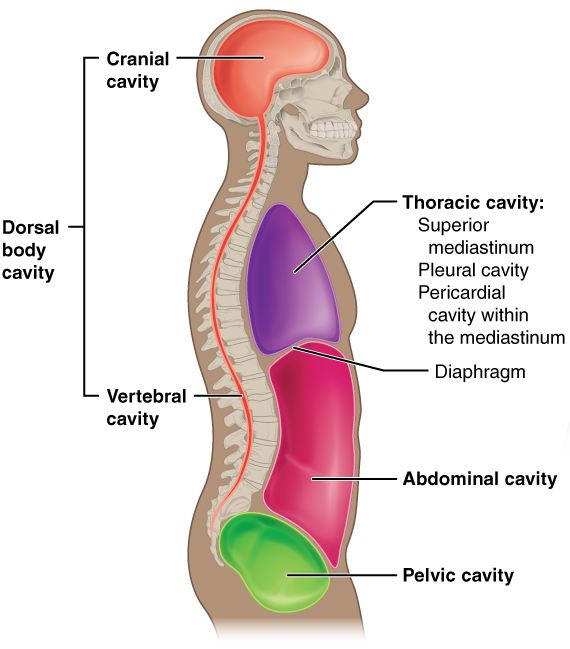
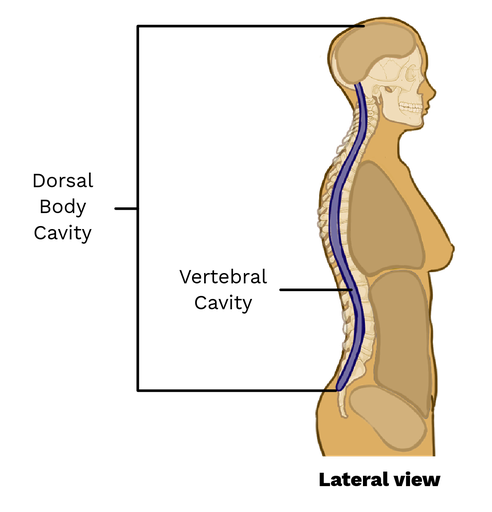
vertebral canal
space within the vertebral column that contains the spinal cord and is protected by the vertebrae.
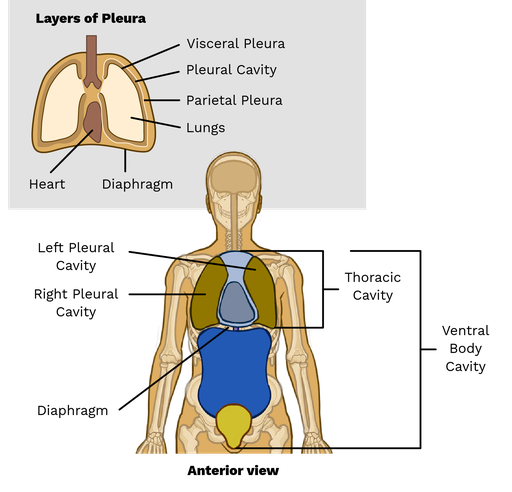
thoracic cavity
chest space that houses the lungs and heart
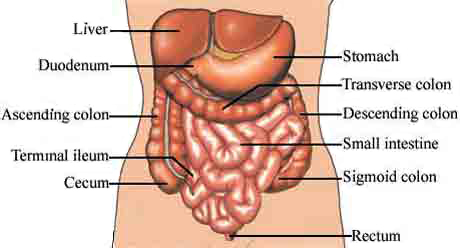
abdominopelvic cavity
the space that contains the abdominal and pelvic organs, including the stomach, intestines, liver, and reproductive organs.
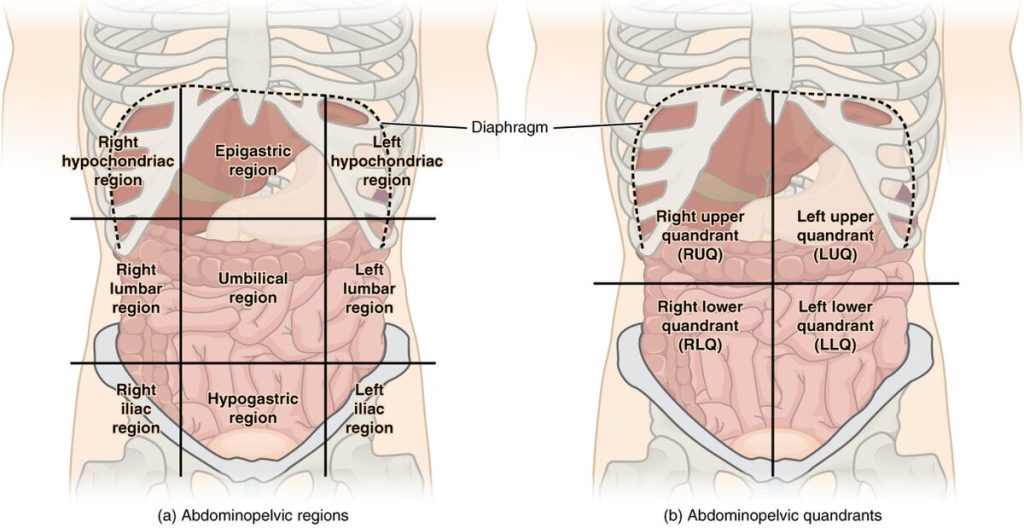
viscera
organs located within the thoracic and abdominopelvic cavities.
parietal
membrane attached to the wall of a cavity
visceral
membrane that is deeper—toward the interior— and covers an internal organ
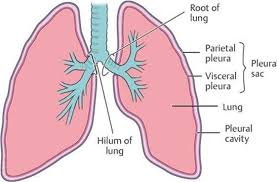
parietal pleura
serous membrane that covers the inner surface of the thoracic cavity wall
visceral pleura
serous membrane that covers the surface of each lung
pleural cavity
potential space between the visceral and parietal pleural membranes
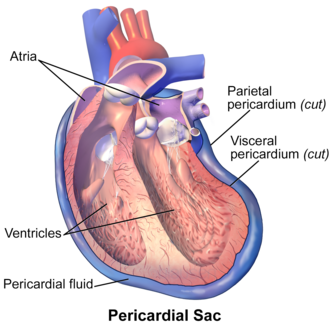
pericardial membrane
two layers of membrane that enclose the heart; visceral pericardium and parietal pericardium
pericardial cavity
potential space between the visceral and parietal pericardial membranes
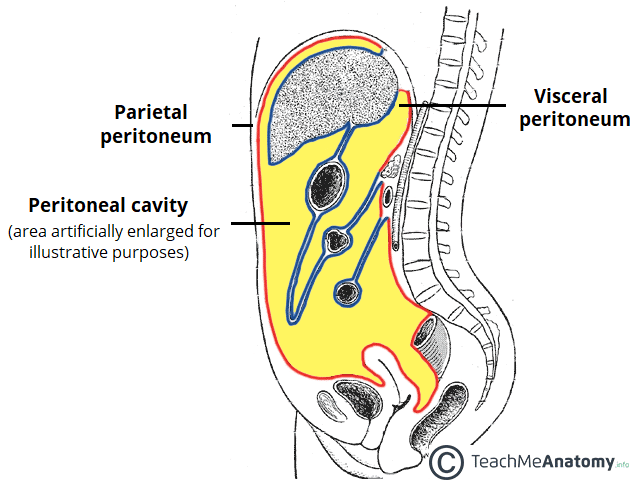
peritoneal membrane
serous membrane in the abdominopelvic cavity composed of the parietal peritoneum (lines the wall) and the visceral peritoneum (covers each organ in the abdominal cavity)
peritoneal cavity
fluid filled space inside the abdomen
What are the organ systems and their purpose?
Integumentary - body covering
Skeletal - support and movement
Muscular - support and movement
Nervous - integration and coordination
Endocrine - integration and coordination
Cardiovascular - transport (carries nutrients)
Lymphatic - transport (body’s defense against infection)
Digestive - absorption and secretion (food)
Respiratory - absorption and secretion (air in and out, exchange gases between blood and air)
Urinary - absorption and secretion (removes wastes from blood and maintain body’s water and electrolytes)
Reproduction - produce offspring
superior
body part is above another part
inferior
body part is below another body part
anterior
towards the front
posterior
toward the back
medial
an imaginary midline dividing the body into equal right and left halves; body part is medial if its closer to midline than another part
lateral
toward the side, away from midline
bilateral
refer to paired structures; one of which is one each side of the midline (ex: the lungs are bilateral)
ipsilateral
refers to structures on the same side
contralateral
refer to structures on opposite sides
proximal
a body part that is closer to a point of attachment to the trunk than another body part is
distal
the opposite of proximal; a particular body part is farther from a point of attachment to the trunk than another body part is
superficial
situated near the surface
deep
parts that are more internal than superficial parts
sagittal
lengthwise plane that divides the body into right and left portions
transverse
refers to a plane that divides the body into superior and inferior portions
frontal
refers to a plane that divides the body into anterior and posterior portions
abdominal
the region between thorax and pelvis
acromial
the point of the shoulder
antebrachial
the forearm
antecubital
the space in front of the elbow
axillary
the armpit
brachial
the arm
buccal
the cheek
calcaneal
the heel
carpal
the wrist
celiac
the abdomen
cephalic
the head
cervical
the neck
costal
the ribs
coxal
the hip
crural
the leg
cubital
elbow
digital
the finger or toe
dorsal
the back
fermoral
thigh
frontal
forehead
genital
external reproductive organs
gluteal
buttocks
inguinal
the groin—the depressed area of the abdominal wall near the thigh
lumbar
the loin— the region of the lower back between the ribs and pelvis
mammary
breast
mnetal
chin
nasal
nose
occipital
lower posterior region of the head
oral
the mouth
orbital
bony socket of the eye
palmar
palm of the hand
patellar
the front of the knee
pectoral
the anterior chest
pedal
foot
pelvic
pelvis
perineal
the perineum — the inferior most region of the trunk between the buttocks and the thighs
plantar
the sole of the foot
popliteal
the area behind the knee
sacral
posterior region between the hip bones
sternal
middle of the thorax, anteriorly
sural
calf of the leg
tarsal
ankle
umbilical
navel
vertebral
spinal column