Plant Science Exam 2 Study Guide
 Call Kai
 Learn
Learn Practice Test
 Spaced Repetition
 Match
Match Flashcards
 Knowt Play
1/55

Earn XP
Description and Tags
kill me
Name | Mastery | Learn | Test | Matching | Spaced | Call with Kai |
|---|
No analytics yet
Send a link to your students to track their progress
56 Terms
Plant taxonomy
A hierarchical classification system based on morphological and phylogenetic similarities among plants.
Generic name
First part of name; a singular latinized noun and is always capitalized.
Specific epithet
Second part of a name; an adjective written in lower case.
Plant classification order!
Kingdom > divisions or phyla > classes > orders > families > genera > species
Order suffix
-ales
Families suffix
-aceae
Subfamilies suffix
-oideae
Cultivars
A cultivated variety, produced by horticulture techniques.
Hybrids
The offspring of two plants of the same or closely related species differing in one or more genes.
Carolus Linnaeus
A Swedish biologist and physician who formalized binomial nomenclature, the modern system of naming organisms.
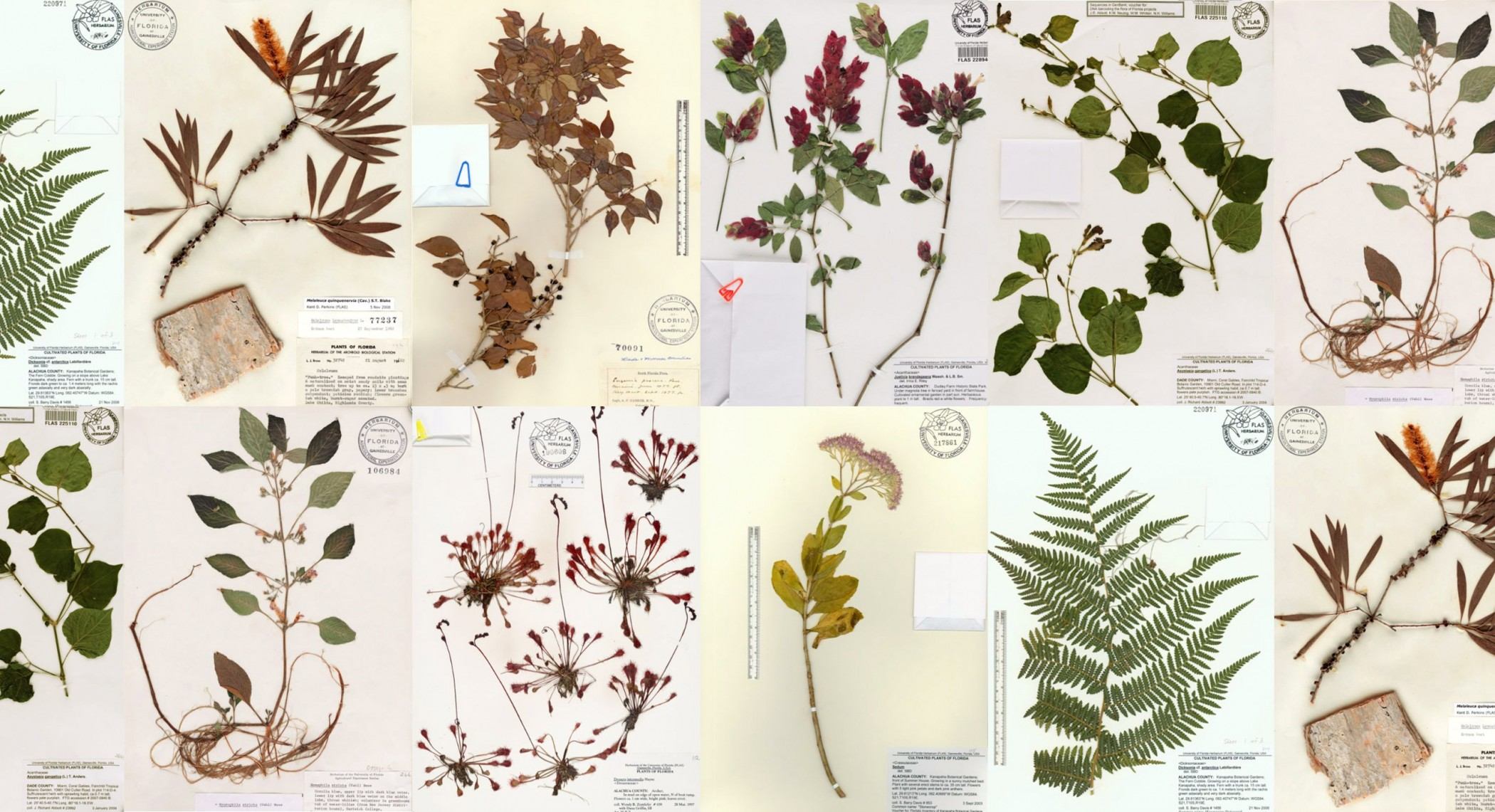
Herbarium
A collection of preserved plant specimens and associated data used for scientific study.
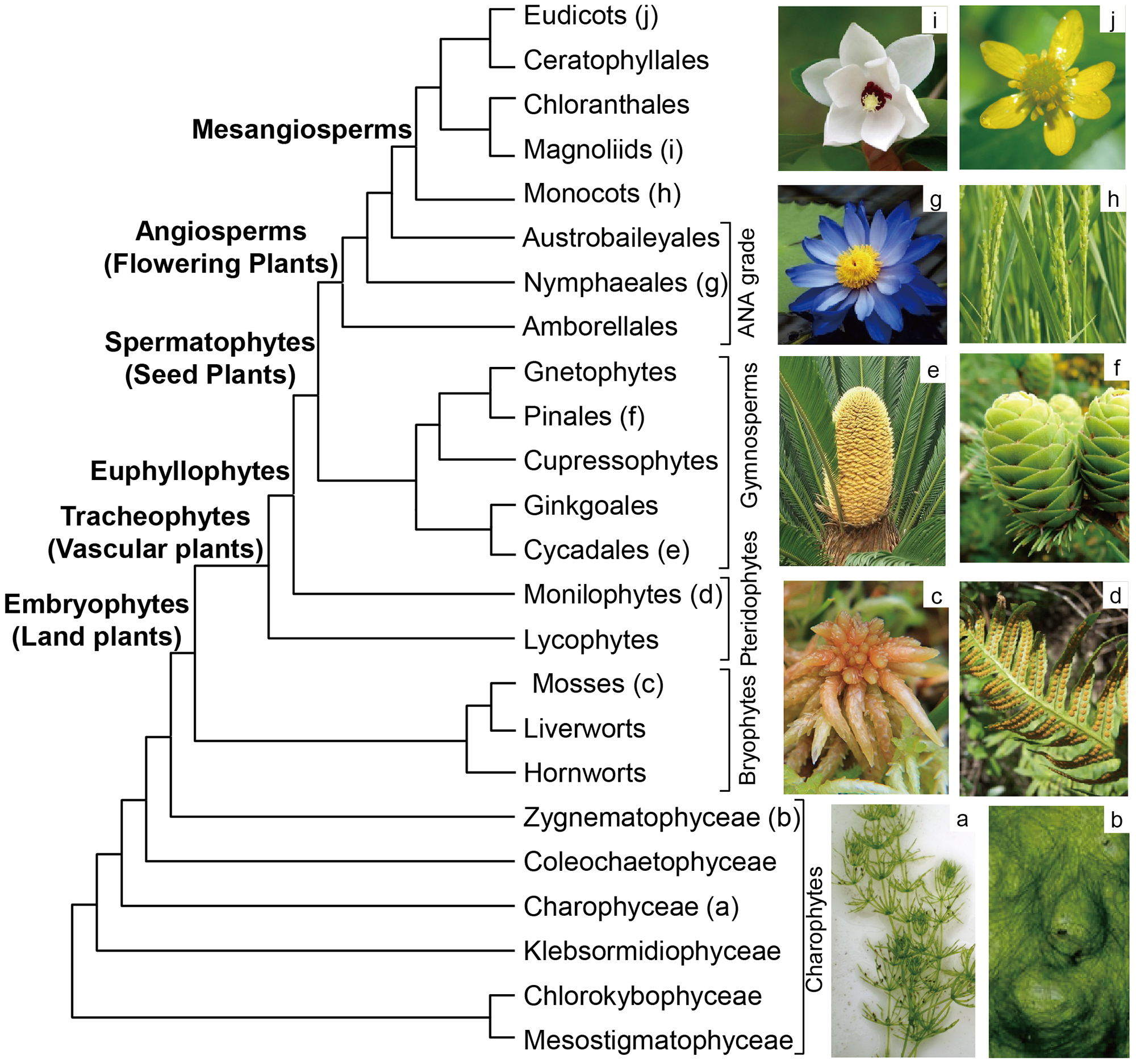
Phylogenetic systematics
The field within biology that reconstructs evolutionary history and studies the patterns of relationships among organisms.
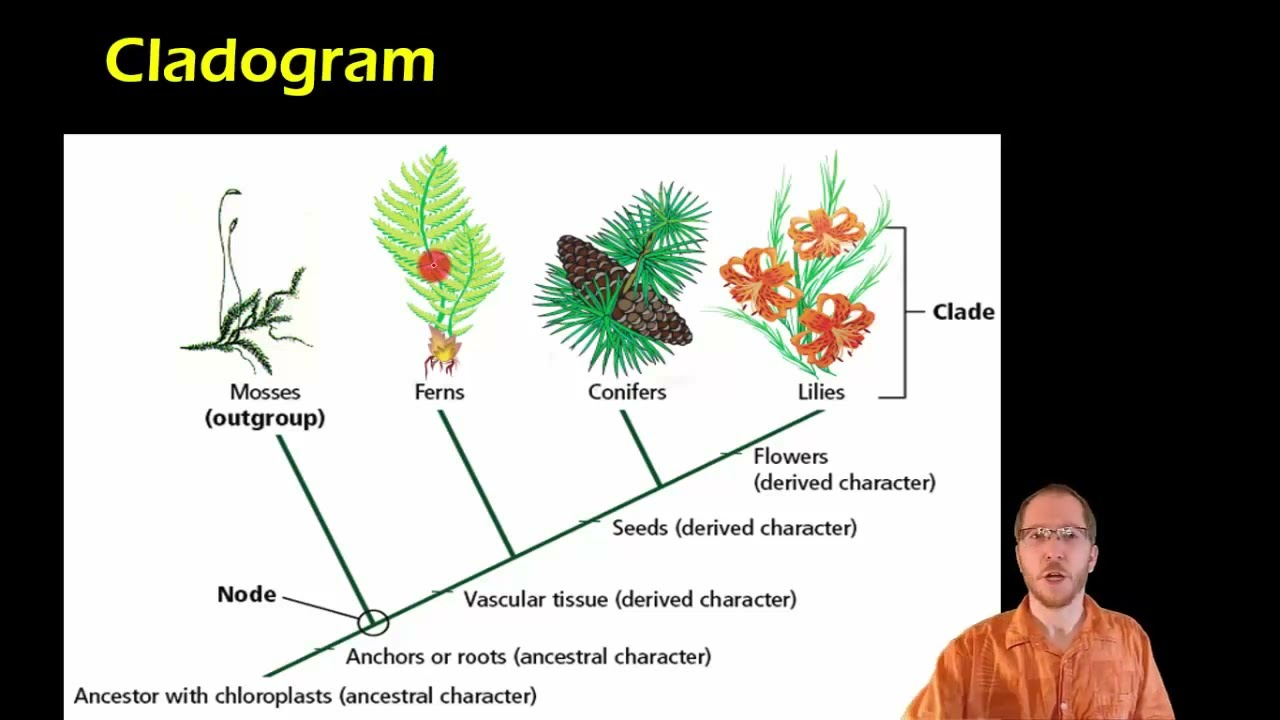
Cladistics
An approach to biological classification in which organisms are categorized in groups based on hypotheses of most recent common ancestry.
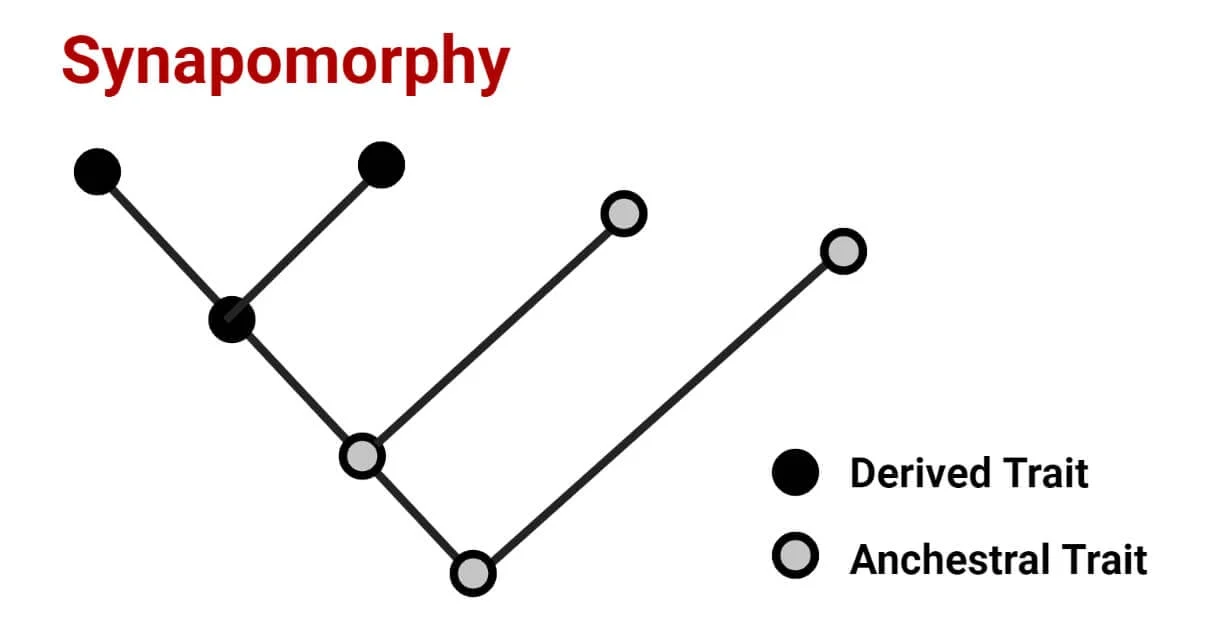
Synamorphy
A character or trait that is shared by two or more taxonomic groups and is derived through evolution from a common ancestral form.
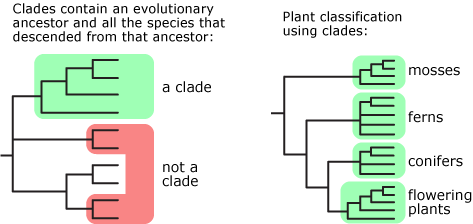
Clade
A group of organisms believed to have evolved from a common ancestor, according to the principles of cladistics
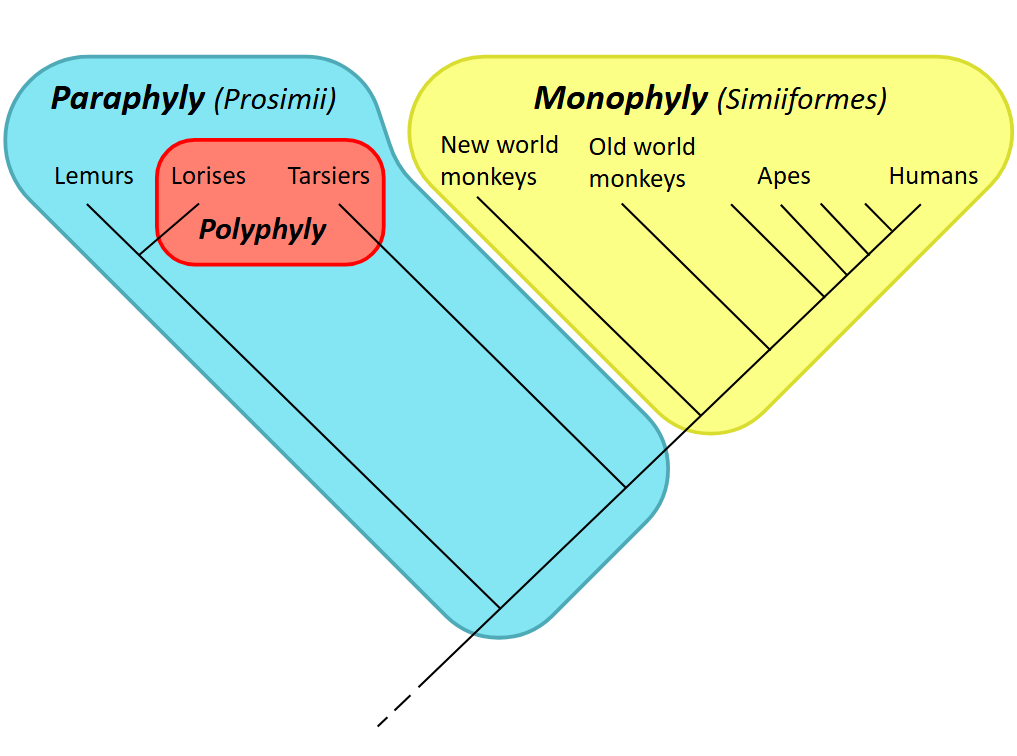
Monophyletic group
A taxonomic grouping of a clade, where the grouping has its most recent ancestor and contains all the descendants.
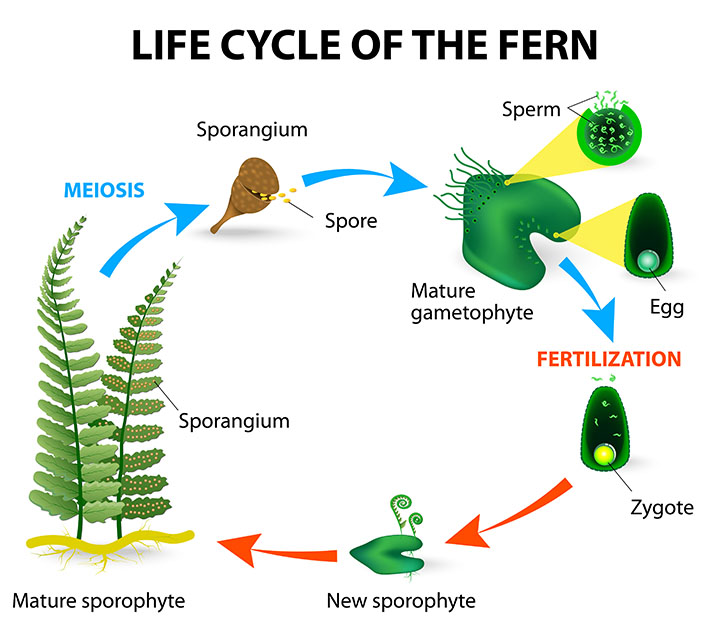
Spores
A reproductive cell that grows directly into a new plant.
Gametes
A s3x cell; a sperm or egg.
Sperm
A male s3x cell.
Egg
A female s3x cell.
Zygote
The product of a union between a sperm and egg; a fertilized egg.
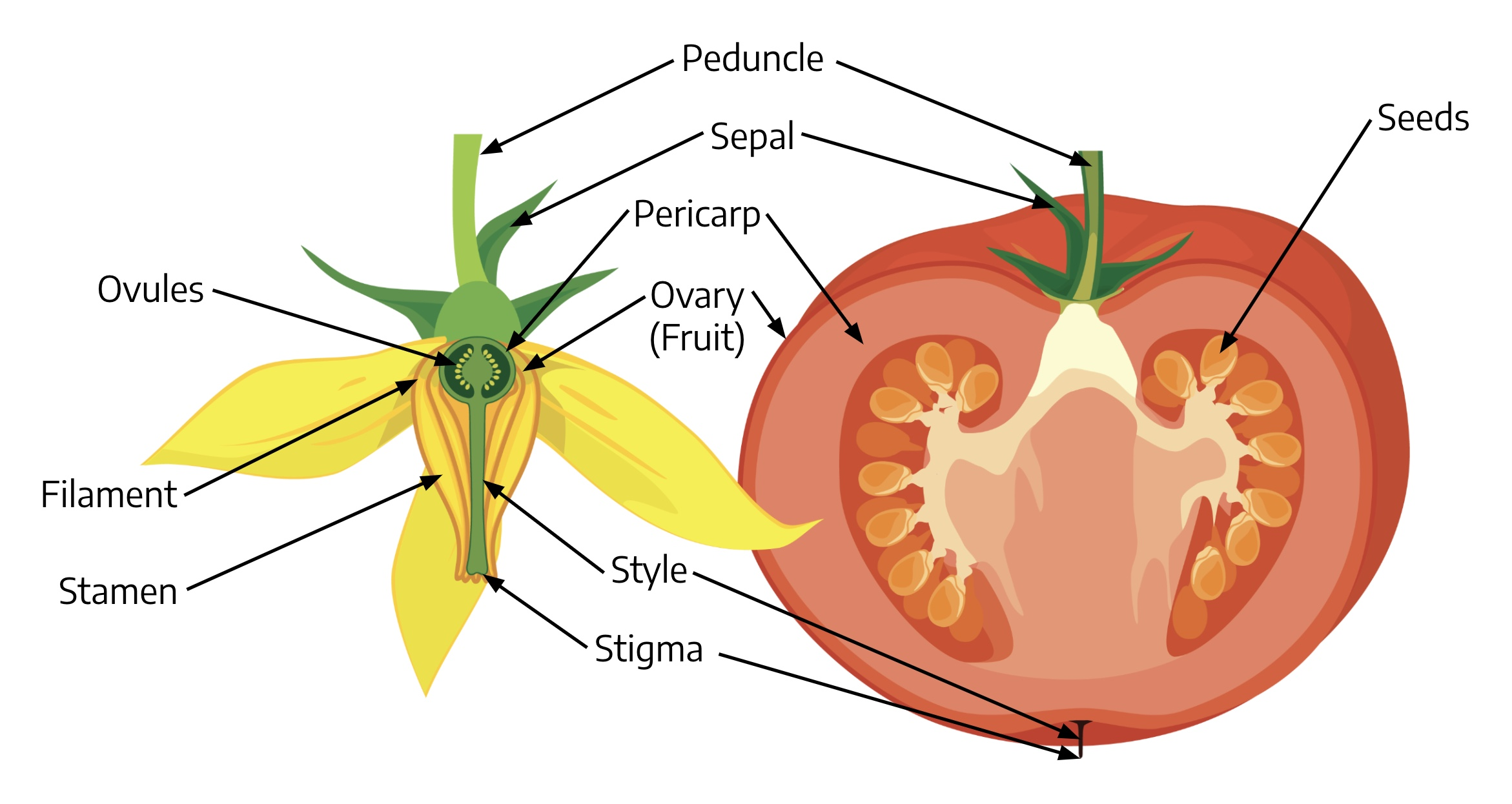
Fruit
A mature ovary.
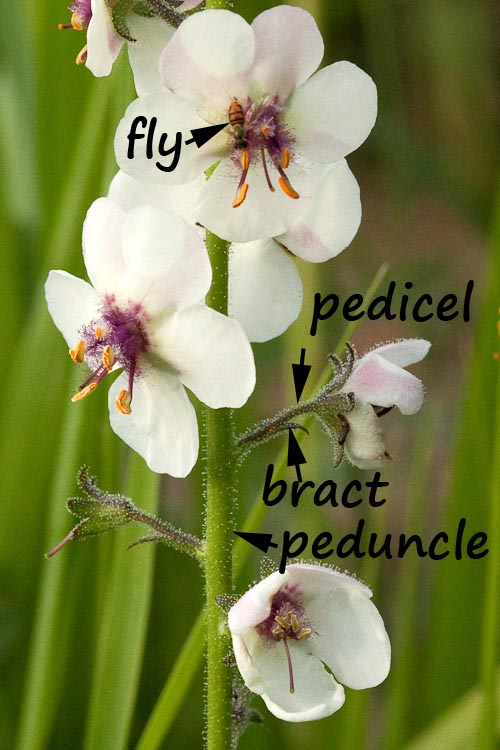
Pedicel
The stalk of an individual flower in an inflorescence.
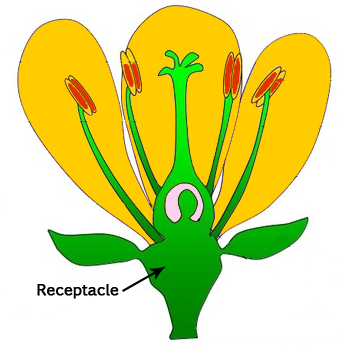
Receptacle
The enlarged end of flower stalk to which flower parts are attached.
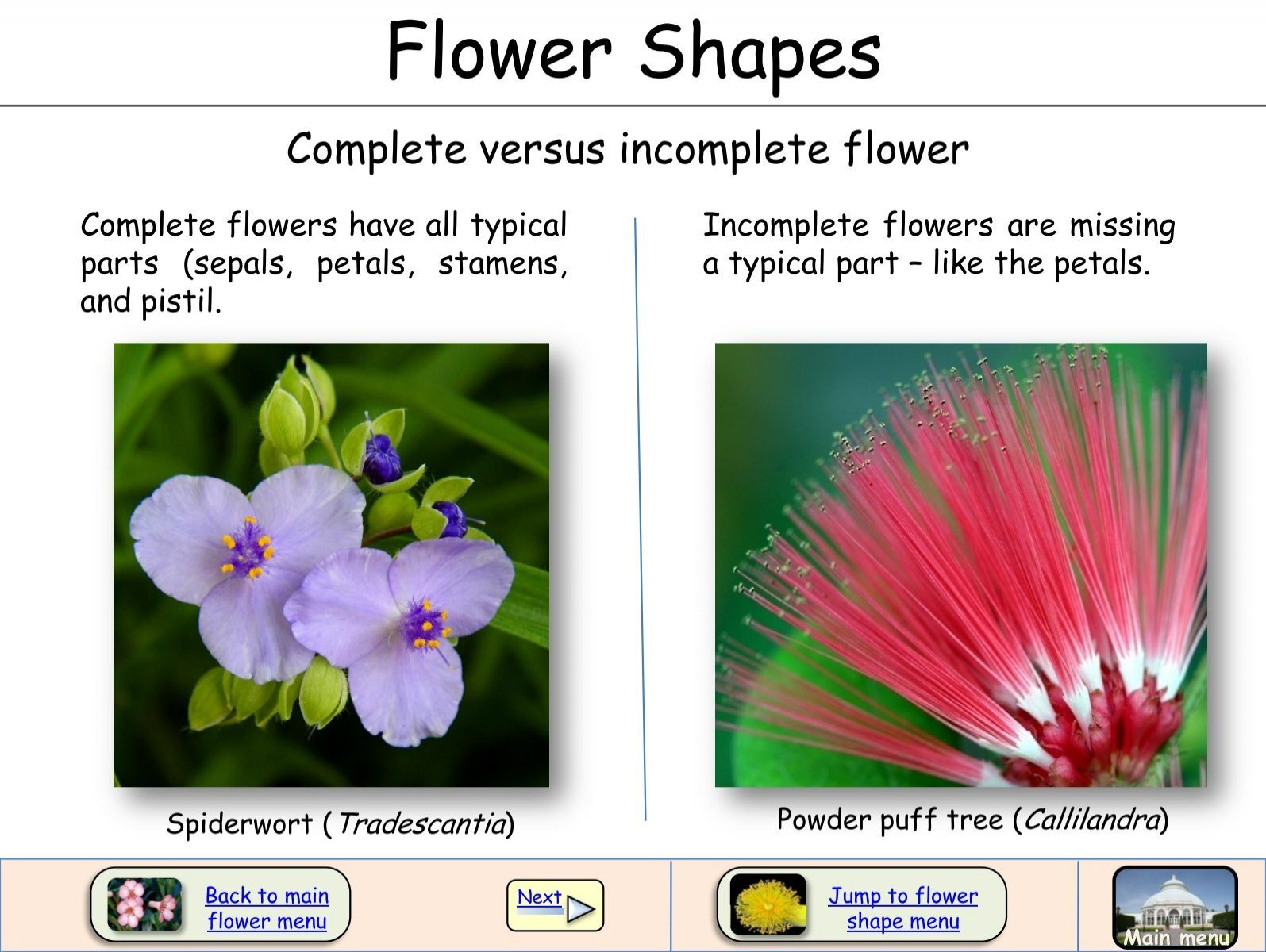
Complete flower
Has all customary anatomy of a flower.
Calyx
Collectively, all of the sepals in a flower.
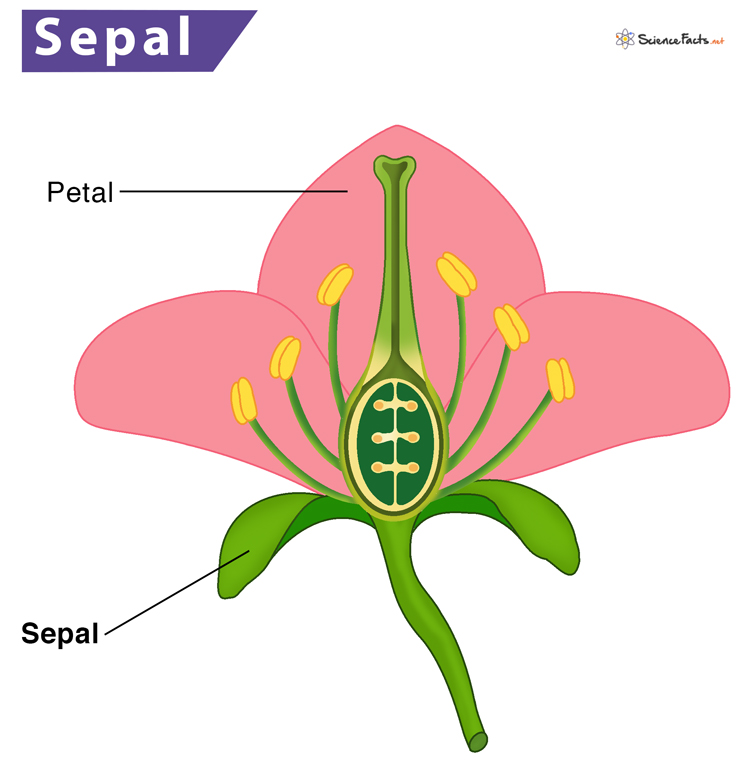
Sepal
A flower part that encloses and protects the bud.
Corolla
Collectively, all the petals on a flower.
Perianth
All the sepals and petals in a flower.
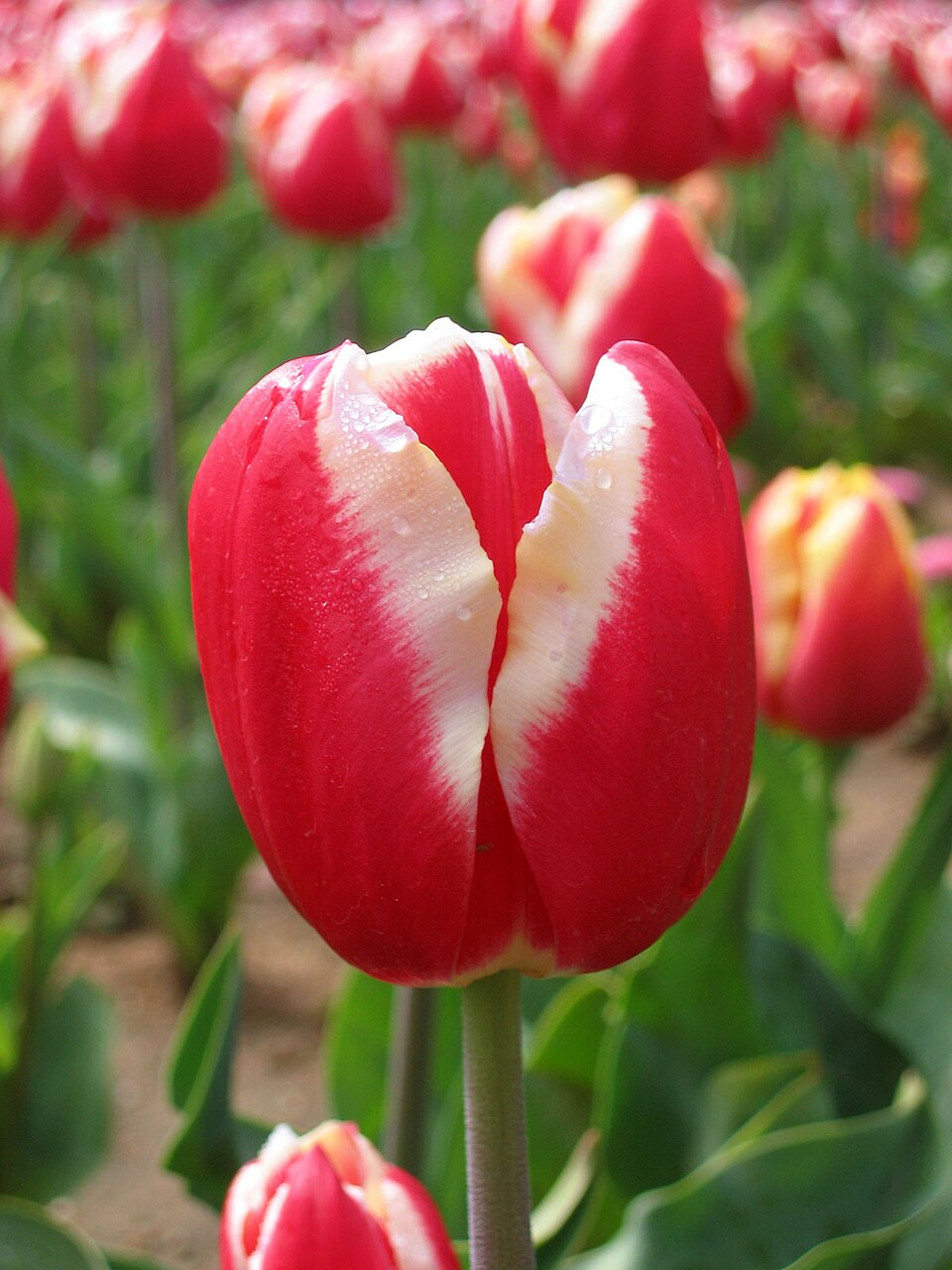
Tepals
A perianth part in flowers having no distinct petals or sepals.
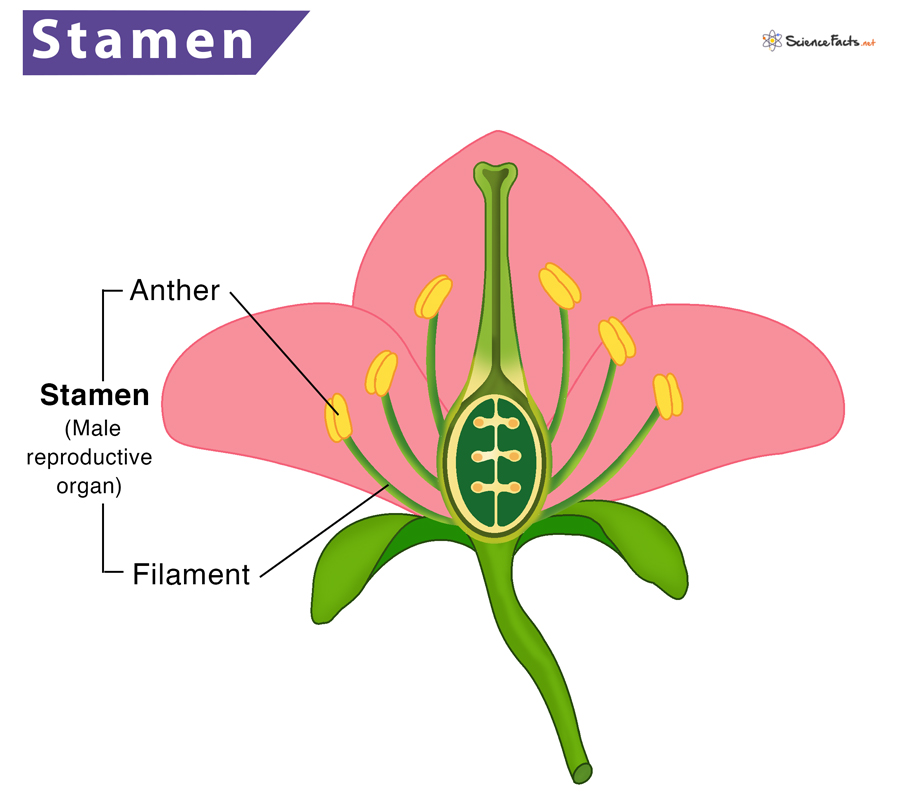
Stamen
The male part of a flower, consisting of a filament and an anther.
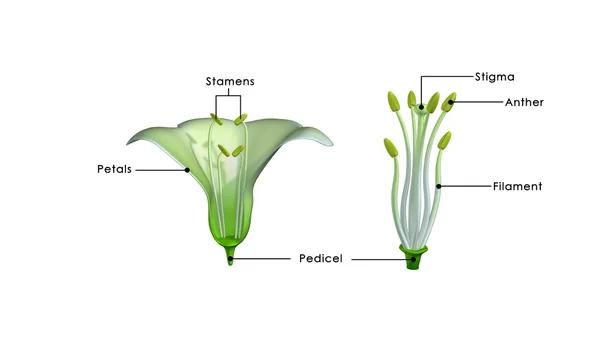
Filament
The stalk of a stamen bearing an anther.
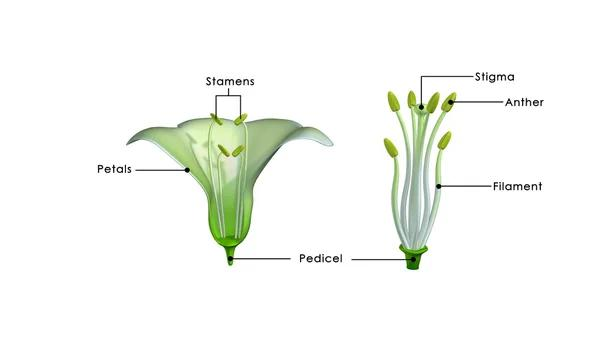
Anther
The pollen-bearing tip of a stamen
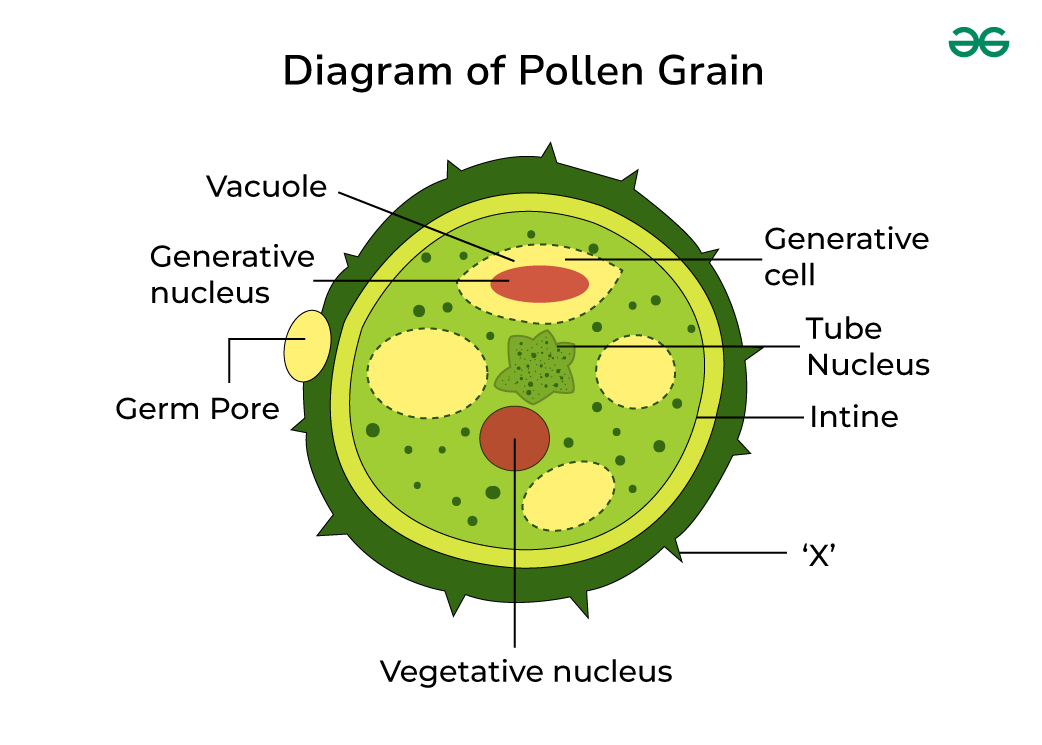
Pollen
A structure that develops from a microspore in angiosperms and gymnosperms to become a male gametophyte.
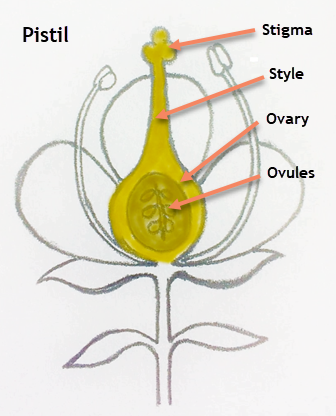
Pistil
The female part of a flower.
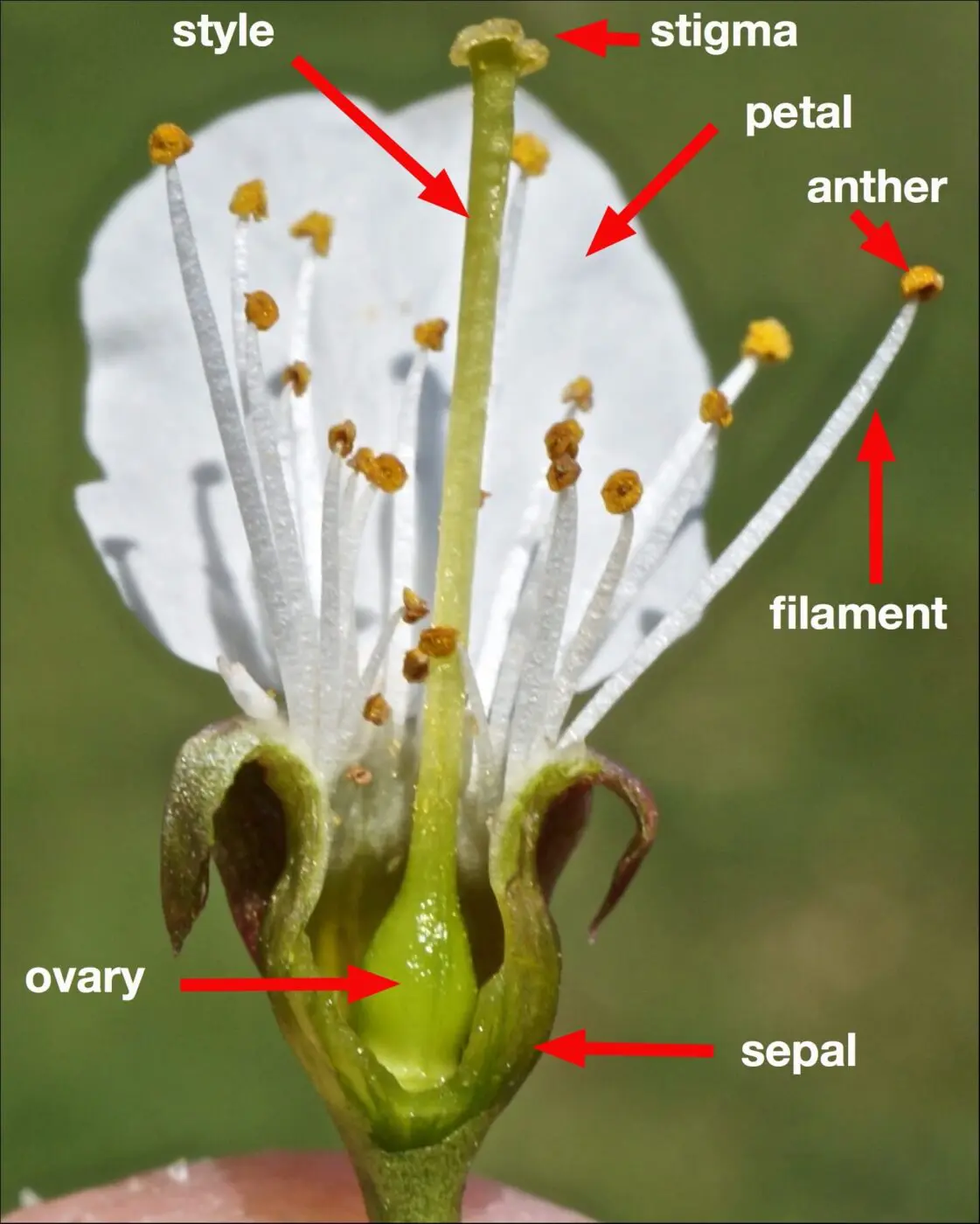
Stigma
Part of the pistil that receives pollen.
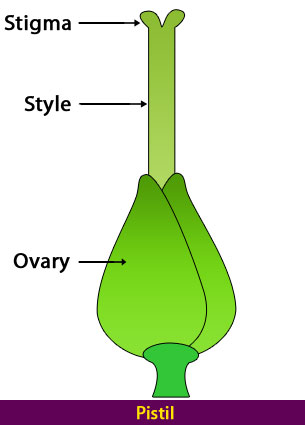
Style
The narrow part of a pistil bearing the stigma.
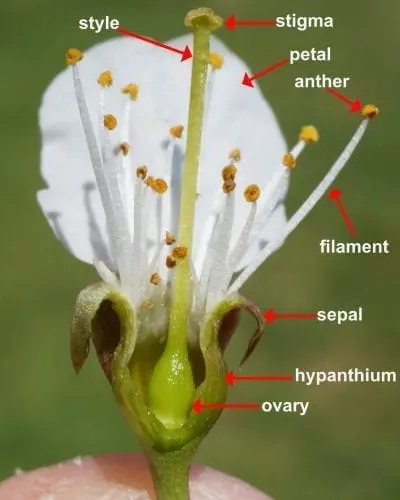
Ovary
The basal portion of a pistil that becomes the fruit.
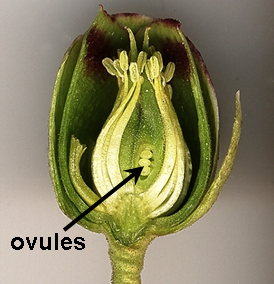
Ovule
Structure within the ovary containing the egg cell.
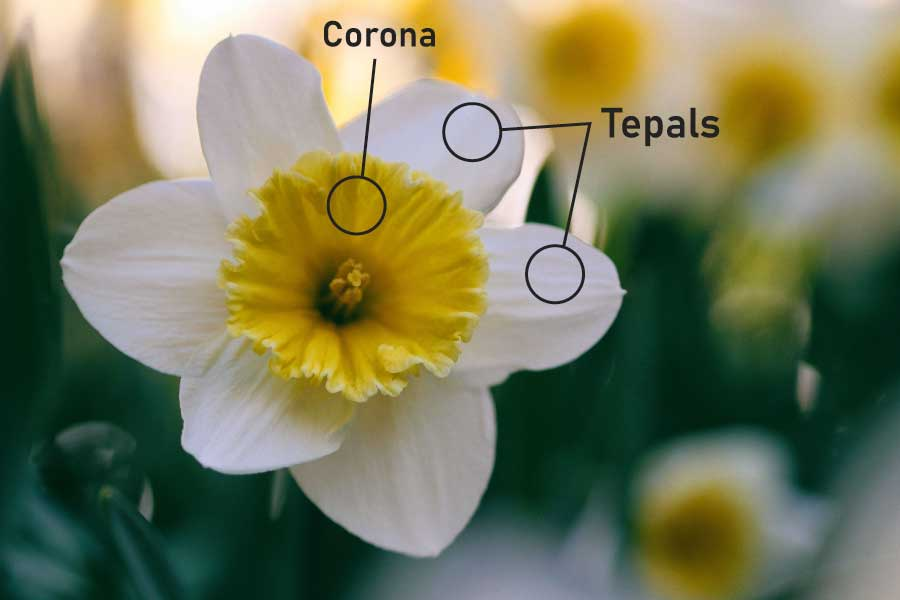
Corona
The trumpetlike outgrowth of petals.
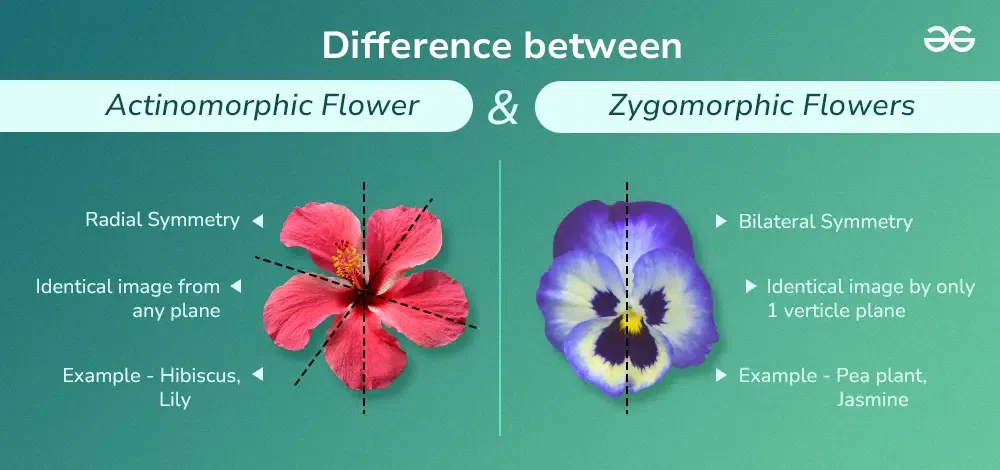
Actinomorphic flower
A flower possessing radial symmetry; any cut through the center divides the flower into two equal parts.
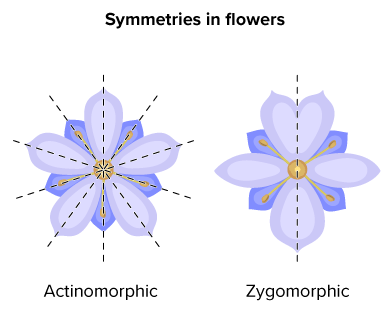
Zygomorphic flower
A flower divisible into two similar halves along one plane only.
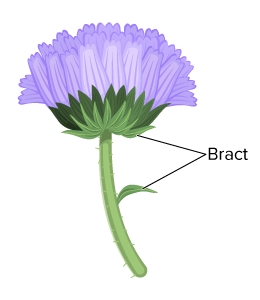
Bract
A modified leaf arising below a flower or inflorescence.
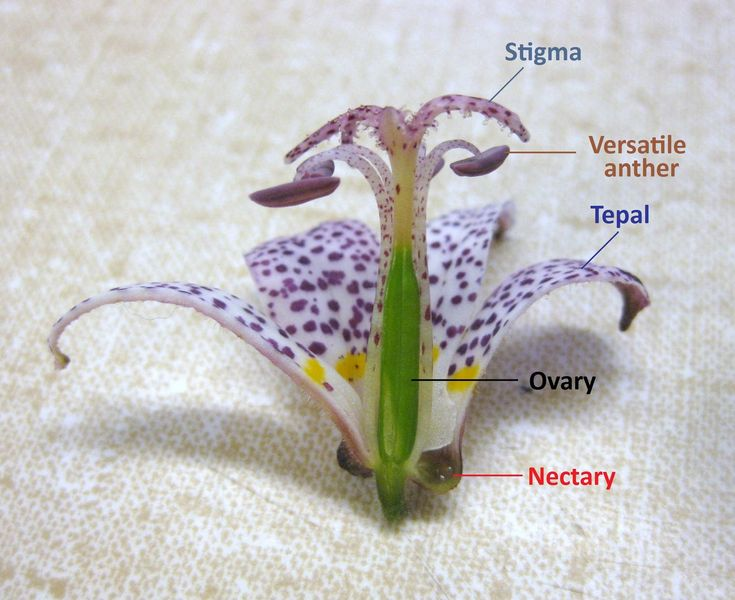
Nectary
A gland secreting nectar.
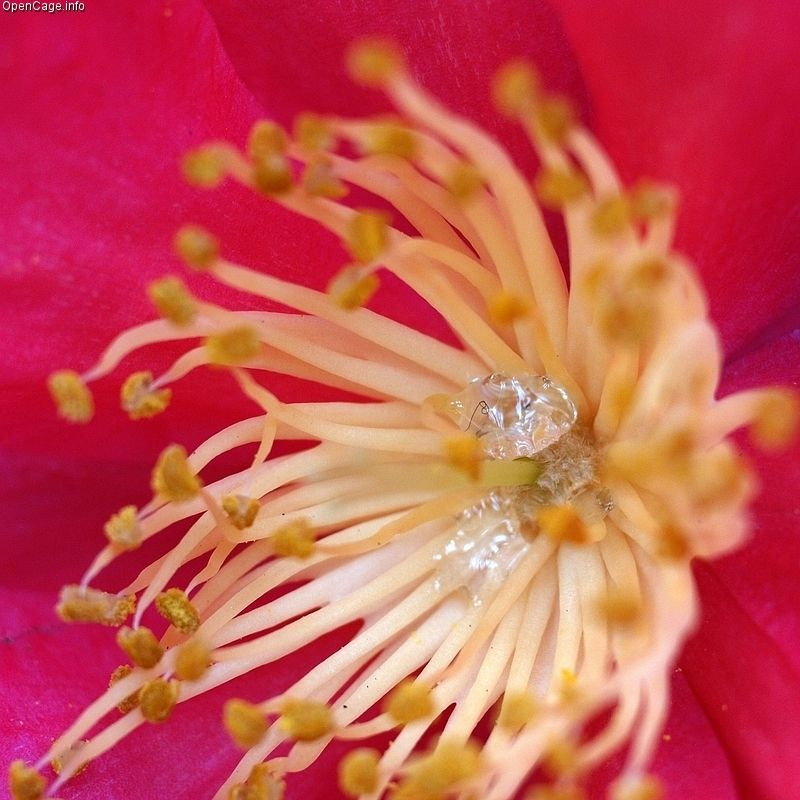
Nectar
A sugary fluid secreted in some flowers.
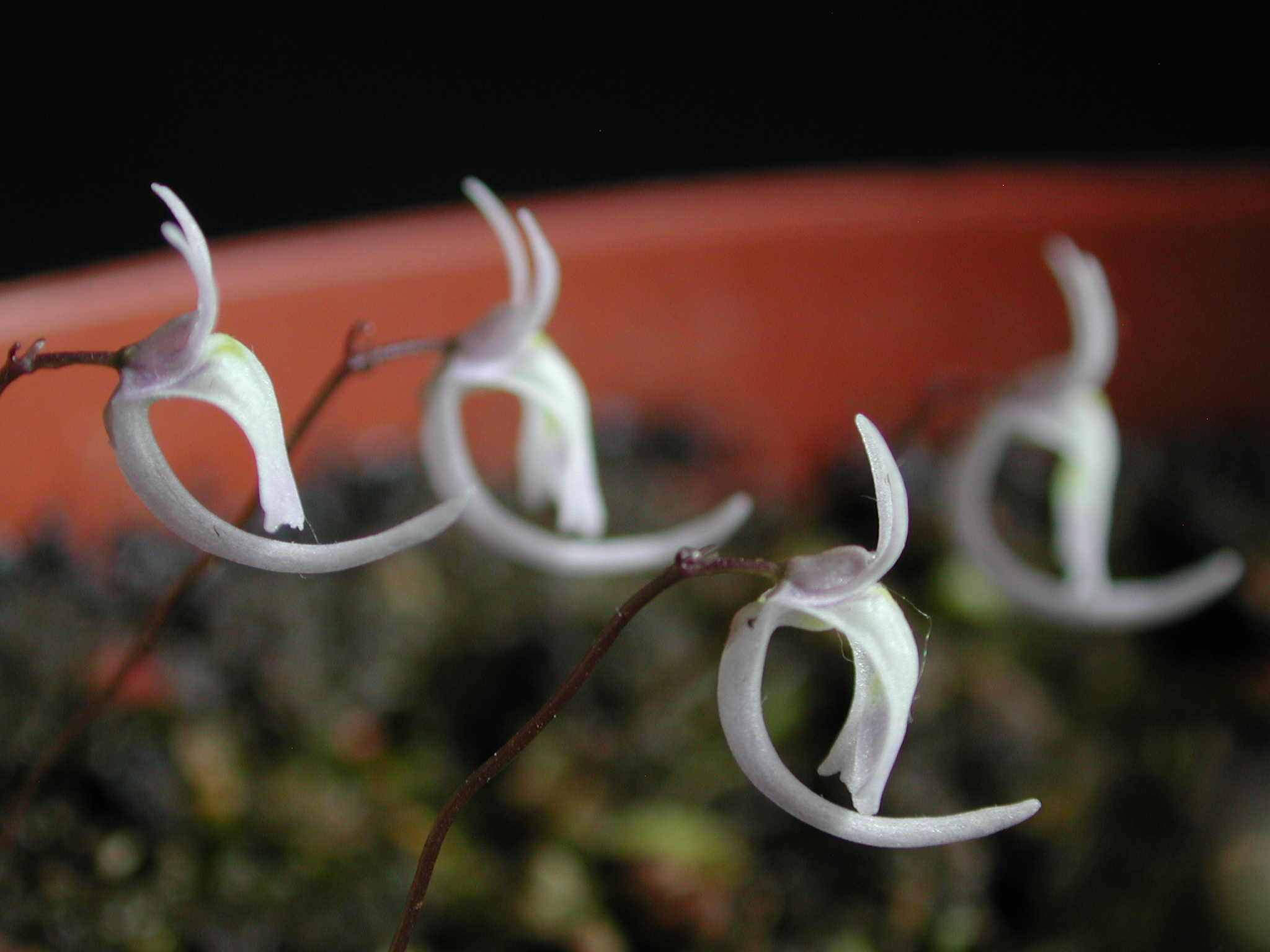
Spur
A tubular projection of a flower.
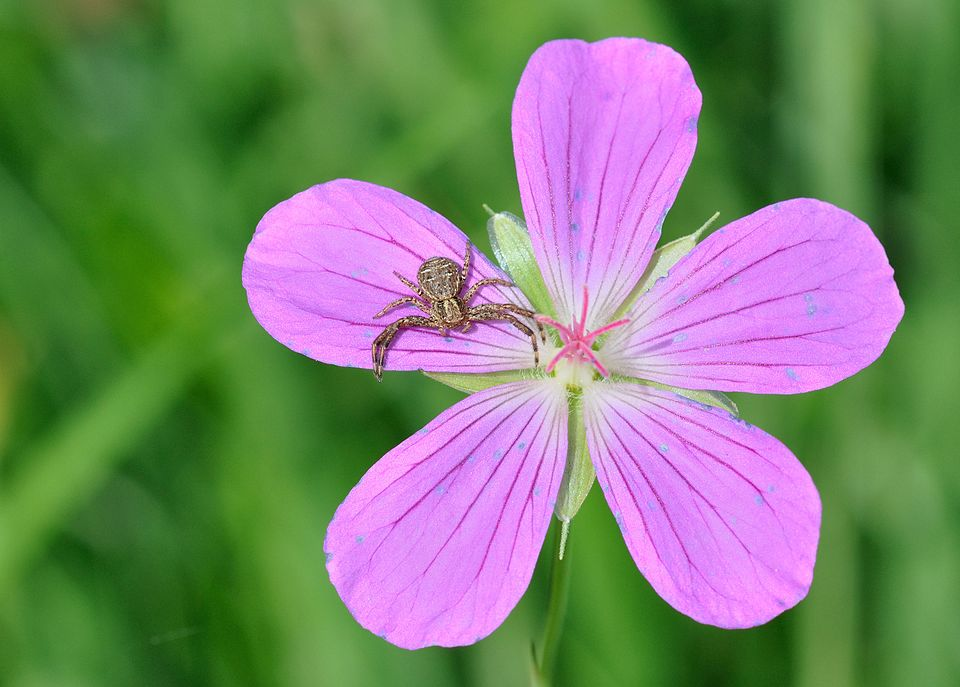
Nectar guide
A contrasting color pattern in a flower that guides a pollinator to the nectar.
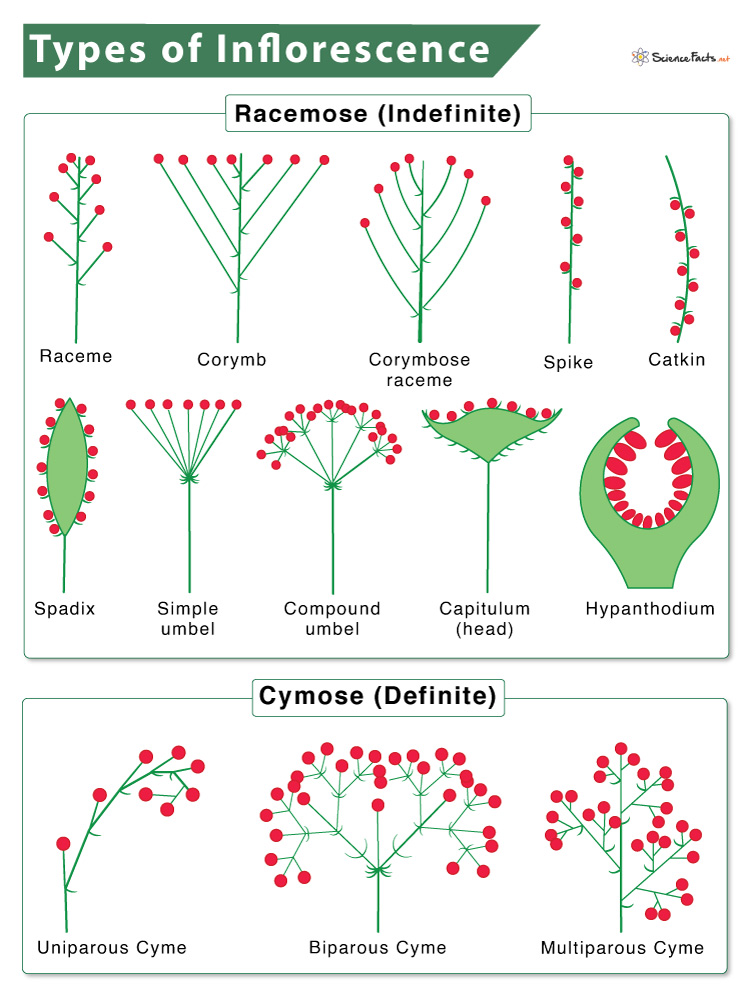
Inflorescence
A shoot bearing clusters of flowers.
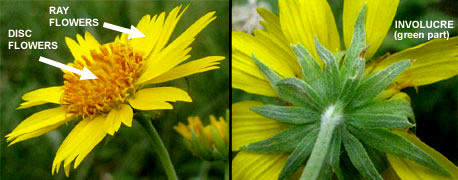
Composite head
An inflorescence composed of many tightly packed, small, ray and disc flowers.
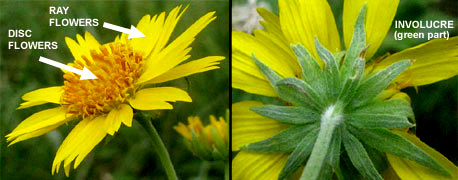
Disc flower
A small, tubular flower at the center of a composite head.
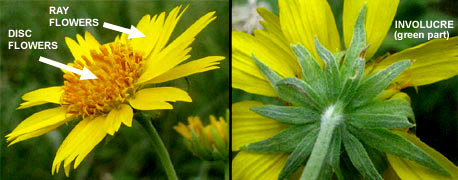
Ray flower
One of several small flowers often forming a ring around the disc flowers in a composite head.
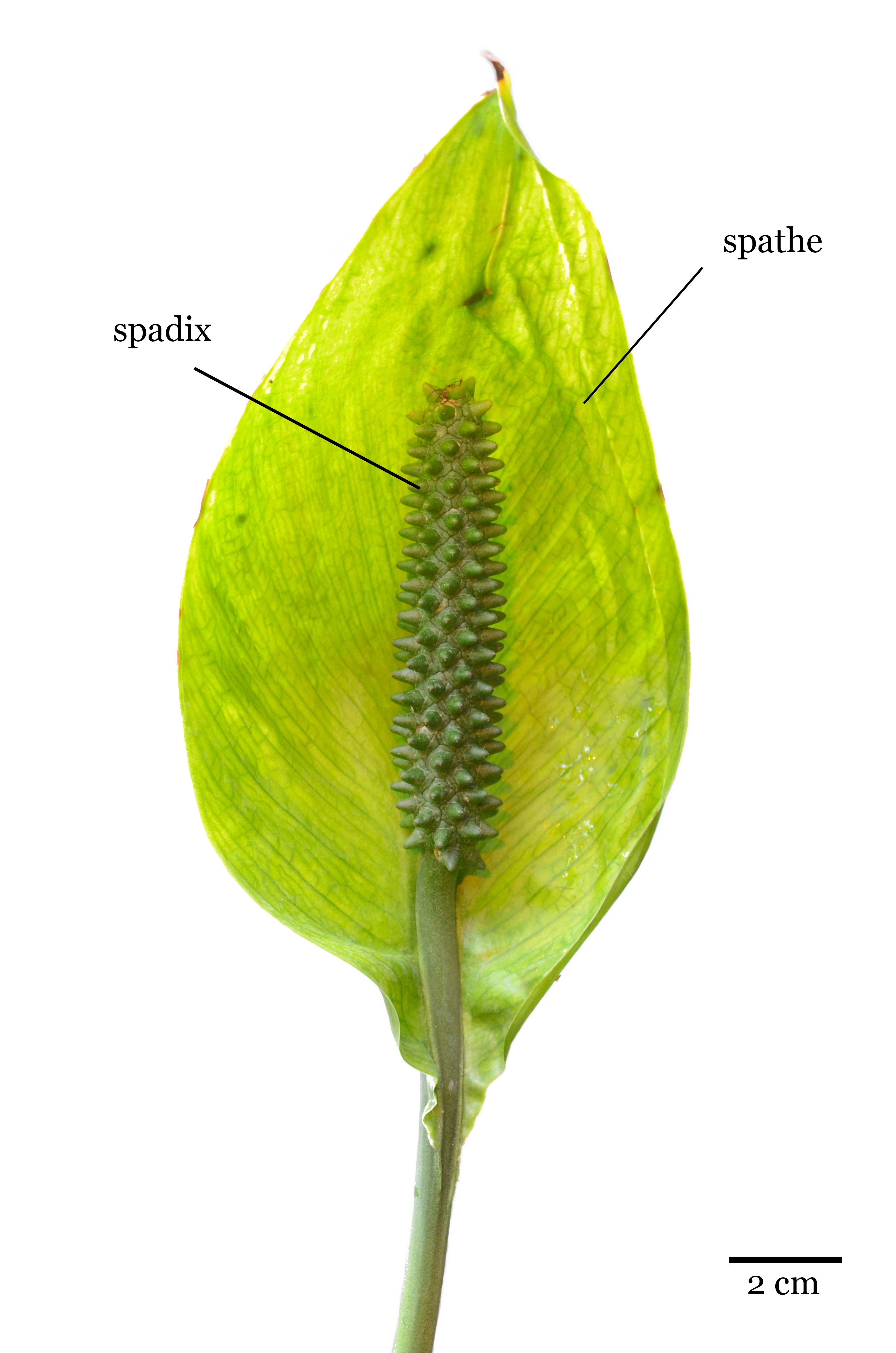
Spadix
A spike of flowers enclosed in a spathe.
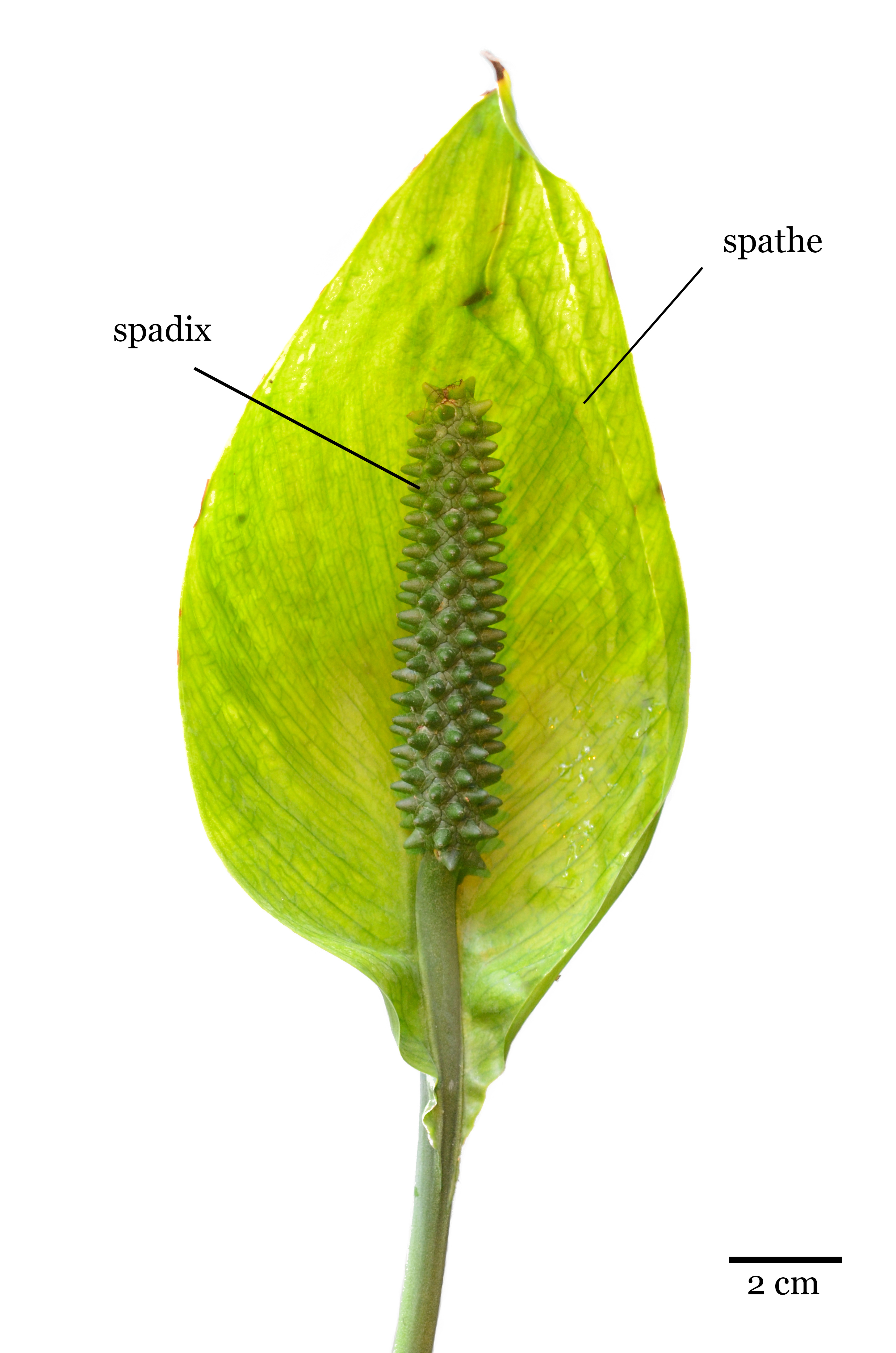
Spathe
A large bract enclosing a spadix.
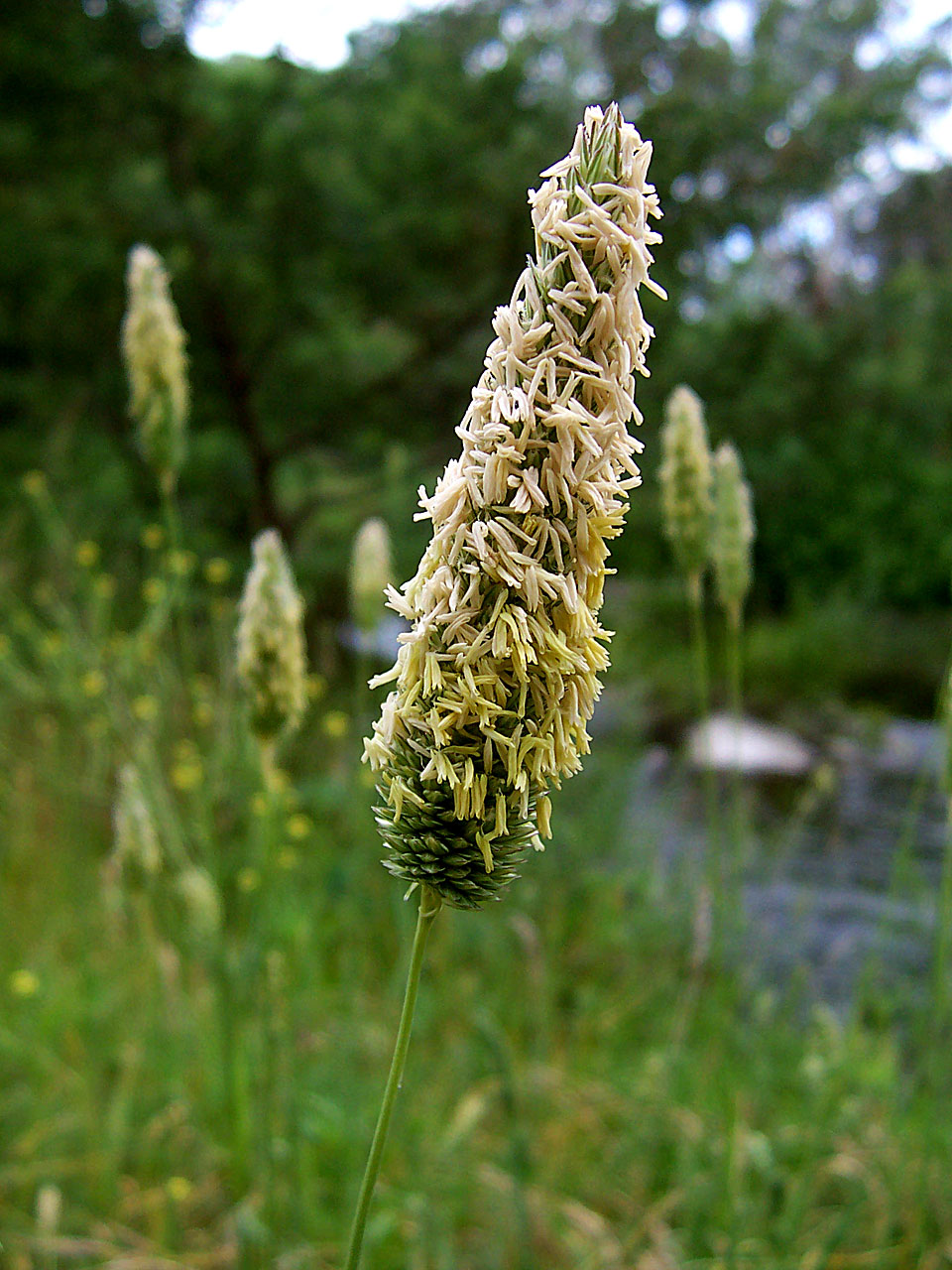
Poaceae
A large family of flowering plants known as true grasses. Includes staple foods such as wheat, maize, rice, oats, etc.
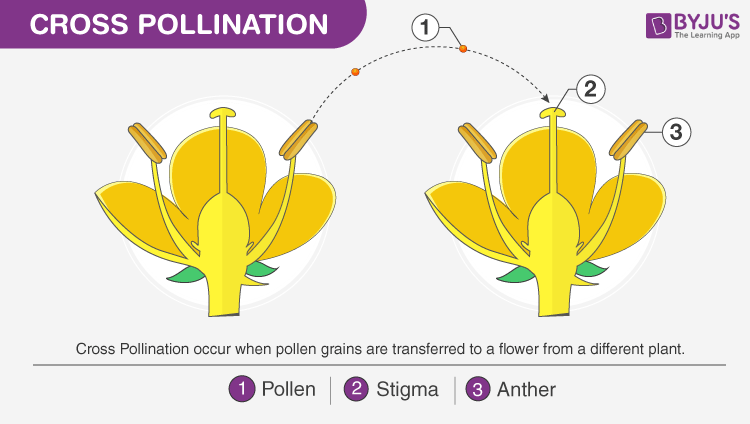
Cross-pollination
The transfer of pollen to a flower on another plant.
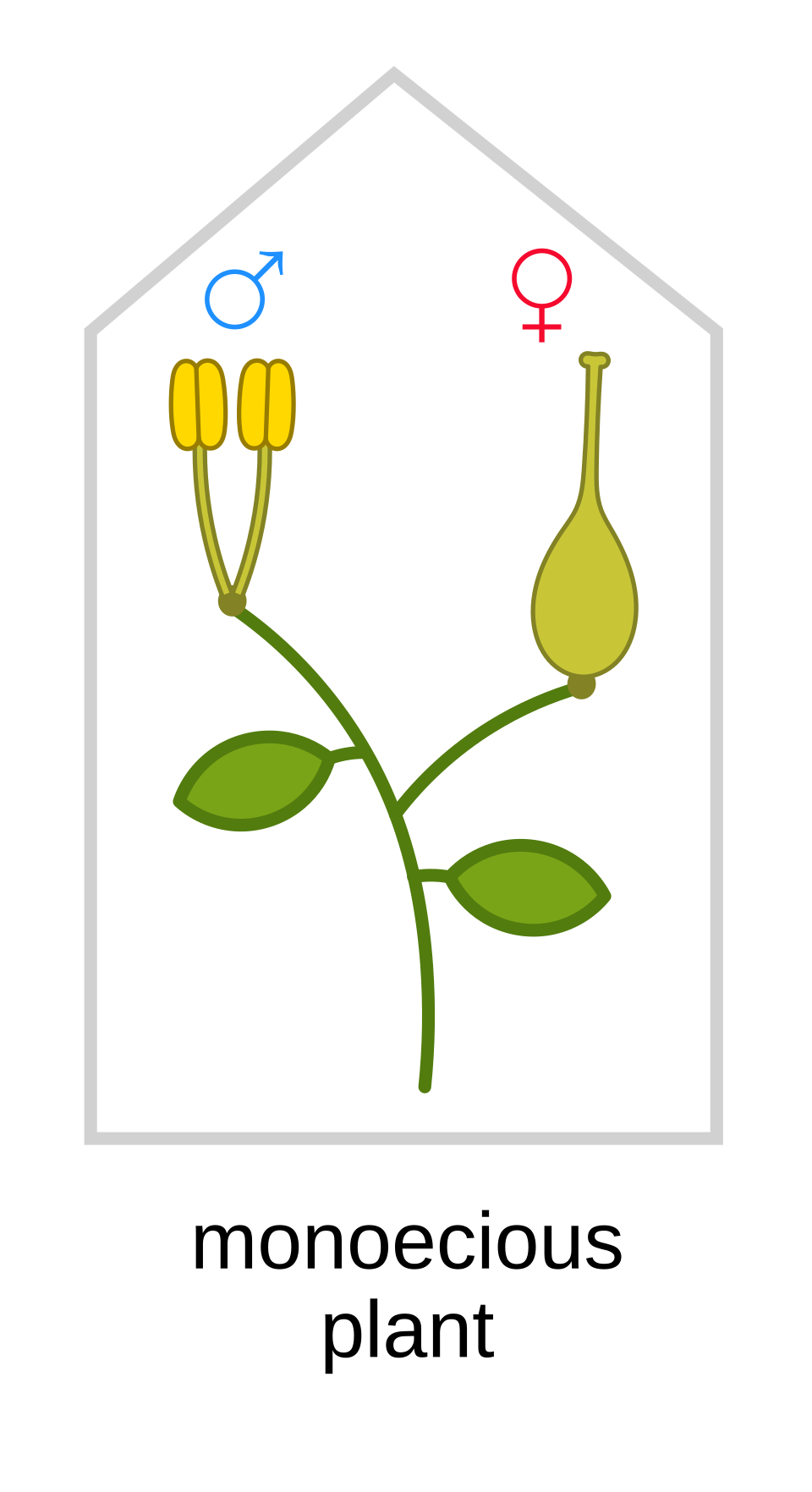
Monoecious
Bearing separate male and female flowers on the same plant.