Pre-modern Arch
 Call Kai
 Learn
Learn Practice Test
 Spaced Repetition
 Match
Match Flashcards
 Knowt Play
1/21

Earn XP
Description and Tags
pain.
Name | Mastery | Learn | Test | Matching | Spaced | Call with Kai |
|---|
No analytics yet
Send a link to your students to track their progress
22 Terms
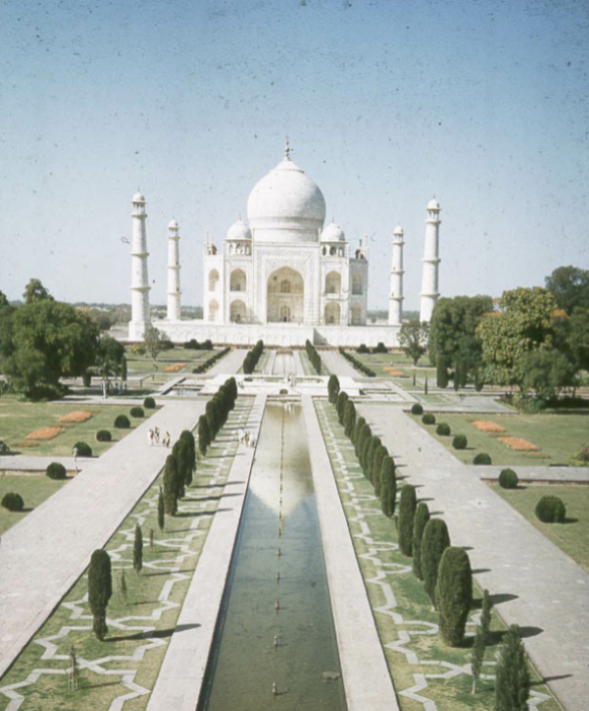
What building is this?
Taj Mahal - Emphasized a strong sense of symmetry and rigor from geometries. After the Mugal empire ruled India for seven generations and allowed Indians and Hindus to live without forced conversion, their architecture was adopted by the Indians. Architecture. Similar to the tomb of Timur, which showed how forms move and adapt between cultures.
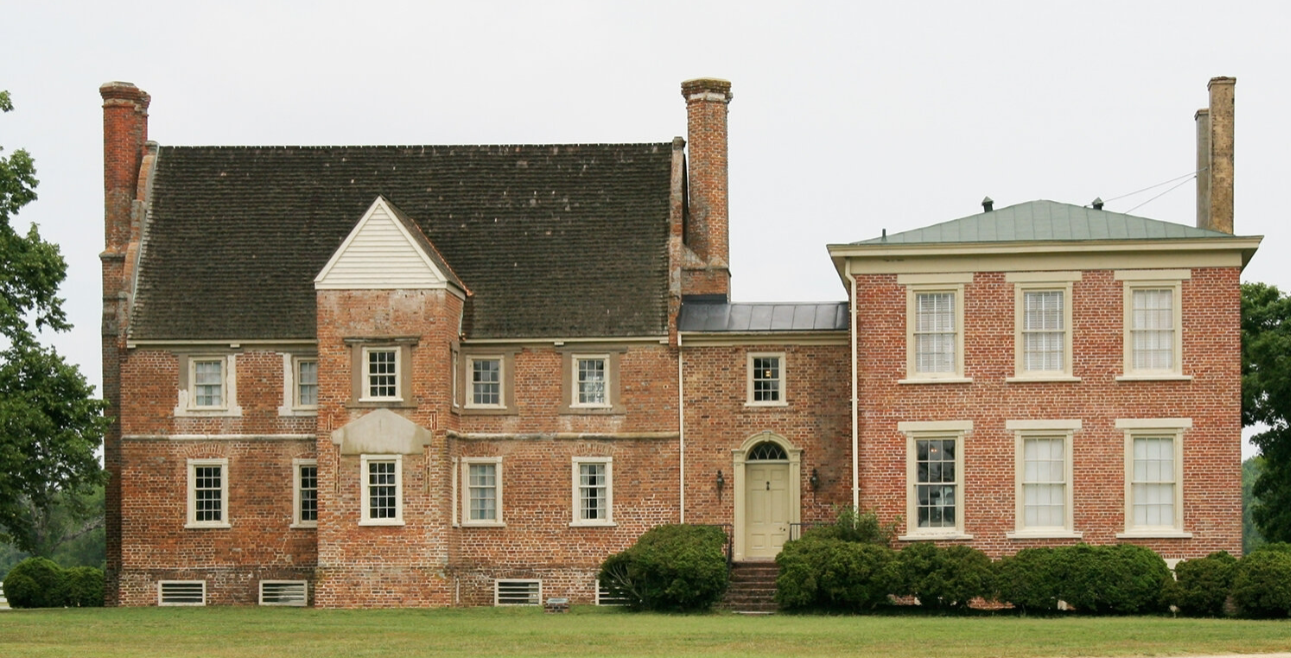
What building is this?
Bacon’s Castle - Stood out because it was made of brick as a flex that allowed the plantation class to view themselves as elite. Brick was a difficult material to make at the time considering the colonies were still fairly new and unestablished. The use of brick required more skilled laborers and more time to construct due to the need to airdry each individual brick after making it by hand.
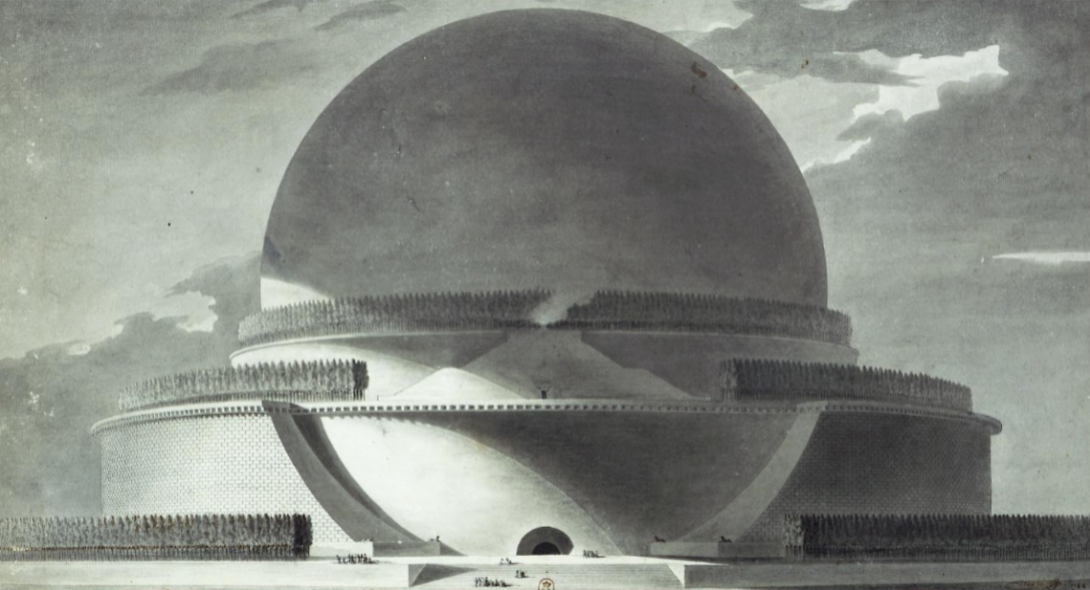
What building is this?
CENOTAPH FOR SIR ISSAC NEWTON - Etienne-Louis Boullee. This building had a hand in secularism as it was a grand cenotaph built for a scientist rather than a king or important religious person. It focused on the human aspect of life and the priority of science and reason over religion. Additionally, it was an example of paper architecture being represented on a colossal scale, never intended to be built.
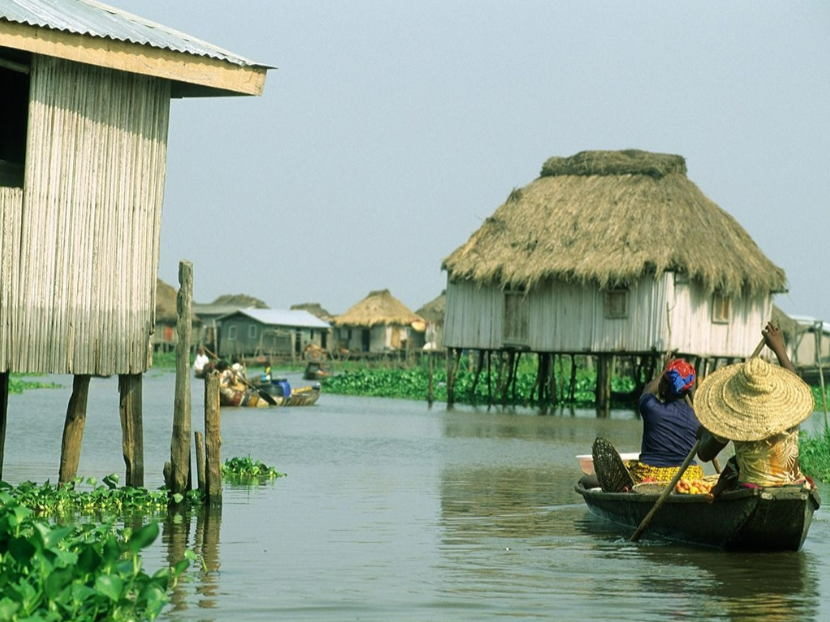
What building is this?
City of Ganvie in Benin - The city was founded due to a rising issue of slavery at the time. Slave captors were increasing the capture of differing tribes, so a this city was a response that would prove to become a geographical advantage against capture. The city soon began to grow as neighboring tribespeople assimilated into the culture over a shared trauma. The water soon began to be seen as a spiritual protector against adversity due to its barrier.
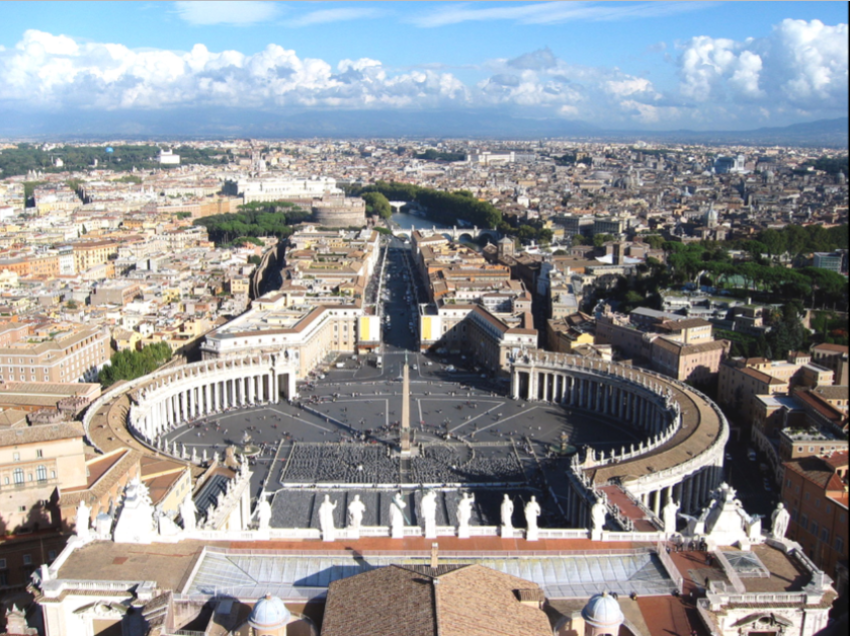
What building is this?
The completion of St. Peters Plaza by Gian Lorenzo Bernini - Meant as a direct response to secularism and protestantism because they doubled up on the grandure. This is where the pope lives, so it must be absolutely monumental and immaculate. Baroque. Shaped like two arms embracing the crowed to bring them in.
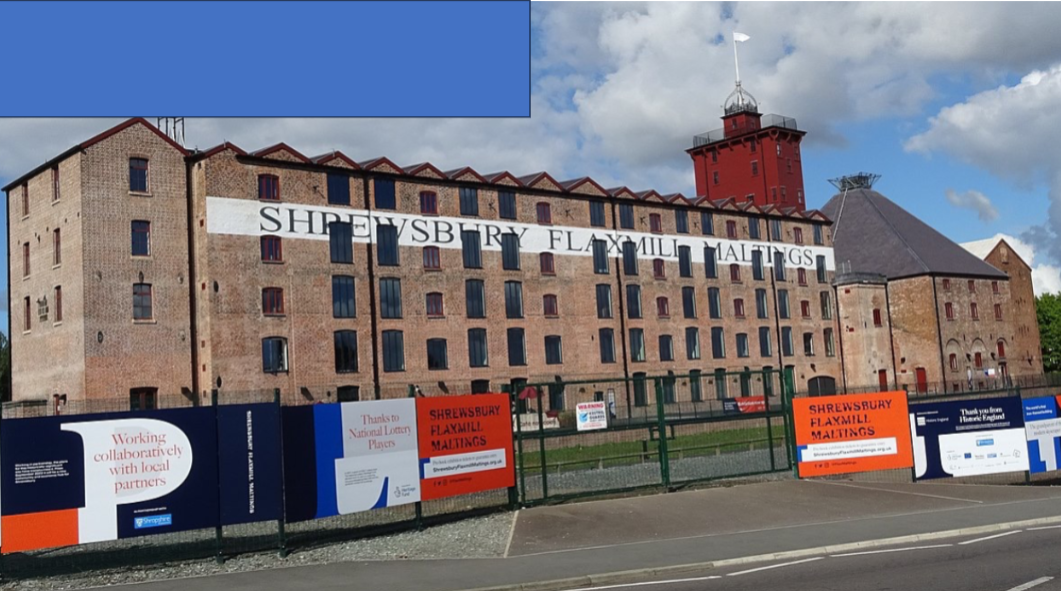
What building is this?
Ditherington Flaxmill by Charles Bage - One of the first times Iron was used in a building for load bearing purposes. It created the initial form of an industrialized workplace from a material that had never been used before, which was attributed to the age of enlightenment. Formal reverberation that generated the floor layout of a factory.
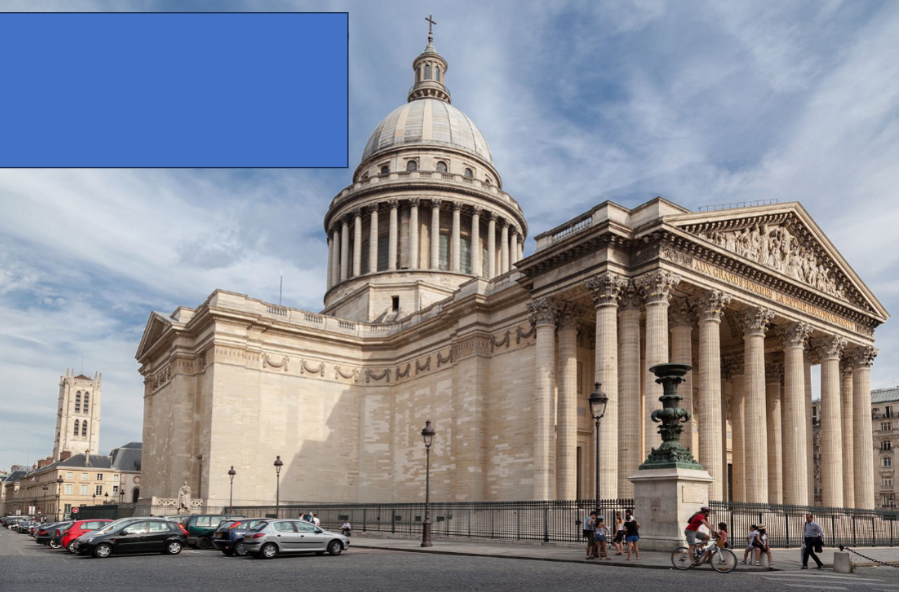
What building is this?
The Pantheon (no, not the one in rome) located in Paris. This was a fusion between gothic architecture and greek architecture, with the monumentality of the gothic and the simplicity of greek architecture. It used metal ties to increase the structural integrity, which acknowleged the usefulness of metal but hid it because it was not aestheticlly pleasing.
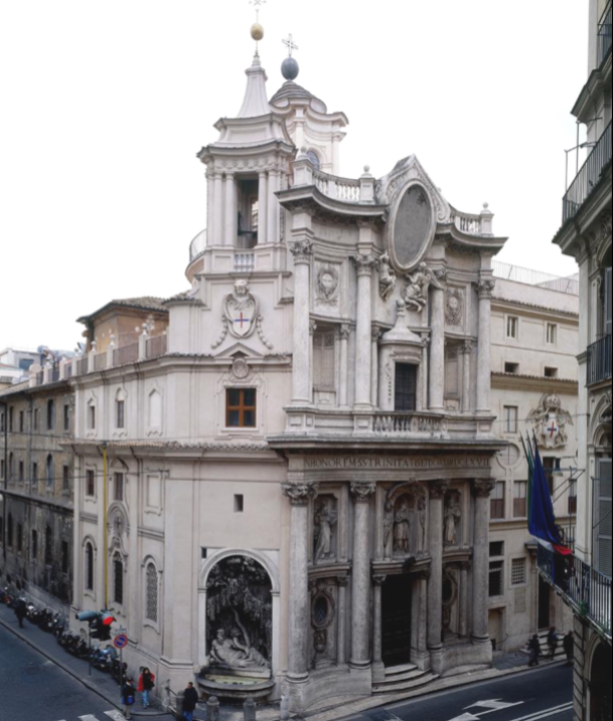
What building is this?
San Carlino Church by Francesco Borromini - Had the new technology of the era in the form of a fountain in the corner, but also played into the new architectural form of the baroque. The building is famous for its experimental geometries that use ovals to show depth and theatricality to deny geometry itself. The sheer form of the space was beyond radical for the era, promoting grand architecture with complexity to lure people in to the catholic religion.
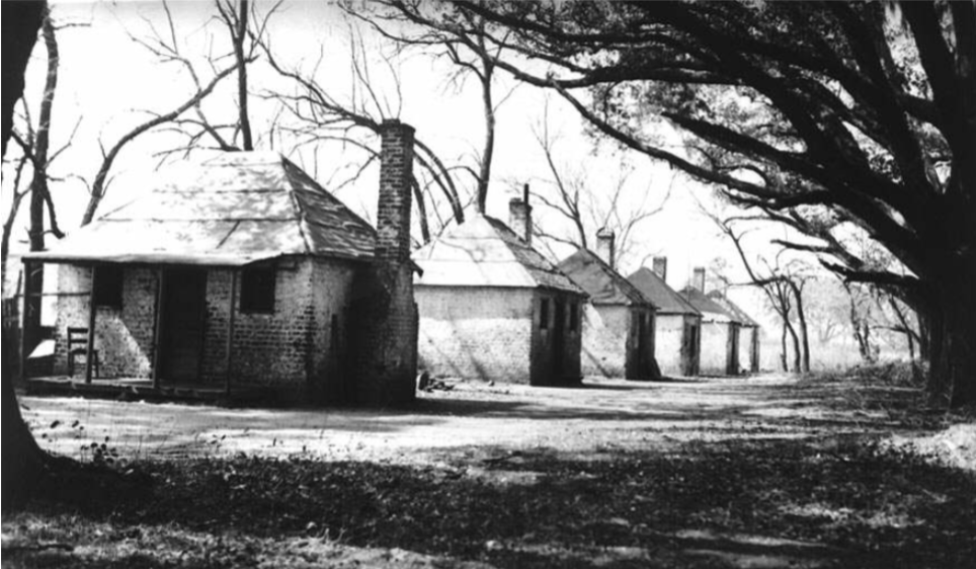
What building is this?
Slave quarters at the Hermitage Plantation in Savannah Georgia - visual order to the layout of the one bedroom cabins because the slave master wants the property to be orderly and organized. These buildings are pushed off to the side from the central master house, so there was lee-way in terms of surveillance that allowed for secret tunnels and meetings. Although the masters rule was absolute, he could not hold down the will of people.
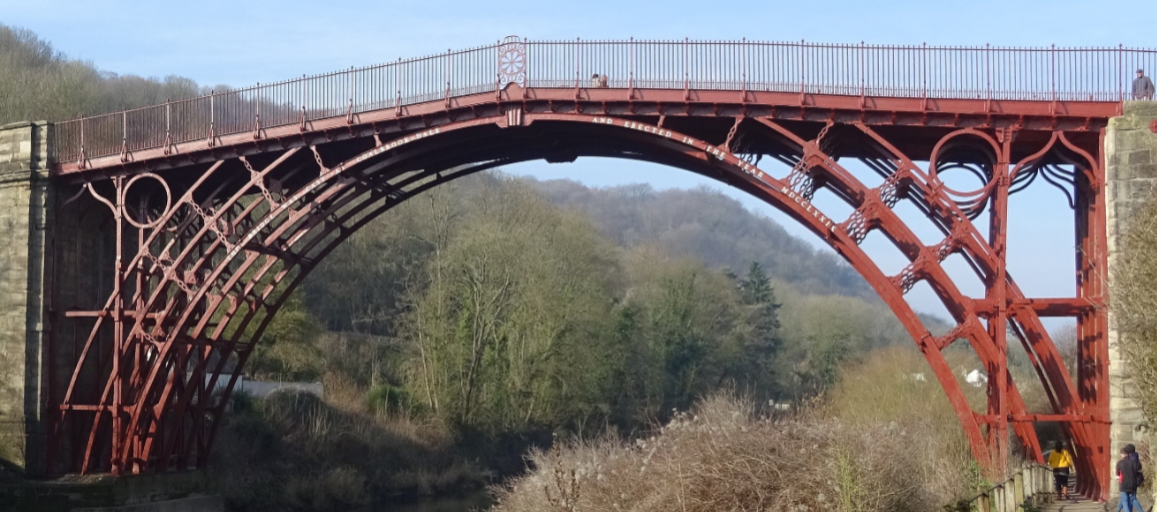
What building is this?
The iron bridge by abraham darby III - A bridge made of pre-fabricated iron and was used as an example of how iron could be used for structural methods. It set off a wave of iron bridges. Applies industrialization and how material was used to lighten the capacity to produce materials at a larger scale while prioritizing cost, pace, and strength
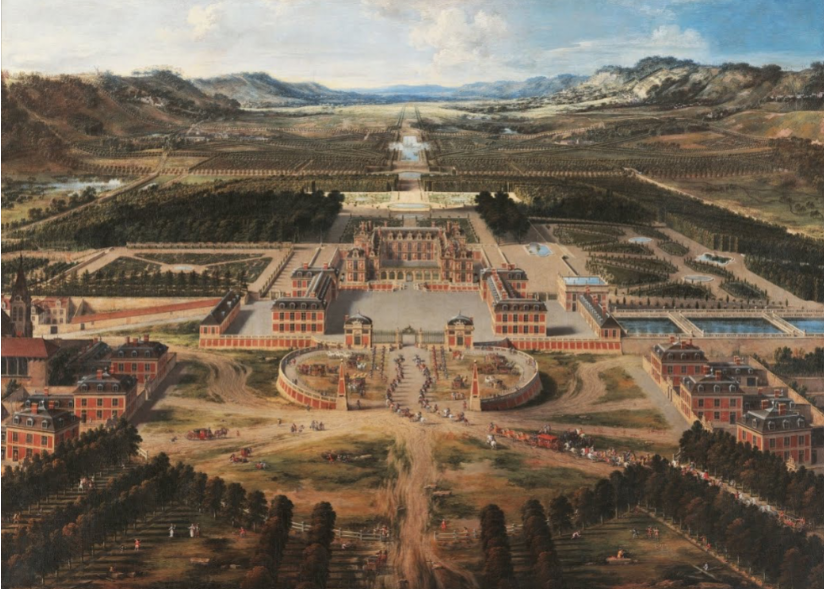
What building is this?
The Palace of Versailles in France - A french baroque building that emphasized the importance of Louis XIV as the sun god and the center of the universe. Far in the country side to make people come to him. Elaborate gardens to flex water technologies. A hall of mirrors to flex weath. Gold-plated building accents to flex wealth. His bedroom at the center of the building symbolizes his pivotal role in the world.
THE BAROQUE
The counter reformation in direct response to the Protestant reformation. The protestants with martin luther claimed that the catholic church was corrupt and the wrong way to go about religion, so instead the catholic church doubled down on their religious orders and expanded missions and increased aesthetics and grandure of the buildings to attract people. It was meant to stand out and provide drama and excitement to the public.
TIMBER-FRAMING
The more dominant building practice during the protestant reformation that relied on self-supporting wooden joinery. It was the most abundant material at the time, and it was easy and fast to erect, which was a necessity against the elements. The houses were very bare-bones lacking ornament or detail, pritoritizng structure through posts and beams and diagonal bracing and two-story stud with front girt.
THE VERNACULAR
The architecture that distinct groups of people make for daily use, especially with communally sanctioned buildings that produce patterns in the built enviornment for efficiency rather than aesthetics. For example, during the protestant reformation, people used timber-frame constructions with bare-bones to provide only the bare minimum for maximum efficiency. It is a local material that is easy to find, quick to build, and structurally stable.
CLIMATE CHANGE
Long-term shifts in temperatures and weather patterns driven by the burning of fossil fuels that increase global temperatures. The rise of industrialization impacted architectural design, causing the first murmurs of human-caused climate change; specifically through the manufacturing and use of Iron.
THE PLANTATION LANDSCAPE
Spaces of the planters : Wealthy individuals that wanted to represent how superior they were so they lived on big plots of land had had slaves. their home was most likely located in the center, or it may have been set back to force someone to walk to it. they had organized farming and grand plantations and their homes took inspiration from the europeans. Slave Quarters : When controlled by the plantation owner, the slave quarters are organized and pushed off to the side to abide by the owners whims, but some plantations give the slaves the opporunity to choose their home locations which often results in an architecture of poverty built with materials not meant to last, also chaotic and disorderly for possibly a sense of control over their lives.
TO RATIONALIZE
The age of enlightenment where humans are able to use reasoning to gain knowledge. Marc Antoine Laugier wrote that what is imporant about architecture is what is essential about it, keeping it simple. Less is more. The immitation of nature is where art is born because architecture is based on nature. Greek architecture is the perfect form, yadda yadda yadda
THE GROTESQUE
An artistsic phenomena that prioritizes the mishapen, disproportionate, and delirious art along side the perfect beautiful and balanced sculptures of people. It can also be interpretated as a way christians depict polytheistic dieties to compare just like in the baroque.
THE AGE OF ENLIGHTENMENT
The outlook on the world through the lens of rationalism, empiricism, progresicism, and comopolitanism all focused on humans ability to gain knowlege and reasoning by themselves in a linear fashion. The age of reasoning. Ex. Rousseau’s book the Nobel Savage which covers how no one is born a sinner, which helps live a simpler life
PAPER ARCHITECTURE
Architecture that reflects utopian or dystopian realities and producing those works as architecture that will not be built because they are out of the physical realms of possibility. It was seen as one of the “murmurs of the modern” due to its highly conceptual status on the borderline of architectectural theory and fantasy.
INDUSTRIALIZATION (and its impact on architecture)
An industrial process of economic and social change where society changes to an industrial state. It is associated with techonology innovation, and new products as a result ex. iron. It allows more building sto be constructed faster, cheaper, and stronger because of iron.
LAVATOIO AND LAVANDARE
Lavatoio = wash basin Lavandare = Laundry woman The implementation of Lavatoio’s drastically improved the ways of life for women, as it improved the safety of the laundry process as well as the efficiency. Women now had accessible spaces for doing laundry, althrough they were still poorly paid. For laundry women, it meant a revolution in their work lives through infustructure. It improved the lives of women who were once prostitutes by giving them a more accessible job, but it did increase harassment from men.