Poultry exam part 3
 Call Kai
 Learn
Learn Practice Test
 Spaced Repetition
 Match
Match Flashcards
 Knowt Play
1/13

There's no tags or description
Looks like no tags are added yet.
Name | Mastery | Learn | Test | Matching | Spaced | Call with Kai |
|---|
No analytics yet
Send a link to your students to track their progress
14 Terms
35. Infectious and non-infectious diseases of the central nervous system in poultry - etiology, symptoms, diagnostics, dif. dg, therapy and prevention.
Non-infectious disease
Encephalomalacia (Crazy chick syndrome)
Etiology
Deficiency of vitamin E (often also linked to selenium imbalance)
Rancid feed (oxidized fats → destroys vitamin E)
Pathogenesis
Vitamin E = antioxidant → protects neuronal membranes
Deficiency → lipid peroxidation → neuronal damage
Lesions:
Cerebellar edema, Hemorrhages, Liquefactive (colliquative) necrosis
Clinical signs
Ataxia, imbalance, Falling over, rolling, Tremors, Paralysis
Diagnosis
Feed history (poor-quality fats)
Clinical signs + necropsy (cerebellar lesions)
Differential diagnosis
Avian encephalomyelitis, Newcastle disease, Toxicities
Therapy
Vitamin E ± selenium supplementation, Correct feed quality
Prevention
Proper feed storage, Antioxidants in feed, Balanced nutrition
Thiamine deficiency (Vit B1)
Etiology
Vitamin B1 deficiency
Pathogenesis
Impaired carbohydrate metabolism → ↓ ATP in neurons → brain dysfunction
Clinical signs
Incoordination, Opisthotonus (“stargazing”), Paralysis, Blue comb
Diagnosis
Clinical signs + feed analysis
Therapy
Vitamin B1 (injection or feed)
Prevention
Balanced diet
Aflatoxicosis
Etiology: Aspergillus flavus
Signs
Depression, Incoordination, Paralysis
Prevention
Feed quality control (important!)
Lead intoxication
Signs
“Stargazing”
CNS disturbances
Infectious diseases
Botulism
Etiology
Toxin from Clostridium botulinum
Not contagious (intoxication, not infection)
Source
Decaying organic matter
Maggots (important in waterfowl)
Pathogenesis
Neurotoxin blocks acetylcholine release → flaccid paralysis
Clinical signs
Progressive paralysis, Unable to walk or fly, “Limber neck” (flaccid neck), Drowning in waterfowl, Mydriasis
Diagnosis
Detection of toxin (serum, crop, GIT), Neutralization test
Differential diagnosis
Newcastle disease. Marek’s disease, Trauma
Therapy
Remove toxin source, Supportive care, Antitoxin (rarely used in poultry practice)
Prevention
Proper carcass disposal, Clean water sources, Control of decaying material
Newcastle disease (ND)
Etiology
Newcastle disease virus (Paramyxovirus)
Strains
Velogenic (highly virulent)
Mesogenic (moderate)
Lentogenic (low virulence)
Transmission
Direct contact (respiratory secretions, feces)
Inhalation, ingestion
Pathogenesis
Respiratory + nervous + digestive involvement
Clinical signs
Velogenic
Severe respiratory distress
CNS signs: tremors, paralysis, torticollis
High mortality
Drop in egg production
Mesogenic
Respiratory signs
↓ egg production
Lentogenic
Mild respiratory disease
Diagnosis
Serology:
HA (hemagglutination), HI test, ELISA
Differential diagnosis
Avian influenza, Infectious bronchitis, Avian encephalomyelitis
Therapy
❌ No treatment
Prevention
Vaccination, Biosecurity
West Nile fever
Etiology
West Nile virus
Transmission
Mosquito vectors
Pathogenesis
Neurotropic → encephalitis
Clinical signs
Often subclinical in birds, but may include:
Tremors, Weakness, Paralysis, Convulsions, Death
Diagnosis
Serology, PCR
Differential diagnosis
Newcastle disease, Avian encephalomyelitis
Therapy
❌ No specific treatment
Prevention
Mosquito control, Biosecurity
Avian encephalomyelitis (AE)
Etiology
Avian encephalomyelitis virus
Transmission
Vertical (egg), Horizontal
Pathogenesis
Virus affects CNS → neuronal degeneration
Clinical signs
Ataxia, Tremors (especially head/neck), Leg weakness, Recumbency → paralysis
↓ egg production in adults
Diagnosis
Clinical signs (young chicks!), Histopathology (brain/spinal cord lesions), Virus isolation
Differential diagnosis
Encephalomalacia, Newcastle disease, Marek’s disease
Therapy
❌ No treatment
Prevention
Vaccination of breeders, Prevent vertical transmission
Fowl cholera (only partially relevant)
Etiology: Pasteurella multocida
It can cause torticollis (CNS sign) due to otitis interna
But don’t overfocus—this is mainly systemic disease, not CNS.
🧾 Quick comparison (high-yield)
Disease | Type | Key sign | Special clue |
|---|---|---|---|
Encephalomalacia | Non-infectious | Ataxia, falling | Vitamin E deficiency |
Botulism | Toxin | Flaccid paralysis | Limber neck |
Newcastle disease | Viral | Respiratory + CNS | High mortality (velogenic) |
West Nile fever | Viral | Encephalitis | Mosquito transmission |
Avian encephalomyelitis | Viral | Tremors in chicks | Vertical transmission |
36. Infectious and non-infectious diseases of the peripheral nervous system in poultry - etiology, symptoms, diagnostics, dif. dg, therapy and prevention.
Non-infectious diseases
Curled-toe paralysis
Etiology
Riboflavin (vitamin B2) deficiency
Pathogenesis
Riboflavin → essential for oxidative metabolism
Deficiency → degeneration of peripheral nerves (especially sciatic nerve)
Clinical signs
Reduced growth rate, Weakness, reluctance to move, Diarrhea, Characteristic: inward curling of toes, Progressive symmetrical paresis
Diagnosis
Clinical signs, Feed analysis
Differential diagnosis
Marek’s disease, Toxic neuropathies
Therapy
Vitamin B2 supplementation, Reversible if treated early
Prevention
Balanced diet
Pantothenic acid deficiency (Vit B5)
Causes peripheral neuropathy
Classic DDx with riboflavin deficiency and Marek’s
Etiology: Vit B5 deficiency
Pathology: degeneration of myelinated peripheral nerves
Clinical signs:
Ataxia
“Goose-stepping gait” ⭐
Diagnosis: feed + signs
Treatment: vitamin B complex
Organophosphate poisoning
Key mechanism
Inhibits acetylcholinesterase → overstimulation of PNS + CNS
Clinical signs
SLUD signs:
Salivation
Lacrimation
Urination
Defecation
tremors, paralysis
Treatment
Atropine!
Toxic neuropathies
Lead, mercury, arsenic
Signs
Weakness, Paralysis
Trauma/Neoplasia (non-viral)
Tumors compressing peripheral nerves
2. Infectious diseases
Marek’s disease
Etiology
Gallid alphaherpesvirus 2
Pathogenesis
Virus infects lymphocytes → tumor formation
Infiltration of peripheral nerves → enlargement + dysfunction
Clinical forms (important!)
Classical (neurolymphomatosis) ⭐
Asymmetrical paralysis (legs/wings) → split legs posture
Nerve enlargement (especially sciatic)
Crop dilation (vagus nerve involvement)
Acute form
Depression, paralysis, high mortality
Ocular form
Grey iris, Unequal pupils, Blindness
Cutaneous form
Nodules at feather follicles
Immunosuppression
T-cell damage → ↓ immunity
Clinical signs
Asymmetrical paralysis ⭐, Weight loss, Tumors in organs
Diagnosis
Enlarged peripheral nerves (especially sciatic)
Lymphoid tumors in viscera
Differential diagnosis
Lymphoid leukosis (older birds >14 weeks)
Nutritional neuropathies (B2 deficiency)
Therapy
❌ No treatment
Prevention
Vaccination (key control method)
Newcastle disease
Caused by Newcastle disease virus
Mainly CNS, but can also cause paralysis affecting peripheral nerves
Botulism
Caused by Clostridium botulinum
Toxin blocks neuromuscular transmission → flaccid paralysis (PNS effect)
🧾 Updated comparison table (PNS focus)
Disease | Type | Key signs | Distinguishing feature |
|---|---|---|---|
Curled-toe paralysis | Nutritional | Symmetrical paresis, curled toes | Vit B2 deficiency |
Pantothenic acid deficiency | Nutritional | Ataxia, goose-step gait | Demyelination |
Marek’s disease | Viral | Asymmetrical paralysis | Enlarged sciatic nerve, tumors |
Botulism | Toxic | Flaccid paralysis | Limber neck |
Newcastle disease | Viral | Paralysis + systemic signs | Respiratory involvement |
Organophosphate poisoning | Toxic | Tremors, paralysis, SLUD signs | AChE inhibition |
Heavy metal toxicity | Toxic | Ataxia, neuropathy | Feed contamination |
Trauma / neoplasia | Non-inf. | Nerve dysfunction | Mechanical damage |
🎯 Key exam contrasts (VERY important)
Symmetrical paralysis → nutritional (B2 deficiency)
Asymmetrical paralysis → Marek’s disease ⭐
Flaccid paralysis → botulism
“Goose-stepping → pantothenic acid deficiency”
“Cholinesterase inhibition → organophosphates”
37. Mycotoxicoses
🍄 Mycotoxicoses = disease caused by toxins produced by fungi growing in feed (especially grains).
👉 Important:
Not infectious
Often chronic + production losses (↓ weight gain, ↓ egg production, ↓ immunity)
🔹 Etiology (main fungi)
Aspergillus flavus
Penicillium viridicatum
Fusarium species
Claviceps species
Mechanism of action
Mycotoxins cause oxidative stress and lipid peroxidation → membrane damage and cell death.
Inhibition of protein/DNA synthesis
Disruption of cellular metabolism
General systemic effects:
Immunosuppression ⭐
Hepatotoxicity (liver damage)
Nephrotoxicity
Hematopoietic damage
GIT disturbances
Nervous signs
Main types of mycotoxicoses
1. Aflatoxicosis ⭐
Source
Aspergillus, Penicillium
Target organ
Liver (primary)
Pathogenesis
Hepatotoxic + immunosuppressive
Clinical signs
Depression, Inappetence, Ataxia, Convulsions, Opisthotonus, Death
Effects
↓ growth, ↓ egg production, Immunosuppression
2. Fusariotoxicosis
Toxins
Trichothecenes
Fumonisins
Zearalenone
Target
Digestive system + immune system
Zearalenone → estrogenic effects
Reproductive disorders
↓ hatchability
Clinical signs
Feed refusal ⭐, Oral lesions (caustic effect), Dermatitis, Bone marrow suppression
3. Ochratoxicosis
Target organ
Kidneys (nephrotoxic) ⭐
Clinical signs
Poor growth, ↓ production, Immunosuppression, Hypothermia
4. Ergotism
Source
Claviceps spp. (infected grains)
Effects
Nervous system → convulsions
Vascular system → vasoconstriction, gangrene
Endocrine disruption
Pathogenesis (general)
Toxins absorbed from GIT
Cause:
Liver damage, Kidney damage, Immunosuppression, Nervous signs (in some toxins)
Clinical signs (general)
Reduced growth, Poor feed efficiency, ↓ egg production, Immunosuppression, Neurological signs (ataxia, convulsions), Increased mortality
Diagnosis
Based on:
History (moldy feed!) ⭐, Clinical signs, Necropsy
Confirmation:
Detection of toxins (chromatography, lab tests)
Sampling sites
Feed storage, Feeders, Recently dead birds
🔹 Differential diagnosis
Nutritional deficiencies (Vit E, B1), Infectious diseases (e.g. Newcastle disease virus), Toxicities (heavy metals, pesticides)
🔹 Therapy
❗ Remove contaminated feed (most important), Replace with clean feed, Activated charcoal (limited use in practice), Supportive care
🔹 Prevention ⭐ (very important)
Proper feed storage (dry, cool conditions), Avoid mold contamination, Good ventilation, Regular feed inspection
Use of mycotoxin binders (adsorbents)
🧾 Quick comparison table
Toxin | Main target | Key sign |
|---|---|---|
Aflatoxin | Liver | Immunosuppression, CNS signs |
Fusariotoxins | GIT, immune | Feed refusal, oral lesions |
Ochratoxin | Kidney | Poor growth |
Ergot alkaloids | Nervous/vascular | Convulsions, gangrene |
🎯 Exam tips
“Most important = aflatoxicosis (liver + immunosuppression)”
“Feed refusal → Fusarium toxins”
“Kidney damage → ochratoxin”
Always mention moldy feed + prevention
38. Aflatoxicosis, ochratoxicosis - etiology, symptoms, diagnostics, dif. dg, therapy and prevention.
AFLATOXICOSIS
Etiology
Aspergillus flavus
Aspergillus parasiticus
Occurs in poorly stored feed (high moisture + temperature)
Most susceptible: ducks, turkeys ⭐ highly sensitive
Pathogenesis
Primary target: liver ⭐
Effects:
Inhibition of protein synthesis
Immunosuppression
Mutagenic, carcinogenic, teratogenic
Outcomes:
High dose → acute hepatocellular necrosis
Low dose → chronic liver damage + poor growth
Acute → hepatocellular necrosis, death
Chronic → ↓ growth, immunosuppression, hepatomegaly
Clinical signs
↓ feed intake, ↓ growth rate, ↓ egg production & hatchability, Depression, weakness, Hemorrhages
In severe cases:
Ataxia, convulsions, Sudden death
👉 Note: vomiting is not typical in poultry (birds cannot vomit)
Lesions (important for diagnosis)
Enlarged, pale or fatty liver, Hepatic necrosis, Visceral hemorrhages
Diagnosis
History (moldy feed!) ⭐, Clinical signs, Necropsy findings
Confirmation: toxin detection (chromatography)
Differential diagnosis
Other mycotoxicoses
Nutritional deficiencies (Vit E, B1)
Infectious diseases (e.g. Newcastle disease virus)
Heavy metal toxicity
Therapy
❗ Remove contaminated feed (most important), Replace with clean feed
Mycotoxin binders (adsorbents)
Supportive care
⚠ Amphotericin B is NOT standard for mycotoxicosis → don’t emphasize it in exams
Prevention ⭐
Proper feed storage (dry, cool), Avoid mold growth, Feed inspection, Use of toxin binders, Good ventilation
OCHRATOXICOSIS
Etiology
Caused by ochratoxin A (OTA)
Produced by:
Penicillium viridicatum
Aspergillus ochraceus
Pathogenesis
Primary target: kidney (nephrotoxic) ⭐
Also affects:
Liver, Immune system, Bone marrow
Chronic cases → anemia
Mechanisms
Inhibits protein synthesis, Causes oxidative damage, Alters calcium balance, Immunosuppression
Clinical signs
↓ growth and feed efficiency, ↓ egg production
Hypothermia, Diarrhea, Weakness, depression
Severe cases → death
Lesions
Enlarged, pale kidneys ⭐, Possible liver changes, General poor condition
Diagnosis
History (contaminated feed), Clinical signs, Necropsy
Confirmation: toxin detection
Differential diagnosis
Aflatoxicosis, Other nephrotoxic agents, Infectious diseases
Therapy
Remove contaminated feed ⭐, Supportive therapy, Mycotoxin binders
👉 L-carnitine, vitamins, probiotics = supportive only
Prevention
Same as aflatoxicosis:
Feed quality control, Proper storage, Ventilation, Use of adsorbents
Feed sources:
Contaminated grains (corn, rice) ⭐
Oil-rich feeds (e.g. peanuts)
🧾 🔥 High-yield comparison table
Feature | Aflatoxicosis | Ochratoxicosis |
|---|---|---|
Main organ | Liver ⭐ | Kidney ⭐ |
Key effect | Immunosuppression | Nephrotoxicity |
Fungi | Aspergillus spp. | Aspergillus + Penicillium |
Signs | ↓ growth, hemorrhage | ↓ growth, weakness |
Special note | Carcinogenic | Affects coagulation |
🎯 EXAM GOLD LINES
“Aflatoxin primarily affects the liver and causes immunosuppression.” ⭐
“Ochratoxin is mainly nephrotoxic.” ⭐
“Diagnosis is based on history of moldy feed and toxin detection.”
“Treatment = remove contaminated feed.”
previously asked questions:
Aflatoxicosis sign: immunosuppression, hepatomegaly, fatty liver, poor growth, decreased production, haemorrhages. Biochemistry:↓ total protein, ↓ albumin, ↓ cholesterol
Avoidance of aflatoxins in the field: cannot fully prevent, only control (storage, rapid drying, limits)
Unit of mycotoxins in feed: ppb (parts per billion)
39. Other mycotoxicoses (fusariotoxicosis, F2- toxicosis, T2 - toxicosis) - etiology, symptoms, diagnostics, dif. dg, therapy and prevention.
Fusariotoxicosis
Caused by fungi of the genus Fusarium species producing several important toxins
🔬 Main toxin groups
1. Trichothecenes (T-2 toxin, DON) ⭐
Mechanism
Inhibit protein synthesis
Strong cytotoxic + immunosuppressive effect
Clinical signs
Feed refusal ⭐, Oral necrosis and ulceration ⭐
Dermatitis (skin lesions), Diarrhea, ↓ egg production, Immunosuppression (bone marrow damage)
2. Zearalenone (F-2 toxin) ⭐
Type
Estrogenic mycotoxin
Effects
Reproductive disorders ⭐, Oviduct enlargement, ↓ egg production, Infertility, Poor eggshell quality
3. Fumonisins
Poor feed conversion
No clear lesions in poultry
High doses → skeletal disorders (turkeys)
4. Moniliformin
Cardiotoxic + nephrotoxic
Sudden death possible in severe cases
🧠 General clinical signs (Fusariotoxicosis)
Feed refusal ⭐
Oral lesions ⭐
Poor growth
Immunosuppression
↓ production
🔬 Diagnosis
History: moldy grain/feed ⭐
Clinical signs
Feed toxin analysis (chromatography)
Necropsy: oral/GIT lesions, lymphoid atrophy
⚖ Differential diagnosis
Aflatoxicosis
Viral diseases (Newcastle disease)
Bacterial enteritis
Nutritional deficiencies
💊 Therapy
Remove contaminated feed ⭐, Supportive care, Mycotoxin binders (adsorbents), Vitamin supplementation
🛡 Prevention
Proper feed storage (dry, cool) ⭐, Prevent mold growth, Regular feed inspection, Use of toxin binders
Other mycotoxicoses:
1. Ergotism
Caused by Claviceps species
Mechanism
Vasoconstriction → ischemia
Neuro + endocrine effects
Clinical signs
Cyanosis of comb/wattles ⭐
Necrosis of extremities (toes)
Decreased egg production
Lameness
2. Rubratoxicosis (rare but mentionable)
Produced by Penicillium species.
Effects
Hemorrhagic syndrome ⭐
Liver damage
Neurological signs (secondary to metabolic disturbance)
👉 Usually low importance in poultry exams, just name it.
🧾 FINAL HIGH-YIELD SUMMARY TABLE
Toxin | Main effect | Key sign |
|---|---|---|
Trichothecenes (T-2, DON) | Cytotoxic | Oral necrosis + feed refusal ⭐ |
Zearalenone (F-2) | Estrogenic | Reproductive disorders ⭐ |
Fumonisins | Metabolic | Poor feed conversion |
Moniliformin | Cardiotoxic | Sudden death |
Ergot alkaloids | Vascular | Gangrene, cyanosis |
🎯 EXAM GOLD LINES
“Trichothecenes cause oral necrosis and immunosuppression.” ⭐
“Zearalenone is an estrogenic mycotoxin causing reproductive disorders.” ⭐
“Fusariotoxicosis often presents as feed refusal and poor growth.”
“Diagnosis is based on moldy feed history and toxin detection.”
40. Intoxications caused by drugs - etiology, symptoms, diagnostics, dif. dg, therapy and prevention.
Drug toxicosis occurs due to:
Overdose
Wrong route of administration
Prolonged use
Drug combinations (interactions)
Species sensitivity differences
Toxicosis caused by ionophores is relatively common in poultry, because these compounds are commonly
administered for the prevention and treatment of coccidiosis and are subject to overdosing and mixing
errors. Ionophores have a broad spectrum of activity but a narrow range of safety in poultry.
💊 1. Ionophore toxicity (MOST IMPORTANT)
Common drugs:
Monensin
Salinomycin
Narasin ionophores
🔬 Mechanism
Disrupt ion transport (Na⁺, K⁺, Ca²⁺) across membranes
→ ↑ intracellular Ca²⁺
→ muscle degeneration + cell death
🐔 Clinical signs ⭐
Weakness, ataxia, Dyspnea, Diarrhea, ↓ feed intake, Growth depression
Specific signs:
Monensin → backward leg paralysis
Salinomycin → paralysis, ↓ egg production
Narasin → flaccid paralysis (wings + legs),
Turkeys = most sensitive ⭐, Chickens less sensitive. Dose errors common in mixed feeding systems!
⚠ Important interaction
Toxicity ↑ with:
tiamulin ⭐
macrolides (erytrhomycin)
chloramphenicol
💊 Treatment
Remove drug immediately, Supportive therapy
No specific antidote
🛡 Prevention
Correct dosing
Avoid drug incompatibility
Species-specific feed control (turkeys!)
2. Sulfonamide toxicity
🔬 Mechanism
Folate metabolism inhibition
Bone marrow suppression
🐔 Clinical signs ⭐
Anemia, Hemorrhages, Weakness, Poor clotting
🧠 Key point
Often occurs in hot weather → ↑ water intake → overdose
💊 Treatment
Vitamin K ⭐ (very important), Supportive care
🔵 3. Nitrofurans (historical/less relevant)
Effects
Neurotoxicity
Hyperexcitability
Convulsions
👉 Note: banned in many countries
🟣 4. Hypervitaminosis A
Excess vitamin A
Eye lesions:
crusts, edema, blindness
🧠 5. General toxic substances (mention briefly)
Selenium
Salt (NaCl)
Copper sulfate
👉 “All substances are toxic in high doses”
⚖ Differential diagnosis (important upgrade)
Drug intoxications must be distinguished from:
Infectious CNS diseases (Newcastle disease, Marek’s disease)
Mycotoxicoses
Nutritional deficiencies
Heavy metal poisoning
🎯 EXAM ONE-LINER SUMMARY
👉 “Drug intoxications in poultry are mainly caused by ionophores and sulfonamides due to overdose, interactions, or species sensitivity, leading to neuromuscular and hematopoietic disorders.”
41. Intoxications caused by chemical compounds and toxic gases - etiology, symptoms, diagnostics, dif. dg, therapy and prevention.
General causes
Accidental exposure
Improper storage of chemicals
Contaminated feed/water
Poor ventilation (gases)
Overdose or misuse of disinfectants/rodenticides
🧪 1. Anticoagulant rodenticides (VERY IMPORTANT)
🔬 Mechanism
Inhibit vitamin K recycling in liver
↓ synthesis of clotting factors II, VII, IX, X
→ coagulopathy and hemorrhages
🐔 Clinical signs ⭐
Sudden weakness, Pale comb and mucosa, Dyspnea (lung hemorrhage), Bloody droppings, Sudden death
🔬 Diagnosis
Prolonged clotting time ⭐
Reduced prothrombin time (PT) ⭐
Necropsy: internal hemorrhages (lungs, intestine, body cavity)
💊 Treatment ⭐
Vitamin K1 ⭐ (key antidote), Activated charcoal, Plasma/blood transfusion (severe cases)
🛡 Prevention
Secure bait placement, Avoid access of poultry to rodent poison, Proper farm biosecurity
2. Heavy metals
a. Lead poisoning
Sources
Paint, Batteries, Contaminated soil/feed
Mechanism
Enzyme inhibition
Neurotoxicity + nephrotoxicity
Clinical signs ⭐
Depression, Weakness, Green droppings, Ataxia, paralysis
b. Mercury poisoning
Effects
GIT irritation, Nervous signs, Diarrhea, Weakness
Other chemical intoxications
Zinc: cage wire ingestion → neurological signs, green droppings; treatment Ca-EDTA
Nitrates/nitrites → methemoglobinemia → cyanosis, hypoxia ⭐
Copper sulfate → GIT irritation and enteritis
Salt excess (NaCl) → neurological signs, edema, seizures
3. Toxic gases (VERY IMPORTANT)
Ammonia (MOST COMMON IN POULTRY)
Source
Decomposition of uric acid in litter
Poor ventilation
Effects ⭐
Respiratory tract damage, Keratoconjunctivitis, Corneal ulcers, Blindness (high levels)
Clinical signs
Eye irritation, Swollen eyelids, Growth depression, Blindness → starvation risk
Carbon monoxide
Mechanism
Forms carboxyhemoglobin → blocks oxygen transport → hypoxia
Signs ⭐
Sudden death, Cyanosis, Weakness
Necropsy
Bright red/pink tissues ⭐ (classic sign)
🧠 1. Organophosphates (VERY IMPORTANT)
organophosphates
🔬 Mechanism
Inhibit acetylcholinesterase
→ accumulation of acetylcholine
→ continuous stimulation of cholinergic system
🐔 Clinical signs ⭐
Salivation, lacrimation, Diarrhea, Dyspnea, Tremors, seizures, Paralysis → death
🔬 Diagnosis
History of exposure (pesticides/feed contamination)
Clinical signs
Response to therapy
💊 Treatment ⭐
Atropine sulfate ⭐ (antidote)
Supportive care
🛡 Prevention
Avoid contaminated feed
Proper pesticide use
🧠 2. Ionophores (VERY IMPORTANT)
ionophores
🔬 Mechanism
Disrupt Na⁺ / K⁺ / Ca²⁺ transport
→ ↑ intracellular Ca²⁺
→ muscle cell death
🐔 Clinical signs ⭐
Weakness, ataxia
Dyspnea
↓ feed intake
Growth depression
Paralysis (species-dependent)
Specific:
Monensin → backward leg paralysis
Salinomycin → ↓ production
Narasin → flaccid paralysis (turkeys especially)
⚠ Key interaction ⭐
Toxicity ↑ with:
tiamulin
macrolides
🛡 Prevention
Correct dosing in feed
Avoid drug combinations
Species safety (turkeys!)
🧪 4. Other chemical intoxications (mention briefly)
Fertilizers → methemoglobinemia
Salt excess → neurological signs, edema, seizures
Copper sulfate → GIT irritation, enteritis
Household chemicals (chlorine, disinfectants), petroleum products, toxic plants, and fumes such as Teflon pyrolysis products
⚖ Differential diagnosis
Infectious diseases (Newcastle disease, botulism), Mycotoxicosis, Nutritional deficiencies, Heat stress (for respiratory signs)
🎯 EXAM ONE-LINER
👉 “Chemical and gas intoxications in poultry are mainly caused by rodenticides, heavy metals, and toxic gases, leading to coagulation disorders, organ damage, and respiratory or neurological signs depending on the agent.”
42. Metabolic and mycotic diseases in pigeons - etiology, symptoms, diagnostics, dif. dg, therapy and prevention.
🐦 Metabolic and mycotic diseases in pigeons
Fatty liver (hepatic lipidosis)
Excess energy intake + low activity
Obesity → fat accumulation in liver
Liver dysfunction and hemorrhage risk
Signs: obesity, ↓ egg production, weakness, sudden death
PM: enlarged yellow friable liver
Tx: vitamin E, choline, diet correction
2. Gout
Uric acid metabolism disorder (kidney dysfunction, high protein, dehydration)
Multifactorial cause: overfeeding with proteins, kidney impairment, chronic renal failure, Vitamin A imbalance
Visceral and articular forms
Signs: weakness, anorexia, joint swelling
PM: urate deposits on organs
Rickets
Ca/P/Vit D3 imbalance
Soft bones, deformities, lameness
Vitamin A deficiency
Epithelial keratinization
Eye lesions, blindness, poor growth
🍄 Candidiasis
crop and GI infection
white plaques, regurgitation
treated with antifungals + hygiene
Diagnosis: cytology of feces and crop
Clinical signs in adult birds are typically mild and may include mild weight loss, lethargy, and dull plumage.
Clinical signs in juvenile birds include anorexia, crop stasis, white plaques in the oral cavity, regurgitation,
and weight loss. With severe infections, there may be complete crop and GI stasis.
🍄 Aspergillosis
Aspergillus fumigatus
Air sac and lung granulomas
Dyspnea, high mortality in young birds
antifungal therapy, ventilation
Transmission is by inhalation of fungus spores from contaminated litter, or contaminated feed. Hatcheries may also contribute to infection of chicks.
Diagnosis: endoscopy
• Acute: high morbidity and mortality, gasping, sleepiness, anorexia, convulsions, and death
• Chronic: gasping, coughing, loss of body weight, dyspnea, tail bobbing, exercise intolerance
43. Parasitic diseases of the feathers and skin in pigeons - etiology, symptoms, diagnostics, dif. dg, therapy and prevention.
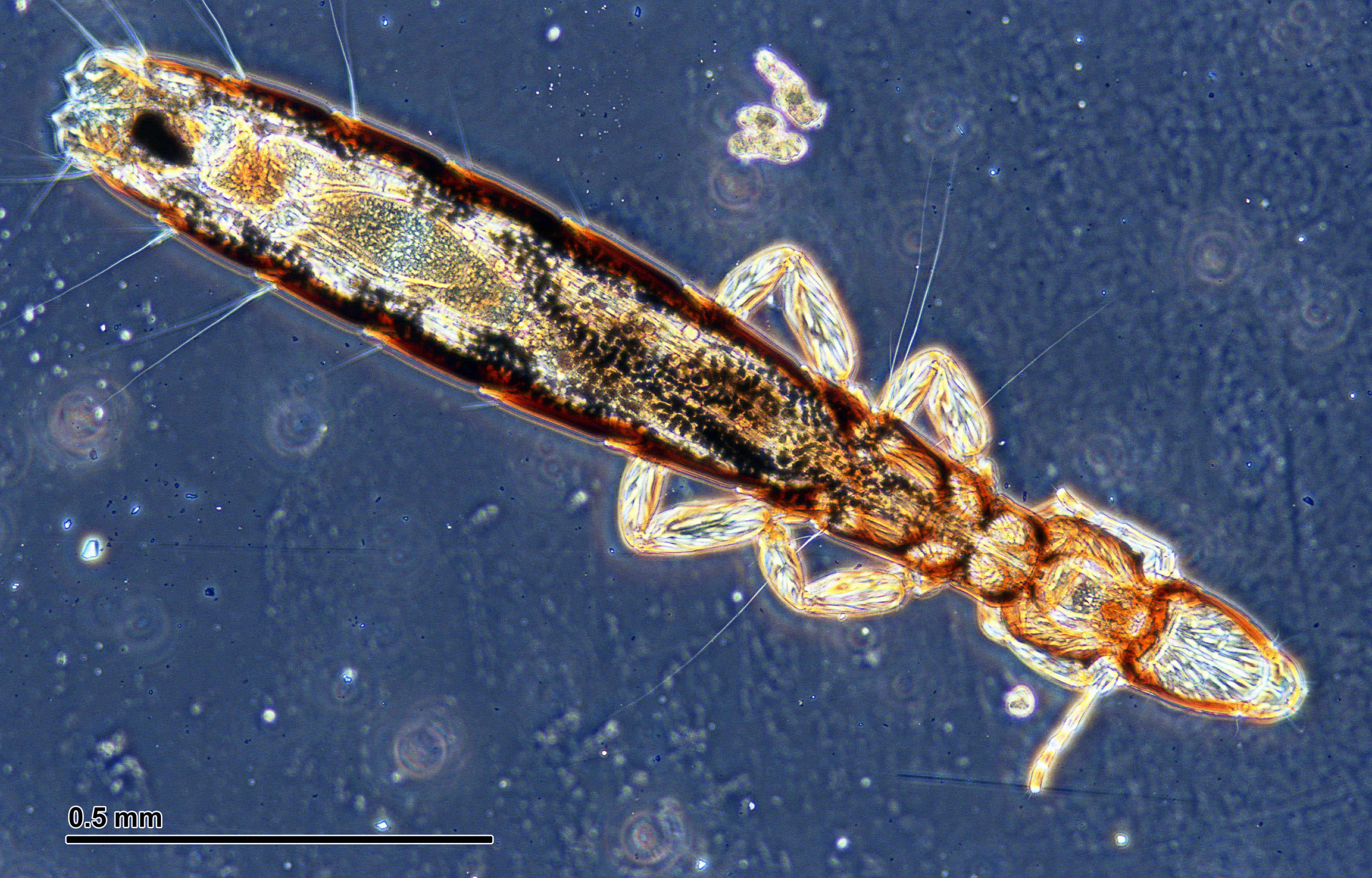
Lice (Phthiraptera)
Columbicola columbae🪶
Host-specific
Found only in:
pale-backed pigeons, speckled pigeons, rock pigeons, stock pigeons
Localization:
undersides of feathers, upper wing feathers
Feeding:
feathers (keratin), NOT blood
Pathogenicity:
low, not fatal, no significant damage, not a vector of diseases, no major economic losses
CS: Usually minimal signs, Mild feather damage
Transmission: direct contact
Diagnosis: visual exam
Treatment: pyrethrins
Mites
Dermanyssus gallinae - Red mite
Most common mite in pigeons
Blood-sucking parasite, Nocturnal feeder
CS: Feather picking, Skin irritation, Pruritus, Anemia (important!)
Leaves host during the day!!
Lives in:
cracks, crevices, environment (lofts, nests)
Can survive long periods without feeding
Diagnosis: inspect cracks/perches at night (flashlight, white paper)
Treatment:
pyrethroids
carbamates / organophosphates (classic)
Prevention: cleaning, nest rotation

Knemidocoptes spp.
Only genus of burrowing mites in birds
Important species:
K. mutans → scaly leg
K. gallinae → causes depluming itch
K. pilae → scaly face/beak
Localization:
burrow into:
feather shafts, skin
CS: Severe pruritus and pain, Self-trauma: birds pull out feathers, Depression, Constant preoccupation with feather pulling, Reduced feed intake, Weight loss
Diagnosis: skin scraping
Treatment: ivermectin + repeat 7–10 days

Fleas
Ceratophyllus columbae
Common ectoparasite of feral pigeons
Blood-feeding
CS: Irritation, Stress, Blood loss → anemia (high numbers)
Diagnosis: skin/feather exam
Treatment: ivermectin + environment control

Other ectoparasites
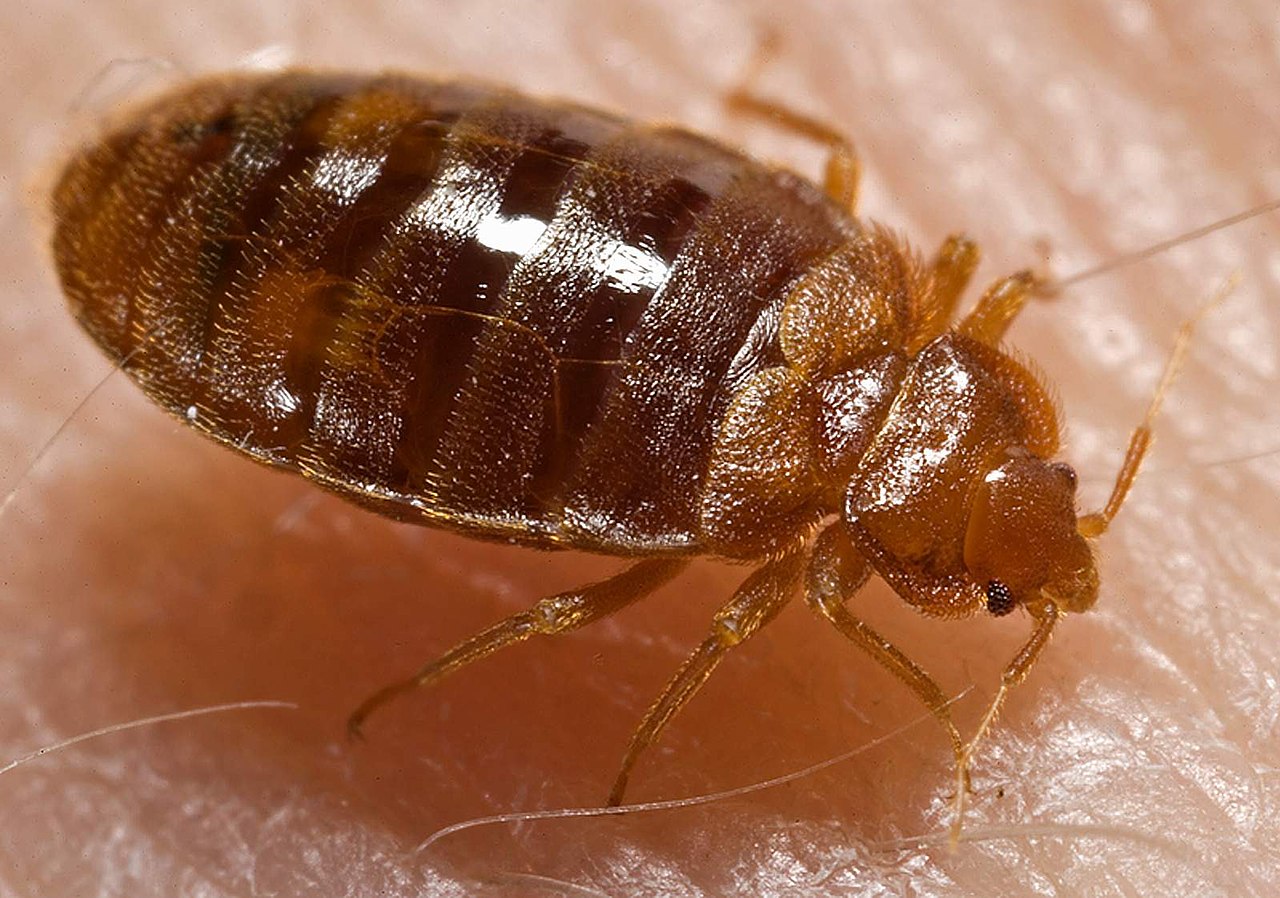
Cimex lectularius - Bed bug
Blood-sucking parasite (bed bug, primarily feed on humans)
Affects:
pigeons, poultry, mammals
CS: Irritability, Anemia (heavy infestations), Bite reactions: swelling and itching (due to saliva injection)
Climate:
temperate & subtropical
Behavior:
feeds at night, hides during day in cracks/crevices
Loft infestations can be heavy
Diagnosis: inspection of nests + fecal spots
Treatment: environmental control + pyrethroids
Re-treatment after 7–10 days
Ixodes ticks
blood sucking → anemia
vector: borrelia
Pseudolynchia canariensis (louse fly)
→ Vector of Haemoproteus columbae
→ Causes weakness, anemia-like signs in young birds
Harpyrhynchus
located at the feather base
may cause:
hyperkeratotic epithelial cysts
Cheyletiella
rare in pigeons
burrowing mange-like disease
burrows may become infected with mould
feeds on debris
CS: dermatitis + secondary fungal infection
Diagnosis
Clinical signs (pruritus, feather loss, anemia)
Direct detection:
lice on feathers
mites (skin scraping, feather exam)
Environmental inspection:
cracks, nests, lofts (critical for Dermanyssus & Cimex)
History:
hygiene status, infestation in flock
Differential diagnosis
Nutritional deficiencies, Behavioral feather picking, Bacterial dermatitis, Fungal infections, Viral feather diseases, Toxicities
Therapy
Insecticides / acaricides
Pyrethrin
Columbicola
Dermanyssus
fleas
Carbamates
mites
Organophosphates
mites
environmental treatment
Pyrethroids = good for surface/on-host parasites
Environment parasites = treat environment
Burrowing mites = ivermectin works better
Important principles
Repeat treatments (life cycles!)
Treat environment, not just birds:
especially for:
Dermanyssus gallinae
Cimex lectularius
Prevention
Thorough cleaning of pigeon houses
Reduce hiding places (cracks, crevices)
Environmental treatment:
organophosphates
pyrethroids (residual effect)
Good hygiene, Regular monitoring
🔑 Key high-yield distinctions (don’t skip these in oral exams)
Columbicola = feather feeder, LOW pathogenicity
Dermanyssus = nocturnal, lives OFF host, causes anemia
Knemidocoptes = burrowing → severe pruritus + self-trauma
Cimex = environmental parasite → night feeding + itching
Fleas/ticks = blood loss → anemia
Parasite | Type | Feeding | Main problem | Key feature |
|---|---|---|---|---|
Columbicola columbae | Louse | Feathers | Mild irritation | Host-specific, non-blood sucking |
Dermanyssus gallinae | Mite | Blood | Pruritus, anemia | Nocturnal, lives in environment |
Knemidocoptes spp. | Mite | Tissue | Severe pruritus, feather loss | Burrowing → depluming itch |
Ceratophyllus columbae | Flea | Blood | Irritation, anemia | Common in feral pigeons |
Cimex lectularius | Insect | Blood | Itching, anemia | Hides in cracks, night feeder |
44. Protozoan diseases in pigeons - etiology, symptoms, diagnostics, dif. dg, therapy and prevention
1. Trichomoniasis (Canker)
Caused by Trichomonas gallinae
Flagellated protozoa
Localization:
oral cavity, pharynx, esophagus, crop, liver (systemic cases)
Transmission
Direct transmission Via “pigeon milk” from infected adults to chicks (very important!)
Carriers common
Clinical signs
Young birds most affected
Early:
small white-yellow lesions in oral cavity (soft palate)
Progression:
ulceration and inflammation, lesions extend to esophagus, crop, proventriculus, formation of large necrotic masses → obstruction
Severe cases:
spread to liver and organs
General signs:
rapid weight loss, weakness, listlessness, death in 8–10 days
Diagnosis
Clinical signs + typical lesions
Microscopy (wet mount)
Differential diagnosis
Avian pox (diphtheritic form)
key difference: removal → bleeding
Therapy
Metronidazole
Prevention
Hygiene, Prevent contact between infected and healthy birds, Control carriers

2. Coccidiosis
Family: Eimeriidae
Species:
Eimeria columbanum
Eimeria labbeana
Localization: intestine → catarrhal enteritis
Epidemiology
Mainly young birds
Risk factors:
warm, damp conditions, poor hygiene, poor ventilation
Clinical signs
Non-specific:
ruffled feathers, hunched posture, weight loss
Digestive:
bloody or mucoid diarrhea
Severe:
paralysis, death
Diagnosis
Fecal examination (oocysts)
Therapy
Sulfonamides
Prevention
Toltrazuril, Ionophores, Hygiene management
3. Toxoplasma gondii
Final host: cats (felids)
Birds = intermediate hosts
Pathogenesis
Cell damage → necrosis, Cyst formation in organs, Inflammatory lesions
Clinical signs
Anorexia, Conjunctivitis, Neurological signs
Diagnosis
Serology / histopathology (if needed)
Prevention
Avoid contact with cat feces

4. Haemoproteus columbae
Related to malaria parasites
Transmission
Vector:
Pseudolynchia canariensis
Clinical signs
Anemia, Weakness
Diagnosis
Blood smear (Giemsa stain)
Therapy
Sulfonamides (limited effect)

5. Leucocytozoon spp.
Transmission
Vector:
blackflies (Simuliidae)
Pathogenesis
Liver invasion → cell destruction
Clinical signs
Apathy, Anemia, Leucocytosis, Diarrhea, CNS signs, Emaciation
Death in 7–10 days or survival with organ damage
Diagnosis
Blood smear (Giemsa)
Therapy
❌ No effective treatment
🎯 High-yield summary (for oral exam ending)
Trichomonas → oral lesions + necrotic masses, transmission via pigeon milk
Eimeria → intestinal disease, diarrhea, young birds
Toxoplasma → systemic + neurological, cats involved
Haemoproteus / Leucocytozoon → blood parasites → anemia, vector-borne
45. Helminthoses in pigeons - etiology, symptoms, diagnostics, dif. dg, therapy and prevention.
1. Cestodes (tapeworms)
Hymenolepis columbae
Cestode of pigeons and gallinaceous birds
Indirect life cycle
Intermediate hosts: earthworms, snails, slugs, insects
Clinical signs
Usually asymptomatic
Heavy infections:
↓ performance, diarrhea
Diagnosis
Detection at necropsy (adult worms)
Therapy
Praziquantel
Flubendazole
Davainea proglottina
Very small cestode
Intermediate host: molluscs
Pathogenesis
Scolex penetrates deeply into duodenal villi
Causes:
necrosis, hemorrhagic inflammation
Clinical signs
Light infection:
poor growth, weakness, ↓ egg production
Heavy infection:
hemorrhagic enteritis, emaciation, dyspnea, death
Diagnosis
Post-mortem:
microscopic scraping of duodenum
2. Nematodes (roundworms)
Syngamus trachea
Respiratory nematode
Adults in permanent copulation (Y-shape)
Localization: trachea
Life cycle
Direct, Facultative intermediate hosts:
earthworms, snails, insects
Pathogenesis
Tracheal irritation, mucus production, airway obstruction
Clinical signs
Coughing, sneezing, Respiratory distress, Gasping (“gapes”), open-mouth breathing, Head shaking, Anorexia, apathy
Diagnosis
Visual exam:
trachea under light → worms visible
Fecal flotation: eggs
Therapy
Flubendazole
Ascaridia columbae
Common intestinal nematode
Pathogenesis
Intestinal epithelial damage. May cause hemorrhagic enteritis
Clinical signs
↓ feed intake, weight loss, poor growth
Diagnosis: fecal flotation
Capillaria spp.
Capillaria caudinflata
Capillaria obsignata
Pathogenesis
Light infection:
inflammation, thickening
Heavy infection:
severe thickening of GIT, catarrhal / croupous enteritis
Clinical signs
anorexia, drooping wings, ruffled feathers, weight loss, ↓ egg production, anemia, diarrhea, mortality
Diagnosis: fecal flotation
3. Other helminths
Echinostoma revolutum (trematode)
causes hemorrhagic enteritis
Raillietina tetragona (cestode)
causes enteritis
4. Diagnosis (general)
Fecal examination (eggs)
Necropsy (adult worms)
Clinical signs (GI or respiratory)
5. Differential diagnosis
Bacterial enteritis
Coccidiosis
Nutritional deficiencies
Toxicities
6. Therapy (general)
Anthelmintics:
praziquantel → cestodes
flubendazole → nematodes
7. Prevention
Hygiene, Control of intermediate hosts
Clean food and water, Avoid damp environments
Regular deworming
🎯 High-yield summary
Cestodes → indirect life cycle, often mild (Hymenolepis), but can be severe (Davainea)
Nematodes → GI or respiratory disease
Syngamus → gasping (very characteristic)
Ascaridia / Capillaria → enteritis, weight loss
Treatment = praziquantel (tapeworms) + flubendazole (roundworms)
46. Bacterial diseases in pigeons - etiology, symptoms, diagnostics, dif. dg, therapy and prevention.
1. Chlamydiosis (Ornithosis / Psittacosis)
Caused by Chlamydia psittaci
Obligate intracellular bacterium
Infects many bird species including pigeons
Pathogenesis / tropism
Upper respiratory tract:
sinuses, conjunctiva, trachea
Systemic spread possible (liver, spleen)
Clinical signs
Asymptomatic carriers OR severe disease
Ocular/nasal discharge, Anorexia, depression
Dyspnea, Dehydration, Diarrhea
Biliverdinuria (green urates), ↓ performance / egg production
Diagnostics
PCR
Serology:
ELISA, complement fixation, indirect/direct fluorescent antibody
Radiology:
hepatomegaly, splenomegaly, airsacculitis
Therapy
Doxycycline, Reduce dietary calcium (important for absorption)
Prevention
Quarantine new birds, Biosecurity, Hygiene
2. Mycoplasmosis
M. columbinum (respiratory)
Pathogenesis
Colonization of upper respiratory tract early in life
Disease appears with immunosuppression → Secondary infections common
Clinical signs
Racing pigeons:
fatigue, increased panting
Respiratory:
rhinitis, tracheitis, sinusitis
Diagnosis
PCR, ELISA, Serology
Post-mortem lesions
Therapy
Antibiotics (supportive, not always curative)
Vaccination (where available)
Mycobacterium avium
intestinal granulomas, weight loss
Diagnosis: necropsy findings of granulomatous lesions in liver and spleen, confirmed by acid-fast staining or PCR
Treatment: generally not effective, and control relies on culling and strict biosecurity
3. Pasteurellosis (Fowl cholera)
Caused by Pasteurella multocida
Clinical forms
Peracute
sudden death
Acute
fever, depression, anorexia, respiratory signs, diarrhea, cyanosis, death
Chronic
joint swelling, tendonitis, wattle/footpad swellings, respiratory disease
Diagnostics
PCR, culture, serology, necropsy (typical lesions)
Therapy
Sulfonamides, Antibiotics (variable success)
Prevention
Vaccination, Hygiene, Biosecurity, Eradication in outbreaks
4. Other important bacterial diseases
Salmonellosis
Mainly affects joints and internal organs
Signs:
lameness (arthritis common in pigeons), diarrhea, torticollis
Prevention:
vaccination, hygiene
Colibacillosis
Avian colibacillosis
Causes:
septicemia, enteritis, toxemia
Signs:
diarrhea, weakness, dehydration
Treatment:
antibiotics (often resistance problem)
Clostridiosis
Clostridial necrotic enteritis in birds
Clinical signs
sudden death, depression, diarrhea
Pathology
necrotic enteritis, foul-smelling intestinal contents, pseudomembranes
Therapy
penicillin / antibiotics in water
Prevention
probiotics, hygiene, avoid contaminated feed
5. (Important vector-borne bacterial disease)
Avian spirochetosis
Vector: ticks (Argas spp.)
Signs:
fever, weakness, sudden death, green/yellow feces
Diagnosis:
blood smear (Giemsa, dark-field microscopy)
Treatment:
tetracyclines
Prevention:
tick control
🎯 High-yield exam summary
Chlamydia → respiratory + systemic + doxycycline
Mycoplasma → chronic respiratory + performance loss
Pasteurella → septicemia + acute death + chronic joint disease
Salmonella → joints + diarrhea
E. coli → septicemia/enteritis (secondary)
Clostridium → necrotic enteritis + sudden death
Borrelia → tick-borne septicemic disease
47. Viral diseases in pigeons - etiology, symptoms, diagnostics, dif. dg, therapy and prevention.
1. Avian pox
Family: Poxviridae (Avipoxvirus)
Clinical forms
1. Cutaneous form
Nodular lesions on unfeathered skin
Common sites: eyelids, beak, legs
Eyelid lesions → possible eye closure
2. Diphtheritic (wet) form
Lesions on mucosa:
mouth, pharynx, larynx, trachea
Caseous, firmly adherent plaques
Interferes with:
feeding, respiration
3. Mixed form
Combination of both
Diagnosis
Clinical lesions (typical), PCR, ELISA / histopathology
Therapy
No specific antiviral treatment, Supportive care only
Secondary infection control
Prevention
Vaccination (attenuated vaccine) in high-risk areas
Vector control (mosquitoes)
Biosecurity
2. Newcastle disease
Paramyxovirus (Avian avulavirus 1)
Forms
Velogenic (highly virulent) → high mortality
Mesogenic → moderate disease
Lentogenic → mild respiratory disease
Clinical signs
Velogenic
severe respiratory + nervous signs, lethargy, dyspnea, tremors, paralysis, torticollis
Mesogenic
coughing, ↓ egg production
Lentogenic
mild respiratory signs (sneezing, coughing)
Diagnosis
Serology:
hemagglutination (HA), hemagglutination inhibition (HI), ELISA
Therapy
❌ No treatment
Prevention
Vaccination, Strict biosecurity
3. Avian influenza
orthomyxovirus, subtype H5N1
Types
Low pathogenic (LPAI)
High pathogenic (HPAI)
Clinical signs
LPAI
respiratory signs, sinusitis, green diarrhea, mild depression
HPAI
systemic disease, edema of head, cyanosis, hemorrhages, organ necrosis, high mortality
Diagnosis
PCR, Serology
Therapy
❌ No treatment
Prevention
Biosecurity (most important), Vaccination (limited use depending region)
4. Pigeon herpesvirus
Pathogenesis
Transmission during feeding (regurgitation)
Replication in oropharynx
Systemic spread (viraemia)
Clinical signs
depression, anorexia, conjunctivitis, oral + pharyngeal ulcers, dyspnea, diarrhea
5. Inclusion body hepatitis
Adenovirus
Pathology
Liver is:
pale, swollen, friable, hemorrhagic
Clinical signs
sudden death (most typical), depression shortly before death, pale comb/wattles, sometimes icterus
Diagnosis
necropsy (liver lesions), histopathology (inclusion bodies)
Therapy
❌ No effective treatment
❌ No vaccine (generally)
Circovirus
Pigeon circovirus
Pathogenesis: immunosuppression by destroying lymphoid tissue, leading to chronic wasting and increased susceptibility to secondary infections
CS: Chronic wasting, poor growth, immunosuppression, secondary infections
there is no specific treatment and control relies on biosecurity and prevention
🎯 High-yield summary
Pox → skin + diphtheritic plaques
Newcastle → neuro + respiratory + high mortality
Influenza → systemic hemorrhagic disease
Herpesvirus → oral ulcers + respiratory + diarrhea
Adenovirus → liver necrosis + sudden death
48. The tasks of the field practitioner in the poultry farming
1. Preparation of the poultry house before arrival
a) Cleaning, disinfection.
Before new chickens arrive, the hall must undergo proper disinfection (to remove mealworms).
Disinfection consists of two steps:
mechanical cleaning
chemical disinfection
The efficacy of disinfection can be controlled by bacterial swabs.
b) Deep litter management
Deep litter should also be disinfected.
Types of bedding include:
hay, special pellets, wood shavings
An aerosolator using Virkon S is used for disinfection of bedding.
c) Environmental conditions
Temperature: around 30°C
Relative humidity: around 50%
2. Arrival of chicks
When chicks arrive:
random samples from a few animals should be performed
purpose: confirm health status
includes checking antibody titers (Ab titers)
During the first days:
probiotics are added
plant extracts are added
purpose:
increase appetite, increase water intake
3. Feed control
Check the composition of food:
adherence to recommended dietary levels
Check for:
presence of mycotoxins
Coccidiostatic drugs can be added:
to control coccidian parasites
4. Vaccination program
Take blood to evaluate maternal antibody titers
Maternal antibodies can last up to 3 weeks
Vaccination timing is chosen based on antibody level
Infectious bronchitis
Vaccination occurs in hatcheries
Often combined with Newcastle disease vaccination
Depending on epizootiological situation:
revaccination at 2 weeks of age
Newcastle disease
Revaccination at 20 days of age
5. Regular veterinary visits and monitoring
During first 3 weeks of production:
vet should visit farm 2× per week
Activities:
collect carcasses
check protocols/records
Monitoring health status
Daily mortality rate:
max 3%
Signs of disease:
changes in feed intake
changes in weight
→ indicate malabsorption or disease
Handling sick or dead birds
If dead chicken is found:
perform necropsy
If sick animal is found:
take samples
start treatment:
antibiotics
supportive therapy
antifungals
anticoccidials
6. Salmonella monitoring
Salmonella sampling performed 3 weeks before birds leave
Shoe cover sampling system:
vet walks through halls
fecal samples collected on shoe covers
detection of Salmonella types:
Pullorum
fowl typhoid
S. copenhagen
7. Blood sampling in poultryMain vein puncture sites:
a) ulnar vein (wing vein)
b) medial metatarsal vein
rarely in older birds due to thick scales
c) jugular veinright one is larger and more visible
Important notes
Blood sampling almost always causes hematoma
Birds have very thin skin:
do NOT apply pressure through skin onto vein
pressure can remove blood from vessel
After a few days:
blue-green discoloration (bruising) may appear
8. Main health problems in broilers
Main problems:
locomotor disorders
respiratory disorders
Most common bacterial infections:
E. coli
Enterococcus