IHUM 202 Final Exam Set with Art
 Call Kai
 Learn
Learn Practice Test
 Spaced Repetition
 Match
Match Flashcards
 Knowt Play
1/92

There's no tags or description
Looks like no tags are added yet.
Name | Mastery | Learn | Test | Matching | Spaced | Call with Kai |
|---|
No analytics yet
Send a link to your students to track their progress
93 Terms
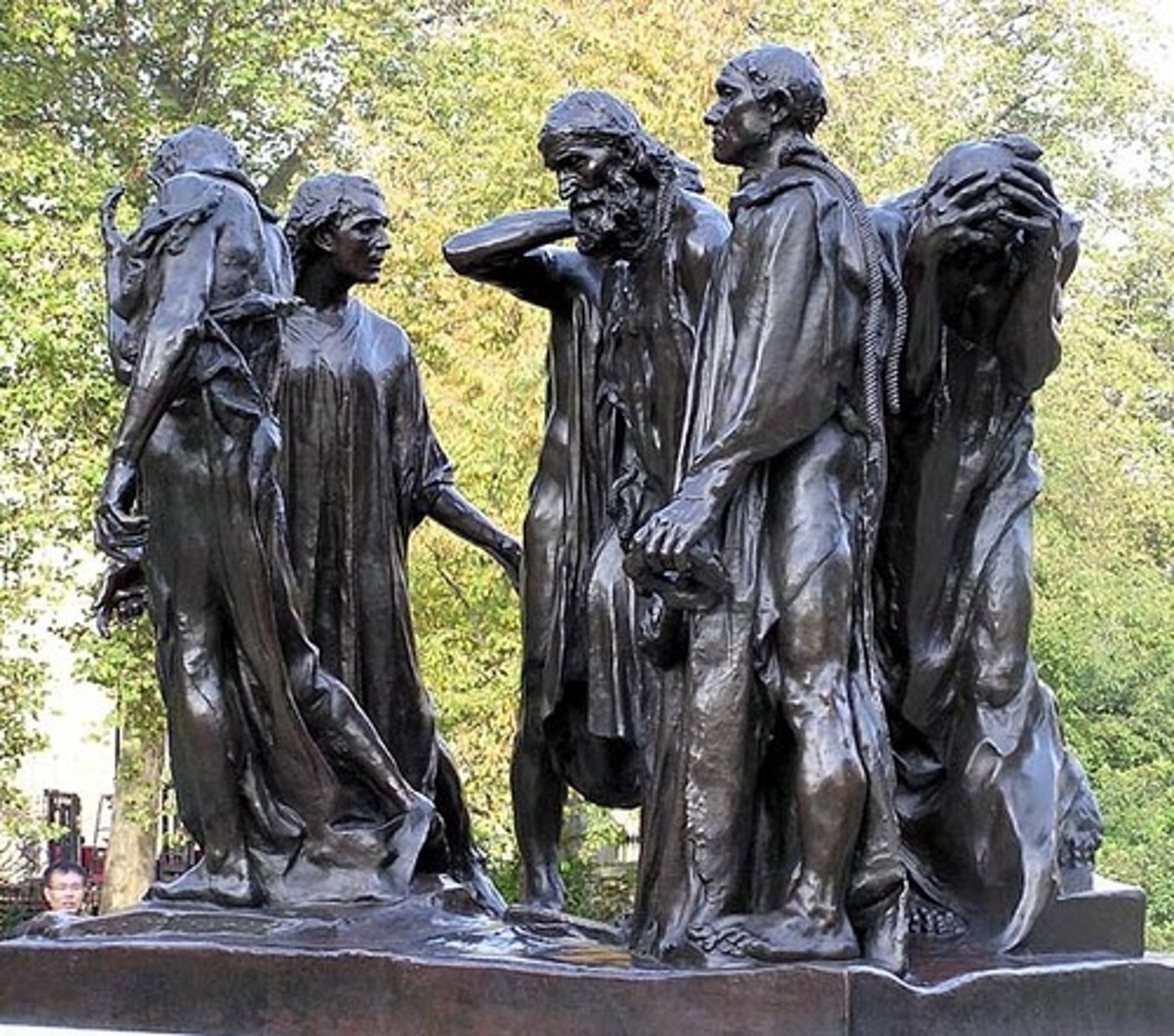
Auguste Rodin: The Burghers of Calais
Transitional Fin de Siècle Sculpture
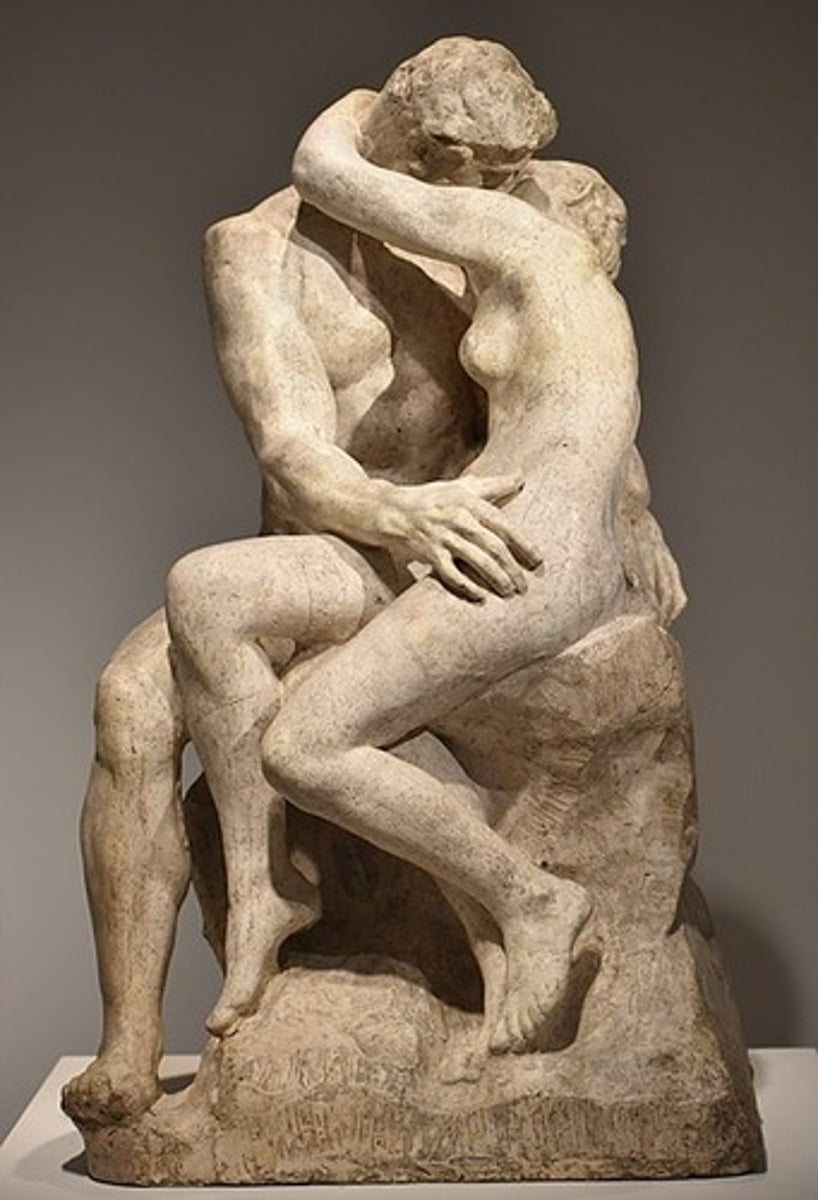
Auguste Rodin: The Kiss
Transitional Fin de Siècle Sculpture
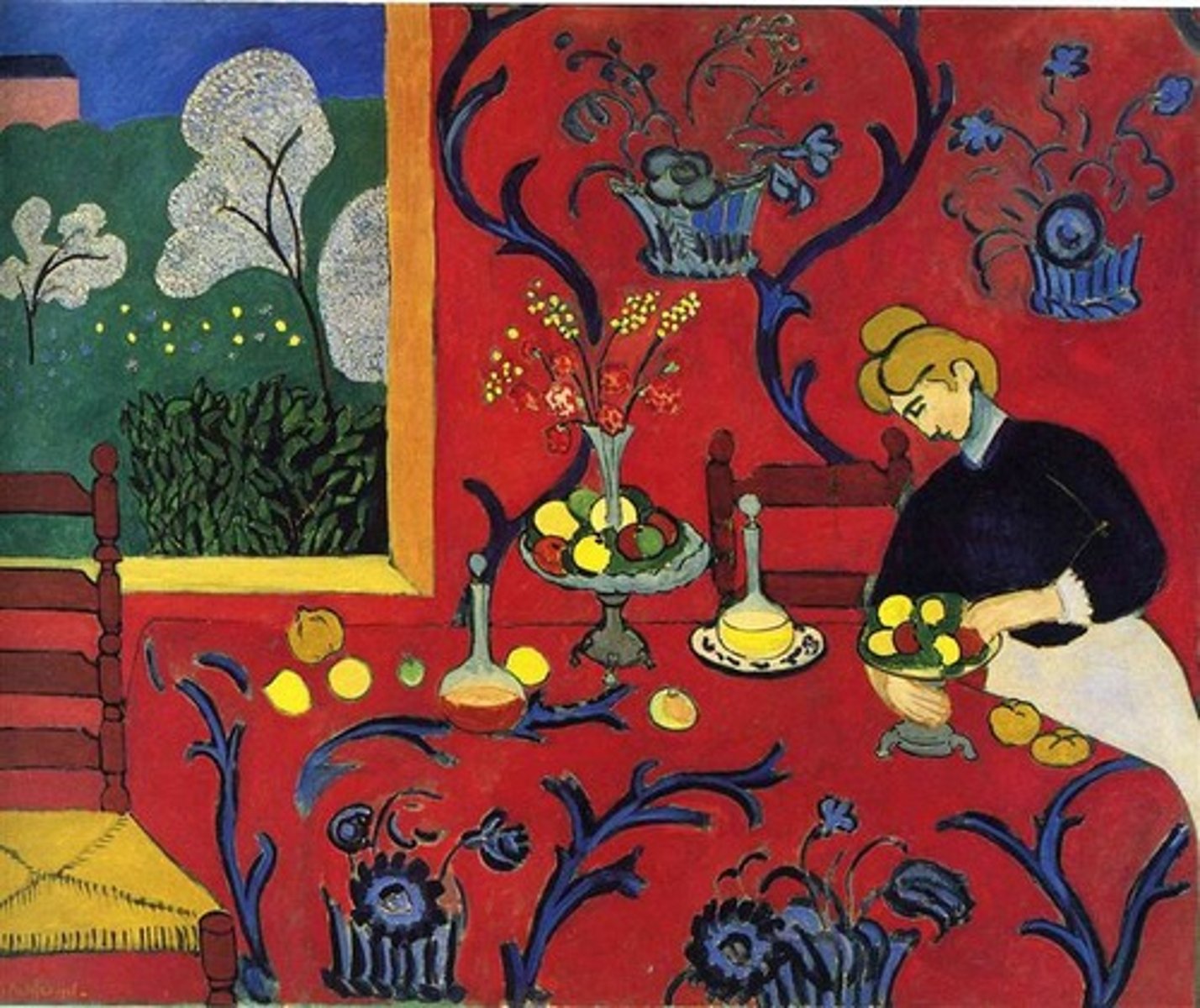
Henri Matisse: Harmony in Red (The Red Room)
Fauvism
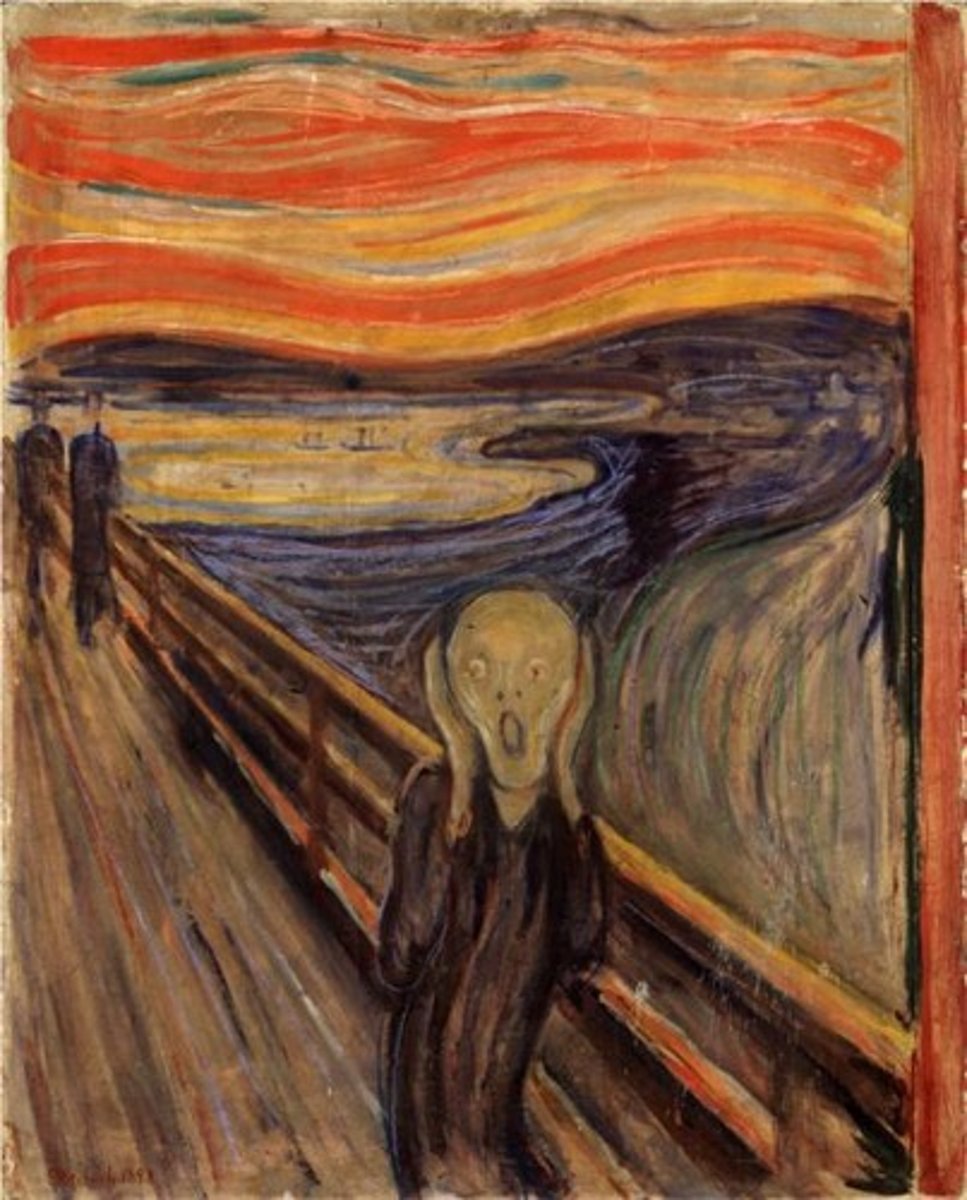
Edvard Munch: The Scream
Expressionism
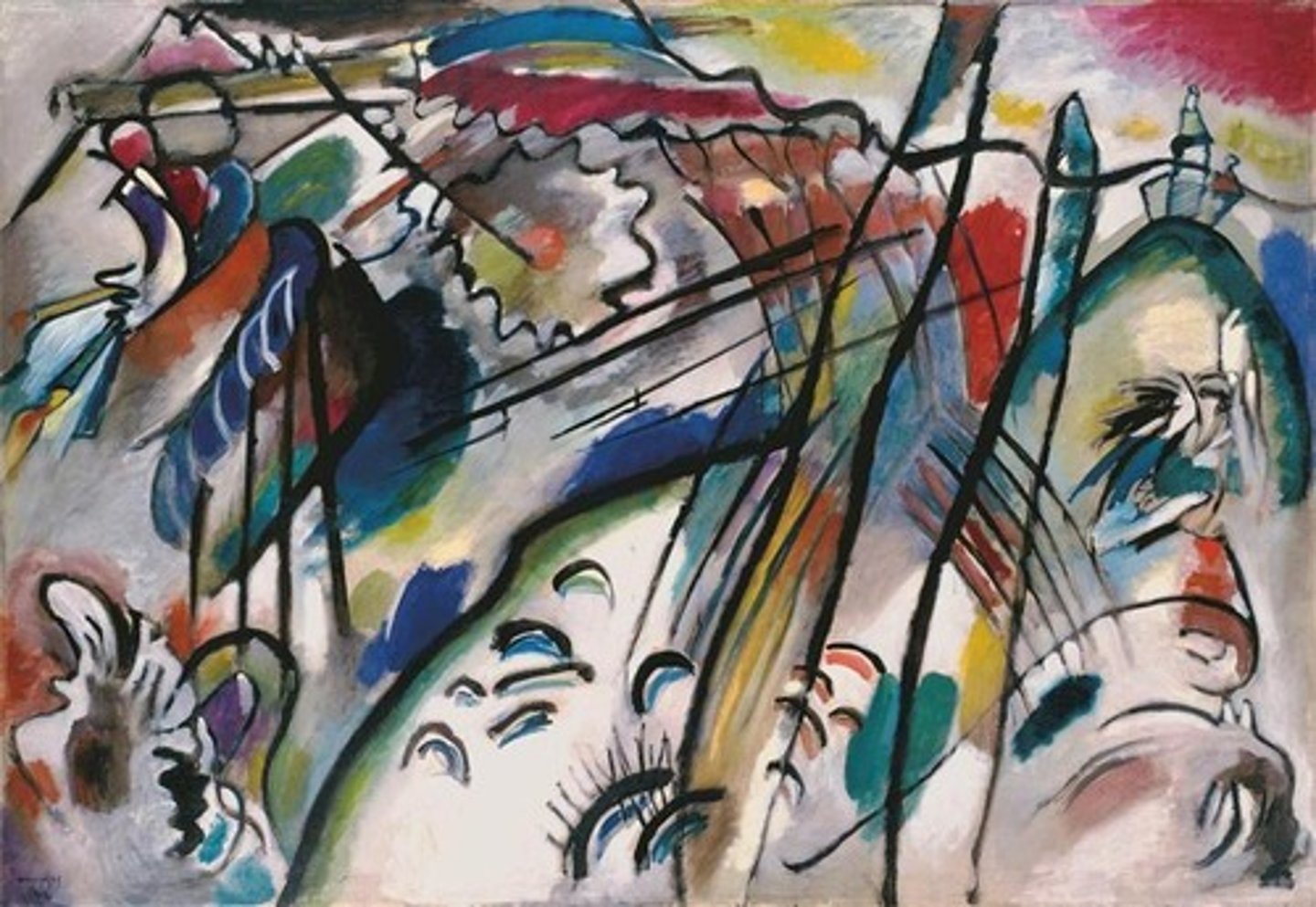
Vassily Kandinsky: Improvisation 28
Expressionism
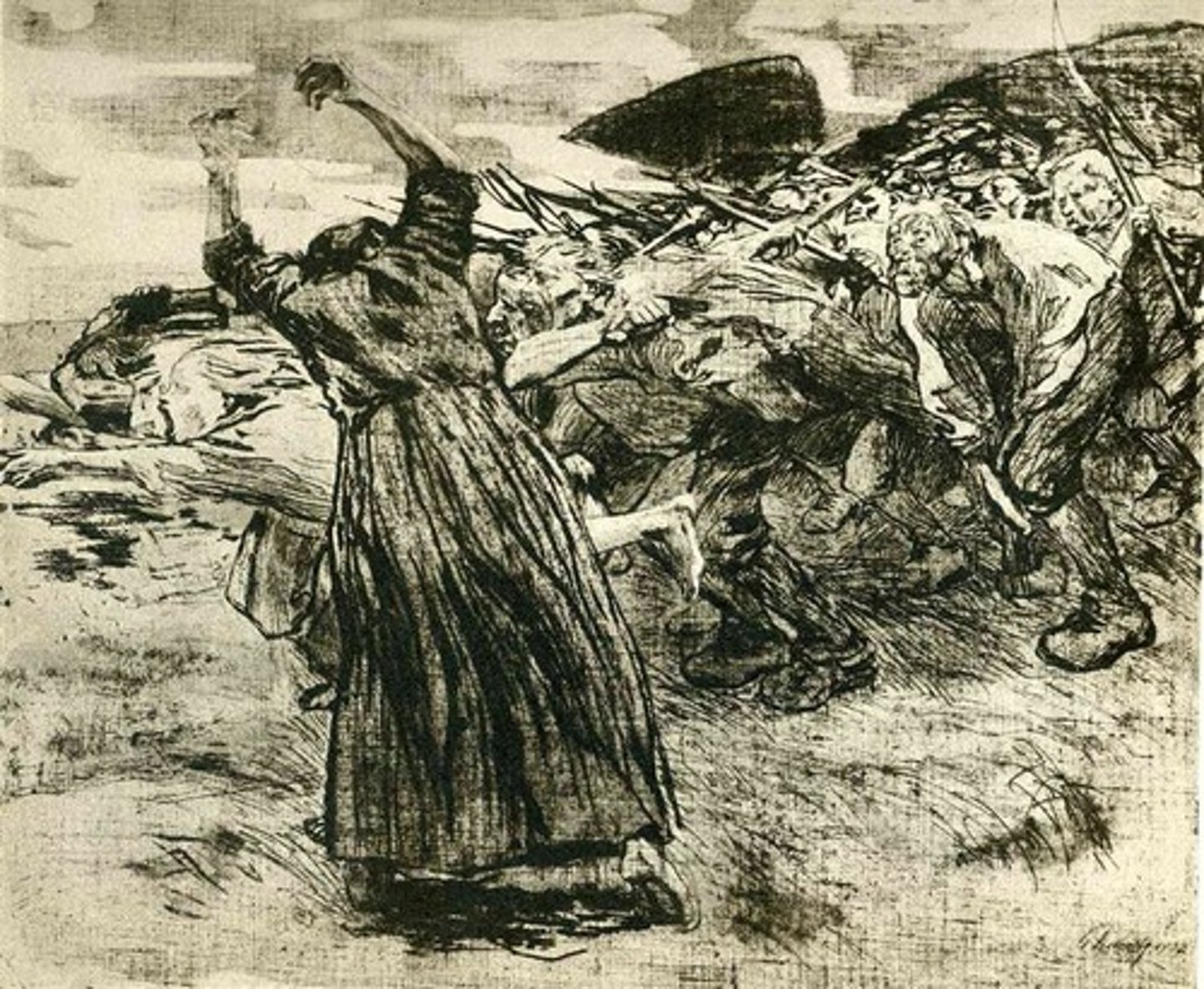
Käthe Kollwitz: The Outbreak
Expressionism
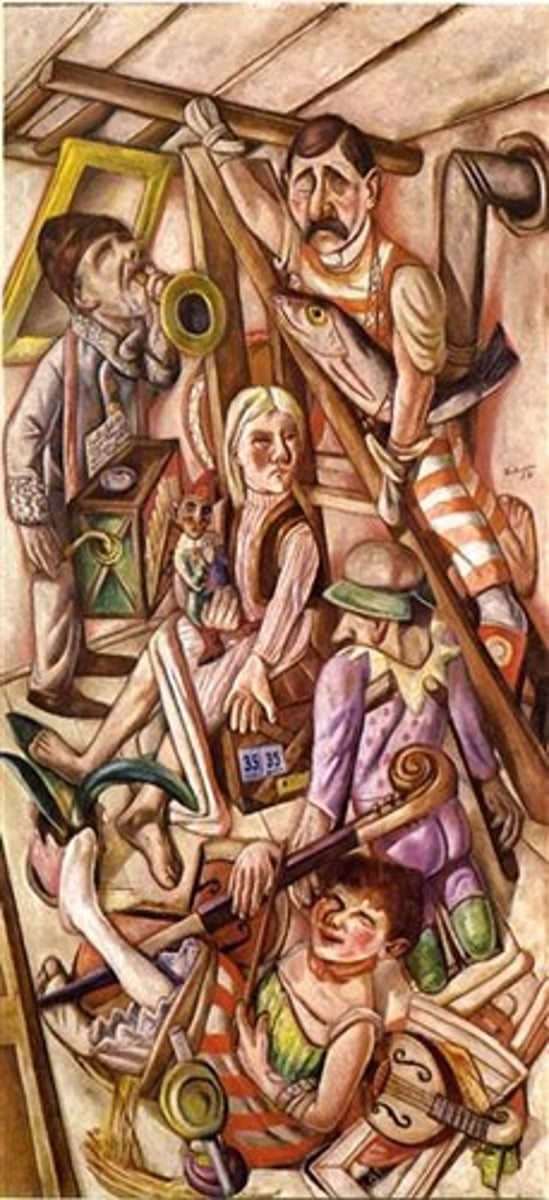
Max Beckmann: The Dream
Expressionism
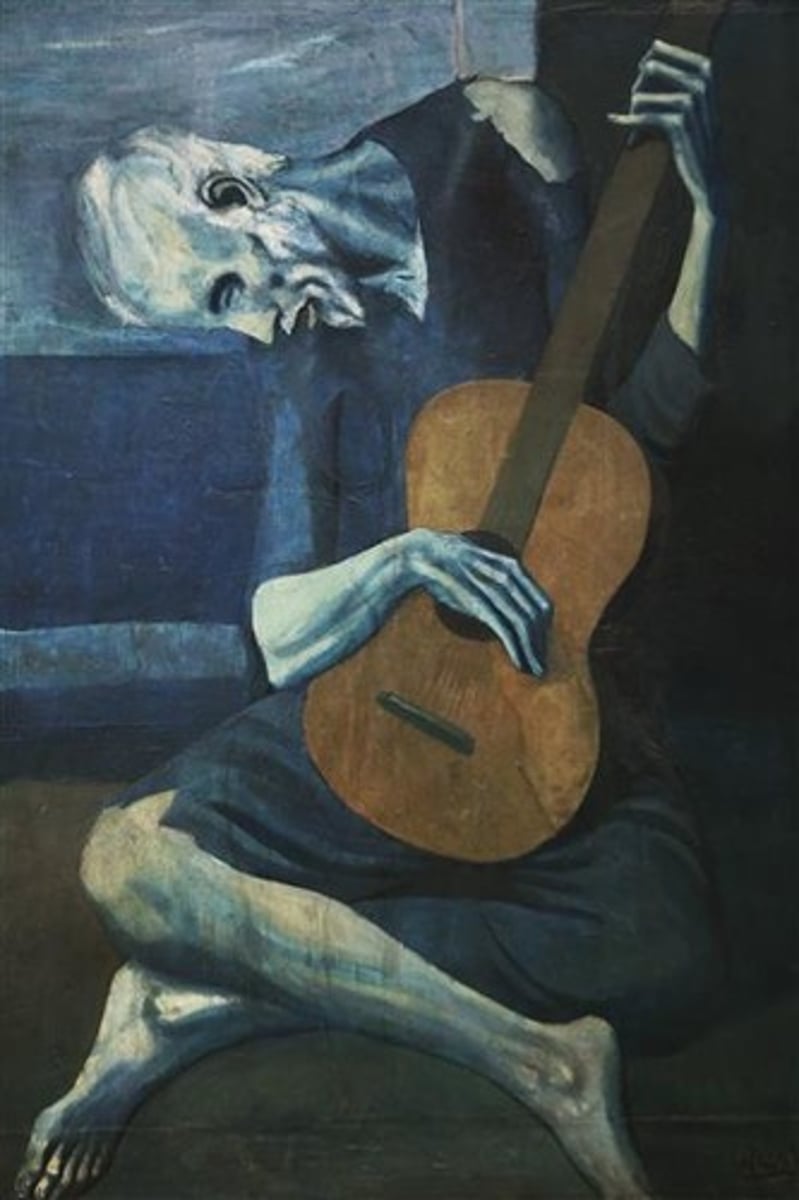
Pablo Picasso: The Old Guitarist
Cubism
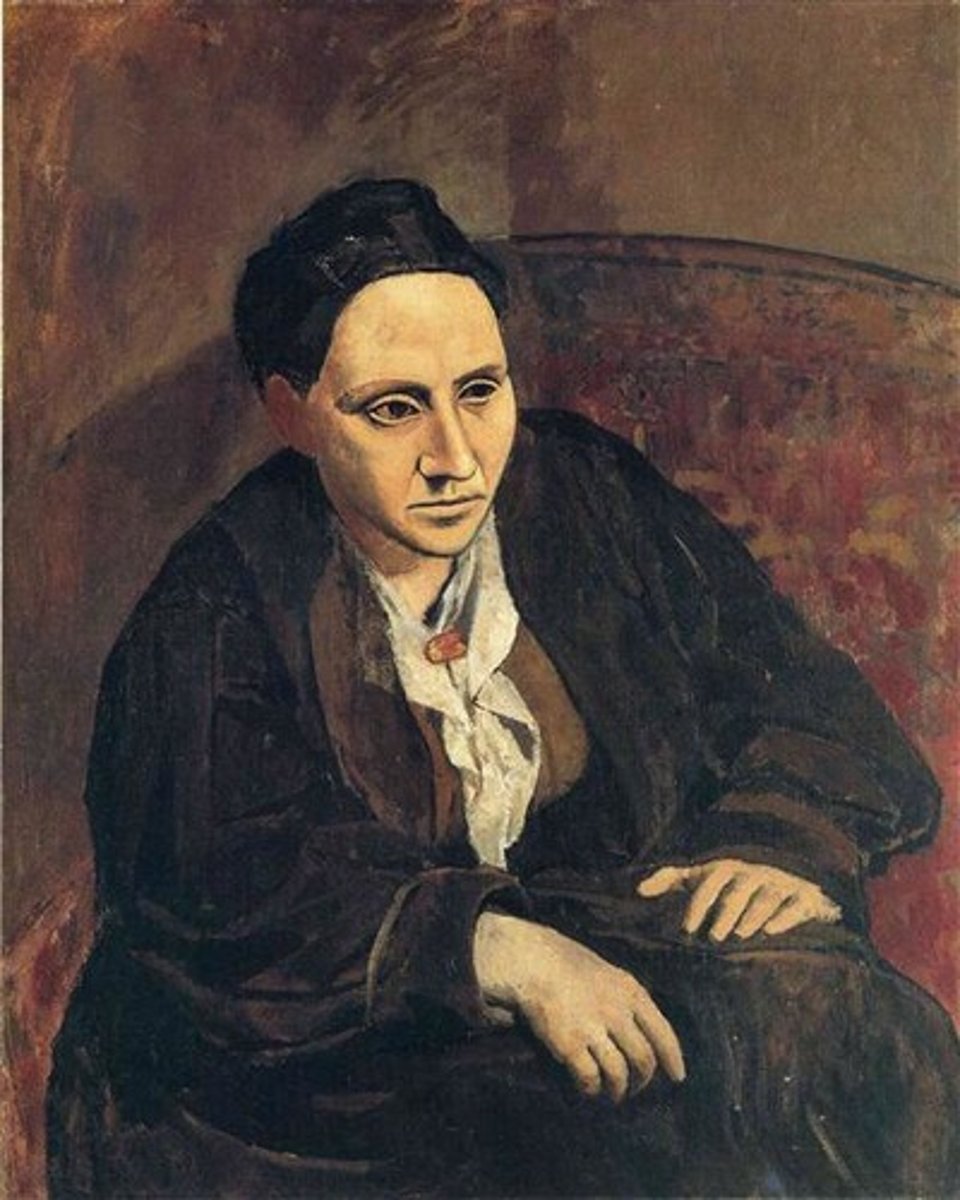
Pablo Picasso: Gertrude Stein
Cubism
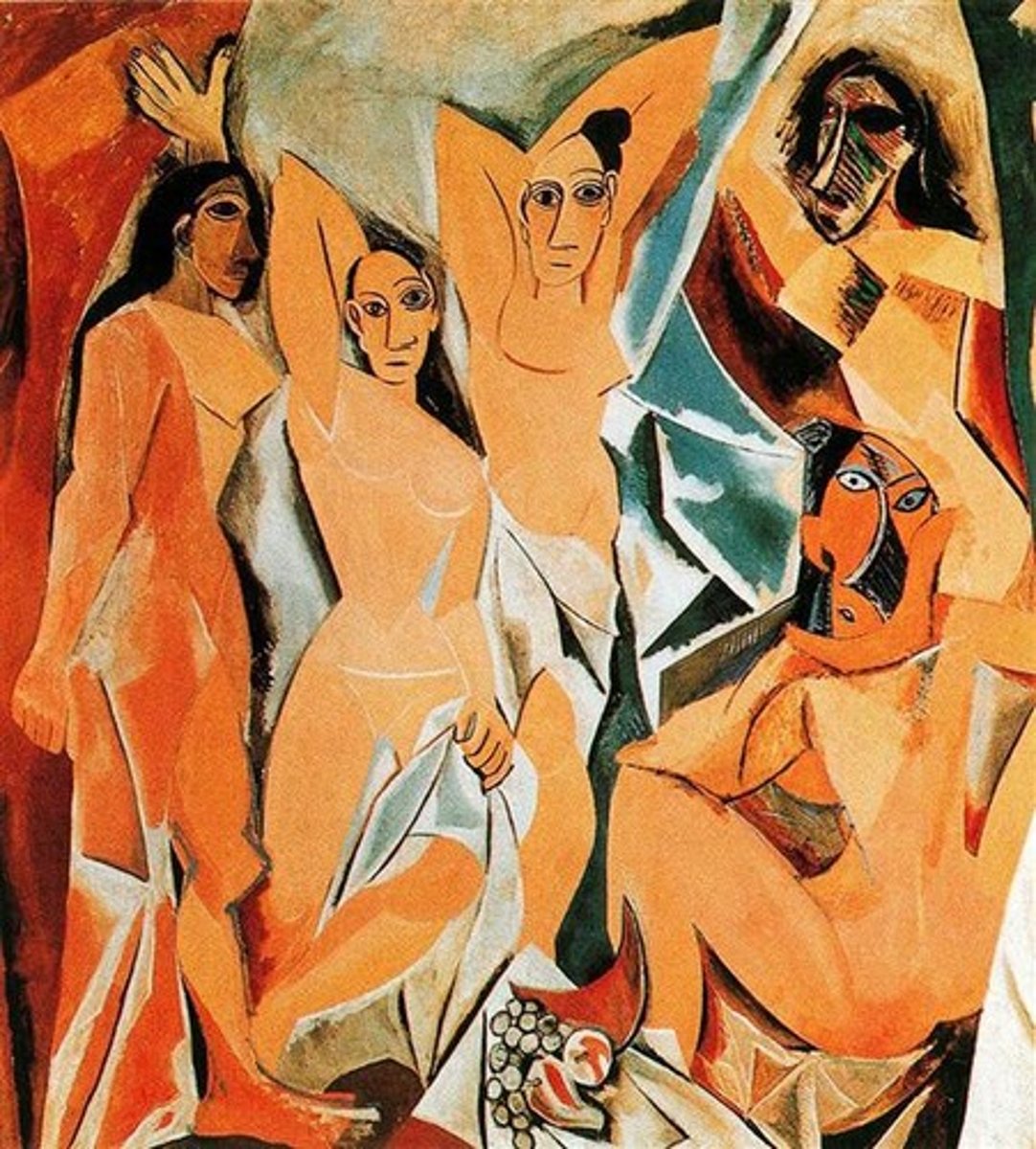
Pablo Picasso: Les Demoiselles d'Avignon
Cubism
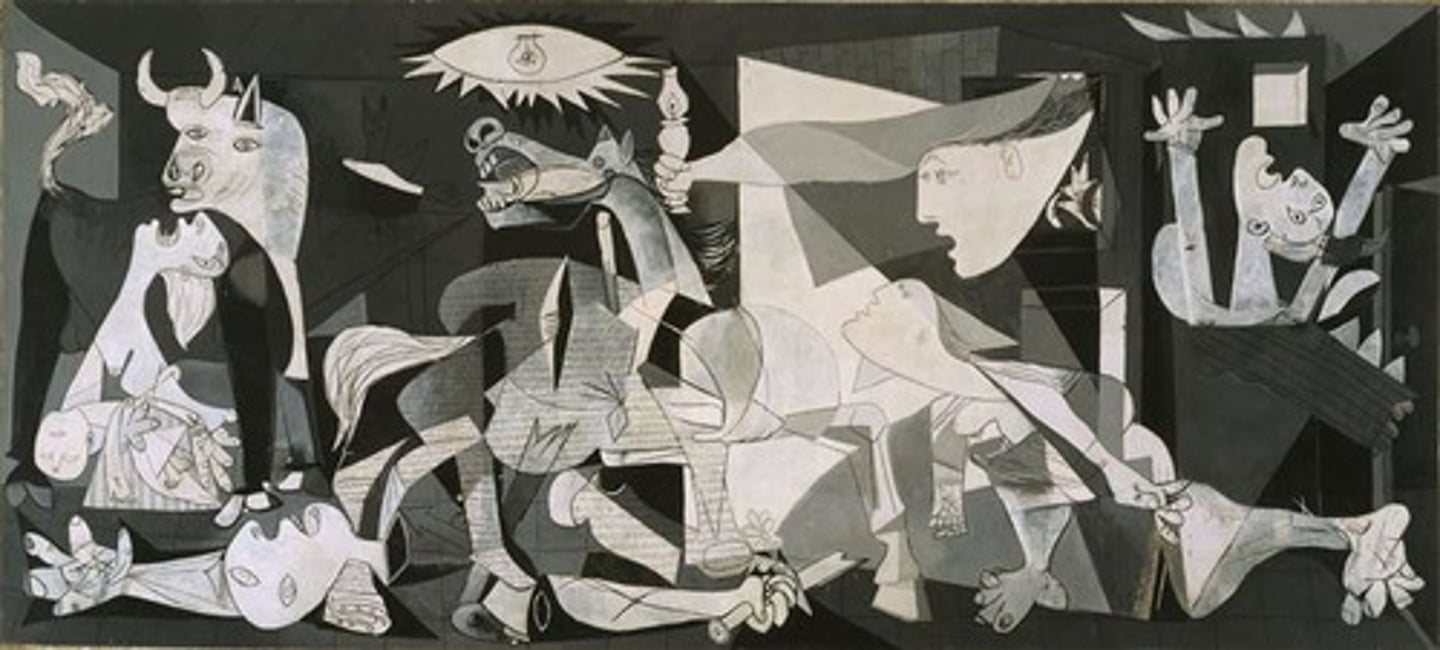
Pablo Picasso: Guernica
Cubism
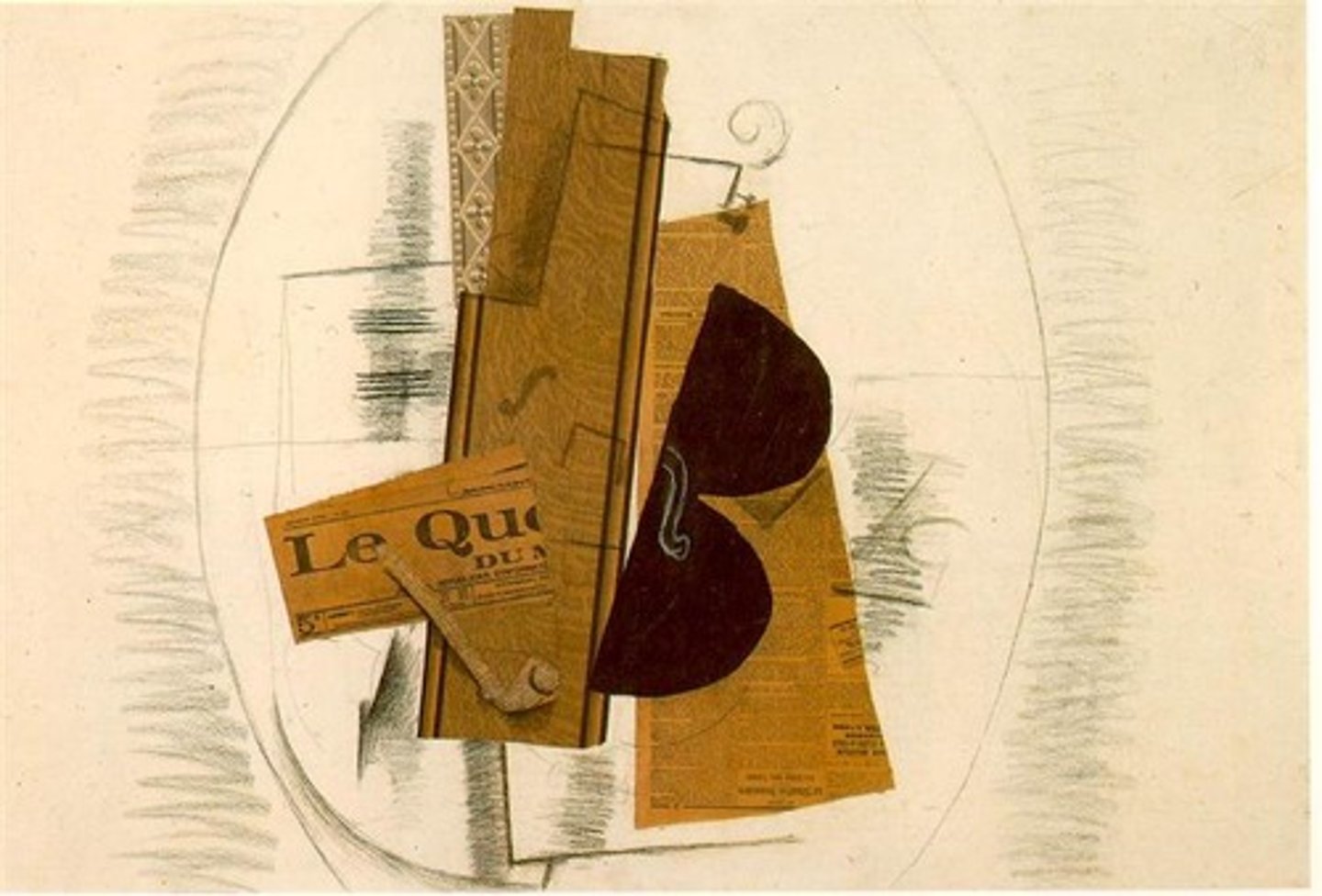
Georges Braque: Still Life with Violin and Pipe
Cubism
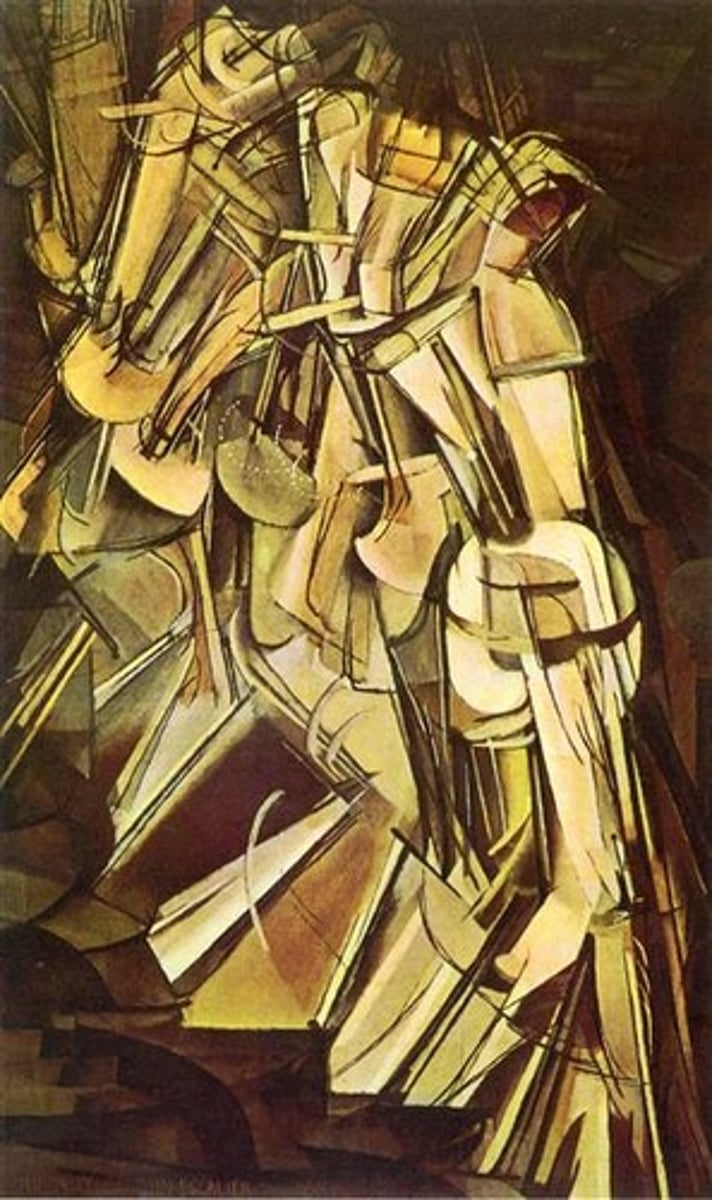
Marcel Duchamp: Nude Descending a Staircase
Cubism
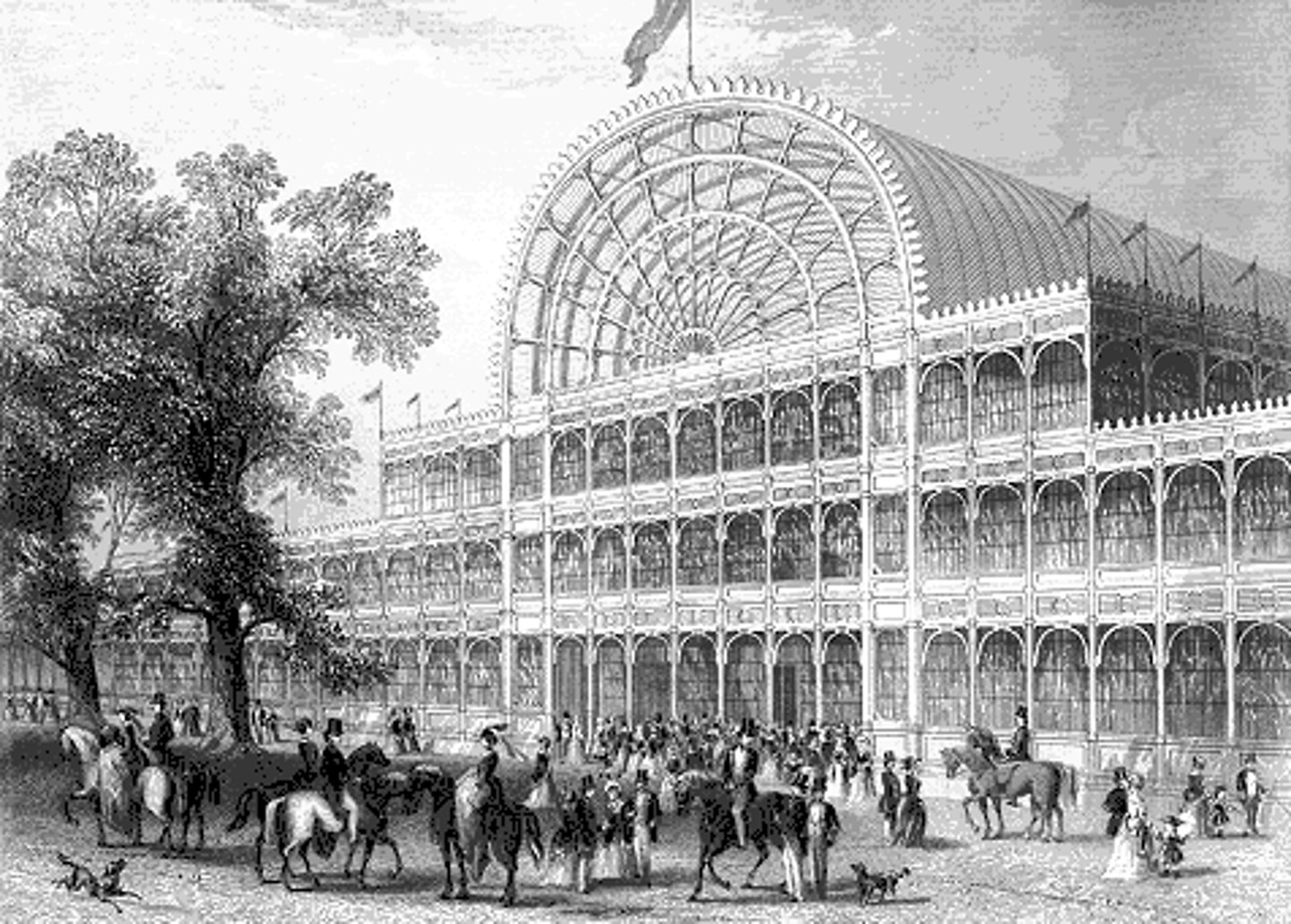
Sir Joseph Paxton: The Crystal Palace
Fin de Siècle Architecture
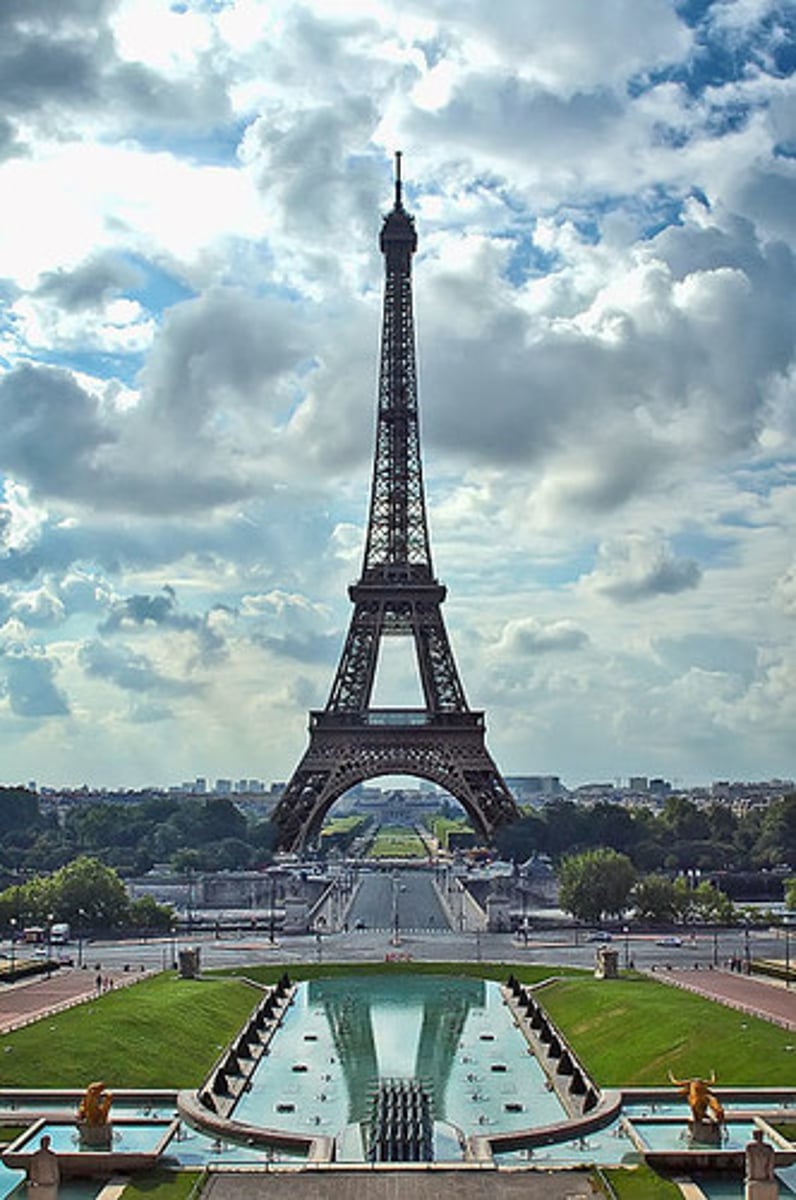
Gustave Eiffel: The Eiffel Tower
Fin de Siècle Architecture
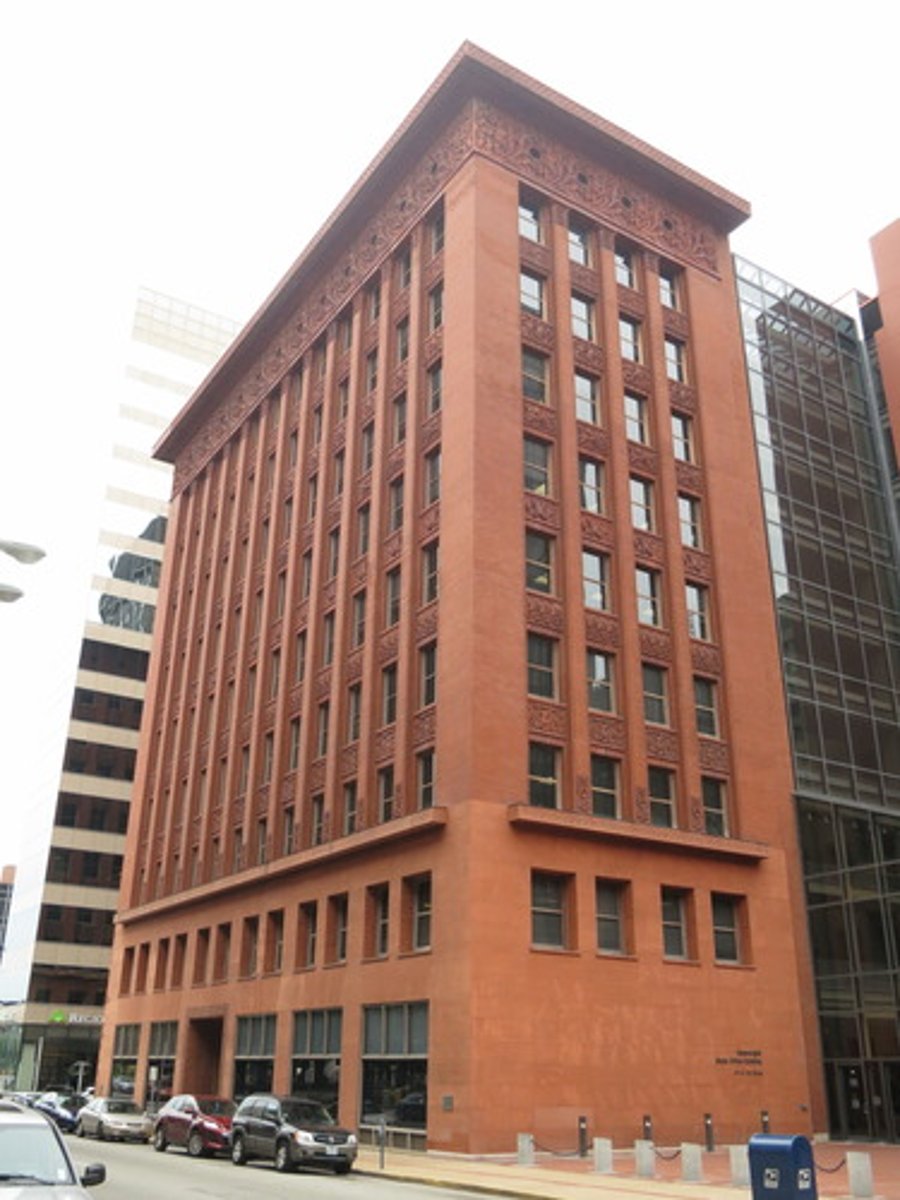
Louis Sullivan: Wainwright Building
Fin de Siècle Architecture
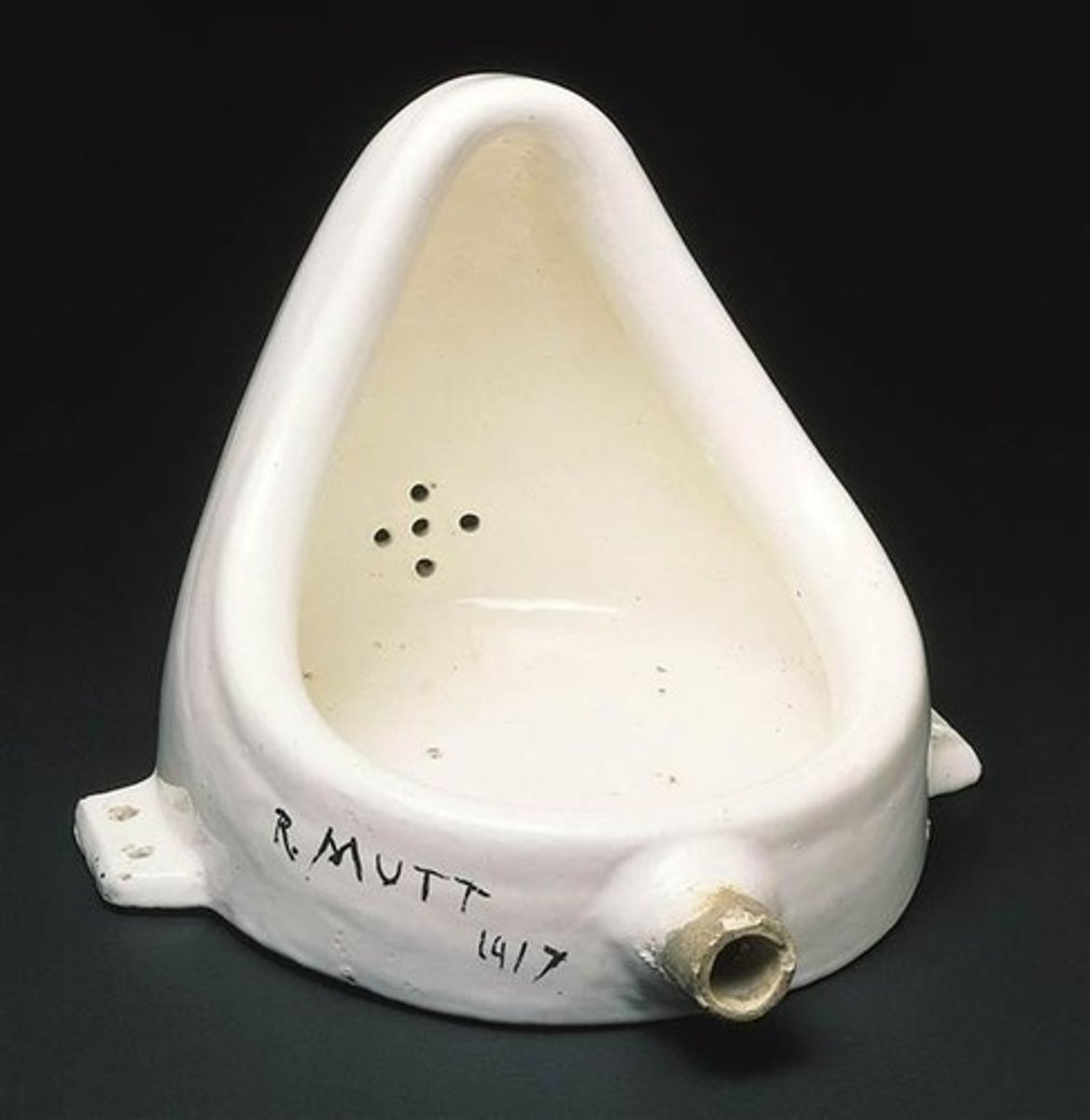
Marcel Duchamp: Fountain
Dadaism
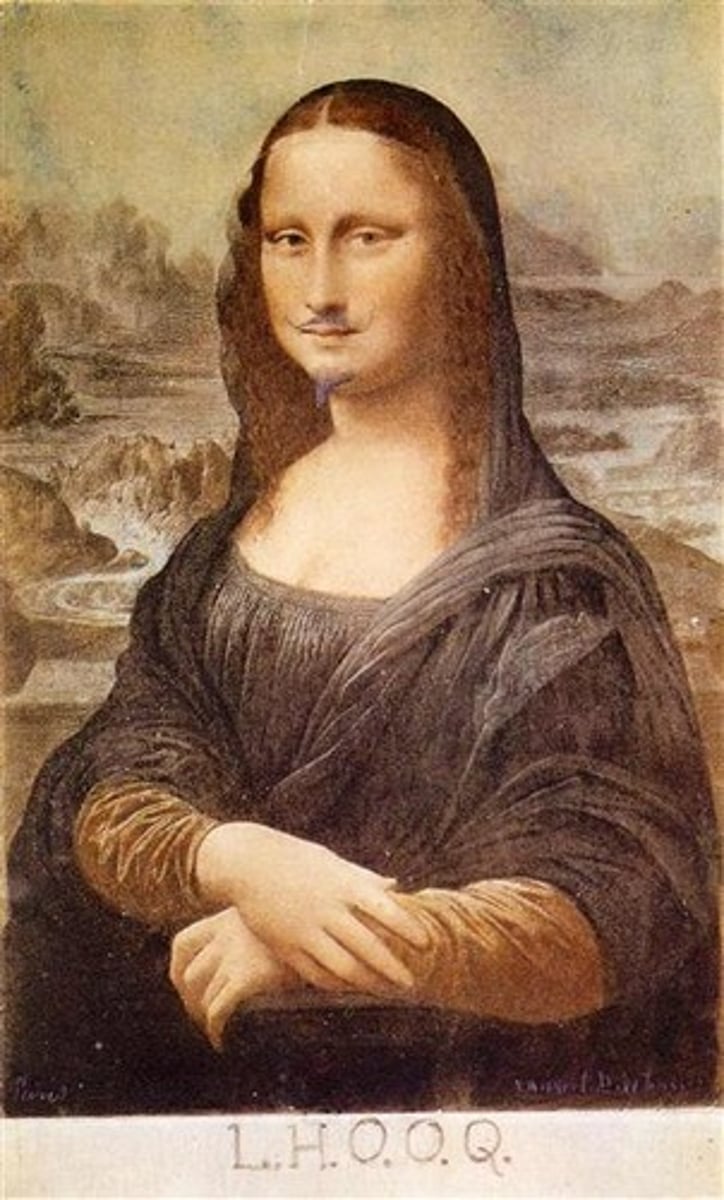
Marcel Duchamp: L.H.O.O.Q.
Dadaism
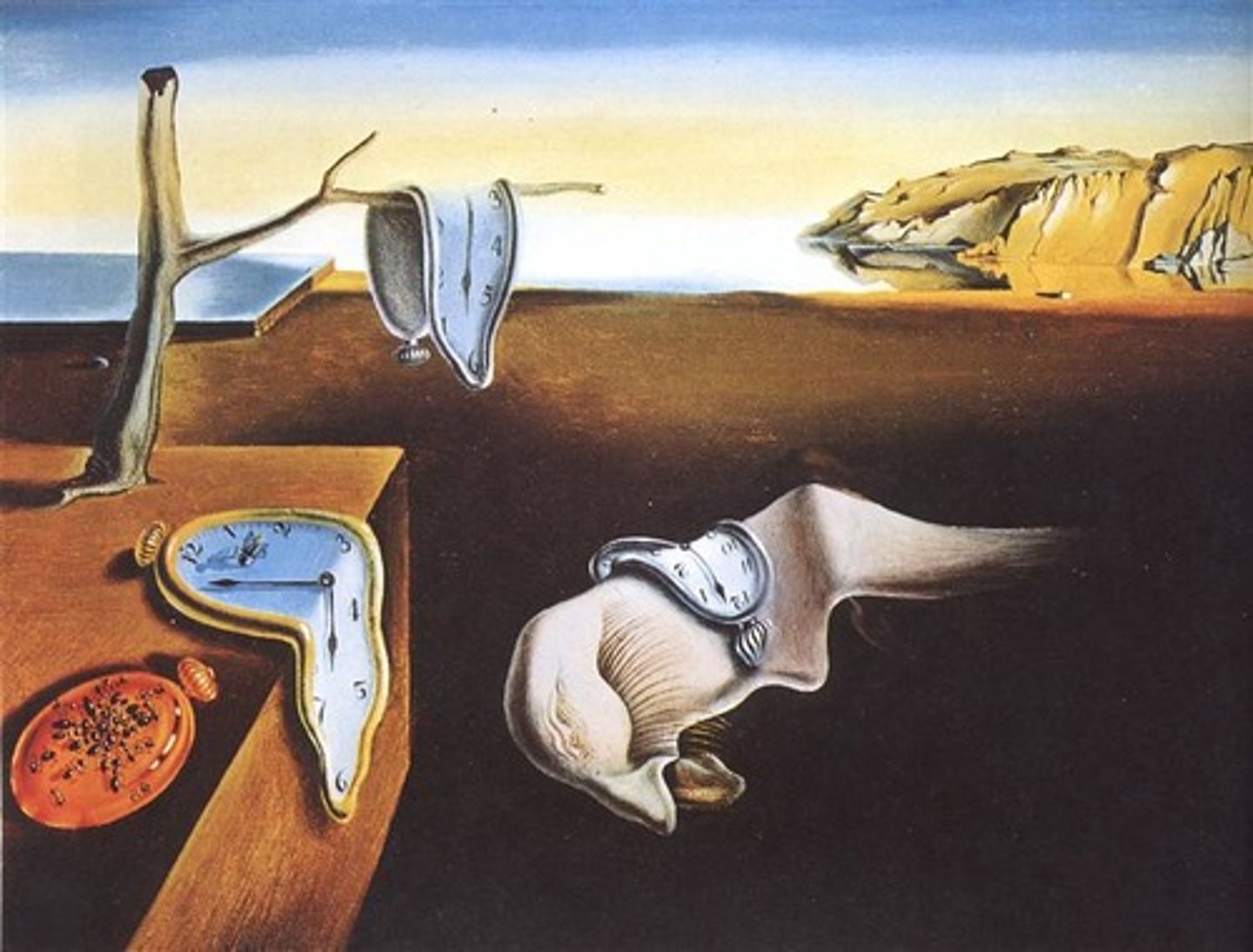
Salvador Dali: The Persistence of Memory
Surrealism
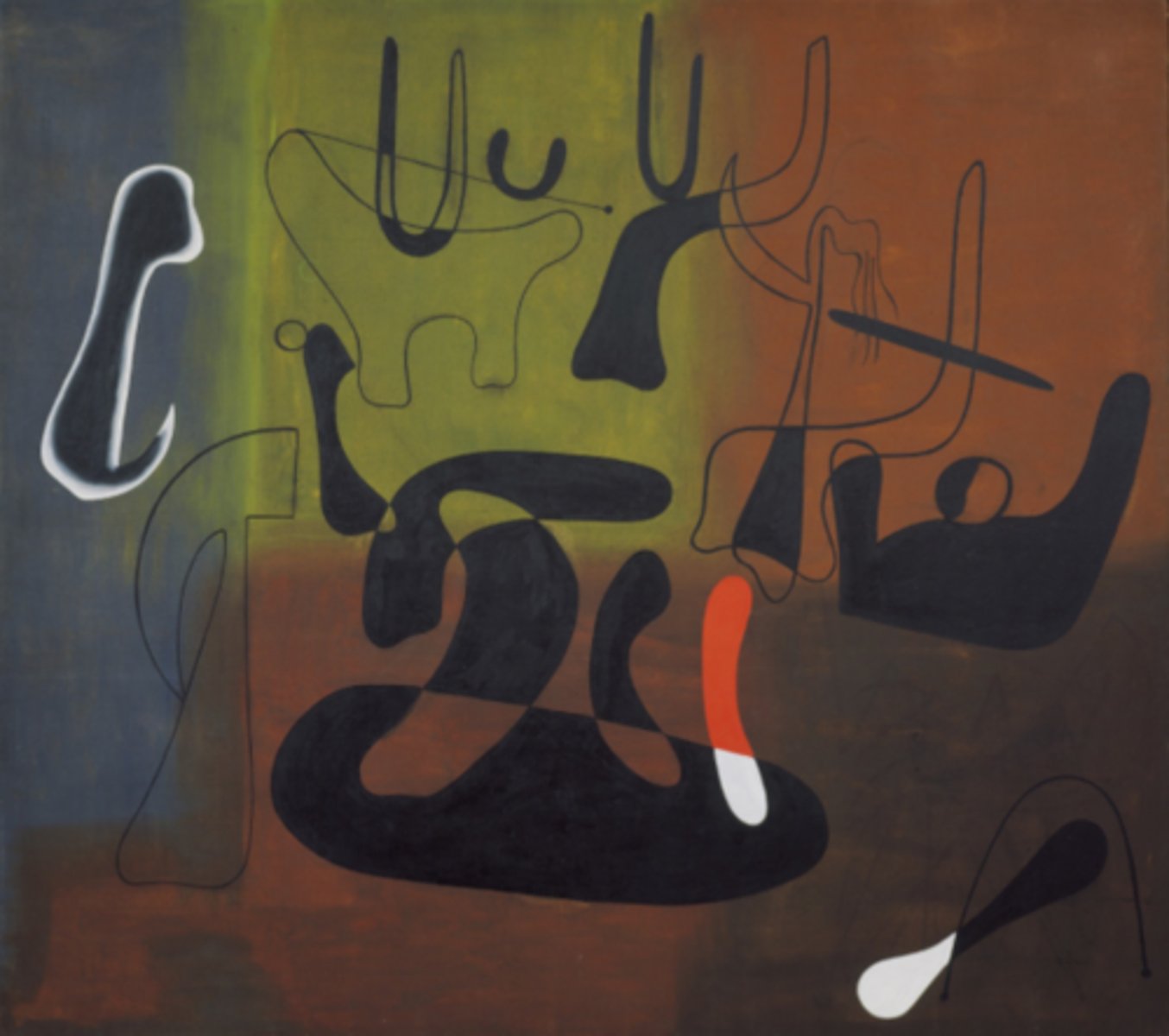
Joan Miró: Painting
Surrealism
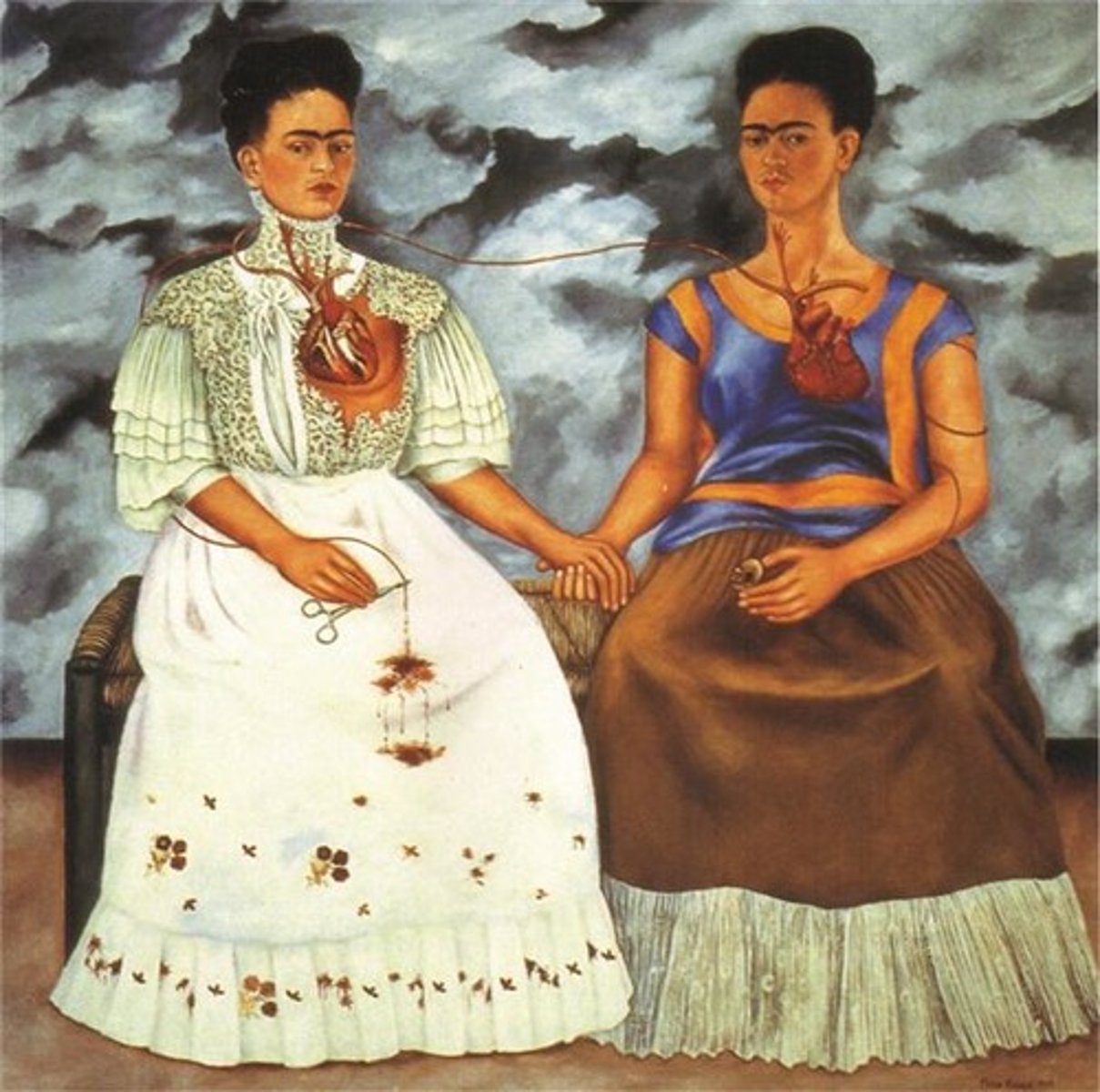
Frida Kahlo: The Two Fridas
Surrealism
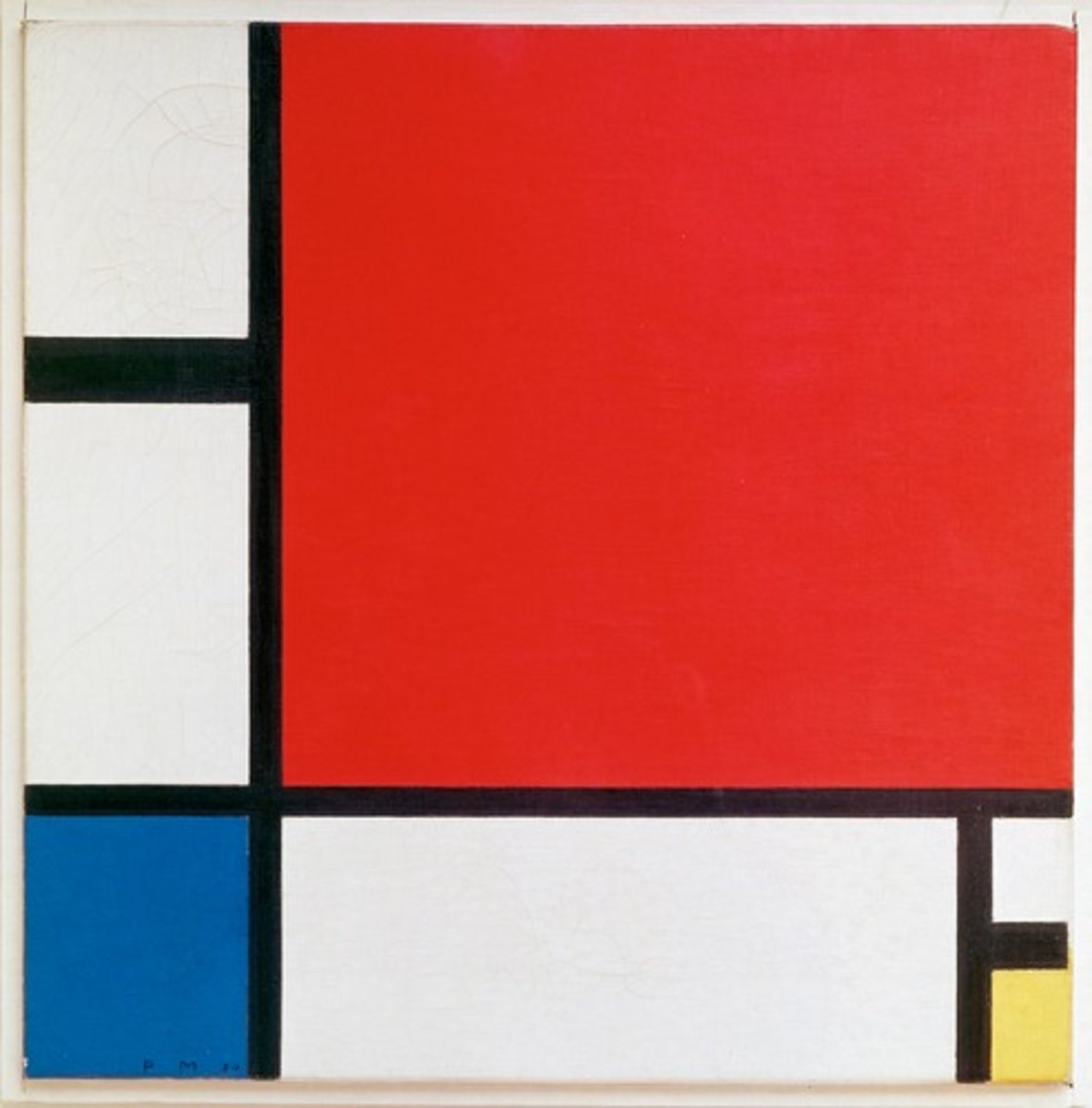
Piet Mondrian: Composition II, with Red, Blue, Black, and Yellow
De Stijl
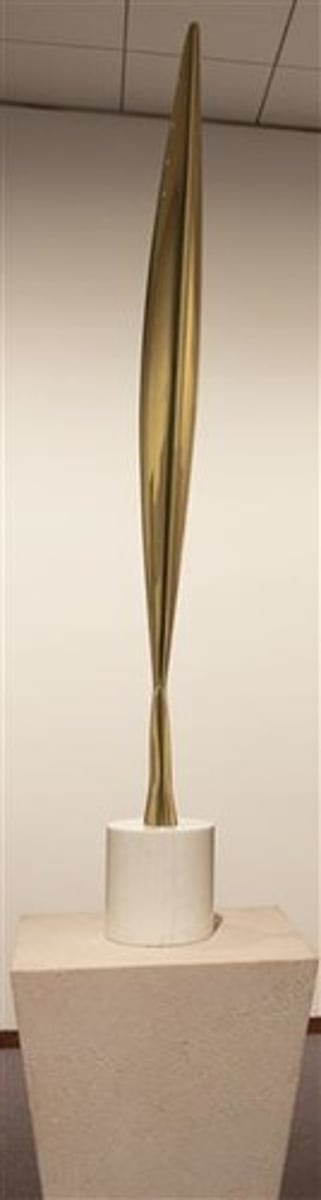
Constantin Brancusi: Bird in Space
Abstract Sculpture
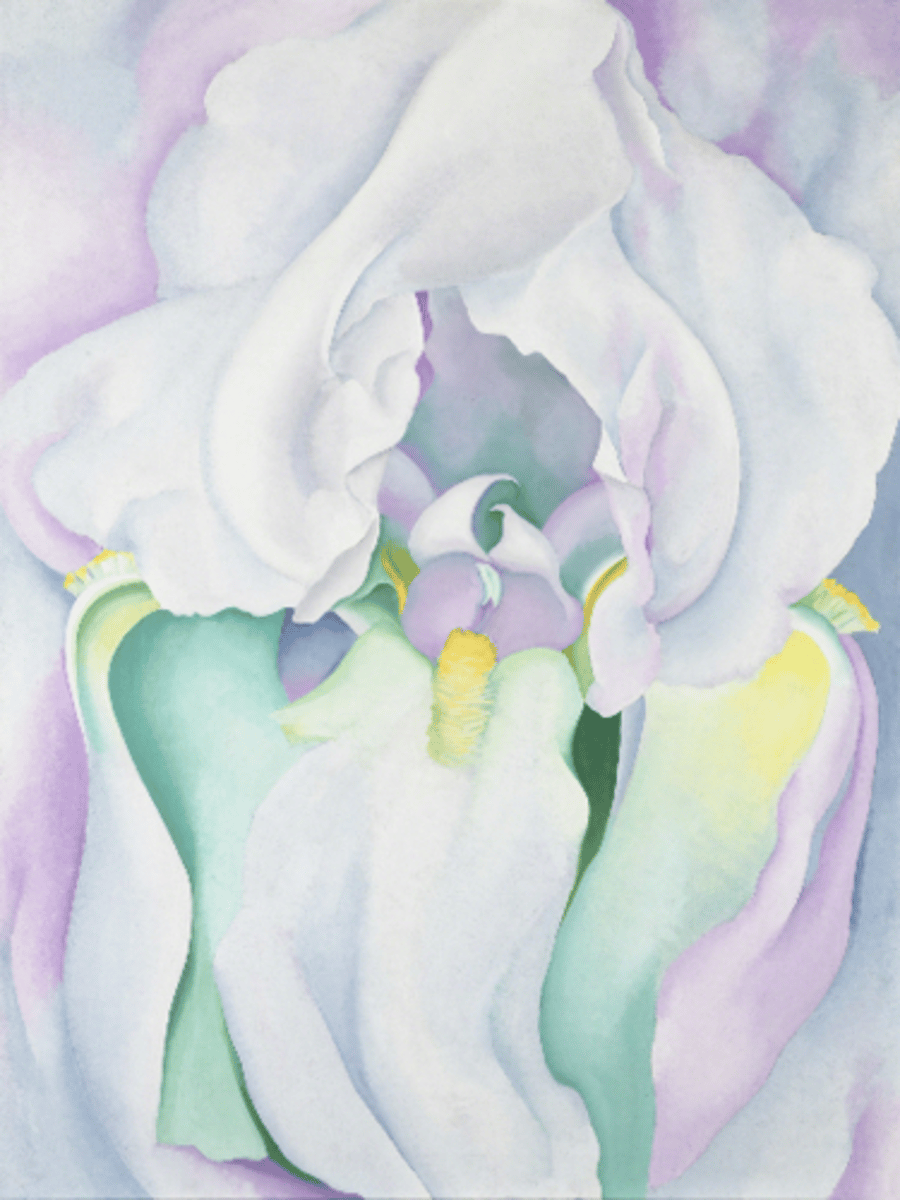
Georgia O'Keeffe: White Iris
Figurative Art
Grant Wood: American Gothic
Figurative Art

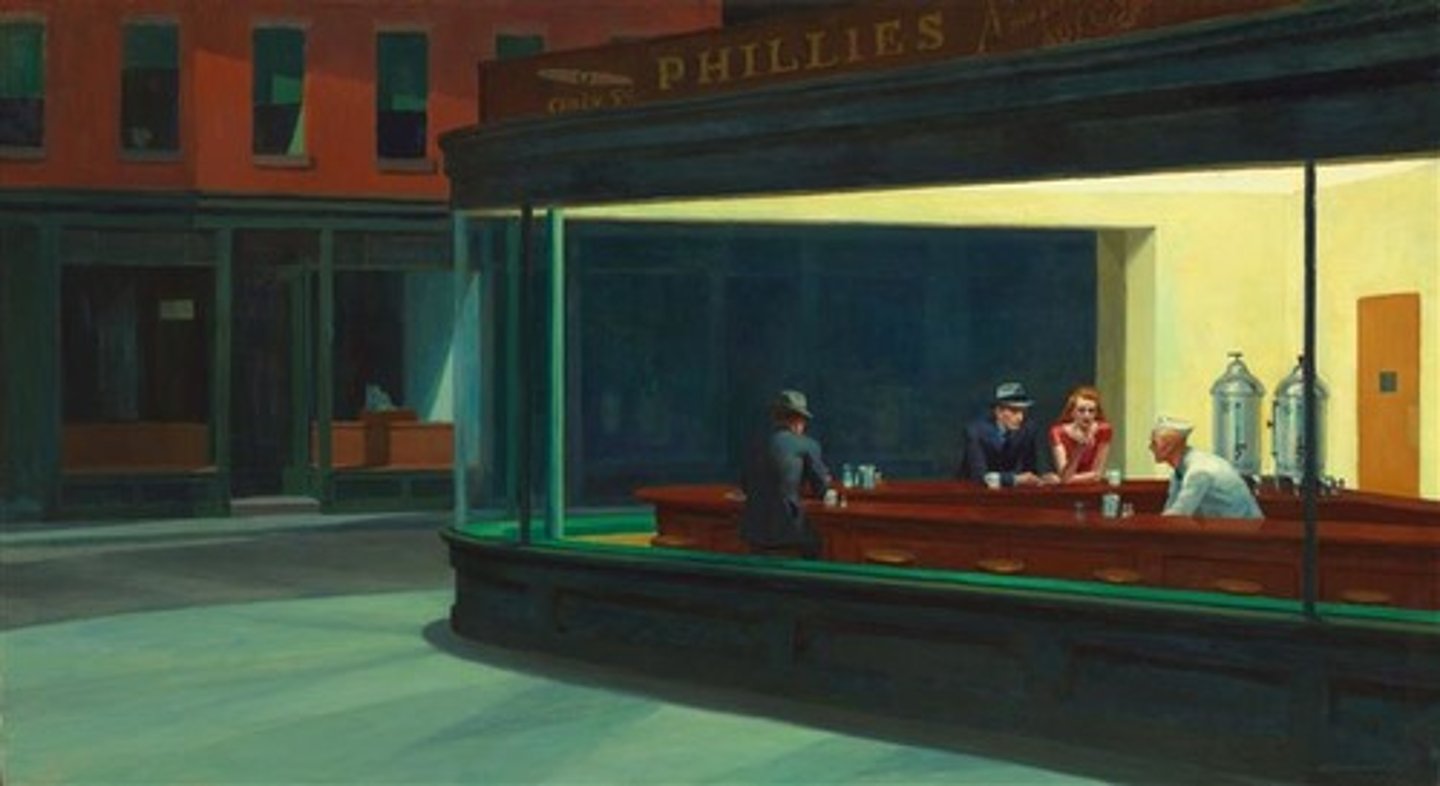
Edward Hopper: Nighthawks
Figurative Art
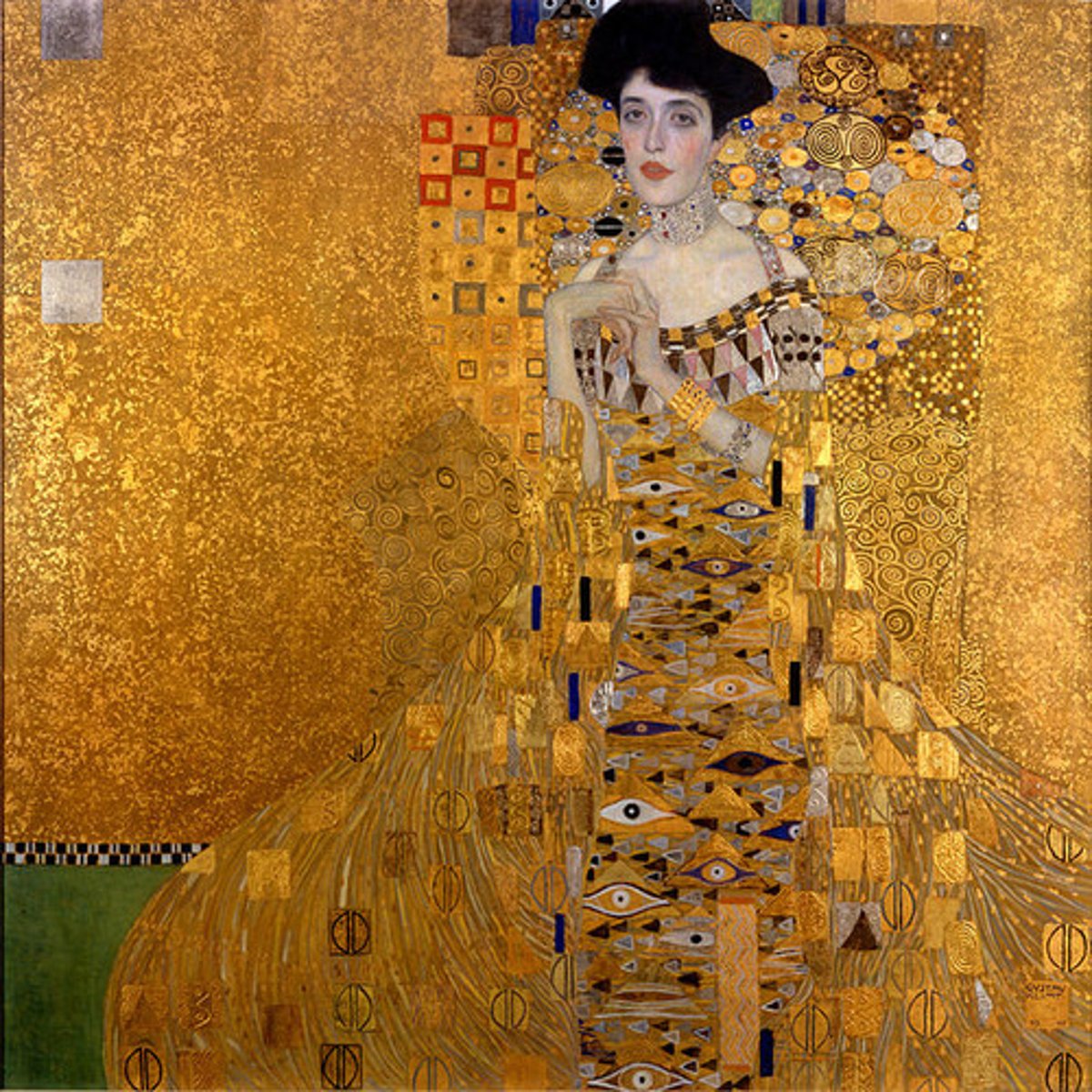
Gustav Klimt: Portrait of Adele Bloch-Bauer
Figurative Art
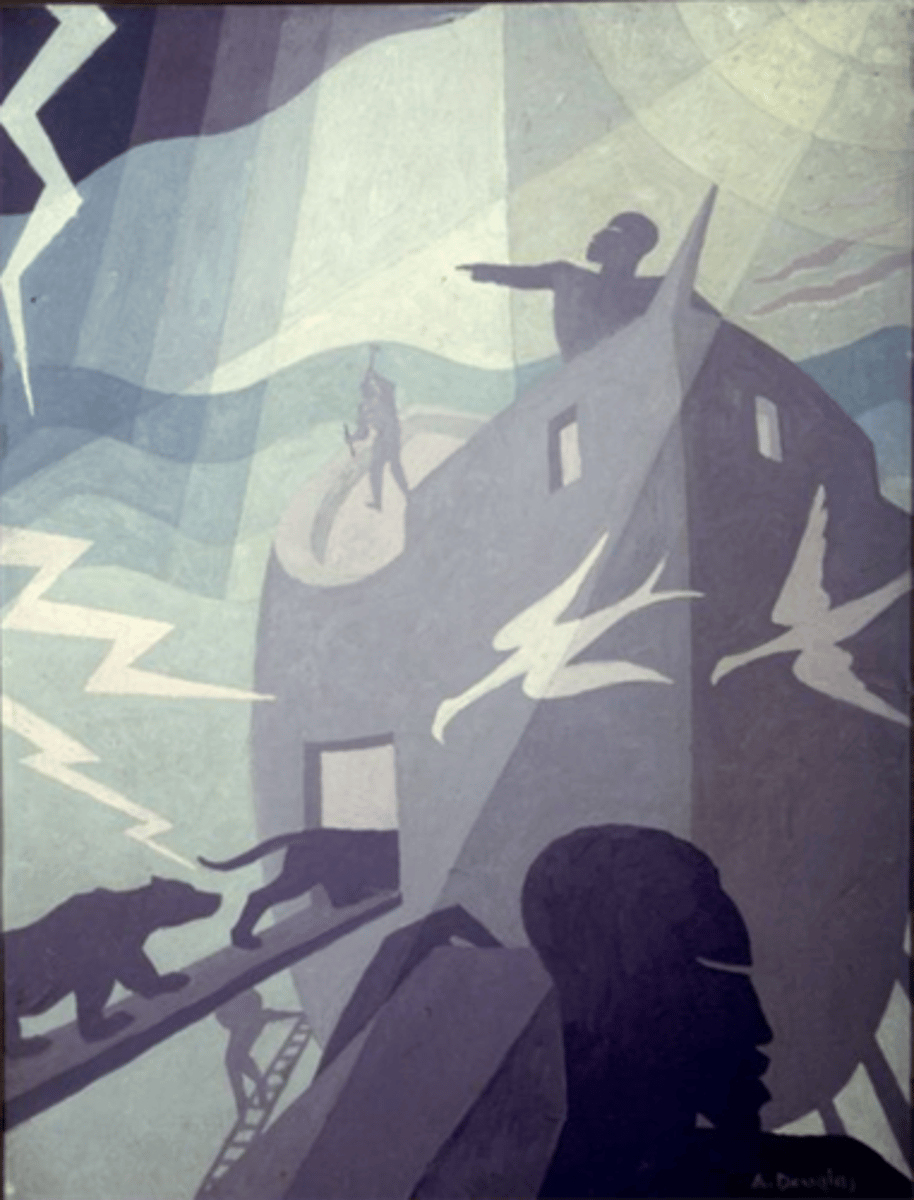
Aaron Douglas: Noah's Ark
Harlem Renaissance
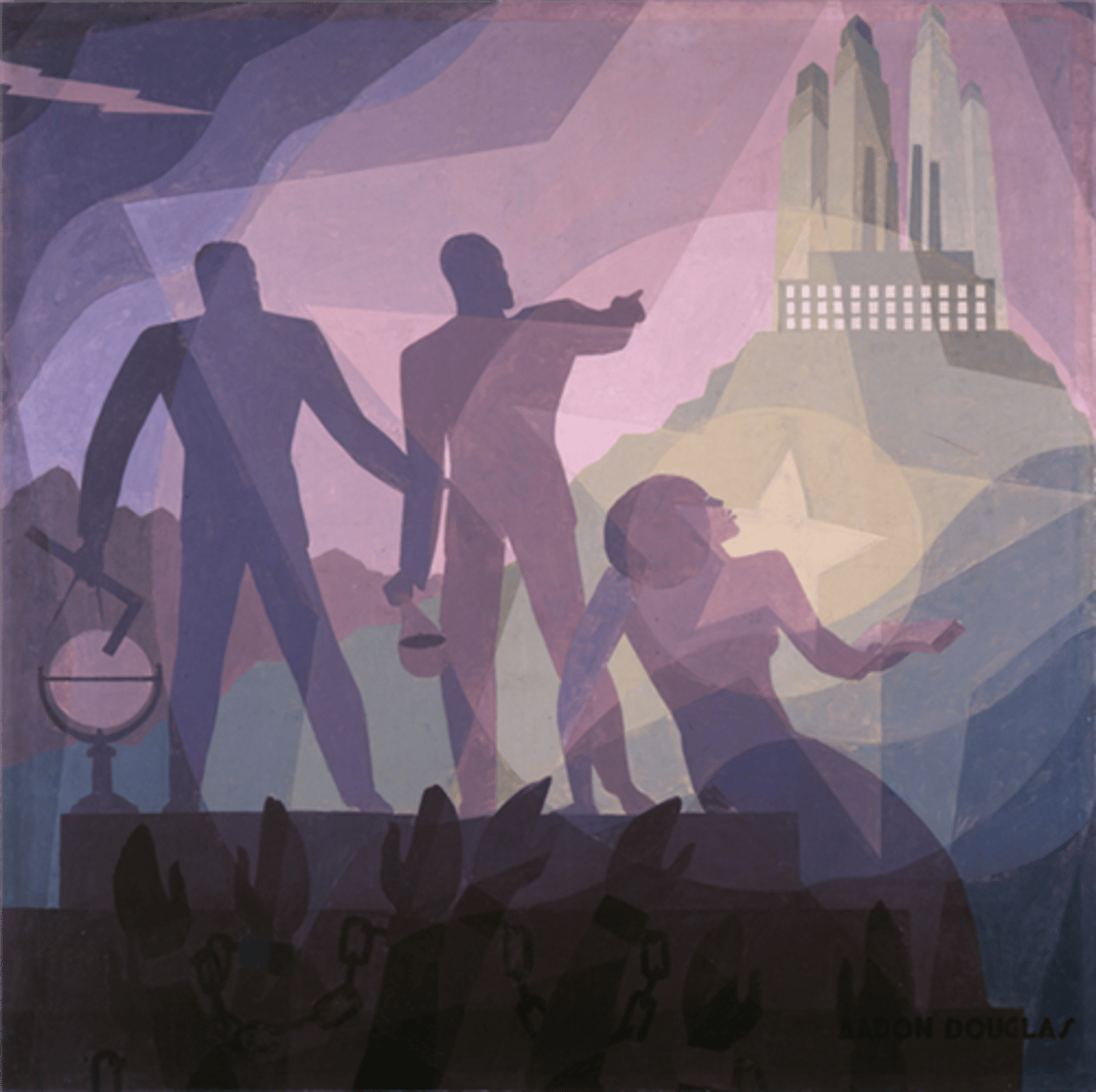
Aaron Douglas: Aspirations
Harlem Renaissance
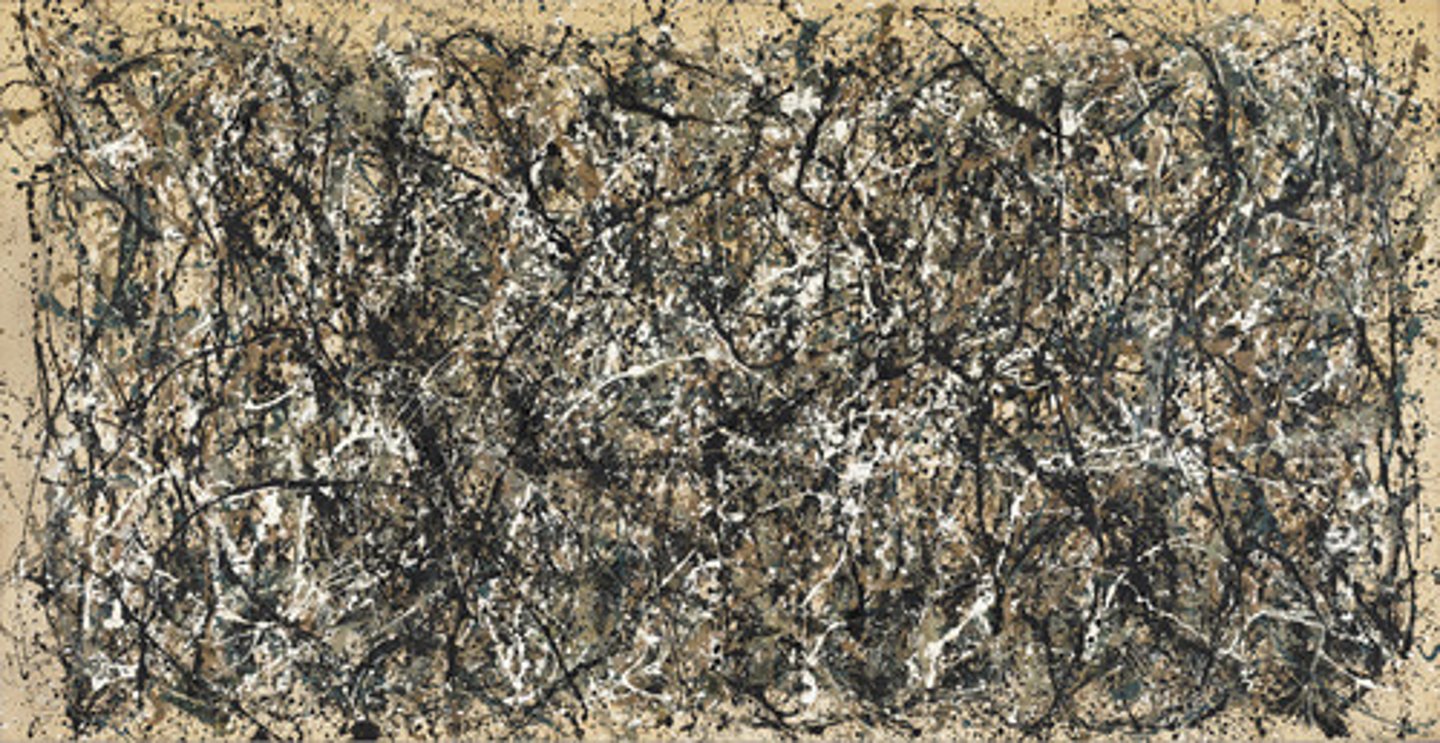
Jackson Pollock: One, Number 31
Abstract Expressionism
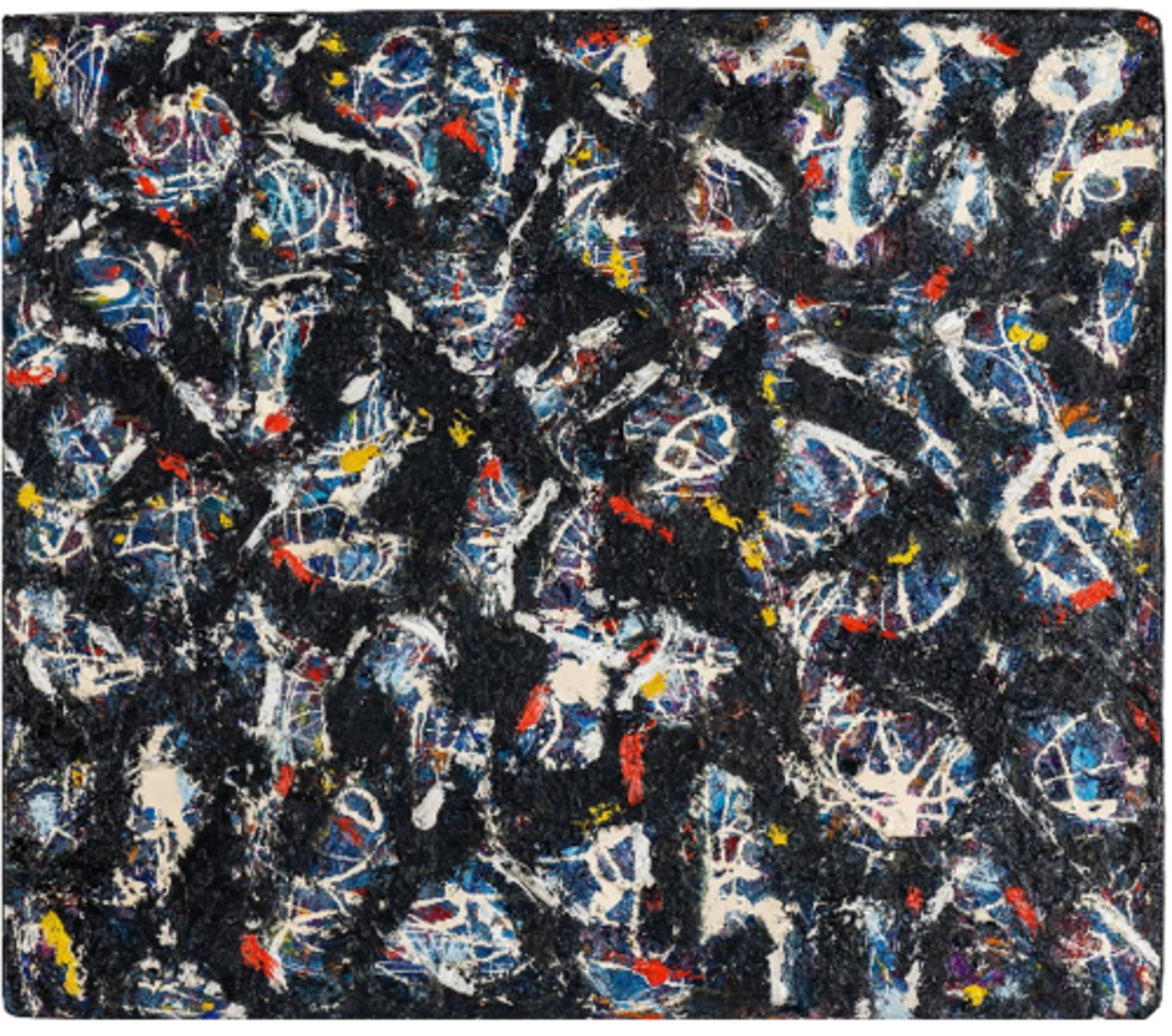
Lee Krasner: Abstract No. 2
Abstract Expressionism
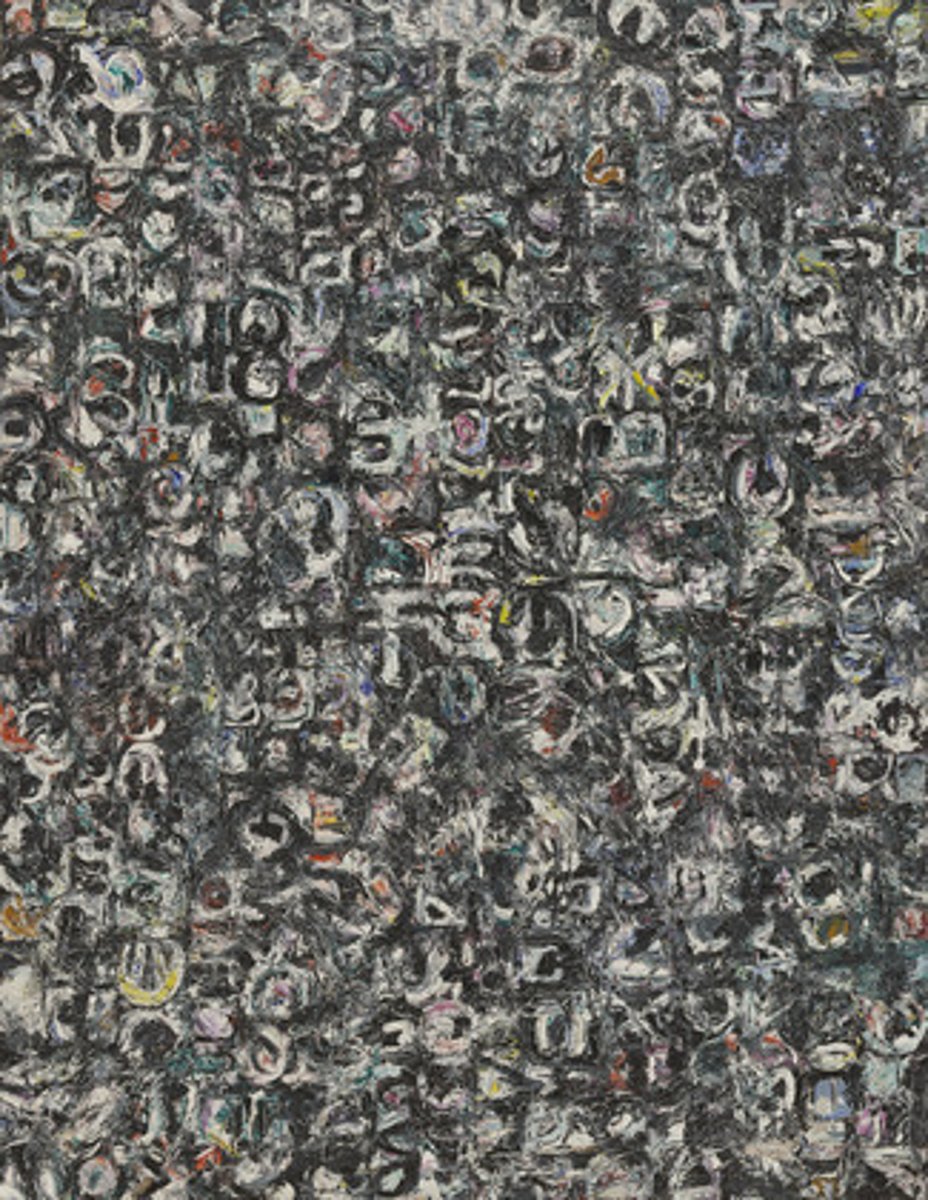
Lee Krasner: Untitled, 1949
Abstract Expressionism
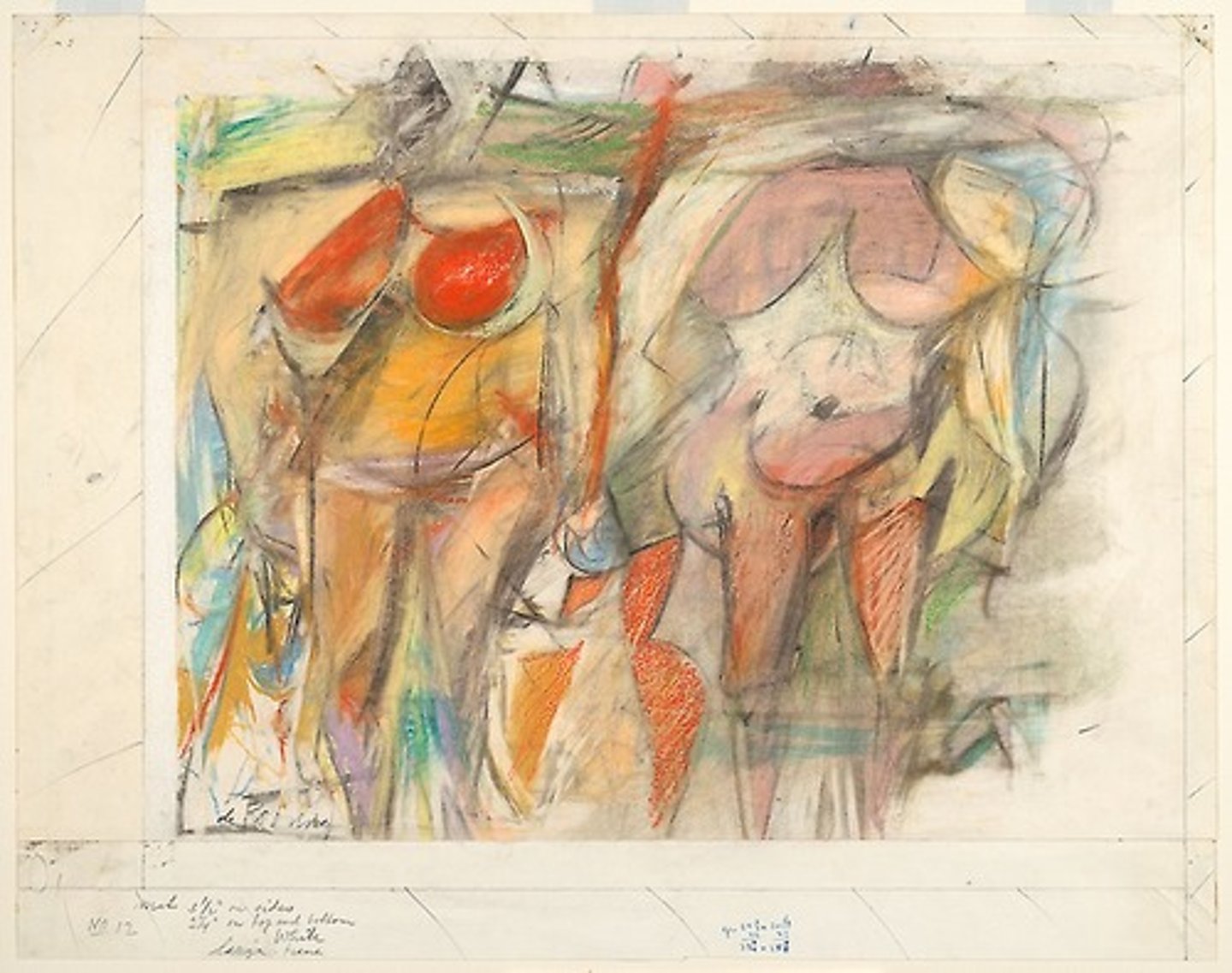
Willem de Kooning: Two Women's Torsos
Abstract Expressionism
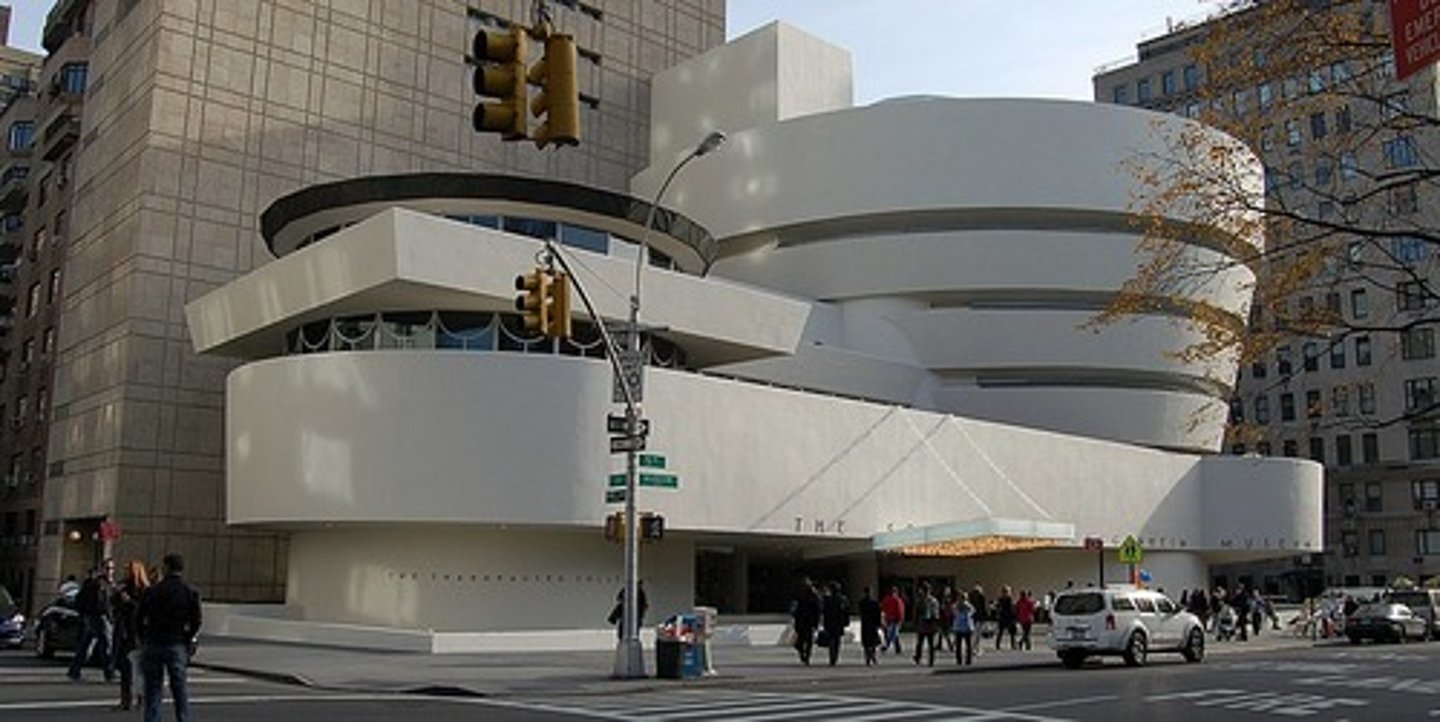
Frank Lloyd Wright: Guggenheim Museum, New York City
Modern Architecture
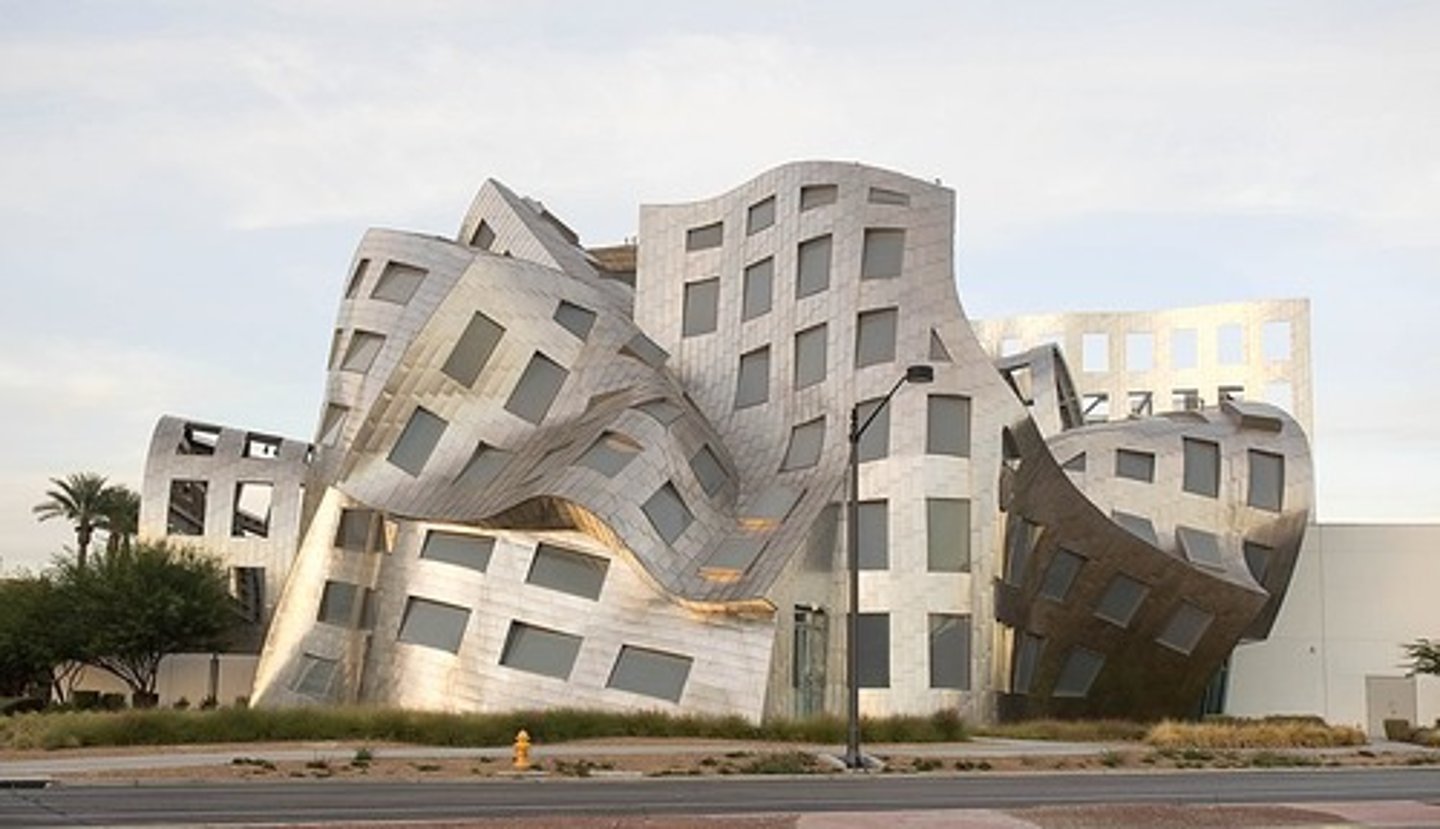
Lou Ruvo Center for Brain Health
Modern Architecture
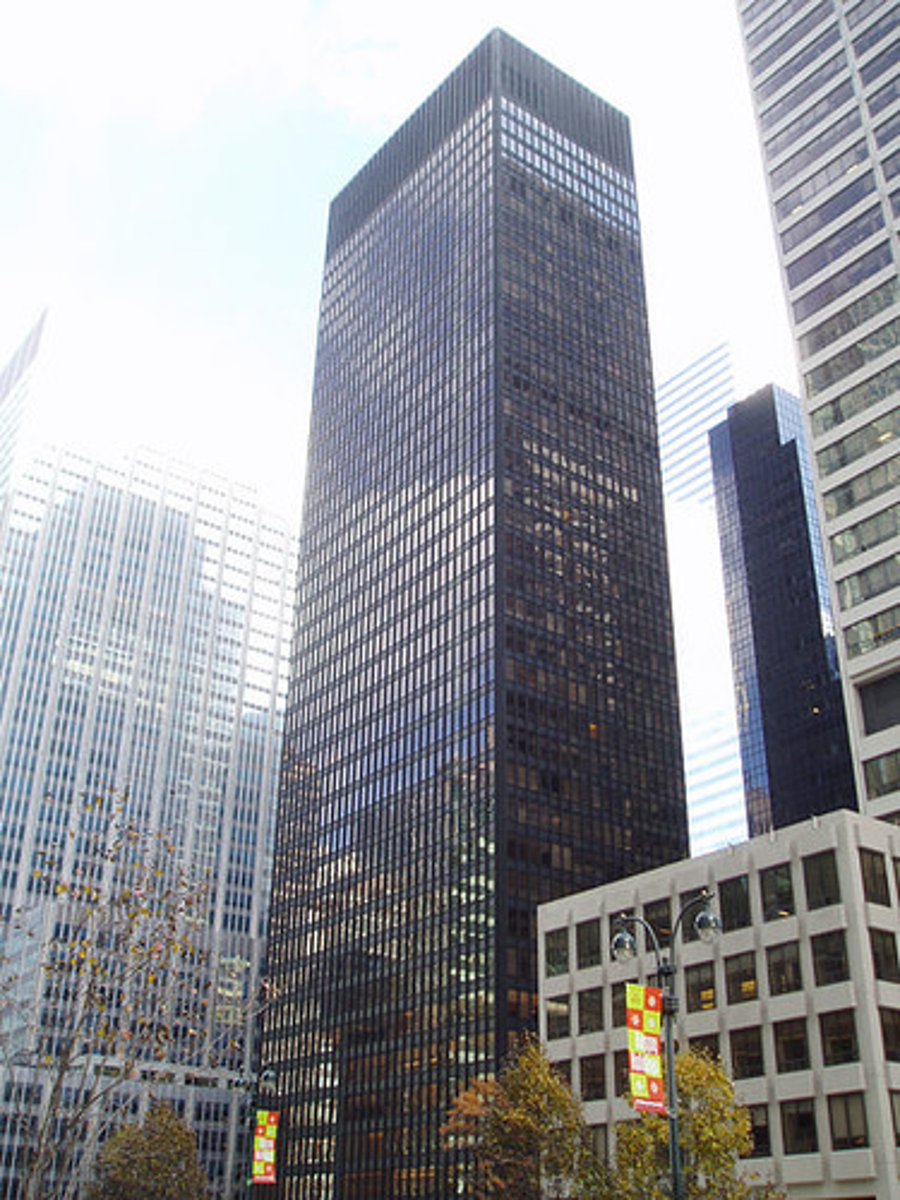
Mies van der Rohe and Philip Johnson: Seagram Building
Modern Architecture
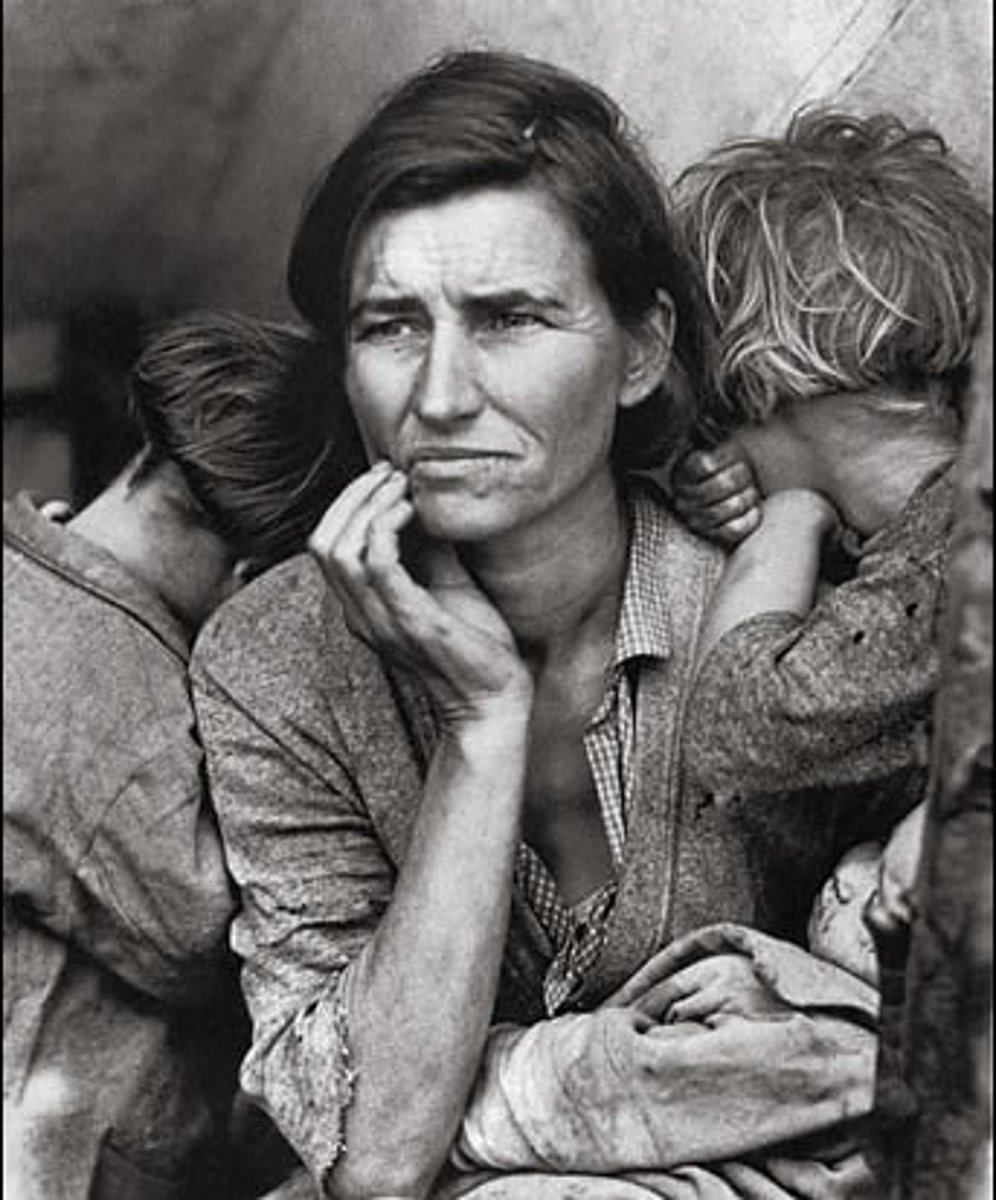
Dorothea Lange: Migrant Mother
Photography
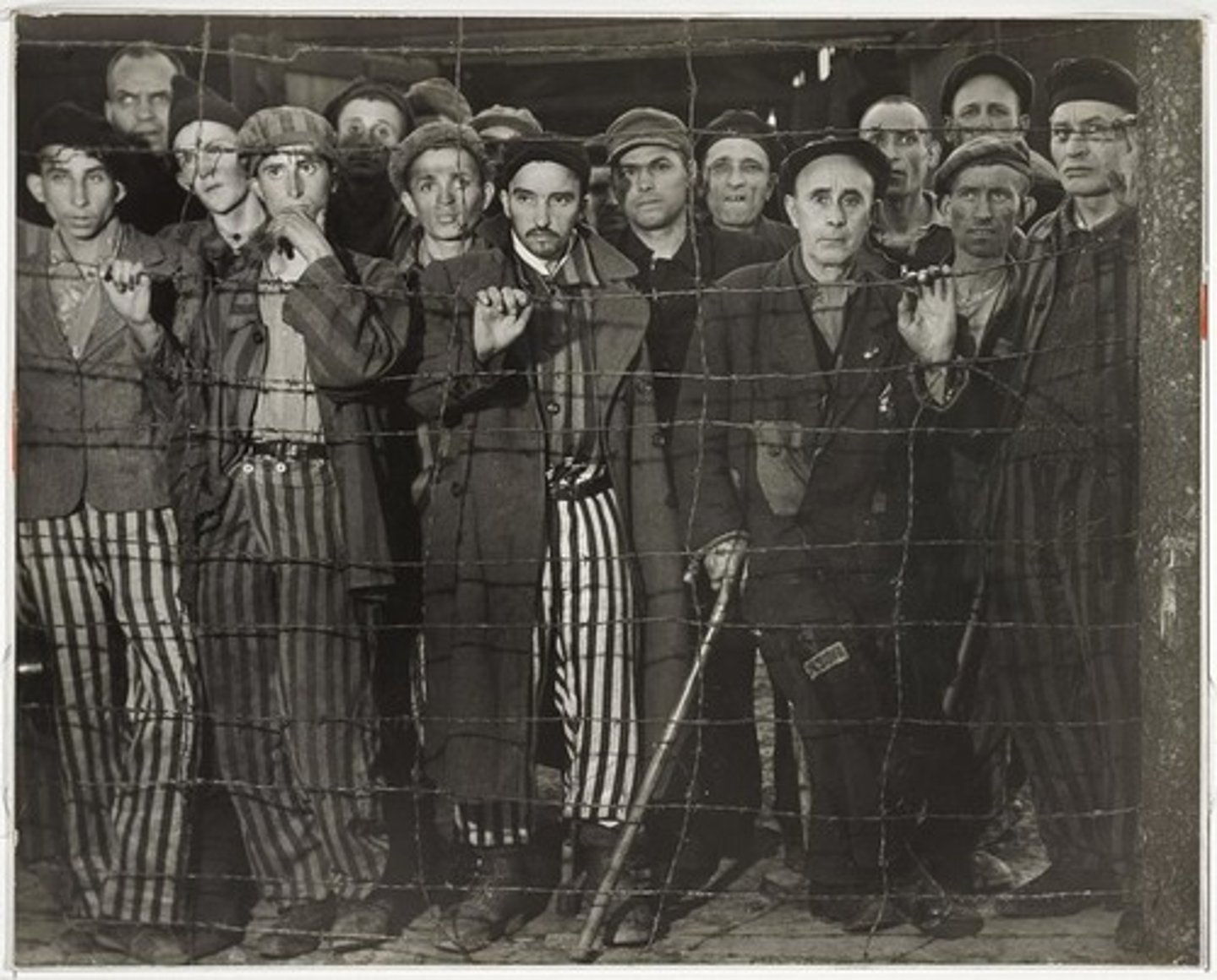
Margaret Bourke-White: The Living Dead at Buchenwald
Photography
Michael Graves: Humana Building
Postmodern Architecture

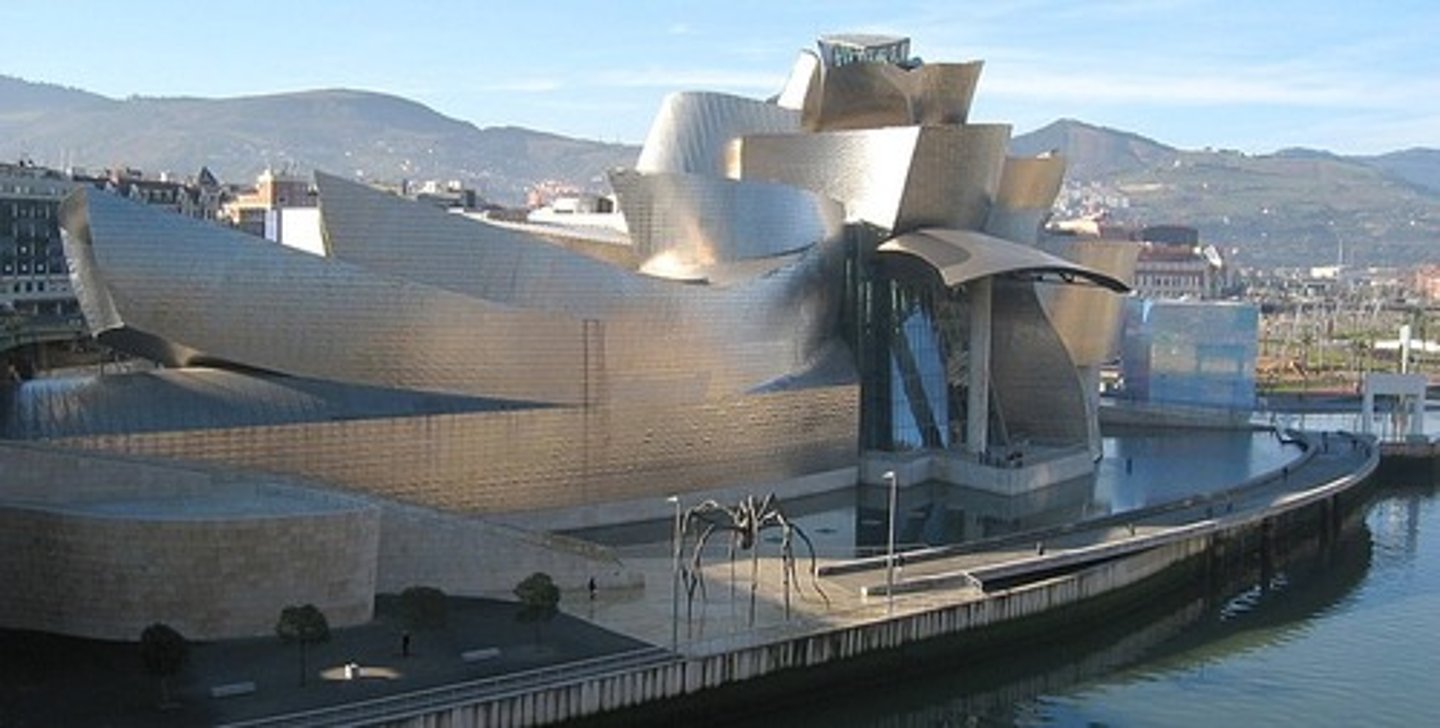
Frank Gehry: Guggenheim Museum, Bilbao, Spain
Postmodern Architecture
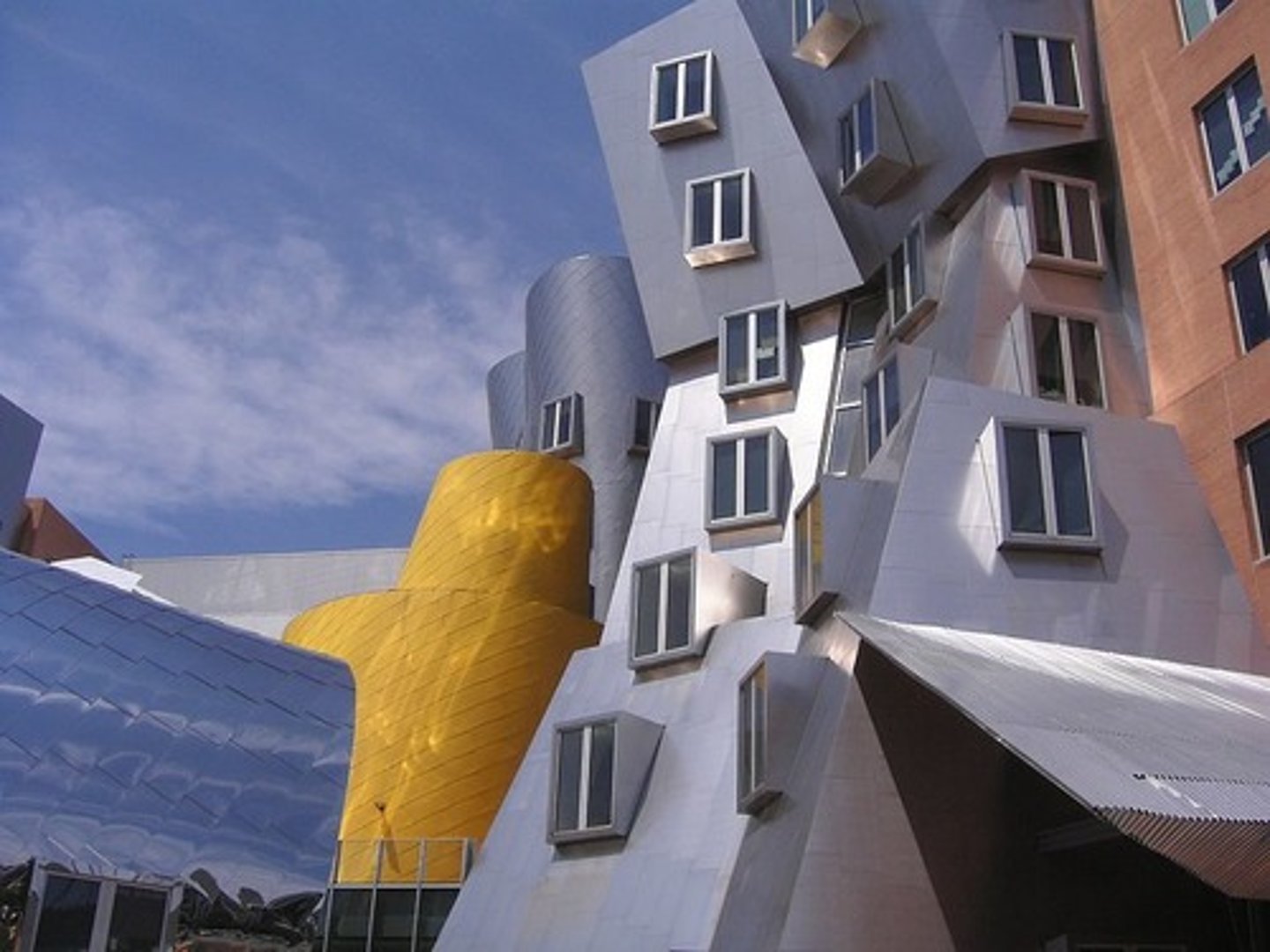
Frank Gehry: Stata Center
Postmodern Architecture
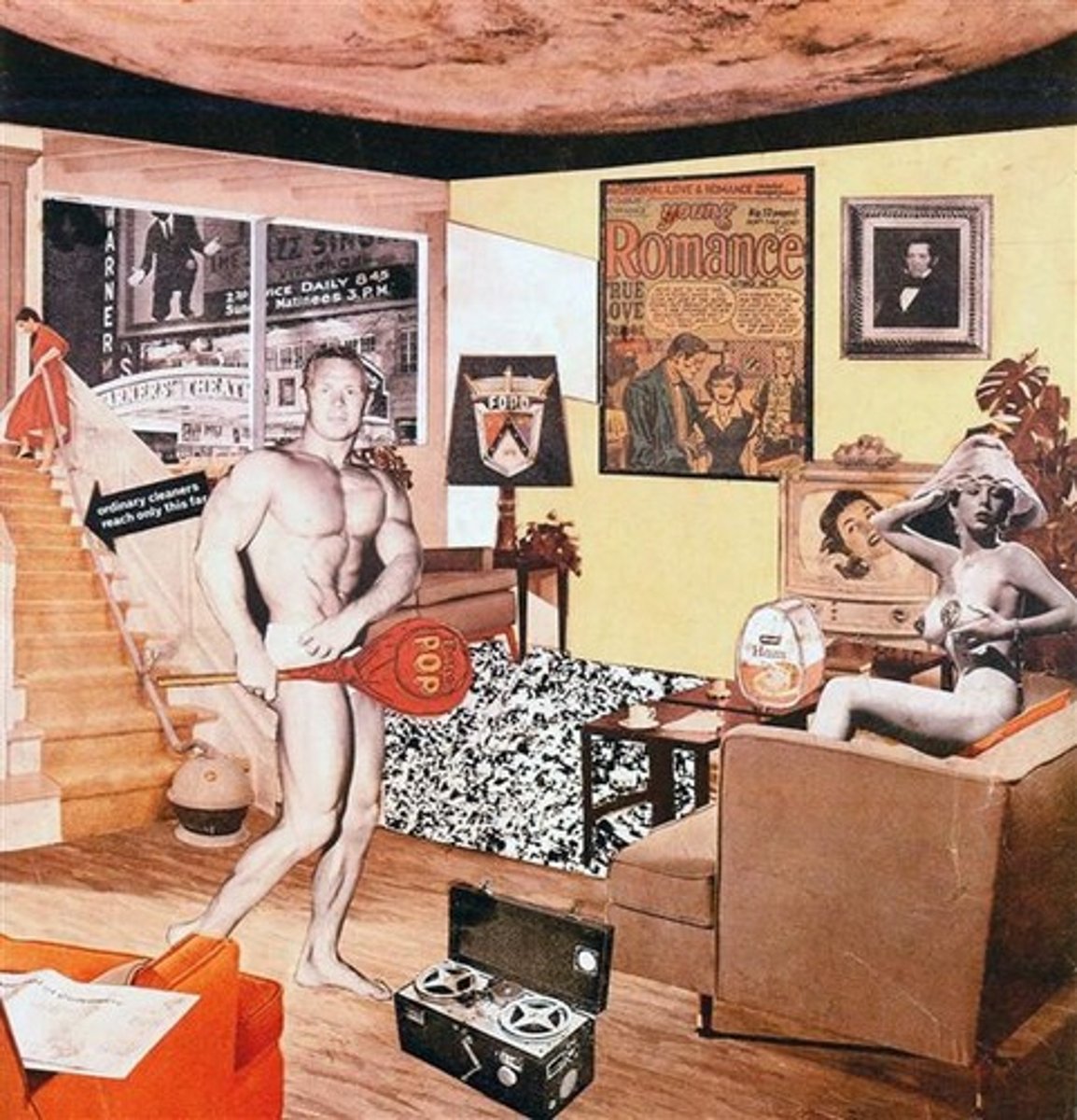
Richard Hamilton: Just What Is It that Makes Today's Homes So Different, So Appealing?
Pop Art
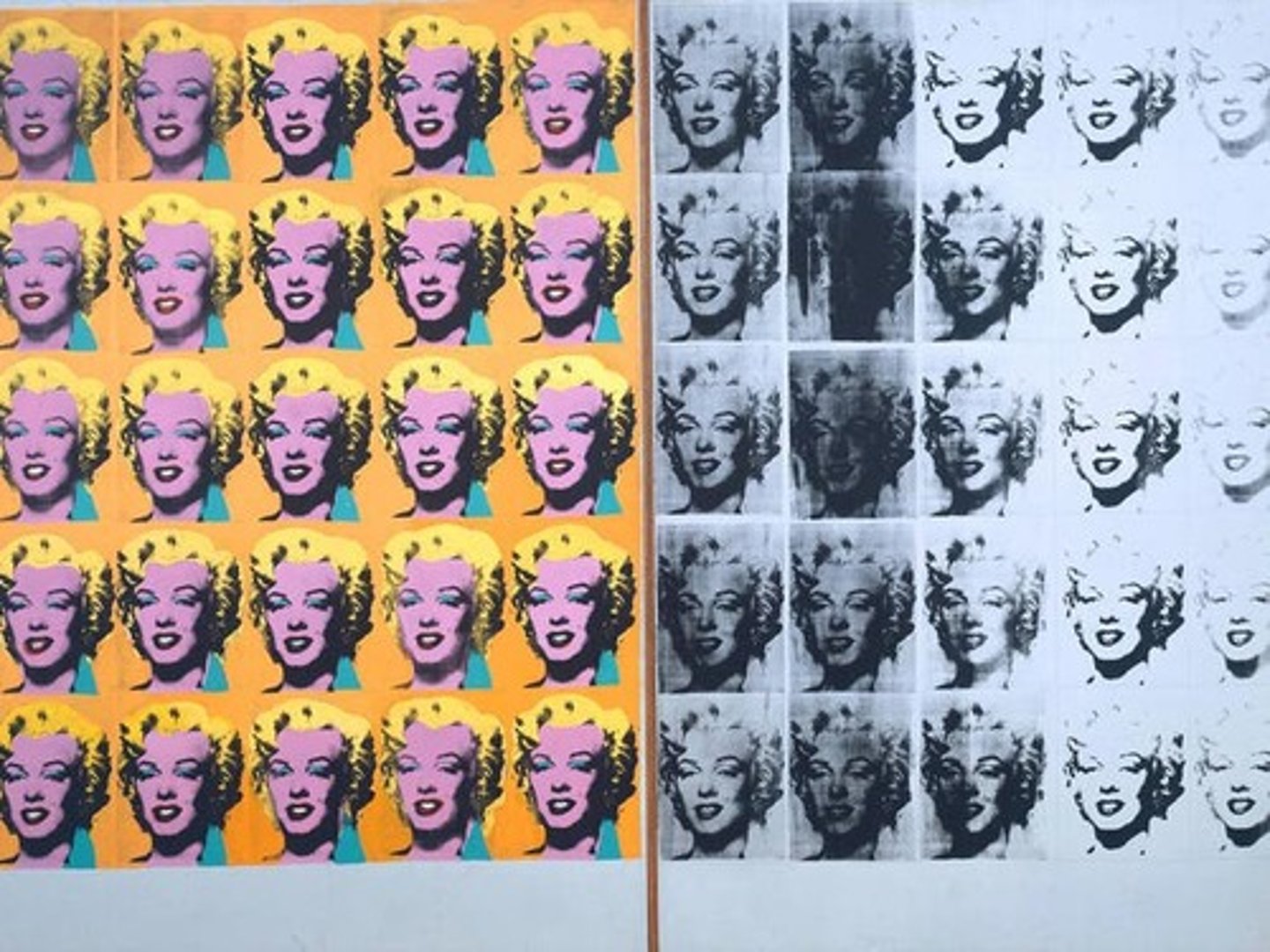
Andy Warhol: Marilyn Diptych
Pop Art
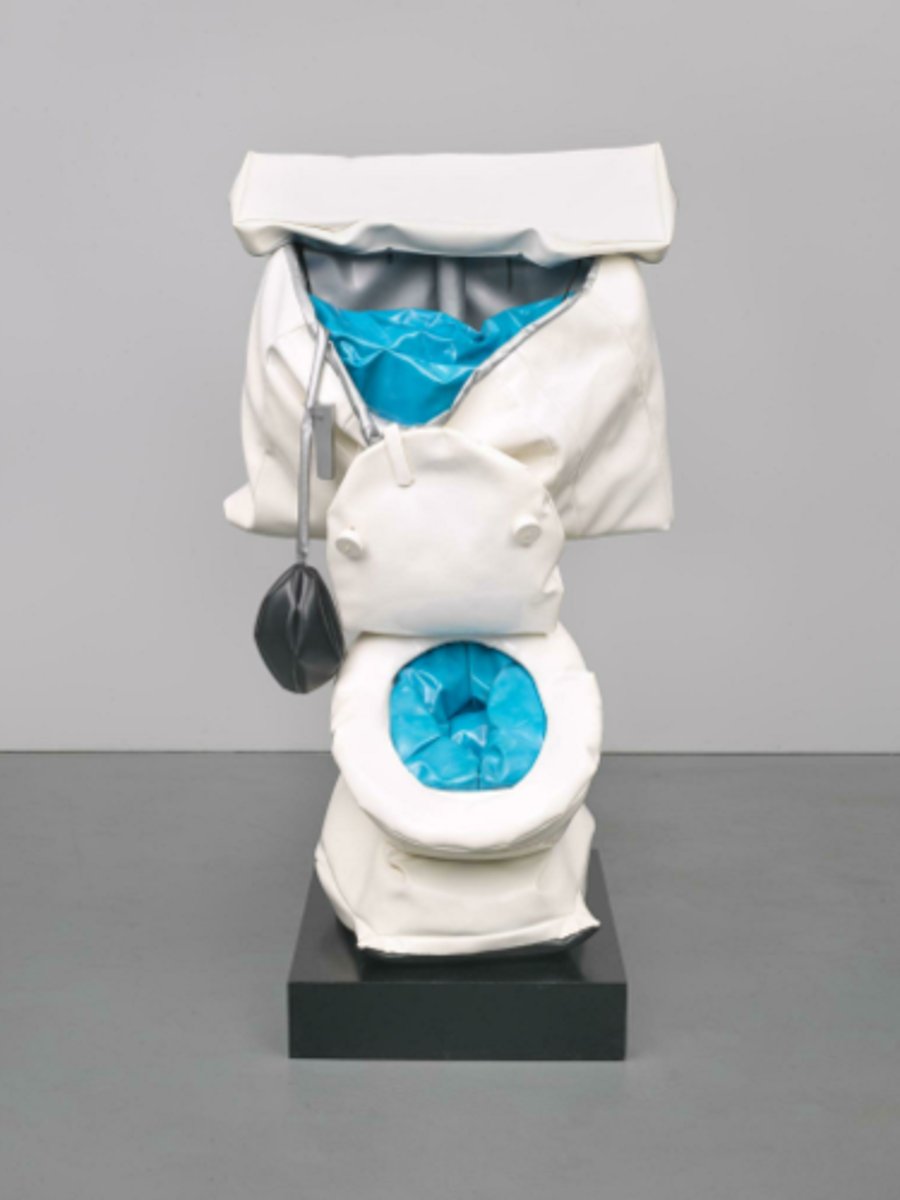
Claes Oldenburg: Soft Toilet
Pop Art
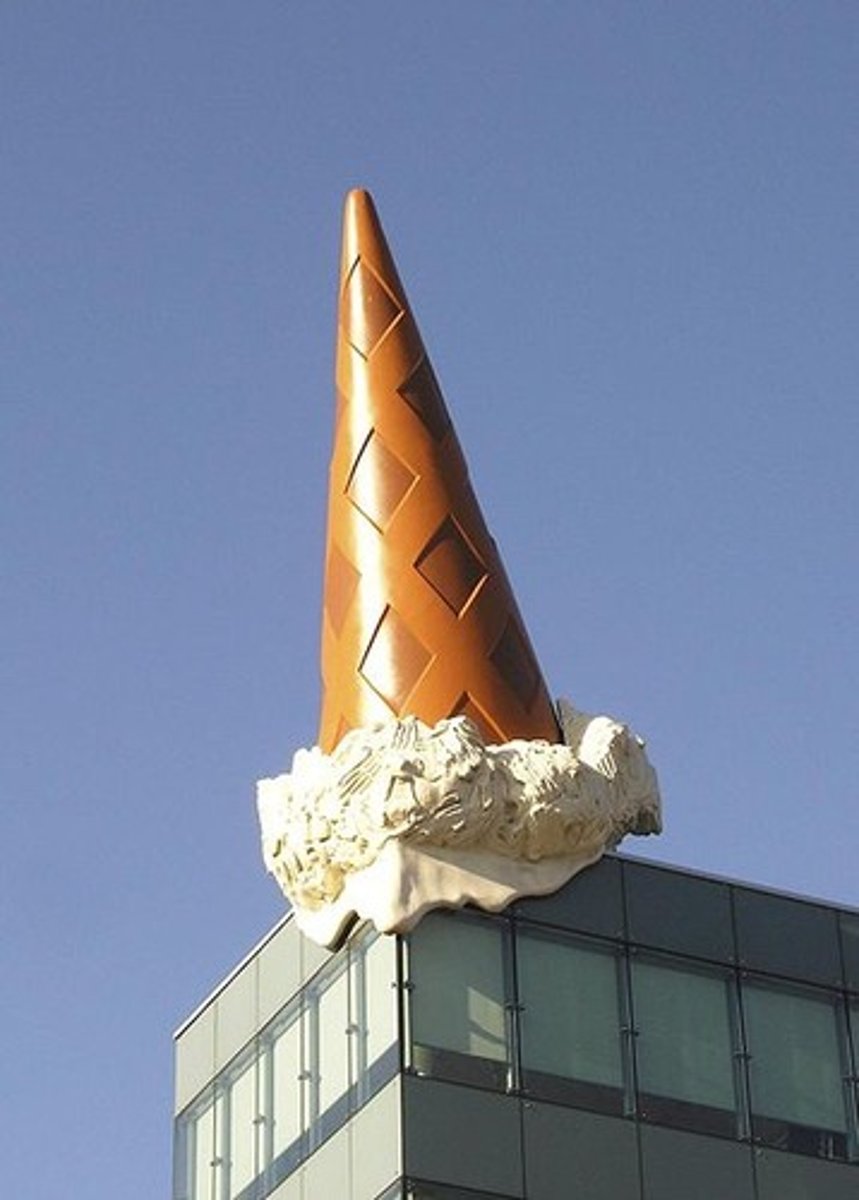
Claes Oldenburg: Dropped Cone
Pop Art
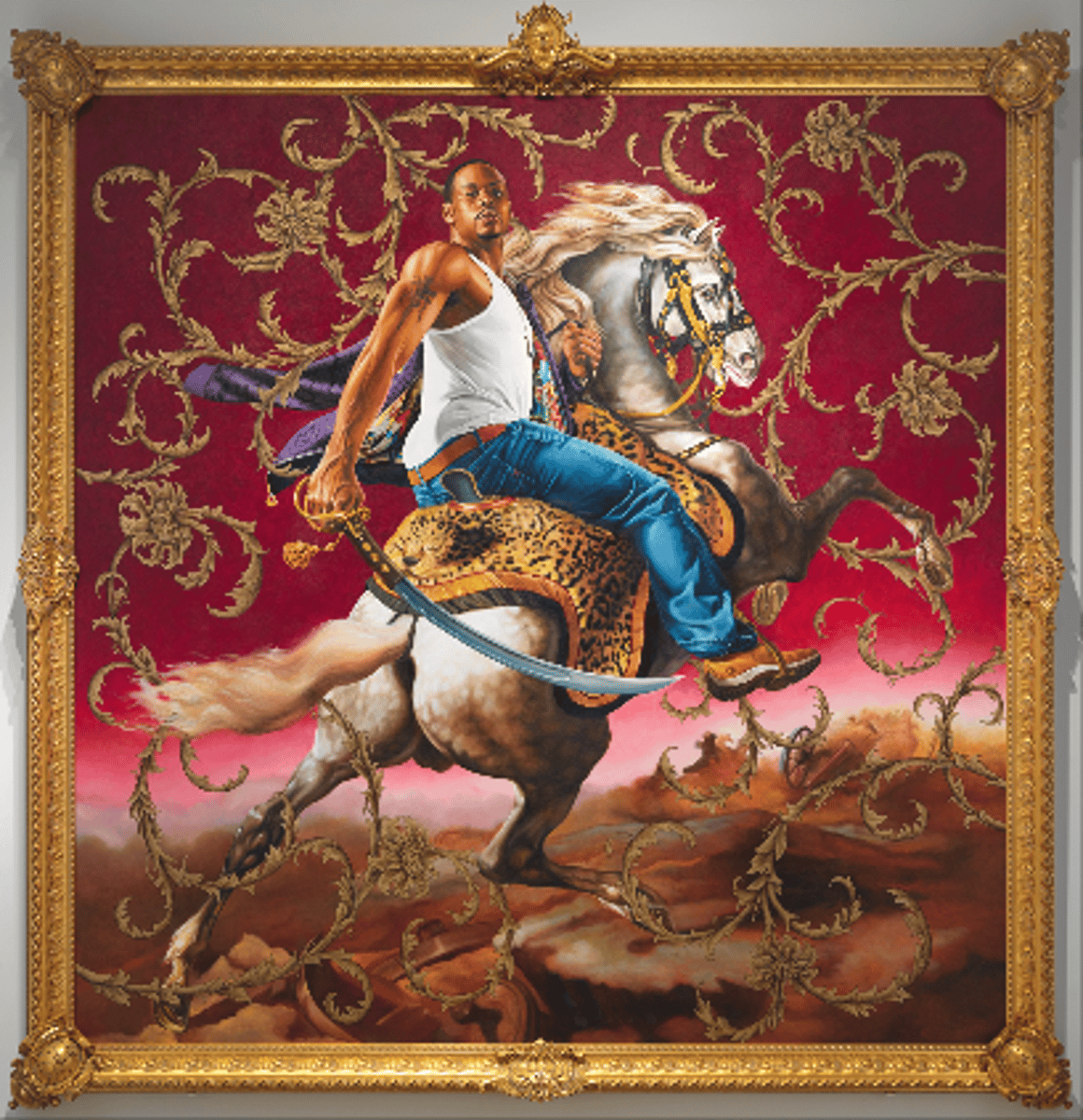
Kehinde Wiley: Officer of the Hussars
Postmodern Art
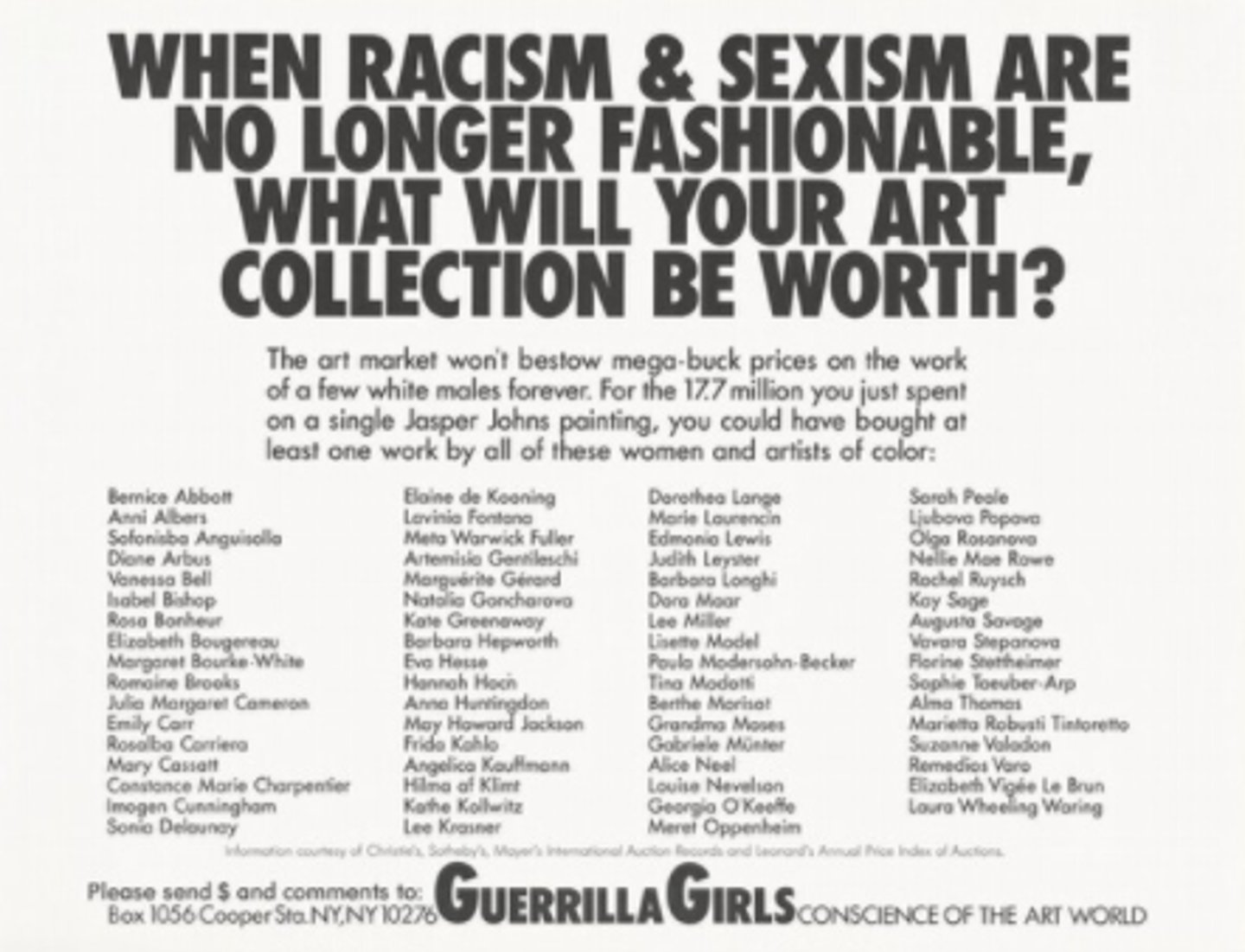
Guerilla Girls: When Racism and Sexism Are No Longer Fashionable, What Will Your Art Collection Be Worth?
Postmodern Art
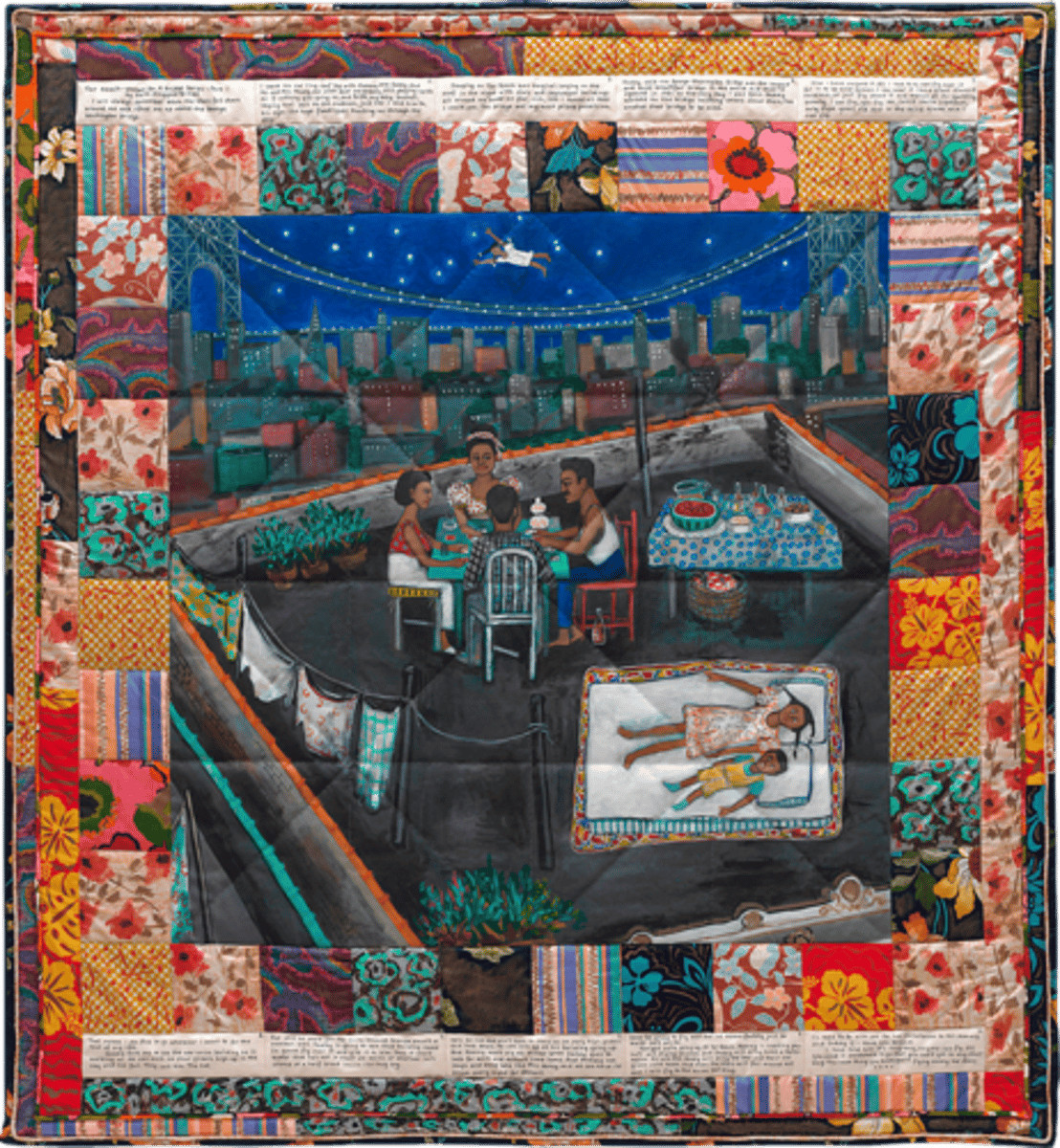
Faith Ringgold: Tar Beach #1
Postmodern Art
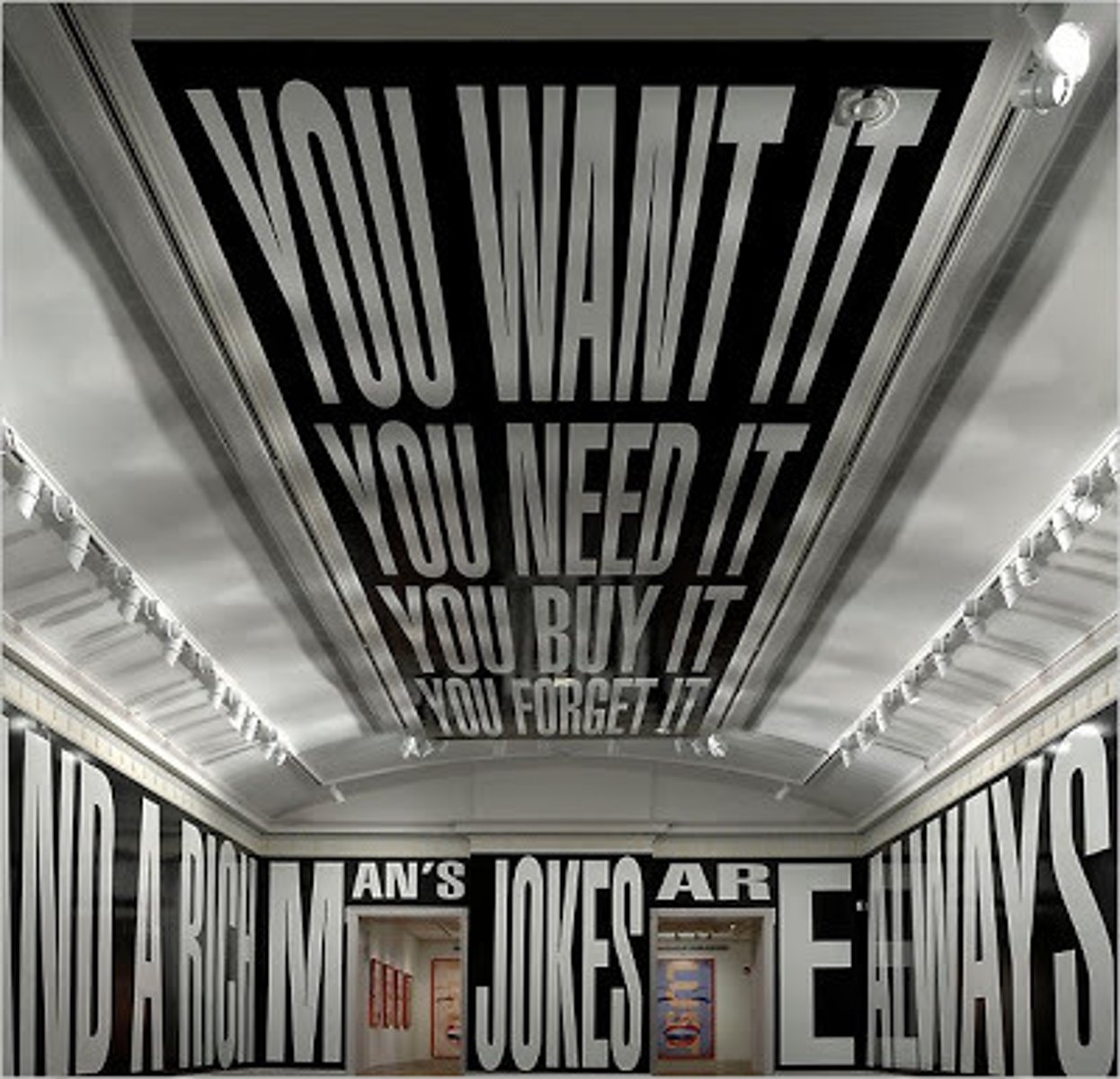
Barbara Kruger: Untitled
Postmodern Art
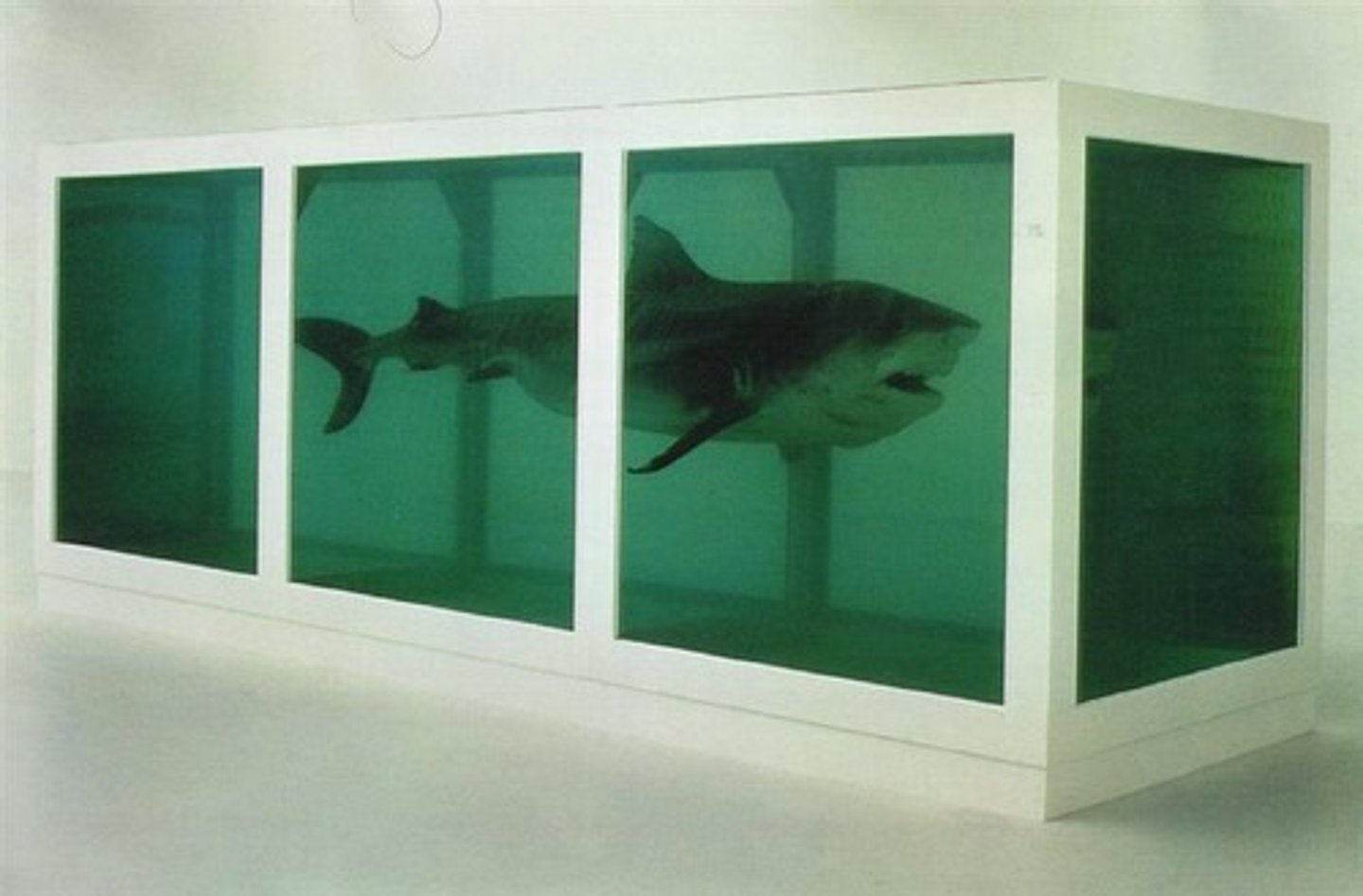
Damien Hirst: The Physical Impossibility of Death in the Mind of Someone Living
Postmodern Art
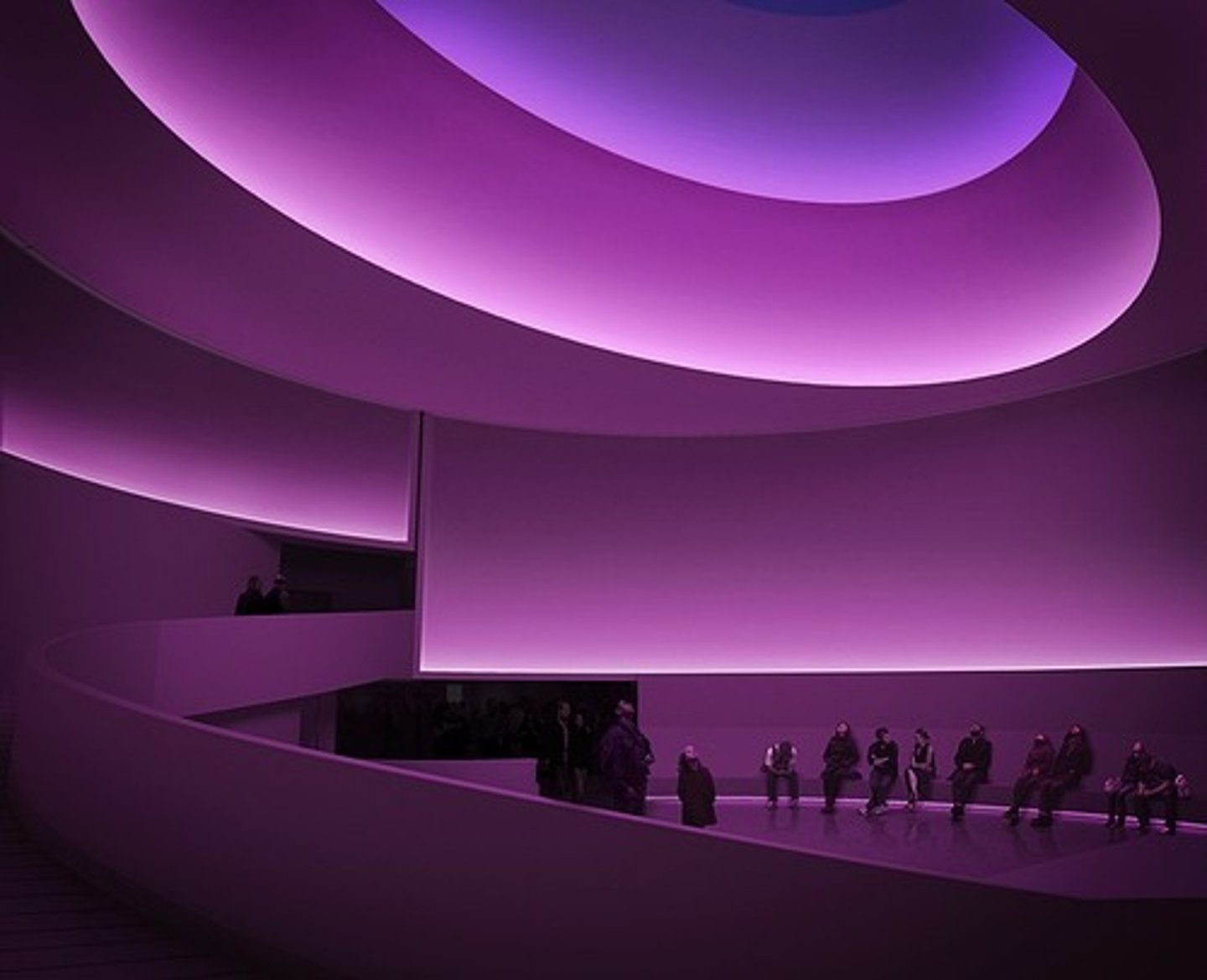
James Turrell: Aten Reign
Postmodern Art
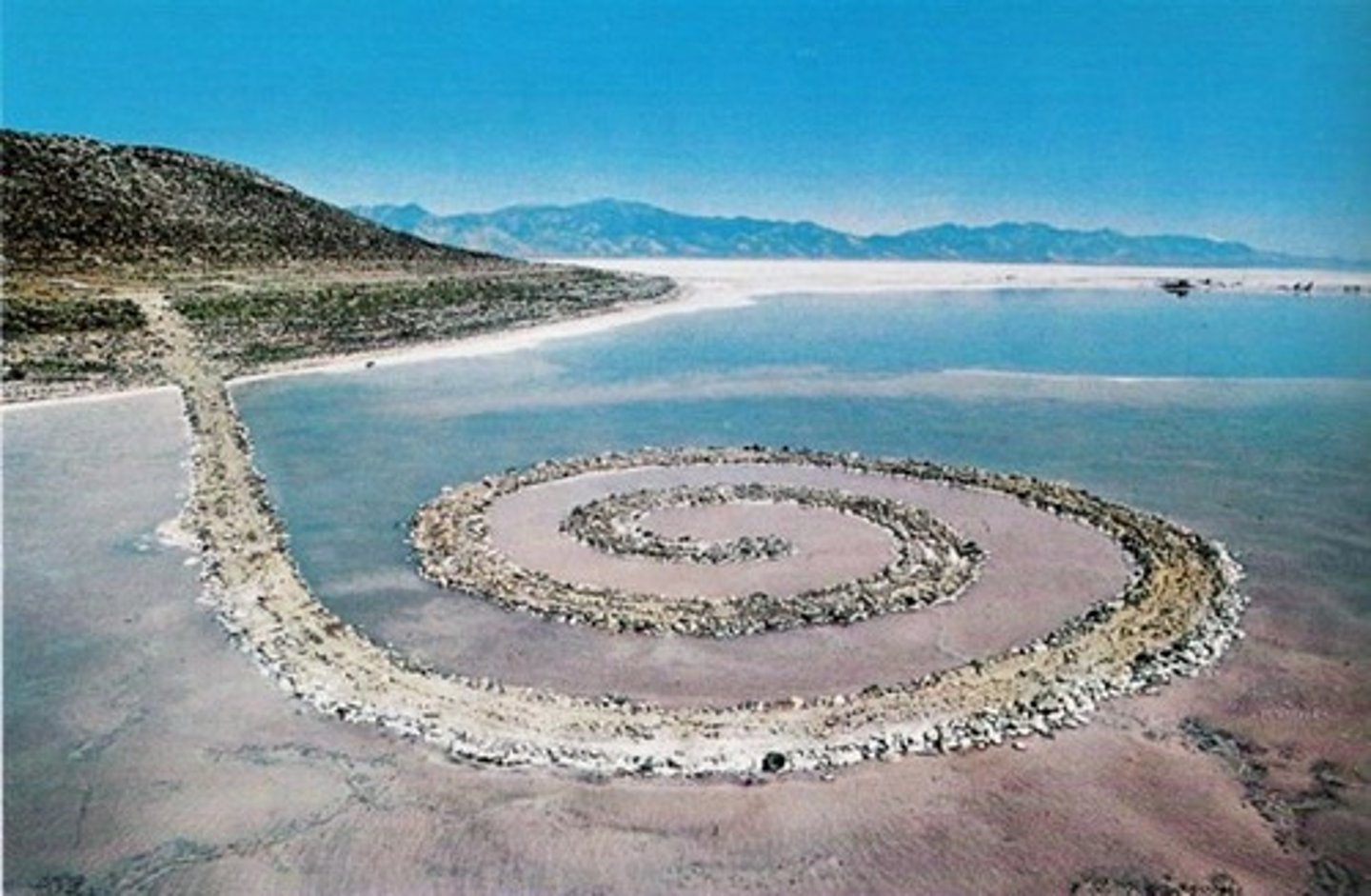
Robert Smithson: Spiral Jetty
Postmodern Art
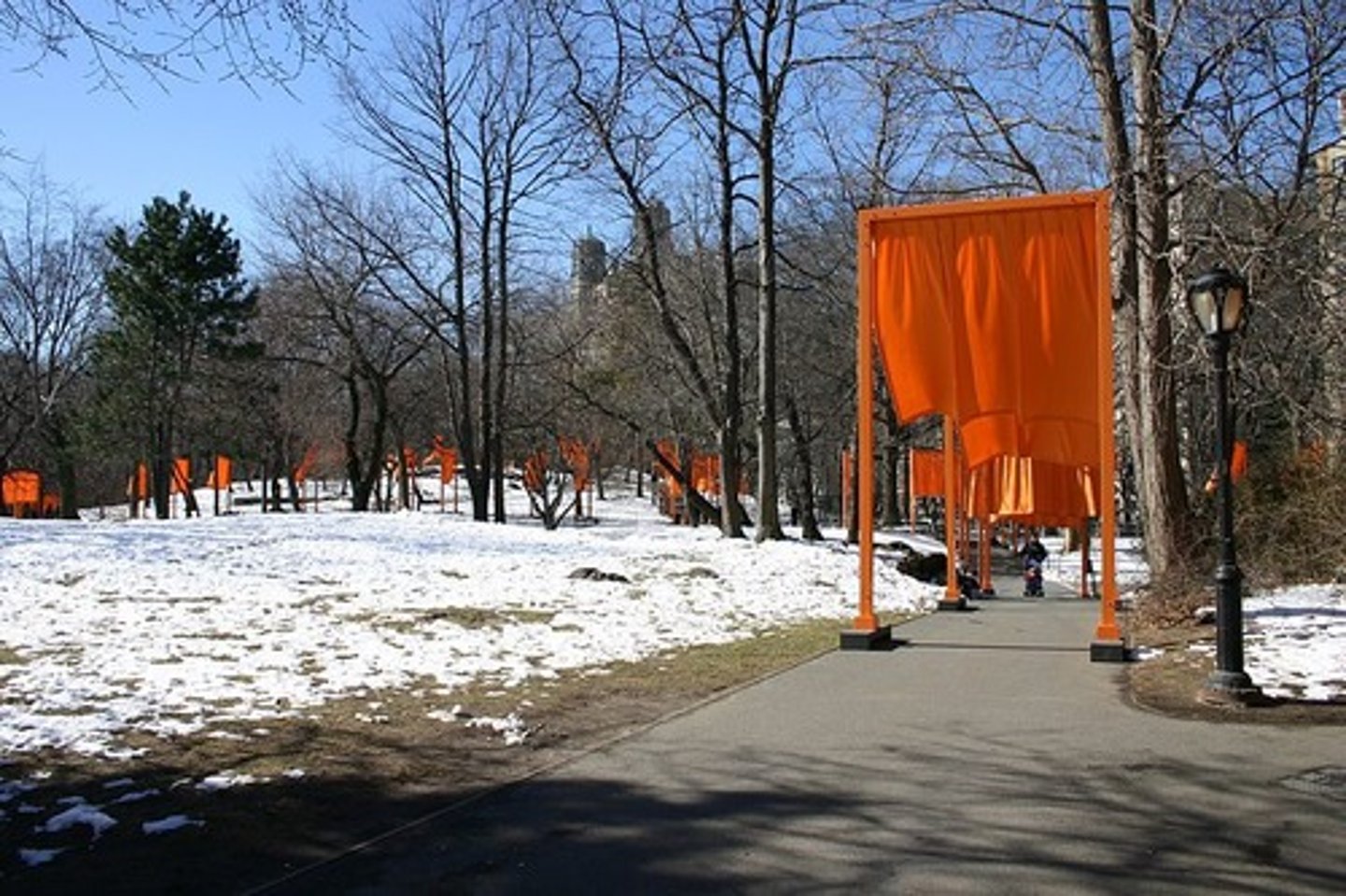
Christo and Jeanne-Claude: The Gates
Postmodern Art
The shift in turn-of-the-century art from naturalism to expressionism and abstraction
During the late 19th and early 20th centuries, artists moved away from naturalism, which emphasized realistic representations of the visible world, toward expressionism and abstraction. Expressionist artists focused on conveying emotions, psychological experiences, and subjective perspectives rather than objective reality. Abstract artists went further by reducing or eliminating recognizable subjects altogether, using color, line, shape, and form to communicate ideas and feelings. This shift reflected broader cultural changes brought about by industrialization, urbanization, scientific discoveries, and growing dissatisfaction with traditional artistic conventions.
Transition to modern sculpture (Rodin)
Auguste Rodin helped bridge traditional and modern sculpture. While his figures remained recognizable and realistic, he emphasized movement, emotion, texture, and psychological depth rather than idealized perfection. Works such as The Thinker and The Burghers of Calais challenged classical conventions and influenced later modern sculptors.
Fauvism (Matisse)
Fauvism was an early modern art movement characterized by bold, non-naturalistic colors, simplified forms, and emotional expression. Led by Henri Matisse, Fauvist artists used color for expressive purposes rather than realistic representation. The movement emphasized visual impact and emotional response over accuracy.
Expressionism (Munch, Kandinsky, Kollwitz)
Expressionism focused on conveying inner emotions, psychological experiences, and spiritual truths rather than objective reality. Edvard Munch explored anxiety and alienation in works such as The Scream. Wassily Kandinsky moved Expressionism toward abstraction, believing colors and forms could communicate spiritual meaning. Käthe Kollwitz used expressive imagery to portray poverty, suffering, war, and social injustice.
Cubism (Picasso, Braque)
Cubism, developed by Pablo Picasso and Georges Braque, rejected traditional perspective by breaking objects into geometric shapes and showing multiple viewpoints simultaneously. Cubism challenged conventional ideas of representation and became one of the most influential movements of modern art. Its two major phases were Analytic Cubism, which fragmented objects into complex geometric forms, and Synthetic Cubism, which used brighter colors, simpler forms, and techniques such as collage.
Literature: the changing role of women as expressed in the works of Ibsen and Chopin
Both Henrik Ibsen and Kate Chopin challenged traditional expectations for women and explored themes of female independence and self-discovery. In A Doll's House, Ibsen's protagonist Nora rejects the restrictive roles of wife and mother to seek her own identity. In The Awakening, Chopin's Edna Pontellier struggles against social conventions and pursues personal freedom. Together, these works reflect growing debates about gender roles, individual autonomy, and women's rights at the turn of the twentieth century.
Eiffel Tower
The Eiffel Tower was completed in 1889 for the Paris World's Fair and became a symbol of modern engineering and industrial progress. Constructed primarily of iron, it demonstrated the strength and versatility of metal construction, challenging traditional architectural ideas about what buildings and structures could look like. At over 1,000 feet tall, it was the tallest man-made structure in the world at the time.
Crystal Palace
The Crystal Palace was built for the Great Exhibition of 1851 and showcased the possibilities of industrial-age architecture. Designed by Joseph Paxton, it used prefabricated cast iron and glass components that could be assembled quickly and efficiently. The building demonstrated how new materials and mass-production techniques could transform architecture.
Wainwright Building
The Wainwright Building, designed by Louis Sullivan and completed in 1891, was one of the first skyscrapers to fully utilize steel-frame construction. Instead of relying on thick masonry walls for support, the steel skeleton carried the building's weight, allowing greater height and larger windows. The Wainwright Building became a model for modern skyscraper design and helped shape the future of urban architecture.
Late Romantic Music (Bizet and Tchaikovsky)
Late Romantic music emphasized emotional expression, dramatic storytelling, rich orchestration, and memorable melodies. Georges Bizet is best known for Carmen, which combined vivid characters and expressive music. Pyotr Ilyich Tchaikovsky exemplified Romanticism through emotionally powerful works such as Swan Lake, The Nutcracker, and his symphonies. Their music remained firmly tonal and focused on conveying strong feelings.
Transitional Style (Mahler)
Gustav Mahler served as a bridge between Romanticism and Modernism. His symphonies expanded the size and scope of orchestral music while exploring deeper psychological and philosophical themes. Although rooted in Romantic traditions, Mahler's complex harmonies, unconventional structures, and emotional intensity anticipated many developments in twentieth-century music.
Impressionist-Influenced Style (Debussy)
Claude Debussy developed a style often associated with musical Impressionism. Rather than emphasizing dramatic narratives, Debussy focused on atmosphere, mood, and tone color. He used innovative harmonies, unusual scales, and subtle orchestral textures to create musical "impressions" similar to those created by Impressionist painters. His music marked a departure from traditional Romantic forms and conventions.
Modern Music (Stravinsky and Schönberg)
Early modern music challenged traditional ideas about melody, harmony, and rhythm. Igor Stravinsky revolutionized music through powerful rhythms, unexpected accents, and dissonant harmonies, particularly in The Rite of Spring. Arnold Schoenberg pushed music further by developing atonality (music without a tonal center) and advocating the emancipation of dissonance, the idea that dissonant sounds no longer needed to resolve. He also employed Sprechstimme, a vocal style that blends speaking and singing. Together, these composers helped define musical modernism.
analytic Cubism
The early phase of Cubism(1909-1912), during which objects were dissected or analyzed in a visual information-gathering process and then reconstructed on the canvas.
Synthetic Cubism
The second phase of Cubism, which emphasized the form of the object and constructing rather than disintegrating that form.
Collage
An assemblage of two-dimensional objects to create an image; a work of art in which materials such as paper, cloth, and wood are pasted to a two-dimensional surface, such as a wooden panel or canvas.
atonal
Referring to music that does not conform to the tonal character of European Classical Music
Sprechstimme
Arnold Schonberg’s term for “speaking voice”, that is, speaking words at specific pitches.
Contextual background information about World War I and the Influenza Pandemic
World War I (1914–1918) was a devastating global conflict fought primarily between the Allied and Central Powers. New technologies such as machine guns, poison gas, tanks, and trench warfare led to unprecedented destruction and loss of life. Shortly afterward, the Influenza Pandemic of 1918–1919 infected roughly one-third of the world's population and killed millions. Together, the war and pandemic shattered confidence in progress, reason, and traditional values, contributing to widespread disillusionment that influenced Modernist art, literature, music, and philosophy.
ackground, plot, characters, themes, symbols within Franz Kafka's work Metamorphosis
The Metamorphosis (1915) tells the story of Gregor Samsa, a traveling salesman who awakens one morning transformed into a giant insect. Important characters include Gregor, his sister Grete, and his parents. The novella explores themes of alienation, isolation, identity, family obligation, guilt, and dehumanization. Gregor's transformation symbolizes the way individuals can become disconnected from society and valued only for their usefulness. His room represents isolation, while the family's growing rejection of him reveals the fragility of human relationships.
Freud's concept of the three-part psyche (id, ego, superego)
According to Sigmund Freud, the human psyche consists of three interacting parts. The id operates on the pleasure principle and seeks immediate satisfaction of instinctual desires. The ego operates on the reality principle, balancing the demands of the id with the realities of everyday life. The superego represents moral values, social rules, and conscience. Freud believed that much of human behavior results from the tension and interaction among these three components.
Surrealism in the works of Dali, Miro, and Kahlo
Surrealism sought to explore dreams, the unconscious mind, and hidden psychological realities, drawing heavily on Freud's theories. Salvador Dalí created highly detailed dreamlike scenes filled with bizarre imagery. Joan Miró used abstract symbols and playful forms inspired by the subconscious. Frida Kahlo incorporated symbolic and surreal elements to explore identity, suffering, and personal experience. Although their styles differed, all three artists used unconventional imagery to reveal realities beyond ordinary perception.
The Dadaist movement and the works of Duchamp
Dadaism was an anti-art movement that emerged during World War I as a reaction against the violence, irrationality, and values that many believed had led to the war. Dada artists embraced absurdity, chance, humor, and provocation to challenge traditional definitions of art. Marcel Duchamp became the movement's most influential figure through his "readymades," especially Fountain, a urinal presented as art. Duchamp argued that artistic meaning comes from the artist's choice and context rather than technical skill or beauty.
Literary modernism in the works of Yeats (know his poem The Second Coming), Stein, Joyce, and Kafka
Literary Modernism emerged in response to the social upheaval of the early twentieth century and rejected many traditional literary forms. William Butler Yeats expressed postwar chaos and uncertainty in The Second Coming, famously declaring that "Things fall apart; the centre cannot hold." Gertrude Stein experimented with language and repetition, while James Joyce pioneered stream-of-consciousness writing to portray inner thought. Franz Kafka explored alienation, anxiety, and the individual's struggle against incomprehensible systems. Together, these writers challenged conventional storytelling and reflected the fragmented nature of modern life.
Modern architecture of Walter Gropius and Frank Lloyd Wright
Modern architecture emphasized function, simplicity, and new building technologies. Walter Gropius, founder of the Bauhaus, advocated minimalist designs that integrated art, technology, and industrial production through the use of steel, glass, and concrete. Frank Lloyd Wright developed organic architecture, designing buildings that harmonized with their natural surroundings. Together, they helped define modern architecture by rejecting excessive ornamentation and emphasizing functionality and innovative design.
Abstract vs. figurative art in the works of European artists Picasso, Mondrian, and Brancusi
European modern artists increasingly moved toward abstraction, abandoning realistic representation in favor of simplified forms, geometry, and conceptual ideas. Pablo Picasso fragmented objects into geometric shapes through Cubism, challenging traditional perspective. Piet Mondrian pushed abstraction further by using only straight lines, geometric grids, and primary colors to express universal harmony. Constantin Brancusi simplified natural forms into smooth, abstract shapes that captured the essence of a subject rather than its realistic appearance. Together, these artists demonstrate Europe's strong embrace of abstraction as a defining feature of modern art.
Figurative art in the works of American artists O'Keeffe, Wood, and Hopper
While many European artists pursued abstraction, several important American artists remained largely figurative, meaning their works depicted recognizable people, places, and objects. Georgia O'Keeffe simplified and enlarged natural forms such as flowers and landscapes while maintaining recognizable subjects. Grant Wood celebrated rural American life through realistic works such as American Gothic. Edward Hopper portrayed everyday urban and rural scenes, often emphasizing loneliness and isolation. Although modern in theme and style, these artists generally maintained a connection to observable reality rather than pursuing pure abstraction.
Joyce’s Idea of “epiphany”
a character experiences a sudden, clear moment of insight or realization, often triggered by an ordinary event or detail. This moment reveals a deeper truth about life, identity, or their situation. Joyce uses epiphanies to show how meaning can emerge unexpectedly from everyday experiences, especially in works like Dubliners.
Joyce’s idea of “stream of consciousness”
A literary technique that captures the continuous flow of a character’s thoughts, feelings, memories, and impressions as they naturally occur, often without clear structure or traditional narration. It aims to show how the mind actually works, jumping between ideas and sensations. Often associated with Ulysses.
Kafkaesque
a situation that feels confusing, absurd, oppressive, or nightmarishly bureaucratic, often where individuals feel powerless against complicated systems.
nonobjective art
Referring to art that does not represent or intend to represent any natural or actual object, figure, or scene.
Armory Show
a landmark American art exhibition held in 1913 that introduced many Americans to modern art movements such as Cubism, Fauvism, and Futurism. It shocked audiences with unconventional styles and helped transform American views on art, making modernism more widely known in the United States.
psychoanalysis
Sigmund Freud’s theory of personality, which assumes the presence of unconscious conflict and the mental structures of the id, ego, and superego
the unconscious
A concept (especially associated with Sigmund Freud) referring to the part of the mind outside conscious awareness that contains hidden desires, memories, fears, and impulses, which can influence thoughts and behavior without a person realizing it. In modern humanities contexts, it often explains hidden motivations in literature, art, and human behavior.
manifest vs. latent meaning
Manifest learning: Explicit, intentional, directly taught knowledge or skills.
Latent learning: Hidden or indirect learning gained through experience, observation, or unspoken messages.
Illusionistic Surrealism
A form of Surrealism that renders the irrational content, absurd juxtapositions, and changing forms of dreams in a manner that blurs the distinctions between the real and the imaginary
Automatist Surrealism
A form of Surrealism in which the artist or writer freely associates to the task at hand in the belief that the work is being produced by the unconscious mind.
De Stijl
An early-20th-century art movement that emphasized the use of basic forms, particularly cubes, horizontals, and verticals; also called Neo-Plasticism.
figurative art
Art that represents forms in the real world, especially human and animal forms
Bauhaus
A school of design established in Germany by Walter Gropius based on functionalism and employing techniques and materials used in manufacturing.