cna exam mod 5 body mechanics
 Call Kai
 Learn
Learn Practice Test
 Spaced Repetition
 Match
Match Flashcards
 Knowt Play
1/13

There's no tags or description
Looks like no tags are added yet.
Name | Mastery | Learn | Test | Matching | Spaced | Call with Kai |
|---|
No analytics yet
Send a link to your students to track their progress
14 Terms
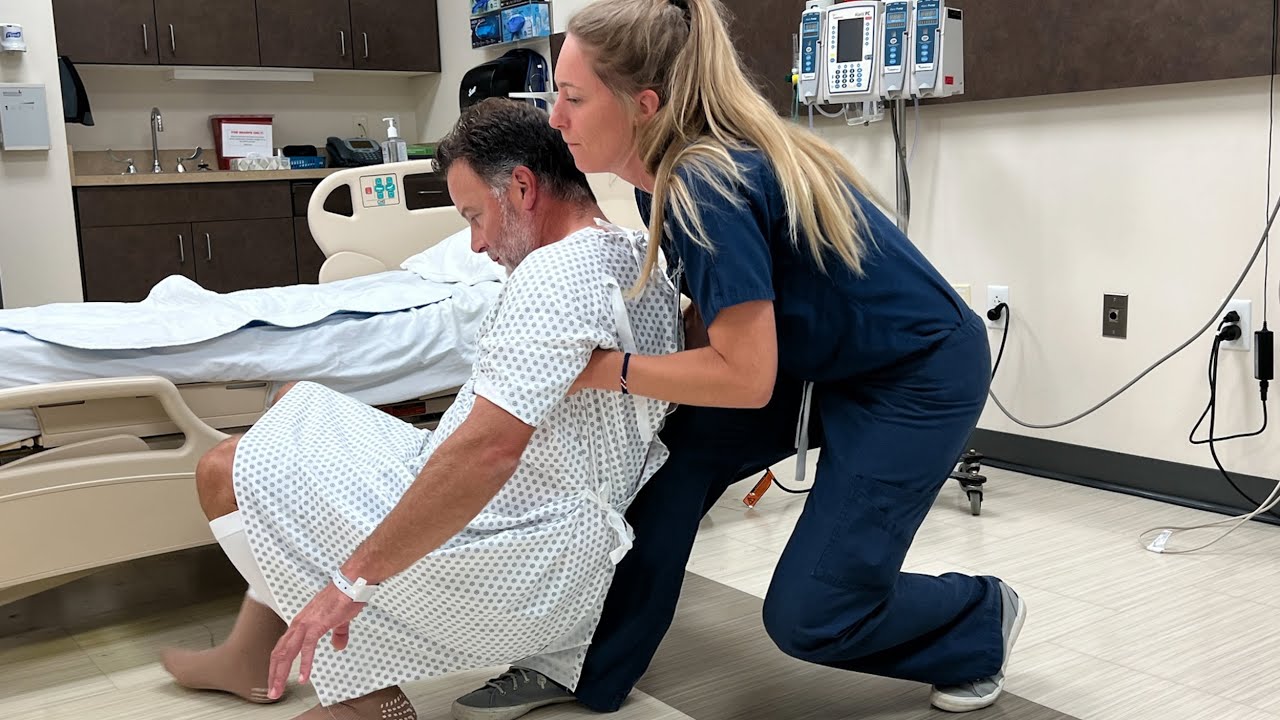
define body mechanics
involve using the body in a safe and efficient way to reduce strain and prevent
injury. Proper techniques ensure both the caregiver and patient remain safe during movement
and transfers
essentials for body mechanics
maintain WIDE BASE of support for stability
bend at hips + knees, NOT THE WAIST when lifting
engage muscles in LEGS
keep the load CLOSE to body to reduce strain
avoid twisting. PIVOT by turning whole body
keep your back straight and slign spine correctly
how often do u reposition patients and why
every two hours to prevent pressure ulcers
what are common techniques for moving patients
moving up in bed: use a draw sheet to reduce friction and ensure proper lifting mechanics
logrolling: move the entire body as a unit to prevent spinal injury
dangle positioning: before standing, help the patient sit at bedside to prevent dizziness
supine position
Lying flat on the back
prone position
Lying on the stomach
used for patients with respiratory conditions
lateral position
Lying on the side
relieves pressure on the back and prevents bedsores.
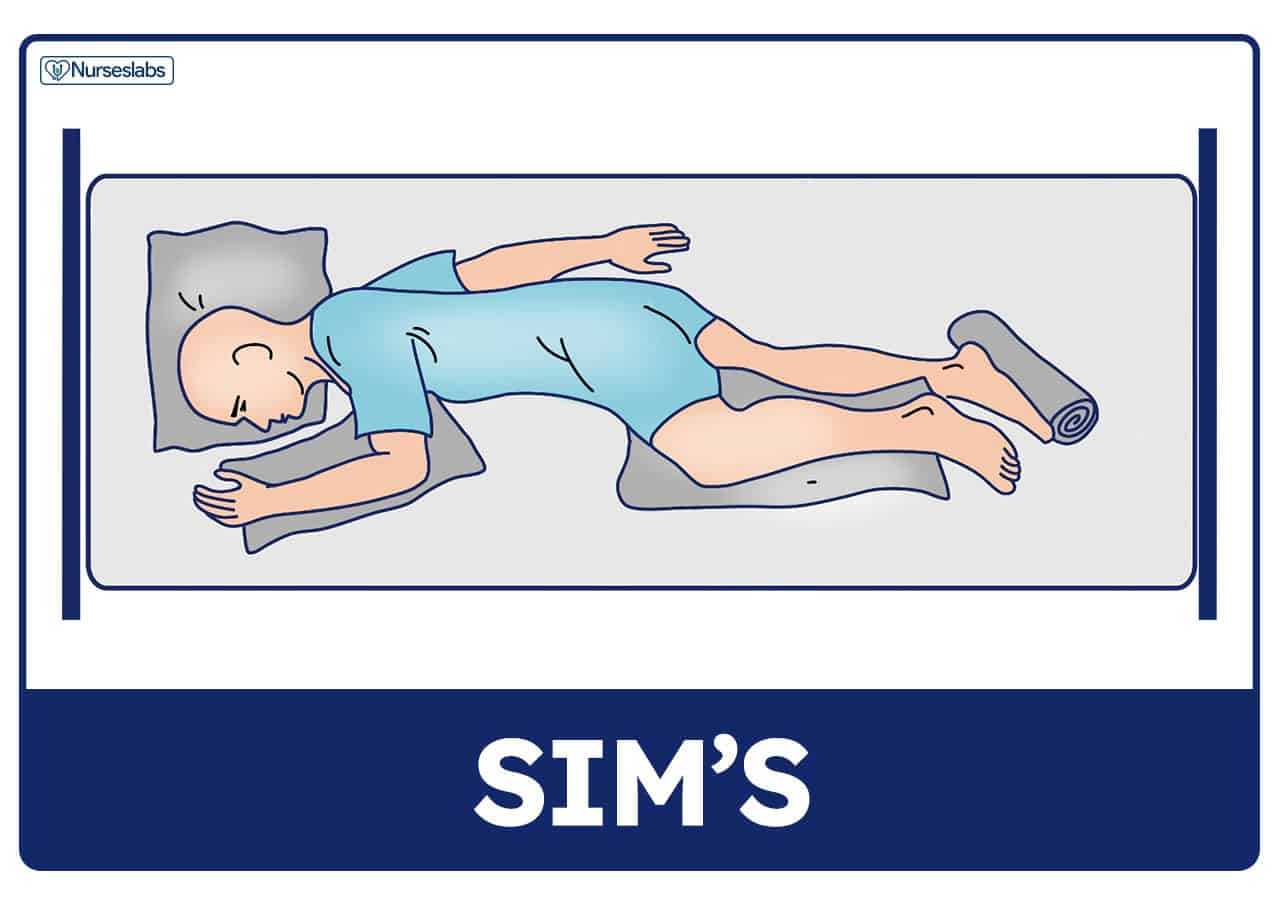
sims position
a variation of lateral, lower arm is extended back, upper arm is flexed. upper leg is bent
for rectal procedures or enemas (procedure where liquid is put into the rectum through the anus to help empty the bowels (poop)
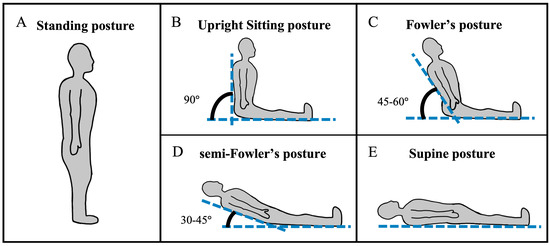
fowlers position + semi fowlers
Sitting upright at a 45-60 degree angle
promotes lung expansion and easier breathing.\
A 30-45 degree incline - often used for feeding or comfort.
trendelenburg + reverese trendelenburg position
Feet elevated higher than the head; used for circulation
issues and shock.
Head elevated higher than the feet; useful for
patients with reflux or breathing difficulties.
what is important to ENSURE for safe transfers
bed and wheelchair brakes are LOCKED
use the patients strong side toward the transfer location
gait belts/ mechanical lifts
non slip footwear
when assiting in resident walking how should u walk with them
walk slightly behind and to the side of the patient for support
if a patient starts to fall…..
gently guide them to the floor while protecting their head , use proper body mechanics (wide stance, bring them close, use legs)