Lit Terms
 Call Kai
 Learn
Learn Practice Test
 Spaced Repetition
 Match
Match Flashcards
 Knowt Play
1/91

There's no tags or description
Looks like no tags are added yet.
Name | Mastery | Learn | Test | Matching | Spaced | Call with Kai |
|---|
No analytics yet
Send a link to your students to track their progress
92 Terms
adjectives
a word used to modify or describe a noun or pronoun, such as "happy," "sad," or "pretty."
The school had musty crusty walls. Musty= the smell of the walls and crusty = the look and feel of the walls. Both have negative connotations
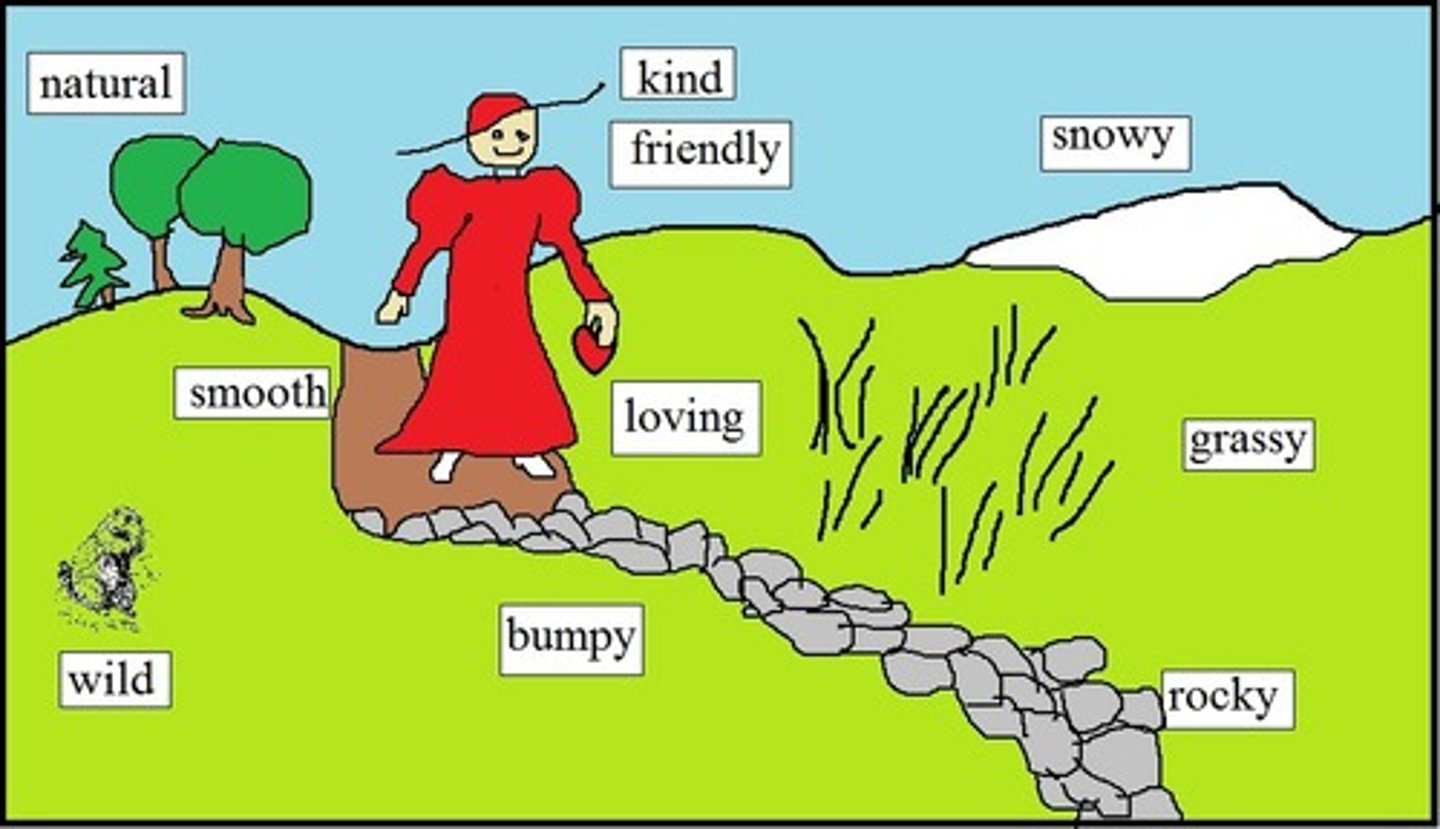
adverbs
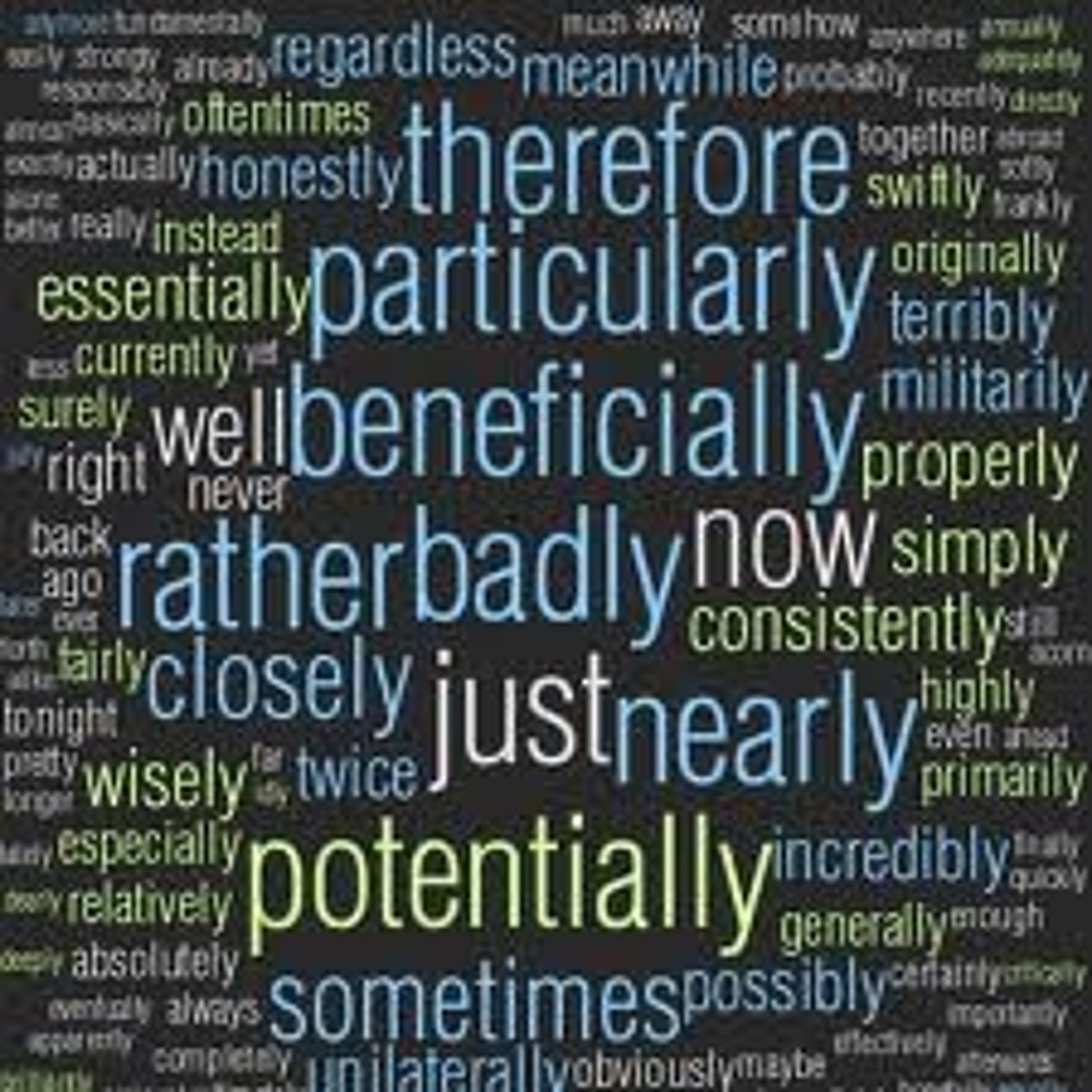
Describe actions (verbs); often end in -ly
rather quickly, very smart, especially difficult, awfully fast
How, where, when, condition, or reason
allusion
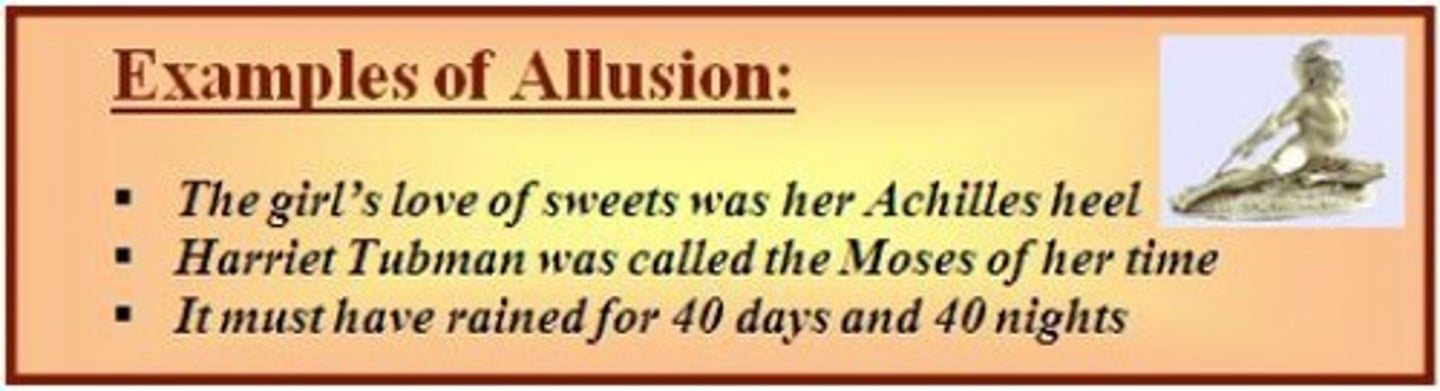
A reference to another work of literature, person, or event.
Very often Biblical, Shakespeare, or popular culture
ambiguity
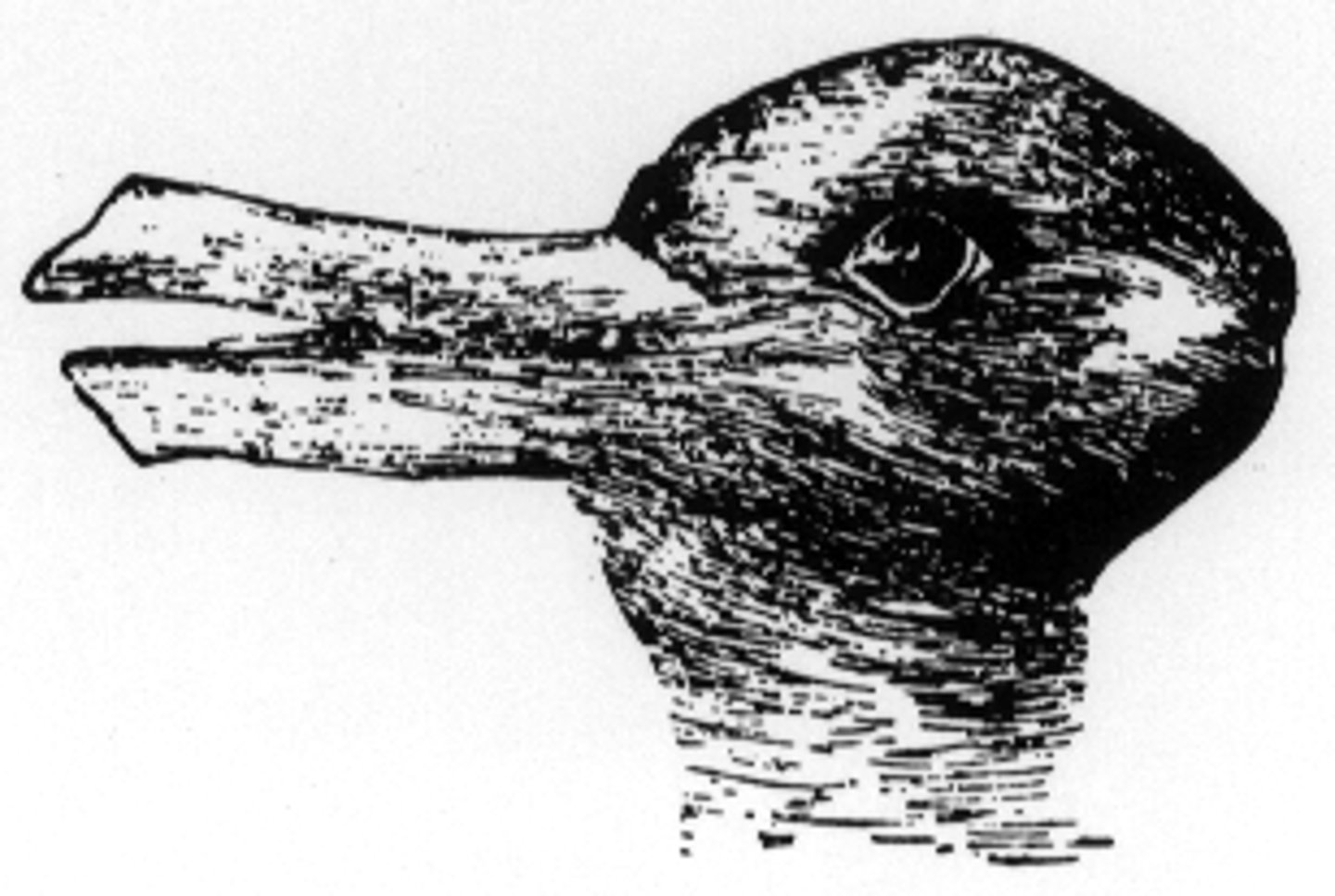
The multiple meanings, either intentional or unintentional, of a word, phrase, sentence, or passage.
You are unsure of something because you do not have enough information to make a precise claim.
analogy
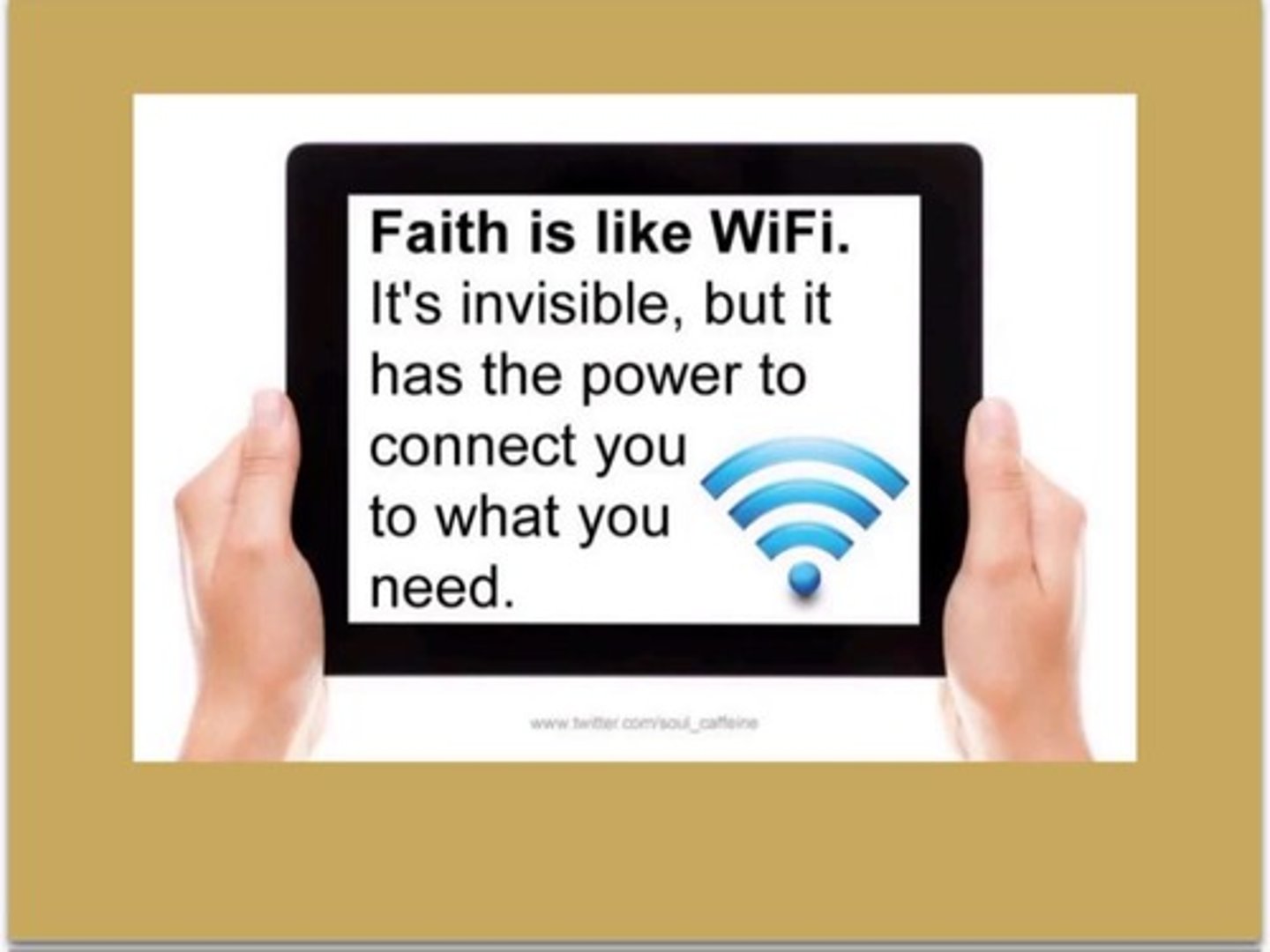
An analogy is a literary device often used in literature and poetry to make connections between familiar and unfamiliar things, suggest a deeper significance, or create imagery in the reader's mind. ... Analogies allow writers to say something in an abstract way, encouraging deeper thought.
Sometimes studying for the AP exam feels like working in a coal mine...in the dark...without any food...or water...for 30 years
analysis
A detailed examination of the elements or structure of something.
Supported by evidence and detailed commentary
antagonist
A character or force in conflict with the main character.
Often "the bad guy" but not always

antecedent
The word, phrase, or clause referred to by a pronoun.
You can't use a pronoun unless you use a noun first. That noun is called the antecedent
Ms. Gluth really plucks my nerves. She is always pushing me to do more. (Ms. Gluth is the antecedent to she)

antithesis
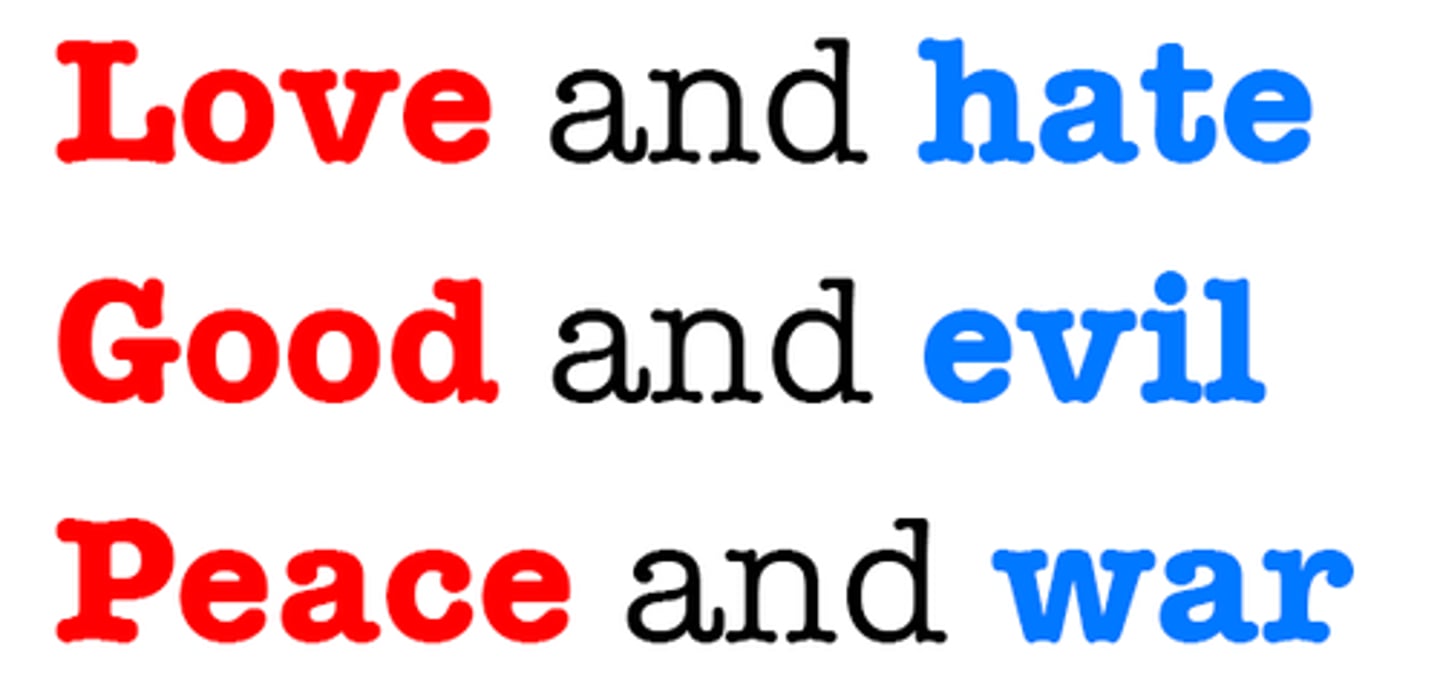
Direct opposite (of statement/idea)
Summer School is the antithesis of graduation
atmosphere
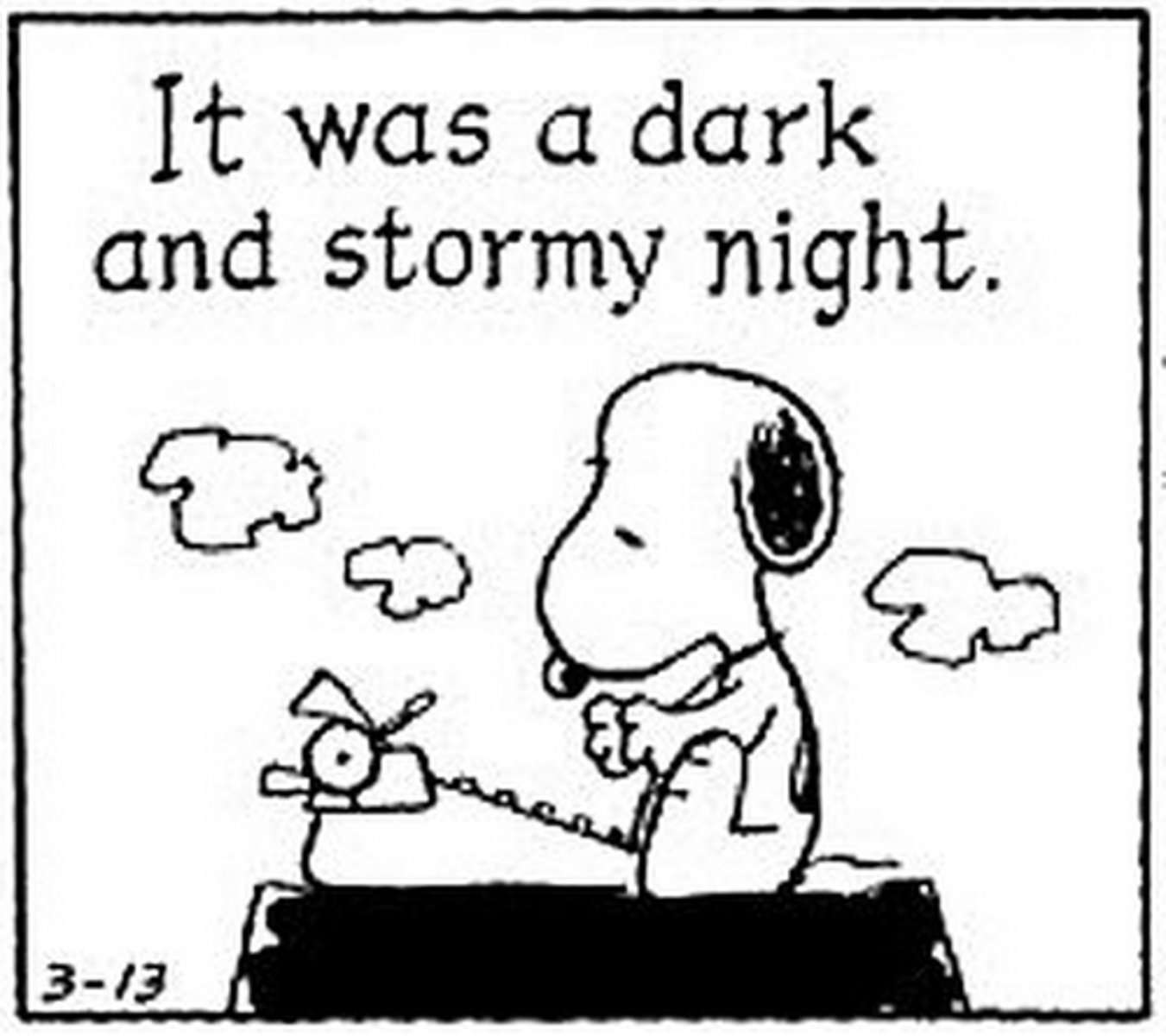
type of feeling readers get from a narrative based on details
The atmosphere sets the mood. What is going on that makes you, the reader, feel a certain way. Think about the difference between the atmosphere of a funeral polar as opposed to a circus
catharsis
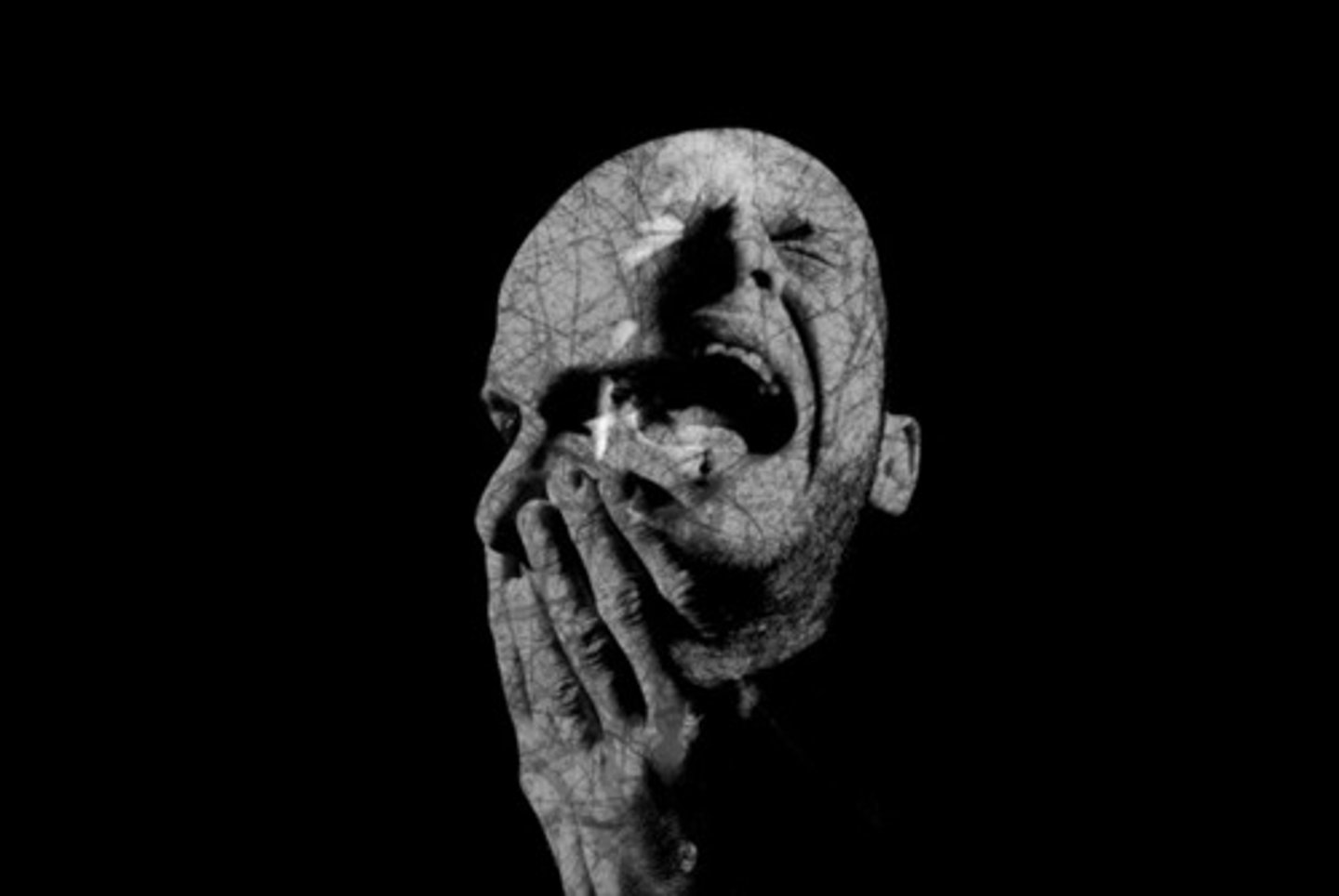
the process of releasing, and thereby providing relief from, strong or repressed emotions.
It is the most honest human moment a person can have or show
character
any person, animal, or figure represented in a story
chronology
arrangement of events in time that followed directly from one to another in order
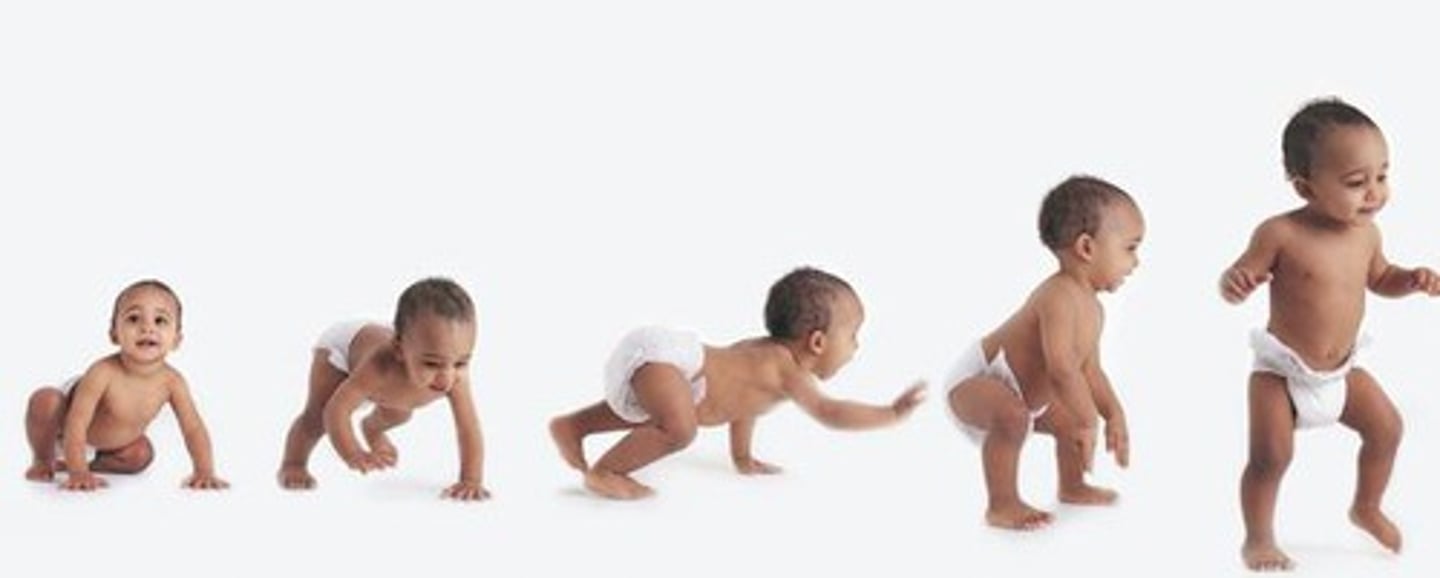
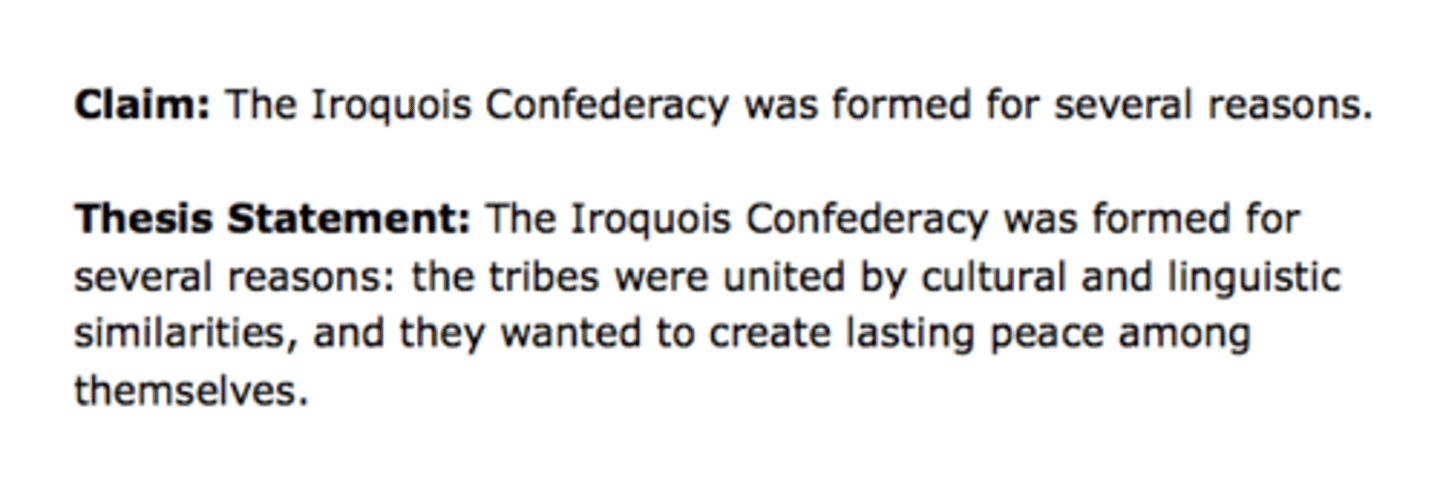
claim vs thesis
In literature, a claim is a statement that asserts something to be true. A claim can either be factual or a judgment. ... However, in literature, claims have a special function of presenting the author's main ideas or opinions which he or she can later support with more evidence.
A thises consists of a claim and the warrants to be used to support the claim
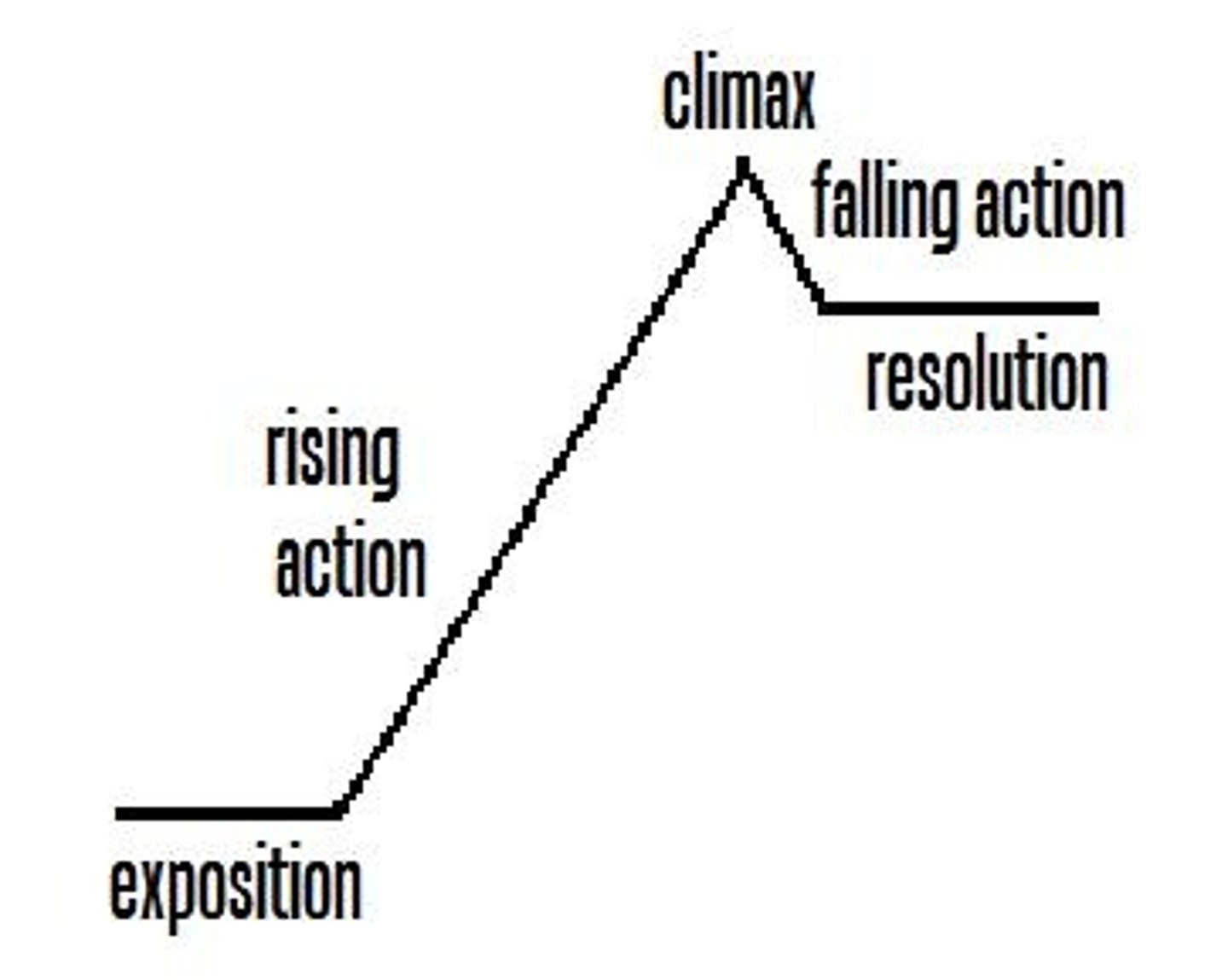
climax
the most intense, exciting, or important point of something; a culmination or apex.
There is no turning back from the climax. Something occurs that can never be changed or undone
comparison
a statement of the similarities among two or more people, events, ideas, etc.
conceit
A fanciful expression, usually in the form of an extended metaphor or surprising analogy between seemingly dissimilar objects.
Popular in Renaissance literature, a conceit is a cross between a metaphor or a simile. Like a metaphor, a conceit makes a comparison, but the objects are very dissimilar. This ingenious wordplay could make you think about something in a new way
conflict: external
a struggle between two forces. An external conflict can take place between two characters; between a character and a group; between a character and society as a whole; or between a character and an animal or a force of nature; also between a character and technology
Any fight is an external conflict
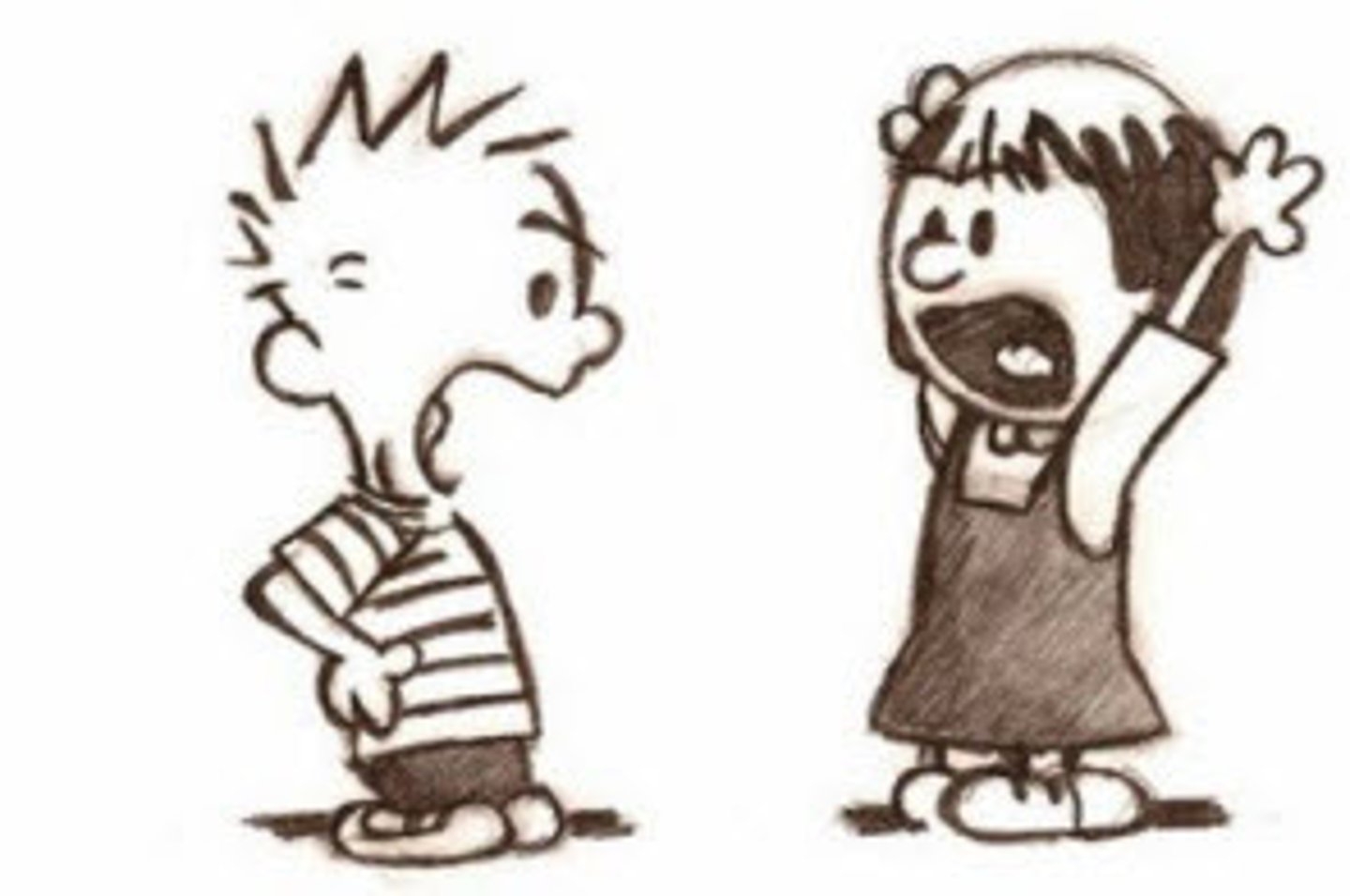
conflict: internal
An internal conflict is a struggle that takes place within a character's mind or heart. In an internal conflict, a character might struggle with paralyzing fear or a need for revenge.
Having to make a difficult choice is the most common type of internal conflict.
*insanity or mental illness is an internal conflict
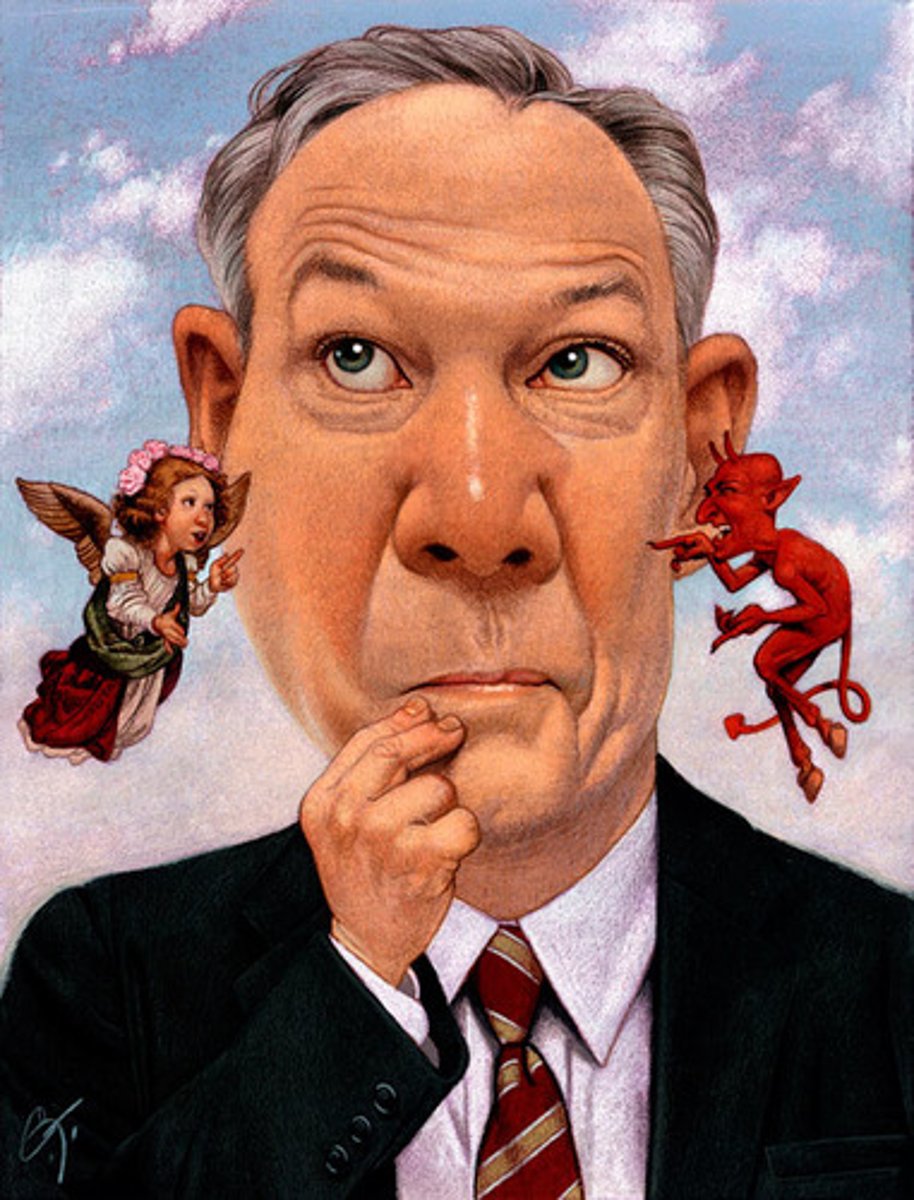
diction (note the type)
writer's/speaker's distinction vocabulary choices/style of expression
- formal (sophisticated language)
- informal (conversational language)
- pedantic (highly detailed)
- colloquial (represent region/time)
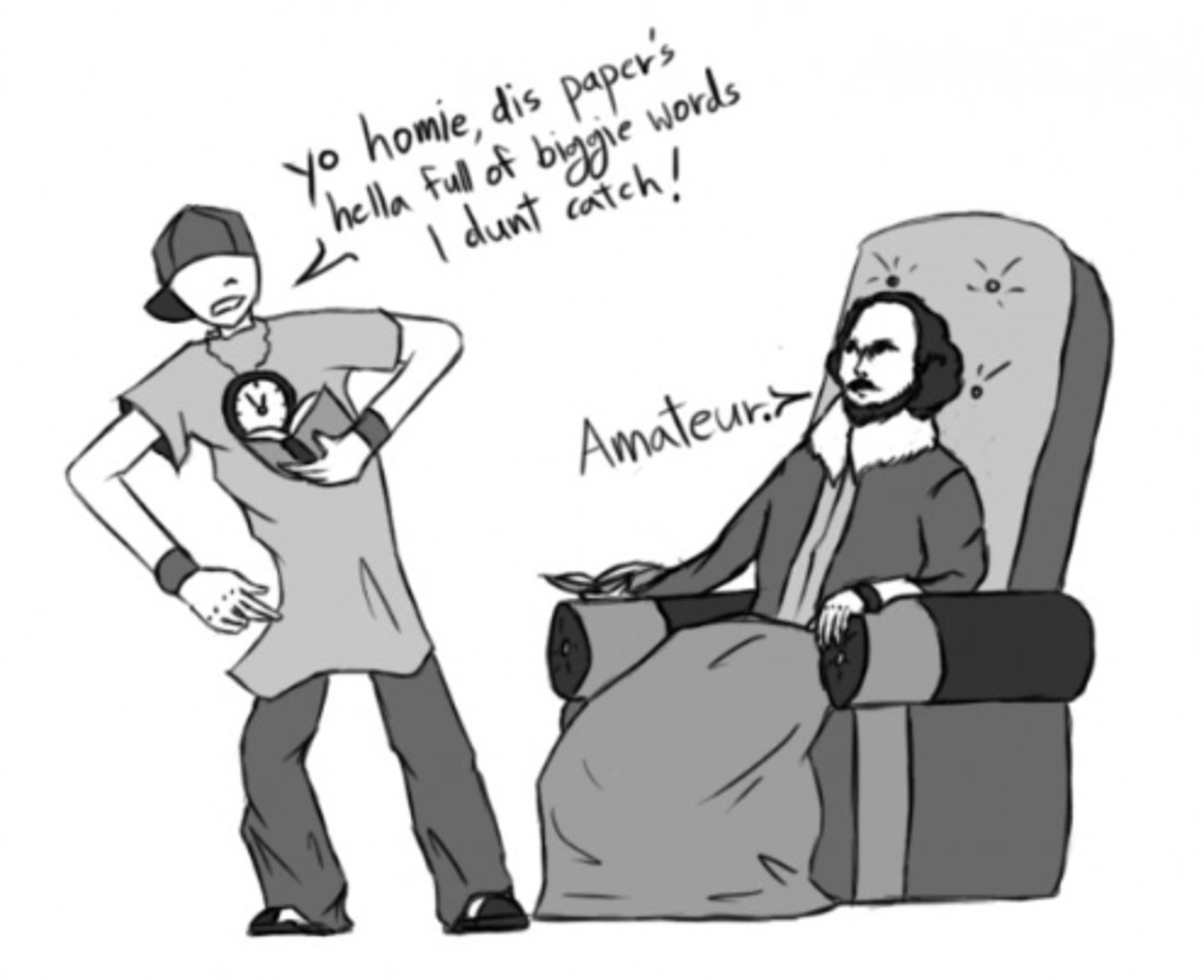
- slang (certain culture/subgroup)
- abstract (words express intangible)
- concrete (literal meanings)
- poetic (lyrical words related to a theme)
drama
a work of literature designed to be performed in front of an audience
dramatic monologue
writer takes voice of a character and speaks through them. speaker reveals surprising information about their character/situation to an implied audience
A dramatic monologue (q.v.) is any speech of some duration addressed by a character to a second person. ... In fictional literature, an interior monologue (q.v.) is a type of monologue that exhibits the thoughts, feelings, and associations passing through a character's mind.
dramatic situation/moment
underlying plot line created to place the characters in conflict with themselves or others
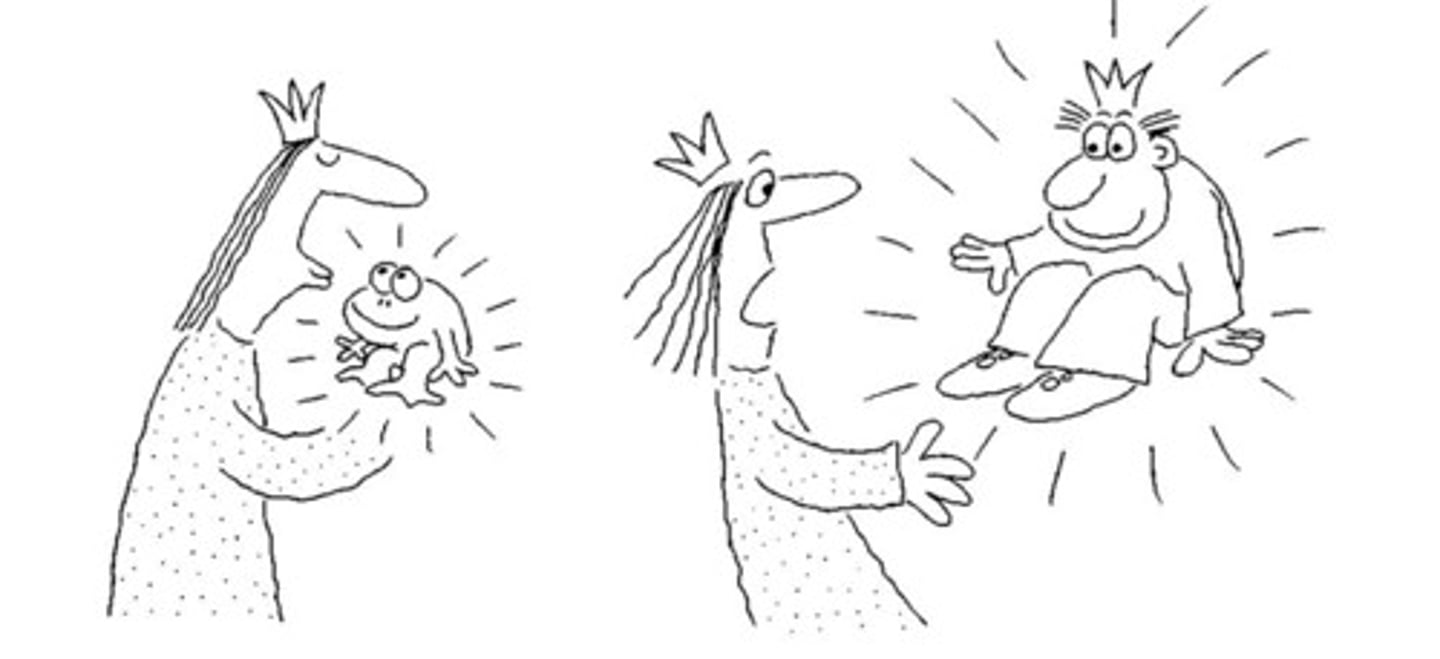
Epiphany
A moment of sudden revelation or insight
It is the Ah- HA moment
evidence
the available body of facts or information indicating whether a belief or proposition is true or valid.
Exposition
Background information presented in a literary work.
This is usually at the very beginning
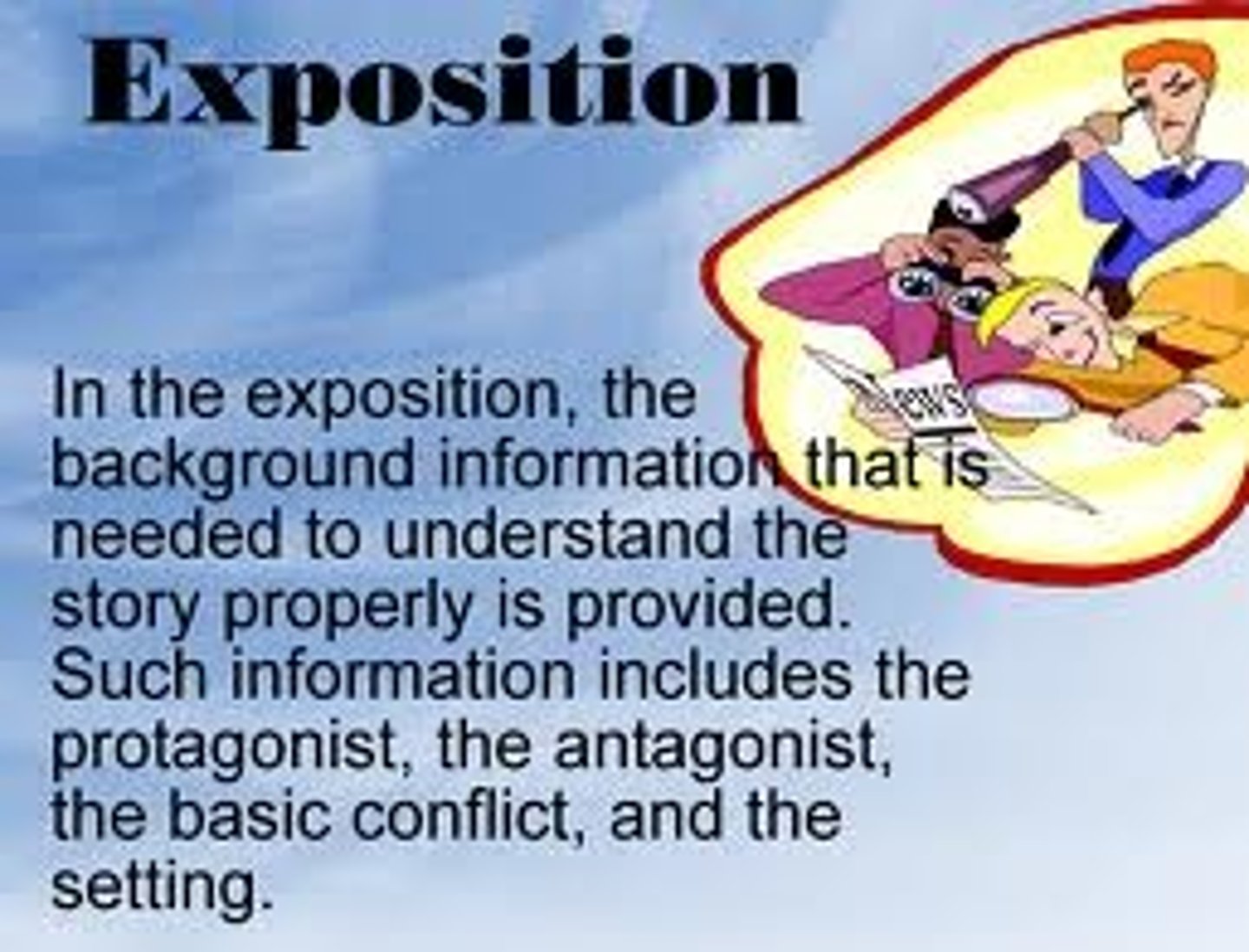
extended metaphor
A comparison between two unlike things that continues throughout a series of sentences in a paragraph or lines in a poem, not just a single point of comparison.
Katie Perry's "Firework"
Cause, baby, you're a firework Come on, show 'em what you're worth Make 'em go, "Oh, oh, oh"As you shoot across the sky.
fiction
a literary work based on the imagination and not necessarily on fact
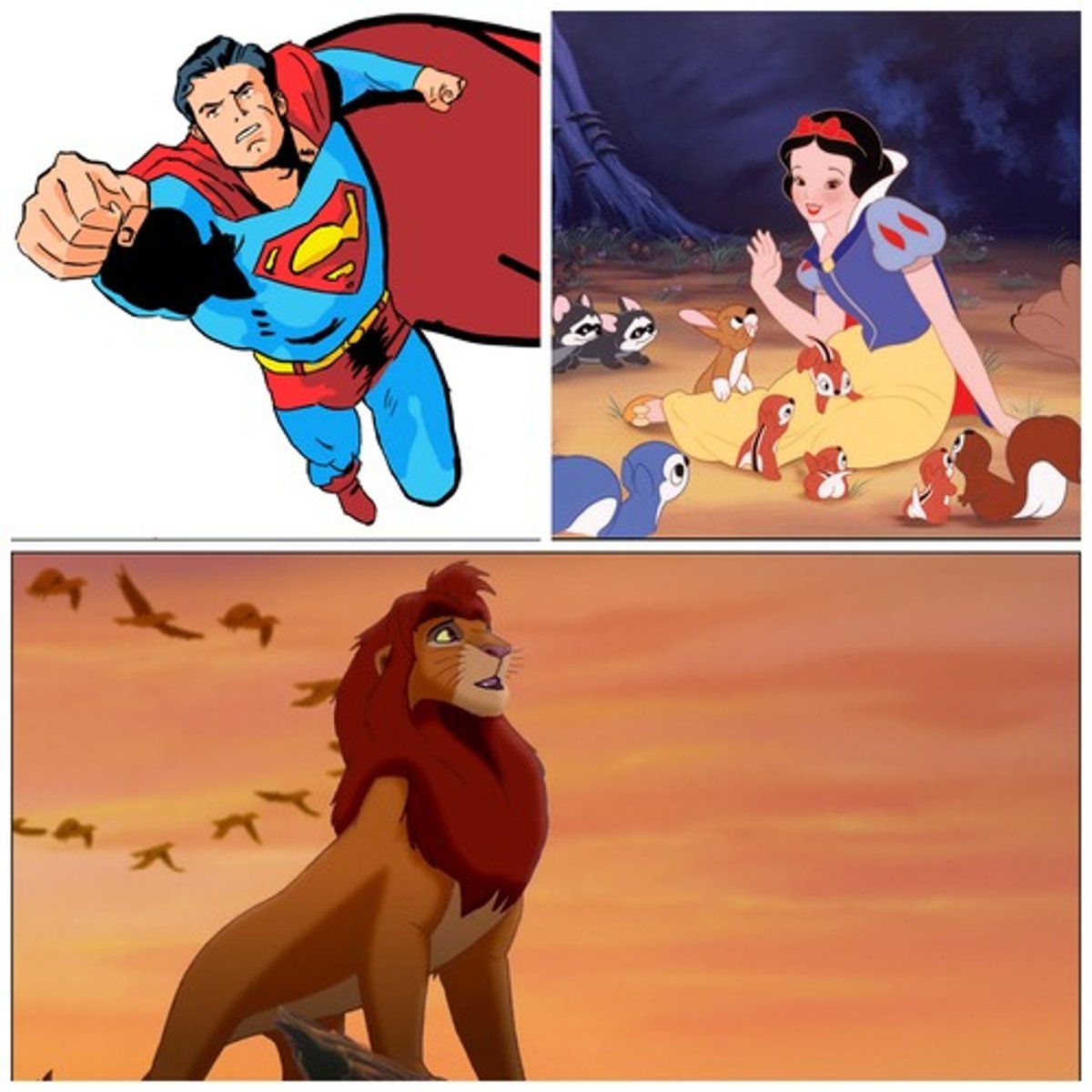
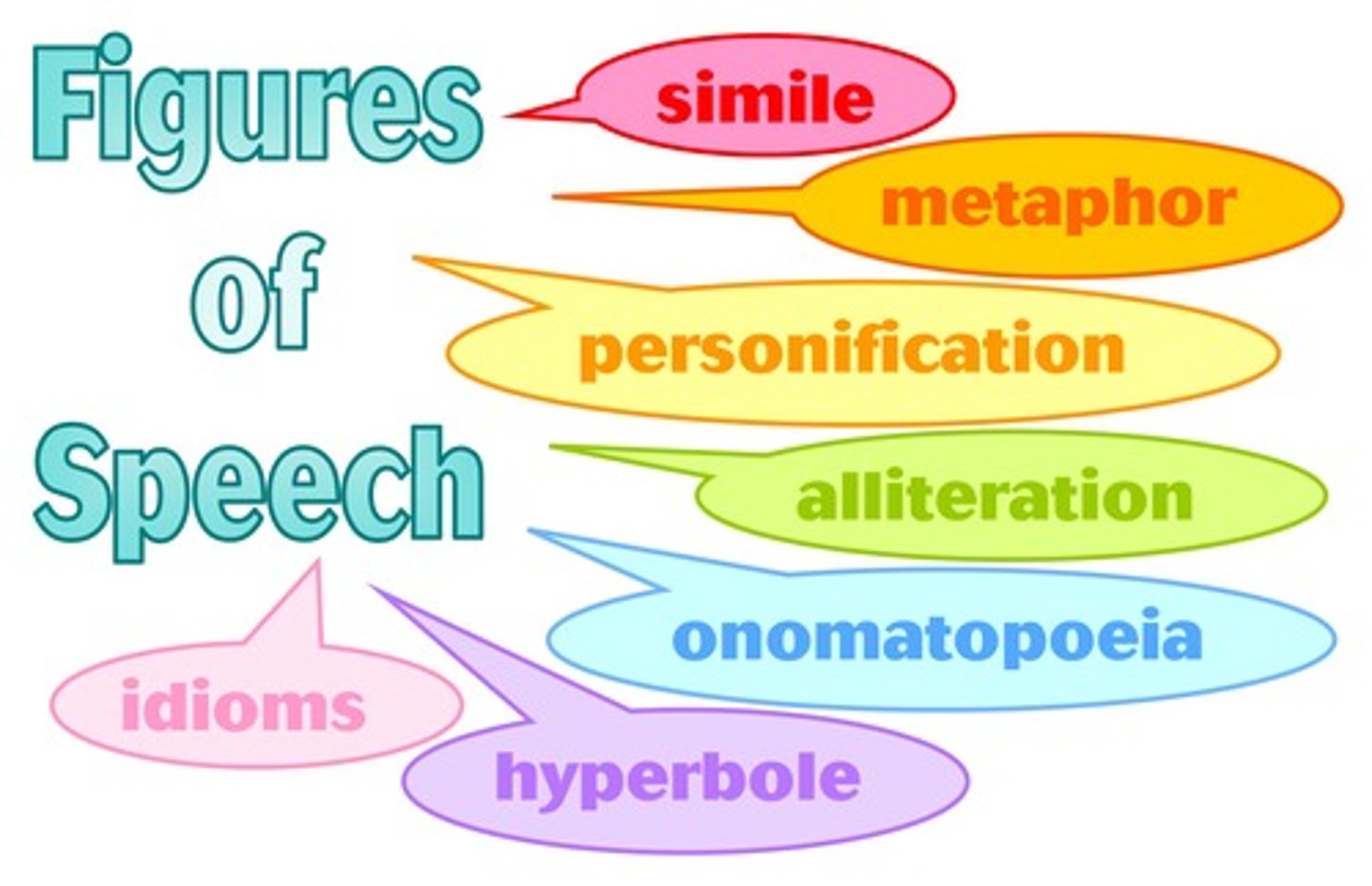
figurative language
Writing or speech that is not intended to carry literal meaning and is usually meant to be imaginative and vivid. There are multiple ways to manipulate the Englsih language:
Simile Metaphor Personification Onomatopoeia Oxymoron Hyperbole Allusion Idiom Imagery Symbolism Alliteration Assonance Consonance Metonymy Synecdoche Irony Sarcasm Litotes
Pun Anaphora Tautology Understatement
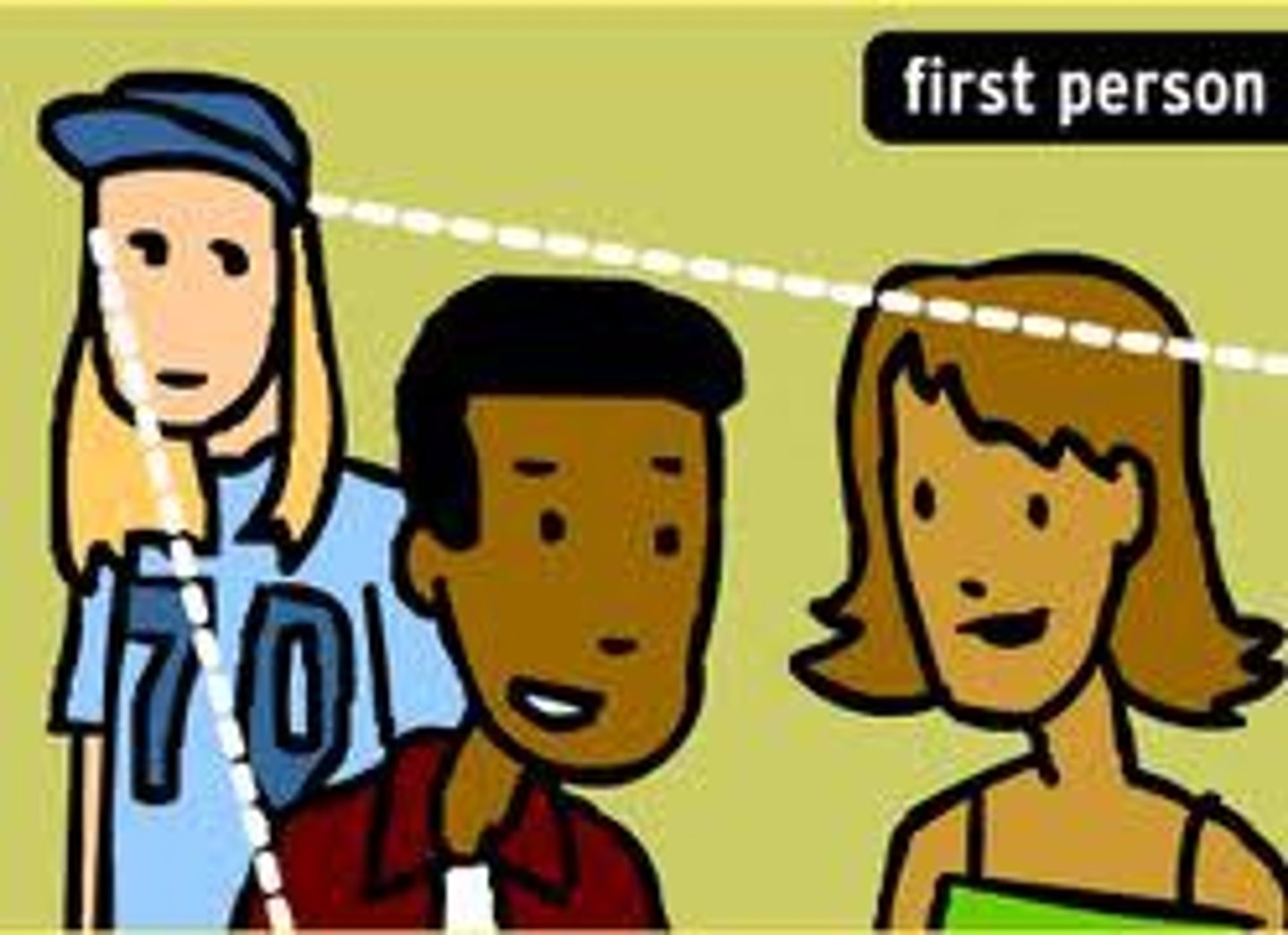
first-person narrator
a narrator within the story who tells the story from the "I" perspective.
They may be reliable or non-reliable
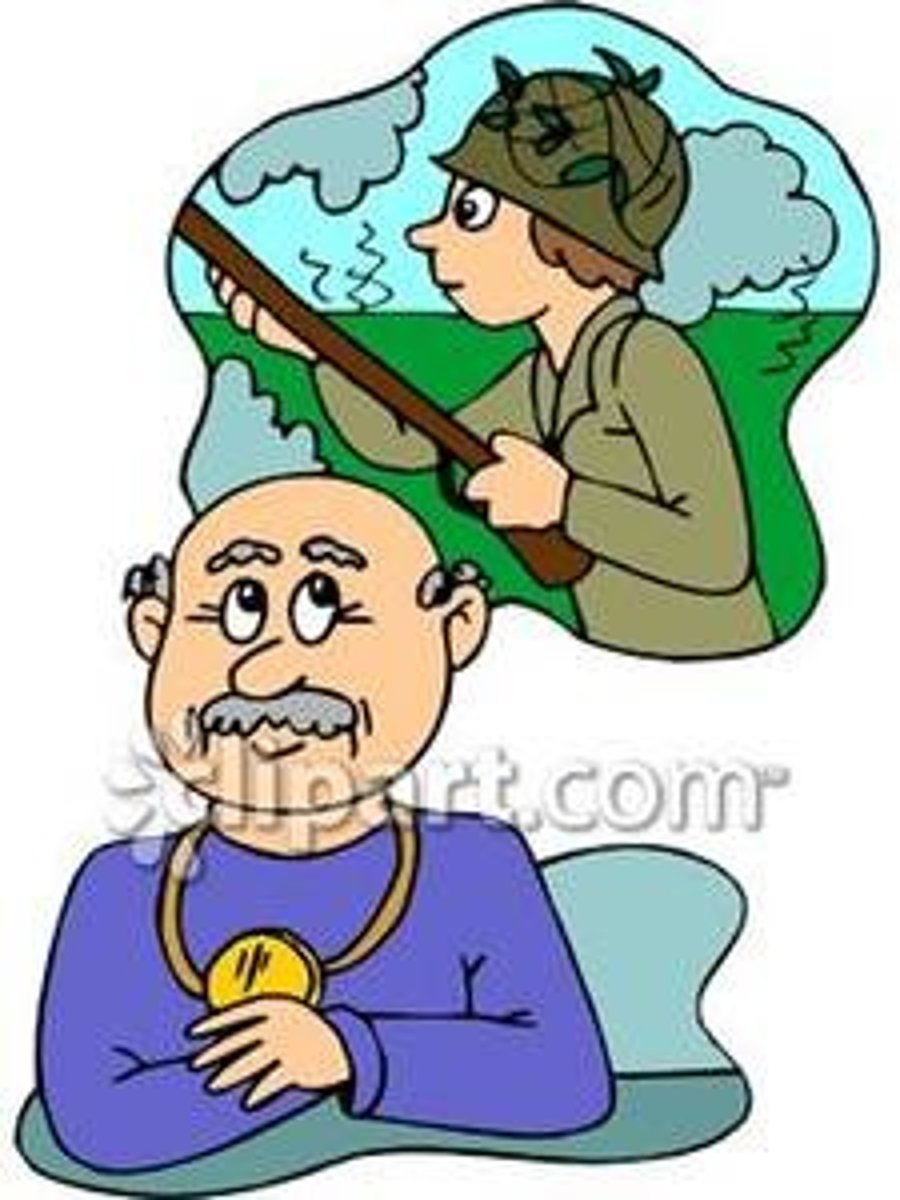
flashback
A method of narration in which present action is temporarily interrupted so that the reader can witness past events. These events offer insightful clues to the plot
foil
A character who is in most ways opposite to the main character (protagonist) or one who is nearly the same as the protagonist. The purpose of the foil character is to emphasize the traits of the main character by contrast only
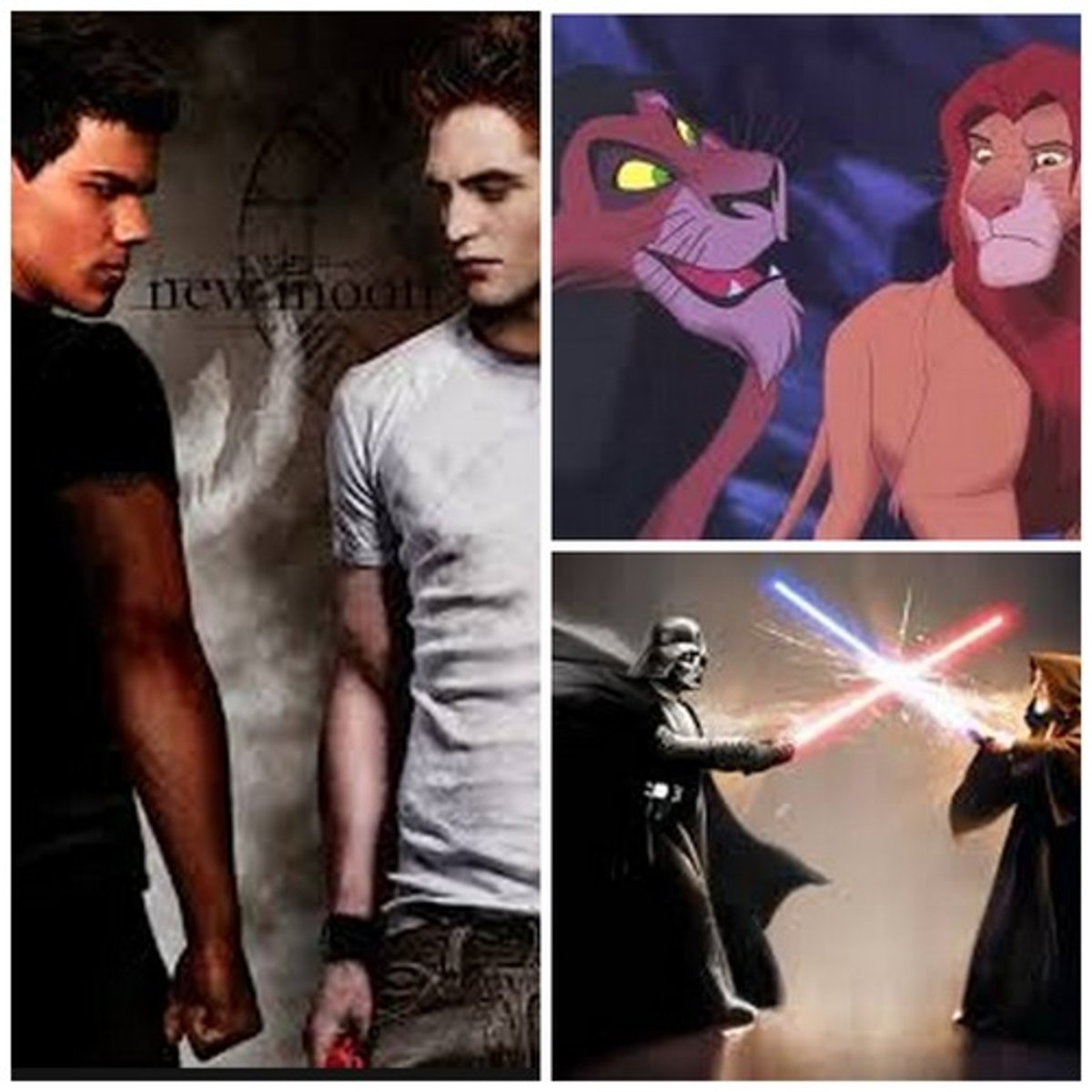
foreshadowing
A narrative device that hints at coming events; often builds suspense or anxiety in the reader. *may also be a motif giving you a hint
function
the kind of action or activity proper to a person, thing, or institution; the purpose for which something is designed or exists; role
Why is this literary device in the story? Why was it created? What purpose does it serve?
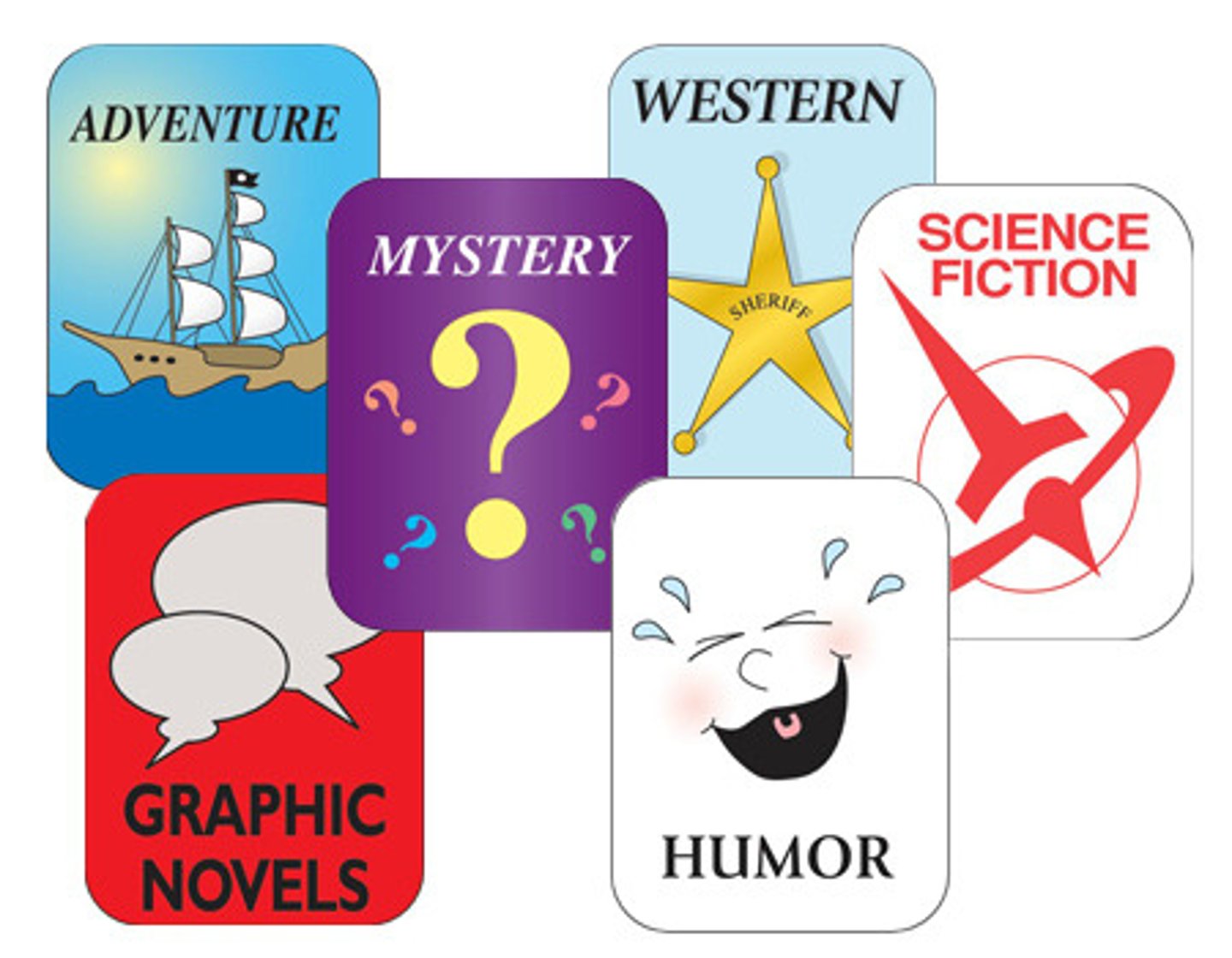
genre
a major category or type of literature. They often have very specific sets of rules in order to be apart of their Genre
hyperbole
exaggerated statements or claims not meant to be taken literally.
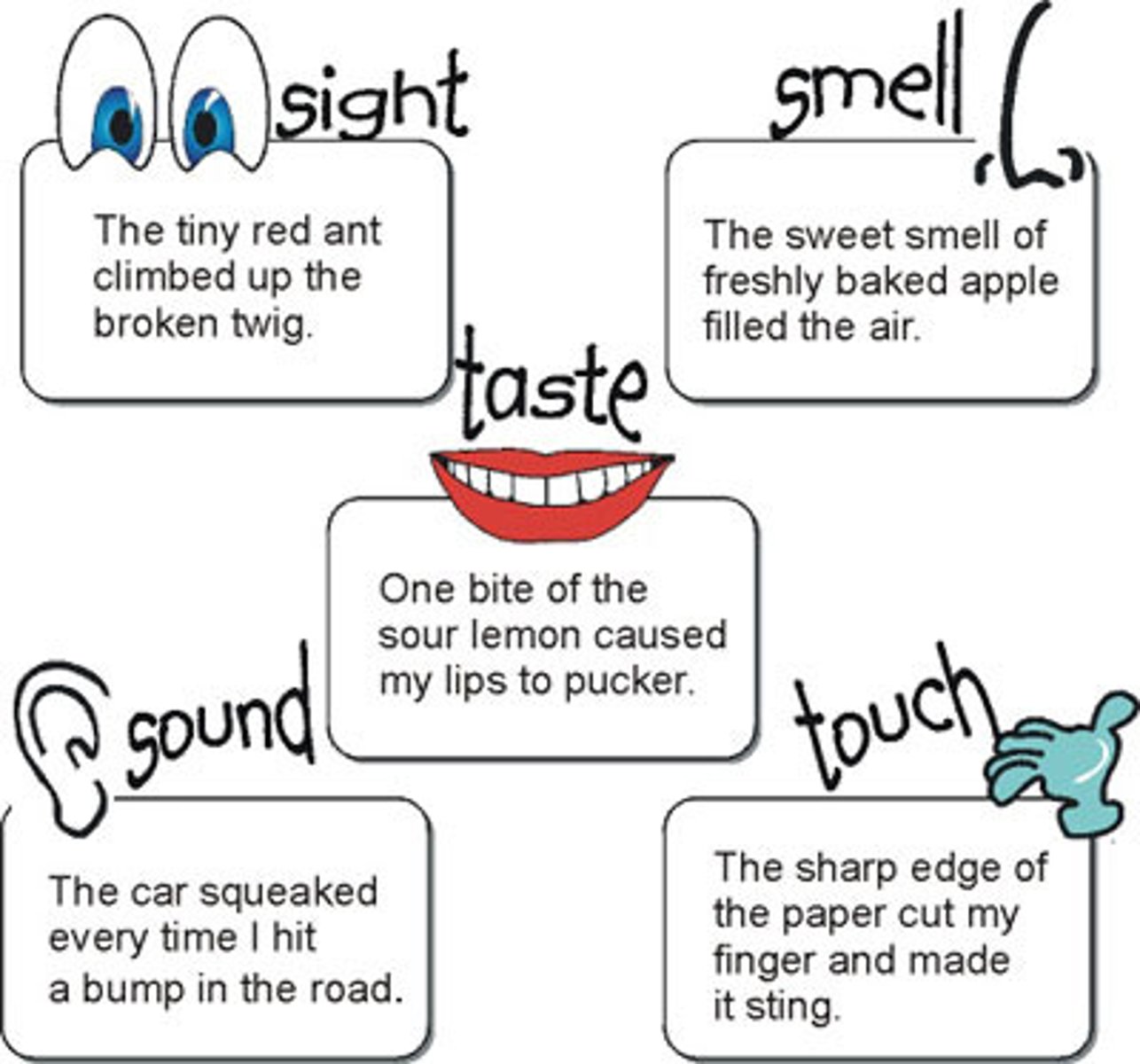
Imagery
visually descriptive or figurative language, especially in a literary work. Will be present in 95% of every poem ever written
inconsistencies
Lack of agreement; incompatibility
Mistakes (sometimes on purpose) in the text that do not match
infer
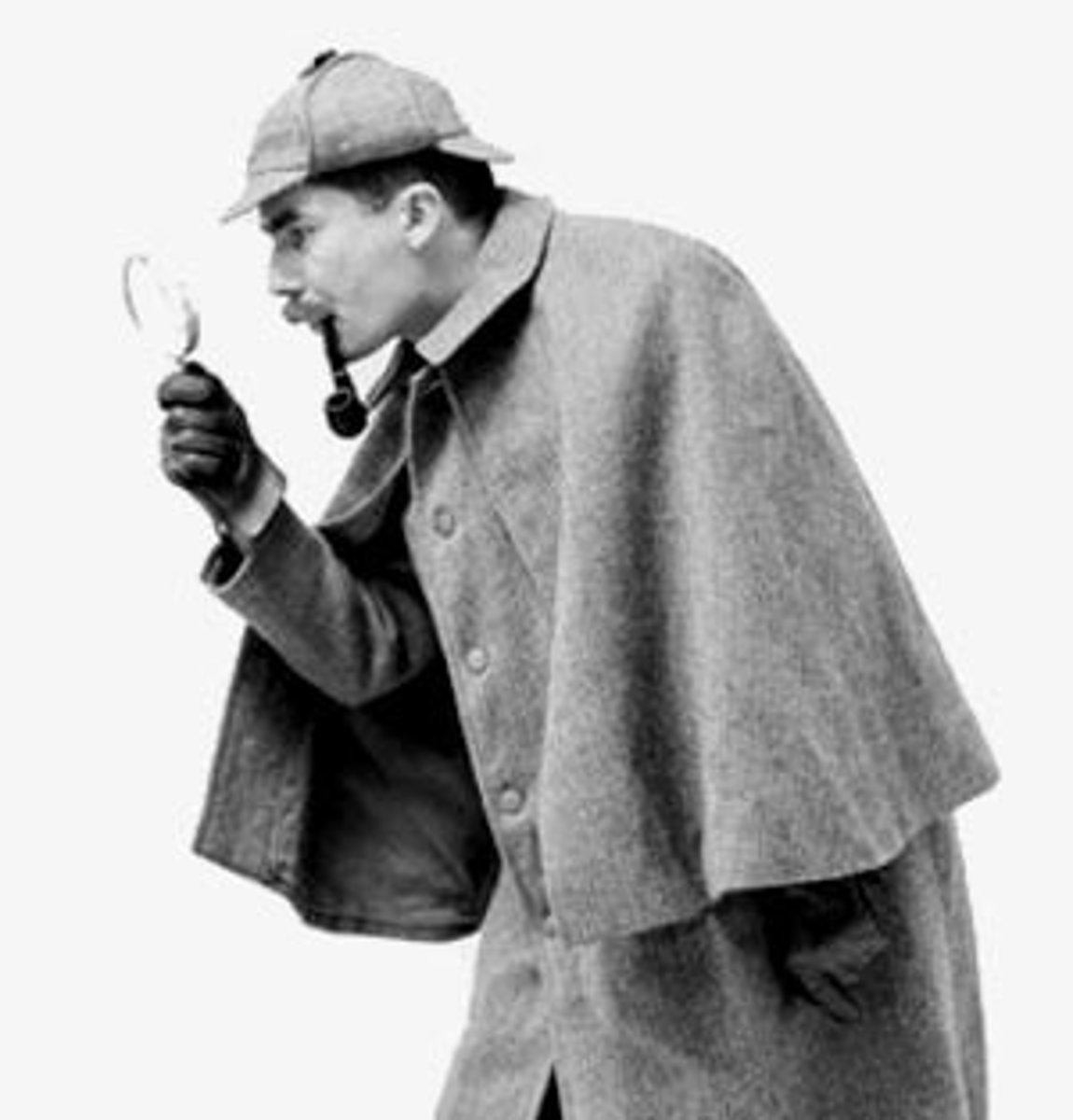
to find out by reasoning; to arrive at a conclusion on the basis of thought; to hint, suggest, imply
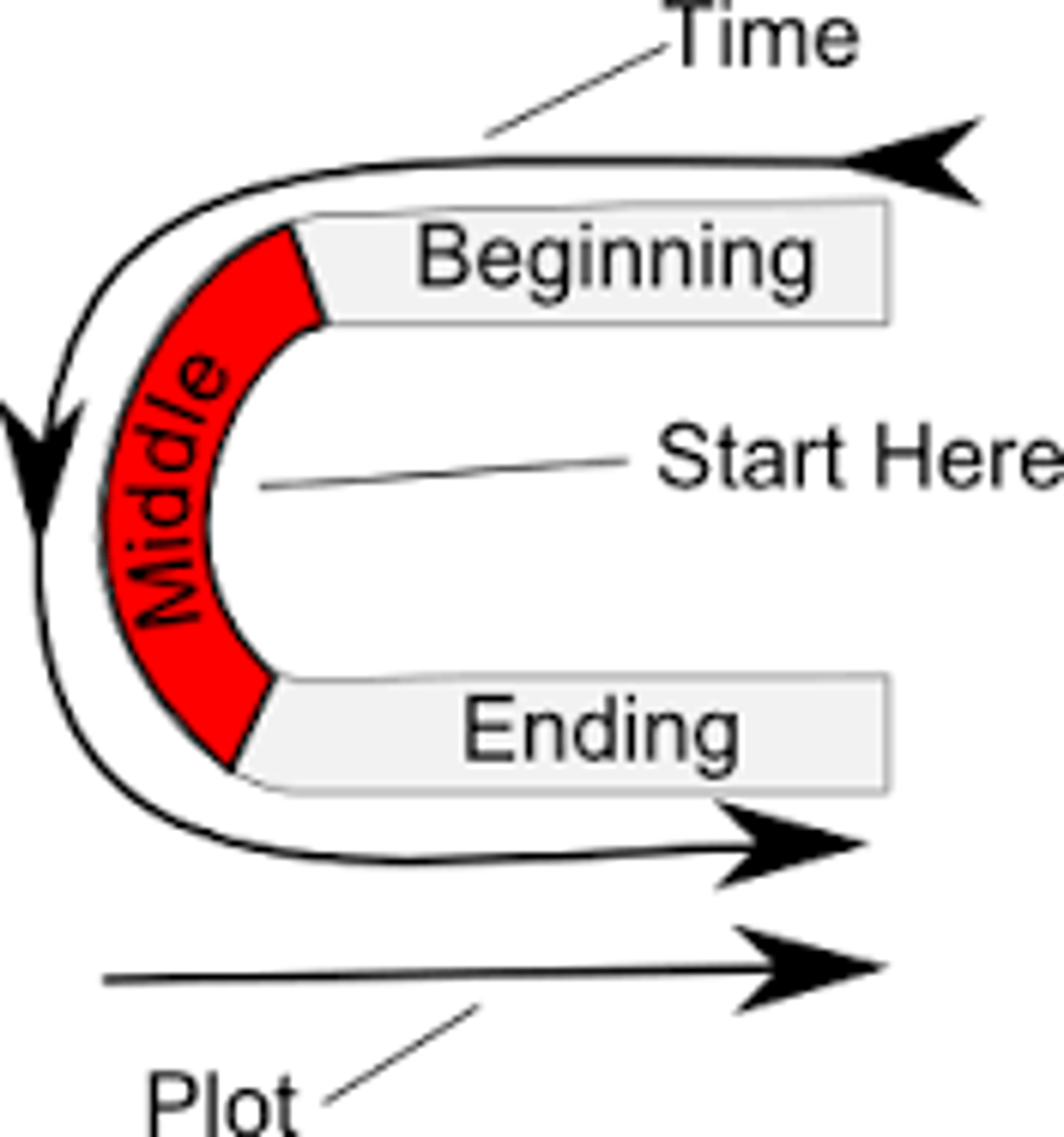
in medias res
practice of beginning a narrative by plunging into a crucial situation that is part of a related chain of events; the situation is an extension of previous events and will be developed in later action.
interpretation
an explicit argument about a text's deeper meanings—its implied themes, values, and assumptions.
It is your perspective of the text
irony
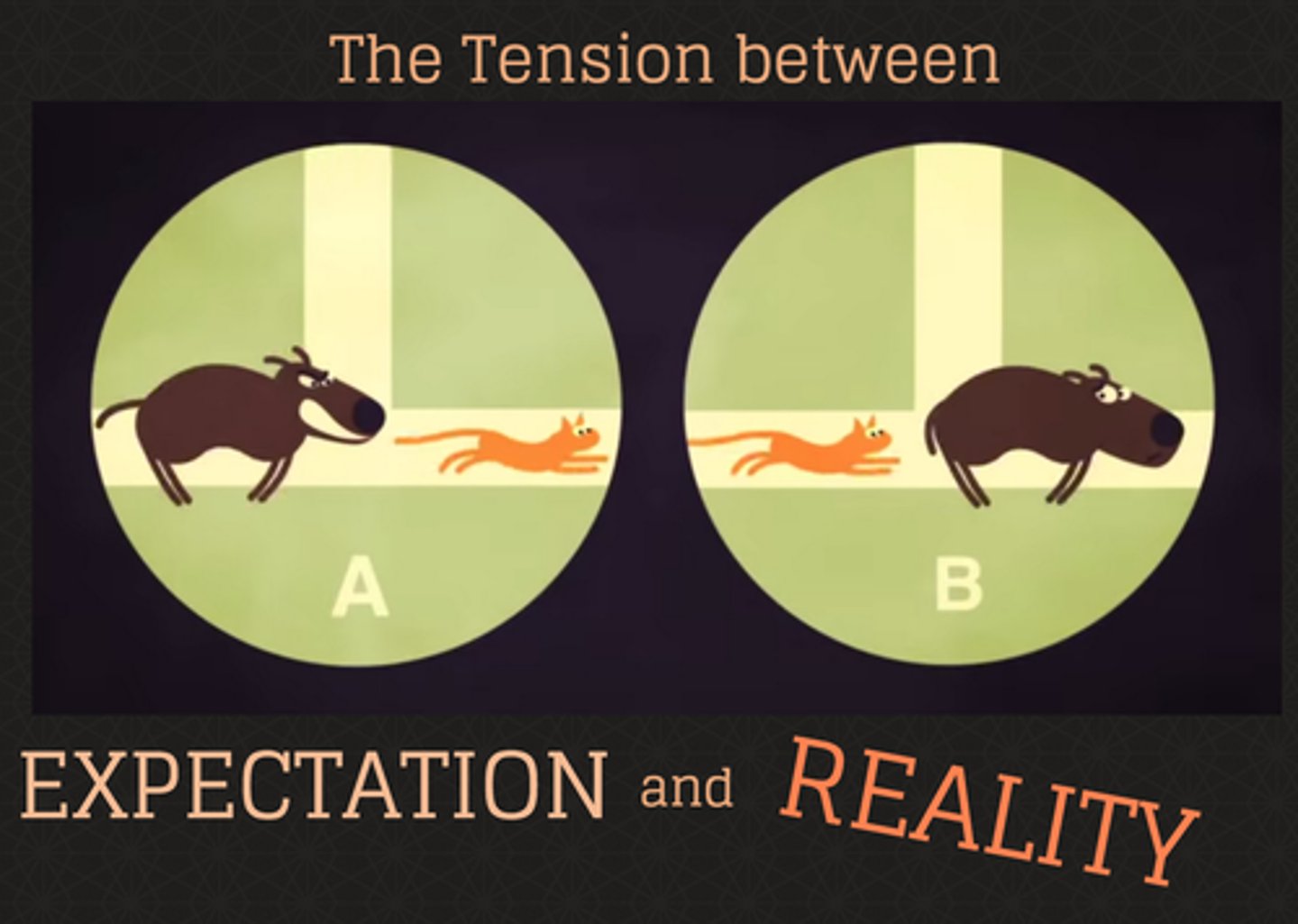
the expression of one's meaning by using language that normally signifies the opposite, typically for humorous or emphatic effect.
The difference between what happens and what is expected to happen.
ex. I firefighters house burns down, A lawyer breaks the law, a plumbers faucet is leaky
3 types-Verbal, Situational, and Dramatic
juxtaposition
Placement of two things closely together to emphasize comparisons or contrasts (kind of like a foil but not with characters)

line of reasoning
a set of reasons used in order to reach a conclusion
THE MOST IMPORTANT PART OF YOUR PARAGRAPH
literal vs figurative meaning
- Literal meaning is limited to the simplest, ordinary, most obvious meaning of a word or group of words (The house is cursed: The house has in actuality been cursed by a witch).
- figurative meaning refers to words not meant to be taken literally. To determine figurative meaning, the reader uses a combination of knowledge about the world and his/her imagination to infer symbolic or metaphorical meaning of a word or group of words.
(The house is cursed: The house just has a lot of annoying or dangerous problems)
literary argument
an idea or opinion about literature that is clearly explained and supported with evidence
THE MOST IMPORTANT PART OF YOUR ESSAY. You can never write enough (as long as it isn't a timed assignment)
metaphor
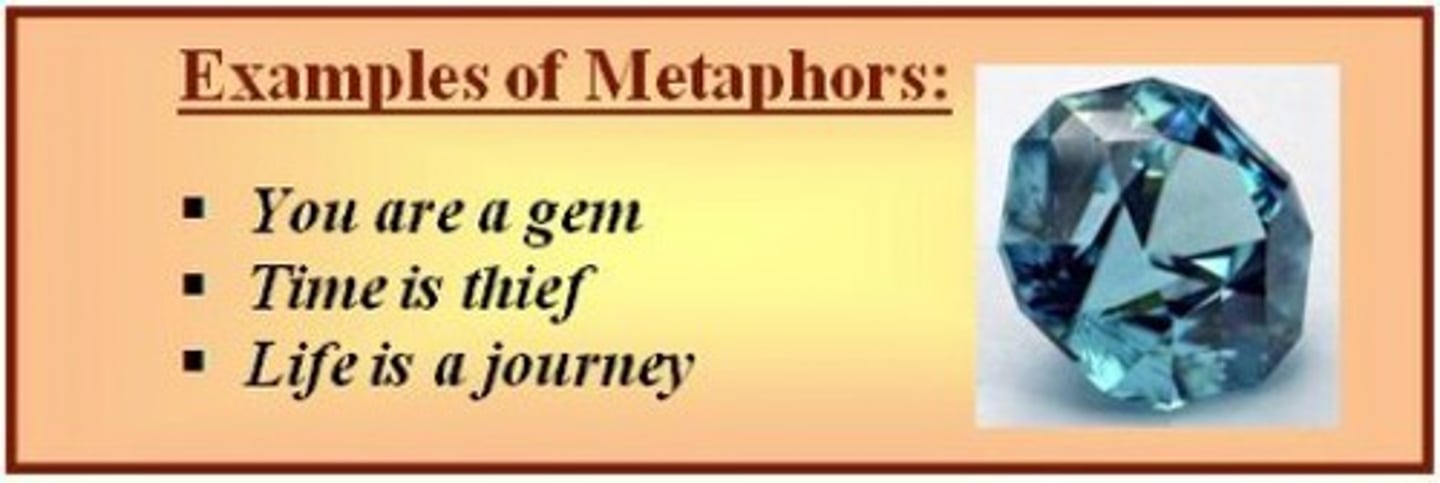
A comparison WITHOUT using like or as. IT IS...
mood
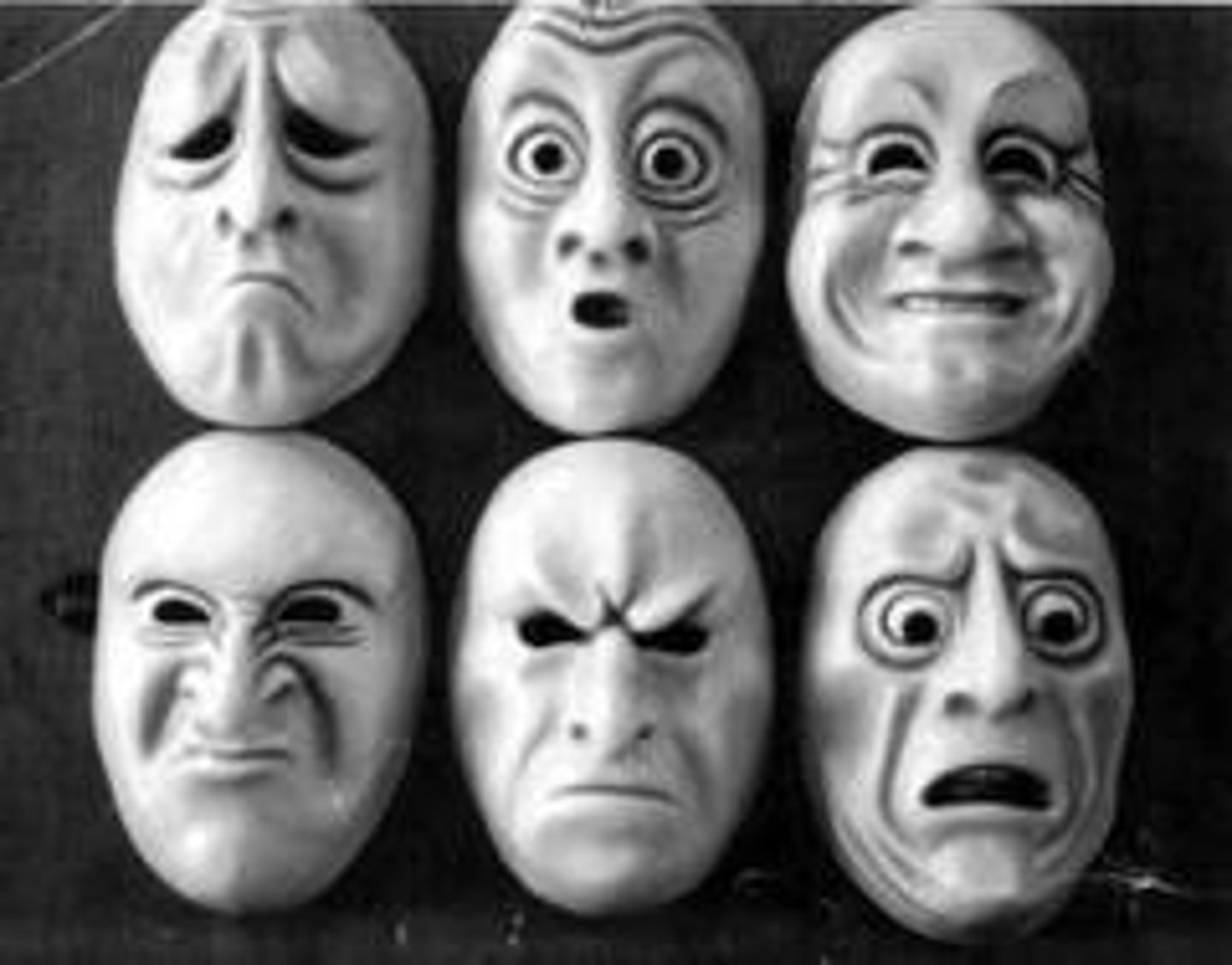
Feeling or atmosphere that a writer creates for the reader. How YOU feel or are supposed to feel as intended by the artists
motif
A recurring theme, subject or idea
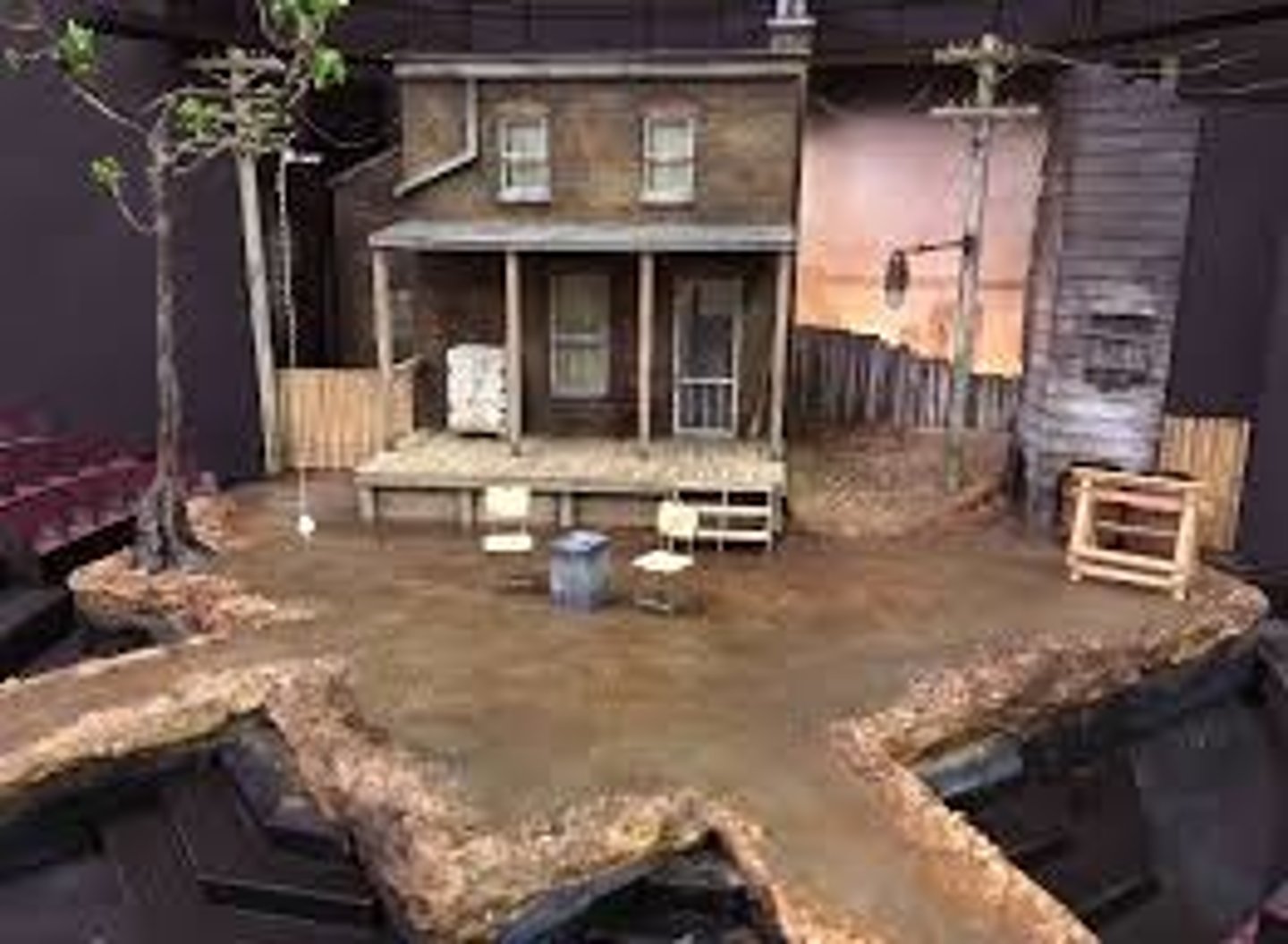
*baseball in "Fences"

narrative
The telling of a story or an account of an event or series of events.
narrator
The person telling the story may or may not be a character in the story.
narrator bias
Authors words influenced by personal opinion; that which compromises the narrator's reliability
narrator reliability
the trustworthiness of the narrator. can we believe what they are telling us?

nuance
a slight or subtle degree of difference
paradox
A statement or proposition that seems self-contradictory or absurd but in reality expresses a possible truth.

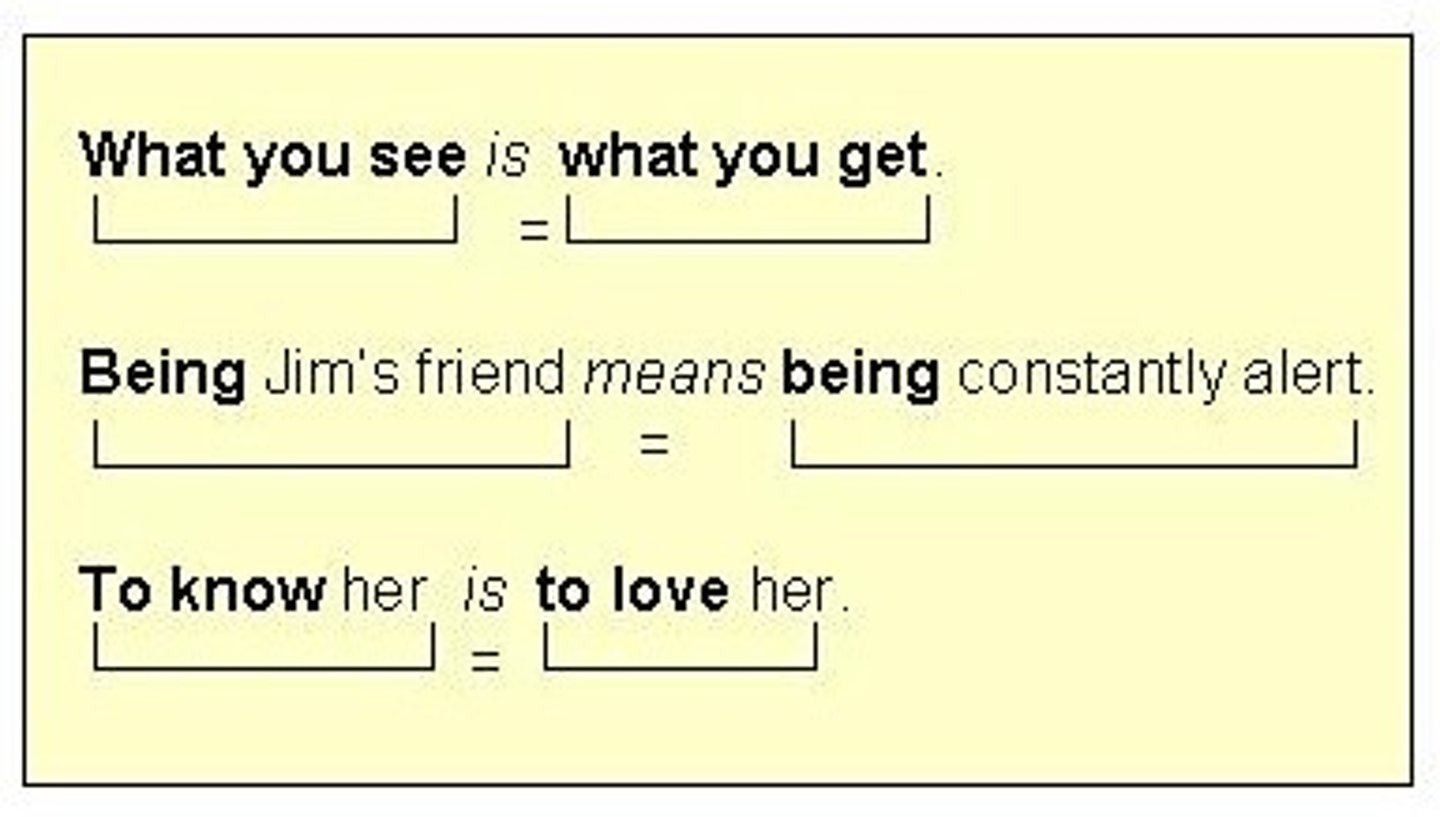
parallel structure
the repetition of words or phrases that have similar grammatical structures
"of the people, by the people, and for the people"
preposition article noun, preposition article noun, conjunction preposition article noun,
patterns and breaks in patterns
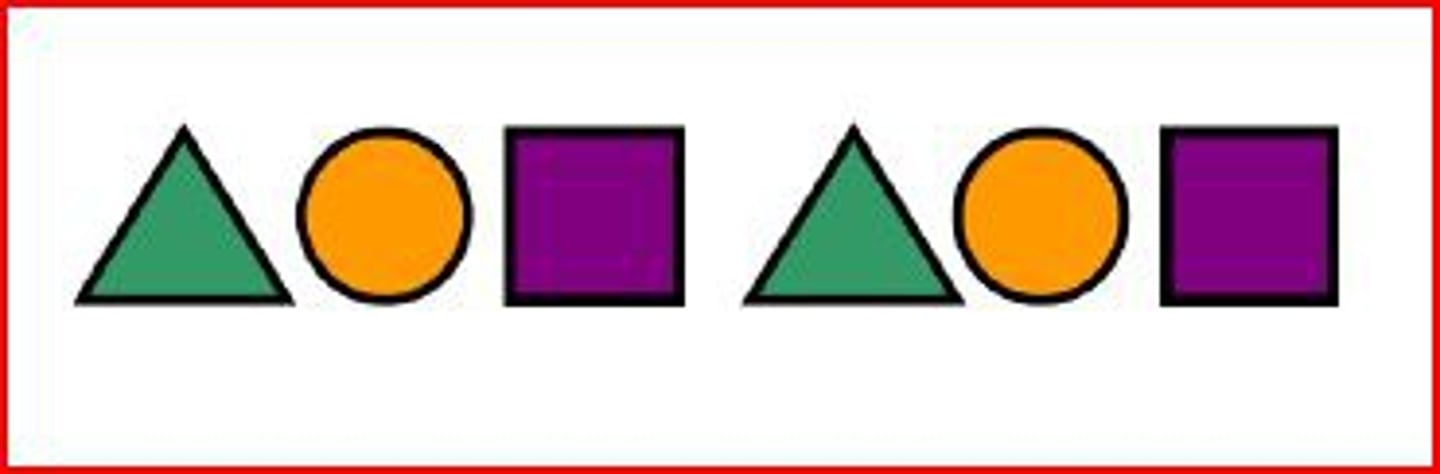
- patterns of words, ideas, and imagery.
- breaking is especially used for adding emphasis in a passage of literature. ... A break in pattern can be a break in rhythm, a break in sentence length, a break in first word or last word, or even a break in punctuation usage
personification
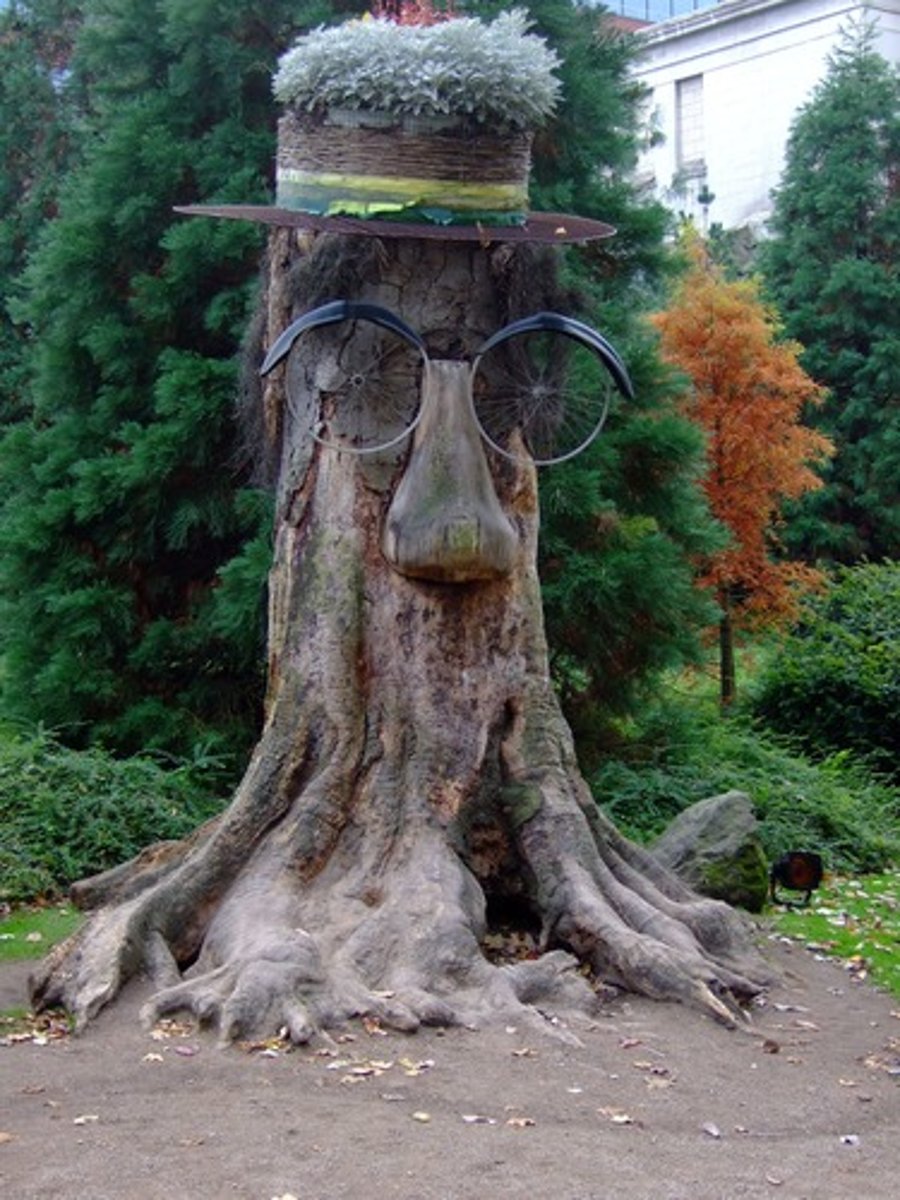
the attribution of a personal nature or human characteristics to something nonhuman, or the representation of an abstract quality in human form.
"The sun danced across the window" the sun can't dance, only people can dance
perspective
one way of looking at things
The author's perspective, or viewpoint, is how the author feels about the subject. In order to determine the author's perspective, you need to figure out what opinion or attitude the author has about the subject. To determine the author's perspective, ask yourself: ➢ What is the author's purpose for writing?
Perspective can also be used for individual characters in a work of literature

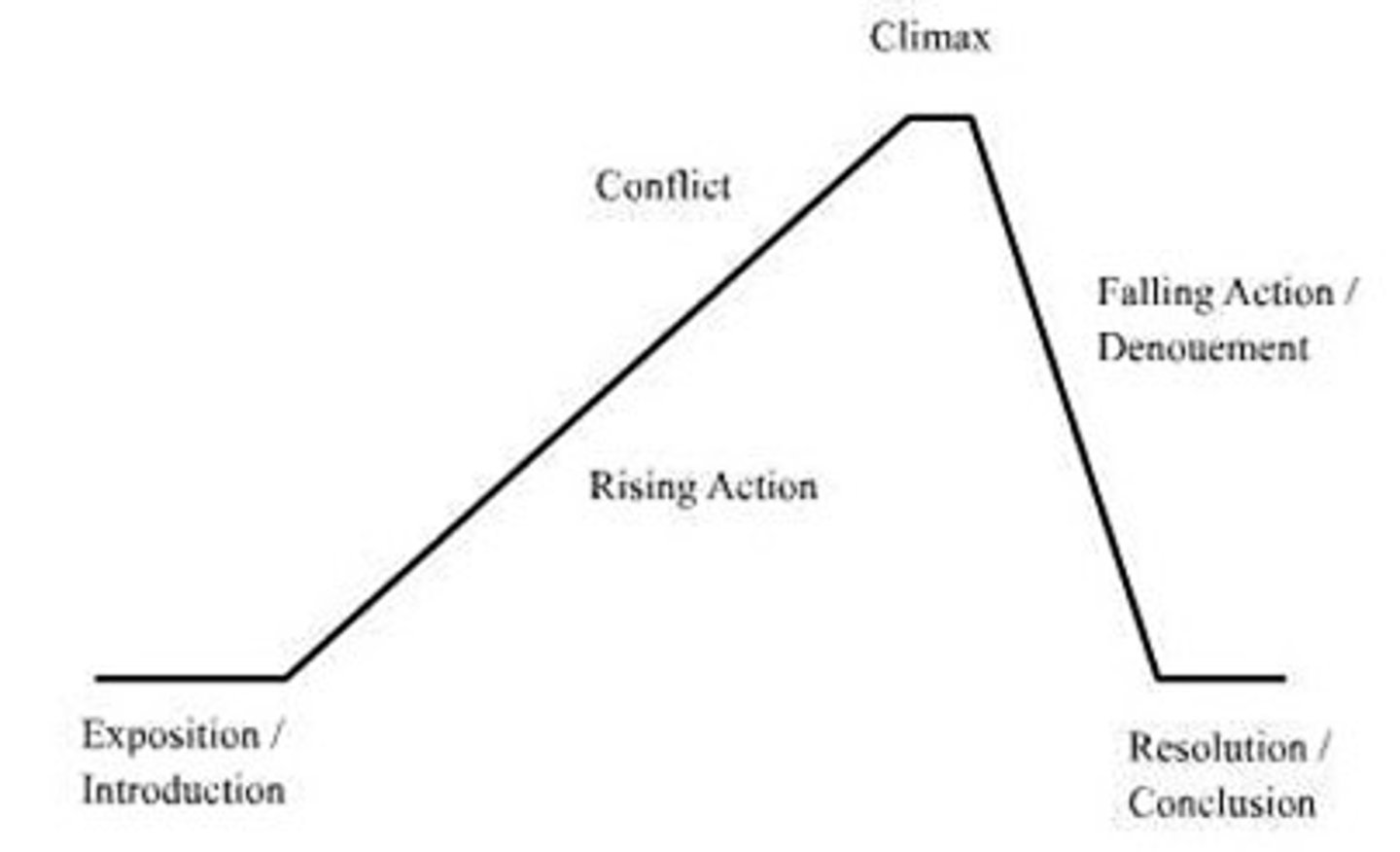
plot
the sequence of events in a literary work
poetry
A kind of rhythmic, compressed language that uses figures of speech and imagery designed to appeal to our emotions and imagination.
It is the highest form of human expression
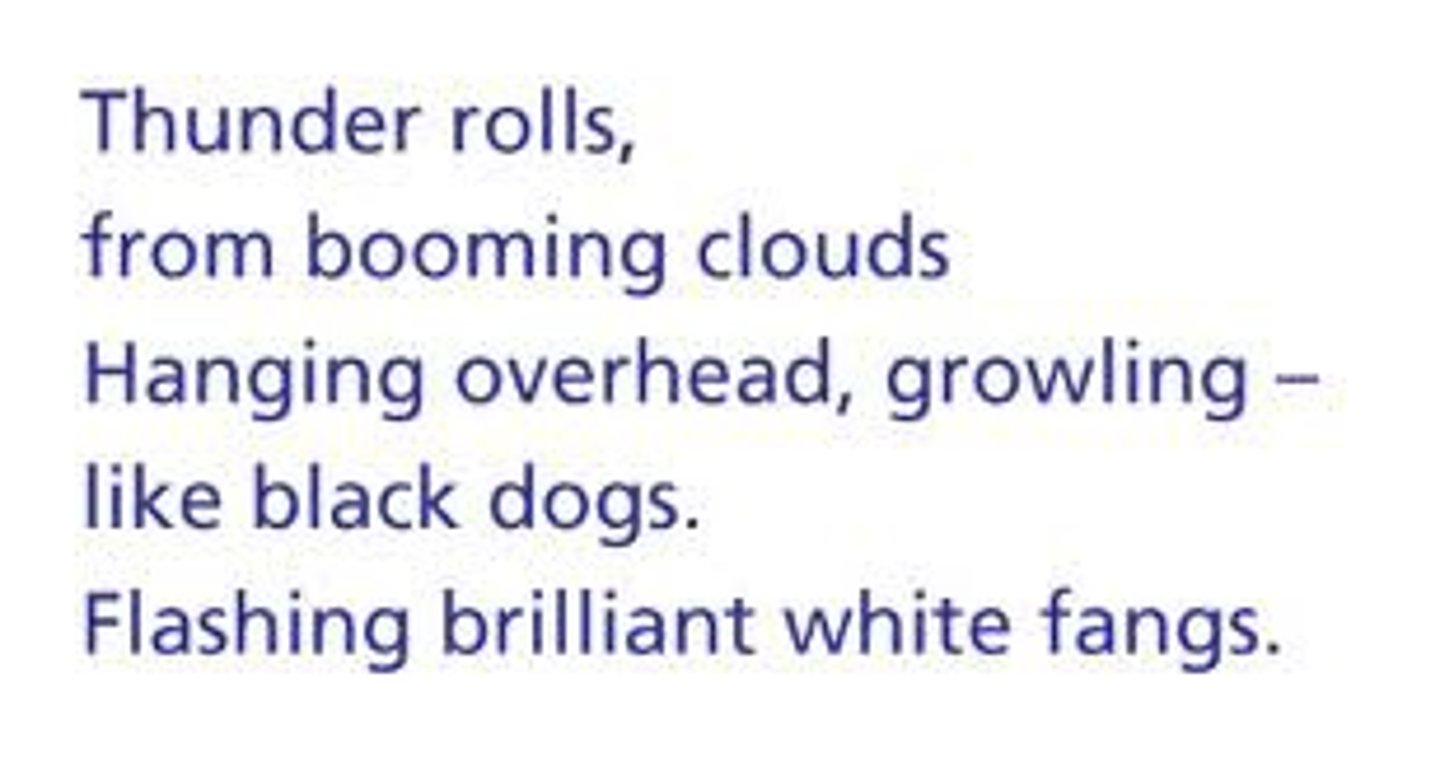
poetry: closed-form
consists of poems that follow patterns of lines, meter, rhymes, and stanzas
Ex: Sonnets, Villanelle, Haiku
poetry: open-form
is very free - it doesn't have to follow traditional or specific patterns. It is divided into stanzas - poetic paragraphs - and includes some rhyme and rhythm but not in a regular pattern.
Usually very modern
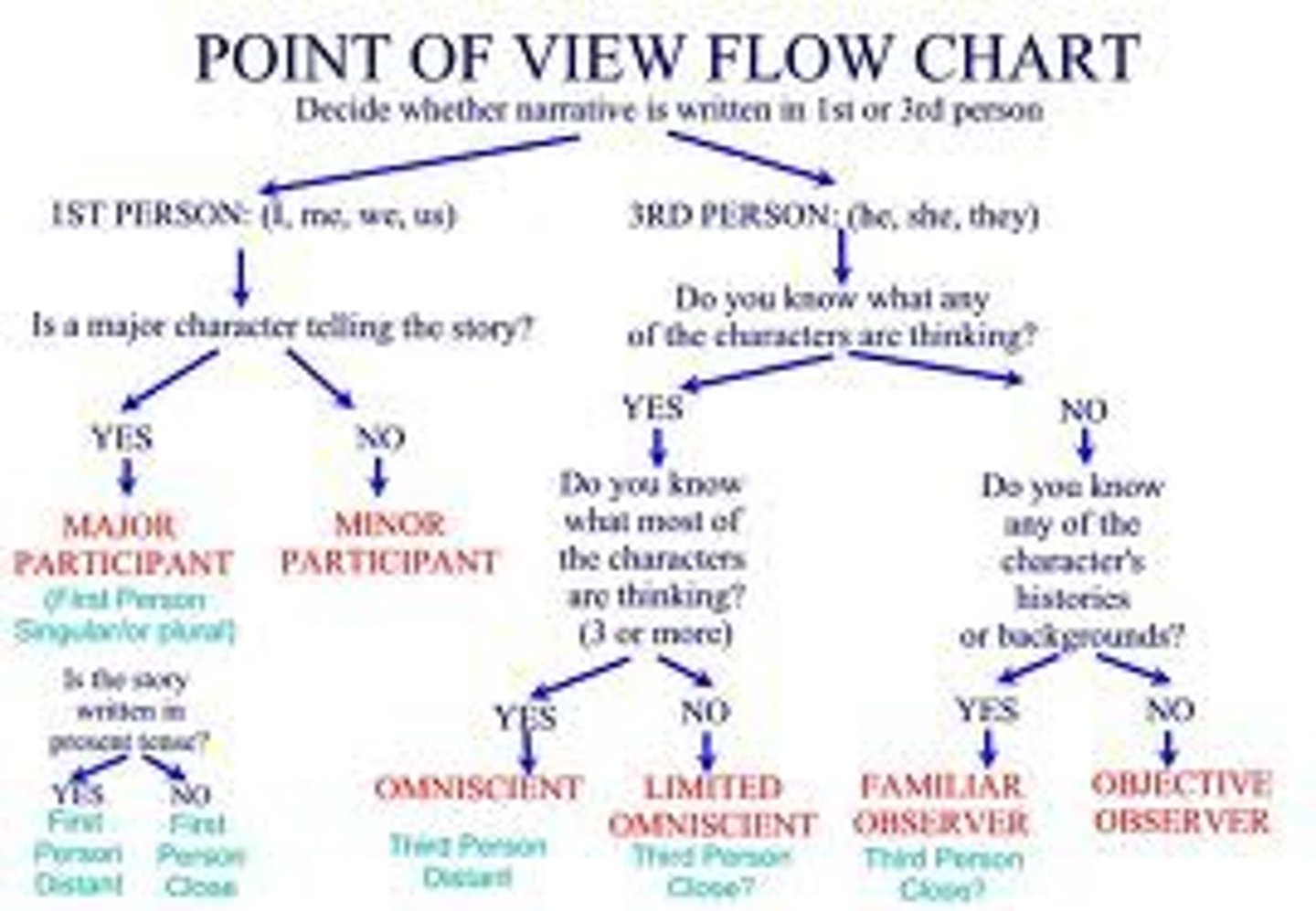
point of view
the perspective from which a story is told
First person point of view. In first-person point of view, one of the characters is narrating the story. This is generally revealed by the “I” sentence construction and relies on first-person pronouns.
Third-person omniscient. The omniscient narrator knows everything about the story and its characters
Third-person limited. This point of view (often called a “close third”) is when an author sticks closely to one character but remains in third person.
Third-person objective. Third-person objective point of view has a neutral narrator that is not privy to characters’ thoughts or feelings.
pronoun references
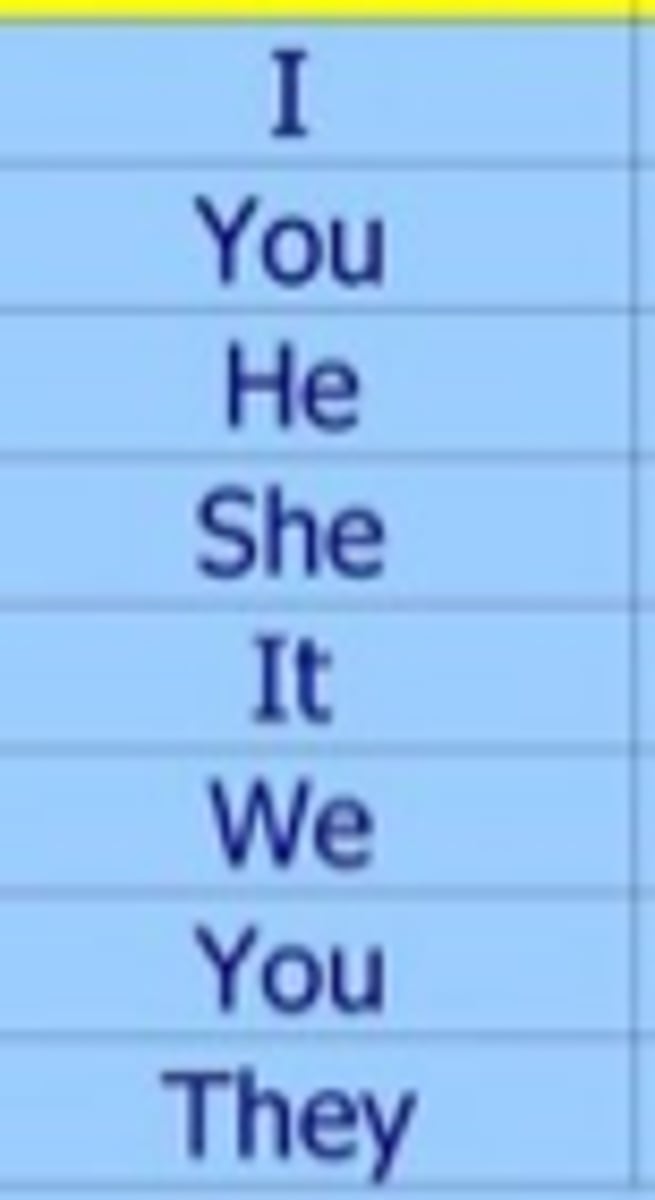
Pronoun reference is the practice of making pronouns refer clearly to the words they replace. A pronoun takes the place of a noun; thus, the pronoun must agree with the noun it replaces in number and person.
Could be the antecedent or the recurrent.
protagonist
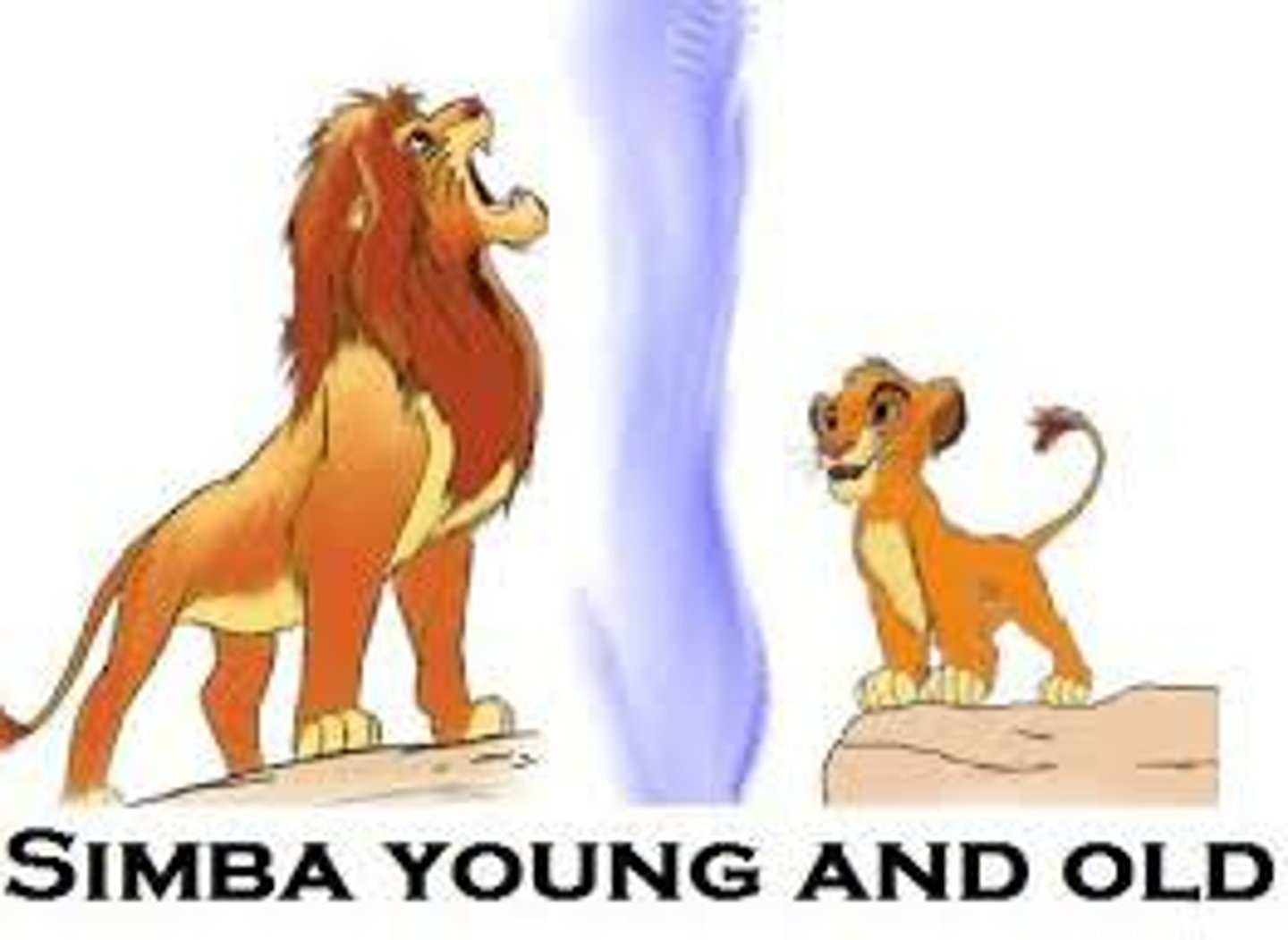
the main character in a literary work
usually 'The good guy"
reasoning
the action of thinking about something in a logical, sensible way.
referent
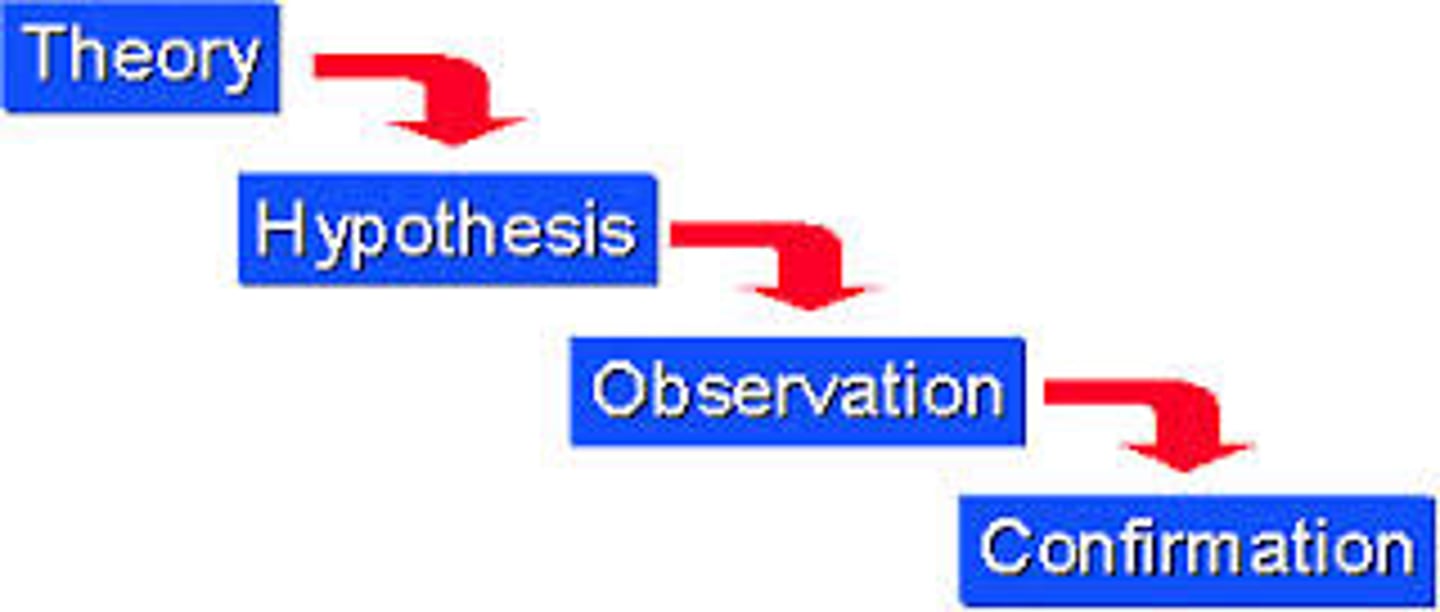
a person or thing to which a name - a linguistic expression or other symbol - refers
A referent (/ˈrɛfərənt/) is a person or thing to which a name – a linguistic expression or other symbol – refers. For example, in the sentence Mary saw me, the referent of the word Mary is the particular person called Mary who is being spoken of, while the referent of the word me is the person uttering the sentence.
reliability
refers to the extent to which assessments are consistent.
repetition
Repeated use of sounds, words, or ideas for effect and emphasis
resolution
the part of the story where a character solves a main problem, often part of the climax.
setting
The context in time and place in which the action of a story occurs and how this affects the character, plot or theme
shift
when speakers or writers alter their style or tone in a piece
This is particularly prevalent t in poetry.
In sonnets, it is called the volta

simile
A comparison using "like" or "as"

Soliloquy
A long speech expressing the thoughts of a character alone on stage
stanza
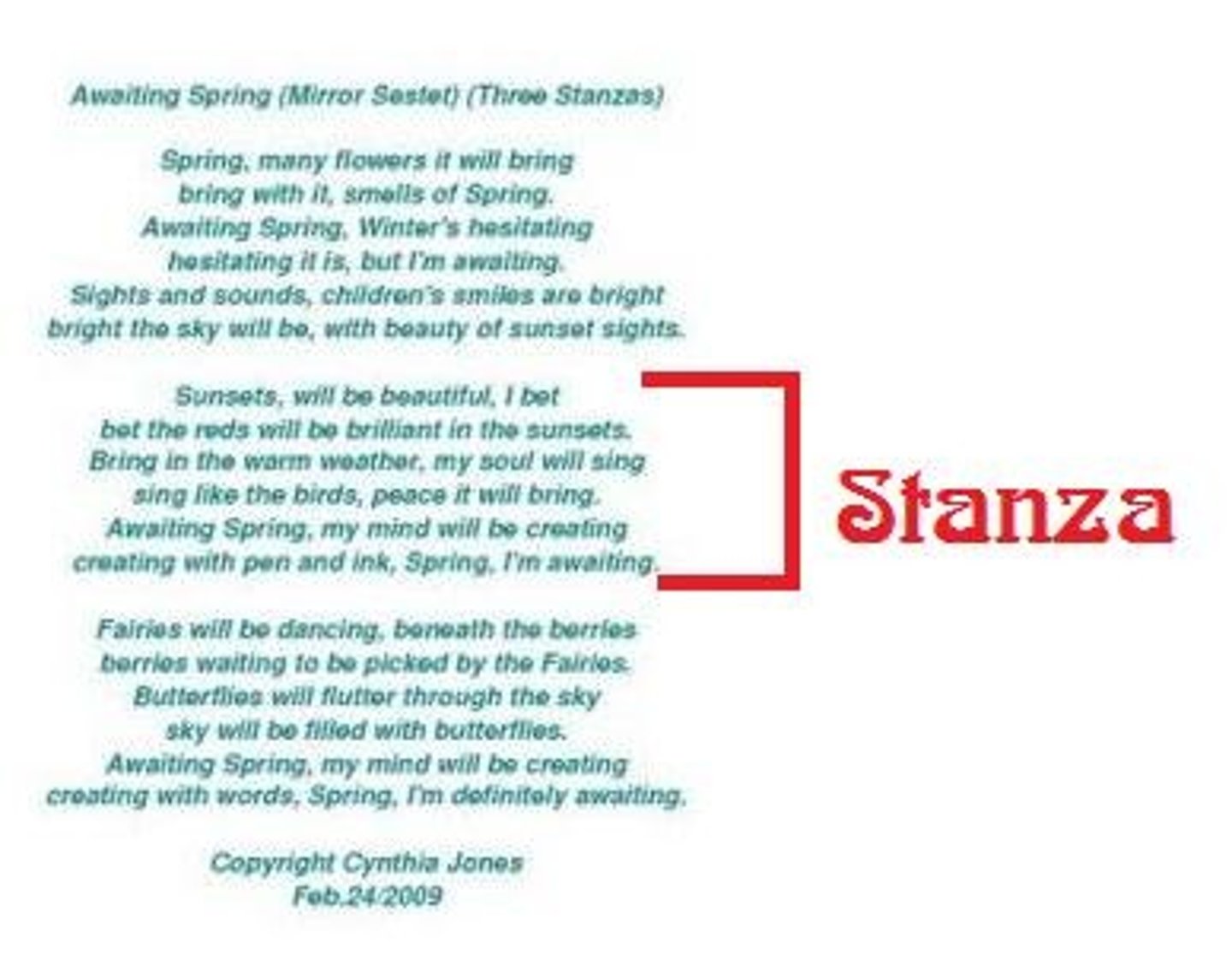
A group of lines in a poem
In prose it is called a paragraph
Stream of Consciousness
method of narration that describes happenings in the flow of thoughts in the minds of the characters
structure
the arrangement of story elements according to purpose, style and genre
HOW the information is delivered instead of what the information is
symbols
Terms, concepts, or items that represent specific meanings
synonyms
words that have the same meaning
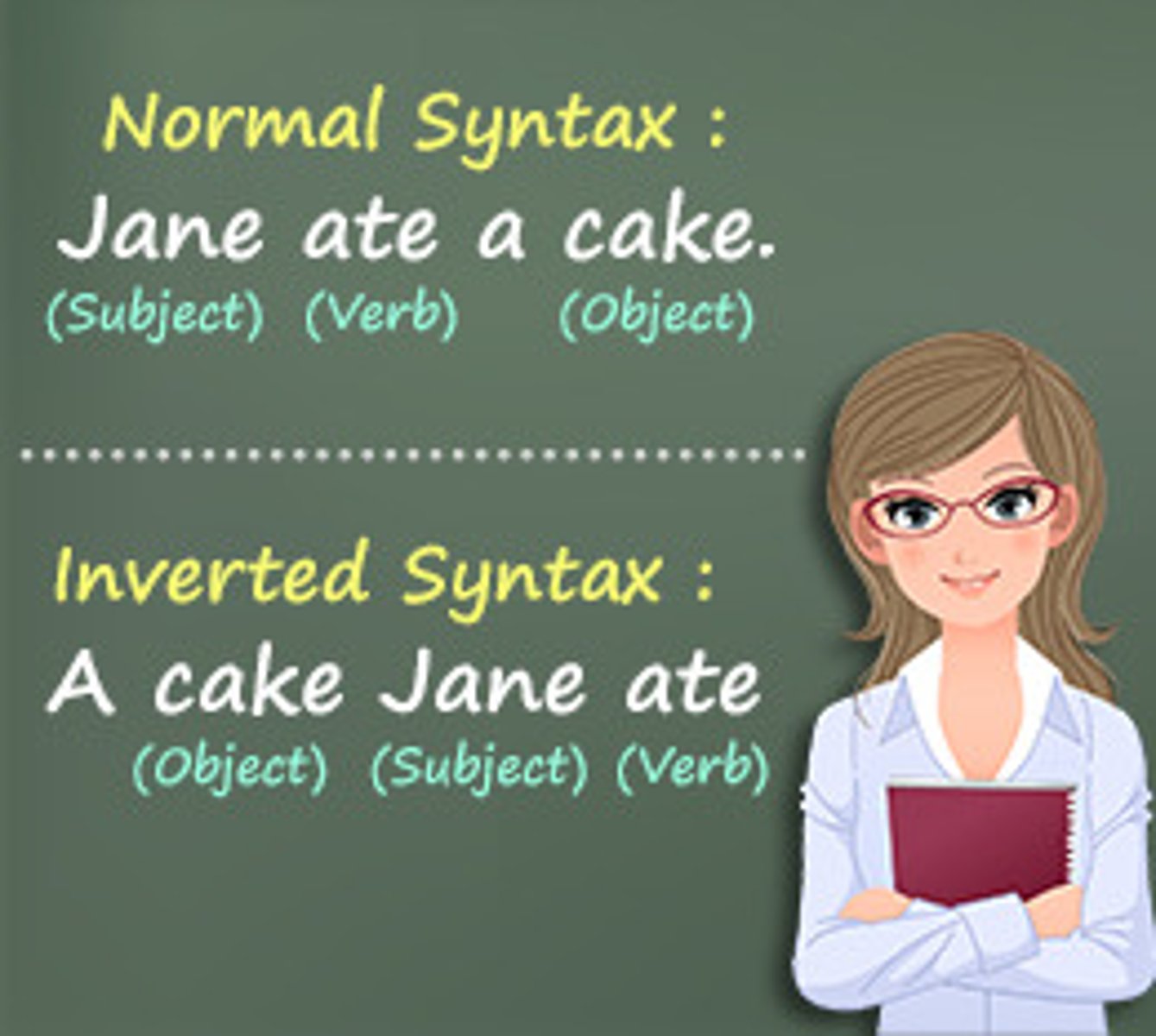
syntax
refers to the way in which words and sentences are placed together
Sentences may be short or long. They may be very descriptive or very curt for a reason
"I just couldn't do it. The thought of going into that abyss again, the thought of having that terror, the pain, the fear. No."
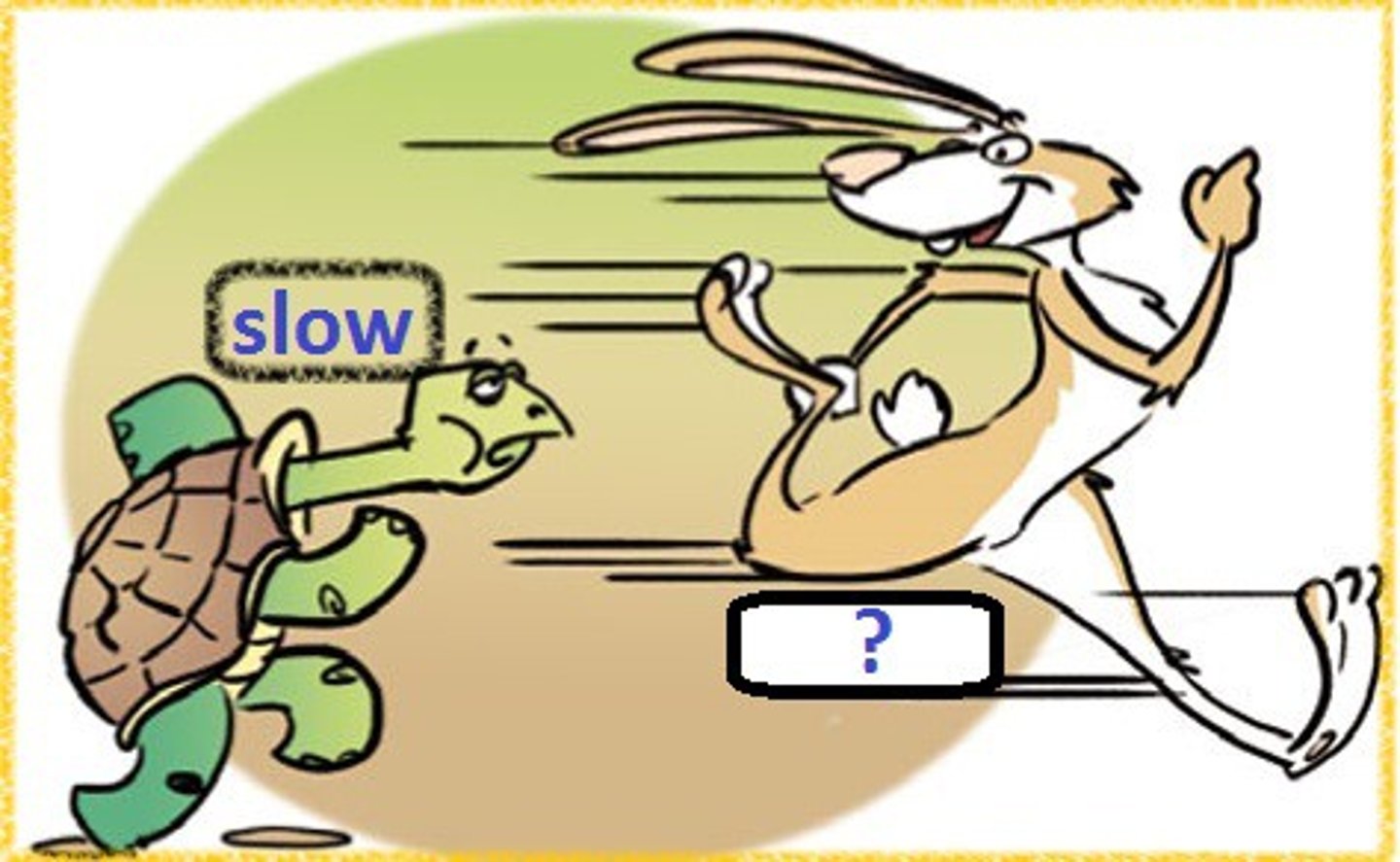
tempo
The pace or speed of speech and also the degree to which individual sounds are fully articulated or blurred together
*The tempo of The Handmaids Tale is particularly slow in the beginning to make the reader feel like the character feels, trapped, confused, and anxious
Tense (Grammatical)
The aspect of the conjugation of a verb which indicates the time in which an action or state was performed or experienced
past or present or future
I am vs I was vs I will be
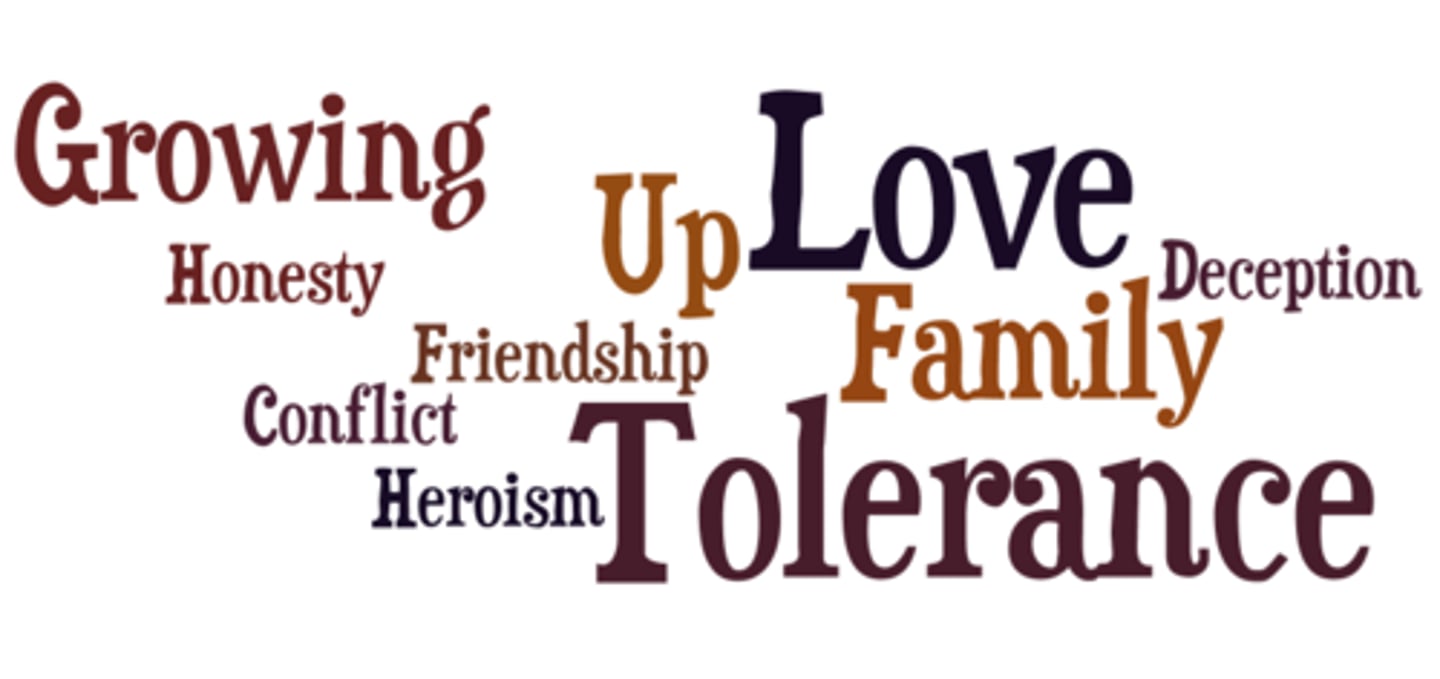
Theme
Central idea of a work of literature
This is the lesson the author wants humanity to learn or identify with as an artists
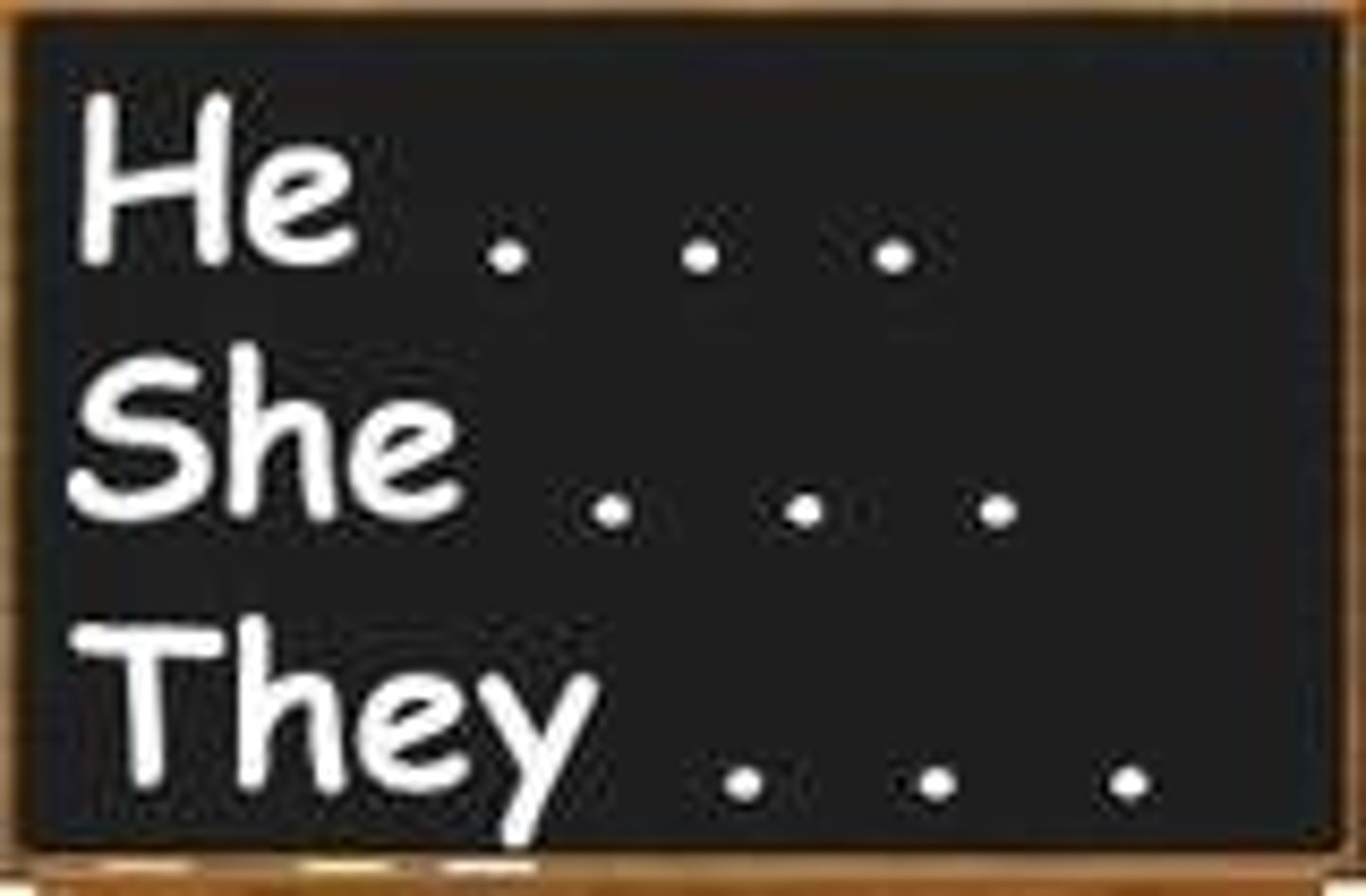
third-person narrator
relates the events with the third person pronouns, "he," "she," and "it."
Tone
Attitude a writer takes toward the audience, a subject, or a character
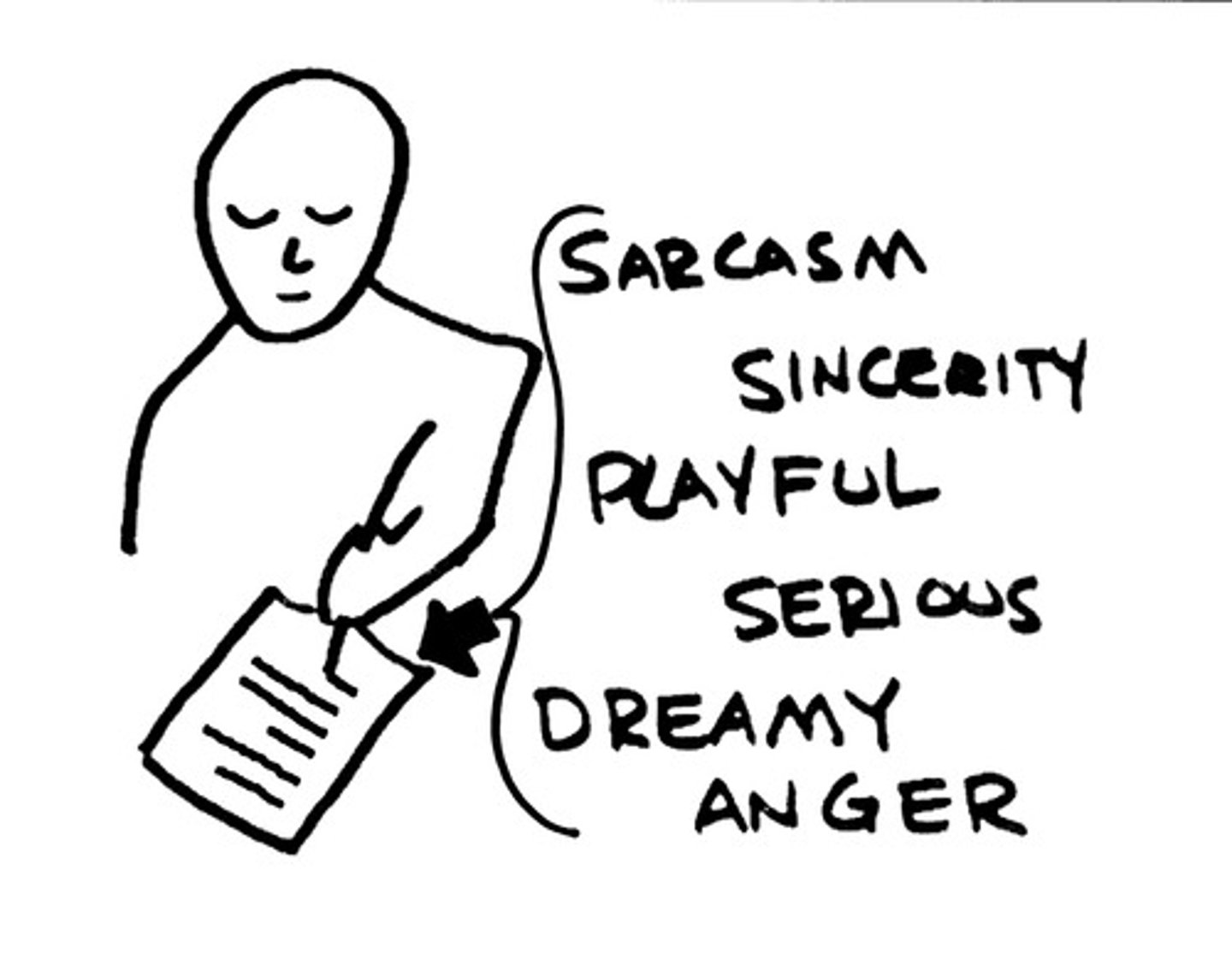
Understatement
the presentation of something as being smaller, worse, or less important than it actually is.
2020 was pretty rough
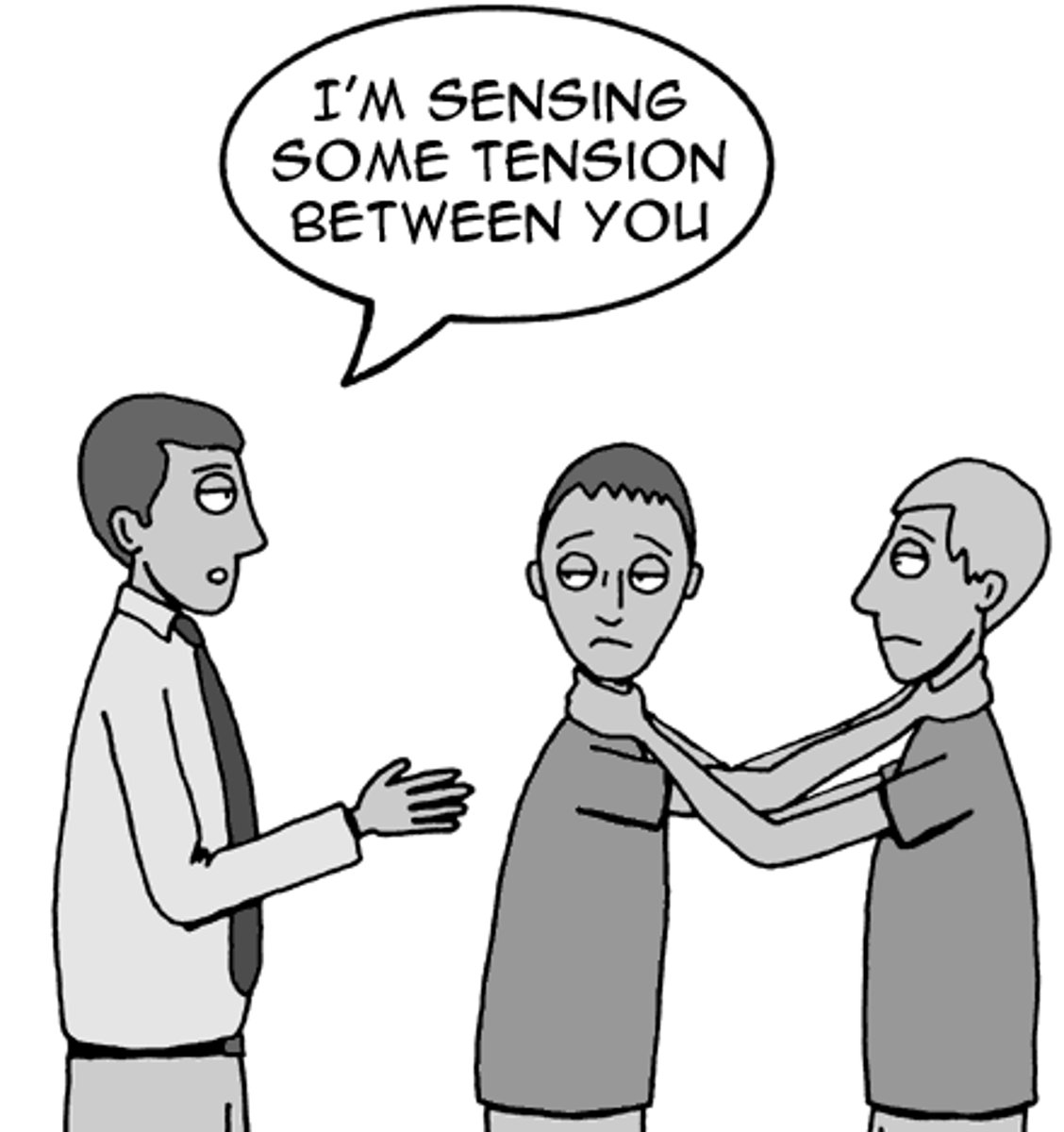
use of evidence, to: amplify
tool that embellishes an argument/statement in writing by making something stronger, bigger, louder, or more important. (emphasis/exaggerate)
use of evidence, to: associate
writing associated with other things in the text such as, objects, tone, color associated with, trait, idea
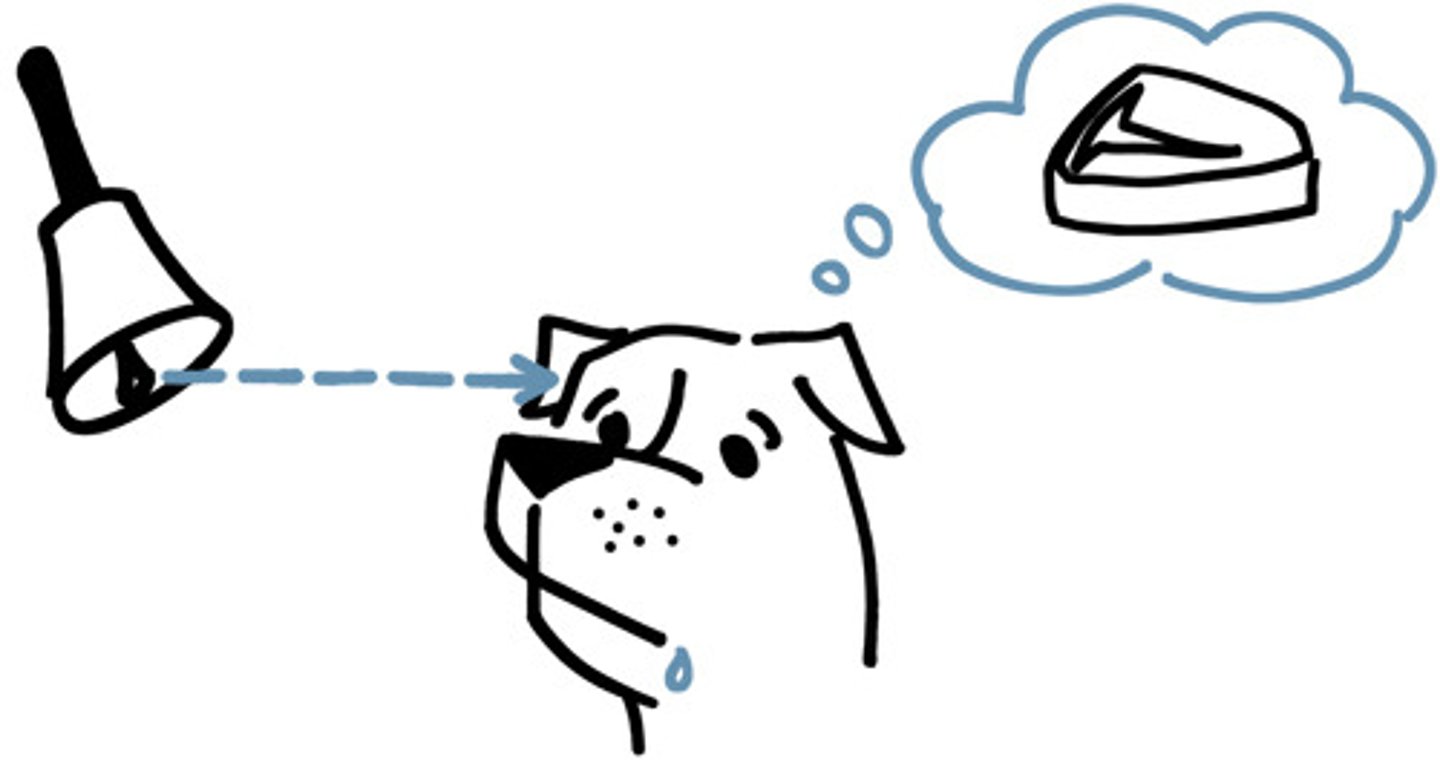
use of evidence, to: clarify
in writing use evidence to deeply explain something even further
use of evidence, to: exemplify
in writing using evidence that exemplifies a claim that supports the thesis
use of evidence, to: qualify
using evidence to align with the thesis in writing, therefore supporting