BIO 110 Chapter 9
 Call Kai
 Learn
Learn Practice Test
 Spaced Repetition
 Match
Match Flashcards
 Knowt Play
1/51

There's no tags or description
Looks like no tags are added yet.
Name | Mastery | Learn | Test | Matching | Spaced | Call with Kai |
|---|
No analytics yet
Send a link to your students to track their progress
52 Terms
Mycelium
underground structure of a mushroom that extends its hyphae through absorbing organic matter
Hyphae
these are fungal bodies (both aboveground and belowground) that are made of threadlike interconnected cells
Mushroom
above ground reproductive structure
Spores
reproductive sex cells that are dispersed through the air
In asexual reproduction, ______ cells of the mycelium produce spores, sex cells that contain a single set of chromosomes which are also _____ (same thing)
haploid
Fungi reproduce sexually when the hyphae of two parents join and the haploid cells of each fuse, resulting in a _____ with _____ cells, ones that have two sets of chromosomes. The diploid cells within the mushroom cap then divide, producing genetically distinct haploid spores
zygote, diploid
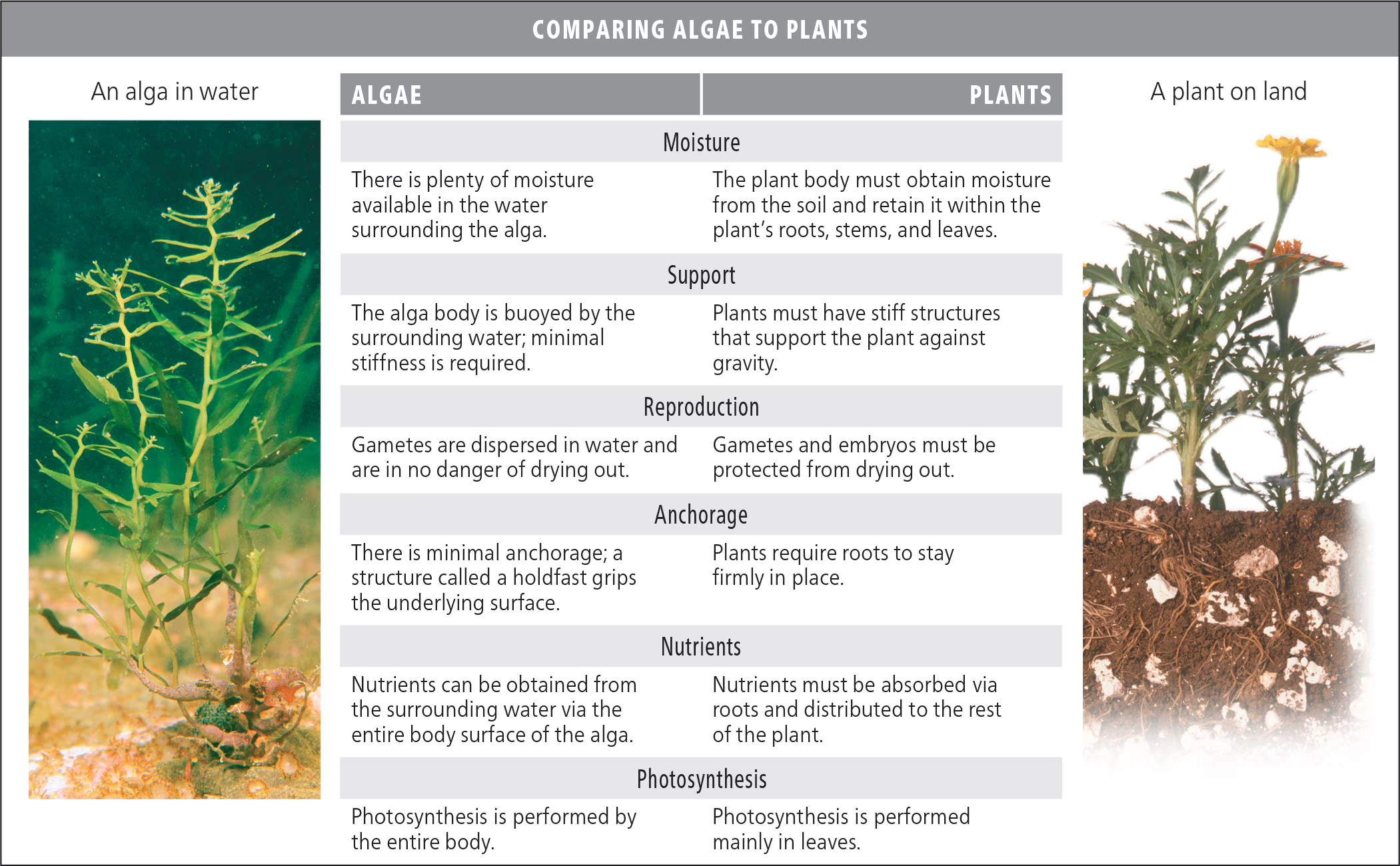
Algae in comparison to plants:
plenty of moisture, no need for support, can reproduce in water, no need for anchorage, nutrients can be obtained throughout the entire body, photosynthesis is preformed through the entire body
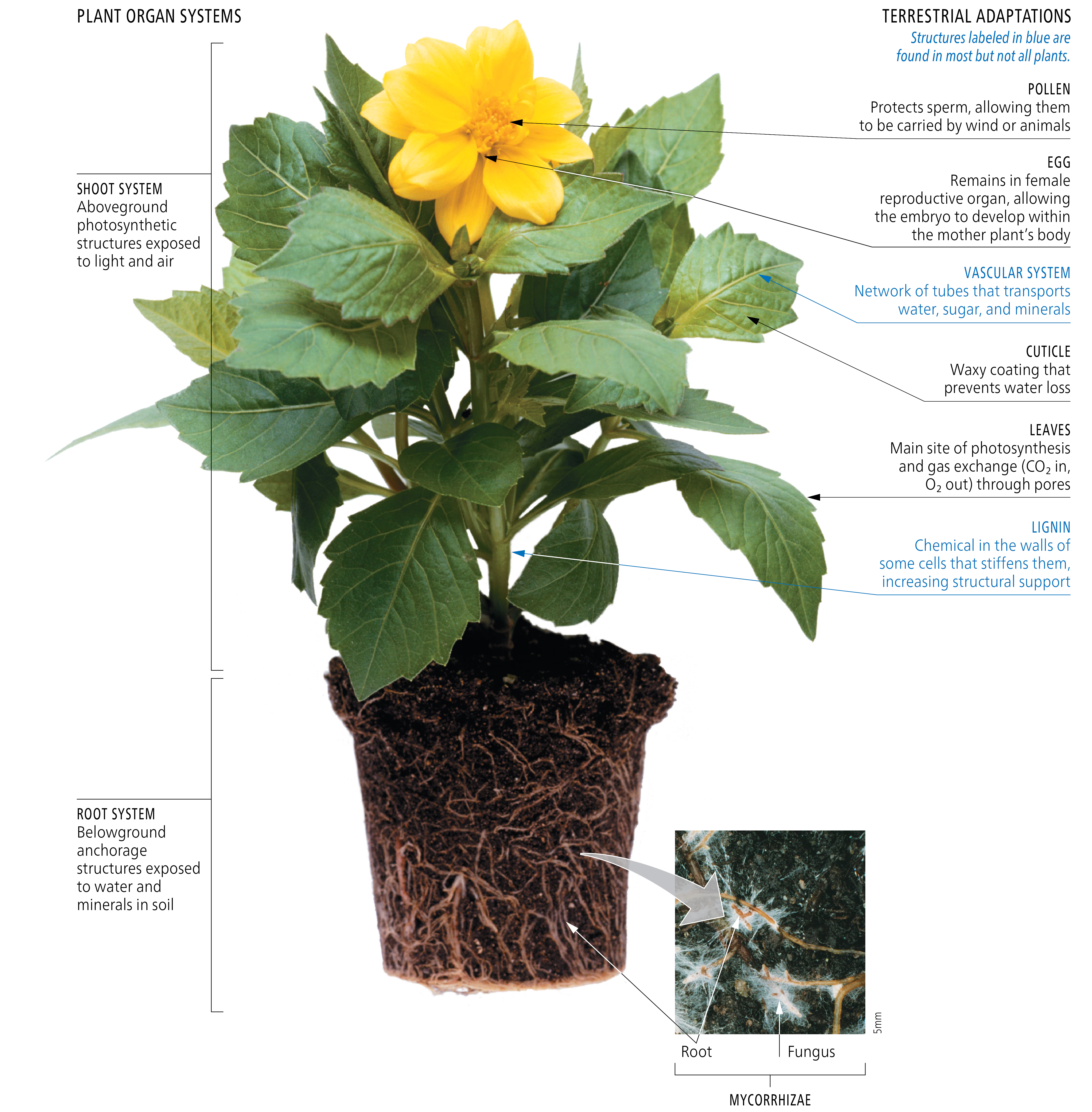
Main important features of terrestrial plants:
root system, vascular system, shoot system, reproduction can happen through wind
Vascular system
network of tubes that transports water, sugar, and minerals
Can vascular systems be found in all plants? If not, which ones do not have vascular systems?
no, moss
Root system
belowground anchorage structures exposed to water and minerals in soil
Mycorrhizae
a symbiotic association between fungus and plants. Fungus improves the plants roots surface area, and ability to absorb water and nutrients. Plants provides carbohydrates to the fungus.
What problem associated with living on land do mycorrhizae help a plant overcome?
the need to absorb water and minerals from the soil
Root hairs
cellular extensions that greatly increase the surface area for absorption
Carrots, turnips, sweet potatoes etc store food in the form of _____ and sugars. If not harvested by humans, the plants can use this ______ ____ during times of growth.
starch, stored food
Vascular tissue
system of tube-shaped cells that transports water and nutrients throughout a plant
Phloem
transports sugars from one part of the plant to another
Xylem
transports water and minerals from roots to leaves
Which prominent reproductive structure is not found in all plants?
flowers
Ground tissue system
performs photosynthesis, provides support, and stores nutrients
Dermal tissue system
forms an outer protective covering and regulates gas exchange
Vascular tissue system
provides long-distance transport of water and nutrients
What is the correct evolutionary history of plants?
bryophytes (mosses, liverworts), seedless vascular plants (ferns), gymnosperms (fir trees, pine trees), angiosperms (flowers)
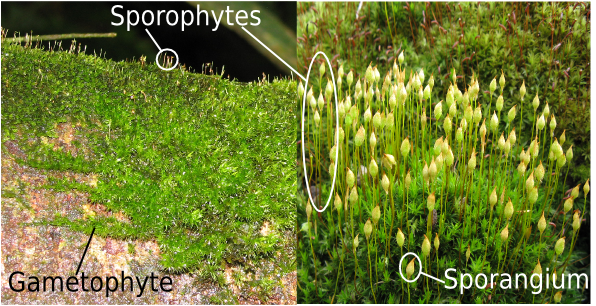
Bryophytes come in two distinct forms which is the ______ and the ______
gametophyte, sporophyte
What is the alteration of generations
a plants lifecycle in which the gametophyte and sporophyte take turns producing each other
The alteration of generations is unique to ______ and _____
plants, algae
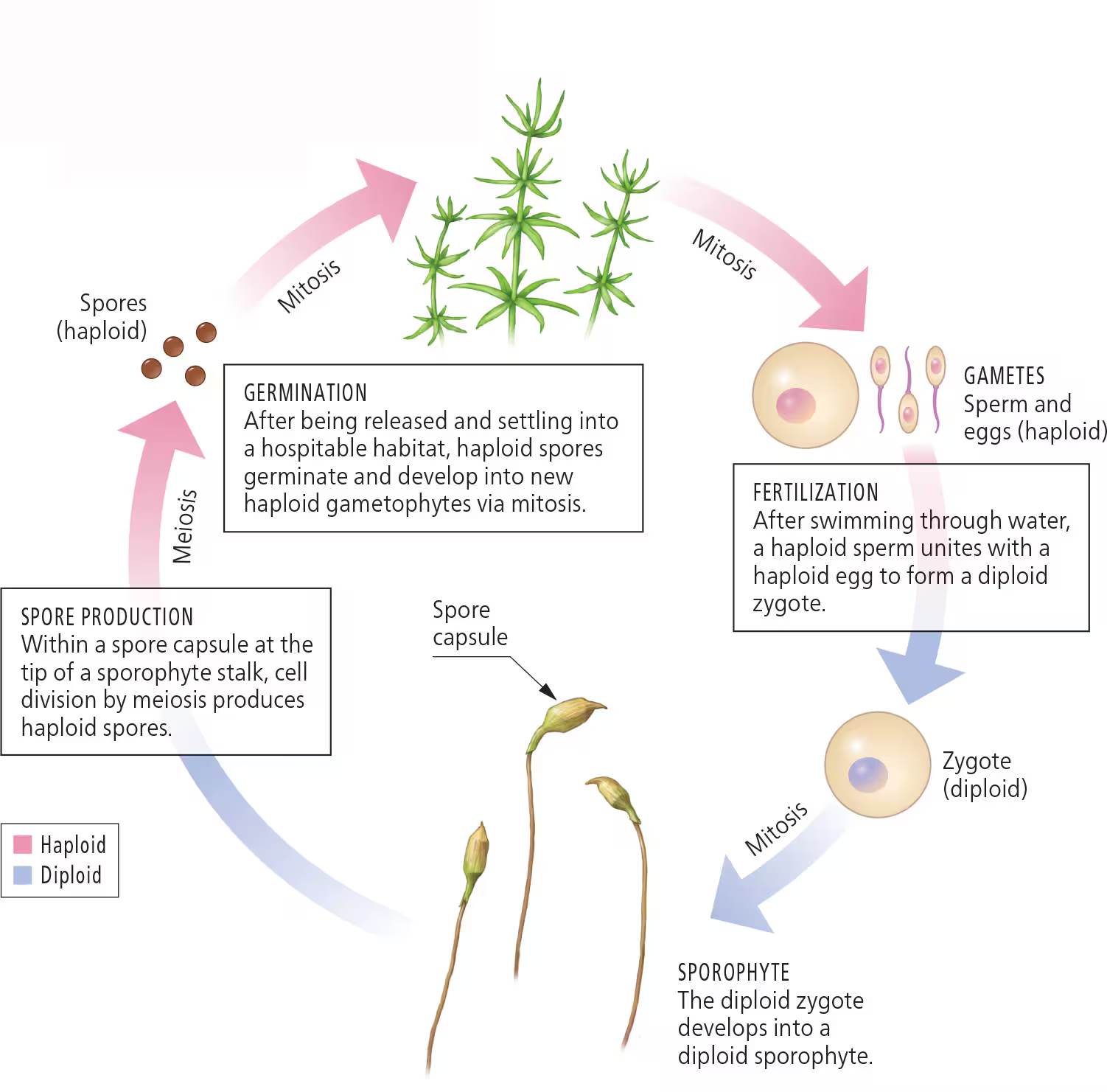
The gametophyte is _____ while the sporophyte is _____
haploid, diploid
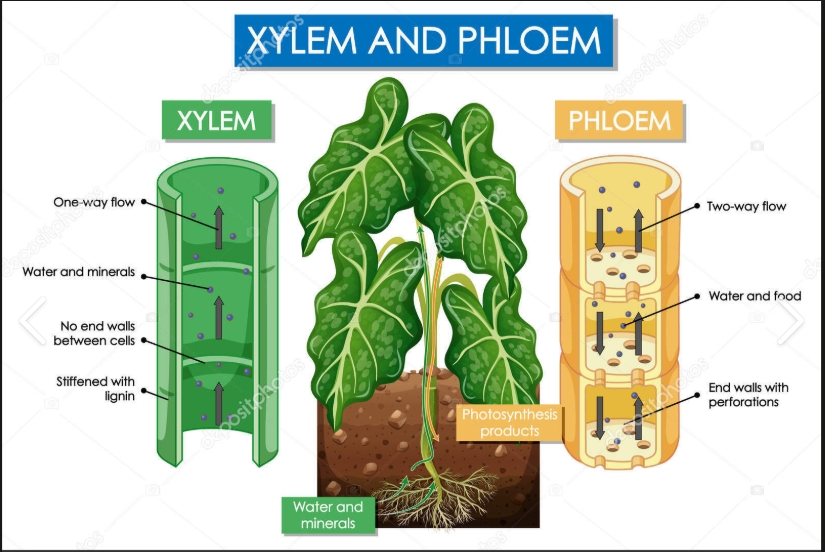
Phloem sap always flows from a _____ source such as photosynthetic leaves or organs that store ____(same thing) to a site in the plant where the sugar will be used such as a growing shoot.
sugar
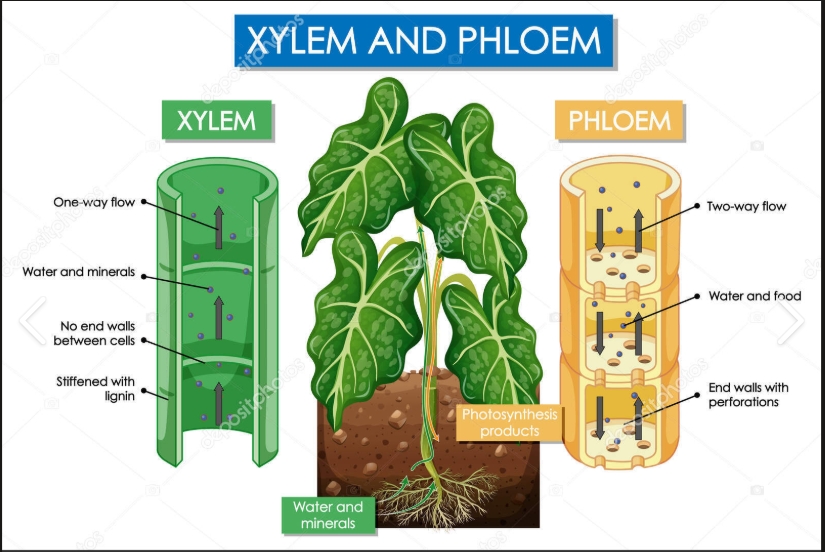
Xylem sap is moved through the body through _______.
respiration
The portion of a plant’s vascular system that provides support and conveys water and inorganic nutrients from the roots to the rest of the plant is called …
xylem
The portion of a plant’s vascular system that conveys sugars, nutrients, and hormones throughout a plant is called…
phloem
What are some important adaptations for land living seedless vascular plants?
vascular tisssue, lignin-hardened cell walls (allows the plant to stand up straight and tall)
What were the most successful first seed plants?
gymnosperms
How do gymnosperms reproduce?
consists of an embryo in a seed, and its food supply packaged inside a protective coating. (think pinecone)
Seed
a plant embryo packaged with a food supply within a protective covering
What is the major advantage of gymnosperms
they do not need to reproduce near water
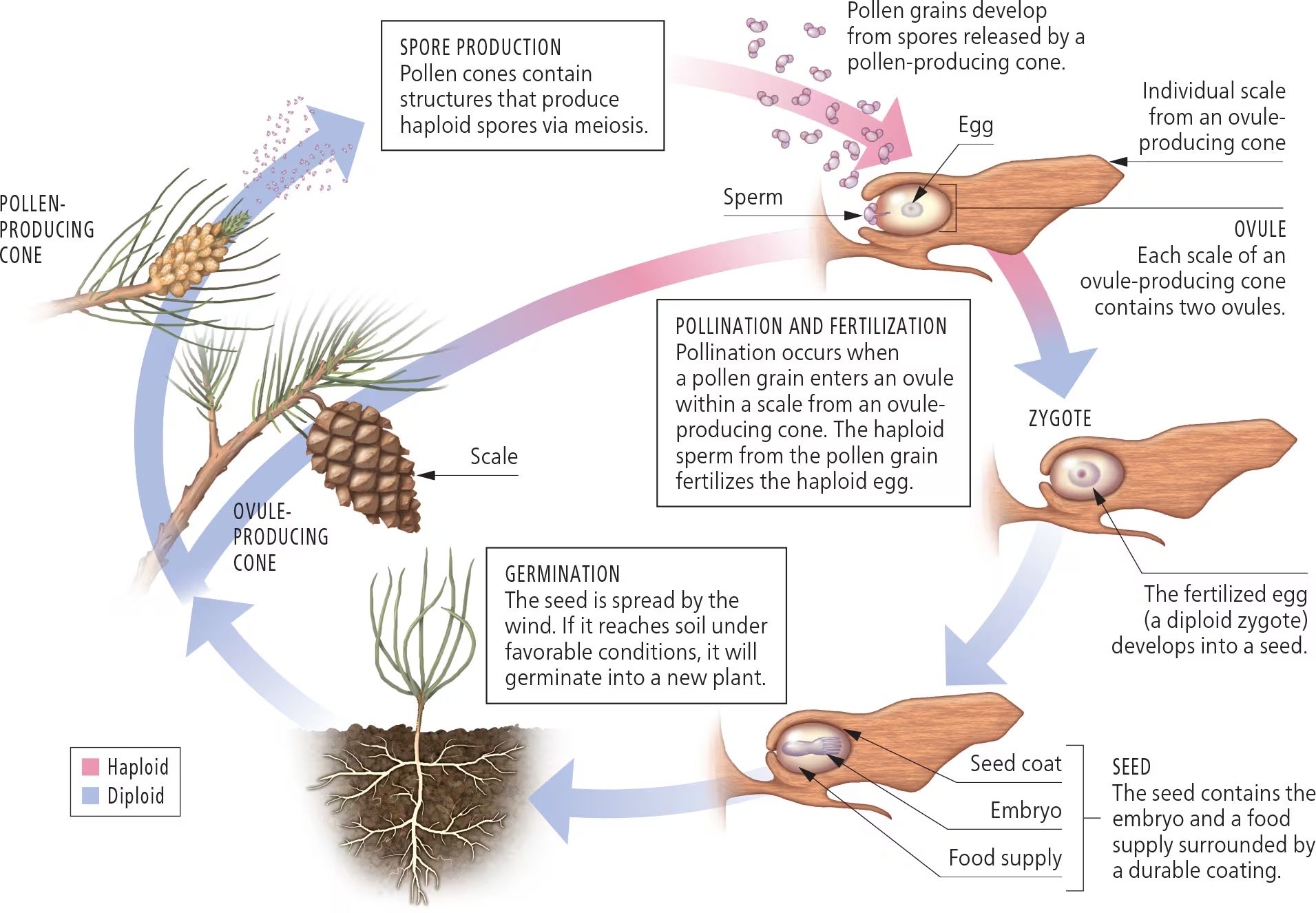
Cones house all ______ stages: spores, eggs, sperm, zygotes, and embryos.
reproductive
Gymnosperms are cone-bearing plants that produce seeds _____ enclosing them in an ovary unlike angiosperms
without
What is the most important adaptation of angiosperms?
flower
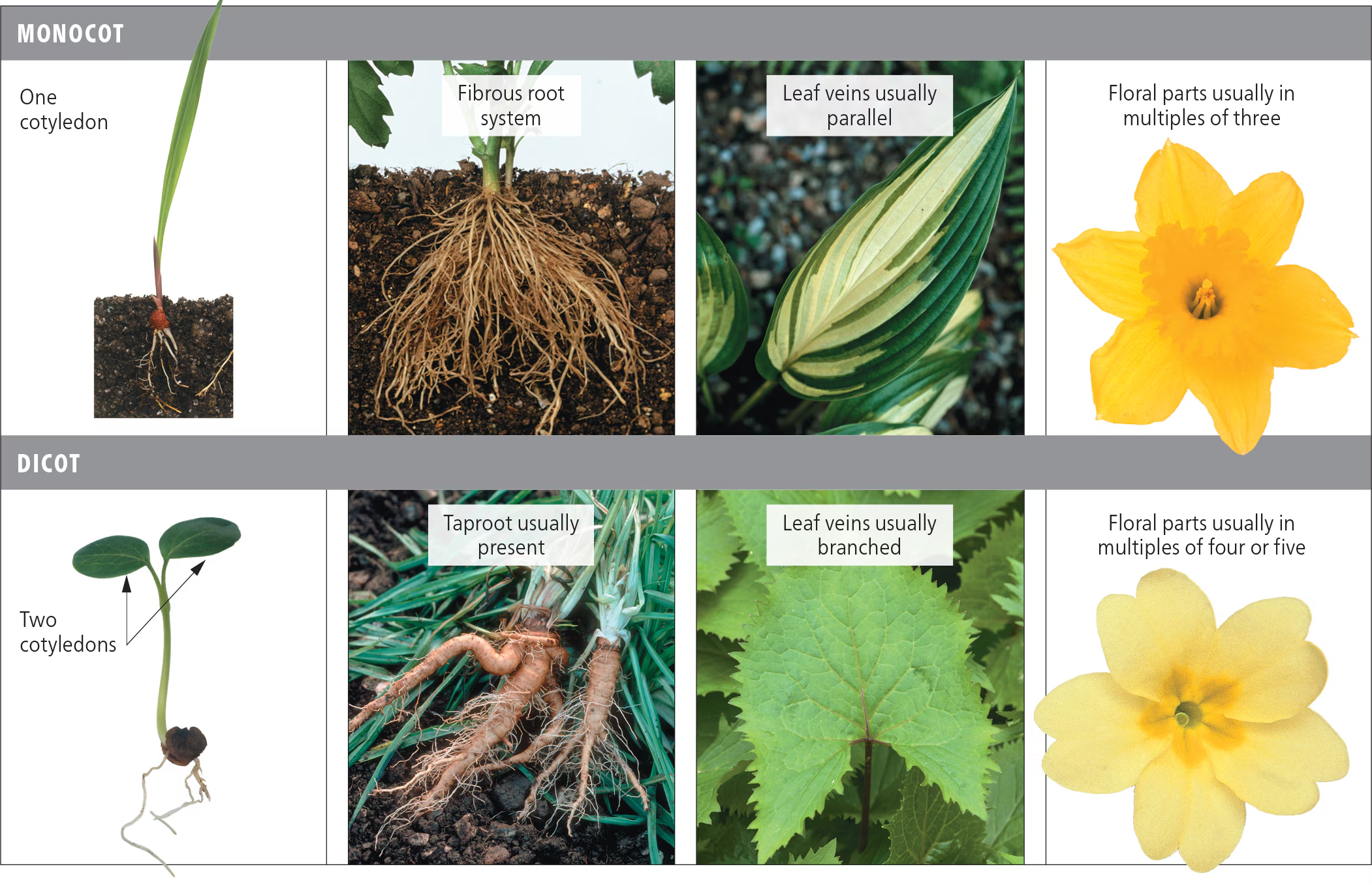
What is the difference between a monocot and a dicot?
monocot has one leaf sprouting at germination while a dicot has two.
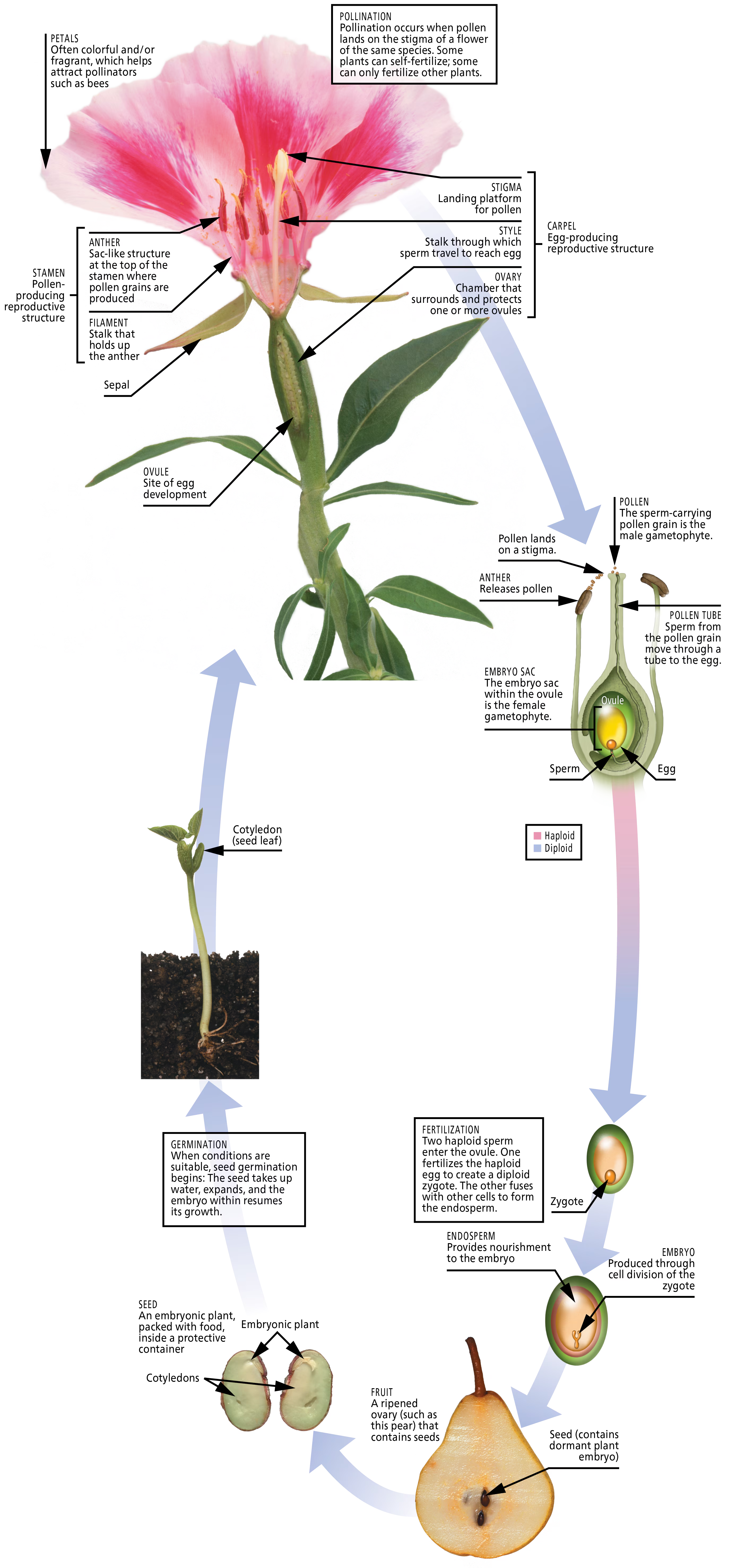
What structure is made of the anther and filament?
stamen pollen reproducing reproductive structure
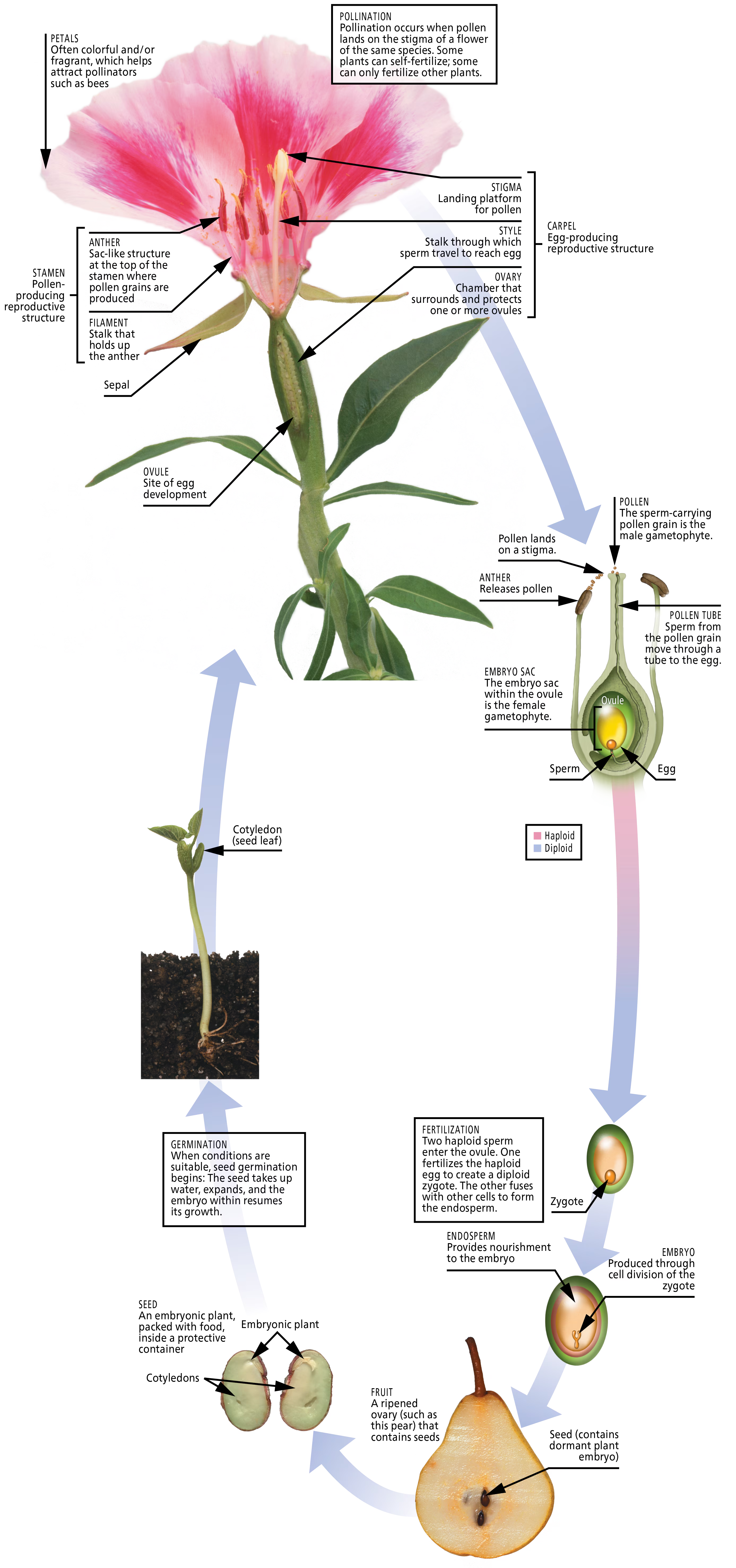
What structure is made of the stigma, style, and ovary?
carpal egg producing reproductive structure
After fertilization, the ovary expands and thickens to form a protective container around the seed which is called a _____?
fruit
Fruits are only found in ________?
angiosperms
What is the difference between gymnosperms and angiosperms?
only the seeds of angiosperms are protected within the ovary and can remain dormant for long periods of time until favorable conditions exist.
_______ are fruits that grow, mature, reproduce, and die in a _____ growing season
annuals, single
_______ like carrots live for ___ years, with flower and seed production occurring during the ______ year
biennials, two, second
_______ like blueberries live and reproduce via flower and fruit for ____ years
perennials, many
Meristems
new cell tissues in angiosperms root tips that are responsible for a plant to grow in length
An increase in a plant’s girth, involving cell division in the stem and wood is called _____?
secondary growth
Growth in the length of a plant root or shoot produced by an apical meristem is called _____?
primary growth