APUSH Unit 8
 Call Kai
 Learn
Learn Practice Test
 Spaced Repetition
 Match
Match Flashcards
 Knowt Play
1/62

Earn XP
Description and Tags
brrrrrr
Name | Mastery | Learn | Test | Matching | Spaced | Call with Kai |
|---|
No analytics yet
Send a link to your students to track their progress
63 Terms
What was the nickname for Harry Truman’s administration? During demobilization after WWII, how did the US avoid falling back into the depression (2 reasons)? What was guaranteed for veterans? How did it promote education, suburbs, and middle class? Causes of baby boom after WWII? How was there economic stability for families? Healthcare? What was the Cold War ideal family? How did it it prevent falling back into depression?
The Fair Deal (1945-1953)
A. Demobilization after war
To prevent falling back into Depression- baby boom and GI Bill
GI Bill (Servicemen’s Readjustment act)
Gave servicemen $ for college/vocational training, low-interest guaranteed housing loans, unemployment insurance to help them readjust to civilian life w/ safety net
keep a massive influx of young men into the workforce from causing unemployment by immediately competing for jobs
Spurred college attendance, suburban home ownership, economic prosperity. Driver of post-war economic boom = prevent unemployment and contribute to growth of middle class
Baby boom
Rapid population explosion due to high birthrate, economic prosperity, enhanced life expectancy, earlier marriage
Returning soldiers married sooner and started families earlier.
Robust post-war economy and GI Bill = financial stability and housing assistance for larger families.
Vaccinations against childhood diseases (i.e. tetanus, polio) decreased child mortality.
Cold War pushed nuclear family ideal of 2 parents and 2 kids (father worked, mother at home), to highlight the moral superiority of US.
Promoted massive spending on consumer goods and new housing for nuclear families.
After WWII why was the inflation rate so high? Why was there labor unrest? What was the Taft Hartley Act that was passed by Republicans over Truman’s veto? What did he do to almost lose the re-election? What did he support and what agency was created?
B. Inflation rate of 25% “too many dollars chasing too few goods”
C. Labor Unrest- 5000 strikes by 1947 (inflation = workers demanded higher wages)
Taft Hartley Act *passed over Truman’s veto
Outlawed closed shop legalized by Wagner Act
80 day cooling off Period- before strike
Cut power of labor unions
D. 1948- desegregation of armed forces = equal rights/opportunities (almost lost re-election)
E. Support for UN
F. Creation of CIA- full time spy agency. Cold War response
What was the Election of 1948 and how was it a political miracle? What was the Republican campaign slogan and the Gallup Poll? Why was there the states rights party from the south and what was their nickname?
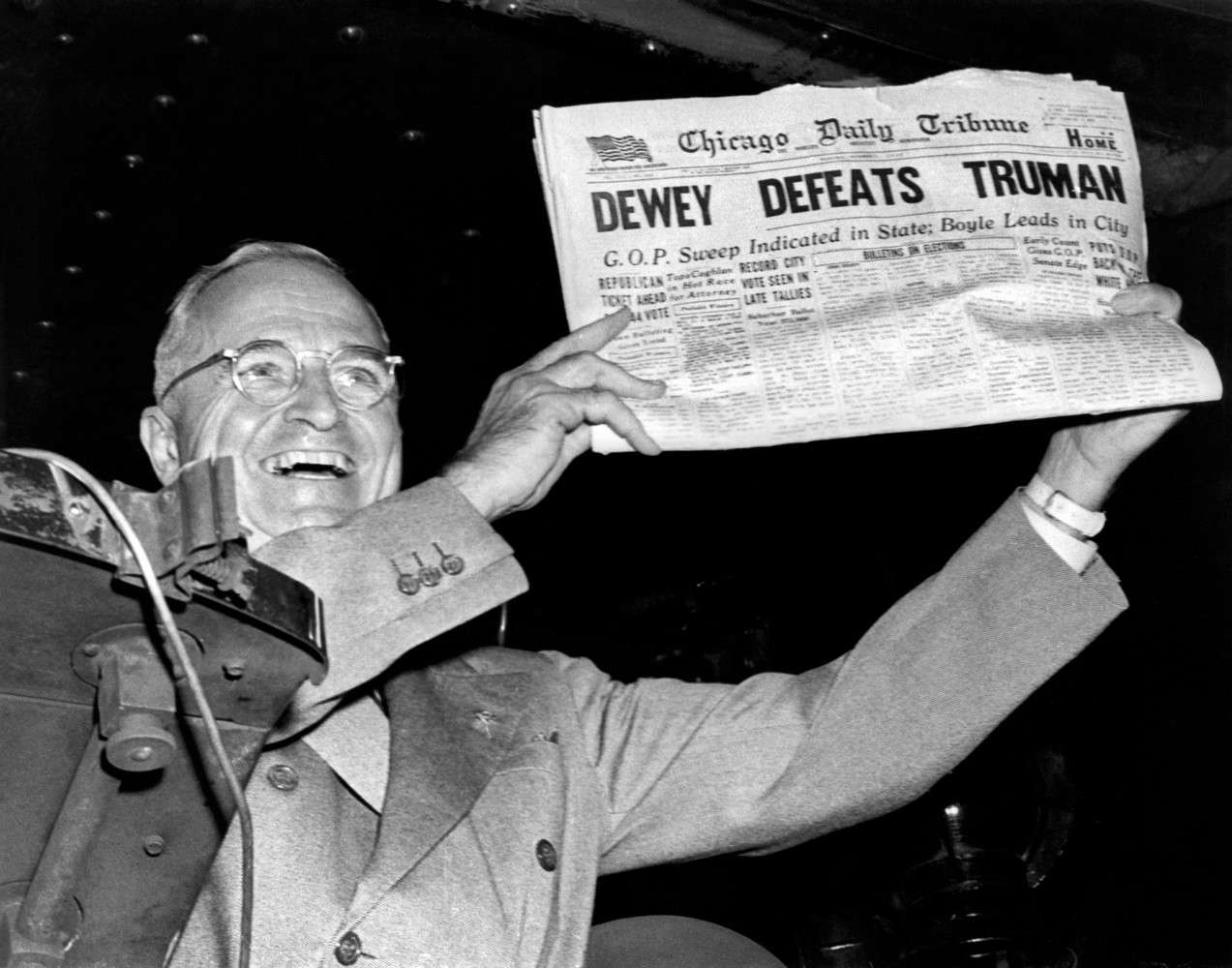
Election of 1948 “Political Miracle”
Republican campaign slogan “Had Enough? (of Democrats)” which had been successful in congressional election of 1946
Gallup Poll- sampling of Americans predicted Truman had no chance of re-election
People thought Republican Dewey had won. Counting continued throughout the night = Truman re-elected
States rights party (Dixiecrats)-
New racist Democrat southern segregationist party formed as a result of expansion of civil rights (desegregation of military)
white supremacists wanted to protect Jim Crow laws and states’ rights in South
Strom Thurmond unsuccessfully ran against Truman. Solid south broke and some didn’t vote for Democrat Truman
What were 3 post WWII elements of Truman’s foreign policy? Who was held responsible? What war crimes were added? Who occupied Germany vs Japan? What was the Fall of China? Who gained control?
Atomic bombs (Aug 1945)
Nuremberg trials- first time individuals were tried for war crimes (Nazis). Added crimes against humanity for the Holocaust. Allied winners prosecuted (Japan held less accountable = resentment by Asia)
Occupations of Germany (4 zones) and Japan (Just US - General McCarther)
Fall of China
Chiang Kai-Shek and nationalists retreated to Taiwan
Mao Zedong and communists control China
What was the Truman doctrine? Which governments received aid? Why did Americans view themselves as saviors? Which countries specifically was it targeted for? How did it differ from the Marshall Plan? What was Marshall plan’s other name? How did the Soviets react to the Marshall plan? How was there an economic divide between the west and east? How did it ultimately benefit the US?
Truman Doctrine-
Provide political, military, and economic aid and weapons to any gov threatened by communism, whether democratic or dictatorial, for containment.
Americans viewed themselves as saviors, since they assumed everyone wanted to be capitalist like the US and weren’t willingly accepting inherently oppressive communism.
believed it was duty to help free people in their struggle against totalitarianism and external pressure
Specifically Greece and Turkey (domino theory feared that one country falling would drag its neighbors down too)
Marshall Plan- (European Relief Plan : ERP) 1949 Sec of State George Marshall
To support the war-torn economies of Western Europe in rebuilding and prevent them from falling to communism, sent $13 billion in aid and cancelled war debts
Offered to eastern europe too
Soviets + satellite states = COMECON economic aid for eastern bloc
Divide between the prosperous West and a lagging East. Create stable democratic governments and open markets for American goods = help US political and economic interests in the region.
What was the Berlin Airlift about? What did US, England, and France do and why and how did that provoke Stalin? What did Kennedy do that provoked Stalin into making Berlin Wall? What did it prevent? What was it a symbol of?
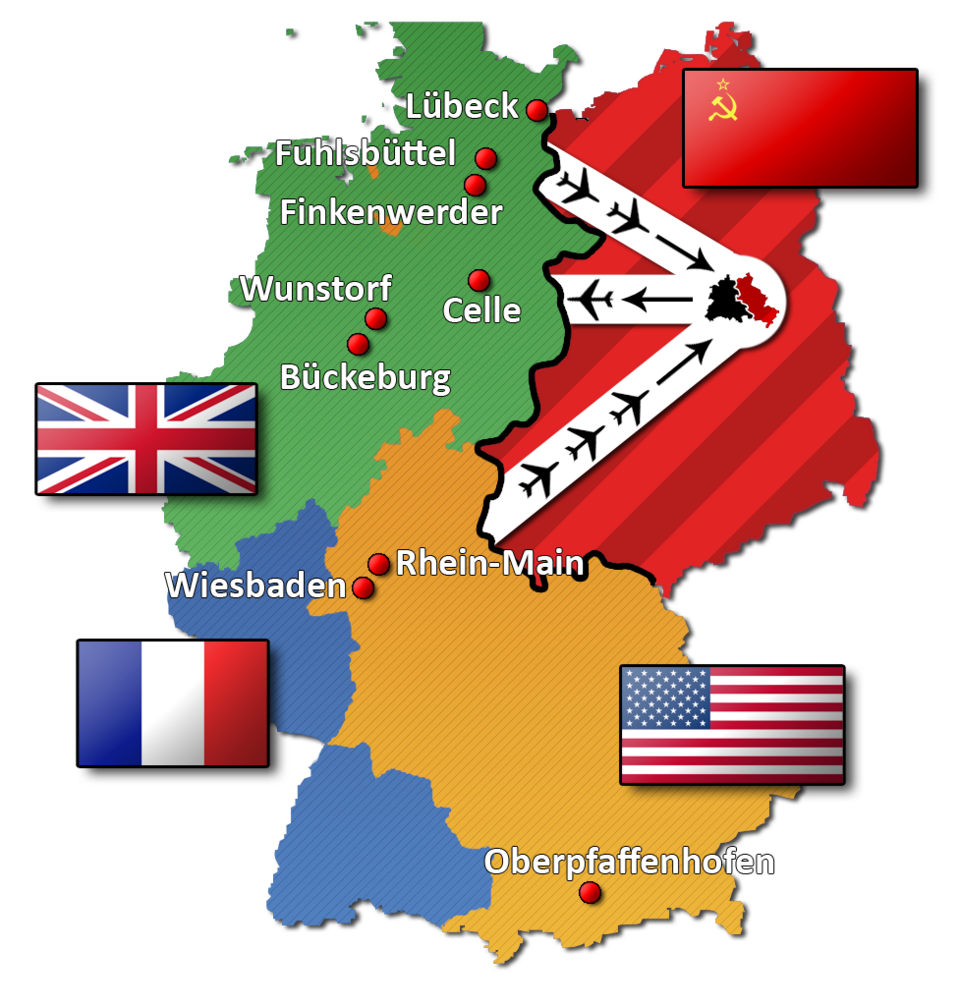
Berlin Airlift-
US, England, and France combined their zones in Germany to create West Germany to strengthen postwar Germany and stimulate its economy. Protect against Soviet expansion and a potential resurgence of the Great Depression.
Threatened by this unity, Stalin blockaded West Berlin (cutting roads from West). Attempt to starve west Berliners into becoming east Berliners.
US, England, France brought supplies in largest air lift in history for 18 months to keep city alive and provide relief
As tensions grew between the U.S. and the USSR, President Kennedy expanded the defense budget and sent more troops to Europe, particularly West Berlin.
Soviet Union (Khrushchev) built the Berlin Wall in 1961 to separate East and West Berlin.
Barred the “brain drain” - East Berliners escaping their poverty-stricken/ oppressive lives to the prosperity/freedom of West Berlin.
Enduring symbol of the Cold War and the “iron curtain” physical manifestation
The fall of the Berlin Wall in 1989, was the symbolic end of the Cold War.
What regional defense organizations were created (3) during the Cold War?
Regional Defense Organizations. NO NEUTRALITY- permanent military alliance
1949 (in response to fears of first Soviet bomb) - NATO (North Atlantic Treaty organization)
US and Western Europe. Promote collective defense and ensure peace/security. Attack against one was attack against all
SEATO (southeast Asian treaty organization including US and Canada. Korean War response)
Warsaw Pact (Soviet. Opposite of NATO) USSR + Satellite states
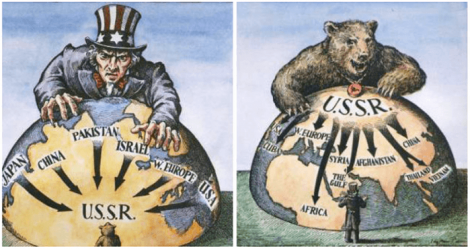
What fears propelled the push for containment? Who was George Kennan and what article did he write? What did he advocate that the Truman Administration do to contain the USSR and support Western Europe? What are examples of containment in foreign policy? What was the iron curtain? What did the west need to do?
Rising Cold War tensions between the former WWII allies, fears of Soviet nuclear capacity, and Stalin’s declaration that he would go to WWIII to defeat capitalism
George Kennan (U.S. diplomat in the Soviet Union) Containment in his “Long Telegram.”
X Article (unsigned)
Convinced Truman to adopt containment to contain Stalin’s aggressive spread of communism.
US should provide economic aid to Western Europe to prevent the desperate people from succumbing to communism.
Rather than direct confrontation with the Soviet Union, the US should contain communism through economic, military, and diplomatic aid.
Cornerstone of President Truman’s Cold War policy.
Truman doctrine, marshall plan, NATO/SEATO, korean war
Iron Curtain (Winston Churchill)
symbolic, ideological, and physical divide between communist Soviet Union and capitalist, democratic West. Start of the Cold War - divided Europe into 2 distinct blocs
Churchill/Truman believed that the West must intervene and limit the USSR’s expansion in order to maintain peace and order.
What was the significance of the Korean War and when was it? How did it start and what did the UN do? Who was fired? What countries fought? How did it end where it started? What is a NGO and which one helped negotiate peace? How did this expand the powers of the imperial presidency? How did it expand the military?
Korean War 1950-1953
First “hot war” or proxy war of “cold war. Truman doctrine applied to Asia. UN “police action” to contain communist threat and preventing South Korea from falling to communism in domino effect (US never declared war)
Communist soviet-backed North Korea attacked anticommunist South korea (supported by US and UN)
1951- Truman fired General Douglas MacArthur (wanted to nuke North Korea)
When US invaded too close to China, communist Chinese and north korean forces pushed back.
Fought to cease-fire stalemate. Public grew disillusioned as soldiers died for nothing. No peace treaty (technically isn’t over)
Divided on 38th parallel (same border before/after) Demilitarized zone created between them
NGO (non government organization) International Red Cross helped negotiate peace
Expanded powers of imperial presidency
Allowed truman to intervene without a declaration of war (bypassed congressional approval and constitutional authority in name of necessity)
Military draft for next 20 years, global peacetime army grew, military budget increased. Growth of military-industrial complex
What does HUAC stand for? What did it do during the New Deal under Roosevelt administration? After WWII what infamous investigations did they perform? Example in government and entertainment? Who was Hiss, who accused him, who prosecuted him and on what charges? Who were Ethel and Julius Rosenberg? What happened to those who confessed vs who didn’t?
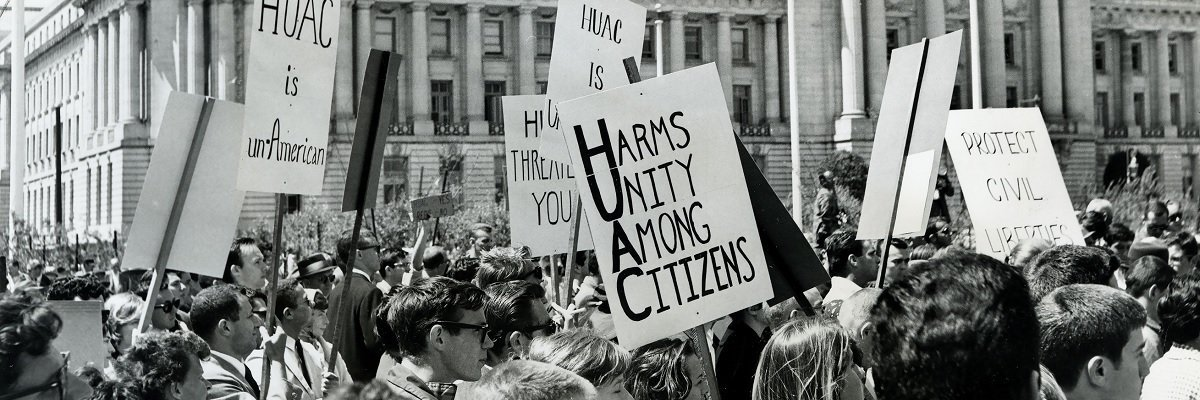
1938- House Un-American Activities Committee (HUAC) in the House of Representatives
Conservative opponents of the New Deal = investigate and combat alleged domestic communism infiltration in Roosevelt administration.
After WWII- infamous, widely-publicized investigations into suspected communist spies in government (Alger Hiss case) and entertainment (Hollywood Ten) which led to blacklisting and anti- communist paranoia throughout the 1940s and 1950s.
Alger Hiss- Author of Yalta Agreement. Accused by Whittaker Chambers but statute of limitations on spying meant Nixon (young senator) prosecuted Hiss on perjury.
Hollywood Ten - “unfriendly witnesses” who refused to answer. Jailed for contempt of congress. Blacklisted from working on movies
Ethel and Julius Rosenberg- American civilians executed for being communists conspiring to pass atomic bomb secrets to the Soviet Union
Assumed people were guilty regardless.
If they publicly confessed their disloyalty, they were required to name fellow Communists.
If they swore on their innocence, they were considered Communist anyway and were blacklisted from employment.
What was the second red scare and what did it emerge out of? How did it differ from the first red scare? What did it result in? What was the federal employee loyalty program? Instead of communists, who was fired? Who were targeted?
Second Red Scare (late 1930s-1950s)
Emerged as a product of Cold War fears of communist influence and Soviet espionage in the US that threatened national security
Differed from the post WWI First Red Scare (general paranoia towards foreign radicals like anarchists and communists)
Massive civil liberties violations, smeared reputations, blacklisting
Federal Employee Loyalty Program
In 1947, President Truman authorized to investigate 2.5 million federal employees to see if they were suspected of disloyalty, communist sympathy, or Soviet espionage.
Instead of actually finding communist spies, loyalty board often fired employees who held controversial viewpoints.
Hundreds fired for their liberal political views, suspicious personal behavior, and homosexuality. Targeted political opponents and critics.
People were forced to sign loyalty oaths.
Later expanded to the general American public.
Significance of Senator Joseph McCarthy? What does it symbolize about anticommunism? How did he start in 1950? What happened to anyone who tried to resist? What happened during his “reign of terror”? How did the Army-McCarthy hearings end his career? How did public perception change?
While Republican senator Joseph McCarthy did not create the Second Red Scare, he was the most outspoken anticommunist voice from 1950 until 1954.
McCarthyism = symbol of anticommunism. Bullying and persecution of suspected communists and political opponents through truth manipulation and unfounded accusations to incite a mass paranoia.
In February 1950, McCarthy waved a piece of paper in the air that allegedly listed 205 known communists in the State Department.
Incited a wave of mass fear that targeted people for being “soft on communism.”
Anyone who attempted to oppose McCarthy’s reign of terror, like Senator Tydings who investigated the baseless charges, was silenced and smeared.
Government officials subject to false accusations, harassment, and fake evidence that ruined careers.
Army-McCarthy hearings ended McCarthy’s domination over the US.
Went too far in 1954 when he accused the army of harboring communists.
1st Congressional hearings to be publicly televised, allowing Americans to witness McCarthy’s bullying tactics = public support declined
What were Eisenhower’s 1950’s domestic policies? How did he react to the New Deal? What is Modern Republicanism and how was it a balance in ideals? Why was Eisenhower so popular? How did he react to McCarthyism, and civil rights? What act did he create that transformed the transportation system? How did it stimulate the economy? What did we now rely on and what replaced railroads? What did it cause? How did it help with national security/defense? What caused the growth of suburbs (3)?
Eisenhower’s 1950s
1st republican since new deal. Supported welfare. 1st general of NATO
Modern Republicanism- to garner support from both the Democrats and Republicans, sought middle ground between conservatives and liberals
Bridged the traditional Republican values of economic conservatism and individualism with the progressive policies of Roosevelt’s New Deal.
Expanded New Deal programs like social security and minimum wage, while prioritizing balanced budget/ reduced spending.
Combined with his reputation as a WWII hero = great popularity.
McCarthy was a republican = didn’t say anything about rampant mcCarthyism even though he hated him
Moderate on civil rights
National Highway Act (largest public works projects - created national freeway system)
Connected major cities = stimulate economy
Reliance on oil/automobiles by increasing mobility. Trucks replace railroads
Caused urban decay
Divided socioeconomic classes (instead of railroad tracks)
Promote national defense by providing an efficient network for wartime mobilization.
Growth of suburbs (caused by freeways, baby boom, white flight from cities away from Blacks) Cookie cutter housing
What does military-industrial complex mean and who coined it? For the first time, how was the military presence different than before? How were monied politics and corporations affecting the government and how did that hurt the American public in terms of domestic priorities, economy, and rights? What was the new Look strategy instead?
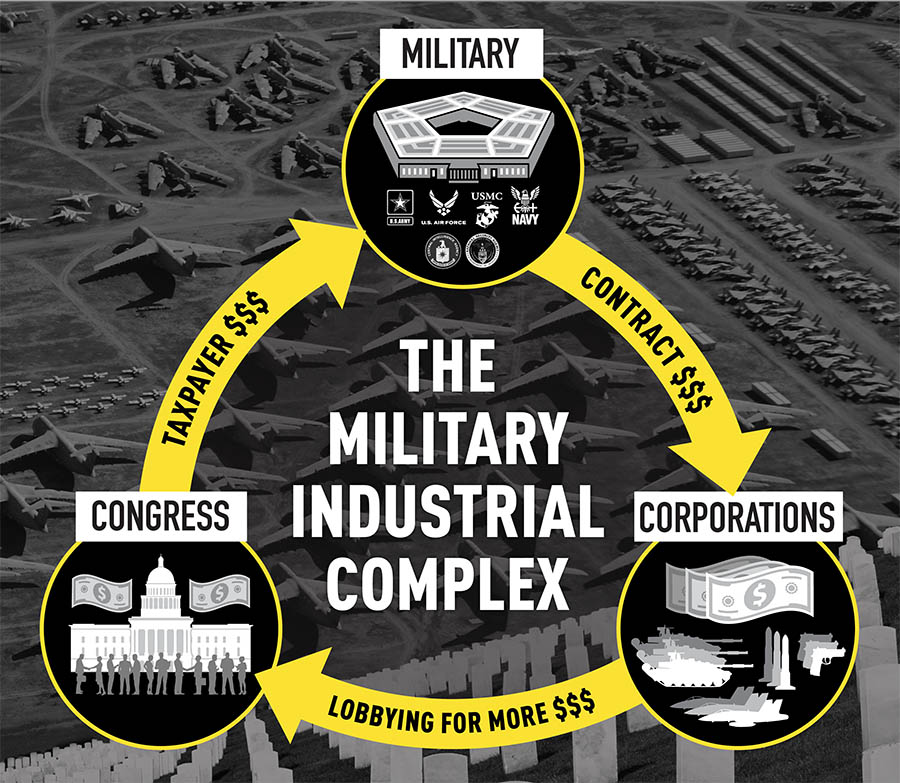
President Eisenhower coined the military-industrial complex in his 1961 farewell address to warn Americans against the growing relationship between the government and defense industries.
For the 1st time, US had a permanent wartime economy instead of wartime mobilization = excessive military spending??
Corporate interests of the massive arms industry becoming too influential in policy, which could divert resources from domestic needs and prioritize profit over national security and the common good.
If left unchecked this threatened American democracy by bankrupting the economy and stripping individuals of their rights.
Eisenhower used the New Look strategy that shifted towards nuclear power instead of the costliness of maintaining a global military presence on the ground
What was the Sec of State Dulles’ policy of brinkmanship and massive retaliation under Eisenhower? What is mutually assured destruction? How did it use massive retaliation to prevent nuclear war? How did it contribute to arms race and to a culture of fear? What was the Eisenhower doctrine? What were its two motives? How did it affect regional instability?
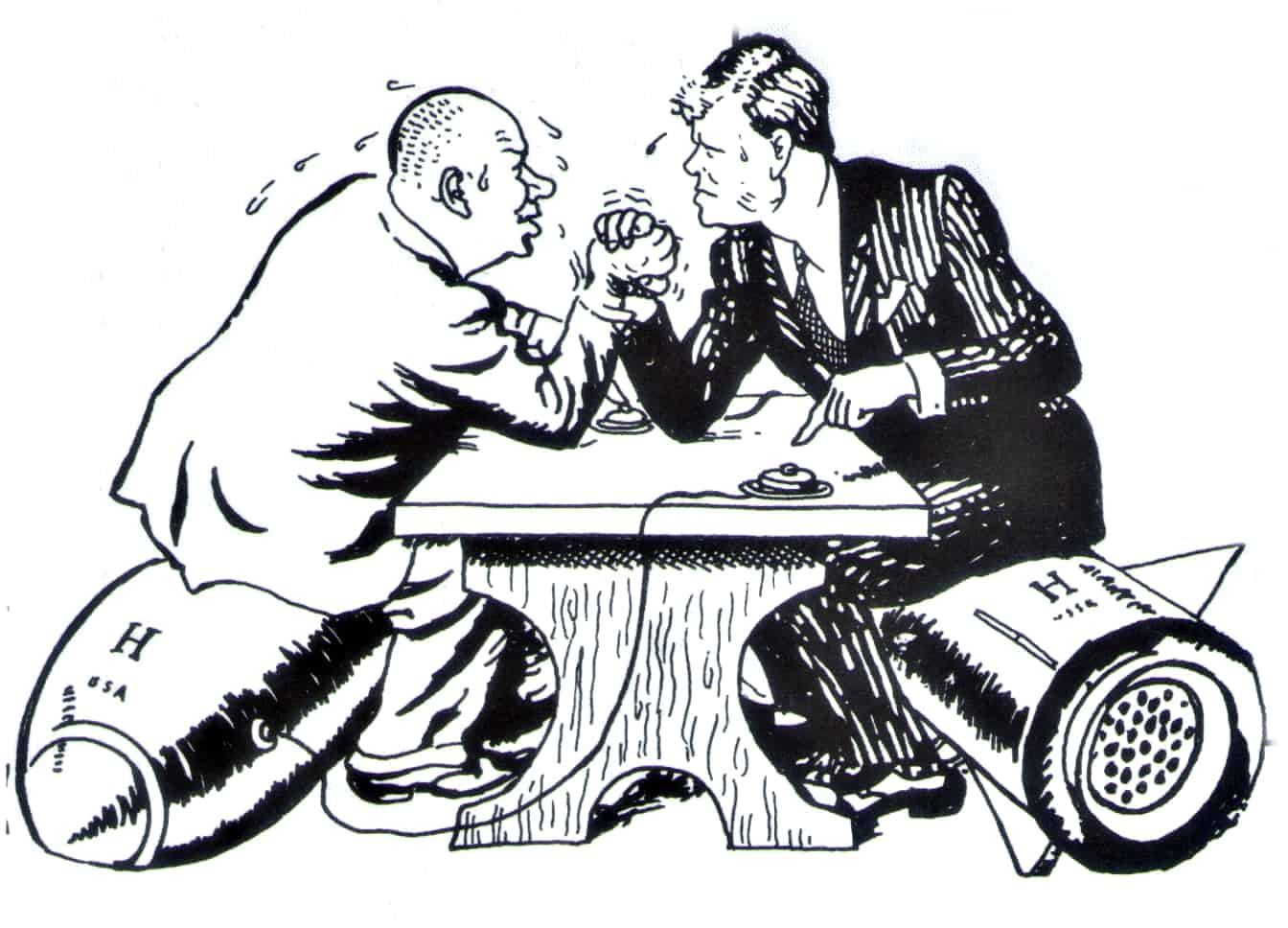
Brinkmanship- negotiate with USSR while on brink of nuclear war (constant threat of ending the world)
Massive retaliation- 1 nuke = 50 nukes. USSR and US make sure that each other knows that they’ll hit back harder
Mutually assured destruction (cold War defense policy of US and USSR)
To prevent a nuclear attack from either side that would mean the annihilation of the human race, the superpowers threatened each other with the promise of massive retaliation
shared obliteration with no winner, which prevented either side from attacking first (suicidal)
encouraged arms race as both sides grew their nuclear arsenal to ensure that they would be able to engage in massive retaliation if threatened.
culture of mass fear and paranoia, as the world was brought to the brink of nuclear war.
Eisenhower doctrine-
extend Truman doctrine and containment - military aid to middle east (lebanon)
Suppress communism AND protect US oil interests against Arab nationalists
Anti-American Arab nationalists viewed US interventionism as imperialistic, which increased regional tensions and instability as a result.
Significance of Sputnik? How did it change priorities and fears that led to a change in society? What was the U2 Incident? What was the cover for intelligence aircraft?
Sputnik (1957)- 1st manmade satellite. USSR
Shift from arms race to space race. Billions invested in NASA for fear of Soviet military advantage in space
Federal investment in science/math education for our youth, increasing our technological and scientific R & D capacity.
Supported foreign language education for national security and provided the first low-interest federal loans and fellowships to college students to help train the next generation of experts
U2 incident (1960)- U2 spy planes constantly flown over USSR.
UFO used as cover for spy planes
USSR finally shot down U2 with missile. Francis gary powers finally caught as spy
What was Plessy v Ferguson and what kind of segregation did it allow? What was the baby boom and NAACP’s role against school segregation and how did separate but equal perpetuate racism?
Plessy v Ferguson (1896)
Separate but equal
De facto (previously- no law enforcing i.e. people settling in cultural enclaves like Little Italy) vs DE JURE segregation (legalized)
Baby boom = new schools
The NAACP led the charge against school segregation legalized under the Plessy v. Ferguson “separate but equal” doctrine (starting on college level)
All-black schools were inherently not equal to white schools.
Lacked the resources, funding, and facilities to provide high-quality education for Blacks to advance in society and have a brighter future.
What was the Brown v. Board of Education decision? Was it successful, how did South resist? What phrase was added after the reargument? What was the Clark Experiment? What was the controversy over school busing after Brown v. Board of Education? What did the Swann v Board of Education case force districts to do?
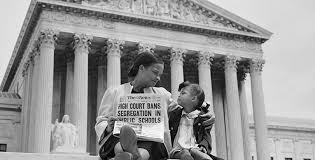
On May 17, 1954 the landmark Supreme Court case Brown v. Board of Education of Topeka finally overturned the “separate but equal” doctrine in public education
Unanimous decision read by Chief Justice Earl Warren.
After years of struggle, civil rights activists achieved a victory against the legal basis for de jure segregation.
Empowered Black Americans
Challenge to the South = resentment, defiance (since states have power over education). Some took 10 year to desegregate, closed schools, or opened religious white private schools (white flight to private schools)
Reargument of Brown Case- added phrase “with all deliberate speed” to push integration of school
Clark Experiment- kids pick up white doll as good doll, black doll as “bad doll.” Damage to kids of racism
School busing
Putting integration into practice proved slow-going.
In 1971, Swann v. Charlotte-Mecklenburg Board of Education forced districts to bus students to schools within and across school districts to speed up desegregation.
Even in north, mandatory school busing was controversial as white families did not want their children to be bused to Black schools and white flight to suburbs or private religious schools = de facto segregation
Explain the growing influence of television and the growing teenage culture. What were the mainstream channels? How did it change politics? Examples of shows? What was Leave it to Beaver about and how did it change the fight for civil rights? How was James Dean in Rebel without a Cause a role model for teenagers? What did teenage gangs do? What was their subculture? How did rock n roll set teens apart? How did high school affect this?
The rise of television after WWII propelled mass media that encouraged a culture of conformity.
CBS, NBC, and ABC dominated the national television industry.
1950s TV showcased presidential campaigns and political ads, making politics more accessible
Some programs for children (Howdy Doodle and Superman - emphasized morality and traditional values), others like Father Knows Best and Leave It to Beaver (blueprint of the white, middle-class, nuclear family ideal of the suburbs and the modern American Dream)
Conformity to gender roles and consumerism.
Blacks and natives left out of starring roles in TV = feel like they were being left out of the American Dream. Combined with WWII = “Rising Expectations” - African Americans no longer wanted to “settle” and wanted to agitate for civil rights.
For the first time, the term teenager was coined in 1941 to describe a distinct group with its own identity.
Teen culture emphasized youthful angst. Role models like James Dean in Rebel without a Cause = icon of rebellious ideal.
Teenage gangs in cities, made up of working-class youth, battled for turf and fought in “rumbles” (West Side Story)
Subculture- record players, TVs, cameras, and comic books
Rock ‘n’ roll set teenagers apart from their parents, as they adored the “scandalous” dancing and singing of “Black music” by Elvis (Jazz age revisited)
Rapidly expanding high school attendance helped teenage culture solidify as peers shared trendy fashions and behaviors.
How was music related to the Vietnam War and who were examples of musicians? Who were hippies and how did they differ from yippies and students for democratic society? What was Woodstock? Who were hawks and doves?
Music and War protests amidst conformity culture of 1950s
Folk/rock and anti-war songs (Beatles, Bob Dylan) - exception was patriotic Elvis Presley
Hippies (societal drop-outs. NOT politically active or anti-war. Drugs, sex, disillusioned youth)
Y.I.P.ies (youth international party. Act like hippies but POLITICALLY-active and anti-war protests)
SDS- students for democratic society on college campuses. White middle class. Politically active. Anti-war, civil rights. College deferment from draft = some war hawks criticized them for speaking out about war when they didn’t even participate in draft
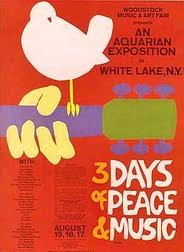
Woodstock 1969- Music festival pinnacle of 1960s counterculture, youth, and anti-war sentiment. Hippie"love" over violence,
Hawks and Doves (war hawks for Vietnam vs doves for peace. most were neutral)
Who were the beats/beatniks? What did they criticize? What did they applaud? How did they treat Blacks?
As most Americans conformed to suburban life, consumerism, and a return to religion, a minority of young poets, writers, intellectuals, musicians, and artists formed a counterculture that criticized mainstream politics and the sterility of the white middle-class suburban ideal of the 1950s.
Applauded those who stepped away from the herd, experimented with taboo topics such as drugs and sex, and lived in the moment as themselves.
Allen Ginsberg and Jack Kerouac.
Formed their own subculture and artistic enclaves in cities. Unlike the racially segregated mainstream, African American culture and innovation were celebrated.
What was Levittown and how was it the first of its kind? Who did it attract? How was it racist in terms of white flight? What is redlining by the Homeowner’s Loan Corporation? How did real estate brokers, banks, and federal housing policies hurt generations of blacks
Veteran William Levitt - Levittown as 1st mass-produced suburban housing development in Hempstead, Long Island in model of Ford’s assembly line.
“cookie-cutter” single-family homes attracted white middle-class nuclear families to suburbs.
Successful, selling his first 17,000 houses before constructing other towns and inspiring other developers.
Used restrictive covenants to prevent resale to minorities, specifically Blacks.
White flight to the all-white suburbs to escape the growing numbers of Blacks from the Great Migration and Puerto Ricans in northern cities.
Even though restrictive covenants were ruled illegal by Supreme Court, redlining discriminated against minorities in urban/suburban neighborhoods.
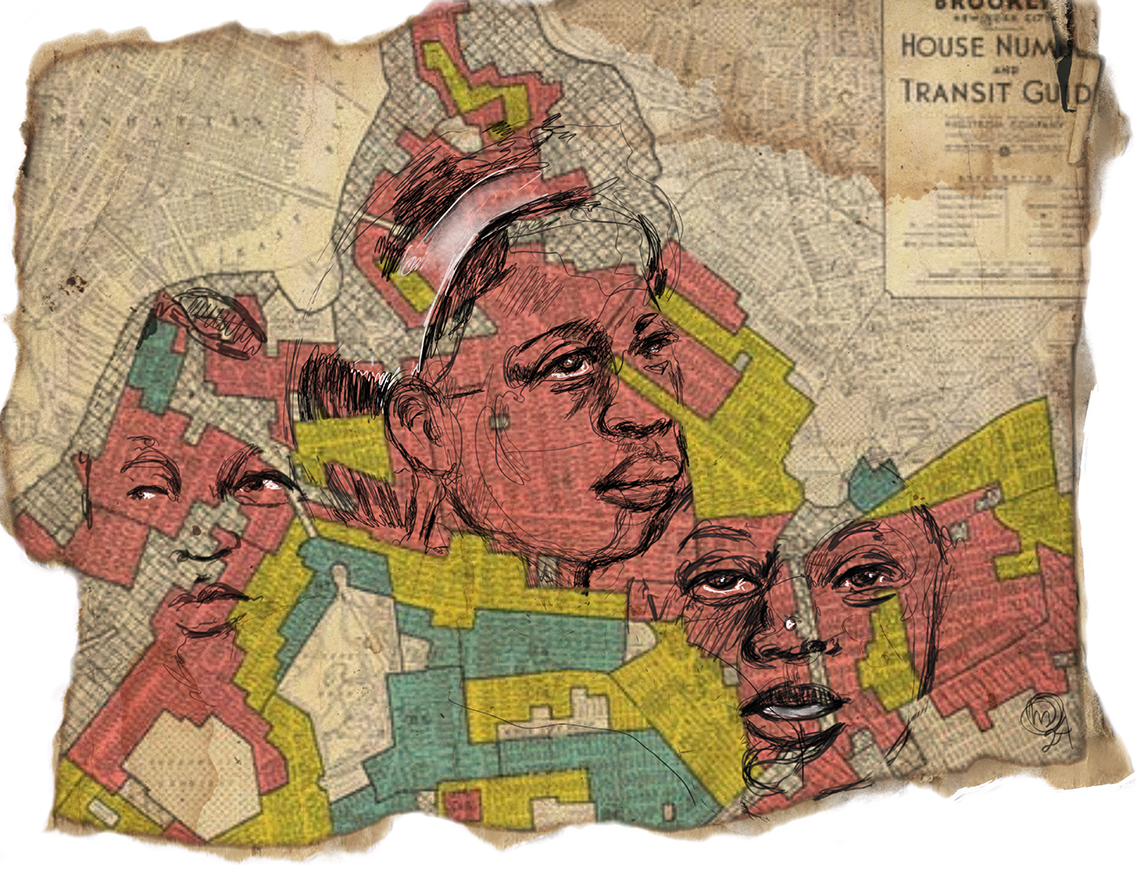
1930s, the Homeowner's Loan Corporation created maps rating neighborhoods. Redlined/blocked “risky” neighborhoods with black and immigrant residents from receiving financial assistance.
Minorities in redlined neighborhoods struggled to receive loans to buy mortgages.
Real estate brokers, banks, and federal housing policies maintained segregation and rejected Blacks who wanted to move into White communities. Perpetuated generational debt, home ownership gaps, and wealth disparity among minorities.
What was the murder of emmett till before Rosa Parks? What was the Montgomery Bus Boycott? Who did it start with? Who was involved and how did they boycott buses? How was it successful and who became famous because of it? What tactics did MLK use? What was the Southern Christian leadership conference (SCLC)? What tactics did they use and how were they successful in the 1960s?
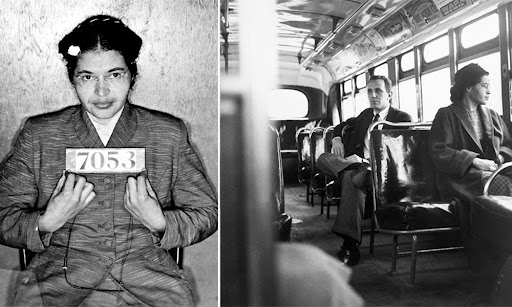
Murder of Emmett Till (1955) in Mississippi 100 days before Rosa Parks
Black kid beaten to death by white men
Open casket. American public saw what racism did
Montgomery Bus Boycott kickstarted the modern civil rights movement.
December 1, 1955, Rosa Parks, an NAACP civil rights activist, refused to give up her seat on a bus to a white passenger who boarded after.
13-month bus boycott involved the entire Black community to nonviolently protest segregation (started through churches, esp women).
Despite violence and intimidation, Blacks walked or carpooled and refused to ride buses, esp women who had previously depended on buses.
Finally, Supreme Court legalized desegregation of Montgomery buses. Young local pastor named Martin Luther King Jr. was transformed into the nationally famous face of the civil rights movement.
MLK = passive resistance, nonviolent civil disobedience (Gandhi)- blacks must work w/ system to gain support of white America
SCLC
In 1957, Martin Luther King Jr. + southern Black ministers like Ralph Abernathy & Rev. Nixon form Southern Christian Leadership Conference.
After the triumph of the Montgomery bus boycott, wanted to continue riding the wave of nonviolent protests to dismantle segregation and disenfranchisement.
Mass demonstrations, marches, boycotts, and civil disobedience to force national attention on racism.
Dominated the organization of civil rights protests of the 1960s that resulted in major legislative wins.
Who were the Little Rock Nine of Central High School? What did Orval Faubus do and how did president Eisenhower respond? How were the Little Rock Nine treated by whites? How was it a test of federal authority and enforcement?
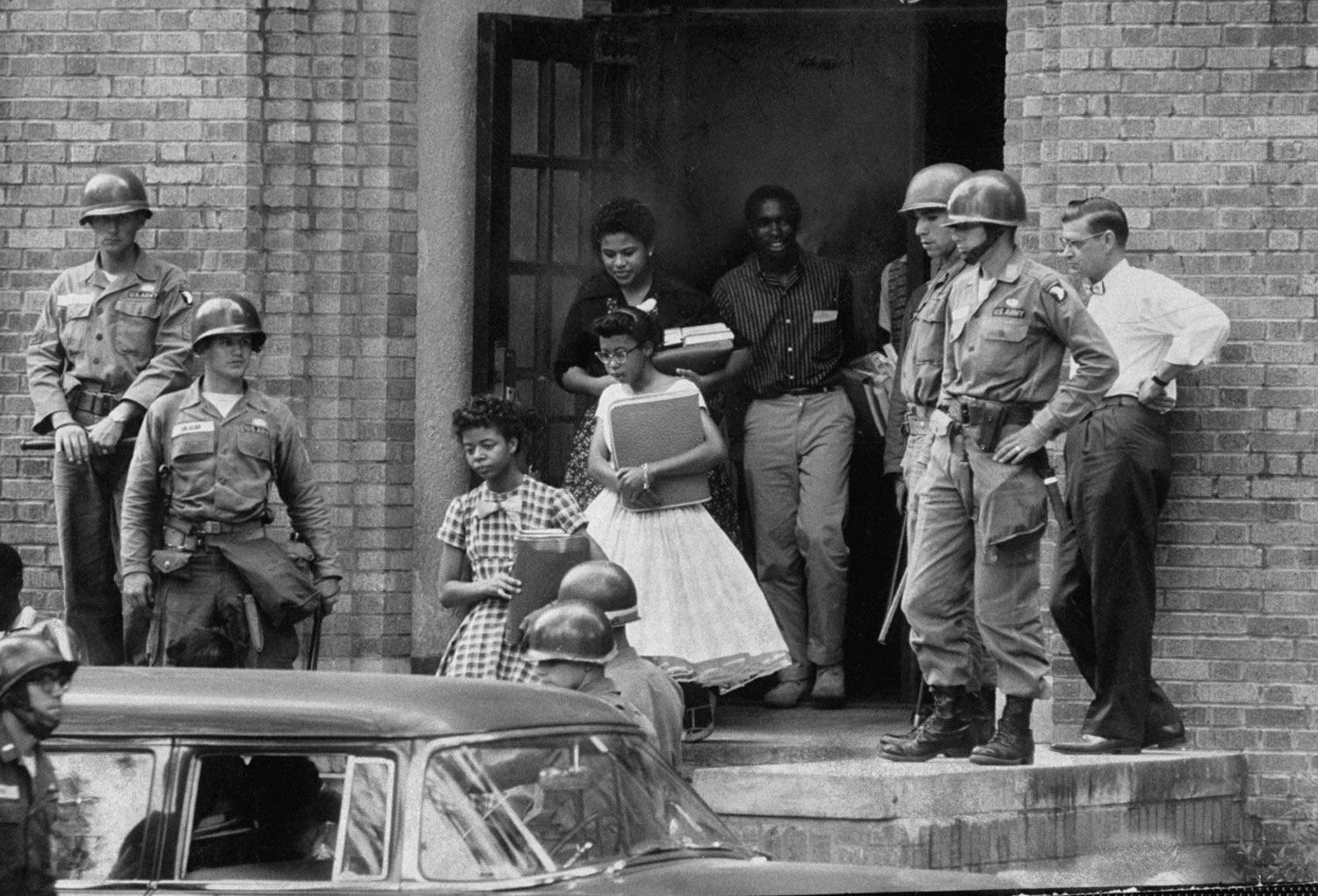
In 1957, Central High School at Little Rock, Arkansas admitted the first 9 Black students as the first step towards desegregation based on a federal order.
State’s governor directly challenged federal authority by employing the state National Guard to keep them out of school.
President Eisenhower federalized National Guard and sent 101st Airborne Division to subdue protests of violent white mobs and force desegregation.
1st black students braved bullying and harassment by their white peers for a year under the escort of the federalized National Guard.
Pivotal, televised test of federal authority over state resistance to school integration and federal commitment to enforcing Brown v. Board of Education.
What was the Student Non-violent coordinating council (SNCC) and what did it emerge out of? What communities did it want to build? What were their methods?
Student Non-violent coordinating council
Out of the nonviolent mass sit-in protests of the 1960s, the SNCC emerged as a young student-led civil rights organization starting in Black colleges dedicated to nonviolent direct action as a tool to overturn segregation and build interracial communities founded on economic equality and democracy.
sit-ins, boycotts, voter registration, and the 1961 Freedom Rides (interstate rides to resist segregation since it’s under federal authority).
Rising expectations for civil rights motivated them to politically organize and fight for rights despite racist, Jim-Crow opposition.
What was Nation of Islam? Who was Wallace Ford Muhammad and elijah Muhammad? What is racial theology? Who was Malcolm Little and why did he change his name? How was he different from MLK and what are his famous quotes? What was the turning point in his mindset? Who was Thurgood Marshall?
Nation of Islam- pro black religious group created in detroit
1930- Founder Wallace Ford Muhammad. Racial theology- mad scientist Yakub created white man and gave them time to reign…. time’s up!
1934 Elijah Muhammad (follower/prophet)
Malcolm Little (#1 speaker) While in jail for robbery/drugs he converted to Islam. Changed name to Malcolm X (rejected slave name. X stands for unknown name/heritage stolen from him)
Opposed MLK ideas. Militant/violent
“Ballot or the bullet”
“By any means necessary”
1963 Leaves Nation of Islam. Travelled to Mecca = learned peaceful ways to fight
Thurgood Marshall- 1st African American justice; NAACP lawyer
What was the Black Panther party and how was it departing from MLK’s policies? Who was it founded by and how did it empower Black men? How was it not violent in some aspects? Why did it decline in the 1970s?
Influenced by Malcolm X, Black militants challenge slow nonviolent integration. Advocated for Black power, self-defense, and independence from white America.
1966 Oakland, California- radical Black power group.
Founded by college students Huey P. Newton and Bobby Seale
Empowered Black men to use armed resistance as a necessary tool for survival against segregation and police brutality.
Created women-led daycares and health clinics to uplift communities.
Shootouts with the police and imprisonments destabilized Black Panthers = gradual decline by the early 1970s.
What were the Four Nixon-Kennedy debates for the Election of 1960 and who was expected to win? How was the election of 1960 rigged? What was unique about JFK’s assassination and public response? What was the Alliance for Progress and the peace corps? What was the 24th amendment? What was the 25th Amendment and how was it related to kennedy and cold war?
Four Nixon-Kennedy debates
People who watched TV thought Kennedy won
People who listened to radio thought Nixon won
Election fraud in Illinois/Texas - dad worked with mafia to make it so that thousands of dead people voted for Kennedy/Johnson, stealing the votes from Nixon
JFK assassination 1963 Dallas Texas
Lee Harvey Oswald. Lone gunman? Pro Cuba, pro communist
1st time US didn’t believe what government said. Conspiracy????
Foreign Policy
Alliance for Progress (1961)- aid to latin America to work together
Peace Corps (1961)- Send teachers, doctors, idealistic young volunteers globally on projects in education, health, etc. to promote world peace
24th amendment- ends classist poll tax (helped poor)
25th amendment- presidential succession (after prez, vp, speaker of house die???) Related to jfk’s assassination and Cold war (what if everyone dies from nuke?)
What does President Kennedy’s New Frontier mean? How did he fail in getting all of his promises done? What programs did he want and what did he settle for? What was the space race?
President Kennedy’s presidential campaign of 1960 promised to battle social problems like “tyranny, poverty, disease, and war”
Lacked Congressional support = settle for modest expansions of the New Deal. Conservative coalition blocked his more liberal proposals.
Disappointed liberals who believed he didn’t go far enough.
Instead of Medicare and civil rights legislation (done later by Johnson)
Unemployment benefits, raised minimum wage, expanded Social Security
New Frontier also refers to Space Race
$20-40 billion in aid to math/science education due to Sputnik, Space Race, and promise to put a man on moon before end of decade
What was the Bay of Pigs invasion under Kennedy? Role of CIA? Why did Kennedy not send extra troops? Was it successful against Castro? How did it lead to future conflict?
President Kennedy approved of the Eisenhower administration’s secret scheme to topple Fidel Castro’s communist regime in Cuba.
CIA secretly trained 1,400 to 1,500 Anti-Castro Cuban exiles in Florida and sent them to invade Cuba and free themselves
Didn’t send backup US troops to help, since he did not want to expose the US’s involvement in plan.
Disaster as Castro easily defeated the badly trained invaders. Contrary to US belief, most Cubans supported Castro, so the invasion failed to inspire a popular uprising against communism.
Transformed Castro into a national hero and became an international humiliation for US. JFK went on live TV to apologize/take responsibility
Castro sought Soviet protection from future US aggression and requested nuclear weapons to be placed in Cuba. Led to Cuban Missile Crisis by cementing Cuba's alliance with the Soviet Union
What was the Cuban Missile Crisis of 1962? What did the Soviet Union do and how did the US respond? What was the timeframe of this? How did both sides compromise? What was the Test-Ban Treaty in 1963?
Closest we have gotten to the end of the world
Soviet Union began putting nuclear missiles in Cuba within range of US. US Navy surrounded Cuba to stop them from putting more missiles
Tense 13 days- eventually Khrushchev backed down and removed missiles from Cuba, while US took missiles out of Turkey
Test Ban Treaty- Prohibited atmosphere, space or underwater tests of nuclear bombs. Unlimited underground tests (seismic waves = no more secret tests)
What was the nickname of Johnson’s administration and how did it coexist with vietnam war? What is Medicare? What were three other areas of reform? What was the War on Poverty? What was the Economic Opportunity Act of 1964 and how did it provide antipoverty programs? What were aids to education? What was HUD? What was his effect on poverty, especially Black poverty?
Great Society: The Beautiful Woman to the Vietnam War aka the Ugly Woman that was distracting from beautiful woman (With Kennedy’s liberal promises left unfulfilled by his assassination, his successor President Lyndon Johnson, the civil rights prez, enacted Great Society- sweeping legislative reforms to address social and economic inequalities)
Greatest country in world but why is there still poverty? Largest expansion of social welfare since New Deal. Goal to eliminate poverty and racial injustice
Medicare- health insurance for elderly (medicaid for poor)
Eradication of racial discrimination
Education for underserved minorities, environmental protection, urban redevelopment
War on Poverty- antipoverty, esp minorities
Economic Opportunity Act of 1964 avoided backlash for government handouts to “lazy” poor by providing opportunities (vocational training, food stamps, rent support, Job corps)
Head Start preschool for low-income, free lunch programs
Department of Housing and Urban Development (HUD) - manage federal aid for housing, ensure safe free/reduced housing for low-income
Nationally enforced minimum wage legislation
Johnson poured billions to stimulate the economy, providing tax cuts and new jobs that halved Black poverty
Who started freedom rides and why were they done in the South? Who continued on the work of freedom rides? What happened in Montgomery and what was Kennedy’s response? Role of JFK and robert Kennedy to support rides?
1961- Congress of Racial Equality began freedom rides (integrated interstate bus rides to test whether south would follow 1960 Supreme Court rulings that made segregated buses traveling interstate illegal)
Attacked by the Ku Klux Klan.
SNCC continued the freedom rides.
Attacked in Montgomery and, along with MLK Jr., were trapped in a church by mob
President Kennedy sent federal marshals and Alabama National Guard to protect Freedom Riders. JFK and Robert Kennedy tried to support the rides with low publicity to prevent violence, and pressured the ICC to enforce desegregation
What was the Civil Rights act of 1964 by President Johnson? How did it change civil rights in public accomodations and jobs? What was Freedom Summer and what groups were involved? What did white college students do to help? What backlash did they face? What was the voting rights act of 1965? What did it ban and what role did federal intervention play?
President Lyndon Johnson
Civil Rights act of 1964 - Abolished Jim Crow laws and authorized federal desegregation efforts to ensure equal access for all
no discrimination in hiring (help white women)
End segregation in public places
Expanded federal oversight over school desegregation and suffrage
Freedom Summer- Summer of 1964 in Mississippi
Combined efforts of SNCC, CORE, NAACP, SCLC to spotlight Black voter disenfranchisement after Civil Rights Act of 1964 failed to secure equal access
800 young white college student volunteers for voter registration drives and “freedom schools” for rural Blacks
Violence/harassment by white supremacists and KKK. Earned national attention
Voting rights act of 1965- no more barrier to voting
Banned literary tests, grandfather clause, poll taxes
Use of federal examiners to register new Black voters
Strong federal enforcement = dramatically increased Black voter participation
What did Betty Friedan’s The Feminine Mystique say? Who was the audience? What did she question about societal expectations? Where did women get fulfillment from? Who could not relate? How did it spark Second Wave feminism?
(1963) The Feminine Mystique - Betty Friedan
College-educated, middle-class, white women.
Questioned society’s defined gender roles that pigeonholed women to the domestic sphere= college-educated women felt domestic isolation and restlessness as housewives
Challenged the societal expectation that women’s fulfillment could only be found through domesticity/marriage, instead of careers, political voices, or higher education.
While working-class women and minorities could not relate, this created a common female consciousness of shared frustration and sparked the Second Wave feminist movement.
What was the National Organization of Women (NOW)? Who was it composed of? What did they demand now? What did feminist call for? What is the Equal Rights Amendment and was it successful? What did critics oppose?
Betty Friedan, Gloria Steinem, other feminists formed National Organization for Women 1966.
White middle-class women
Demanded true equality between men/women and ending sexist discrimination now
Equal employment opportunities, an Equal Rights Amendment, paid maternity leave, child care centers, and abortion rights.
ERA (first introduced by Alice Paul and National women’s party)- proposed constitutional amendment to ensure fully equal social/economic rights for men/women
Never ratified before deadline
Some critics opposed the ERA and reproductive rights.
What was Roe v. Wade and its significance? What was the exception to the ruling? Was there backlash? What happened in 2022 with Dobbs v. Jackson’s Women’s Health Organization?
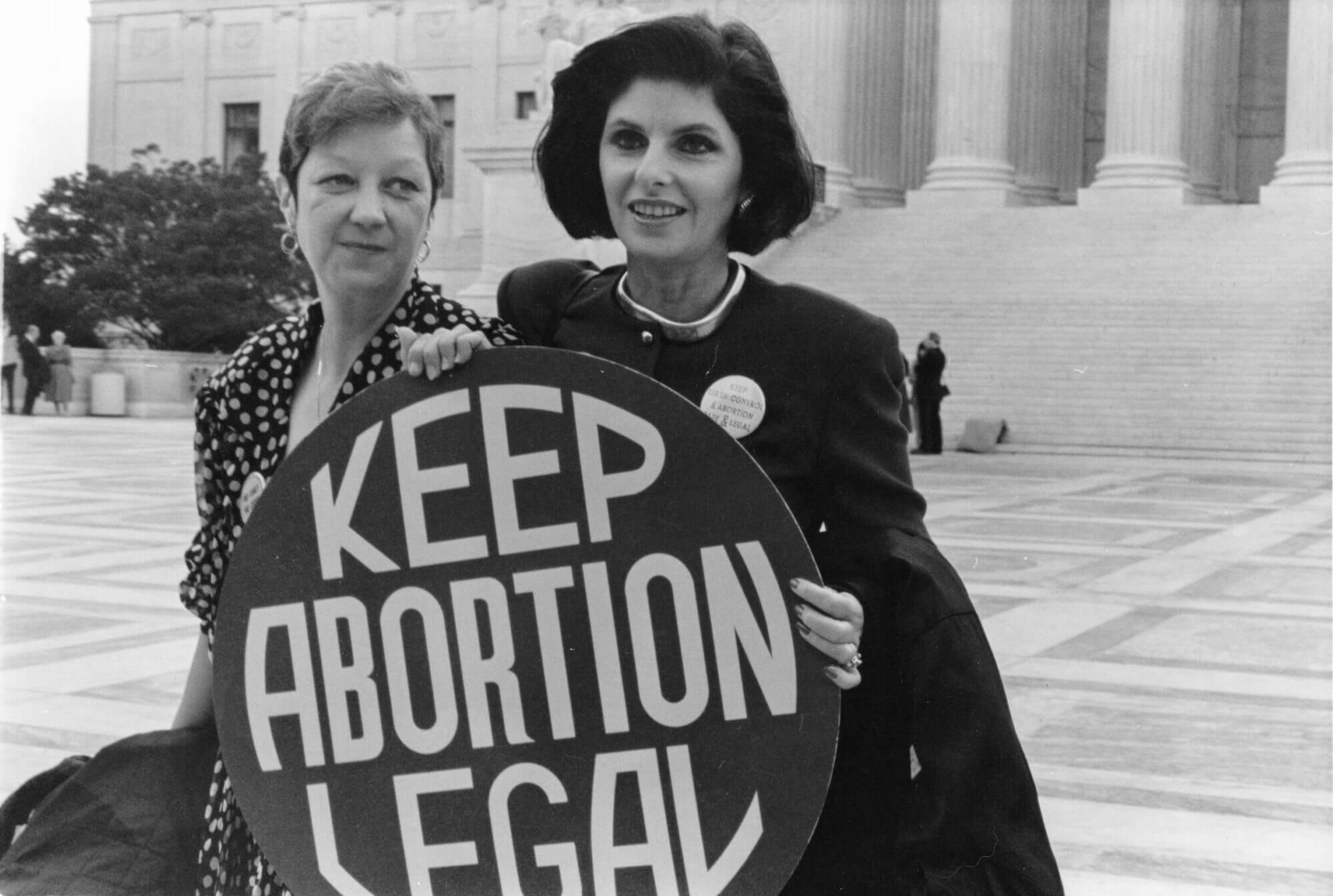
1973, Second Wave feminists- milestone with Roe v. Wade.
Supreme Court ruled that pregnant women had the right to an abortion based on implied right to privacy in the Fourteenth Amendment.
After the first 3 months of a pregnancy (1st trimester), however, states could possibly override this right and prohibit abortions.
Abortion legally considered to be a private decision between a patient and her doctor.
Firestorm of backlash from people who believed abortion was murder on religious grounds
In 2022, Dobbs v. Jackson’s Women’s Health Organization overturned Roe v. Wade, making it so that women’s abortion rights were up to the jurisdiction of each state.
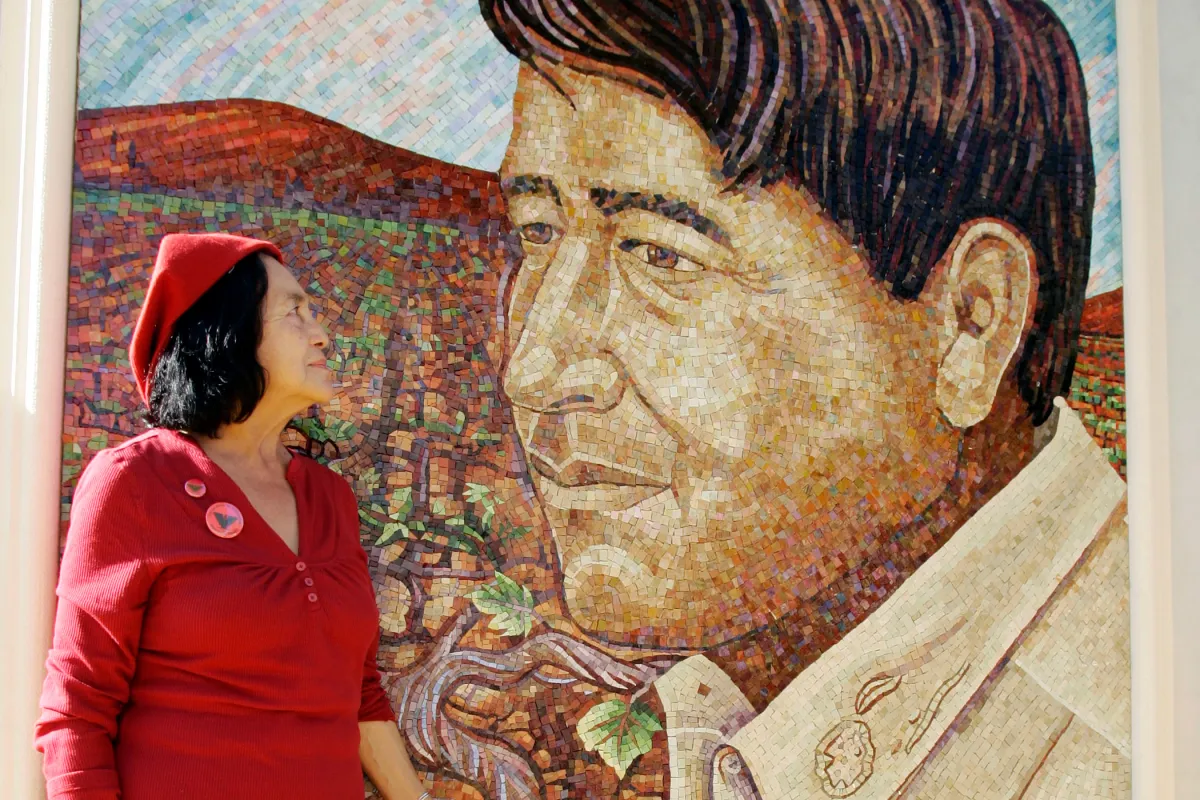
Who was Cesar Chavez and how was he significant? What was the National Farm Workers Association and later the United Farm Workers? What did Chavez use nonviolence to demand for (4 rights)? Who did they go on strike against? Who were Chicanos in western cities? What is La Raza unida? What reforms did they fight for for Chicanos (3)? Where were they most influential?
In the 1950s, Cesar Chavez = face of oppressed migrant Mexican farm laborers in California.
1962, Chavez and Dolores Huerta founded the National Farm Workers Association, which later became the United Farm Workers.
Nonviolent protests like hunger strikes, grape boycott, marches (Delano to Sacramento or 1000 mile March)
Right to organize in a union, minimum wage, drinking water/bathrooms in the fields
1965, the union successfully went on strike against California grape growers/grape boycott, which garnered national attention
Younger, radical, “non-assimilationist” Mexican Americans in LA and western ghettos dubbed themselves Chicanos to celebrate cultural pride.
Chicanos created a new political party in 1969 called La Raza Unida.
Reforms like improved job opportunities for Chicanos, bilingual education, and Chicano cultural studies programs in higher education.
Most power in California and Texas, where Latino population concentrated.
What were the living conditions for native americans on reservations? What was the grassroots American Indian Movement (AIM)? What is red power? What were their goals for improving native life? What was the occupation of Alcatraz Island? What did they offer to pay for it? What did they want to convert Alcatraz into? What did they do in 1973 at Wounded knee, South dakota and how was it different from Alcatraz? What did it demonstrate? What happened after 70 days?
Native Americans lived in squalid conditions on reservations due to terrible infrastructure, poor housing, high alcoholism, unemployment, and poor education
The American Indian Movement (1968) advocated for “red power,” self-determination and cultural pride in the face of forced assimilation.
Preservation of tribal heritage, poverty relief, and improved living conditions on reservations.
Alcatraz island occupation (1969-1971)
Took over abandoned federal prison island. Peaceful sit-in and protest
As a satirical critique- demand to purchase the island for $24 in beads and cloth, reference to the initial purchase of Manhattan in 1626. Better deal than what the US government had historically paid for ancestral lands.
reclaim the land and convert Alcatraz into a native educational and cultural center
Wounded Knee (1973)
symbolic site where Sioux Indians were massacred in 1890 by the U.S. Army
Spotlight the extreme poverty and living conditions on reservations and critique the historic broken treaties by tgov
Bank robbers went 70 days with 11 hostages. Shootout against the FBI violently stopped demonstration
What was the McCarran-Walter Immigration Act or Immigration and Nationality Act of 1952 for interned Japanese? How was there still a discriminatory system of quotas?
Japanese Americans returned from WWII internment to lost businesses, property, and lifestyles.
McCarran-Walter Immigration Act (Immigration and Nationality Act of 1952)
Allowed Japanese noncitizens, particularly isei, to become naturalized U.S. citizens for the 1st time.
Discriminatory system of national-origin quotas that prioritized certain groups still upheld
What was life like for gay people i.e. Lavender Scare? What happened during the Stonewall Riots? How did it spark the modern LBGTQ+ movement? What did the Gay Liberation Front of the 1970s demand?
Gay people remained closeted from mainstream society and kept their sexual orientations secret due to legal, social, professional discrimination like the Lavender Scare that fired gay people
Finally, in 1969, the gay community fought back against police brutality in gay bars like the Stonewall Inn in NYC
Stonewall Riots- violent protests by the gay and lesbian community that sparked the modern LGBTQ+ movement.
Gay Liberation Front of the 1970s
Allowed gay people to take pride in themselve
Demand visibility instead of assimilation
Advocate for equal opportunities regardless of sexual orientation.
Who were the leaders of divided Vietnam? How did Diem fail? What was the Vietcong and what was their uprising about? What was domino theory and how did it justify containment and interventionism?
Southern U.S.-backed president, Diem, and northern communist leader, Ho Chi Minh.
Despite US attempts to send money/military aid to anticommunist Diem, Diem failed to utilize the money to enact reforms for popular support. Disliked for being corrupt and autocratic.
Ho Chi Minh helped form National Liberation Front, or Vietcong, in Southern Vietnam in 1959. (communists and dissatisfied non-communists) Backed by N.V.A. (regular north vietnam army)
Initiated a guerrilla war against the Diem gov, aiming to overthrow it and unify the country under communist rule
Domino Theory
During the Cold War = dominant belief in the West.
Justified containment- if 1 country fell to communism, its neighbors would \ fall to communism in a domino chain reaction.
Advocating for US intervention in the Korean War and the Vietnam War to prevent external communist pressure from forcing countries to fall, threatening global stability and peace.
Justified preemptive/ aggressive intervention to prevent the first domino from falling.
What was the Gulf of Tonkin Resolution in Vietnam and what was it caused by? How did it expand the power of the imperial presidency?
1964- after South Vietnamese raids on the North, Northern ships supposedly attacked American ships in the Gulf of Tonkin (lie)
Although the evidence was misleading, President Johnson still escalated the war in Vietnam by passing the Gulf of Tonkin Resolution.
Unlimited power/blank check to take all necessary measures to use military force in Vietnam. NOT an official declaration of war by Congress.
Increase US military presence in Vietnam by transitioning from military advisors to a massive increase in U.S. troop deployment
What was Johnson’s policy of escalation in Vietnam 1965? What did he believe about US involvement? What is the credibility gap? What is Operation Rolling Thunder and why did it fail? What happened to troop presence? What was napalm and Agent Orange? How did it affect the South Vietnamese that they were meant to defend? Why did the US face unique challenges in Vietnam?
President Johnson - foreign policy of escalation. Simply increasing US military involvement in Vietnam = U.S. would be outlast North Vietnam.
Lied to American public about actual plan and troop numbers. Credibility gap between what president said and what media showed i.e. kept saying with a few more troops and a few more months, US victory would be inevitable.
Operation Rolling Thunder- sustained bombing campaign for 3 years to destroy infrastructure and transportation, and demoralize.
Failed as North Vietnam was mostly agricultural and not easily crippled by aerial bombardment.
Johnson rapidly inc # of combat troops deployed in Vietnam (16,000 in 1963 to 536,000 in only 5 years)
Incendiary napalm bombs and Agent Orange- defoliating chemical that stripped jungles where guerilla forces hid but also was highly lethal.
American aggression mostly only sowed resentment among the Southern Vietnamese, whose home had been invaded.
Struggled, despite their massive resources and troops, due to the unfamiliar terrain and the nature of guerilla warfare (“enemy” was just ordinary civilians that blended in with everyone else)
What was the Tet Offensive? How was it a “victory” for the North? Who was news anchor Walter Cronkite? What happened to President Johnson? What was the context of the My Lai massacre? Why were Americans frustrated? What happened and what was the reaction in the public and globally? How did it affect public trust?
Lunar New Year Tet of 1968- Vietcong/North Vietnamese launched massive surprise attack on South Vietnamese cities & US Embassy in Saigon = proving VC was coordinated, unlike what US gov said
Despite being a tactical failure for the North (US won), it was a major psychological victory = TURNING POINT in the big picture
Greater disillusionment with the war as public support in America waned due to media coverage showing truth that US gov was lying about victory
Due to backlash after Tet, the US began to de-escalate. President Johnson did not run again for president, amidst failing peace negotiations and a decline in public trust
My Lai massacre came in the wake of the Tet Offensive.
Drafted American soldiers grew disillusioned by the war. Felt that they were being sent to die for no apparent reason.
Struggled with the lack of a clear mission, the brutality of the conflict, and the feeling that they were fighting unwinnable war.
My Lai atrocity- massacre by US troops in 1968 of 500 unarmed elderly, women, and children Vietnamese citizens in My Lai, South Vietnam.
Failed coverup attempt, only one soldier was convicted.
Diminished support for the Vietnam War among the general American public
Triggered anti-U.S. sentiment globally
Shattered public trust in the U.S. military and government and fueled the anti-war movement.
What is the policy of Vietnamization and what did it mean for the US? What was the agreement with North Vietnam? What happened to Vietnam as a result and how was it a failure? How was there a shift in immigration?
Nixon and Kissinger, the secretary of state, worked on Vietnamization - gradually withdraw US troops and train/ equip South Vietnamese army to continue fighting on their own. Achieve “peace with honor.”
Failed
The US promised to remove all troops, as long as there was a ceasefire and North/ South worked on peaceful reunification.
Instead, in 1975, the fall of Saigon= end of the Vietnam War when North Vietnamese/ Vietcong captured Saigon and unified the country under communism.
Despite the loss of thousands of American soldiers and Vietnamese civilians, Vietnam still fell to communism.
Immigration to US shifted towards Southeast Asians due to communist takeovers (Vietnam, Cambodia, Laos)
What were the Kent State shootings and the context of the growing antiwar movement? What did Nixon do to Cambodia? How did this spark a nationwide protest? What were the Pentagon Papers? What did it expose and what is the credibility gap?
Growing antiwar sentiment on the home front due to the prolonged war and draft.
After Nixon illegally invaded neutral Cambodia in 1970 to aid “Vietnamization” by destroying North Vietnamese supply chain bases in Cambodia, the country was destabilized, allowing for a communist takeover (that engaged in genocide).
Sparked firestorm of student protests on college campuses across the country.
In May 1970, 4 peaceful student protestors killed by the Ohio National Guard at Kent State University in Ohio.
Turning point that intensified domestic opposition to the Vietnam War= massive student strike that closed colleges nationwide
Pentagon Papers- leaked in 1971 by New York Times/Washington Post
Exposed the Kennedy/Johnson administrations for systematically lying to the public about origin, scope, likelihood of success, and true objectives of the Vietnam War
Confirmed the suspicion of the credibility gap between what the government said and what was actually happening- shattering public trust and creating lasting skepticism towards political authority
What was Congressional response to imperial presidency and what was the War Powers Resolution? What was it in response to?
In 1970, Congress repealed the Gulf of Tonkin Resolution.
1973 - War Powers Resolution to curb the power of the imperial presidency to wage “undeclared” war
Required president to notify Congress (not public) within 48 hours of deploying troops
Terminate the use of those forces on foreign soil after 60 days, unless Congress has declared war/approved.
Restore Congress’s constitutional authority to declare war.
Perceived abuse of power by the president during the Vietnam War and subsequent public/ congressional distrust of executive authority
What is shuttle diplomacy and who was the National Security Advisor? What is detente and which countries does it refer to? What was the shift in strategy during the Cold War? What was ping pong diplomacy, who was involved, what was negotiated with China and how did this exploit the Sino-Soviet split? What was the Strategic Arms Limitation Treaty and how was it significant? What did it freeze and curtail about missiles?
Shuttle diplomacy- secret peace talks in Paris between Henry Kissinger (National Security Adviser-NSA) and North Vietnam reps
Detente- Easing of tensions during the mid-1970s under Nixon between USSR/US and China/US
Shift in strategy from confrontational containment to pragmatic diplomacy.
Ping Pong diplomacy
Started with table tennis games with China then college students then Nixon + Kissinger
US regained friendlier terms with Red China by dropping opposition to China’s entry to the UN (allowing China to take Taiwan’s seat on security council) and laying groundwork for increased trade and diplomatic ties
Exploited growing split between communist China and USSR
By opening relations with China, Nixon pressured the Soviet Union to negotiate with US too.
Meeting between Brezhnev and Nixon = 1st time a sitting US president visited the USSR since WWII.
Strategic Arms Limitation Treaty (SALT I), 1st treaty to cap nuclear arsenals.
Froze the number of antiballistic missiles (ABMs), intercontinental ballistic missiles (ICBMs), and submarine-based missiles at existing levels for 5 years
curtailed the number of antiballistic missiles that could be deployed.
This nuclear de-escalation helped reduce tensions to prevent a catastrophic nuclear war
How did Tom Hayden apply the SNCC to white colleges to advocate for change? What was the Students for a Democratic Society (SDS)? What is the New Left and how did it differ from the Old Left? What did they oppose about foreign involvement, military spending, and executive power? How did it want to restore power to the people?
Tom Hayden began applying the grassroot activism of SNCC to white colleges, questioning the state of American democracy and advocating for a political transformation
Students for a Democratic Society
“New Left” to overturn the corrupt social and political status quo of the outdated, dogmatic, communist and socialist “Old Left.”
Opposition to mainstream liberalism
Opposition to U.S. Cold War policies, specifically involvement in the Vietnam War
Opposed racism, the military-industrial complex, and the imperial presidency.
The New Left called for future of “participatory democracy” that restored power to people
What was the Free Speech Movement (related to SDS) at UC Berkeley after what happened to CORE protests? What tactics did they use? What did california governor Pat Brown try to do to stop the protests? How was it successful and what did it inspire?
In 1964, UC Berkeley police barred political advocacy on campus and suppressed CORE protests against discrimination in employment.
College students created the student-led Free Speech Movement (FSM)
Nonviolent sit-ins and rallies to protest policies that aimed to suppress their voices fighting for civil rights
California governor n attempted to use police intervention to stop protests, but students and faculty worked to successfully force lifting of the ban.
Turning point that established student rights to free expression and inspired hundreds of other student activist campaigns on campuses.
What was the Environmental protection agency under president Nixon? What are examples of regulations? What was Jimmy Carter’s National Energy Act? How did it promote fuel efficiency and renewable energy?
By 1970, public opinion shifted to place a greater emphasis on environmental problems.
1971 Nixon created the Environmental Protection Agency (EPA)
Authorized federal oversight and regulation over anything that caused environmental damage, such as auto emission standards.
Clean Air Act and the Endangered Species Act of 1973.
1978 Jimmy Carter- the National Energy Act
National auto emission standards and initiatives to increase fuel efficiency.
tax credits and incentives for using renewable energy like solar and wind power in residential and commercial buildings to promote energy efficiency.
What is OPEC and what countries does it include? Who previously dominated oil prices? How did they have the power to coordinate? What did they do to the US in 1973? What was stagflation of the 1970s? How was this unique, how did it lead to a shift in cars, what were Ford and Carter’s strategies to try to stop stagflation (fail) and how did it lead to scapegoats?
OPEC (1960) by the world’s oil producing countries- Saudi Arabia, Iran, Iraq, Kuwait, Venezuela.
Previously, oil prices were dominated by Western multinational oil companies.
Took back control of the world’s oil supply and coordinate world prices for oil
Power to set oil embargoes, such as one on the US in 1973 due to US supporting Israel and not Palestine, which crippled US economy, causing stagflation
Stagflation
1970s- rare period of stagflation. Inflation + stagnant wages/growing unemployment
Typically, inflation combined w/ high employment, which helped economy recover through spending.
Inc in gas prices = increasingly bought smaller Japanese cars (Toyota, Honda)
Ford- W.I.N. Carter- M.E.O.W. (buttons to encourage buying less)
Fear/resentment towards immigrant scapegoats for supposedly depressing purchasing power and competing for jobs.
In response to the New Left, how did a New Right form in the 1960s and what did they fight for that was conservative and traditional values? How did they reject the New Deal values? Who was the father of this new conservatism and how did he shift Republican party to modern party? How did he reject New Deal reforms and what policies did he oppose (racist)? Who was George C. Wallace and how was he a populist segregationist who opposed desegregation? How did he criticize college student activism? Who did both get support from?
Liberalism and progressive social movements of the 1960s and 1970s = revival of conservatism
New conservatives fought for states’ rights, free market, religious morals, family values, and anticommunism, while rejecting New Deal social welfare, civil rights, and UN
The father of this new brand of conservatism was Republican senator Barry Goldwater
Shifted the Republican party towards modern anticommunist & fiscally conservative stance.
Limit federal authority by banning Social Security, ending government-owned TVA, and getting rid of the progressive income tax.
Opposing Brown v. Board of Education and the Civil Rights Act of 1964.
Wallace was populist, segregationist Democrat governor who supported states’ rights and rejected federal intervention in integration.
Hated Black militarism, federally-enforced integrated school busing, and desegregation of neighborhoods.
Criticized privileged college students for spitting on the face of patriotism and morality when it came to sexual behaviors.
Support from young New Right conservative movement of middle and working class whites.
Who was the top Democrat after Johnson left and what happened at the Democrat convention? What was the context of the 1968 presidential election of Nixon vs Humphrey vs Wallace? Who did Nixon appeal to and how did he promote himself as a “law and order” candidate? What did he promise to suppress and end? Who was the “silent majority” that he appealed to and how did he treat war hawks and doves? How did he represent the new Right? What was 26th amendment and how did it relate to Vietnam War?
President Johnson dropped out = Robert Kennedy (JFK’s brother) top Democrat, but assassinated before Democratic Convention
Democratic Convention- chaos, police riot in which police beat up antiwar protesters
Amidst the ongoing Vietnam War, violent anti-war protests, police brutality, and global unrest, the 1968 presidential election featured Republican Nixon against Democrat Hubert Humphrey and segregationist George Wallace
Nixon appealed to working-class whites who felt threatened by urban crime/radical protests by promoting himself as a “law and order” candidate
Rejected the civil rights and antipoverty agendas of Democrats.
Promised to suppress black militancy, stop court-ordered school busing to integrate schools.
Promised secret plan to end Vietnam War
Spoke to forgotten “silent majority” (not war hawks or war doves)- “unyoung, the unpoor, and unblack” middle-class white voters that were tired of conflict and wanted stability. Right to be war hawk/dove but don’t go too far with protests
Nixon’s victory reflected the growing New Right movement in opposition to the previously popular Great Society
26th Amendment
Lowered voting age from 21 to 18 for state and local elections.
Vietnam War and the perceived injustice of drafting 18-year-old men to die in a war when they were legally barred from voting for leaders that were sending them there. “Old enough to fight, old enough to vote.”
What was the significance of watergate scandal? What happened during the re-election campaign of 1972? Who were Carl Bernstein and Bob Woodward? Role of Deep-throat? What was CREEP’s involvement? What was U.S. v. Nixon and why did Nixon claim he didn’t have to give up tapes? What else did Nixon do to obstruct investigation? Who were the plumbers and what were they doing illegally I.e. Pentagon papers? What happened to Nixon and public opinion towards government?
The Watergate scandal and cover-up was the most infamous political scandal of the 1900s.
During the re-election campaign of 1972, 5 men were authorized by the Nixon administration to break into Democrat National committee headquarters at Watergate to steal Democrat documents and install wiretaps.
Carl Bernstein/Bob Woodward (Washington Post reporters)- only ones investigating watergate
Deep-Throat: Secret source helping them
Uncovered CREEP’s (committee to re-elect president) illegal “slush fund” that provided $$$ for break-in and money’s link to key white house officials.
Cover-up!
Nixon had taping system in White House. Nixon refused to surrender tapes to Congress for investigation- claimed executive privilege
U.S. V. Nixon: Forced to give Congress unaltered tapes
Nixon tried to conceal administration’s involvement by paying off burglars with hush money and instructing CIA to obstruct FBI investigation
Also tried to hide connection to “plumbers” - plugged up leaks and gathered intelligence from government employees and political opponents by breaking-in and illegally wiretapping officials/press
I.e. used illegal methods to find writer of Pentagon Papers who had exposed top secret gov files.
Once scandal was unveiled, imminent impeachment and conviction forced resignation of President Nixon in 1974.
Led to public distrust and cynicism towards executive authority and governmental institutions.
What did President Ford do about Watergate and what was the opinion on this?
Nixon’s vice president, Gerald Ford, took over as president for the rest of Nixon’s term.
His most controversial action was the granting of a full pardon of Nixon for any crimes committed against the United States while he was president.
While meant to heal the nation from the disaster of Watergate and move on, it polarized public opinion and meant that Ford had no chance of re-election
What was SALT II between Jimmy Carter and Brezhnev? Why was it never ratified? How did tensions start again? What was the Camp David Accords after the Yom Kippur War? What did Egypt and Israel promise to do in order to regain peace? What was Carter’s role in facilitating the peace process? What did it never address?
President Jimmy Carter agreed on SALT II with Soviet Brezhnev (another arms limitation treaty in 1979)
Once USSR invaded Afghanistan to support its communist government, Carter convinced the Senate to not ratify the treaty (violation of international sovereignty that could lead to Soviet control over Arab oil resources)
SALT II ended the period of detente
Five years after Yom Kippur War, President Carter worked to secure peace between Israel and Egypt at Camp David, Maryland.
Camp David Accords- peace treaty that normalized diplomatic relations between the countries
Egypt agreed to recognize Israel’s sovereignty as a nation
Israel promised to restore the Sinai Peninsula to Egyptian control.
Carter provided financial and military aid to both Egypt and Israel to secure the peace process and maintain stability.
While this helped some immediate issues, never addressed contentious topics like creation of Palestine, control over Jerusalem
What did the CIA do Iran’s elected prime minister? Who was the shah of Iran? What did the Ayatollah do? What was the Iran Hostage Crisis (1979-1981)? Who was taken hostage and why? What did Carter do in response to the hostage crisis? How did it hurt Carter?
In 1953, the CIA orchestrated a coup of Iran’s elected prime minister in favor of Mohammad Reza Pahlavi, the shah of Iran who allied with the U.S. and built a westernized, secular Iran that persecuted religious groups.
In 1979, Islamic fundamentalist Ayatollah Ruhollah Khomeini led Islamic Revolution against Westernization and the autocratic shah and established a new Islamic theocracy.
When President Carter brought the deposed shah to the US for cancer treatment, the ayatollah took the U.S. Embassy in Tehran hostage to force the U.S. to release the shah for trial.
In refusal, Carter froze Iranian assets, cut off diplomatic ties, and applied a trade embargo on Iran.
The failure to retrieve the hostages proved to be a humiliation that cost Carter the 1980 re-election to Ronald Reagan.
Long-standing adversarial relationship between Iran and the U.S.
Who were neoconservatives in the New Right? Why did they abandon the Great Society? What did they condemn about the New Left and why did they think they were a threat to national security? How did they provide a brain trust for Ronald Reagan?
The New Right saw the support of neoconservatives- disillusioned liberals who believed Democrats moved too far to radical left.
Abandoned the Great Society programs that they used to celebrate due to the belief that wasteful spending on welfare hurt more than helped.
Neoconservative intellectuals condemned affirmative action, radical campus activism, counterculture, and the New Left anti-American anti-war criticism of intervention in the Vietnam War.
Believed New Left was a threat to national security by being soft on communism . Defected in a brain drain to the New Right in support of Ronald Reagan.
What was the Christian Right coalition and why did they become politically active? How did they contribute to the election of Ronald Reagan? What progressive social changes did they attack in favor of traditional values? How did they reject science, feminism and communism? Why did they think the New Left was poisoning traditional, Christian values?
At the end of the 1970s, evangelical Christians and Catholics in the New Right formed the Christian Right coalition.
Even though historically politically inactive, Christian Right was formed in response to perceived moral decline.
Religious right combined with political right to create powerful conservative voting bloc in the Republican Party to elect Reagan
Attacked abortion, gay rights, feminism, and the sexual revolution in favor of traditional values and laissez-faire economics
Rejected Darwin’s scientific theory of evolution
Supported women’s domestic role as housewives
Endorsed a strong anticommunist stance against the USSR.
Opposed radical New Left of the 1960s, believing that the secular focus on individual rights and freedoms diluted traditional, conservative, Christian values.
Warren Court Cases: What did Gideon vs Wainwright decide on “Must an indigent defendant be provided counsel in a non capital case?” What did Escobedo vs Illinois decide on “Was the refusal by the police to honor the request of the accused to consult with his a lawyer a violation of the 6th amendment?” What was Miranda vs. Arizona about and what precedent did it set for police interrogations and prosecution evidence? How was Baker vs. Carr a civil case? What was the question? Did they have the standing to sue? Why and what precedent did it set about 14th amendment?
Gideon vs Wainwright
Anyone who cannot afford a lawyer is guaranteed counsel in the US to guarantee the right to a fair trial, regardless of whether it is a capital or non capital case
Escobedo vs Illinois
The accused must be permitted to consult with his attorney. He was denied the right to “assistance of counsel”
Clarified that the accused must be permitted counsel when requested and advised of his right to remain silent
Anyone at any point in the interrogation can have counsel
Miranda vs. Arizona
Are statements obtained from an individual subjected to police interrogation without advising them of their rights admissible as evidence?
NO a defendant must be informed of his right to counsel and have his lawyer with him
Miranda Rights- prosecution may not use evidence from interrogation that violates safeguards against self-incrimination of Fifth Amendment (right to remain silent)
Baker vs Carr
Citizen suing state because apportionment (redrawing of voting lines) of Tennessee state legislature by 1901 law debased some citizens’ votes and denied 14 amendment equal protection under law (required decennial reapportionment but all proposals after 1901 to do so didn’t go through) = during this time number of voters in counties changed due to urbanization = some votes unequal to votes in other counties
Question- Can nation tell states what to do when it comes to voting and force them to redraw voting districts after census?
One man-one vote: An apportionment that doesn’t allow each citizen to have an equally effective voice in election violates 14th amendment
EVERY STATE must redraw voting districts after each census
What was affirmative action? How was it controversial vs how was it good for minorities? What was the decision of Bakke v. Regents U.C. Davis (1978)?
Affirmative action (started in the civil rights movement of the 1960s)
Favor underrepresented groups that had been historically discriminated against in employment and college admissions.
Controversial system where Blacks, women, and minorities received preference to correct long-standing discrimination.
Criticized for violating a pure meritocracy and enforcing “reverse discrimination” in favor of minorities. Dramatically expanded Black college attendance and family income.
Bakke v. Regents U.C. Davis
Race can be A factor in college admissions, but there cannot be a racial quota