Viruses and Prokaryotes: Structure, Life Cycle, and Evolution
 Call Kai
 Learn
Learn Practice Test
 Spaced Repetition
 Match
Match Flashcards
 Knowt Play
1/95

There's no tags or description
Looks like no tags are added yet.
Name | Mastery | Learn | Test | Matching | Spaced | Call with Kai |
|---|
No analytics yet
Send a link to your students to track their progress
96 Terms
What are viruses?
Nonliving infectious particles that require a host cell to reproduce.
Are viruses considered alive?
No, they do not satisfy all criteria for life.
Why are viruses not considered alive?
They do not carry out metabolism on their own and can only reproduce inside a host cell.
What do viruses use to reproduce?
The cellular machinery of an infected host cell.
What are the four main virus shapes?
Helical, polyhedral, spherical, and complex.
What is a helical virus?
A virus with a spiral-shaped capsid.
What is a polyhedral virus?
A virus with a many-sided capsid structure.
What is a spherical virus?
A rounded virus often surrounded by an envelope.
What is a complex virus?
A virus with a complicated structure like a bacteriophage.
What is the capsid?
A protein shell surrounding viral genetic material.
What is the envelope of a virus?
A membrane derived from the host cell membrane.
What are attachment proteins?
Proteins used by viruses to attach to host cells.
What type of nucleic acid can viruses contain?
DNA or RNA.
Can viruses contain both DNA and RNA?
No, only one type.
What does host specificity mean?
A virus can only infect certain host cells.
What determines host specificity?
Attachment proteins matching receptors on host cells.
What is a bacteriophage?
A virus that infects bacteria.
What is the lytic cycle?
A viral cycle where the host cell is destroyed to release new viruses.
What happens first in the lytic cycle?
The virus attaches to the host cell.
What happens after attachment in the lytic cycle?
The virus injects its DNA into the host cell.
What happens after viral DNA enters the host cell?
The viral genome directs the host cell to produce viral parts.
What happens during self-assembly?
New viral particles are assembled.
What happens during cell lysis?
The host cell bursts and releases new viruses.
What are the steps of the lytic cycle in order?
Attachment, injection, replication, assembly, lysis.
What is the lysogenic cycle?
A viral cycle where viral DNA integrates into the host genome.
What happens to viral DNA in the lysogenic cycle?
It becomes part of the host DNA.
What is a prophage?
Viral DNA integrated into a bacterial chromosome.
How is the lysogenic cycle different from the lytic cycle?
The host cell is not immediately destroyed.
What is cell lysis?
Bursting of the host cell releasing viruses.
What are hydrolytic enzymes?
Enzymes that break down the host cell wall during lysis.
What does a phage inject into a host cell?
DNA.
What directs the host cell to make viral components?
The viral genome.
What is self-assembly of viral parts?
New viruses automatically forming from viral components.
What are the basic parts of an enveloped virus?
Envelope, attachment proteins, capsid, nucleic acid, and tegument.
What is the tegument?
The space between the capsid and envelope containing viral proteins.
What is the function of attachment proteins?
Helping the virus attach and enter host cells.
What are capsids made of?
Proteins.
Do all viruses have envelopes?
No.
Where does a viral envelope come from?
The host cell membrane.
What is the function of the capsid?
Protecting viral genetic material.
What is viral genetic recombination?
Combining genetic material from different viral sources.
Why do viruses evolve quickly?
Rapid reproduction, mutation, and genetic recombination.
What is the regressive hypothesis of viral origins?
Viruses evolved from simple cells that lost cellular components.
What is the escape theory of viral origins?
Viruses originated from pieces of DNA or RNA that escaped cells.
What evidence suggests viruses may have evolved from cells?
Their simple structure and ability to reproduce only in host cells.
Can viruses infect animals?
Yes.
Can viruses infect plants?
Yes.
Can viruses infect bacteria?
Yes.
What is metabolism?
The chemical processes needed to maintain life.
Why can viruses not perform metabolism?
They lack cellular machinery.
What is the purpose of viral replication?
To produce new virus particles.
What is RNA?
Ribonucleic acid.
What is DNA?
Deoxyribonucleic acid.
What is reverse transcriptase?
An enzyme used by retroviruses to make DNA from RNA.
What are retroviruses?
RNA viruses that use reverse transcriptase.
What are bacteria?
Single-celled prokaryotic organisms with a simple cell structure.
What are prokaryotes?
Cells without membrane-bound organelles.
Do prokaryotes have membrane-bound organelles?
No.
What structures do prokaryotes have instead of organelles?
Ribosomes.
What are the five common shapes of prokaryotic cells?
Bacilli, cocci, spirilla, vibrio, spirochetes.
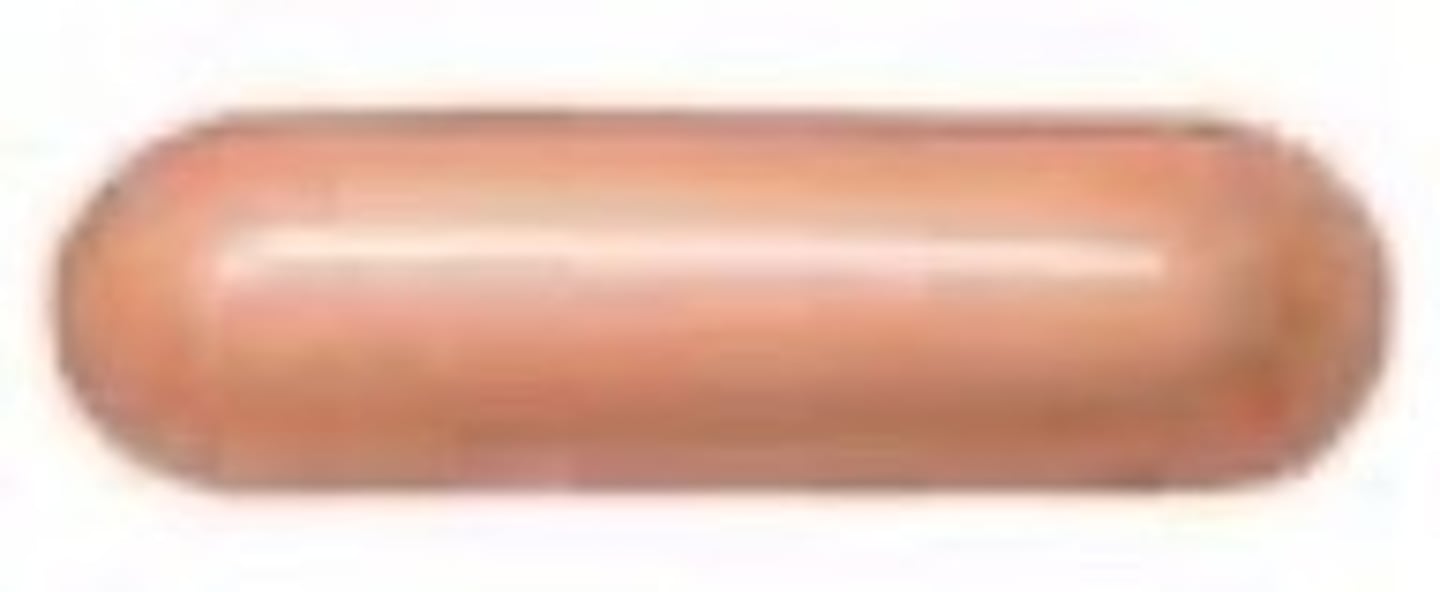
What shape are bacilli?
Rod-shaped.
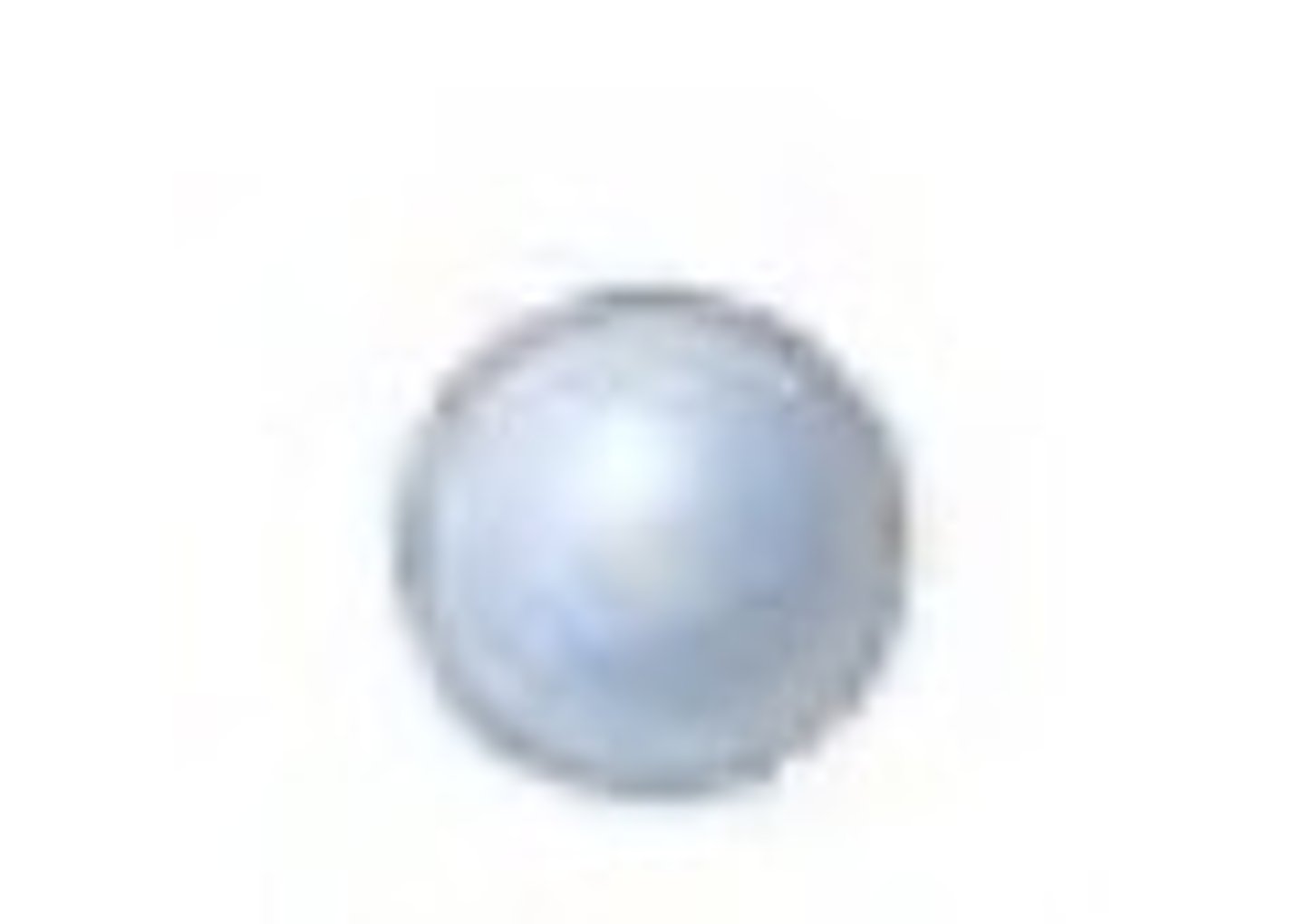
What shape are cocci?
Sphere-shaped.
What shape are spirilla?
Spiral-shaped.
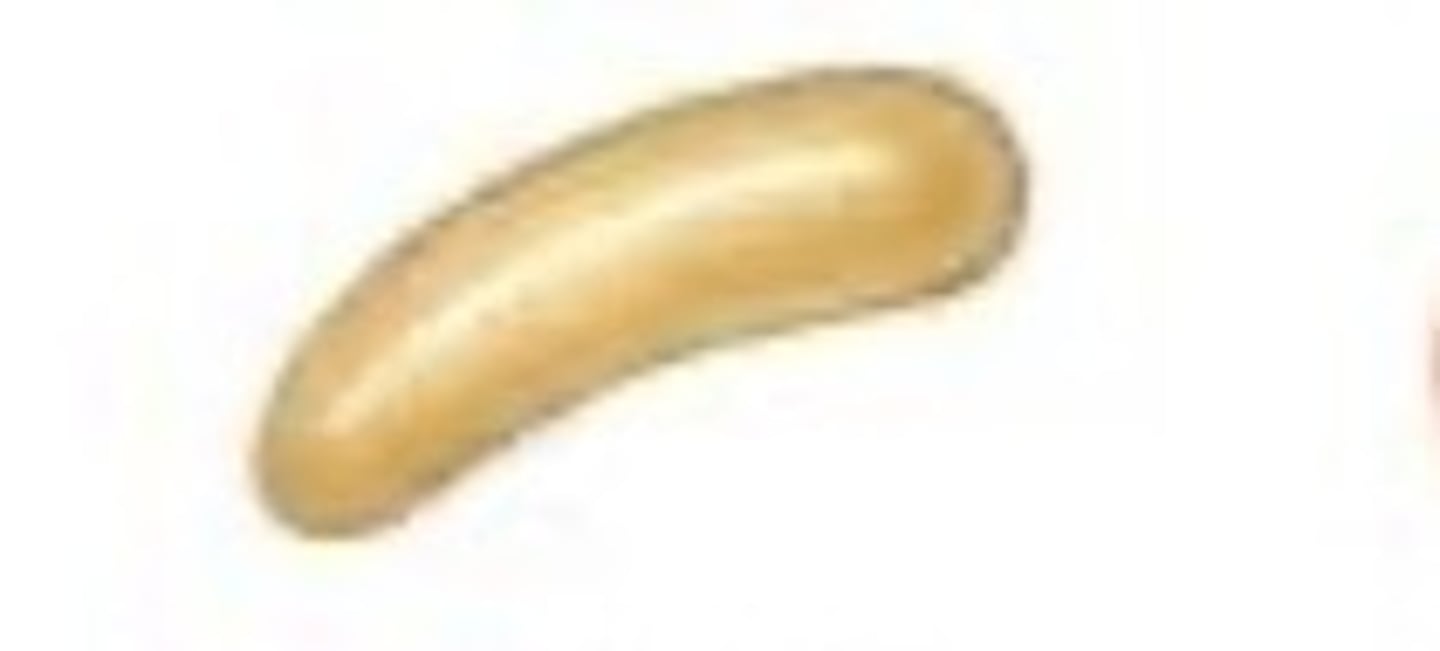
What shape are vibrios?
Comma-shaped.
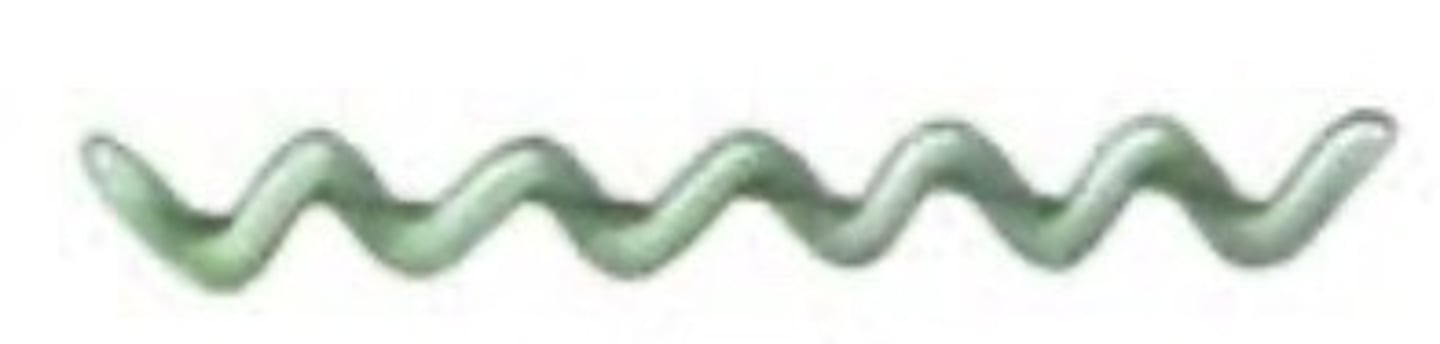
What shape are spirochetes?
Corkscrew-shaped.
What are the two domains of prokaryotes?
Bacteria and Archaea.
What is special about Bacteria?
Large and diverse group including many pathogenic organisms.
What is special about Archaea?
Include extremophiles but also exist in normal habitats.
What are extremophiles?
Organisms that live in extreme environments.
Where is the genetic material in a prokaryotic cell found?
In the nucleoid region.
What is the nucleoid?
The region of the cytosol containing genetic material.
What is the bacterial chromosome called?
The genophore.
What type of DNA do prokaryotes have?
A single circular DNA strand.
What are plasmids?
Additional small DNA molecules in bacteria.
What is the role of ribosomes in prokaryotes?
Protein synthesis.
What size ribosomes do prokaryotes have?
70S ribosomes.
What surrounds all prokaryotic cells?
A cell wall.
What is the bacterial cell wall made of?
Peptidoglycan.
What is a slime capsule (glycocalyx)?
An outer covering that helps protect bacteria.
What are pili?
Hair-like extensions used for adhesion and conjugation.
What is the function of flagella?
Movement.
What are the main parts of a prokaryotic cell?
Cell wall, cell membrane, cytoplasm, nucleoid, ribosomes, plasmid, pili, flagella, slime capsule.
What is the cell membrane?
The layer controlling movement in and out of the cell.
What is cytoplasm?
The jelly-like fluid inside the cell.
What is genetic recombination?
Combining DNA from two sources.
What is transformation?
Bacteria absorbs DNA from environmen
What is transduction?
Virus insert DNA into bacteria
What is conjugation?
A tube forms between 2 bacteria cells and transfer occurs
Why can bacteria evolve quickly?
Rapid reproduction, mutation, and genetic recombination.
What can genetic diversity lead to in bacteria?
Success and adaptation of a species.
What are pathogenic bacteria?
Disease-causing bacteria.
Vibrio
bacilli
cocci
sprilla

spirochetes