Ornithology BIrds
 Call Kai
 Learn
Learn Practice Test
 Spaced Repetition
 Match
Match Flashcards
 Knowt Play
1/227

There's no tags or description
Looks like no tags are added yet.
Name | Mastery | Learn | Test | Matching | Spaced | Call with Kai |
|---|
No analytics yet
Send a link to your students to track their progress
228 Terms
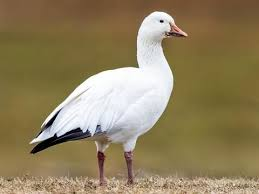
Snow Goose
arctic tundra, vocal, nasal honks, large flocks, herbivores
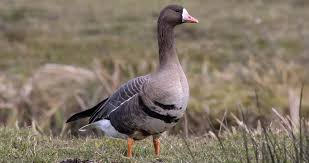
Greater white fronted goose
cackle, social, grazers, long migration, mate for life, nothern alaska
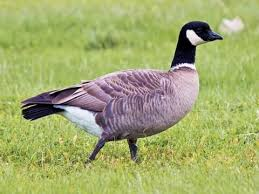
Cackling goose
cackles, large flocks, grasses, migrates for winter
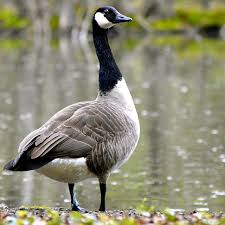
Canada goose *
herbivores, strong fliers, near freshwater, very social
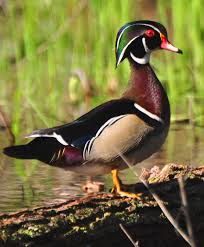
Wood duck *
wooded wetlands, cavity nesters, perch in trees, omnivores, whistle
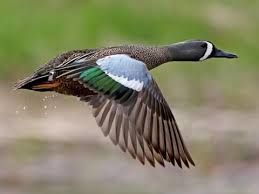
Blue-winged teal
fast fliers, tight flocks, omnivores, shallow waters
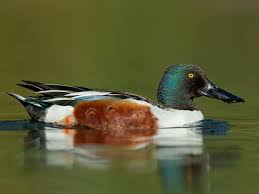
Northern shoveler
skim water with bill shallow wetlands, strong fast fliers, social groups
Gadwall
herbivores, nest on ground, prairie marshes
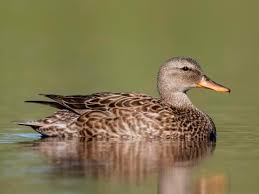
American wigeon *
grazers, whistle, highly social, freshwater, shy, nest far from water
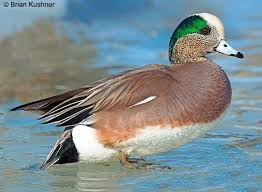
Mallard *
not divers, large flocks, loud quacks, ponds, omnivores
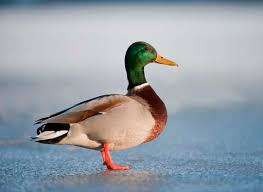
Northern pintail
fast and agile, herbivore, large flocks, noisy, breed in prairies
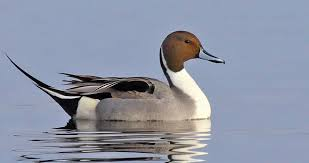
Green-winged teal
large fast flocks, shallow ponds, seed eaters
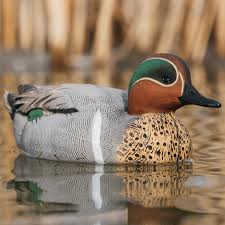
Canvasback
divers, highly social, powerful fliers, open water, nest over water
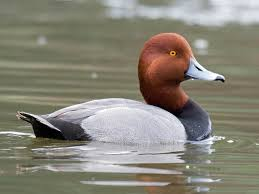
Redhead
divers, highly social, good swimmers, fast fliers, cat like meow
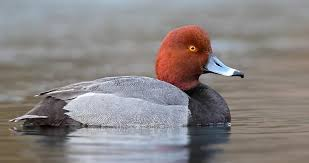
Ring-necked duck
fast fliers, mostly veggies, skilled divers, nest over water, large flocks
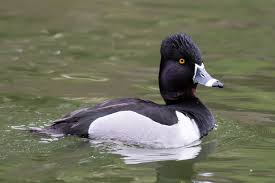
Lesser scaup
highly social, divers, omnivores, later migration
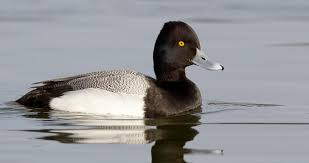
Bufflehead
specialized divers, good fliers, mate for life, cavity nesters, eat water bugs
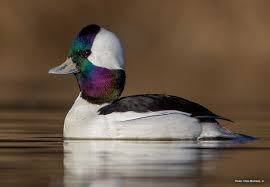
Common goldeneye
divers, eat fish and bugs, fast fliers, whistle noise, boreal forest lakes
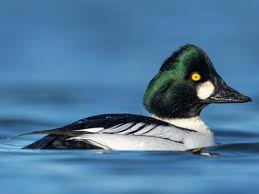
Hooded merganser
expert divers, freshwater, cavity nesters, carnivores
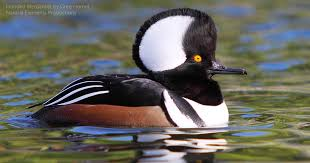
Common merganser
eats fish, dive in groups, cavity nesters, fast flowing rivers, quiet
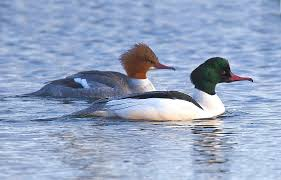
Red-breasted merganser
eat fish, divers, high speed fliers, very social
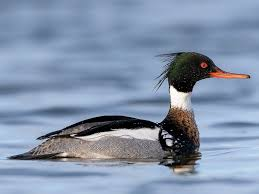
Ruddy duck
shallow marshes, good swimmers, diving ducks, eat at night, bugs and plants
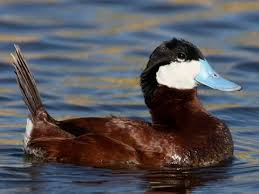
Northern bobwhite *
bushes, small groups, explosive flight, seeds and insects
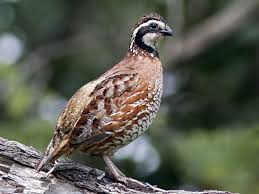
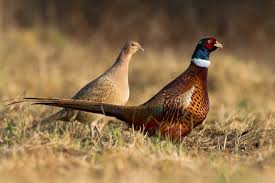
Ring-necked pheasant *
prefer running, nonmigratory, social, feed in groups, seeds berries insects, loud
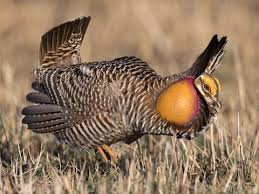
Greater prairie-chicken *
herbivores, native, “boom” to attract mates
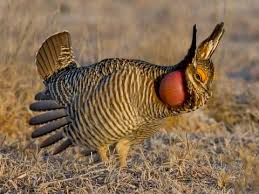
Lesser prairie-chicken
insects, native sand, short distance flight
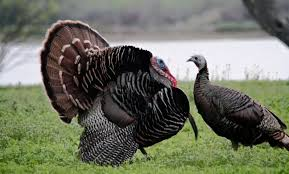
Wild turkey *
omnivores, gobble, short burst fliers, sleep in trees
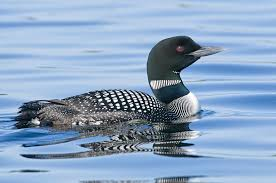
Common loon *
eerie call, migrate during winter, eat fish
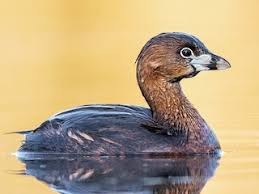
Pied-billed grebe
freshwater, solitary, rarely fly, expert divers, lobed feet
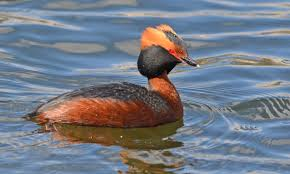
Horned Grebe
dramatic seasonal color changes, dives to catch fish, freshwater
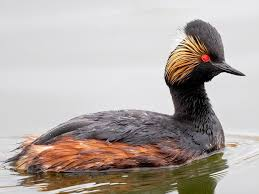
Eared Grebe
aquatic insects, migratory, frog like call
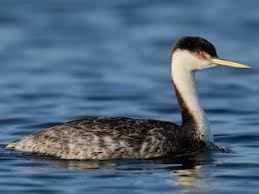
Western grebe
fish eaters, divers, dancing displays, large inland lakes
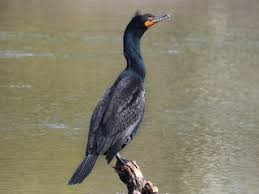
Double-crested cormorant
divers, deep grunts, very social, wings outstretched for drying
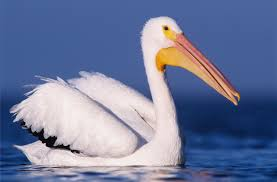
American white pelican
massive, not divers, soars with flock, almost silent
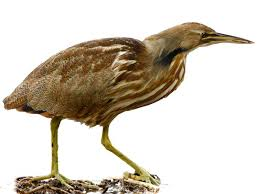
American bittern *
booming mating call, nocturnal, feed on fish, standing or swaying
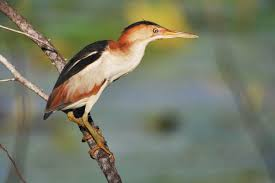
Least Bittern
carnivore, short rapid flight, freshwater marshes
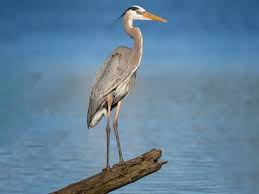
Great blue heron *
freshwater or saltwater, strike quickly, carnivore, nest with colonies
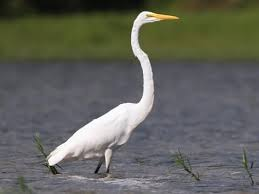
Great egret
wetlands, stalks prey, solitary hunters, social nesters,
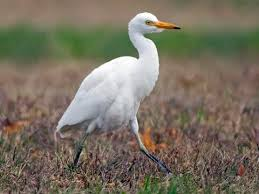
Cattle egret
friends with cows, insectivores, social, generally quiet, open areas
Green heron
carnivores, patient, nest in trees, good climbers
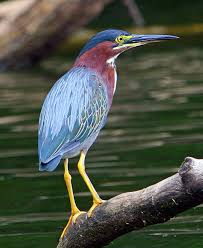
Black-crowned night-heron
hunkered position, marshes, opportunistic feeders, eat anything
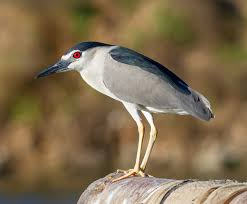
Yellow-crowned night-heron
crustaceans, stealthy, crepuscular/nocturnal
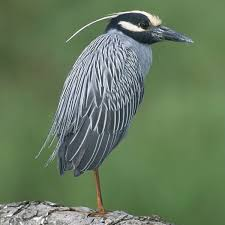
White-faced Ibis
wetlands, social birds, carnivores to small prey, large colonies, generally quiet
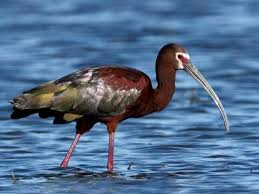
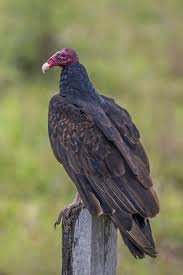
Turkey vulture
soar high, vomit to deter predators, eat carrion, good smell, bald head, pee on they own legs?
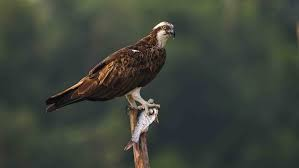
Osprey
fish hunters, divers, mate for life, females larger, highly migratory
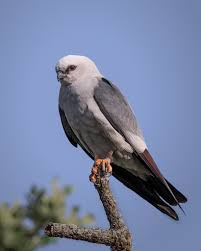
Mississippi kite
soaring, insectivores, highly social, mature woodlands, migratory
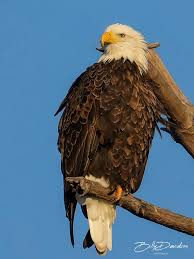
Bald eagle *
females larger, opportunistic stealers, hind toe extra strong, mate for life
Northern harrier
fly low, eat small mammals, open country, migratory, ground nesters
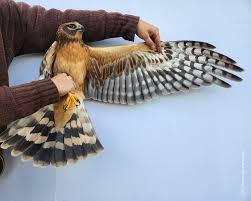
Sharp-shinned hawk
eat songbirds and small mammals, females larger, common in forests
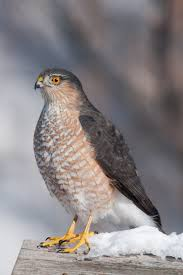
Copper’s hawk
acrobatic, crow sized, bird hunters and small mammals, forests
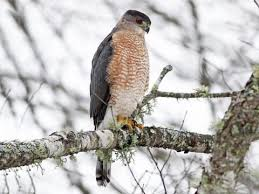
Red-shouldered hawk
vocal, carnivorous, solitary, not migratory, forests
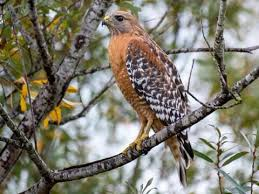
Swainson’s hawk
long migration, insectivorous, forage on ground, highly social, monogamous
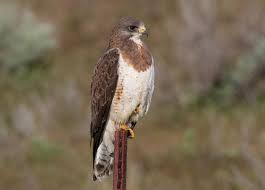
Red-tailed hawk *
Soars, famous screech, open country, small mammals
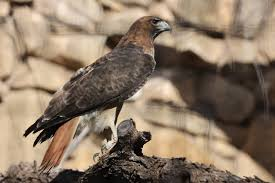
Rough-legged hawk
breeds in the arctic, feeds on small rodents, arctic raptors
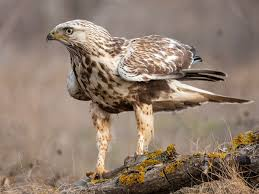
Golden eagle
feed on small mammals, fast fliers, open landscapes, mate for life
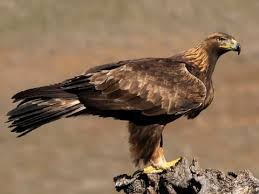
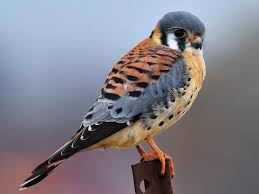
American kestrel *
eat insects, hover in place, can see ultraviolet light, open areas
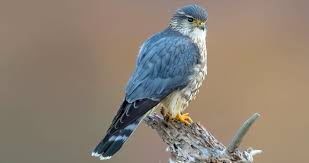
Merlin
extremely fast, use abandon nests, open forests, hunt other birds
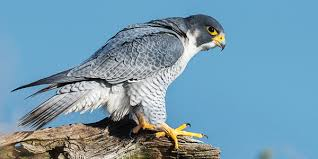
Peregrine falcon
fastest animal on earth, bird eaters, nest on tall structures, found everywhere but antarctica, open areas
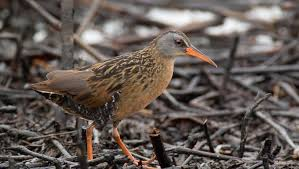
Virginia Rail
freshwater, carnivores, loud, long toes
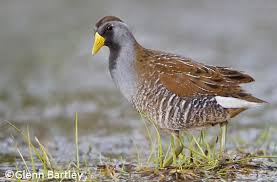
Sora *
secretive, strong runners, loud, freshwater marshes, omnivores, monogamous
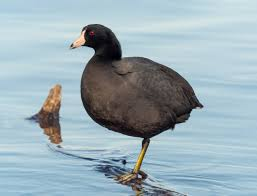
American coot *
lobed toes, very social, freshwater, herbivores
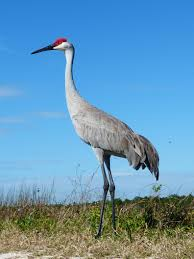
Sandhill crane *
dancing, mate for life, loud, wet marshes, omnivores, trombone trachea
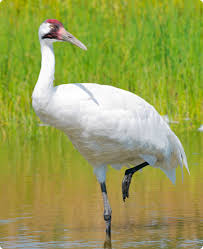
Whooping crane
loud whoop call, long neck, omnivores, shallow wetlands, dancing courtship
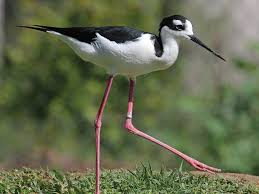
Black-necked stilt
vocal, long legs, forage for small fish, marshes, monogamous
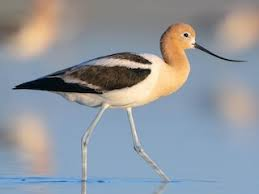
American avocet
upturned bill, shallow water, social birds, noisy, broken wing display
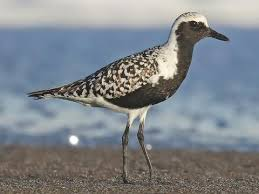
Black-bellied plover
loud calls, powerful fliers, migratory, breed in arctic tundra, eat invertebrates
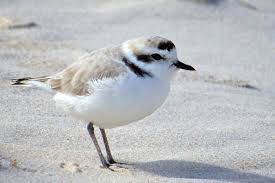
Snowy plover
foragers, barren areas, eat invertebrates
Piping plover
forage for crustaceans, sad whistle, nest in pairs, dry sand beaches
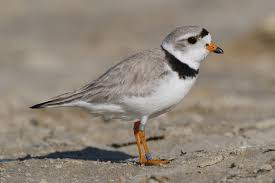
Kildeer *
active, nest on the ground, very loud, common in fields
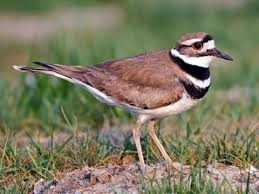
Upland sandpiper *
grassland, perching, strong fliers, insectivourous, ground nesters, highly migratory
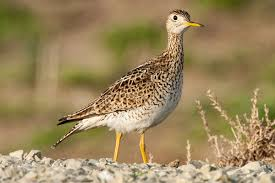
Long-billed curlew *
probe into mud, loud call, breed in meadows, migratory
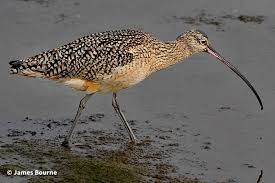
Hudsonian godwit
forage, probe into mud, loud, long migrations, nest on wet locations in the arctic
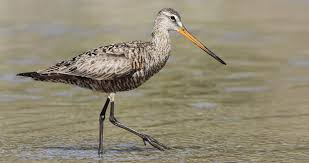
Baird’s sandpiper
dry grassy areas, migrate, walk quickly and pick up food
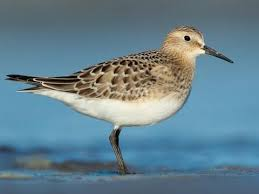
Least sandpiper
yellow legs, forage in small groups, hunched posture, probe for invertebrates, breed in arctic, ground nesters
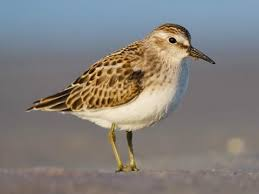
Pectoral sandpiper
streaked breast, wet muddy areas, probe in the mud, long distance migrations
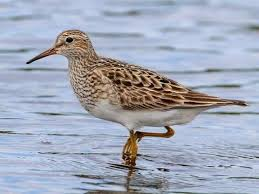
Semi-palmated sandpiper
active surface probers, long distance migrations, rapid motion when feeding
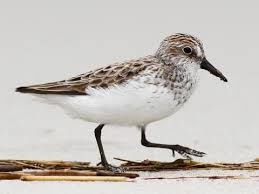
Western sandpiper
very social, insectivores and carnivores, migratory, shorter bill
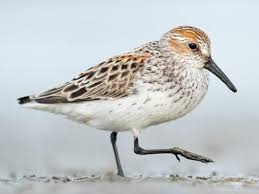
long-billed dowitcher
forage in tight groups, freshwater, tactile receptors on bill
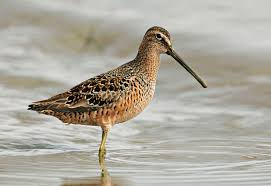
American woodcock *
sky dance courtship display, slow rocking walk, forage in moist ground, abandoned fields, upside down brains
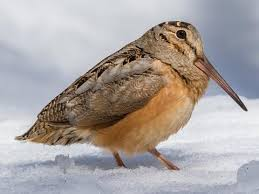
Wilson’s snipe
large pectoral muscles, bill is flexible, shallow marshes, feed on bugs, crepuscular
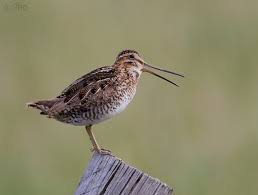
Spotted sandpiper
feeds on insects, polyandrous, low flights over water, nest on ground, nest on ground
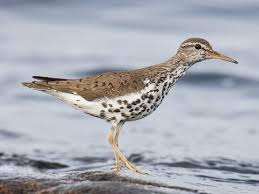
Solitary sandpiper
solitary, bob its head, nest in trees, muddy edges of ponds, eat insects
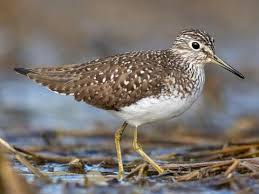
Lesser yellowlegs
shallow water, scything motion to forage, breed in forests and nest in mossy grounds, migratory
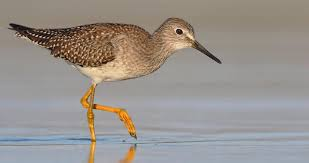
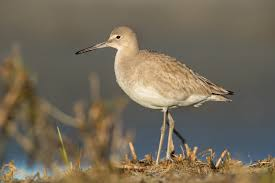
WIllet
very loud, probe for crabs, nest on ground, territorial
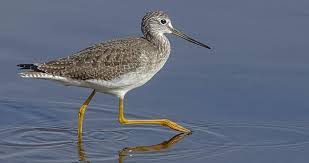
Greater yellowlegs *
bill long, highly active, swimmers, long call, breed in canada, eat small fish and crustaceans
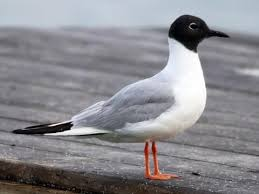
Bonaparte’s gull
breeding adults with dark head, opportunistic feeders, foragers, breed in alaska, noisy flocks
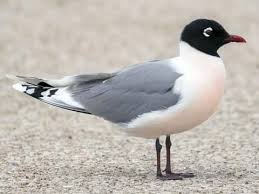
Franklin’s gull
breeding adults with dark head, graceful flight, eat worms and bugs, floating nests on marshes
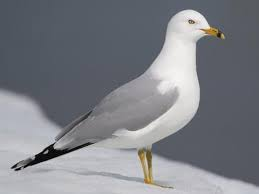
Ring-billed gull
highly social, adults have white heads, inland lakes, strong fliers, ground nesters
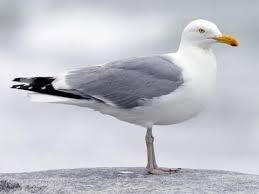
Herring gull *
opportunistic eaters, very smart, loud, social, coastal, monogamous
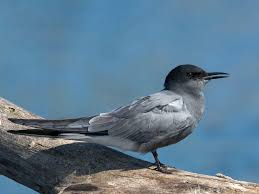
Black tern
breedings adults have dark heads, agile fliers, breed in marshes, nest on floating marshes, very social
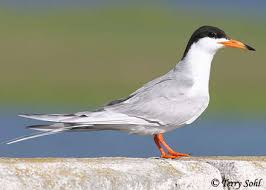
Forester’s tern *
breeding adults with dark cap, foragers, fly slowly and dive for fish, nest in colonies
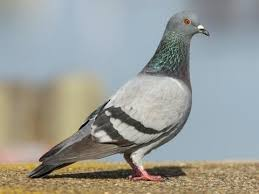
Rock Pigeon *
common in cities, dip their bills to drink, gregarious
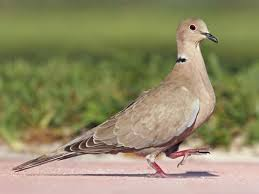
Eurasion Collared-Dove
common in cities, highly vocal, eat seeds and grains
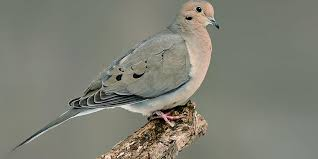
Mourning Dove *
ground foragers, open woodlands
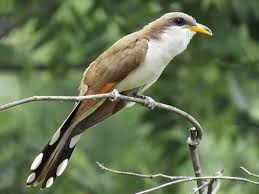
Yellow-billed Cuckoo *
caterpillar eaters, flimsy nests, open woodlands and in high canopy
Black-billed Cuckoo
caterpillar eaters, prefer thickets, night time migrations
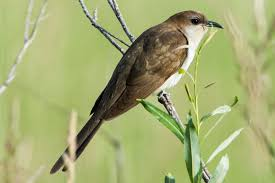
Greater Roadrunner
reduced body temperature, opportunistic feeders, open arid brushy areas
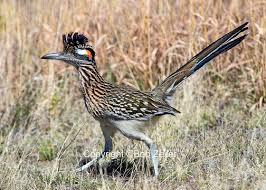
Barn Owl
hissing shriek, nocturnal, small mammals, inhabit buildings and trees
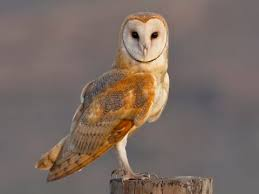
Eastern Screech-Owl *
horse noise, nocturnal cavity nesters, carnivores
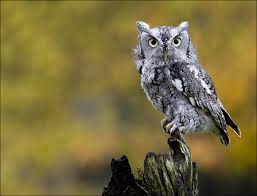
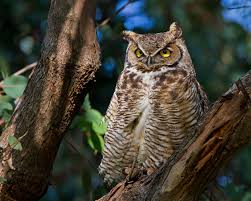
Great Horned Owl *
opportunistic, carnivore, monogamous, deep hoos