all subject matter biodiversity
 Call Kai
 Learn
Learn Practice Test
 Spaced Repetition
 Match
Match Flashcards
 Knowt Play
1/163

There's no tags or description
Looks like no tags are added yet.
Name | Mastery | Learn | Test | Matching | Spaced | Call with Kai |
|---|
No analytics yet
Send a link to your students to track their progress
164 Terms
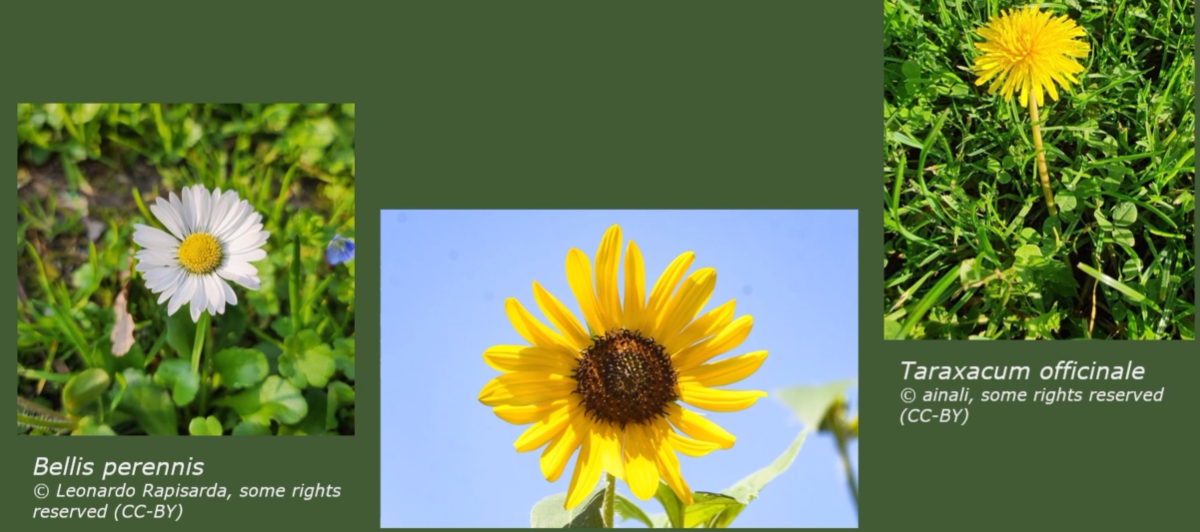
which family is this
Astreraceae
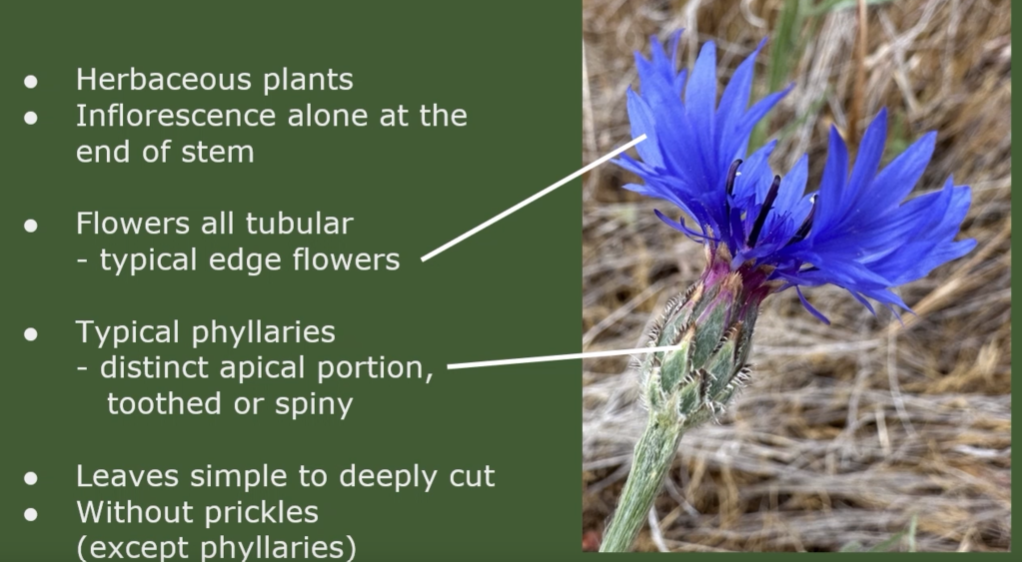
centaurea
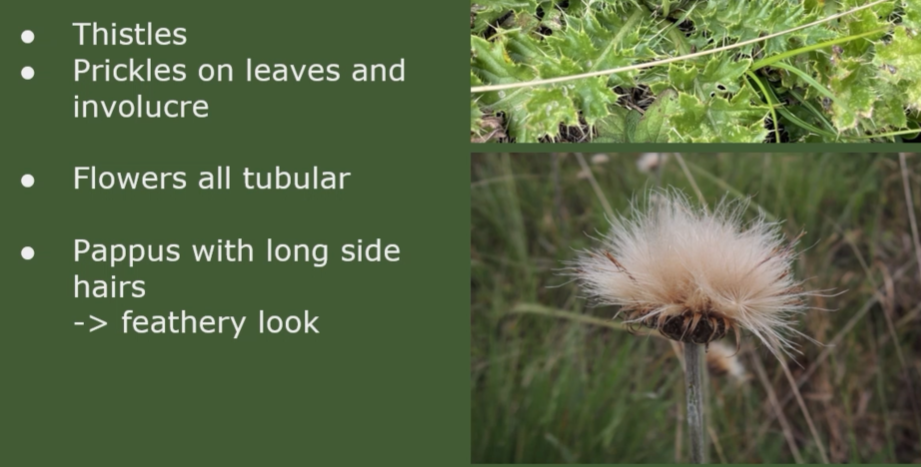
circium
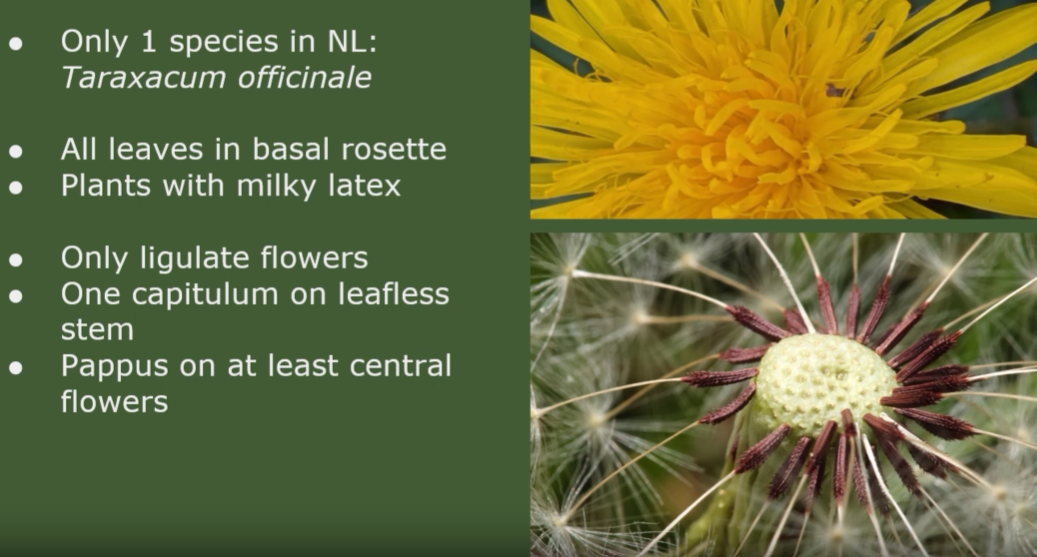
taraxacum
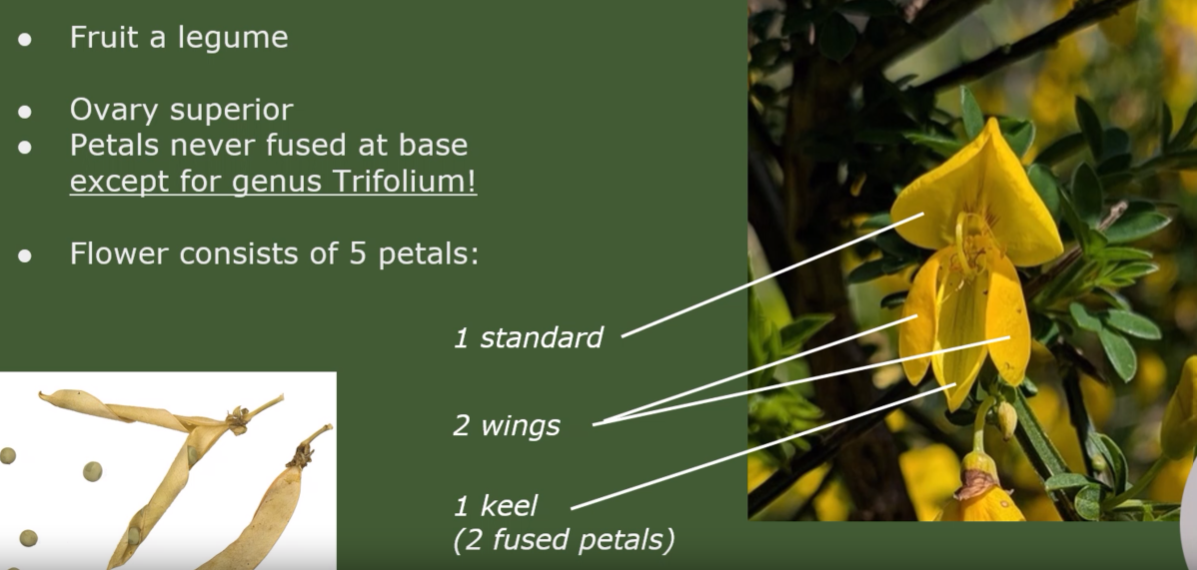
what family is this?
fabaceae
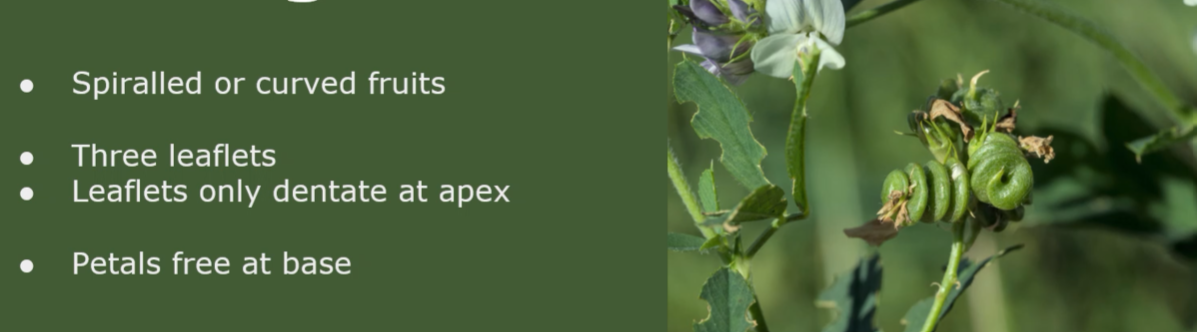
medicago
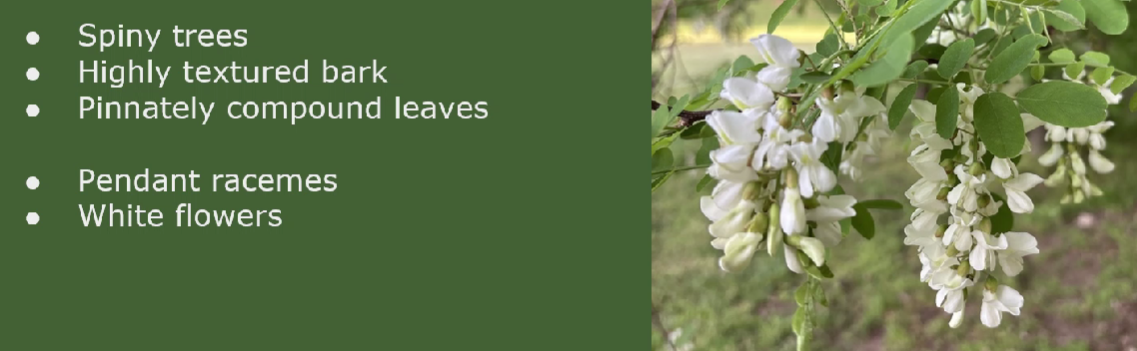
robinia
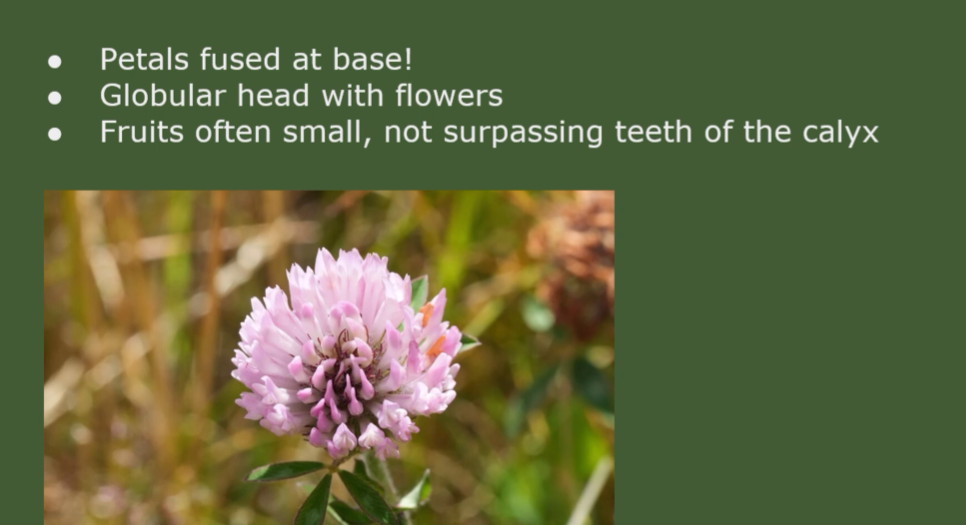
trifolium
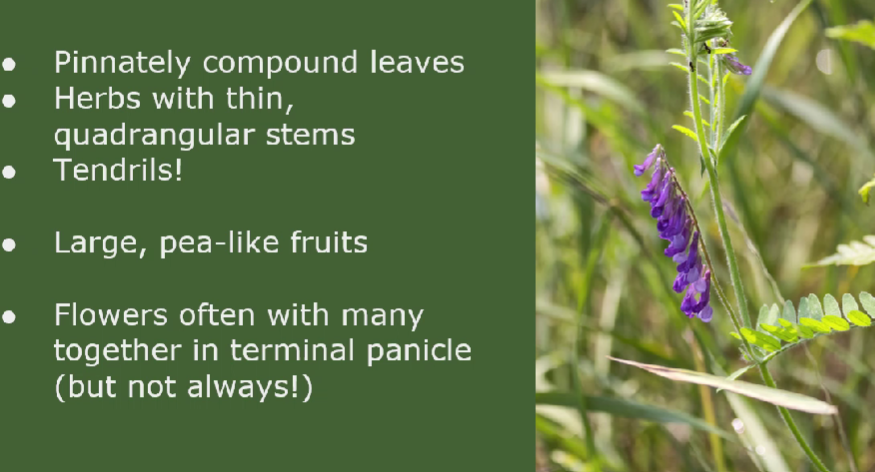
vicia
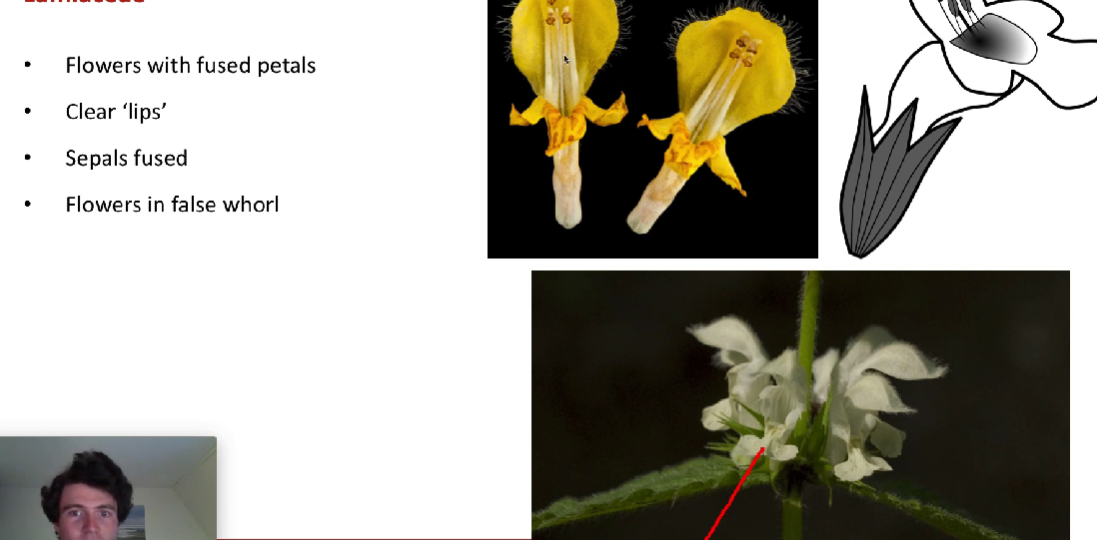
what family is this? (decussate leaves and square stem)
lamiaceae
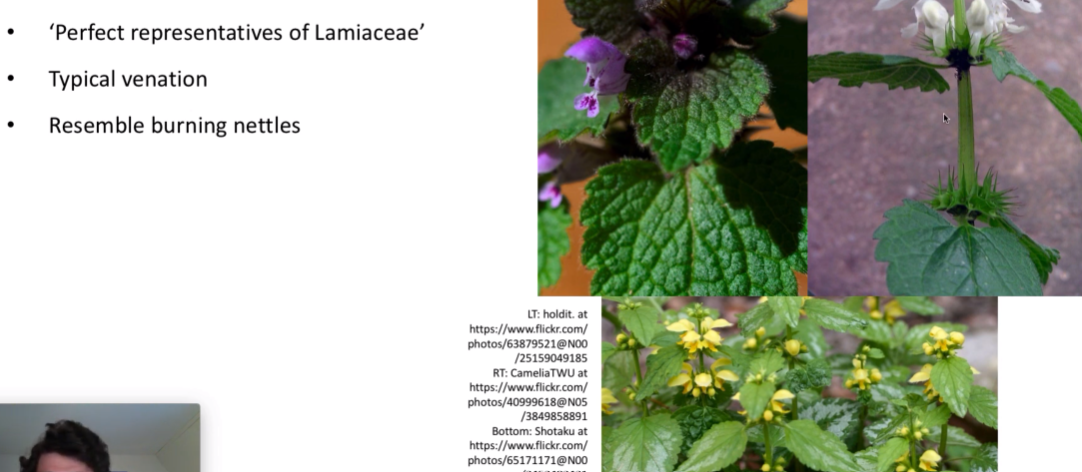
lamium
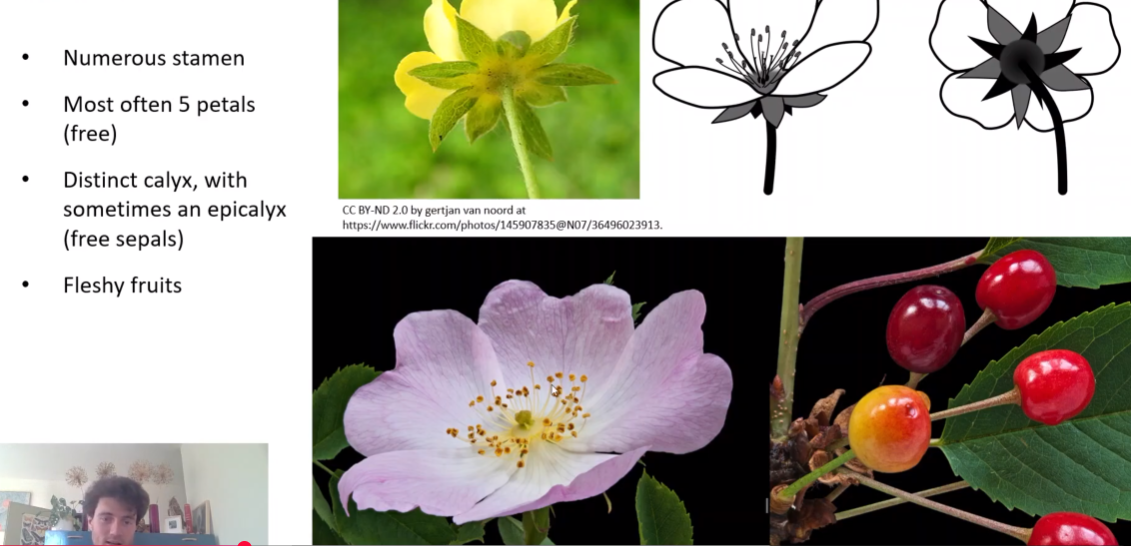
Rosaceae
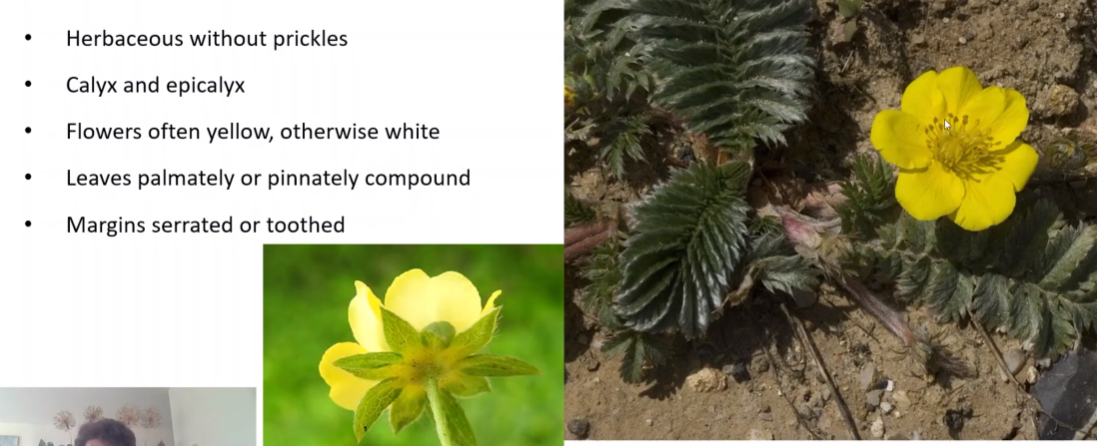
potentilla
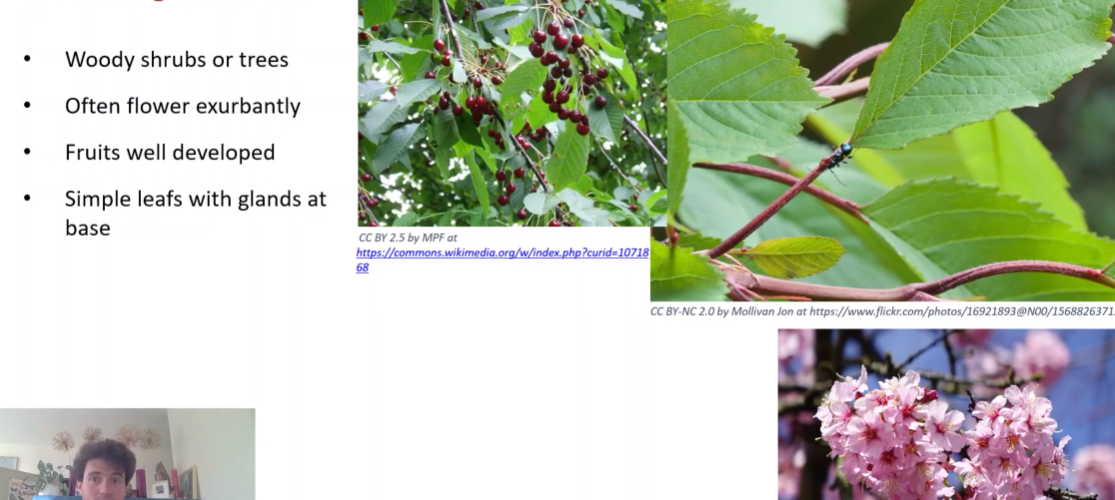
prunus
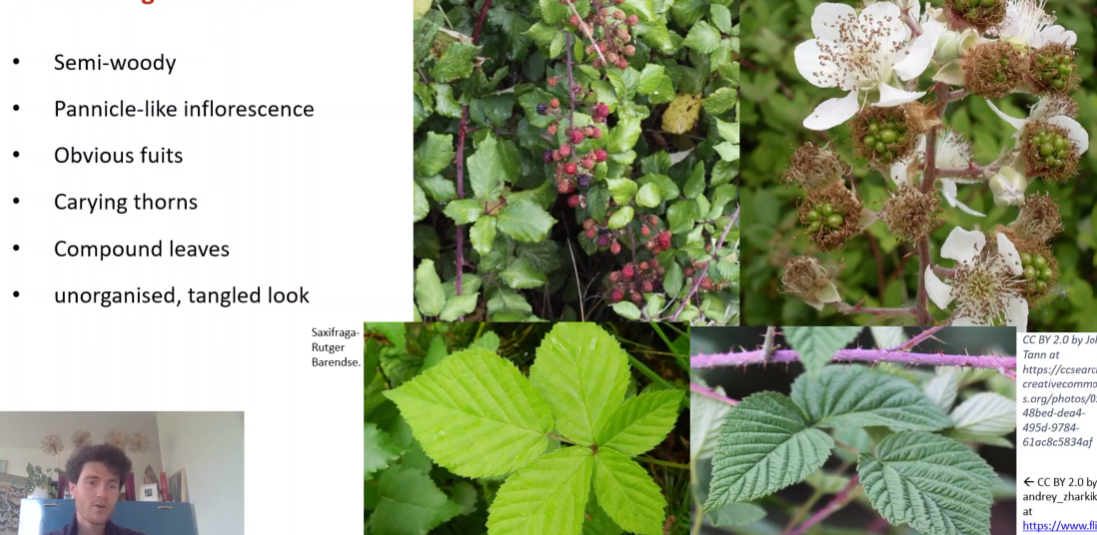
rubus
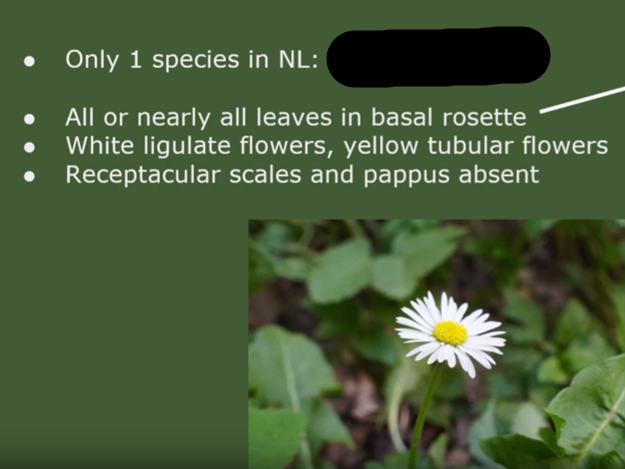
bellis
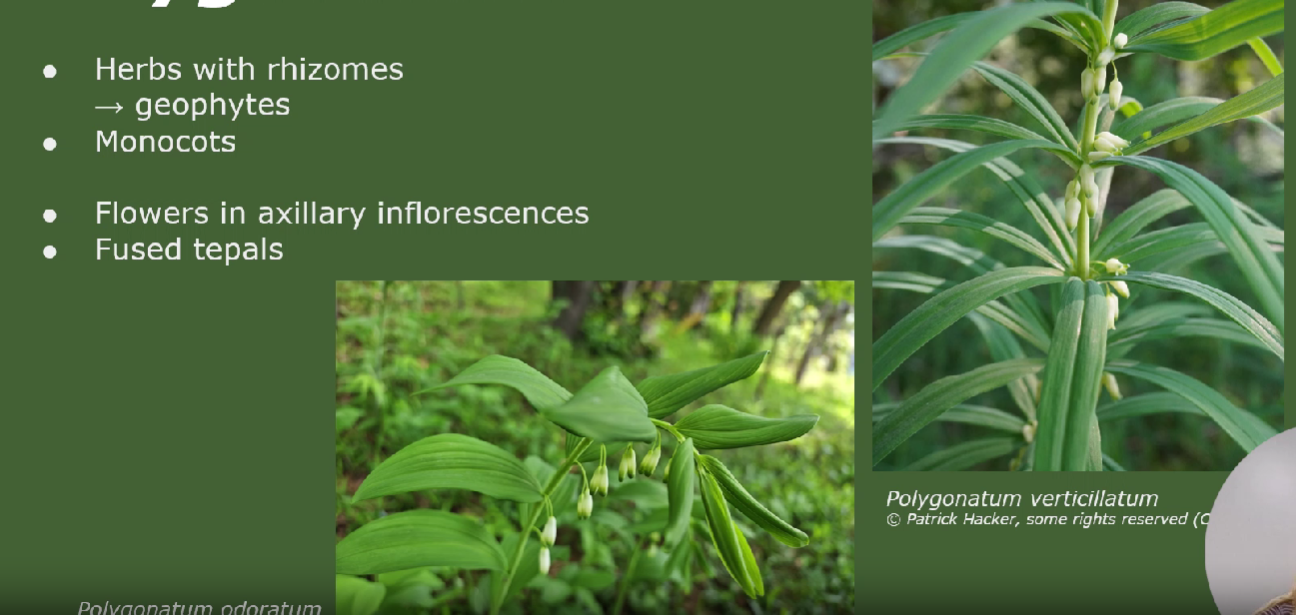
polygonatum
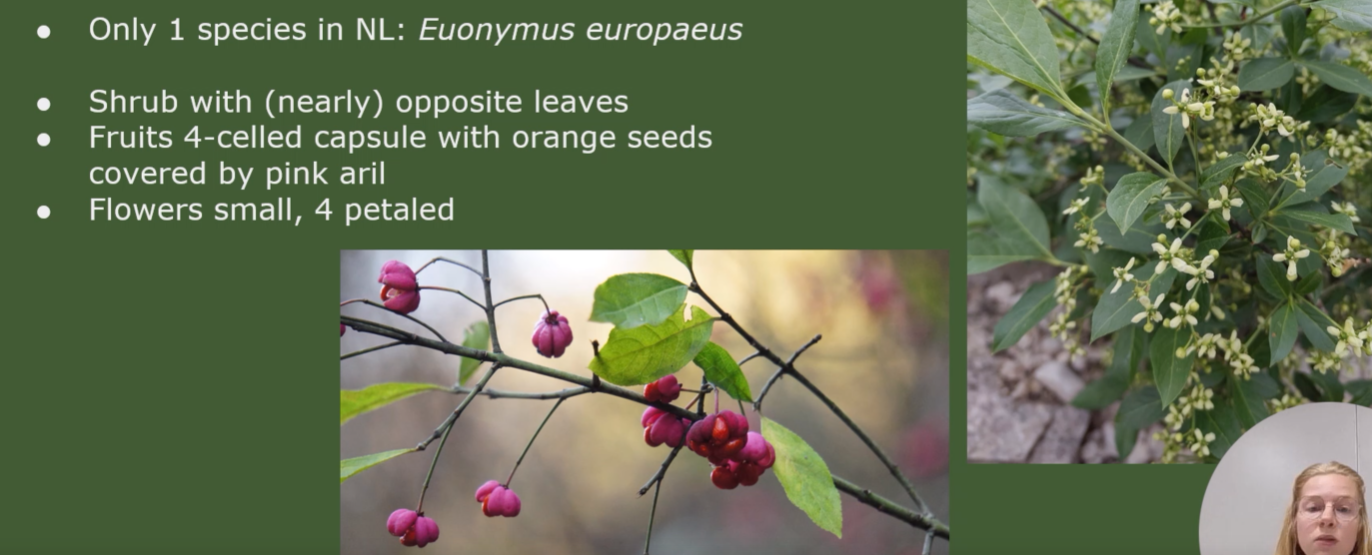
euonimus
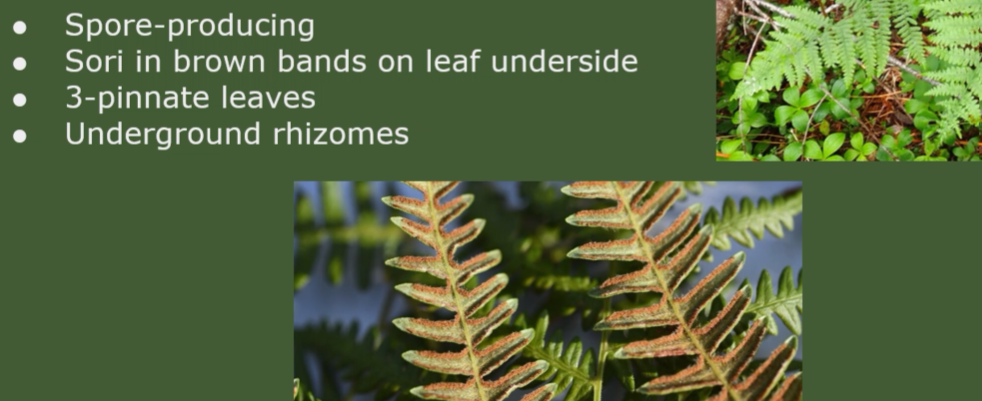
varen
pteridium
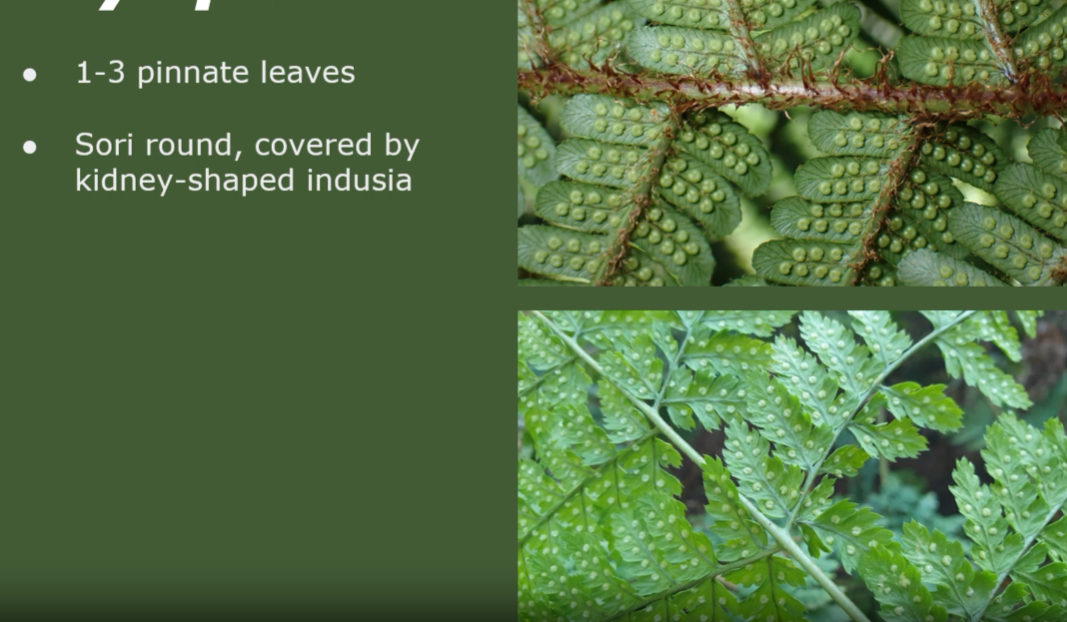
dryopteris
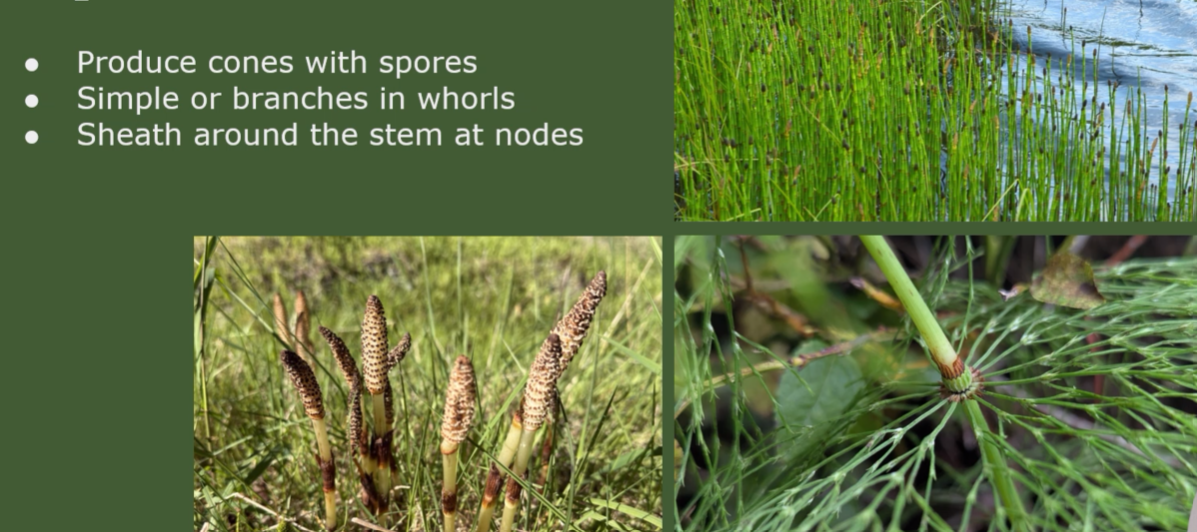
equisetum

calluna
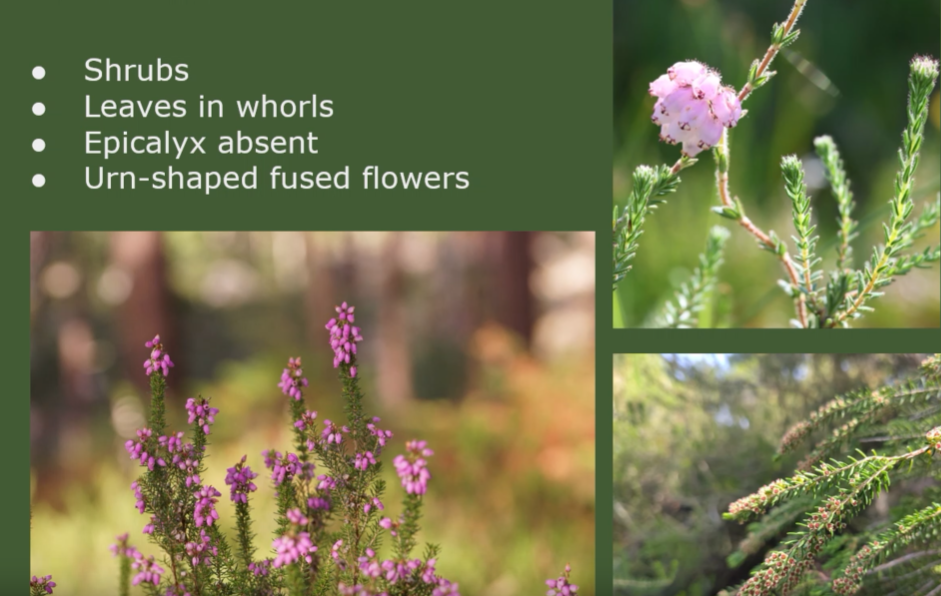
erica
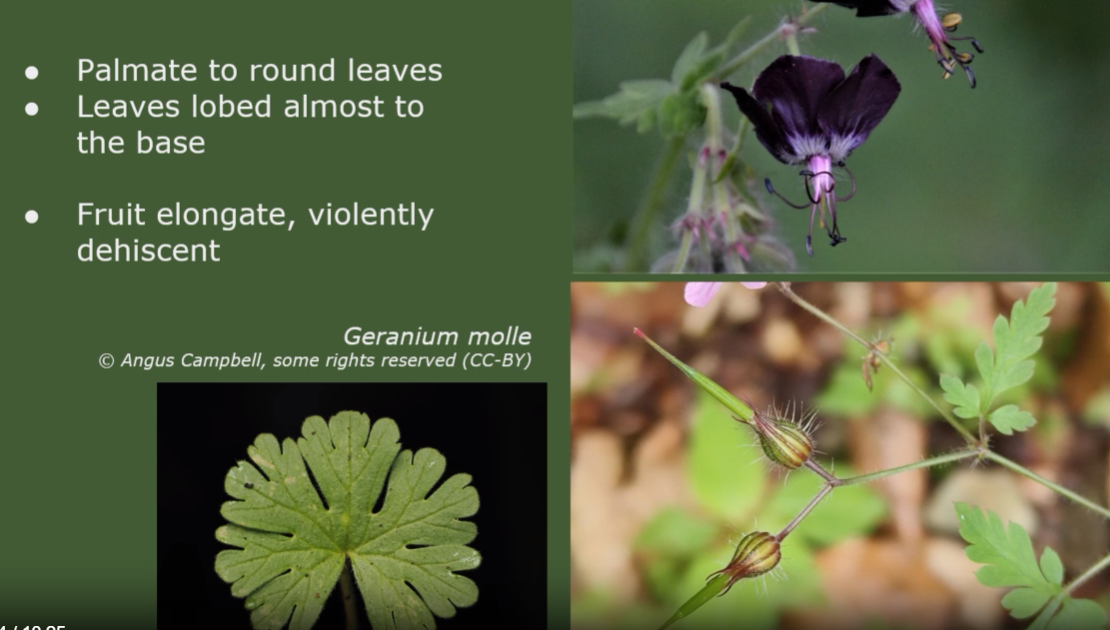
geranium
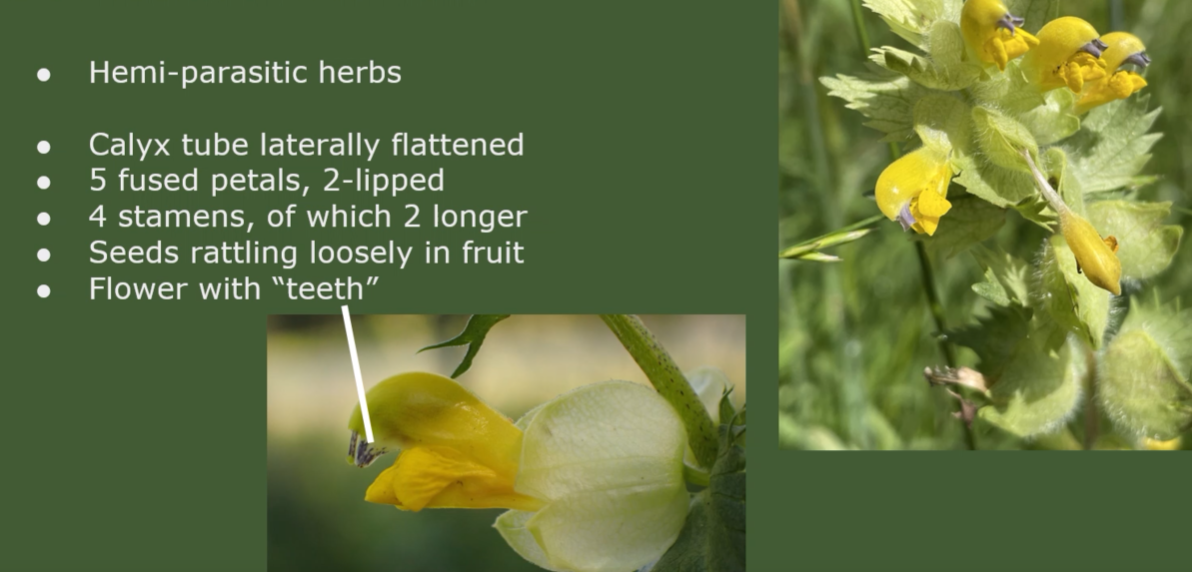
rhinanthus
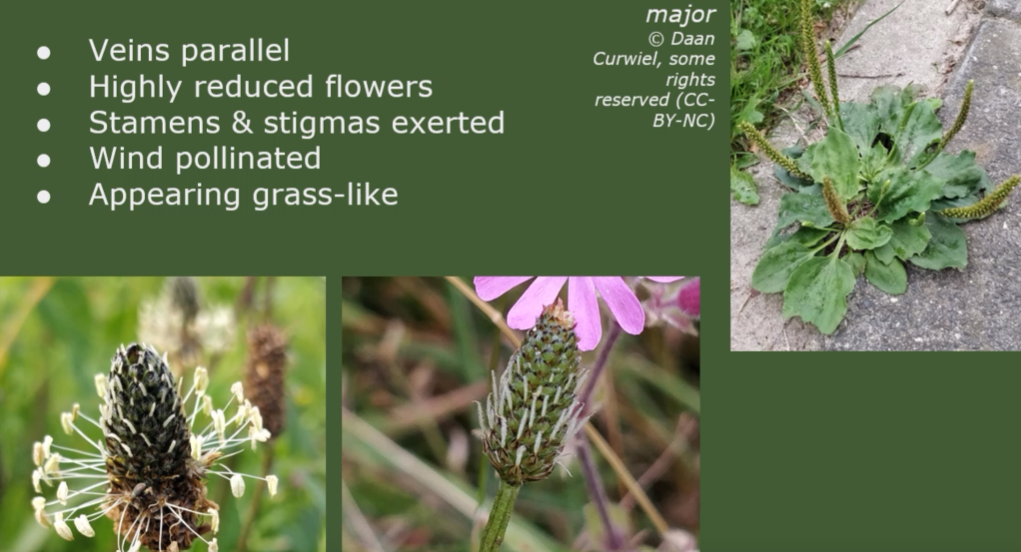
plantago
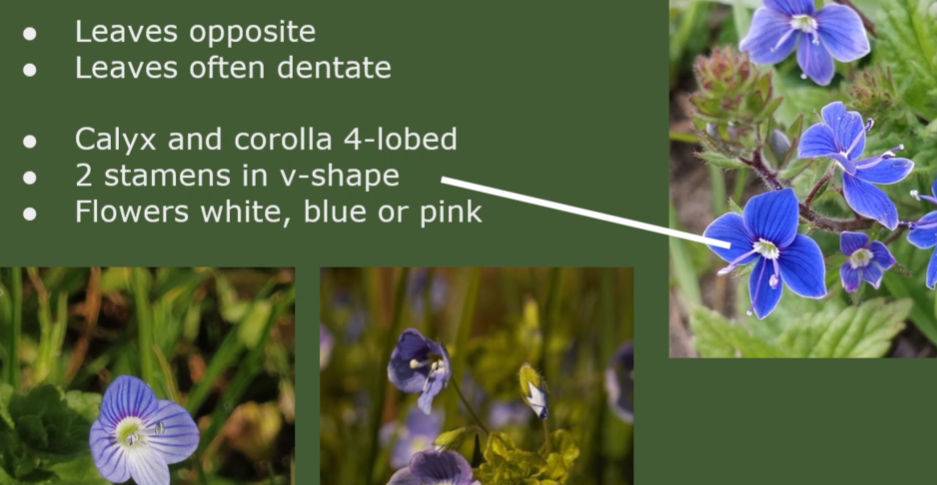
veronica

galium
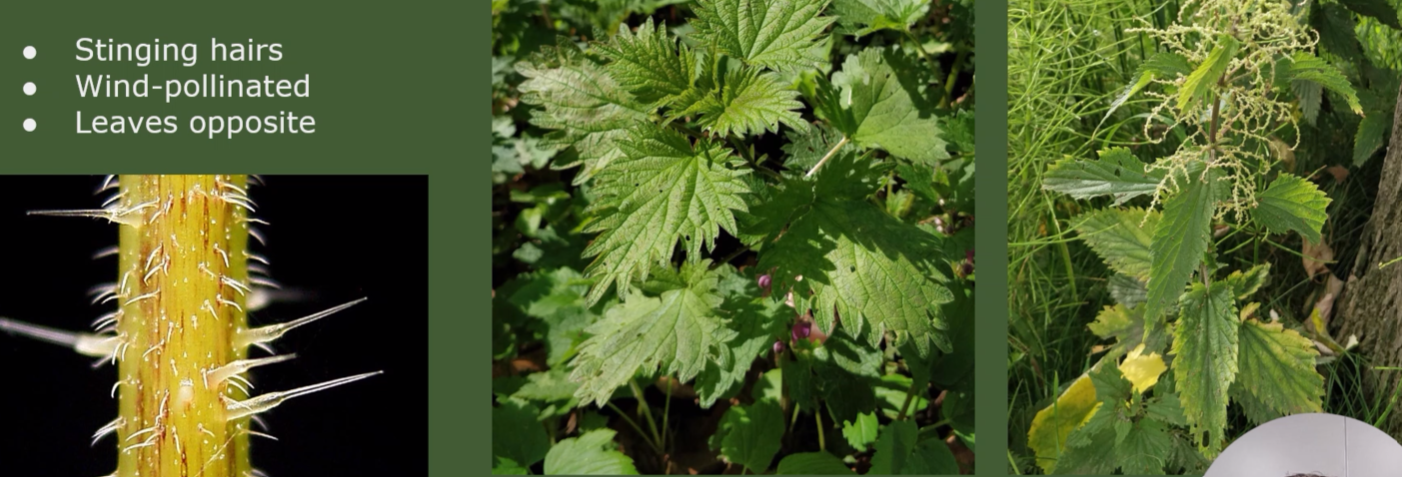
urtica
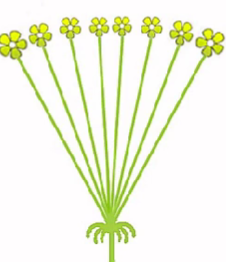
How is this formation called?
Umbel
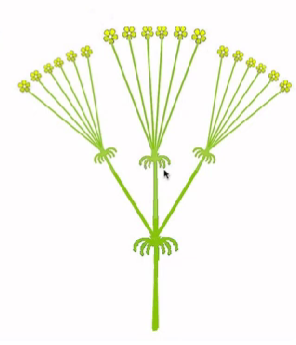
how are the individual umbels in this compound form called?
umbellules
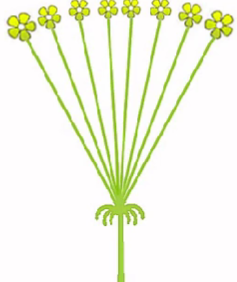
how is the point where the stalks split called?
involucre
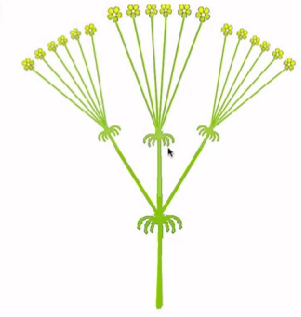
how are the secondary splitting points called?
involucel
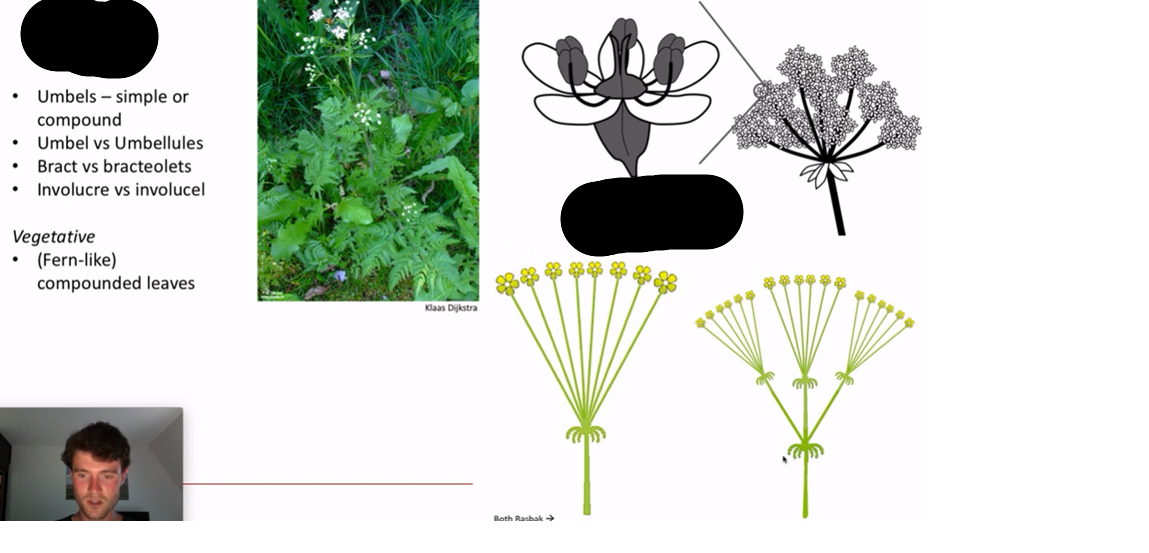
how is this family called?
Apiaceae
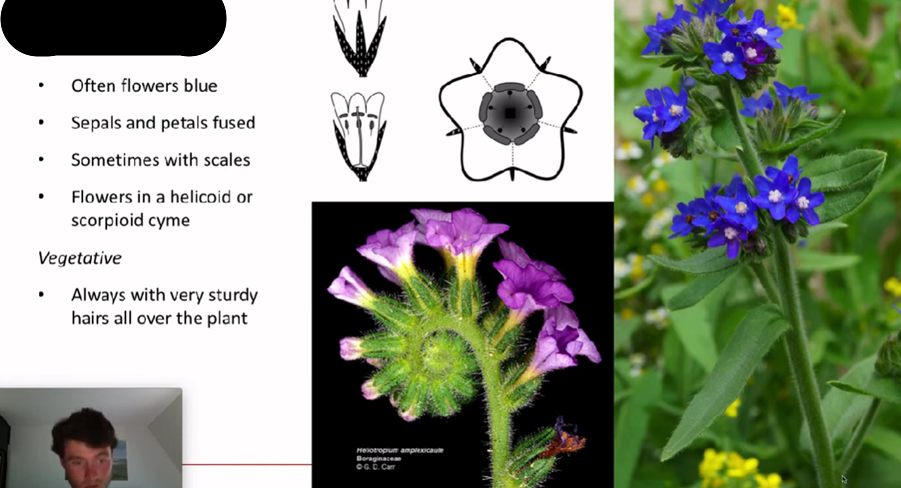
how is this family called?
Boraginaceae
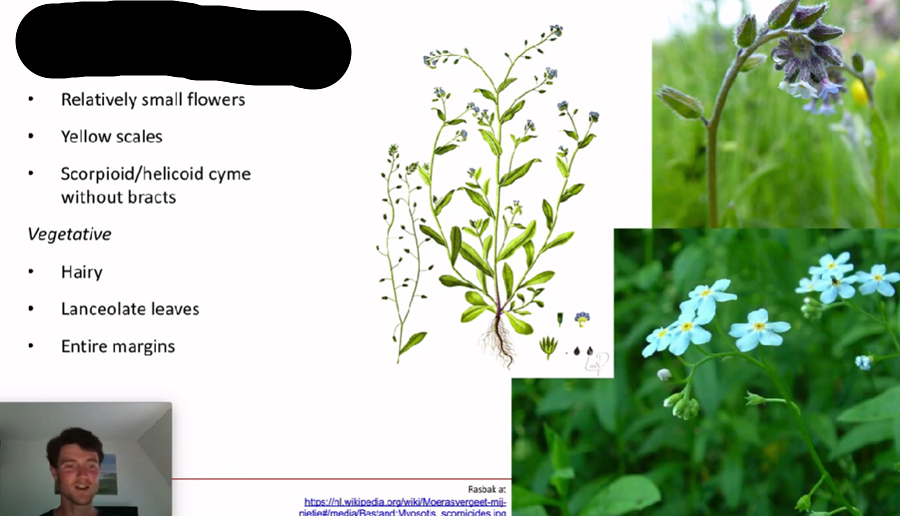
myosotis
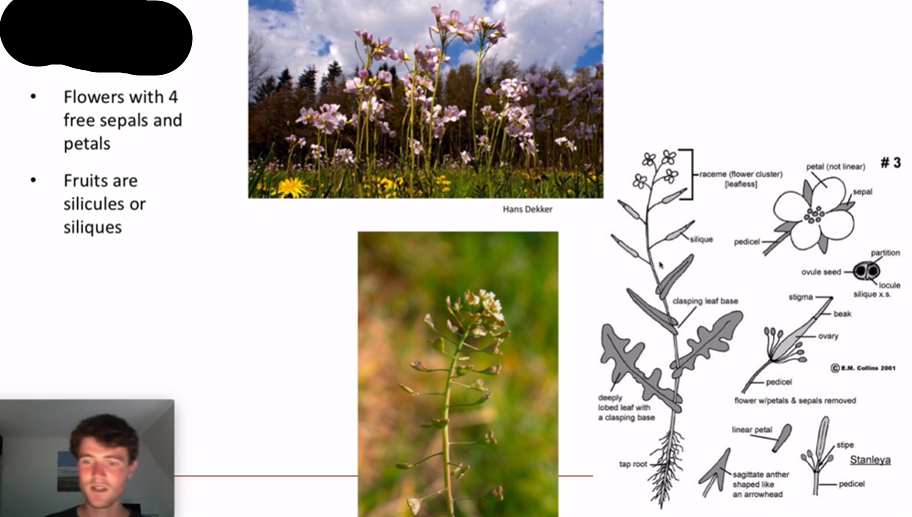
what family is this
brassicaceae
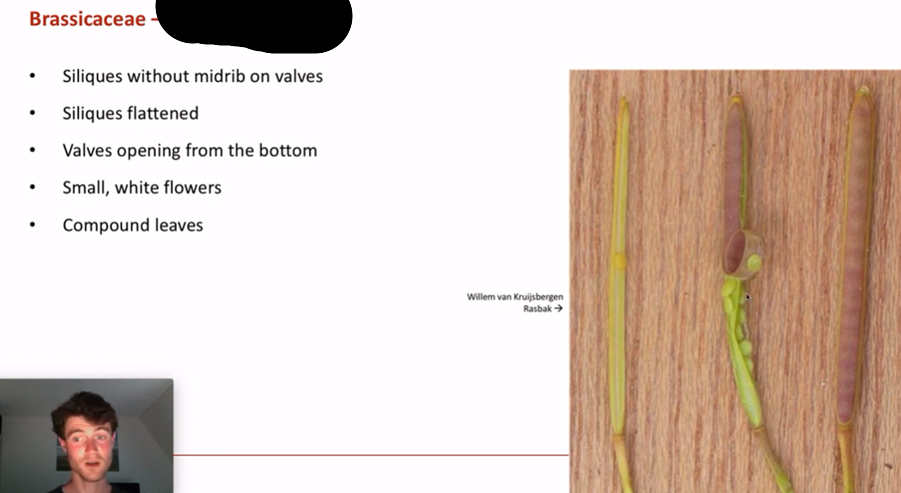
cardamine
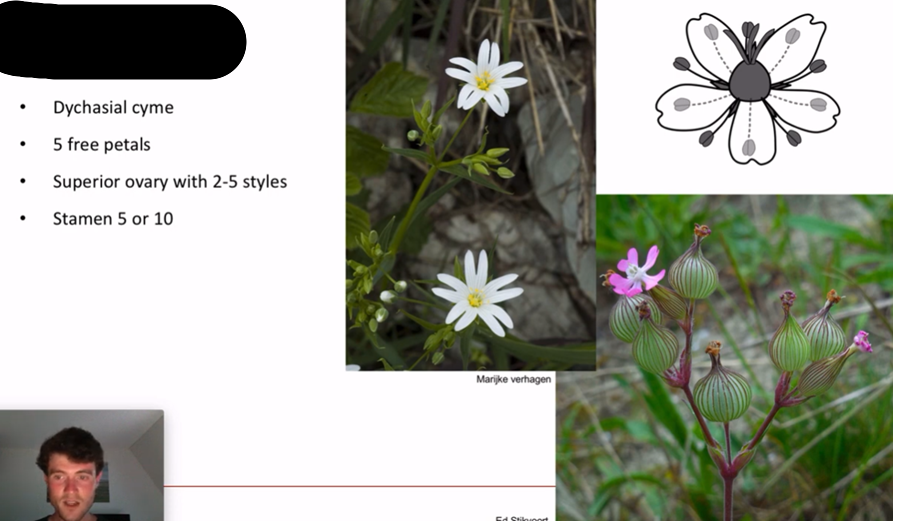
what family is this
Caryophyllaceae
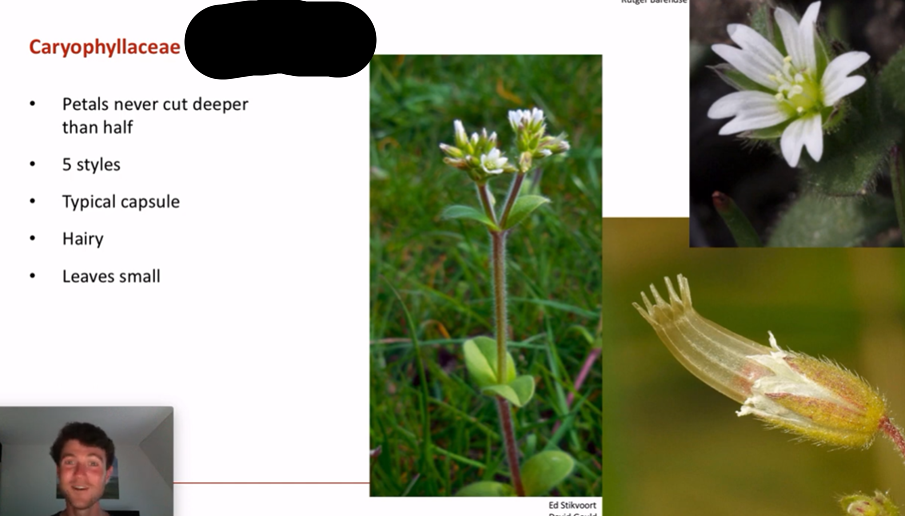
cerastium
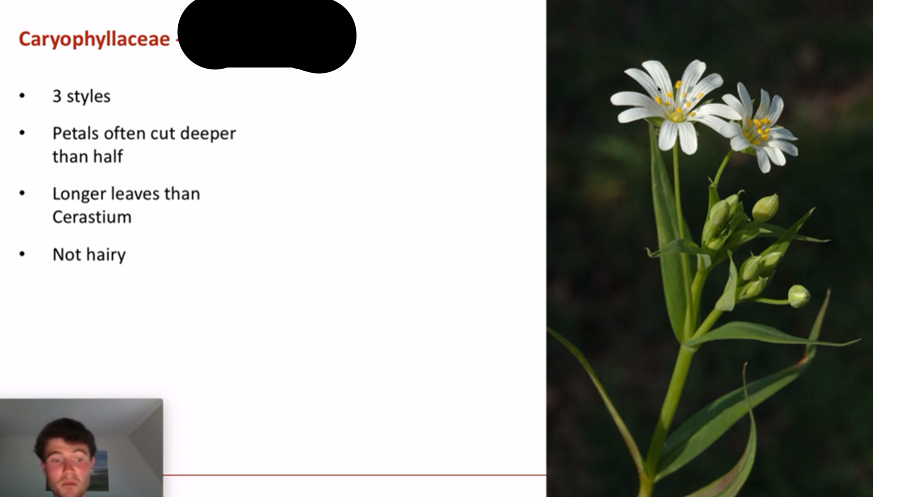
stellaria
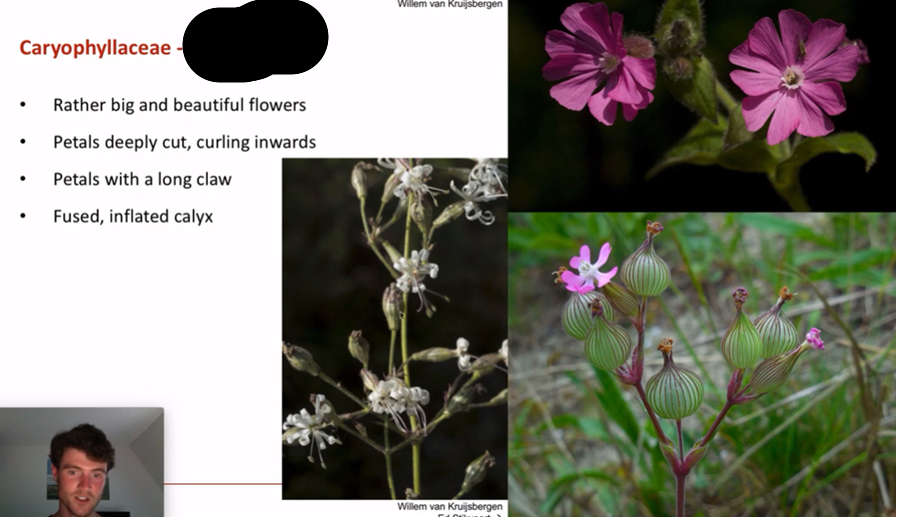
silene
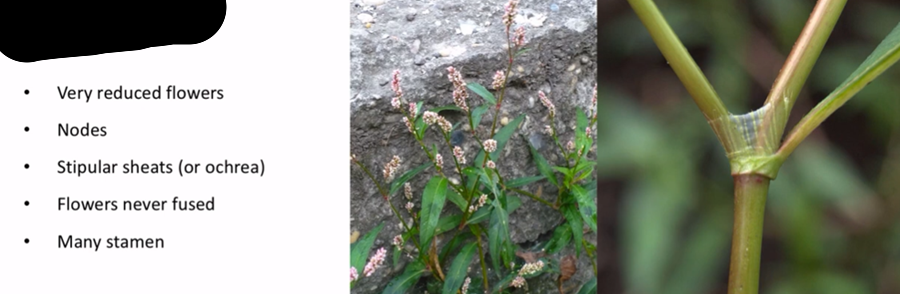
what family is this?
polygonaceae
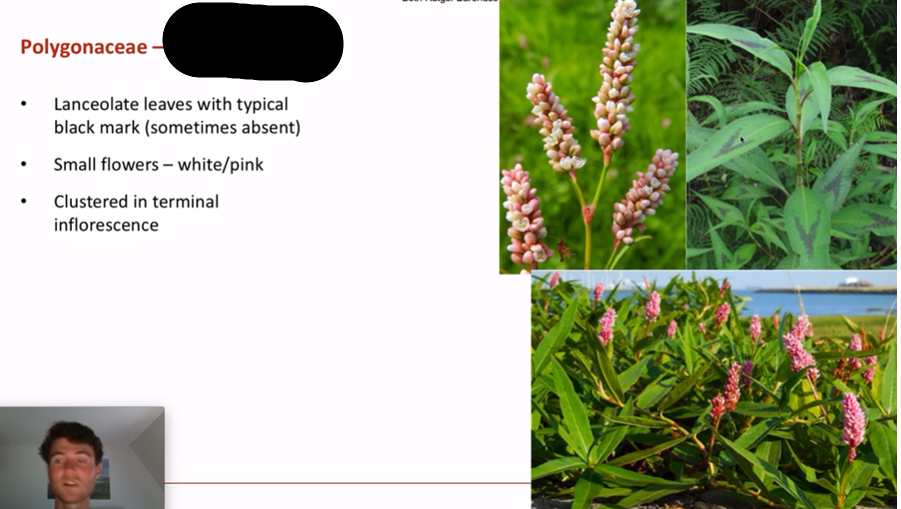
persicaria
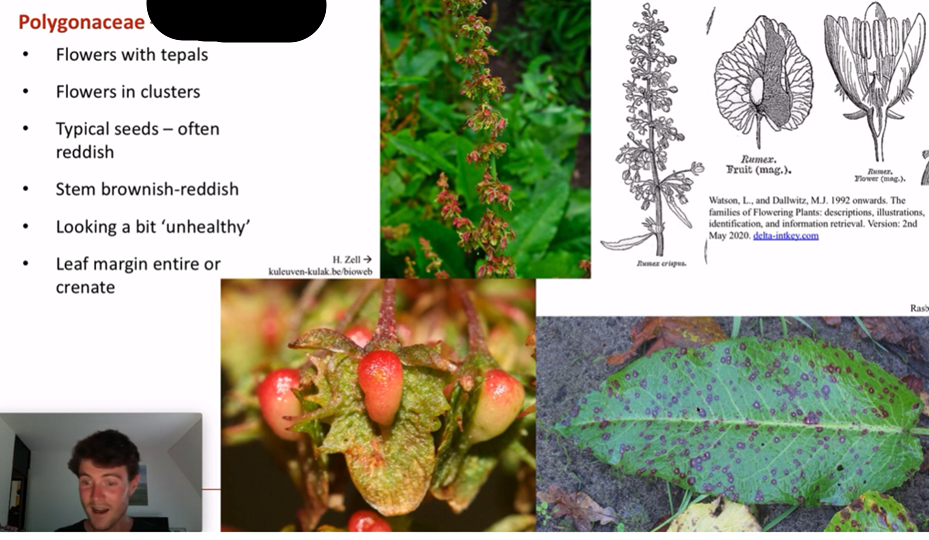
rumex
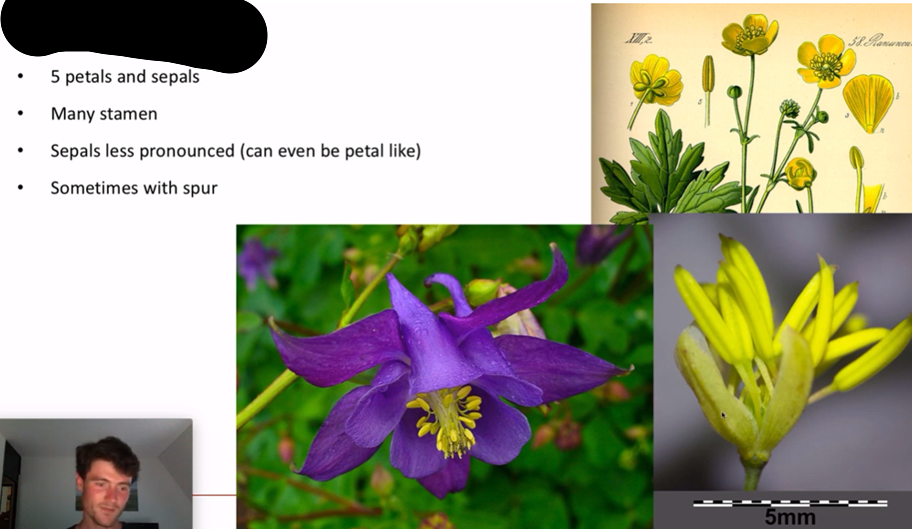
what family is this?
ranunculaceae
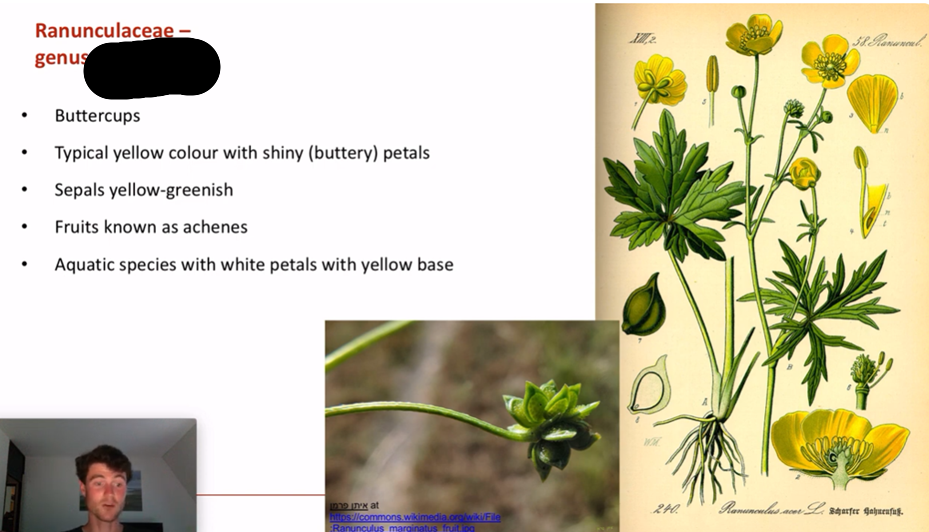
ranunculus
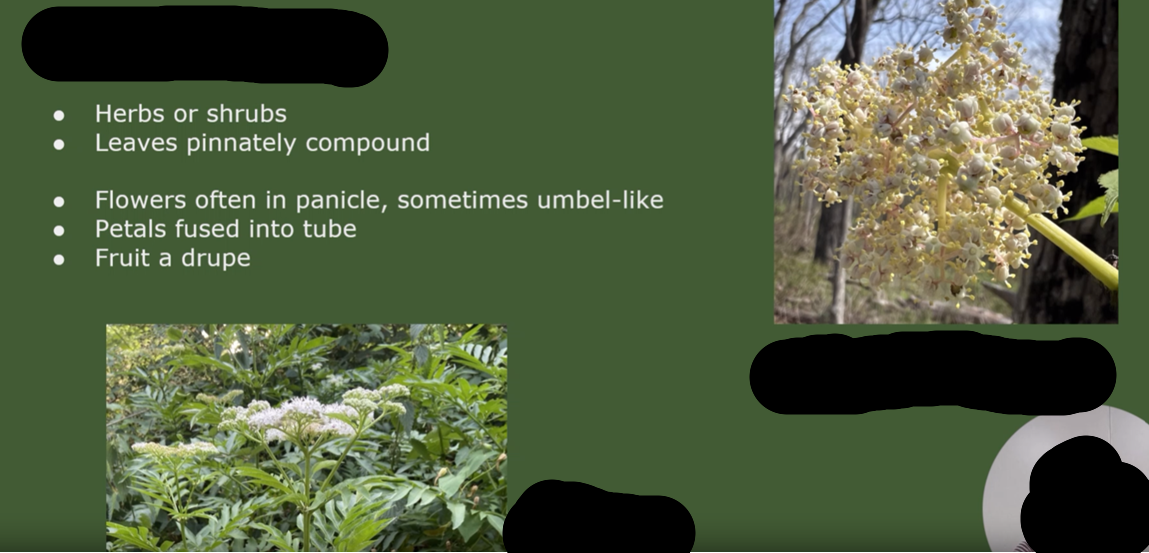
Sambucus
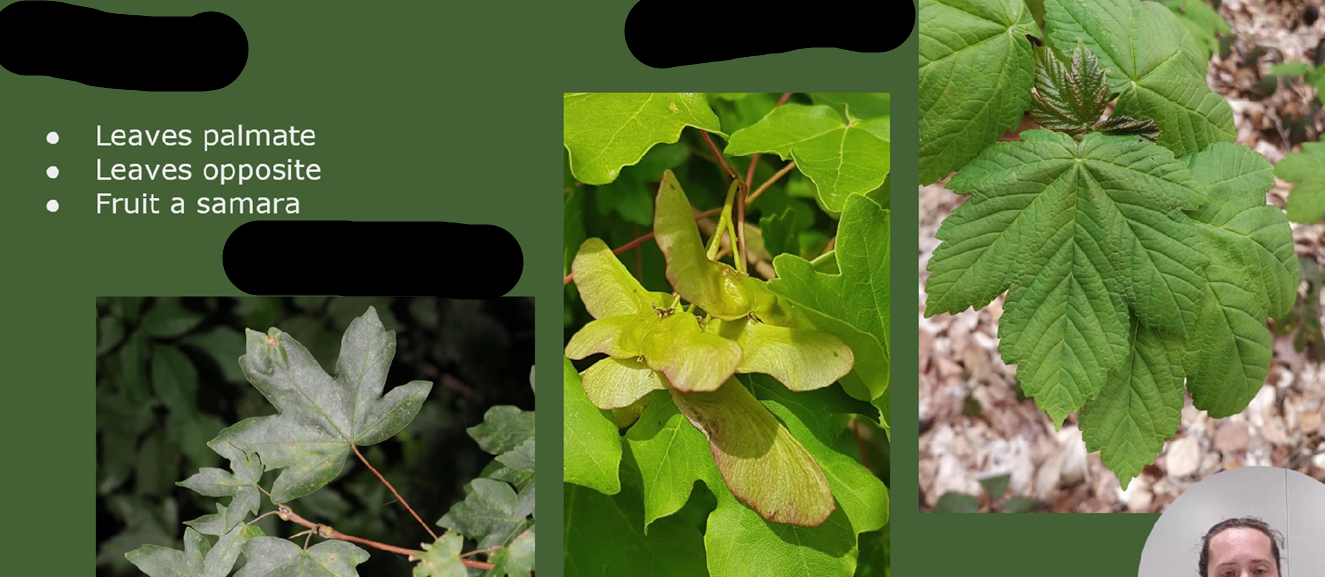
acer
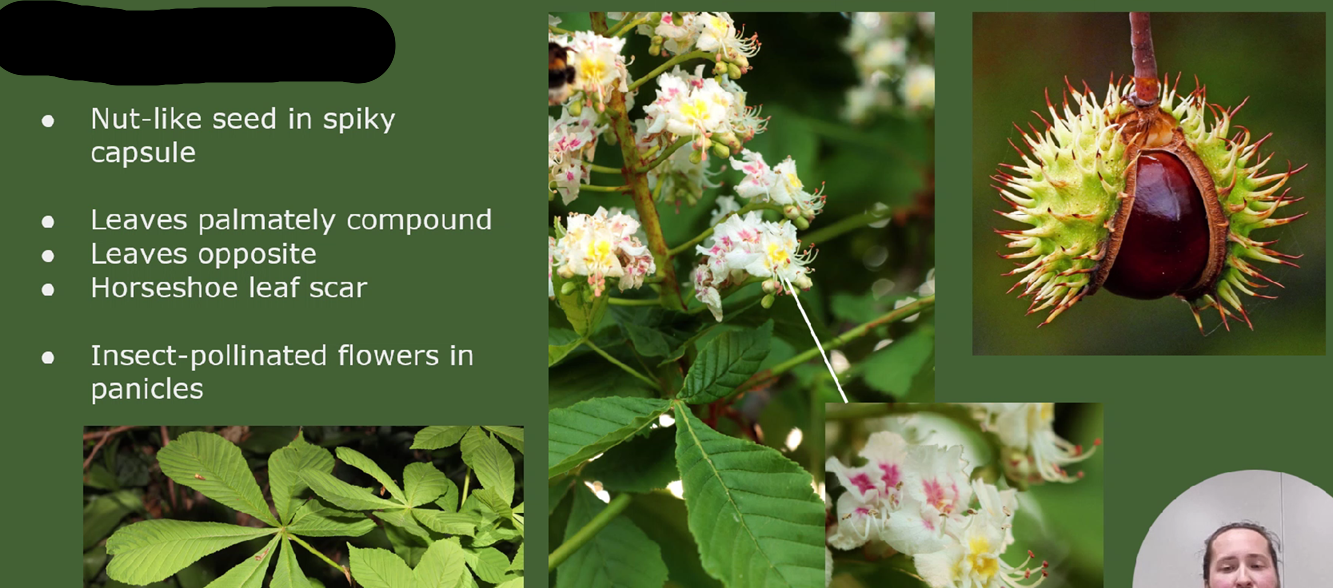
aesculus
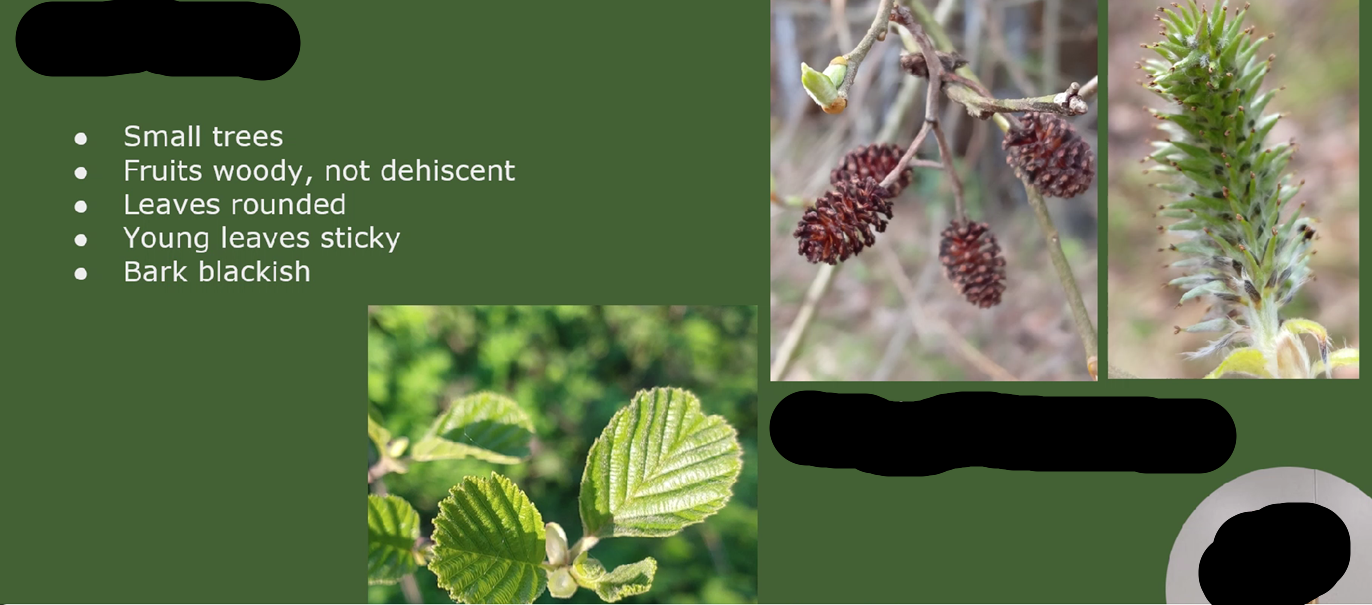
alnus
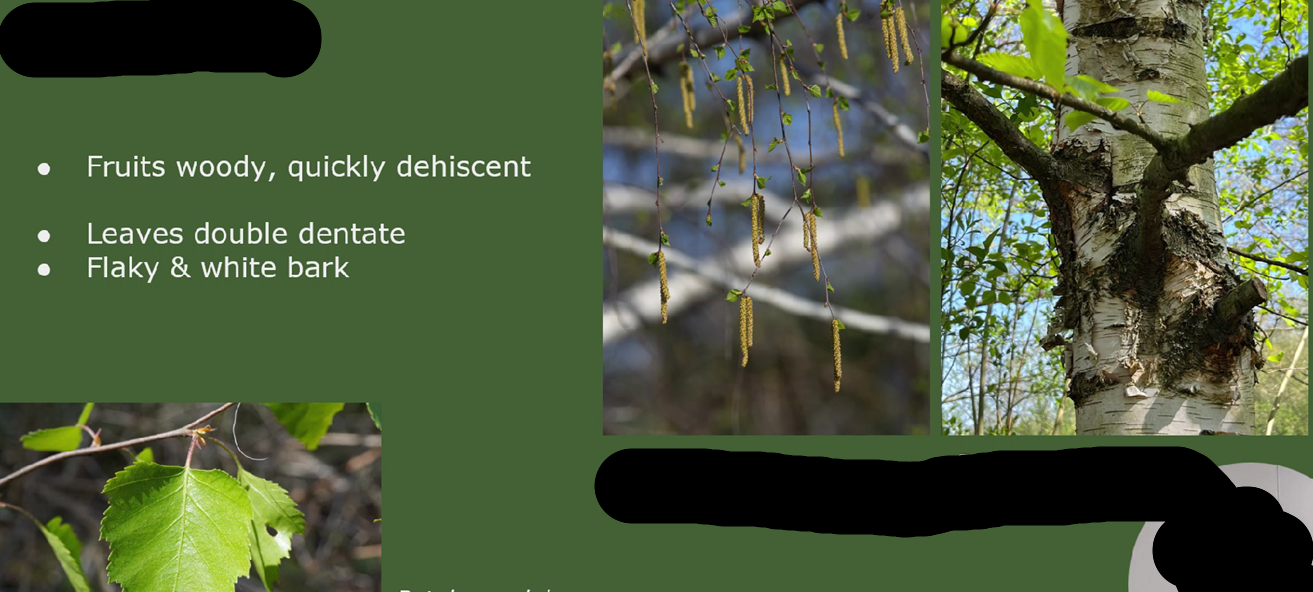
betula
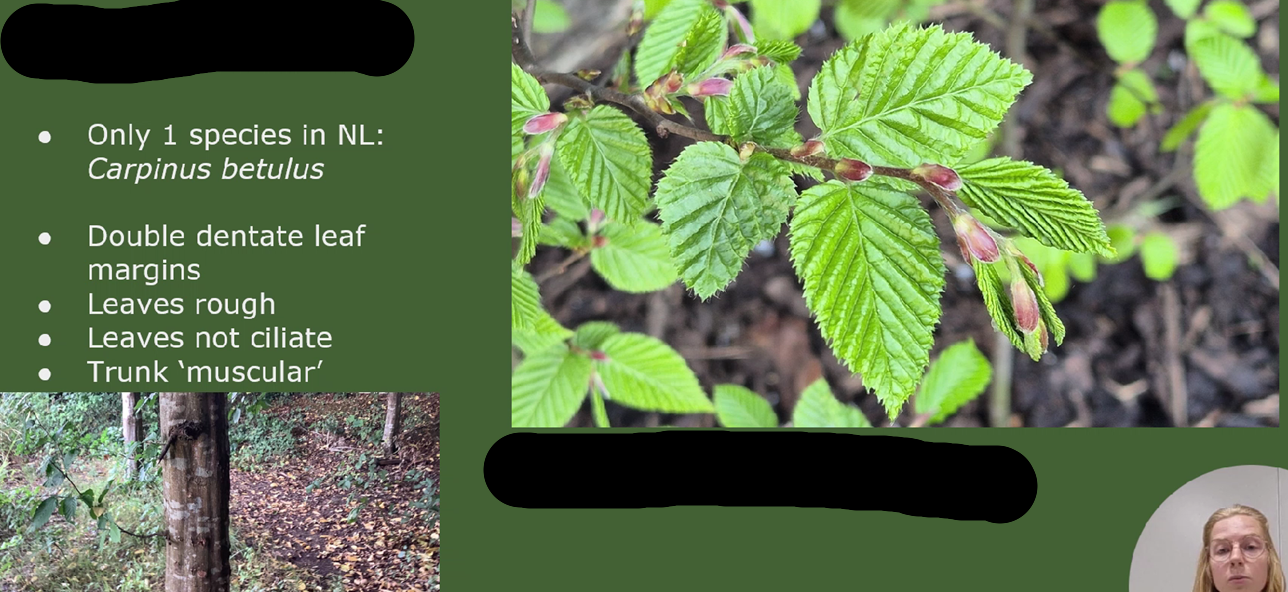
carpinus
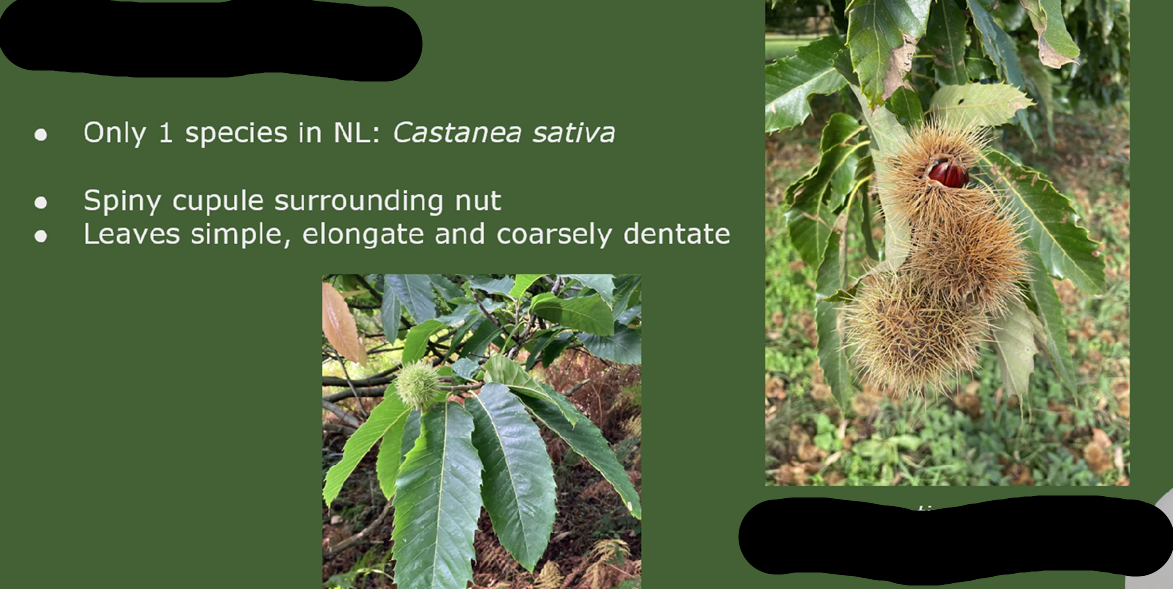
castanea
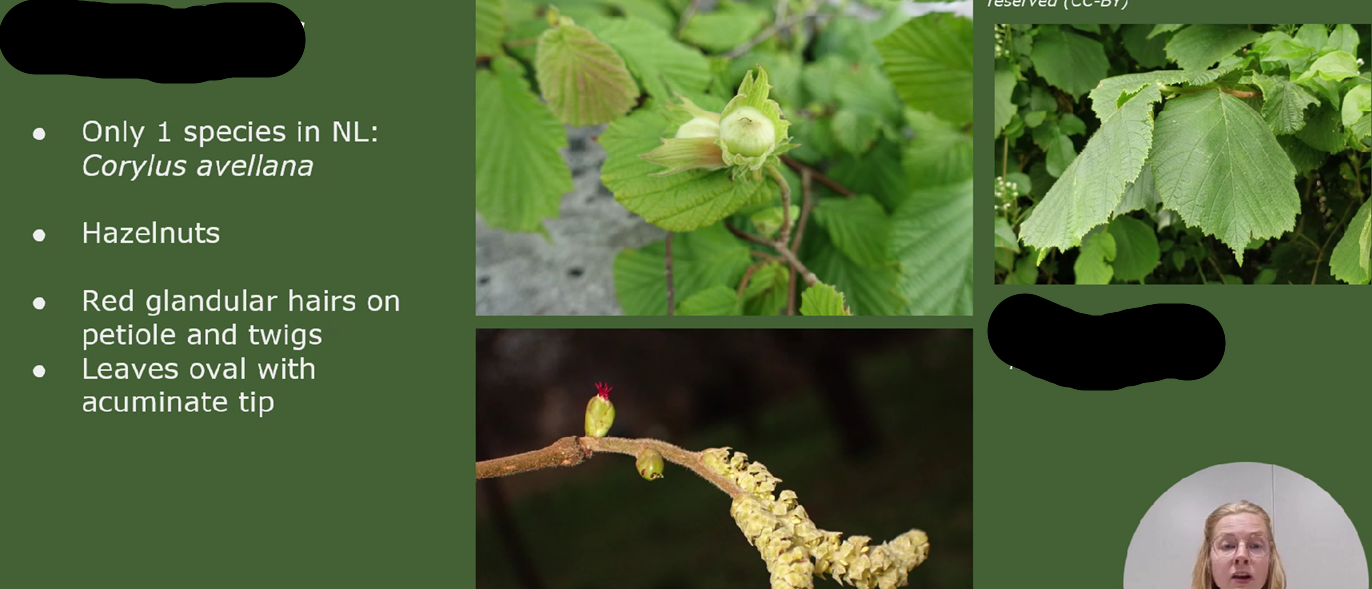
corylus
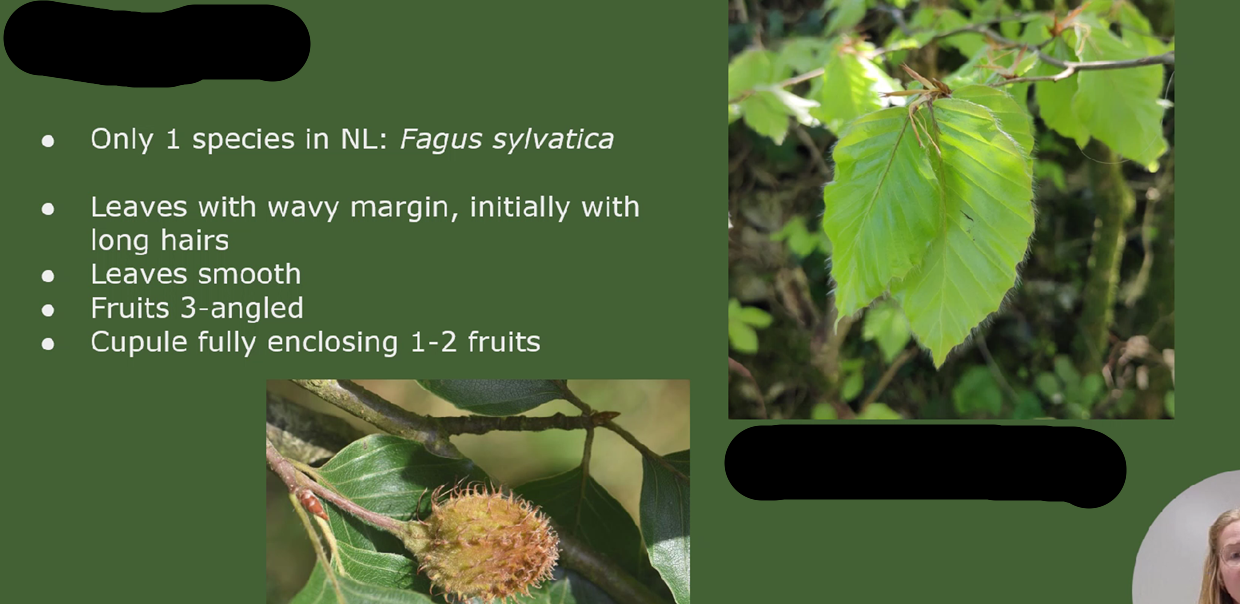
fagus
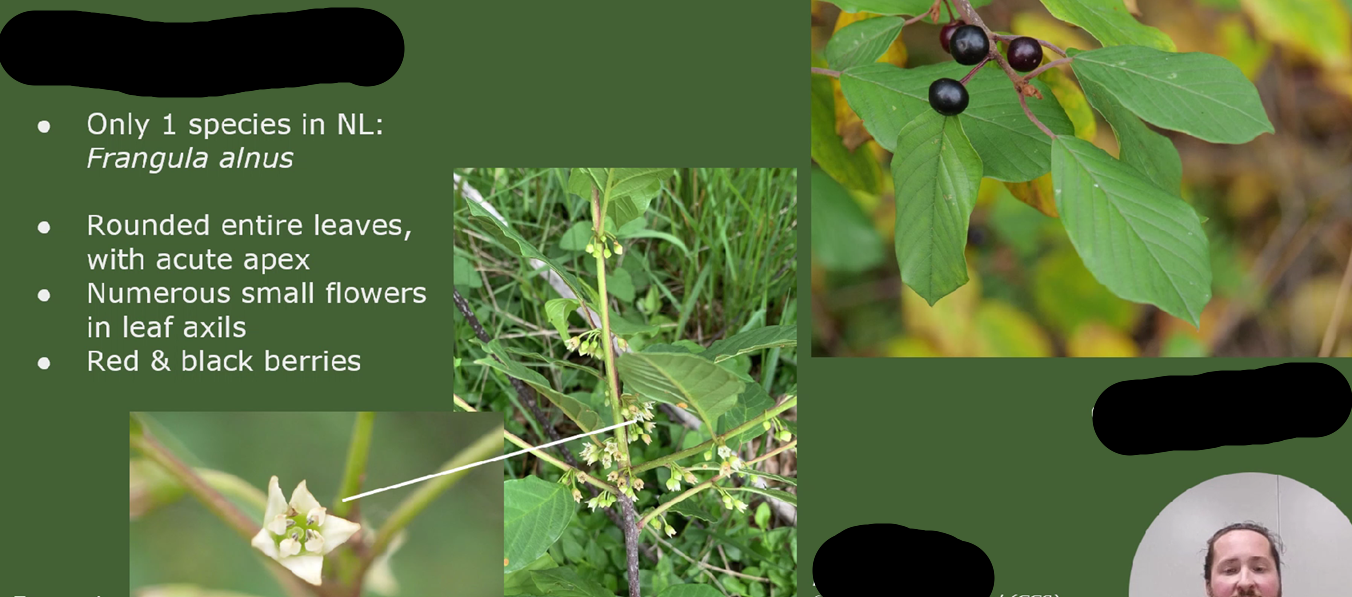
frangula
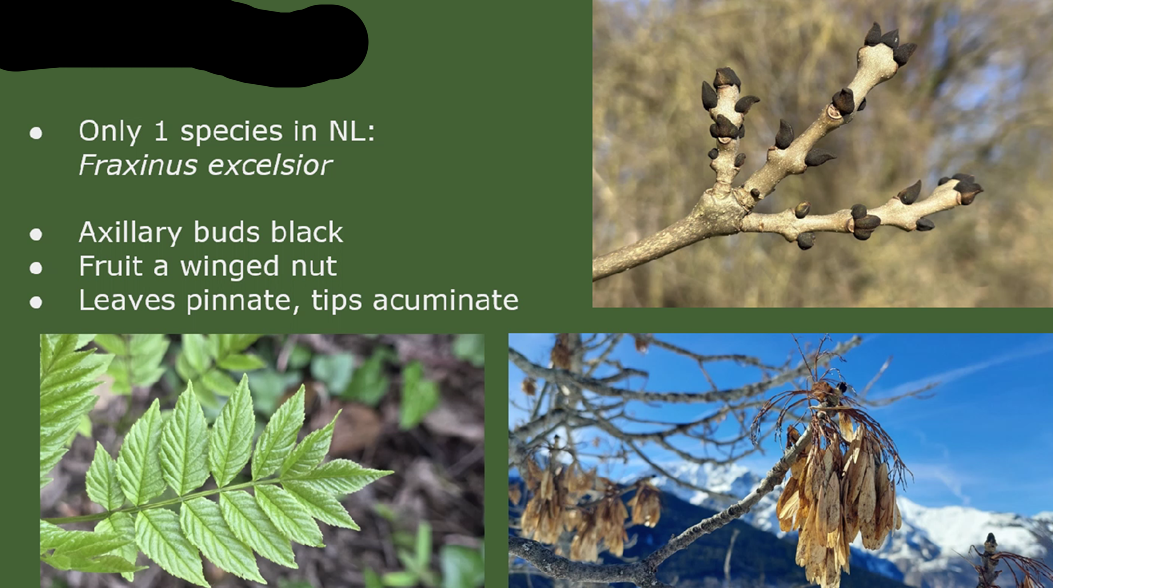
fraxinus
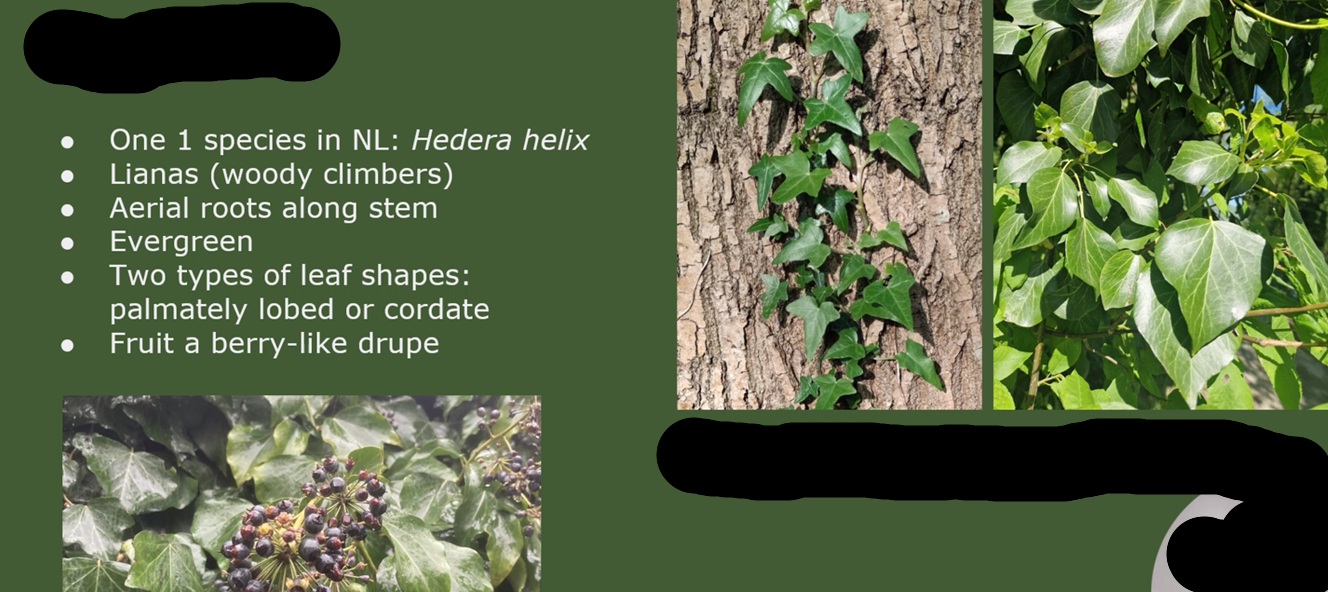
hedera
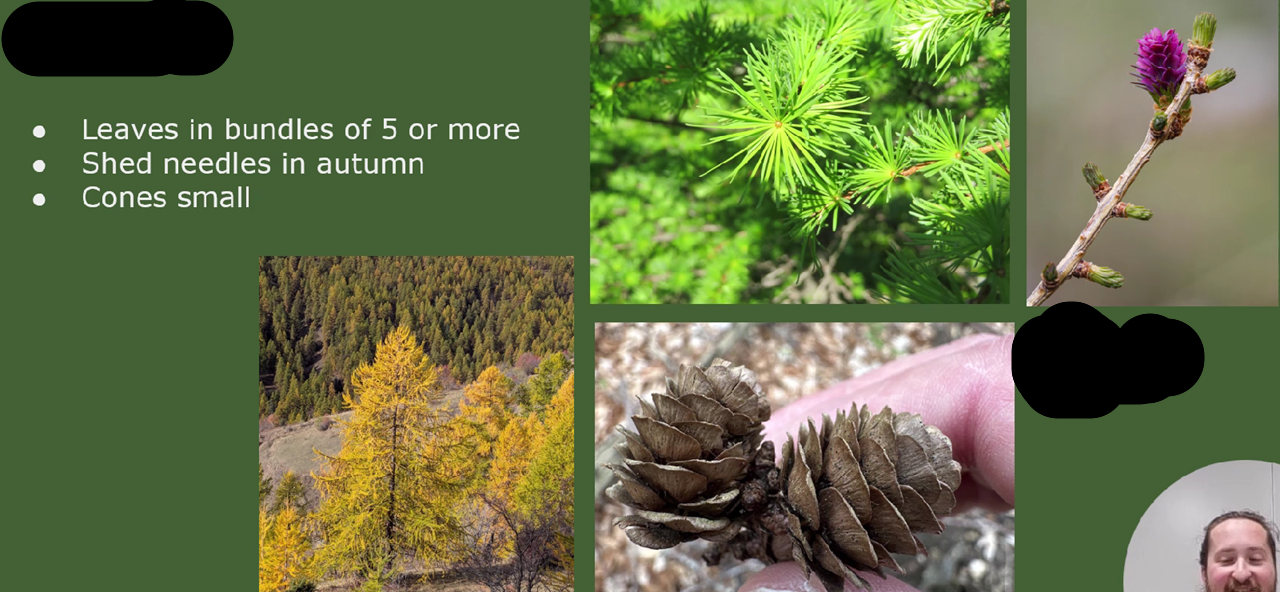
larix
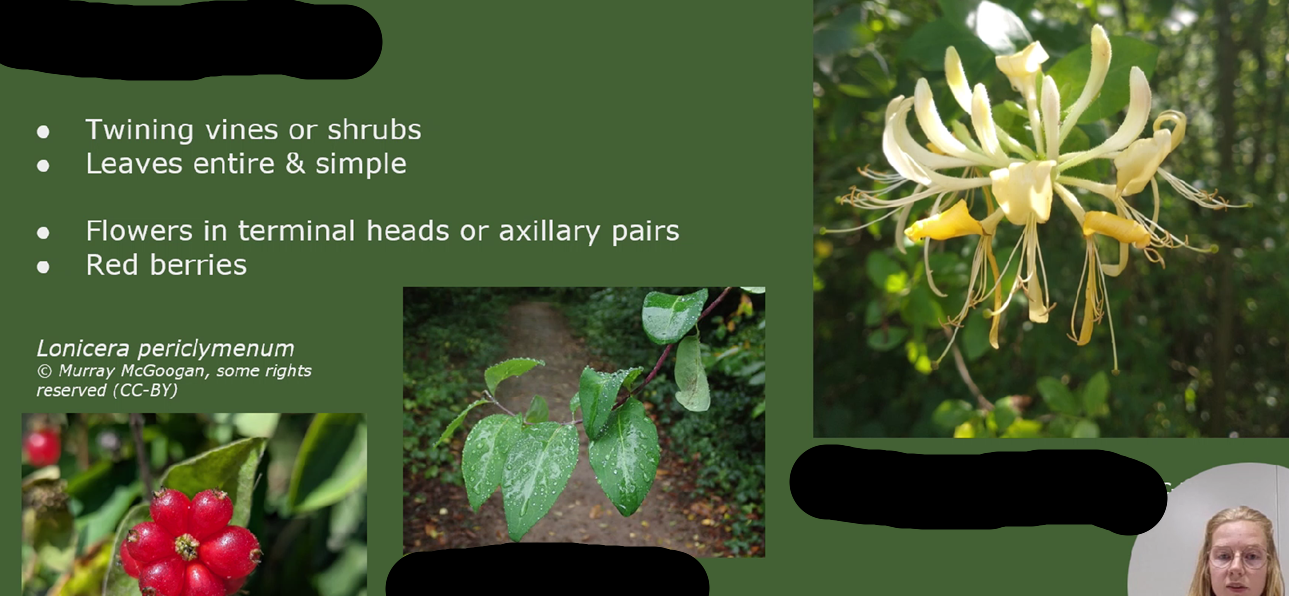
lonicera
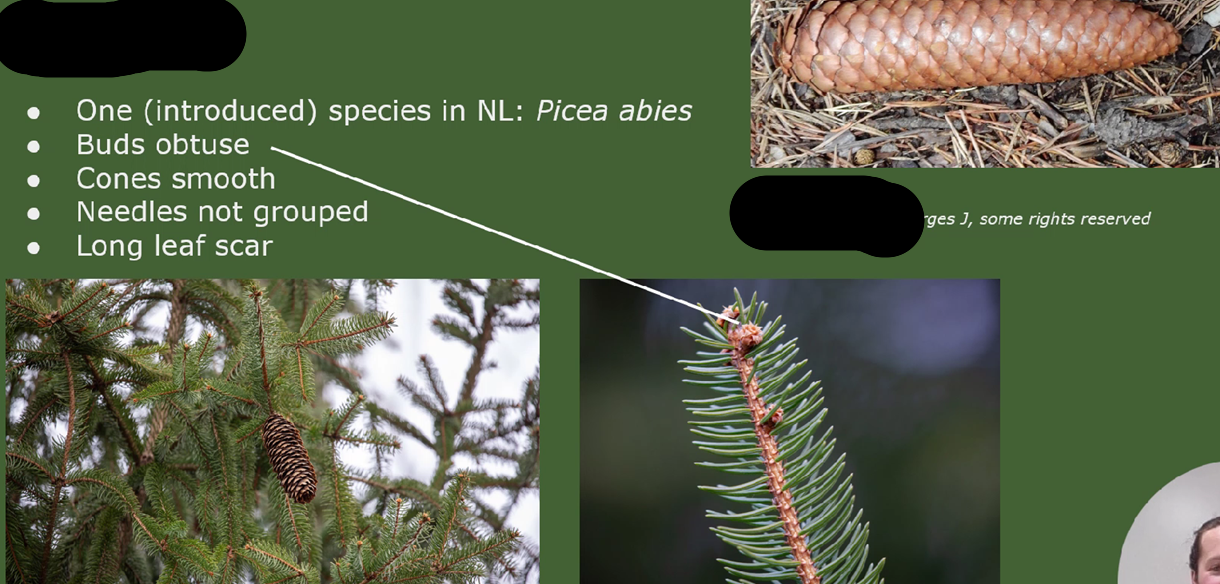
picea
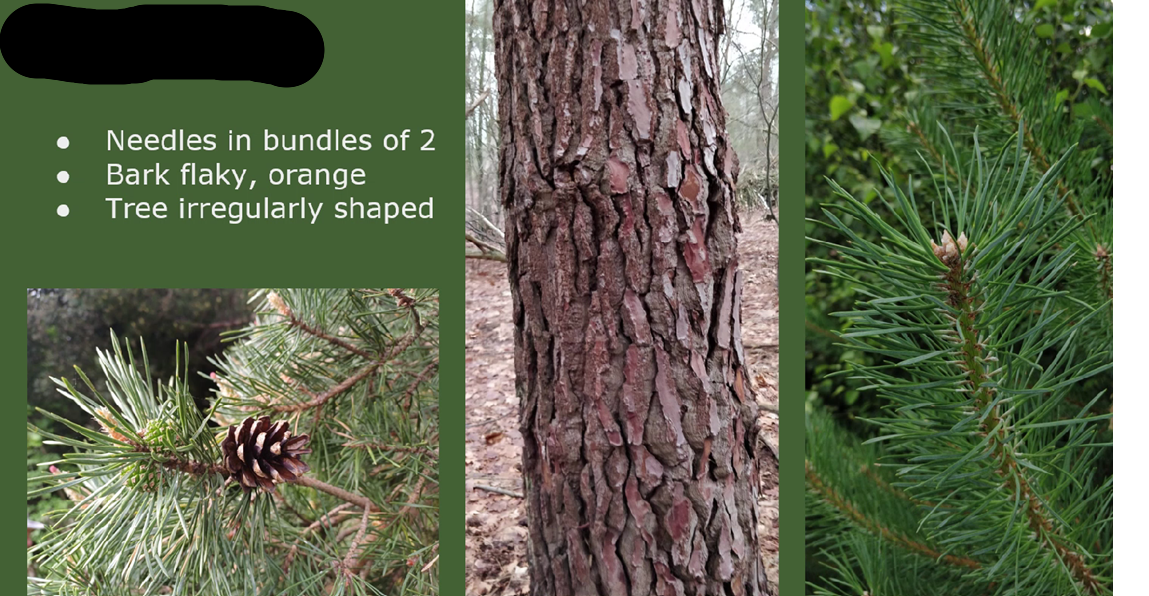
pinus
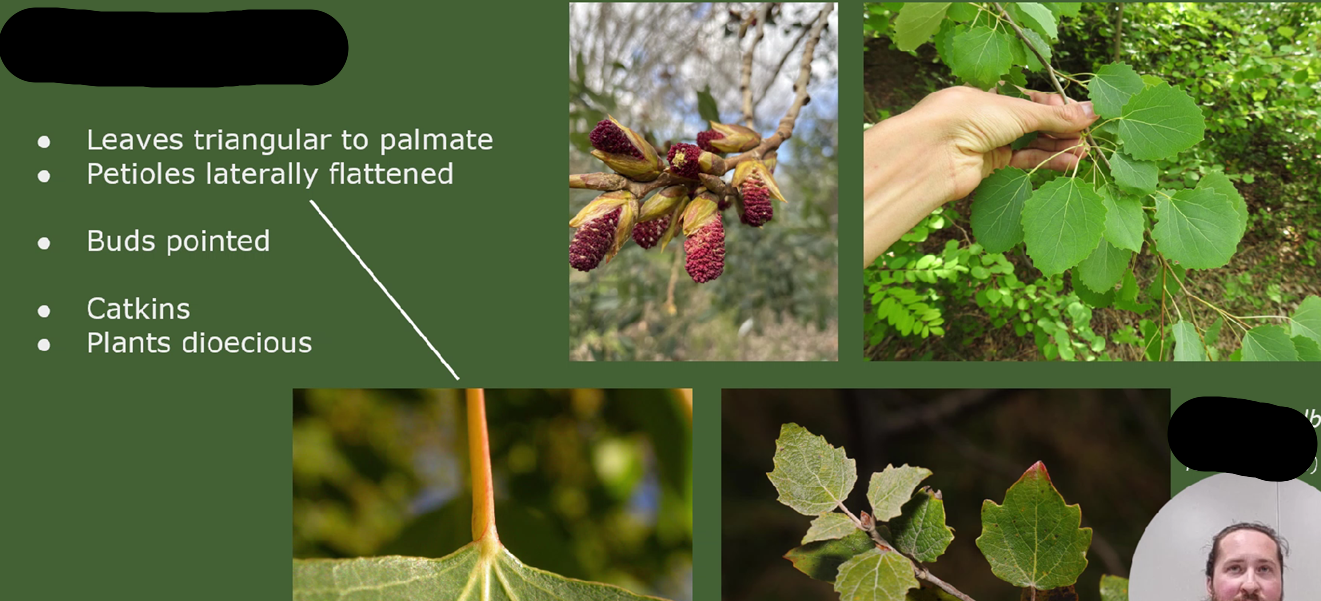
populus
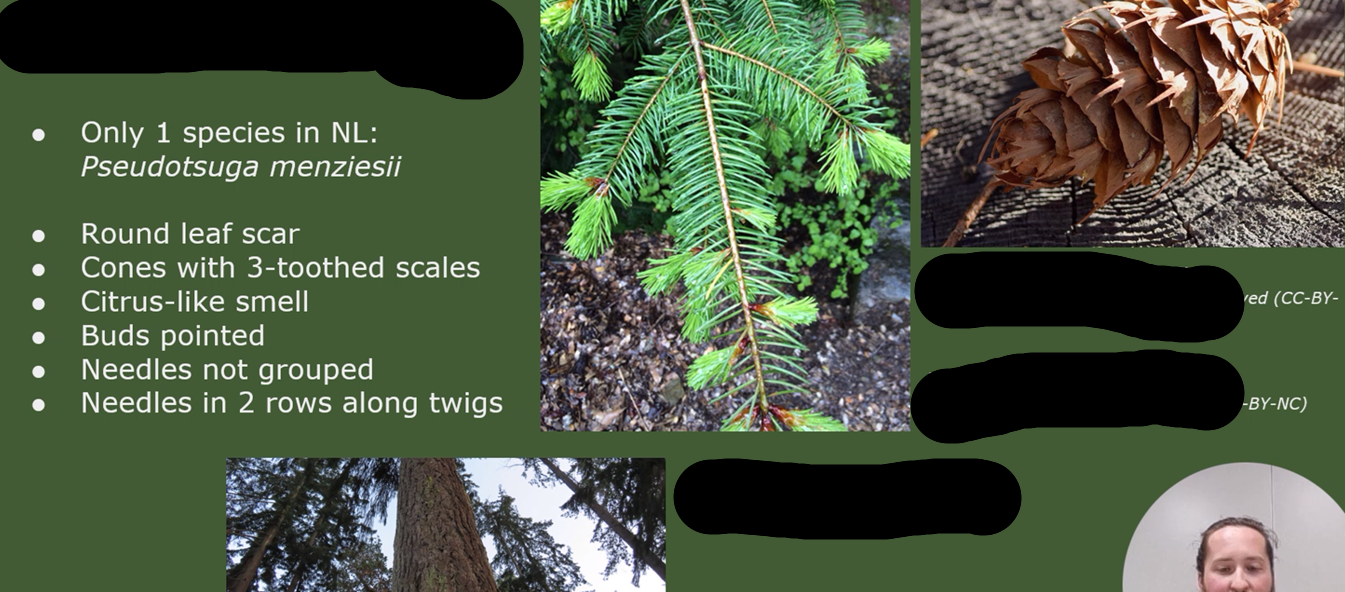
pseudotsuga
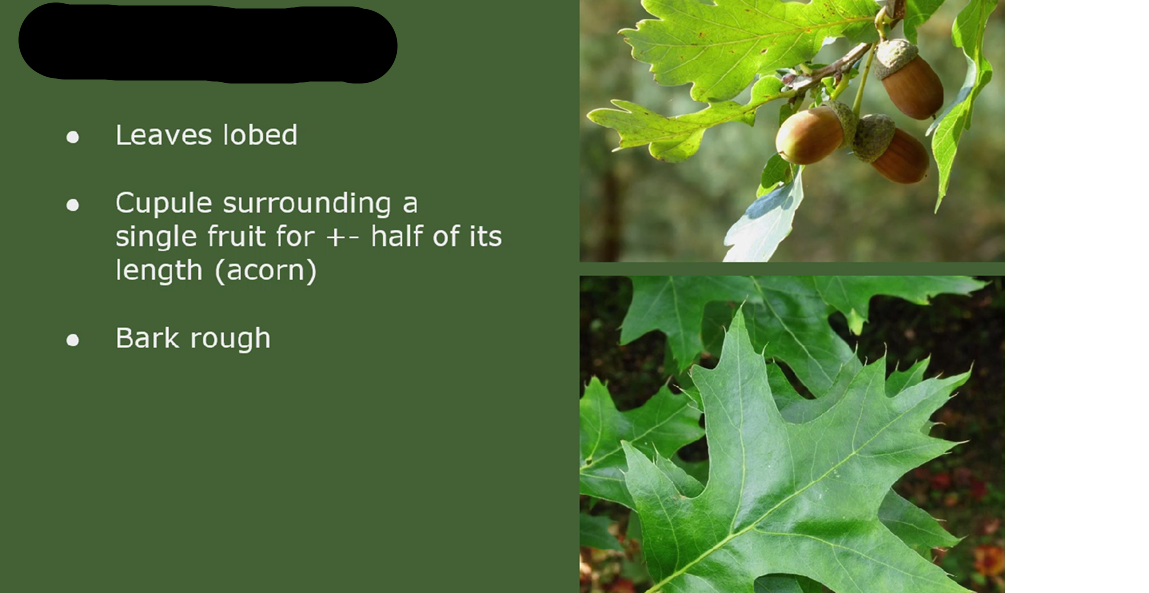
quercus
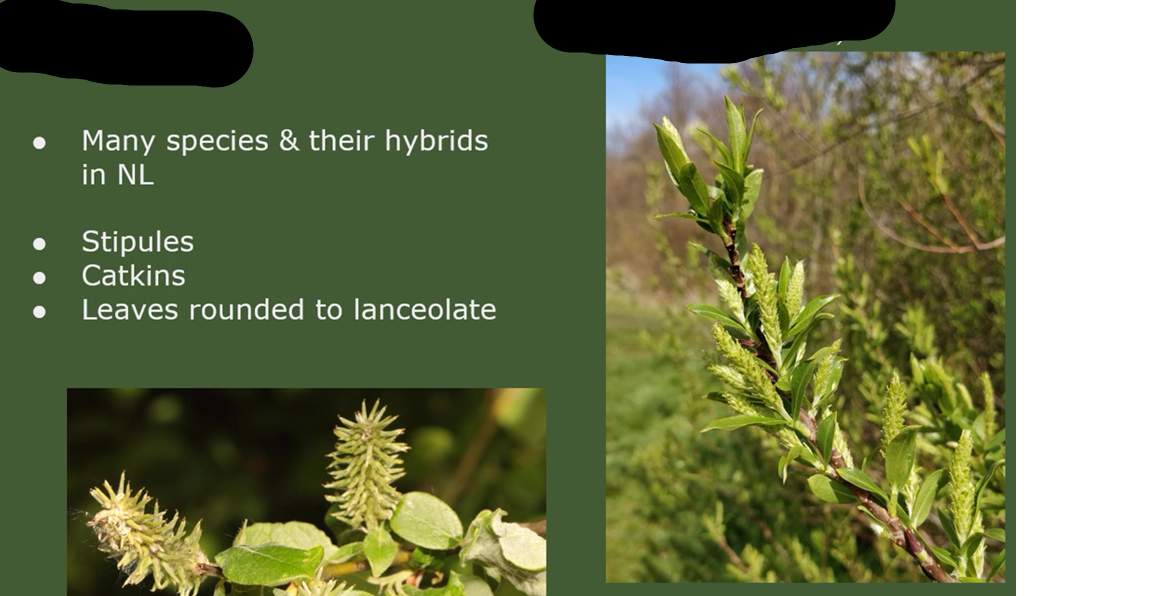
salix
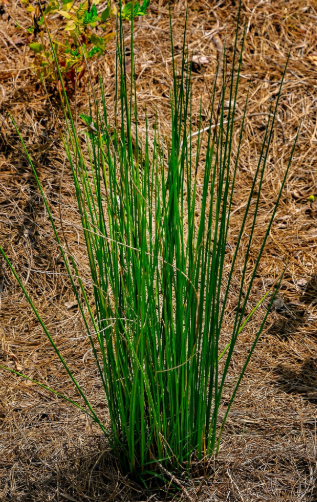
curled up leaves
Juncus
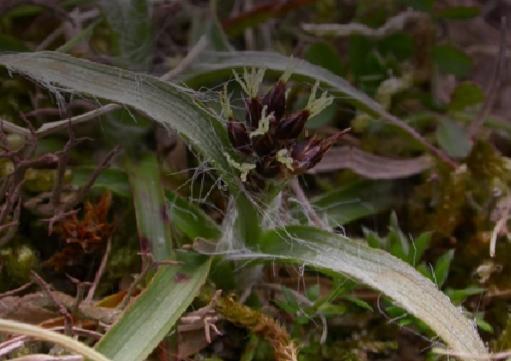
hairy, grasslike leaves
Luzula
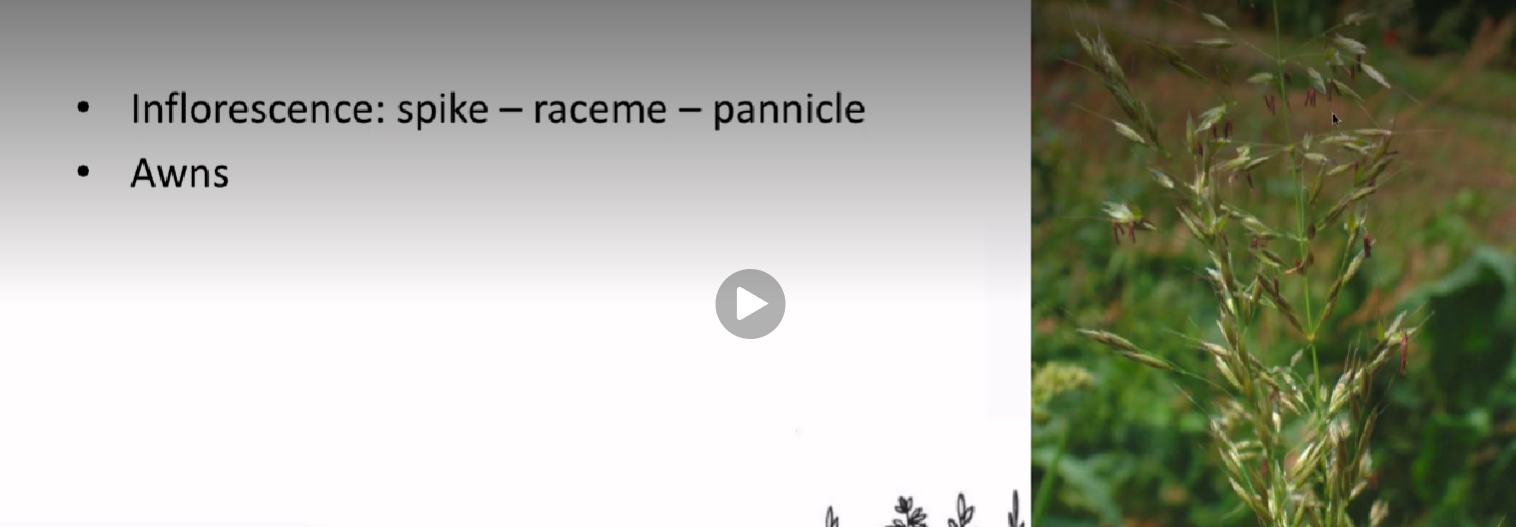
poaceae
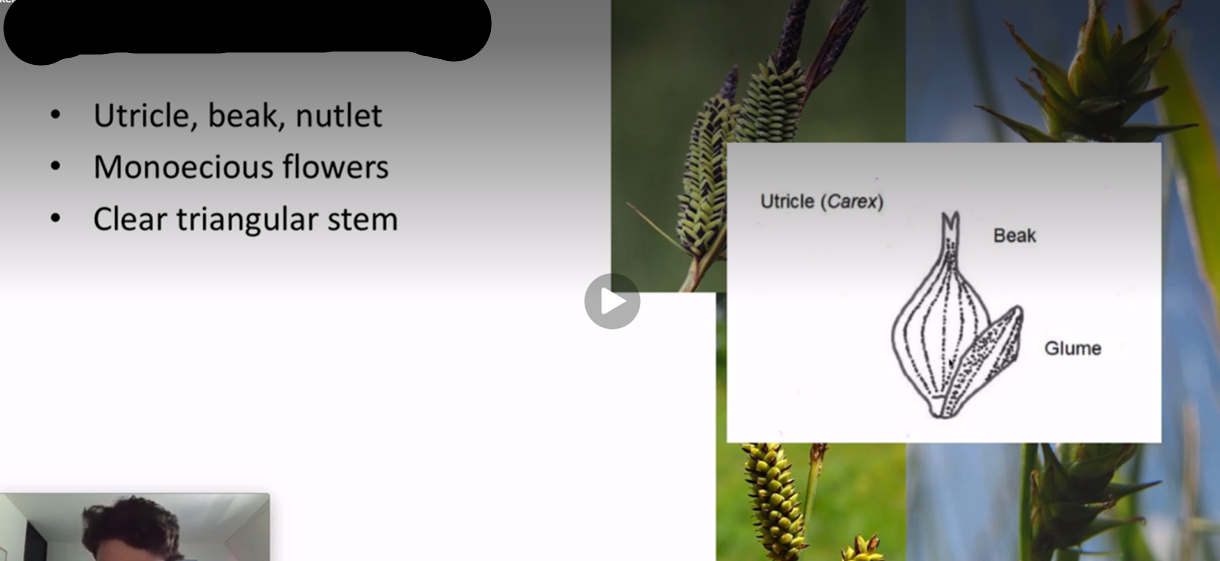
only stigmas or stamens hanging out of a single flower
carex
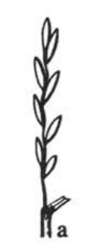
spikelets grow directly from stem
spike
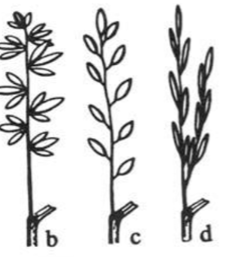
spikelets have a small stalk
raceme
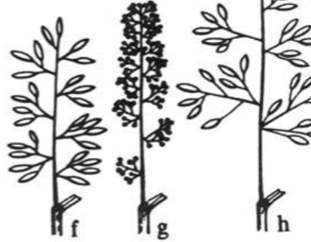
spikelets grow on stalk that is branched off multiple times
panicle
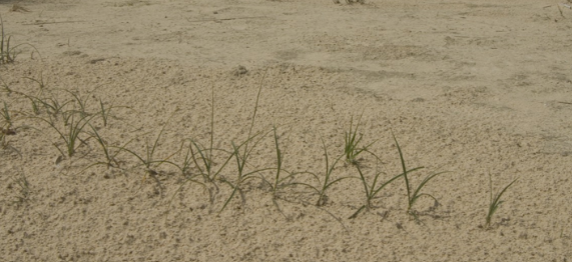
how is this growthform called
creeping rhizomes
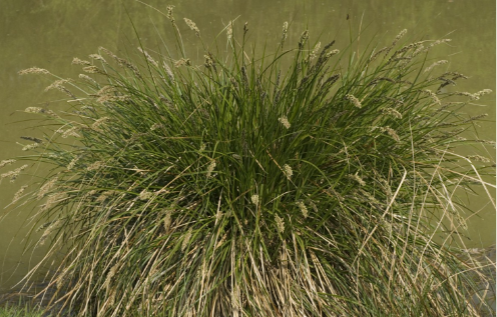
how is this growth form called
tuft
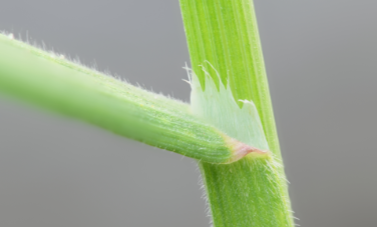
what is this
ligule (membranous)
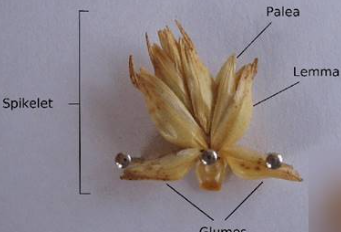
how are the individual cones within the glumes called?
florets
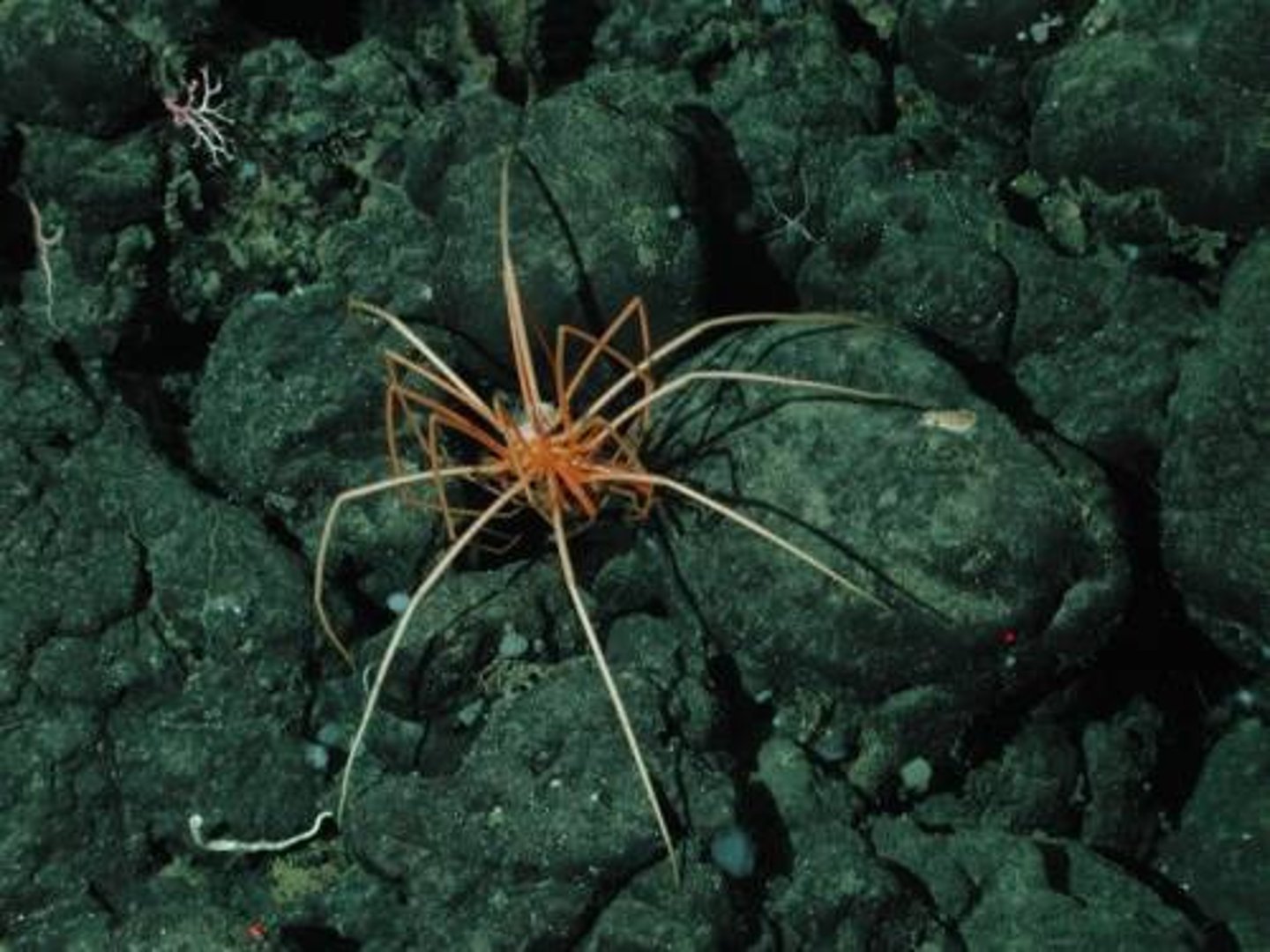
Pycnogonida
(sea spiders); opisthosoma small; pointing snout
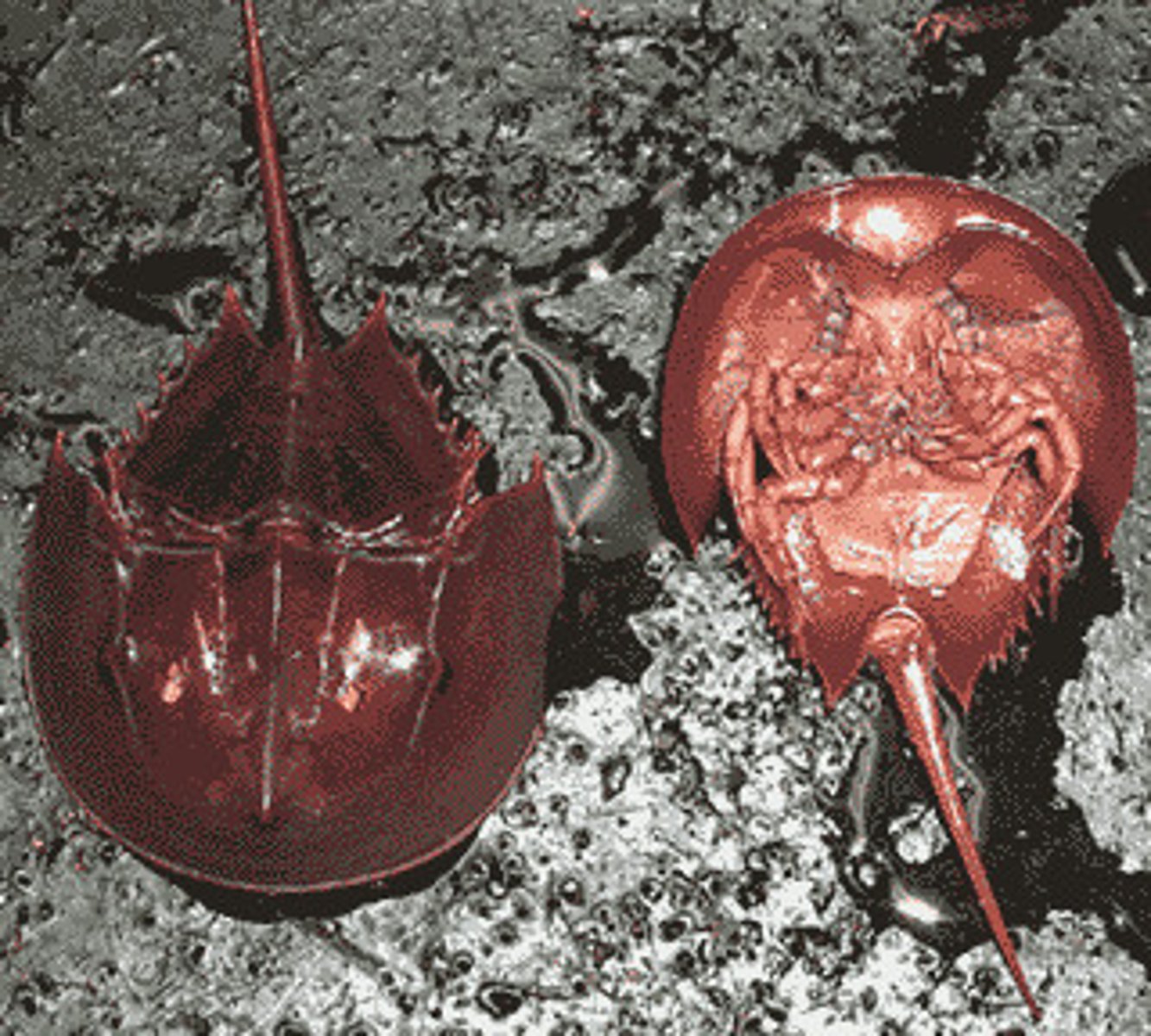
Xiphosura
(Horseshoe crabs); Prosoma covered by a horshoe-shaped carapace; Opisthosoma with 5 paired gills and long sword-shaped tail; celli on the front side of the carapace and compound eyes facing sideways
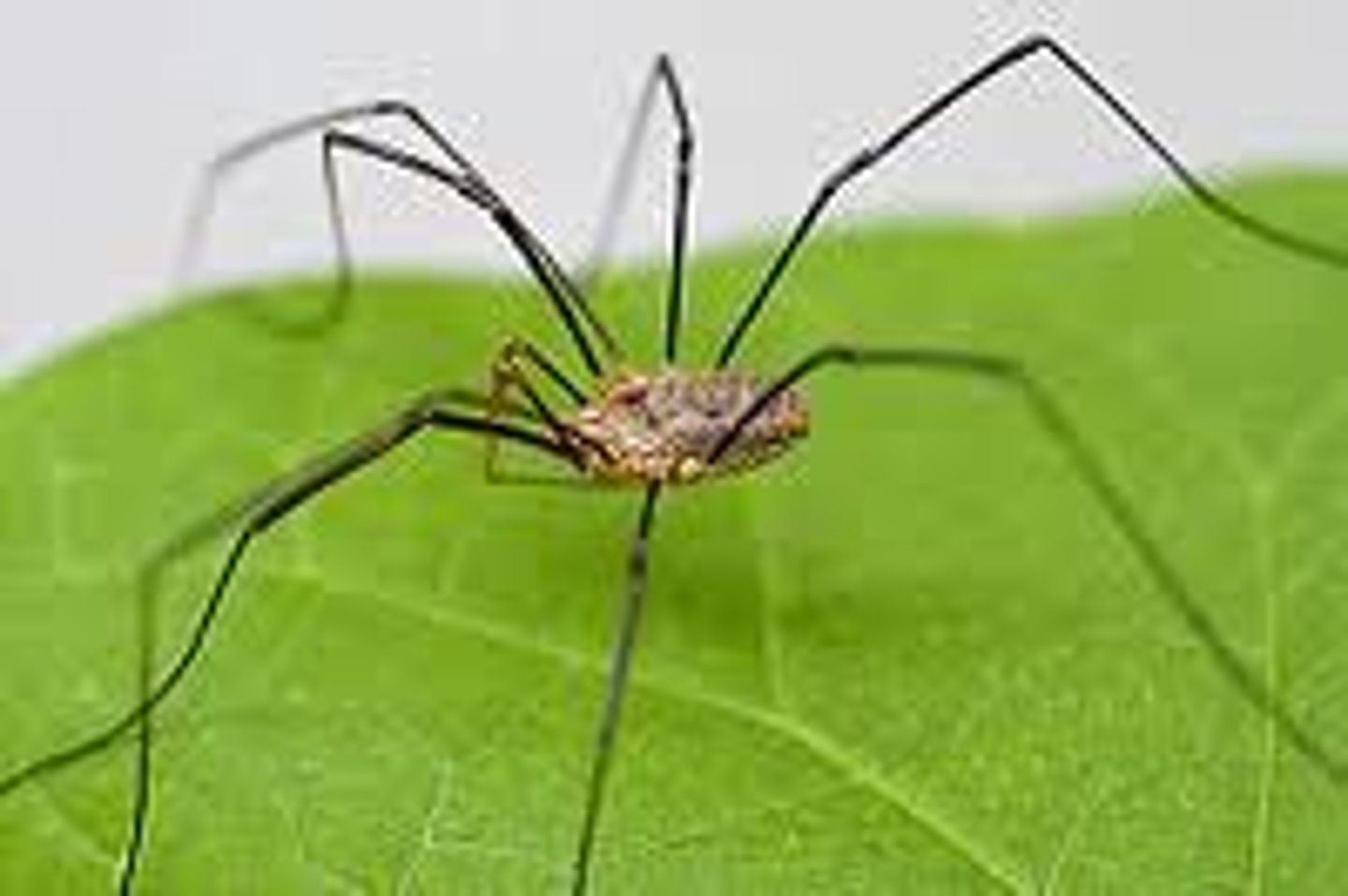
Opiliones
(harvestmen); Prosoma and opisthosoma fused; 1 pair of single eyes on an elevation on the head
Aranea
(spiders) Clearly separated prosoma and opisthosoma (wasp waist); 6 or 8 eyes, differently placed between families
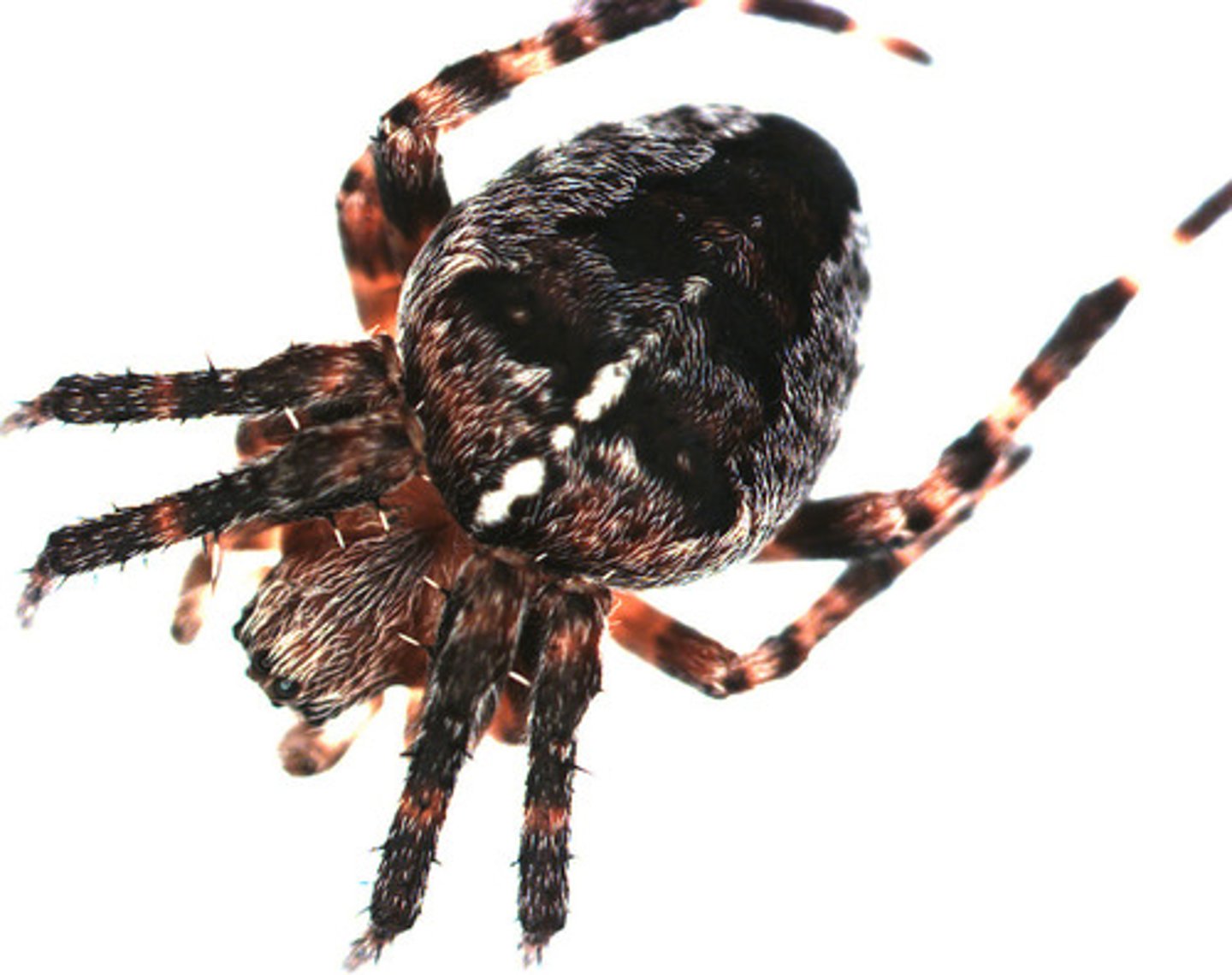
acariformes
(Sub-class Acari) Stigmata usually not visible, and not placed as in Parasitiformes; Prodorsum (shield covering prosoma) reaching until between the second and third pair of legs
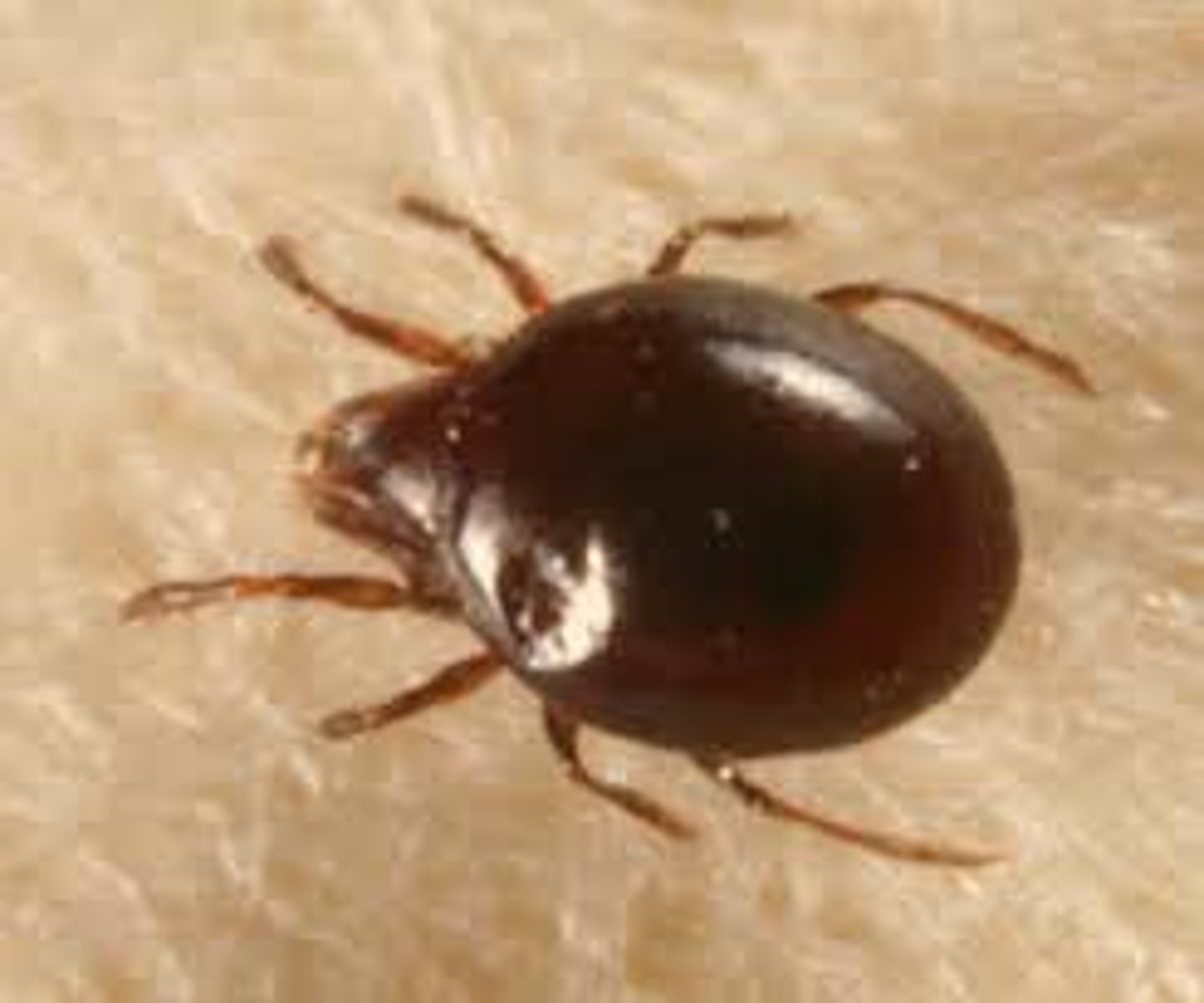
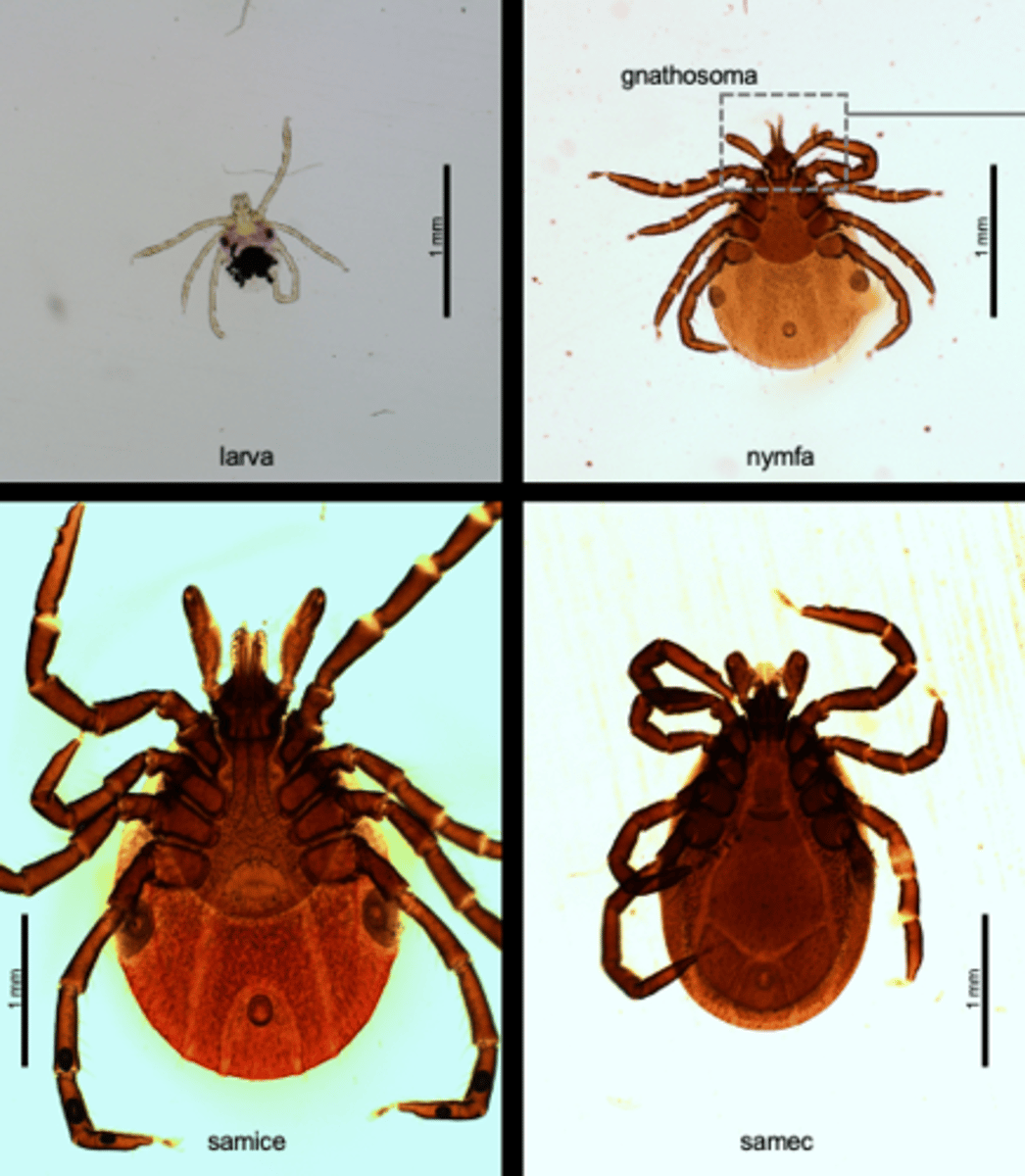
Ixodida
(tick) (Parasitiformes) Stigmata visible behind the fourth pair of legs, positioned within the stigmatic plate; No prodorsum, but ticks have a dorsal shield (scutum)
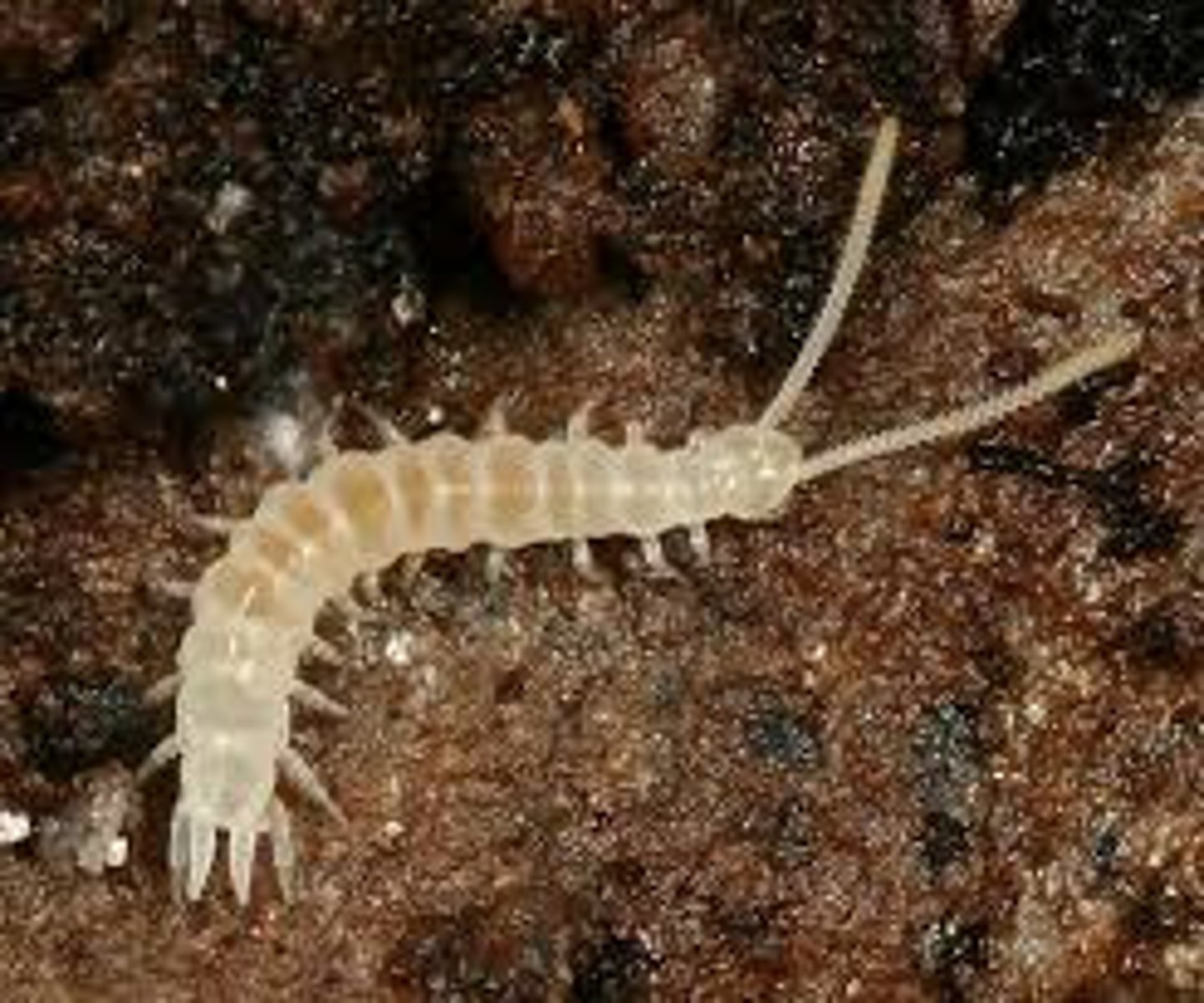
Symphyla
(garden centipedes); One pair of legs per segment; no venomous fangs; no eyes, no pigmentation; last segment with cerci; relatively long, segmented antennae