Russia: Political History and Notable Figures
 Call Kai
 Learn
Learn Practice Test
 Spaced Repetition
 Match
Match Flashcards
 Knowt Play
1/27

There's no tags or description
Looks like no tags are added yet.
Name | Mastery | Learn | Test | Matching | Spaced | Call with Kai | Chat |
|---|
No analytics yet
Send a link to your students to track their progress
28 Terms

862 - 1598 - House of Rurik (All Facts)
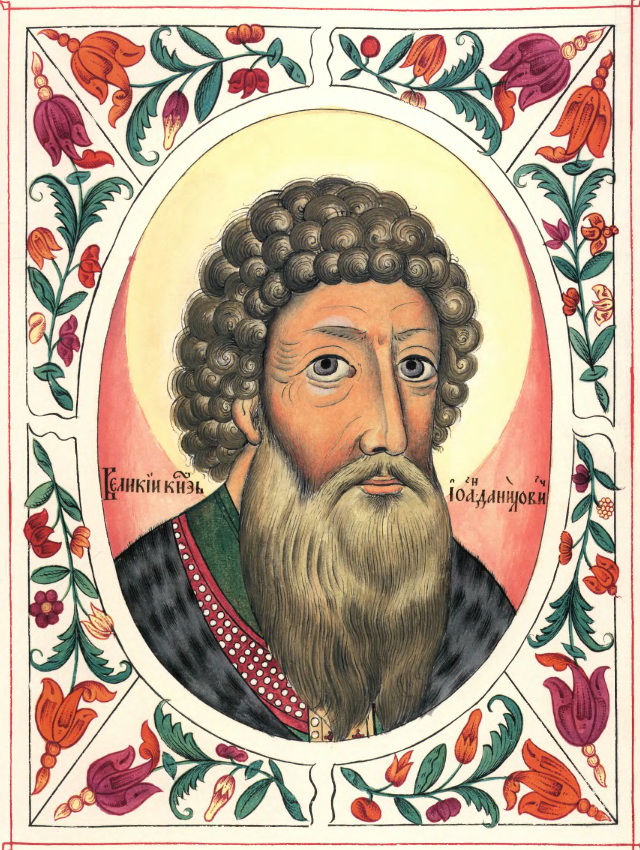
1325 - 1340 - Ivan (All Facts)
Ruler of Russia
He was Prince of Moscow
He was born with the last name of Danilovitch
He was nicknamed “Moneybags” (“Kalita” in Russian)
Under his reign,
The grand ducal palace called the Kremlin was constructed
He helped suppress the suicidal revolt against the Tartars of his predecessor Alexander of Tver
He served as the Tartars’ trusted tax collector throughout Kievan Rus territory, adding his own percentage
Most people benefited, even if the price of relative peace was the namesake’s threats as well as penal taxation
Under his reign, the Rus tribes were still a series of separate kingdoms paying taxes to the Tartars
He manipulated
Russia’s absentee Mongol masters
His countrymen’s wealth
He set a precedent of local self-government

1340 - 1353 - Simeon of Moscow (All Facts)
Ruler of Russia
He continued his father and predecessor’s policies to increase the power and prestige of the state

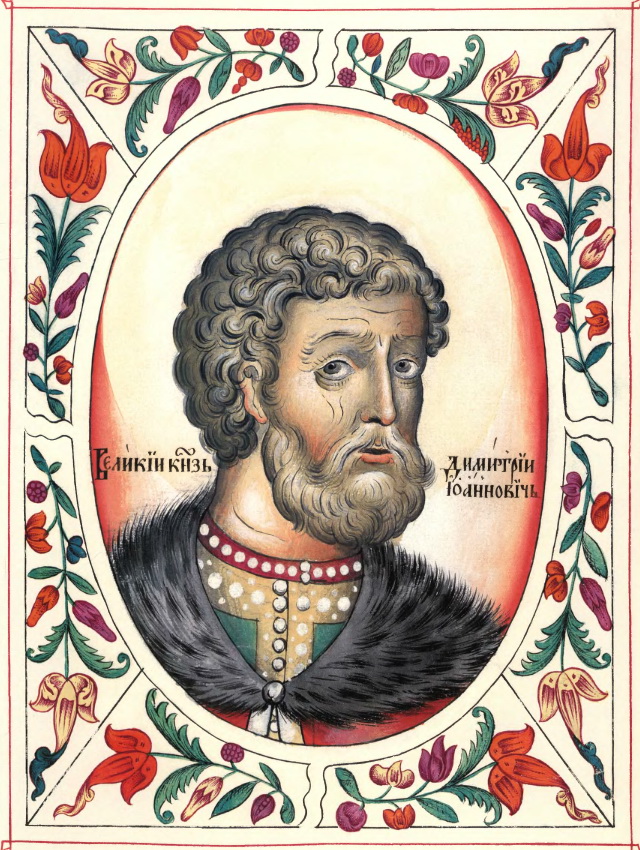
1359 - 1389 - Dmitri Donskoy (All Facts)
Ruler of Russia
He was Grand Duke
He and his forces defeated Mamai and his Mongolian forces in the Battle of Kulikovo
He was succeeded by his son


1400s -1500s - Stroganov Family (All Facts)
Powerful Russian Family / House which
was comprised of immensely rich merchants and businessmen who made a vast fortune from the fur trade and salt trade
ran the north-eastern corner of (European) Russia virtually as a private kingdom, anything but nominally independent of the Tsardom
As this kingdom became larger, they needed more Cossack troops to fight off the (Mongol) Tartars
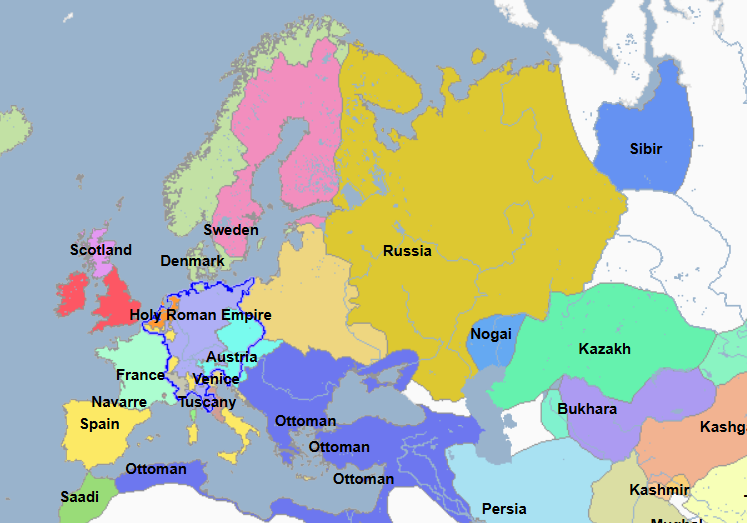
hired Yermak Timofeyevich and his 1,500 Cossack mercenaries to help Russia conquer Sibir (modern-day Siberia)
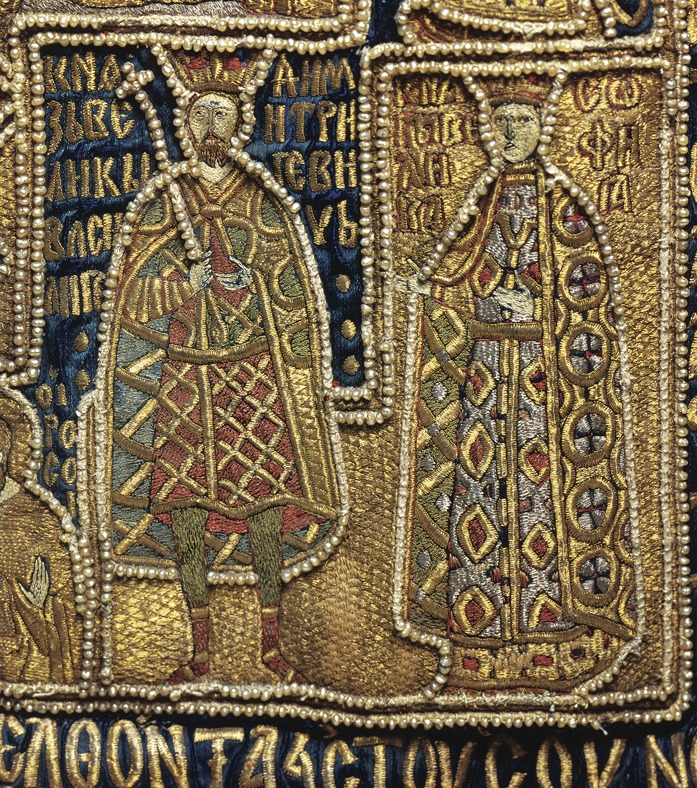
1389 - 1425 - Vasily (All Facts)
Ruler of Russia
He was Grand Prince of Moscow and Vladimir
He succeeded his father
Upon assumption to the throne, Tuqtamish of the Golden Horde recaptured Moscow and renewed the Tartar yoke, despite his father’s victory against the Mongols

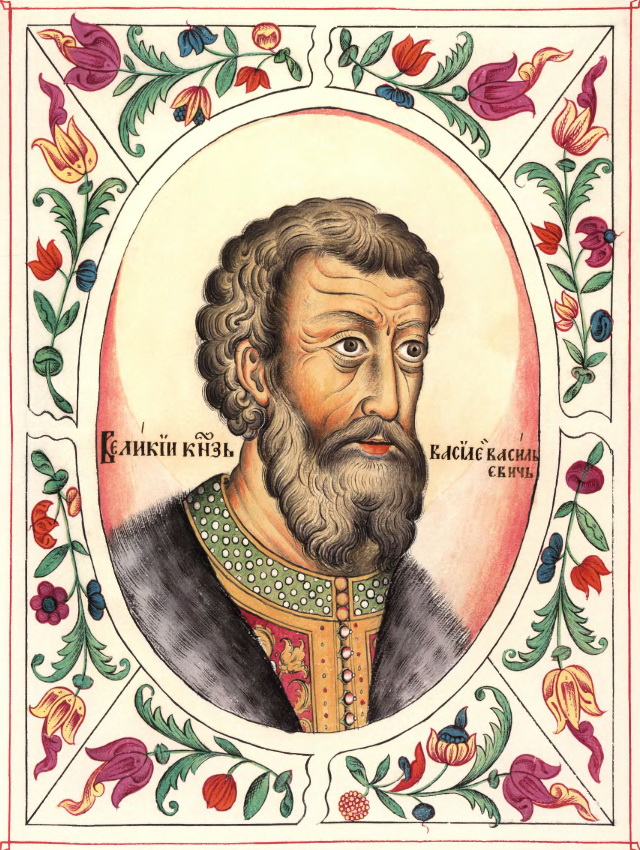
1425 - 1462 - Vasily II (All Facts)
Ruler of Russia
He was Grand Prince of Moscow
He successfully fought over the throne with Dmitri Shemyaka during the Muscovite War of Succession
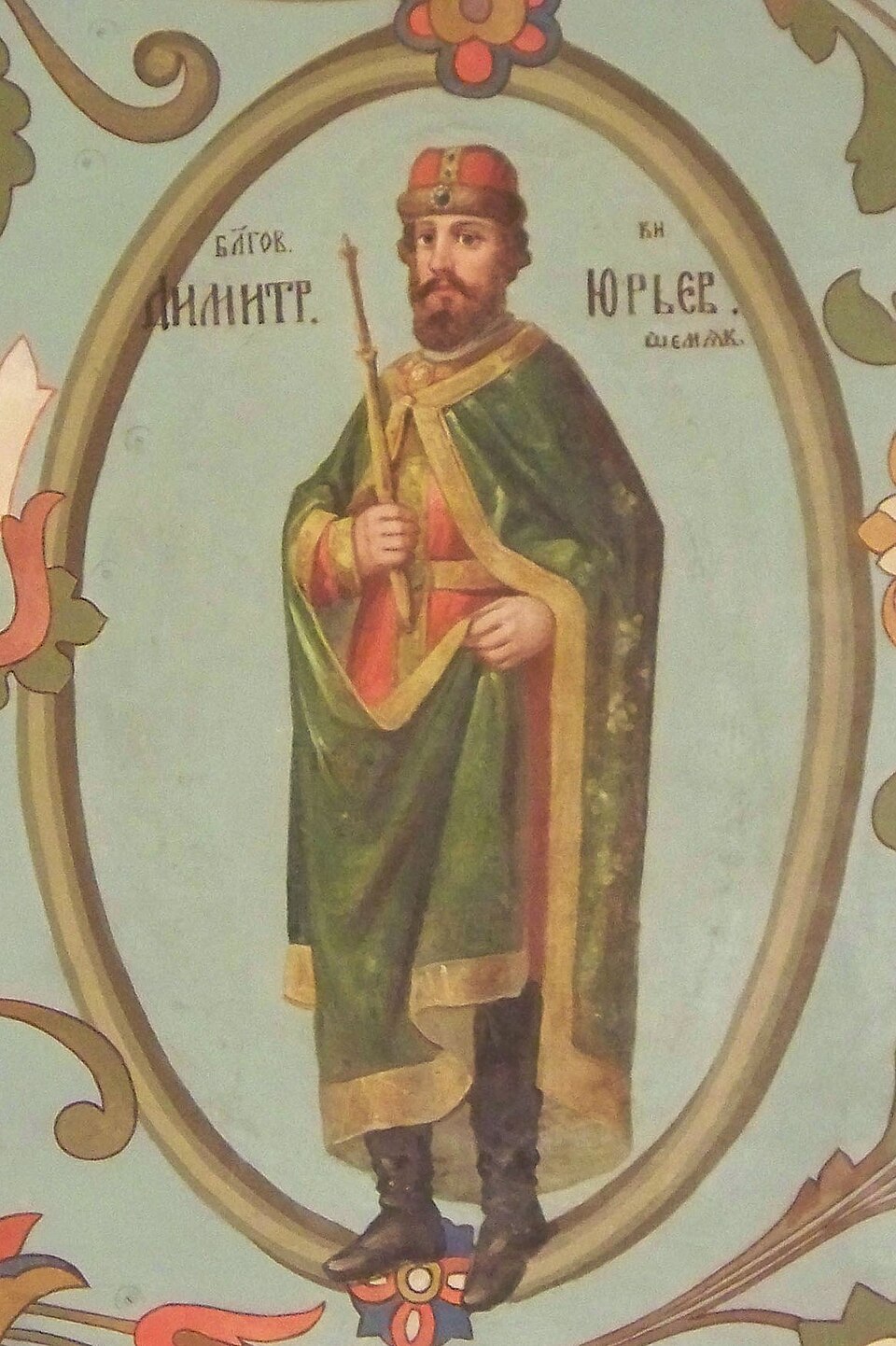
1445 - 1447 - Dmitri Shemyaka (All Facts)
Grand Prince of Moscow
He unsuccessfully maintained the throne with Vasily II during the Muscovite War of Succession
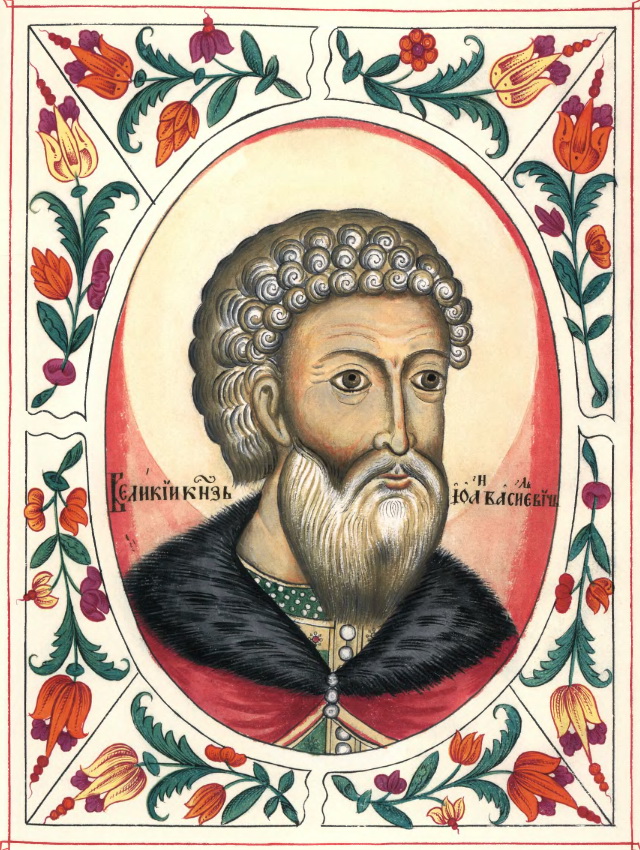
1462 - 1505 - Ivan III (All Facts)
Ruler of Russia
He was the Grand Prince of Moscow and all Russia
He asserted his rights as titular prince of Novgorod (one of the oldest of Russian towns with wide authority over northern Russia)
He was nicknamed “the Great”
He adopted the title of tsar, the first tsar of Russia
He issued the first “Sudebnik”
He
forced Novgorod to renounce its relations with the Polish-Lithuanian Commonwealth
After an attempted revolt, he removed 8,000 of the leading families to his own domain and replaced them with merchants from Moscow (Muscovy)
He thus subjected Novgorod to Muscovite (Moscow) rule
declared Russia (Muscovy) totally independent from the Golden Horde
Up to that point, the Golden Horde occupied Russia for 200 years
He defended Russia from Tartar attacks and ended the Tatar threat to Moscow, having annexed Tver
He consistently refused to continue paying the tribute protection money demanded from him and his people by Khan Akhmat and the Mongols and Ahmed Khan and the Golden Horde, the descendants of Genghis Khan
He outmaneuvered Ahmed Khan by
negotiating a mutual defense treaty with the Crimean Khan
fighting hard against him
Muscovite rulers thereafter continued to buy off or repel Tartar invaders, but no longer accepted the patent from the khans
annexed
Smolensk
Chernigov
pushed back the boundary with Lithuania


1505 - 1533 - Vasily III (All Facts)
Ruler of Russia
He was the Grand Prince of Moscow and all Russia
He styled himself as “emperor”
He energetically led Moscow and built the country into a powerful political force to be reckoned with in Europe as he confronted its neighbors of Poland and Lithuania to the West
He and his Muscovite forces, along with the help of Lithuanian rebels led by Mikhail Glinsky, defeated Sigismund and his Polish-Lithuanian forces in the Lithuanian-Muscovite War / Ten Years’ War
His forces gained control of Smolensk after two bloody but abortive previous attempts to take it
The armistice which ended the war was a triumph as well as diplomatic coup for the namesake
His defensive alliance with Holy Roman Emperor Maximilian created papal concern about the conflict and brought pressure from the Catholic Church on Sigismund of Polish-Lithuania to settle
He took Smolensk, then built it up
The city was strategically placed on the banks of the Dnieper River; the pivot of the namesake’s (and Muscovy’s) western defensive system
He annexed Pskov and Ryazan, with little difficulty and no military effort
He appointed a civil servant to run Pskov
He took Ryazan over when its grand prince entered into secret negotiations with the Crimean Tartars
He and Muscovy’s problems on his / its eastern and southern borders were eased by the failure of a Crimean Tartar invasion
He deprived 300 leading families of their estates, deported them to the interior, and replaced them by an equal number of families from Moscow
He died and was succeeded by his son


1533 - 1584 - Ivan IV (All Other Facts and Consolidation of Power)
Founder of the Tsardom and First Tsar of Russia
He was initially the last Grand Prince of Moscow and all Russia, the title his predecessors bore
During this time his mother ruled as regent
She died upon his assumption to the throne, rumored to have been poisoned by the boyars (Russian aristocrats) or perhaps by a regency council
He was nicknamed “The Terrible”
He was also nicknamed “The Dread” or “Grozny;” for his military exploits, which were, in part, due to his major reforms of the army; but also because of the reign of terror he administered in his later rule
When he was 3, he assumed the throne, succeeding his father
When he was 13, he had his principal advisor torn apart by dogs when he was in a fit of temper
When he was 17, he created (inherited) the Tsardom and became the first Tsar (Czar)
He was crowned “first tsar (czar) of Russia” in Moscow at a ceremony in the Moscow Kremlin’s Assumption cathedral
He was the first Tsar (czar) to inherit all of Russia, and, in theory, enjoyed undisputed sway over the territories it controlled up to that point
He was a strong and successful ruler
During his reign,
He had the Cathedral of St. Basil constructed
During his reign,
He met with Richard Chancellor (of England)
He only trusted one man, St. Macarius, the Metropolitan of Moscow at the time
He granted Grigory Stoganov the right to use and cultivate the lands in the area of the Kama River and its tributaries
He married his first wife, one of the Romanovs, chosen out of 1,500 virgins sent to Moscow from all over Russia


1533 - 1584 - Ivan IV (Foreign Policy)
During his reign,
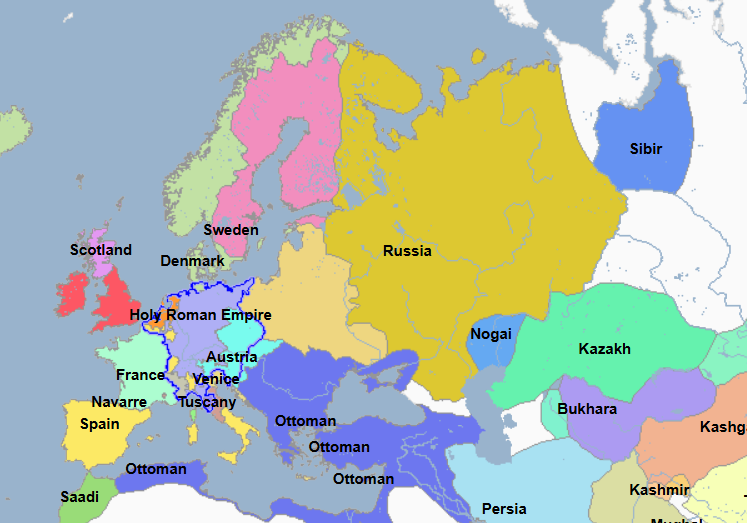
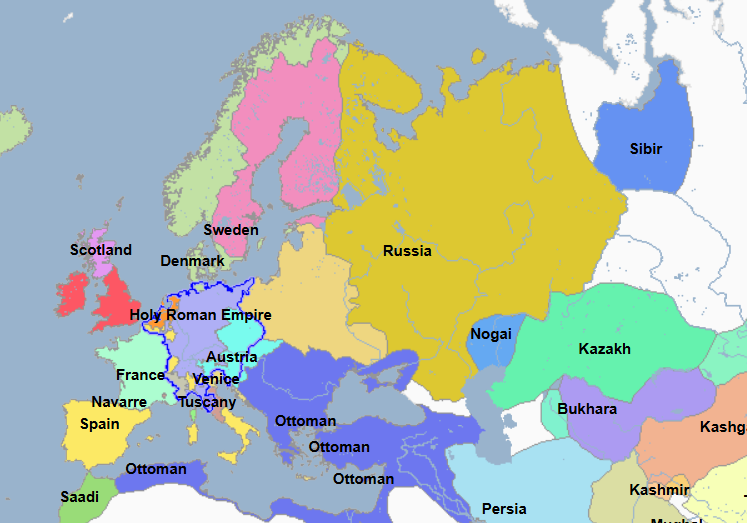
He expanded Russia and extended Muscovy’s power and influence
capturing and conquering
the Kazan Khanate
He dealt a devastating blow to the decaying power of the Tartars (Mongol invaders from the East) in two well-conceived military campaigns, in which he was supported by excellent artillery
He and his forces defeated the Tartars in the Siege of Kazan during his Conquest of the Kazan Khanate
The Kazan Khanate soon tried but failed to successfully revolt against his rule
the Astrakhan Khanate
thus reaching the Caspian Sea
stretching the emerging Tsardom / empire of Russia all the way to the Volga River basin as far as the Caspian Sea,
thus thereby opening the way for Russian expansion beyond the Ural Mountains and as far as the Pacific Ocean
thus pushing the borders of Russia eastwards, ambitiously looking towards Cathay and the Pacific Ocean
thus linking new trade routes which appealed to foreign merchants at the time
He and his Russian forces
defeated Selim II and his Ottoman forces in the First Russo-Ottoman War
They thus maintained their control over the Astrakhan Khanate region which they had previously conquered
were defeated by the Baltic states (including Poland, Lithuania, Norway, Denmark, Sweden, and Livonia) in the Livonian War
He was thus denied an outlet to the west by failing to seize the Baltic region
His 25 years of war brought Muscovy to the verge of anarchy
He established diplomatic and commercial relations with England, during which
He entered into curious negotiations for an English marriage, not shrinking from a union with Queen Elizabeth herself if it were possible

1533 - 1584 - Ivan IV (Domestic Policy)
During his reign,
He declared an end to the rule of the Boyars, attempting a social revolution
He established a special council composed of personally selected advisors in order to the counter the power of the Boyars
He established the Oprichnina / Oprichniki, which was the first political police force which heavily persecuted Boyars, an organization which he established after a period of bloody fighting with the Boyars
He used the Oprichniki to conduct absurd denunciations, executions, and terror simply for the sake of terror which shattered Muscovite society at the time
He then had the Oprichniki destroy Novgorod savagely, to pre-empty moves by the feudal lords towards their independence
He established the Zemsky Sobor / Assembly of the Land (Russian Parliament)
He set up a two-chamber body, containing representatives of the gentry, merchants, and nobles; to act as a check on the power of the Boyars
He presided over the First Assembly, in which he gave a speech in which
he harked back to his youth when the Boyars
plotted against him
dealt harshly with the gentry and the peasants
warned the Boyars that they would be punished if they did not obey his orders without question
proposed setting up courts to hear complaints against the Boyars
He issued the second “Sudebnik”
He worked to develop a centralized and unified state in Muscovy
He ruled with a group of good advisors from the clergy and the boyars
He introduced a new code of law and reformed provincial government

1533 - 1584 - Ivan IV (Reign of Terror and Decline)
During his reign, he oversaw a reign of terror, likely having been deranged for the last 25 years of his life, in which
He ordered the drowning of Jews in the Dvina River
He attended the public executions of almost all of his close advisors and ministers
He divided Muscovy (Russia) into two distinct realms in order to
eliminate all villains and traitors
reaffirm his power
reaffirm the servility of the peasants
He died while preparing to play a game of chess and was succeeded by his son
Upon his death, special guards have surrounded the Kremlin Palace
He was a man in whom many saw him as a great leader but just as many saw him as a monster
His son, Dmitri Ivanovitch, a nine-year old epileptic, was murdered, his throat cut by a gang of hired killers
It was assumed that his successor’s successor was responsible
His mother (his seventh and final wife) and his son, Dmitri Ivanovitch, were exiled to Uglitch where they may have served as a tool for disaffected boyars anxious to unseat his successor’s successor

1532 - 1585 - Yermak Timofeyevich (All Facts)
Russian Cossack Leader
He and his Cossack forces (hired by the Stroganov family of Russia) defeated Khan Kuchum and the Sibir Khanate and its Siberian Tartar forces and captured its capital of Kashlyk

1584 - 1598 - Feodor (All Facts)
2nd Tsar of Russia
He was nicknamed “The Blessed”
He was an amiable and pious imbecile
He succeeded his father
Boris Godunov ruled as regent during his reign, as the namesake was considered incompetent
He ordered that fugitive serfs been subjected to ferocious punishments
His death marked the end of the House of Rurik / Rurik Dynasty of Russian Rulers and the beginning of the Time of Troubles

1585 - 1605 - Boris Godunov (All Facts)
3rd Tsar of Russia
He ruled as regent for his predecessor and brother-in-law (he had his sister married to his predecessor), ruling practically for 14 years
He was a powerful aristocratic Boyar of Tartar origin
He began his career in the Oprichnina (the secret police of his predecessor’s predecessor)
He secured his own coronation as Tsar
He assumed the throne amid universal rejoicing, as the death of his predecessor sent with it the death of the royal house of Russia
He was the favored candidate, but he insisted upon being “elected” by the Zemsky Sobor
He was illiterate, but, despite that, he directed all correspondence with heads of foreign states and looked like the man running Russia
His maintained six foreign doctors at his court, for fear of being poisoned, as land-owning nobles were never reconciled to his election as Tsar
He was suspected of being behind the killing of the epileptic czarevitch Dimitri Invanovitch, son of his predecessor’s predecessor
Ivanovitch was found murdered, his throat cut by a gang of hired killers
He was the “logical successor” to his brother, which was the main motive behind the rumors that he engineered his murder
During his regency,
He created the post of Patriarch of Moscow and all Russia and appointed Job, the prior Metropolitan of Moscow, to the position
Under his regency,
the independence of the Russian Orthodox Church was formally ratified by an ecumenical synod (in Istanbul)
During his reign,
His rule at home followed the pattern of his predecessor’s predecessor
He was hostile to the Boyars and more reliant on support from the lesser serving nobility
He pursued the aggressive foreign policy of his predecessor’ predecessor
Under his reign,
Russia suffered from
a terrible famine
During this famine, he ordered for the distribution of grain to the most needy from the palace granaries
He also oversaw a vast building program in Moscow as a relief measure
epidemics
a revolt started by a pretender to the throne against him
He died from a stroke or a self-administered poison

1605 - 1606 - (False) Dmitry (All Facts)
5th Tsar of Russia
He was a Russian who passed himself off as “Prince” of the namesake, the supposedly murdered son of Tsar Ivan IV, who had himself crowned czar with Polish support
He was considered “false” because he claimed to be the son of Tsar Ivan IV, who was already known to be dead
His downfall was precipitated by the arrival of his fiancée from Poland with her entourage, which angered the Muscovites, who had backed the namesake in order to get rid of his predecessor’s predecessor rather than to install another Tsar (unless he was from their own ranks)
He was killed and replaced in a revolt by the landowning boyars
He tried to escape those hunting him by jumping from a Kremlin window, but he broke his legs
His body was then burnt and his ashes were shot from a cannon
Afterwards, rumors spread of another pretender Tsar that was being groomed for Tsardom
1606 - 1607 - Ivan Bolotnikov (All Facts)
Leader of his namesake uprising during the Time of Troubles
He was a former serf who had been captured by the Tartars and sold as a slave to the Ottoman Turks
His revolt was eventually suppressed and the nobles who initially supported his rebellion had him imprisoned
1582 - 1610 - (False) Dmitry II (All Facts)
He was the second pretender to the Russian throne who claimed to be the murdered son of Tsar Ivan IV during the Time of Troubles
However, he was never actually crowned tsar
He was groomed for the Tsardom, however, following the death by burning of his earlier namesake counterpart
He attempted to usurp the throne, supported by the Polish (whom he called on for help) in their Siege of Moscow
He set up a Council in Tushino and was nicknamed “The Bandit of Tushino”
1606 - 1610 - Vasily IV (All Facts)
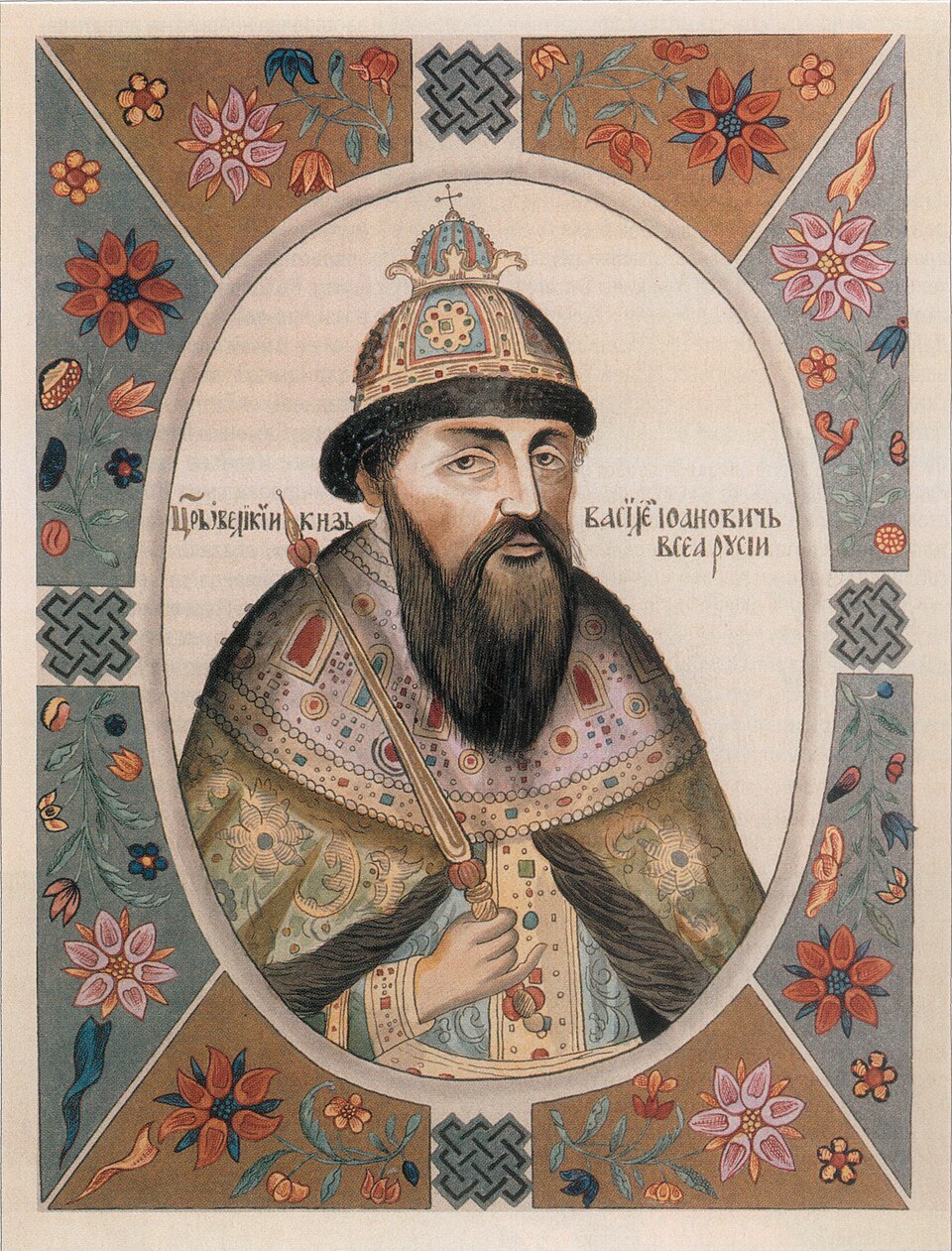
6th Tsar of Russia
He overthrew his predecessor to become czar
He was the last Russian ruler of the Rurikid Dynasty
Under his reign,
a second “false Dimitri” attempted to usurp the throne, again supported by the Polish in their Siege of Moscow
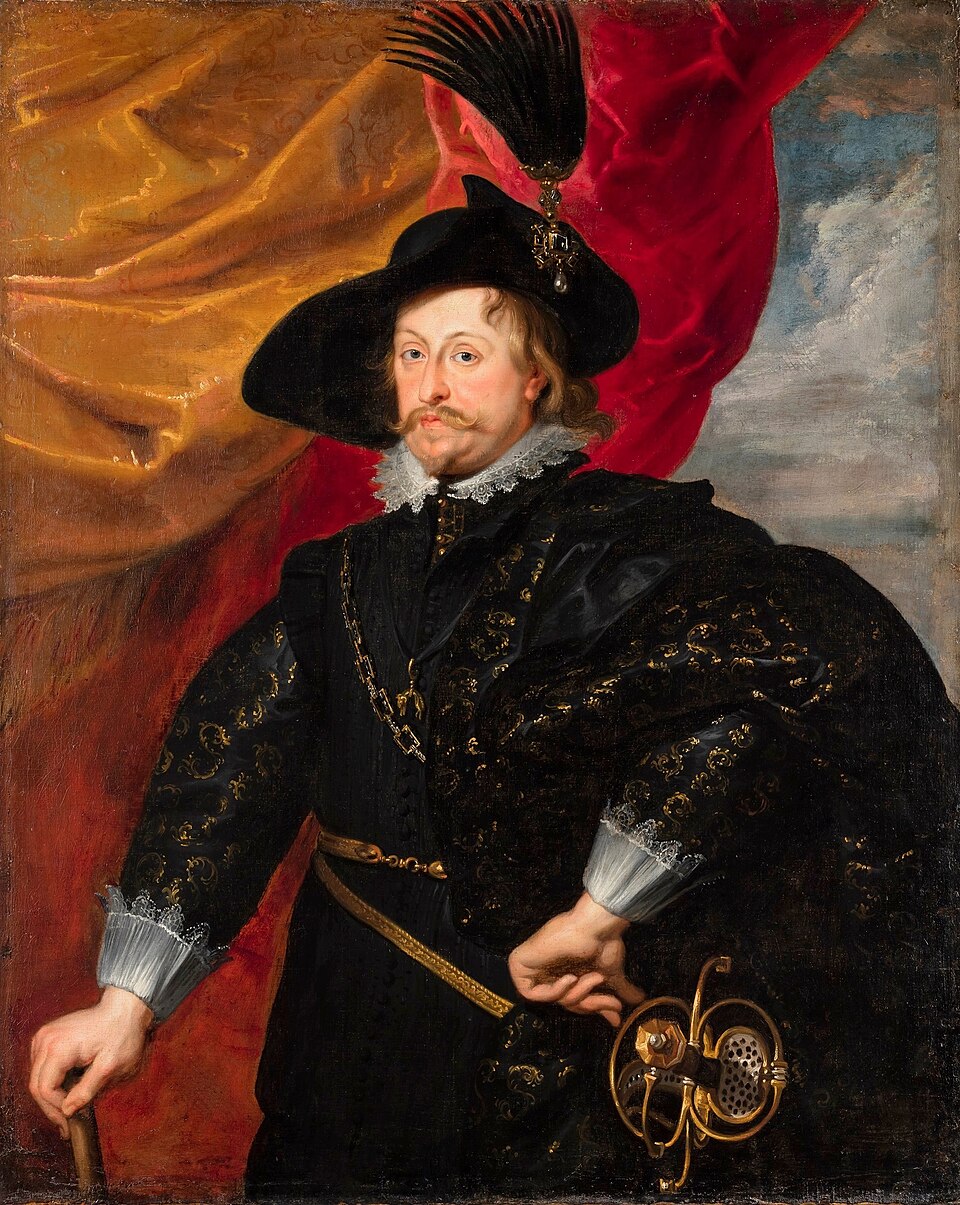
1610 - 1613 - Ladislaus IV (All Facts)
7th Tsar of Russia
He was installed by his father King Sigismund III after his father’s Polish-Lithuanian forces defeated his predecessor and his Russian and Swedish forces in the Siege of Smolensk and in battles during the Russo-Polish War

1611 - 1612 - Kuzma Minin (All Facts)
Russian Merchant who
appealed for money and setup a militia to oust the Poles from their incursions into Russia during the Russo-Polish War
was responded to by the Russian people after his requests with great generosity
appointed Prince Dimitri Pojarsky as military leader of the revolt against the Poles during the Russo-Polish War

1611 - 1612 - Dmitry Pozharsky (All Facts)
Russian Prince who
was a military hero from the Siege of Moscow during the Russo-Polish War
led a militia setup and funded by Kuzma Minin to force the invading Poles to capitulate during the Russo-Polish War, which encouraged the Russian people to organize against the Poles
eventually achieved his aim of kicking out the Poles during the Russo-Polish War with the support of the Cossacks
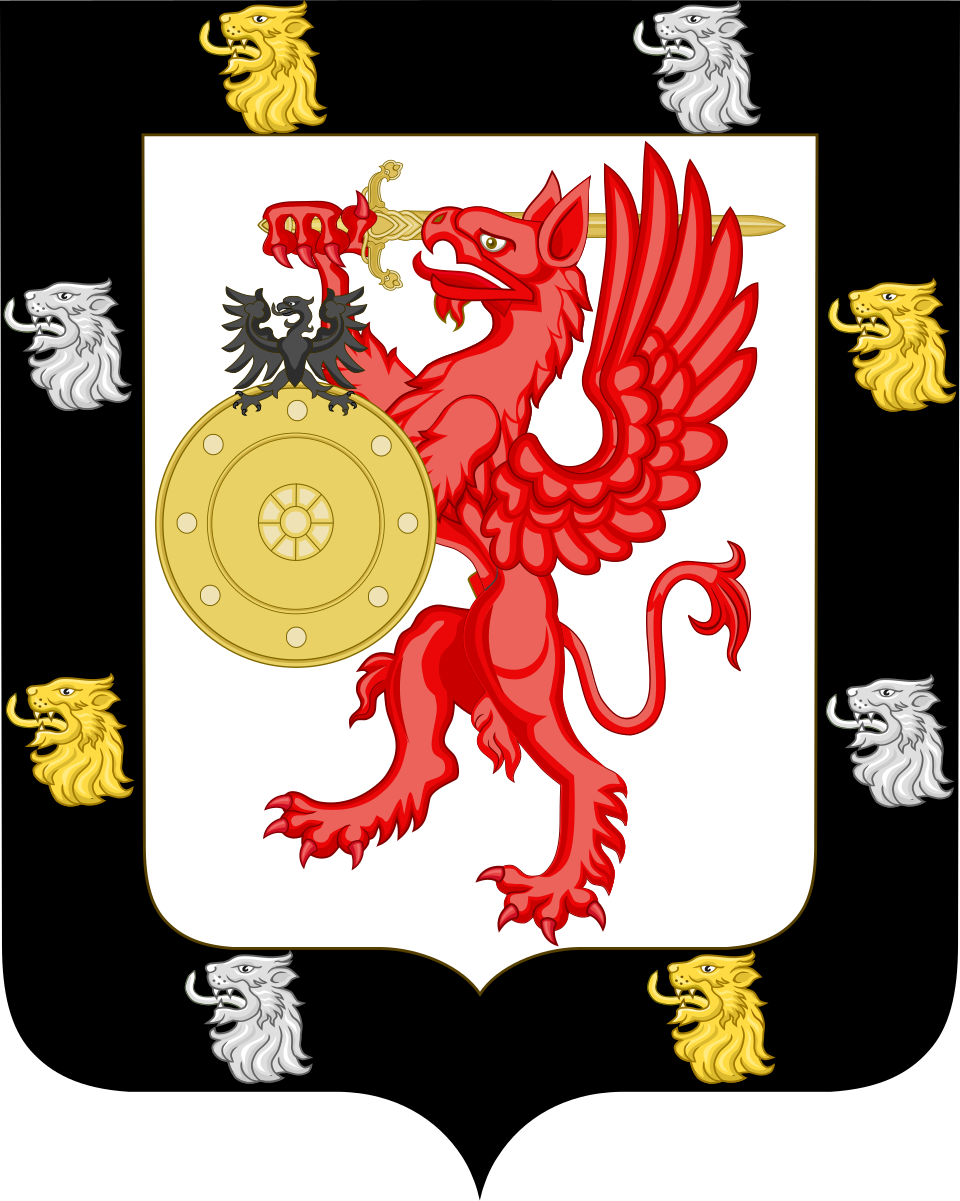
1613 - 1917 - House of Romanov (All Facts)
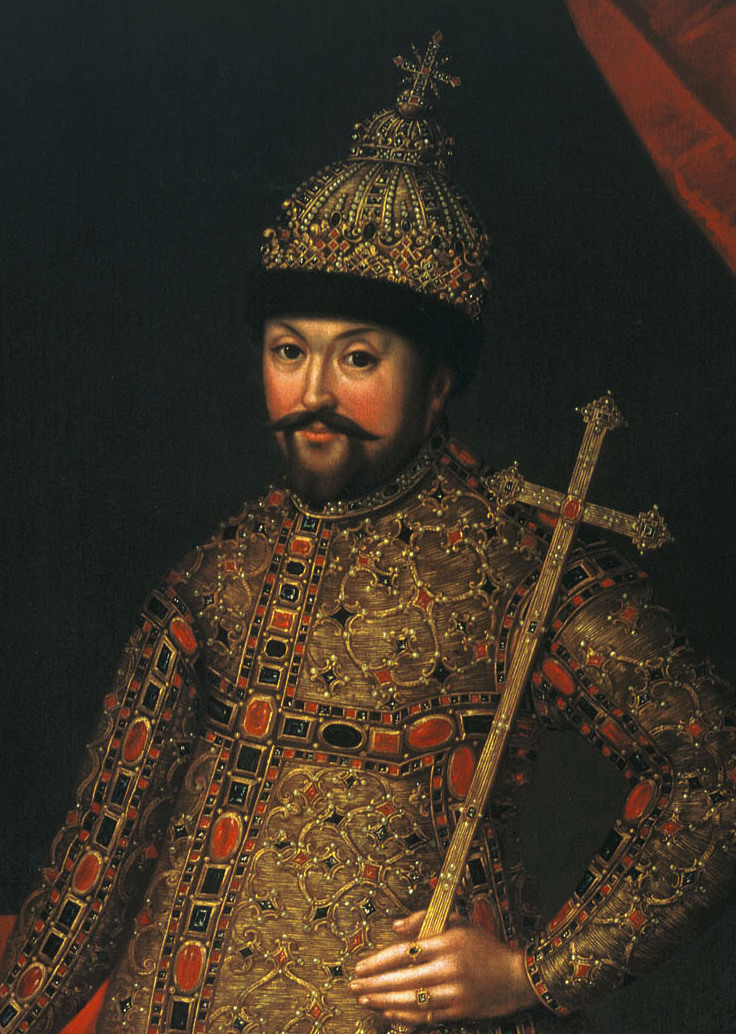
1613 - 1645 - Michael (All Facts)
8th Tsar of Russia
Founder and First Tsar of the House of Romanov
His assumption to the throne marked the end of the “Time of Troubles” in Russia’s history
His election solved the dynastic problem / succession crisis
He was “elected” Tsar, chosen by the Zemsky Sobor after much deliberation, at the age of 16
The election was not altogether a break with the past for Tsar Ivan IV’s first wife, Anastasia, had been a member of the Romanov family
His father was a nobleman who was the Patriarch of Moscow, and who acted as a regent for a short time during the namesake’s early rule
He received no training for the monarchy, having been brought up and raised in a monastery
He was crowned in the Kremlin, with all his autocratic prerogatives intact
He and his Romanov family ascended to the throne amid rejoicing, but they inherited
a then-deserted land as
half the villages of Russia were deserted of people
huge areas were vulnerable to wandering bandits
there was the ongoing virtual collapse of authority
the throne with an empty treasury
He asked another noble family for a loan in cash and kind - fish, salt, and grain, to meet the urgent demands of his military and civil officials
a Muscovy in which Poles and Swedes still occupied many of its parts following the First Russo-Polish War
Under his reign,
a small group of Russians crossed Siberia and reached the Pacific Ocean, acquiring vast territories in northern Asia via their attraction to easy profits as trappers and traders
They moved eastwards and overwhelmed the indigenous Siberian populations
They established Russian rule by building strategically located forts
These Russian pioneers eventully reached the Amur River in Siberia
Russian forces were defeated by Gustavus Adolphus and his Swedish forces in the Ingrian War
Yeniseysk was founded and made capital of the region of the same name; it was at the heart of the gold-mining region and on the Yenisei River, which, at the time, was Russia’s eastern frontier
One-third of the Russian army was constituted on western lines, with troops being recruited locally and mercenaries being engaged in the European Protestant countries as hired officers
Russian forces were defeated by King Ladislaus IV and his Polish-Lithuanian forces in the Siege and War of Smolensk
Russian forces captured Azov

1645 - 1676 - Alexis / Alexei Mikhailovich (All Facts)
9th Tsar of Russia and 2nd Tsar of the House of Romanov
He issued the Sobornoye Ulozheniye, essentially instituting serfdom into Russia
He backed Nikon, the Patriarch of Moscow and all Russia at the time
Under his reign,
The Russian Orthodox Church Schism / Raskol occurred
Russians settled in Albazino in attempt to penetrate the forests of Manchuria, which were rich in fur-skinned animals