Sexually-Transmitted and Maternally-Transmitted Microbial Infection Diseases
 Call Kai
 Learn
Learn Practice Test
 Spaced Repetition
 Match
Match Flashcards
 Knowt Play
1/173

There's no tags or description
Looks like no tags are added yet.
Name | Mastery | Learn | Test | Matching | Spaced | Call with Kai |
|---|
No analytics yet
Send a link to your students to track their progress
174 Terms
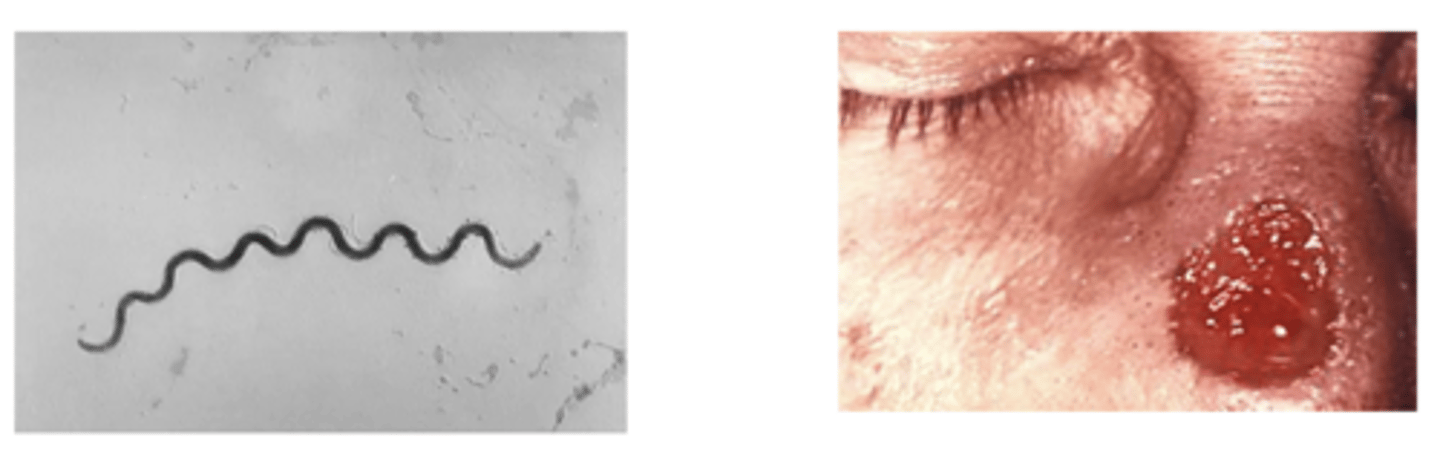
Treponema pallidum
What is the etiological agent of Syphilis?
a Gram-negative, obligate intracellular spirochete
What is Treponema pallidum?
humans
What is the natural host of Treponema pallidum?
it does not survive outside the mammalian host -> its infectious capability is lost within a few hours or days of being in vitro
What is Treponema pallidum like outside of the mammalian host, and explain?
it is sensitive to oxygen and has a limited stress response -> rapidly inactivated by mild heat, cold, desiccation, and most disinfectants
What is the sensitivity of Treponema pallidum like, and explain?
it can invade and survive in a wide variety of the host's tissues and organs
What can Treponema pallidum do in the mammalian host?
by direct contact, usually sexual, with active primary or secondary lesions in oral, anal, or vaginal sex
How is syphilis acquired?
maternal transmission -> up to 2 years after infection, organisms cross the placenta
What type of transmission can occur in the early stages of syphilis infection, and explain?
congenital syphilis led to an estimated:
-150,000 early fetal deaths and stillbirths
-70,000 neonatal deaths
-55,000 preterm or low-birth-weight births
What is the epidemiological significance of maternal transmission of syphilis like?
the incidence of syphilis was over 500,000 infections/year -> in the US, it was a first-order threat to the health of servicemen
What was the incidence of syphilis like during the Second World War, and explain?
8 million adults aged 15-49 acquired syphilis and there were 700,000 congenital syphilis cases globally
According to the WHO, what was the prevalence of acquired syphilis and congenital syphilis like in 2022?
human syphilis experiments are an egregious part of US and world history
What is the historical significance of syphilis?
-Tuskegee Syphilis Study
-Guatemalan experiments
-WWII experiments
What are the 3 main human experiments on syphilis?
from 1932-1972, the US Public Health Service conducted a syphilis study at Tuskegee Institute in Alabama, where 399 African-American men who had latent syphilis were not informed of their diagnosis and left without treatment to follow the natural course of the disease -> the diseases spread to their wives and children
What occurred in the Tuskegee Syphilis Study?
from 1946-1948, the Guatemalan government's public health agencies, with funding from NIH, conducted syphilis experiments by intentionally infecting the victims and generally leaving them without treatment or compensation for the remainder of their lives -> at least 5128 vulnerable people, including children, orphans, child and adult prostitutes, Guatemalan Indians, leprosy patients, mental patients, prisoners, and soldiers, were test subjects
What occurred in the Guatemalan Syphilis experiments?
Unit 731, where POW, male and female prisoners, and civilian captives from the surrounding population were deliberately infected with syphilis and gonorrhea for study. The victims were infected and forced into sexual acts, vivisected at different stages of infection so that internal and external organs could be observed as the disease progressed. Female prisoners were forced to become pregnant for use in experiments to test the possibility of vertical transmission, and the children born were studied
What occurred in the WWII Syphilis experiments?
many are asymptomatic and can go unnoticed and untreated for years
What is the presentation of many syphilis infections like?
has several stages -> primary, secondary, latent, and tertiary
What is the staging of syphilis like, and explain?
it is a highly infectious stage
What is the significance of primary syphilis?
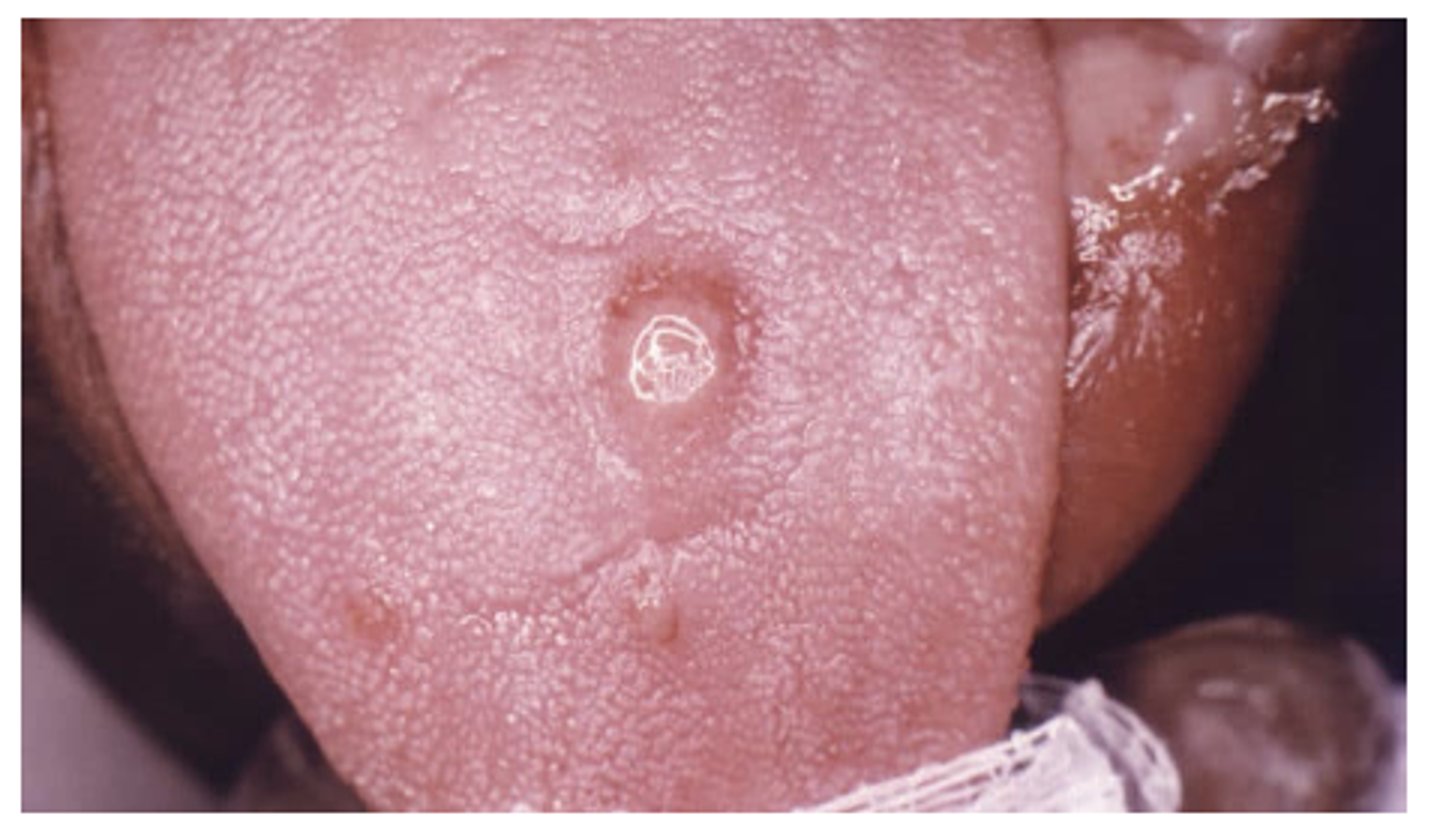
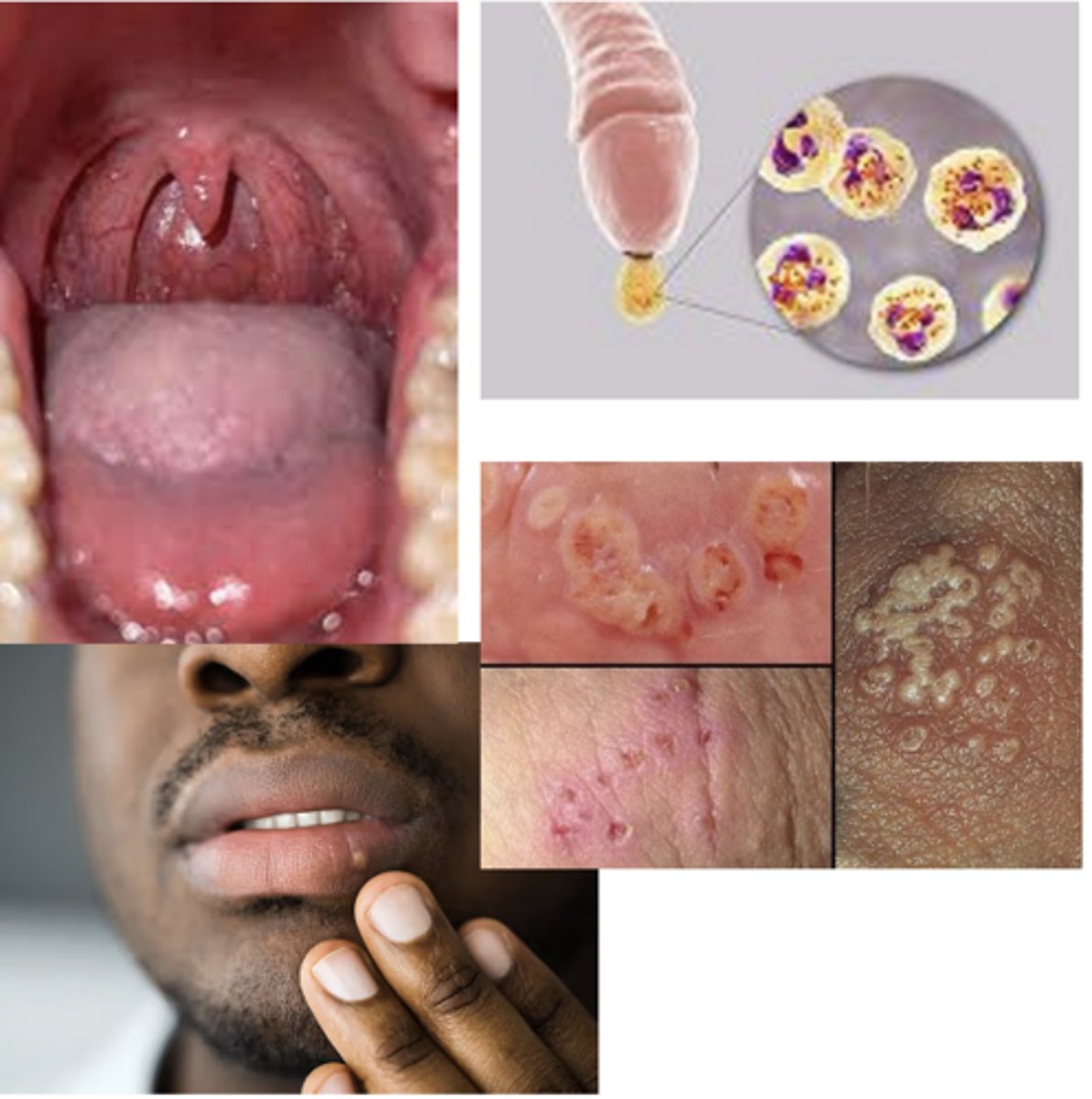
a single chancre (round, painless, and hard, usually sore) appears where the bacteria entered, such as the labia, anus, or mouth
What is the physical manifestation of primary syphilis like?
it may not be easy to notice
What is the appearance of the primary syphilis chancre like?
fluid that contains syphilis bacteria
What does the primary syphilis chancre contain?
will heal in 3-10 days
What is the recovery of the primary syphilis chancre like?
within 3 months of initial infection
What does secondary syphilis occur?
symptoms remain subtle
How do the symptoms of secondary syphilis compare to those of primary syphilis?
the infection is highly contagious
What is significant about secondary syphilis, despite having only subtle symptoms?
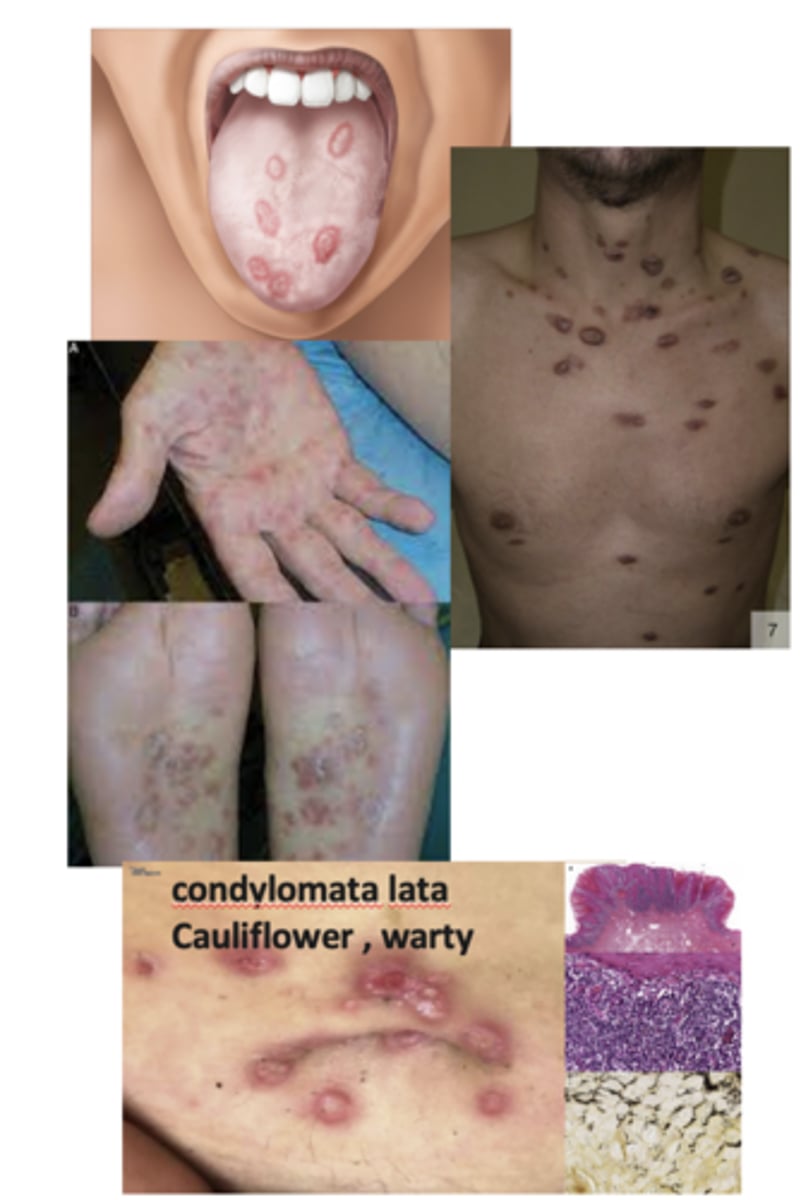
chancre -> white or grey lesions that appear in areas that are warm and moist
What is the most common manifestation of secondary syphilis, and explain?
disseminated mucocutaneous rash appear as “snail-track” ulcerations on the lateral borders of the tongue and buccal mucosa
How can the oral cavity be affected by secondary syphilis?
mucous patches with localized inflammation develop on the genital mucous membranes
How can the urogenital region be affected by secondary syphilis?
large and highly infectious condylomata lata (cauliflower wart-like skin lesions) -> in warm and moist areas, including the perineum and anus
What manifestations of secondary syphilis can develop in ~10% of patients, and explain?
pale and discrete macular lesions appear -> initially on the trunk and proximal extremities, and are more frequently found on the palms of the hands and soles of the feet
How can the rest of the body be affected by secondary syphilis infection, and explain?
variable systemic symptoms -> sore throat, muscle aches, malaise, weight loss, and generalized non-tender lymphadenopathy
What are the systemic effects of secondary syphilis infection like, and explain?
lesions usually resolve spontaneously without treatment -> within 3 months
What eventually happens to the lesions in secondary syphilis infection, and explain?
they enters a stage without symptoms, latent syphilis -> remain potentially contagious in the early period
What happens to the infected person as lesions resolve spontaneously, and explain?
tertiary stage is non-infectious
What is the infectivity like in the third, final stage of syphilis infection?
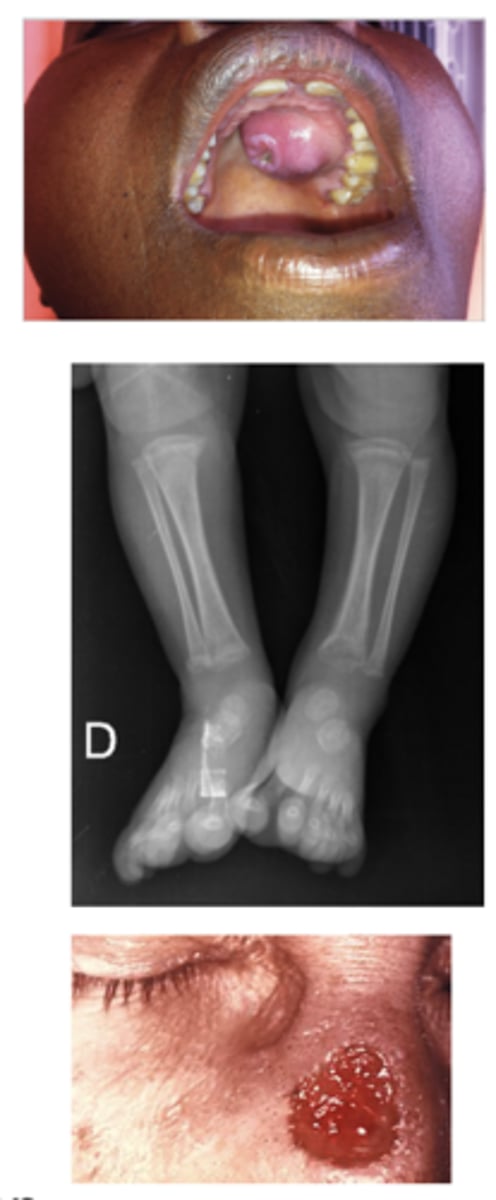
-gumma
-neurosyphilis
-cardiovascular diseases
What are the 3 main manifestations of tertiary syphilis?
a soft, non-cancerous, tumor-like growth that most commonly affects the skin and bones
What is gumma?
does not cause serious complications -> thus the term "late benign syphilis"
What are the complications associated with gumma, and explain?
may develop as early as 2 years after initial infection
How long after initial syphilis infection may gumma develop (as part of the tertiary stage)?
T. pallidum penetrates the CNS during earlier stages of disease
How does neurosyphilis develop in tertiary syphilis?
neurological complications (vertigo, insomnia, and personality changes) -> loss of consciousness and seizures may also be present
What is the physical manifestation of neurosyphilis like in tertiary syphilis?
within 5 to 10 years of untreated infection
When do the neurological complications associated with tertiary syphilis manifest?
neurological symptoms are followed by arterial involvement that can be widespread or focal
How do cardiovascular diseases develop in tertiary syphilis?
-meningovascular syphilis
-aortic aneurysm
(+ other cardiovascular complications)
What are 2 examples of cardiovascular diseases that syphilis may progress to?
tertiary syphilis:
T. pallidum is transmitted from the bloodstream of the infected woman to the developing fetus -> especially during early maternal syphilis
What is transmission of congenital syphilis like, and explain?
-fetal death
-fetal damage
-birth of an infected infant
What 3 things may the lack of treatment of congenital syphilis result in?
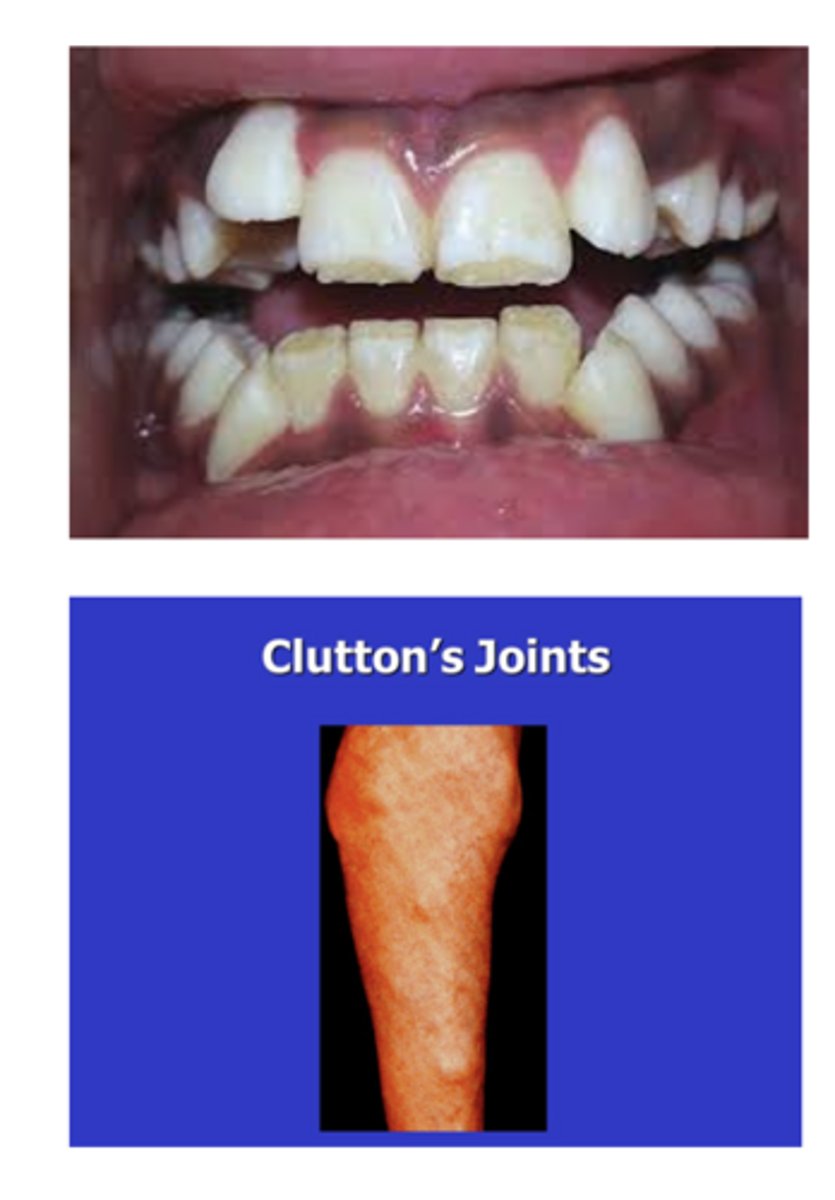
-LBW
-Hutchinson teeth
-Clutton's joint
-pulmonary hemorrhage
-interstitial keratitis
-deafness (from nerve damage)
-saddle nose and saber shins
-persistent rhinitis with a whitish discharge that is sometimes tinged with blood
What are the 8 main manifestations that infants with congenital syphilis typically have?
teeth are smaller, more widely spaced, and have notches on the biting surface -> they may also be triangular or screw-shaped
What are Hutchinson teeth?
asymmetrical joints, osteochondritis of the long bones -> can lead to pain and lack of movement of the upper and lower extremities
What is Clutton's joint, and explain?
apparent damage to the cornea and iris
What may interstitial keratitis lead to?
congenital syphilis:
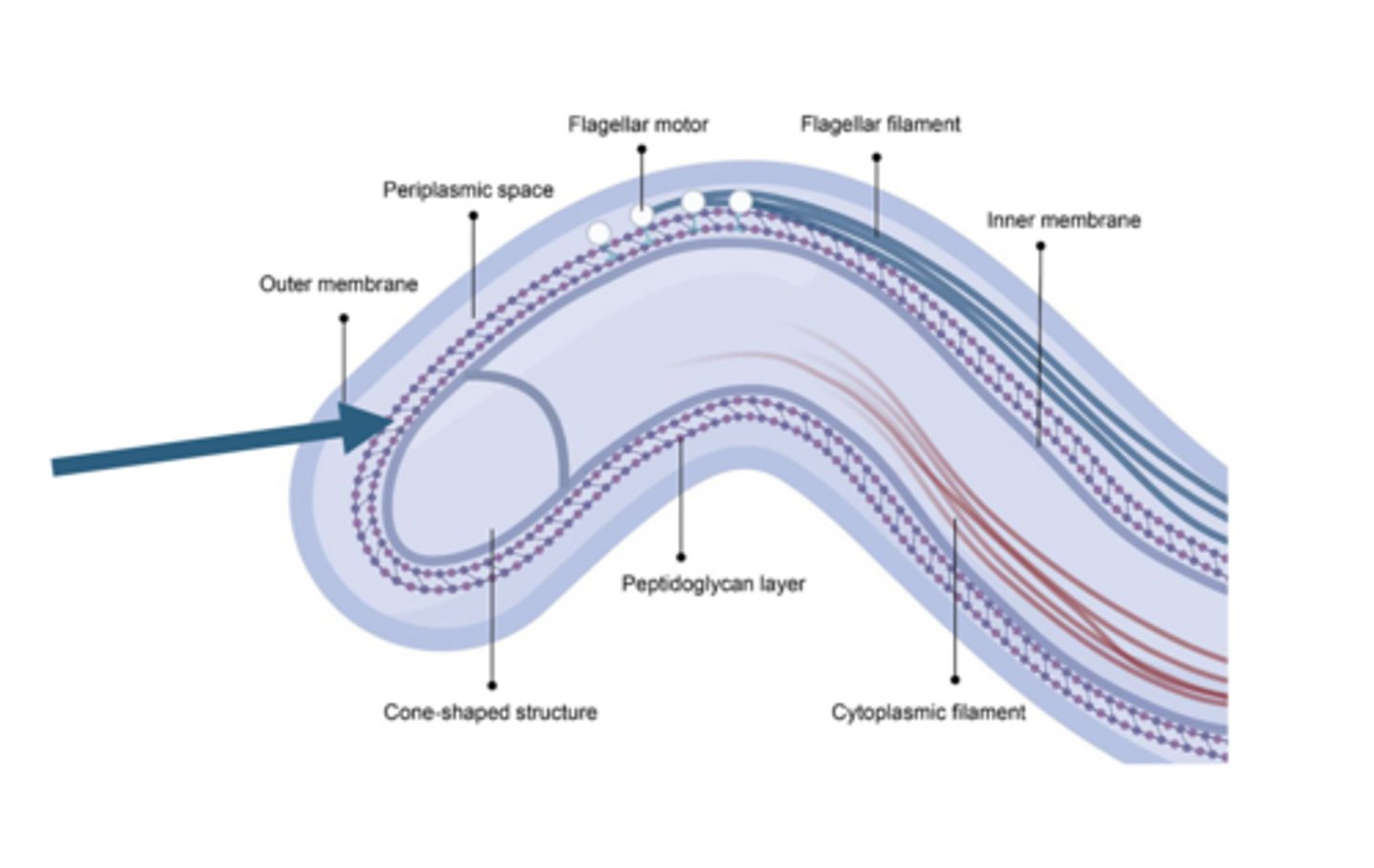
the “stealth pathogen”
What is T. pallidum known colloquially as?
it has a denuded outer membrane comprised mainly of non-immunogenic transmembrane proteins
What is the structure/composition of T. pallidum like?
contained within the periplasmic space -> the gap between the cell membrane and the cell wall
Where are the immunogenic lipoproteins of T. pallidum found, and explain?
the immunogenic molecule, TprK
What is a significant virulence factor related to the immunogenic lipoproteins of T. pallidum?
it has seven discrete variants
What is a significant feature of TprK as it pertains to its role as a virulence factor of T. pallidum?
antibody-binding is evaded by switching to a new TprK variant, and this variation also allows re-infection
How do the seven discrete variants of TprK enable its role as a virulence factor of T. pallidum?
in different tissues (CNS, eye, placenta) -> where they grow slowly and can reseed other tissues
Where can T. pallidum survive, and explain?
T. pallidum:
via detection of the spirochetes in samples from the secretion or pus from the sore
How can a diagnosis of Syphilis be made?
-screens or the RPR (Rapid Plasma Reagin)
-specific syphilis blood tests
-lumbar puncture
What are 3 main methods of detecting spirochetes for Syphilis diagnosis?
antibodies or syphilis and other non-venereal treponematoses
What does the RPR (Rapid Plasma Reagin) screen for?
-fluorescent treponemal antibody absorption
-Treponemal pallidum hemagglutination test
-Treponema pallidum particle agglutination
-immunochromatography
What are 4 examples of specific syphilis blood tests?
those with symptoms of stage 3 syphilis or manifest neurological disorders
In what individuals is a lumbar puncture indicated?
with a benzathine penicillin (BPG) injection -> the first-line treatment for syphilis
How is the early stage of syphilis treated?
doxycycline, ceftriaxone, or azithromycin
What is the second-line treatment for syphilis?
via the "essential triple EMTCT services" -> initiative for the triple elimination of mother-to-child transmission (EMTCT) of HIV, Syphilis, and HBV
How has the WHO addressed vertical transmission of syphilis, and explain?
-testing for HIV, syphilis, and HBV in antenatal care clinics
-treat positive women promptly and efficaciously to prevent transmission to their children
-counseling for women and their partners to reduce transmission risk and ensure appropriate treatment
-provide safe delivery and appropriate follow-up of exposed infants, including vaccine, optimal infant feeding, and lifelong treatment and care for mothers
What are 4 main components of the "essential triple EMTCT services"?
summary of the stages of syphilis:
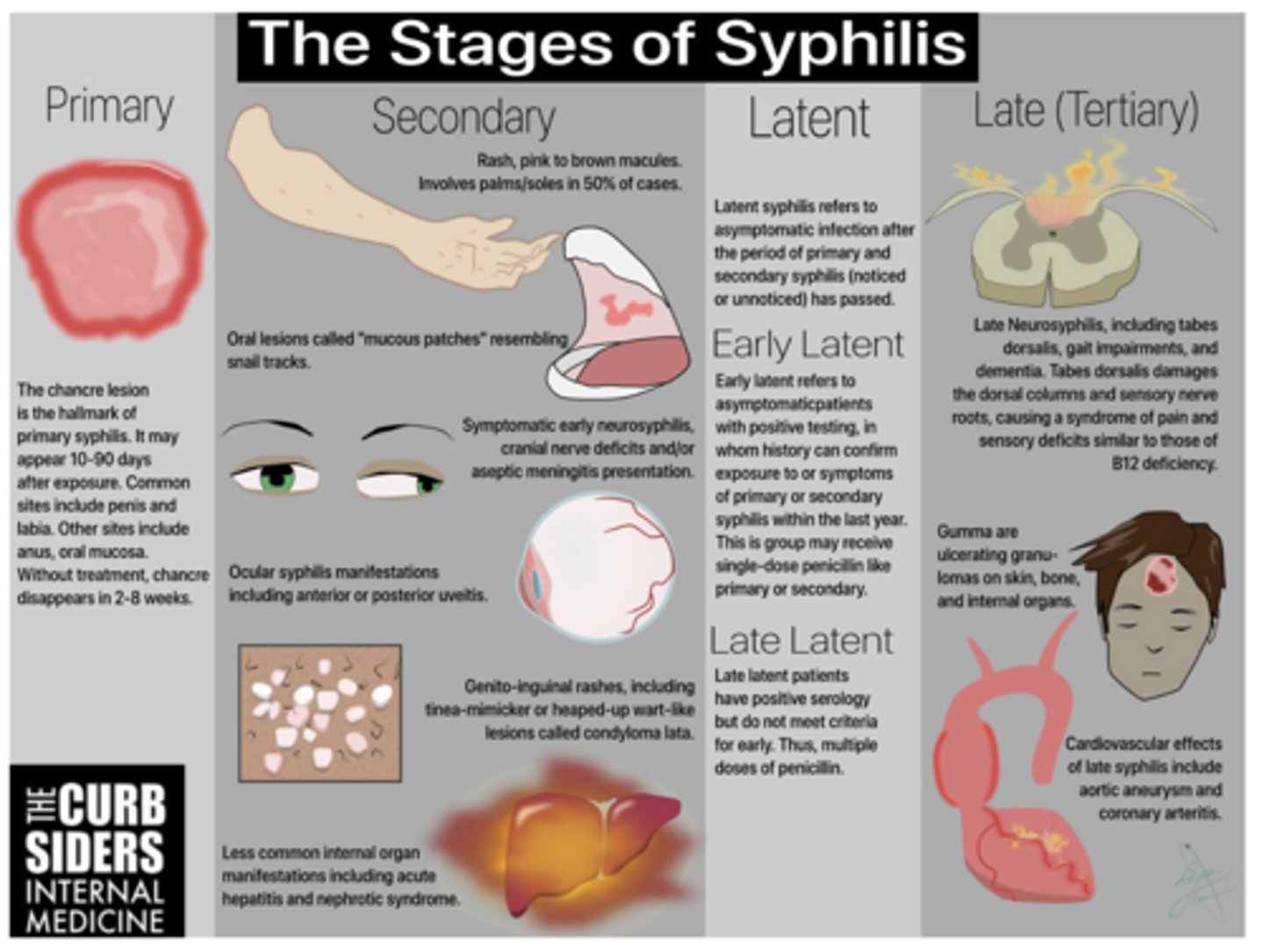
d. gumma on skin
Which of the following is/are non-contagious in syphilis?
a. chancre of primary syphilis in anus
b. snail-tract lesions on tongue
c. condylomata lata at perineum
d. gumma on skin
Neisseria gonorrhoeae
What is the etiologic agent of Gonorrhea, aka the clap?
a gram-negative diplococci shaped like kidney beans with a flattening on the sides that touch
Considering structure, what type of microorganism is Neisseria gonorrhoeae?
facultative, intracellular pathogens
Considering preferred environment, what type of microorganism is Neisseria gonorrhoeae?
colonize mucous surfaces and replicate in the columnar epithelial cells in the urethra of men and women, endocervix, anal canal (rectal sex), and pharynx (oral sex)
How does Neisseria gonorrhoeae function in its pathogenesis?
the organism causes urethritis in men and endocervicitis and urethritis in women
What is the manifestation of Neisseria gonorrhoeae infection in men vs women?
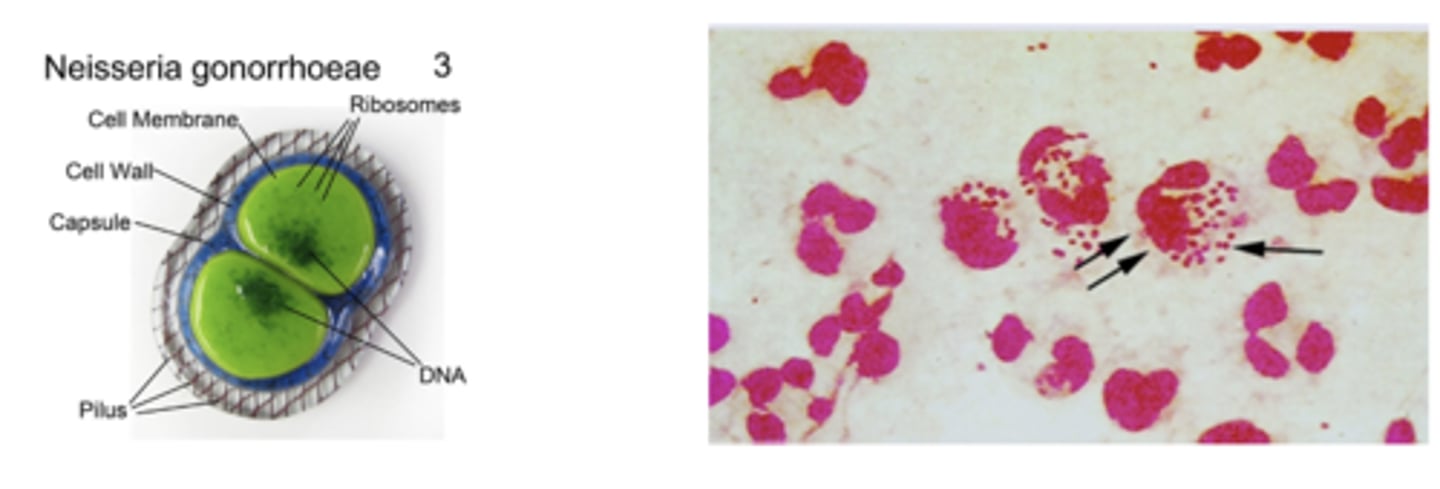
person to person -> many men and women are asymptomatic (transmission via an inanimate object is extremely rare, and there is no animal reservoir)
How is Neisseria gonorrhoeae infection transmitted, and explain?
chancre starts as a pimple that ruptures into a sore in the mouth, genitals, or anus, with other sites of primary infection including the rectum, pharynx, and conjunctiva
How do the symptoms of Neisseria gonorrhoeae infection begin in both sexes?
urethritis in both
What is the presentation of Neisseria gonorrhoeae infection in males and females?
pain on urination and purulent pus
What are the symptoms associated with urethritis from Neisseria gonorrhoeae infection in males?
it resolves in several weeks or can develop urethral strictures, epididymitis, or prostatitis
What happens if the urethritis from Neisseria gonorrhoeae infection in males is left untreated?
vaginal pruritic and discharge, abdominal pain -> the most common complication is pelvic inflammatory disease, Fallopian tube inflammation with scaring, strictures, pelvic pain, ectopic pregnancy
What are the symptoms associated with urethritis from Neisseria gonorrhoeae infection in females?
disseminated gonococcal infections (DGI) -> bacteremia may occur, arthritis (usually large joints like elbows & knees), and, rarely, endocarditis or meningitis, however, disseminated disease is the exception, not the common
What is a severe manifestation of Neisseria gonorrhoeae infection, and explain?
-lipooligosaccharide (LOS)
-IgA protease
-attachment proteins
-invasion
What are the 4 main virulence factors of Neisseria gonorrhoeae?
an outer membrane LPS missing the O antigens -> the truncated core polysaccharide has terminal sialic acid residues instead
What is lipooligosaccharide (LOS), a virulence factor of Neisseria gonorrhoeae, and explain?
the sialylated LOS blocks complement activation, and the lipid portion of LOS has endotoxic activity
What is the function of the truncated core polysaccharide of LOS, which has terminal sialic acid residues instead of O antigens?
cleaves IgA at mucosal surfaces
What is the function of the IgA protease produced by Neisseria gonorrhoeae?
-Pili proteins
-Opa proteins (Opacity for colony appearance)
What are the 2 main attachment proteins that function as virulence factors for Neisseria gonorrhoeae?
have antigenic variations to evade the host immune responses
What is the function of Opa proteins as a virulence factor for Neisseria gonorrhoeae?
invasion
What is an additional function of Pili and Opa proteins in Neisseria gonorrhoeae virulence, besides attachment?
after attachment, pili and Opa proteins direct endocytosis into non-ciliated epithelial cells
How do Pili and Opa proteins function in the invasion of Neisseria gonorrhoeae?
catalase -> made by Neisseria gonorrhoeae (gonocci) to interfere with peroxide-mediated killing mechanisms inside neutrophils
What is an additional virulence factor of Neisseria gonorrhoeae that functions in invasion, and explain?
virulence factors of Neisseria gonorrhoeae:
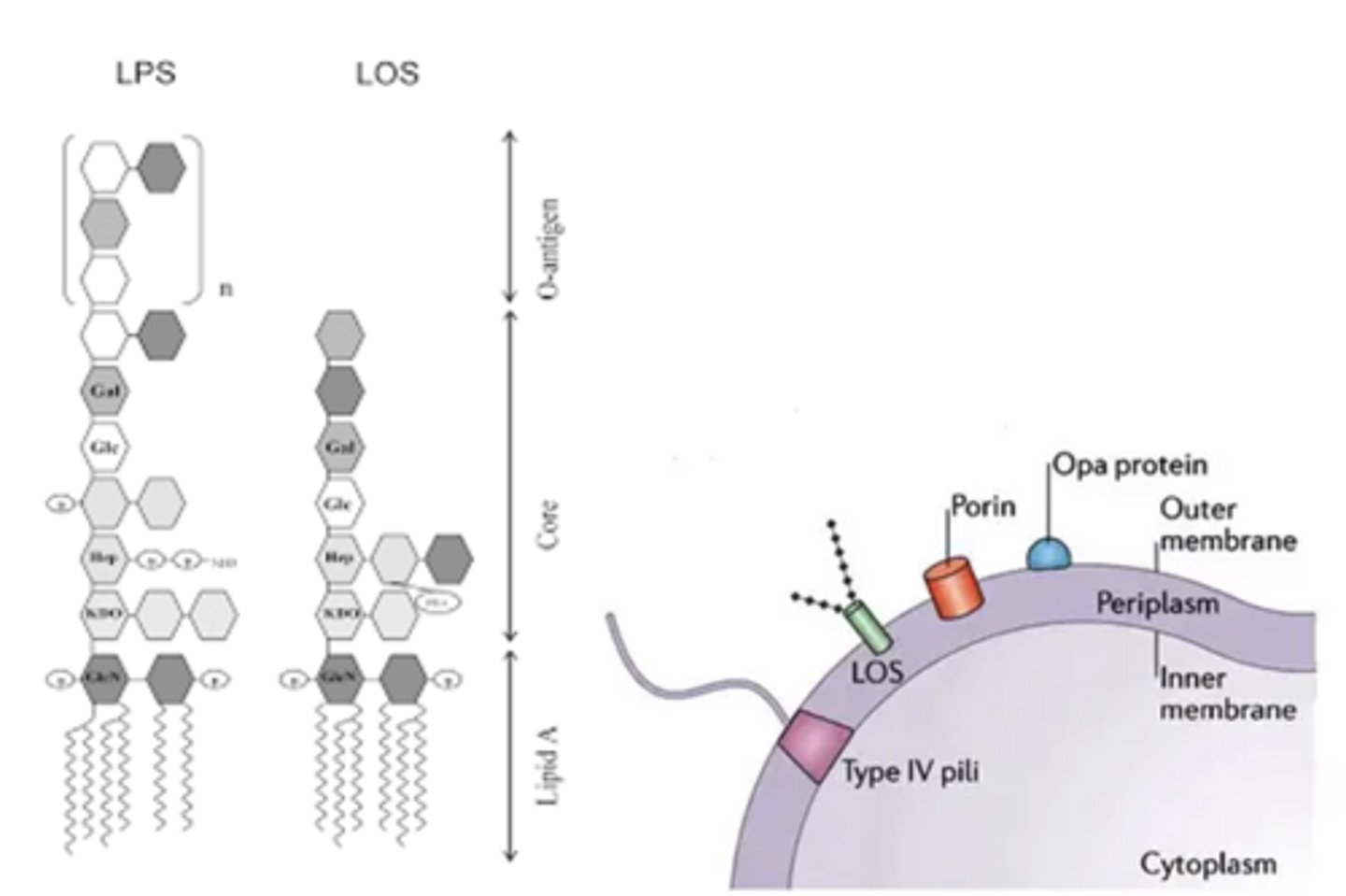
it adheres to host epithelial cells through type IV pili
How does Neisseria gonorrhoeae function during initial Gonorrhoeae infection?
it replicates and forms microcolonies that compete with the resident microbiota
How does Neisseria gonorrhoeae function after initial adherence?
invasion and transcytosis
What two functions is Neisseria gonorrhoeae capable of when colonizing the epithelium?
it releases fragments of peptidoglycan, LOS, and outer membrane vesicles (OMVs) that activate TLRs and nucleotide-binding oligomerization domain-containing protein (NOD) signaling in epithelial cells -> for macrophages and dendritic cells
What does Neisseria gonorrhoeae do upon replicating and forming microcolonies that compete with the resident microbiota of host epithelial cells, and explain?
activate inflammatory transcription factors and release cytokines and chemokines
What is the result of NOD and TLR signaling from cells infected with Neisseria gonorrhoeae?
heptose-1,7-bisphosphate (HBP) -> activates innate immunity
What else does Neisseria gonorrhoeae release into infected cells, and explain?
creates cytokine and chemokine gradients that recruit large numbers of polymorphonuclear leukocytes to the site of infection
What is the result of the release of pro-inflammatory cytokines and chemokines by the innate immune signaling pathways in Neisseria gonorrhoeae infection?