PHY - 7. Current and voltage in circuits
 Call Kai
 Learn
Learn Practice Test
 Spaced Repetition
 Match
Match Flashcards
 Knowt Play
1/33

There's no tags or description
Looks like no tags are added yet.
Name | Mastery | Learn | Test | Matching | Spaced | Call with Kai |
|---|
No analytics yet
Send a link to your students to track their progress
34 Terms
what is potential difference
The amount of energy given to the charge in a circuit
what do you need for an electrical current to flow (2 things)
A material that allows electrical charge to pass through it, conductors
An energy source to push the electrons along, battery/ cell
why are metals the best conductors
closely-packed atoms and they have delocalised electrons that are free to move throughout the metal
what are conventional currents
the flow of electrical charge, it measures how many electrical charges are passing each second
how do electrons actually flow (conventional current)
negative to positive
how do conventional currents flow
positive to negative, need to know this for exams
current equation
I = Q/t
current = charge / time
unit of current
amps, A
unit of charge
coulombs, C
voltage equation
V = E/Q
voltage = energy/ charge
energy unit
Joules, J
open switch symbol and definition
breaks the circuit so current can’t flow
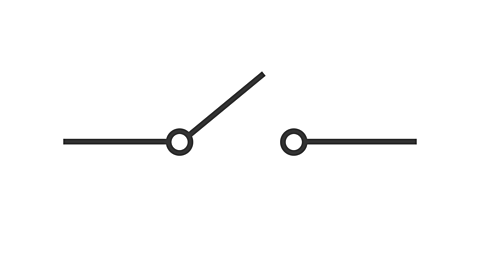
closed switch symbol and definition
Completes the circuit so current can flow

battery vs cell
cell - provides potential difference/ voltage
battery - a collection of cells

diode symbol and definition
allows current to flow in one direction

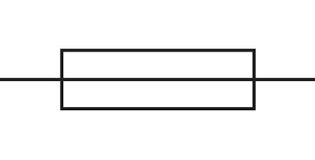
fixed resistor symbol and definition
increases resistance in circuit

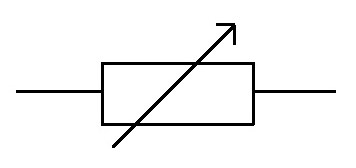
variable resistor symbol and definitions
can vary potential difference of a circuit by varying resistance
bulb symbol and definition
produces light

fuse symbol and definition
If current is too high the fuse melts breaking the circuit and preventing current from flowing
voltmeter definition
measures voltage
ammeter definition
measures current
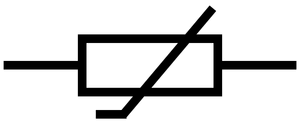
thermistor symbol and definition
As temp. increases it decreases resistance
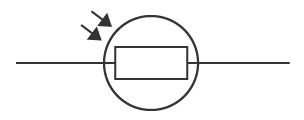
L.D.R symbol and definition
As light intensity increases it decreases resistance
Series Vs Parallel
A series circuit is a circuit with just one loop while a parallel is a circuit with more than one loop
Rule for current in a series circuit
Current is always the same anywhere in the circuit
Resistance in a series
The sum of all resistors in the circuit
Rule for voltage in a series circuit
Voltage splits between components
How does a voltmeter always have to connect
In a parallel circuit, hugs the component
Rule for current in a parallel circuit and why
Current is split amongst the components
current splits because the electrons travel down different branches, that reduces the number of electrons on each branch
Resistance in a parallel circuit
The sum of resistors is less than the resistance of the smallest resistor
RT = 1
. ——————————
. ( 1/R1 + 1/R2 + … 1/Rn )
rules for voltage in a parallel circuit
Voltage is the same in each branch of the circuit