chap 18
 Call Kai
 Learn
Learn Practice Test
 Spaced Repetition
 Match
Match Flashcards
 Knowt Play
1/41

There's no tags or description
Looks like no tags are added yet.
Name | Mastery | Learn | Test | Matching | Spaced | Call with Kai |
|---|
No analytics yet
Send a link to your students to track their progress
42 Terms
shareholders equity
residual amount- whats left over after liabilities have been subtracted from assets (net assets)
ownership interests of shareholders arise primarily from
paid in capital
retained earnings
paid in capital
amounts invested by shareholders in the corporation
purchase shares of stock from corporation
company buying back some of those shares or from share based compensation activities
retained earnings
amounts earned by the corporation on behalf of its shareholders
4 classifications within shareholders equity
paid in capital
retained earnings
accumulated other comprehensive income
treasury stock
comprehensive income
total nonowner changes in equity for a reporting period
not including transactions with owners (dividends, issuance or purchase of the company’s stock)
accumulated other comprehensive income
sum of all oci that has been reported in current and prior periods
reported in the statement of shareholders equity
oci types of gains and losses (not reported in income statement)
net holding gains (losses) on afs investments in debt securities
gains (losses) from and amendments to pensions and other postretirement benefit plans
deferred gains (losses) on derivatives
adjustments from foreign currency translation
oci vs aoci
oci- component of comprehensive income created during the reporting period
aoci- comprehensive income accumulated over the current and prior reporting periods
company organization
sole proprietorship
partnership
corporation
ownership rights held by common shareholders unless specifically withheld by agreement
right to vote
right to share in profits when dividends are declared
right to share in the distribution of assets if company is liquidated
preferred stock ownership rights
typically has preference to a specified amount of dividends ($ amt or %)
preference (over common) as to distribution of assets if company is dissolved
other rights and privileges that may be granted to preferred shareholders
right of conversion
redemption privilege
cumulative vs noncumulative
participating vs nonparticipating
right of conversion
exchange shares of preferred stock for common stock at a specified conversion ration
redemption privilege
option, under specified conditions, to return their shares for a predetermined redemption price or callable
cumulative vs noncumulative
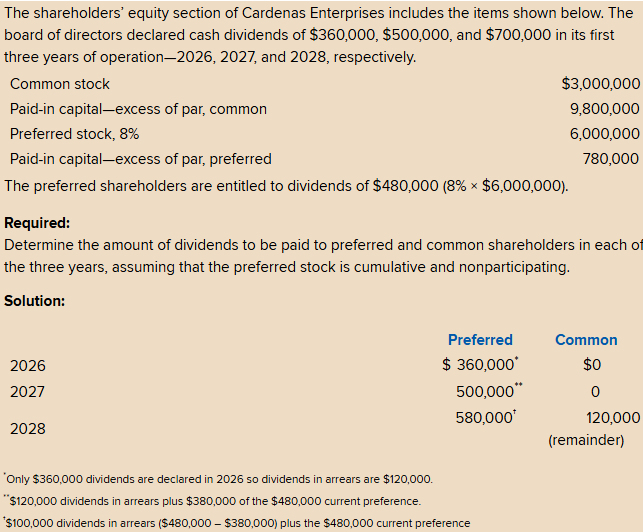
cumulative- dividends in arrears must be made up in later year before any dividends are paid on common shares
participating vs nonparticipating
participating-allows preferred shareholders to receive additional dividends beyond the stated amount

par value shares issued for cash


no par shares issued for cash


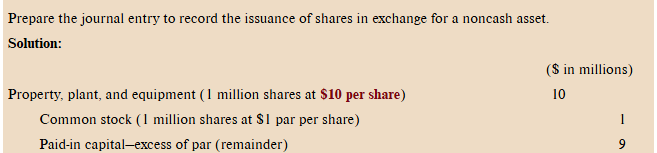
shares issued for noncash consideration

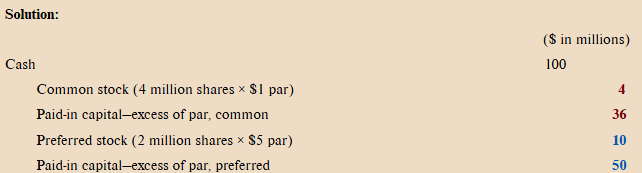
more than one security issued for a single price

share issue cost

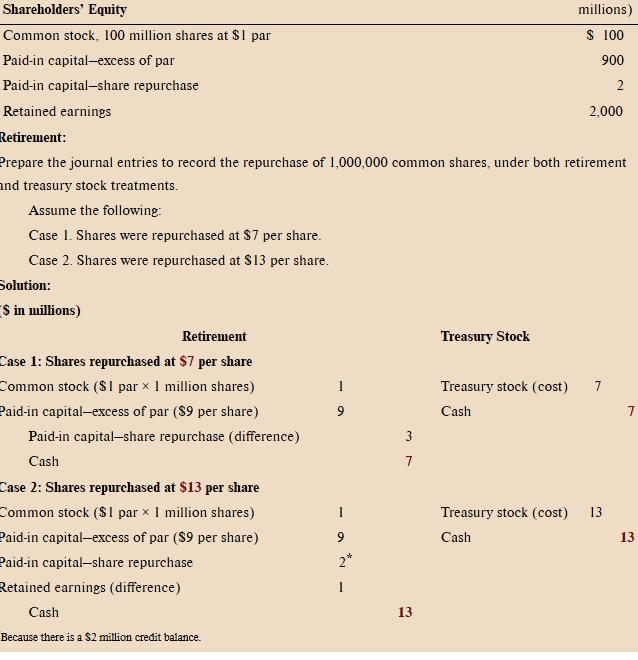
retired stock
shares repurchased and not designated as treasury stock
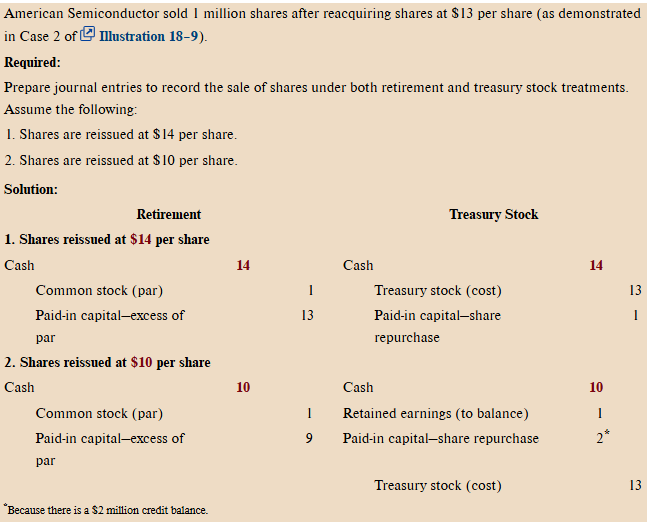
treasury stock
shares of a company’s own stock repurchased and not retired (no voting rights, no cash dividends)
some shares previously sold to shareholders were bought back by the corporation and are being held for resale
retirement vs treasury share buybacks
retired vs treasury resale of shares
debit vs credit in retained earnings
debit- deficit
credit-$ amt of assets previously earned by the firm but not distributed as dividends to shareholders
dividends
distribution of assets the company has generated on behalf of its shareholders
liquidating dividend
when a dividend exceeds the balance in retained earnings and returns invested capital to owners (might occur when firm liquidating)
date of record (dividends)
specific date that the company determines which stockholders will receive the dividend
ex-dividend date
to be registers owner of shares on the date of record, an investor must purchase the shares before the ex-dividend date.Usually one business day before the date of record
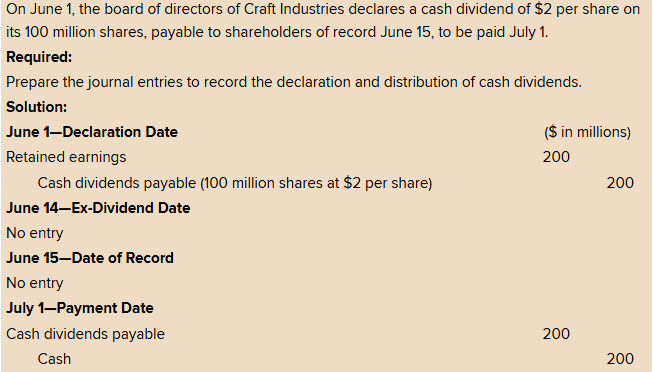
cash dividends journal entry
distribution of dividends to preferred shareholders
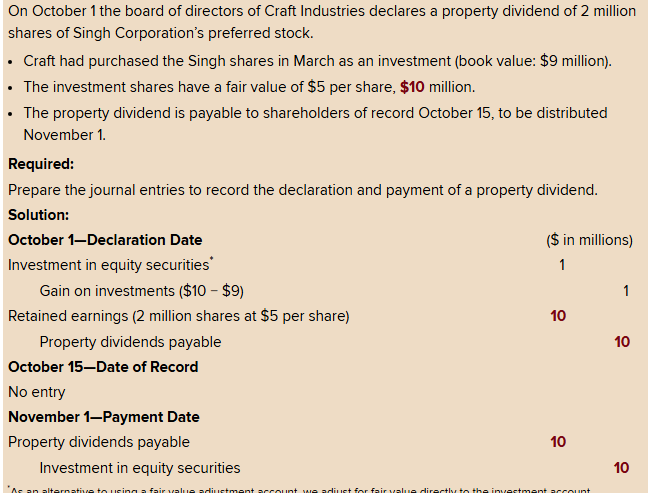
property dividend
noncash asset is distributed (often called a dividend in kind or nonreciprocal transfer to owners)
property dividends journal entry
stock dividend
distribution of additional shares of stock to current shareholders of the corporation
effects neither assets or the liabilities of the firm

declare stock dividend

stock split
stock distribution of 25% or higher and also known as a “large” stock dividend
stock split journal entry
no journal entry
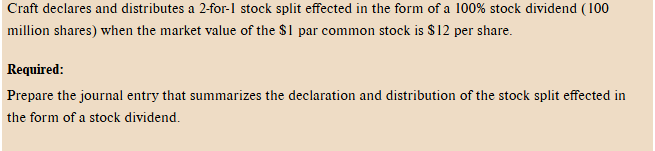
stock split effected in the form of a stock dividend

reverse stock split
occurs when a company decreases, rather than increases, its outstanding shares
fractional shares
“cash in lieu of payments