DC 1407 Spring Final
 Call Kai
 Learn
Learn Practice Test
 Spaced Repetition
 Match
Match Flashcards
 Knowt Play
1/344

There's no tags or description
Looks like no tags are added yet.
Name | Mastery | Learn | Test | Matching | Spaced | Call with Kai |
|---|
No analytics yet
Send a link to your students to track their progress
345 Terms
natural selection
A process in which individuals that have certain inherited traits tend to survive and reproduce at higher rates than other individuals because of those traits.
Affect of natural selection
Changes in phenotypic allele frequency in a population
Gene flow
movement of alleles from one population to another population that does not migrate
Mutation
change in a DNA sequence that affects genetic information, ultimate source of genetic variation
genetic drift
random change in allele frequencies that occurs in small populations
Fitness
The reproductive success (number of descendants) of an individual organism relative to the average reproductive success of the population.
bottleneck effect
a reduction in the genetic diversity of a population caused by a reduction in its size
founder effect
change in allele frequencies as a result of the migration of a small subgroup of a population
vestigial structures
A structure that is present in an organism but no longer serves its original purpose
homologous structures
similar structures that related species have inherited from a common ancestor
analogous structures
similarities among unrelated species that result from convergent evolution
Hardy-Weinberg equilibrium
condition that occurs when the frequency of alleles in a particular gene pool remain constant over time
Hardy-Weinberg equation
p2 + 2pq + q2 = 1
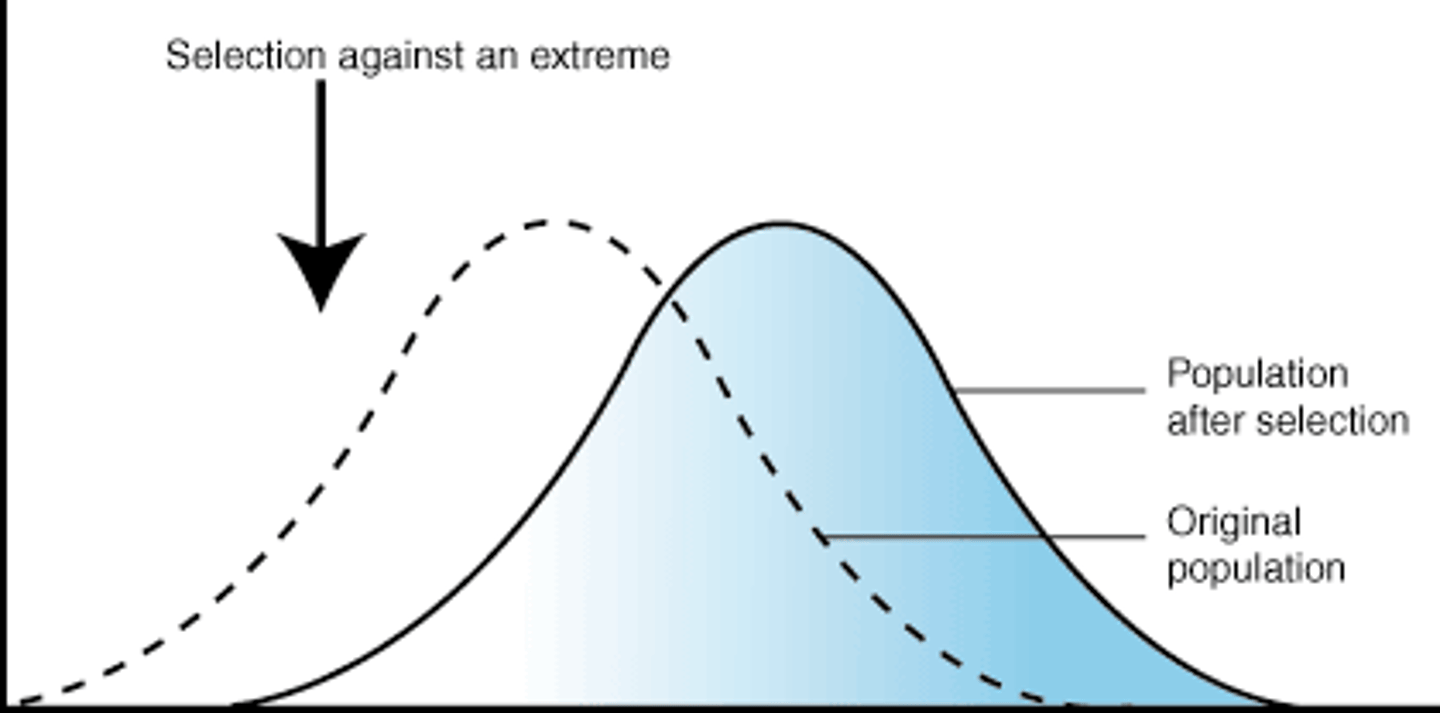
directional selection
occurs when natural selection favors one of the extreme variations of a trait
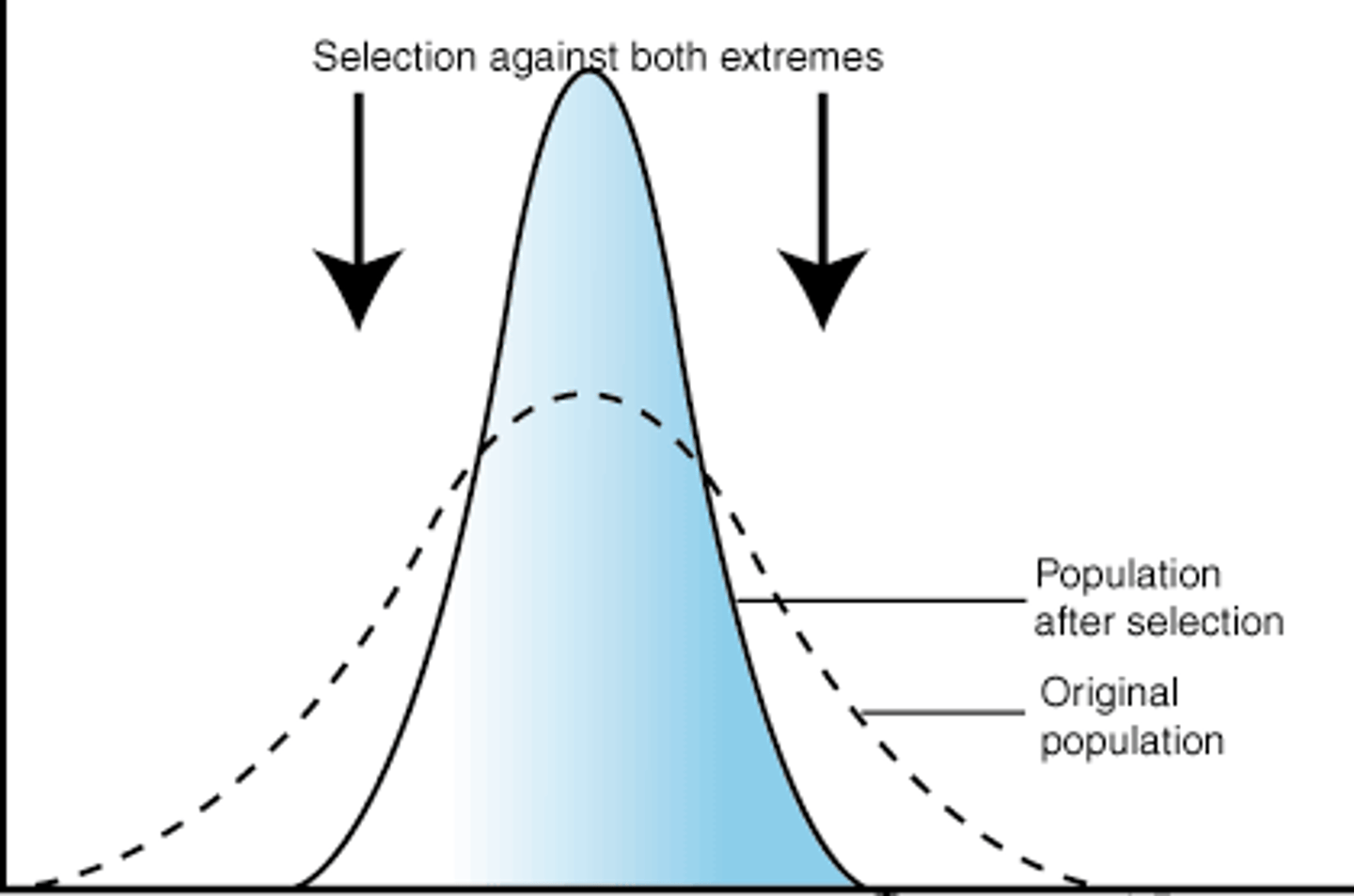
stabilizing selection
Natural selection that favors intermediate variants by acting against extreme phenotypes
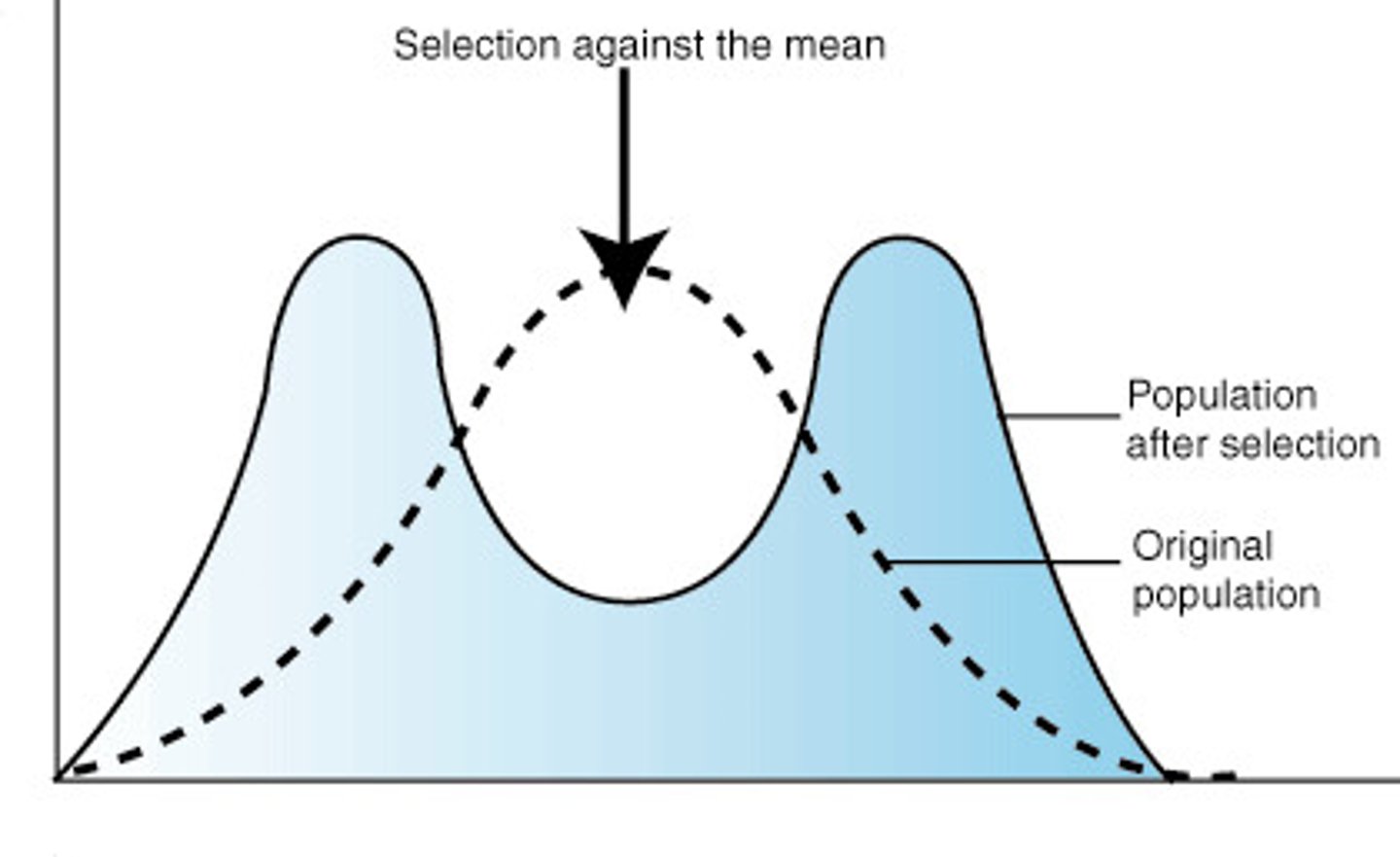
disruptive selection
form of natural selection in which a single curve splits into two; occurs when individuals at the upper and lower ends of a distribution curve have higher fitness than individuals near the middle
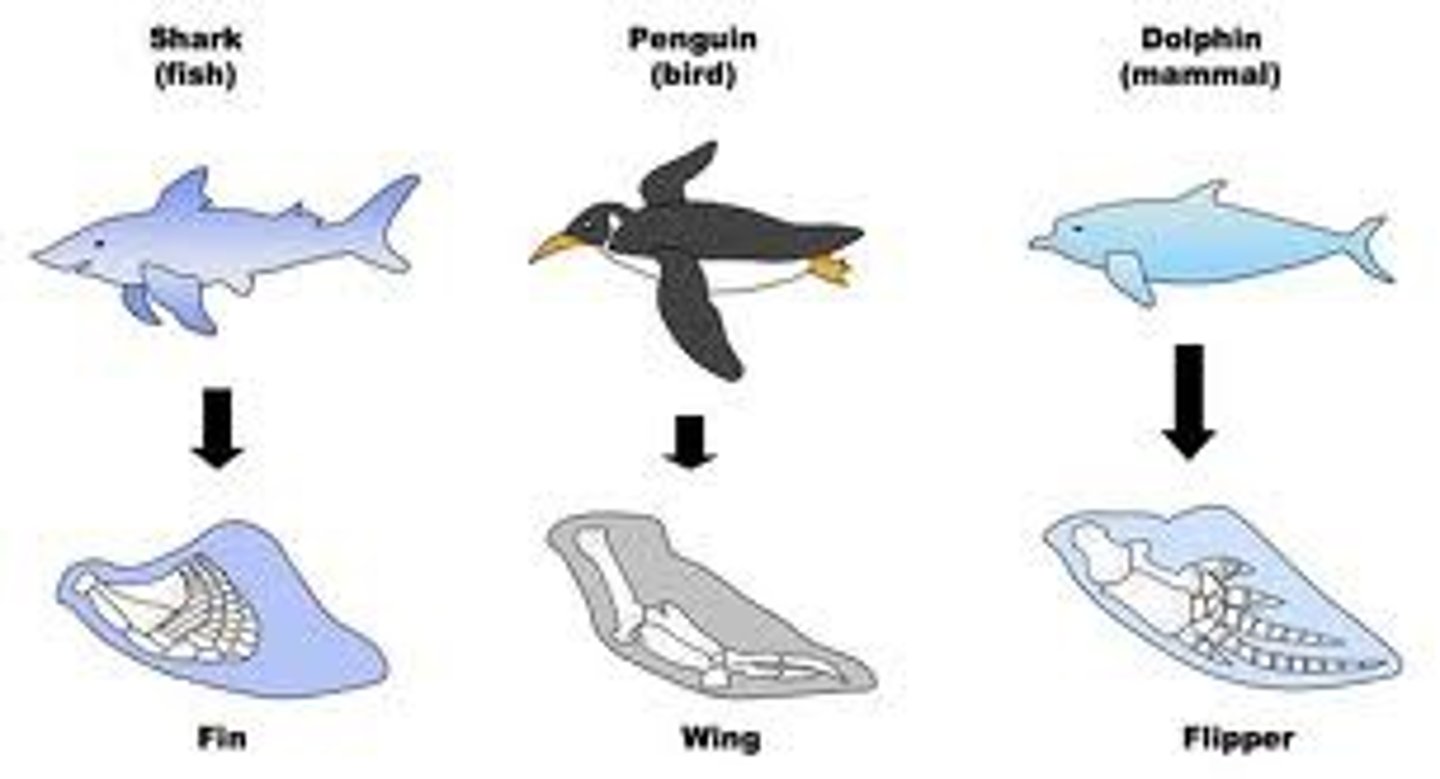
convergent evolution
Process by which unrelated organisms independently evolve similarities when adapting to similar environments
divergent evolution
when two or more species sharing a common ancestor become more different over time
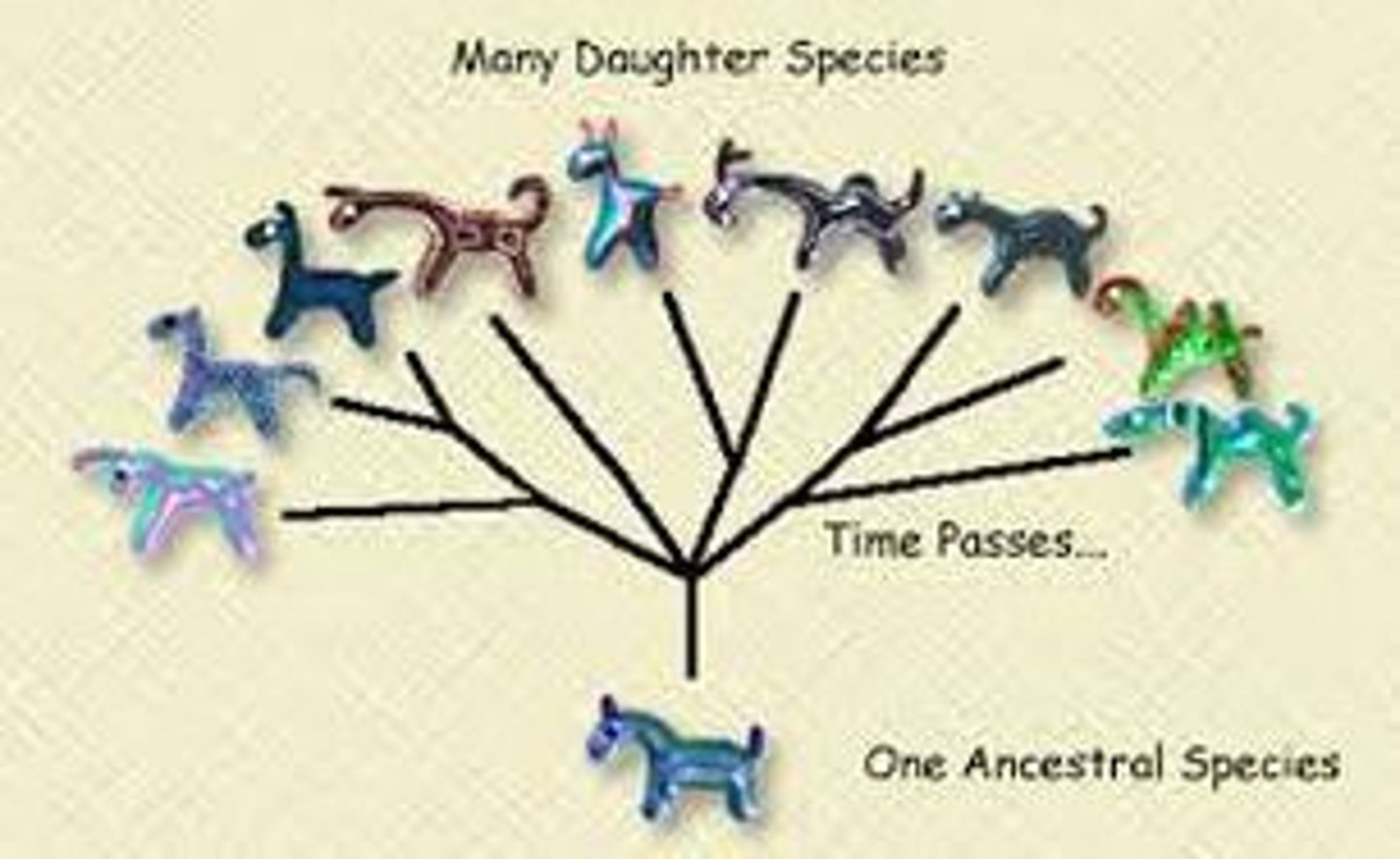
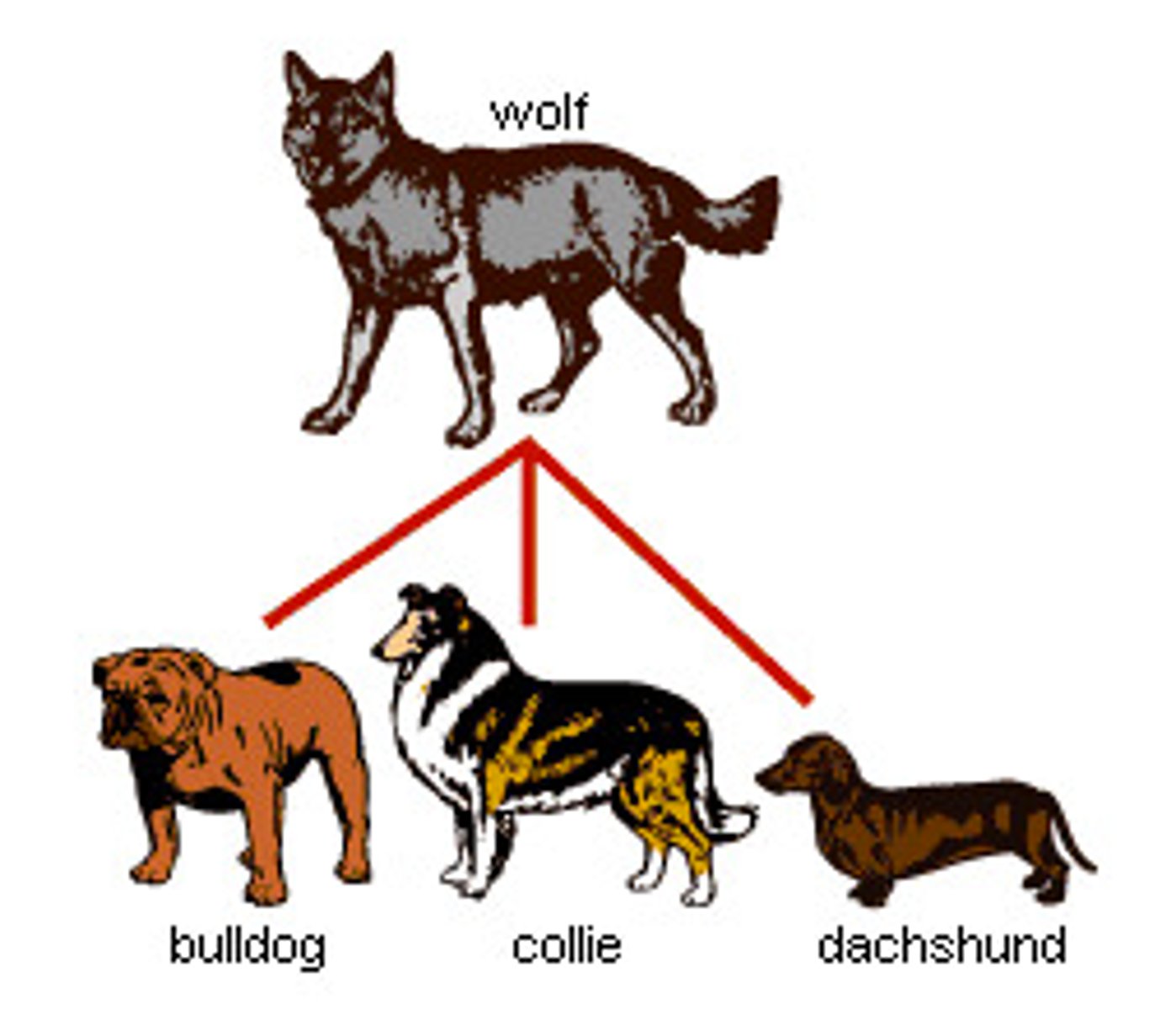
artificial selection
Breeding organisms with specific traits in order to produce offspring with identical traits. Changes can occur rapidly
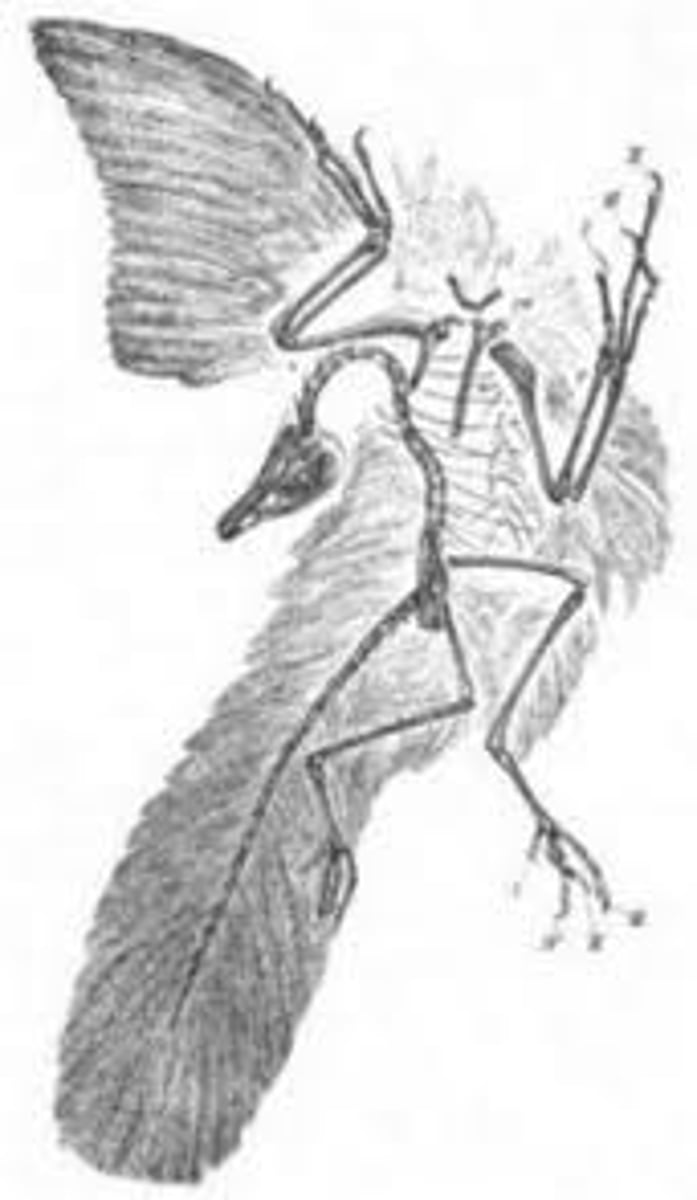
Archaeopteryx
An intermediate fossil that shows both dinosaur and bird characteristics (feathers)
Biogeography
inhabitants of oceanic islands resemble forms from nearest mainland but some differences due to habitat
molecular clock
Model that uses DNA comparisons to estimate the length of time that two species have been evolving independently
Evidence of Evolution
1) Fossil Record
2) Embryology
3) Homologous Structures
4) DNA
5) Vestigial Structures
Gradualism
The theory that evolution occurs slowly but steadily
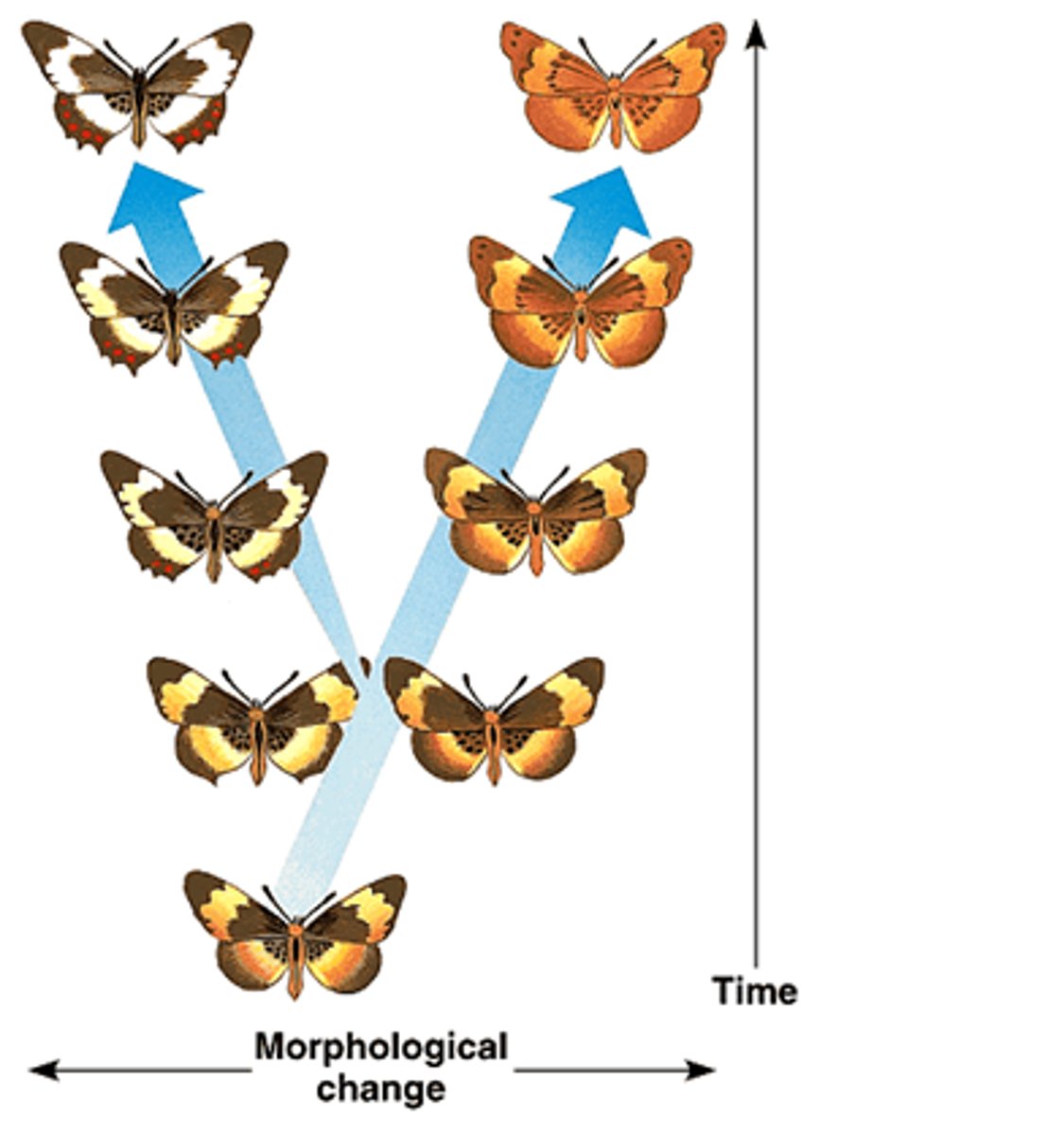
punctuated equilibrium
Pattern of evolution in which long stable periods are interrupted by brief periods of more rapid change
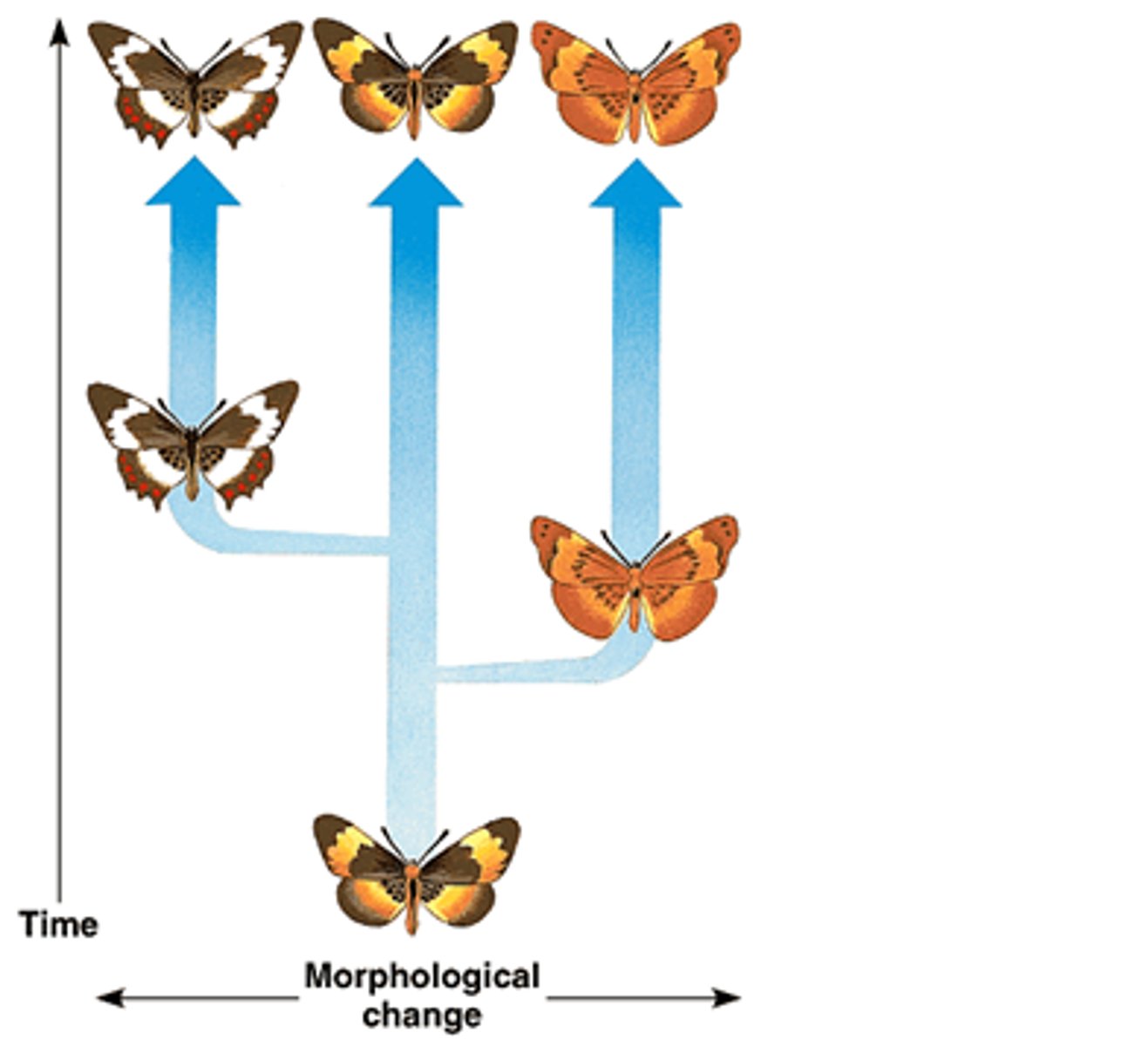
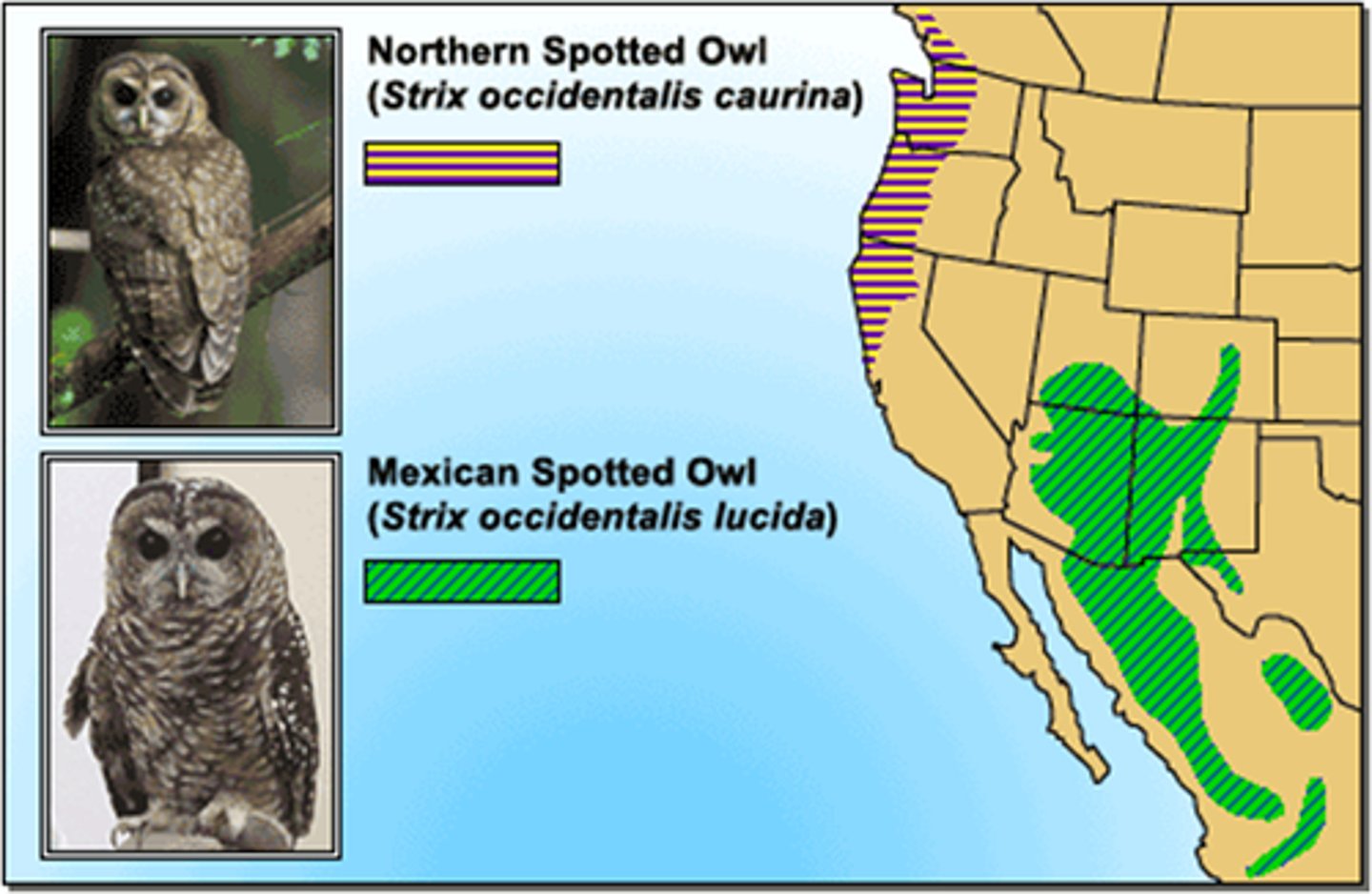
allopatric speciation
The formation of new species in populations that are geographically isolated from one another.
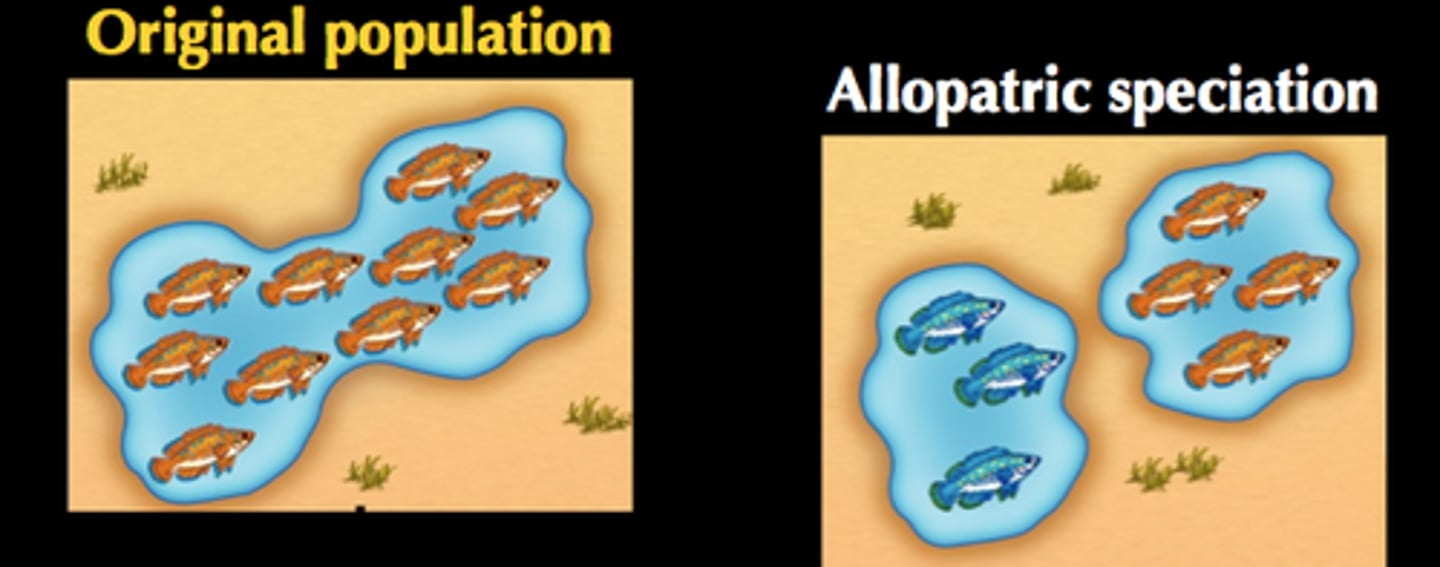
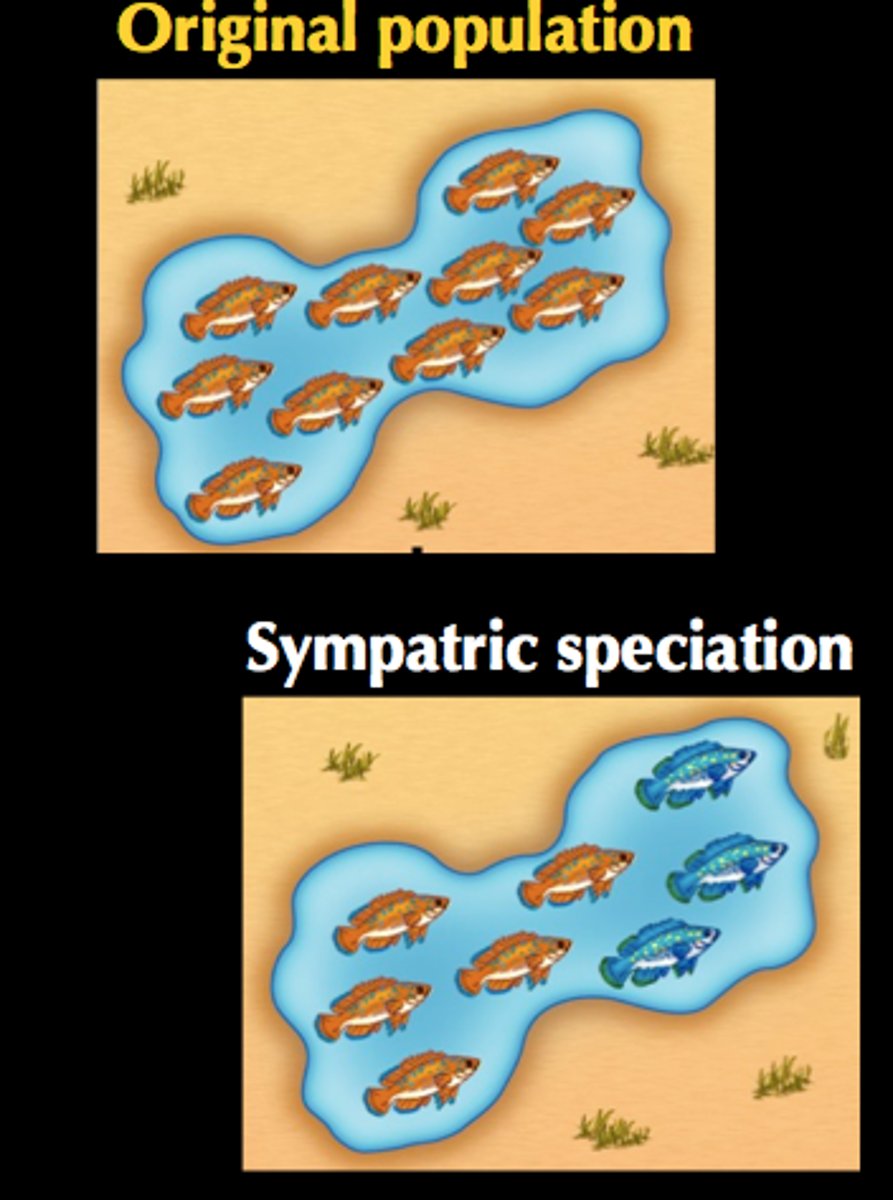
sympatric speciation
The formation of new species in populations that live in the same geographic area
prezygotic isolation
a barrier to successful breeding that occurs before fertilization, such as differences in mating time or behavior
ecological isolation
species occur in the same area, but they occupy different habitats and rarely encounter each other
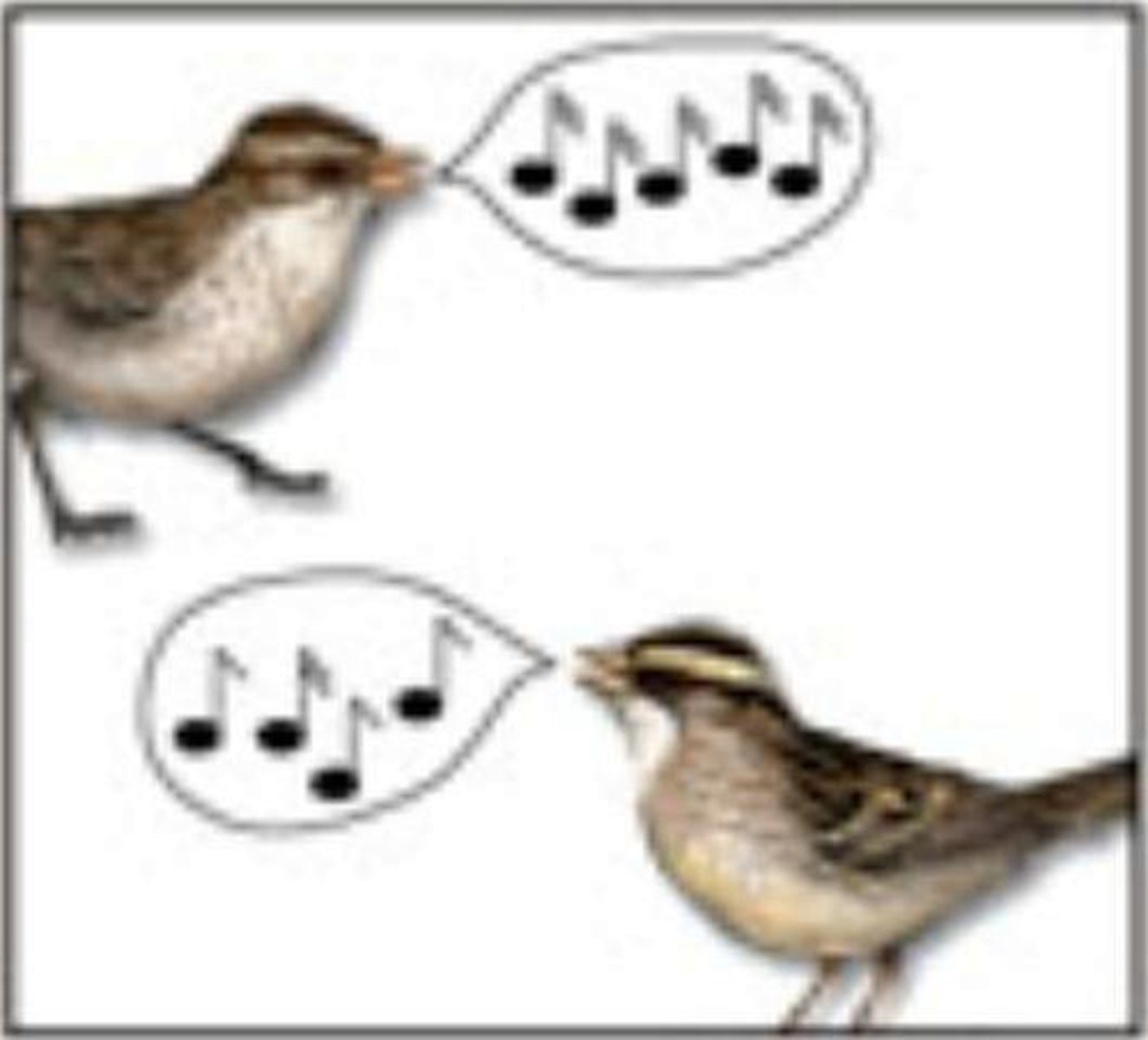
behavioral isolation
Form of reproductive isolation in which two populations have differences in courtship rituals or other types of behavior that prevent them from interbreeding
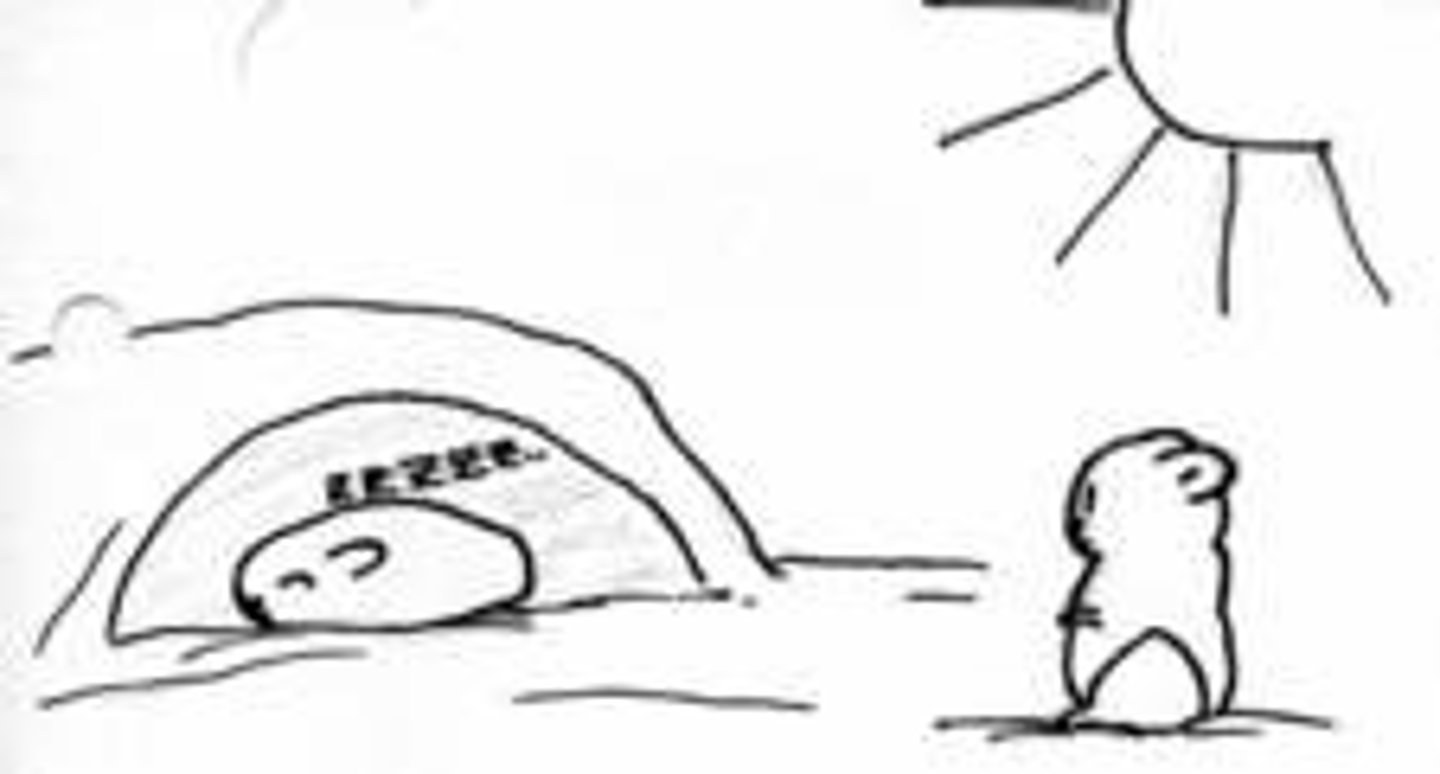
temporal isolation
form of reproductive isolation in which two populations reproduce at different times
mechanical isolation
Morphological (physical) differences can prevent successful mating
prevention of gamete fusion
gametes of one species function poorly with the gametes of another species or within the reproductive tract of another species
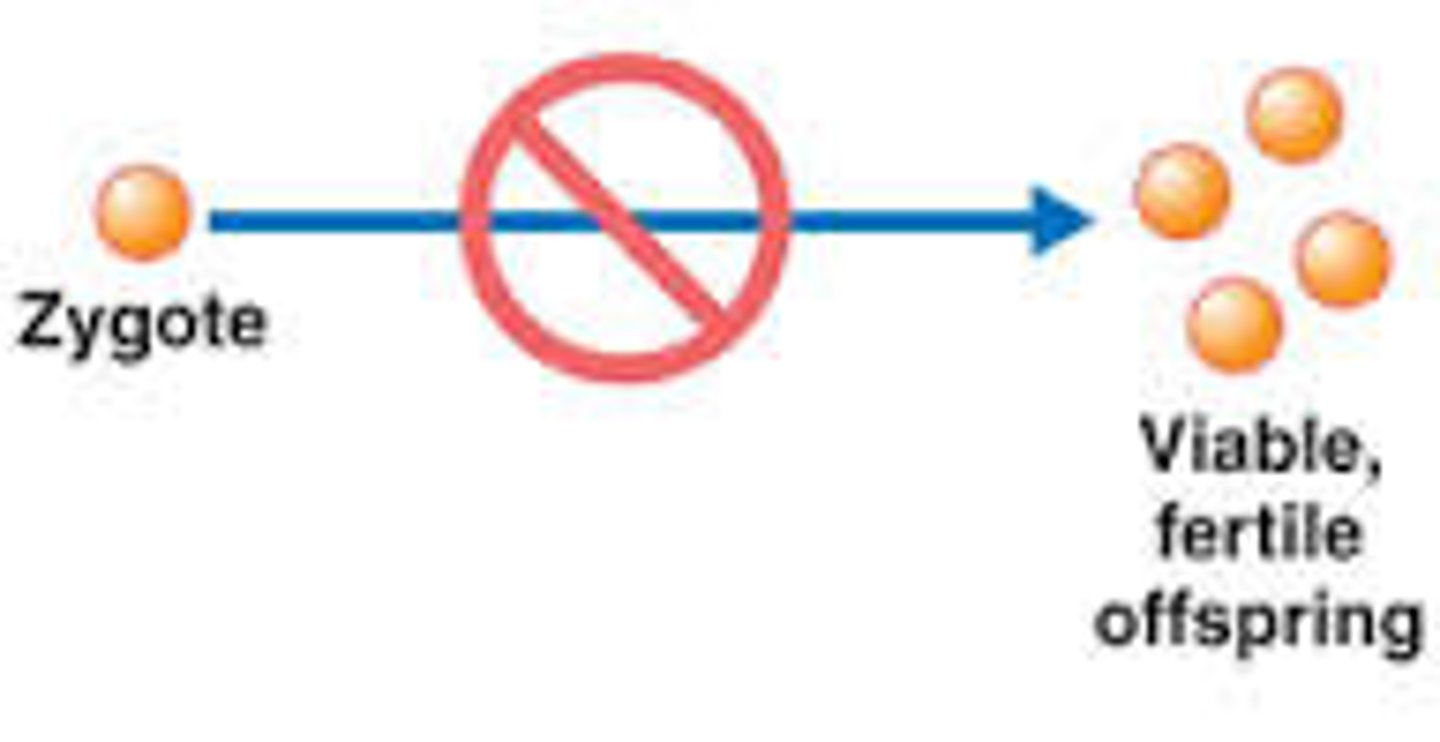
postzygotic isolation
reproductive isolation that occurs after members of two different species have mated and produced a hybrid offspring. Such hybrids are usually unable to reproduce
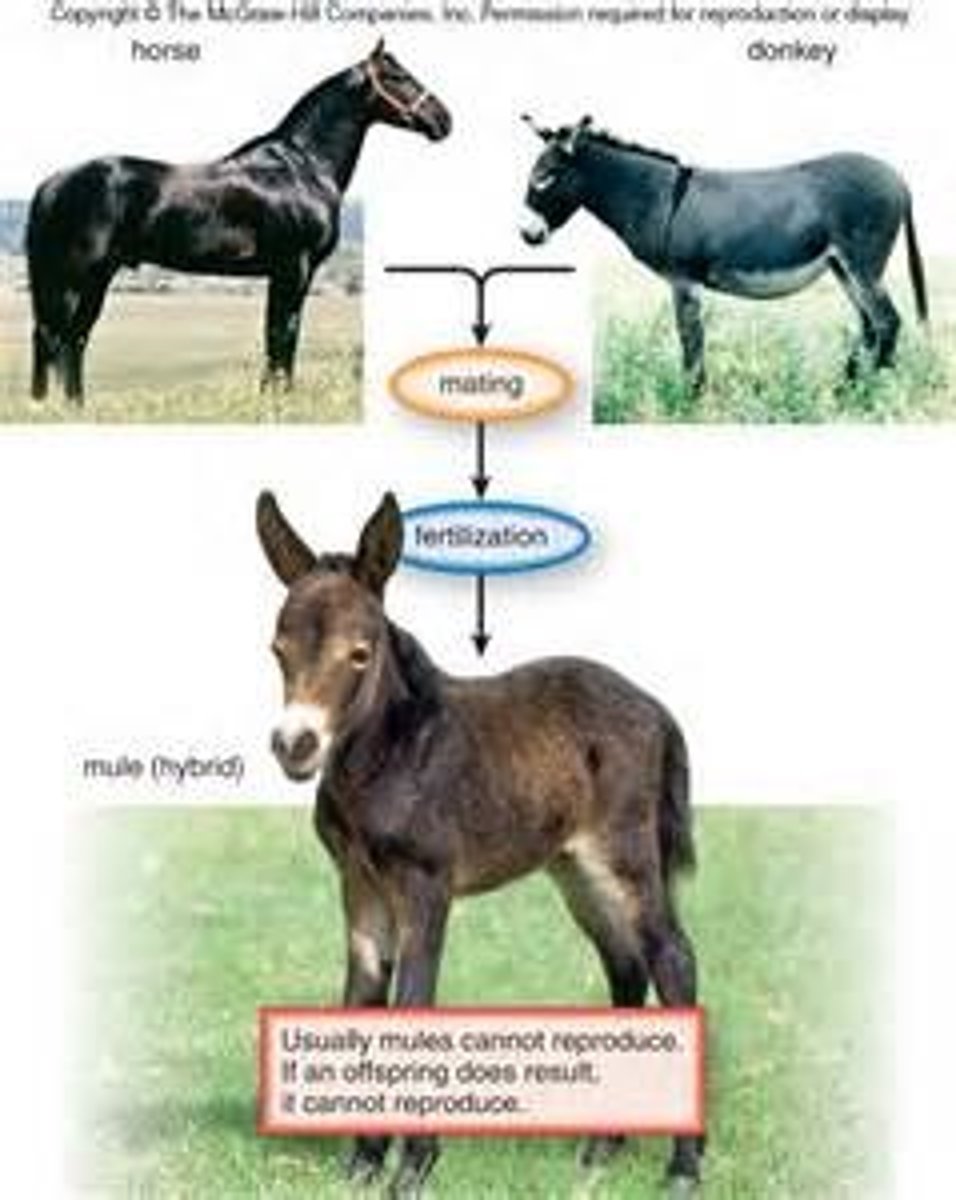
hybrid sterility
postzygotic barrier; the hybrid is infertile or do not survive to adult
Biological Species Concept (BSC)
Defines species as groups of interbreeding populations that are reproductively isolated
phylogenetic species concept
A definition of species as the smallest group of individuals that share a common ancestor, forming one branch on the tree of life.
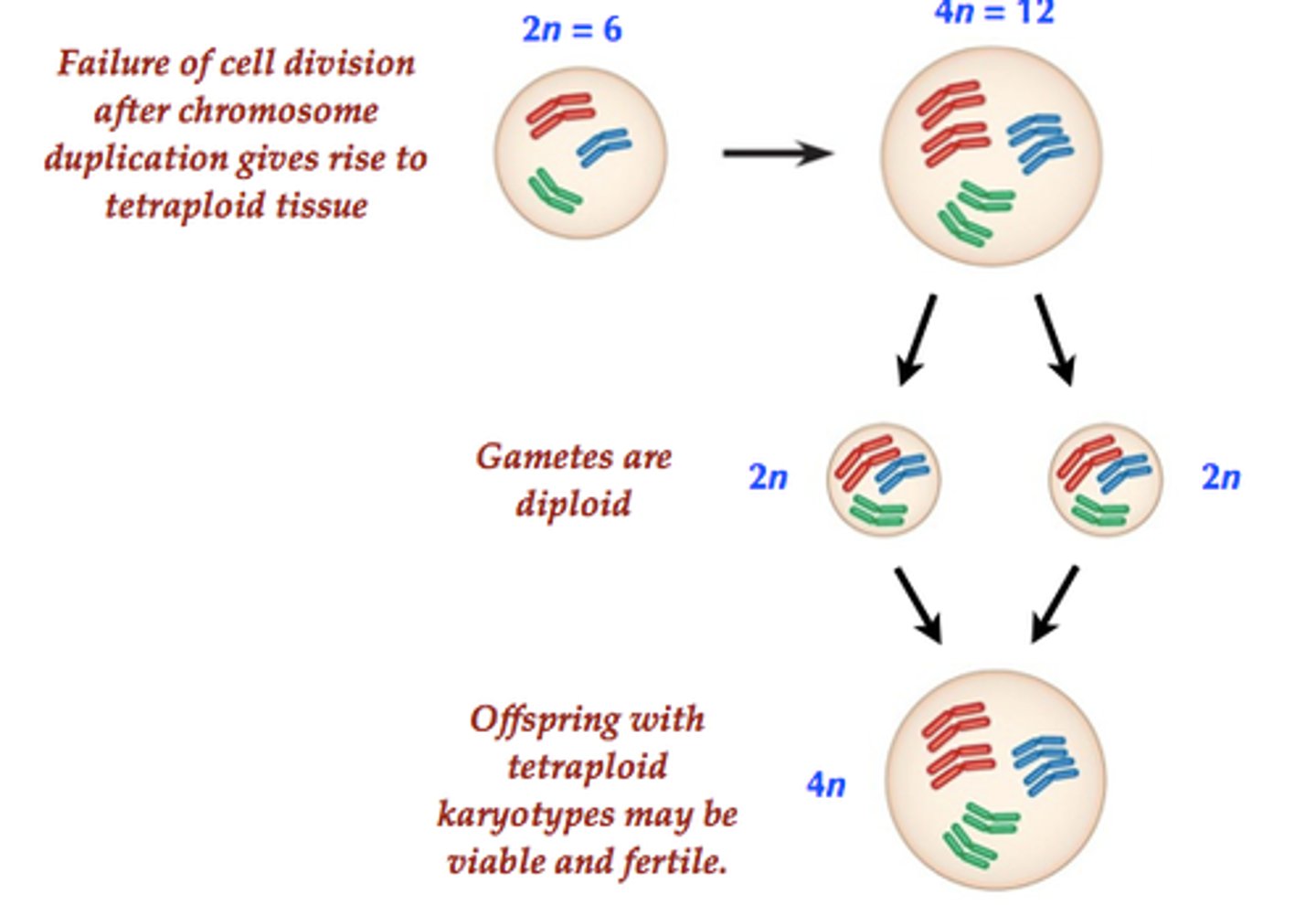
Autopolyploidy
chromosome duplication in a single species to form tetraploid, can self-fertilize or mate with other tetraploids
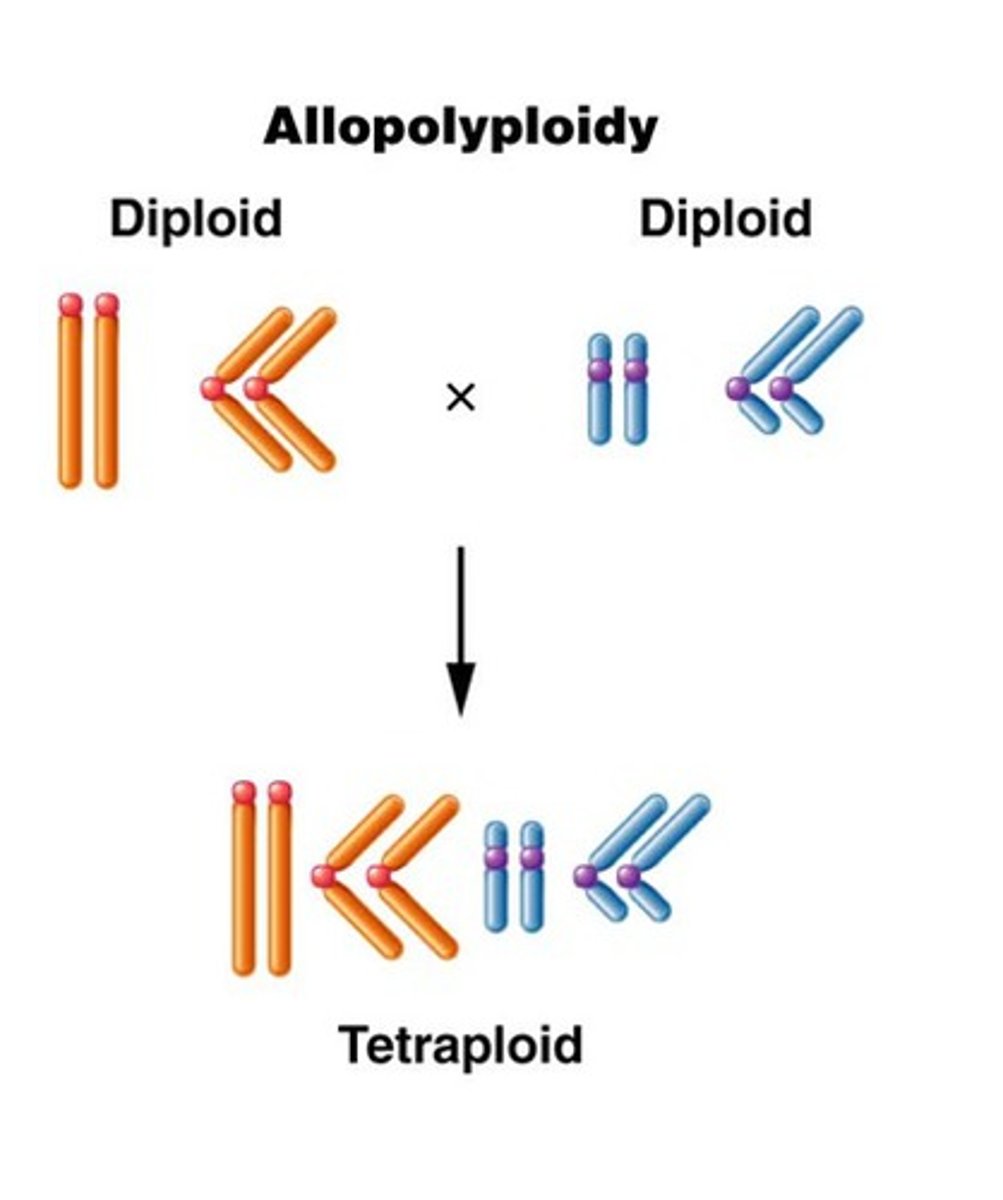
allopolyploidy
polyploidy resulting from contribution of chromosomes from two different species
Systematics
study of the diversity of life and the evolutionary relationships between organisms
Phylogeny
Evolutionary history (tree) of a species or group of species.
derived characters
Characteristic that appears in recent parts of a lineage, but not in its older members, seen in cladograms between branch points
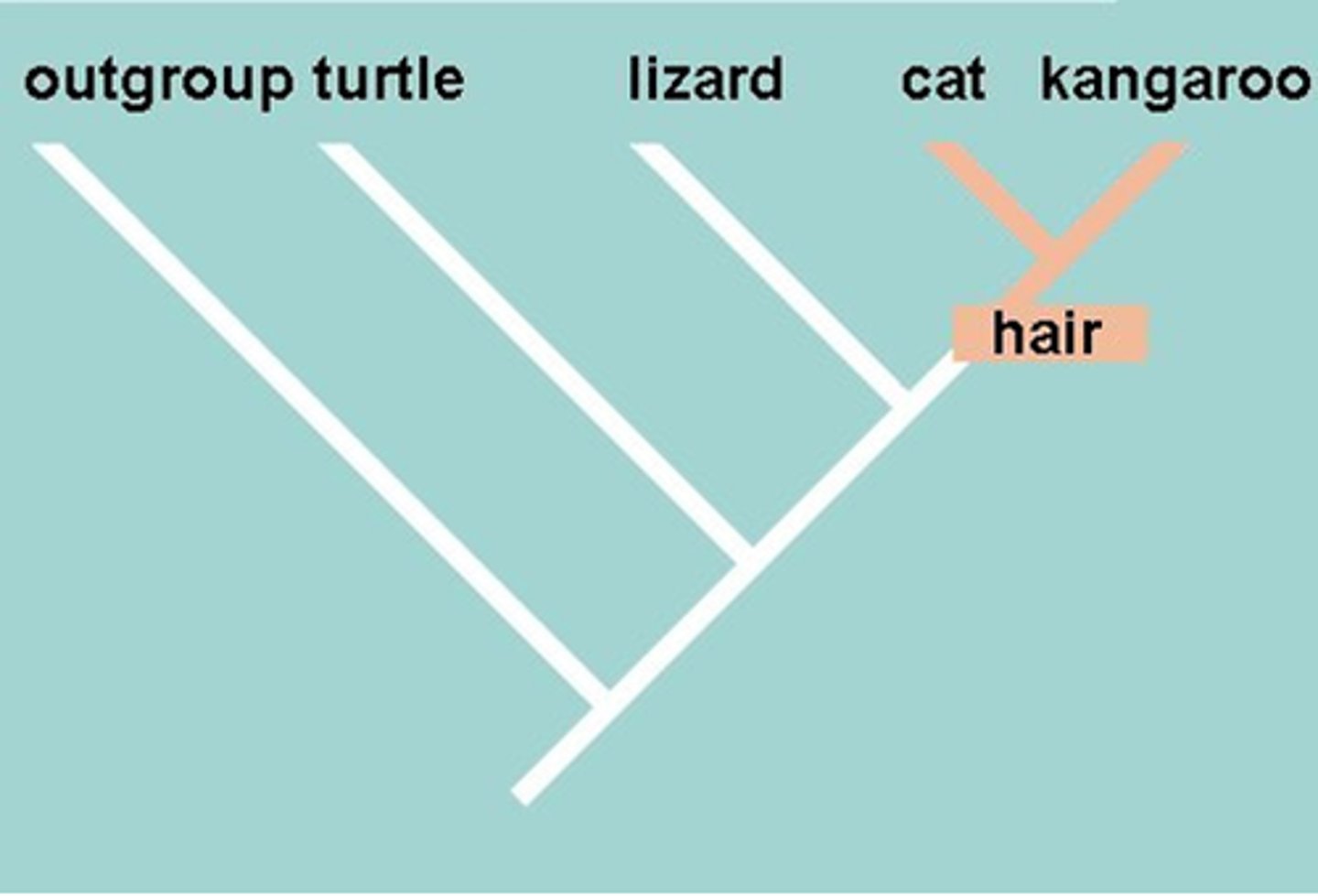
Clade
A group of species that includes an ancestral species and all its descendants.
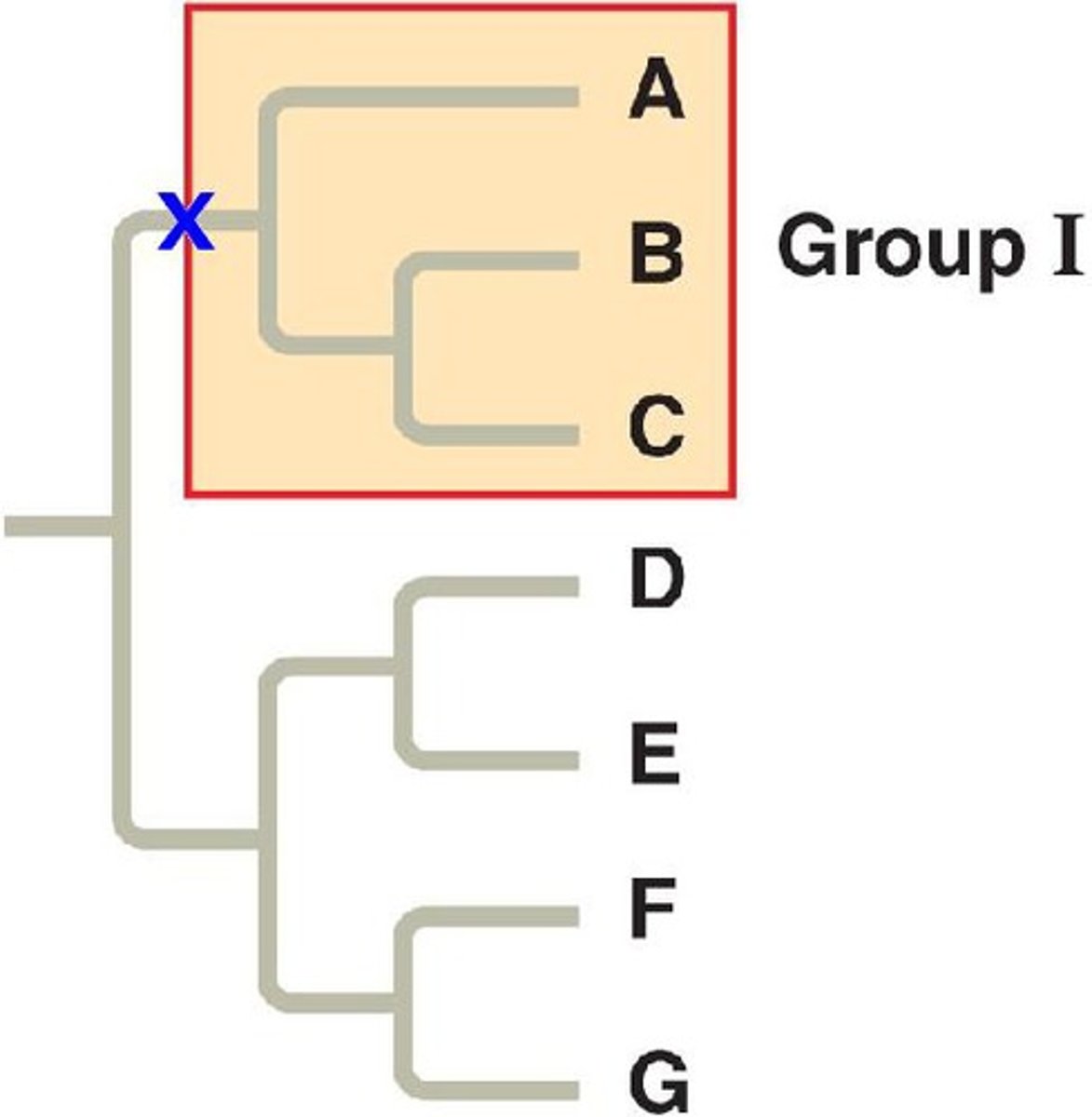
Synapomorphies
shared derived characters by a clade
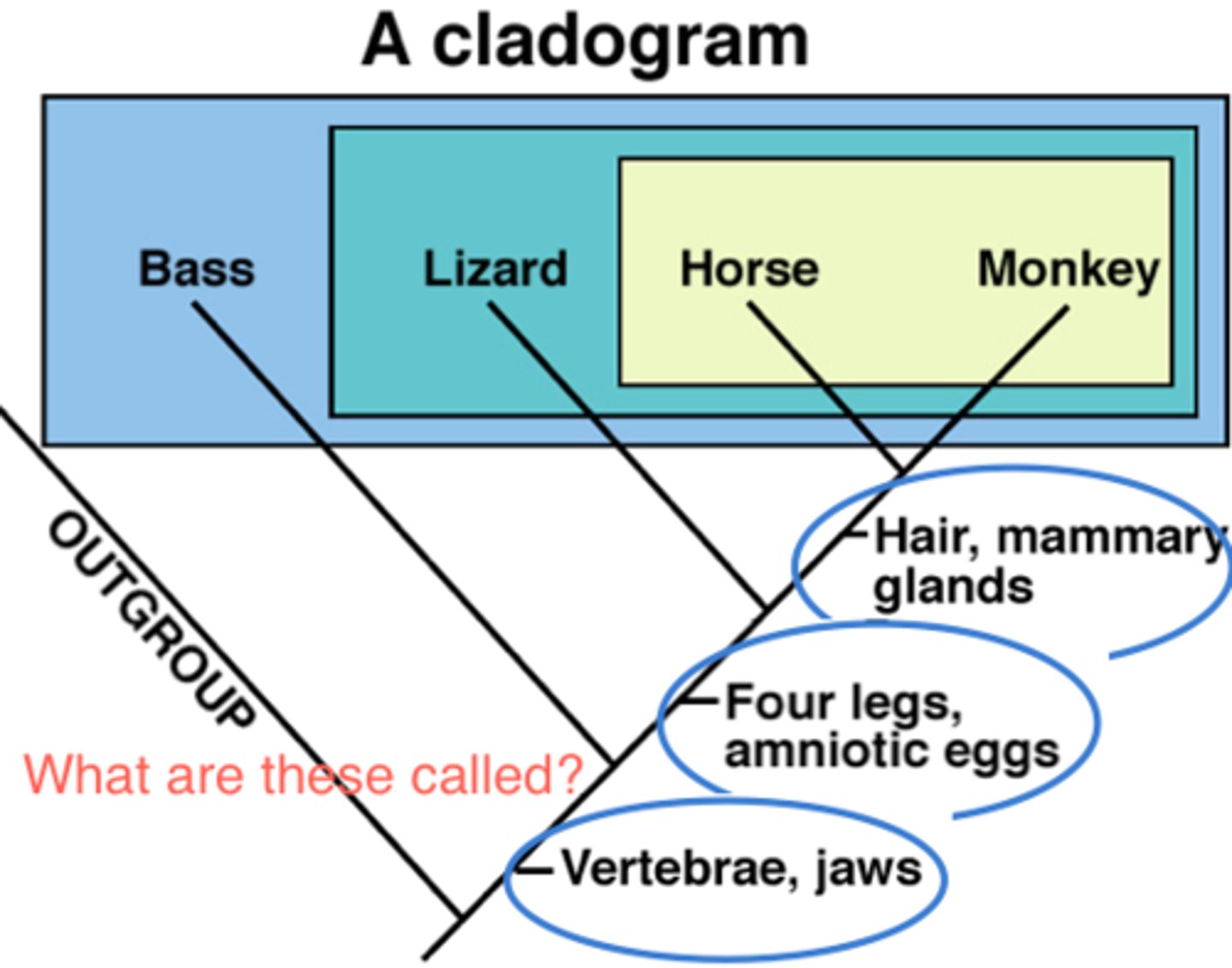
Plesiomorphies
ancestral character states
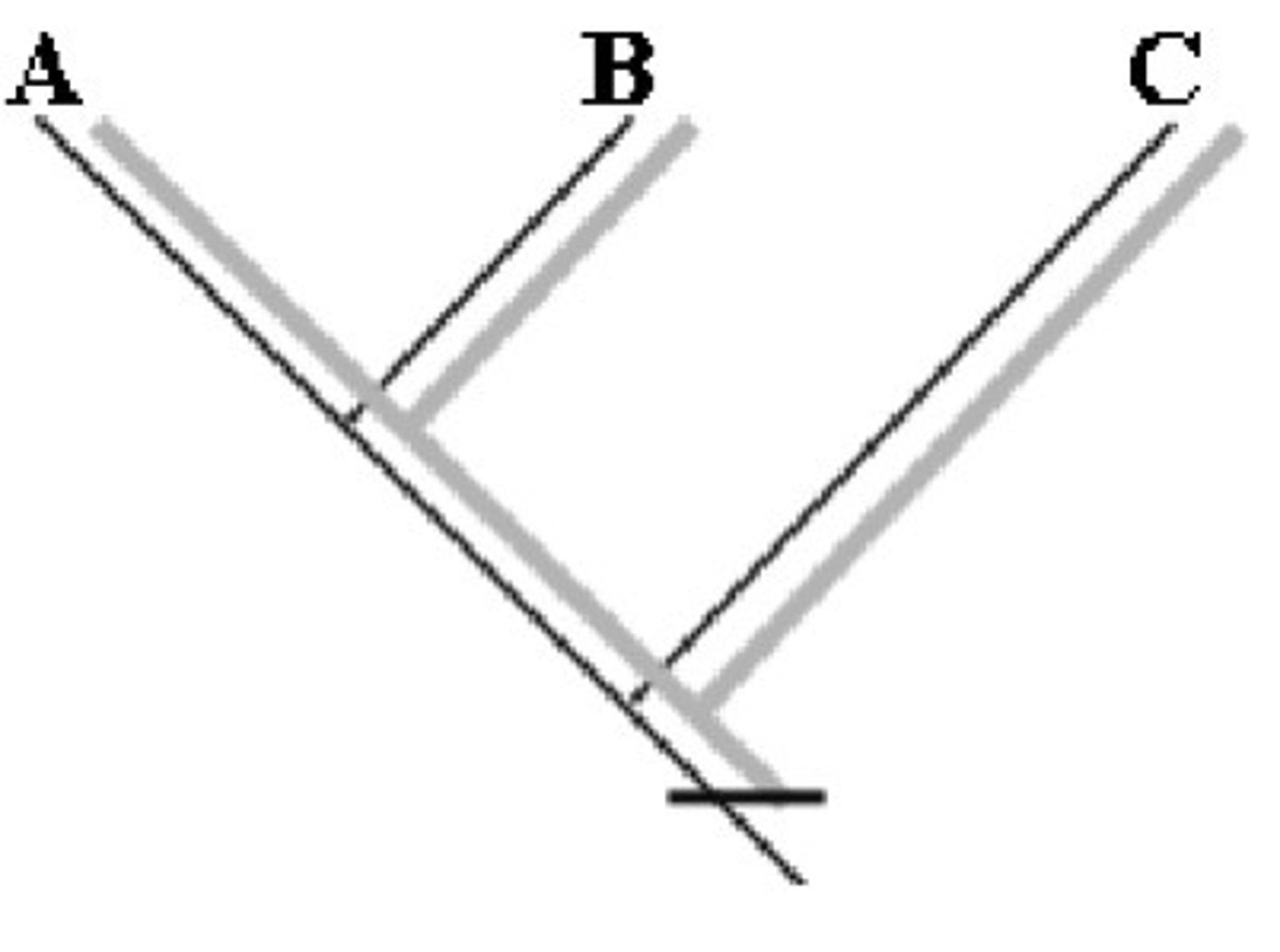
Symplesiomorphies
shared ancestral states
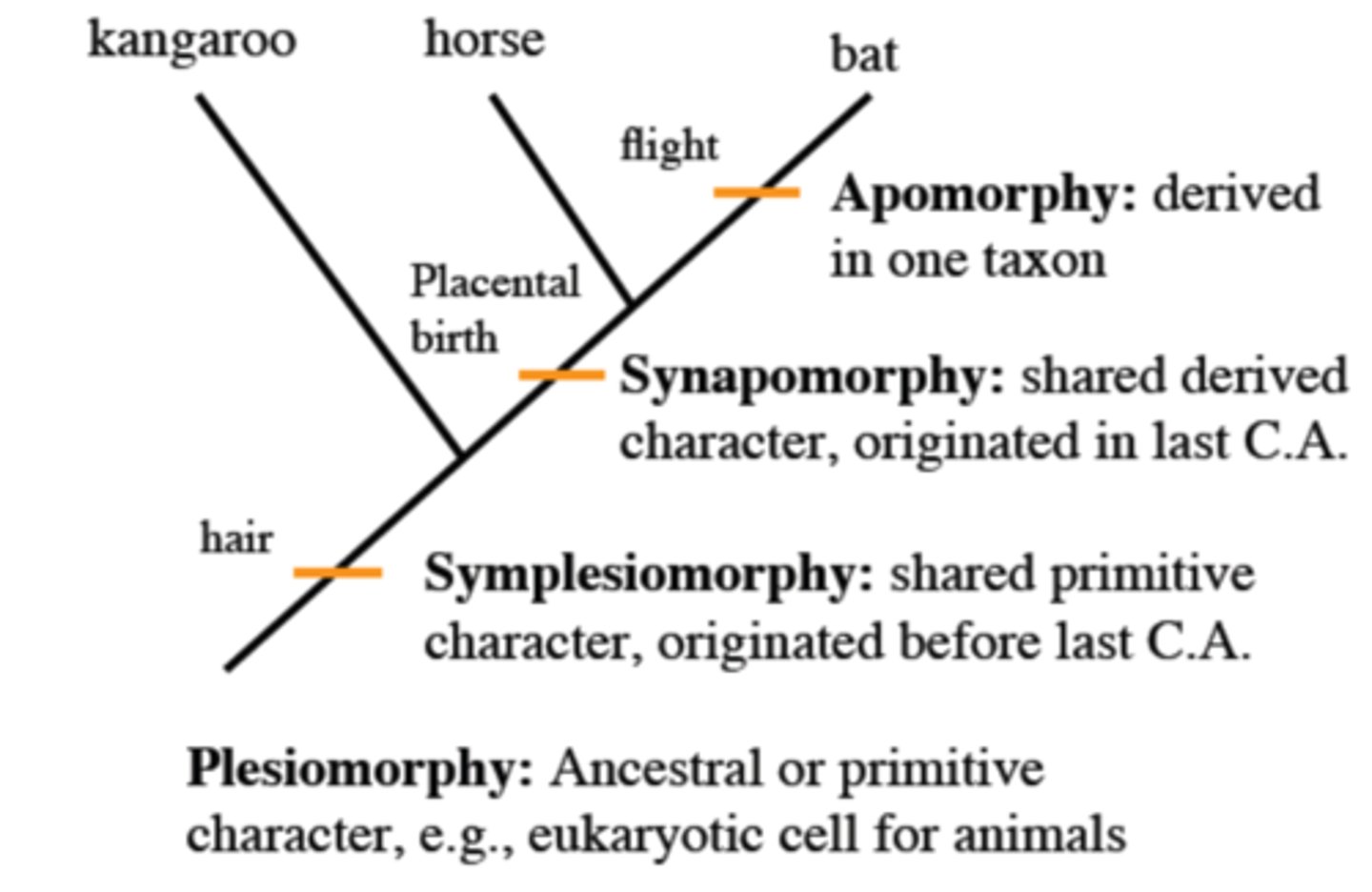
polyphyletic group
A taxonomic grouping consisting of several species that lack a common ancestor (more work is needed to uncover species that tie them together into a monophyletic clade).
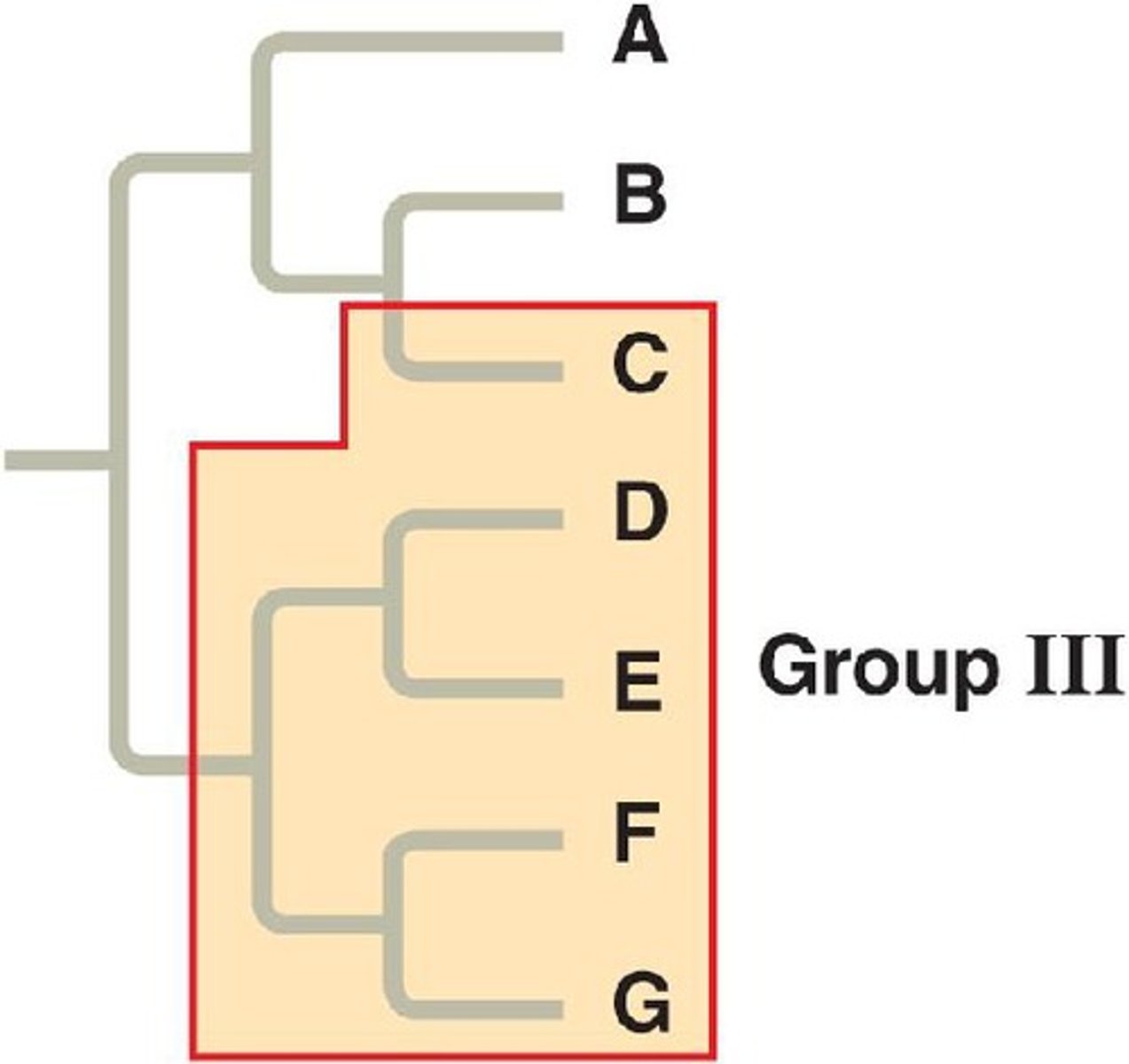
monophyletic group
group that consists of a single ancestral species and all its descendants and excludes any organisms that are not descended from that common ancestor
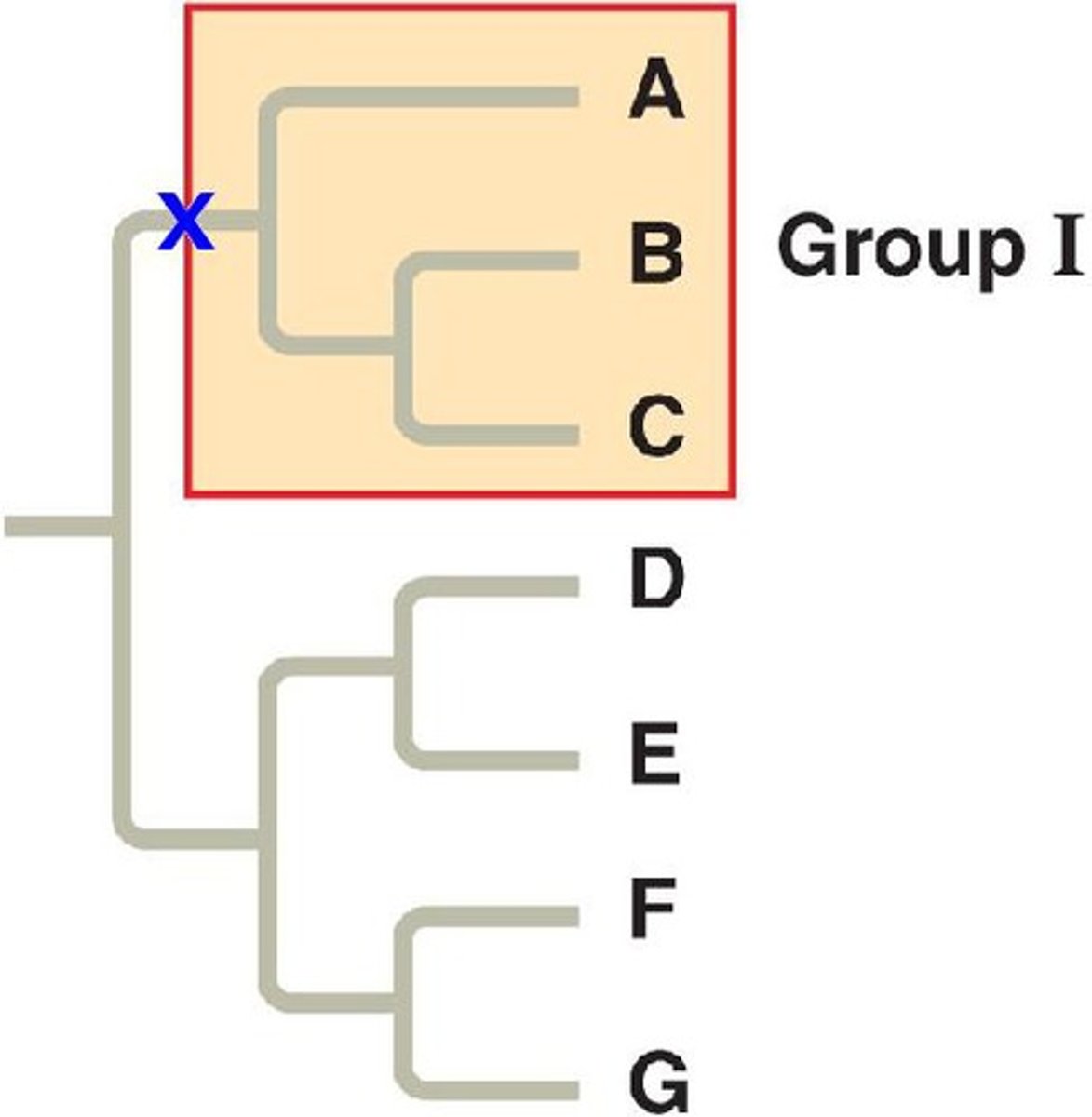
Homoplasy (convergent evolution)
independent evolution of similar features in species of different lineages
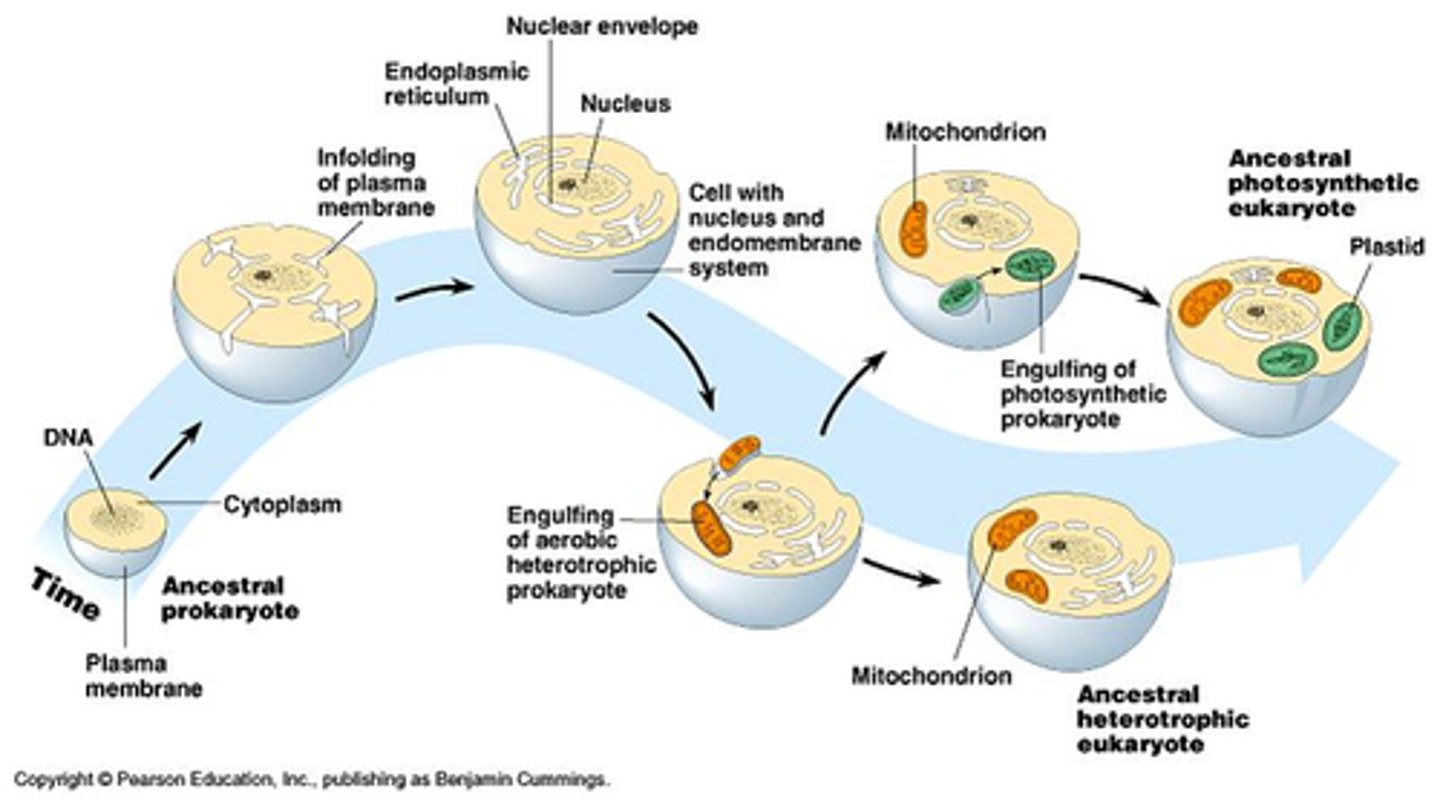
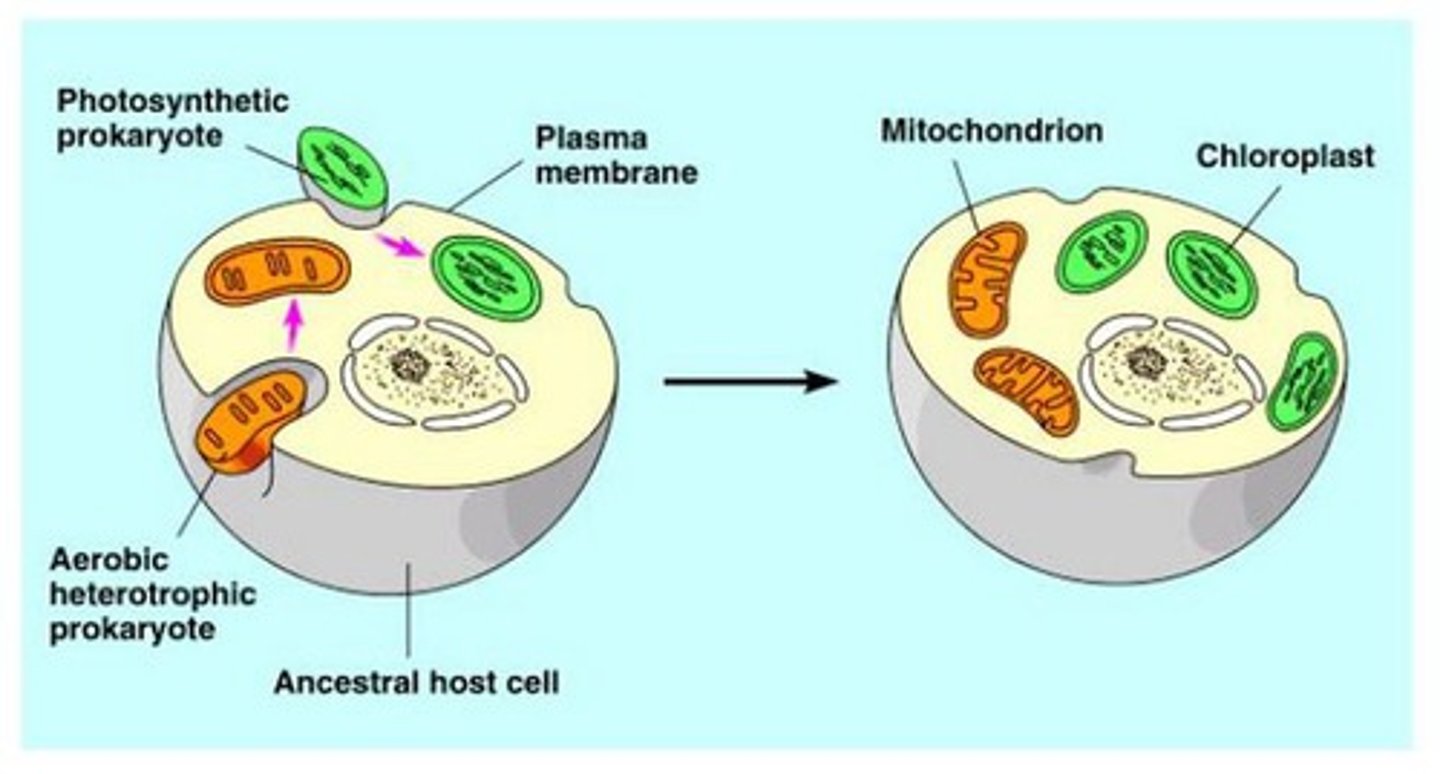
Endosymbiosis
A theorized process in which early eukaryotic cells were formed from simpler prokaryotes. Origin of chloroplasts and mitochondria
principle of parsimony
when competing explanations or theories fit the facts, the simplest is preferred. Create tree based on fewest character states
nucleoid region
The region in a prokaryotic cell consisting of a concentrated mass of DNA.
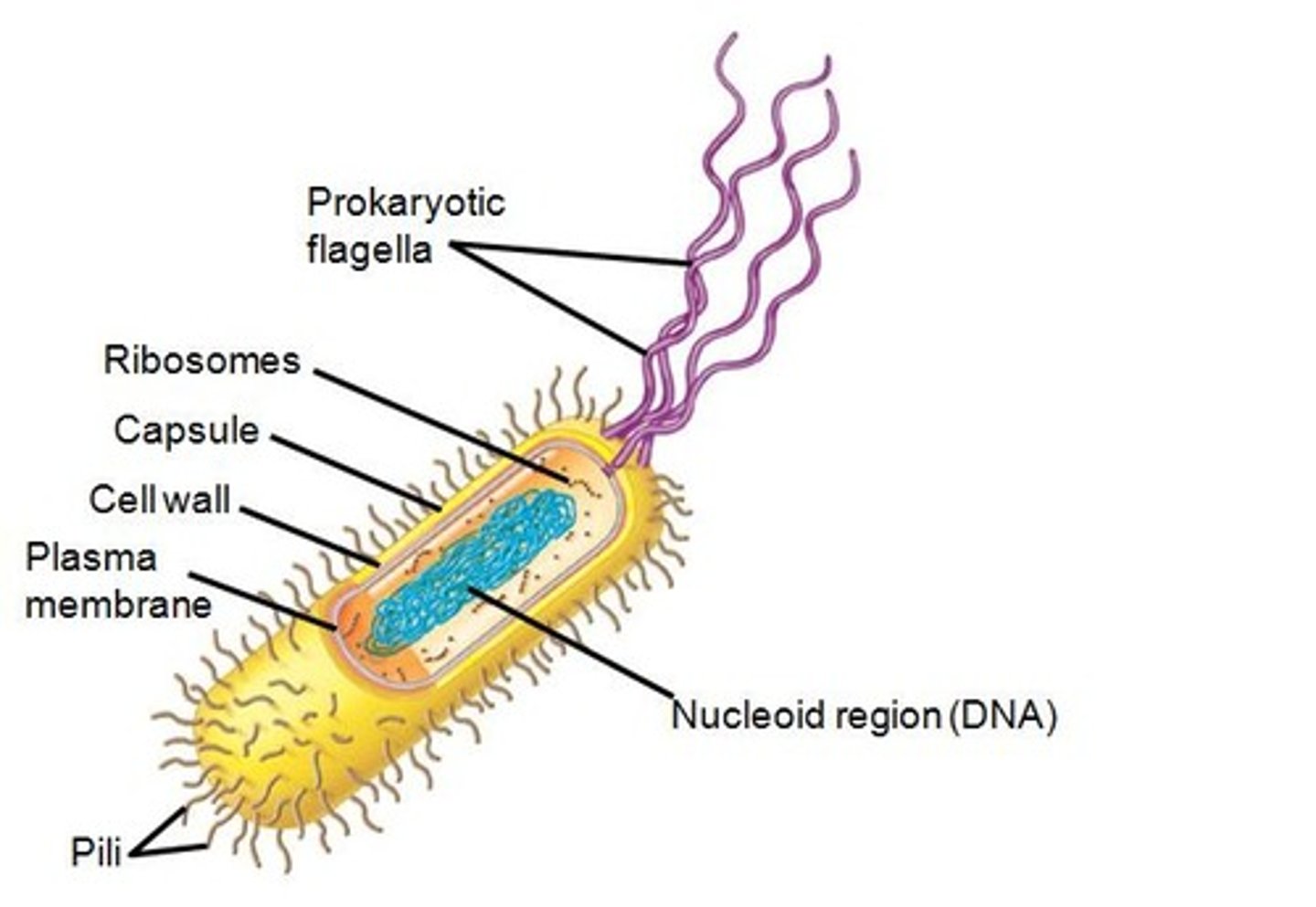
cell wall
A rigid structure that surrounds the cell membrane and provides support to the cell
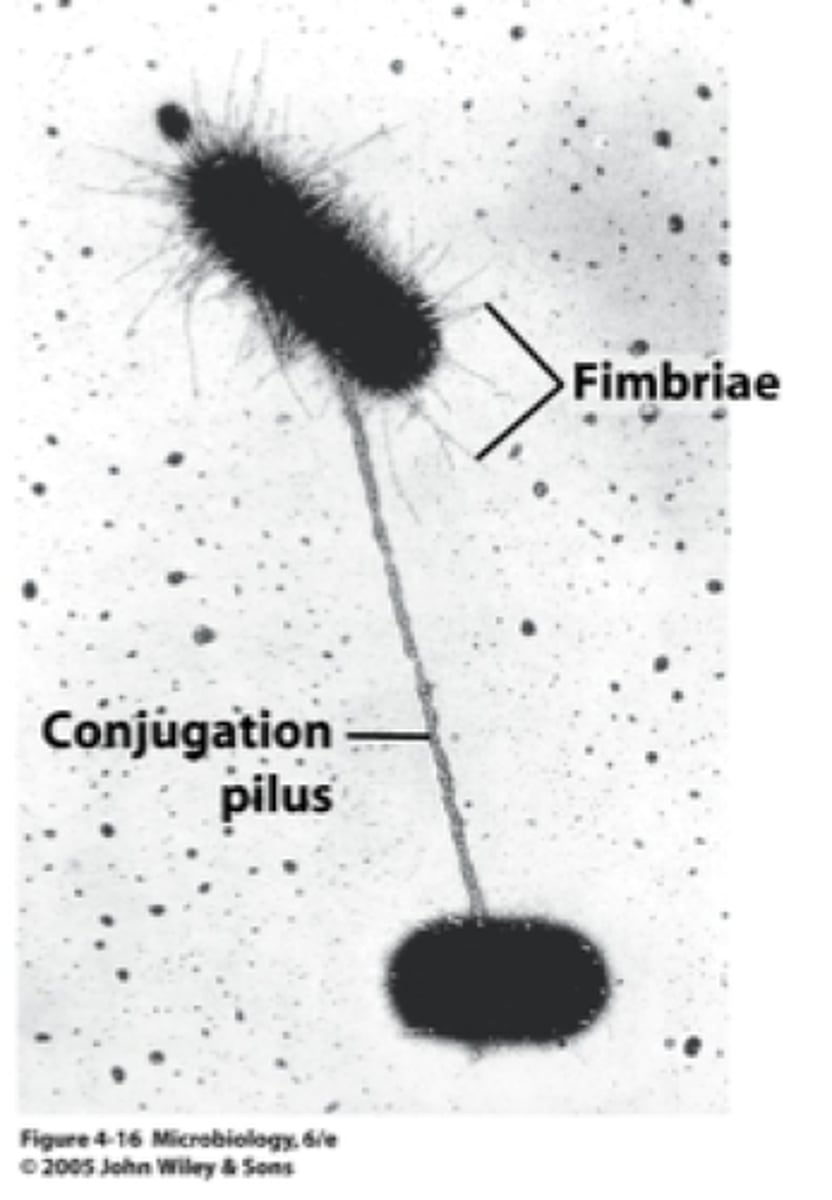
Pili
Appendages that allow bacteria to attach to each other and to transfer DNA
Flagella
A long, whip-like filament that helps in cell motility. Many bacteria are flagellated
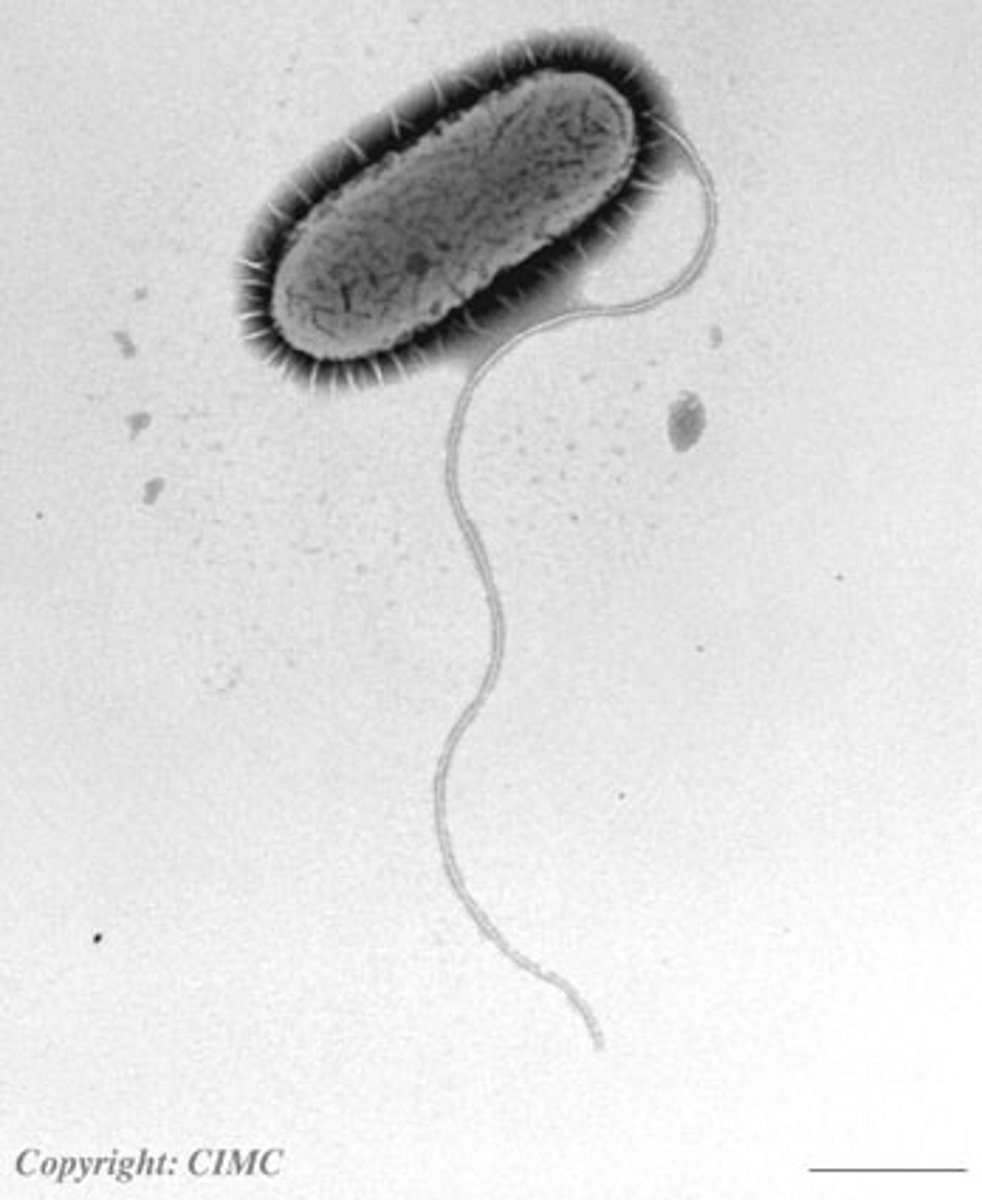
Ribosomes
site of protein synthesis
cell membrane
thin, flexible barrier around a cell; regulates what enters and leaves the cell
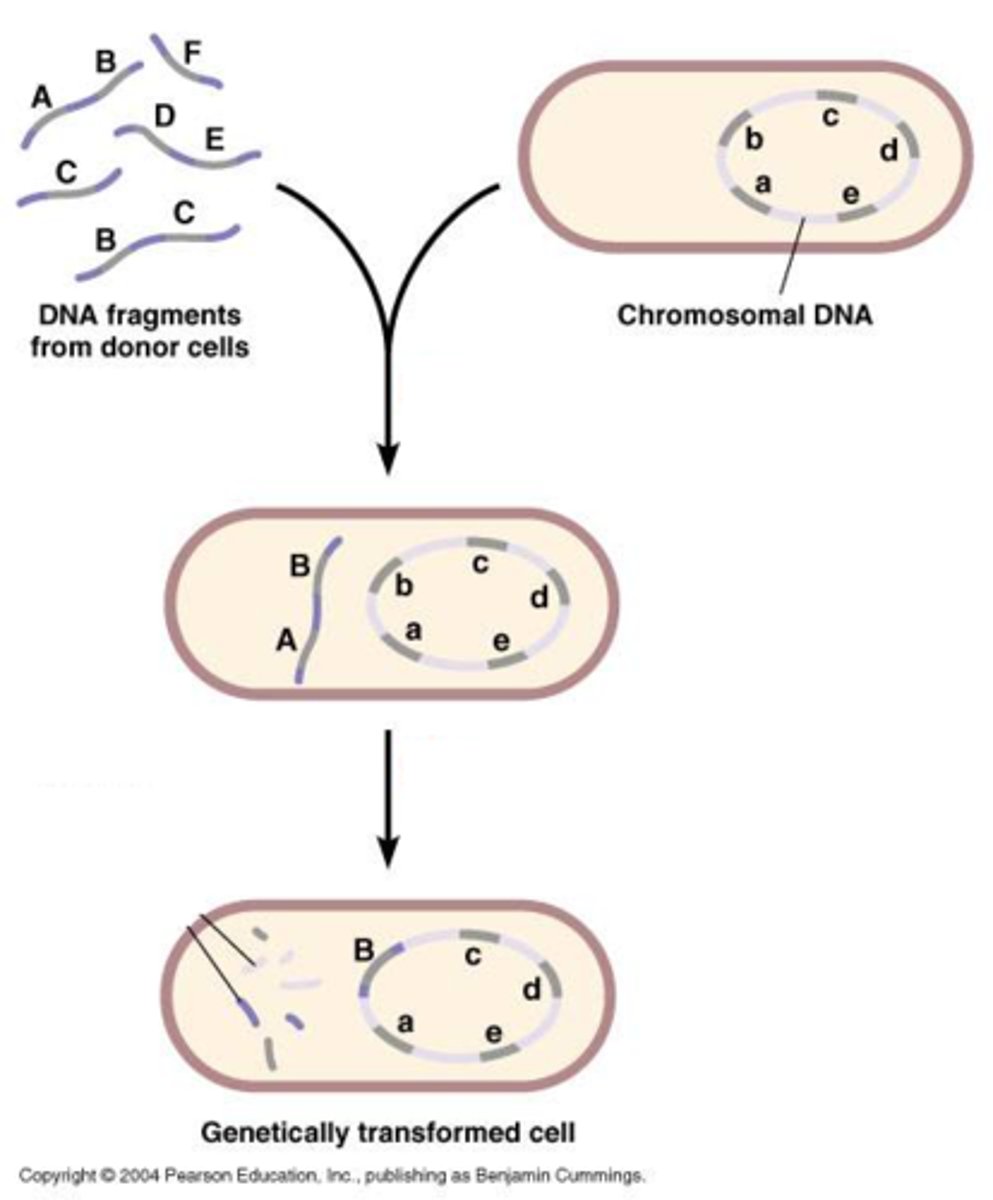
Transformation
process in which one strain of bacteria is changed by a gene or genes from another strain of bacteria
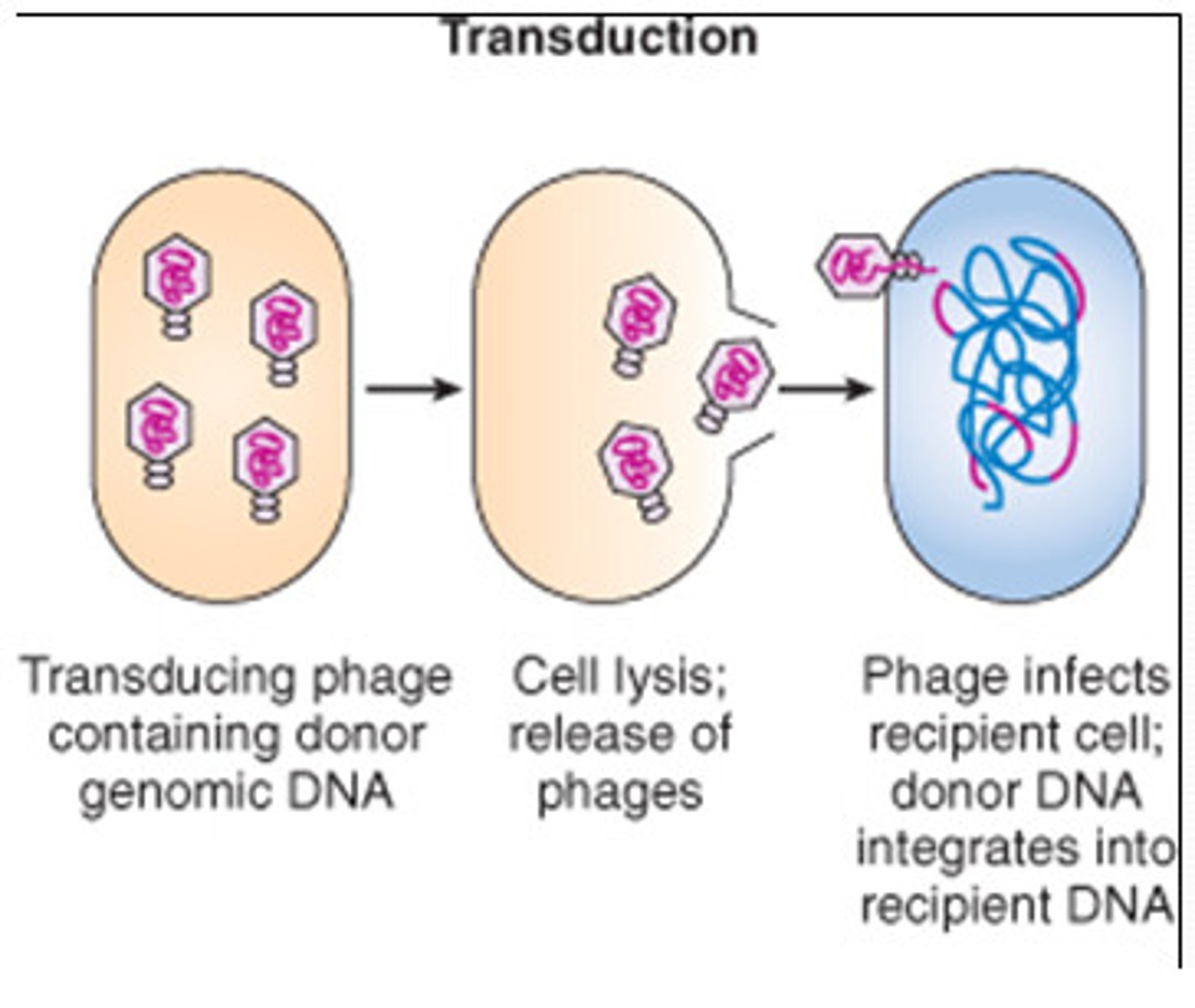
Transduction in bacteria
DNA is transferred from one bacteria to another by a virus
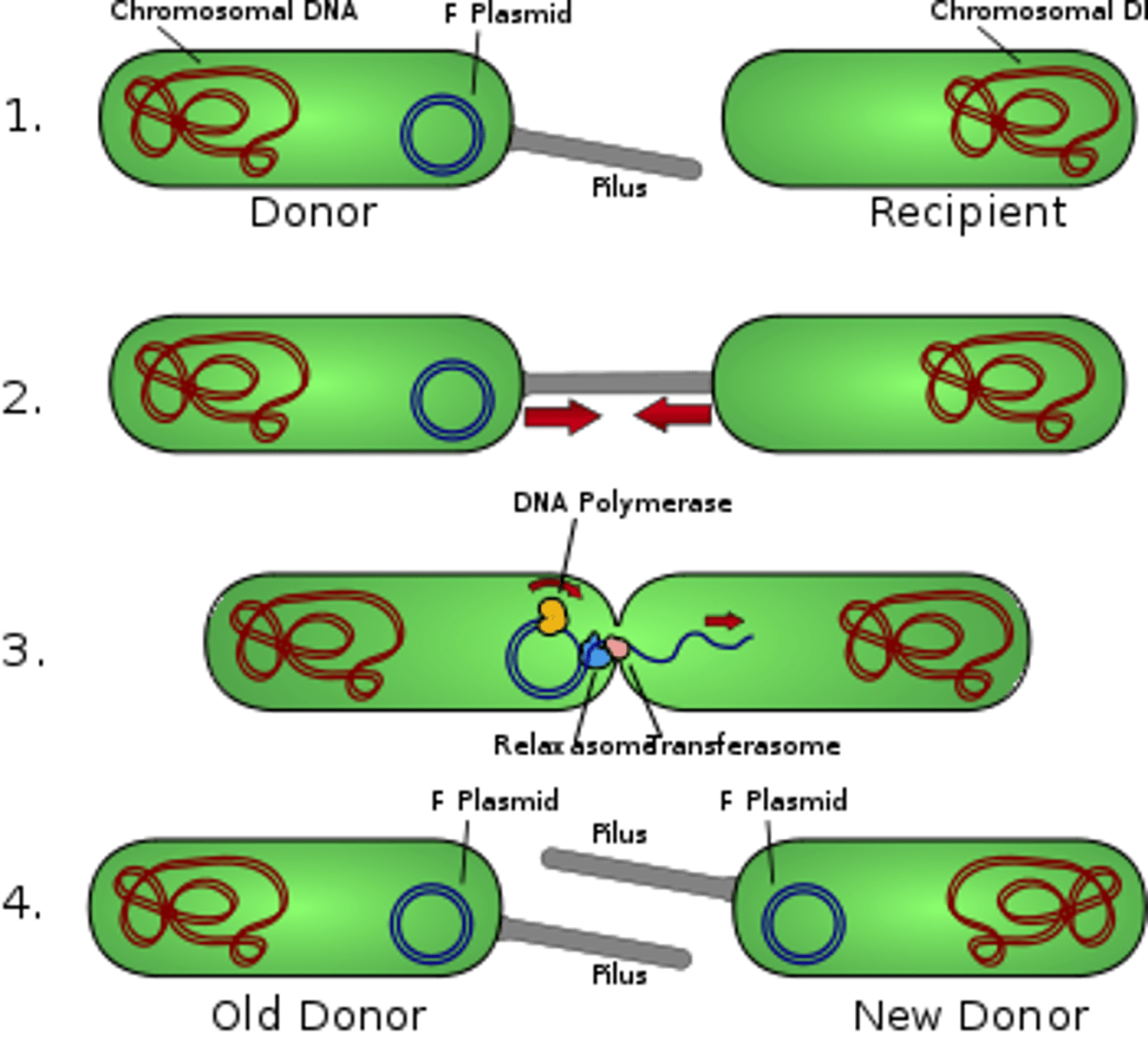
Conjugation
In bacteria, the direct transfer of DNA between two cells that are temporarily joined.
Tuberculosis
Mycobacterium tuberculosis, respiratory illness
peptic ulcer
open sore in the lining of the stomach or duodenum, caused by bacteria
Dental Caries (Tooth Decay)
-Erosion of tooth surface causing infection.
caused by bacteria
penicillium killing bacteria
competitors
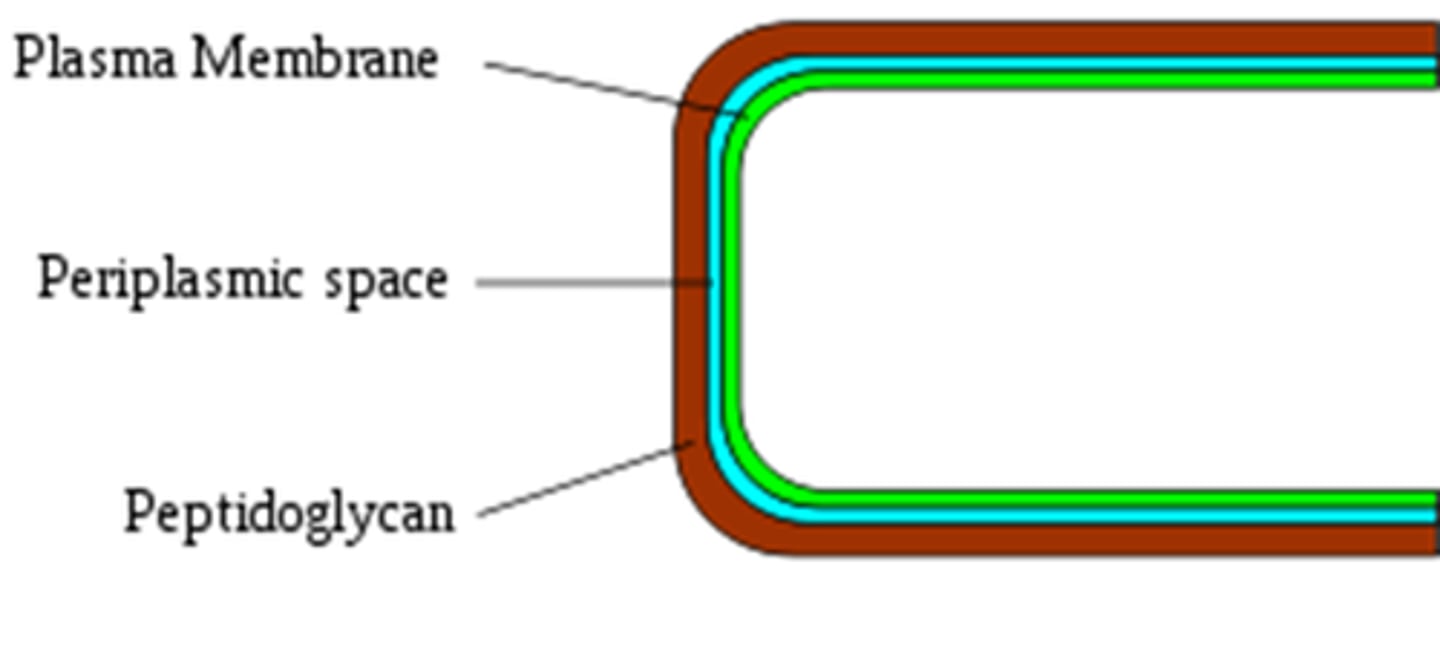
Gram-positive bacteria
Bacteria that have a thick peptidoglycan cell wall, and no outer membrane. They stain very darkly (purple) in Gram stain.
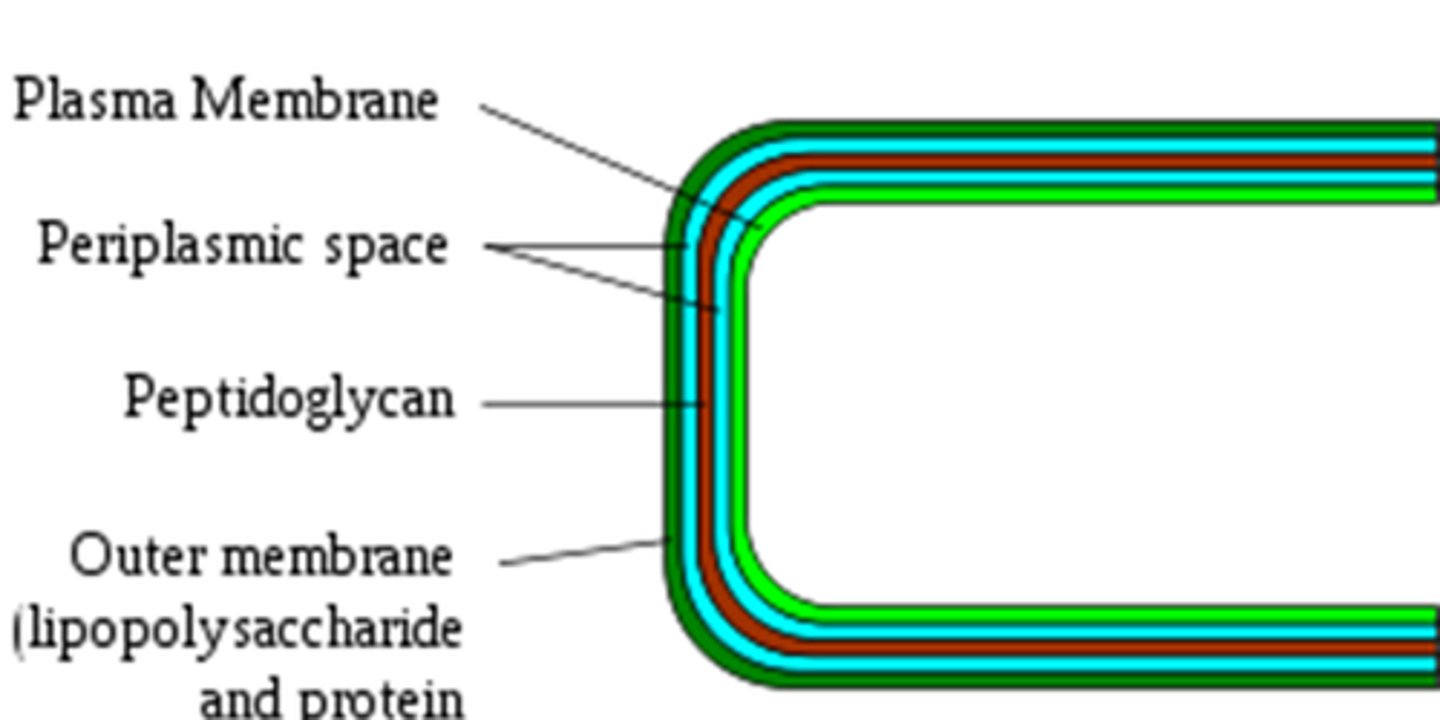
Gram-negative bacteria
type of bacteria that stain red with Gram stain and have a thin cell wall with an outer membrane
Photoautotrophs
Organisms that use light as a source of energy to synthesize organic substances.
Photoheterotrophs
An organism that uses light to generate ATP but that must obtain carbon in organic form.
Chemolithoautotrophs
energy from inorganic compounds
Chemoheterotrophs
acquire energy and carbon from organic molecules
Viral entry
needs surface receptors
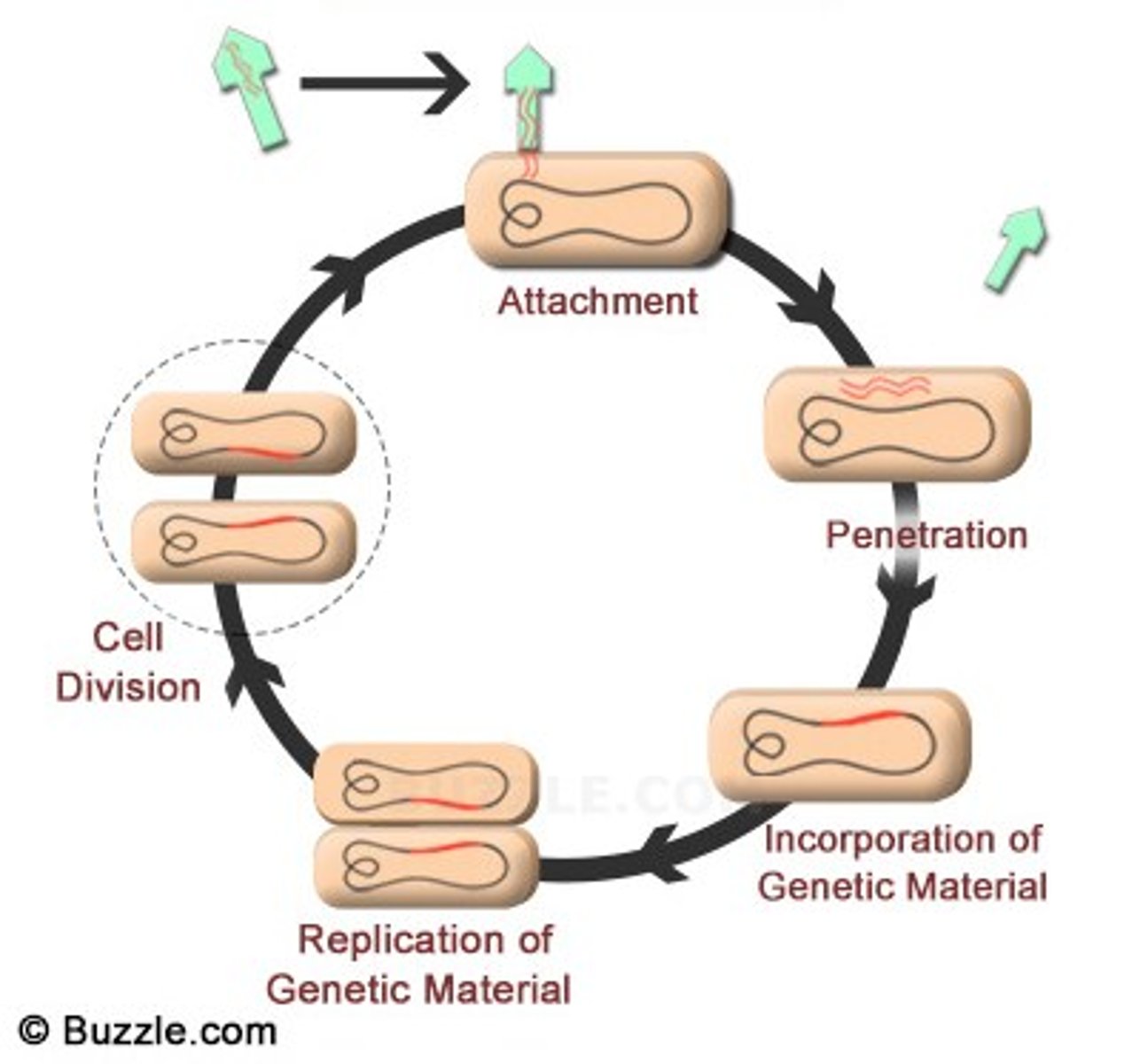
lysogenic cycle
a viral reproductive cycle in which the viral DNA is added to the host cell's DNA and is copied along with the host cell's DNA
lytic cycle
a viral reproductive cycle in which copies of a virus are made within a host cell, which then bursts open, releasing new viruses

Capsid
protein coat surrounding genetic component of virus
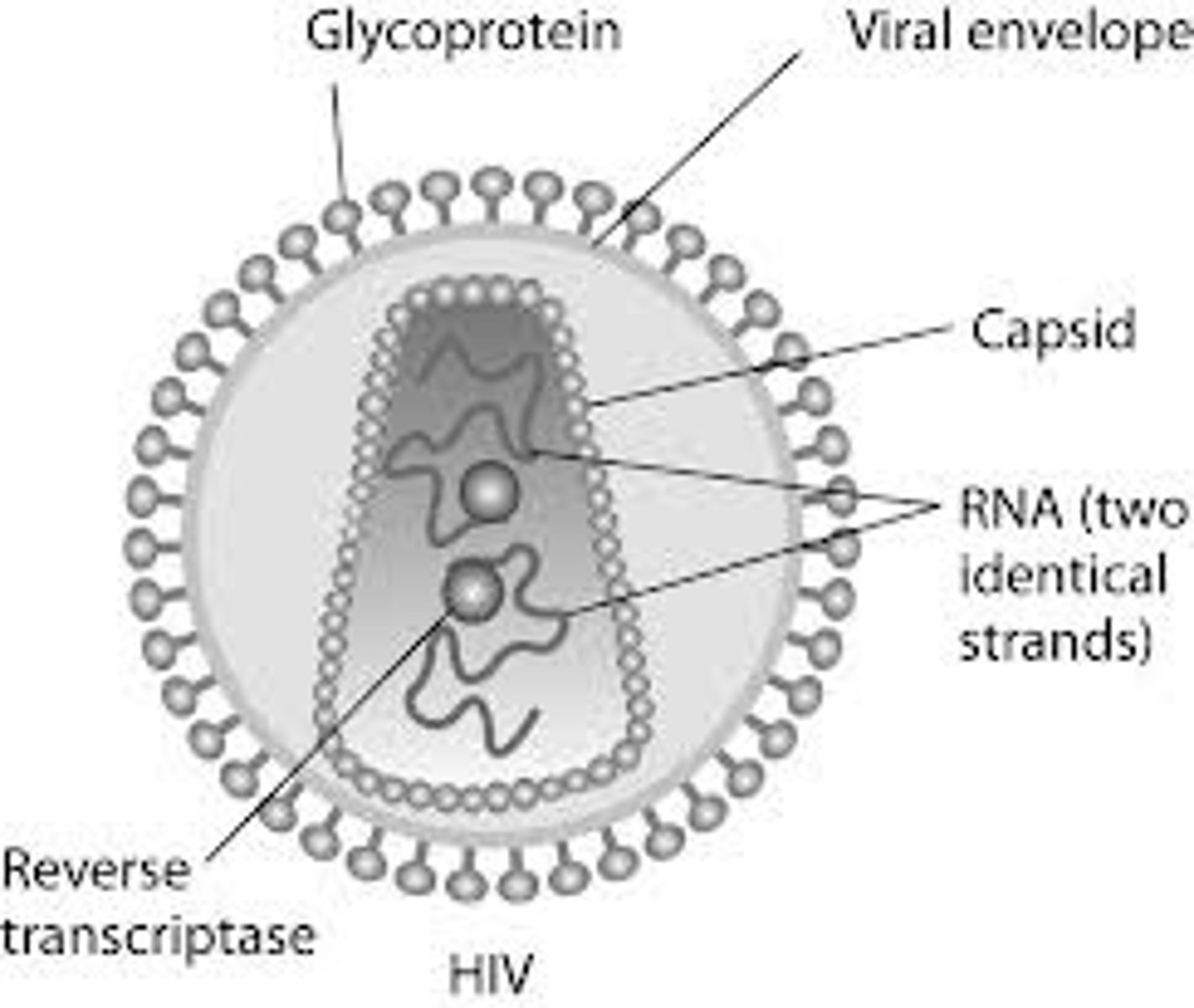
envelope
a membrane like layer that covers the capsids of some viruses
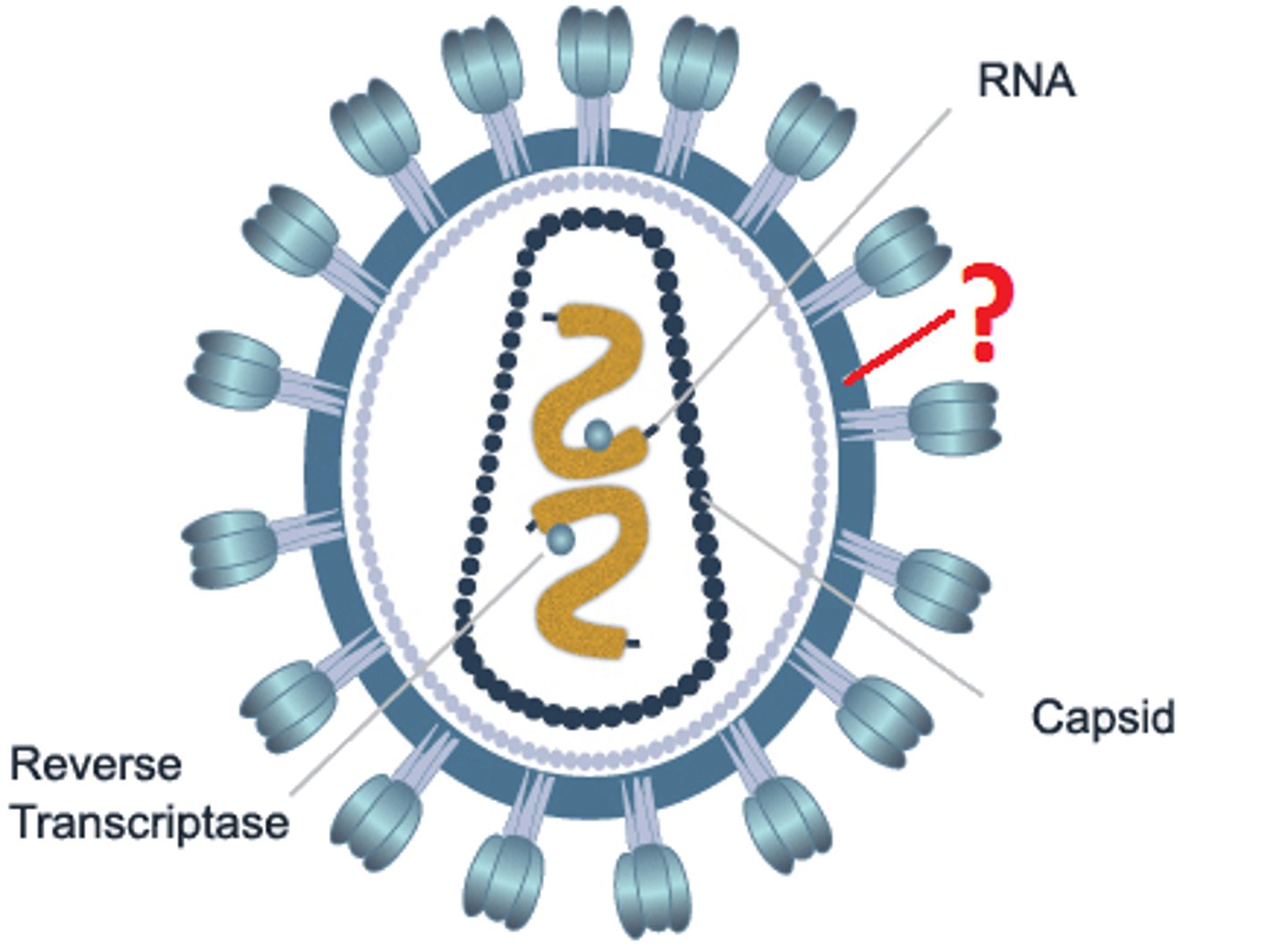
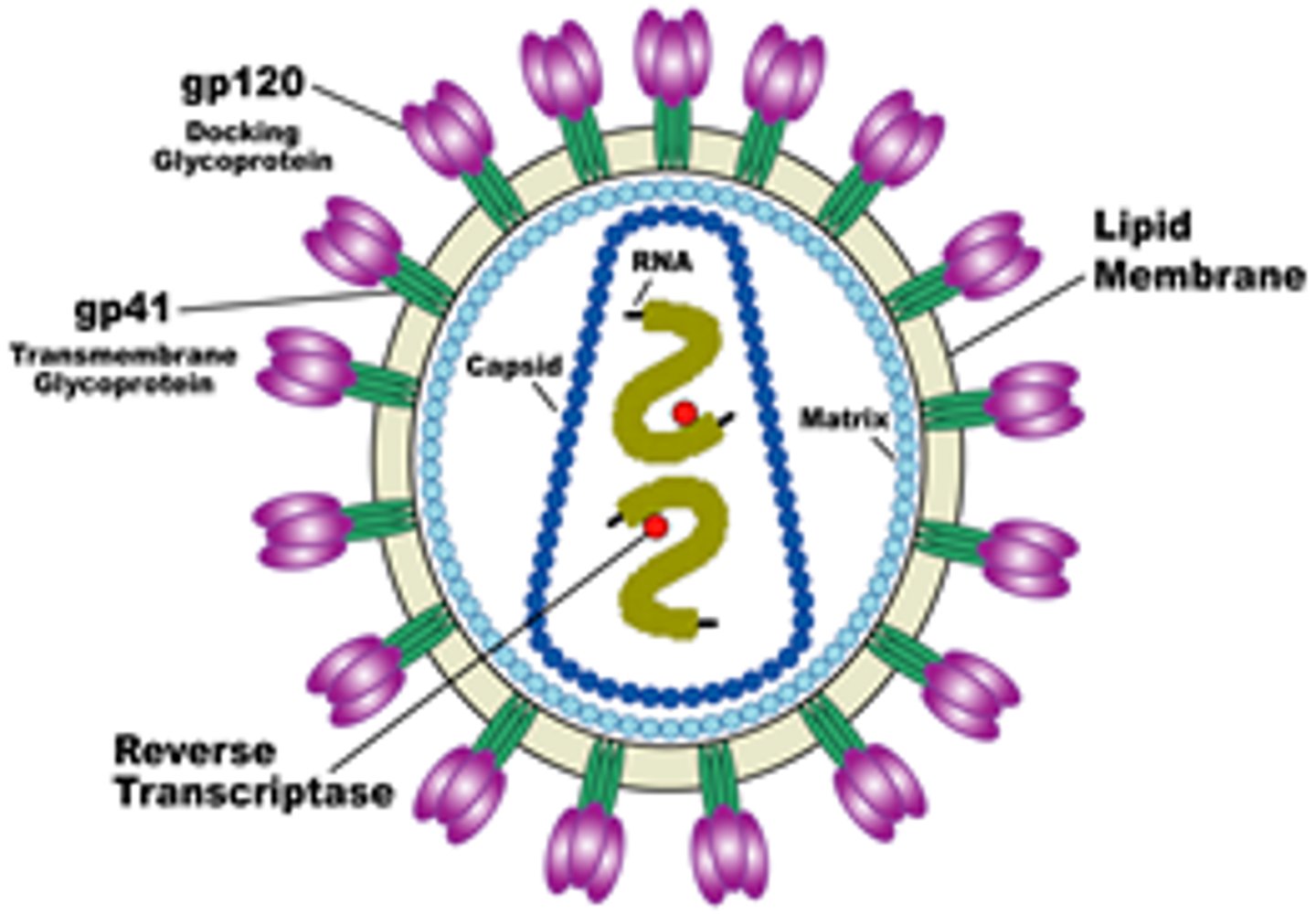
Retrovirus
virus that contains RNA as its genetic information, HIV
Protist
Kingdom composed of eukaryotes that are not classified as plants, animals, or fungi
Irish Potato Famine
caused by oomycotes
Giardia
A microorganism that infects the digestive system from unclean water
Trichmonas vaginalis
STD
Leishmaniasis
caused by Trypanosomes
African sleeping sickness is caused by
Trypanosoma
Toxoplasmosis
Toxoplasma, can cross placenta
Phototropic protist
contains chlorophyll
Excavata
the eukaryotic supergroup that contains flagellated single-celled organisms with a feeding groove
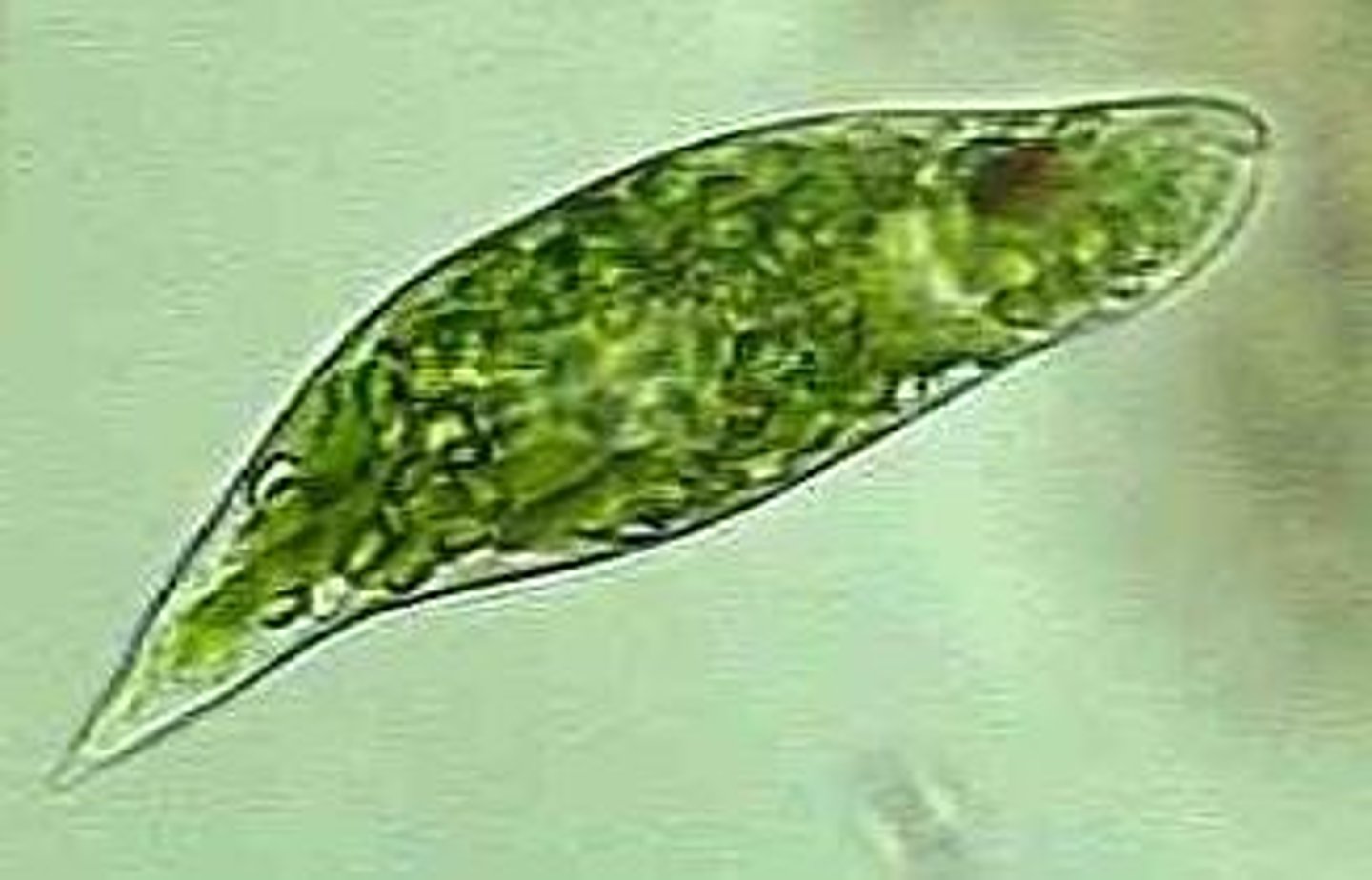
Alveolata
A eukaryotic superkingdom, defined by the presence of cortical alveoli, small flattened vesicles that, in some species, store calcium ions.
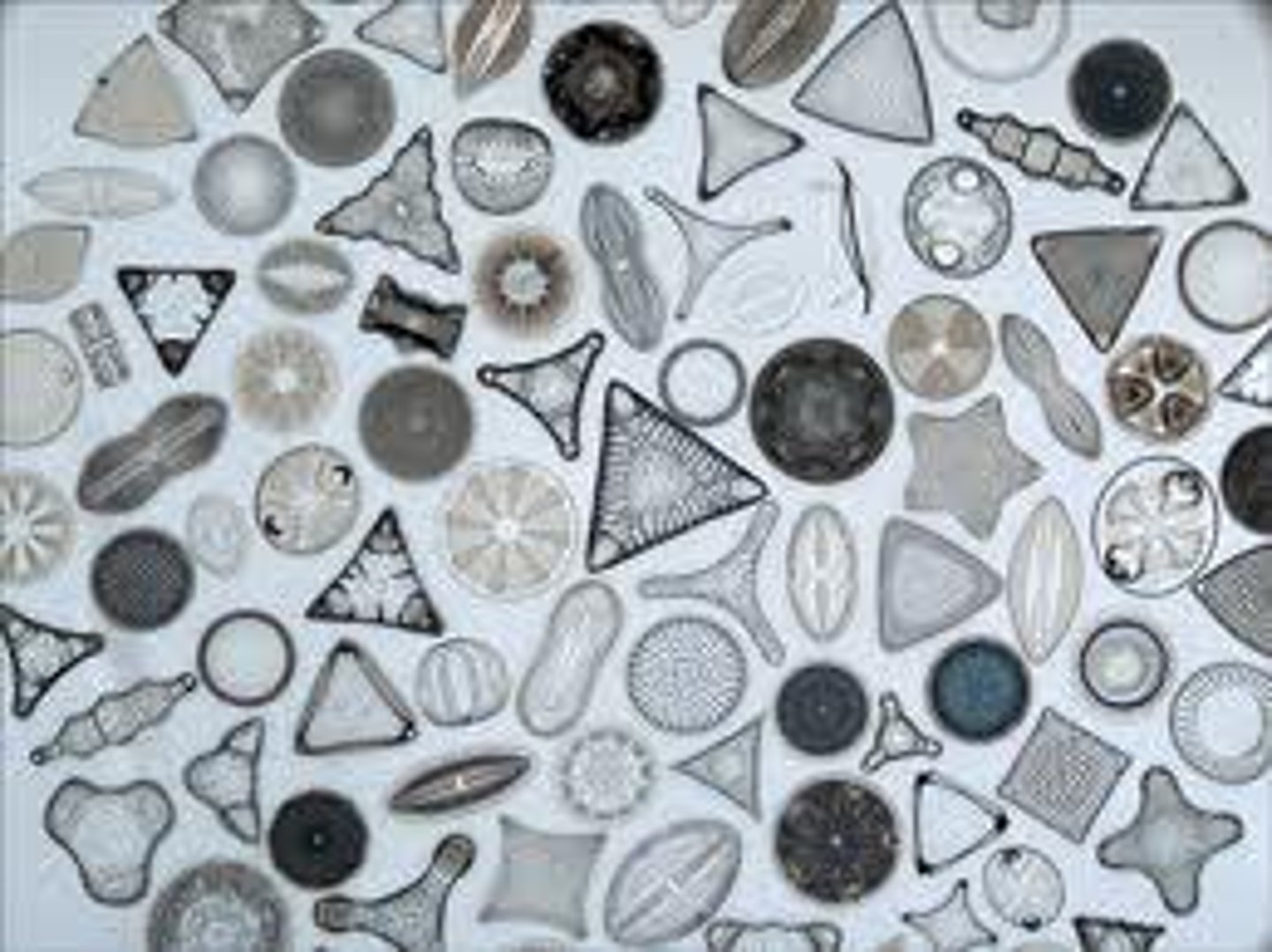
Diatoms
unicellular algae that have a unique glass-like wall made of silica
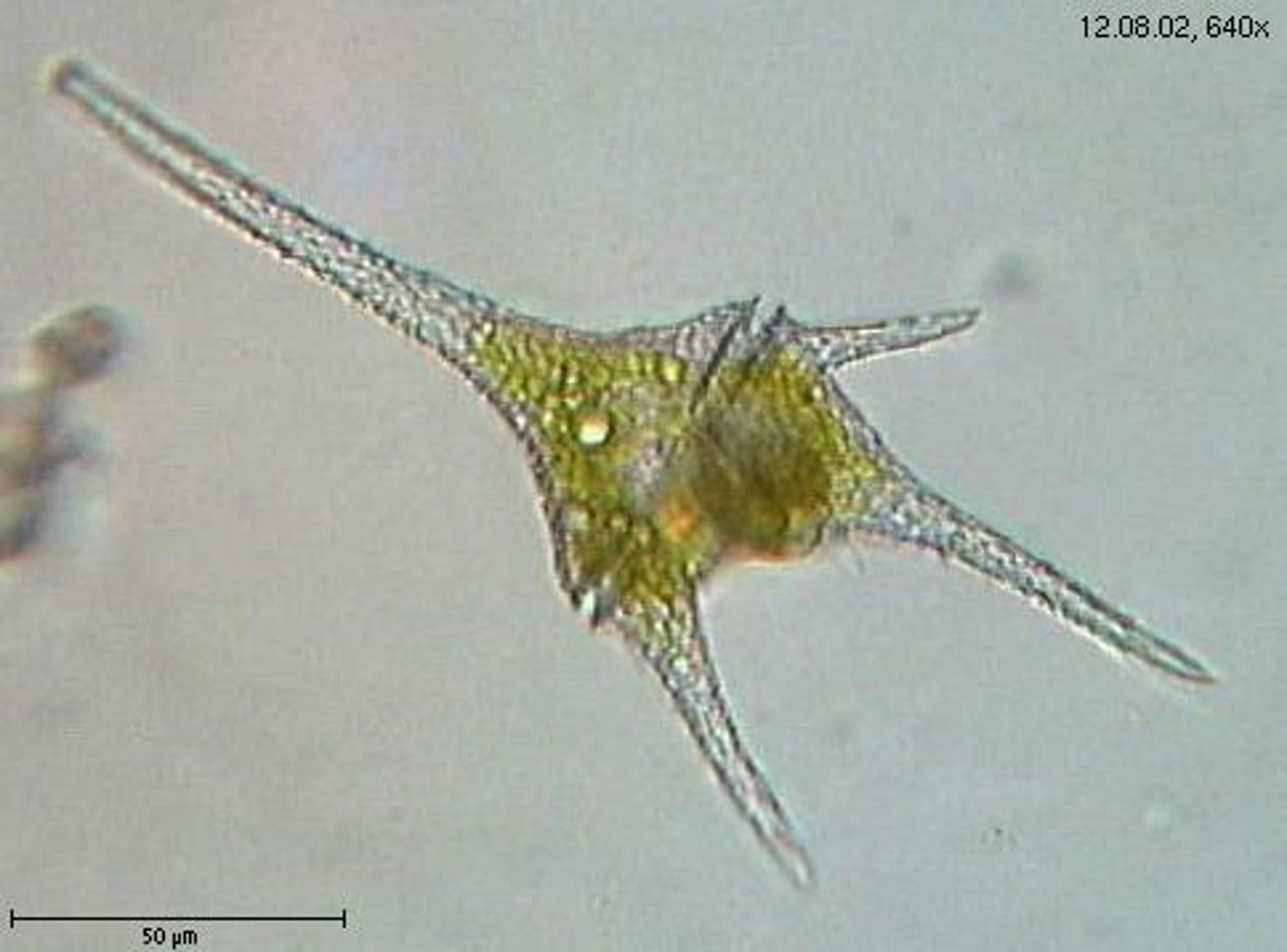
Dinoflagellates
Group of protists that form "blooms", can be toxic. make up phytoplankton and can be bioluminescent. They generally have two flagella, half are heterotrophic and the other half are photosynthetic, many species are luminescent
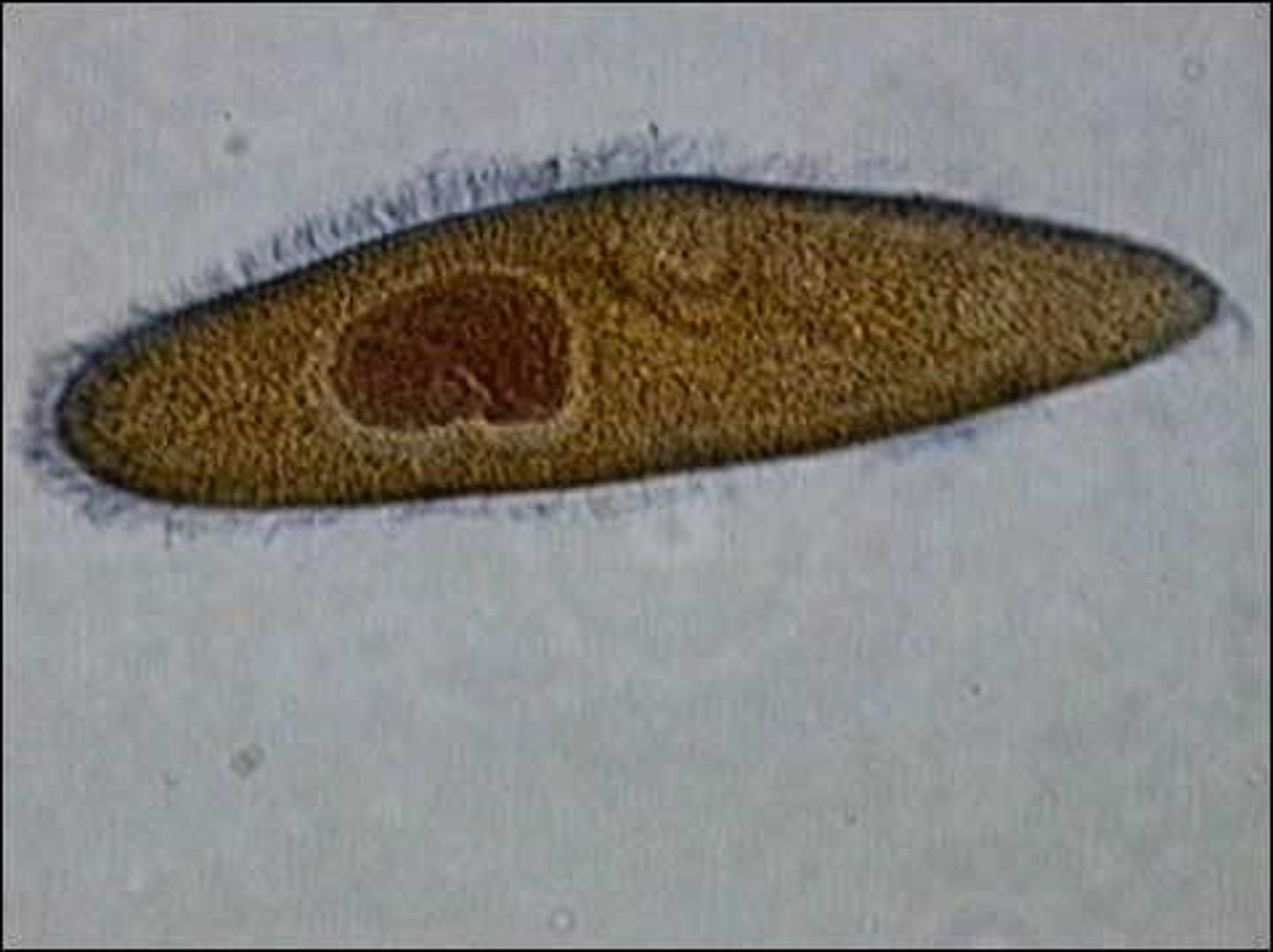
Ciliates
a type of protozoa that moves using hairlike cilia and have 2 different types of nuclei
Oomycetes
water molds and responsible for potato famine
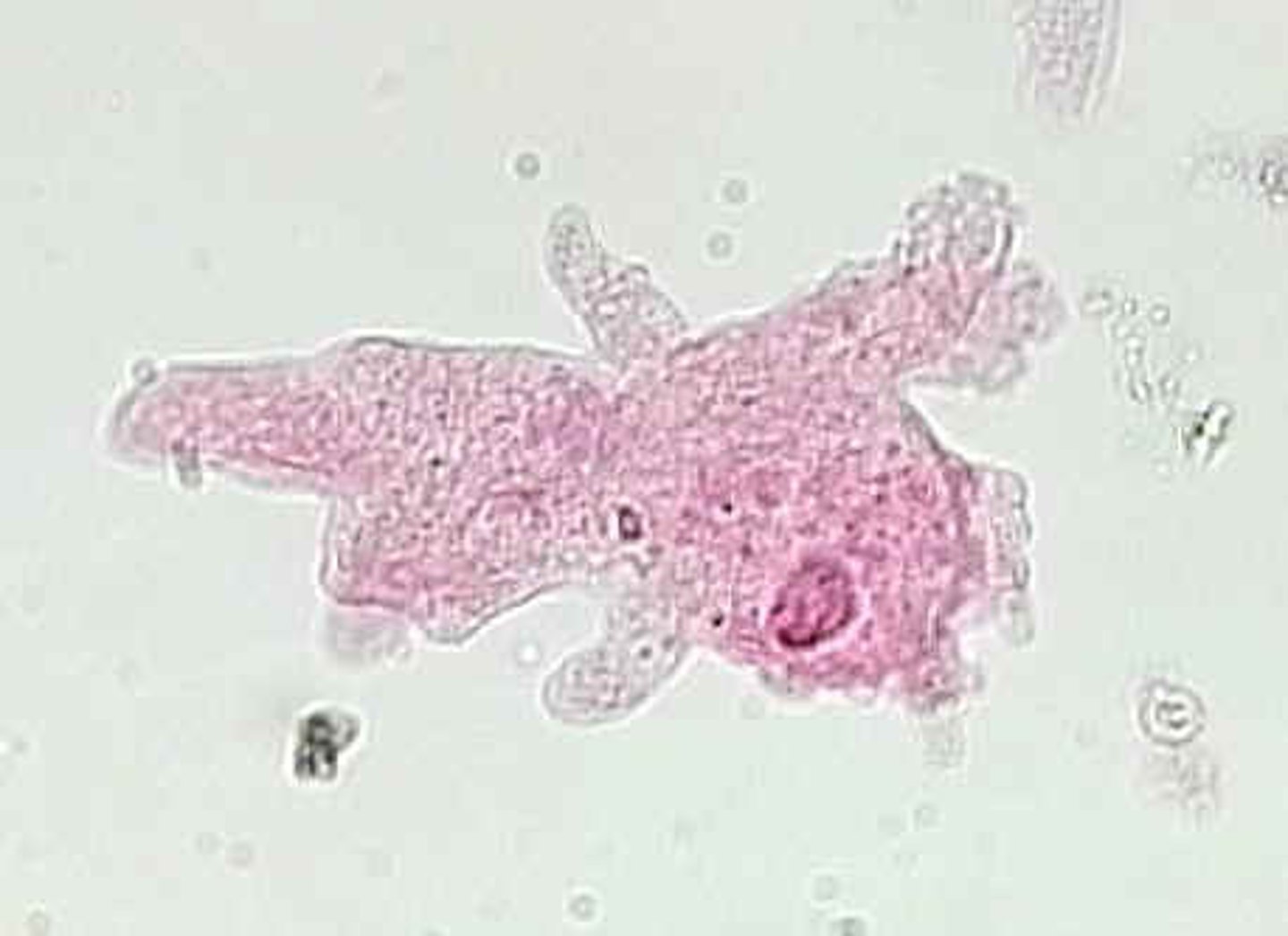
Amoebozoans
A protist in a clade that includes many species with lobe- or tube-shaped pseudopodia used for movement
endosymbiotic theory
theory that eukaryotic cells formed from a symbiosis among several different prokaryotic organisms. Evidence:
1. genes have close relationship to prokaryotes
2. Some enzymes are unique to them
3. outer membrane is similar to plasma membrane
protist mitosis
nuclear membrane fails to breakdown
Phagotrophic
Feeding by engulfing a food cell or particle and ingesting it. Use lysosomes to breakdown
characteristics of fungi
Eukaryotic, heterotrophs, multicellular, cell wall(chitin), filamentous (hypahae)
Chytridiomycota
Form spores with flagella in water, responsible for amphibian die-off. Allomyces
mycorrhizal fungi
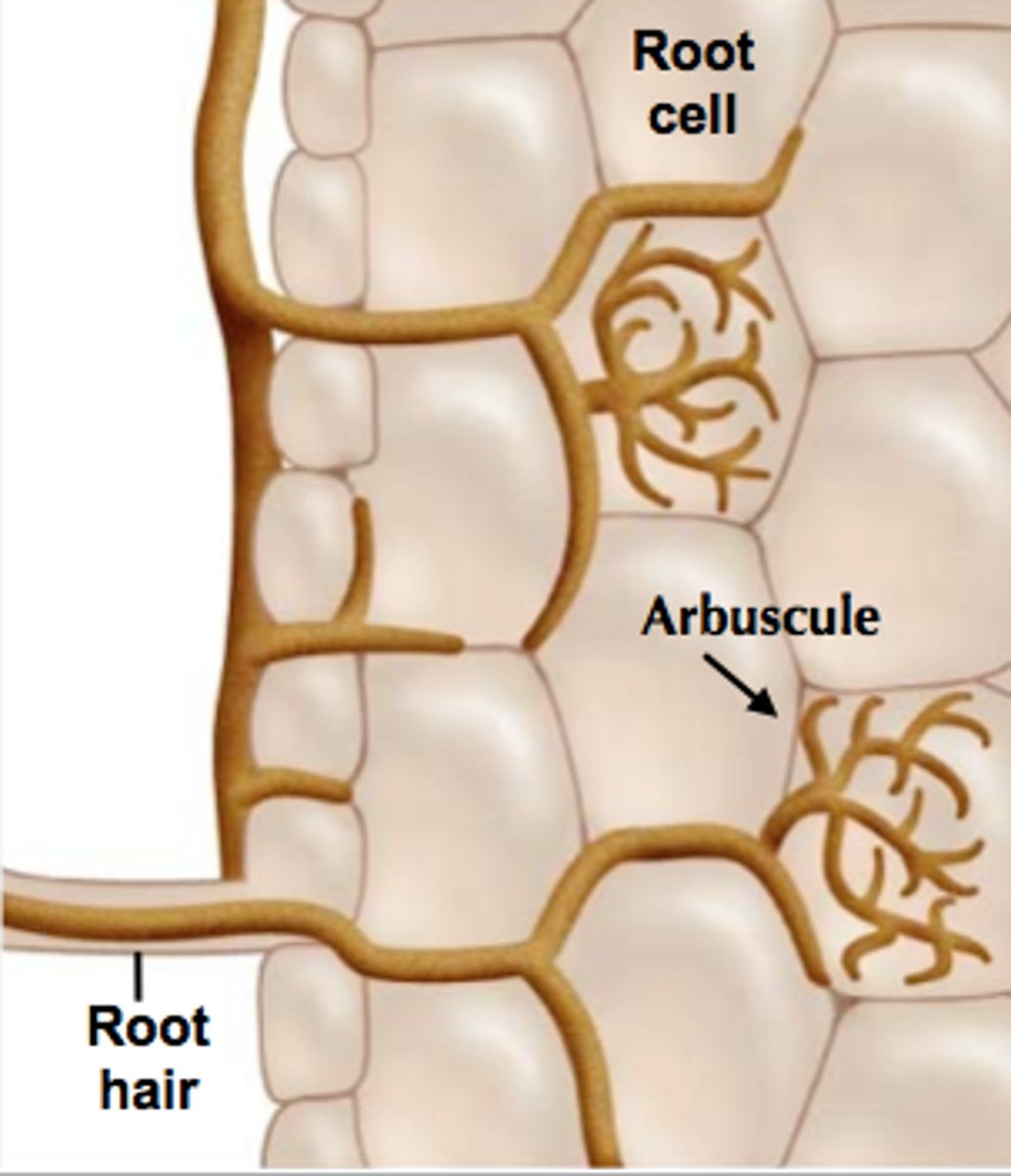
fungi that surround plant roots and help plants obtain water and minerals, an extension of root system
Ectomycorrhizae
mycorrhizae in which the fungal hyphae do not penetrate the root cells of the plant
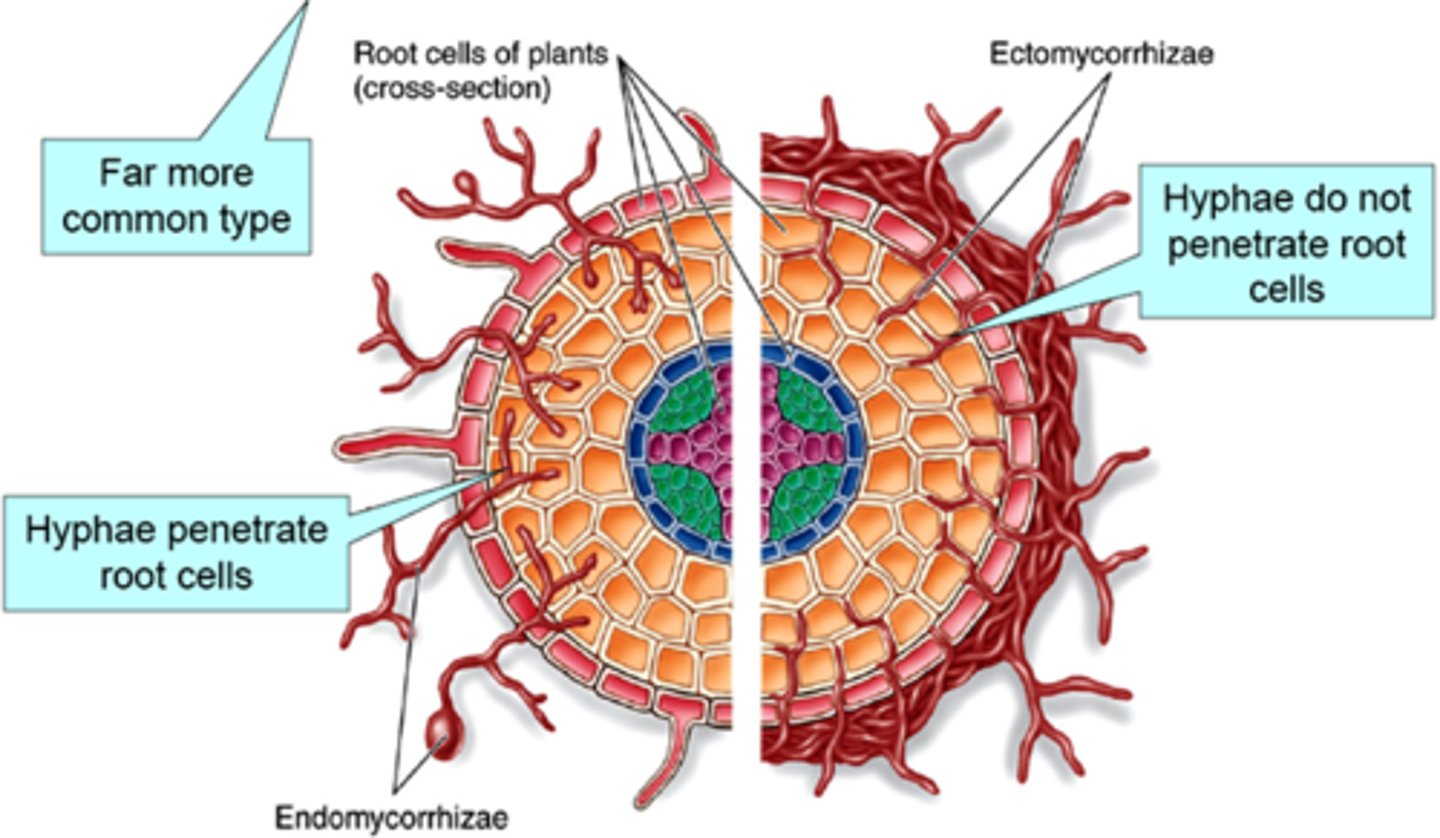
arbuscular mycorrhizae
hyphae enter root and penetrate cell walls but not the plasma membrane.
mutualistic relationships with fungi
mycorrhizae & leaf cutter ants