Evolution
 Call Kai
 Learn
Learn Practice Test
 Spaced Repetition
 Match
Match Flashcards
 Knowt Play
1/33

There's no tags or description
Looks like no tags are added yet.
Name | Mastery | Learn | Test | Matching | Spaced | Call with Kai |
|---|
No analytics yet
Send a link to your students to track their progress
34 Terms
species
A group of similar organisms that can breed and produce fertile offspring.
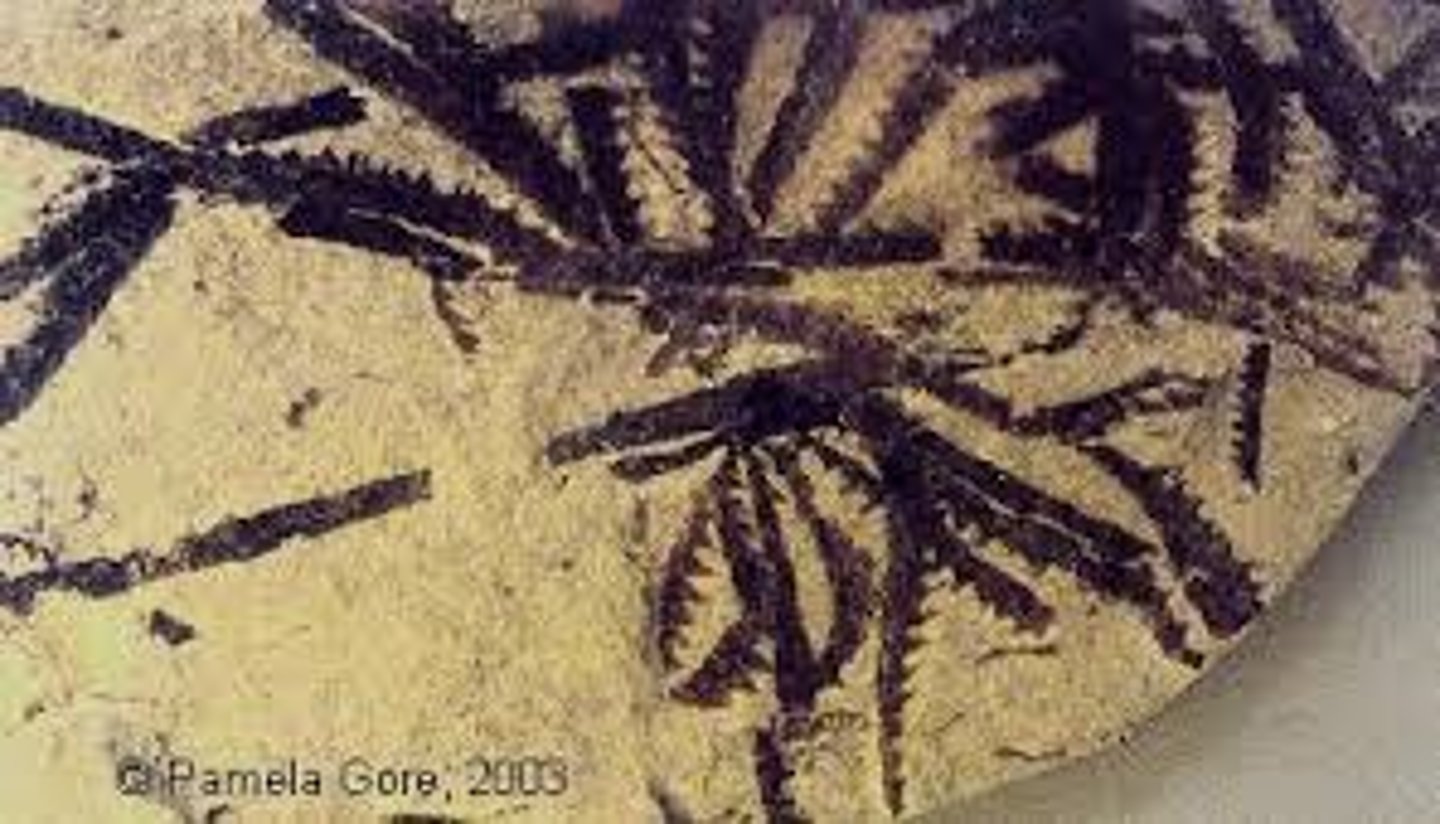
fossil
A trace of an ancient organism that has been preserved in rock
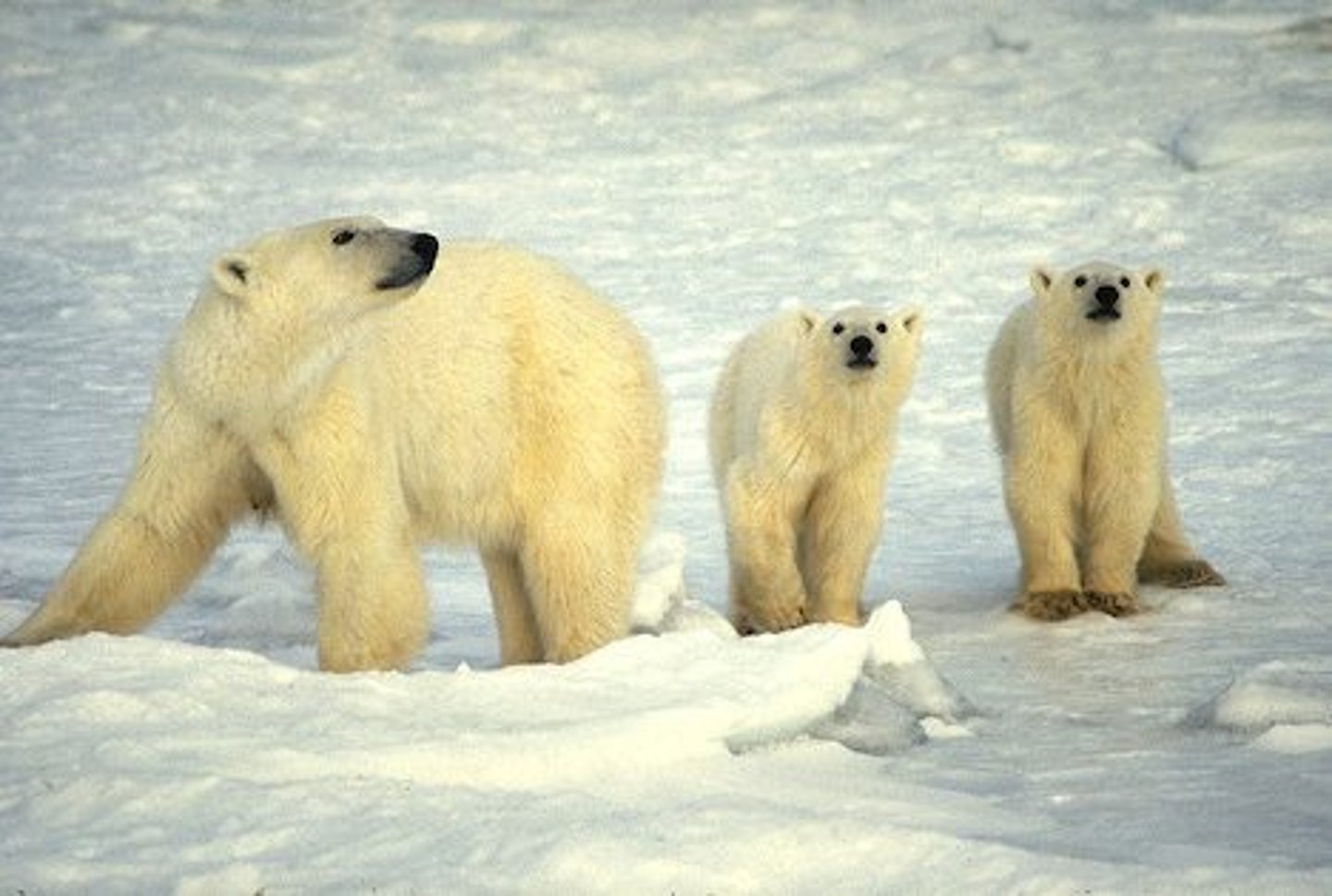
adaptation
A trait that helps an organism survive and reproduce
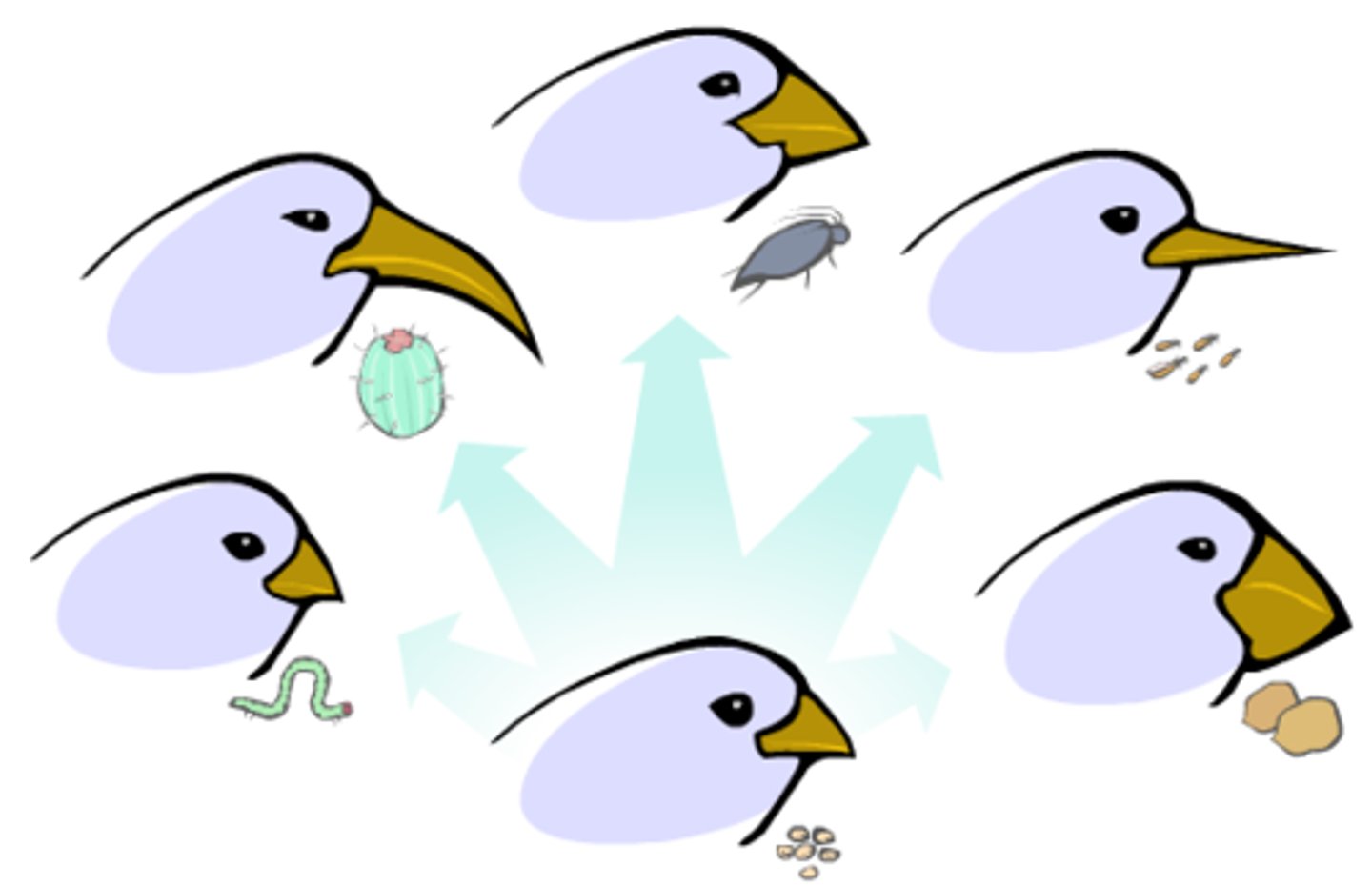
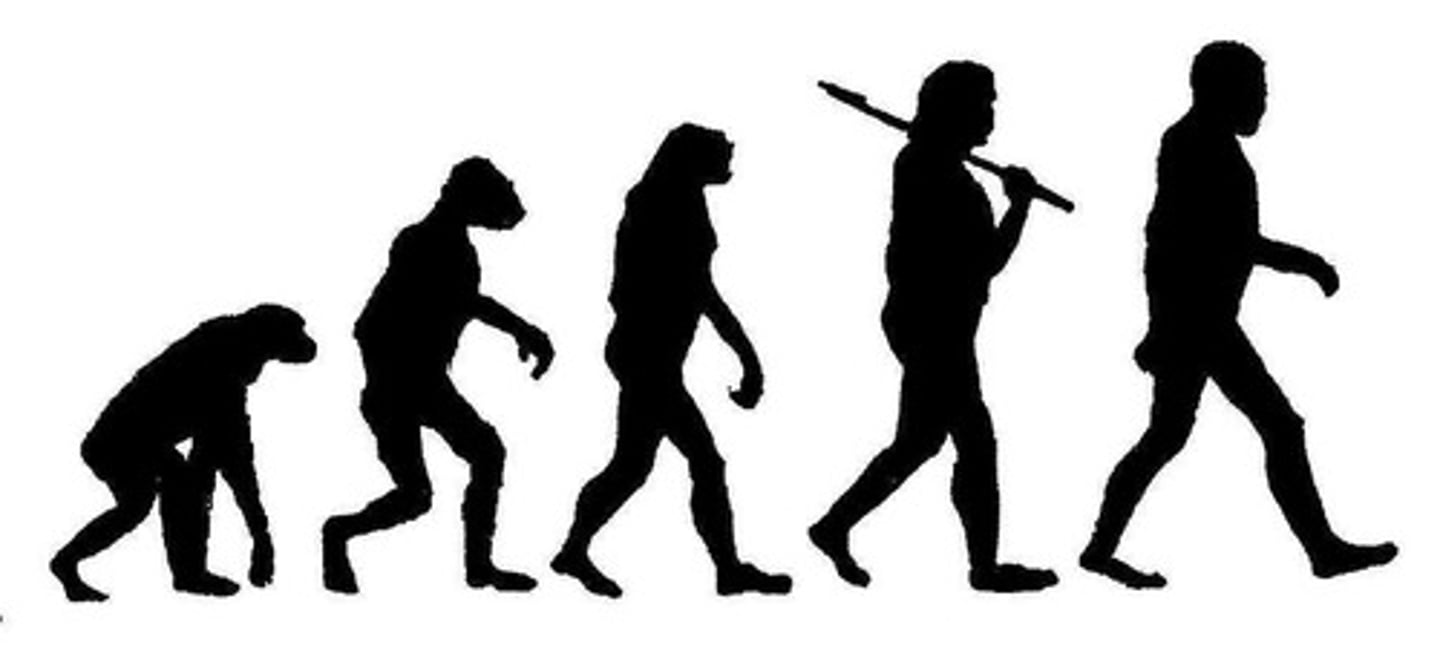
evolution
Change in a kind of organism over time; process by which modern organisms have descended from ancient organisms.
scientific theory
A well tested concept that explains a wide range of observations
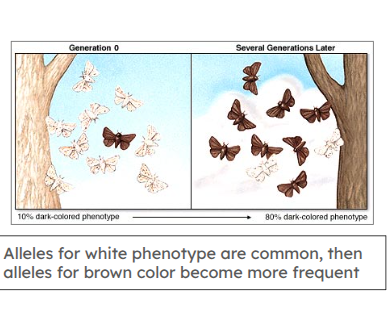
natural selection
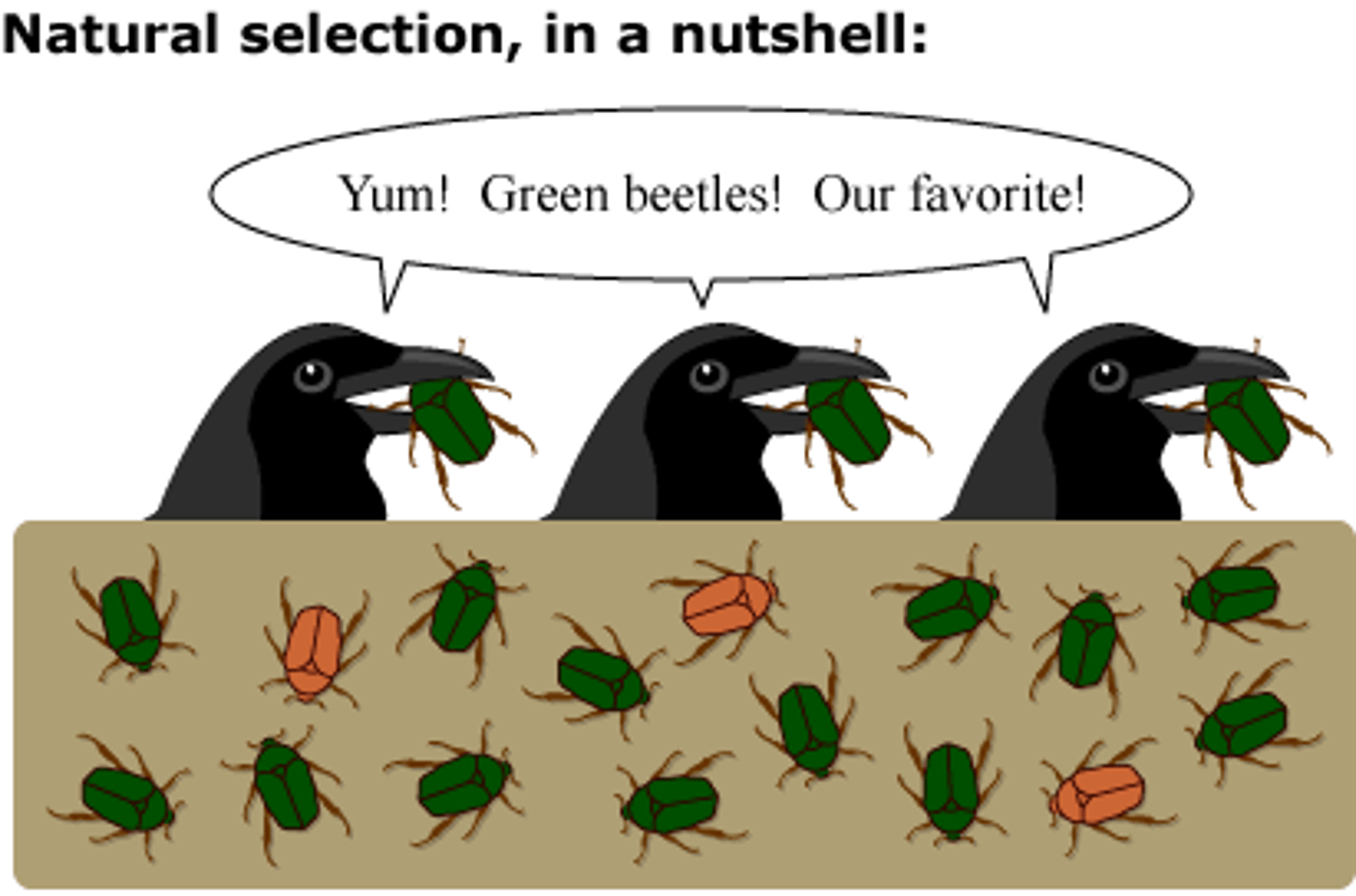
Process by which individuals that are better suited to their environment survive and reproduce most successfully; also called survival of the fittest
artificial selection
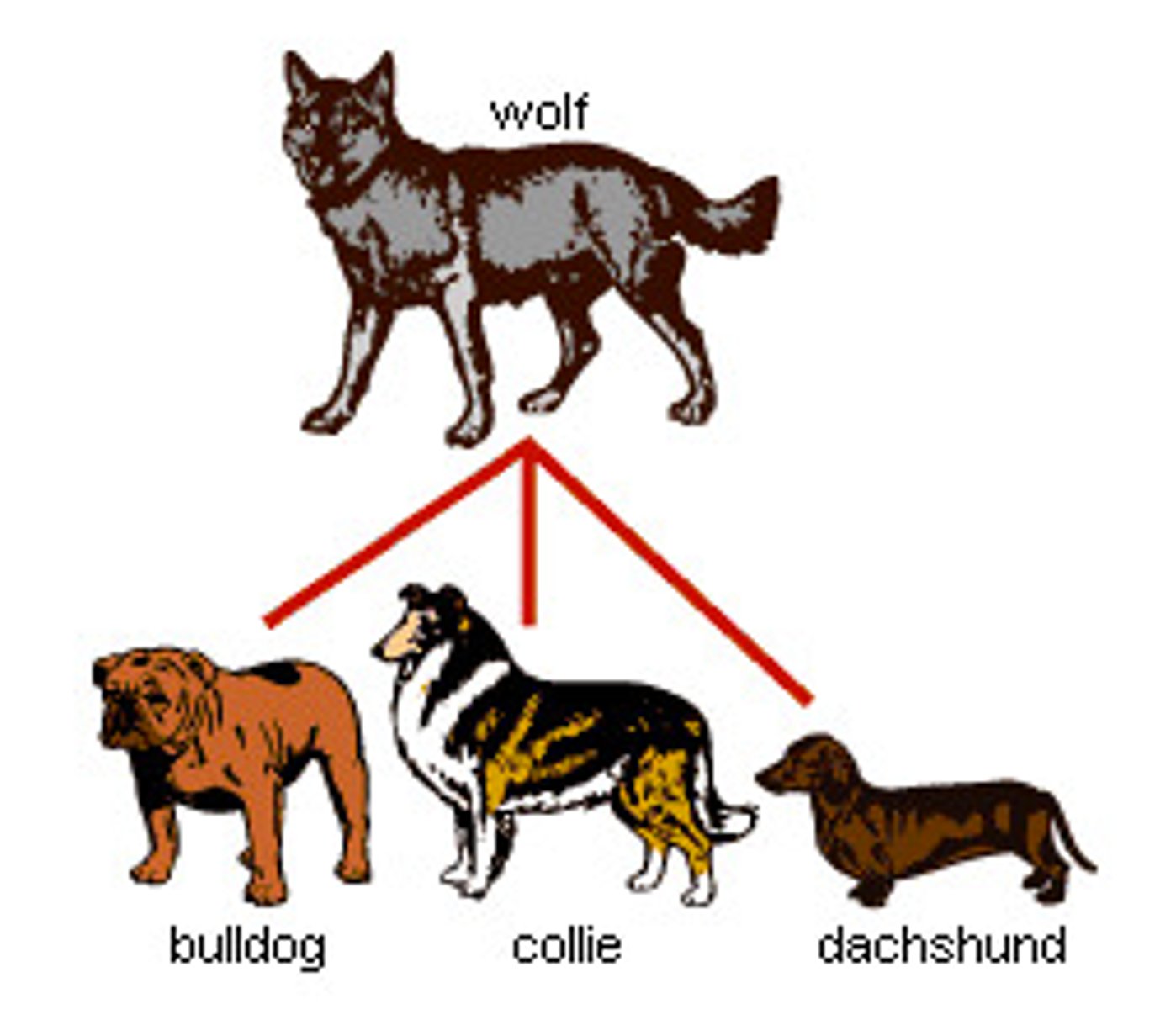
Selection by humans for breeding of useful traits from the natural variation among different organisms
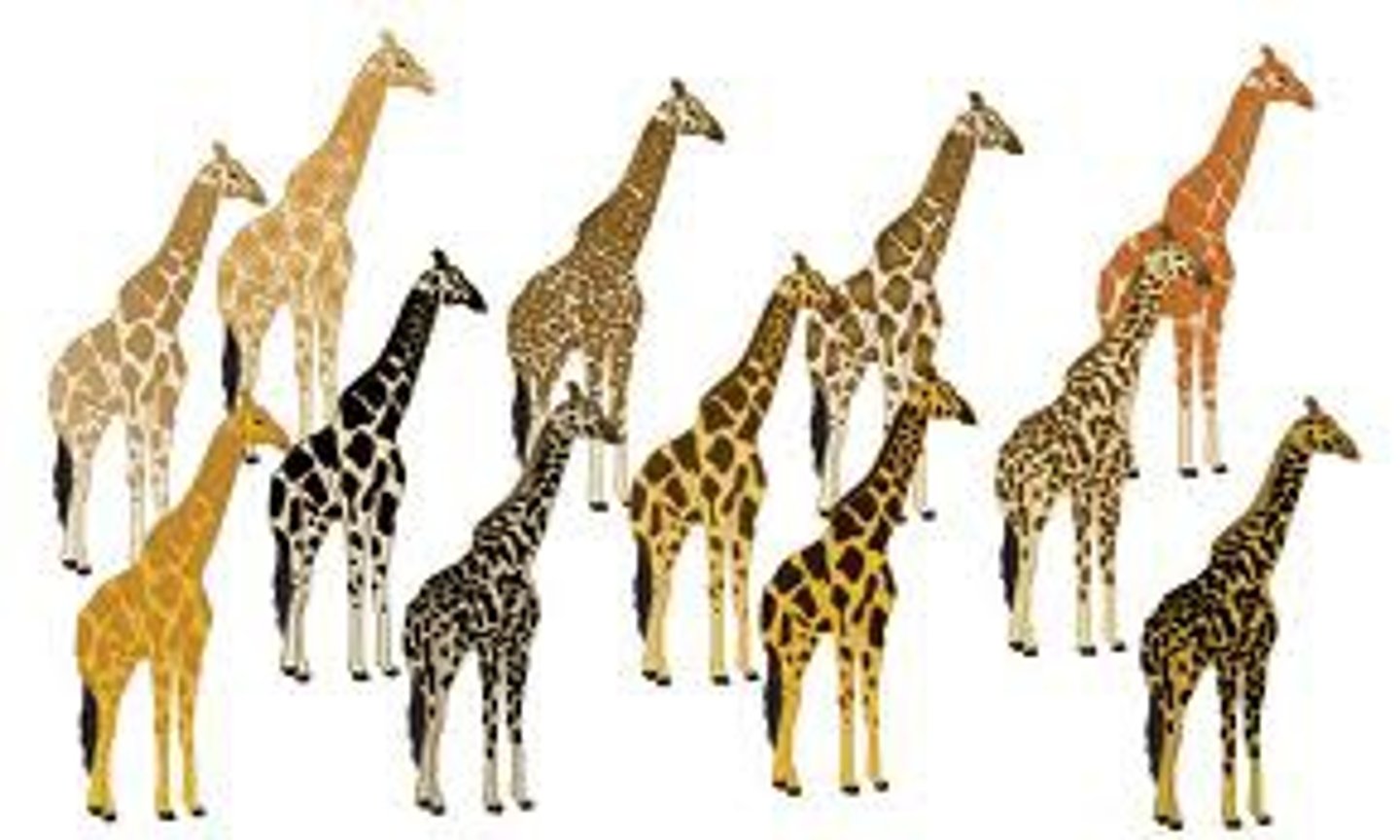
variation
Difference among members of a species.
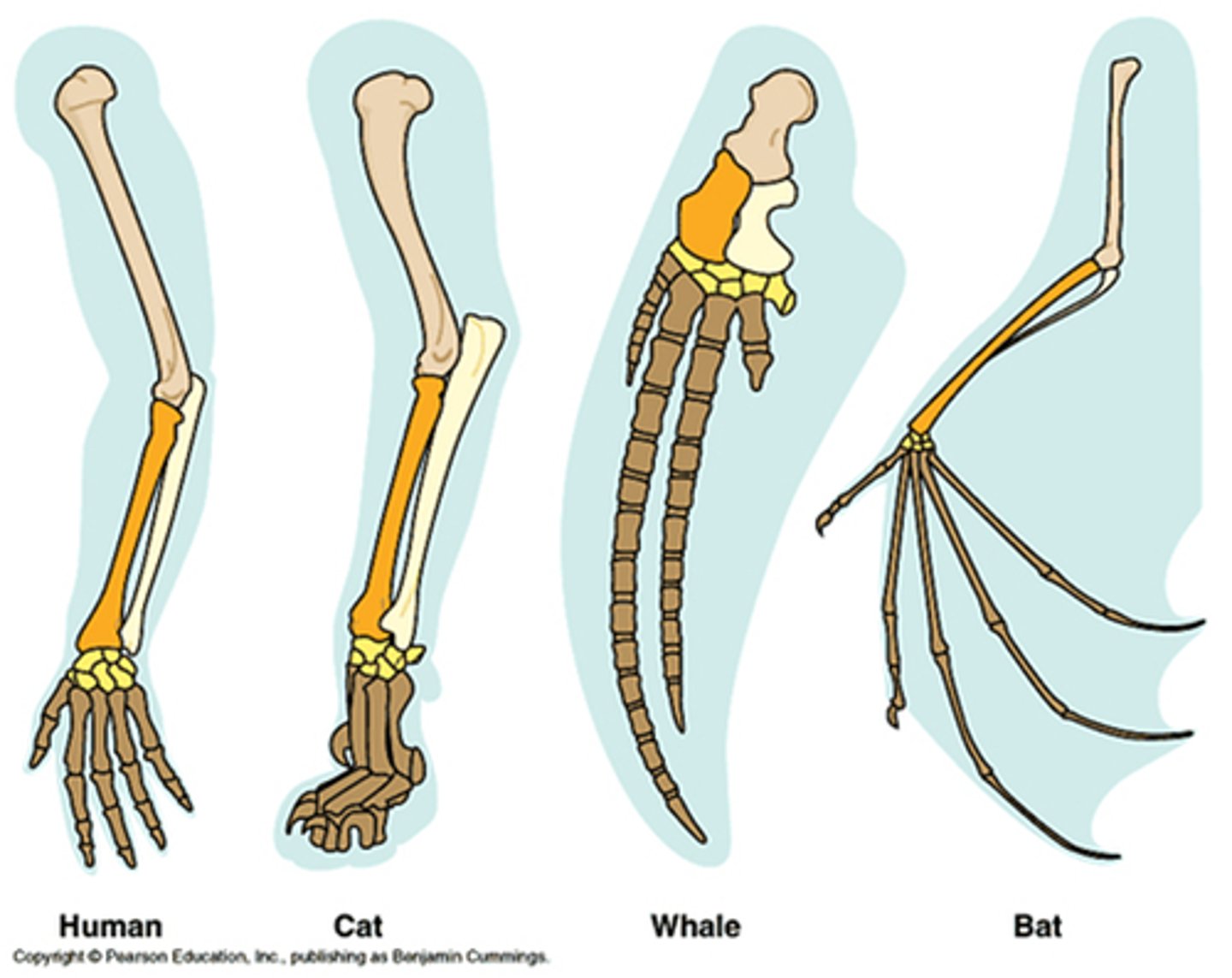
homologous structures
Structures in different species that are similar because of common ancestry.
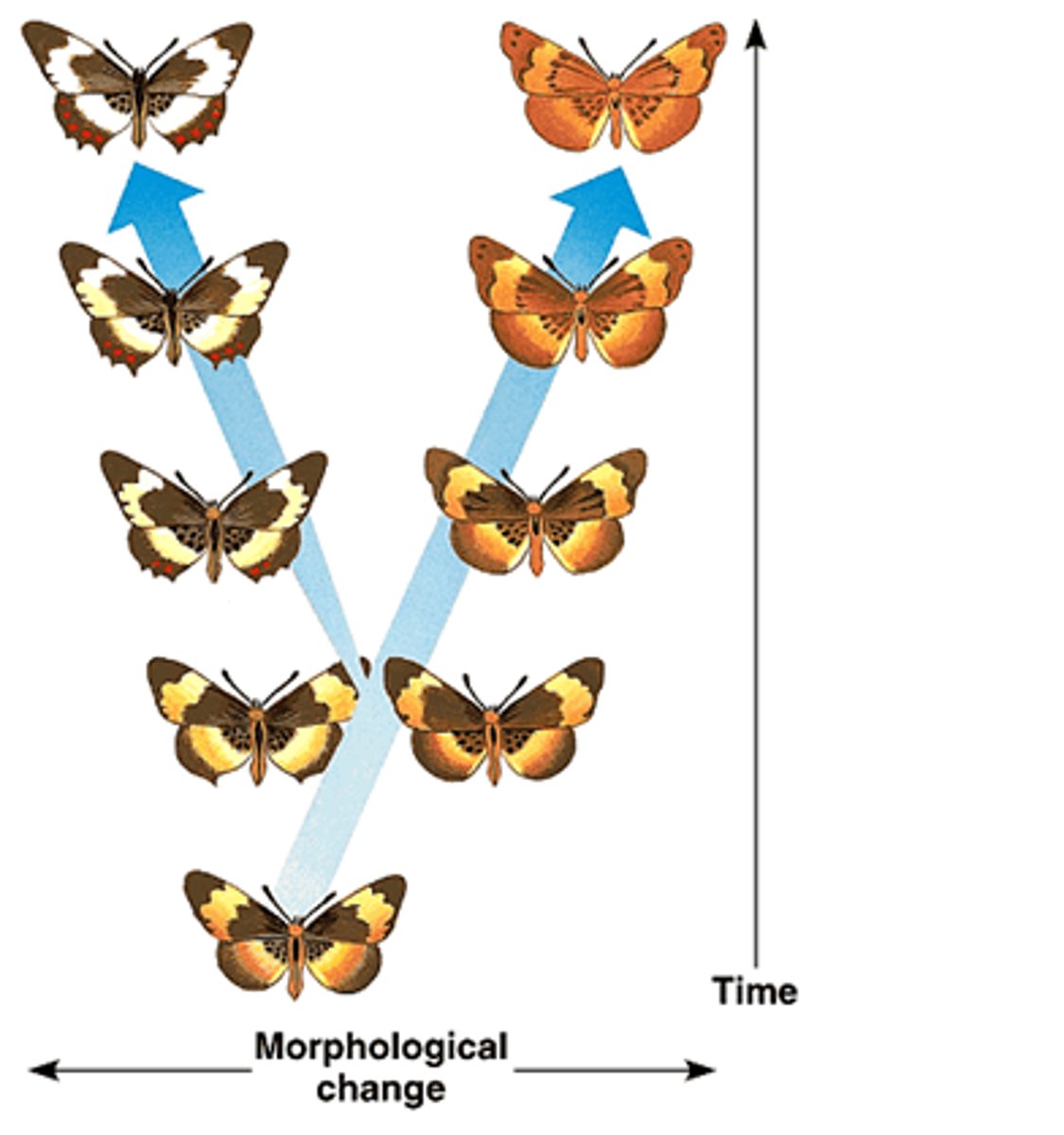
gradualism
The theory that evolution occurs slowly but steadily
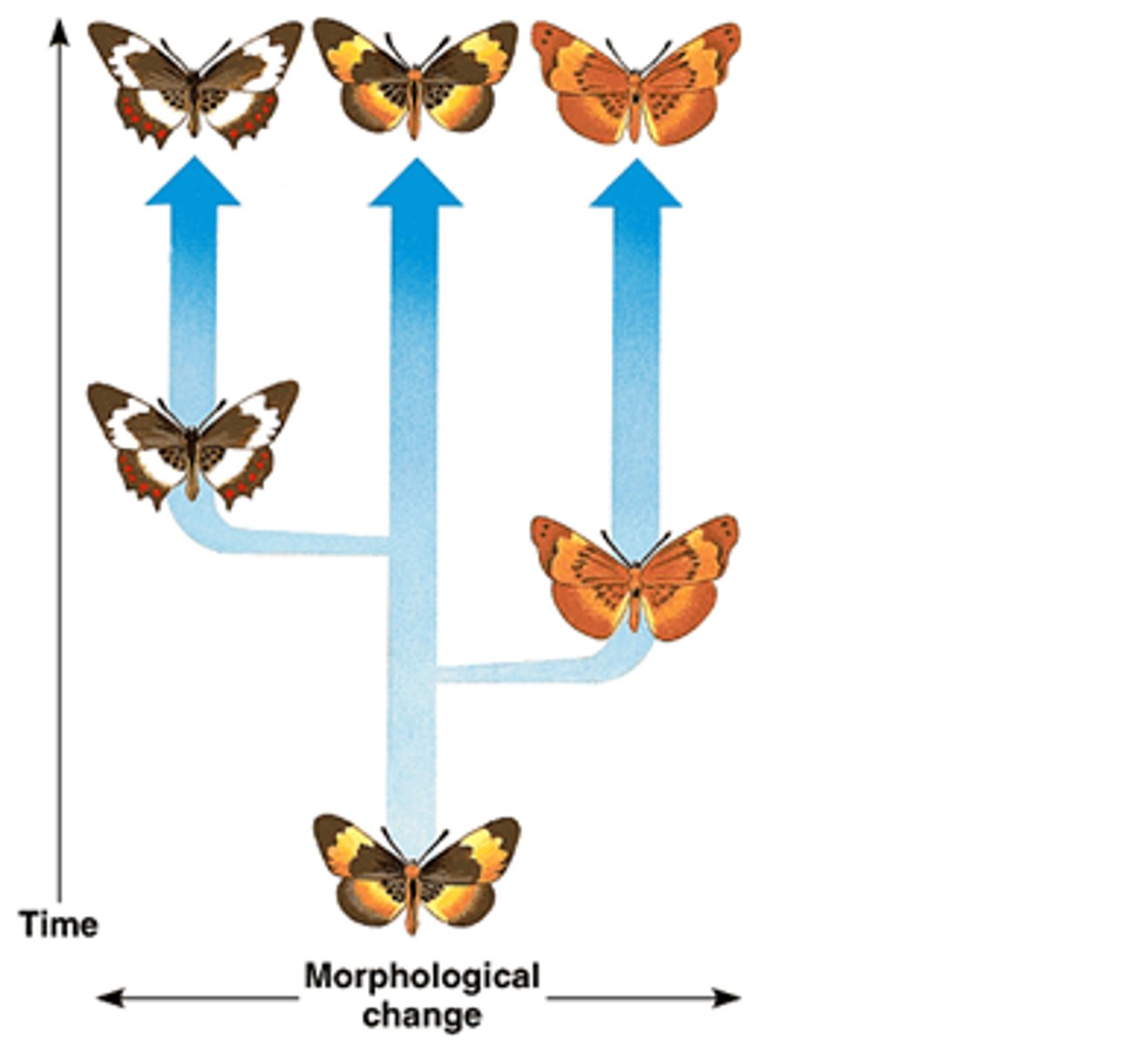
punctuated equilibrium
Pattern of evolution in which long stable periods are interrupted by brief periods of more rapid change
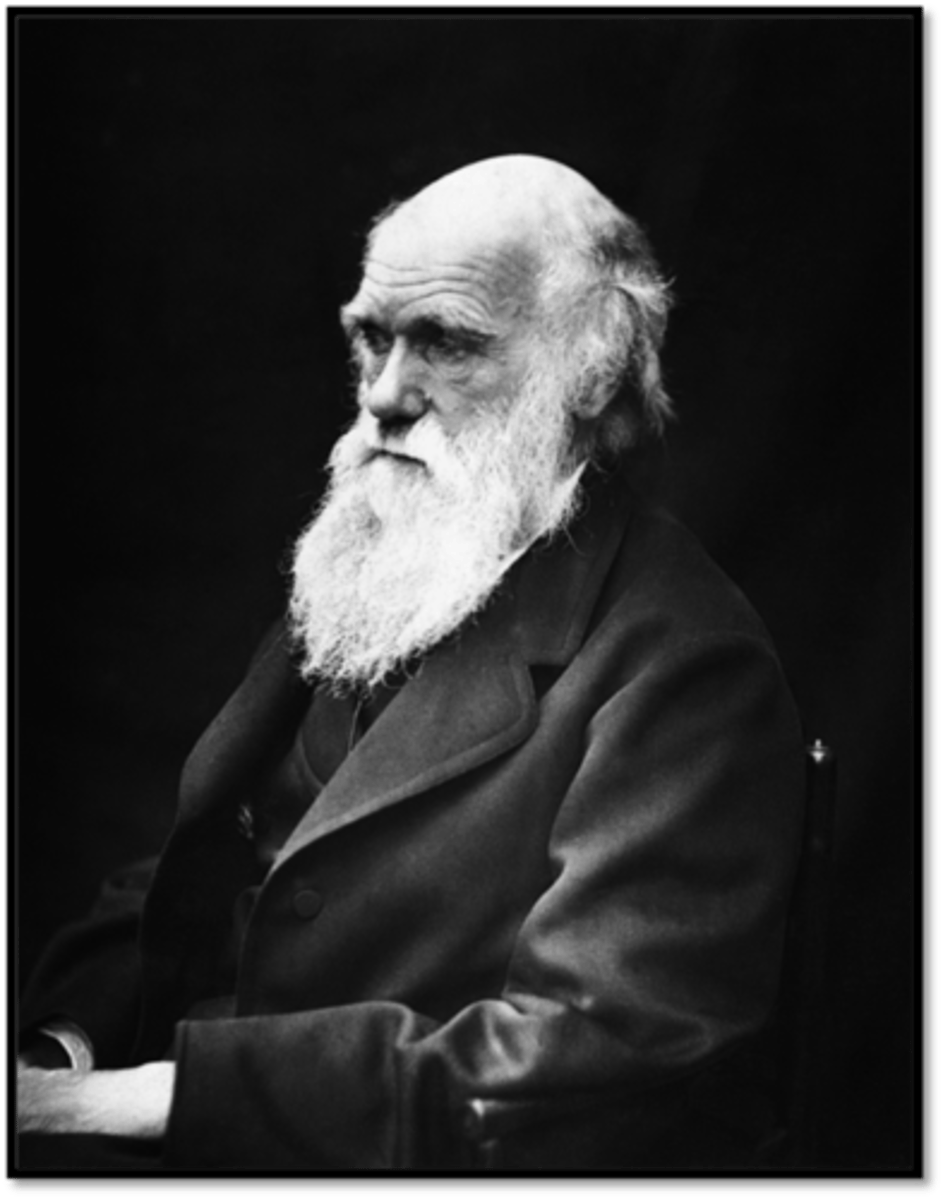
Charles Darwin
Traveled to the Galapagos Islands on the HMS Beagle and later wrote the book "The Origin of Species."
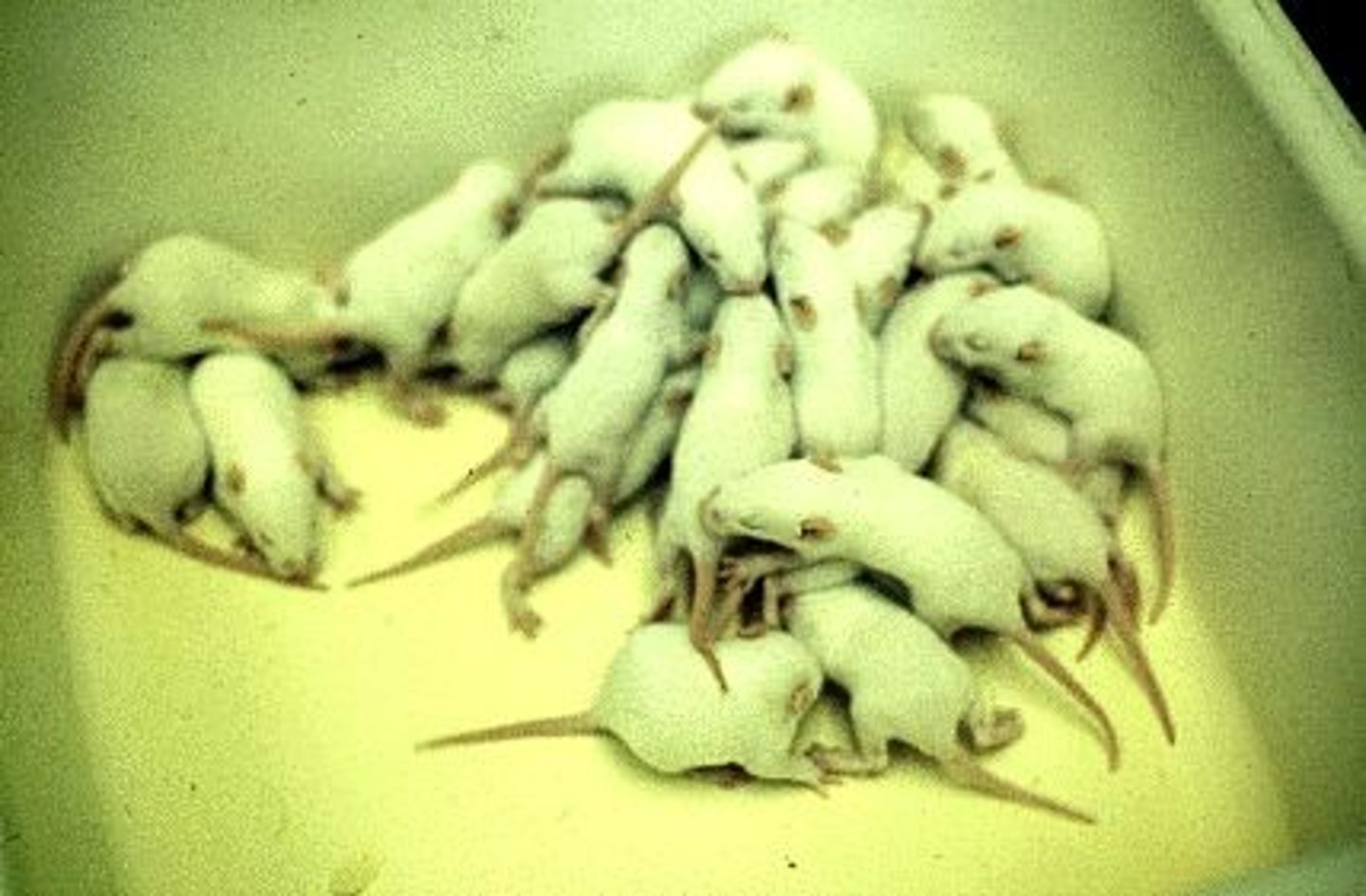
Overproduction
Strategy in which organisms make more offspring than will actually survive.
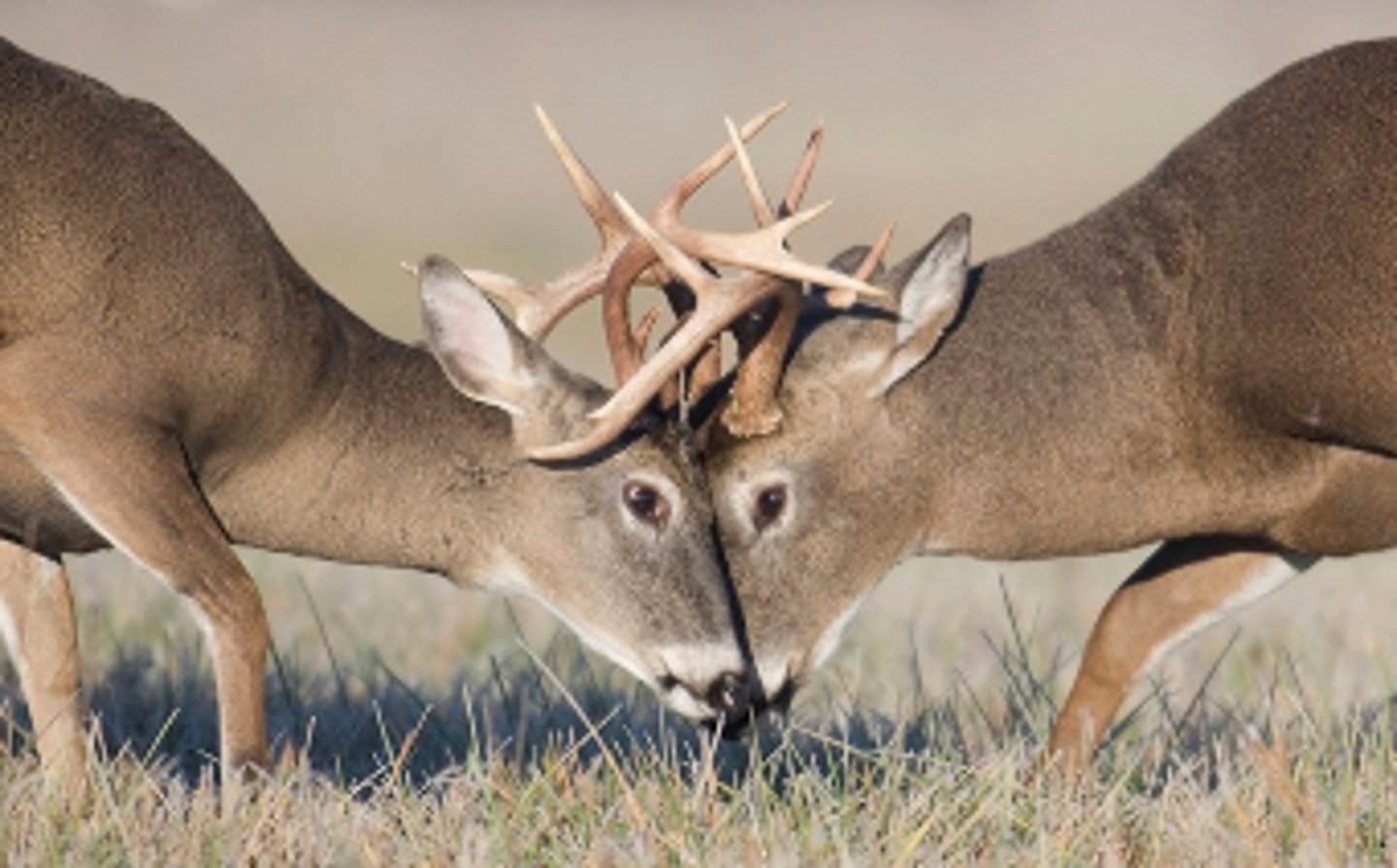
Competition
Driving force of natural selection in which organisms fight for food, water, and living space
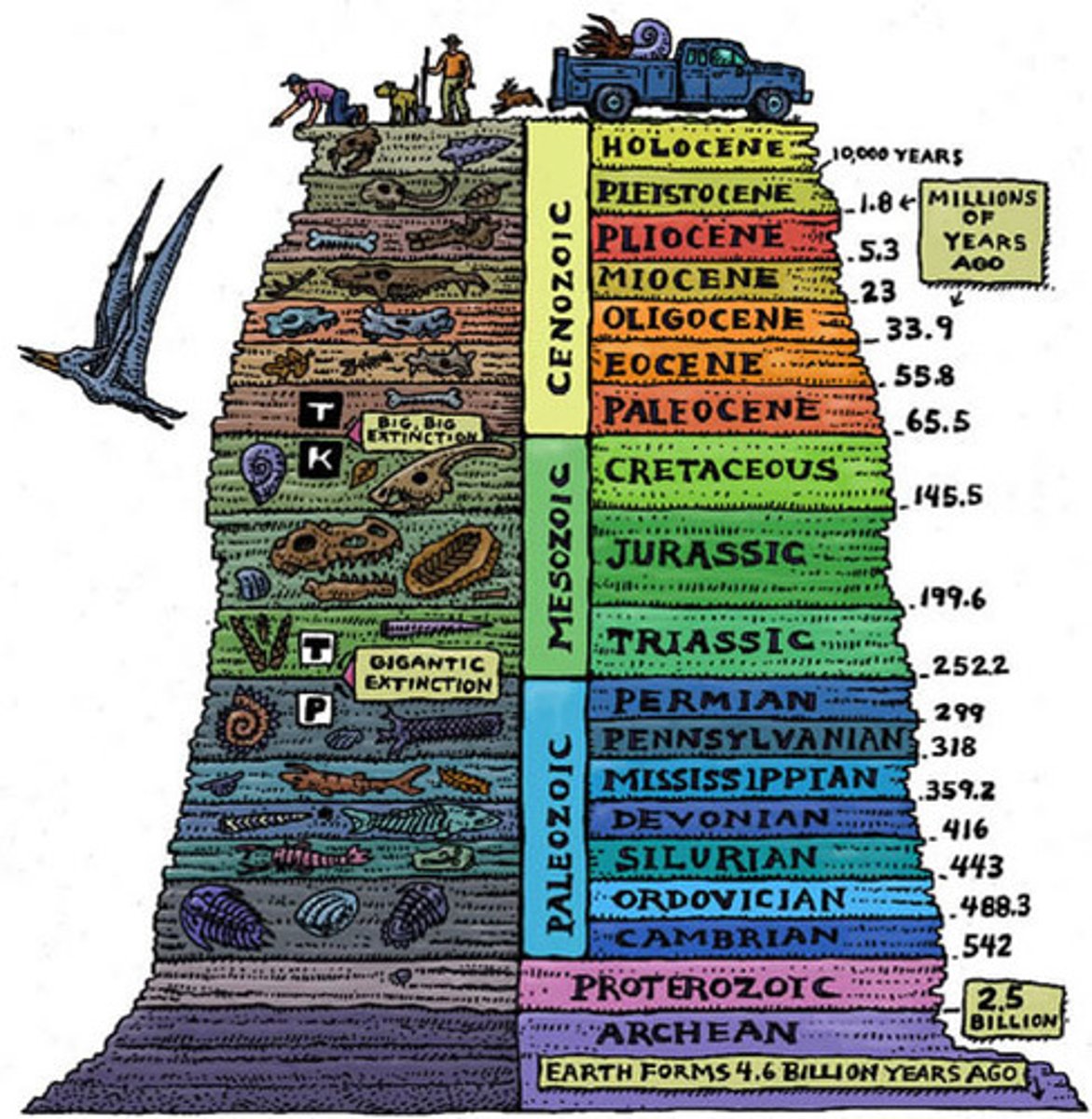
Fossil Record
All the fossils throughout the history of the Earth that are used as evidence of evolution.
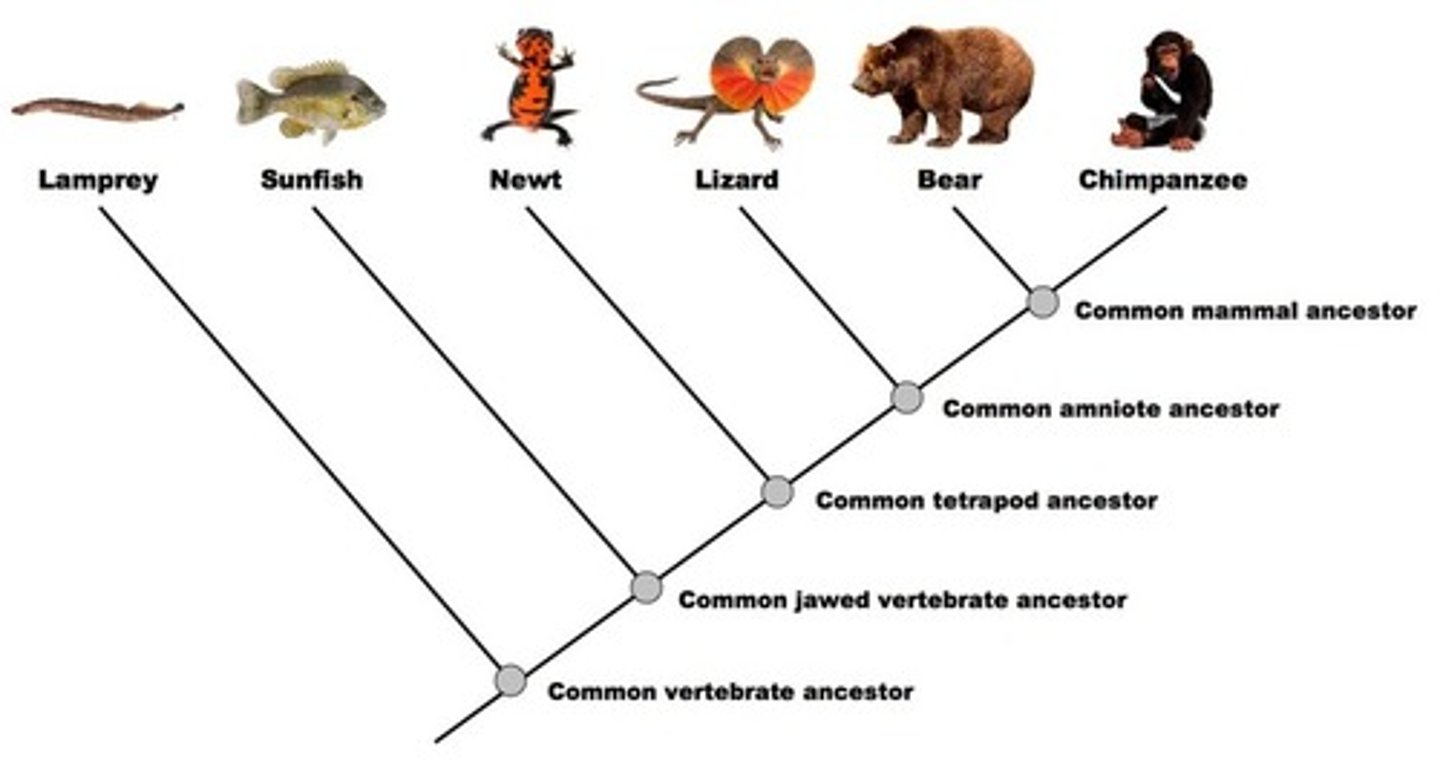
Common Ancestor
An ancestral species from which later species evolved
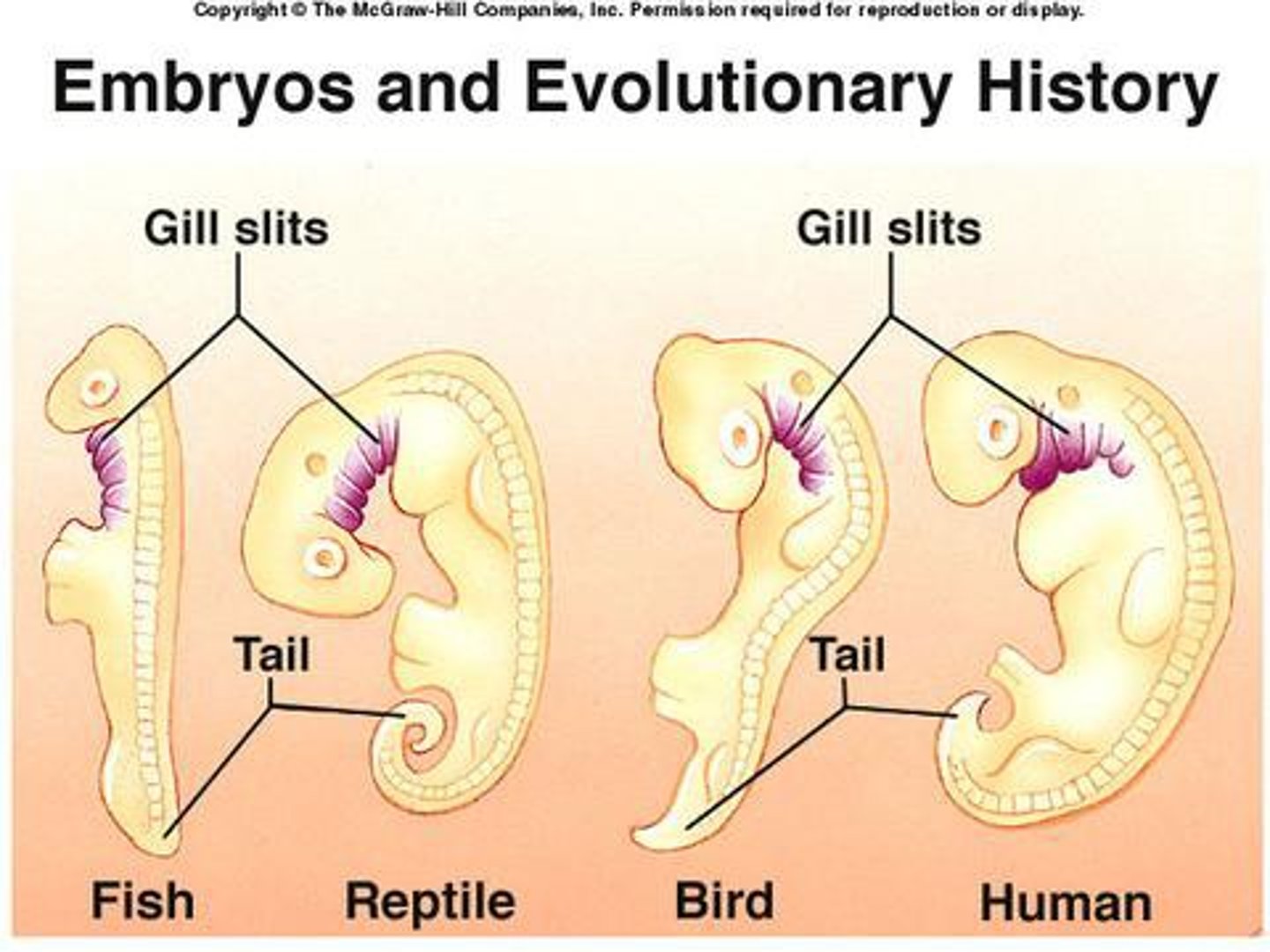
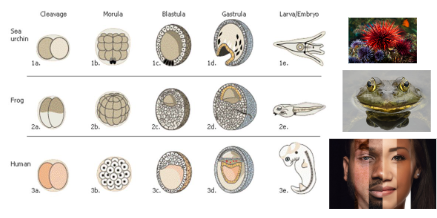
Embryology
Study of developing embryos used as evidence of evolution.
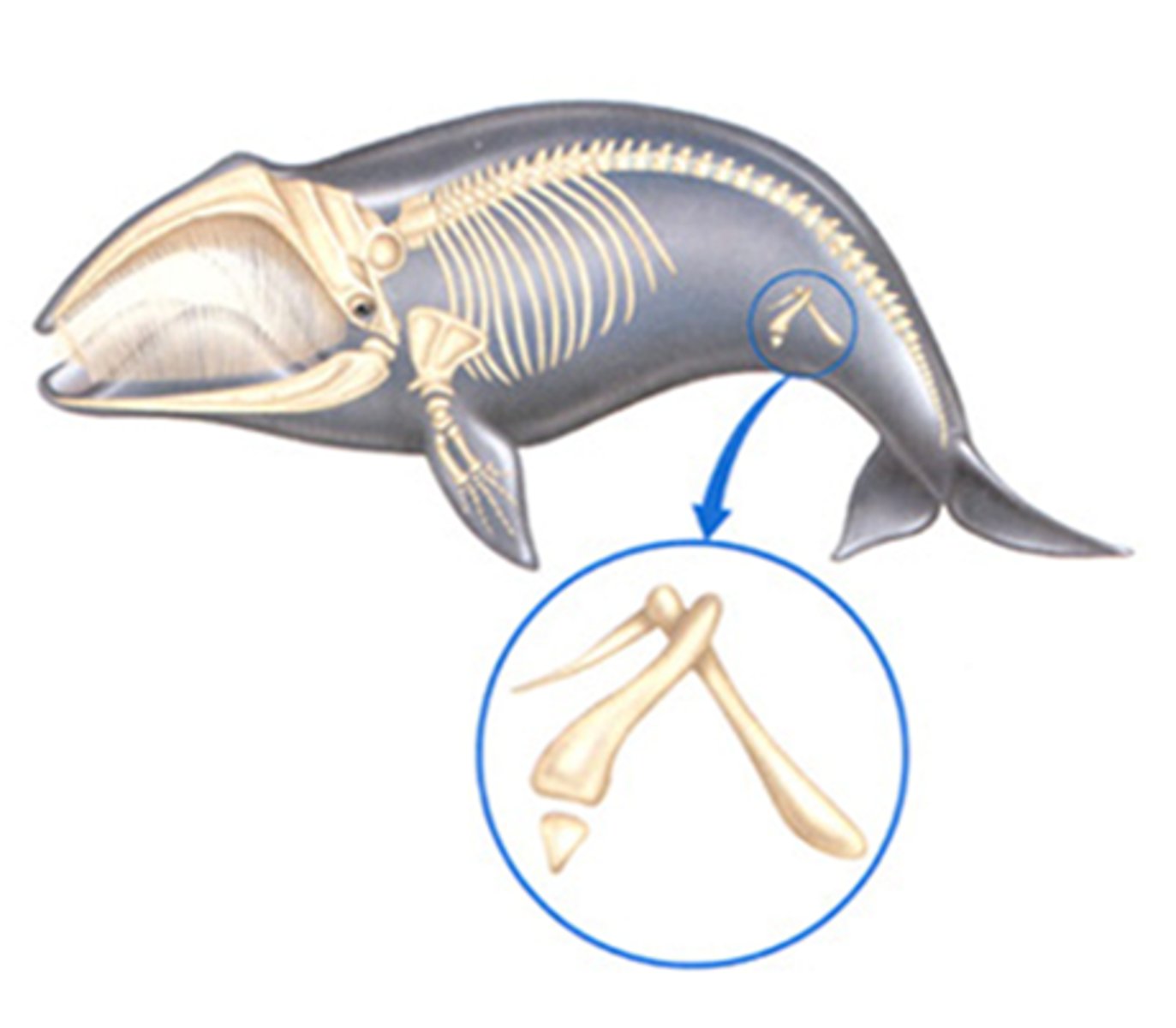
Vestigial Structures
A structure that is present in an organism but no longer serves its original purpose (ex. hip bones in whales)
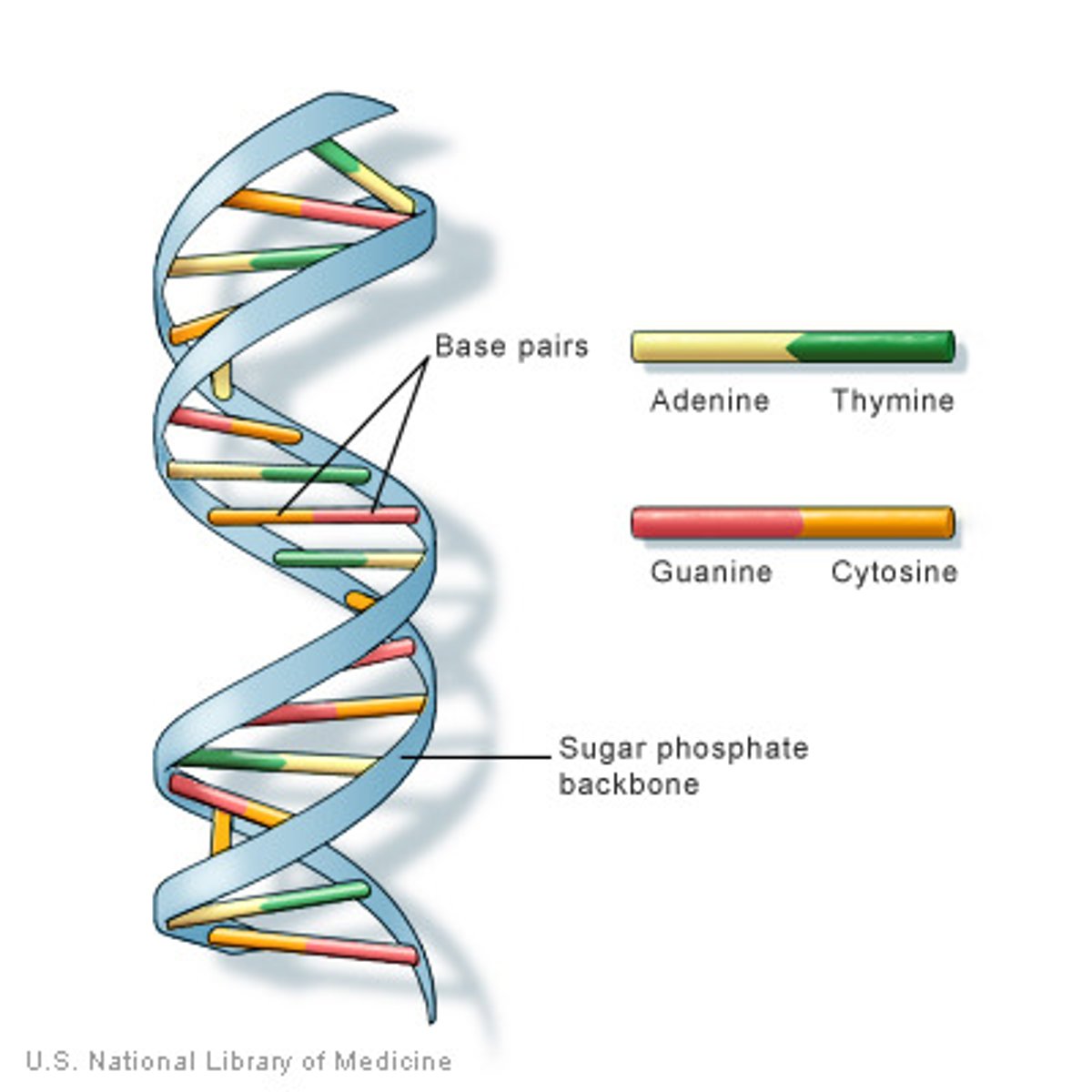
DNA
Genetic information that can be used as evidence of evolution between organisms.
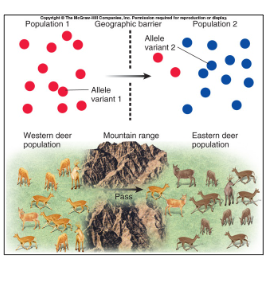
Isolation
When members of a species become separated which may lead to the evolution of new species.
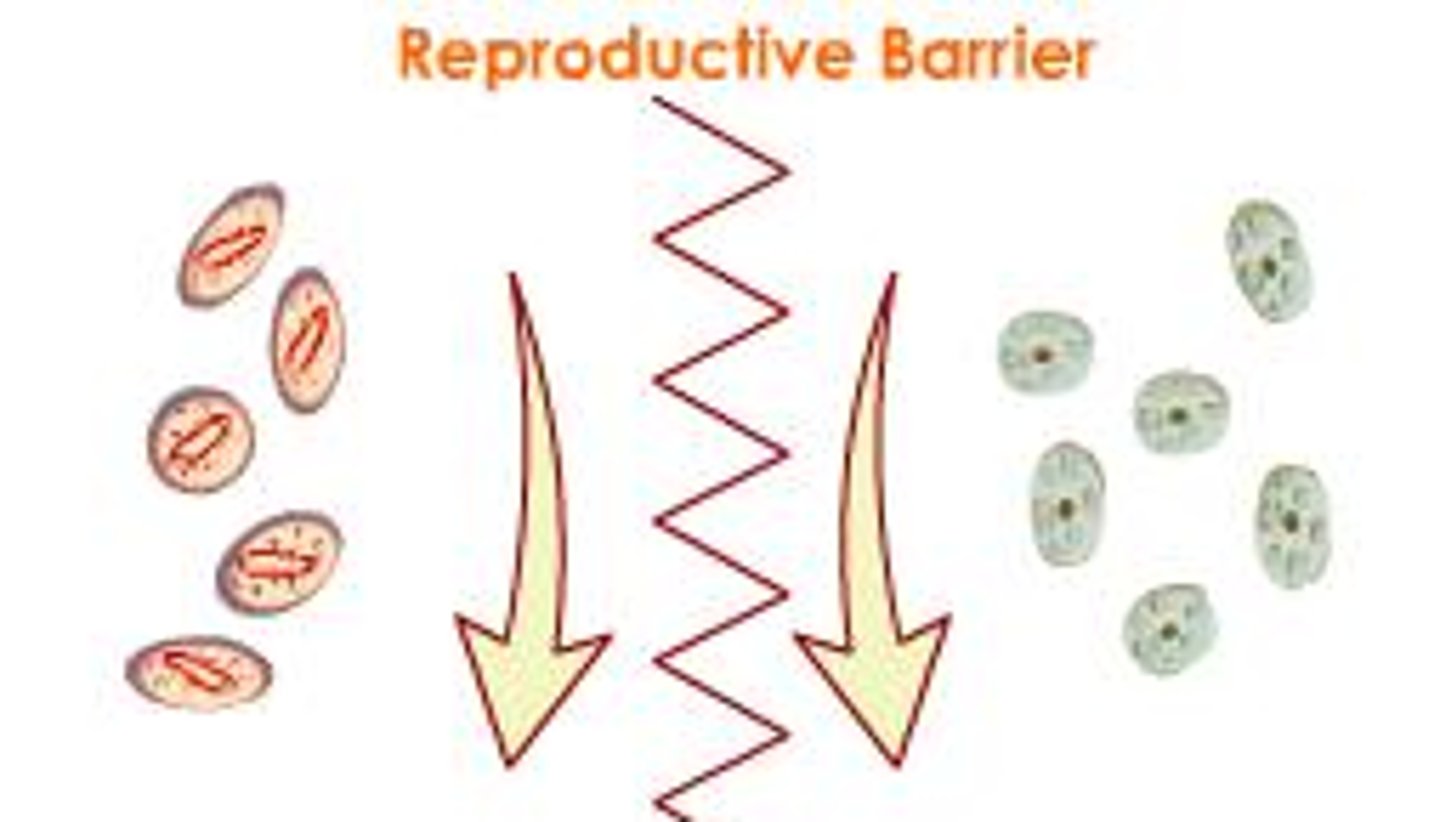
Barrier
something that blocks the way; an obstacle (mountains, rivers, etc.)
Genetic Drift
allele frequency in a population changes by chance.
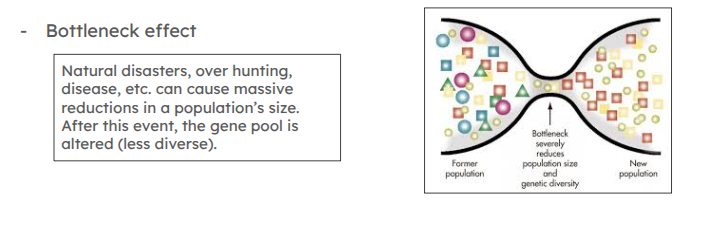
Bottleneck effect
Natural disasters, over hunting, disease, etc. can cause massive reductions in a population's size. After this event, the gene pool is altered (less diverse).
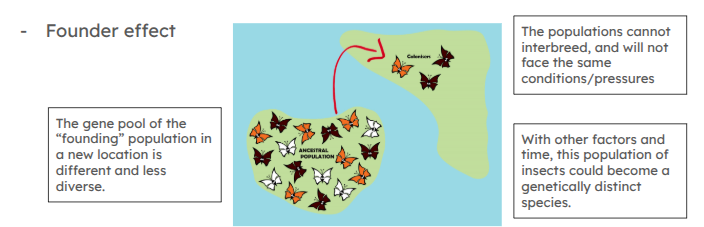
Founder effect
The gene pool of the "founding" population in a new location is different and less diverse.
Gene flow
movement of individuals into or out of a population can change the gene pool
Adds or removes alleles from a population, changes allele frequencies
Comparative embryology
Similarities between the embryonic development of organisms
Evidence of Evolution
Biogeography
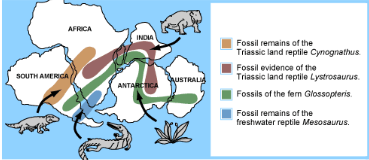
Fossil Record
Comparative Embryology
Comparative Anatomy
Molecular / Genetic* - newest and most precise
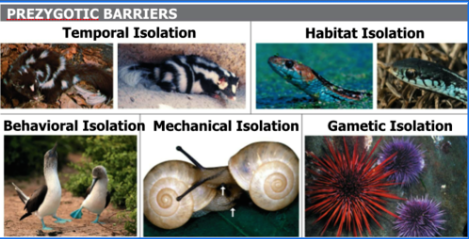
Prezygotic Barriers
an evolutionary mechanism of reproductive isolation that prevents members of different species from mating, or prevents fertilization from occurring if mating does happen
“before the zygote forms”
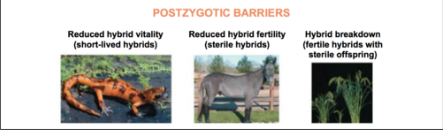
Postzygotic Barriers
Postzygotic barriers are evolutionary mechanisms of reproductive isolation that occur after fertilization has taken place “ after fertiziltion.”
Macroevolution
The formation of new species
The “5 fingers” of evolution add up to cause biological differences
A new species of organisms branches off from an ancestral one.
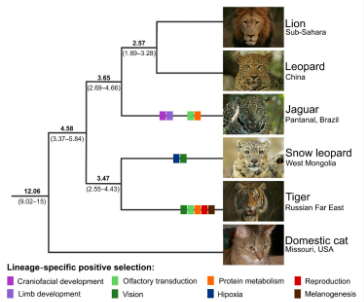
Speciation
the evolutionary process by which a single population splits into two or more distinct, independently evolving species
5 fingers of evolution
Genetic Drift
Segsual Selection
Mutations
Gene Flow
Natural Selection
Biogeography
the study of the distribution of species and ecosystems across geographic space and through geological time
Microevolution
changes in the makeup of the gene pool (the genotypes and alleles of the population are shifting over time)
-small changes within a species