GENE 3000 Tree of Life (unit 3)
 Call Kai
 Learn
Learn Practice Test
 Spaced Repetition
 Match
Match Flashcards
 Knowt Play
1/41

There's no tags or description
Looks like no tags are added yet.
Name | Mastery | Learn | Test | Matching | Spaced | Call with Kai |
|---|
No analytics yet
Send a link to your students to track their progress
42 Terms
ANIMALS: BILATERIA
Most living animals
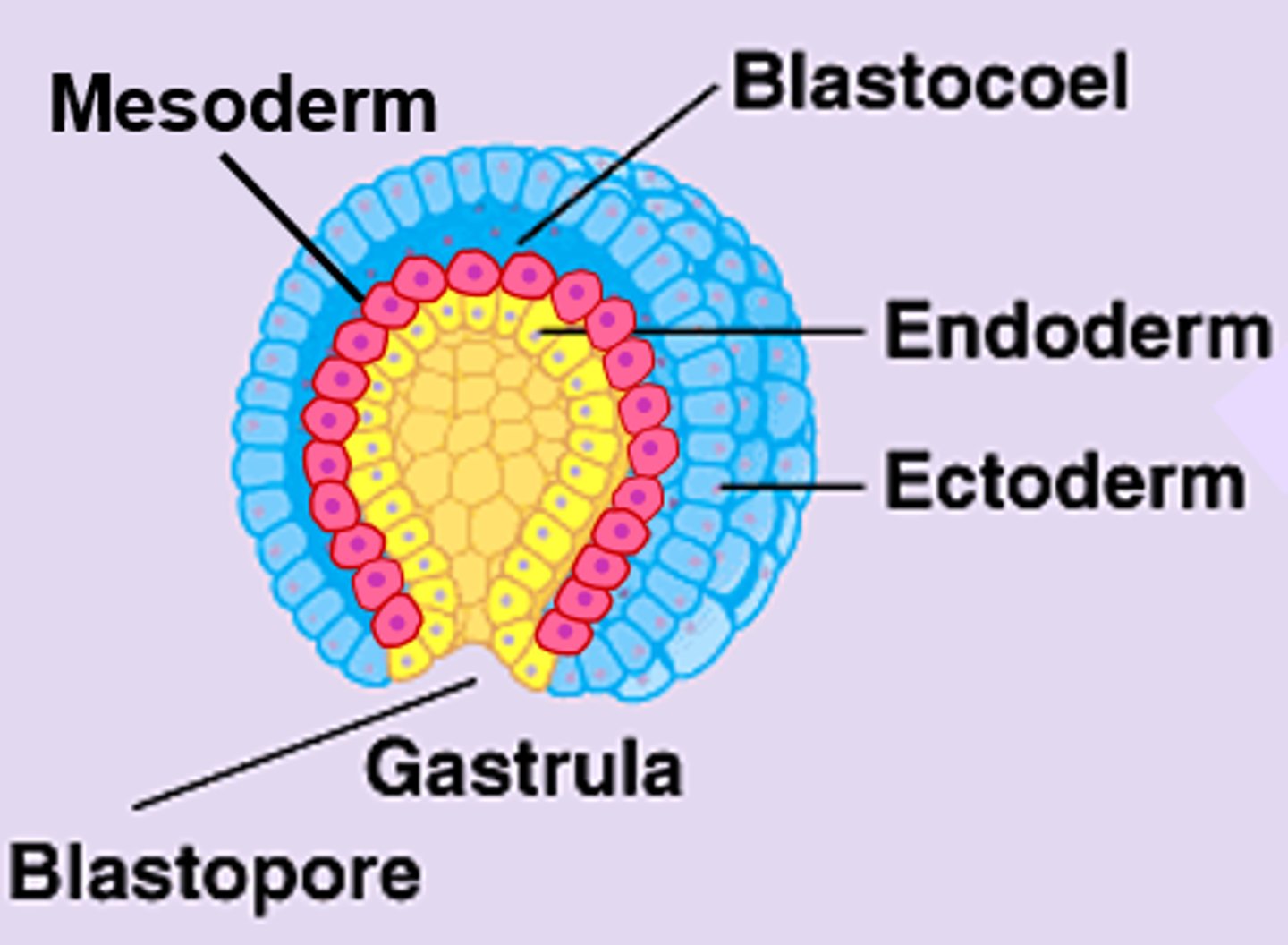
Bilateral symmetry body plan & 3 germ layers
2 broad branches = Protostomes & Deuterostomes
Taxonomic rank
Domain, Kingdom, Phylum, Class, Order, Family, Genus, Species
Protostomes
Mouth first, then anus
Includes many invertebrates
Deuterostomes
Anus first, then mouth
Includes chordates, echinoderm
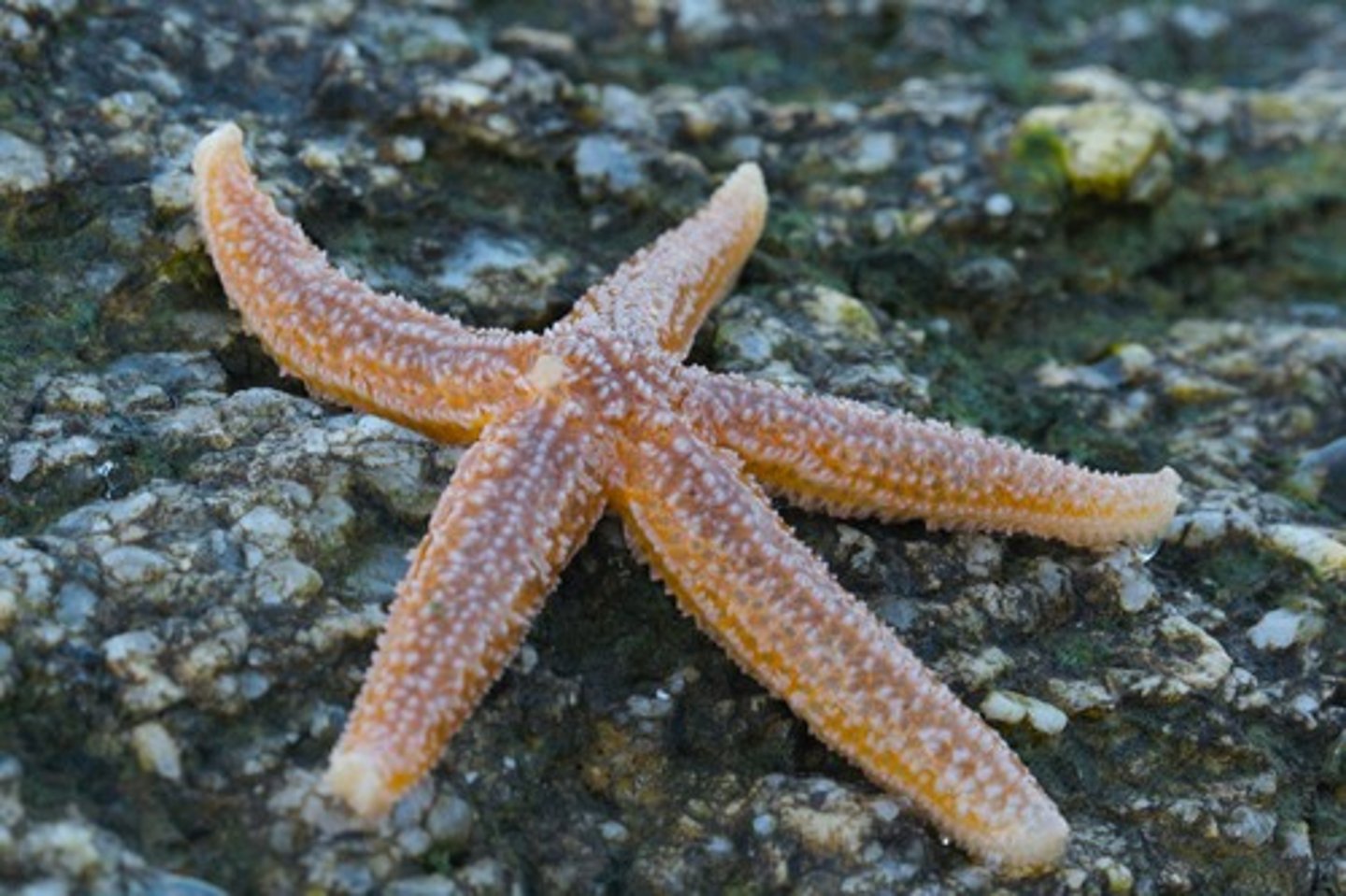
Echinodermata
Entirely marine
Sea stars
Sea urchins
Sea cucumbers
Chordata
Defined by 5 traits
1. notochord
2. dorsal nerve cord
3. pharyngeal slits
4. endostyle
5. post-anal tail
Groups at the base of Chordata
1. Cephalachordata
2. Olfatores
Domain, Kingdom, Phylum example =
Eukarya, Animalia, Chordata
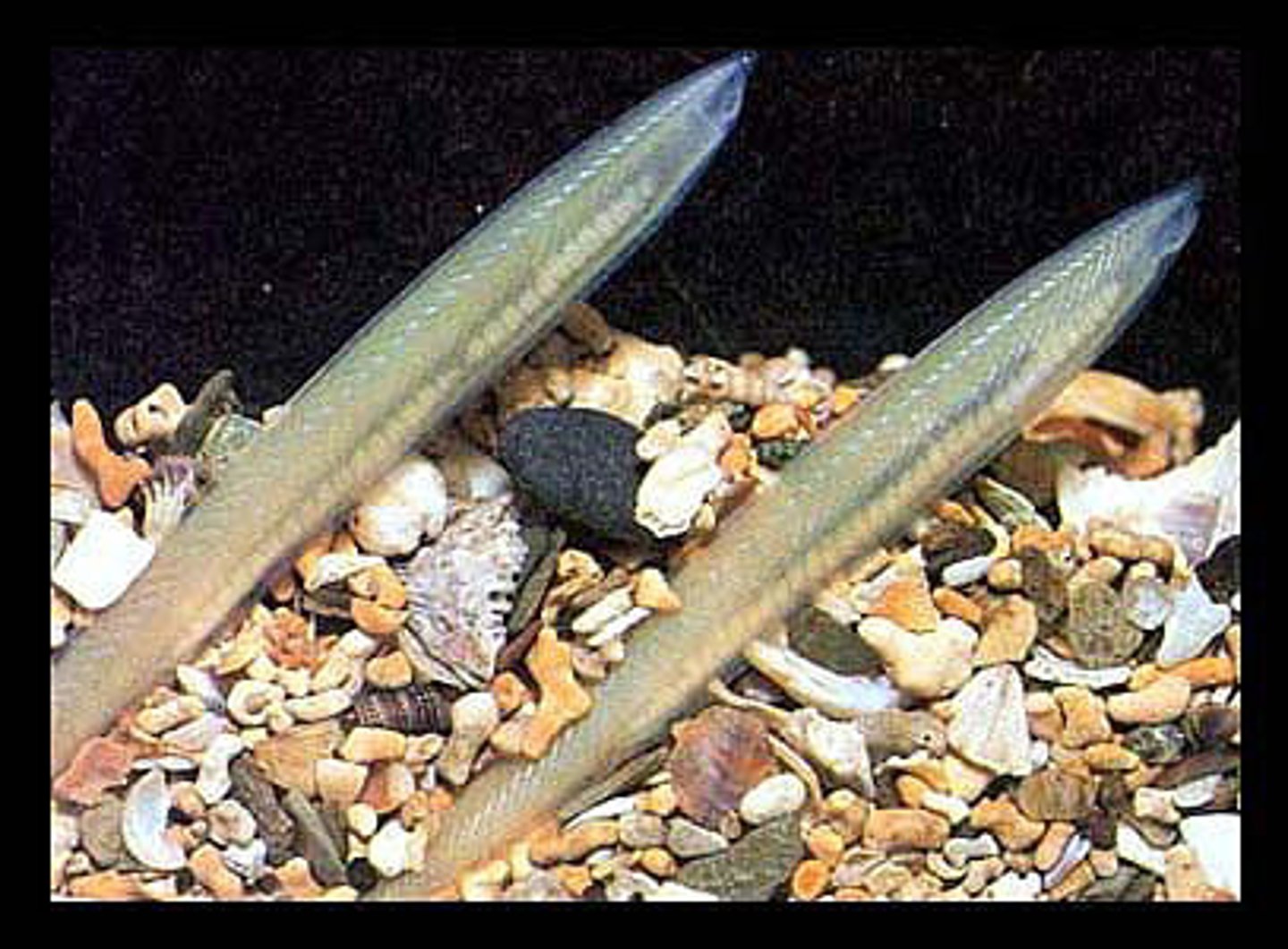
Cephalochordata
lancelets
Olfatores
Includes tunicates and vertebrates
Most vertebrates are fish and make up ___ described species
30,000
Tunicata
Larval form contains the notochord, not the adult!
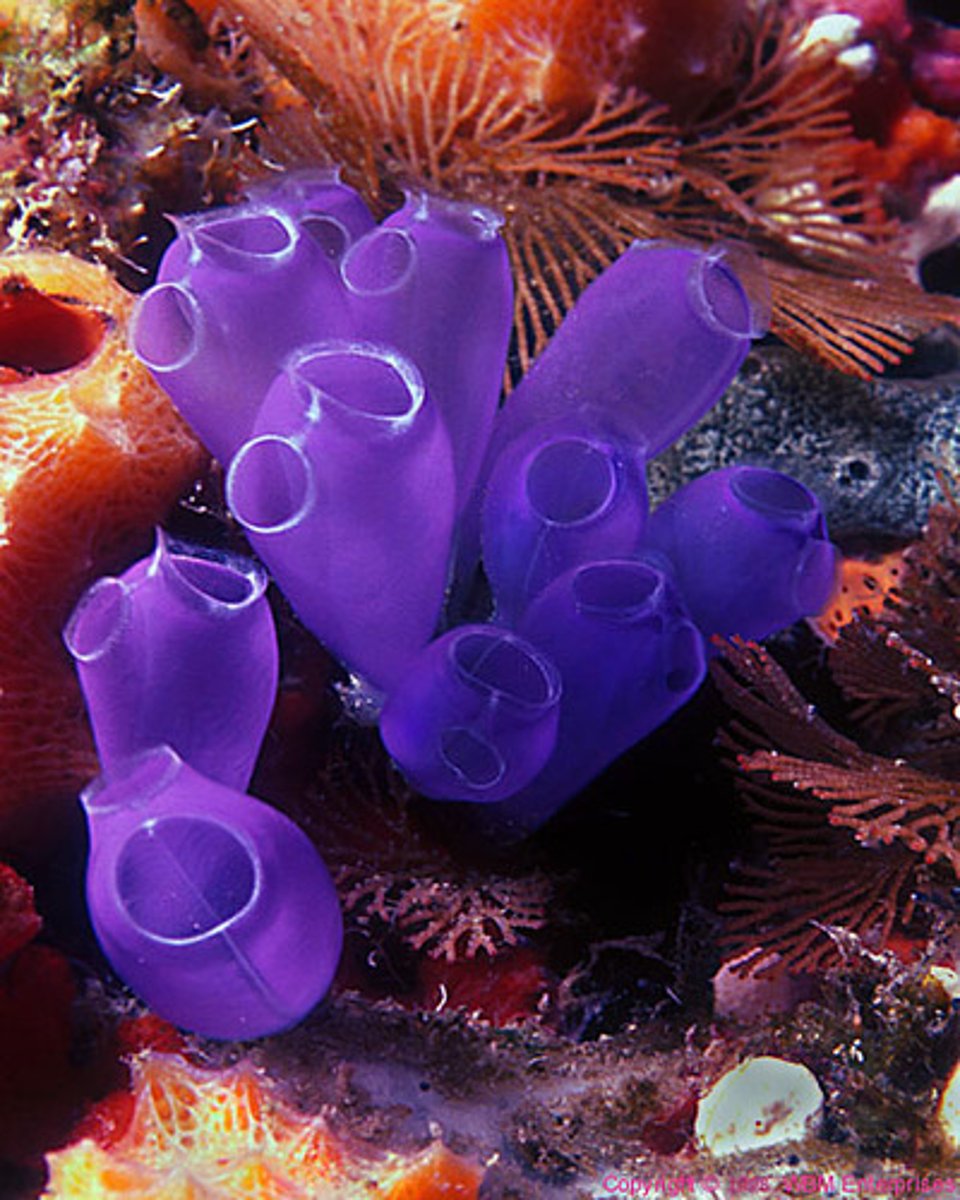
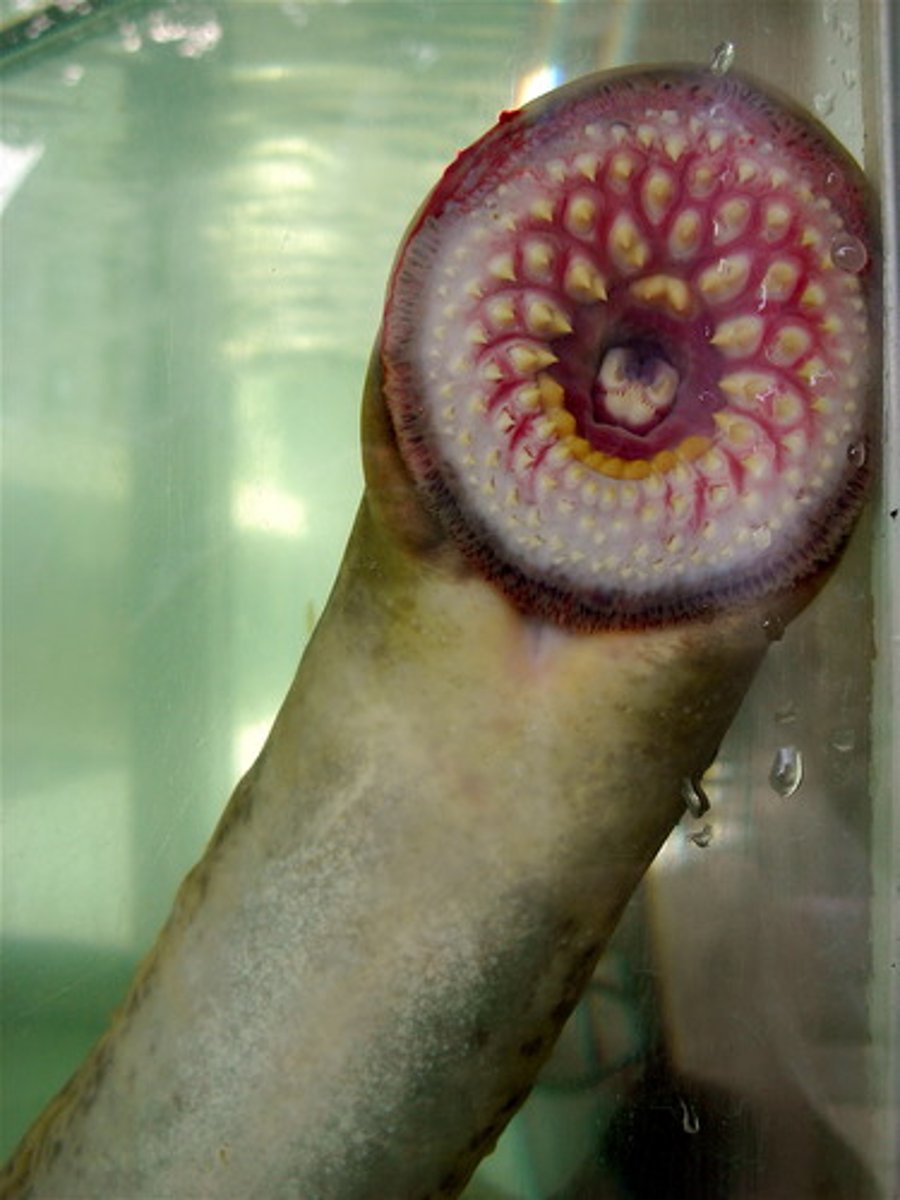
Cyclostomata
chordata-olfatores-vetebrata-cyclostomata
Jawless fish
Most basal end of vertebrates
Includes lampreys and hagfish
Gnathostomata
chordata-olfatores-vetebrata-gnathostomata
Super Class
Jawed vertebrates
First lineage of fish?
Includes chondrichthyes, osteichthyes, amphibia, reptilia, aves, mammals
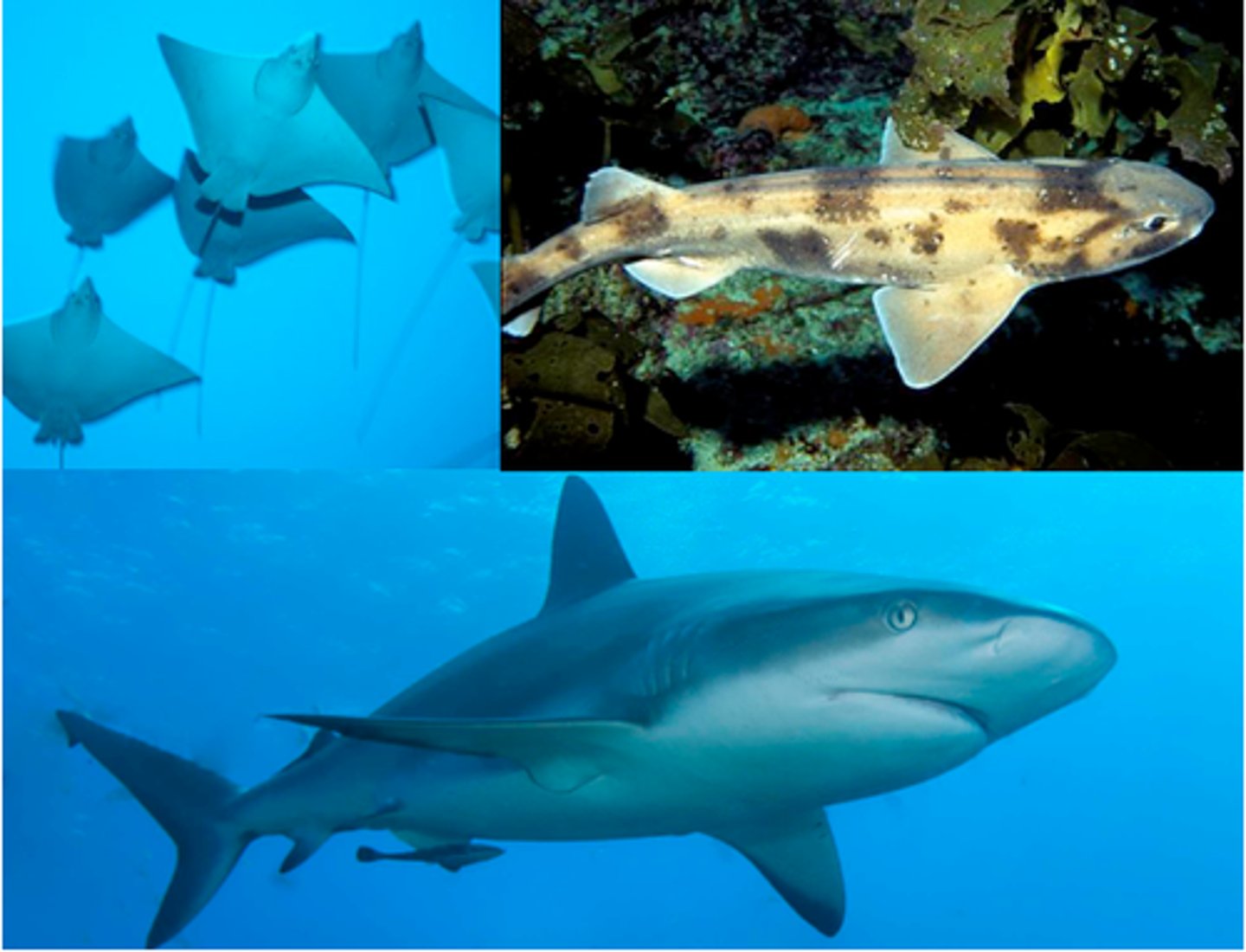
Chondrichthyes
chordata-olfatores-vetebrata-gnathostomata-chondrichthyes
Cartilaginous fish
Includes sharks, rays, skates, sawfish
Osteichthyes
chordata-olfatores-vetebrata-gnathostomata-osteichthyes (class)
Bony fish
2 major lineages = Actinopterygii (ray-finned fish)
Sarcopterygii (lobe-finned -> gave rise to tetrapods?)
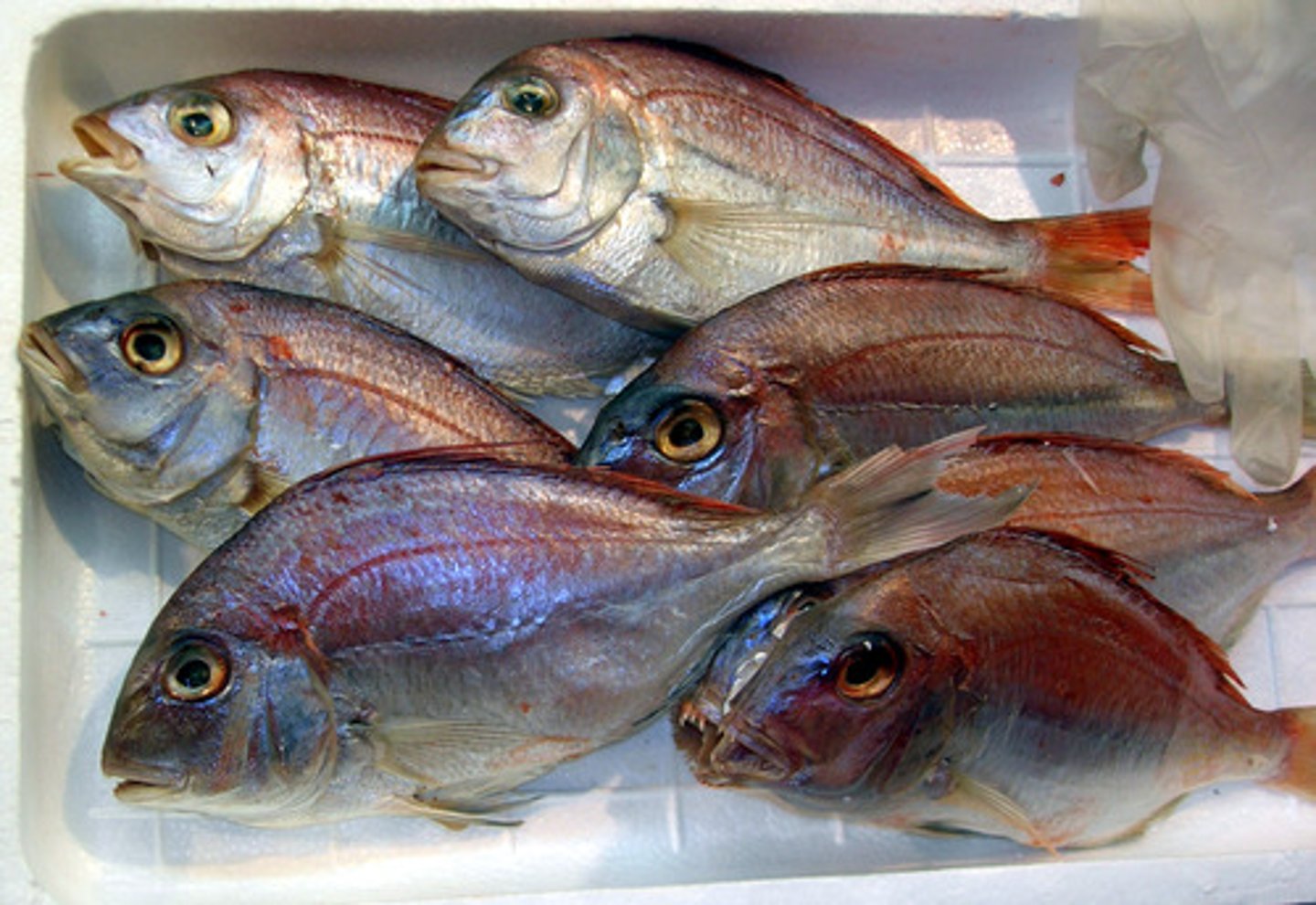
Teleost
osteichthyes-actinopterygii-teleost
Make up 96% of all fish
Includes salmon, swordfish, etc.
^^ think ray-finned
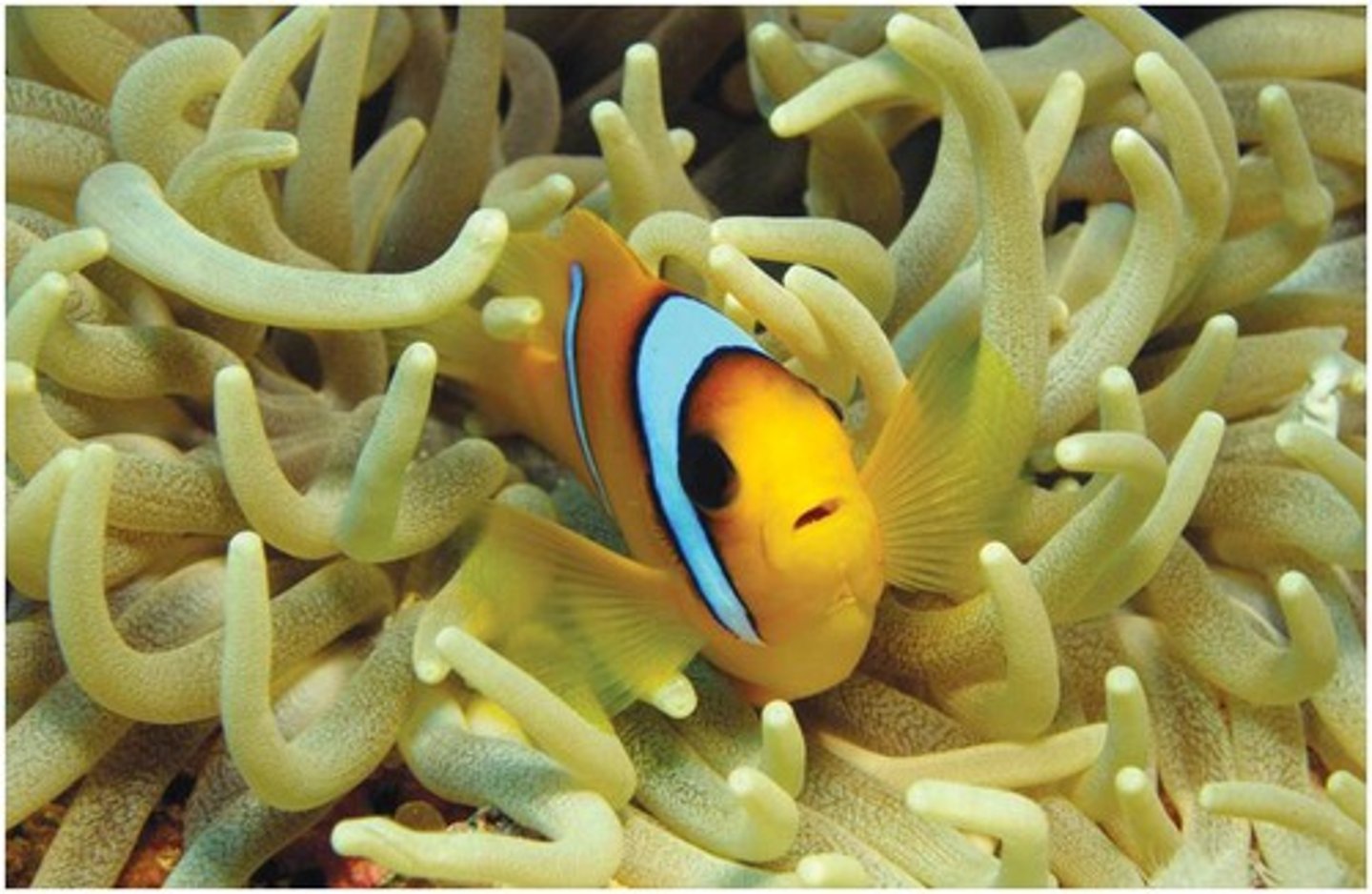
Sarcopterygii (lobe-finned fish)
chordata-olfatores-vetebrata-gnathostomata-osteichthyes-sarcopterygii
Important group - will learn more about them in last assigned reading book
Tetrapods
Chordata-Olfatores-Vetebrata-Gnathostomata
Gnathostomes that have 4 limbs
Anamniotes versus Amniotes
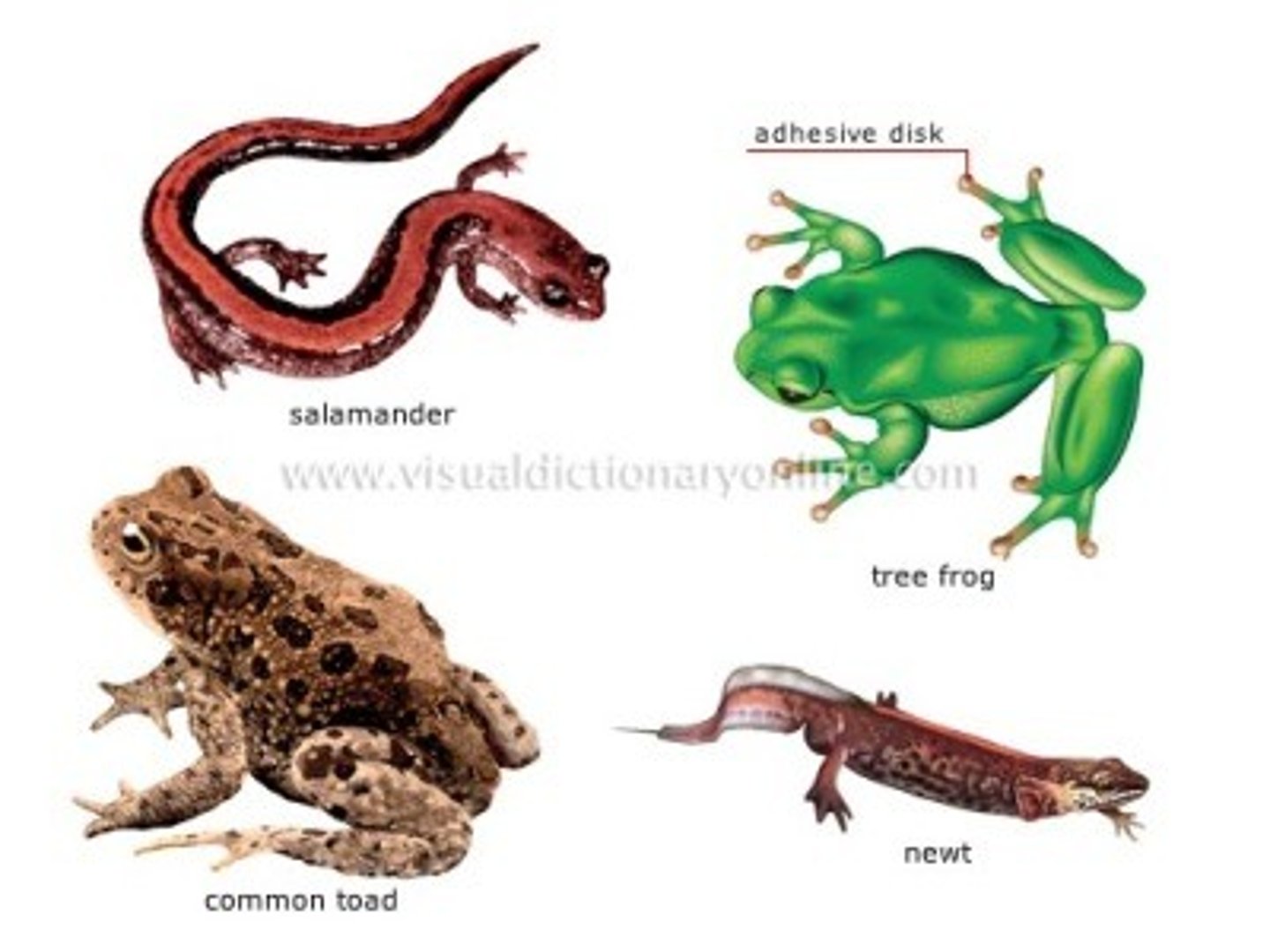
Anamniotes
Tetrapod
Lay eggs in water
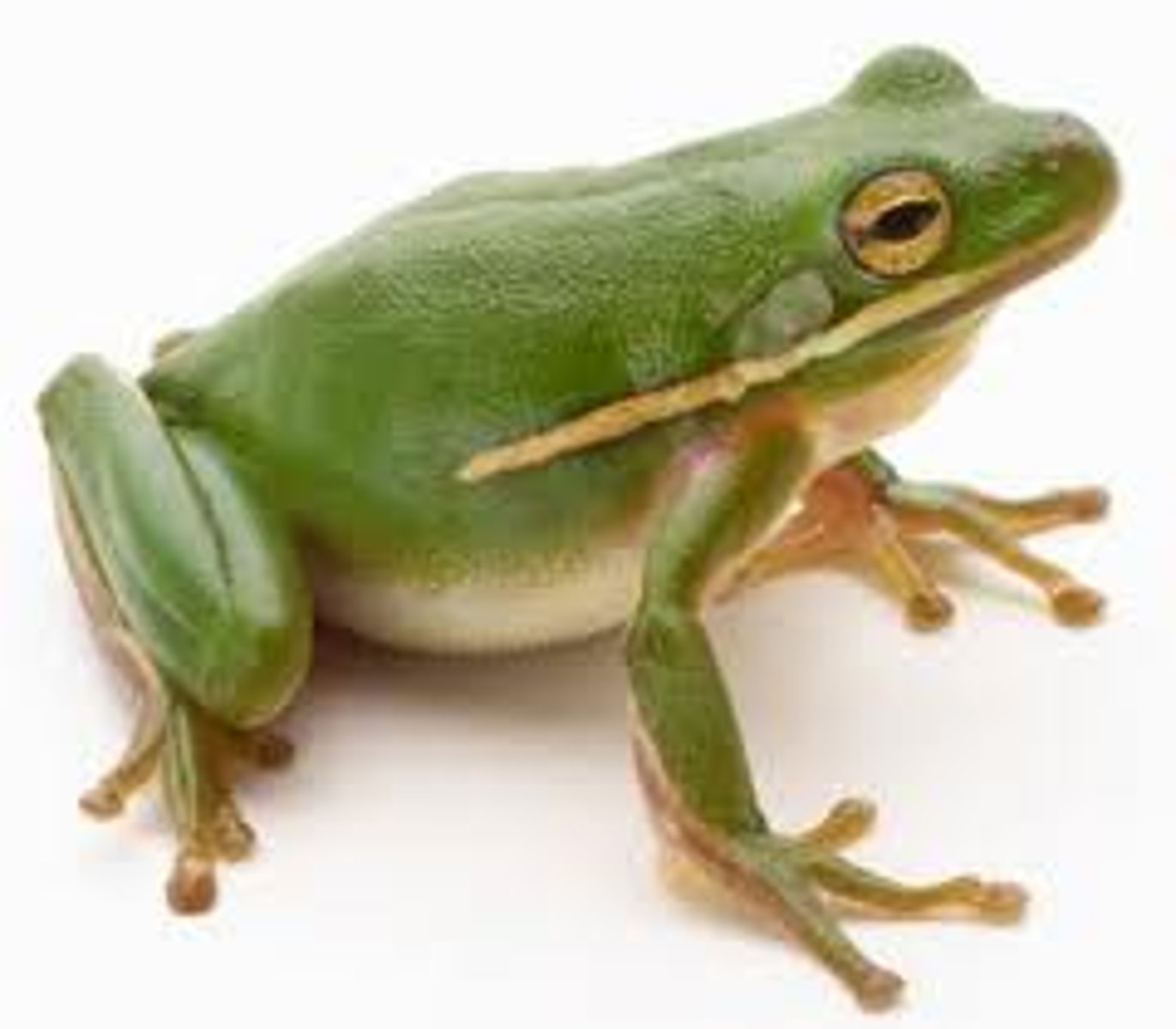
Includes Amphibians (frogs & toads), Caudata (salamanders & newts), Caecilians (aquatic/terr. worms?)
Amniotes
Tetrapods
Lay eggs on land
Sauropsid reptiles
About 20,000 extant species
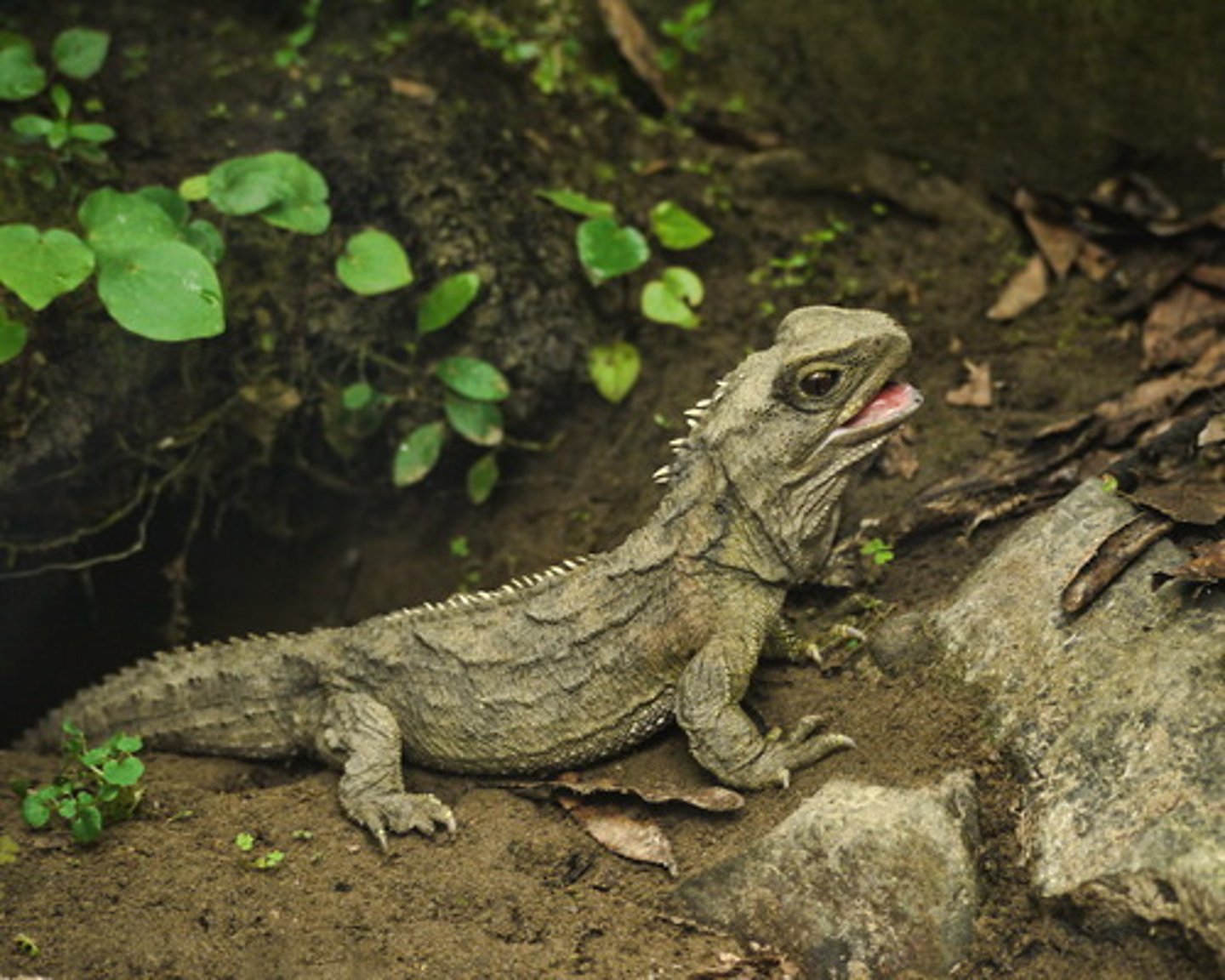
Includes Tuatara, Squamates, Archosauria, Testudines
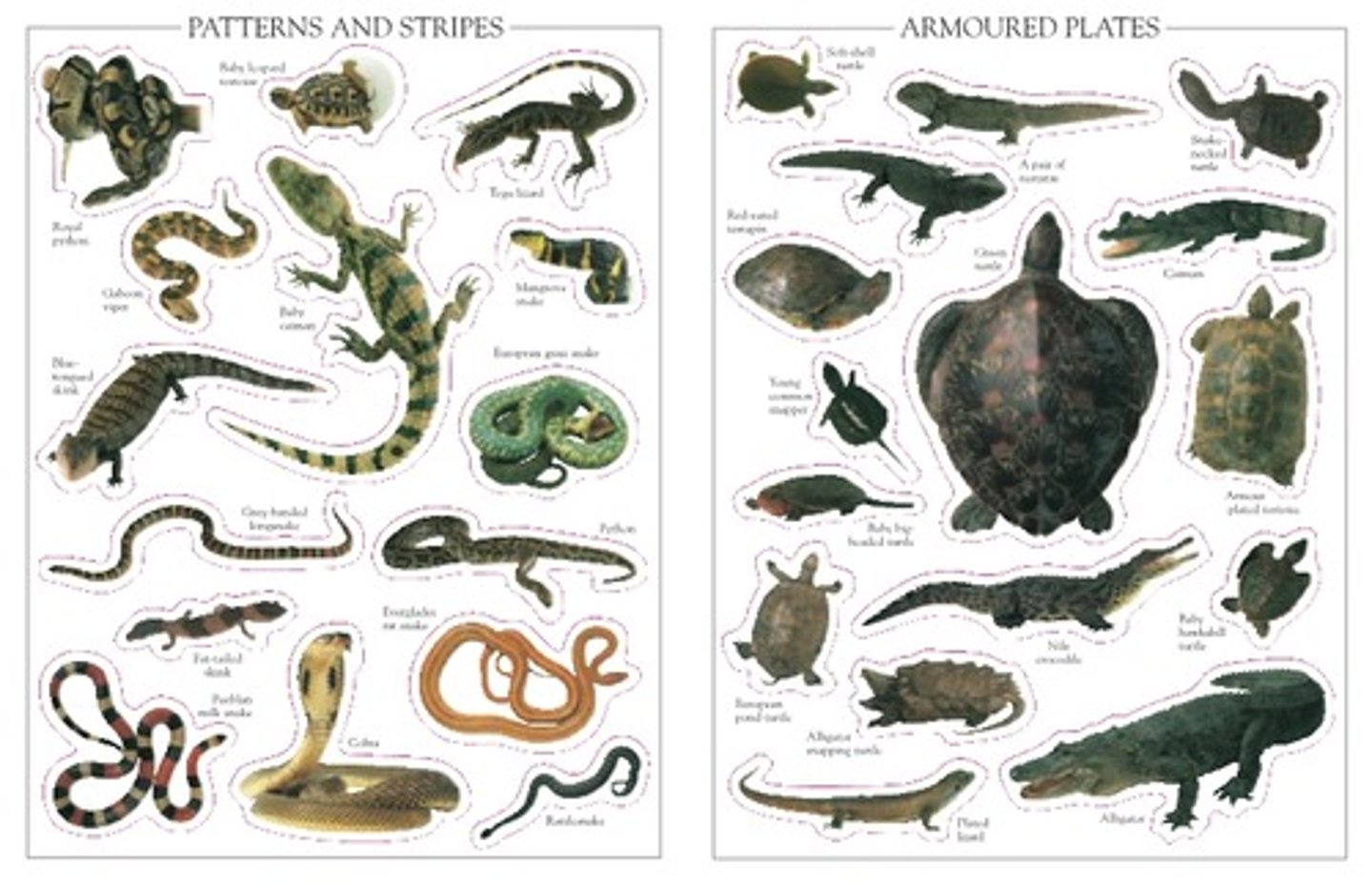
Tuatara
Tetrapod-Amniotes
Only species in its order -> Endemic to NZ
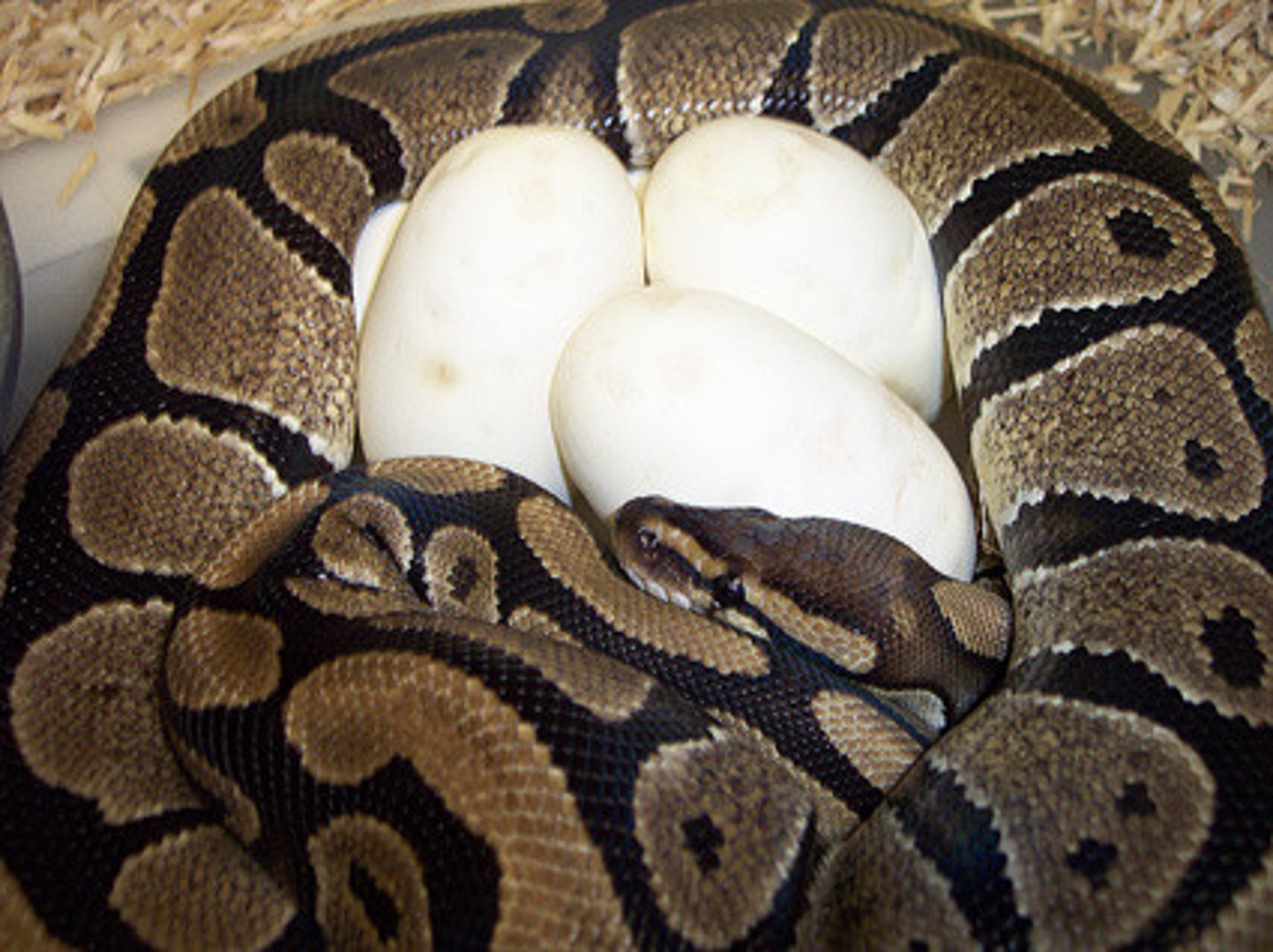
Squamates
Tetrapod-Amniotes
Scaled ->
Lizard, amphisbaenians, snakes
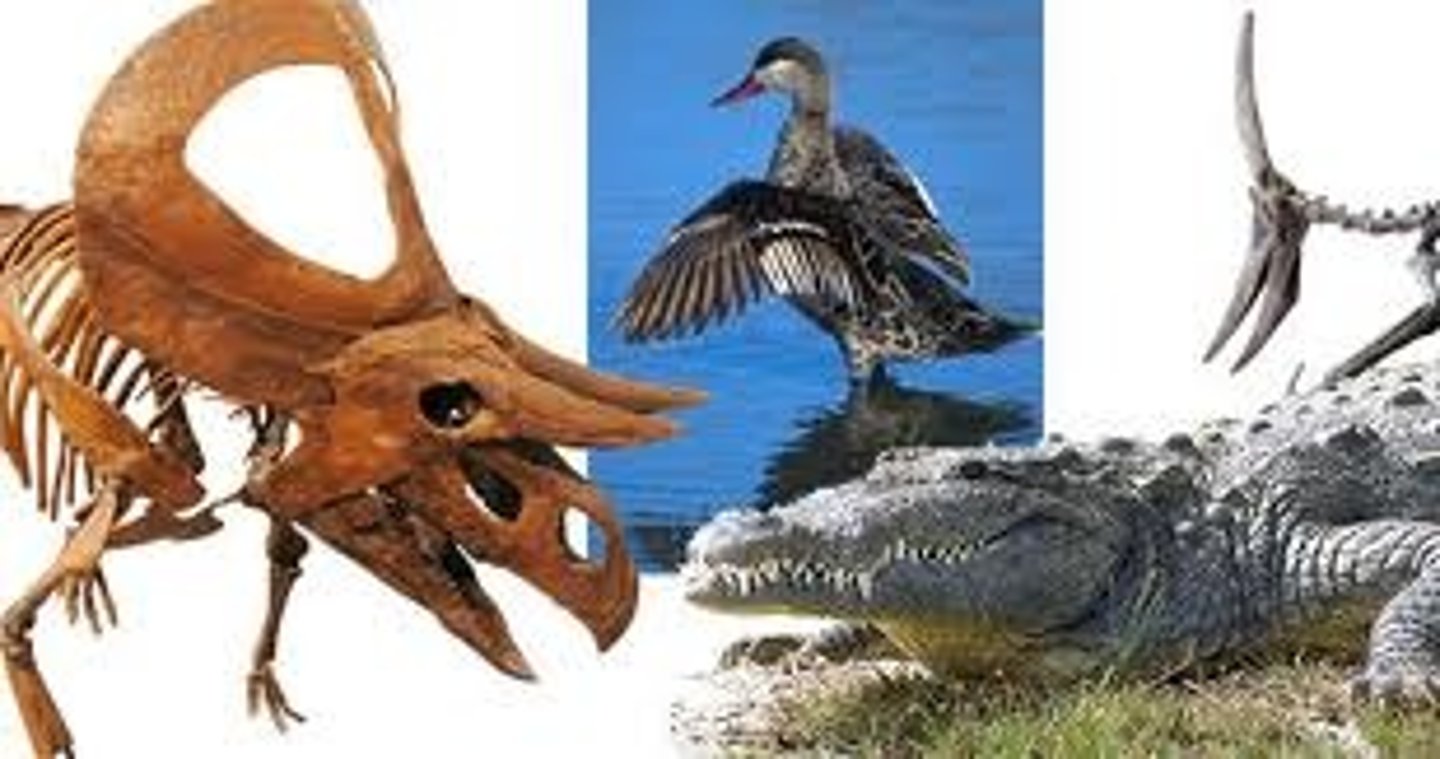
Archosauria
Tetrapod-Amniotes
Crocodilians, pterosaurs, dinosaurs & birds
Testudines
Tetrapod-Amniotes
Turtles
Most derived in these group of reptiles
Archosauria -- BIRDS
Birds fall into 1 of 2 phylogenetic groups
Paleognaths
&
Neognaths
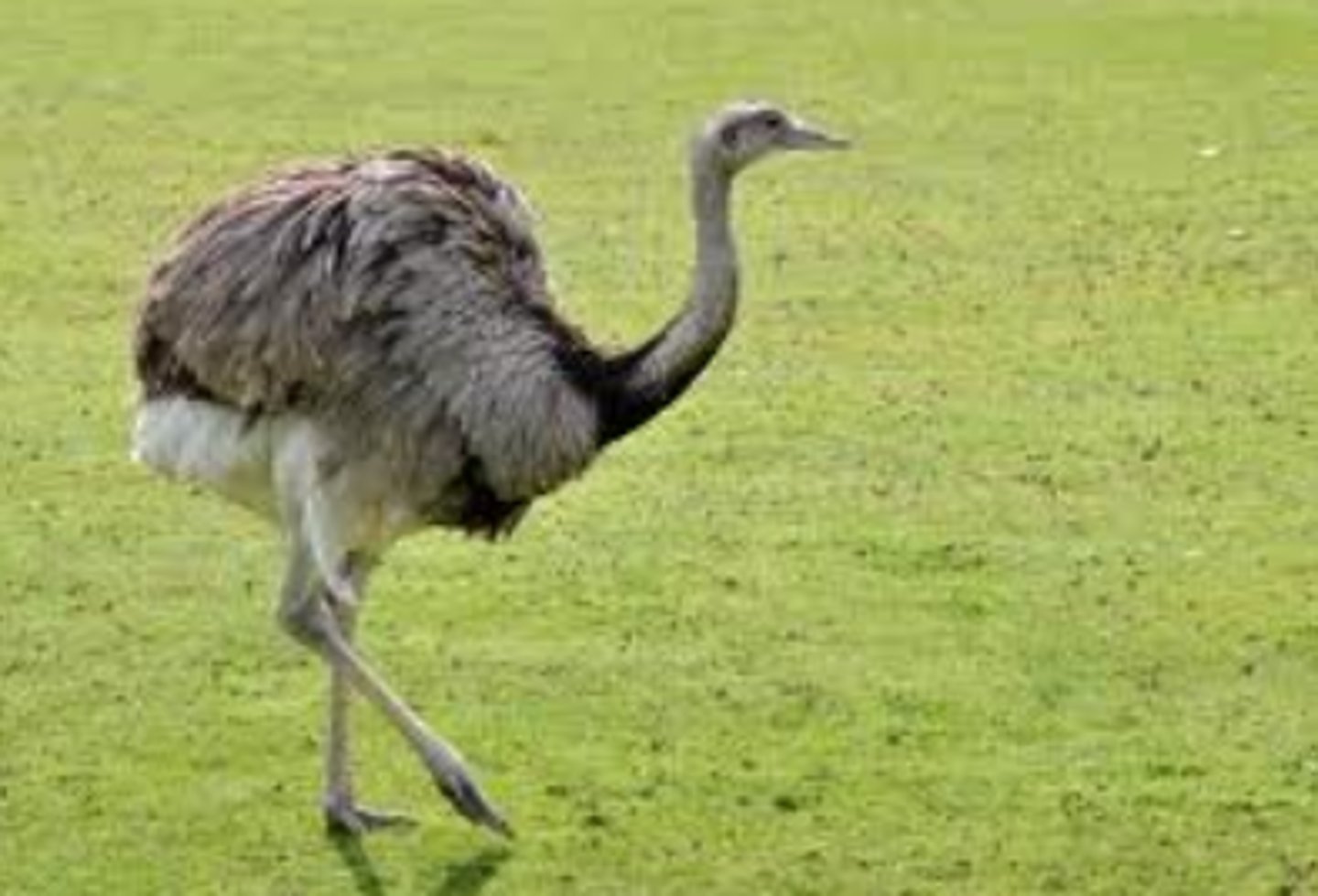
Paleognaths
mostly large, flightless birds like ostriches, cassowaries, emus, kiwi and
tinamou (exception to flight)
Neognaths
Galliformes
Anseriformes
Strisores
Columbaves
Gruiformes
Aequorlitornithes
Ipopinaves
Afroaves
Australoaves
Passerines
Neognaths-Galliformes
turkey, chicken, partridge
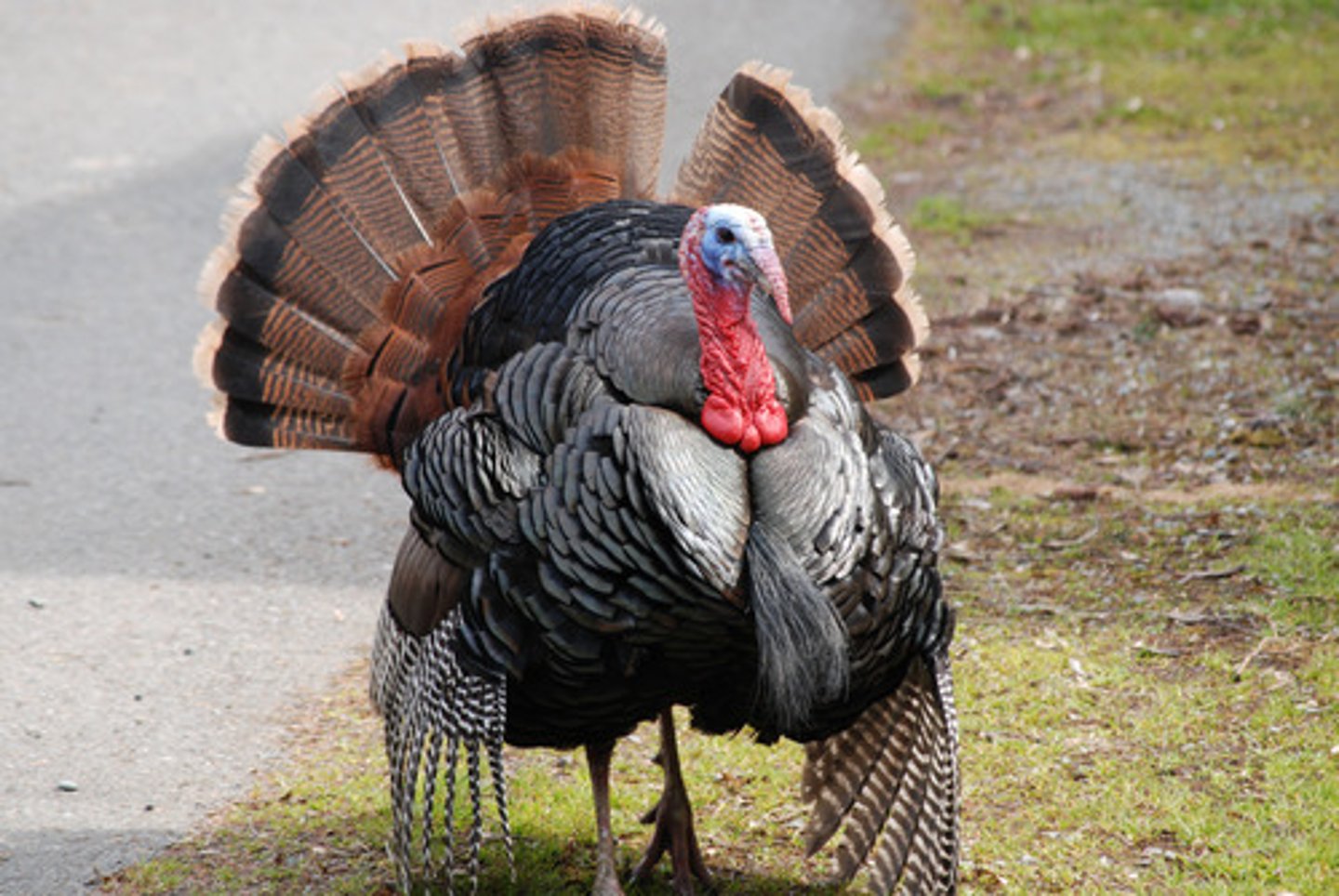
Neognaths-Anseriformes
ducks, geese, swans
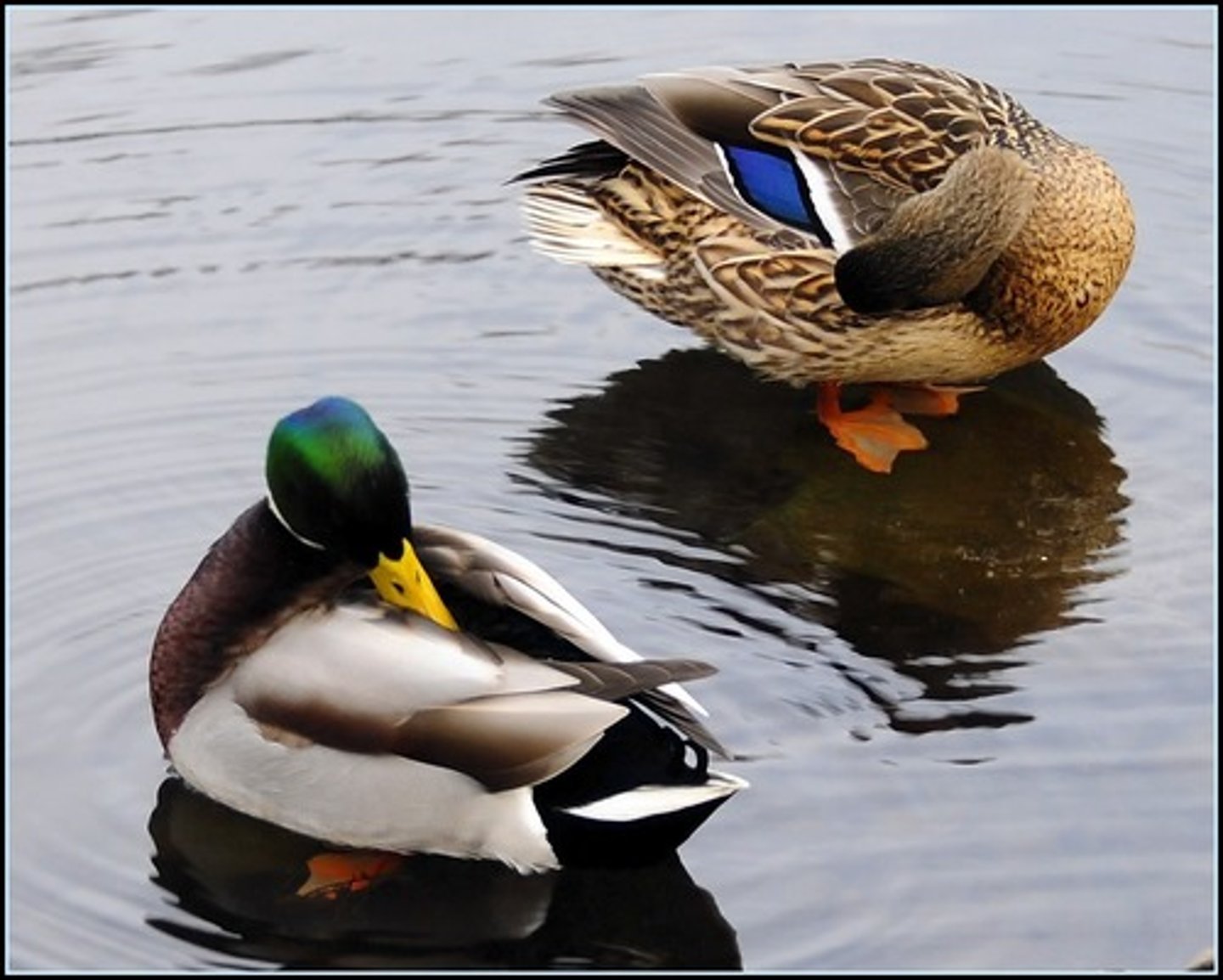
Neognaths-Strisores
nightjars, oilbirds,hummingbird, frogmouths
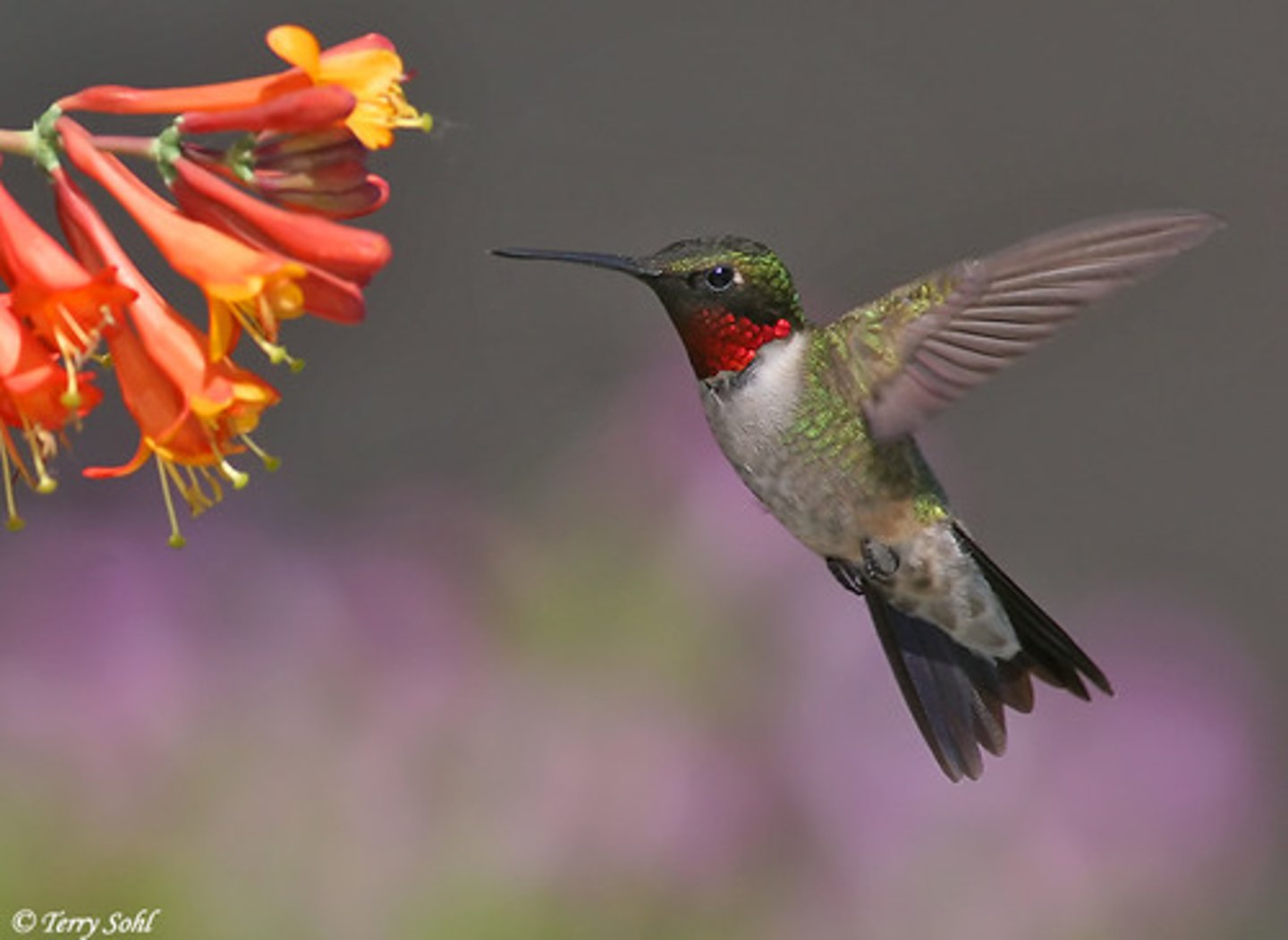
Neognaths-Columbaves
pigeon, cuckoos, turcos
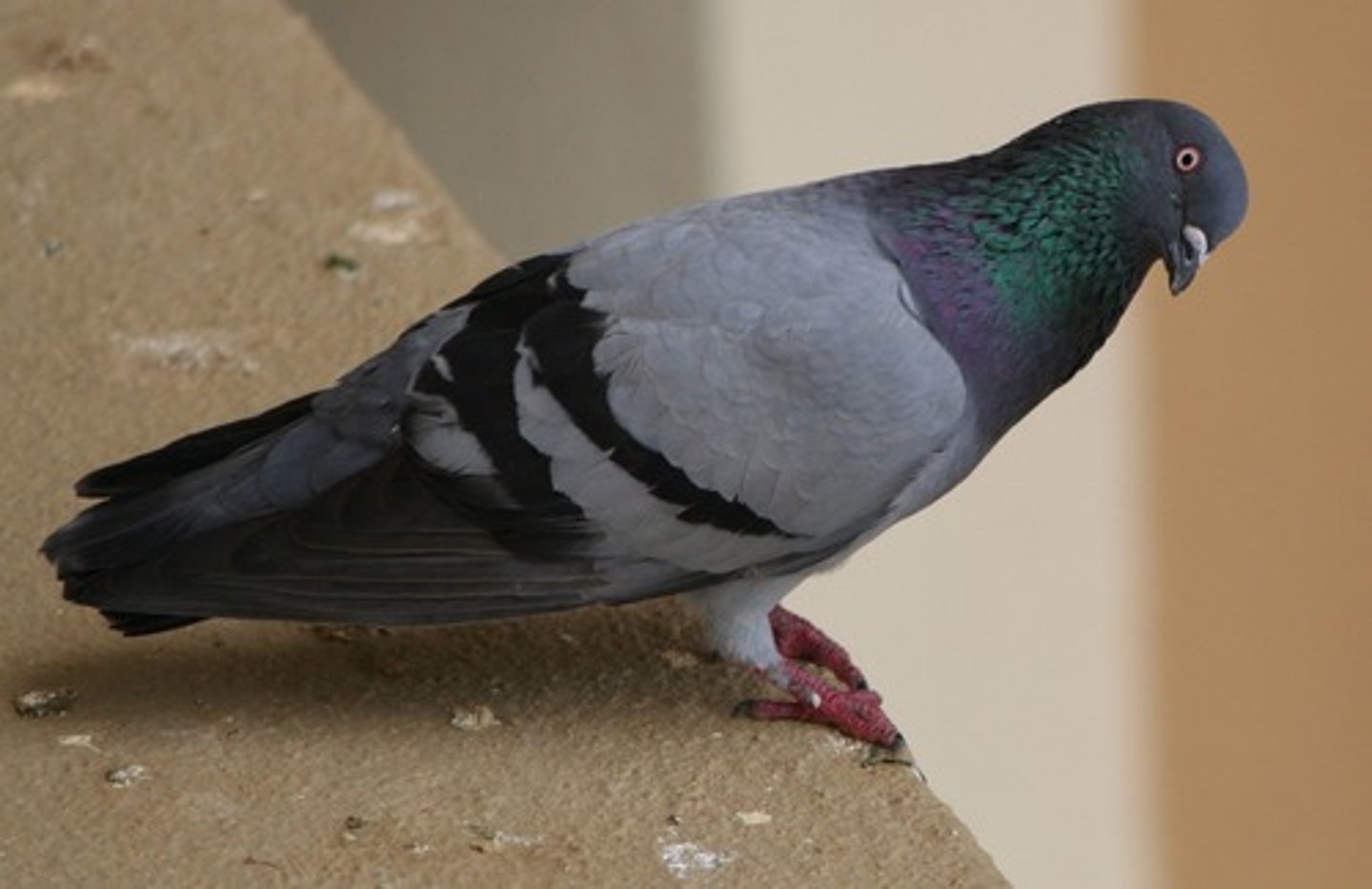
Neognaths-Gruiformes
railes and cranes
Neognaths-Aequorlitornithes
flamingos, penguins, pelicans, herons
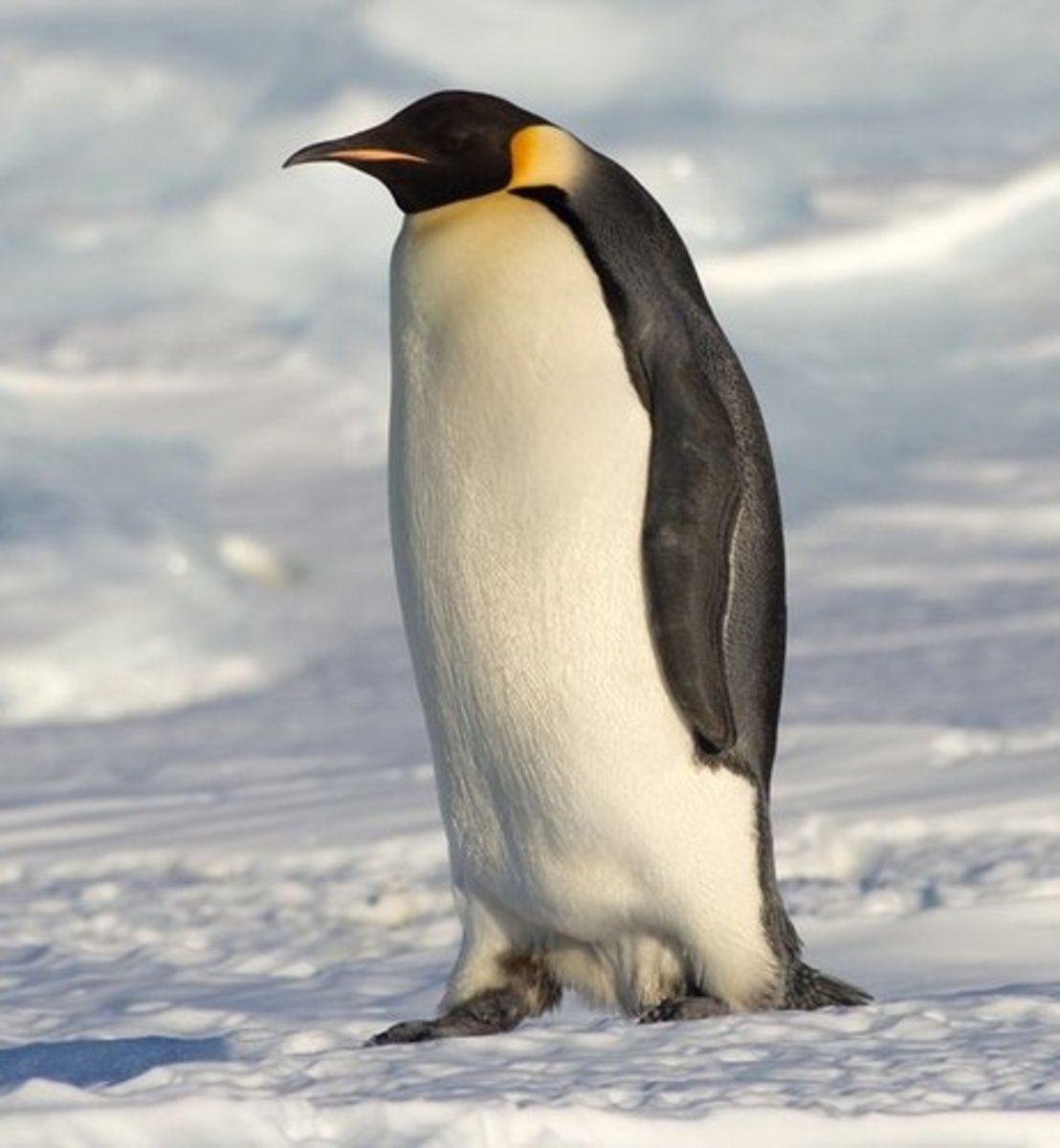
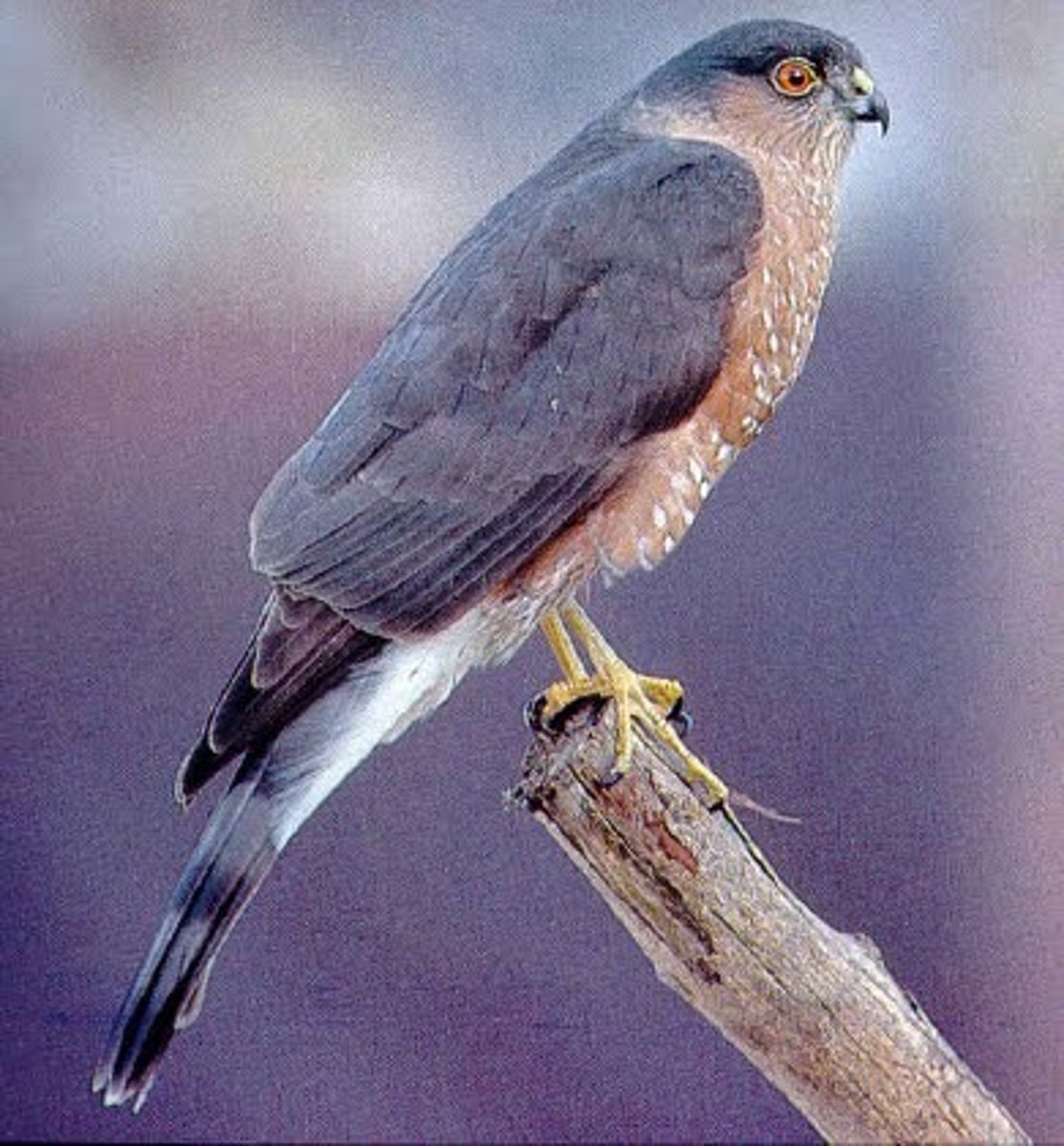
Neognaths-Ipopinaves
hawks, vultures, hotazin
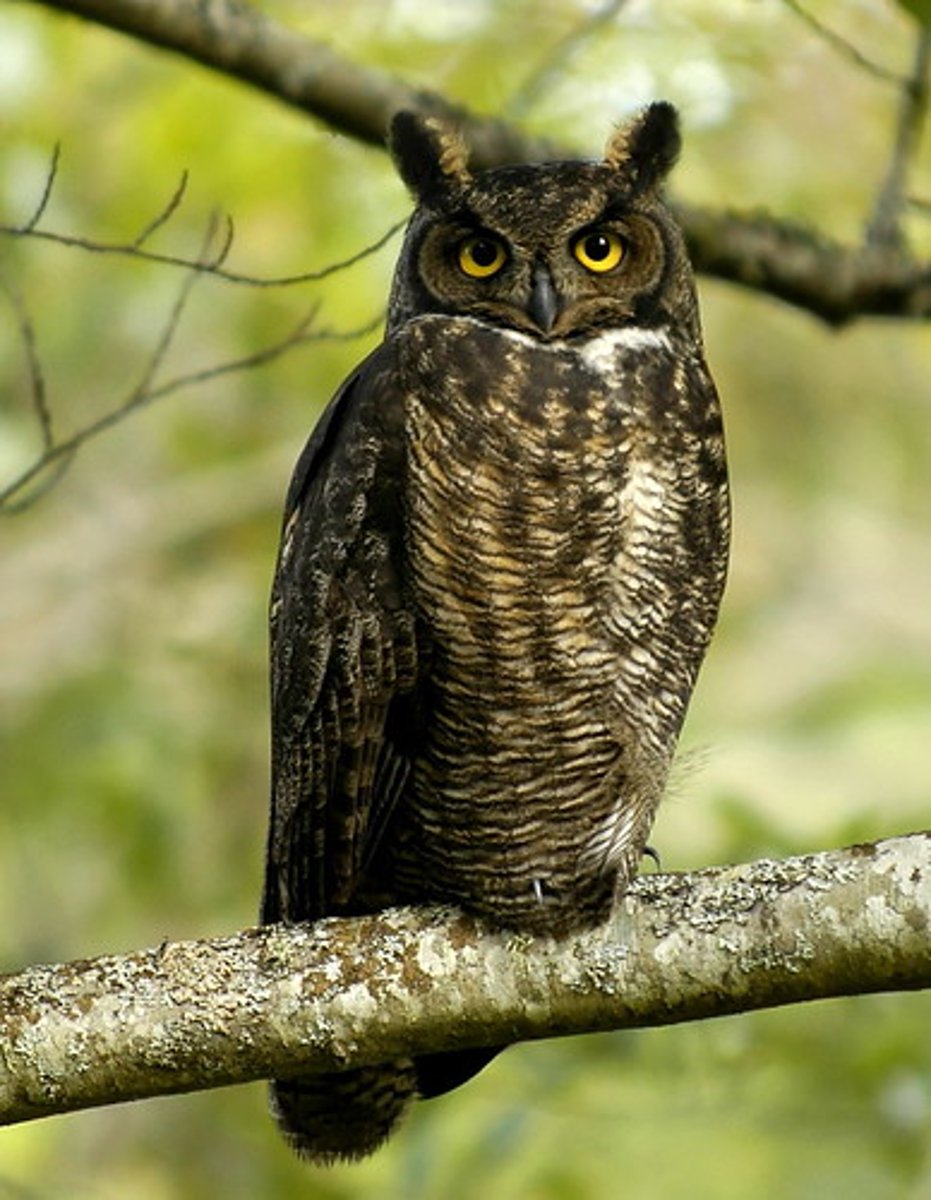
Neognaths-Afroaves
owls, trogans, woodpeckers
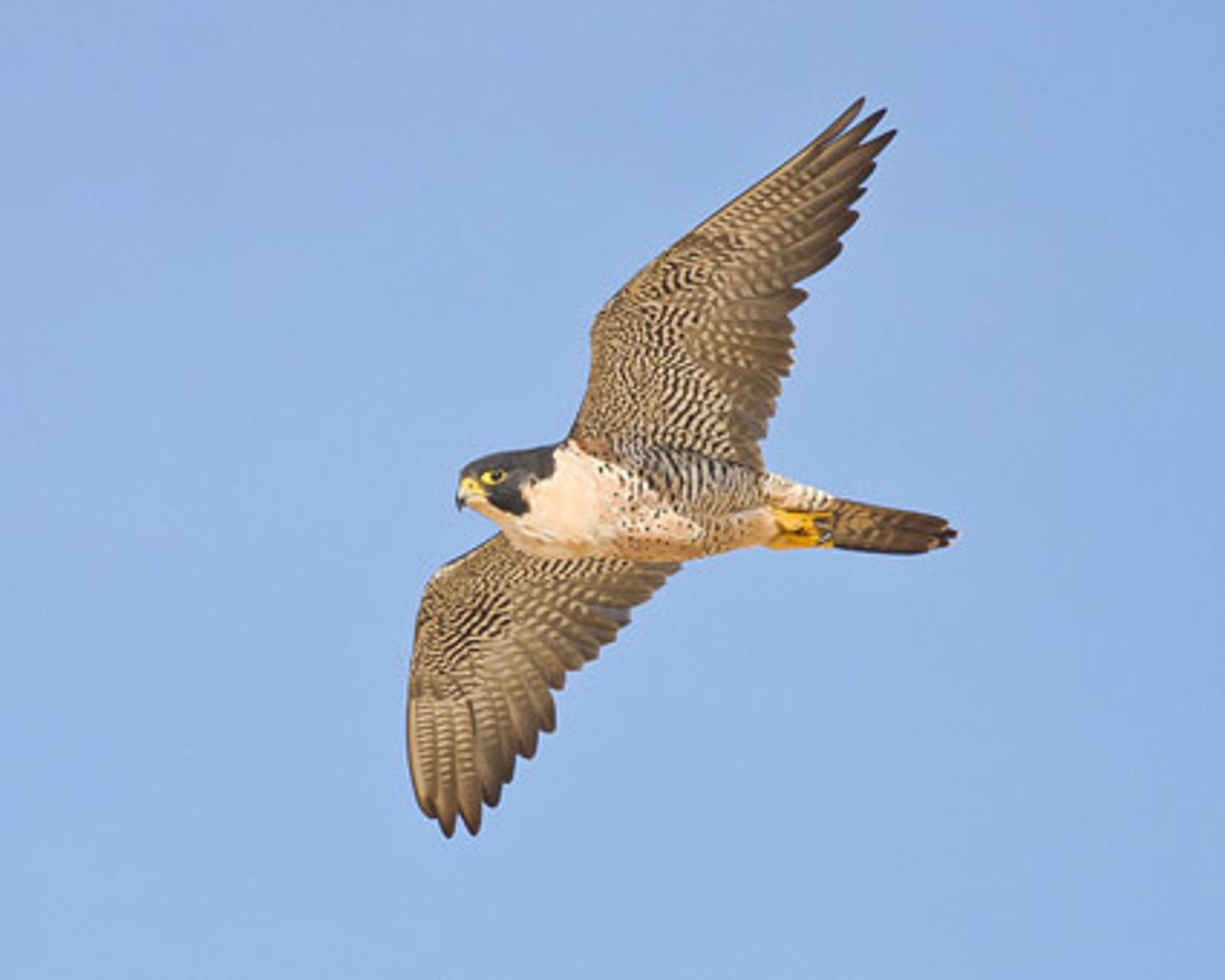
Neognaths-Australoaves
falcons, parrots, seriemas
Neognaths-Passerines
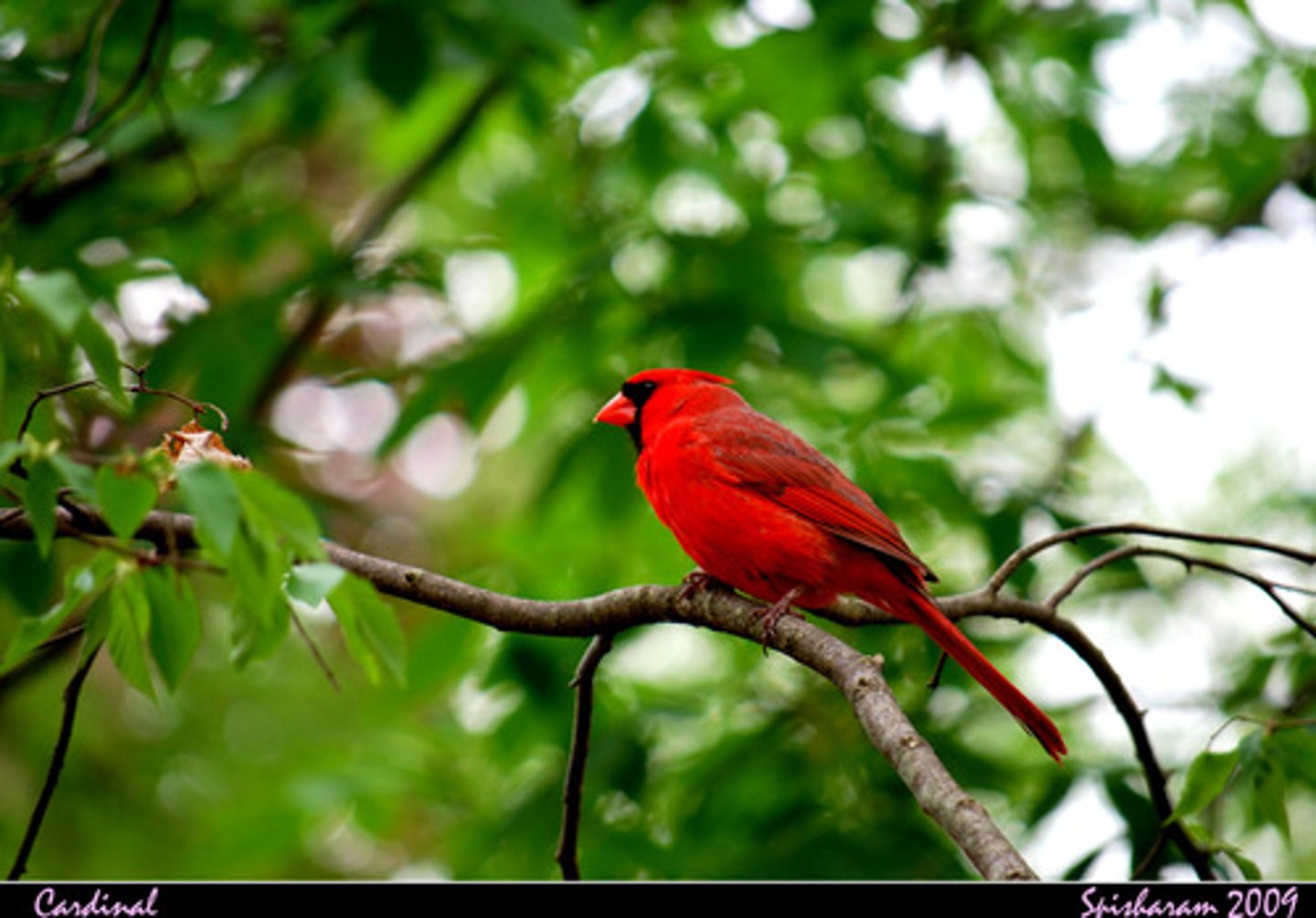
songbirds, sparrows & finches
Perching birds & represent more than half of all bird species
ANIMALS - DEUTEROSTOMES - Mammals
Derived from the synapsid reptiles
About 5500 extant species of mammals
3 major groups
1. monotremes
2. eutherians
3. metatherians
Mammals-Monotremes
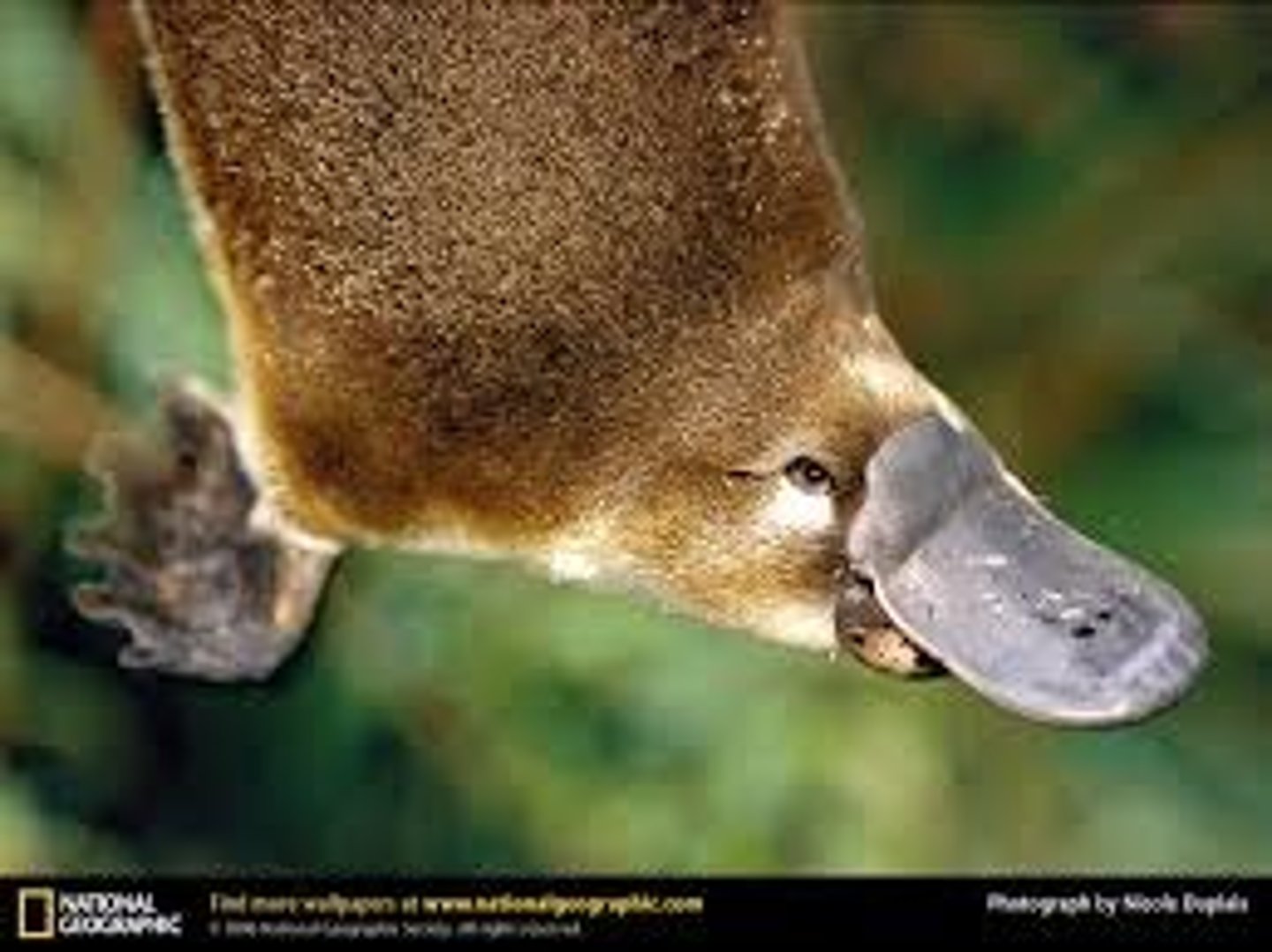
Lay eggs rather than bear live young
4 extant species live in New Guinea or Australia
Includes playtpus & echidna
Mammals-Metatherians
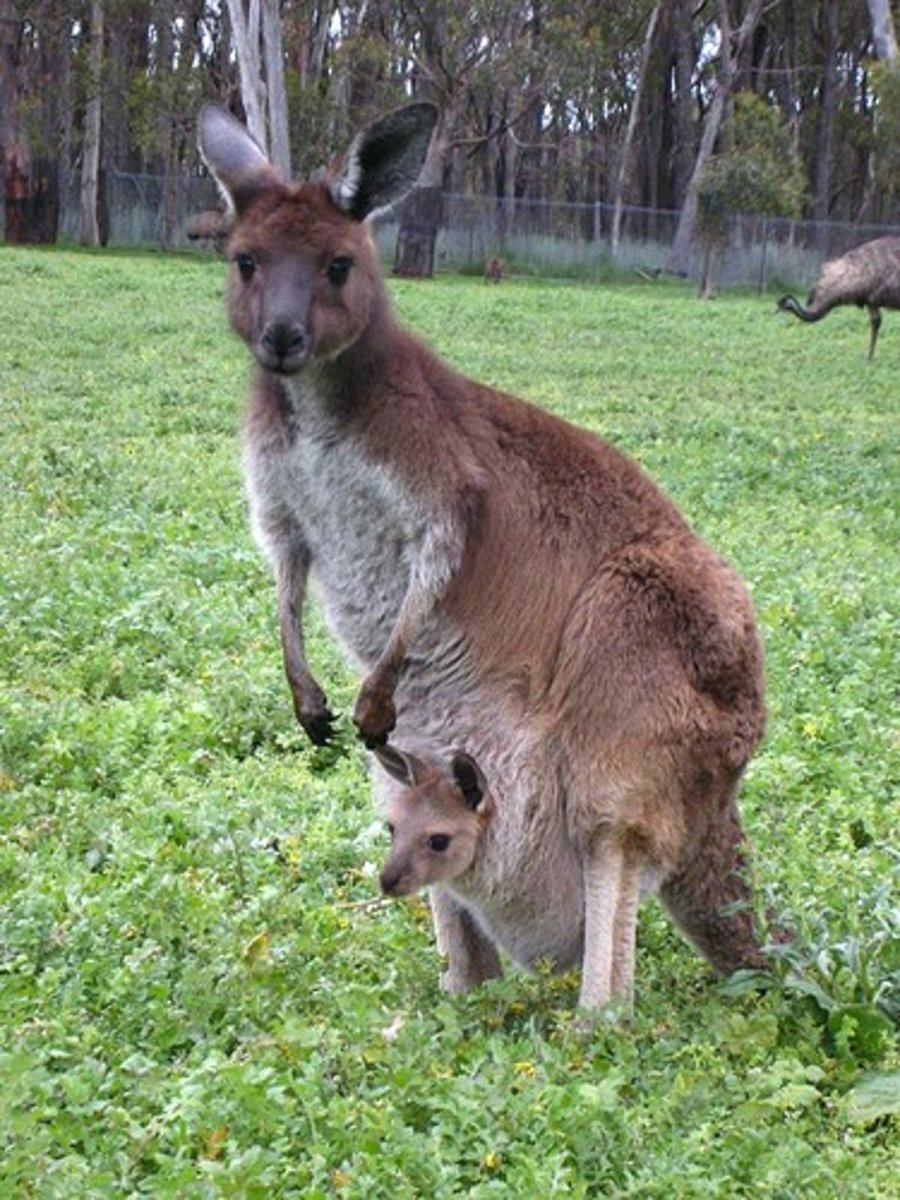
Kangaroos, tasmanian devils, wallabies, wombats, koalas
70% of the 334 extant species live in Australia, although marsupials likely originally arose in South America
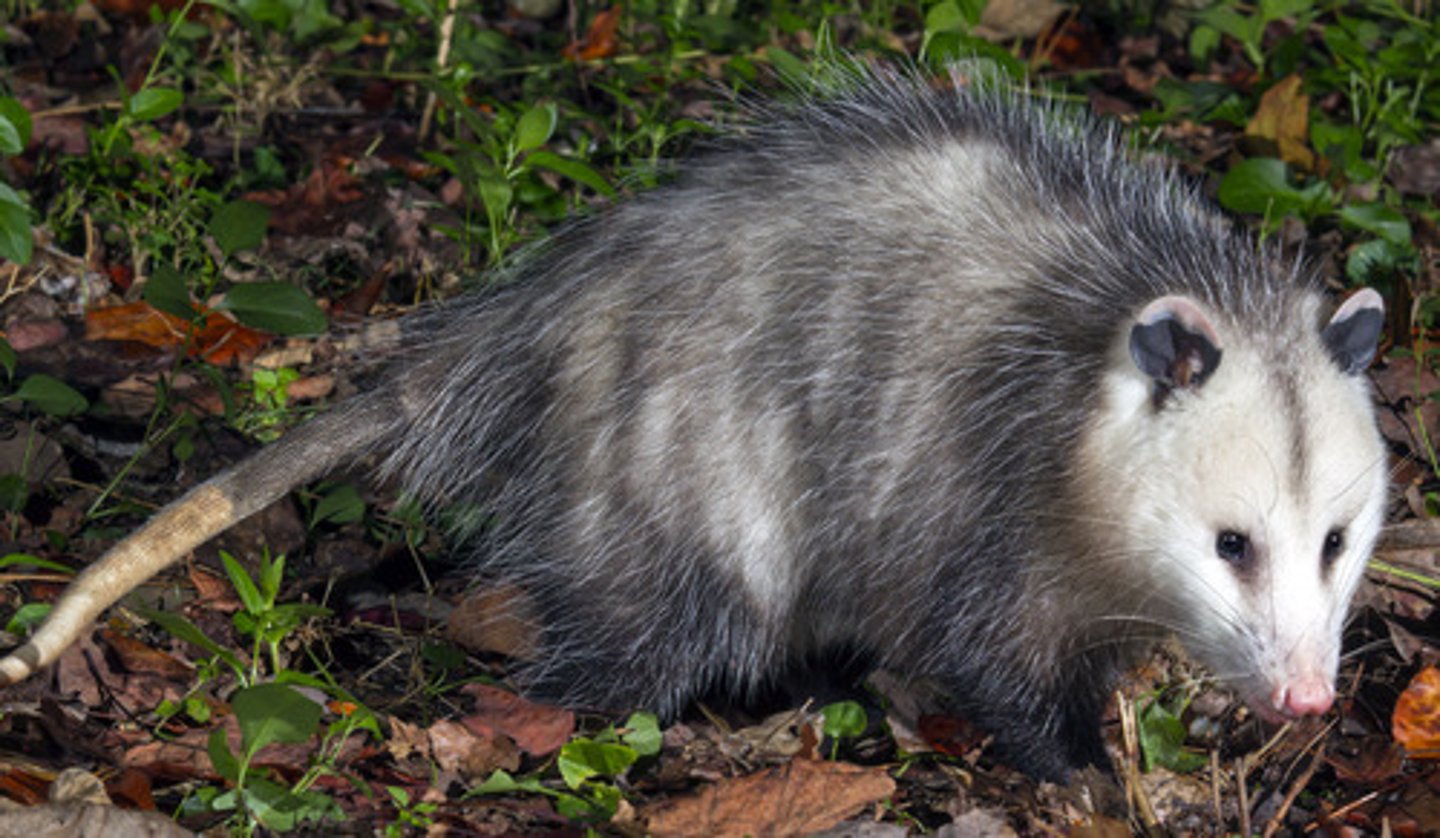
Opposum
Animal-Deuterostome-Mammal-Metatherians-Marsupial
Only marsupial found north of Mexico
Has more teeth (50) than any other N. American land mammal
Only 13 nipples = 13 of 50 offspring survive
Very short life span
Bran size 1/2 of a raccoon's
Extreme fear leads to paralysis
Important in limiting tick-borne diseases (eats up to 5000 ticks per season)