7: Pathophysiology & Disease Processes Practice Quiz
 Call Kai
 Learn
Learn Practice Test
 Spaced Repetition
 Match
Match Flashcards
 Knowt Play
1/14

There's no tags or description
Looks like no tags are added yet.
Name | Mastery | Learn | Test | Matching | Spaced | Call with Kai |
|---|
No analytics yet
Send a link to your students to track their progress
15 Terms
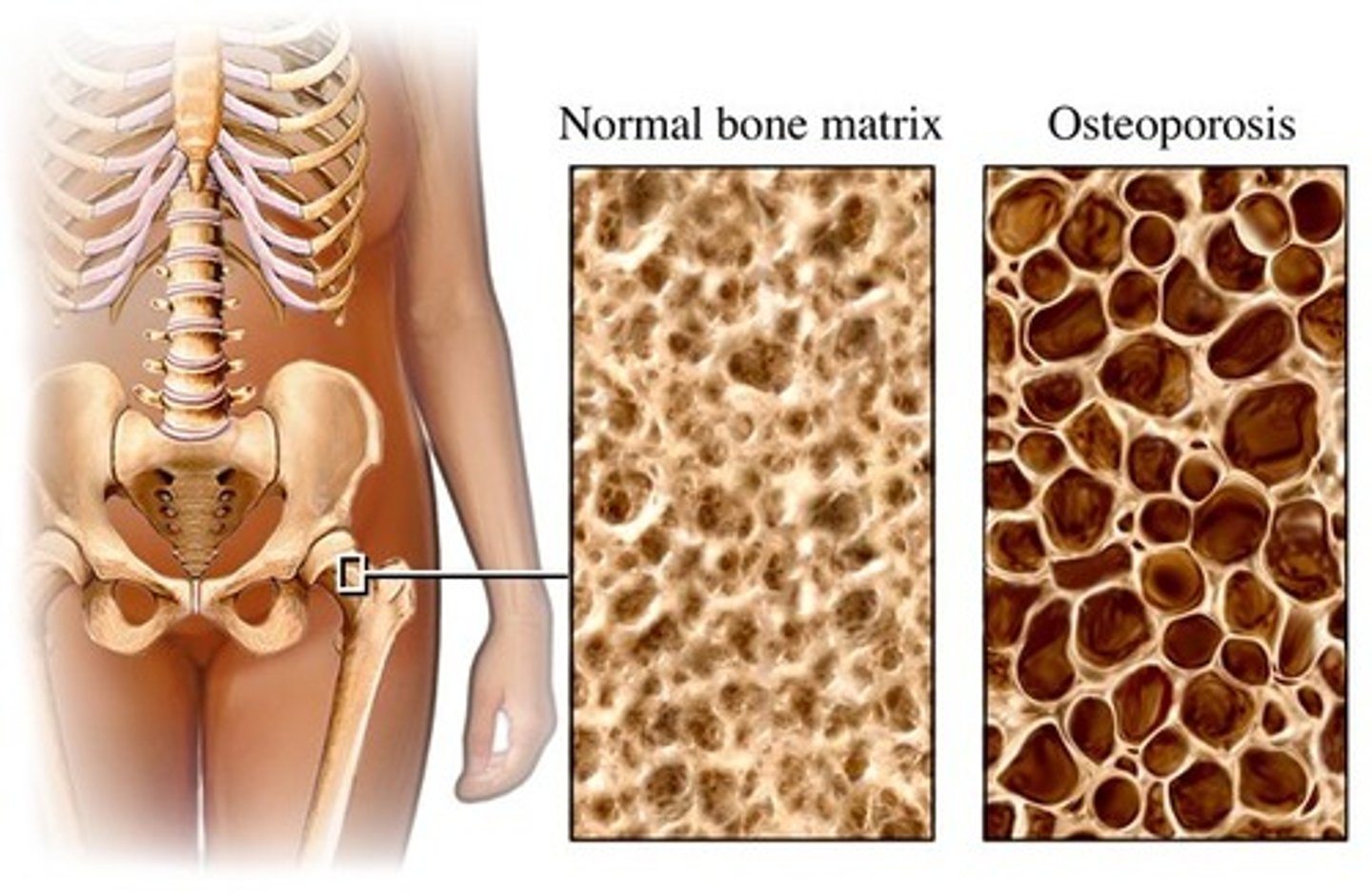
Which of the following conditions is defined as a loss of bone density?
A. Osteoporosis
B. Osteomyelitis
C. Rheumatoid arthritis
D. Scoliosis
A. CORRECT. Osteoporosis is defined as a loss of
bone density. This condition has a variety of causes, including a lack of calcium intake. Osteoporosis is most commonly identified through a bone density scan.
B. Osteomyelitis is an inflammation of the bone caused by bacteria.
C. Rheumatoid arthritis is an autoimmune disorder that causes the immune system to destroy the lining of the joints, leading to swelling and joint pain.
D. Scoliosis is a lateral curvature of the spine that can result in a variety of complications.
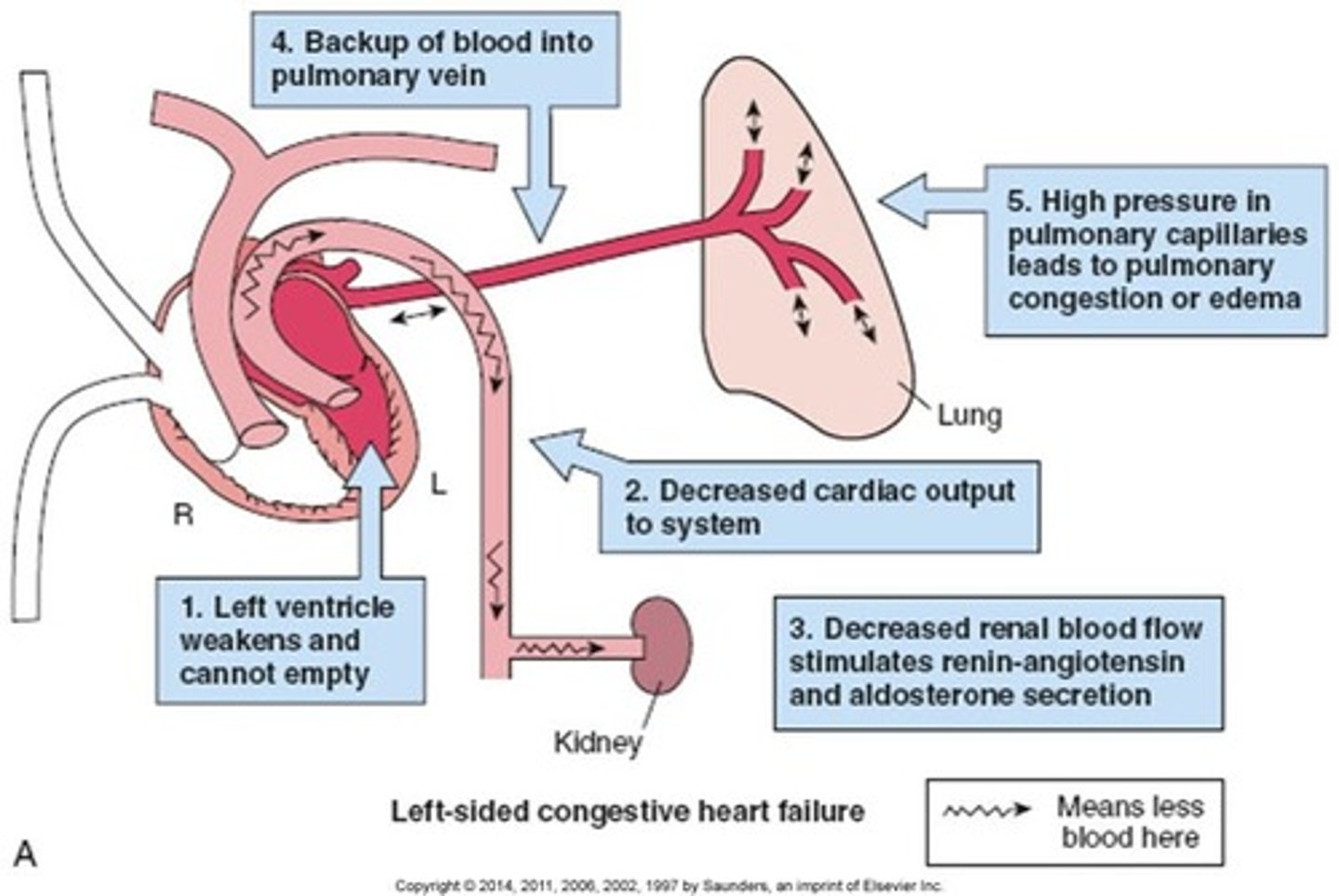
Which of the following is a risk factor for the development of congestive heart failure (CHF)?
A. Chronic hypertension
B. Atherosclerosis
C. Endocarditis
D. Family history of CHF
A. CORRECT. Chronic hypertension can lead to weakness in the left ventricle of the heart. This weakness in the heart can progress to CHF when the ventricle fails.
B. Atherosclerosis is caused by the formation of plaque in the arteries leading to the heart. Although this condition can lead to a myocardial infarction, it si not a cause of CHF.
C. Endocarditis can cause scarring of the cardiac tissue, which can lead to mitral
valve prolapse. It does not cause CHF.
D. CHF is a secondary diagnosis that develops as a result of other preexisting conditions. Although these other pre-existing conditions can be hereditary, CHF itself is not a hereditary condition.
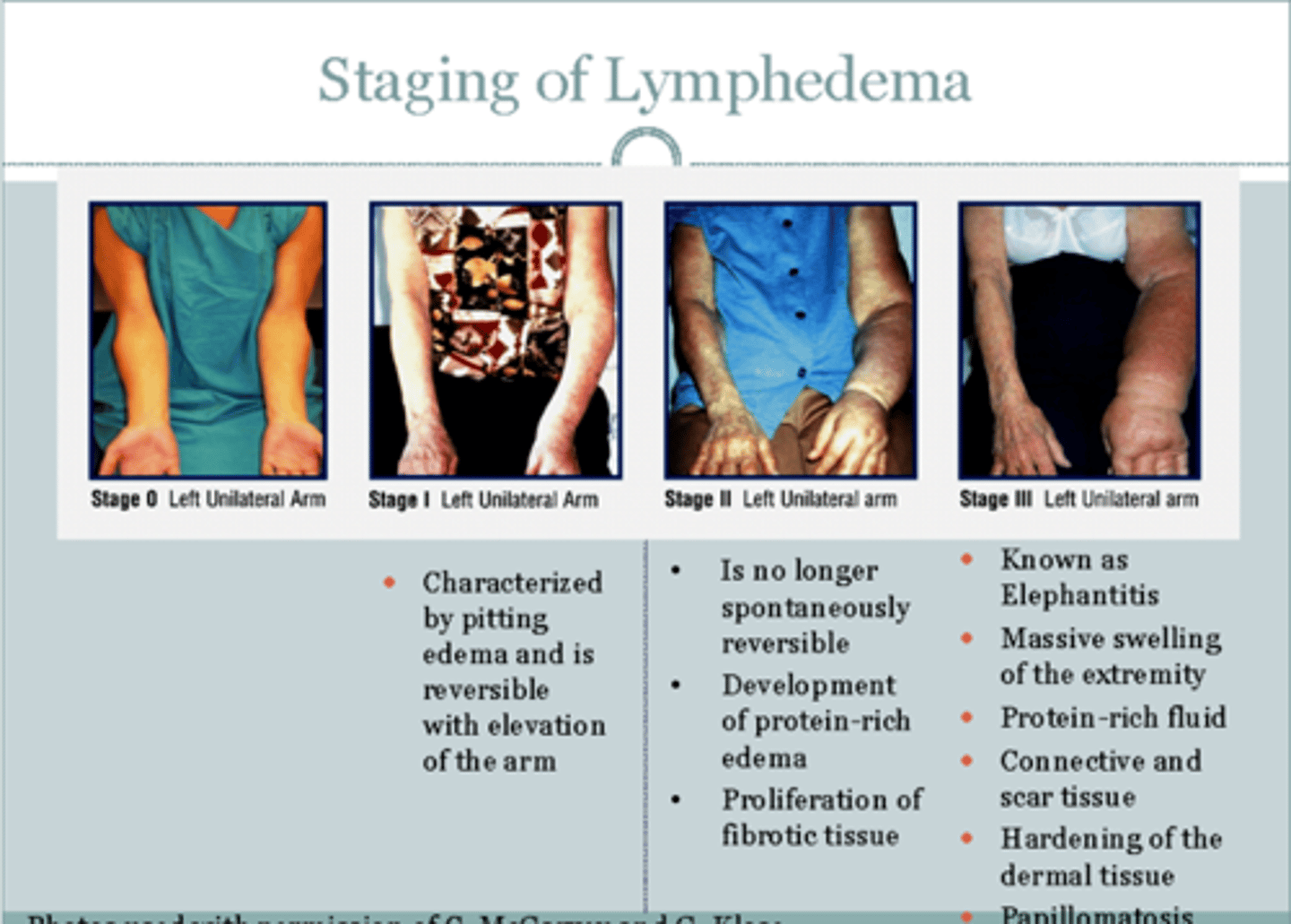
A medical assistant is speaking with a patient who recently underwent a right-sided radical mastectomy and lymphadenectomy. The medical assistant should inform that patient that which of the following is a manifestation of lymphedema?
A. Palpable nodules in the left breast
B. Swelling of the right arm
C. Scaly patches on the skin
D. Migraine headaches
B. CORRECT. Following removal of lymph tissue, lymphedema can cause tissue in the affected extremity to swell with fluid due to inhibited reabsorption by the lymphatic system.
A. Palpable nodules in the unaffected breast are not a
a manifestation of lymphedema. Nodules in breast tissue can be an indication of fibrocystic breast disease.
C. Scaly patches are not a manifestation of lymphedema. Thick, silvery scales on the
skin are an indication of psoriasis.
D. Migraine headaches are not a manifestation of lymphedema. Causes of migraine headaches vary, but manifestations include photophobia, nausea, vomiting, and visual disturbances.
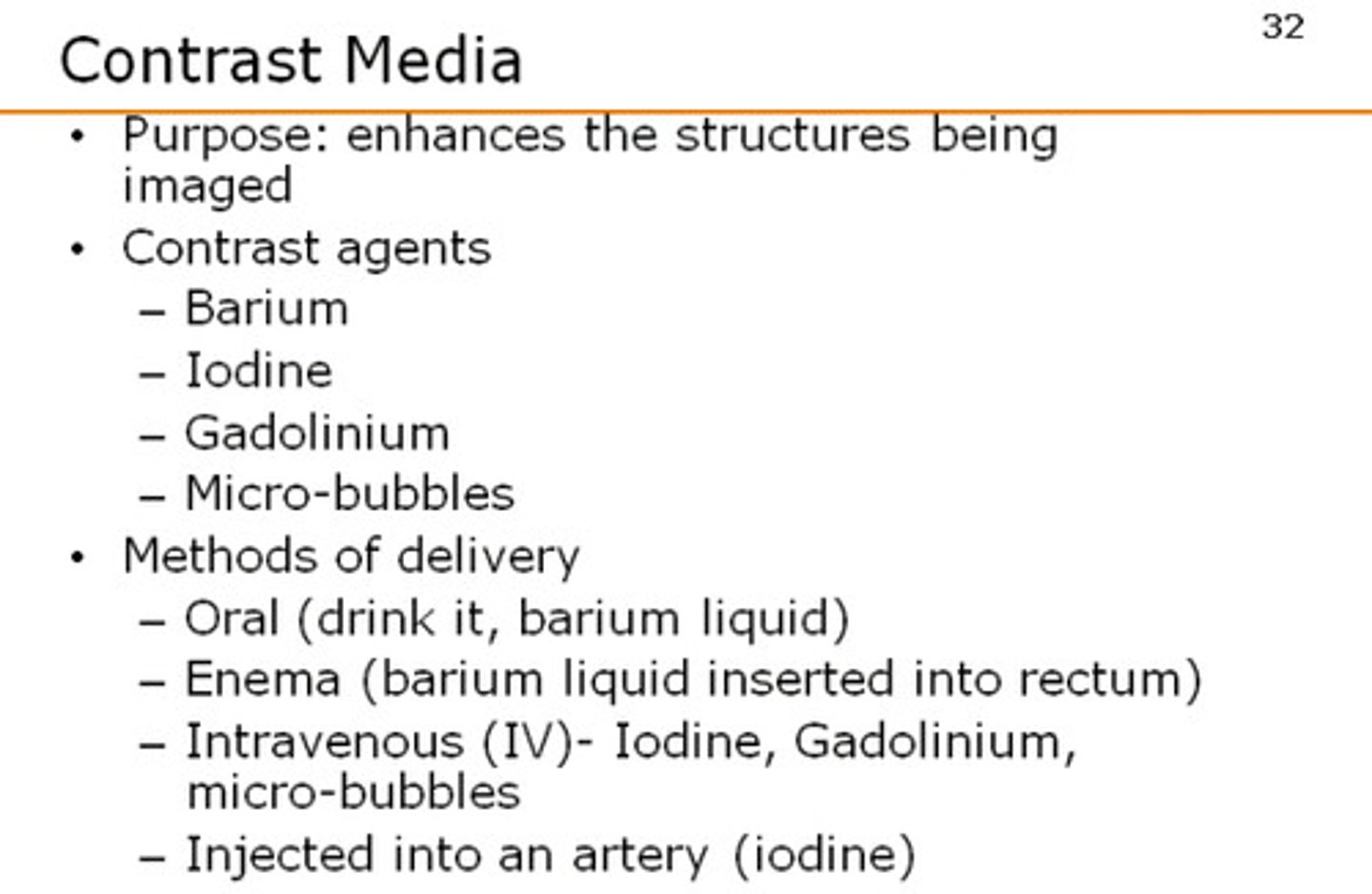
A medical assistant should recognize that which of the following is the purpose of contrast media in diagnostic imaging?
A. Highlights the inner contours of body structures
B. Makes body structures easier to see through
C. Indicates hte location of bones
D. Protects internal organs from radiation
A. CORRECT. Contrast media is used to highlight the inner contours of body structures and to enhance visibility for diagnostic imaging of less-dense body structures.
B. Contrast media has a higher density than what normally fills the gastrointestinal tract
or blood vessels. Therefore, it serves to make body structures more radiopaque, or dense, not more radiolucent, or easier to see through.
C. Bones are already one of the highest-density structures in the body. Contrast media is used to enhance visibility of less-dense body structures for diagnostic imaging. For the purposes of imaging, bones are not affected by contrast media.
D. Although radioactive elements and radiation are used in diagnostic imaging, the primary use of contrast media is not to protect internal organs from radiation.
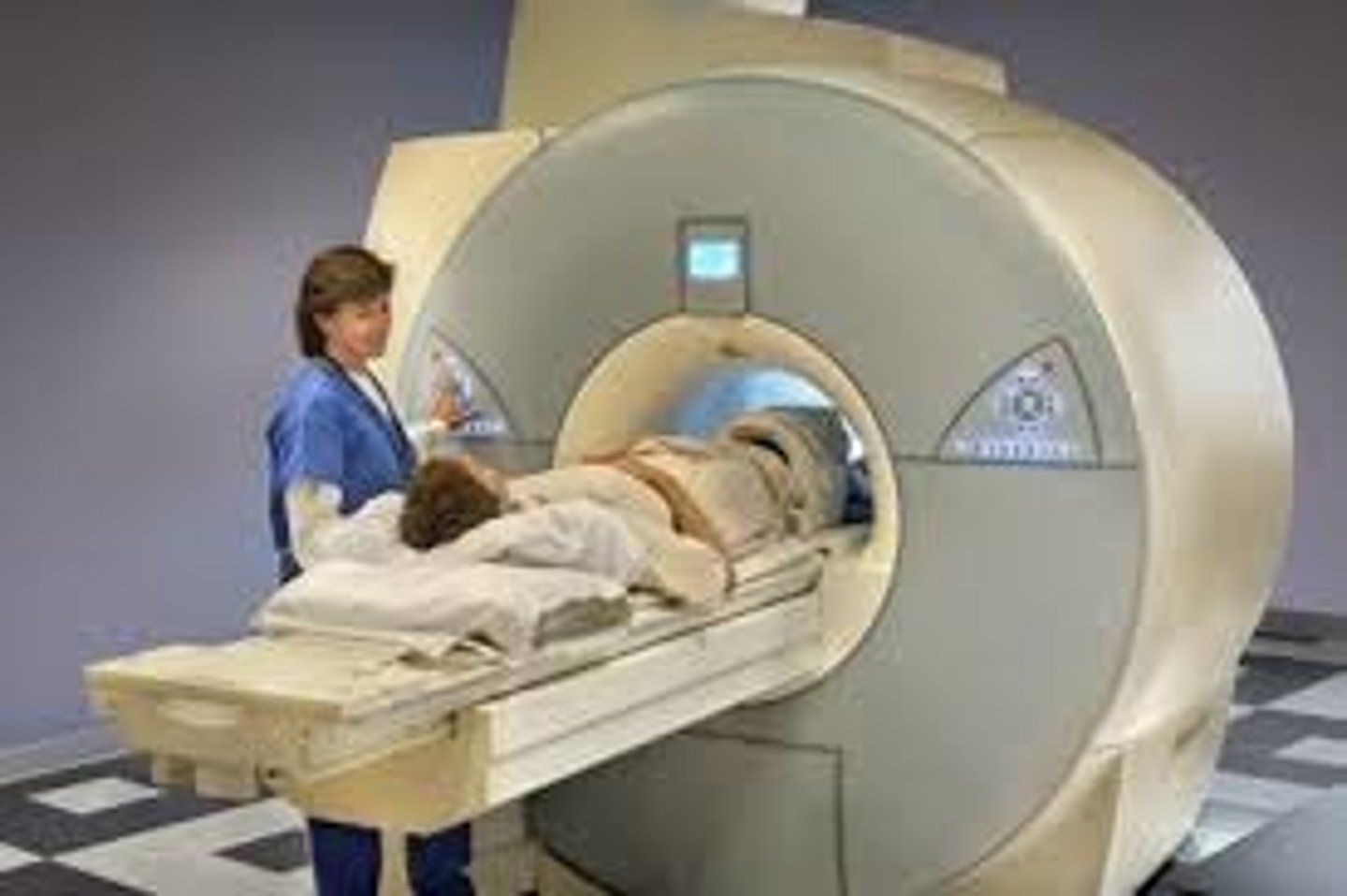
Which of the following is the medical assistant's primary role in magnetic resonance imaging (MR) in the medical office setting?
A. Communicating the results of the imaging to the patient
B. Administering contrast media intravenously
C. Instructing the patient about examination preparations
D. Positioning the imaging equipment
C. CORRECT. The medical assistant is responsible for instructing patients about necessary preparations for an MRI. This action is within the scope of practice of the medical assistant.
A. The provider is responsible for communicating the results of the imaging to the patient. This action is outside the scope of practice of the medical assistant.
B. Only licensed health care personnel are
allowed to practice radiography, which includes administering contrast media as indicated by testing requirements. This action is outside the scope of practice of the medical assistant.
D. Only licensed health care personnel are allowed to practice radiography, which includes positioning of the imaging equipment and the patient. This action is outside the scope of practice of the medical assistant.
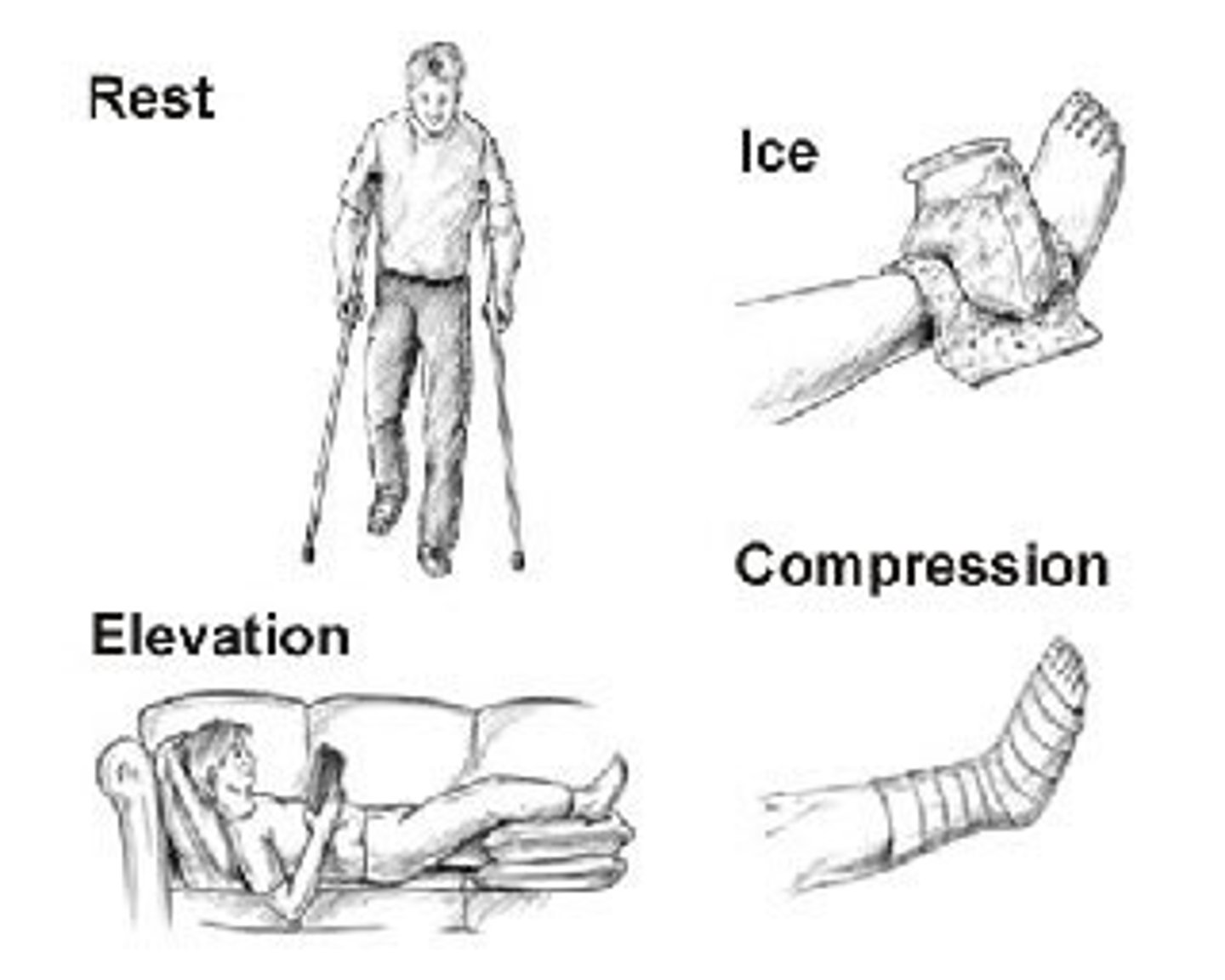
A medical assistant recommends the rest, ice, compression, and elevation (RICE) method to a patient who calls the office to report an injury. Which of the following injuries is the patient likely to have sustained?
A. Restless leg syndrome
B. Shoulder dislocation
C. Head contusion
D. Ankle sprain
D. CORRECT. The medical assistant should recommend the RICE method to a patient who reports an ankle sprain. This method helps to reduce swelling, inflammation, and pain.
A. A patient who has restless leg syndrome should adhere to a treatment plan including relaxation exercises, caffeine intake reduction, and moderate exercise. RICE is not an appropriate treatment modality for this syndrome.
B. A joint dislocation requires reduction, which involves placing the bones of the joint back into alignment. RICE is not an appropriate treatment modality for this injury.
C. A head injury can cause life-threatening intracranial pressure that might require treatment to reduce pressure within the skull. RICE is not an
appropriate treatment modality for this injury.
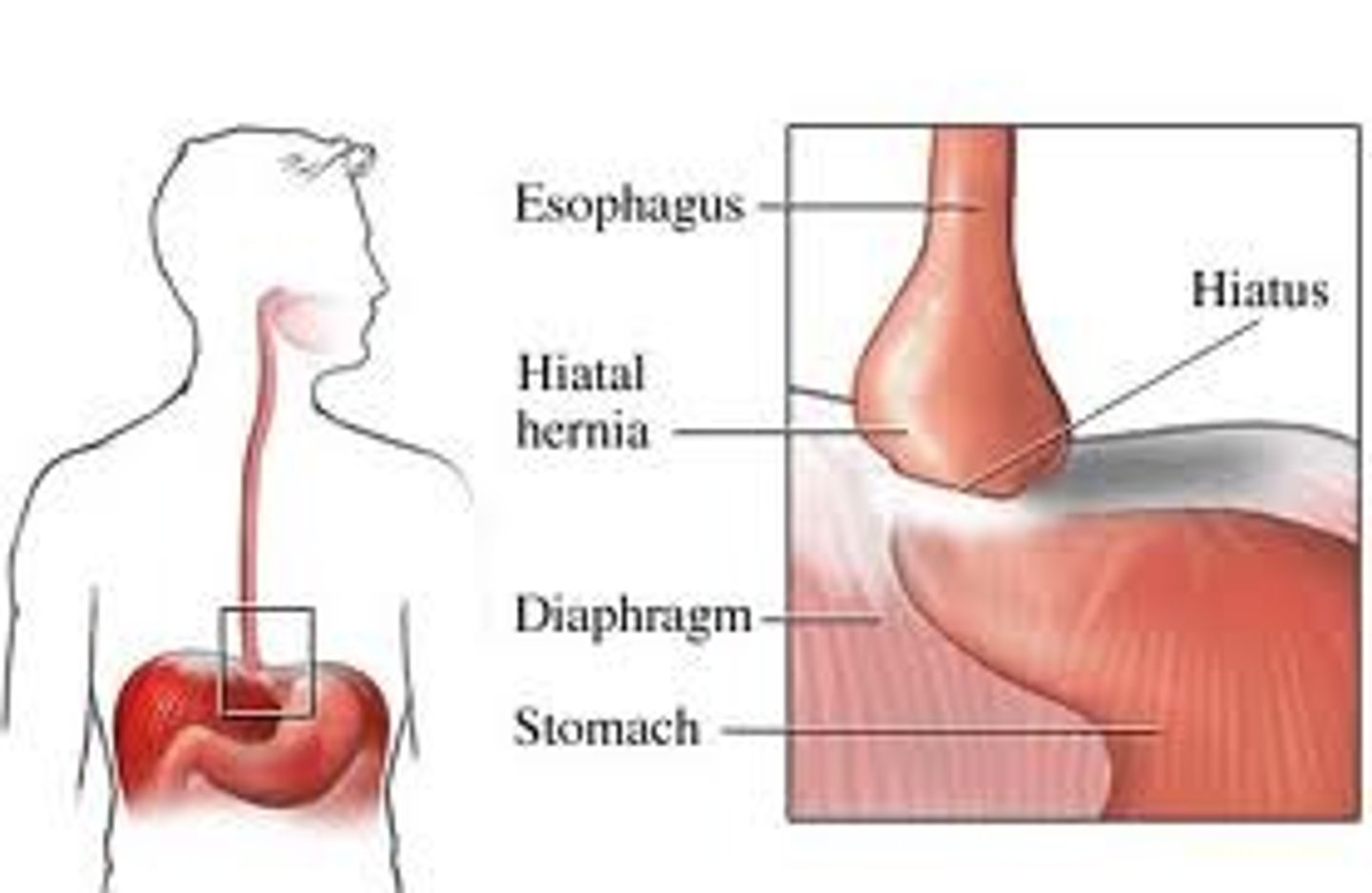
Which of the following hernias is characterized by the top portion of the stomach protruding through the diaphragm?
A. Umbilical
B. Hiatal
C. Inguinal
D. Incisional
B. CORRECT. A hiatal hernia occurs when the part of the top of the stomach protrudes through the diaphragm. Risk factors of a hiatal hernia include middle age and obesity.
A. An umbilical hernia occurs when part of the bowel protrudes through the abdominal muscle wall.
C. An inguinal hernia occurs when a portion of the bowel protrudes into the inguinal canal.
D. An incisional hernia occurs when tissue protrudes at a surgical site.
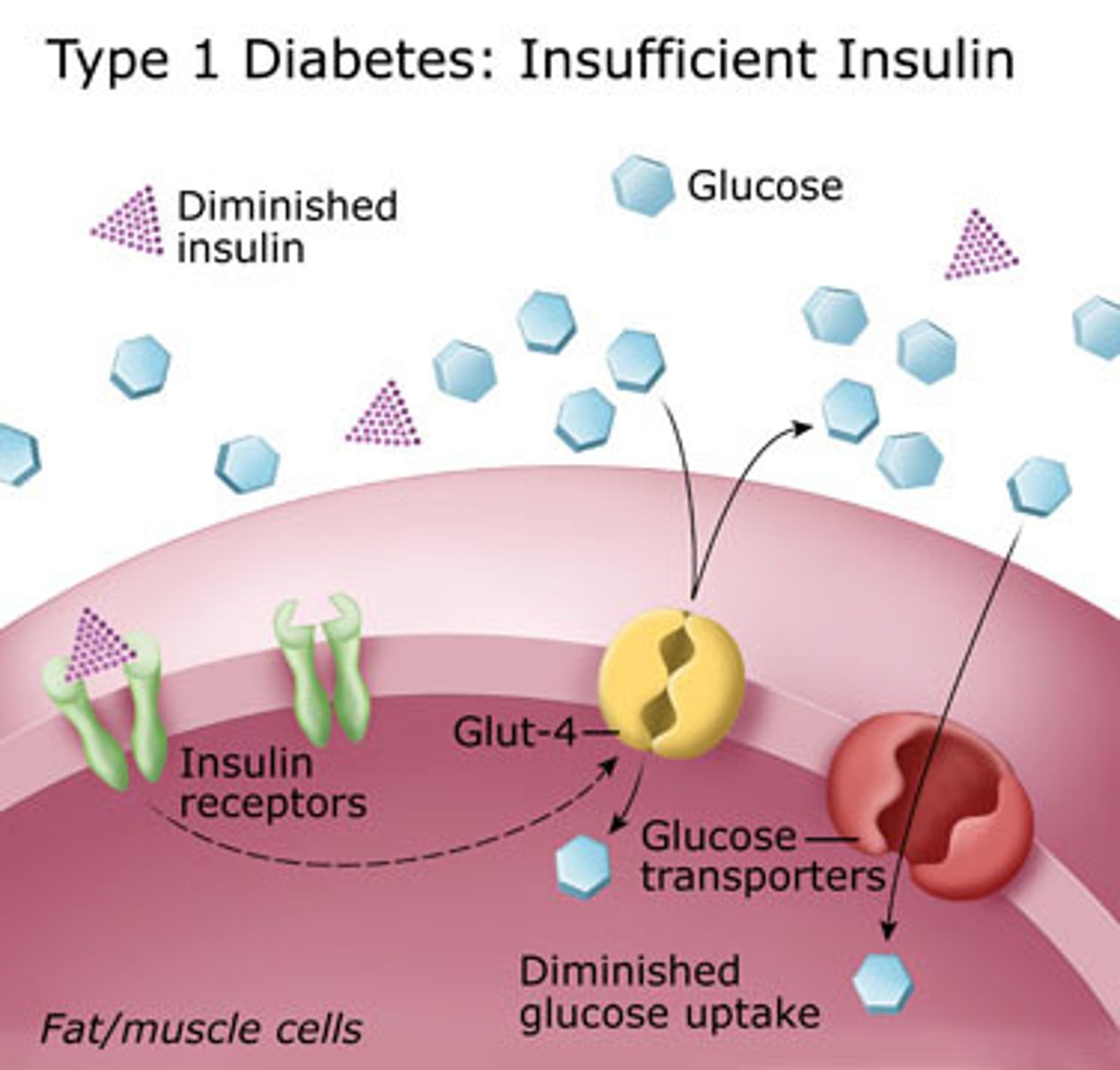
Which of the following diseases affects about 9% of the population of the U.S. and is characterized by the body's inability to produce sufficient insulin?
A. Diabetes mellitus
B. Diabetes insipidus
.C Coronary artery disease
D. Polycystic kidney disease
A. CORRECT. Diabetes mellitus affects about 9% of the U.S. population and is characterized by chronic hyperglycemia and lack of insulin production or resistance to insulin at the cellular level.
B. Diabetes insipidus is a pituitary gland disorder characterized by a lack of ADH production. It does not affect insulin production.
C. Coronary artery disease is characterized by the formation of atherosclerotic plaque, which narrows the arteries and prevents blood flow. It does not affect insulin production.
D. Polycystic kidney disease is characterized by the formation of benign, fluid-filled cysts in the kidneys. It does not affect insulin production.
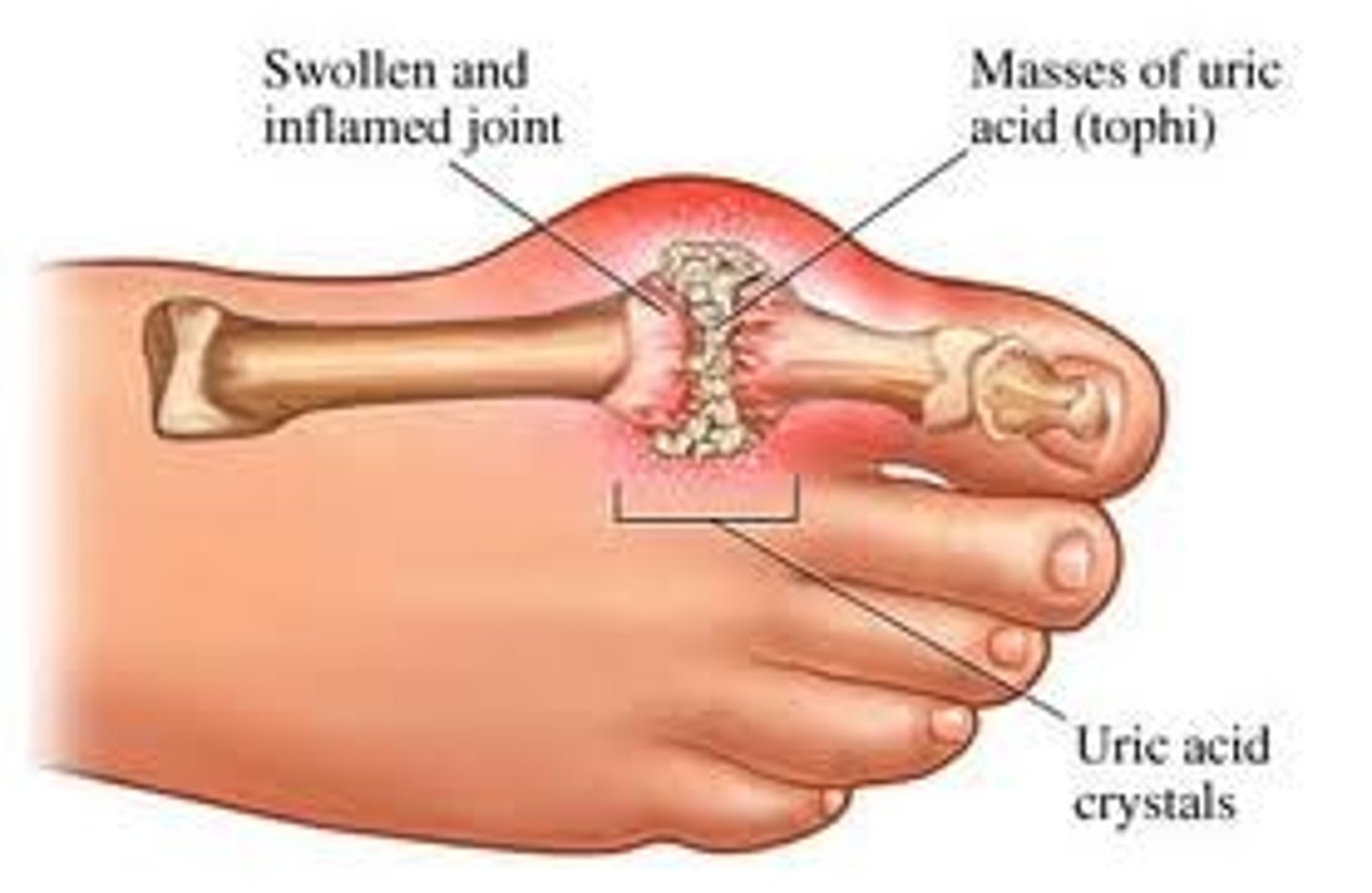
A medical assistant is caring for a patient whose dietary choices have resulted in elevated uric acid levels. As a result of these risk factors, the patient is at risk for developing which of the following musculoskeletal disorders?
A. Myasthenia gravis
B. Rheumatoidarthritis
C. Osteoporosis
D. Gout
D. CORRECT. Gout is a musculoskeletal disorder caused by a buildup of uric acid in the joints, primarily the big toes and the knees. Risk factors include dietary choices that result in the overproduction or improper elimination of uric acid from the body.
A. Myasthenia gravis is a chronic neuromuscular
an autoimmune disease with an unknown origin. Elevated uric acid levels are not a risk factor.
B. Rheumatoid arthritis is an autoimmune disorder that leads to severe joint pain and deformity, causing synovitis. Elevated uric acid levels are not a risk factor.
C. Osteoporosis is a progressive decrease in bone density and strength due to a decline in calcium deposits. Elevated uric acid levels are not a risk factor.
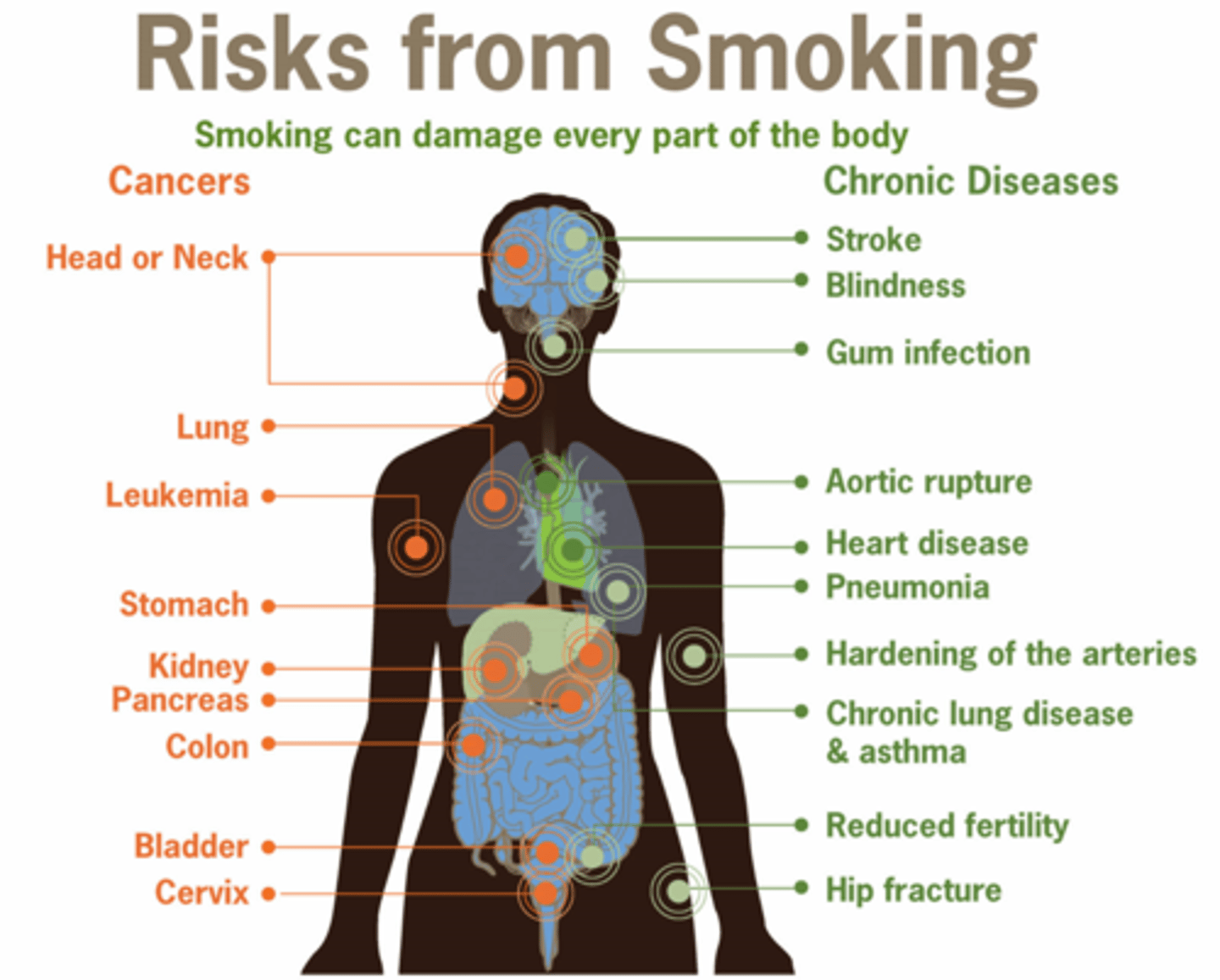
Which of the following factors puts a patient at high risk of developing coronary artery disease?
A. Smoking
B. Underweight
C. High HDL cholesterol
D. Cellulitis
A. CORRECT. A history of smoking is a risk factor for coronary artery disease.
B. Being underweight is not a risk factor for coronary artery disease. Excess body fat is a risk factor.
C. HDL Cholesterol is considered good cholesterol. High LDL levels are a risk factor for developing coronary artery disease.
D. Cellulitis is an inflammation of the cellular or connective tissue and is not a risk factor of coronary artery disease.
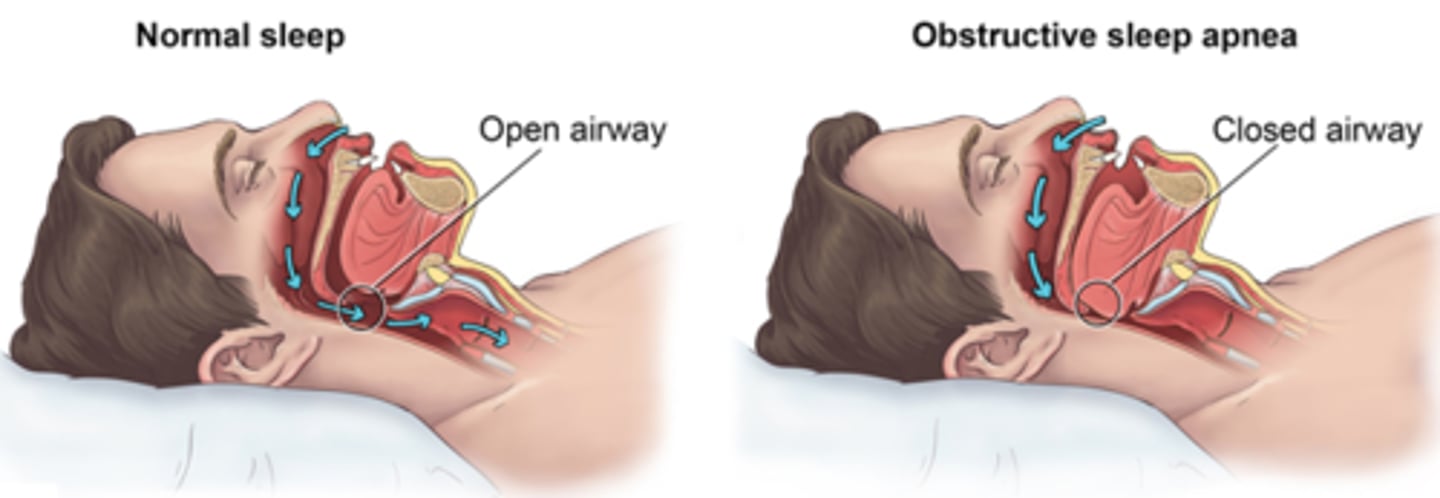
Which of the following factors puts a patient at high risk of experiencing a cerebrovascular accident (CVA)?
A. Hypoglycemia
B. Hypotension
C. Pyloric stenosis
D. Sleep apnea
D. CORRECT. Sleep apnea is a condition that causes the trachea to narrow or close during sleep, which temporarily causes breathing
to stop. It is a risk factor for CVA.
A. Hypoglycemia is a condition in which a patient has too much insulin and is not a risk factor for CVA. Hyperglycemia, or insufficient insulin, is a risk factor for CVA.
B. Hypotension is a condition in which a patient has low blood pressure and is not
a risk factor for CVA. Hypertension, or high blood pressure, is a risk factor for CVA.
C. Pyloric stenosis is a condition in which a patient has hardening and narrowing of the pyloric sphincter at the lower end of the stomach. It is typically seen as a congenital defect in infants and is not a risk factor for CVA.
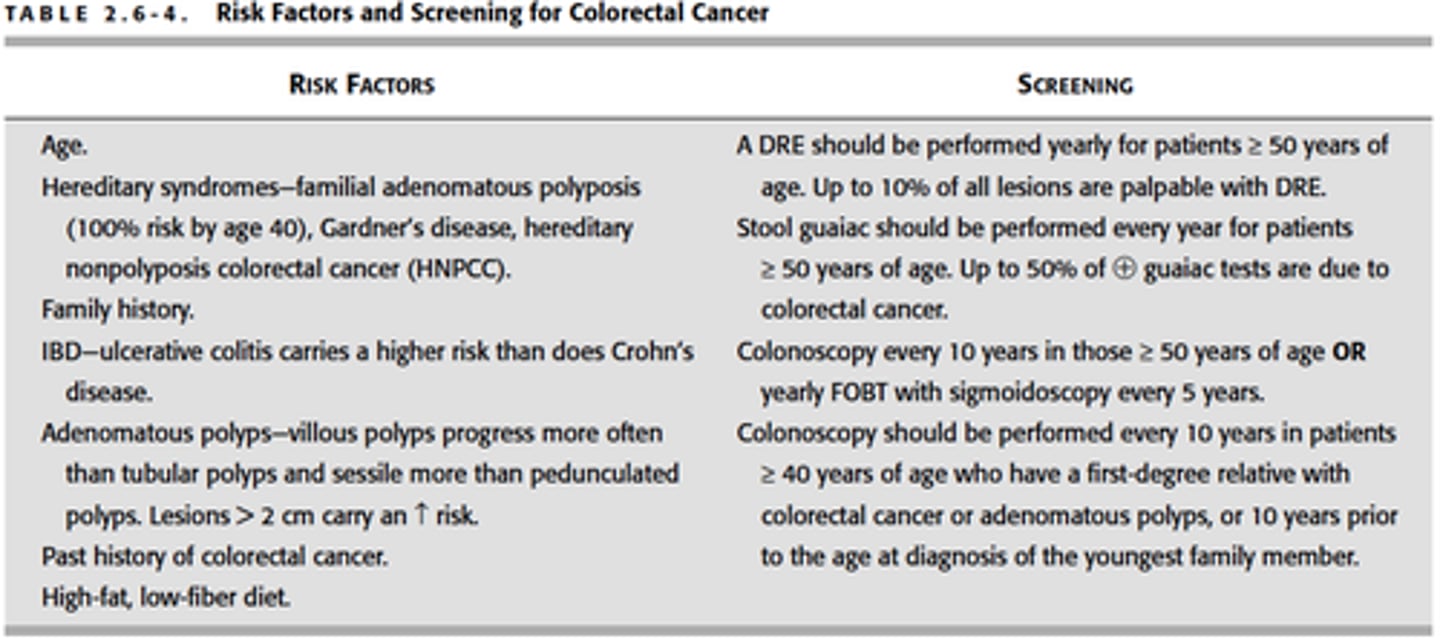
A low-fiber, high-fat diet is a risk factor for which of the following diseases?
A. Colorectal cancer
B. Crohn's disease
C. Cholelithiasis
D. Cirrhosis
A. CORRECT. Risk factors for colorectal cancer include a low-fiber, high-fat diet; genetic or family history; and being 5 years of age or older.
B. Crohn's disease is an inflammation in the ileum that reduces the small intestine's ability to absorb nutrients. A low-fiber, high-fat diet is not a risk factor for this disease.
C. Cholelithiasis, or gallstones, are formed ni the gallbladder from insoluble cholesterol and bile salt. Reasons for gallstone formation are not always clear. A low-fiber, high-fat diet is not a risk factor for this disease.
D. Cirrhosis is a chronic liver disease caused by alcohol use disorder, hepatitis C, and chronic hepatitis B. A low-fiber, high-fat diet is not a risk factor for this disease.
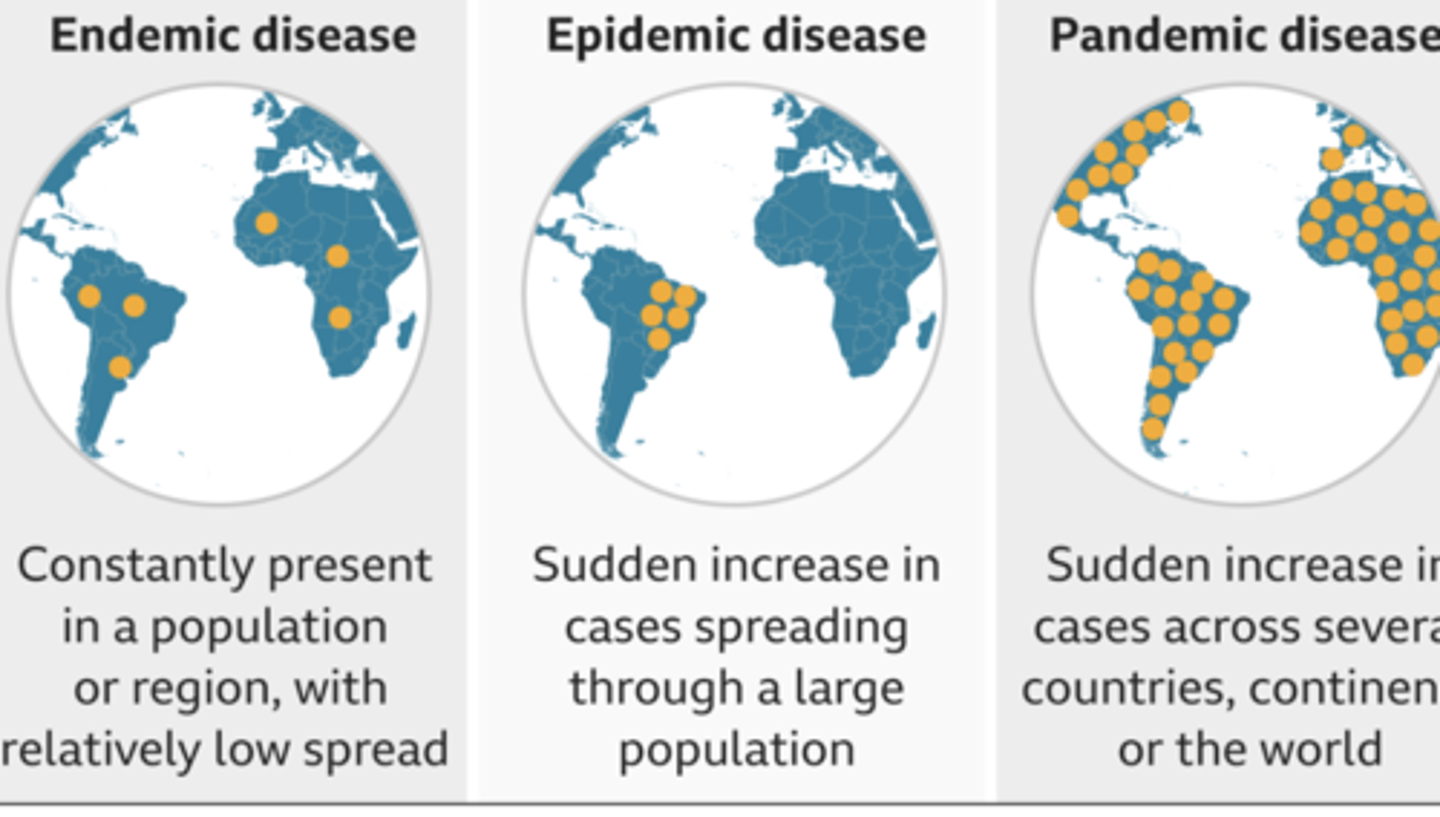
A medical assistant should recognize that a worldwide, rapidly spreading novel infection can result in which of the following?
A. Pandemic
B. Prevalence
C. Endemic
D. Outbreak
A. CORRECT. A pandemic is an outbreak of a rapidly spreading novel infection that affects a large number of people across several countries or continents.
B. Prevalence is the existing number of cases of a particular disease in a specific population.
C. An endemic illness is always
present in a given population
.
D. An outbreak is a suddenly occurring disease in a limited geographic area in unexpected numbers.
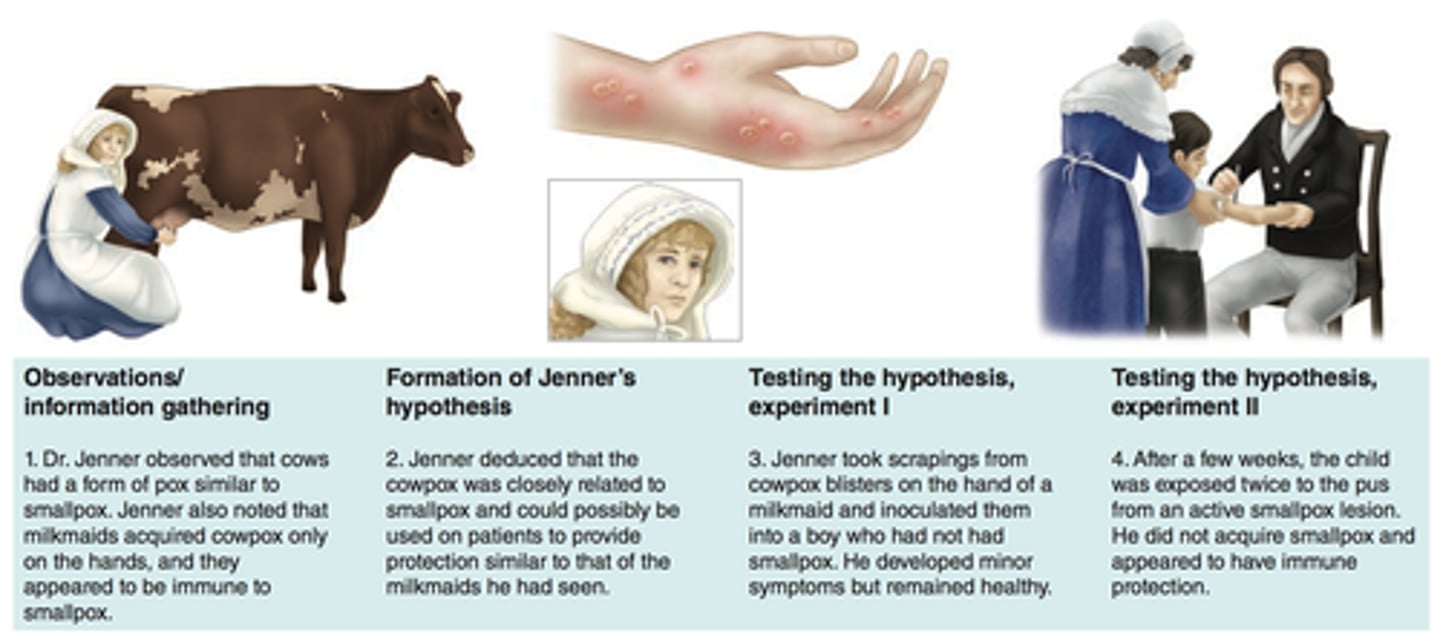
Which of the following diseases caused a historical pandemic that led to the creation of the first vaccine?
A. Smallpox
B. Influenza
C. Tetanus
D. Malaria
A. CORRECT. The development of the first vaccine was a result of a smallpox pandemic in the 18th century.
B. The influenza vaccine is readily available, but it was not the first vaccine created.
C. The tetanus vaccine is readily available, but it was not the first vaccine created.
D. Malaria is a fatal parasitic disease that is treated using a combination of oral antimalarial medications.
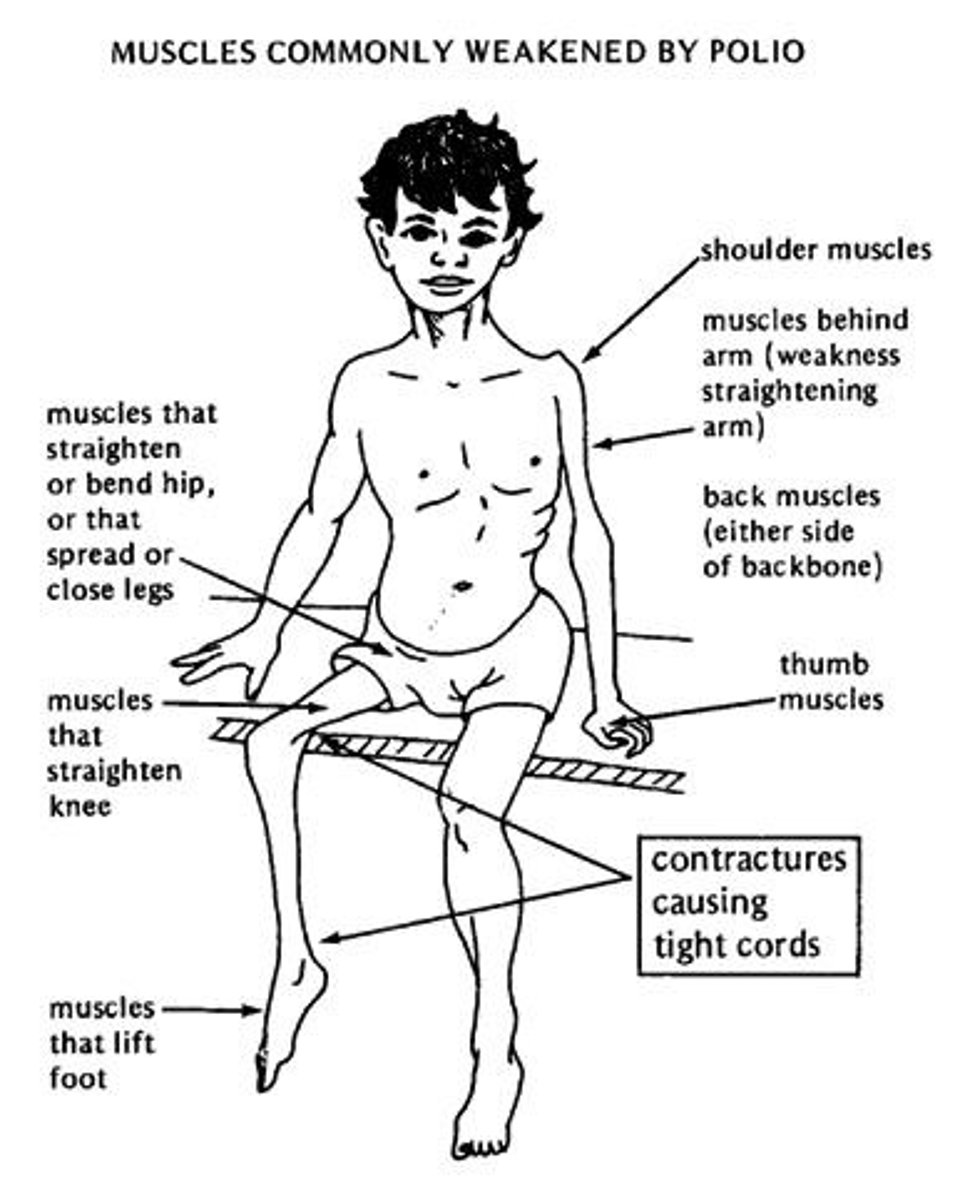
Which of the following viral diseases resulted in an epidemic in the U.S. and presents with symptoms including weakness, paralysis of muscles, fever, and headache?
A. Polio
B. Measles
C. Rubella
D. Rabies
A. CORRECT. The polio virus affected thousands of people in the U.S. A vaccine was developed in 1952 that greatly reduced the incidence of the disease on a national scale.
B. Measles presents with fever, nasal discharge, rash, and red eyes. A vaccine series is readily available.
C. Rubella presents with rash and swollen lymph glands. A vaccine series is readily available.
D. Rabies presents with fever, throat spasms, profuse salivation, and uncontrollable excitement. Av accine series is readily available for humans and animals.