Medical History Competency Questions - Packet
 Call Kai
 Learn
Learn Practice Test
 Spaced Repetition
 Match
Match Flashcards
 Knowt Play
1/94

There's no tags or description
Looks like no tags are added yet.
Name | Mastery | Learn | Test | Matching | Spaced | Call with Kai |
|---|
No analytics yet
Send a link to your students to track their progress
95 Terms
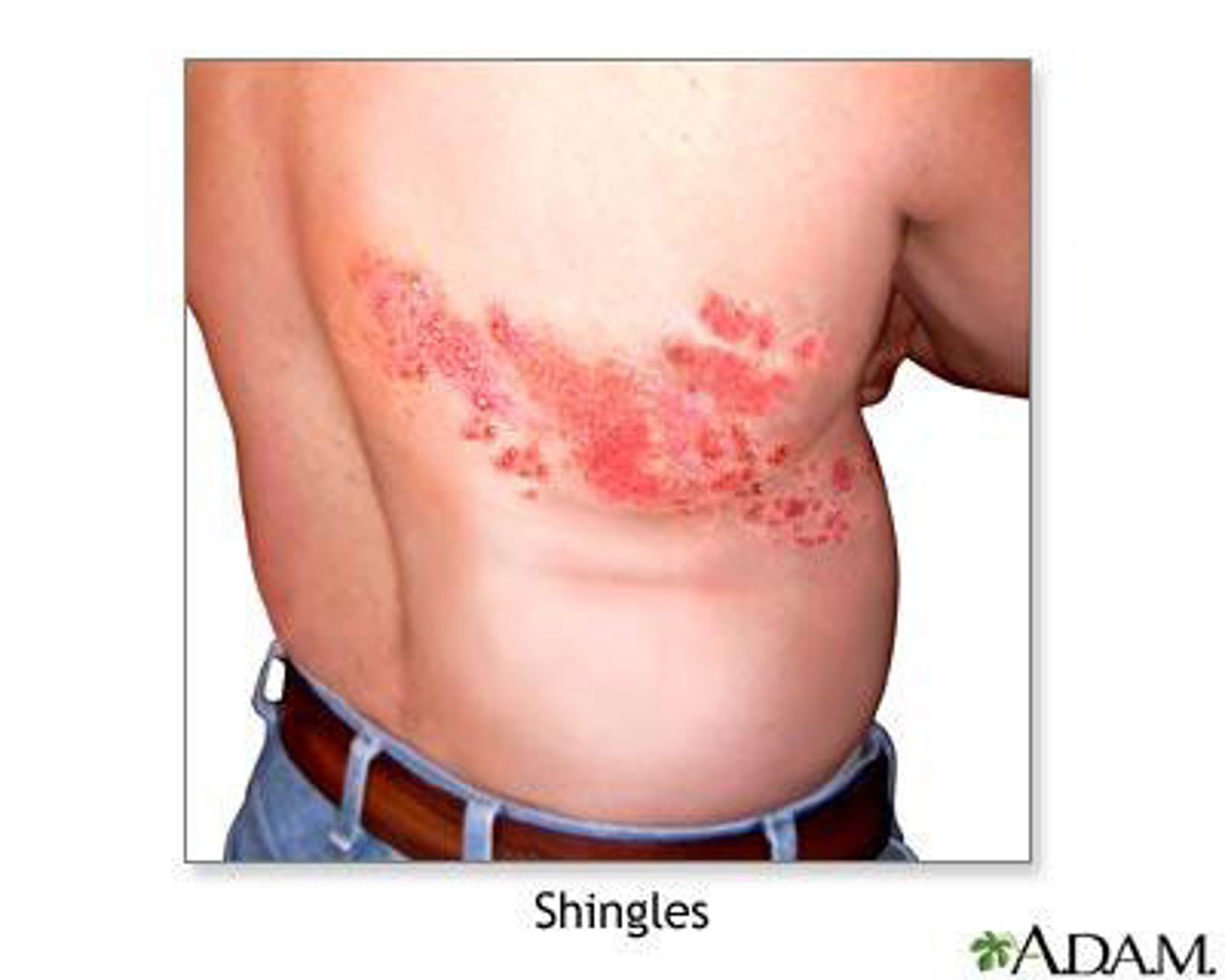
What virus causes chicken pox
Varicella-Zoster virus

What is the latent form of this virus, and what are the symptoms?
Shingles
burning pain, tingling, or itching on one side of the body or face
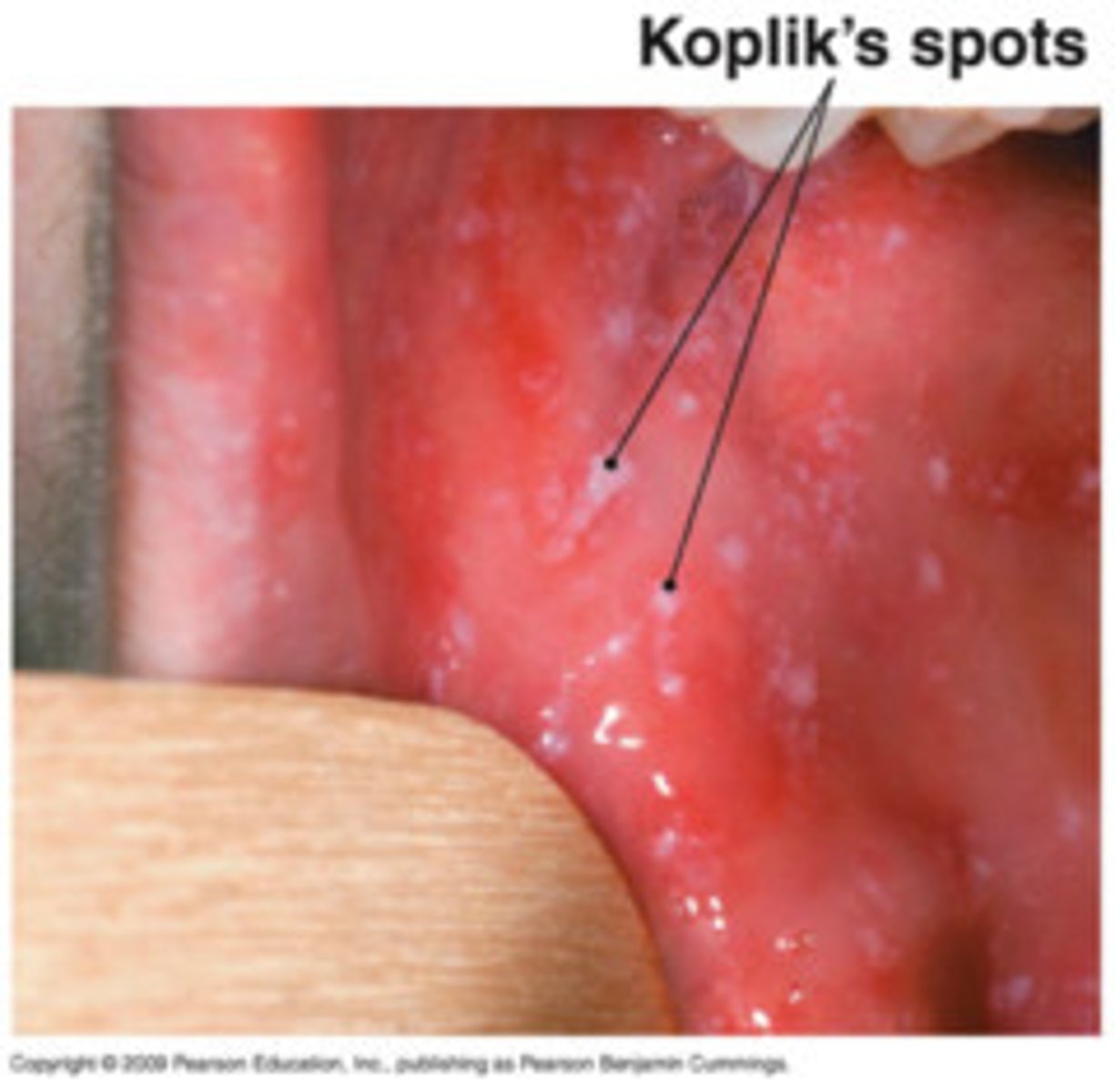
What is an intraoral sign associated with measles?
Koplik Spots ( buccal/labial mucosa)
What virus causes mumps?
Paramyxovirus
What gland is involved?
Parotid
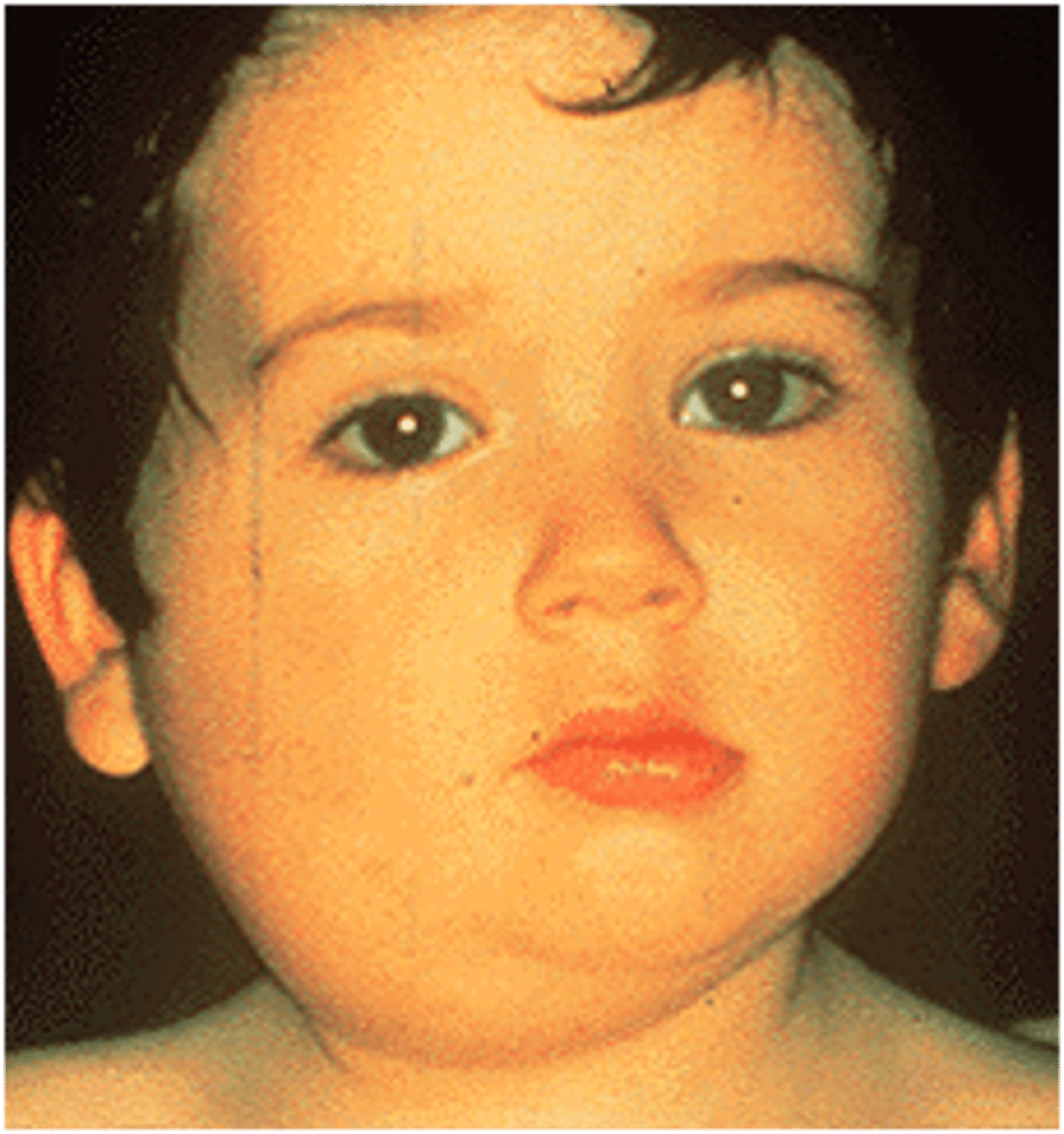
What is a clinical sign of mumps?
Parotitis (inflammation of the parotid gland) -> pain when chewing
How could you differentiate between a blocked salivary duct and mumps?
A blocked salivary gland is caused by a sialolith, which most often impacts the submandibular gland
What are the different types of hepatitis? And how are each transmitted?
Inflammation of the liver
A = Fecal-oral route
B = Bloodborne
C = Bloodborne
D = Bloodborne
E = Fecal-oral route
Which of the bloodborne hepatitis viruses is there a vaccine for?
A and B
Which one can only be contracted as a superinfection/co-infection?
hepatitis D
What agent is responsible for TB?
Mycobacterium tuberculosis
What organ does it primarily affect?
Lungs
How is this determined?
Positive PPD test (Purified Protein Derivative Test) (Annual test) Mantoux Test
Chest x-ray, tubercles identified
How would someone know that they have a TB infection?
persistent cough with bloody sputum, weight loss, fever, night sweats
What is the difference between TB infection and TB disease?
Latent TB: the virus is not active, no symptoms, cannot be spread
TB disease is the active form, symptomatic, and can be spread
Which could receive routine dental treatment?
Latent
What medication is used to treat TB?
SIREP
- Streptomycin: the antibiotic for treatment
- Isoniazid (INH)
- Rifampin (RIF)
- Ethambutol
- Pyrazinamide (PZA)
How long is the (INH) treatment for TB?
6 months for adults
9 months for children
12 months for HIV infection
What is another term for oral herpes?
Herpes Simplex 1 virus
what virus is genital herpes
Herpes Simplex 2 virus
What are the recommendations when a patient presents with a herpetic lesion
Dismiss, lesion must be completely healed to treat
What are the Stages of the lesion?
Prodromal, Vesicular, Crusting
What conditions does the AHA recommend antibiotic prophylaxis for?
- Patients with prosthetic heart valves or material used for heart valve repair
- Patients with a previous history of lE
- Patients with certain congenital heart defects
- Heart transplant recipients who have valvular disease
*Procedures that require prophylaxis
- Dental procedures that involve manipulation of the gingival tissue or perforation of the oral mucosa
- Invasive skin and soft tissue procedures in patients with a history of lE
- Mucosal biopsies of the gastrointestinal or respiratory tracts in patients w/ prosthetic heart valves
What is the standard oral regimen for prophylaxis?
2 grams Amoxicillin 30-60 minutes prior to procedure
How many milligrams are in 2 grams?
2,000 milligrams
What is the oral regimen for patients who are allergic to amoxicillin?
2g Cephalaxin
500 mg Azithromycin
500mg Clarithromycin
100g DOxyclycline
What is bacteremia?
Bacteria in the bloodstream
For patients who take antibiotic premedication for dental hygiene appointments, how many days are required between appointments and why?
Ten days to avoid antibiotic resistance
How long does the antibiotic premedication remain in the patient's system providing coverage?
6 hours; if a patient is scheduled for a full day appointment, they should take the antibiotic at 10am.
How would you explain the need for antibiotic prophylaxis to a patient?
What is angina pectoris?
Ischemic disease-causing lack of O2 to the heart
Where might the patient experience pain during an attack?
Burning, squeezing, or crushing tightness in the chest that radiates to the neck, shoulder, left arm, and mandible
What causes angina pectoris?
Stress, exertion, emotion, heavy meal, anxiety
Main cause is thrombosis in an atherosclerotic artery
How is angina pectoris managed? (What medication, how is it administered, how often, what does the medication do?)
Sublingual nitroglycerin
1 tablet sublingually every 5 min. for up to 3 tabs (total 15 min) Call EMS after administering the second pill
Keep a bottle of Nitroglycerin (pills or spray) on the counter
What is atheroscleoris?
Hardening of the arteries due to loss of elasticity
What risks does it present for a patient?
Heart attack, stroke, aneurysm, or blood clot
What is arteriosclerosis?
Hardening of the coronary arteries due to loss of elasticity
What risks does it present for the patient?
Heart attack or stroke, formation of thrombus or clot
What is the difference between a TIA and CVA?
TIA is a Transient Ischemic Attack
- caused by a partial blood clot, reducing blood flow to the brain
- Considered a "mini-stroke."
CVA is a Cerebral Vascular Accident
- lack of 02 to the brain due to a thrombus or embolus
TIA symptoms
severe headache, sudden loss of neurological function with quick recovery, numbness, tingling, weakness, paralysis, vision change, trouble speaking
Symptoms of CVA
paralysis affects one half of the body
Discuss cholesterol, and list the types of lipoproteins
LDL (Low density lipoproteins) = bad
HDL (High-density lipoproteins) = good
What is the name for elevated cholesterol?
Hyperlipidemia
What are patients with elevated cholesterol at higher risk for?
Heart attack and stroke
What should total cholesterol be below
Total cholesterol should be 200mg/dL or less
What type of medications are used to treat this condition
Statins
What food allergies are associated with latex allergy?
Avocado, kiwi, bananas, chestnuts, papayas
Ask if they have ever had a reaction to blowing up a balloon When should a patient with a latex allergy be scheduled? Why?
Morning, less chance of airborne latex proteins
What medication is used to manage anaphylaxis?
Epinephrine (Epi-pen)
How is it administered?
Auto injection into the lateral of thigh
What medication is used to manage an asthma attack?
Acute/emergency: Bronchodilator: Albuterol
Anti-inflammatory: Corticosteroid, Advair discus, NSAIDs, etc.
What should you do if your patient reports using an inhaler?
If patient has their inhaler:
- Put inhaler on counter during appointment
If patient does not have their inhaler:
- Verify the UNH Clinic Emergency/First Aid cabinet has an inhaler-LEAVE IN THE CABINET, JUST VERIFY IT IS THERE
What is emphysema?
Chronic lung disease where the tiny alveoli in lungs are gradually destroyed, losing their elasticity and forming large, inefficient air pockets making it hard to exhale old air and get fresh oxygen, leading to severe shortness of breath and reducing lung function
What is the main cause of emphysema?
Smoking
How might you need to modify treatment for a patient with this condition?
Don't fully recline, avoid aerosol production (polish, ultrasonic) depending on severity of disease
COPD
chronic obstructive pulmonary disease
What 2 conditions must the patient have to be diagnosed with COPD?
Chronic bronchitis and emphysema
Convulsions and seizures are typically associated with what condition?
Epilepsy
What happens when someone experiences convulsions and seizures?
Sudden discharge of electrical energy to the brain caused by an imbalance among the neurons
What are the convulsions of a seizure called, and what happens during each?
Tonic-clonic are the convulsions of a seizure
Tonic is the contraction of a muscle
Clonic is the relaxation of muscles
What are the 3 stages of a seizure?
Prodromal, convulsive, recovery
What should you do if a patient has a seizure?
Stay calm, cushion their head, turn them on their side, and time the seizure If seizure lasts more than 5 min, call 911
What common medication used to prevent seizures may cause gingival hyperplasia?
Dilantin and Phenytoin cause gingival hyperplasia
Other meds, Phenobarbital and Depakote
What is hemophilia?
A blood disorder in which there is a tendency to hemorrhage (uncontrolled bleeding), and the blood does not clot properly
What are the main types of Hemophilia and the Factors involved with each?
Hemophilia A = Lack of clotting Factor VIII(8), classic hemophilia, the most common and severe
Hemophilia B = Lack of clotting Factor IX(9), Christmas disease Hemophilia C = Factor XI(11), Rosenthal disease, very rare
What should you do when your patient indicates yes to a question about hemophilia on the medical history? Why?
Call PCP to obtain the most recent INR results
Results of PT test, prothrombin test, and clotting time should be within 1-3 seconds
International Normalized Ratio
Records the time it takes for a patient to clot and should be between 2.0 - 3.0
What are the types of diabetes? Discuss each
Type 1: juvenile, insulin- dependent, no insulin produced Type II: Insulin resistant, body is producing insulin but doesn't know how to use it, obesity Type III: Gestational, during pregnancy
What follow-up questions should you ask your patient when they indicate a history of diabetes?
Did they eat that day? When did they eat? Schedule these patients early in the day What is their FPG?What was their most recent HbA1c, and when was it taken?
What is FPG?
FPG: Fasting Plasma Glucose, taken daily
over 126 is diabetes
160 and above requires clearance
What is HBA1c?
HbA1c: Glycated hemoglobin assay
What is considered uncontrolled for FPG?
FPG: Sustained levels of 180 ml/deciliter or higher
What is considered uncontrolled for HbA1c?
HbA1c: 7% or higher
What is the risk of treating a patient with uncontrolled diabetes?
Delayed healing, infection, periodontal infection
Why would the patient's doctor be consulted prior to treatment?
Proof of HbA1c under 7 within 6 months or clearance needed HbAic over 7 requires clearance
What is an example of a common digestive disorder?
GERD: Gastrosophageal reflux disease
Describe what happens that allows stomach acid to escape:
The esophageal sphincter doesn't close properly, and acid from the stomach rises into the esophagus and mouth
What conditions can cause acid reflux and erosion of teeth, and where would you see this clinically
Vomiting from eating disorders, alcohol misuse, and pregnancy Lingual of anteriors
What is an oral side effect associated with acid reflux? GERD?
Erosion of mandibular molars, which occurs when sleeping. Less saliva to combat acid when sleeping
Why do we ask patients if they have an artificial implant?
Patient may need antibiotic premedication
Bacteria can travel and attach to implants and cause failure
What are anticoagulants?
Blood thinner, extends the time it takes for blood to clot
Give two examples:
Coumadin (Warfarin)
Heparin
Rivaroxaben (Xarelto)
Dabigatran (Pradaxa)
Apixaban (Eliquis)
What should you do if the patient is taking anticoagulants?
Identify condition being treated
Contact pts. prescribing physician before initiating any TXN that manipulates tissue
What is INR?
International Normalized Ratio (INR) is a calculation based on results of a PT (Prothrombin time) and is used to record the time it takes for blood to clot while they're taking blood clot medication
What is the INR range that is considered safe for dental treatment?
2-3
What oral side effects are associated with antidepressant medication?
Xerostomia
Bruxism
What are examples of anti-inflammatory medications?
Aspirin
Ibuprofen
Naproxen
What is an oral side effect of antihistamines?
Xerostomia
Why is this significant?
Lack of saliva increases caries risk; less minerals and pH buffers
What are bisphosphonates typically used to treat?
Used to treat osteoporosis
What is an example of this medication?
Fosamax, Boniva, Actonel, Reclast (IV), FBAR
Why is their use a concern in dentistry?
Osteonecrosis of the Jaw
What were Fen-Phen and Redux used for?
weight loss
Why are they included in the medical history?
Caused Pulmonary Arterial Hypertension, heart enlargement/failure, vascular heart disease