Minerals
 Call Kai
 Learn
Learn Practice Test
 Spaced Repetition
 Match
Match Flashcards
 Knowt Play
1/65

There's no tags or description
Looks like no tags are added yet.
Name | Mastery | Learn | Test | Matching | Spaced | Call with Kai |
|---|
No analytics yet
Send a link to your students to track their progress
66 Terms
Three broad functions/roles of minerals.
cofactors/catalysts
facilitate specific structures and metabolic functions
cellular signaling processes
What are the five minerals of concern?
calcium (major)
potassium (major)
sodium (major)
iron (trace)
zinc (trace)
What has led to the underconsumption of some nutrients and dietary components such as calcium, potassium, dietary fiber, and vitamin D?
inadequate intake of nutrient dense foods and beverages
In general, what was the 2025 DGA recommendation for diets in American households?
prioritize diets build on whole, nutrient dense foods (protein, dairy, vegetables, fruits, healthy fats, and whole grains
reduction in highly processed foods (refined carbs, added sugars, excess sodium, unhealthy fats, and chemical additives
What are the different mineral concerns for each life stage? (infancy/early childhood, adolescence, young adulthood, pregnancy)
infancy and early childhood: iron
adolescence: calcium and iron
young adulthood: iron
pregnancy: iron, calcium, and iodine
What are minerals of concern for vegetarian and vegan diets?
vegetarian: iron
vegan diets: calcium, iron, magnesium, and zinc
What is the recommended sodium intake?
< 2300 mg/day
even less for children younger than 14 years
highly active individuals may benefit from increased sodium intake
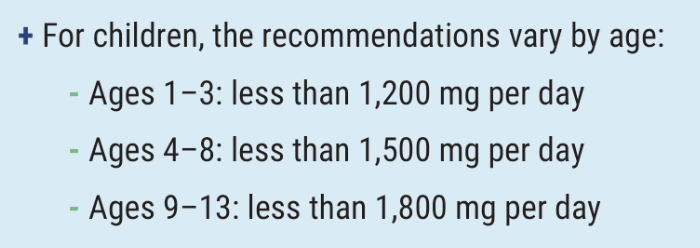
Functions of calcium (4).
bone mineralization/bone health/prevent osteoporosis
cell signaling
blood clotting
nerve transmission
What percent of women and men ages 19+ dont consume enough calcium?
men: 30%
women: 60%
When is adequate intake of Ca and Vit. D essential?
19-30 years: peak bone mass formation
post-menopausal: bone remodeling
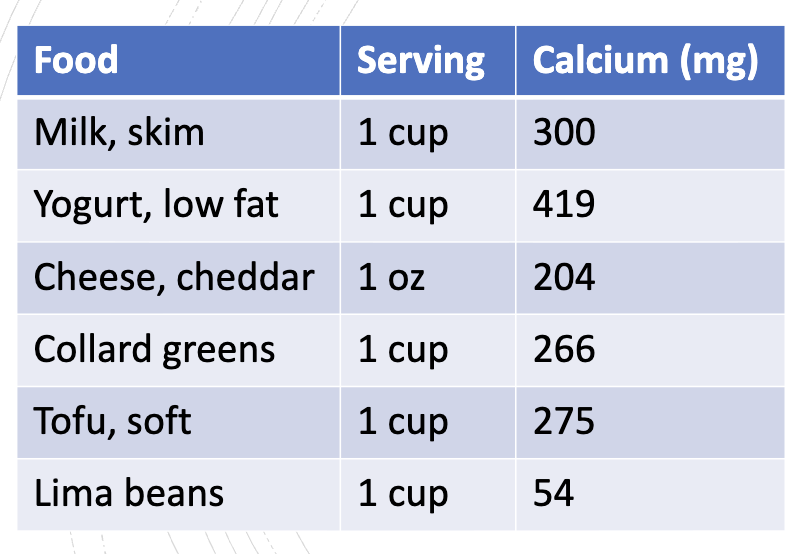
What are good calcium sources?
dairy (provide over half of Ca in US)
certain vegetables and grains
What does Ca increase the absorption of?
food sources of Ca increases Zn absorption from mixed and plant based diets (matrix effect)
supplements with carbonate reduces Zn absorption
What molecules inhibit the bioavailability of Ca (2)? Where can these molecules be found?
oxalic acid (oxalates): spinach
phytic acid (phytates): raw beans
When are Ca supplements most primal?
best absorbed when taken in doses < 500mg
similar efficiency as milk
What are good biomarkers that are used as an indicator of Ca status (2)?
bone mineral density (measured by DEXA)
Ca retention (balance studies measure bone accretion an Ca excretion)
What are two biomarkers that are not that great of an indicator of Ca status?
serum Ca concentrations (too tightly regulated)
Ca intake and fracture risk prospective studies (hard bc fractures rarely occur)
What happens to children’s bone with low calcium intake?
poor bone mineralization
bones become soft and pliable (bowing of legs)
will grow in length but not in strength
What happens to adults with low calcium intake?
osteomalacia
osteoporosis
What is osteomalacia?
demineralization of bone due to loss of Ca and phosphorus crystals
can occur with poor Ca or Vit D
What is osteoporosis?
loss of total amount of bone
B
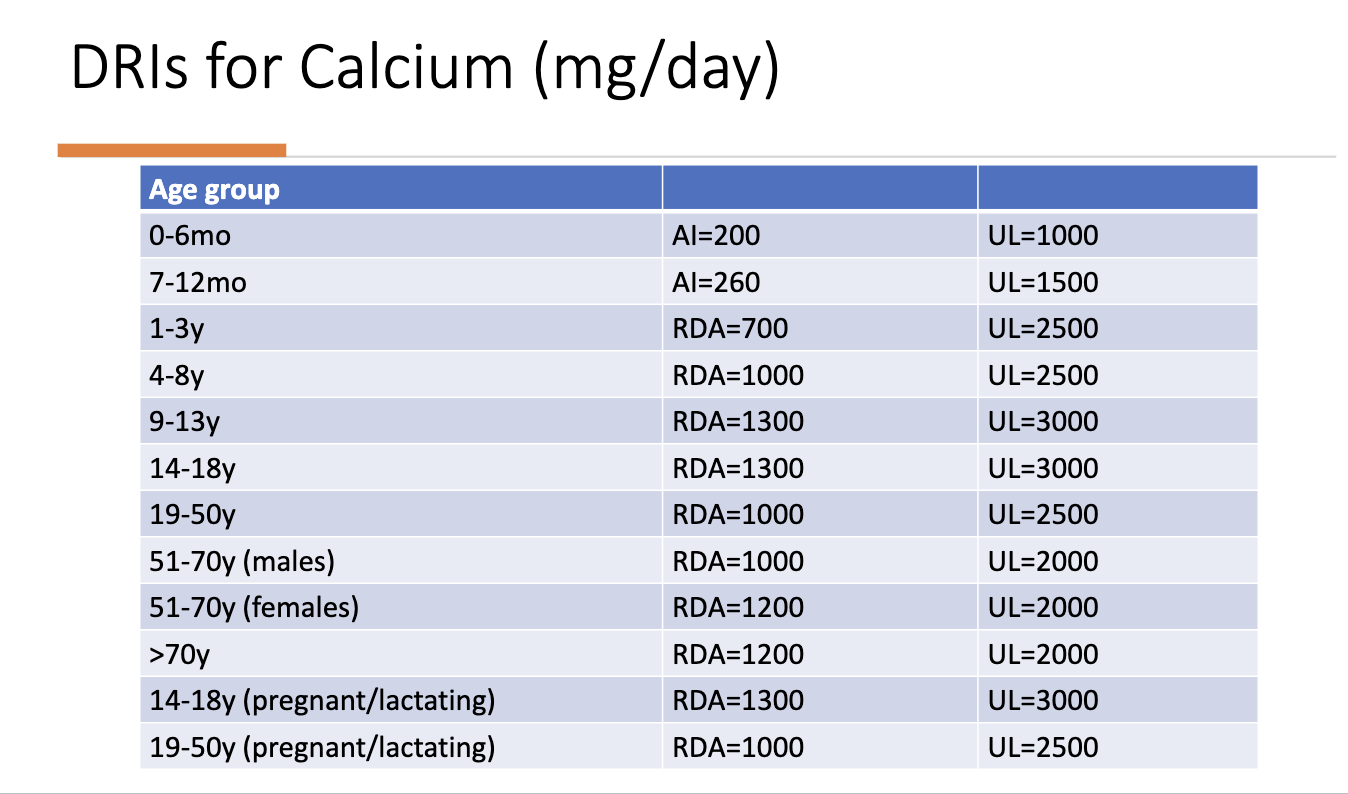
What is the DRI for calcium in mg/day?
Average intake of sodium in US
> 3 g/day
How is most sodium consumed in US?
comes from salt added during commercial processing and preparation
What is the issue with high sodium intake?
increases CVD risk factors
hypertension (>140/90mm Hg)
hyperlipidemia (high LDL cholesterol)
low HDL cholesterol (<40 mg/dl)
cigarette smoking
diabetes
physical inactivity
antherogenic diet (dietary pattern that promotes atherosclerosis)
What are five strategies for reducing sodium intake?
read the Nutrition Facts label
prepare your own food when you can
add flavor without adding sodium
buy fresh
watch your veggies
give sodium the rinse (rinse sodium containing canned foods before eating)
unsalt your snacks (choose low sodium)
consider your condiments (add oil/vinegar to salads rather than dressing)
reduce your portion sizes
make lower sodium choices at restaurants (ask for meal without salt, or ask for dressings/sauces on the side)
What do nutrient claims surrounding sodium mean?
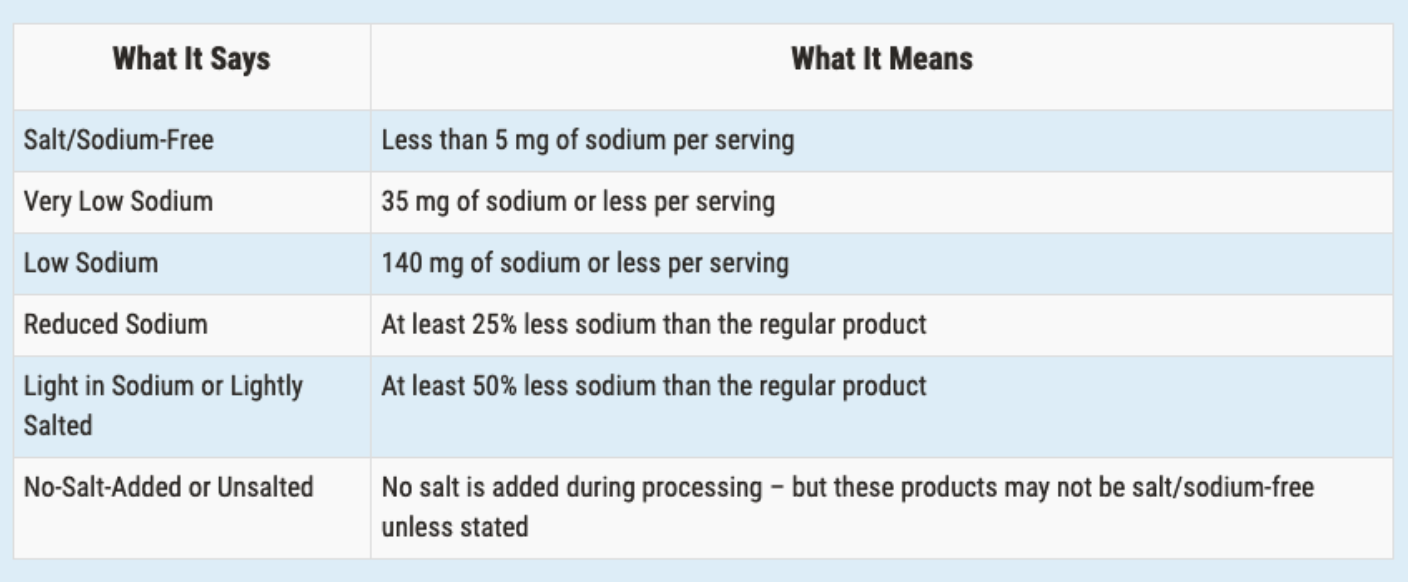
Three benefits of reduced sodium intake.
fewer strokes
fewer CVD events and deaths
health care savings
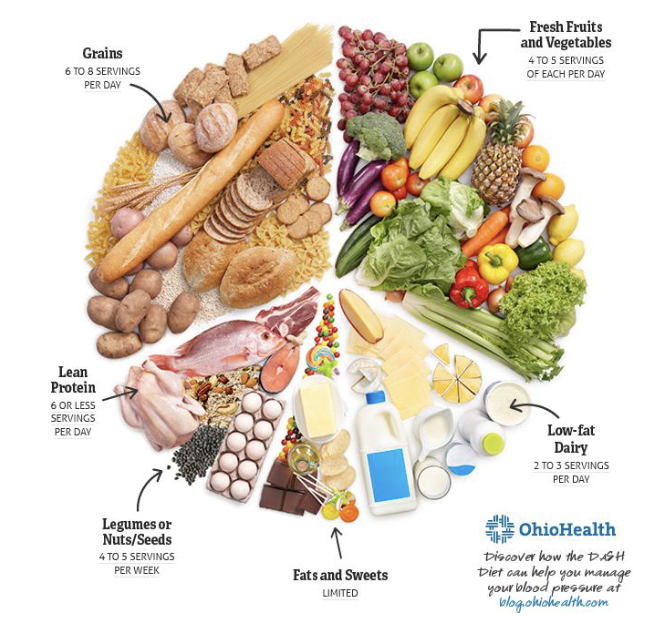
What ist he DASH diet?
a heart-healthy eating plan designed to lower or prevent high blood pressure
DASH = dietary approaches to stop hypertension
balanced eating plan that helps create a heart healthy eating style for life
emphasizes vegetables, fruits, and whole grains
include fat free/low fat dairy products
fish, poultry, beans, nuts, and vegetable oils
limit saturated fat
limit sugar sweetened beverages and sweets
adequate Ca, K, and Mg
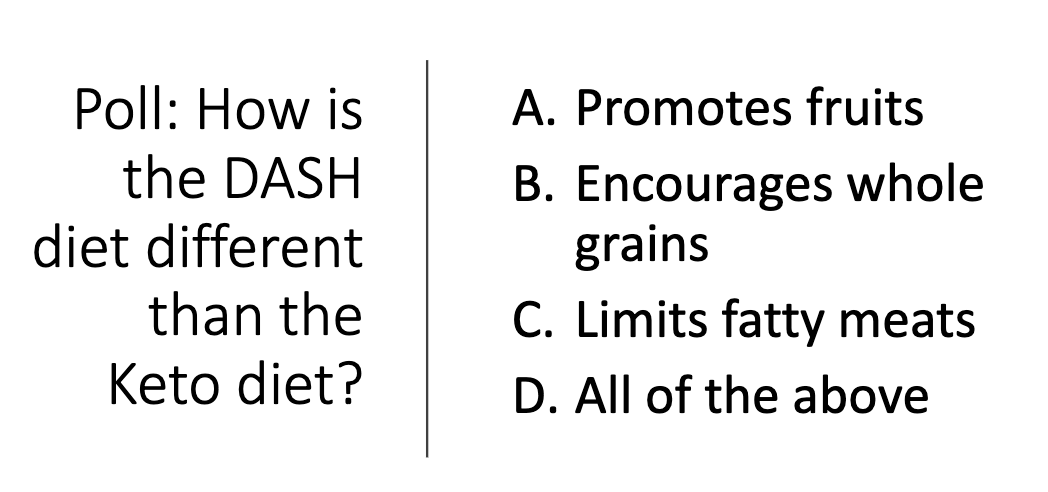
D
Four benefits of DASH diet?
based on findings from research studies
tested dietary pattern rather than single nutrients
lowers BP
lowers LDL cholesterol
What dietary pattern aligns the best with the American Heart Association 2021 Dietary guidance?
DASH diet
Two roles of potassium.
main intracellular cation in the body
required for normal cellular function
Foods rich in potassium.
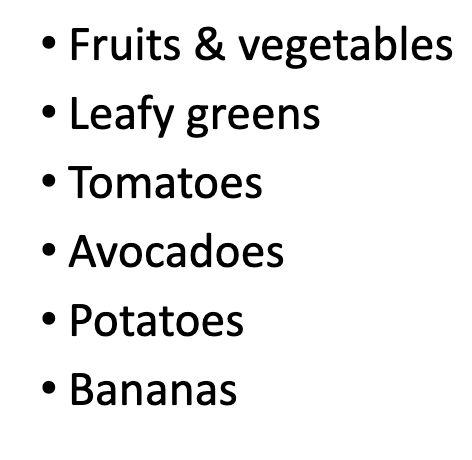
raisins/prunes
What is the AI of potassium based off of?
based on level of dietary intake to maintain lower blood pressure, reduced risk of recurrent kidney stones, and possibly decrease bone loss
What is the UL of potassium?
no UL, excess above AI is excreted in urine
Potassium DRIs.
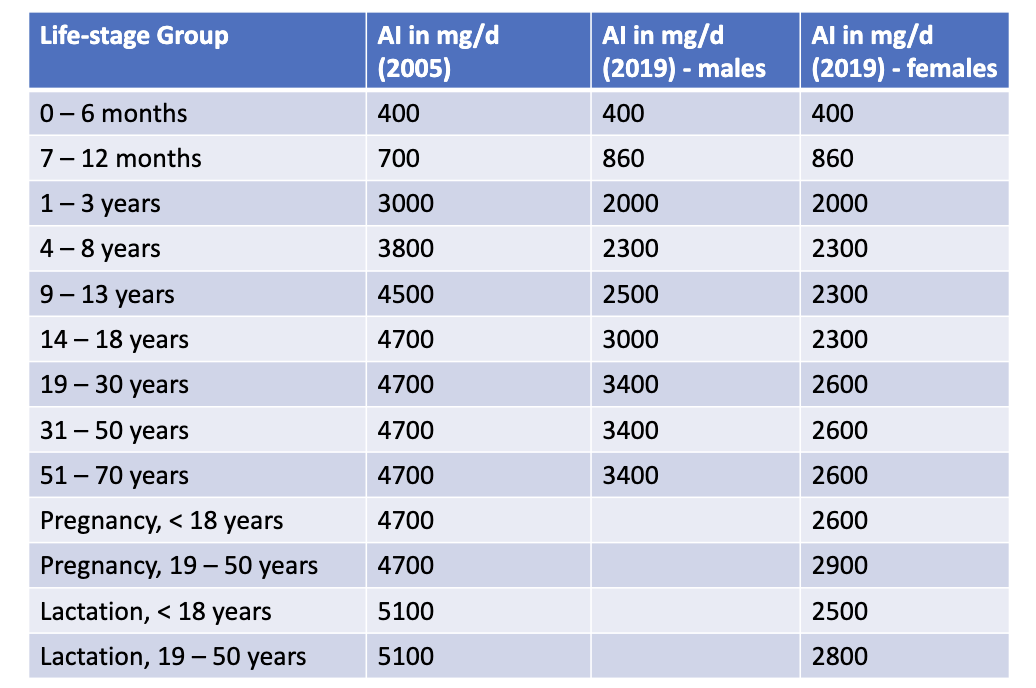
newer ones separate by sex
older DRIs recommend higher intake, but afterwards, the values are lower
What are some characteristics surrounding potassium deficiency (hypokalemia)?
uncommon
cardiac arrhythmia, muscle weakness and glucose intolerance
moderate potassium deficiency: elevated BP, increased salt sensitivity, increased risk of kidney stones, increased bone turnover, and increased CVD
Two functions of iron.
metabolic/enzymatic functions
transport and utilize oxygen
Four places iron can be found.
hemoglobin
myoglobin
cytochromes
iron sulfur proteins
What is the storage form of iron? Why do we have it?
ferritin
helps with the maintenance of iron homeostasis
has to be bound in blood, otherwise it can be toxic and cause free radicals
What increased consumption of this thing could lead to anemia?
increased milk consumption
dairy products are low in iron
Describe the relationship between supplemental calcium and iron/zinc.
supplemental calcium may decrease iron and zinc absorption
Describe the relationship between iron and vitamin C.
vitamin C helps body to absorb iron
recommended to eat together
What factors do you need to take into account when using a factorial modeling method for estimating iron requirement.
basal iron losses
menstrual losses
accretion
storage
would sum up all the factors to estimate the amount of iron needed to be absorbed from diet
statistical approaches are used to determine population distribution of these components, determine EAR and RDA
What are the EAR, RDA, and AI for iron in mg/day?
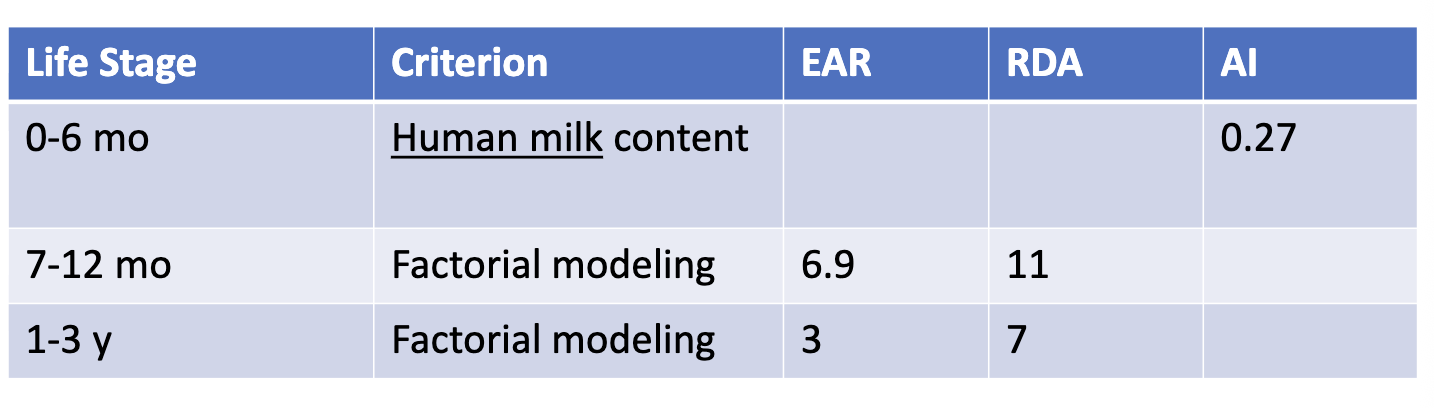
What factors are considered when making the AI for iron during infancy 0-6 months?
assumes young infants will use iron stores to meet need at first 6 months

What factors are considered when making the EAR/RDA for iron 7month + and children ?
takes into account (factorial method)
obligatory (basal) losses through fecal, urinary, and dermal
increased HgB mass
increase in tissue (non-storage) iron
increase in storage iron
How do iron needs differ during pregnancy and lactation? Why?
pregnancy: needs increase (27mg vs 18mg pre-pregnancy bc wants to create iron stores in baby + development)
lactating: needs decrease before menstruation returns (9-10 mg)
How prevalent is iron deficiency amongst pregnant and lactating women?
pregnant women: 1 in 10
third trimester: 1 in 4
What are three general dietary sources of iron?
heme-iron (animal sources)
non-heme iron (plant and animal sources)
lactoferrin (human milk)
Examples of iron rich baby foods.
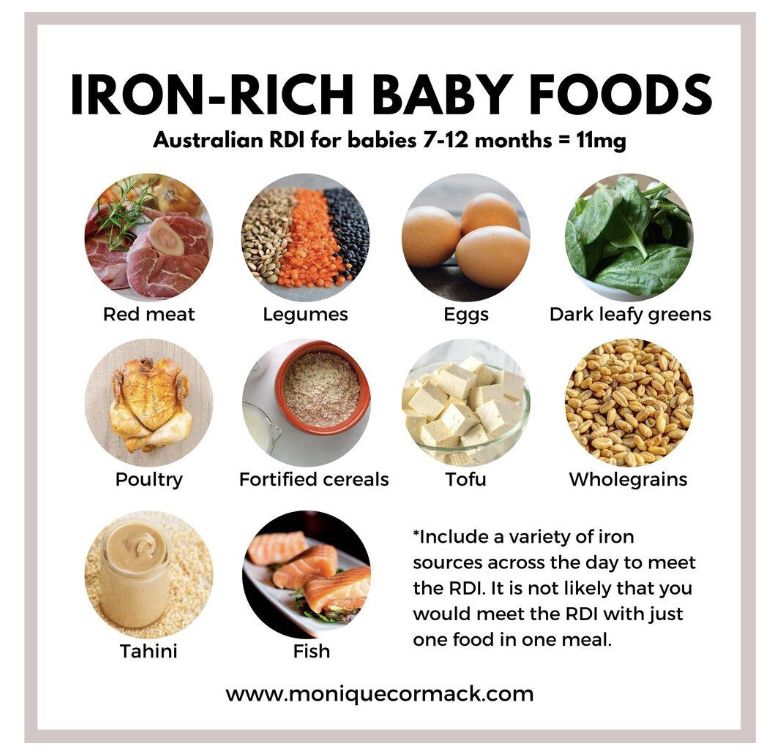
fortified foods such as cherrios are good too (especially as a weaning food)
EAR of iron.
~15 micrograms/L (serum ferritin concentration)
Describe the difference between the absorption of heme and nonheme iron in the GI tract system.
heme:
double the absorption
can get into tissue more efficiently
non-heme:
3+ needs to be reduced to 2+ to be absorbed through DMT1 into the enterocyte
vitamin C reduces 3+ to 2+
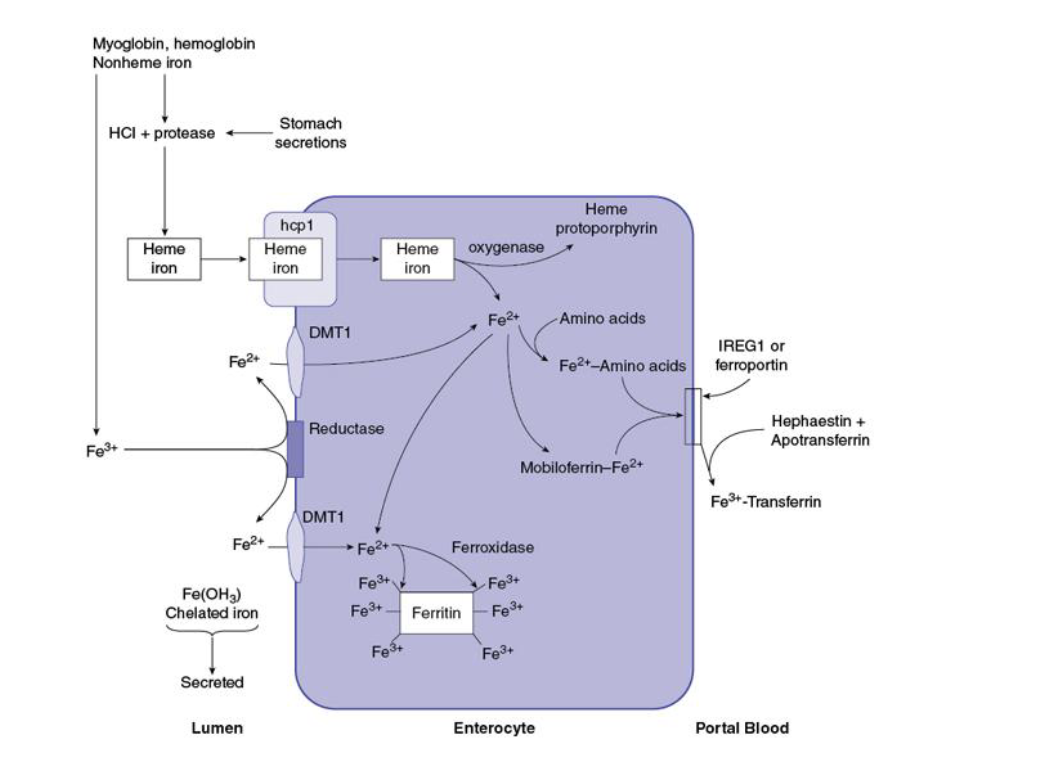
What are functional indicators of iron deficiency?
reduced work capacity
delayed psychomotor development
impaired cognitive function
adverse maternal and fetal outcomes
microcytic anemia
iron deficiency anemia
What is the UL of iron?
45 mg/day
based on GI distress symptoms from iron supplements
Characteristics of excessive iron intake.
GI distress
impaired zinc absorption
CVD (due to oxidative stress)
Cancer (DNA strand breaks)
Five functions of zinc.
optimal growth and development
needed for protein structure (zinc fingers) and regulation of gene expression
needed for intracellular and extracellular signaling
in several reactions in metabolism of proteins, carbs, and fat
cofactor for >200 known enzyme (structural or cofactor roles in 10% of human proteome)
What are seven symptoms of zinc deficiency?
stunting
reduced immune function
increased susceptibility to GI infections
reduced glycemic control (non-communicable disease risk)
rash/reduced wound healing
loss of taste
reduced reproductive performance
What are some zinc food sources?
typically found with dietary proteins
poultry, meats (high in terms of commonly eaten food)
seafood (oysters, highest content)
germ and bran (need to remove phytate)
fortified breakfast cereals
seeds and nuts
What are some nutritional factors that affect Zn absorption?
phytate (storage form of phosphorus from plants): decrease absorption
protein: increase
supplement based iron interactions: decrease (competitive absorption)
if added with protein then it doesn’t really impact it
Ca interaction (depends on source)
fiber: decrease (so much that it decreases gut transit time, Zn moves too quickly and thus reduces absorption)
Zn AI for infants 0-6 months.
AI = 2 mg/day
based on human milk
What factors are considered when determining the minimum average amount of dietary zinc for adults and children?
based on the balance between absorption and endogenous loss (factorial approach)
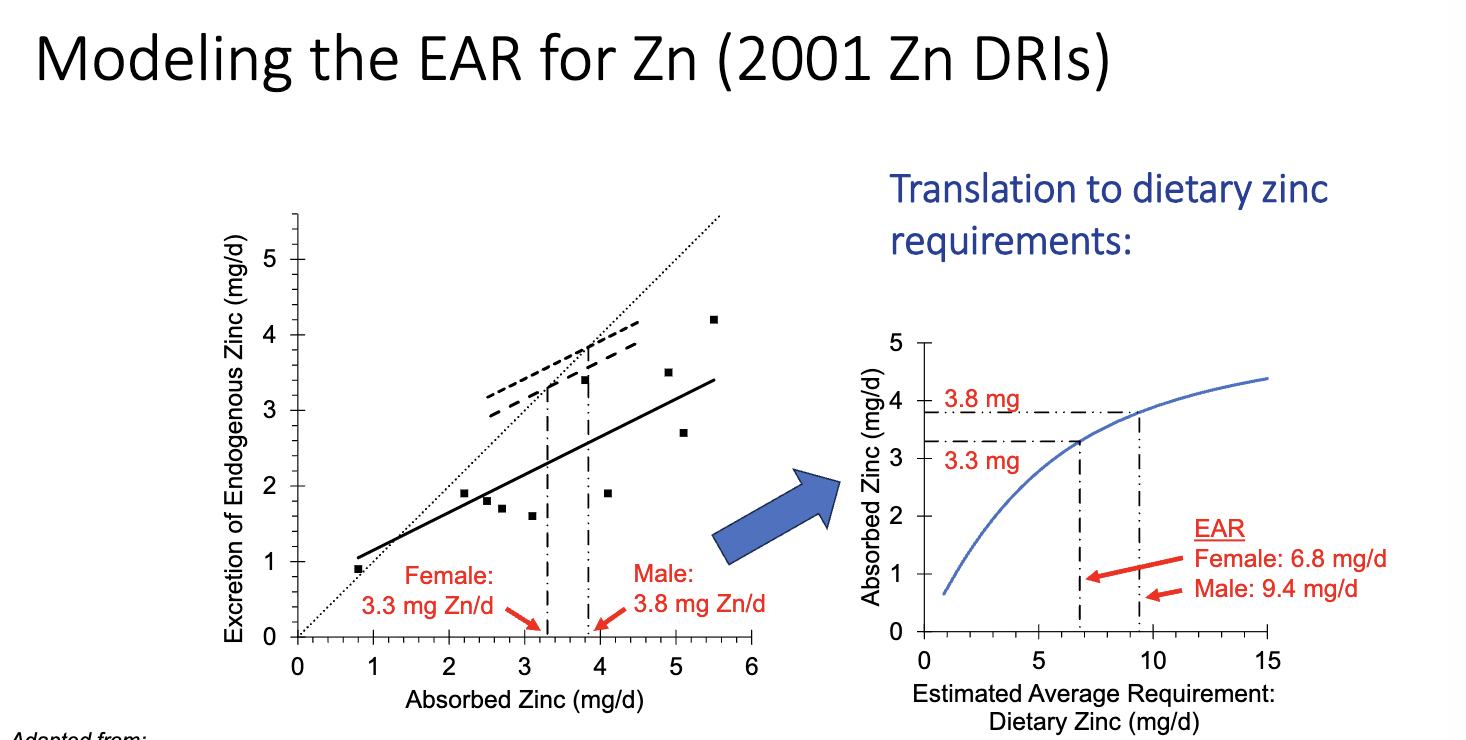
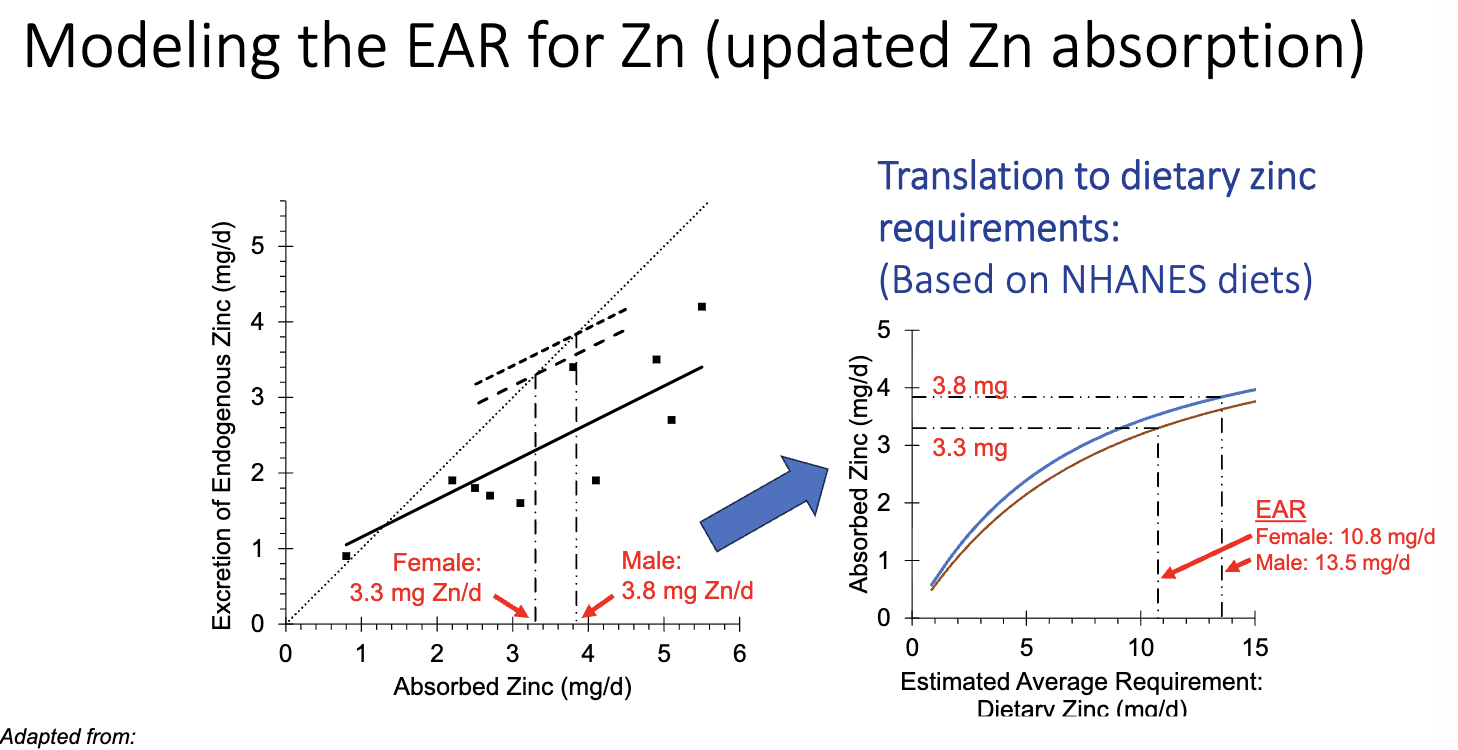
What is a simplified model?
model that does not make recommendations based on differences in bioavailability
What is effect of excessive zinc intake?
no evidence of adverse effects from food sources
immune suppression at high doses > 300 mg/day
acute: GI distress, nausea, loss of appetite
chronic: reduced copper status, reduced iron incorporation into hemoglobin
UL of Zn.
40 mg/day
from supplements
reduced activity of erythrocyte Cu/Zn superoxide dimutase (SOD1) activity