A&P lab practical 4
 Call Kai
 Learn
Learn Practice Test
 Spaced Repetition
 Match
Match Flashcards
 Knowt Play
1/69

There's no tags or description
Looks like no tags are added yet.
Name | Mastery | Learn | Test | Matching | Spaced | Call with Kai |
|---|
No analytics yet
Send a link to your students to track their progress
70 Terms
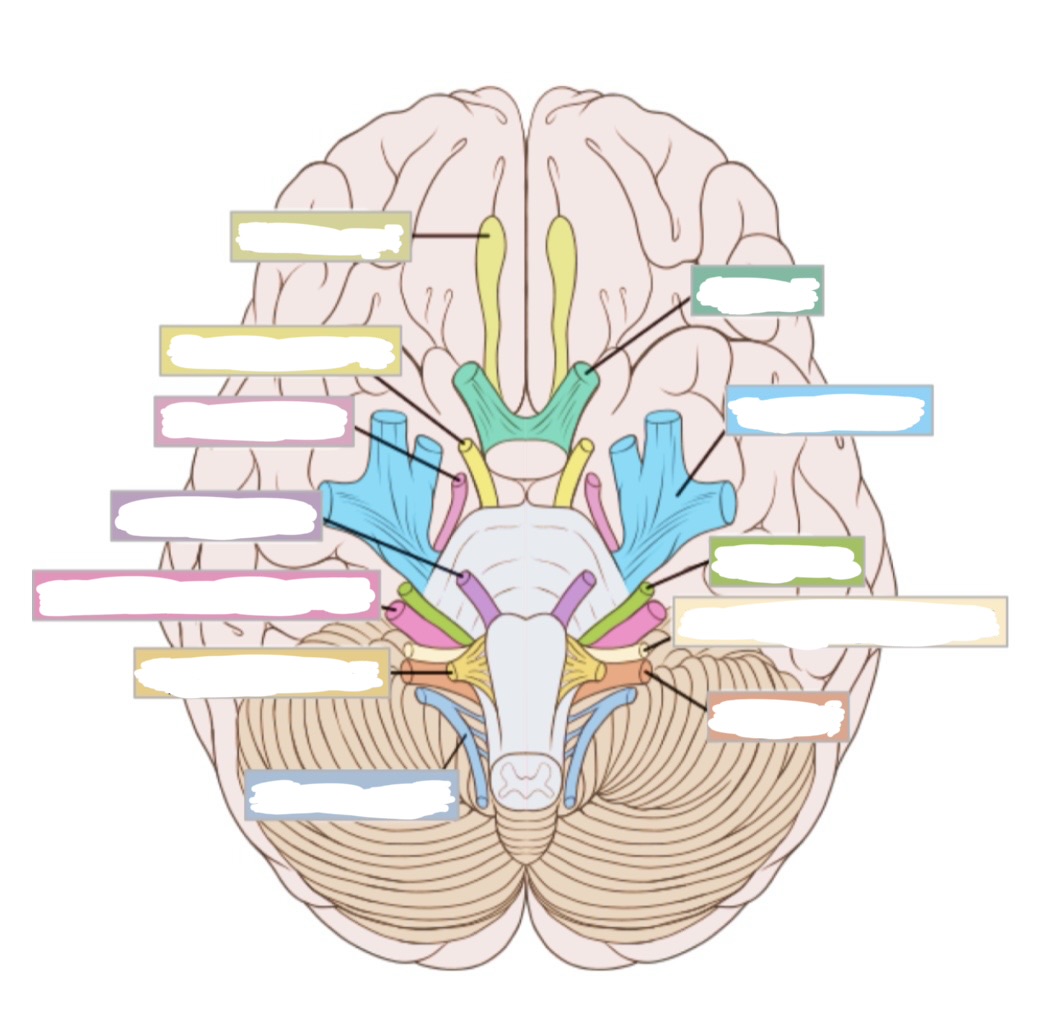
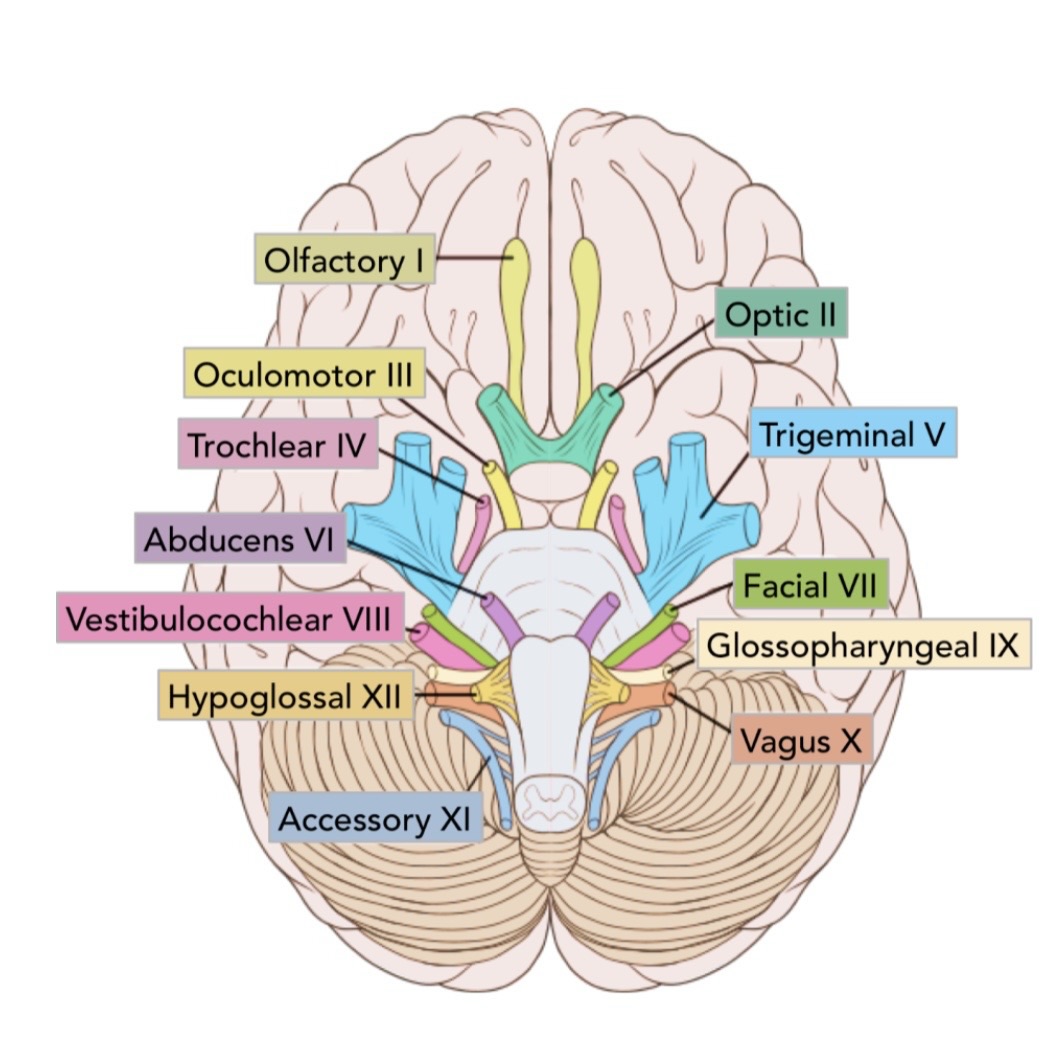
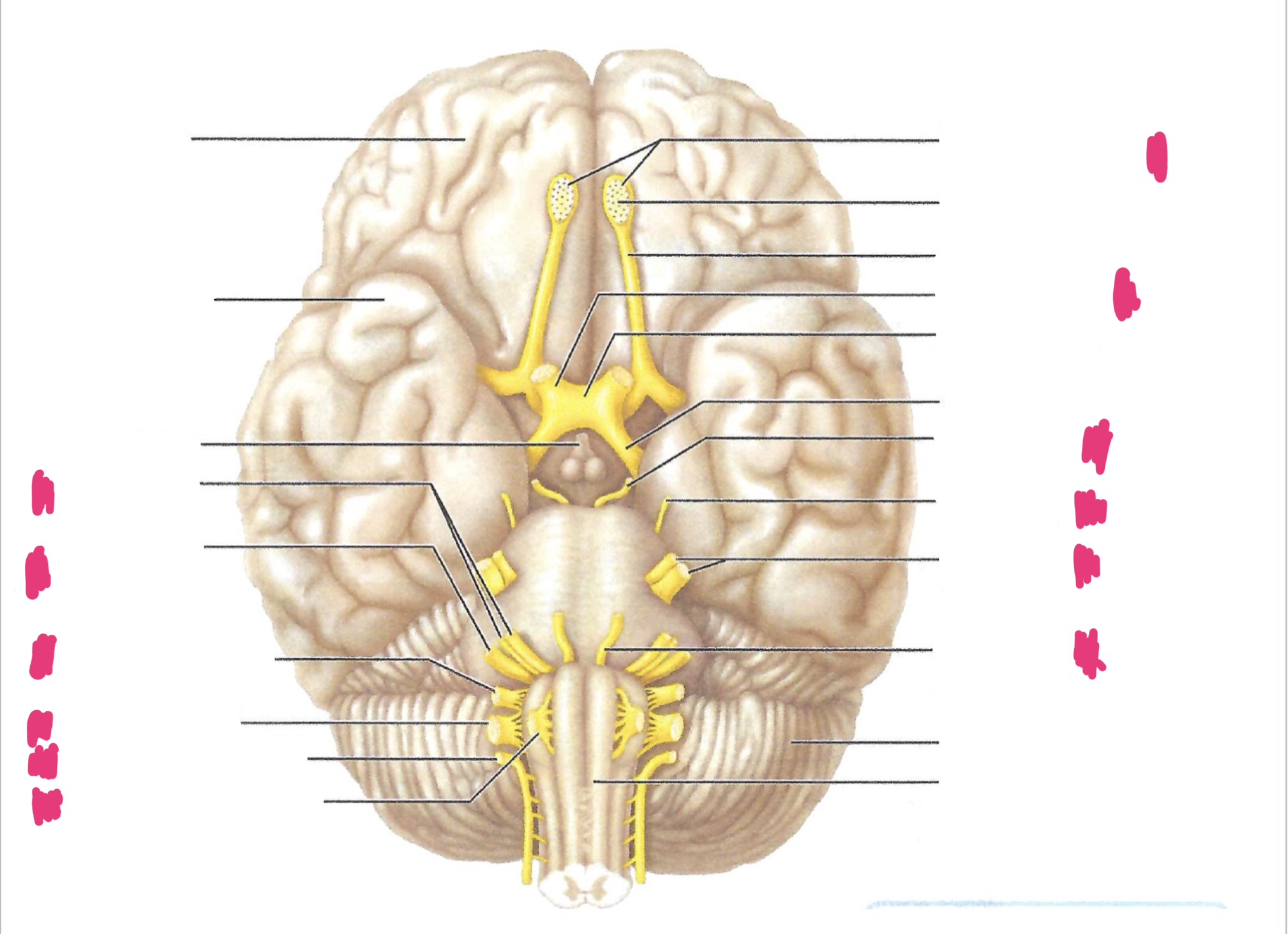
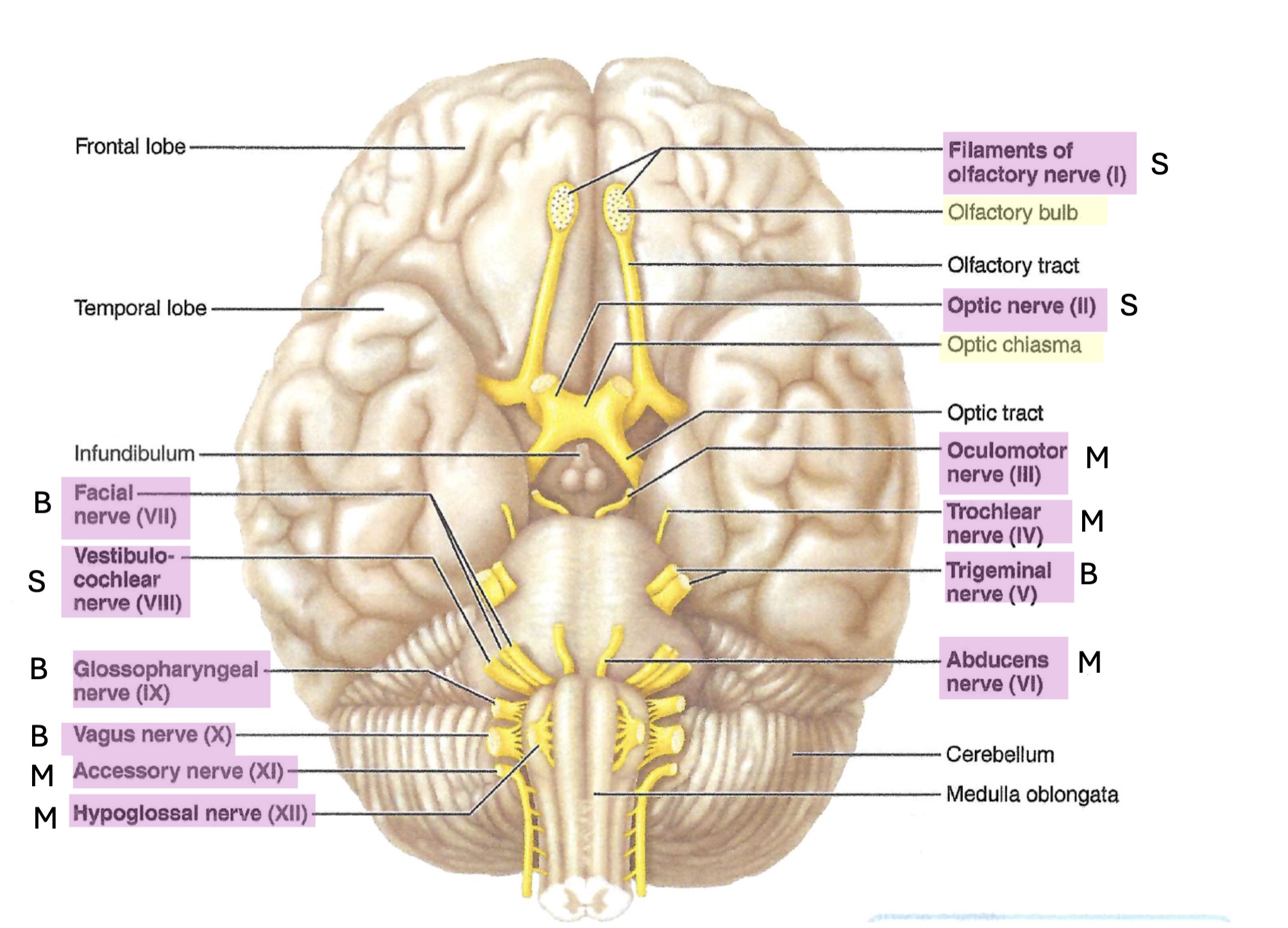
olfactory
I, sensory, smell, tested by closing eyes and smelling a substance and trying to correctly identify the substance
Optic
II, sensory, vision, tested by reading printed page with one eye an dassesing if they could.
oculomotor
III, motor, eyeball and eyelid movement, pupil constriction, tested by moving pencil infant of eyes and seeing if eyes move smoothly. closing eyes then opening after a minute and seeing pupils constrict.
trochlear
IV, motor, eyeball movement, tested by moving pencil side to side and seeing If eyes move smoothly
trigeminal
V, sensory and motor, cutaneous sensations and chewing, tested by resisting force when opening mouth, closing eyes and feeling cotton ball on face, then wet the cotton ball and see of they detect temp change
Abducens
VI, motor, eyeball movement, tested by moving pencil side to side and seeing If eyes move smoothly
facial
VII, sensory and motor, taste, facial expressions, salvia and tear production, tested by having subject move face around (raise eyebrows, smile, puff cheeks) and look for symmetry
vestibulocochlear
VIII, sensory, hearing and equilibrium, tested by moving ticking clock from onward side ion head to other and seeing if subject could detect which side it was on, and putting one foot on top of the other with arms down and seeing if subject could balance
glossopharyngeal
IX, sensory and motor, taste, swallowing, speech, saliva production, tested by touching uvula and seeing if they gagged and
Vagus
X, sensory and motor, general senses, swallowing, coughing, speech, GI peristalsis, tested by touching uvula and seeing if they gagged
accessory
XI, motor, swallowing and head movement, tested by raising shoulders against resistance and turning neck side to side against resistance
hypoglossal
XII, motor, swallowing and speech, tested by sticking out tongue and seeing if its straight or deviated
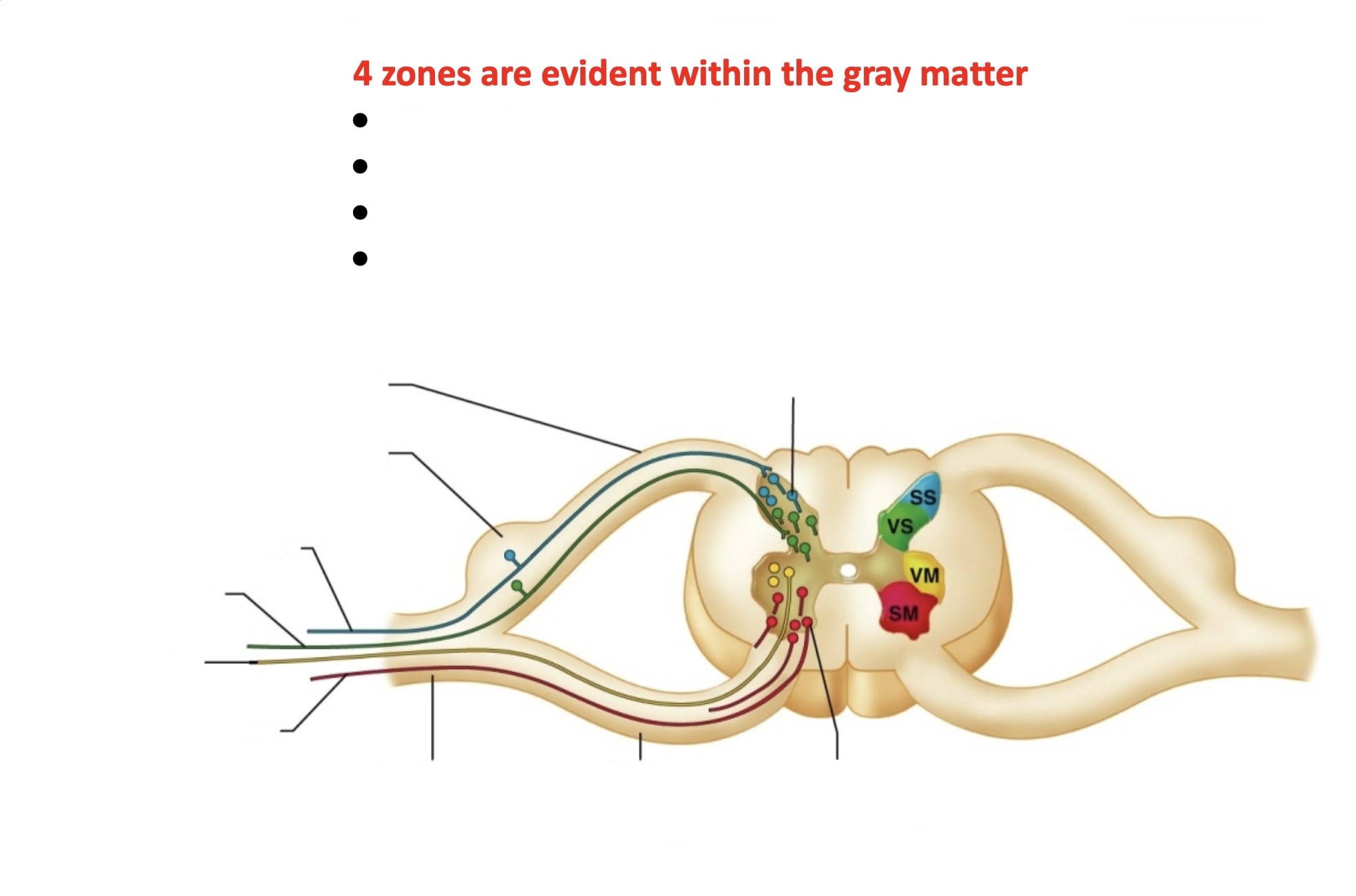
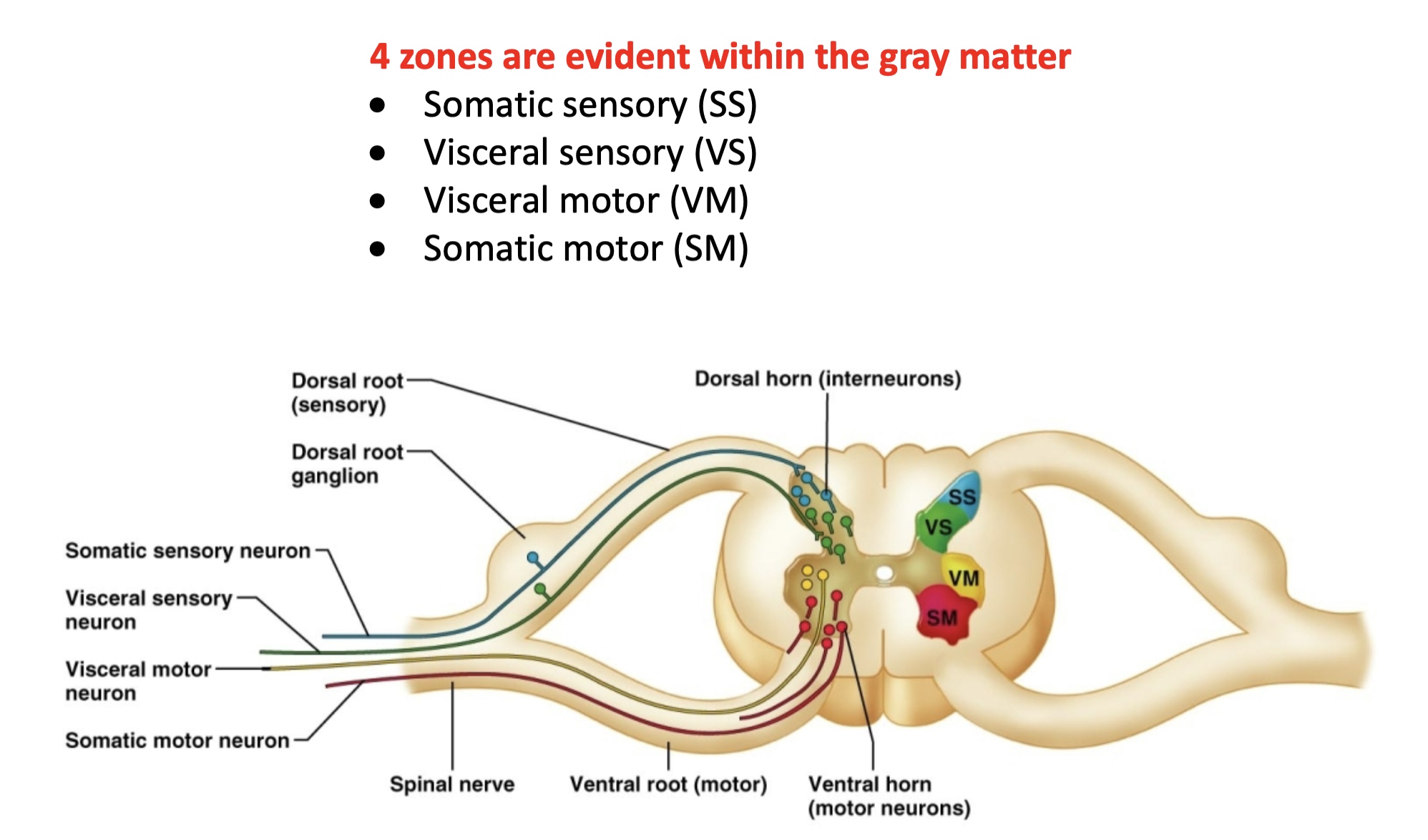
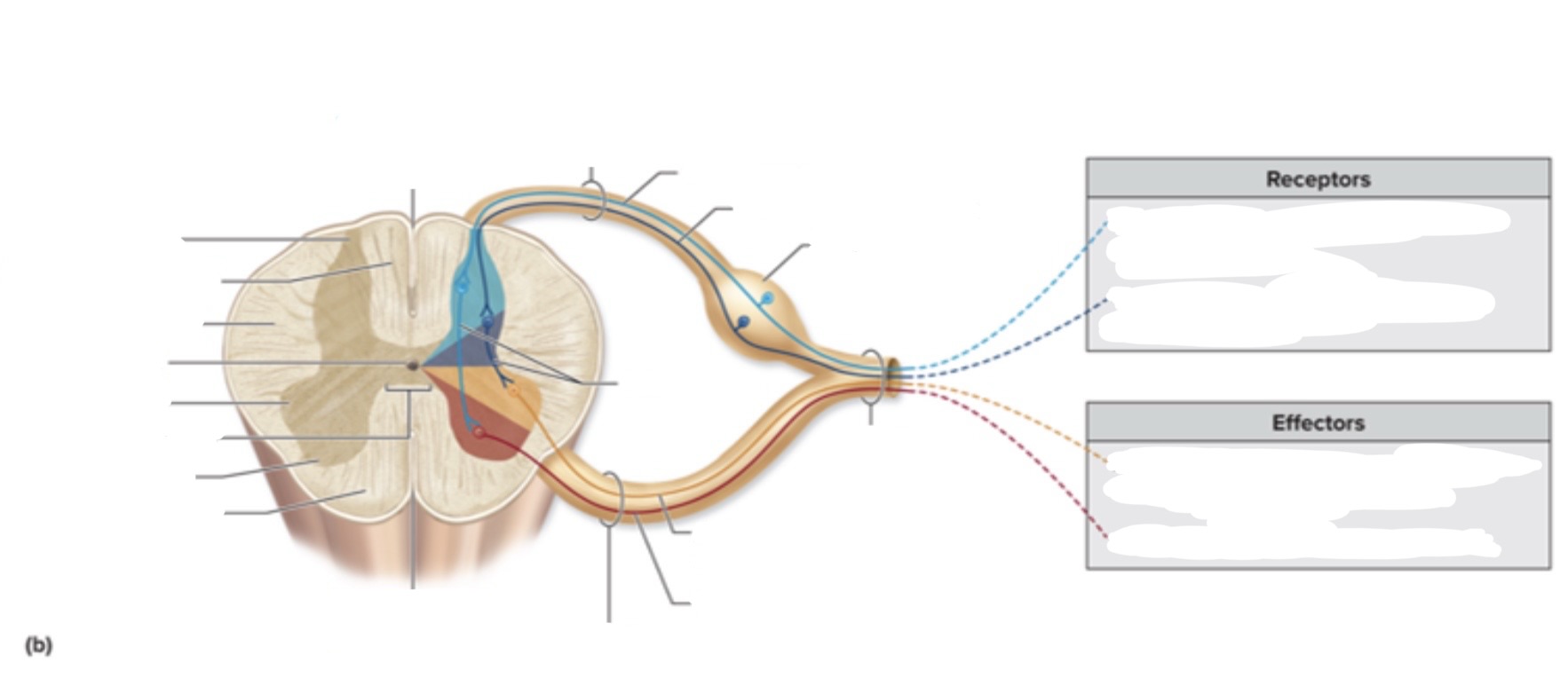
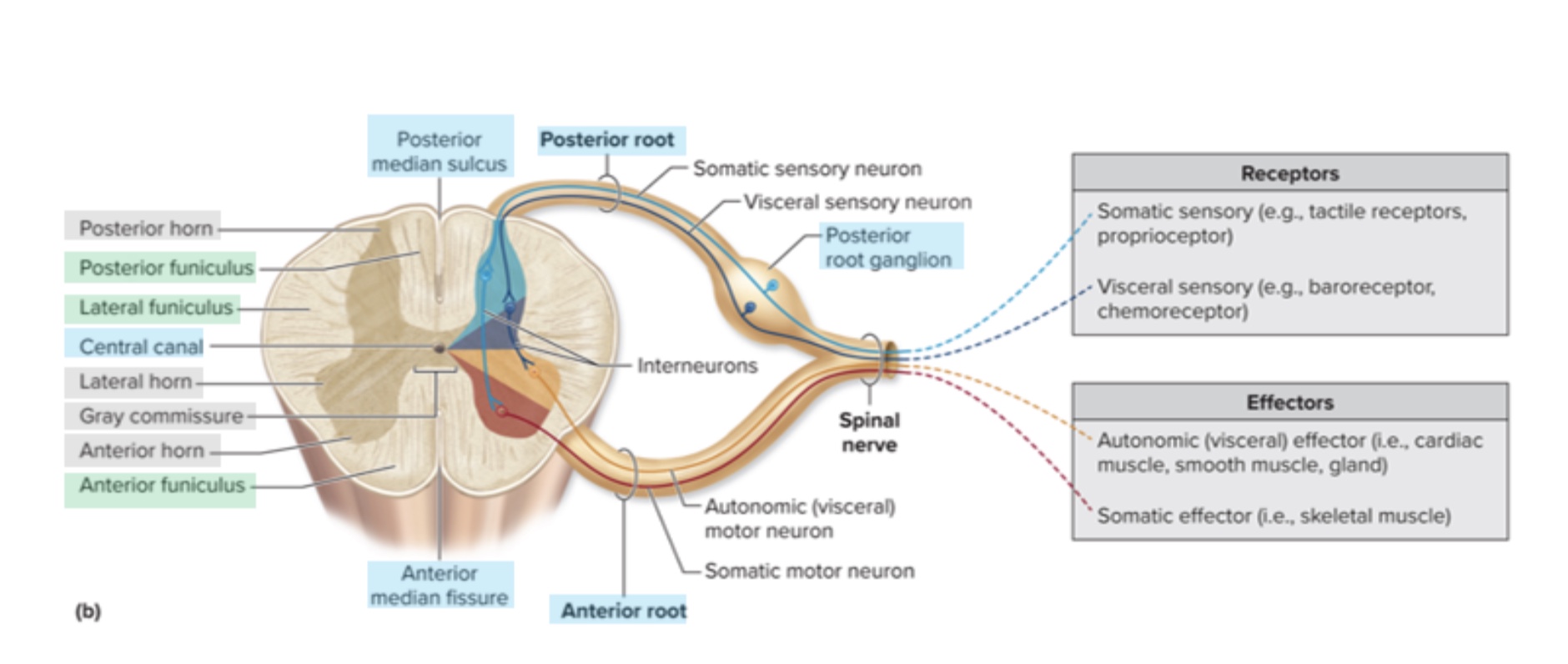
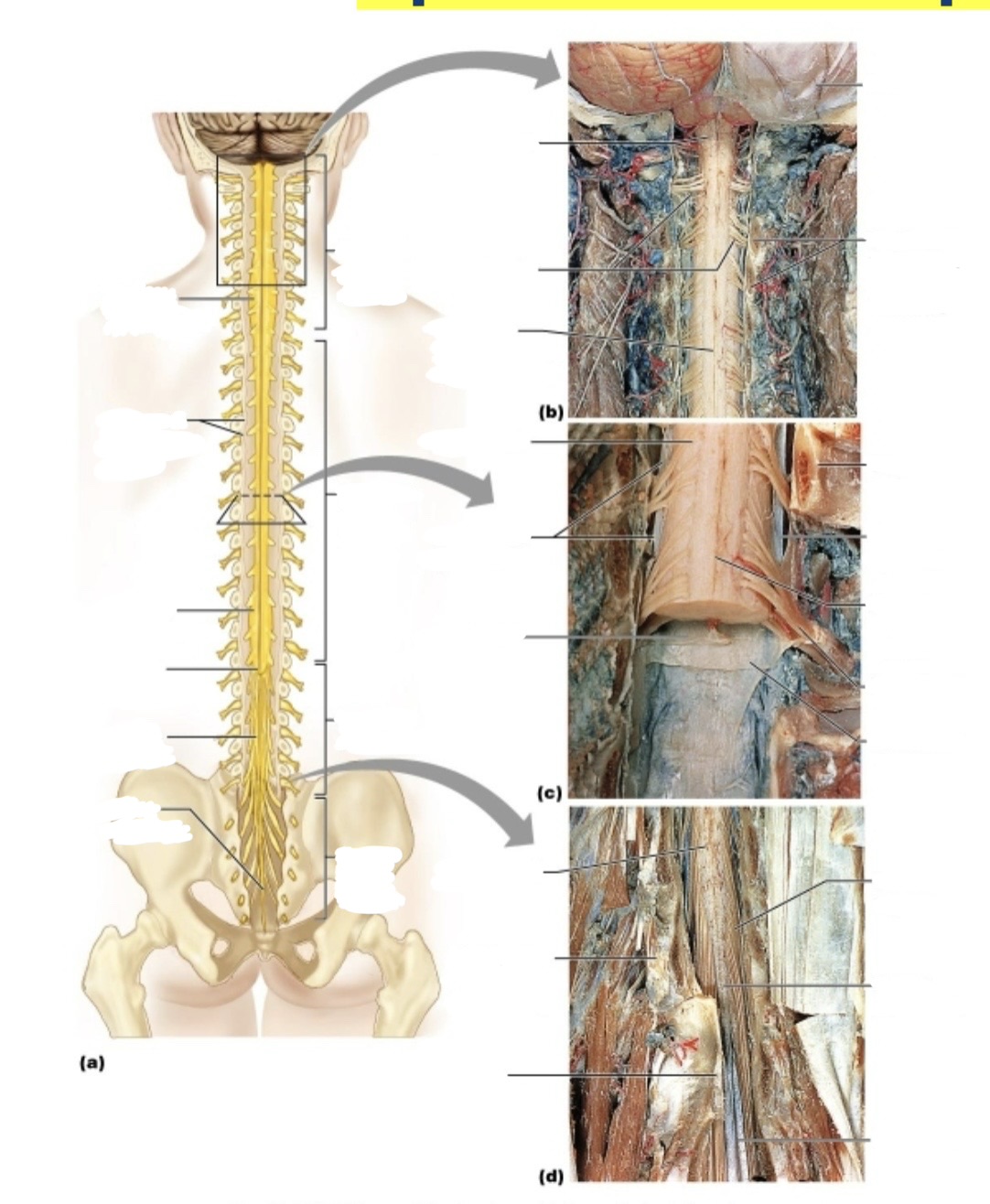
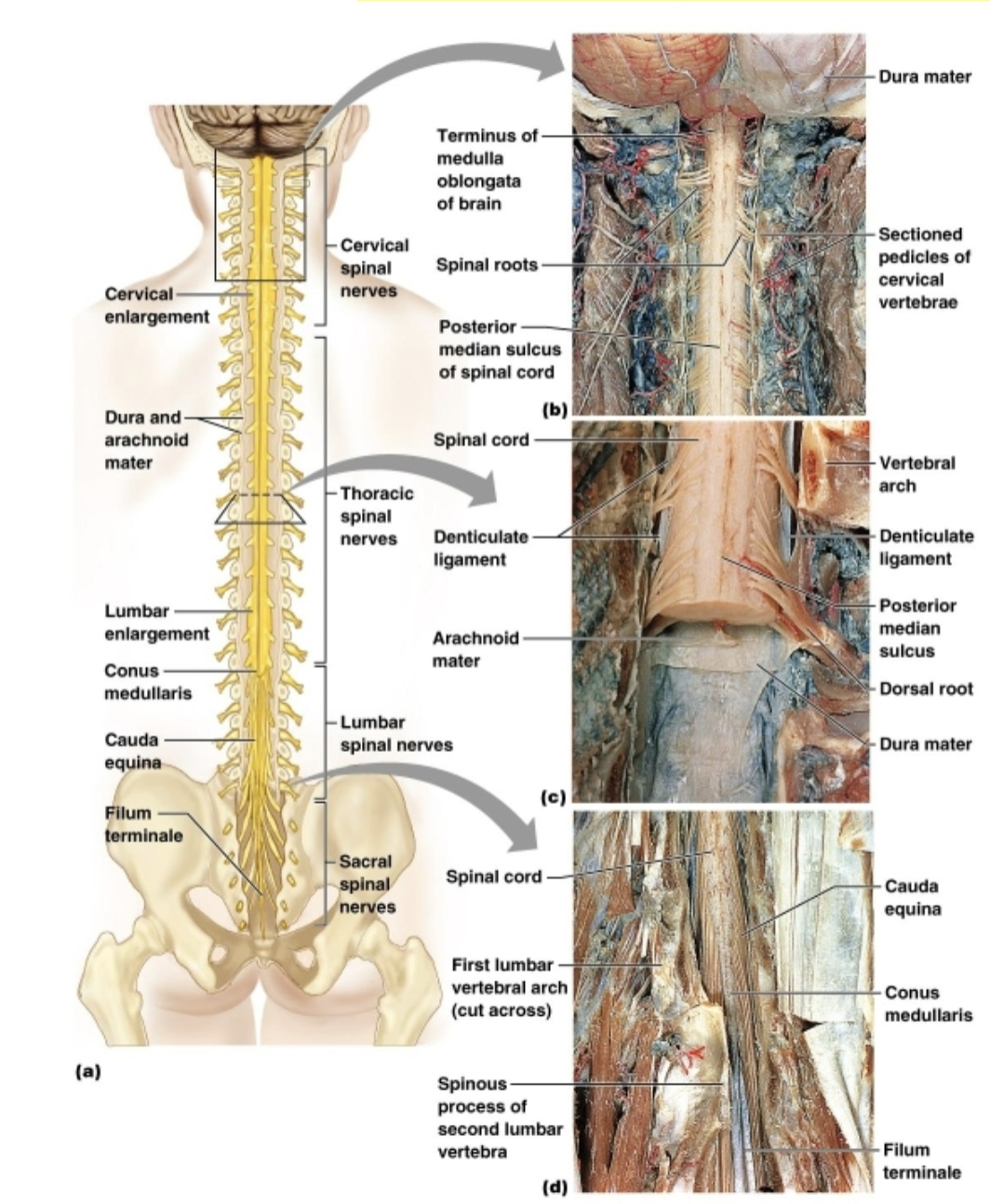
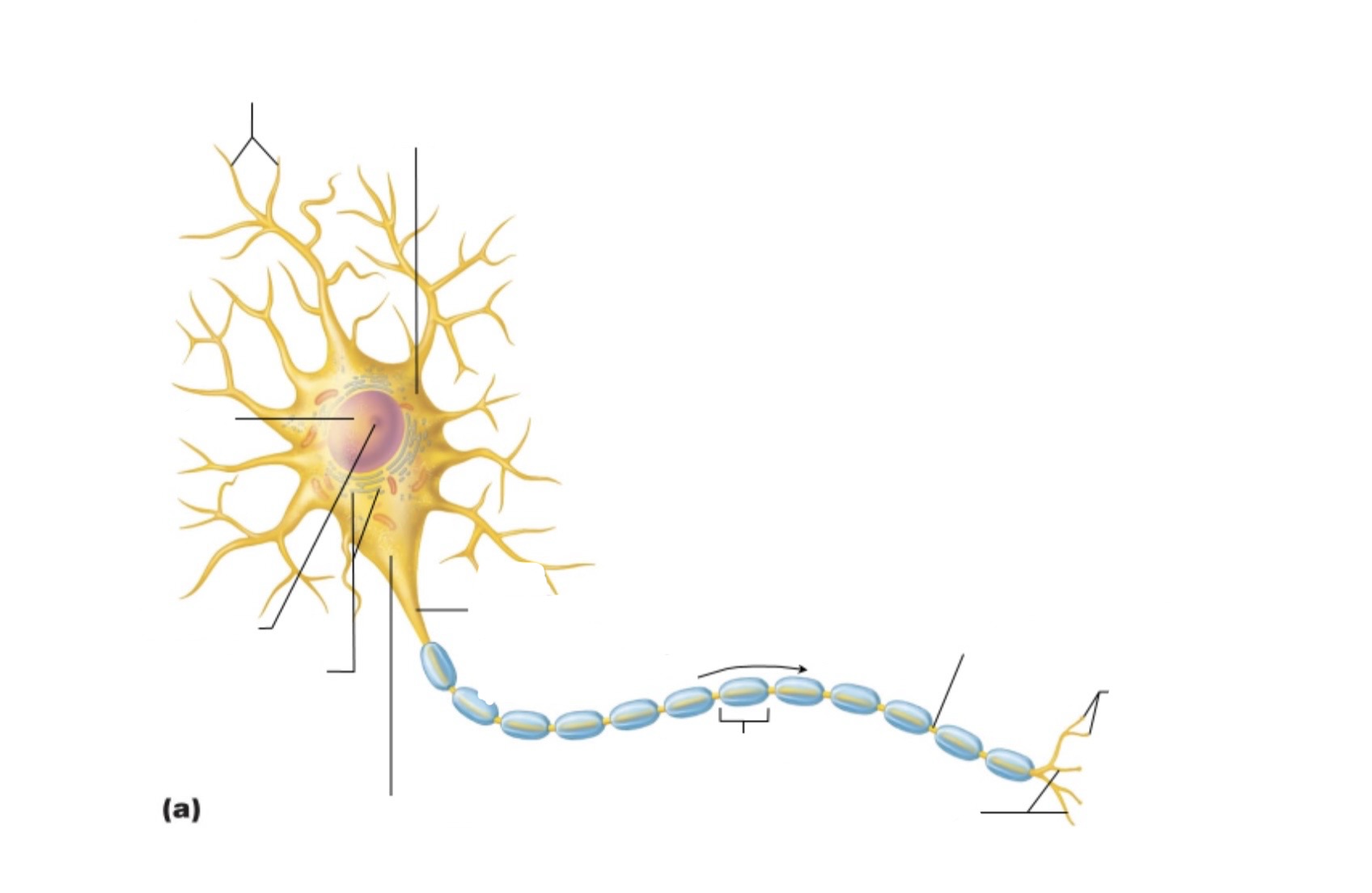
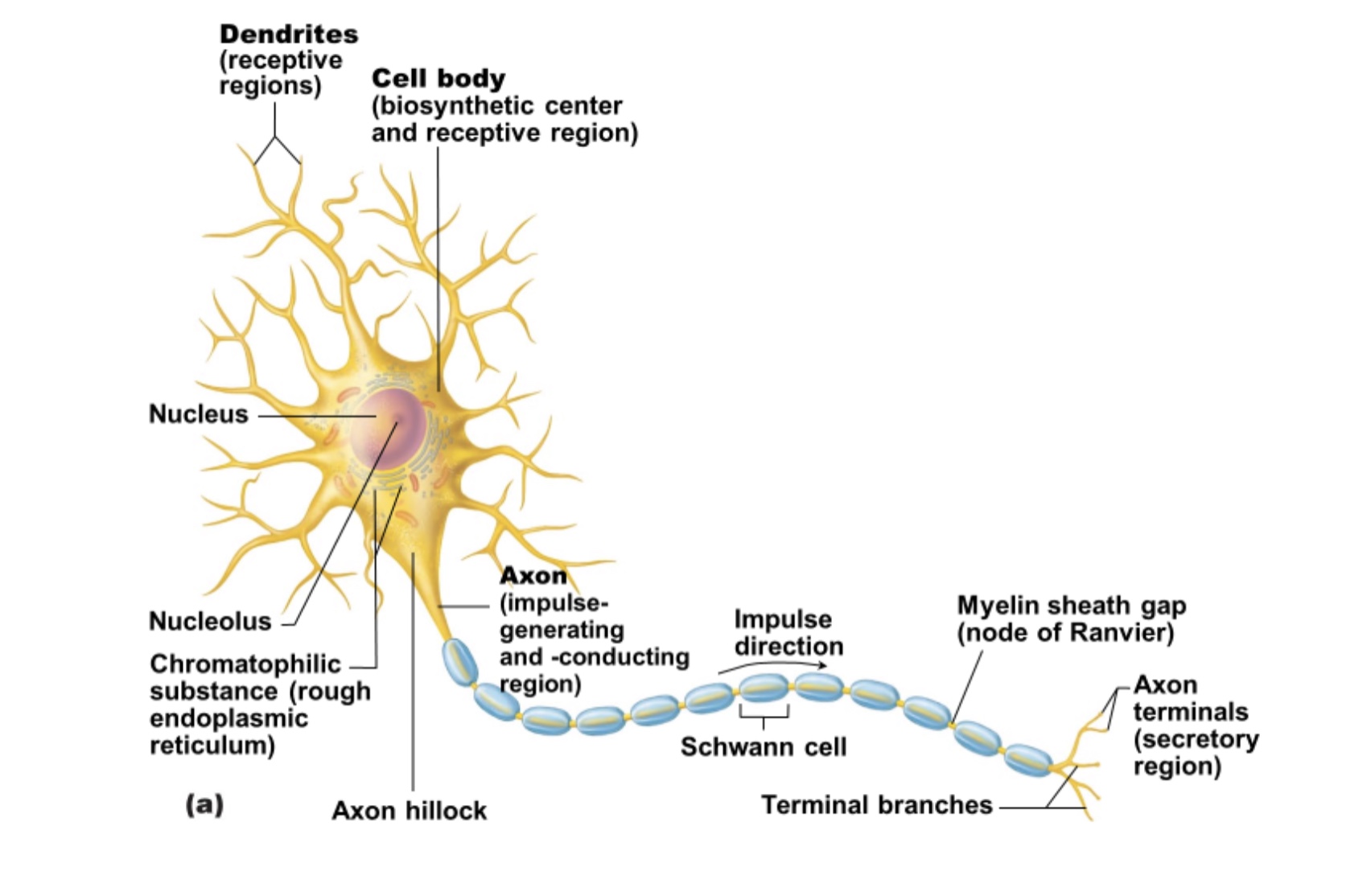
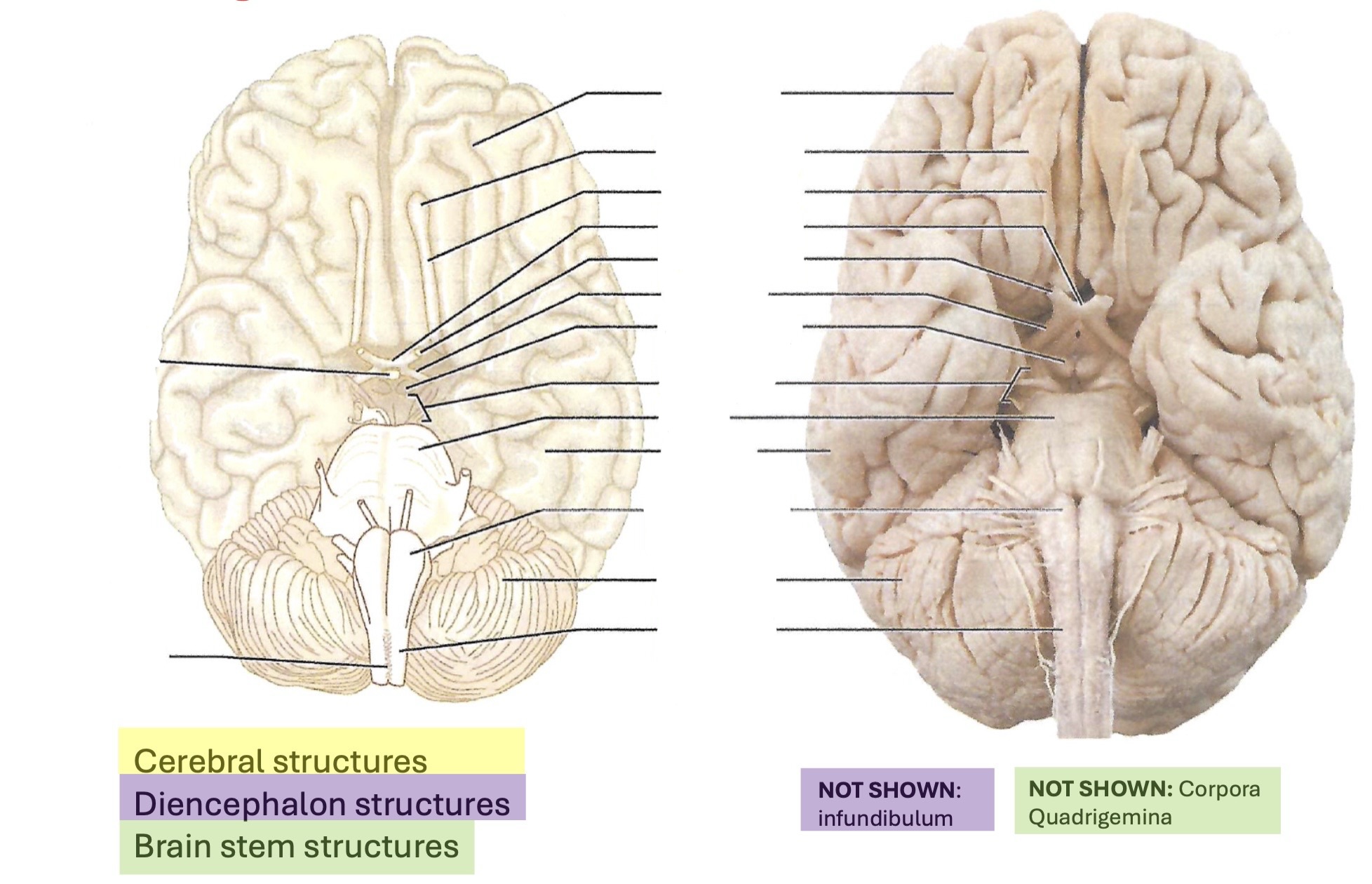
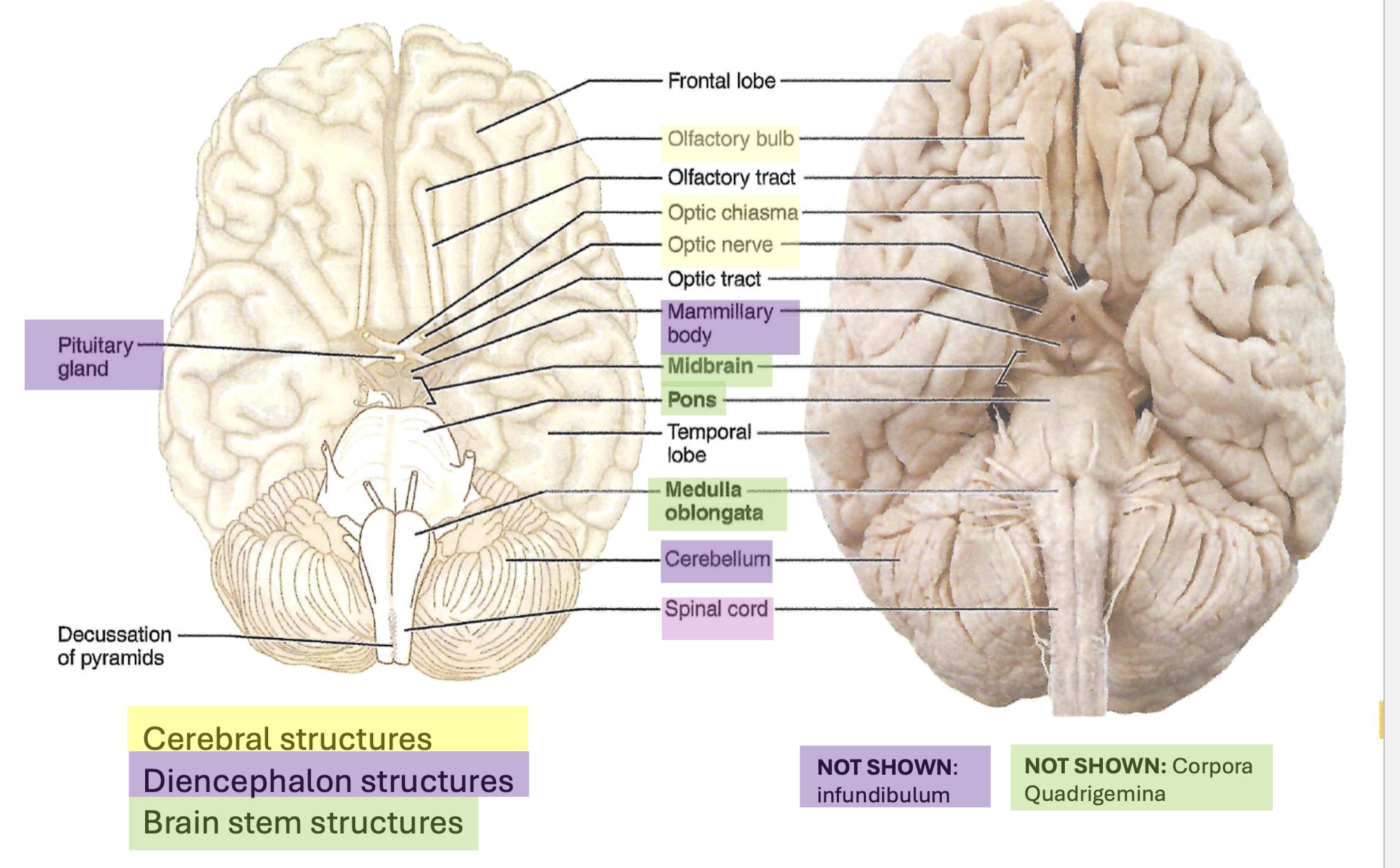
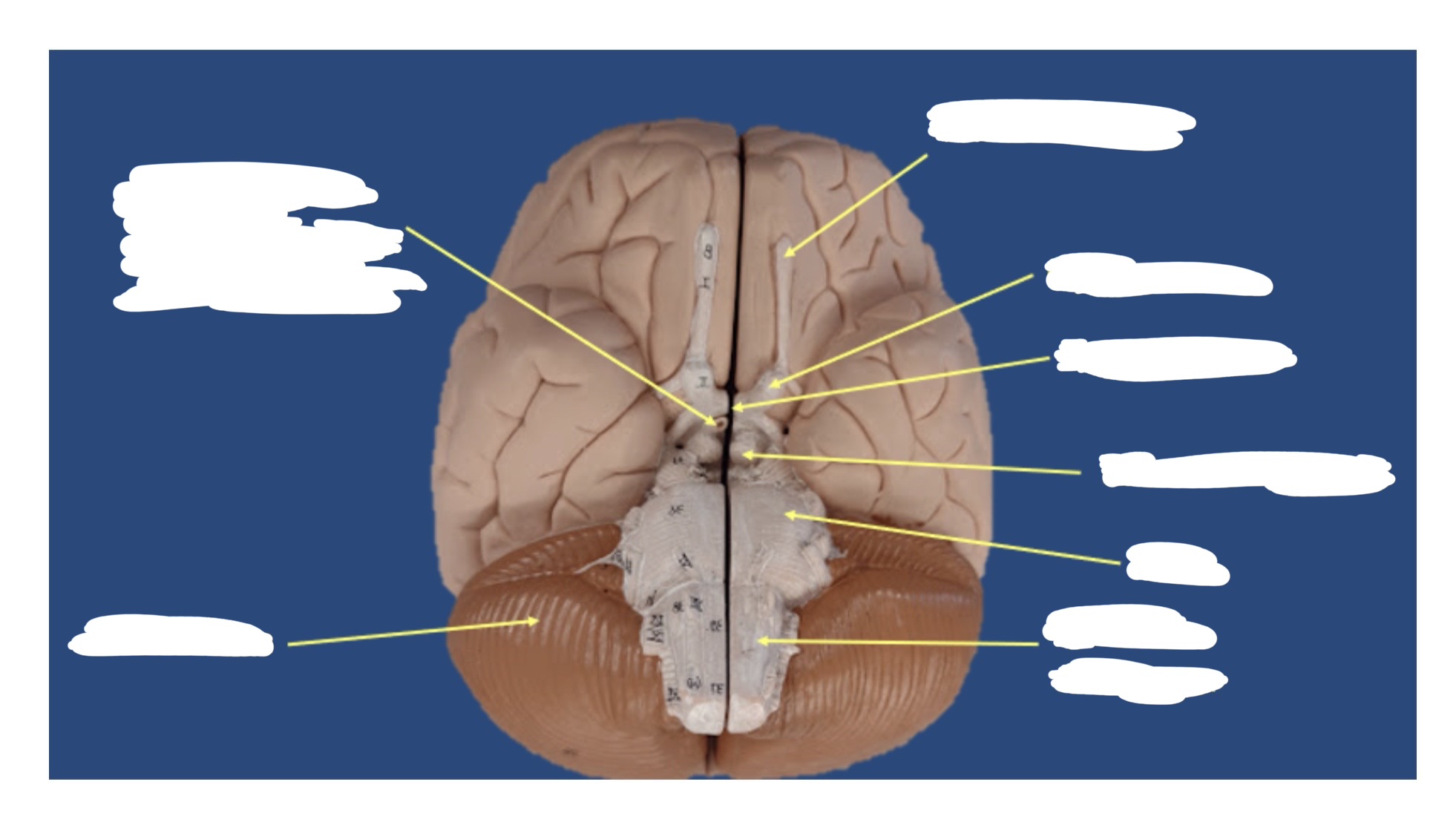
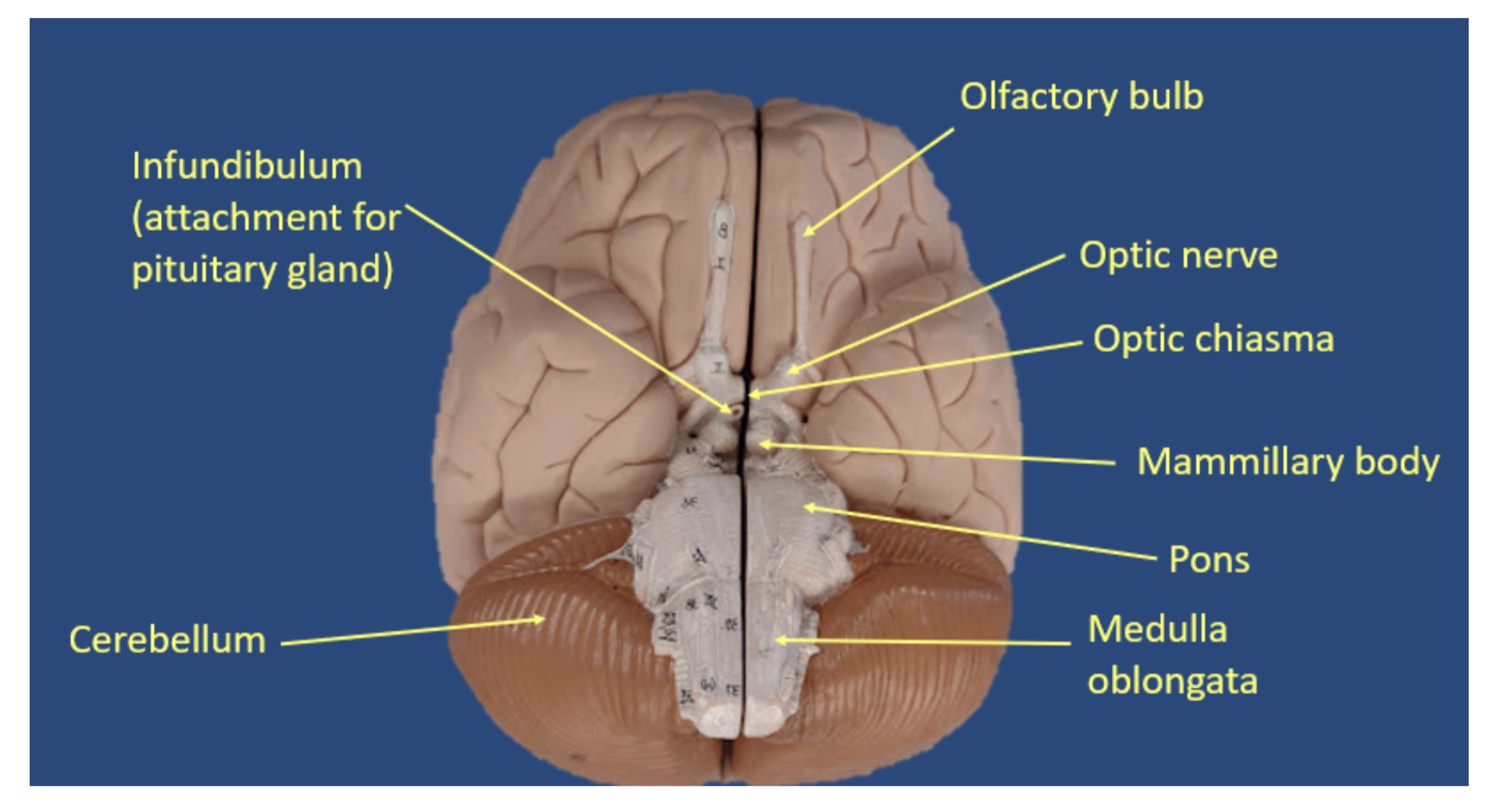
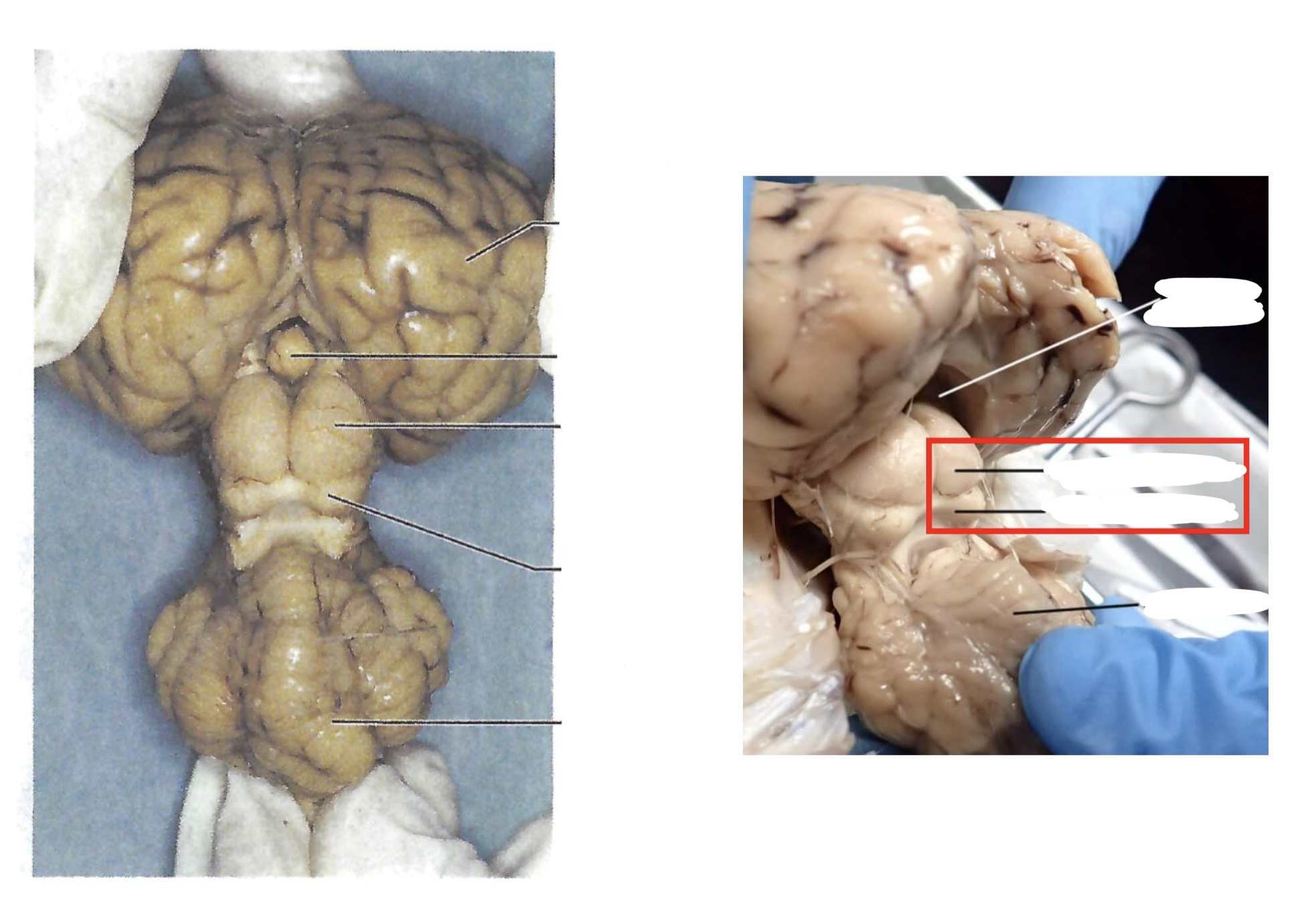
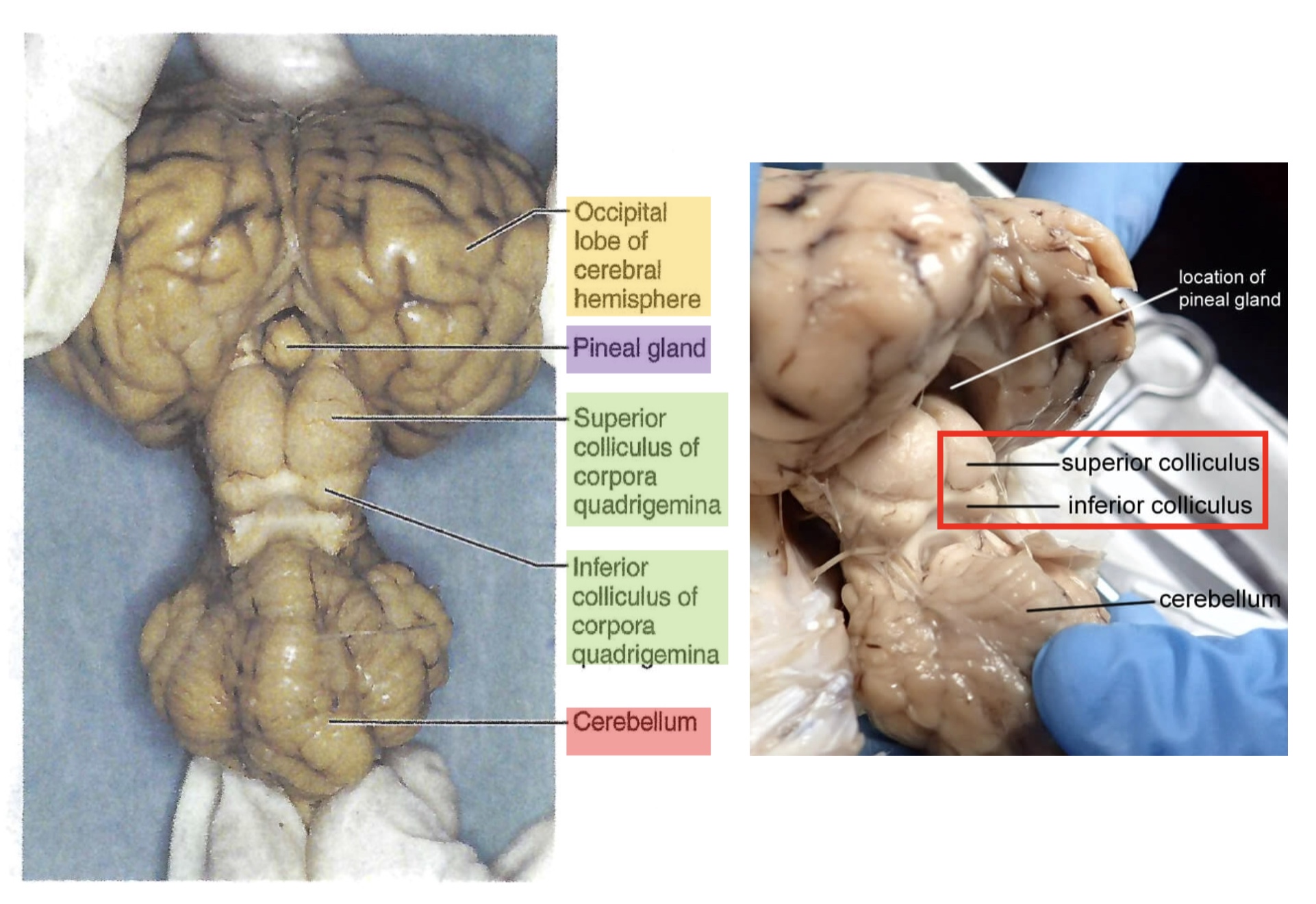
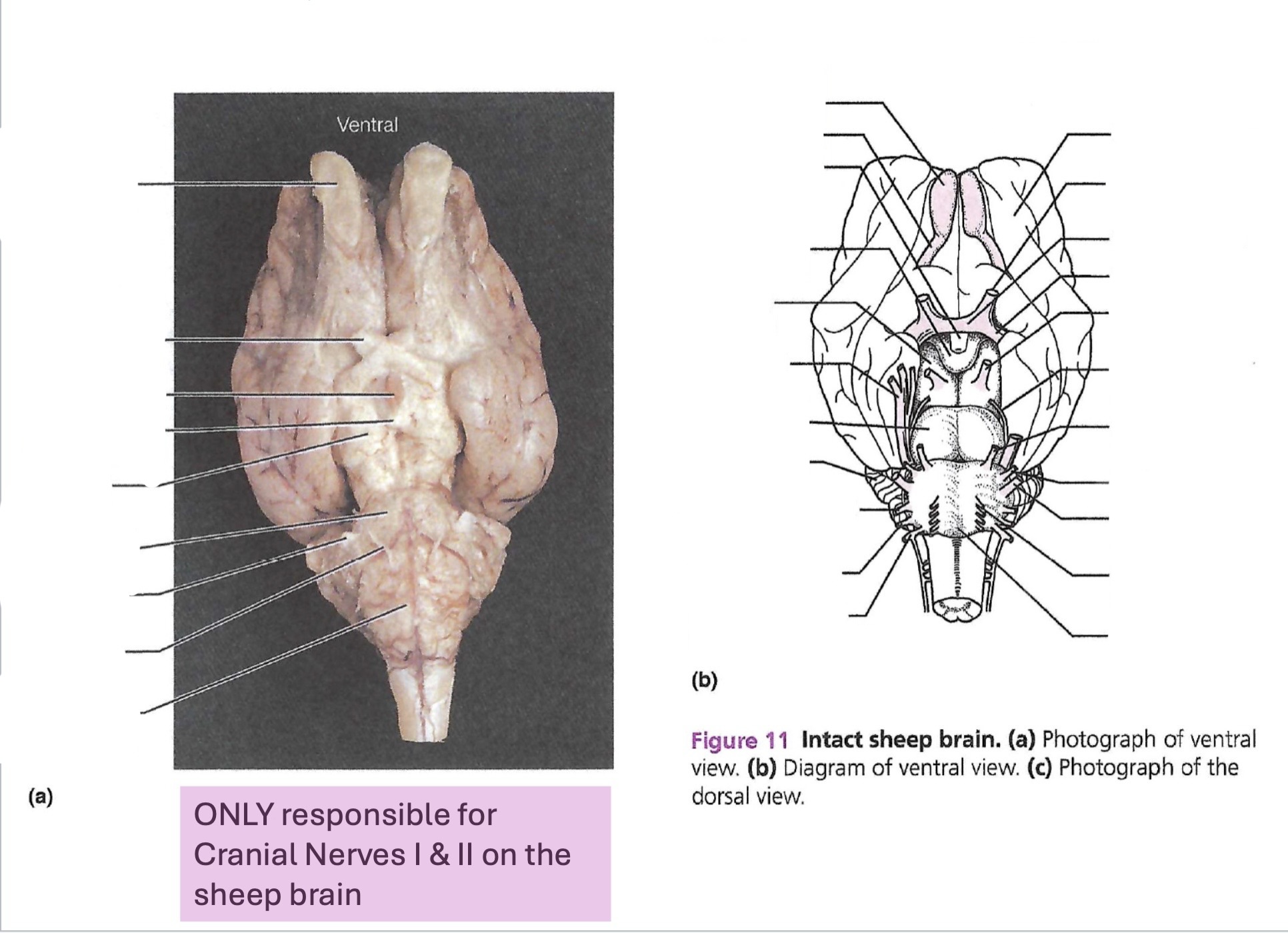
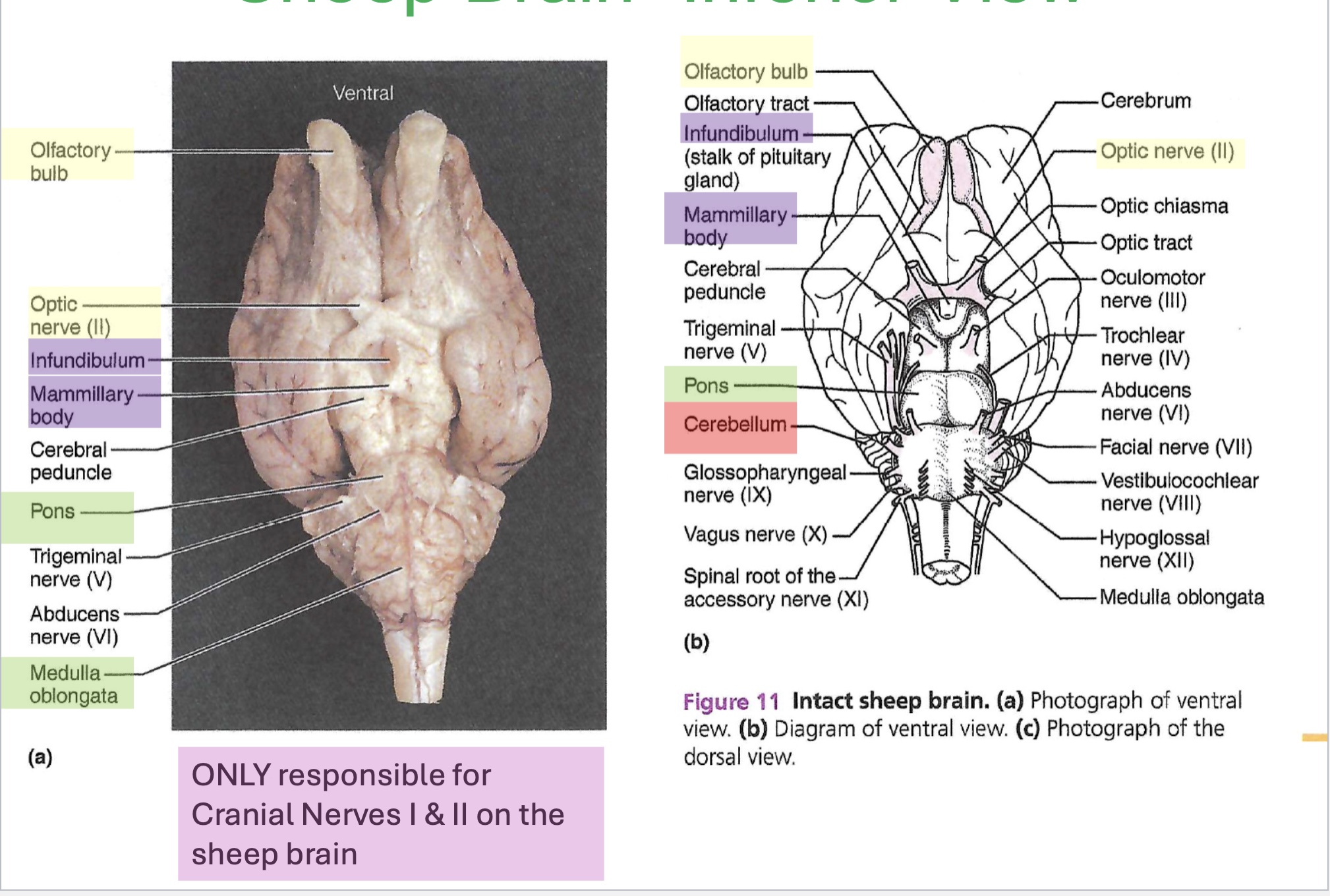
Central nervous system
Brain and spinal cord
Peripheral nervous system
Cranial/spinal nerves, communication lines between CNS and the rest of the body
Sensory afferent division
Somatic and visceral sensory nerve fibers, conducts impulses from receptors to CNS
Motor efferent division
Motor nerve fibers, conducts impulses from the CNS to effectors (muscles and glands)
Somatic nervous system
Somatic motor (voluntary), conducts impulses from the CNS to skeletal muscles
Autonomic nervous system (ANS)
Visceral motor (involuntary), conducts impulses from the CNS to cardiac muscles, smooth muscles, and glands
Sympathetic division
Mobilizes body systems during activity
Parasympathetic division
Conserves energy, promotes house keeping functions during rest
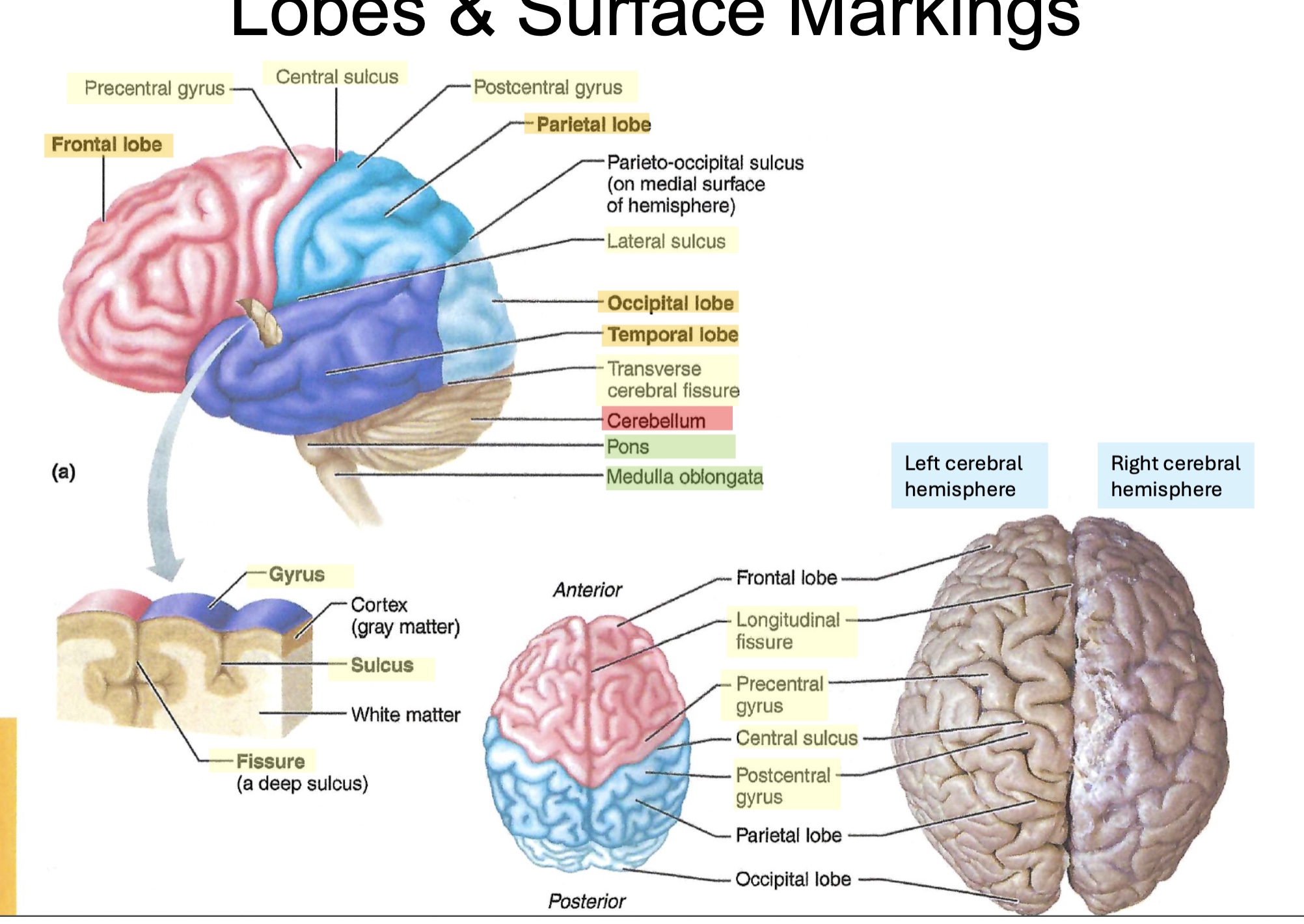
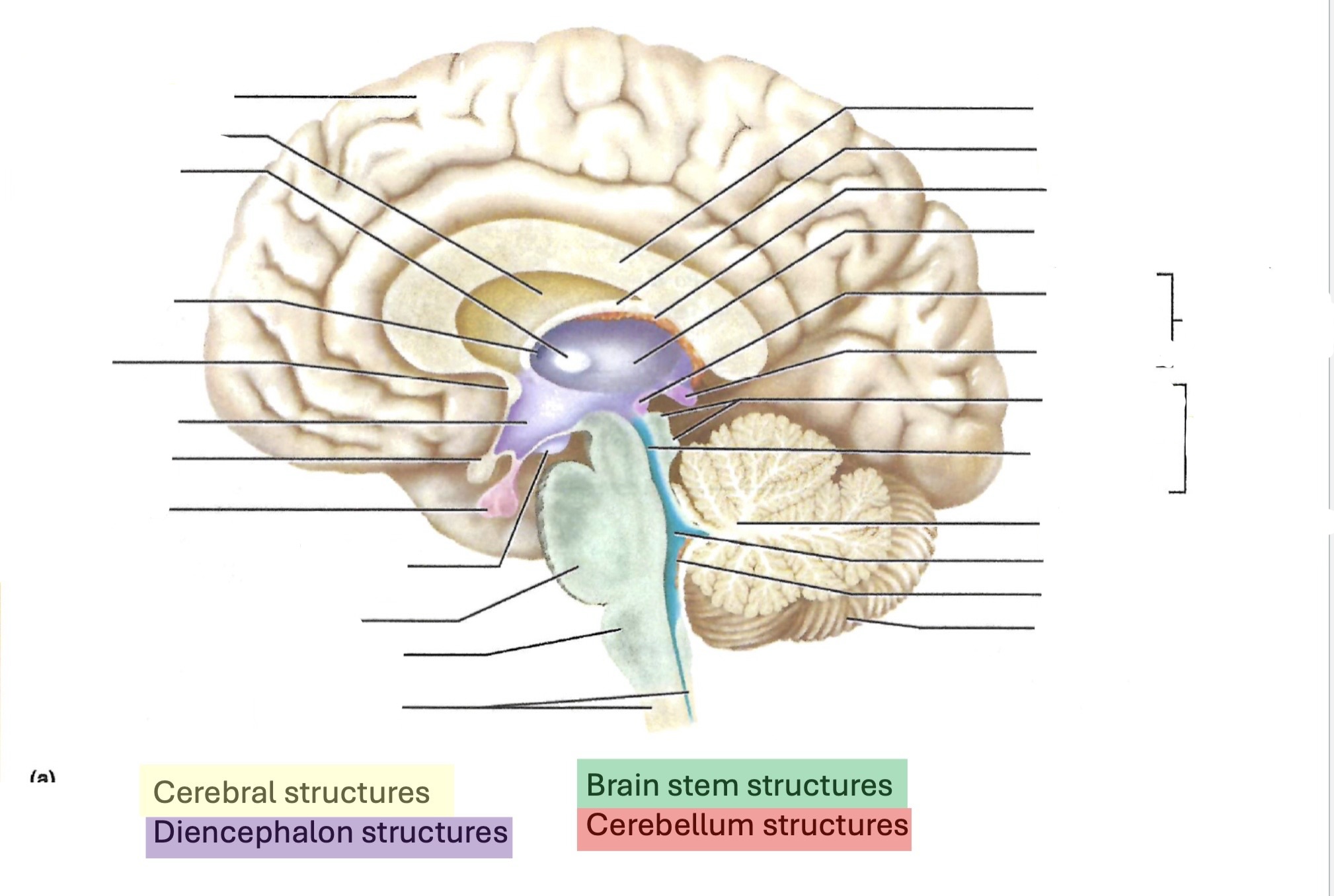
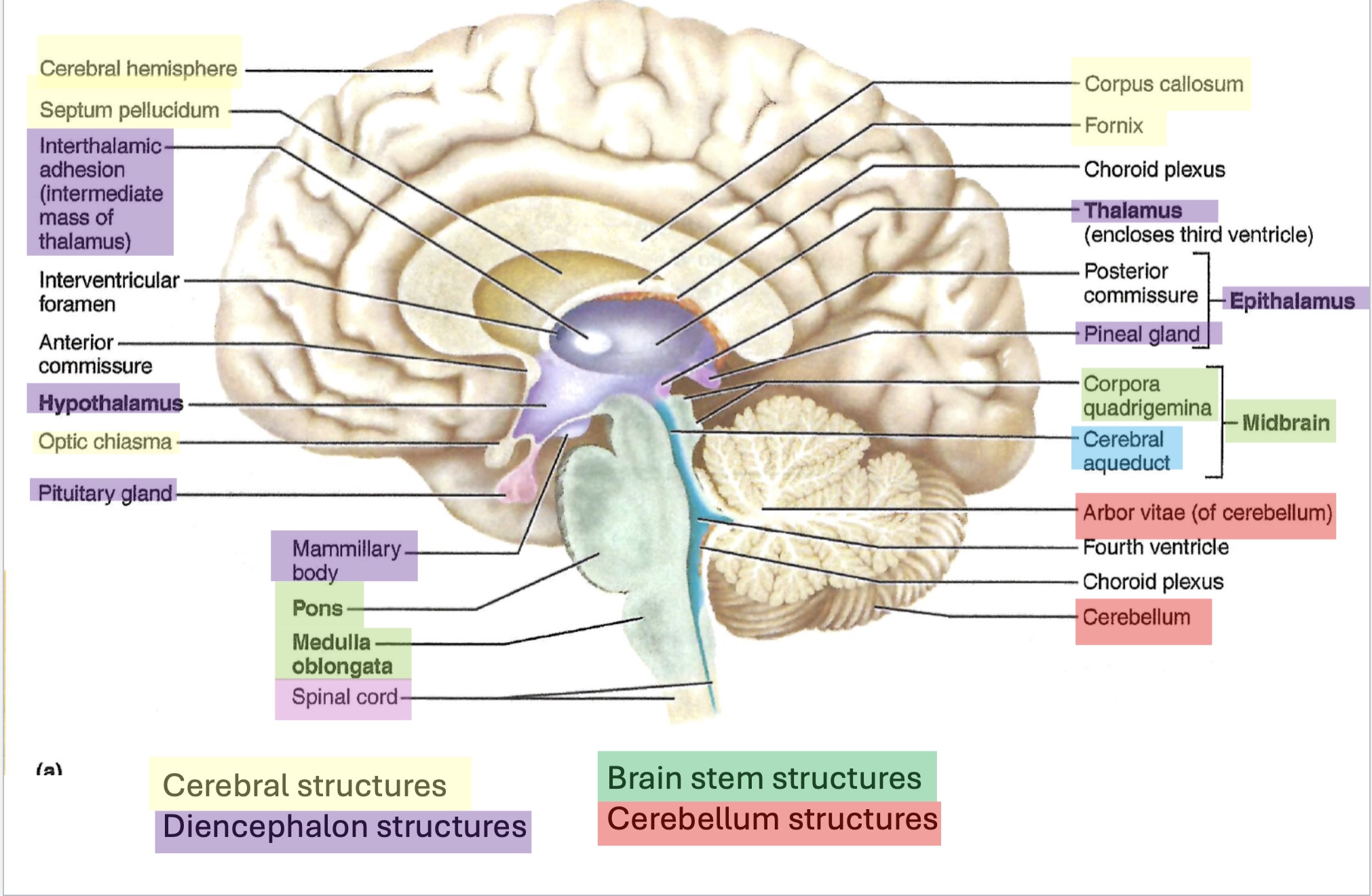
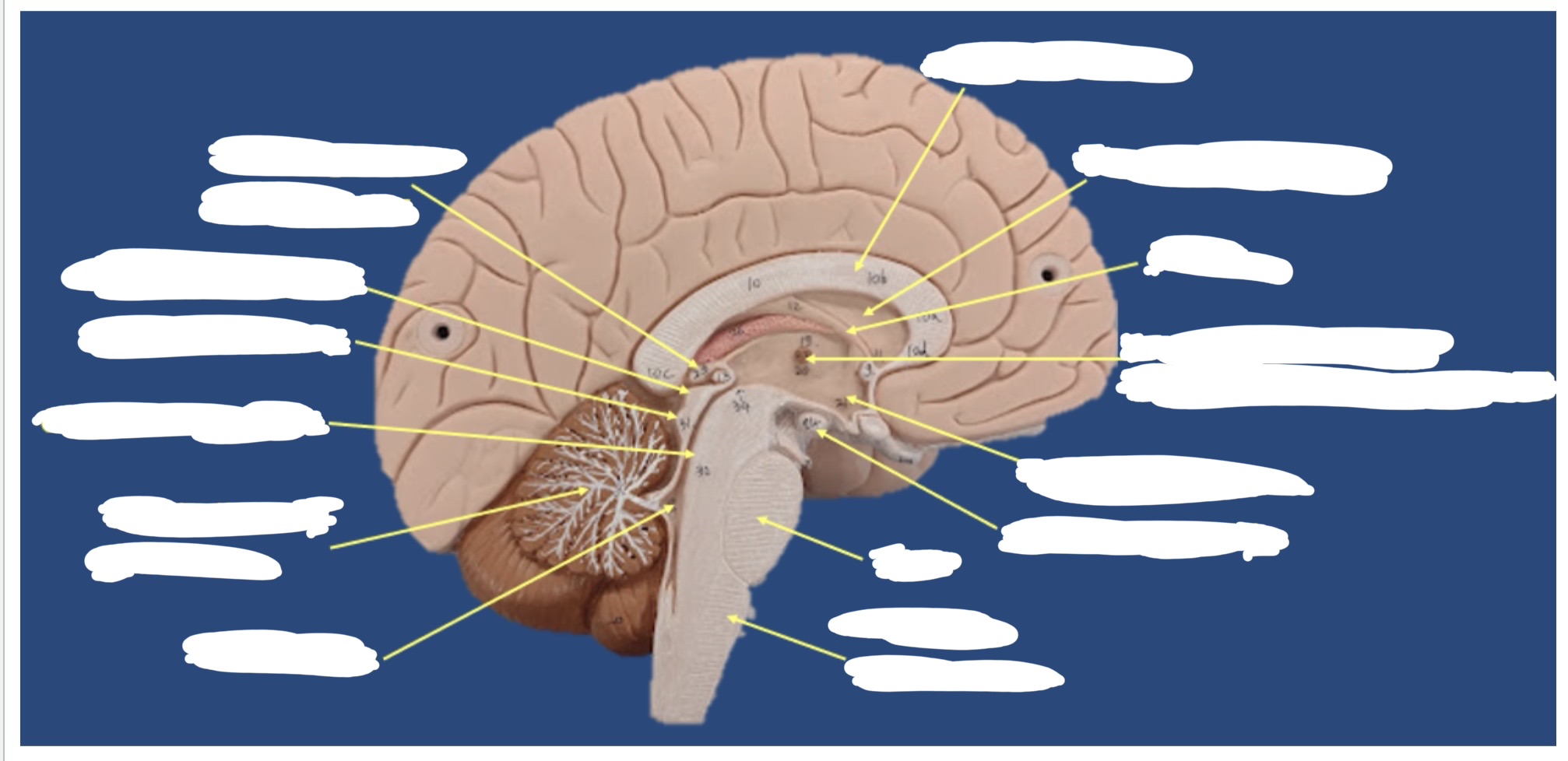
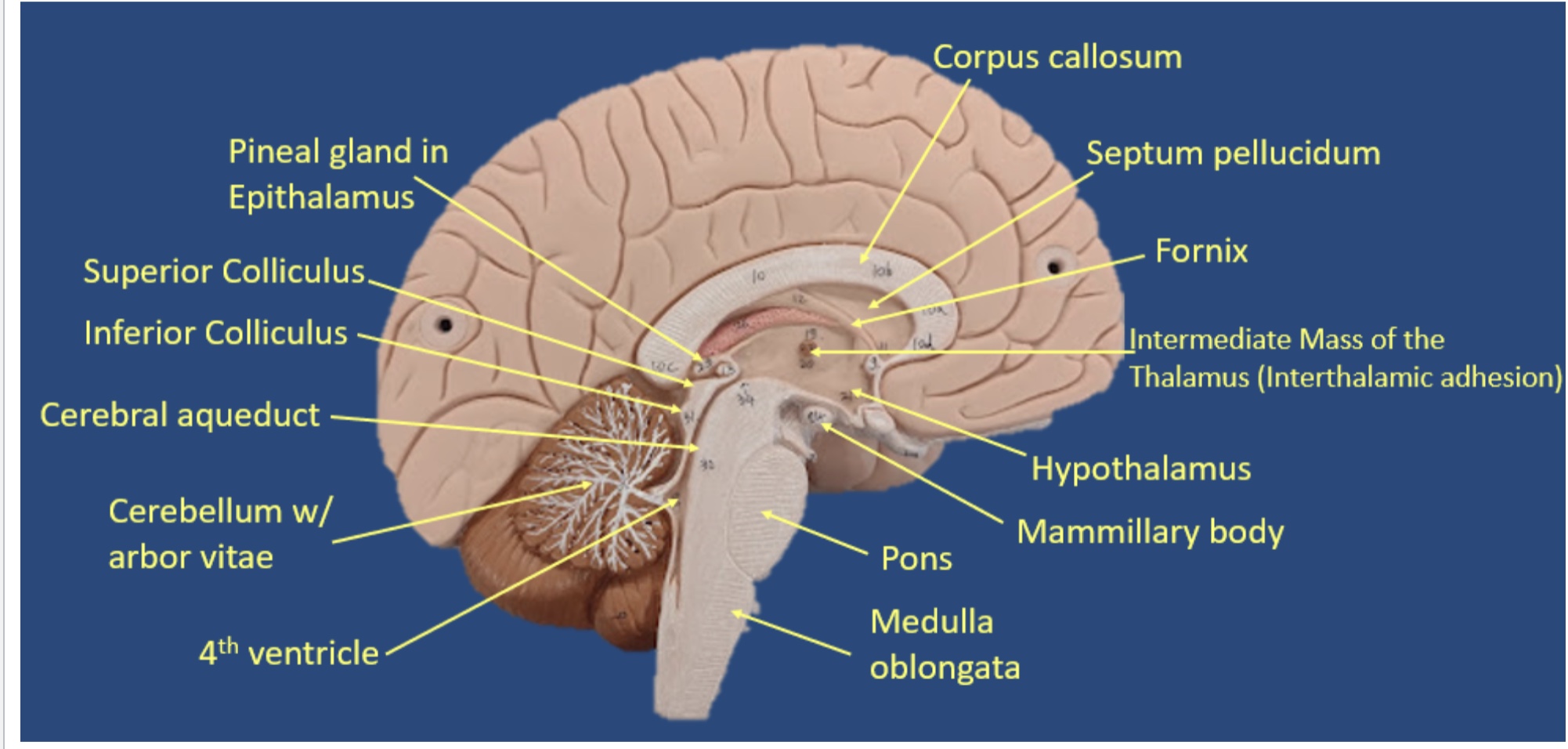
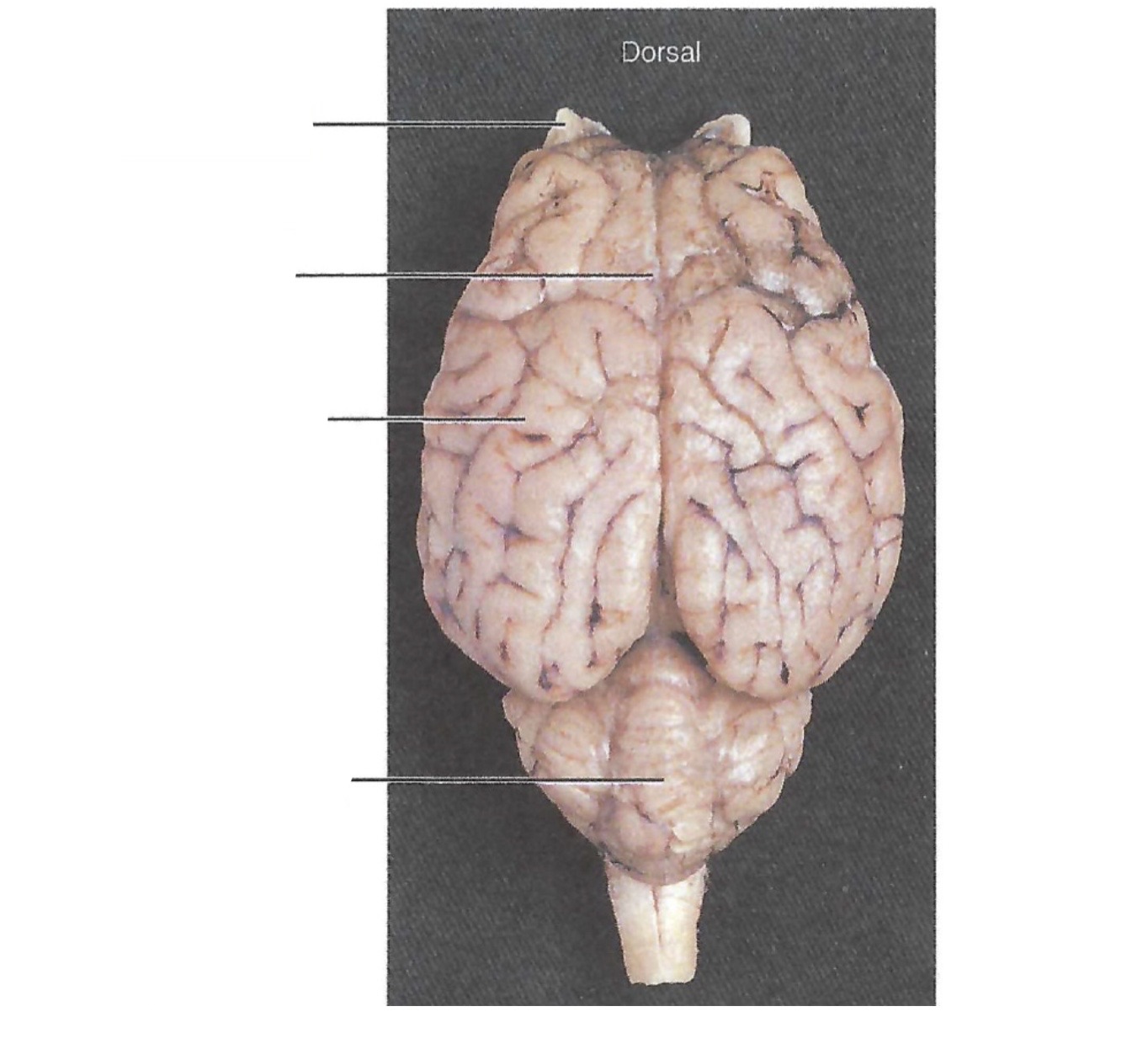
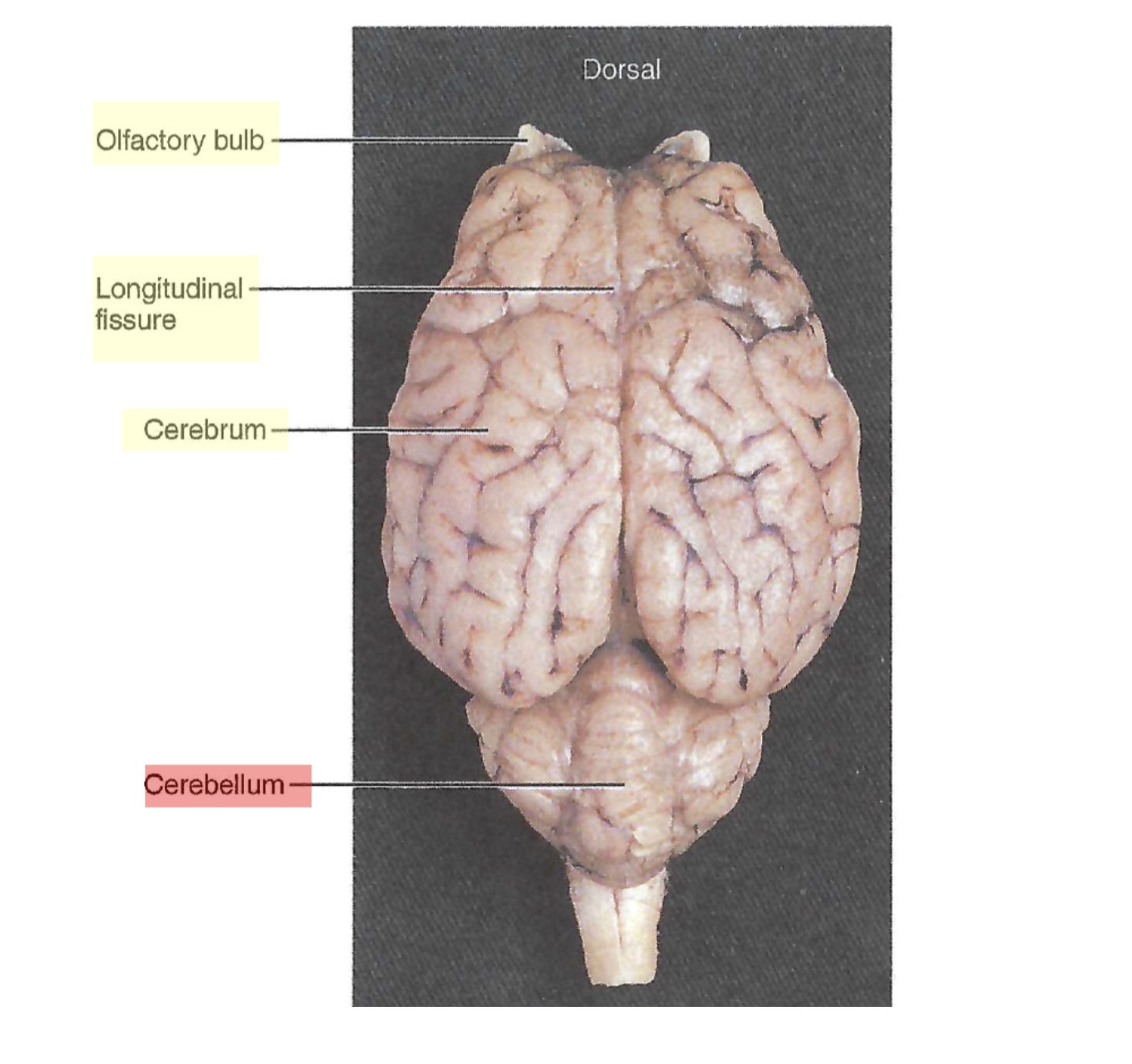
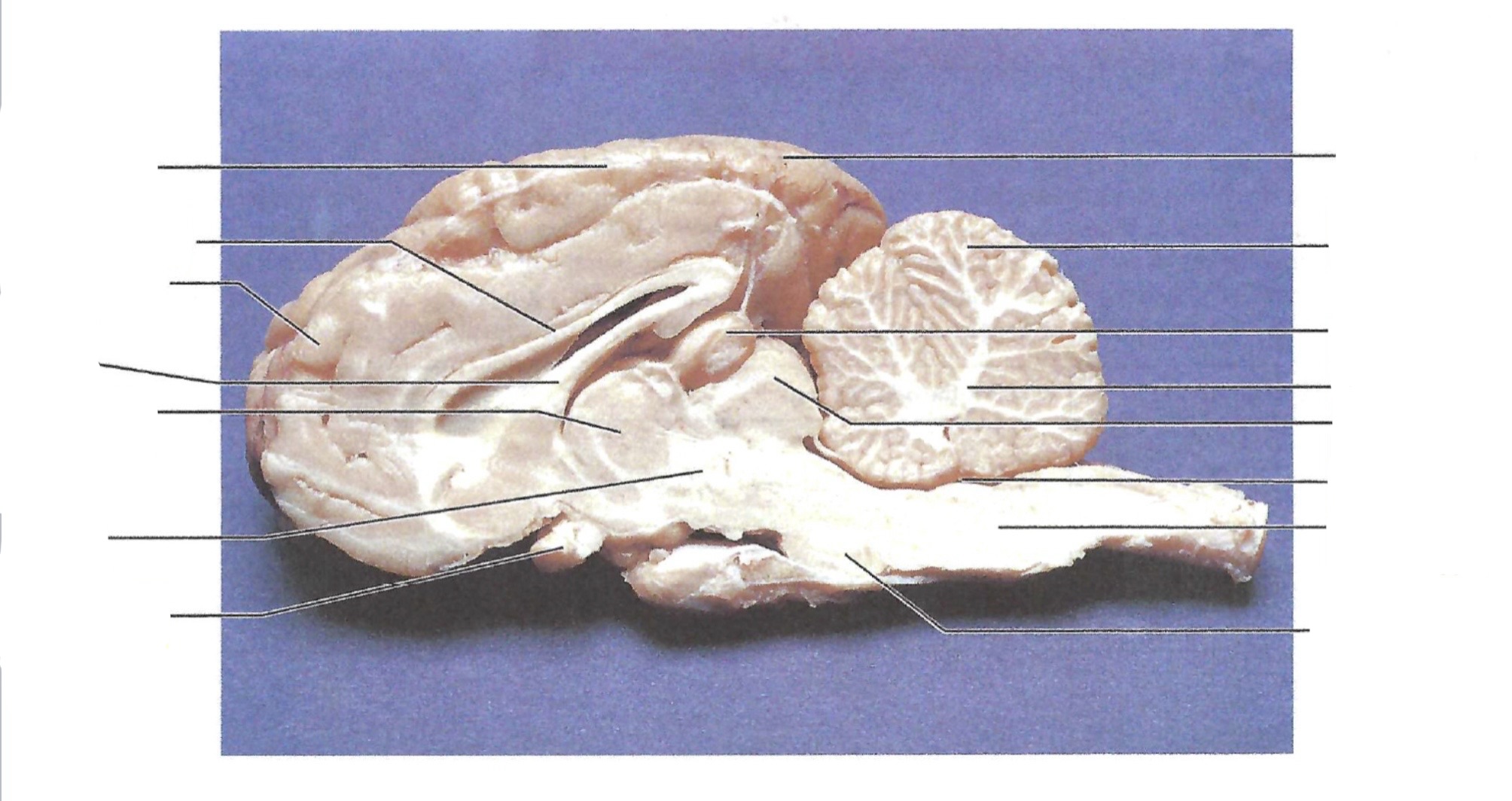
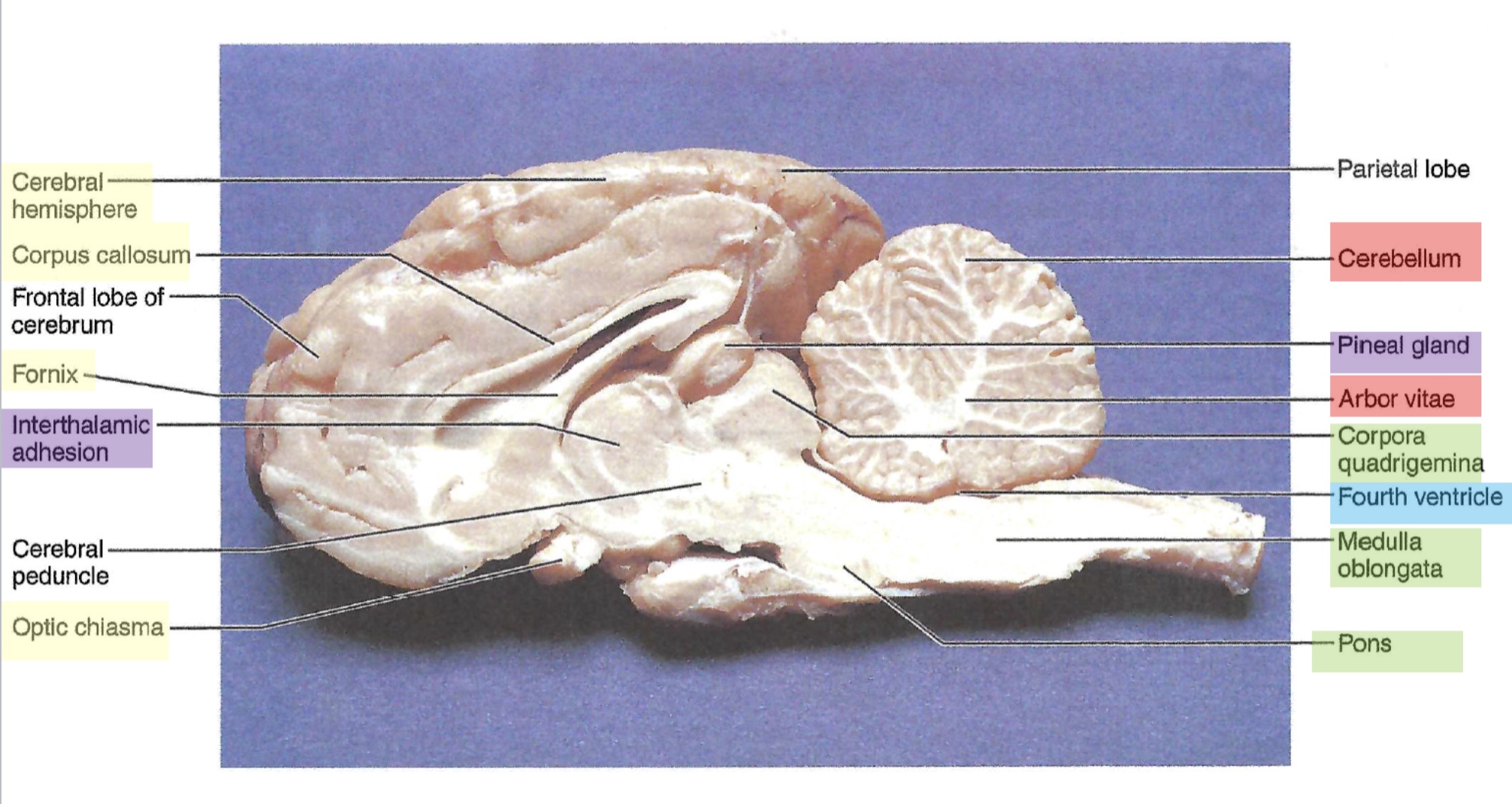
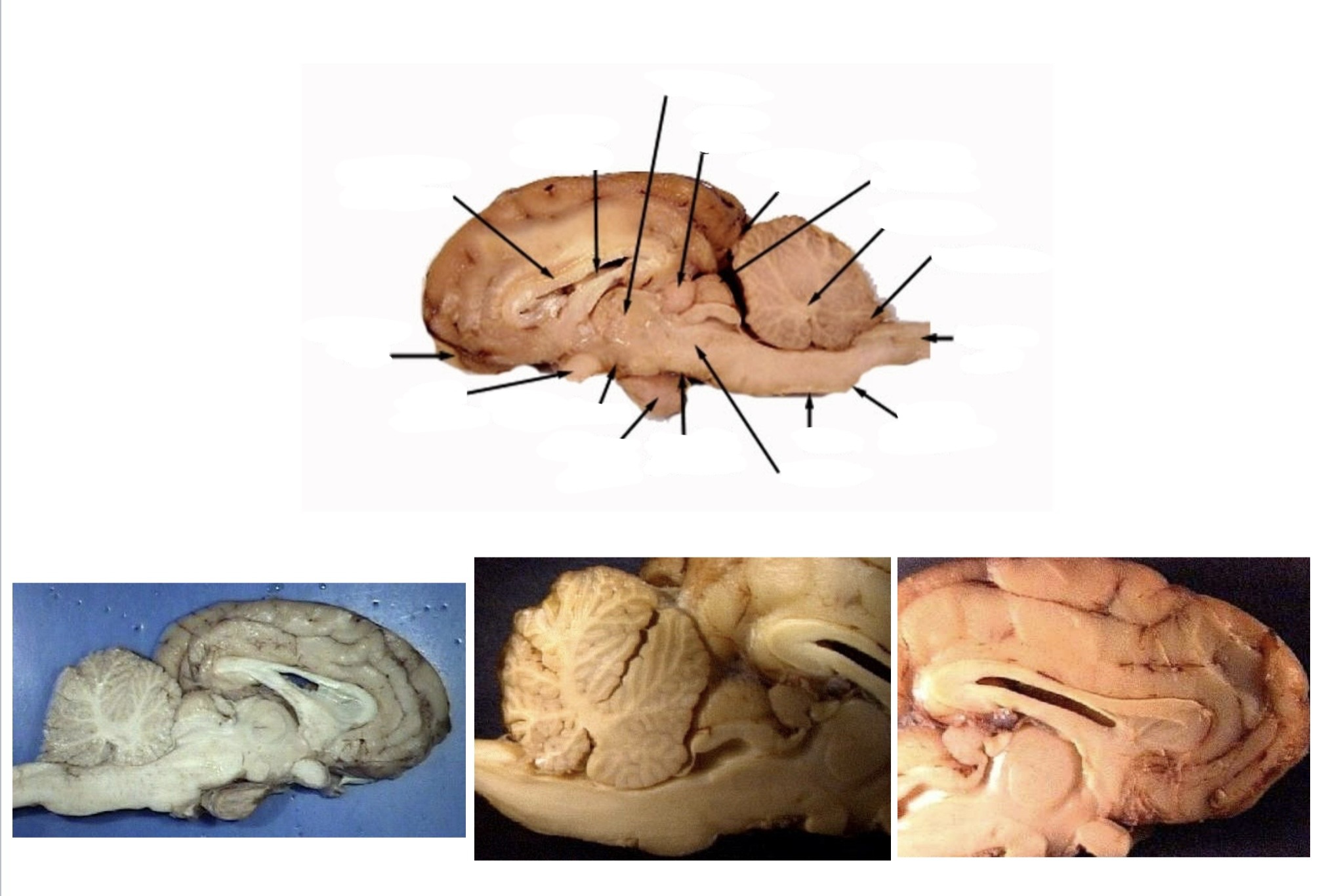
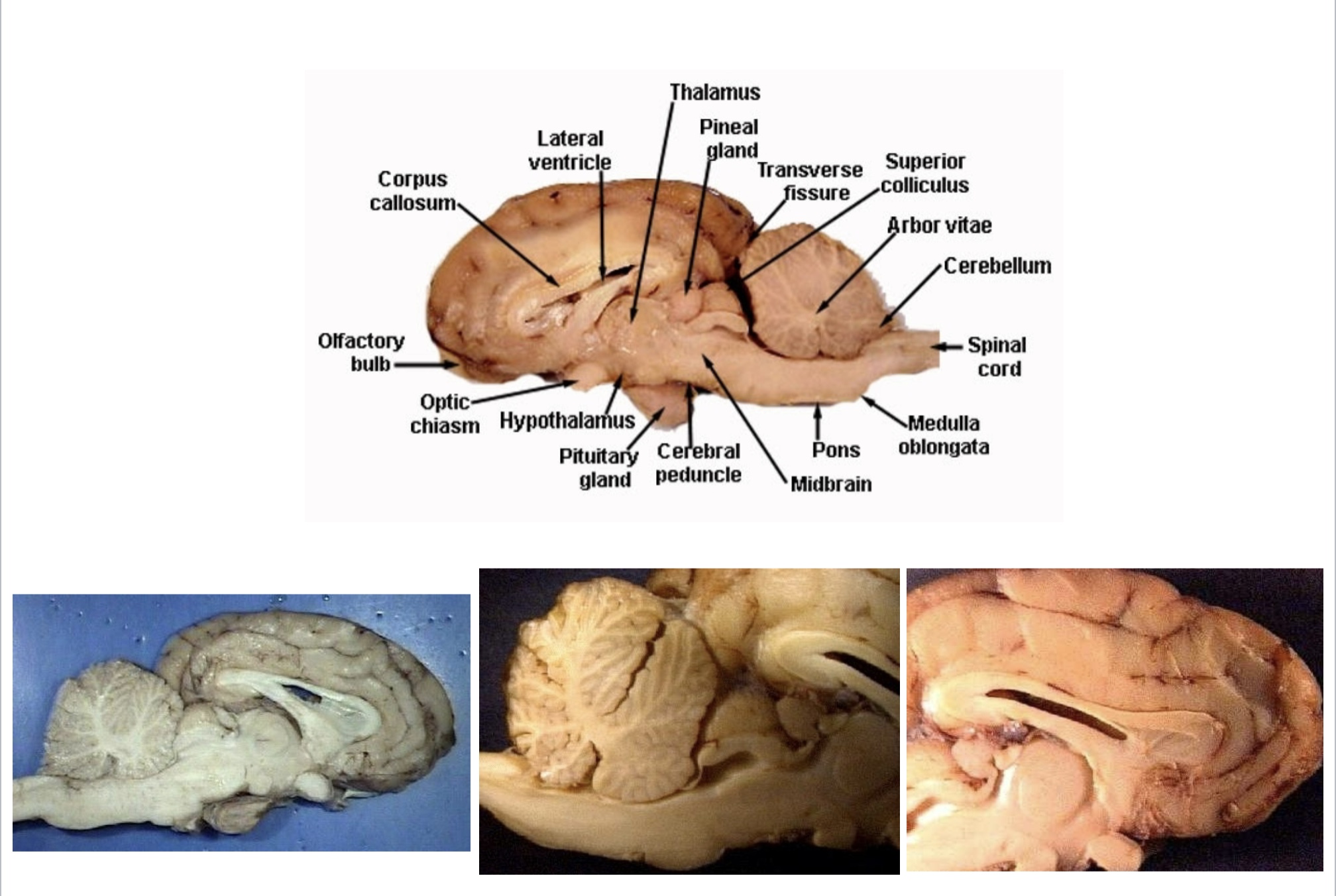
Cerebrum
Largest brain region, two cerebral hemispheres (left and right), 5 lobes—4 visible externally
Cerebral hemispheres
Separated by longitudinal fissures, Corpus Callosum connects hemispheres internally
Frontal lobe
Primary motor cortex
Parietal lobe
Primary somatosensory cortex
Temporal lobe
Primary auditory and olfactory cortex
Occipital lobe
Primary visual cortex
Grey matter…cerebral cortex
Unmyelinated; contains dendrites and neuron cell bodies
White matter
Bundles of axons coated with myelin
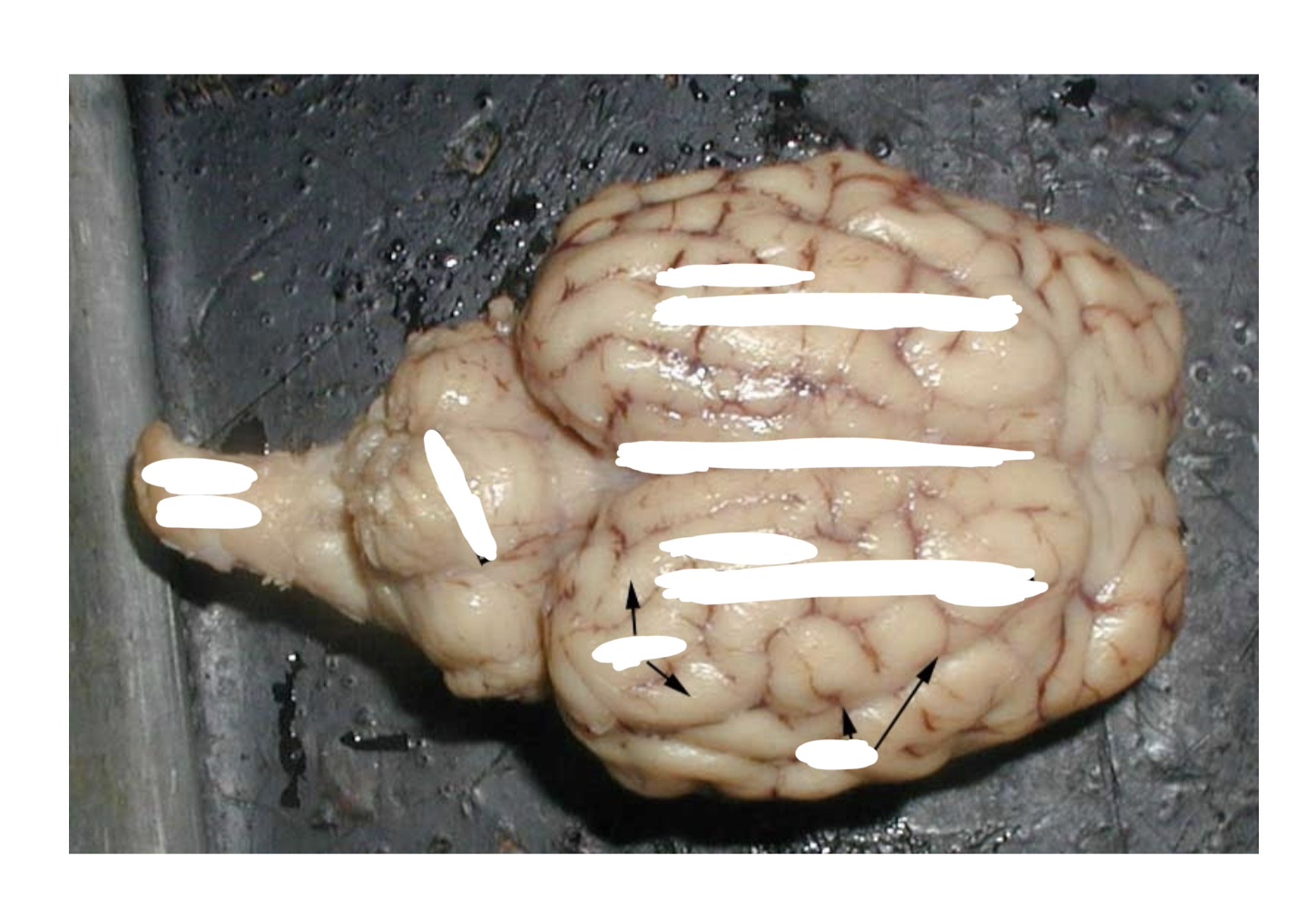
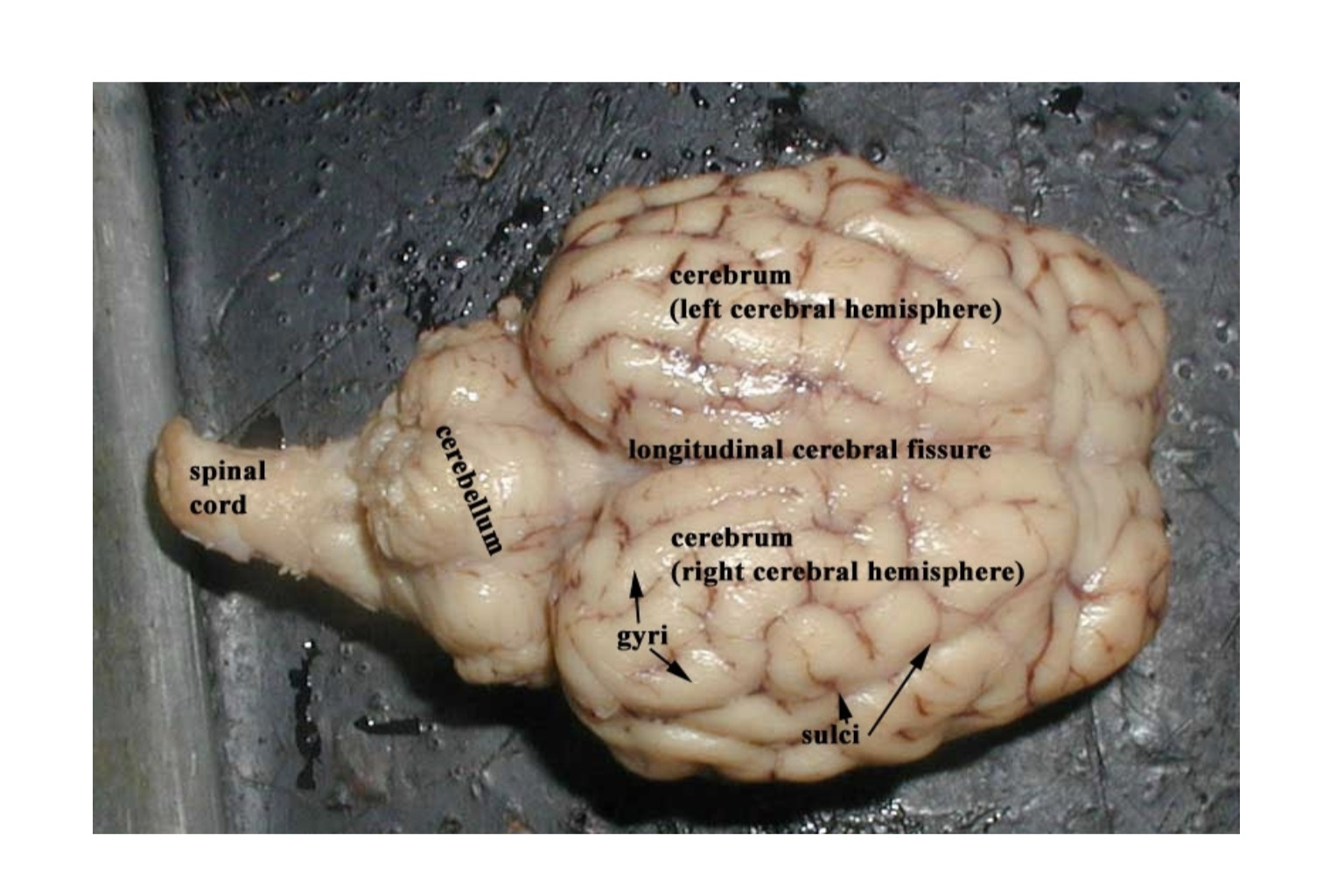
Gyri
Elevated ridges of tissue
Sulci
Shallow grooved separating gyri
Central sulcus
Separates frontal and parietal lobes; precentral and postcentral gyrus
Lateral sulcus
Separates temporal and frontal/ parietal lobes
Fissures
Deeper grooves
Longitudinal fissure
Separates L and R cerebral hemispheres
Transverse fissure
Separates cerebrum from cerebellum posteriorly
Diencephalon
Enclosed by cerebral hemispheres; superior to brain stem; composed of three paired structures— thalamus, hypothalamus, epithalamus
Brain stem
Most inferior brain region; continuous with spinal cord; controls body functions necessary for survival; three regions— midbrain, pons, medulla oblongata
Cerebellum
2nd largest brain region; posterior to brain stem, under cerebrum; coordinates muscle movements, and maintains balance and equilibrium