BISC 303 Midterm1
 Call Kai
 Learn
Learn Practice Test
 Spaced Repetition
 Match
Match Flashcards
 Knowt Play
1/400

There's no tags or description
Looks like no tags are added yet.
Name | Mastery | Learn | Test | Matching | Spaced | Call with Kai |
|---|
No analytics yet
Send a link to your students to track their progress
401 Terms
Microbiology (modern definition)
The study of organisms that are usually too small to be seen with the naked eye - specifically those that require special techniques to isolate and view/grow them
Microorganisms (historic defintion)
Small invisible creatures that can cause disease
Spontaneous Generation
Early hypothesis for how microbes arise
States that small organisms can arise from dead organic matter
Why was spontaneous generation hypothesized?
Because people in the second century saw maggots "grow" from rotting meat and because they seemed to appear from nowhere and get bigger, the belief grew that very small, almost invisible, organisms can arise from dead organic matter
What was Francesco Redi most famous for?
Testing spontaneous generation
What experiment did Francesco Redi carry out and what did it prove?
- Put meat in open jars and mesh-covered jars
- Maggots appeared on the meat in open jars
- Maggots appeared on the mesh on top of the jar in covered jars
- Means that maggots do not rise FROM the meat/dead organic material but instead are attracted TO the meat
- Because maggots did not appear in enclosed containers, the spontaneous generation theory could not be true
What was Robert Hooke famous for?
The identification of the first "cell" and "microorganism" - specifically mould
Who first described the term cell/microorganism?
Robert Hooke
- Was first but did not get the credit
Who got the credit for coining the term cell/microorganism?
Antonie van Leeuenhoek
- credited as the first microbiologist
Who was Antonie van Leeuenhoek?
Dutch merchant 1st to describe protozoa and bacteria and the first person to see sperm in a microscope
Why did Robert Hooke coin the term "cells"?
Because he observed small holes in cork and thought they looked like the cells that monks pray in so he called the holes in cork "cells"
Protozoa
one-celled organisms that are more complex than bacteria
Where do protozoa primarily live?
Pond water
How did Antonie van Leeuenhoek look at microscopic organisms?
A small brass microscope where you put the specimen on a small platform at the tip of it and view it through a tiny hole from the other side
Why was Antonie van Leeuenhoek's microscope considered a true microscope?
Because it had a focusing device and mechanical stage
What did Antonie Van Leeuenhoek first observe and what did he learn?
He first observed small drops of water and learnt that water is teeming with life
Julian mentioned a world-renowned scientist that taught many nobel prize winners. Who is he?
Joseph Gaul
Where do microorganisms exist?
In water
Why are maggots not microbes?
They are too large (can be seen by the naked eye)
What was Louis Pasteur's Experiment and what did it prove?
- Place broth in beaker with a twisted neck
- Place water in a dip in the beaker to close the system from the world
- Boil the broth and kill the microbes
- Let rest and see if microbes grow
Proved that spontaneous generation was false because microbes did not appear when the broth was isolated
- When you cut off the twisted neck and expose it to the world, dust carries microbes in and the broth becomes cloudy again
Who was Semmelweis?
A surgeon from Vienna that linked microbes to human disease via postpartum fever
What were Semmelweis' findings in his work with pregnant women?
- Worked in the Vienna General Hospital to find out why women were dying after childbirth at higher rates with physicians relative to midwives
- Notices that the physicians were not washing their hands between procedures
- Gets physicians to wash their hands with chlorine and death rate fell below that of the midwives
What did Semmelweis fail to discover?
The link between microbes and disease transmission - he knew something was being transmitted via the hands but did not look at the molecular level of things so his findings were forgotten until Louis Pasteur brough it up again.
How did Louis Pasteur further Semmelweis' findings?
By developing germ theory as the basis of disease transmission
What did Dr. Bonne Bassler talk about in her TED Talk?
- that the human body is made up of 90% bacterial cells and that human DNA is in less abundance than bacterial DNA 9:1
(she discovered almost everything we know about how microbes communicate)
What two domains make up prokaryotes in the universal phylogenetic tree?
Bacteria and Archaeabacteria
Why are achaea also called achaeabacteria?
Because they look like bacteria morphologically but are distinctly different genetically making them archaea
What features do eukaryotes and prokaryotes share?
- glycolysis
- translation
- structure of the plasma membrane (mostly)
- cytoskeleton (just different names for the parts)
What are 4 characteristics of a eukaryotic cell?
- large (10-50um)
- specialized organelle
- have a true nucleus
- cytoskeleton (microfilaments, microtubules, intermediate filaments)
What is another name for microfilaments?
actin filaments
Why are most eukaryotic cells portrayed in textbooks not accurate?
Because most of the organelle are different shapes than what is shown or occupy a lot more space
What is a prokaryote?
An organism that lacks any membrane bound organelle (no true nucleus)
Which is singular: bacteria or bacterium?
bacterium
How large are prokaryotes on average?
usually small (~1-6um) but can be up to 600um
What is the importance of shape in prokaryotes?
Shape is used to identify prokaryotes as they come in many forms that are distinct from each other
Describe ribosomes in prokaryotes
~20nm in diameter and located in the cytoplasm
- appear as small dots all throughout the cell
Describe the cell wall in prokaryotes
Strong polysaccharide and protein "net" external to plasma membrane
Describe the nucleoid in prokaryotes
The area where DNA and associated proteins aggregate freely in the cytoplasm aka not membrane-bound
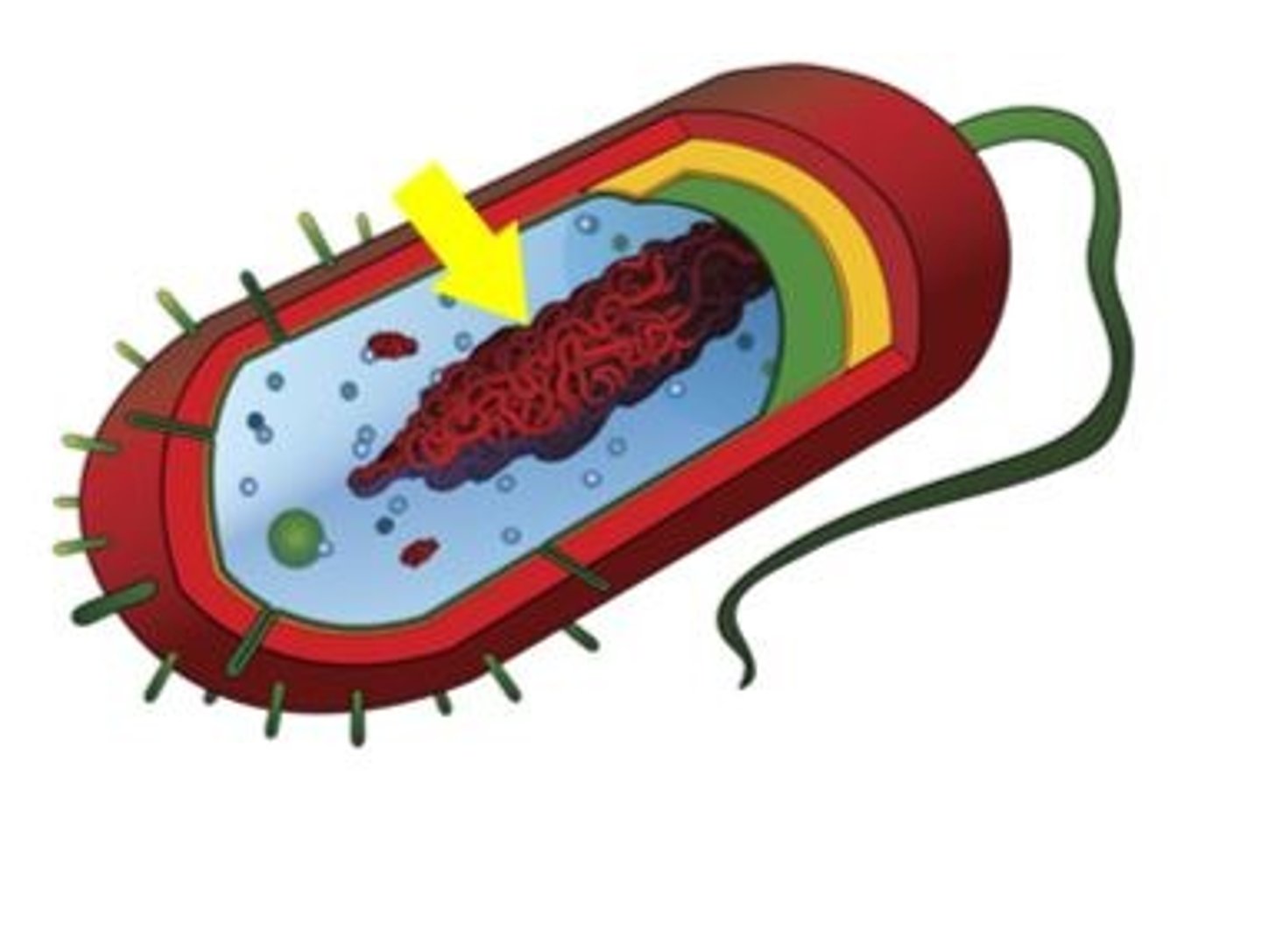
Why are prokaryotic depictions of the nucleoid wrong in textbooks?
Because it shows the nucleoid as a very small cluster in the center of the cell when it realistically occupies the entire cell
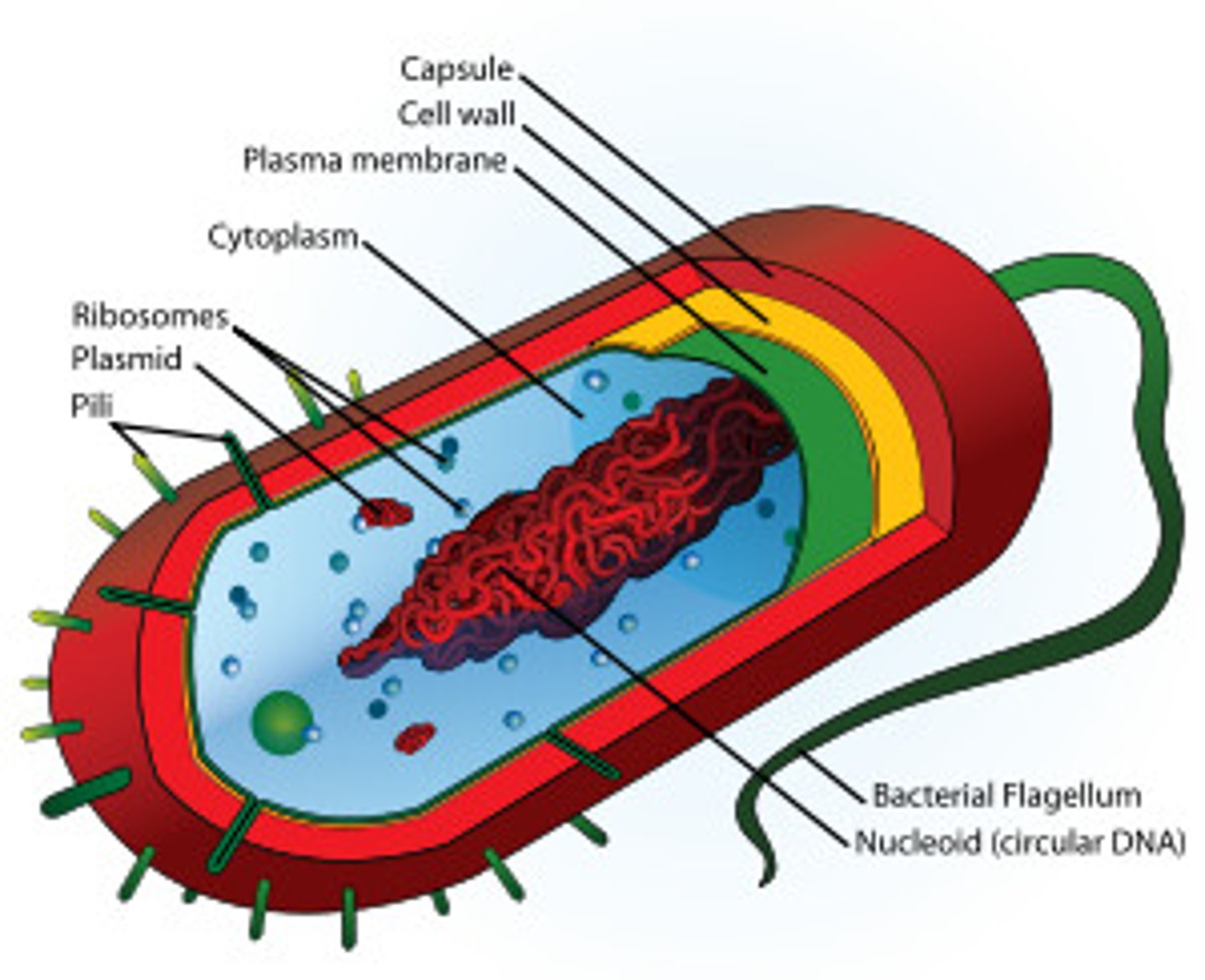
Describe the three layers that surround a prokaryotic cell
1. Capsule - outermost and not in all prokaryotes (i.e. E.coli do not have a capsule)
2. Cell wall - middle
3. Plasma membrane - inner most thick layer
Describe inclusion bodies in prokaryote cells
- aggregations of organic or inorganic material
- stores nutrients
- in the cytoplasm
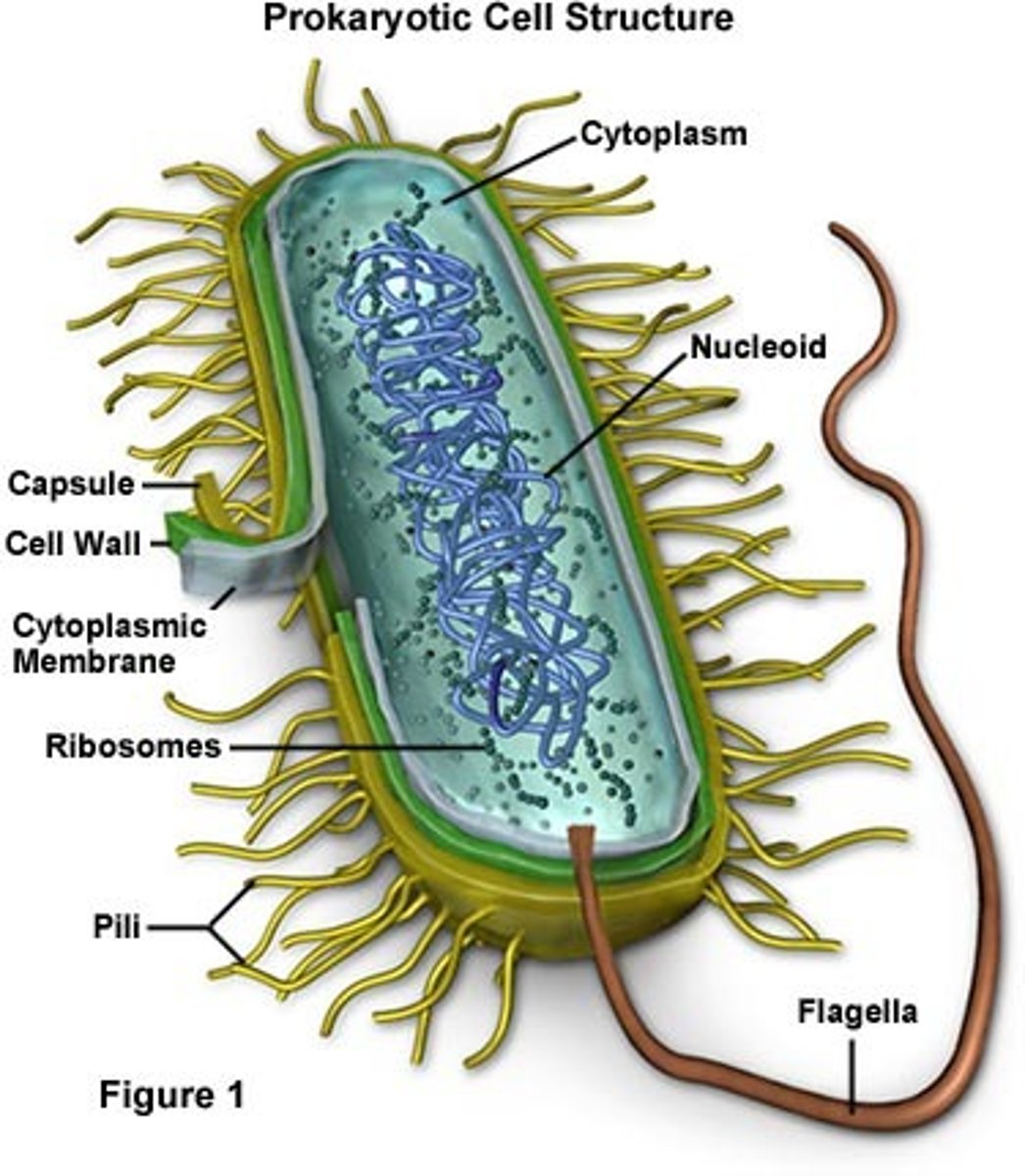
Describe pili/fimbriae in prokaryotic cells
- protein tubes that extend from the plasma membrane and attach to solid surfaces
- very sticky
- can be used by pathogenic bacteria to attach to host
Describe vacuoles/vesicles in prokaryotic cells
- allow aquatic bacteria to move up and down the water column by harnessing air
-> Impermeable to water
-> Permeable to gas
Crescentin
Prokaryotic intermediate filaments that give prokaryotes curve
- if removed, the prokaryote is straight
- add it back, the organism is curved again
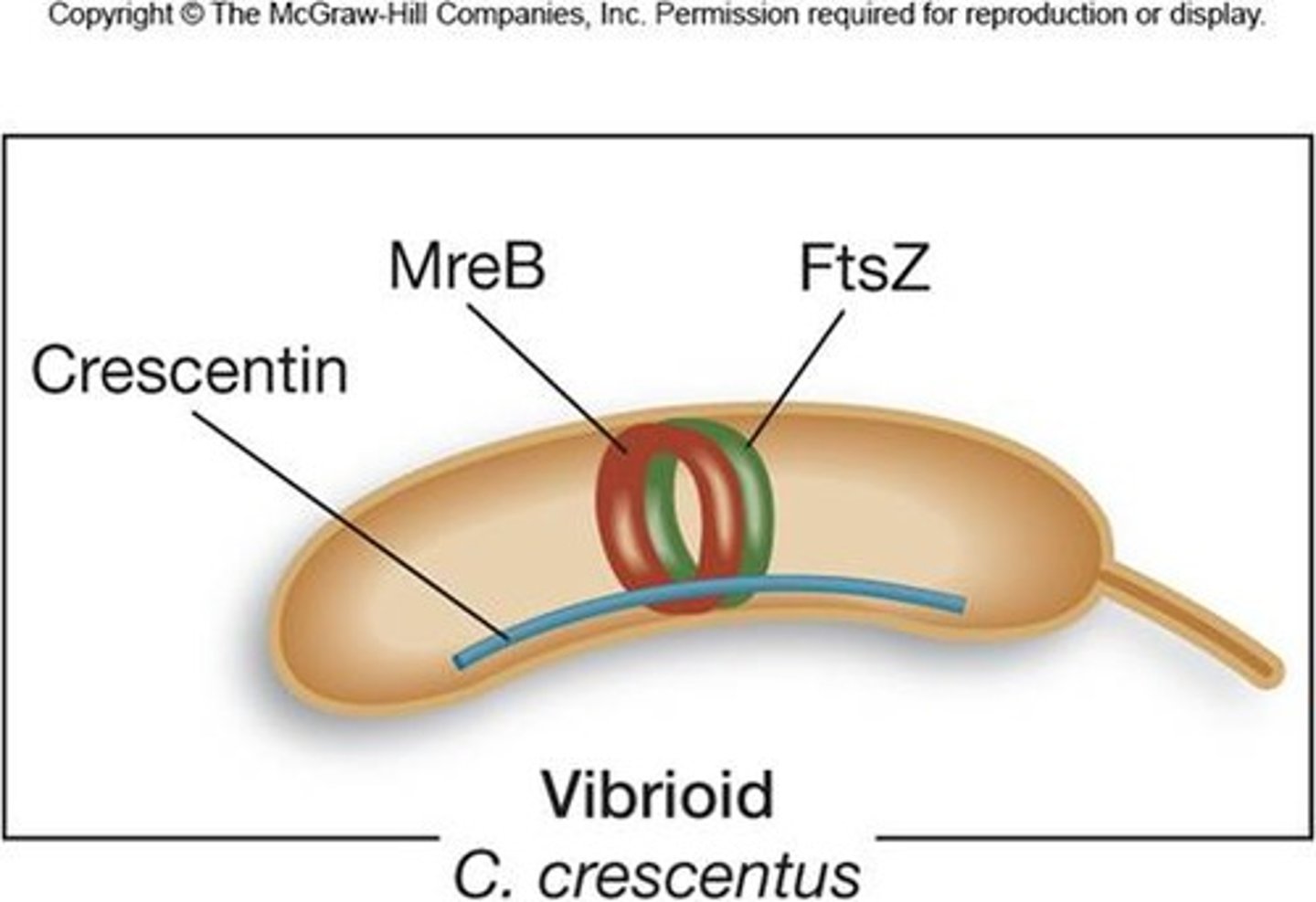
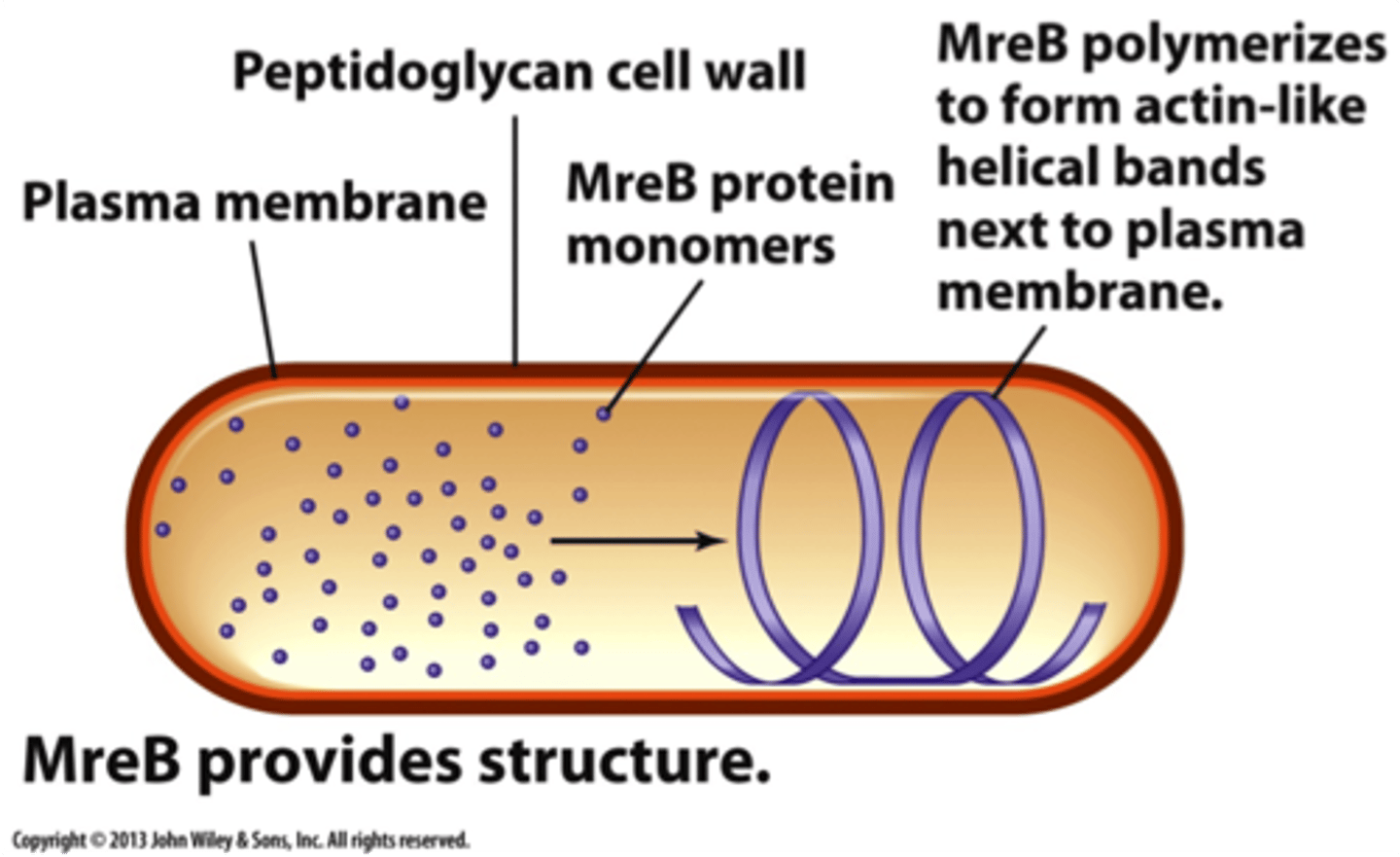
MreB
Prokaryotic microfilaments (actin filaments) that form a corkscrew shape and support the physical structure of the cell
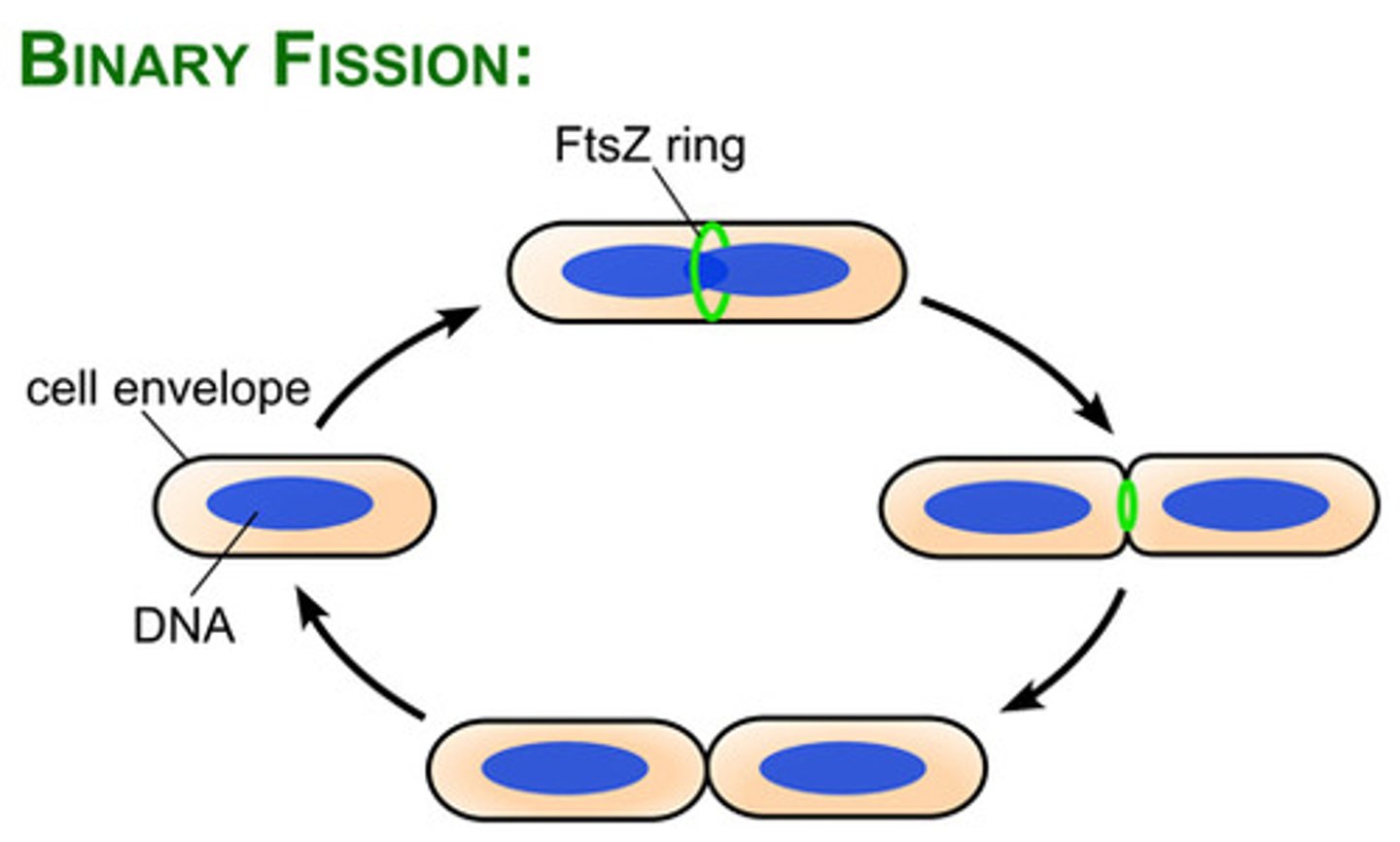
FtsZ
Prokaryotic microtubules that help form the cytokinetic ring during cell division to pinch the cells in the middle and divide them into two
What are the 3 homologues of mammalian cytoskeletal proteins in bacteria?
1. intermediate filament = crescentin
2. microfilament = MreB
3. microtubule = FtsZ
True or false: Prokaryotes do not have true organelle with membranes
True
True or false: Prokaryote DNA is double-stranded in chromosomes and wrapped by histones
False - that is eukaryotes. Prokaryotes are double-stranded DNA in a single loop bound by non-histone proteins
True or false: Eukaryotes are larger on average
True - eukaryotes are generally 10-50 um while prokaryotes are generally 1-6um (with some exceptions)
True or false: Both eukaryotes AND prokaryotes have cytoskeletons
True
How does transcription/translation vary in eukaryotes and prokaryotes
Prokaryotes do NOT have a membrane-bound nucleus so transcription and translation occur in the cytoplasm and can happen at the same time
Eukaryotes DO have a membrane-bound nucleus so transcription occurs in the nucleus and translation occurs in the cytoplasm and neither can occur at the same time (slower process)
What are the 4 functions of the prokaryotic plasma membrane?
1. Selective permeability barrier
2. Site of transport proteins
3. Site of respiration/photosynthesis/lipid synthesis
4. Receptors to sample/detect molecules in the environment
True or false: bacteria contain NO cholesterol in their membrane
True
What are hopanoids?
Sterols that stabilize the fluidity of the plasma membrane
What are 5 uses of the cell wall?
- Bacterial identification
- Determine certain aspects of cell shape
- Prevents osmotic lysis
- Protection from toxins
- Can contribute to pathogenicity
How are high quality pictures of cell walls taken?
Electron micrographs
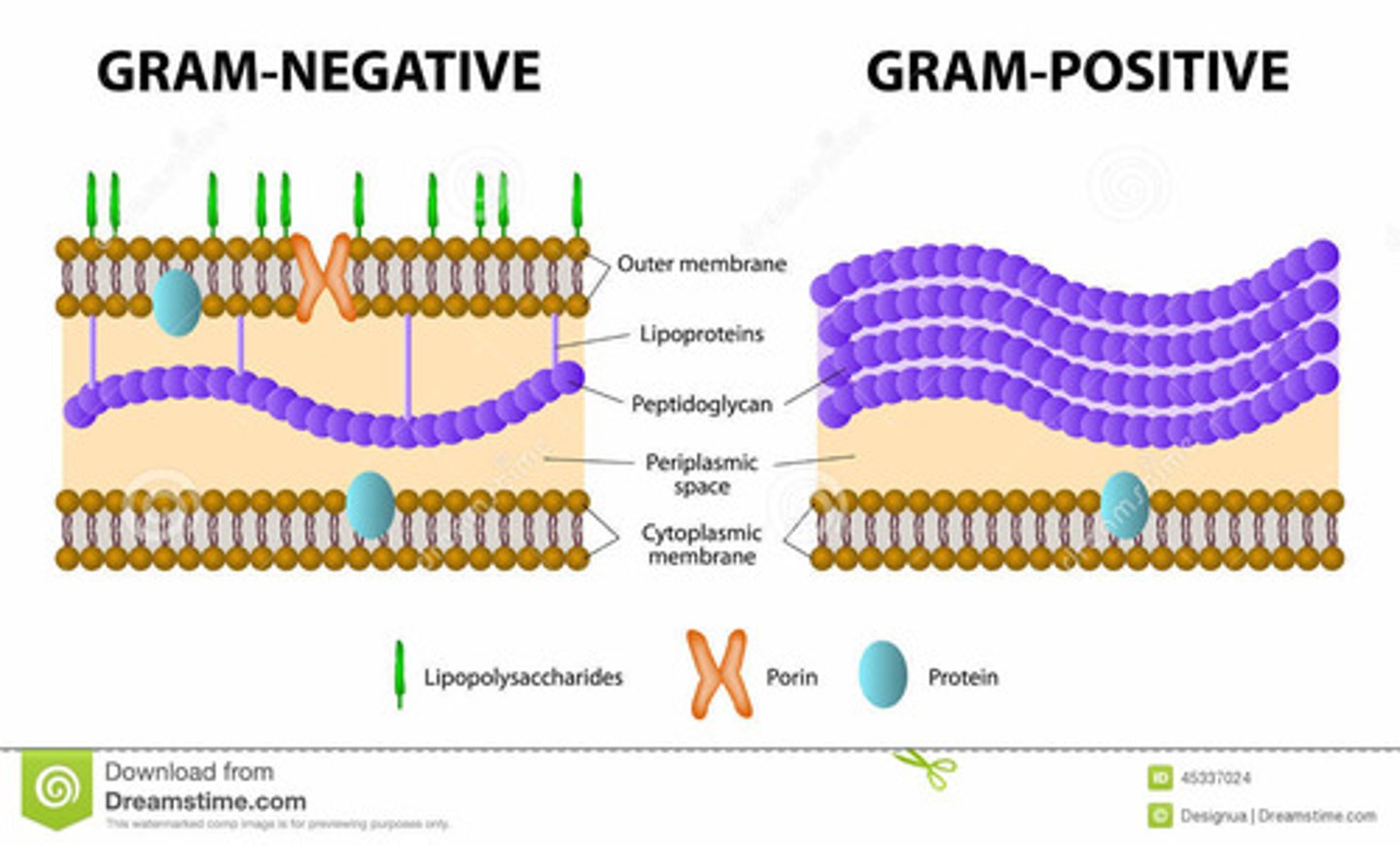
True or false: Gram-negative cell walls are thinner and straighter (2-7nm) than gram-positive cell walls (20-80nm)
True
True or false: there is no glycoprotein or proteoglycan in bacterial cells walls
True
What is peptidoglycan in a bacterial cell wall?
Basic structural unit that is homologous to glycoproteins and proteoglycans in human cell walls
What are the two peptidoglycans that make up the bacterial cell wall?
N-acetylmuramic acid (NAM) and N-acetylglucosamine acid (NAG)
Other than NAMs and NAGs, what two components make up the bacterial cell wall?
Peptide interbridges/cross bridges and peptide chains
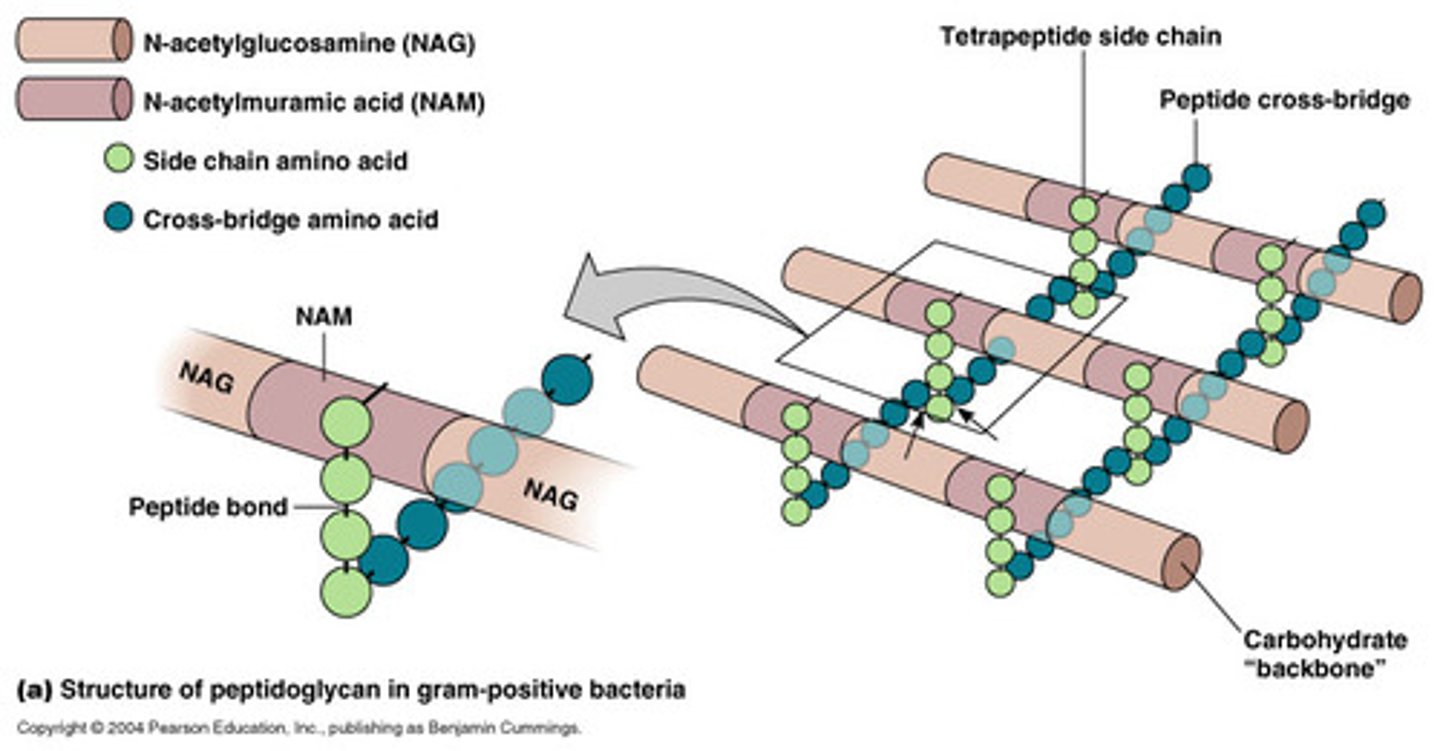
What peptidoglycan do tetrapeptide chains attach to?
NAMs specifically
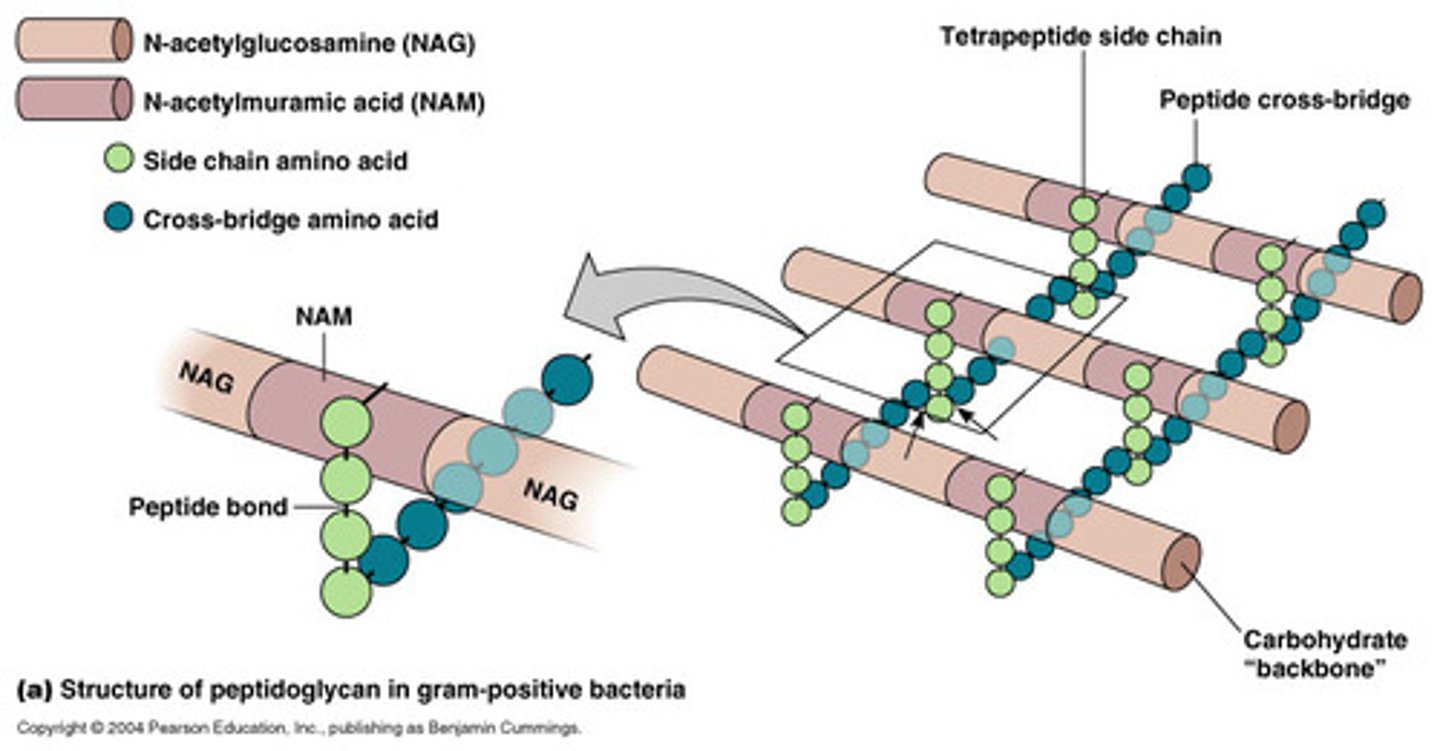
How can you define the bacterial cell wall backbone?
A polysaccharide of alternating NAGs and NAMs
Define bacterial cell wall interbridges and its function
- Connect things
- Can be used for identification
- Example: pentaglycine is common but can vary depending on the bacterial type
True or false: Bacterial cell wall backbones are usually comprised of more D-oriented amino acids while eukaryotes are comprised of more L-oriented amino acids
True
What was Hans Christian Joachim Gram known for?
Gram staining
What are the two categories of gram staining?
Gram positive and Gram negative
What is the Gram Staining process?
- heat up the sample to kill bacteria and make it sticky
- add dye
- add iodine which enhances the dye
- wash with alcohol
- rinse with distilled water
- wait 1 min
- wash again with distilled water
- dry
- observe with microscope
How can you tell which is G+ and which is G- in Gram staining?
G+ cells will be purple and thick cell-walled and G- cells will be red and thin cell-walled
(normally you get a mixed sample of both)
What is the function of broad spectrum antibacterials?
- kill/inhibit growth of G+ AND G- bacteria
What is the function of narrow spectrum antibacterials?
- kill/inhibit growth of either G+ OR G- bacteria
What is penicillin more effective at inhibiting?
G+ bacteria
Note: penicillin can still kill G- bacteria just less effectively
What is penicillin?
A natural product secreted by 1 microbe (penicillium) to inhibit the growth of (or kill) other microbes (primarily G+ bacteria)
Who was Alexander Flemming/what did he discover?
- scientist that discovered mold and added penicillin
- noticed that penicillin was killing bacteria/mold in a petri dish
- further scientists (Florey and Chain) injected mice with bacteria and gave them penicillin
- the penicillin saved them
- penicillin now cures so many diseases including Strepp throat, Scarlett fever
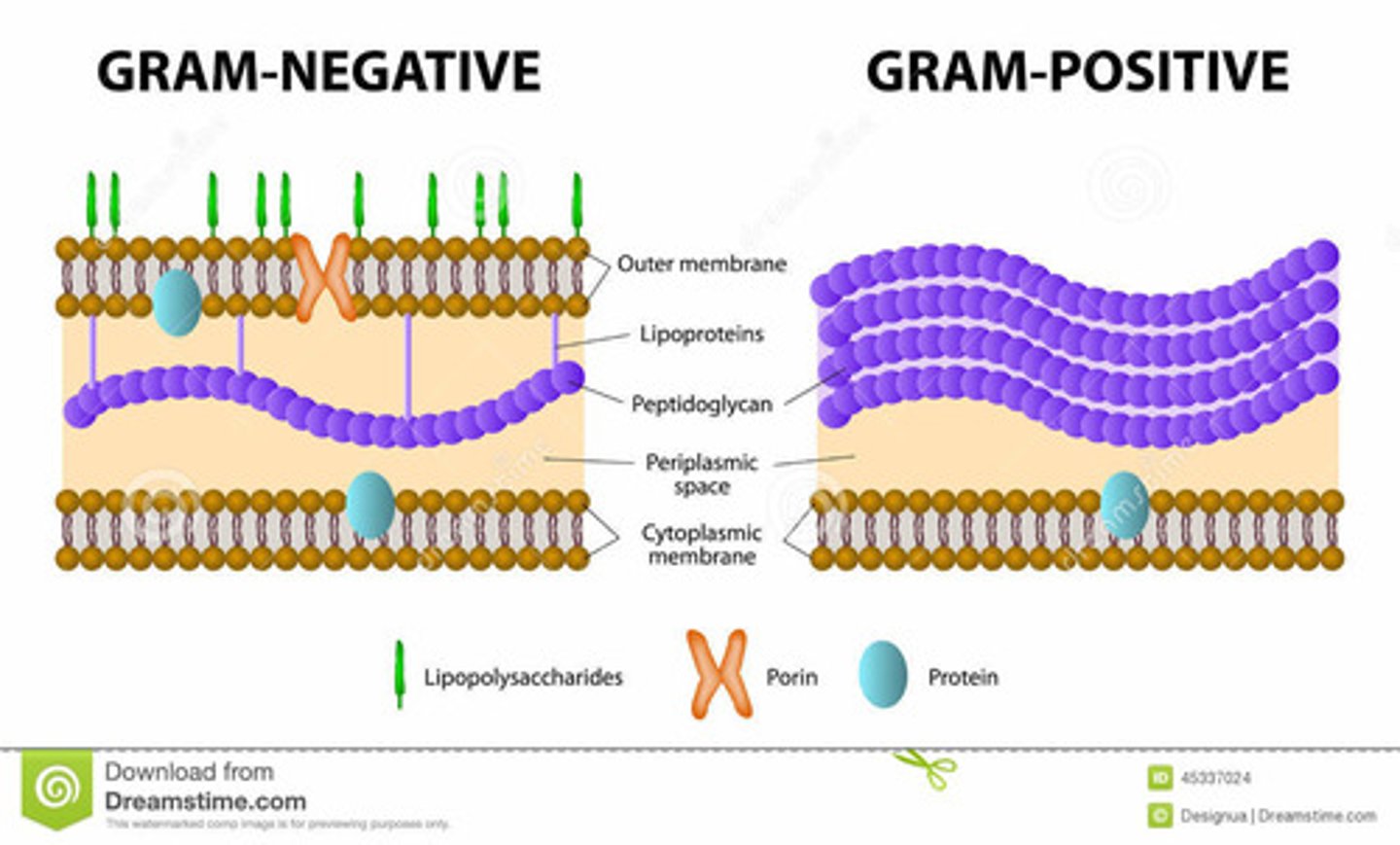
True or false: G- bacteria have two membranes while G+ bacteria have one membrane
True
What are Teichoic acids and their function?
Are acidic polysaccharides found only in gram + bacteria that provide significant rigidity
- anchor cell wall to plasma membrane
- polymer of glycerol or ribitol joined by phosphate esters
- sometimes bound to amino acids (+lipids)
- confer negative charge to G+ bacteria
Where does the term Teichos come from?
Means wall in Greek which is why teichoic acids are called teichoic acids - they are wall components
What is a lipoteichoic acid?
A teichoic (wall) acid that is anchored in lipids specifically
Describe the 3 layers of a bacterial G- wall
1. outer membrane
2. periplasmic space and peptidoglycan
3. plasma membrane
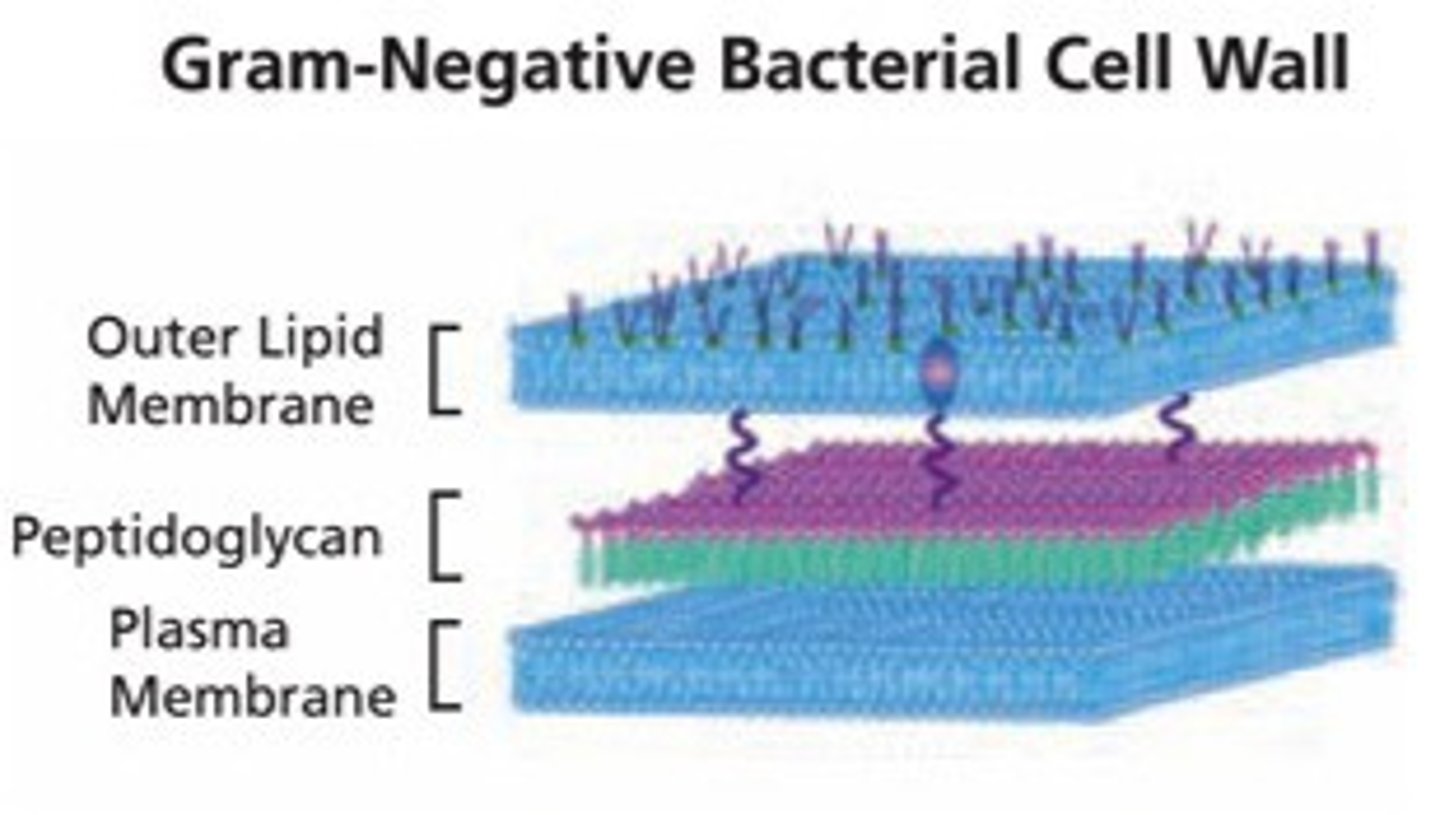
Describe the structure and function of the bacterial outer membrane?
Structure = membrane bilayer outside of the peptidoglycan layer
Function:
- selective permeability
- immunogenic (outside components can trigger immune responses)
- confers a negative charge to the cell
- protects the bacteria from toxins and enzymes
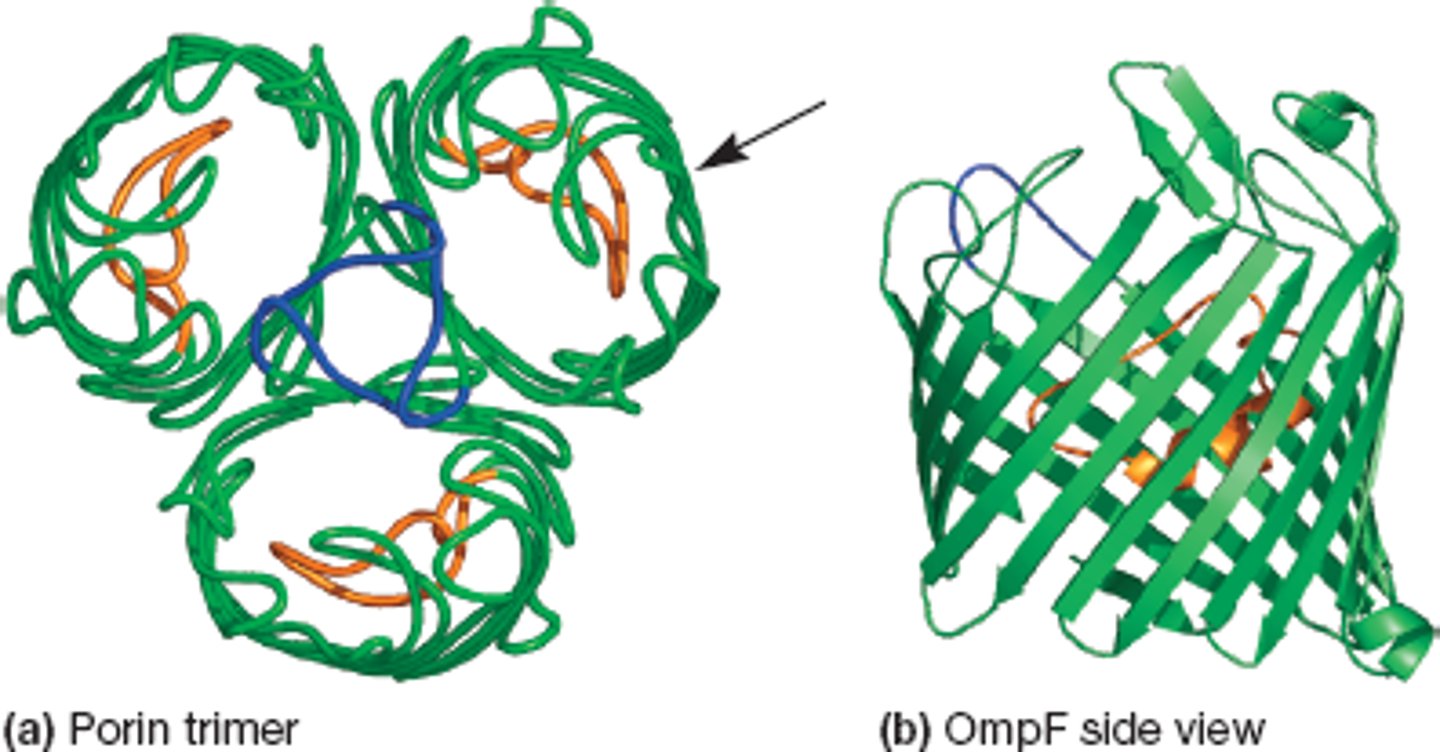
Describe porins in G- bacteria
- part of G- bacterial envelopes
- trimers (3 parts)
- Transmembrane proteins on outer membrane
- selectively permeable to molecules less than or equal to 600 Daltons
- sometimes found in G+ bacteria
What is the name for O-specific side chains in G- bacteria? What happens when you insert this into a mouse?
LPS = polysaccharides/lipopolysaccharides
- kills a mouse when inserted into it
What are the two main components of the G- bacterial envelope?
Porins and LPSs
What are the functions of O-specific side chains? Where are they found and what do they look like?
- can stimulate immune responses
- toxic on its own
- on outer leaflet of the outer membrane
- looks like small hair protrusions coming out of the outer membrane
When and what were the first observations of H. pylori?
1893: spiral bacteria initially observed in the guts of dogs
1984: spiral bacteria observed in biopsies from patients with gastritis
What is gastritis and what does it cause?
Gastritis is an inflammation of the stomach and it leads to stomach ulcers
What is shape of Helicobacter pylori?
spiral
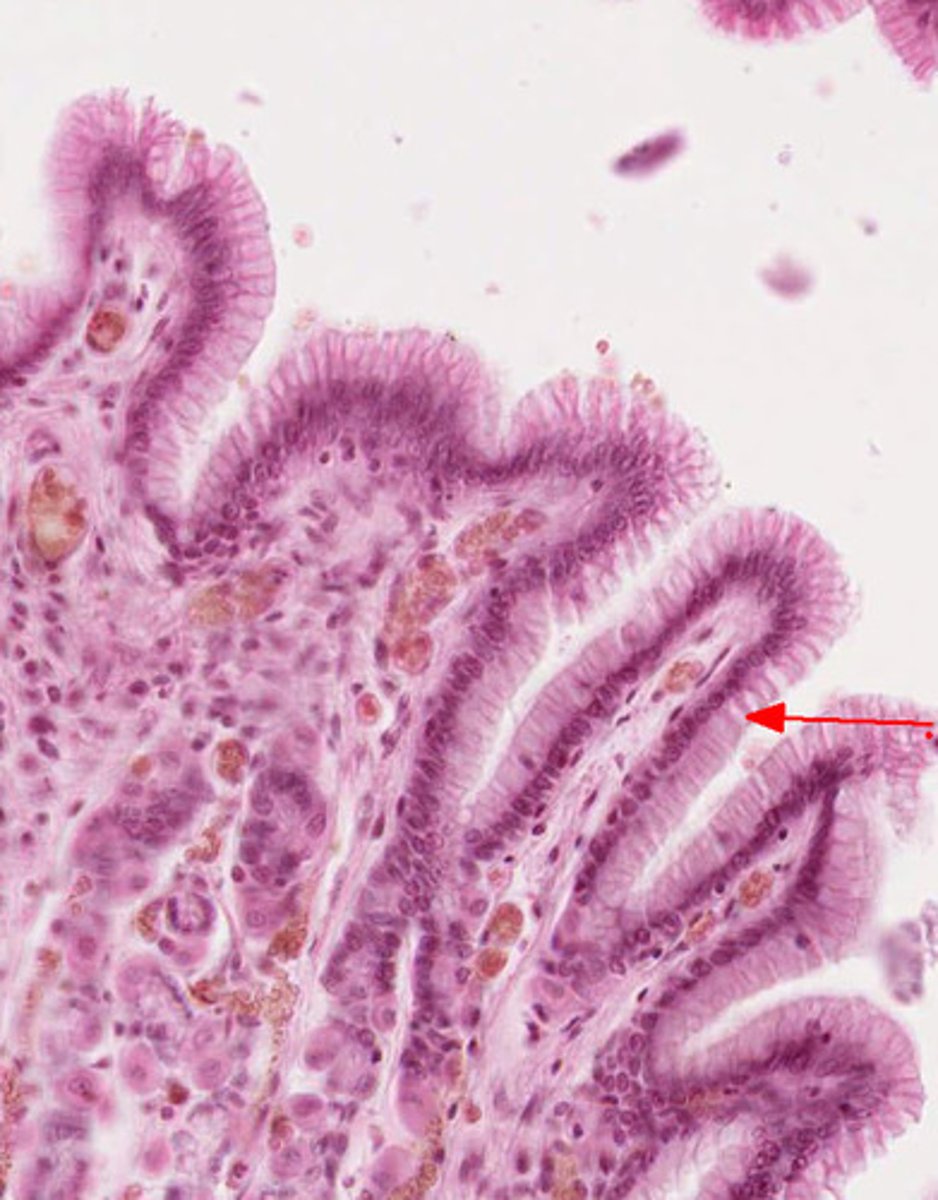
What are ruggae in the stomach?
- bumpy tissue on the inside of the stomach along the lining that expands when we eat
- tissue = epithelium
- lining (dark lines) = mucous/mucin
How was helicobacter pylori named?
1st name = Campylobacter pylordis
- because it was located near the pyloric sphincter and its resemblance to bacteria in another genus (Campylobacter)
2nd name = Helicobacter pylori
- because pylordis was found to be an incorrect term so they changed it to pylori
- also given its own genus because it unique enough (spiral = helical hence helico)
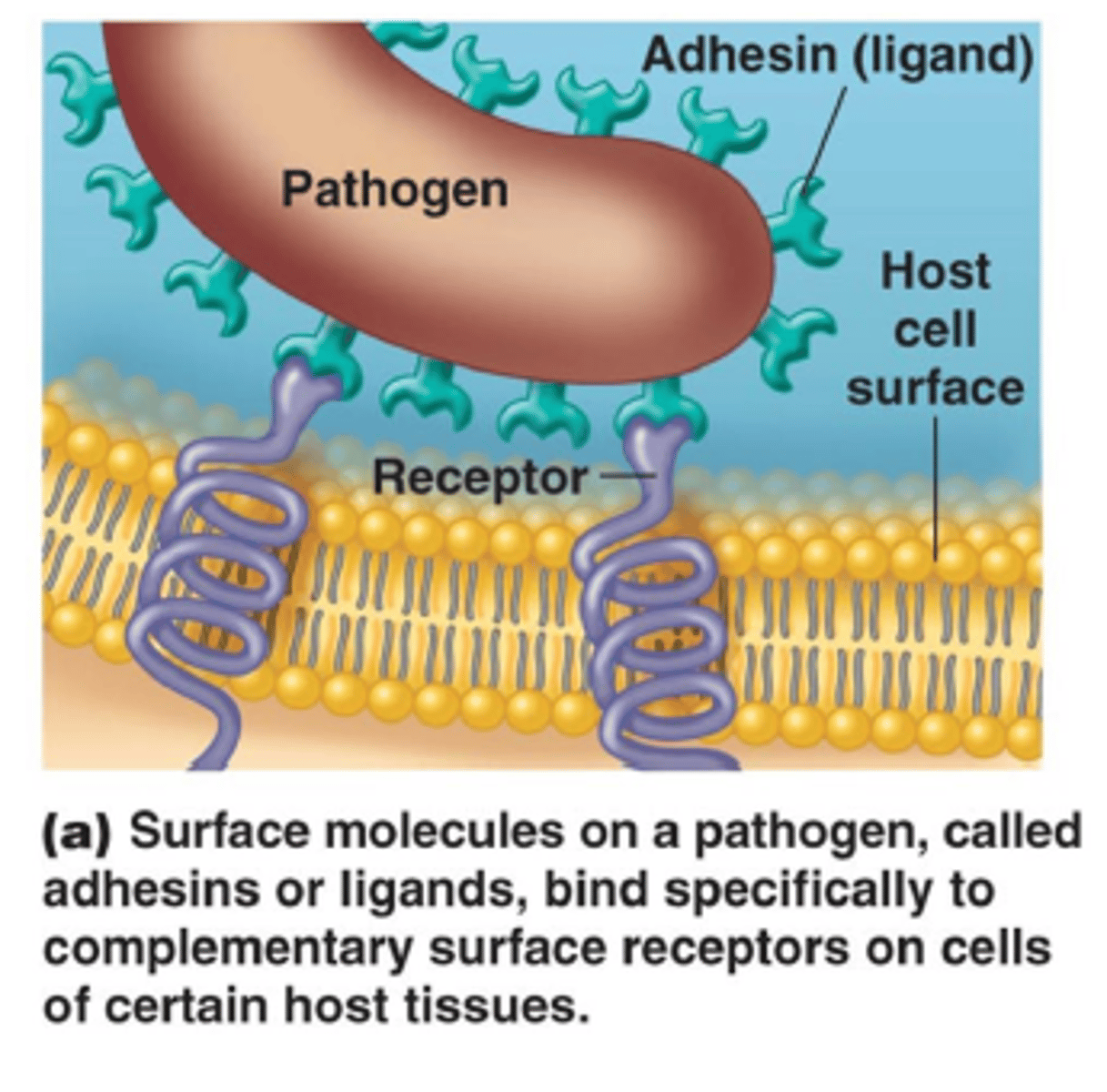
What are adhesins in H. pylori bacteria and what are three of their characteristics?
- adhesion proteins
- proteins that specifically allow the pathogen to bind to the host epithelium G- bacteria
1. spiral rod shaped
2. motile
3. use flagella
(Note: the flagella are few and huge)
H. pylori are microaerophilic; what does this mean?
That they prefer O2 concentrations between 2 and 10 %
What are two lines of evidence that help us conclude that H.pylori are the cause of stomach ulcers?
1. they are motile and thus have access to sites of attack by using their flagella to swim to the epithelium surface.
2. They secrete mucinase (to hydrolyze viscous mucin) and urease (an enzyme that cleaves urea to CO2 + NH3 and generates an "alkaline cloud") which allows the surroundings to have the right concentration of O2 to get through the stomach acid without being killed.
How do H. pylori bacteria obtain nutrients?
- they secrete a protein toxin called VacA
- VacA causes epithelial pores to form in the epithelial cells of the stomach (the gastric epithelial cells)
- basically breaks the stomach lining so nutrients leak out
- note: so powerful they can break tight junctions! (really hard to do)
What is a side effect of VacA protein toxin that H. pylori secrete?
- they inject other bacterial disease-causing proteins in the host cells
- an example is CagA that makes cells "leaky" and adds to the disease process
What caused Pasteur to discover germ theory?
- he lost children to disease (Typhoid fever aka salmonella)
- looked into spoiled wines later and discovered germs were causing this
- discovered germs can be killed with heat and coined "germ theory"
What does "germ theory" mark the beginning of?
Modern medicine
Finish the sentence: One microorganism causes ___ __________ __ ________
One microorganism causes one disease in everyone
What was Koch known for?
Proving the causal relationship between a microorganism and a specific disease
What are Koch's 4 postulates?
1. The same pathogen must be present in every case of the disease. (not just bacteria - includes viruses)
2. The pathogen must be isolated from the diseased host and grown in pure culture.
3. The pathogen from the pure culture must cause the disease when it is inoculated into a healthy, susceptible laboratory animal.
4. The same pathogen must be isolated from the diseased host