Patho Ex 2 Summer 26
 Call Kai
 Learn
Learn Practice Test
 Spaced Repetition
 Match
Match Flashcards
 Knowt Play
1/130

There's no tags or description
Looks like no tags are added yet.
Name | Mastery | Learn | Test | Matching | Spaced | Call with Kai |
|---|
No analytics yet
Send a link to your students to track their progress
131 Terms
Immune system function
Defense Against Pathogens
Remove Old/Damaged Cells
Cancer Surveillance
Maintain Homeostasis
Define antigen
Substance the immune system identifies as foreign
What type of antigens are most common
Proteins and glycoproteins
What are found in bacteria and blood type groups (antigens)
Polysaccharides/carbohydrates
What are natural boundaries we have against antigens?
Skin; mucous membrane; microbiome
What are the two types of immunity?
Innate and Adaptive
These are all types of …:
Present at birth
Rapid
General / nonspecific
Barriers: Skin, MM, microbiome
WBCs: Neutrophils, monocytes, macrophages, eosinophils, basophils, dendritic, NK
Innate immunity
These are all types of …:
Develop in response to exposure
Slower to develop
Specific
Antibodies
WBCs: T cells, B cells, plasma cells
Adaptive immunity
Innate is …; Adaptive is …
Passive; Active
Major immune system organs: … ; … ; …
Make; Train; Filter
Major immune system organs control the make, train and filter (global factors) while the minor component is more so …
Battleground sites (day-to-day)
What are the major immune system organs?
Bone marrow; Thymus; Lymph Nodes; Spleen
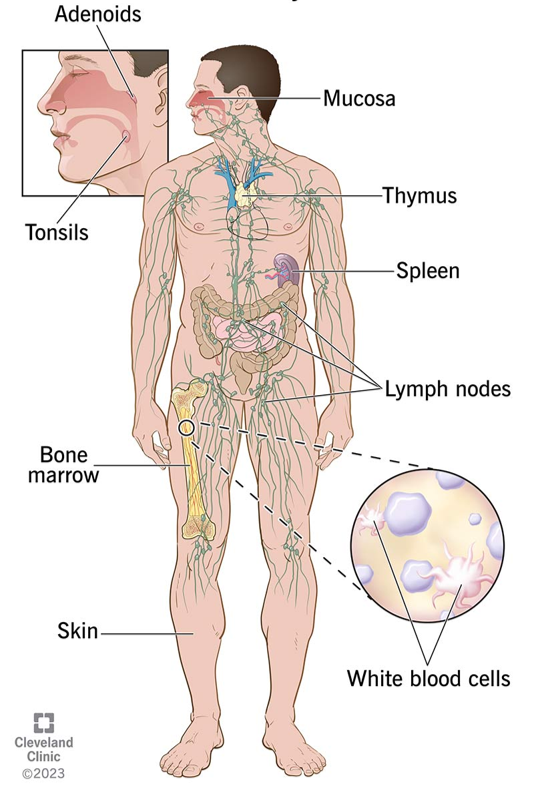
How does the bone marrow contribute to global immune system control?
Makes immune cells and matures B cells
How does the thymus contribute to global immune system control?
Trains and matures T cells
How does the lymph nodes contribute to global immune system control?
Filters lymph and activates immune responses
How does the spleen contribute to global immune system control?
Filters blood and fights blood-borne infections
Tonsils, a minor immune system organ, does what?
Monitor pathogens entering through the mouth and nose
Adenoids, a minor immune system organ, does what?
Help protect the upper respiratory tract
Peyer’s Patches, a minor immune system organ, does what?
Monitor pathogens in the small intestine
Appendix, a minor immune system organ, does what?
Supports gut immunity and beneficial bacteria
Mucosa Associated Lymphoid Tissue (MALT), a minor immune system organ, does what?
Protects mucosal surfaces throughout the body
Skin, a minor immune system organ, does what?
Provides a physical barrier against pathogens
Lymphatic Vessels, a minor immune system organ, does what?
Transport immune cells, antigens, and lymph
Mucous Membranes, a minor immune system organ, does what?
Trap and help remove pathogens from body surfaces
Dendritic cells, macrophages, and NK cells act as …
rapid responders to detect, engulf, and destroy pathogens
Dendritic has … with …
innate abilities; adaptive potential
The following cells are all …:
Neutrophils, monocytes, Macrophages, Dendritic, NK, Eosinophils, Basophils, Mast
Innate Immunity WBCs
Action of Neutrophil cells
Rapidly attacked bacteria/fungi; major cell in acute inflammation
First arriving to infection
Action of Monocyte cells
Circulate in blood; Become macrophages in tissues
Traveling clean-up crew
Action of Macrophage cells
Engulf pathogens, present antigens, release cytokines
Engulf invaders
Action of Dendritic cells
APC’s; Detect invades and alert system
Action of NK cells
Kill abnormal or infected cells without prior training
Destroy invaders
Action of Eosinophil cells
Fight parasites; Contribute to allergy/asthma inflammation
Parasite and allergy responders
Action of basophil cells
Release histamine and other mediators in allergic inflammation
Allergy alarm cells in blood
Action of Mast cells
Release histamine/cytokines in Type I hypersensitivity
Allergy alarm cells in tissue
B—lymphocytes, plasma and T—helper cells are types of …
Adaptive immunity WBCs
B—Lymphocyte action
Plasma cell progenitors; Support antibody production
Antibody-making factory builders
Plasma action
Produce antibodies/immunoglobulins
Antibody-making factories
T—Helper action
Coordinate immune response with cytokines; activate other cells
Immune commanders
Complement, Cytokines/interleukins/interferons, antibodies, histamine, prostaglandins/leukotrienes/TNF/IL-1, and proteases/collagenases are all …
Immune System Aids
Complement, immune system aid action
Helps antibodies remove or destroy targets
Cytokines / interleukins / interferons, immune system aid action
Coordinate, amplify, and recruit immune cells
Antibodies, immune system aid action
Recognize and target specific antigens
Histamine, immune system aid action
Drives immediate allergic-type reactions
Prostaglandins / leukotrienes / TNF / IL-1, immune system aid action
Promote inflammation, pain, and tissue effects
Proteases / collagenases, immune system aid action
Contribute to tissue destruction, especially in RA
Cytokines include … and …
Interleukins (IL’s) and Tumor Necrosis Factors (TNF’s)
Interferons (IFN’s) enhance … against viruses
First line defense
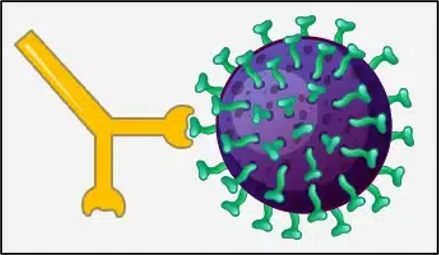
Yellow is …; Blue is …
Antibody; Antigen
What is an antibody?
Protein generated by plasma/B cells in response to antigen recognition
Custom adaptation to specific antigen
The … to a … is the basis of acquired immunity.
Generation of antibodies; foreign antigen
What are the 5 types of antibodies?
IgA; IgD; IgE; IgG; IgM
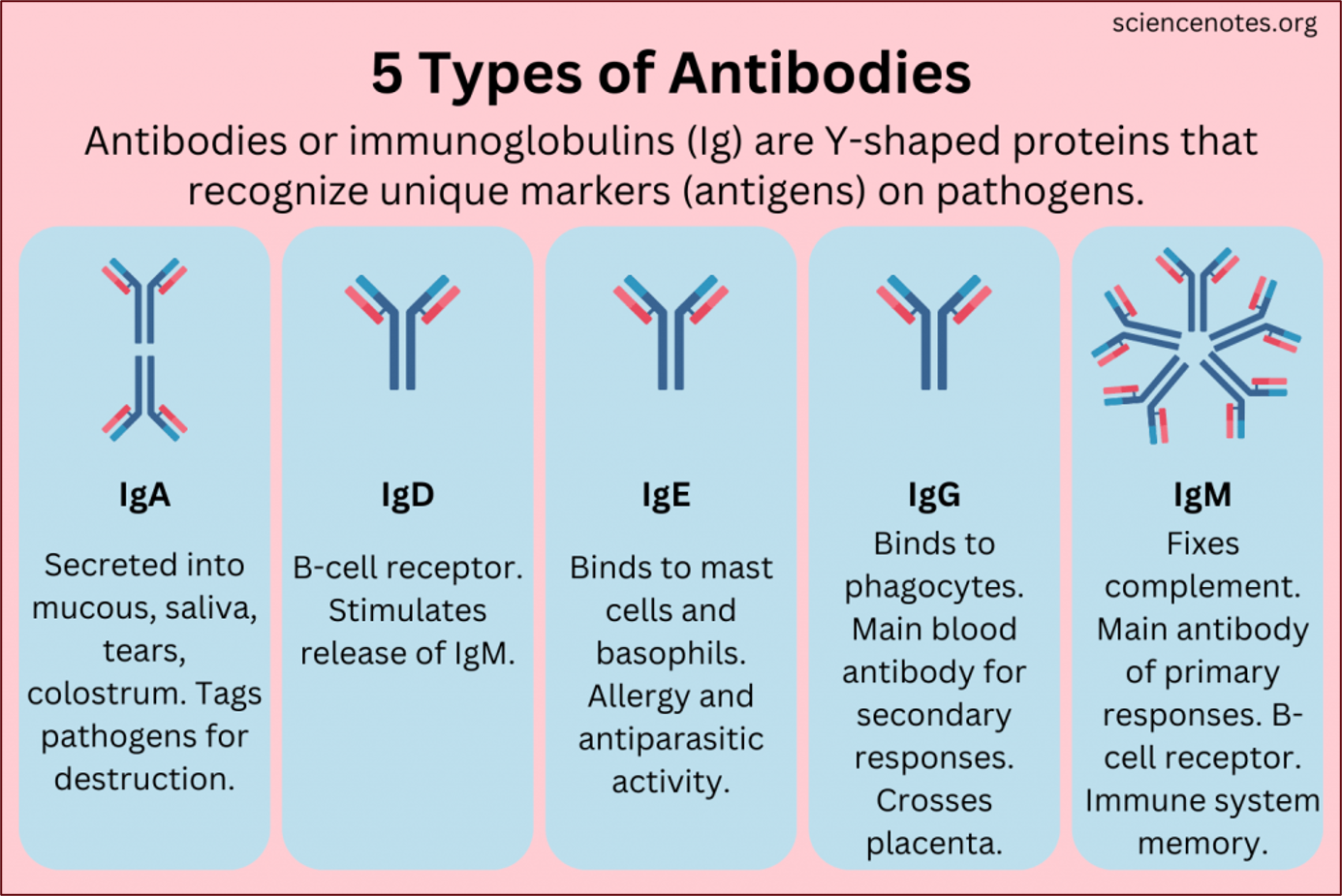
The IgA Antibody contributes to
Mucosal Protection
The IgD Antibody contributes to
B—cell receptor function
The IgE Antibody contributes to
Allergies and parasites
The IgG Antibody contributes to
Secondary “memory” response
The IgM Antibody contributes to
Primary “initial” response
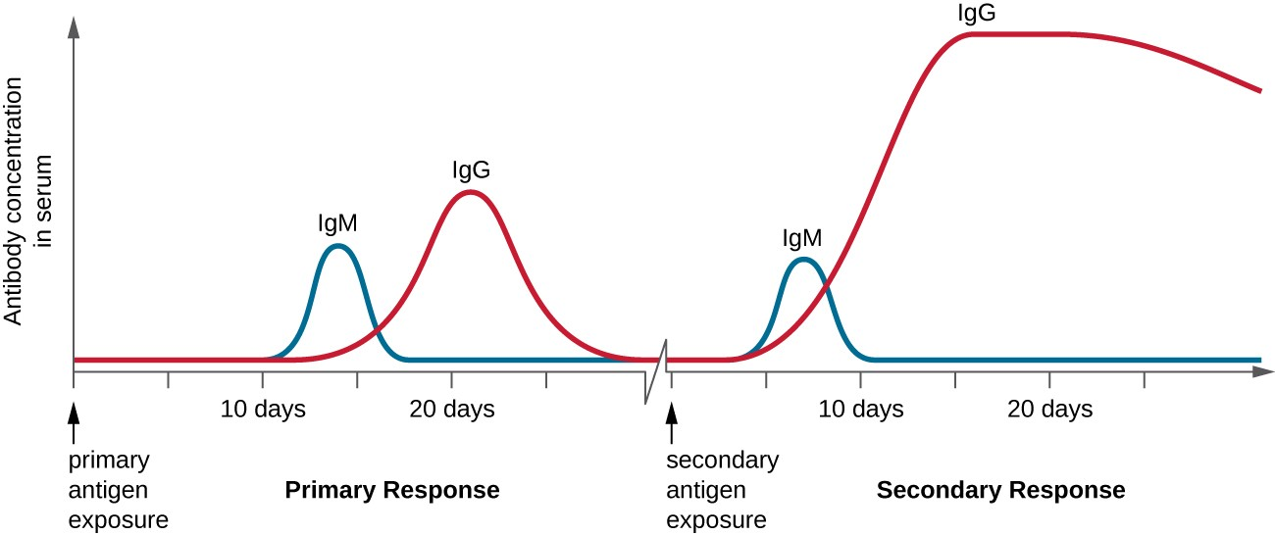
The second rise in the IgG antibody is called …
Anamnestic response
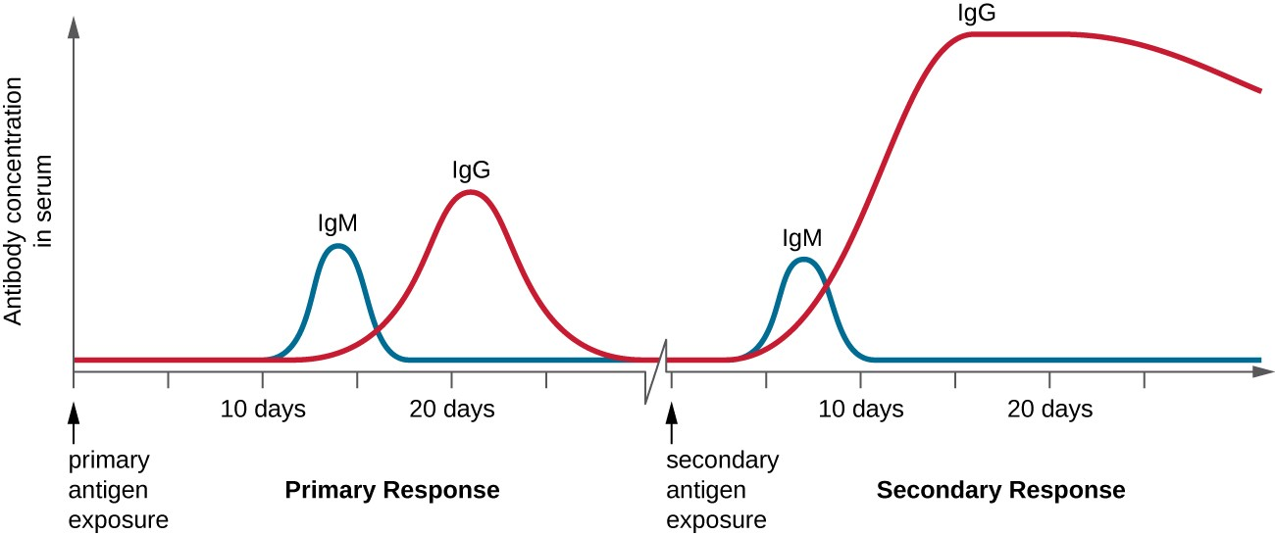
The primary exposure is …; and during the first 10 days only … is being implemented
Infection or immunization; Innate immunity
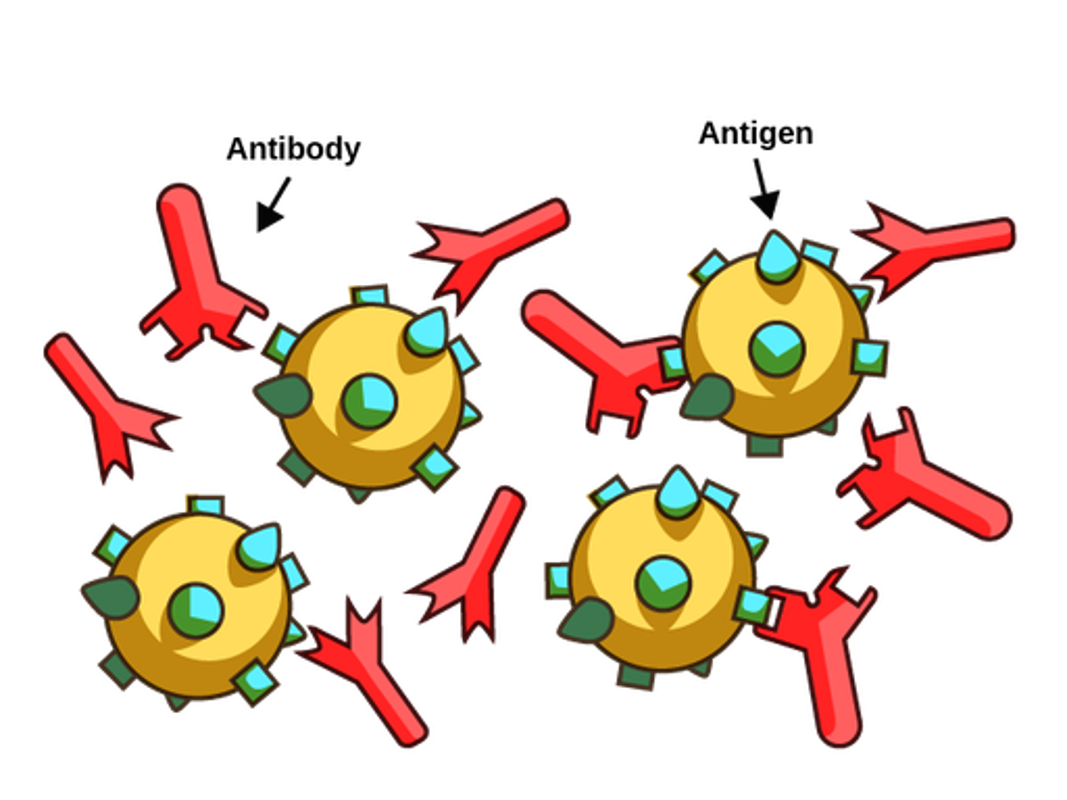
Three goals of the antigen—antibody complex
Neutralize pathogens; Mark targets for destruction; promote removal from the body
What happens during neutralization?
Antibodies block viruses, bacteria or toxins from interacting with host cells
What happens during Opsonization?
Antibodies coat the antigen, making it easier for macrophages and neutrophils to recognize and phagocytose it.
What happens during complement activation?
IgG or IgM activates the classical complement pathway, leading to enhanced phagocytosis and sometimes direct lysis.
What happens during immune complex removal?
Antigen-antibody complexes bind complement proteins and are transported to the liver and spleen where macrophages remove them.
Erroneous … and … are the bases of autoimmune disease.
immune complex interactions; removal
Common joint autoimmune disorders
RA, Psoriatic arthritis, Ankylosing spondylitis
Common nervous system autoimmune disorders
MS, Myasthenia gravis
Common endocrine organs autoimmune disorders
Type 1 DM, Hashimoto, Graves
Common skin autoimmune disorders
Psoriasis, vitiligo
Common GI tract autoimmune disorders
Celiac disease, IBD
Common blood autoimmune disorders
Pernicious anemia, ITP
Common multiple organ autoimmune disorders
SLE
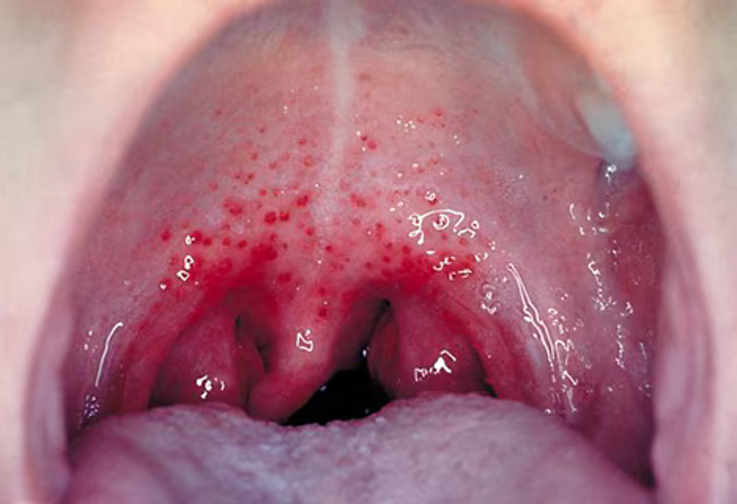
What is seen here?
Stinky; Strep throat
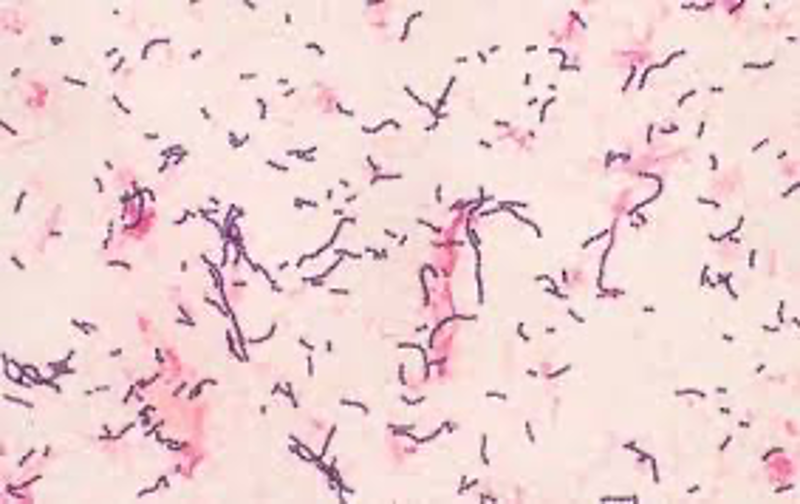
What is seen here?
Streptococcal pyogenes
What are the two common diseases which result from strep?
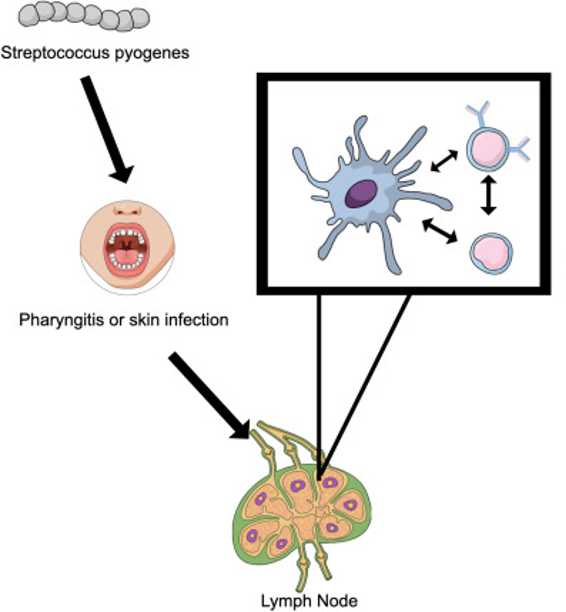
Rheumatic heart disease and Post—Strep glomerulonephritis
Example of Strep turning into Rheumatic heart disease? (image)
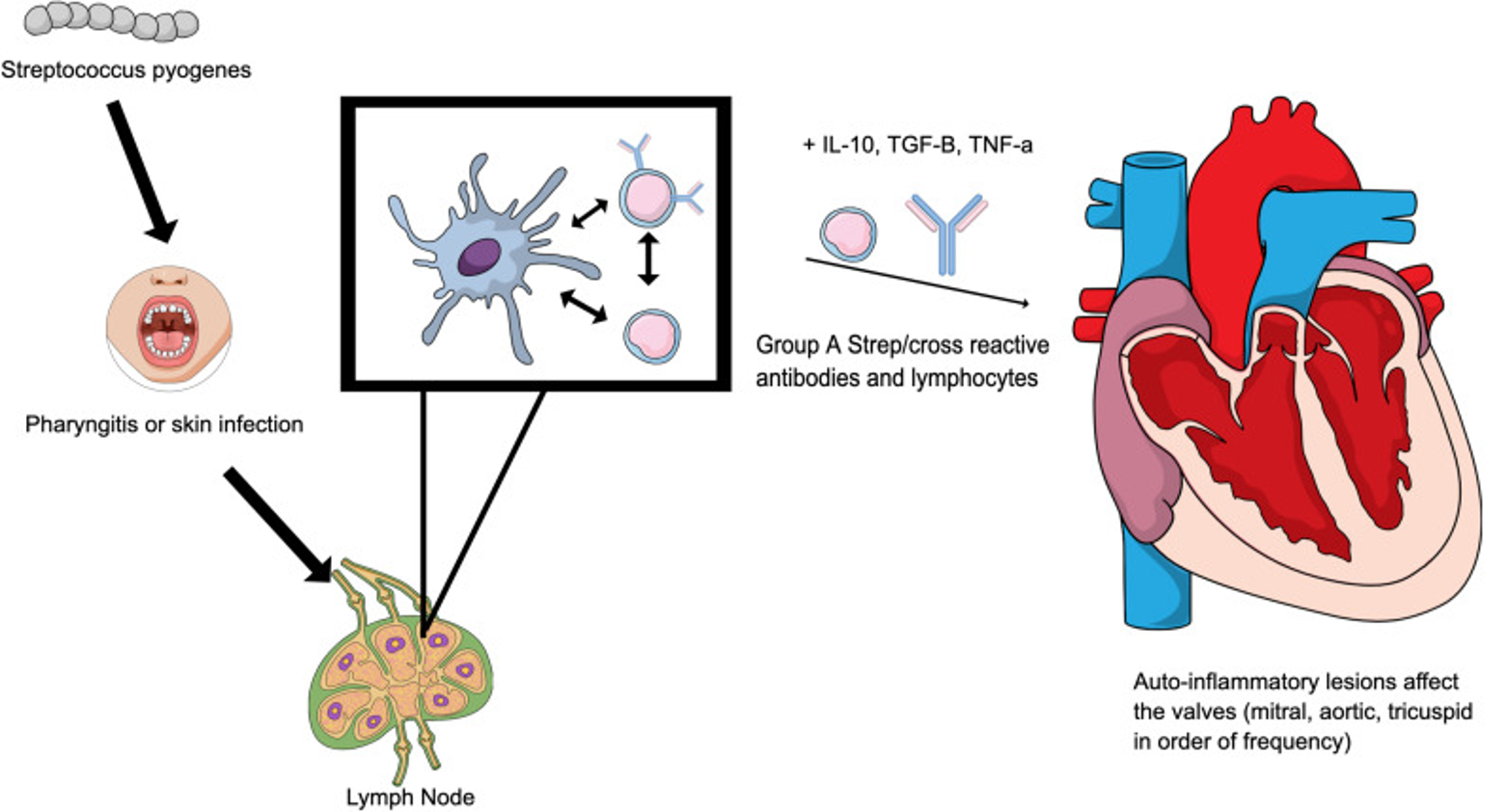
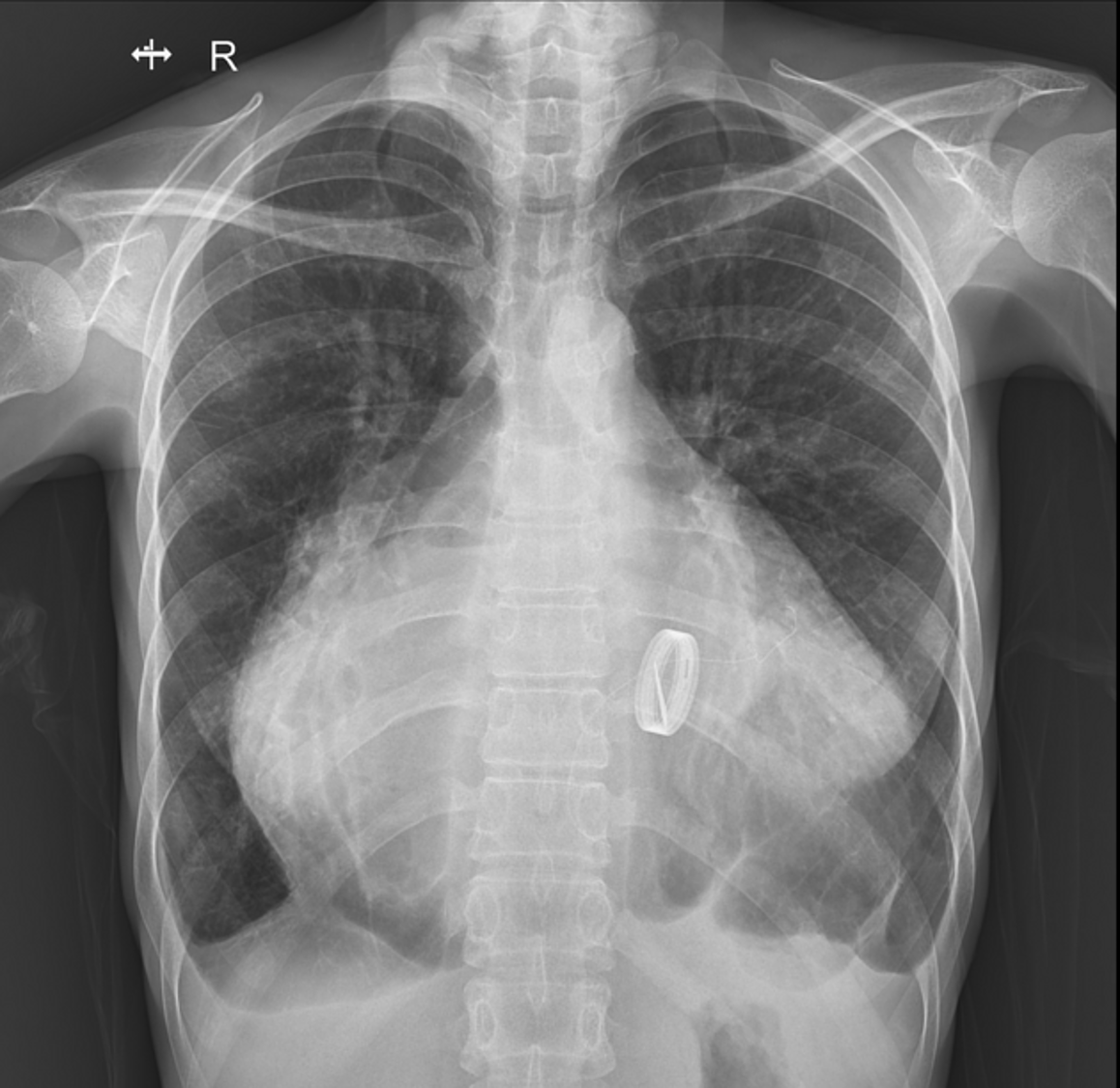
What is seen here?
Rheumatic heart disease
What is Post-Streptococcal Glomerulonephritis (PSGN)
Type III hypersensitivity reaction where immune complexes deposit in the kidneys' glomeruli following a strep infection, potentially leading to chronic kidney disease
What is Rheumatic Heart Disease (RHD)
Type II hypersensitivity reaction driven by molecular mimicry, where the immune system mistakenly attacks heart valves and tissue following strep pharyngitis
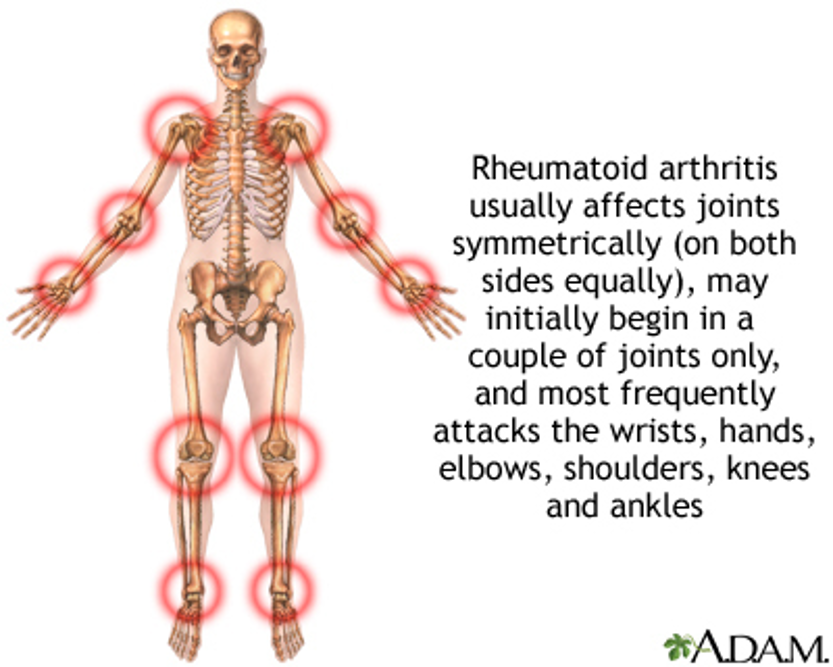
RA image example
Mutation Acquisition: … and … transform normal cells into tumor cells
Environmental; genetic carcinogens
Immunosurveillance: Ideally, the immune system … these cells and triggers …
identifies; DNA repair or apoptosis
Three E’s of progression?
Elimination; Equilibrium; Escape
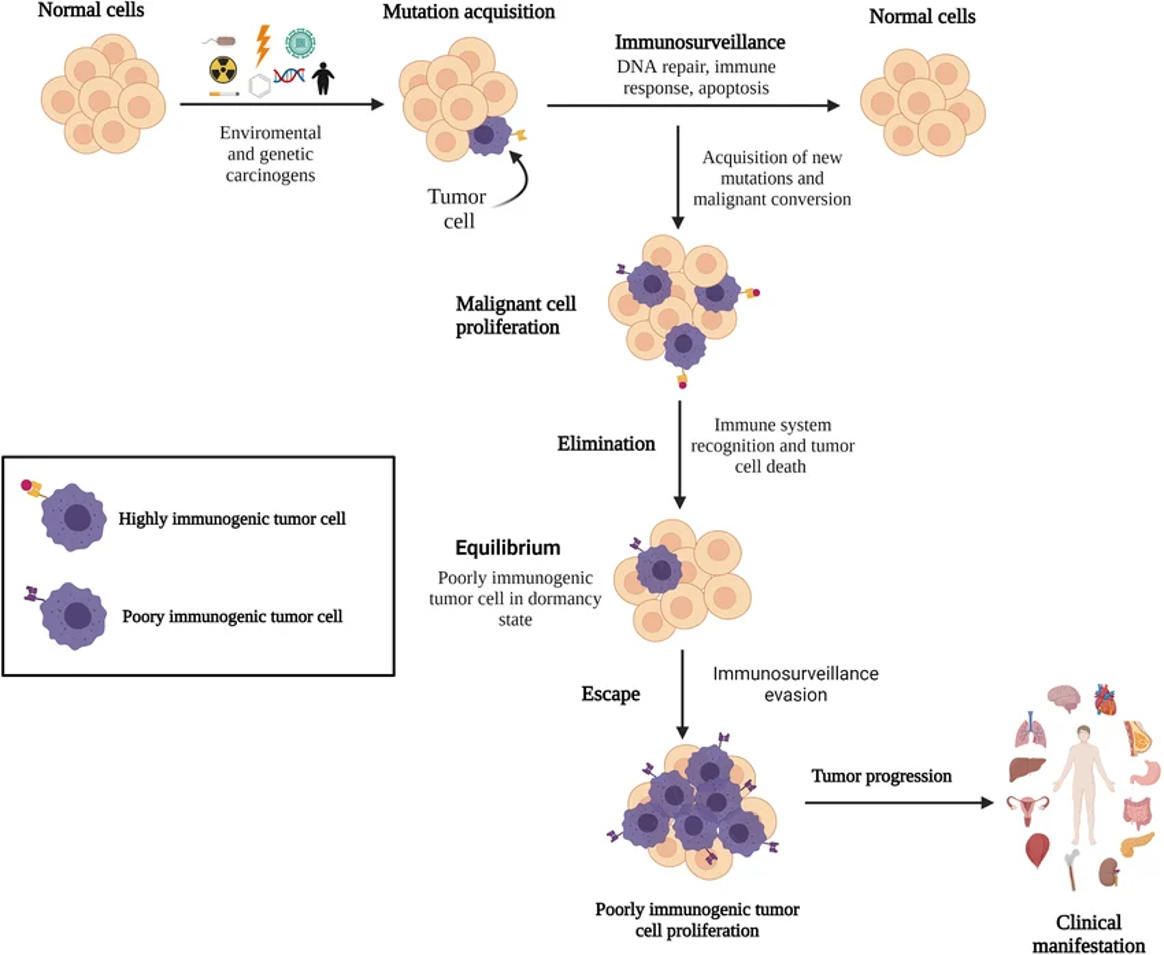
Elimination; 3 Es
Immune system recognizes and kills tumor cells
Equilibrium; 3 Es
Poorly immunogenic tumor cell in dormant state
Escape; 3 Es
Tumor cells acquire new mutations that allow them to evade immunosurveillance, leading to malignant proliferation and clinical manifestation
Pathophysiological defect present in OA?
Defective remodeling of articular cartilage and subchondral bone
Primary underlying pathophysiology of RA?
Self—Directed autoimmune process
Initial drug of choice for OA?
Tylenol
Disease modifying anti—rheumatic drugs differ from others drugs in that DMARDs focus more on …
Treating the underlying disease process
For OA, trauma/loading increases …
cartilage/bone turnover
What do these describe:
Progressive articular cartilage deterioration
Subchondral bone thickening
Subchondral cysts
Osteophytes at joint margin
OA
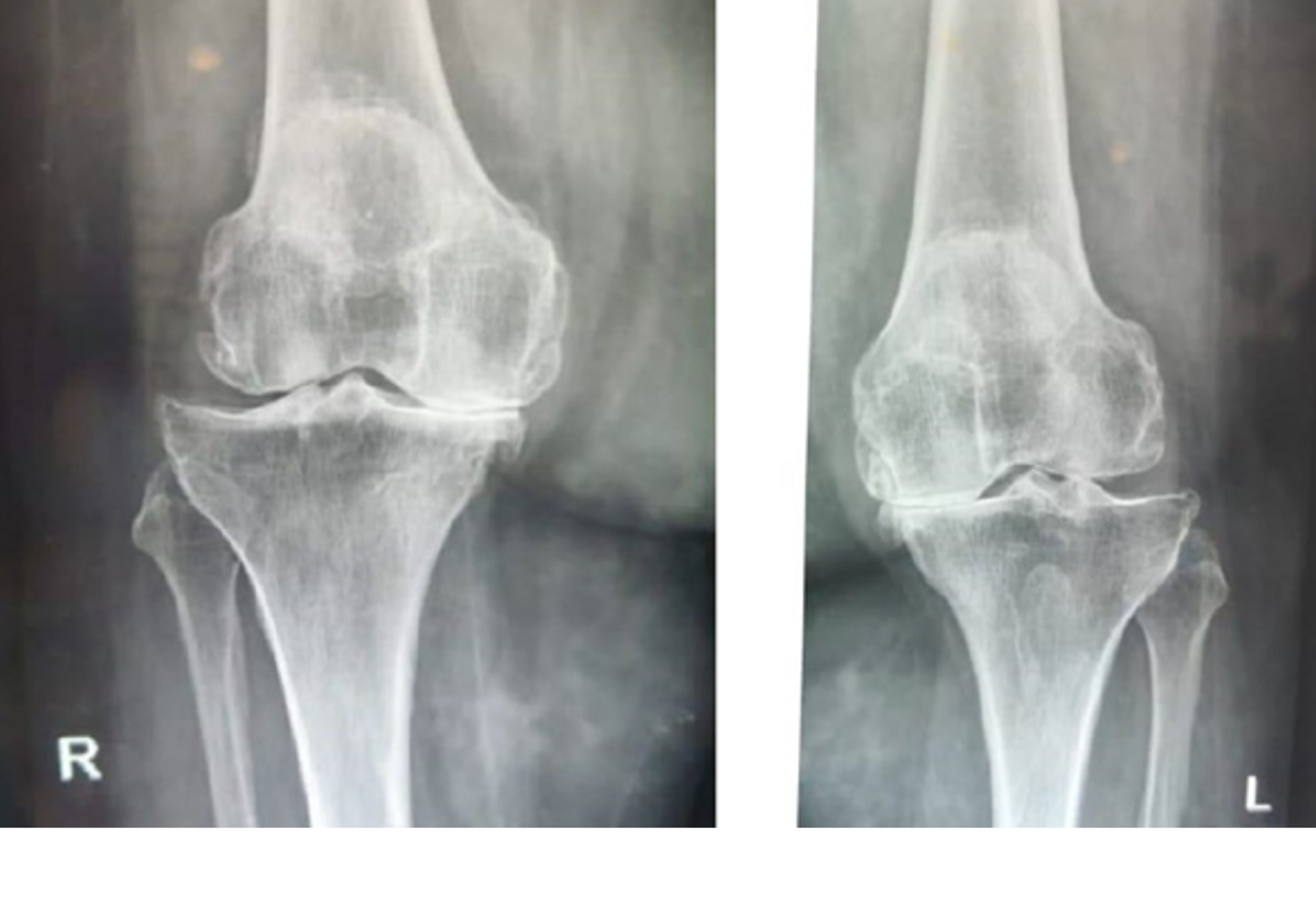
What is seen here?
Hyper whitening; OA
What are the rules of common OA sites?
Large joints; weight bearing; asymmetrical
(can be found in small joints; hands/feet)
In terms of OA, inflammatory synovitis is … to joint damage and not …
secondary or byproduct; main driver
OA Tx goal
main control and maintaining activity
OA Tx; nonpharmacologic
Strengthen muscle, balance loading
Low impact, low load
Weight loss
Corrective bracing
OA Tx; pharmacologic
Tylenol (1st) — pot liver injury
Oral NSAIDs — pot kidney, GI, CV adverse effects
Topical NSAIDs — safer but less effective
How does Tylenol affect pain perception and increase hepati toxicity?
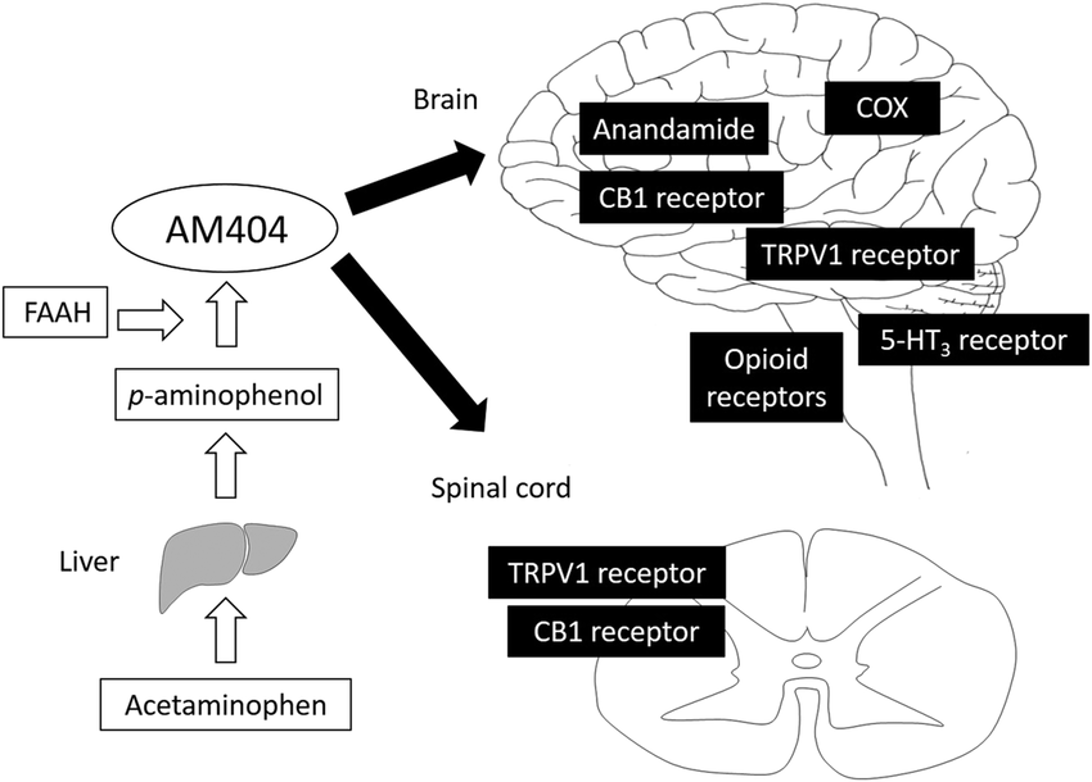
Tylenol is a central COX—3 inhibitor
— affects pain perception
— does not suppress inflammation
— less gastric irritation
— more hepatic toxicity
How do NSAIDs suppress inflammation and affect the body?
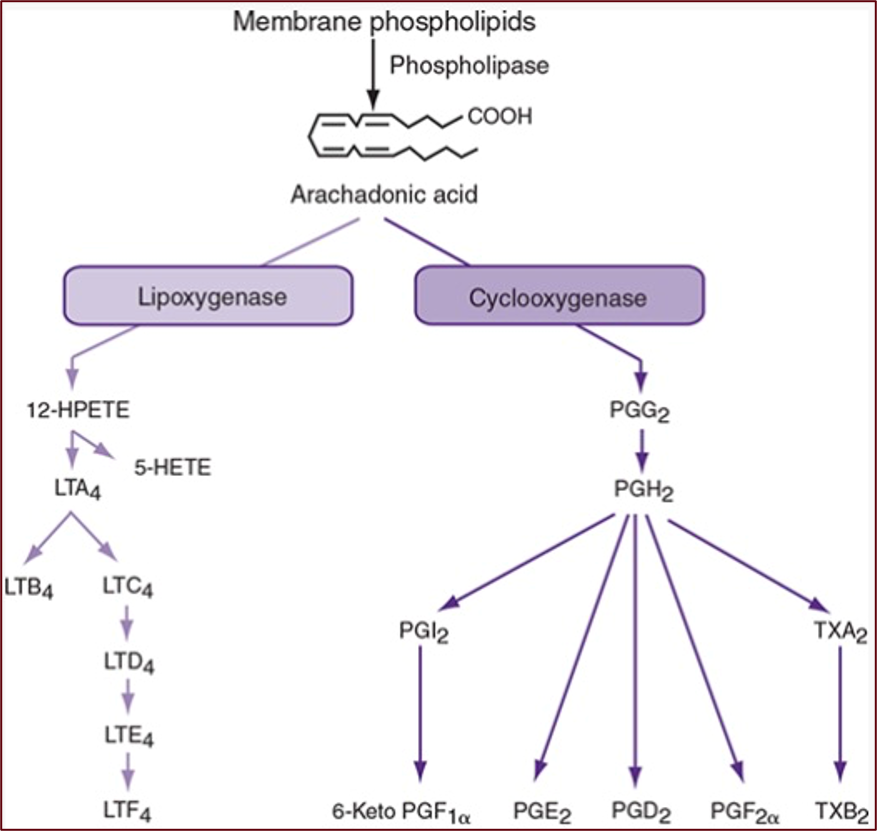
They suppress PGE2 via COX 1 inhibitor; a main source of inflammation
Increases usefulness in severe OA