10A - Airway Approach Algorithm
 Call Kai
 Learn
Learn Practice Test
 Spaced Repetition
 Match
Match Flashcards
 Knowt Play
1/16

There's no tags or description
Looks like no tags are added yet.
Name | Mastery | Learn | Test | Matching | Spaced | Call with Kai |
|---|
No analytics yet
Send a link to your students to track their progress
17 Terms
Is Airway control required
type of surgery
patient preference
surgeon preference
anestheologist preference
YES - Next Question
NO - procedural sedation
regional anesthesia
may need slight manipulation of airway to some degree or convert to GA
WIll direct larygoscopy be difficult - predictors
clinical experience
previous history of difficult intubation
variation in normal anatomy
pathologic conditions
diagnostic tests - radiography
physical evaluation of airway
LEMON
YES - Cannot intubate next question
NO - Asleep intubation
LEMON
look externally
evaluate 3 3 2 rule
mallampti score >= 3
obstruction
neck mobility limited
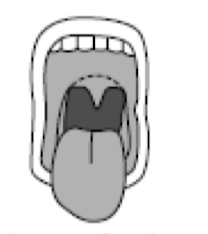
what mallampati is this
Class 1: soft palate uvuale facue, pillars visible , no diffculty
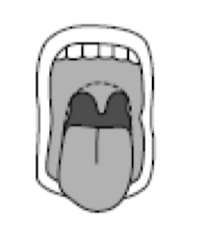
what mallampti score
class 2: soft palate, uvula facuses visible no difficulty
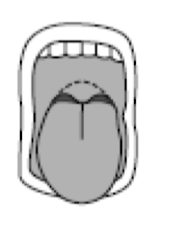
what mallampati score
class 3 soft palate base of uvula moderate difficulty
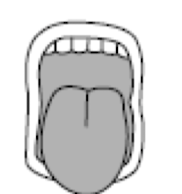
what mallampati is this
CLass 4, hard palate only visible severe difficult
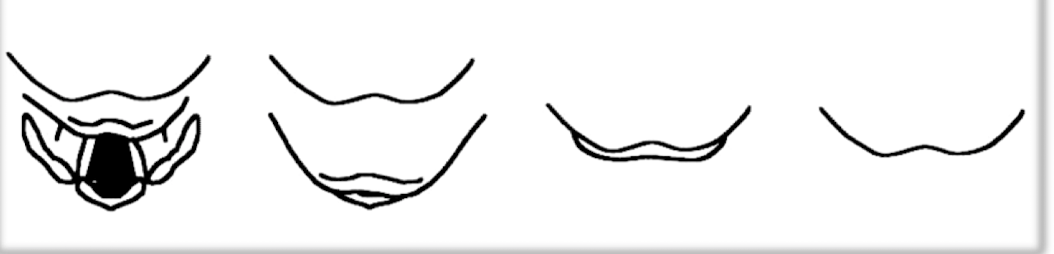
Cormack -Lehane classificaition
Grad 1 - 4
CAn supraglottic device be used
face mask ± oral/nasal airway
LMA
YES- cannot intubate, can ventilate
NO - awake intuabtion, canot ventilate
Face mask predictors
OBESE
persistant and prolonged failed intubated attempts can cause progressive difficulty in face mask ventilation
OBESE law
obstruction / obese
bearded
elderly (>55year old)
stiff lungs/snorer
edentulous
LMA predictors for difficult ventilation
RODS
RODS
restricted mouth opening
obstruction
disrupted airway
stiff lungs
is the stomach empty
non- fasting
poorly manage GERD
delay gastric emptying
blunted gag reflex
SHOULD NOT be ventilated supraglottic device
NO - cannot intubate, should ventilate
YES - cannot intubate can ventilate
WIll patient tolerate an Apenic period
Anesthesia induction may produce an apneic period of:
30 - 60 sec with succ
4 -7 mins with succ
Preoxygenation
tidal breathing for 3 -5 mins on 100% O2
FOUR deep VC breaths at 100% oxygen taken within 30 seconds
allow patient to tolerate a longer apenic period
factors that contribute to premature desaturations
pregnancy
disease
obesity
inadequate preoxygenation
WIll patient tolerate apneic period
Yes - sleep intubation
no - awake intubation