BIOLOGY Ch. 1 Cell & Molecular Biology
 Call Kai
 Learn
Learn Practice Test
 Spaced Repetition
 Match
Match Flashcards
 Knowt Play
1/185

Earn XP
Description and Tags
Biochemistry, Cells & Organelles, Biothermodynamics, Cellular Respiration, Photosynthesis, Cell Division
Name | Mastery | Learn | Test | Matching | Spaced | Call with Kai |
|---|
No analytics yet
Send a link to your students to track their progress
186 Terms
electronegativity
the ability of an atom to attract shared electrons within a bond (pull closer to itself)
ionic bond
complete transfer of electrons from one atom to another
between atoms with very different EN
exist between ions (charged atoms or molecules)
covalent bond
electrons are shared between atoms with similar EN
can be single, double, triple bonds
nonpolar or polar bonds
nonpolar bond
equal sharing of electrons (highly similar EN)
polar bond
unequal sharing of electrons (slightly different electronegativity and formation of a dipole)
dipole
a difference in charge between two parts of a molecule
hydrogen bond
weak bond between molecules that meet two conditions:
molecule must have a hydrogen covalently bonded to a highly EN atom (F, O, N)
The same hydrogen atom is attracted to another highly EN atom (F, O, N)
H-bonds can be intramolecular or intermolecular
intramolecular
within a molecule
intermolecular
between molecules
van der waals interactions
weak, temporary attraction between atoms or molcules in close proximity
occurs due to the transient, uneven distribution of electons in a molecule at any given time
weak attraction individually, but can add up to a powerful force
bond strength, strongest to weakest
ionic/covalent > hydrogen > dipole-dipole > van der waals (london dispersion)
Stronger bonds have _____(lower/higher) energy, _____(shorter/longer) lengths, and _____(lower/higher) bond order
higher, shorter, higher
bond order, highest to lowest
triple > double > single
water properties
excellent solvent
high heat capacity
liquid form is denser than solid
cohesion → high surface tension
adhesion → capillary action
micromolecules
essential nutrients that the body cannot produce in sufficient quantities
→ must be obtained from the diet
minerals
inorganic ions found intracellularly and extracellularly
ex: calcium, potassium
vitamins
organic micromolecules that are classified as either water-soluble or fat-soluble
fat soluble vitamins
excess deposited in body fat; overconsumption can lead to toxicity
ADEK
water soluble vitamins
excess not stored in the body and are excreted in urine
BC
Vitamin A
fat soluble
visual pigment and epithelial maintenance
Vitamin D
fat soluble
regulates calcium levels by promoting absorption from the intestine; synthesized when UV light strikes the skin
Vitamin E
fat soluble
antioxidant - neutralizes free radicals that can damage cells
Vitamin K
fat soluble
important for blood clotting
Vitamin B
water soluble
coenzymes or precursors to coenzymes; there are 8 different B-group vitamins
Vitamin C
water soluble
important for collagen synthesis; deficiency leads to scurvy
macromolecules
large organic molecules composed of monomers that link together to form polymers
4 major: carbohydrates, lipids, proteins, and nucleic acids
dehydration synthesis
process by which monomers combine to form polymers, producing a water molecule
hydrolysis
process by which a water molecule is used to break polymer linkages
carbohydrates (monomer, polymer, linkage type, function)
monomer: monosaccharide
polymer: polysaccharide
linkage type: gycosidic
function: store energy
classes of carbohydrate
monosaccharides: single sugar molecule (ex: glucose)
disaccharides: 2 joined sugar molecules (ex: glucose + fructose = sucrose)
polysaccharides: polymer of sugar molecules (ex: starch (α-glucose), glycogen (α-glucose), cellulose (β-glucose), chitin (β-glucose))
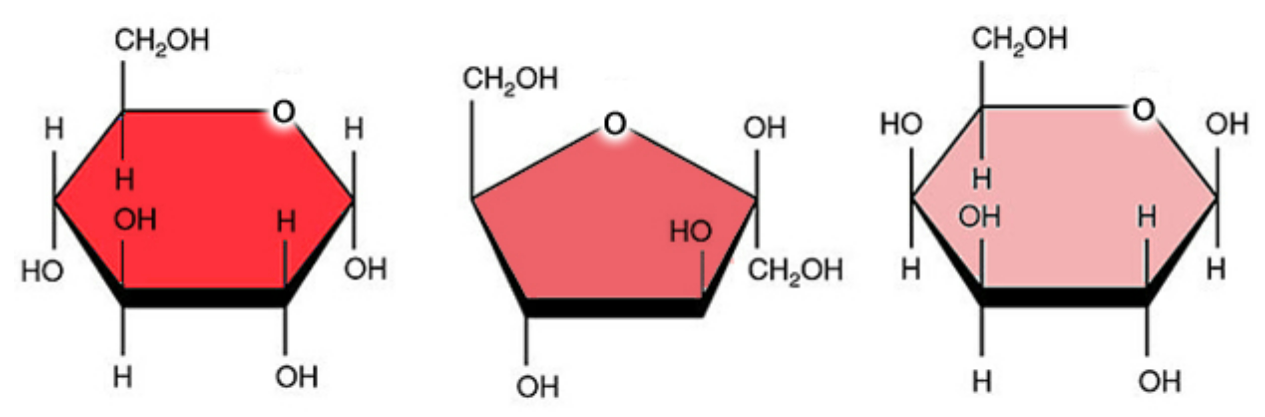
monosaccharides
single sugar molecule
glucose
fructose
galactose
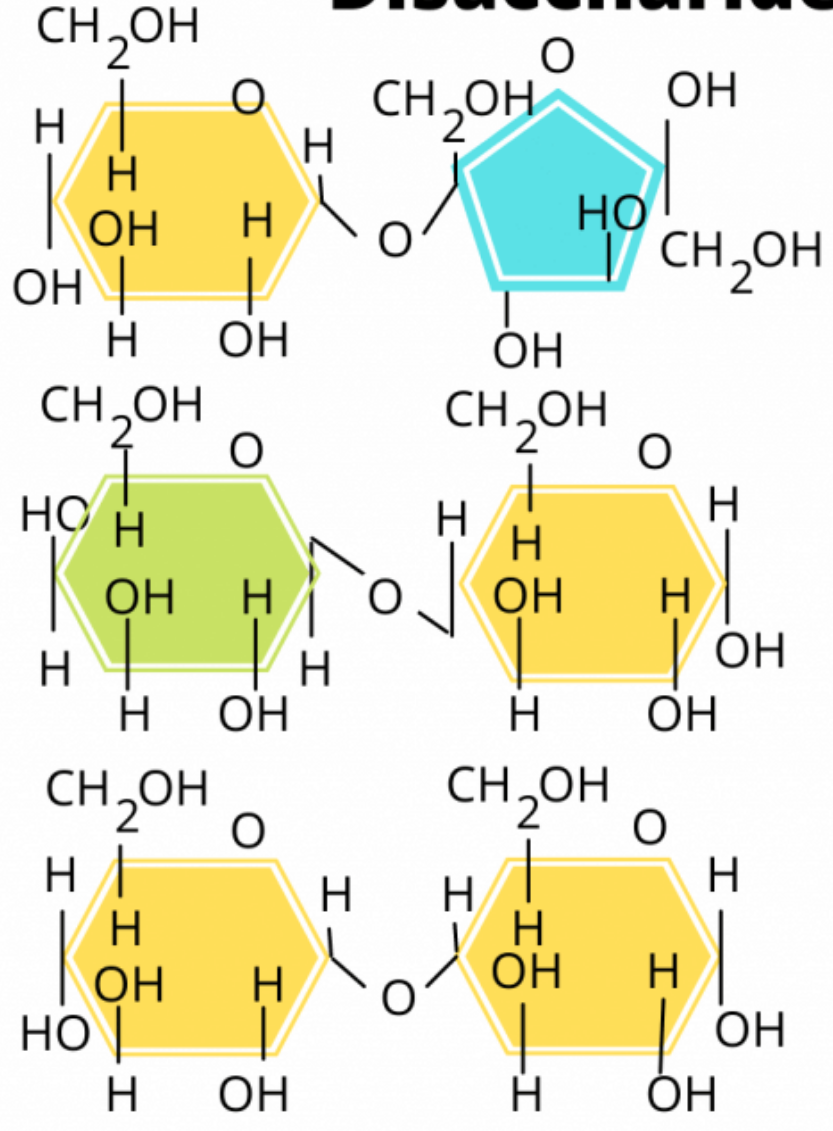
disaccharides
glucose + fructose =
glucose + galactose =
glucose + glucose =
two monosaccharides joined by a glycosidic linkage
sucrose
lactose
maltose
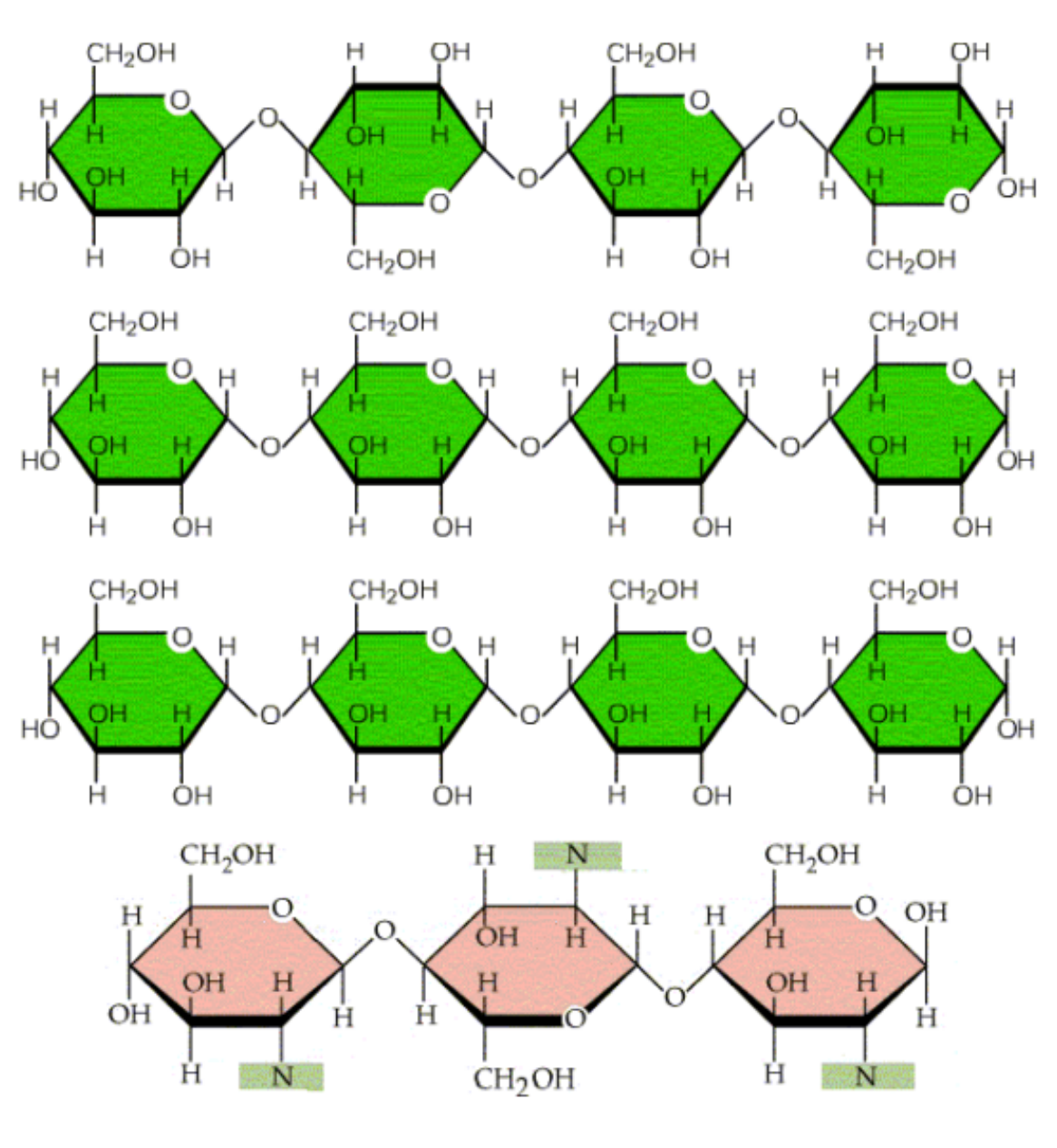
polysaccharides
series of connected monosaccharides that form long chains
starch
glycogen
cellulose
chitin
α-glucose polymers with branched structure
starch: stores energy in plants
glycogen: stores energy in animals
β-glucose polymers with no branching (linear polysaccharides)
cellulose: structural molecule in plant cell walls
chitin: structural molecule in fungi cells walls and arthropod exoskeletons
contains nitrogen atoms
humans cannot cleave _____ glycosidic linkages; some animals (ex: cows) can cleave these linkages because of bacteria in their gut
beta
lipids (monomer, polymer, linkage type, function)
functions: insulation, energy storage, cell structure, endocrine molecules, and membrane structure
monomer: hydrocarbon (not true monomers)
polymer: hydrocarbon chains (lipids are not true polymers)
linkage type: covalent carbon-carbon bonds
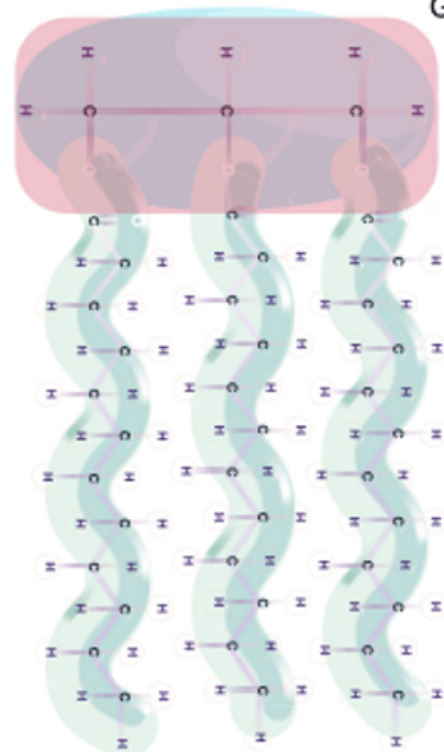
triglyceride
glycerol + 3 fatty acids
saturated (single bonds; straight chain)
unsaturated (double bonds, branched chain)
type of lipid
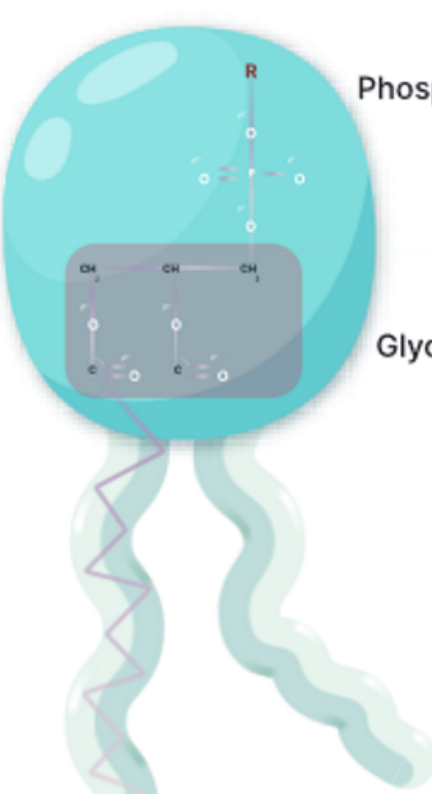
phospholipid
2 fatty acis + phosphate group attached to glycerol backbone
amphipathic → polar head, nonpolar tail
form phospholipid membrane bilayer
type of lipid
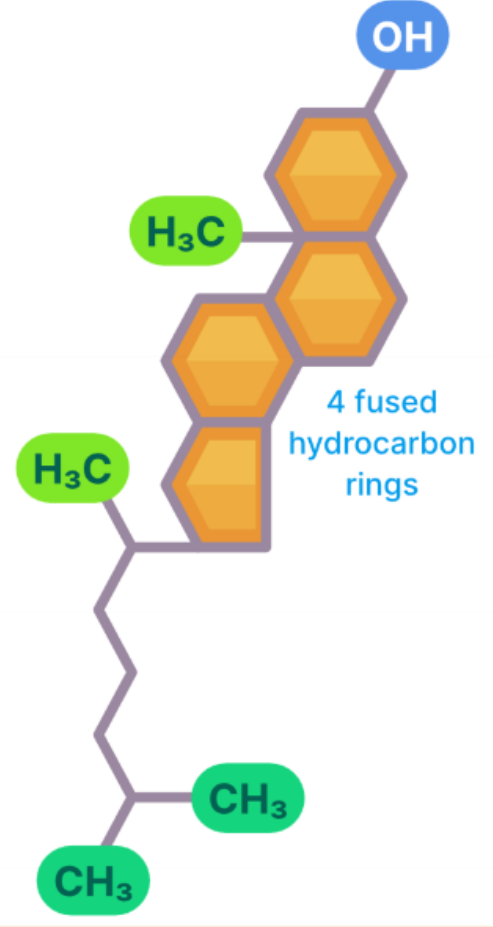
steroids
three 6-membered rings + one 5-membered ring
ex: hormones, cholesterol, vitamin D, and bile acids
type of lipid
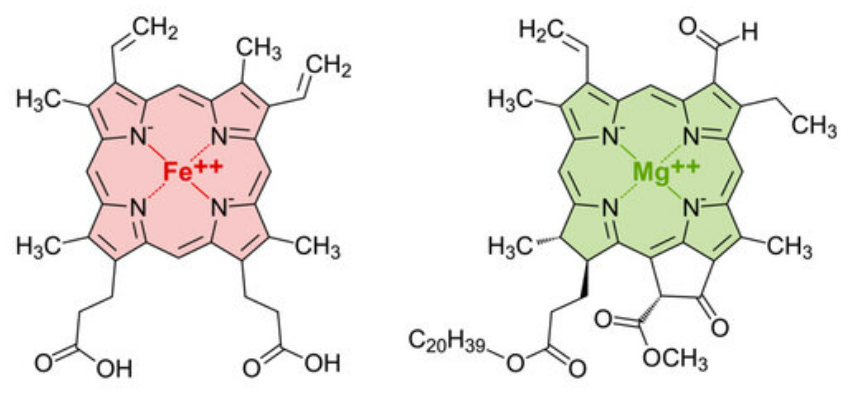
porphyrin
4 joined pyrrole rings with a metal center atom
ex: hemoglobin (central Fe transports oxygen), chlorophyll (central Mg absorbs light)
non-lipids, but commonly associated with lipid membranes
type of lipid
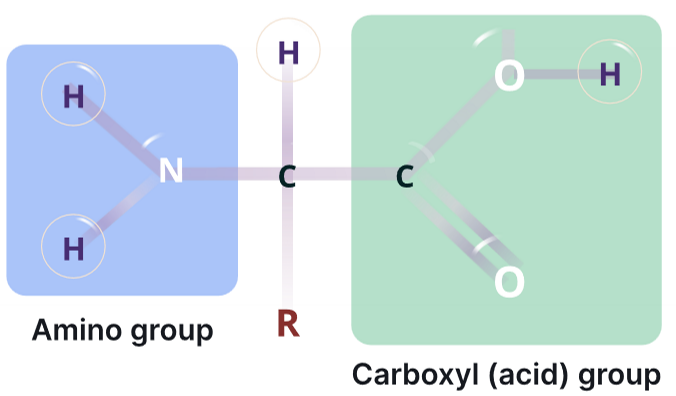
proteins (monomer, polymer, linkage type, function)
monomer: amino acid
polymer: peptide
linkage type: peptide bonds
function: structure, transport, defense, storage, enzymes
protein primary structure
linear sequence of AA’s connected by PEPTIDE bonds; determined by the sequence of translated mRNA codons
protein secondary structure
3D shape resulting from H bonding between amino and carboxyl groups of adjacent AA’s → alpha helix and beta sheet
protein tertiary structure
3D structure due to non-covalent interactions between amino acid R groups
interactions: H-bonds, ionic bonds, hydrophobic effect, disulfide bonds (covalent exception), and Van der Waals forces
protein quaternary structure
3D structure that arises from multiple subunits joining together
______ are the only macromolecules with disulfide bonds (and sulfur atoms in general)
proteins
nucleic acid (monomer, polymer, linkage type, function)
monomer: nucleotide
polymer: nucleic acid (DNA, RNA)
linkage tpype: phosphodiester bond
function: encode, express, and store genetic info
nucleotide
nitrogenous base + five carbon sugar + phosphate group
purines
nucleotides w/ double ring nitrogen bases
GA
pyrimidines
nucleotides w/ signle ring nitrogen bases
CUT
DNA linkages
nucleotides on the same strand are connected by PHOSPHODIESTER bonds in 5’→3’ and the two strands are connected by H-BONDS between the bases
CUT the PYE
cytosine, uracil, thymine are pyrimidines
all cells contain
plasma membrane, DNA, ribosomes
prokaryotes
no nucleus
single, circular, naked, double-stranded DNA
ribosomes (50S + 30S = 70S)
cell walls (peptidoglycan); archaea (polysaccharides) - many have sticky capsules on the cell wall
flagella are constructed from flagellin, not microtubules
nuclear envelope
double membrane (two phospholipid bilayers) with pores allowing molecules to enter and exit
nuclear lamina
protein network that maintains the shape of the nucleus
nucleolus
region inside the nucleus where ribosomal RNA (rRNA) is made
_______ and ______ are the two organelles capable of post-translational protein modification
rough ER, Golgi
Nucleus
Contains the cell’s DNA, and coordinates cell activities such as protein synthesis & reproduction
Nucleolus
Site of ribosome (rRNA) synthesis
Cytoplasm
The fluid-filled area in which the cell's metabolic activities occurs; also includes the organelles
Mitochondria
Double layered, makes ATP, site of fatty acid catabolism. Has own circular DNA and ribosomes
Ribosomes
made of rRNA; makes proteins
Rough Endoplasmic Reticulum
Has ribosomes attached to the structure. Functions to synthesize and store proteins.
Smooth Endoplasmic Reticulum
Functions to synthesize lipids and steroid hormones for export
sarcoplasmic reticulum
a specialized form of the SER found in muscle cells
serves as a reservoir for Ca2+ cations that are utilized in the process of muscle contraction
Golgi
Modifies and packages proteins (i.e., glycosylate polypeptides)
Golgi cisternae
flattened sacs in the Golgi apparatus that bud off from the Trans Golgi Network before being transported to the cell membrane, or other membrane-bound structures in the cell
Lysosomes
Made by Golgi and contain digestive enzymes with low pH. Functions in apoptosis and autophagy, and break down of nutrients, bacteria, & cell debris
Peroxisomes
Common in the liver & kidney that function to breakdown substances
uses hydrogen peroxide (H2O2) to oxidize substances
a byproduct that forms within peroxisomes when they oxidize substances. After it forms, the H2O2 is quickly broken down within the peroxisome by the enzyme catalase
Cytoskeleton
a network of tubules and filaments in the cytosol that functions in maintaining cell shape, faciltating movement of components within a cell, cell motility, an anchoring membrane proteins
Microtubules
Composed of tubulin.
forms spindle apparatus during cellular division
builds long distance transportation systems for kinesin and dynein
supports cell shape, movement and structure of cilia and flagella
microtubule organizing centers (MTOCs)
found in all eukaryotic cell types - mitosis/meiosis
bacteria divide via binary fission → doesn’t require microtubules
in animal cells, MTOC = centrosome
in plant cells, MTOC = spindle poly body
organized in 9 × 3 array = 9 groups of 3 microtubules arranged in a circular pattern
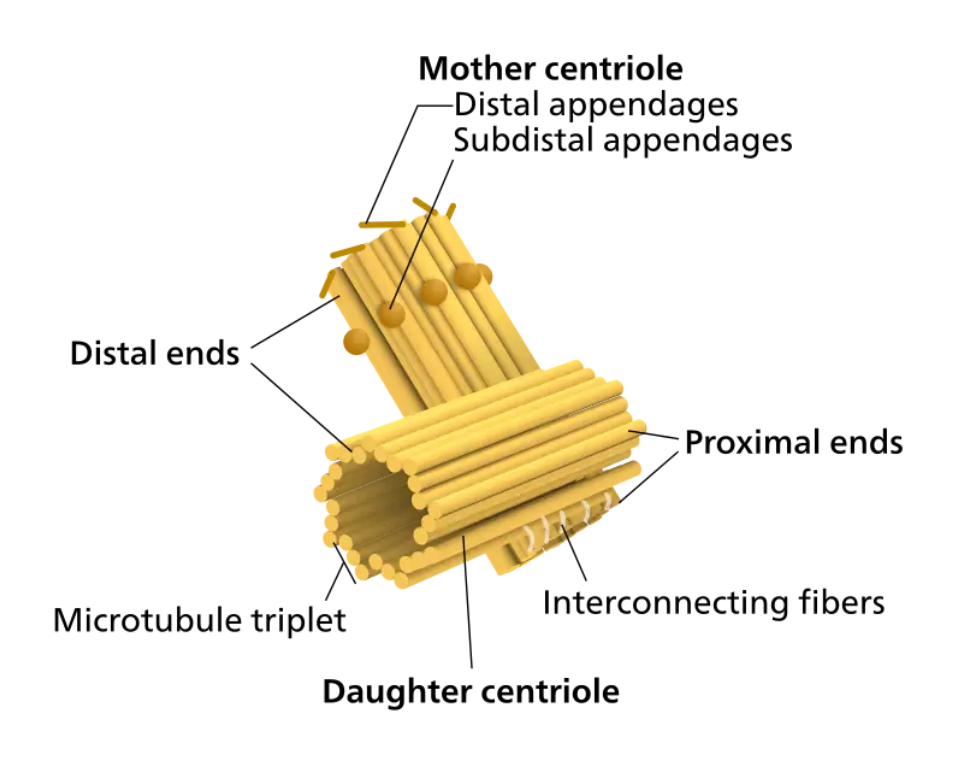
Centrioles
development of spindle ffibers for cell division
centrosome
two perpendicularly arranged centrioles
Cilia
short hair like extensions from cell for movement
Flagella
thread-like extension from cell for movement
Intermediate filaments
maintain cell shape
keratin is one of the most common proteins
desmosome and hemidesmosome cell junctions are attached to keratin intermediate filaments
Microfilaments
composed of actin. used for cell motility
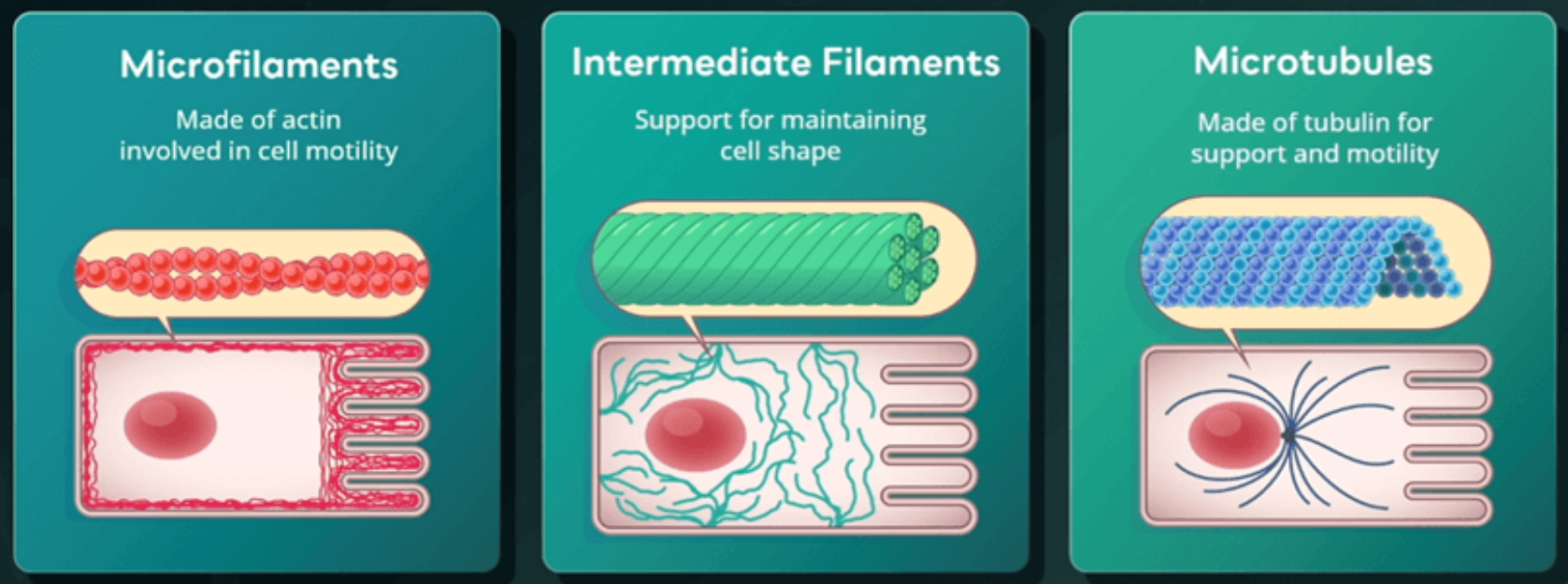
three components of cytoskeleton
microfilaments: made of actin involved in cell motility; smallest diameter
intermediate filaments: support for maintaining cell shape; composed of keratin
microtubules: made of tubulin for support and motility; largest diameter
Vacuoles
vesicles inside cell that move materials & are membrane bound
types: transport, food, central, contractile
contractile vacuole
large vesicle that collects and pumps excess water out of the cell to prevent it from bursting (lysis)
commonly found in protists that reside in hypotonic environments
water from envir. constantly rushing into cell
Extracellular matrix
function to provide mechanical support & helps bind adjacent cells (most abundant = collagen)
Found in plants: ________ and ________
cell walls: provide support
plastids: variety of organelles serving various metabolic activities such as chloroplasts for photosynthesis
3 main components of cytoskeleton, in order of increasing diameter
microfilaments, intermediate filaments, microtubules
anchoring junction
includes desmosomes; connects 2 cell togethers
tight junction
encircles each cell, producing a seal that prevents the passage of materials between cells; is characteristic of cells lining the digestive tract
gap junction
narrow tunnels between animals cells; allow passage of ions and small molecules
glycocalyx
a carbohydrate coat that covers the exterior of some bacterial and animal cells
functions in cell-to-cell recognition, adhesion, and it acts as a physical barrier to prevent pathogens from entering the cell
can also be found on the inside of blood vessels to provide a protective barrier and maintain vascular walls
Glycoproteins
proteins with carbohydrates attached
commonly used as cell surface markers because immune cells can check membrane glycoproteins to determine if a cell is foreign
main functions of glycoproteins include cell-to-cell recognition, signaling, and cellular adhesion
microfilaments are made of ______, intermediate filaments are made of _________, microtubules are made of _______
actin, keratin, tubulin
cyclosis
the streaming movement of the cytoplasm that is generated by the contraction and relaxation of actin and myosin filaments in the cytoskeleton
biothermodynamics
the transfer of energy between and within living organisms
Anabolic
Small molecules assemble to form a larger molecule
Catabolic
Large molecules are broken into smaller molecules
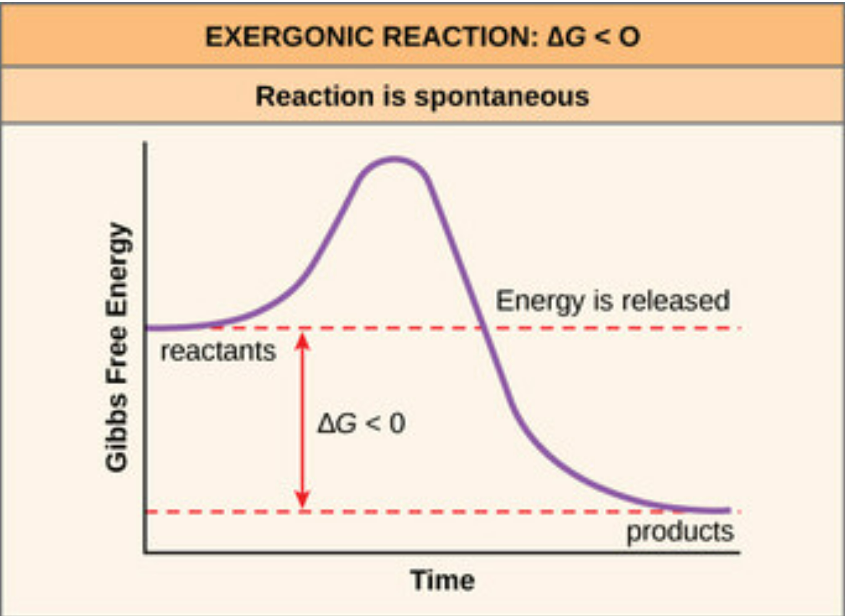
Exergonic
Free energy is released (spontaneous with −ΔG)
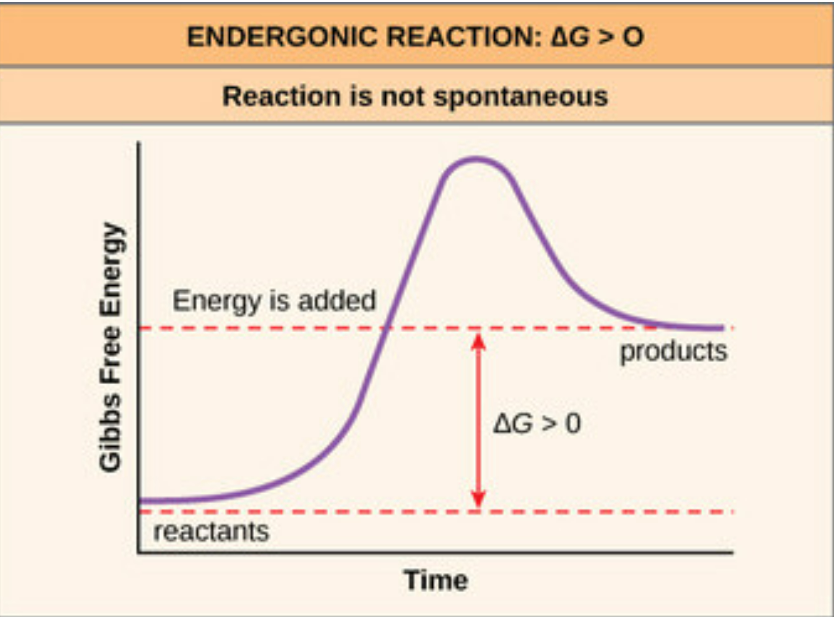
Endergonic
Free energy is absorbed (nonspontaneous with +ΔG)
Chemical reactions can be combined to drive otherwise ____________ reactions. For example, ATP hydrolysis is an _______ reaction that facilitates __________ reactions.
nonspontaneous, exergonic, endergonic
Kinetic Energy
the energy of anything in motion
(e.g. flagella whipping back and forth).