ASCI 223 Midterm 2
 Call Kai
 Learn
Learn Practice Test
 Spaced Repetition
 Match
Match Flashcards
 Knowt Play
1/63

There's no tags or description
Looks like no tags are added yet.
Name | Mastery | Learn | Test | Matching | Spaced | Call with Kai |
|---|
No analytics yet
Send a link to your students to track their progress
64 Terms
Goals of Cal Poly Sheep Production
Produce high quality, grass fed lamb to be sold at meat processing center and locals
Produce high quality breeding ewes and rams to be sold
Ewes and lambs fully sustained by pasture
Genetics that min need for control of parasites and produce hardy individuals that dont need extensive vet care
Herd efficiency is marinated via selective culling to ensure max productivity per ewe
4 Aspects of Sheep Selection Criteria
Reproductive Soundness: conceive, raise lamb & udder health
Lambing Percentage: # of lambs, good avg lamb % for herd
Mothering Ability: raise lambs without assistance, bond, lambs 35 lbs by 60 days of age
Miscellaneous: bad conformation, health, disposition, BCS
What age ewe can have singles, what ages should produce twins? How much should a lamb way by 60 days of age
Yearling ewes and older than 6 years can have singles,
2 and 5 yrs old should produce twins
Wearing weights of lambs should be at least 35 lbs by 60 days old
5 Goals of Cal Poly Goat Herd
Produce goats that can be effectively used to manage vegetation on campus, Diet preference for invasive weeds and brush, Maintain BCS without supplemental feed
Use breeds that create hardiness and minimize need for parasite control
Does that can raise kids without assistance
Produce does and kids that are desirable breeding stock for targeted grazing operations
Produce meat goats that can be sold to the Meat Processing Center or local community
4 Goat Selection Criteria, avg kidding %, wt of kids at 60 days
Reproductive Soundness: conceive, raise kid & udder health
Kidding Percentage: # of kids, good avg kid % for herd 1.8 kids/doe
Mothering Ability: raise kids without assistance, bond, kids 20 lbs by 60 days of age
Miscellaneous: bad conformation, health, disposition, BCS
5 Stages of Breeding
Culling
Prebreeding (BCS/flushing, bloodwork/supllemtation, sires/groups, timing)
Breeding (Cross, AI)
Early Gestation (feed/minerals, sign of estrus)
Late Gestation
Prebreeding Aspects
BCS, Flushing, Blood Work, Time breeding date and breeding groups
Flushing
Provide high energy/protein feed for weeks to put weight on and increase breeding success
Blood Work, what is a Balling gun
Solid low in mineral, In SLO high in Molybdenum bind to copper avaiblity, soils low in Selenium, blood work to determine need and supplementation,
Balling gun used to dispense bonus into back of mouth
3 Type of Breeding
Purebred - specilized breeds
Interbreeding: Close (sibling, daughter, uniformity & maintains)
Line Breeding (half siblings, grandsire to grandkid)
Crossbreeding: 2 or more different breeds use to complementary breeds: Hybrid Vigor - crossbred out produce average of parents
When do they breed, kid/lamb, at what 2 age do they get bred/partition, breeding maturity
Naturally breed in Fall (increasing daylight): late Aug-Nov
Bred at 8/9 months old, have kids in Fed-April, increases lifetime production by 15-20%
Long yearlings (18months): lamb/kid as 2 yrs old in Feb-April
Breeding maturity: Females, 6 months
Males: 3 months typically 5 months based on breed, genetics and nutrition
Commerical Breeding Plan: goals, __ kids in _ months
- to optimize production, create constant supply for meat production
- offers profit from off season markets when supply low
3 kiddings in 24 months
- due to repro demands, first breeding is at 12 – 14 mos of age
- very intensive regime and BCS is critical to maintain to ensure rapid rebreeding
Signs of Estrus
Tail Wagging (goats)
• Tongue action with others
• “Standing Heat”
• Verbal Interaction
• Discharge
• Mountin
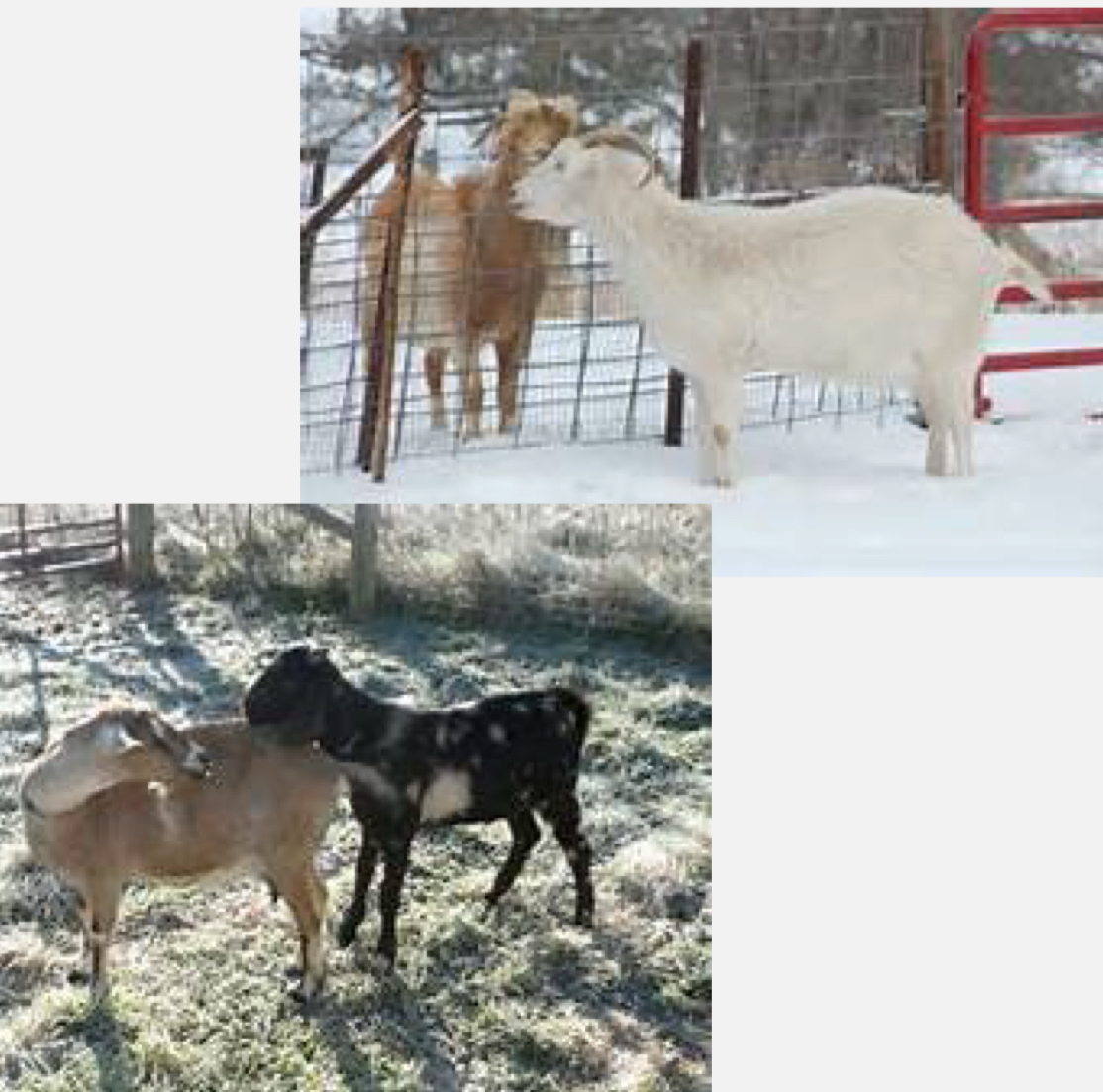
Ram Effect
stimulatory effect of putting ram/buck in with
ewes/does
• Causes influx of estrus cycling
• Response from pheromones released by males
• Most females will cycle within 2 week
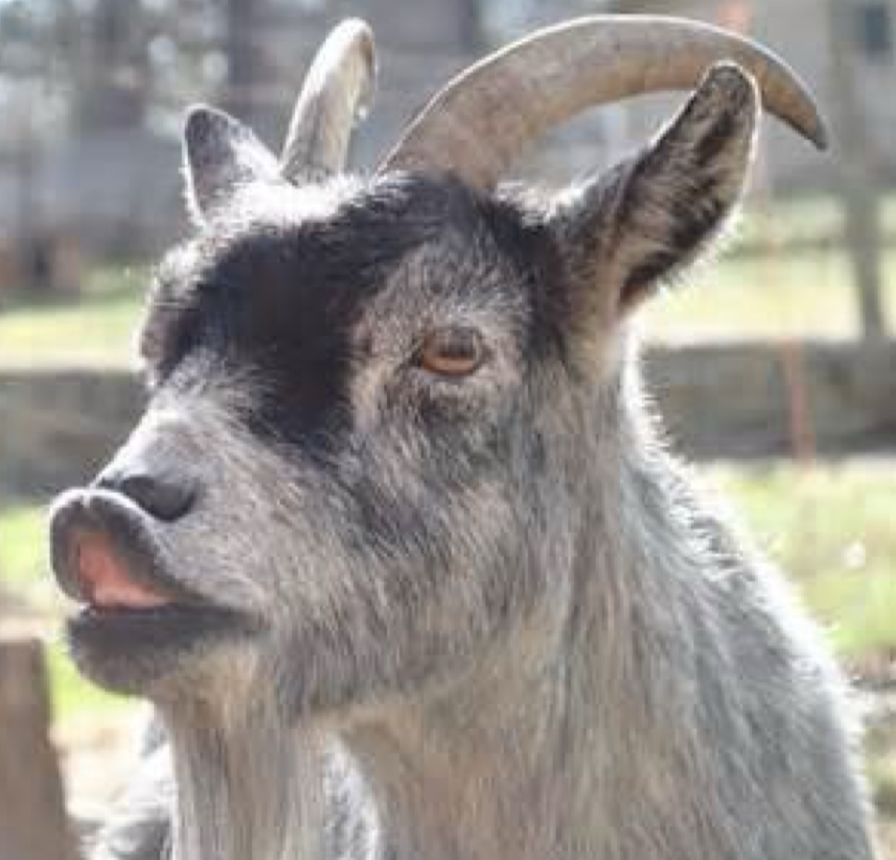
Flehmens Response
To transfer air with pheromones to the vomeronasal organ (a chemosensory
organ) located between roof of mouth & palate
• Chemical “cues
Sheep Estrus Cycle: length, standing heat, breeding opportunity
Length of Estrus = time b/w standing heat = 17 days
*Estrus or standing heat last 24 to 36 hrs w/ ovulation at the last half
• So w/i 35 days of being with a ram, ewe will have opportunity to cycle
and be bred two times
- 60 days allows for 3 opportunitieS
Goat Estrus Cycle: length, lasts, 45 days =6.429 weeks _ cycles
Does cycle into heat on avg: 21 days or 18 to 22 days
* from one standing heat to the next
• Lasts 24 – 48 hours (ovulation at the end)
• “Standing heat” indicates a “cresting” level of heat when she is
most receptive
- otherwise she will walk away (but still play the game)
• Within 45 days of exposure, the buck will cover 2 heat cycle
Conception Rate live cover, AI, avg kid/lamb %, number of bucks/ram per ewe/doe, gestation of goats and sheep
Conception Rate: 95% with live cover
AI conception rate 40-75% success
Avg 1.5 kids/doe, Avg 1.25 lambs/ewe
1 bucks: 50 does
1 Ram: 40 ewes for range or handmating 1 ram to 125 ewes
Gestation: Goats: 148-152 days or sheep: 144-151 days
Inducing Estrus
Easy breed CIDR implant: contains progesterone, when removed levels drop resulting in egg development
Placed on vagina for 5 days and removed, estrus occiurs in 1-3 days
Synchronized females into breeding groups
Allowed producers to strategize dates to attain peak market prices
Hand Mating
Select 1 male and 1 female to bred, segrated,
Pros: sure of genetic composites and timing precise
Cons: time sensitive, selection of different males
Used by registered seestock producers
AI: Intrauterine via laparoscope
Sperm surgically deposited into uterus, NZ and AUS use, fertility of 50% or more
AI: Transcervical Insemintaion
Pipette with bent tip placed in cervix, 40-82% success, requires more sperm than laparoscopic due to travel in fallopian tubes
In sheep: pipette must be threaded through ring of cervix, flap of skin at entrance is barrier and cervix of sheep is super long 12cm w/ 6-7 rings
AI: Vaginal
Seem deported into vagina shot in dark, low fertility, not recommended with frozen seem
Pros and Cons of AI
Pros: genetic gains w/ superior sires, males breed hundred/season, use of incapacitated males, refinement of offspring sex in future, used during out of season
Cons: disease transmission, frozen semen low success, precise timing, cost of semen, storage, transport, skilled tech, new developments allow ability of intrauterine insemination
Early Gestation (First 100 days): supplemental on dry vs irrigated grass
Provide good food and suplemntaion, observe for estrus cycling signs indicating lack of successful breeding, early gestation miscarriage (blood on tail, can be caused by bacteria)
Dry grass: protein and block supplemental
Irrigated grass: dry mineral supplements
Late Gestation Last 50 days
80% of fetal growth, lost of supplemental to maintain health, quality feed maintain BCS, milking ability and fetal development
High energy and high protein feeds for fetal mass, lactation required protein for milk development, energy for fetal growth and maintain BCS
Last Trimester: Things to consider, vaccines
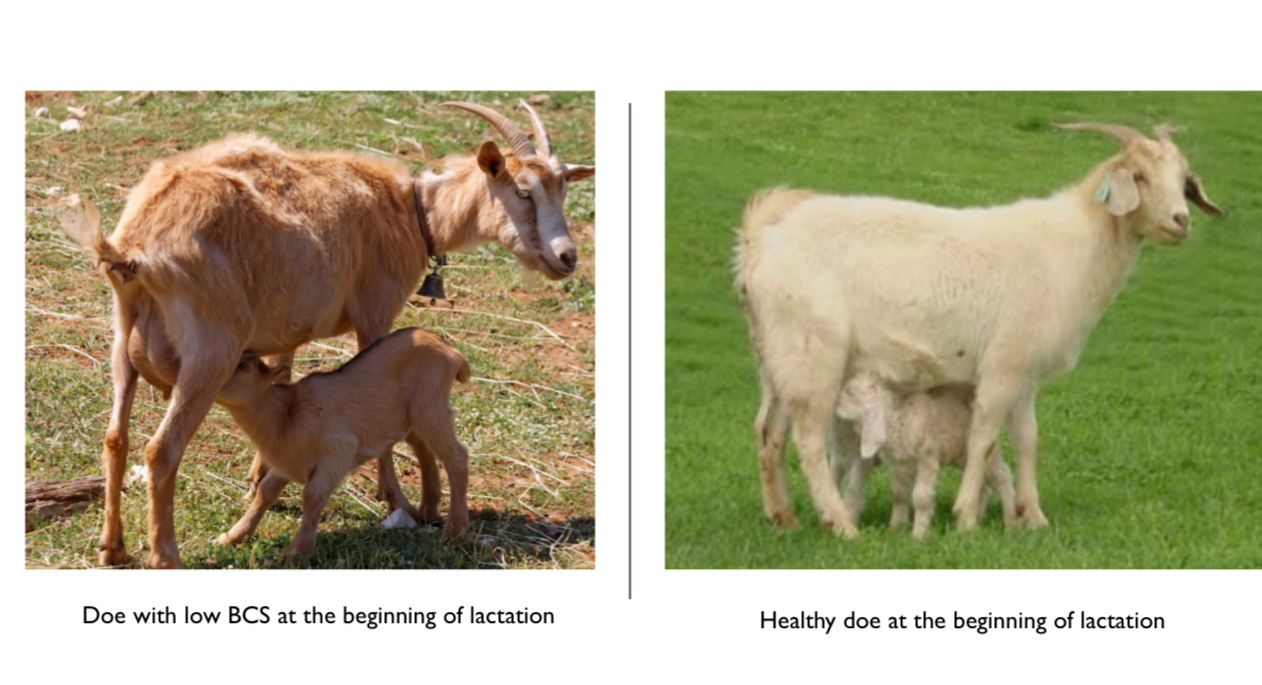
BCS ideal 3.5-4, supplemental feed, vaccines, parasites, signs of trouble (ketosis, miscarriages, udder development
Vaccines: colstridium perfringens, Leptospirosis, Caseous Lymphadenitis, Contagious Ecthyma
Parasite Control: worms, lice, coccidosis, treat dam ahead of time so offspring is not burden early life
Preparation for Partuition
Prep facility, prepare kit: betadine scrub, iodine dip, lube, gloves nutri-drench, vit B
Preg check to sort singles from multiples or early vs late
Preg check 45-90 days, at 110 days can determine how many fetus in mom
Kidding and Lambing: % death loss
Can concur in few days or moths, extra labor is needed to support needs of dams and offspring, need daily observation of dams
2-5% death loss is normal
Stages of Partunition: 1: Cervix Dilation
12-24 hours cervix dilates to prepare for lambing or kidding, slight contractions, ewe may isolate herself from herd, tail up and end with plug
Stage of Partunition 2: Water Bug
Weight to pull embryonic sac away from uterus walls, needs time to hand and extend downward until it ruptures
Stages of Parturition 3: Presentation, normal birth contraction time and orientation
What is shoudl normally come out first: should be two front hooves and the muzzle or back legs first, shoukd be stretching of vulva and contraction for 30 minutes.
Lactation: how long? Most milk consumed when? What determine time of weaning?
Min of 6-8 wks but up to 6 months, 60 days for club, lambs and kids consumes most milk during first 30 days, then rumen capacity builds, BCS of dam determines time for weaning, look for mastitis if offspring weak or udder/teat health
Castration & Tail Docking: age range? Show? Production?
7 days to 6 months of age, In show they band right at top of tail, in production the recommend 3 palpable joints for hygiene
Post Weaning: time? Feed?
7-10 days, dams need to stop lactating so low quality feed, to reduce milk production (dry up), prone to matistis once weaned
Maintenance: length?
A time with no production demand, 4 months off, low nutritional demands, gain BCS, For dams its after post-weaning, offspring’s its growth and before breeding, (dry yearling),
After Post weaning what happens to offspring?
They go into growth phase (1/3-1 lb/day), the finisher phase or maintenance
Growth Phase: growth/day, feed
1/3-1 lb/day, 16-18% high protein feed
Finisher Phase: length? Feed?
45-60 days before they reach full market weight. Changes in diet with increased energy and reduced protein to create fat finish, feed high energy, lower protein, 11-12%
Preventative Measures
Nutrition
Breeding Selection
Facilities
Bio-security
Vaccinations
Sterilization
6 Bio security Measures
Points of control (traffic coming in to farm, people, vehicles, livestock)
Quarantine of new stock
Feed and Water Sanitation
Vaccination protocol
Herd Health Monitorning
Pen clean out and disinfecting
Congenital Abnormalities
Cleft palate, top of mouth missing
Parrot mouth (overbite)
Wry neck
Hernias
Spider syndrome
Trauma from birthing
Entropion - inverted eyelids, genetic
Colostrum: must have when?
Newborns must have colostrum within first 12 hours
What do we vaccinate for at cal poly?
Clostridium Perfringens Type C and D
Clostridium Perfringens Type C: what is it? Affects? Symptoms? Treatment? Vaccine when?
Aka enterotoxemis, anser pic soil organism produce spores which produce toxins, infect lambs first few weeks
Cause: bloody infection of small intestines, rapid death (12-13 hrs), reaction trigged by indigestion of milk or feed
Treatment: antibiotics, onset too fast
Vaccinate mothers 2 weeks before lambing and lambs at 4-6 wks
Tetanus: what is it? Causes? Symptoms occur when? Vaccine when?
Aka lock jaw or clostridium tetani,
Spores germinate in dying/damaged tissue (castration band site, puncture wounds), produce toxins absorbed by nerves, cause muscle spams, Symptoms occur 14 days after
Vaccinated mom before birth and offspring get booster 3-4 wks later
Sore Mouth - Ovine Ecthyma
Live virus vaccine available, zoonotic, shed and lasts a while
Coccidiosis: what is it? Spread via? Symptom at what age? Treatments?
Protozoan Eimeria, spread through manure from mother, Diarrhea is main sign at 4-8 wks, develop immunity over time by 6 weeks, treatments include sulfa drugs, amprolium to reduce build up
Scours: What is it? Caused by? Symptoms? Treatment?
Caused by bacteria ( E. coli, salmonella, clostridium, parasites, viruses
Major problem is dehydration, causes death, also temp
Treatment: electrolytes, rehydrate, sub Q injections
Clostridium Perfringens Type D: What is it? Effects? Symptoms? Vaccinated who/when?
aka enterotoxemia, pulpy kidney
Common with higher concentrate diets and rapid chnage,
Ex; lambs in feedlots, nursing ewes in alfalfa or nursing from heavy milk ears
Naturally occurring but harmful with rapid reproduction, bacteria multiples, produces toxins causes reaction
Symptoms: sudden death, admonish pain, teeth grinding, conclusion
Treatment: vaccinations mother 2 weeks before birth and offspring get booster 4-6 weeks later and then annually
Abported vs Stillborn Fetus
Abortion: premature birth of dead fetus
Still born: full term birth of dead fetus, fetus often decomposing
Causes: hard to pinpoint campylobacter fetus and jejuni, chlamydia about U.S., toxoplasma gondii, listeria monocytogenes, lepto, Salmonella
Pregnancy Toxemia: what is it? Symptoms, Who’s is susceptible?
Aka: ketosis, twin lamb disease
Cause low blood sugar caused by under nourished feed or stress to ewes
Symptoms: neural dysfunction and fetus harm
During last trimester, ewe require 50% more feed with singles and 75% more with twins
Mastitis: what is it? Transmission? Symptoms: Treatment?
What: variety of bacteria that attacks mammary gland
Spread via ground, kids, infected milk on bedding, etc
Symptoms: swelling, red udder, hard, temp, milk has clots
Treatment: 2 intro mammary, today fro lactating, tomorrow fro dry females, flush udder by milking and antibodies
Caseous Lymphadenitis: what is it? Transmission? Symptoms? Treatment?
What: Corynebacterium pseudotuberculosis enters body and travels to lymph nodes where it grows and produce cysts, travels to lungs, effect all ages, sheep and goat
Spread via wounds from contagious excrement
Symptoms: permanent damage, cyst where lymph nodes are, rapid and labored breathing
Treatment: lance abscesses and qunartanine, cull, commerical vaccine
Food and Mouth: What is it? Transmission? Symptoms? Treatments
What: virus with 7 different strains
Transmission: through fluid and coverings of blisters, blood, meat, milk, saliva, urine, effects all cloven-footed animals
Symptoms: blisters on tongue, lips, checks, coronary band of hoof
Treatment: euthanasia, qunartanie, no vaccine
History of Foot and Mouth: US outbreaks & eradication, Taiwan outbreak effected what species when?
US: 9 outbreaks in deer but eradicated in 1929
Taiwan - 1997, 3.8 M swine untreated garbage fed to swine
USDA most be notified immediacy
Scrapie: What is it? Transmission? Symtpms? Treatment? Effects?
AN unconventional agent, withstand heat, radiation, formalin, effects CNS
Transmission: from parent to offspring
Symptoms: intense itching, uncoordinated gait, trembling, thirst, weak, paralyzed and die within weeks/months
Treatment: no cure or prevnation, in U.S. Suffolk most affected, not seen in animals younger than 18 moths
Water Consumption:
1) Adult sheep/goat drink _ gallons fro each - pounds of dry matter
2) What about ewes/does in late gestation
1) 1 gallons for each 4 pounds DM
2) double for ewes/does in late gestation
3) Increase protein and salt intake requires more water
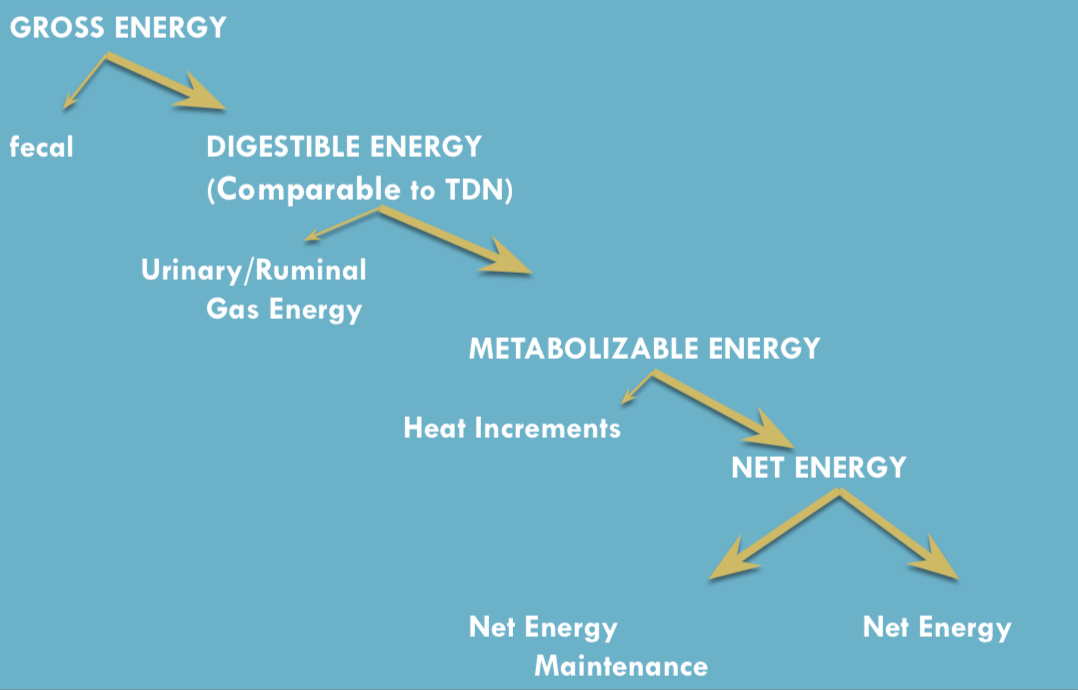
Energy: Defincieny Caused by and Causes? Who is vulnerable? Major Source, makes up % of DM in plants Fat is how much more energy
Most common limiting nutrient from drought, snow, low DM of green pasture, bad feed
Ewes and does in late gestation or lactation are vulnerable
Deficiency Causes: Slow growth, weight loss, reproductive failure, decreased milk, low resistance to disease, short lactation, reduce quality/quantity of wool, higher lamb and kid mortality
Major Source is carbohydrates, 65-75% of DM of plants, grain more dense in starch
Fat create 2.25 times more energy per pound than carbs
Ewe/ Lamb Requirements High to Low, TDN? Growing ration?
Carbohydrates:
Ewe Demand High to Low: Lactating, late gestation, flush/breeding, early gestation, maintenance, post weaning
Lamb Demand: Finishing (7-10ml this), Early weaned (rapid growth), early weaned lamb (mod growth)
TDN: total digestible nutrient
Proetin:
Ewe Demand %: early weaned lamb, lactating, finishing lamb, late gestation, maintence
Goat Demand %CP: early weaned kid, lactating, late gestation, finishing goat/miantence
Feeds high in energy and protein, utilization of energy, growing ration of proetin?
Enegry: whole cottonseed, shelled corn, soybean, oats, wheat, barley
Protein (35-50%): soybean, cotton seed, sunflower, peanut
Growing ration of protein 16%
Protein: makes up, requirements high for?
Make up structural and protective tissue: bones, ligaments, hoofs, skin, influx
Needs to be constantly supplied for under weight kids, fertility, low kid vigor, not stored in body and constant influx, quantity more important than quality,
Fat vs Water Soluble Vitamins
Fat soluble: KEAD
Water soluble: B
Water Soluble Vitamin: KEAD function & Source
K: blood clotting, source: green feed and rumen
E: source: high quality legumes, defiant: white muscle disease (pneumian, starvation, heart failure)
A: beta-carotene in plants converted to vitamin A in rumen, deficiency: slow growth, retained placenta, bone malformation, reproductive failure, night blindness, deformed lambs
D: source: sun cured hay, deficiency: congenital malformation, rickets, osteomalacia