Wildflowers I've Seen

0.0(0)
Studied by 0 people
call kaiCall Kai
learnLearn
examPractice Test
spaced repetitionSpaced Repetition
heart puzzleMatch
flashcardsFlashcards
GameKnowt Play
Card Sorting

1/45

encourage image

There's no tags or description

Looks like no tags are added yet.

Last updated 7:01 PM on 4/24/26
Name
Mastery
Learn
Test
Matching
Spaced
Call with Kai

No analytics yet

Send a link to your students to track their progress

46 Terms

1
New cards

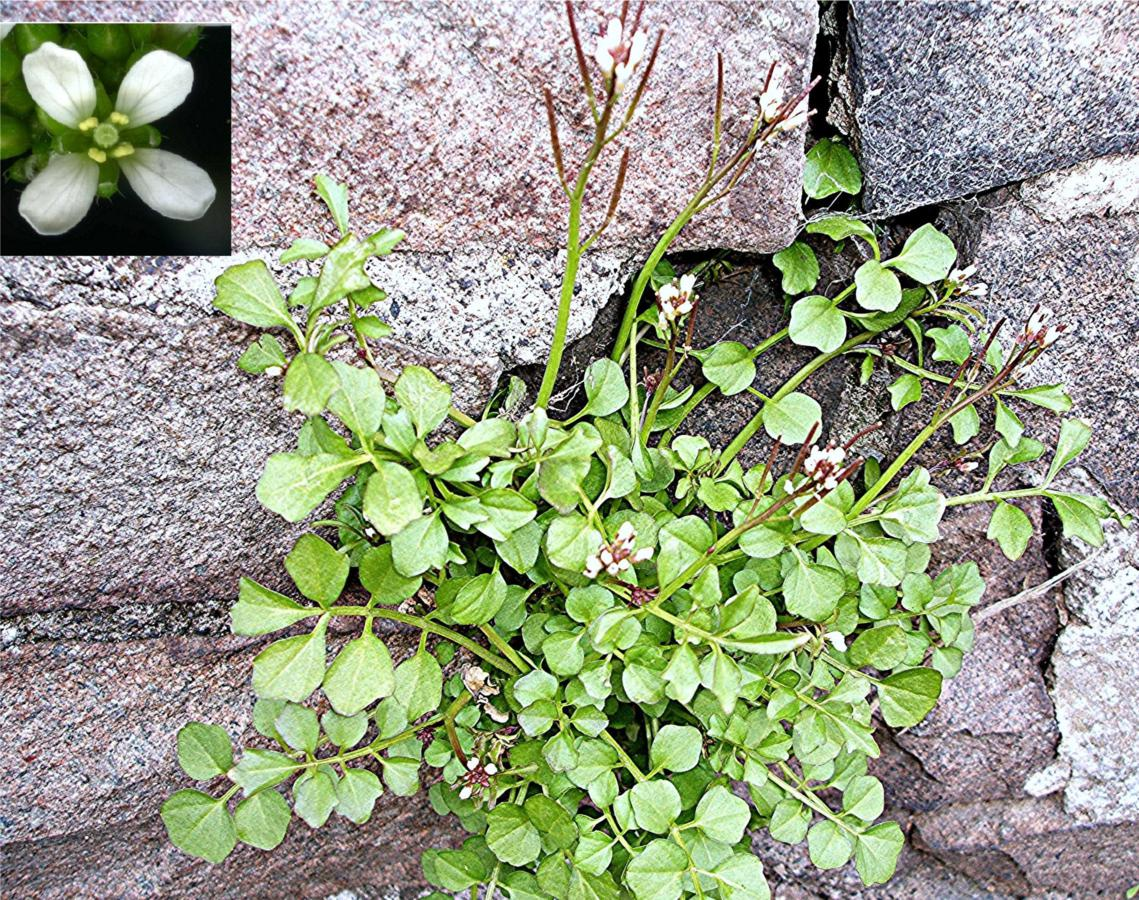
Hairy Bittercress

(Cardamine hirsuta) – Small rosette, tiny white flowers, explosive pods; lawns/disturbed soils. Autotroph.
Uses: Edible (peppery greens like cress).
<p><strong>(<em>Cardamine hirsuta</em>)</strong> – Small rosette, tiny white flowers, explosive pods; lawns/disturbed soils. <strong>Autotroph.</strong><br><strong>Uses:</strong> Edible (peppery greens like cress).</p>
2
New cards

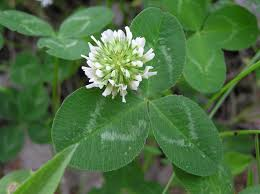
White Clover

(Trifolium repens) – Low creeping, white flower heads; lawns/fields. Autotroph + nitrogen-fixer.
Uses: Forage, soil improvement, edible flowers/leaves (tea).
<p><strong>(<em>Trifolium repens</em>)</strong> – Low creeping, white flower heads; lawns/fields. <strong>Autotroph + nitrogen-fixer.</strong><br><strong>Uses:</strong> Forage, soil improvement, edible flowers/leaves (tea).</p>
3
New cards

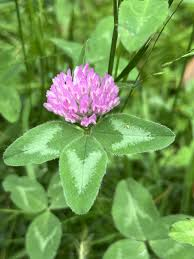
Red Clover

(Trifolium pratense) – Upright, pink-purple flowers; meadows. Autotroph + nitrogen-fixer.
Uses: Forage, medicinal tea (traditionally for respiratory/skin support).
<p><strong>(<em>Trifolium pratense</em>)</strong> – Upright, pink-purple flowers; meadows. <strong>Autotroph + nitrogen-fixer.</strong><br><strong>Uses:</strong> Forage, medicinal tea (traditionally for respiratory/skin support).</p>
4
New cards

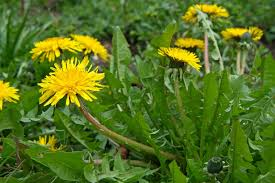
Common Dandelion

(Taraxacum officinale) – Yellow flowers, milky sap; ubiquitous. Autotroph.
Uses: Edible (leaves, roots, flowers), coffee substitute, liver tonic.
<p><strong>(<em>Taraxacum officinale</em>)</strong> – Yellow flowers, milky sap; ubiquitous. <strong>Autotroph.</strong><br><strong>Uses:</strong> Edible (leaves, roots, flowers), coffee substitute, liver tonic.</p>
5
New cards

Wild Carrot/Queen Anne’s Lace

(Daucus carota) – Lacy leaves, white umbels; fields. Autotroph.
Uses: Edible root (young); caution—resembles poison hemlock.
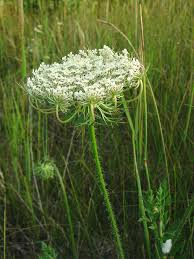
<p><strong>(<em>Daucus carota</em>)</strong> – Lacy leaves, white umbels; fields. <strong>Autotroph.</strong><br><strong>Uses:</strong> Edible root (young); caution—resembles poison hemlock.</p>
6
New cards

Spring Beauty

(Claytonia virginica) – Pink-striped flowers; spring woods. Autotroph.
Uses: Edible tubers (“fairy spuds”).
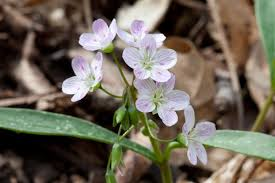
<p><strong>(<em>Claytonia virginica</em>)</strong> – Pink-striped flowers; spring woods. <strong>Autotroph.</strong><br><strong>Uses:</strong> Edible tubers (“fairy spuds”).</p>
7
New cards

*Daffodil NIB POISONOUS

(Narcissus spp.) – Bulb plant; ornamental. Autotroph.
Uses: Ornamental only; toxic.
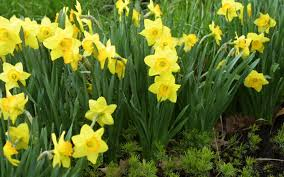
<p><strong>(<em>Narcissus spp.</em>)</strong> – Bulb plant; ornamental. <strong>Autotroph.</strong><br><strong>Uses:</strong> Ornamental only; toxic.</p>
8
New cards

*Lesser Celandine

(Ficaria verna) – Shiny leaves, invasive in moist woods. Autotroph.
Uses: Historically medicinal; toxic raw.
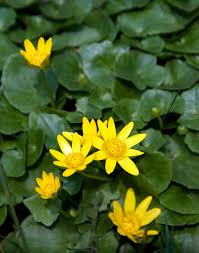
<p><strong>(<em>Ficaria verna</em>)</strong> – Shiny leaves, invasive in moist woods. <strong>Autotroph.</strong><br><strong>Uses:</strong> Historically medicinal; <strong>toxic raw</strong>.</p>
9
New cards

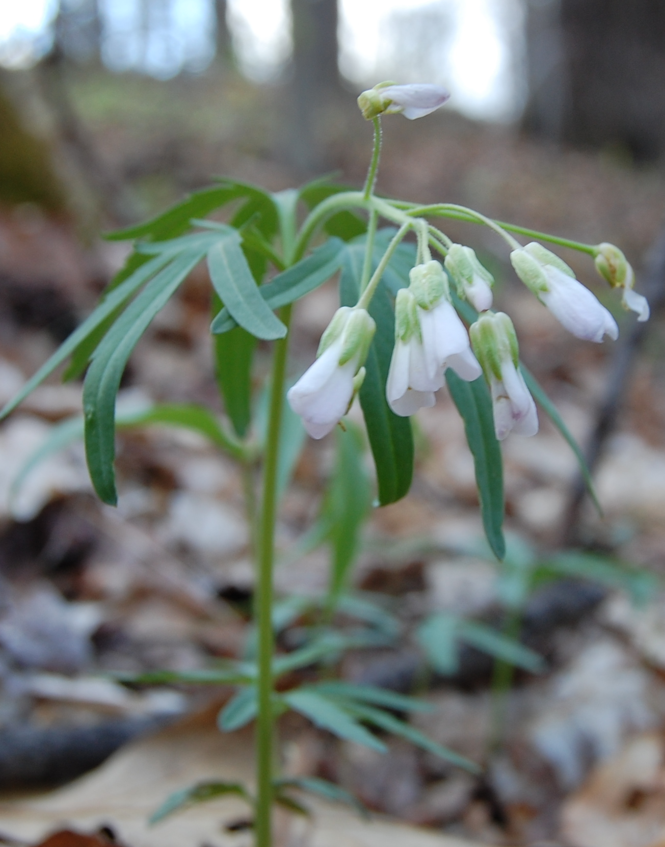
Cutleaf Toothwort

(Cardamine concatenata) – Spring mustard with deeply cut leaves and white-pink flowers. Rich woods. Autotroph; spring ephemeral.
Uses: Peppery edible greens/rhizomes.
<p><strong>(<em>Cardamine concatenata</em>)</strong> – Spring mustard with deeply cut leaves and white-pink flowers. Rich woods. <strong>Autotroph; spring ephemeral.</strong><br><strong>Uses:</strong> Peppery edible greens/rhizomes.</p>
10
New cards

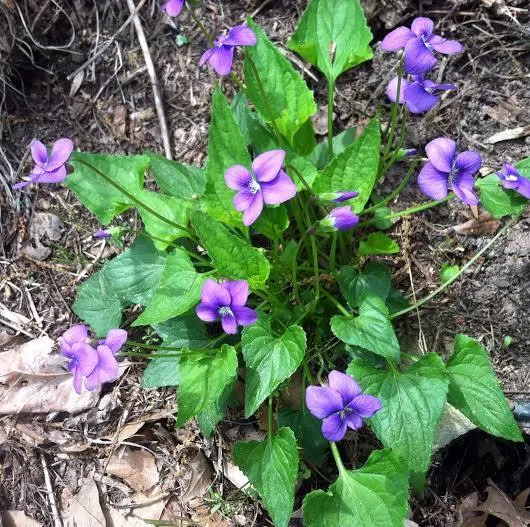
Common Blue Violet

(Viola sororia / V. papilionacea) – Heart-shaped leaves, blue-violet flowers. Lawns/woods edges. Autotroph.
Uses: Edible flowers/leaves; ornamental; host plant for fritillary butterflies.
<p><strong>(<em>Viola sororia</em> / <em>V. papilionacea</em>)</strong> – Heart-shaped leaves, blue-violet flowers. Lawns/woods edges. <strong>Autotroph.</strong><br><strong>Uses:</strong> Edible flowers/leaves; ornamental; host plant for fritillary butterflies.</p>
11
New cards

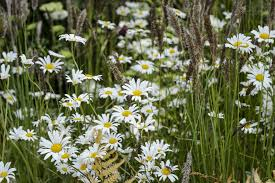
Oxeye Daisy

(Leucanthemum vulgare) – White daisy with yellow center. Fields. Autotroph.
Uses: Ornamental; minor edible use.
<p><strong>(<em>Leucanthemum vulgare</em>)</strong> – White daisy with yellow center. Fields. <strong>Autotroph.</strong><br><strong>Uses:</strong> Ornamental; minor edible use.</p>
12
New cards

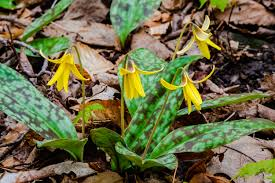
Yellow Trout Lily

(Erythronium americanum) – Spring ephemeral with mottled, trout-like leaves and nodding yellow lily flowers with recurved petals. Found in rich deciduous forests, often forming large colonies. Autotroph; spring ephemeral with underground corm; commonly mycorrhizal.
Uses: Limited—leaves and corms historically eaten in small amounts, but overharvesting is a concern; primarily valued as a native woodland wildflower and early pollinator resource.
<p><strong>(<em>Erythronium americanum</em>)</strong> – Spring ephemeral with mottled, trout-like leaves and nodding yellow lily flowers with recurved petals. Found in rich deciduous forests, often forming large colonies. <strong>Autotroph; spring ephemeral with underground corm; commonly mycorrhizal.</strong><br><strong>Uses:</strong> Limited—leaves and corms historically eaten in small amounts, but overharvesting is a concern; primarily valued as a native woodland wildflower and early pollinator resource.</p>
13
New cards

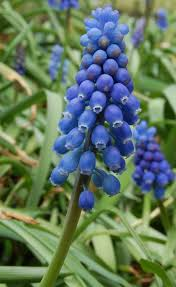
Grape Hyacinth

(Muscari spp.) – Small bulb plant with dense blue flower spikes. Gardens. Autotroph; bulb storage.
Uses: Ornamental.
<p><strong>(<em>Muscari spp.</em>)</strong> – Small bulb plant with dense blue flower spikes. Gardens. <strong>Autotroph; bulb storage.</strong><br><strong>Uses:</strong> Ornamental.</p>
14
New cards

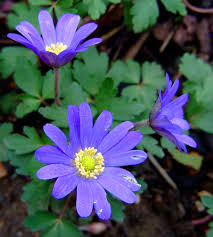
Greek Anemone

(Anemone blanda) – Low spring flower with daisy-like blooms. Gardens. Autotroph; tuberous.
Uses: Ornamental.
<p><strong>(<em>Anemone blanda</em>)</strong> – Low spring flower with daisy-like blooms. Gardens. <strong>Autotroph; tuberous.</strong><br><strong>Uses:</strong> Ornamental.</p>
15
New cards

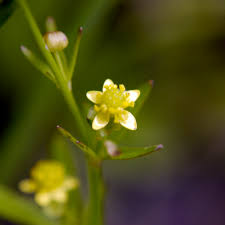
Small-Flowered Buttercup

(Ranunculus abortivus) – Tiny pale yellow flowers; moist woods. Autotroph.
Uses: Generally not edible (toxic compounds).
<p><strong>(<em>Ranunculus abortivus</em>)</strong> – Tiny pale yellow flowers; moist woods. <strong>Autotroph.</strong><br><strong>Uses:</strong> Generally not edible (toxic compounds).</p>
16
New cards

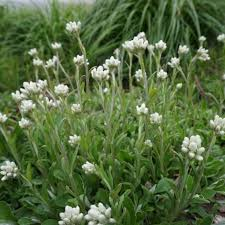
Plantain-leaved Pussytoes

(Antennaria plantaginifolia) – Low plant with fuzzy leaves, white flower clusters. Dry woods. Autotroph.
Uses: Minor traditional medicinal.
<p><strong>(<em>Antennaria plantaginifolia</em>)</strong> – Low plant with fuzzy leaves, white flower clusters. Dry woods. <strong>Autotroph.</strong><br><strong>Uses:</strong> Minor traditional medicinal.</p>
17
New cards

Purple Dead Nettle

(Lamium purpureum) – Small mint with square stems, fuzzy heart-shaped leaves (often purple-tinged), and pink-purple tubular flowers. Common in lawns and disturbed soils. Autotroph.
Uses: Edible (mild greens, tea); medicinal (anti-inflammatory, mild astringent).
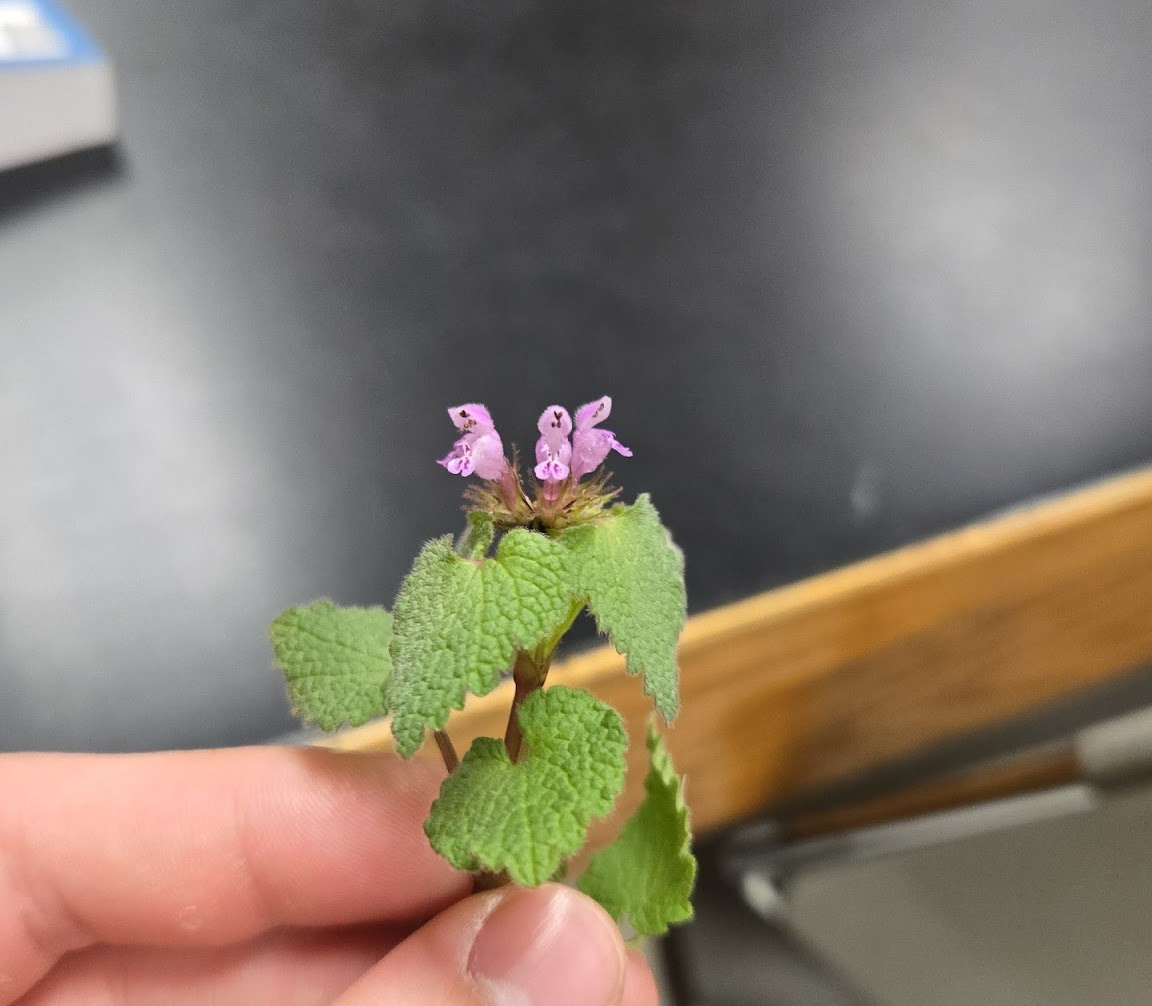
<p><strong>(<em>Lamium purpureum</em>)</strong> – Small mint with square stems, fuzzy heart-shaped leaves (often purple-tinged), and pink-purple tubular flowers. Common in lawns and disturbed soils. <strong>Autotroph.</strong><br><strong>Uses:</strong> Edible (mild greens, tea); medicinal (anti-inflammatory, mild astringent).</p>
18
New cards

Small Flowered Bitter Cress

(Cardamine parviflora) – Slender mustard with tiny white flowers; wet soils, stream edges. Autotroph.
Uses: Edible peppery greens (less commonly used than other Cardamine).
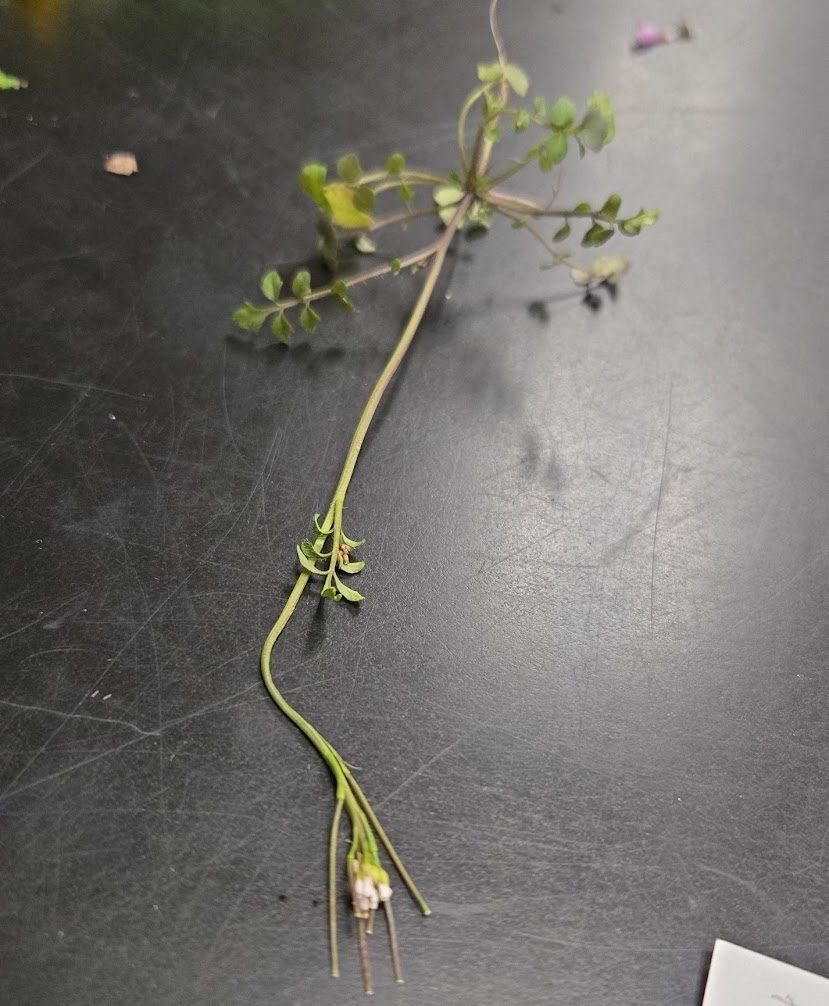
<p><strong>(<em>Cardamine parviflora</em>)</strong> – Slender mustard with tiny white flowers; wet soils, stream edges. <strong>Autotroph.</strong><br><strong>Uses:</strong> Edible peppery greens (less commonly used than other <em>Cardamine</em>).</p>
19
New cards

Squirrel Corn

(Dicentra canadensis) – Finely divided leaves, white heart-shaped flowers with yellow tips; small corn-like bulblets underground. Woodland ephemeral. Autotroph; spring ephemeral.
Uses: No common edible use; toxic.
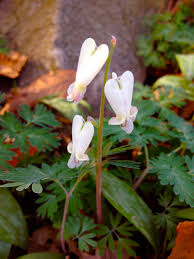
<p><strong>(<em>Dicentra canadensis</em>)</strong> – Finely divided leaves, white heart-shaped flowers with yellow tips; small corn-like bulblets underground. Woodland ephemeral. <strong>Autotroph; spring ephemeral.</strong><br><strong>Uses:</strong> No common edible use; toxic.</p>
20
New cards

Dutchman’s Breeches

(Dicentra cucullaria) – Fern-like leaves, white “pant-shaped” flowers. Rich woods in early spring. Autotroph; spring ephemeral.
Uses: Ornamental; toxic.
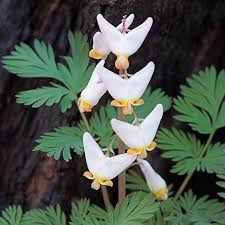
<p><strong>(<em>Dicentra cucullaria</em>)</strong> – Fern-like leaves, white “pant-shaped” flowers. Rich woods in early spring. <strong>Autotroph; spring ephemeral.</strong><br><strong>Uses:</strong> Ornamental; <strong>toxic</strong>.</p>
21
New cards

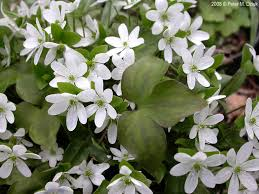
Sharp-lobed Hepatica

(Hepatica acutiloba) – Small woodland plant with 3-lobed leaves and early blue/purple/white flowers. Dry to mesic woods. Autotroph; evergreen basal leaves; mycorrhizal associations common.
Uses: Ornamental; limited historical medicinal use.
<p><strong>(<em>Hepatica acutiloba</em>)</strong> – Small woodland plant with 3-lobed leaves and early blue/purple/white flowers. Dry to mesic woods. <strong>Autotroph; evergreen basal leaves; mycorrhizal associations common.</strong><br><strong>Uses:</strong> Ornamental; limited historical medicinal use.</p>
22
New cards

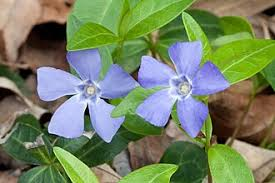
*Periwinkle

(Vinca minor) – Low evergreen vine with glossy leaves and blue-purple flowers. Shaded groundcover. Autotroph; spreads vegetatively.
Uses: Ornamental; mildly toxic.
<p><strong>(<em>Vinca minor</em>)</strong> – Low evergreen vine with glossy leaves and blue-purple flowers. Shaded groundcover. <strong>Autotroph; spreads vegetatively.</strong><br><strong>Uses:</strong> Ornamental; mildly toxic.</p>
23
New cards

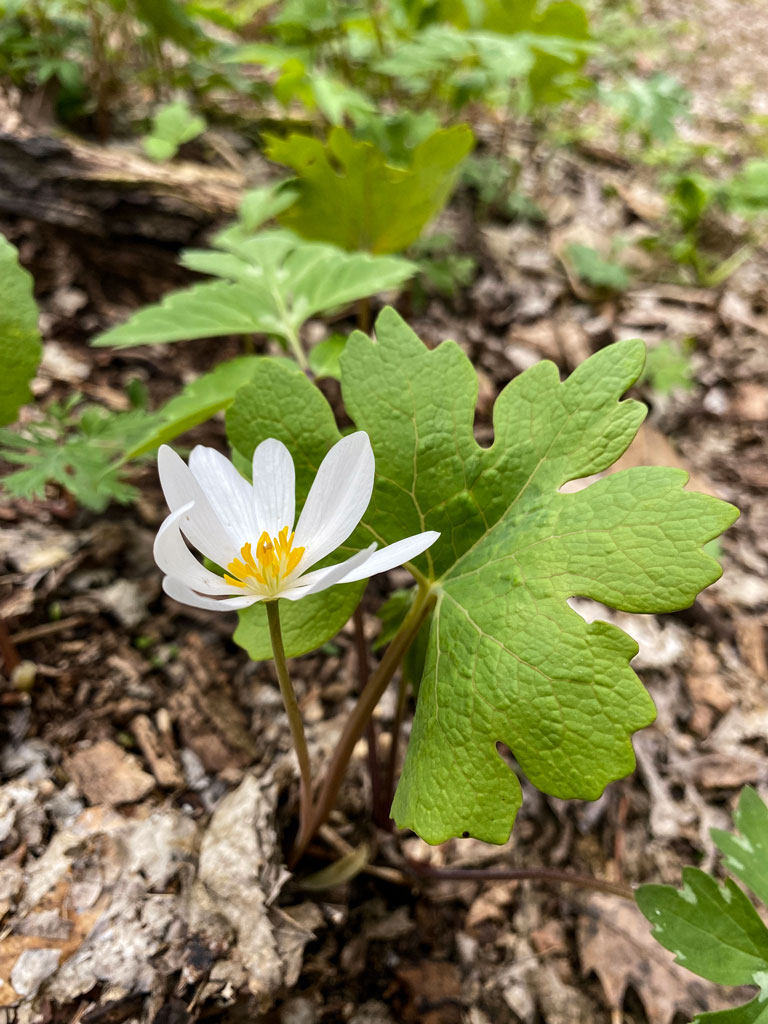
Bloodroot

(Sanguinaria canadensis) – Spring ephemeral with single white flower and deeply lobed leaf; red sap in rhizome. Rich woods. Autotroph; spring ephemeral.
Uses: Traditional medicinal/dye; toxic if ingested improperly.
<p><strong>(<em>Sanguinaria canadensis</em>)</strong> – Spring ephemeral with single white flower and deeply lobed leaf; red sap in rhizome. Rich woods. <strong>Autotroph; spring ephemeral.</strong><br><strong>Uses:</strong> Traditional medicinal/dye; <strong>toxic if ingested improperly</strong>.</p>
24
New cards

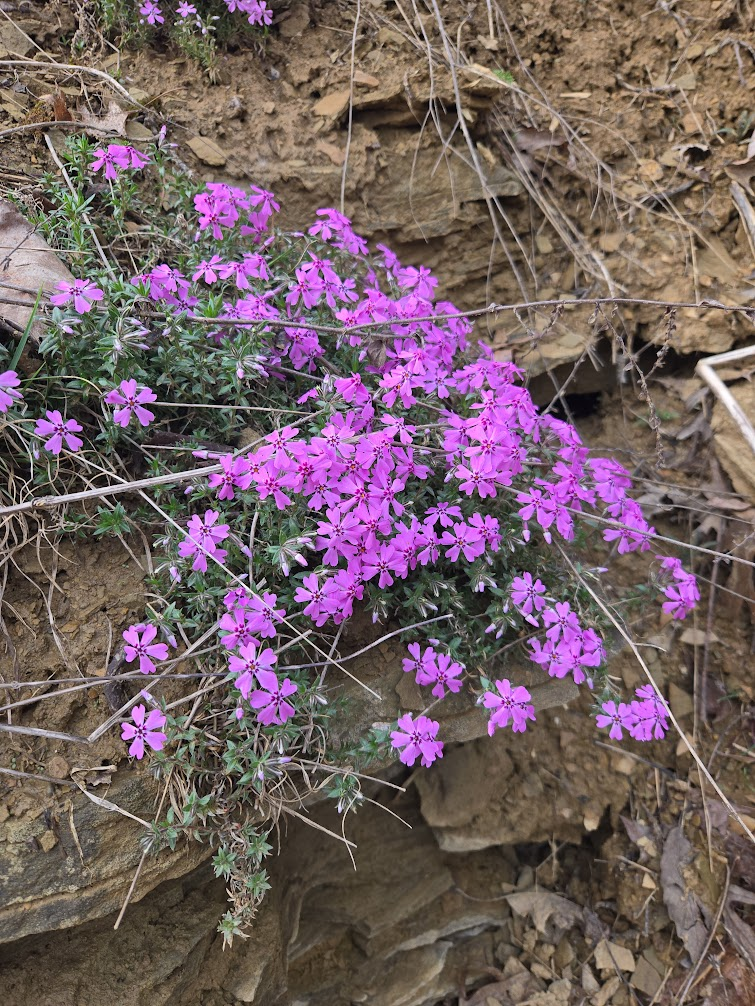
Moss Phlox

(Phlox subulata) – Low, mat-forming plant with needle-like leaves and bright pink/purple/white flowers. Dry, rocky slopes and gardens. Autotroph; spreading groundcover.
Uses: Ornamental; pollinator support.
<p><strong>(<em>Phlox subulata</em>)</strong> – Low, mat-forming plant with needle-like leaves and bright pink/purple/white flowers. Dry, rocky slopes and gardens. <strong>Autotroph; spreading groundcover.</strong><br><strong>Uses:</strong> Ornamental; pollinator support.</p>
25
New cards

Rue Anemone

(Thalictrum thalictroides) – Delicate spring woodland plant with whorled leaves and small white to pink petal-like sepals (often mistaken for wood anemones). Found in rich deciduous forests. Autotroph; spring ephemeral.
Uses: Primarily ornamental and ecological value; not considered edible (mildly toxic like many in the buttercup family).
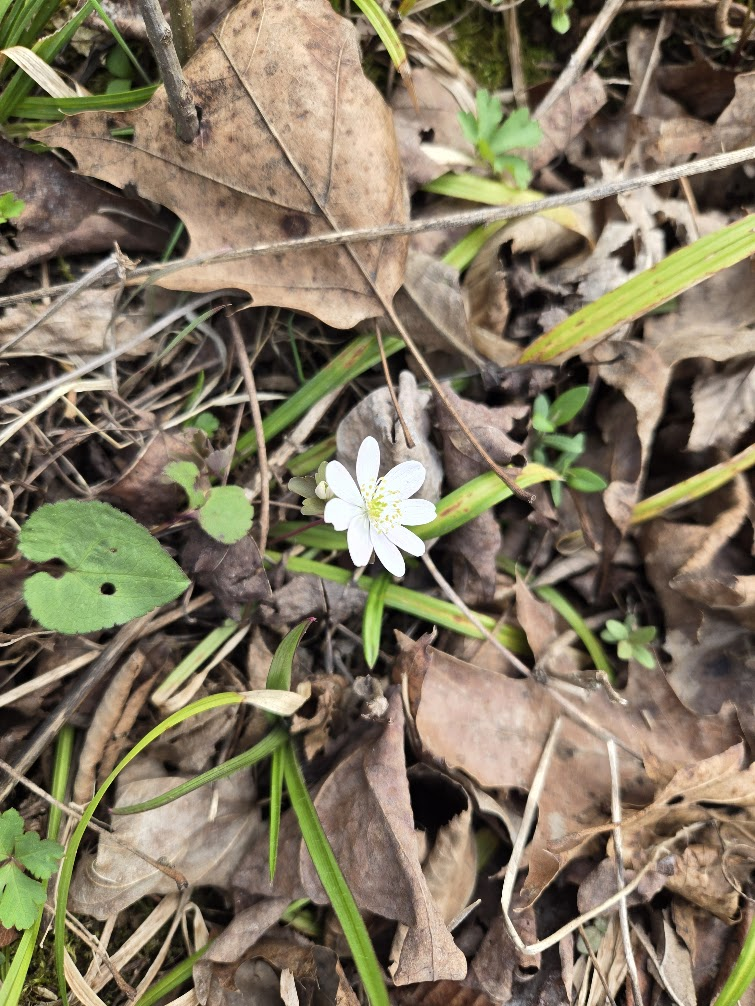
<p><strong>(<em>Thalictrum thalictroides</em>)</strong> – Delicate spring woodland plant with whorled leaves and small white to pink petal-like sepals (often mistaken for wood anemones). Found in rich deciduous forests. <strong>Autotroph; spring ephemeral.</strong><br><strong>Uses:</strong> Primarily ornamental and ecological value; <strong>not considered edible</strong> (mildly toxic like many in the buttercup family).</p>
26
New cards

Blue/Woodland Phlox

(Phlox divaricata) – Loose clusters of pale blue to lavender flowers; soft leaves. Moist woodlands. Autotroph.
Uses: Ornamental; early pollinator plant.
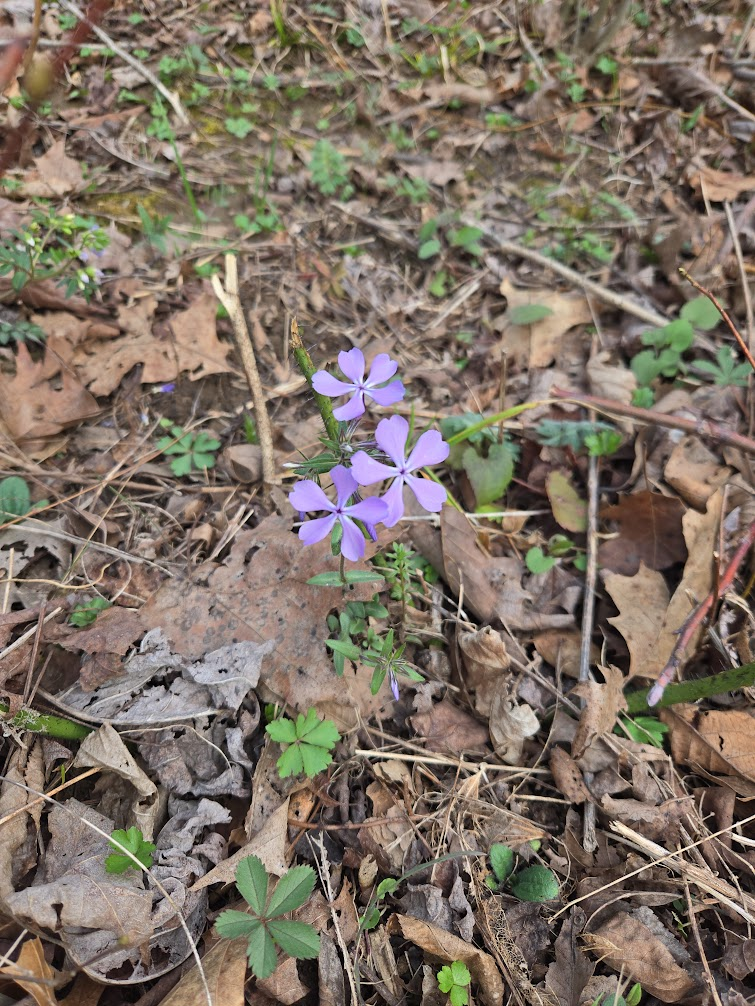
<p><strong>(<em>Phlox divaricata</em>)</strong> – Loose clusters of pale blue to lavender flowers; soft leaves. Moist woodlands. <strong>Autotroph.</strong><br><strong>Uses:</strong> Ornamental; early pollinator plant.</p>
27
New cards

Carolina Vetch

(Vicia caroliniana) – Climbing vine with pea-like white to pale flowers. Woodland edges. Autotroph + nitrogen-fixer.
Uses: Wildlife forage; minor edible potential (like other vetches, use caution).
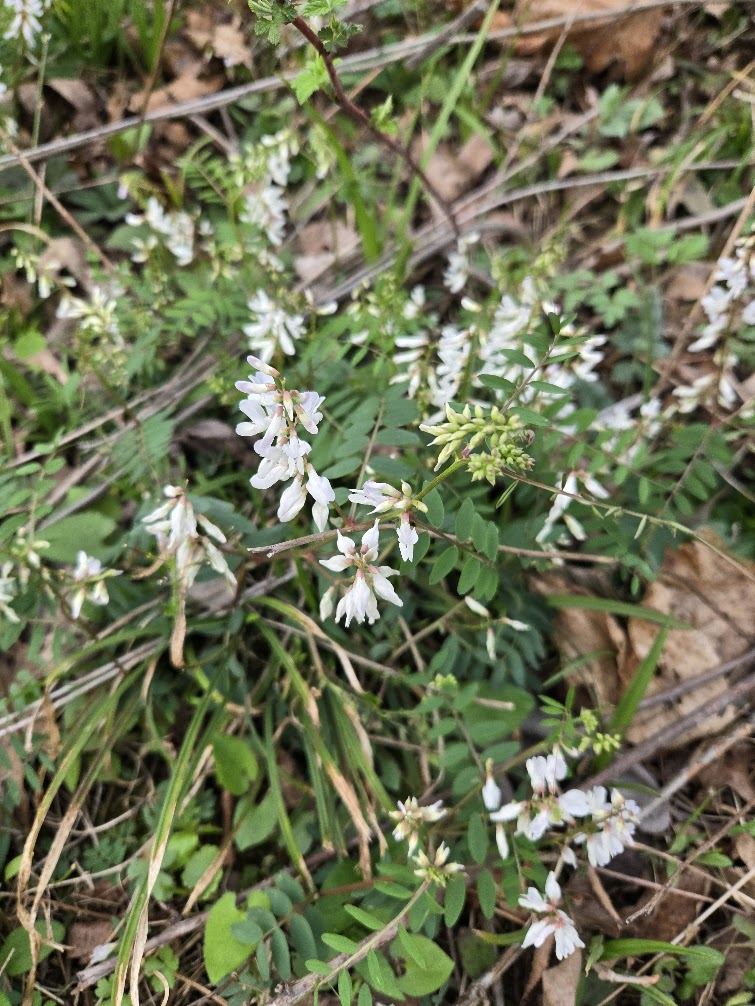
<p><strong>(<em>Vicia caroliniana</em>)</strong> – Climbing vine with pea-like white to pale flowers. Woodland edges. <strong>Autotroph + nitrogen-fixer.</strong><br><strong>Uses:</strong> Wildlife forage; minor edible potential (like other vetches, use caution).</p>
28
New cards

Azure Bluet

(Houstonia caerulea) – Tiny delicate plant with pale blue flowers and yellow centers. Lawns, open woods. Autotroph.
Uses: Ornamental; aesthetic/ecological value.
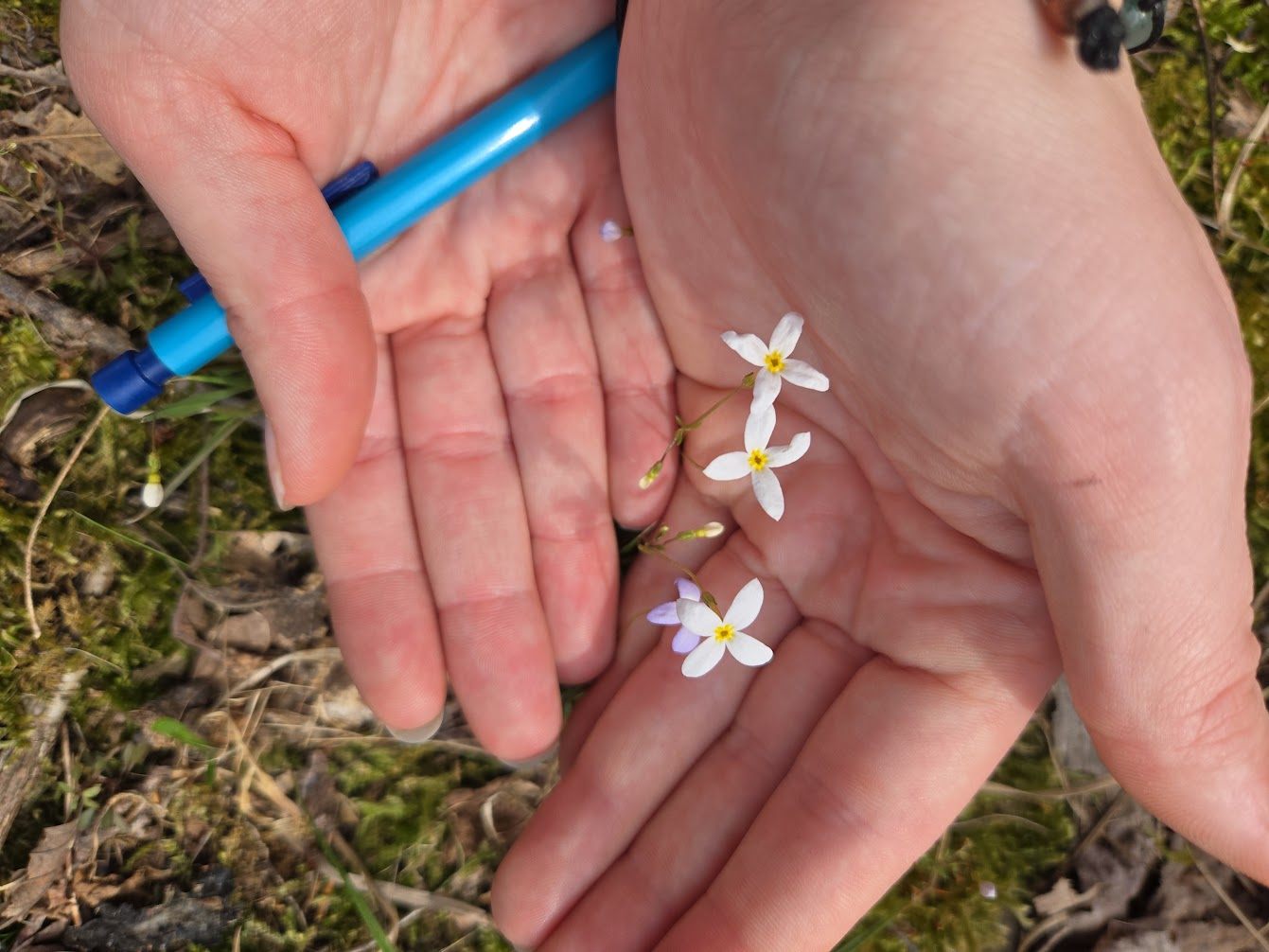
<p><strong>(<em>Houstonia caerulea</em>)</strong> – Tiny delicate plant with pale blue flowers and yellow centers. Lawns, open woods. <strong>Autotroph.</strong><br><strong>Uses:</strong> Ornamental; aesthetic/ecological value.</p>
29
New cards

Smooth Yellow Violet

(Viola eriocarpa) – Woodland violet with yellow flowers and heart-shaped leaves. Rich woods. Autotroph.
Uses: Edible leaves and flowers.
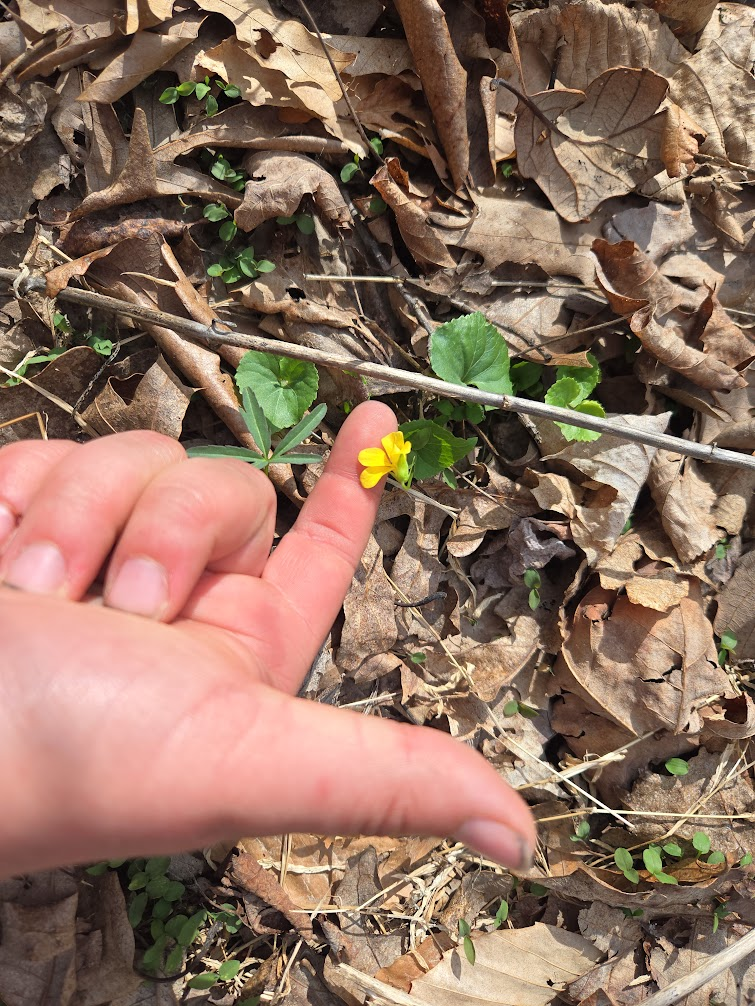
<p><strong>(<em>Viola eriocarpa</em>)</strong> – Woodland violet with yellow flowers and heart-shaped leaves. Rich woods. <strong>Autotroph.</strong><br><strong>Uses:</strong> Edible leaves and flowers.</p>
30
New cards

Virginia Bluebells

(Mertensia virginica) – Smooth blue bell-shaped flowers that emerge pink; lush foliage. Floodplains, moist woods. Autotroph; spring ephemeral.
Uses: Edible leaves when young (mild); ornamental; important pollinator plant.
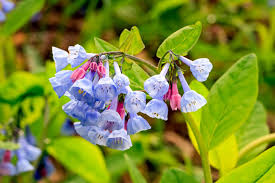
<p><strong>(<em>Mertensia virginica</em>)</strong> – Smooth blue bell-shaped flowers that emerge pink; lush foliage. Floodplains, moist woods. <strong>Autotroph; spring ephemeral.</strong><br><strong>Uses:</strong> Edible leaves when young (mild); ornamental; important pollinator plant.</p>
31
New cards

Jacob’s Ladder

(Polemonium reptans) – Woodland plant with ladder-like pinnate leaves and clusters of blue, bell-shaped flowers. Found in rich, moist deciduous forests and floodplains. Autotroph; often forms mycorrhizal associations.
Uses: Ornamental; historically used in herbal medicine (mild sedative/anti-inflammatory), though not commonly used today.
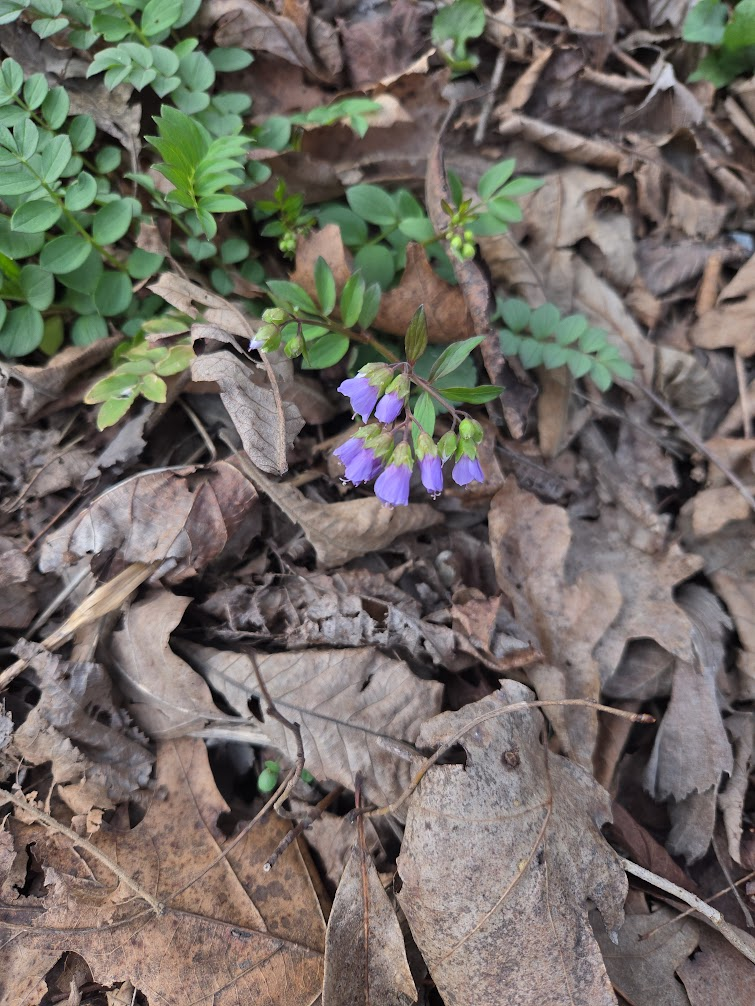
<p><strong>(<em>Polemonium reptans</em>)</strong> – Woodland plant with ladder-like pinnate leaves and clusters of blue, bell-shaped flowers. Found in rich, moist deciduous forests and floodplains. <strong>Autotroph; often forms mycorrhizal associations.</strong><br><strong>Uses:</strong> Ornamental; historically used in herbal medicine (mild sedative/anti-inflammatory), though not commonly used today.</p>
32
New cards

Purple Cress/Limestone Bittercress

(Cardamine douglasii) – Spring mustard with pale pink to purple flowers and slender stems; often found in rich woodlands, especially over calcareous soils. Autotroph; spring ephemeral tendencies.
Uses: Edible peppery greens (similar to other Cardamine species).
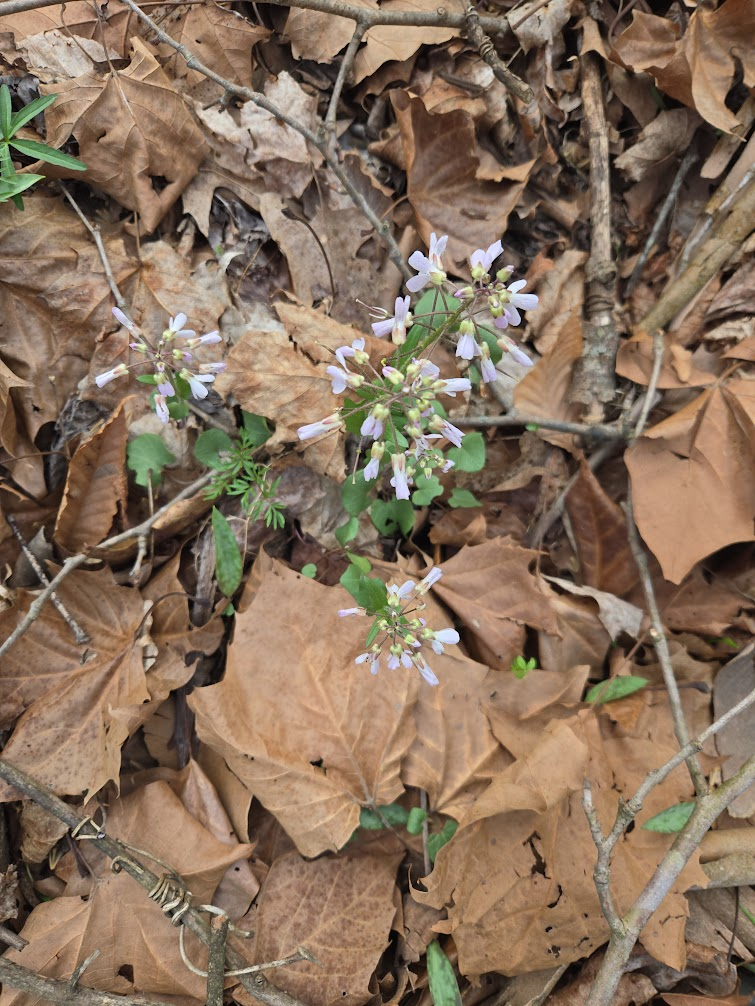
<p><strong>(<em>Cardamine douglasii</em>)</strong> – Spring mustard with pale pink to purple flowers and slender stems; often found in rich woodlands, especially over calcareous soils. <strong>Autotroph; spring ephemeral tendencies.</strong><br><strong>Uses:</strong> Edible peppery greens (similar to other <em>Cardamine</em> species).</p>
33
New cards

Round-lobed Hepatica

(Hepatica americana) – Small woodland plant with 3-lobed leaves (rounded tips) and early spring flowers ranging from blue to purple, pink, or white. Found in dry to mesic deciduous forests. Autotroph; evergreen basal leaves; commonly mycorrhizal.
Uses: Primarily ornamental and ecological value; limited historical medicinal use; not considered edible.
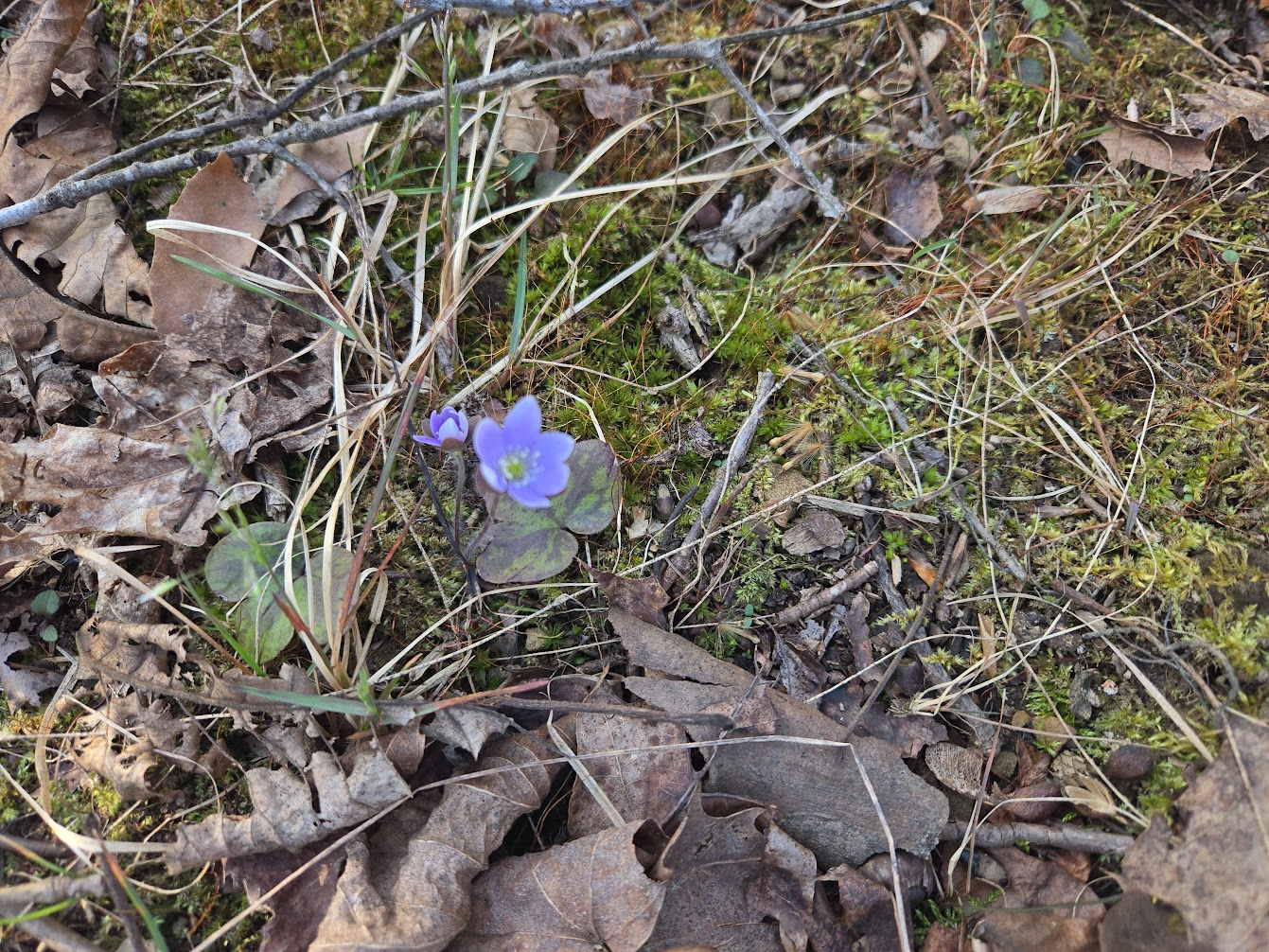
<p><strong>(<em>Hepatica americana</em>)</strong> – Small woodland plant with 3-lobed leaves (rounded tips) and early spring flowers ranging from blue to purple, pink, or white. Found in dry to mesic deciduous forests. <strong>Autotroph; evergreen basal leaves; commonly mycorrhizal.</strong><br><strong>Uses:</strong> Primarily ornamental and ecological value; limited historical medicinal use; <strong>not considered edible</strong>.</p>
34
New cards

Common Blue Violet

(Viola sororia) – Low-growing plant with heart-shaped leaves and blue-violet (sometimes white) flowers. Common in lawns, woodland edges, and open forests. Autotroph; spreads by seeds and rhizomes; often mycorrhizal.
Uses: Edible leaves and flowers (salads, teas, syrups); ornamental; important host plant for fritillary butterfly larvae.
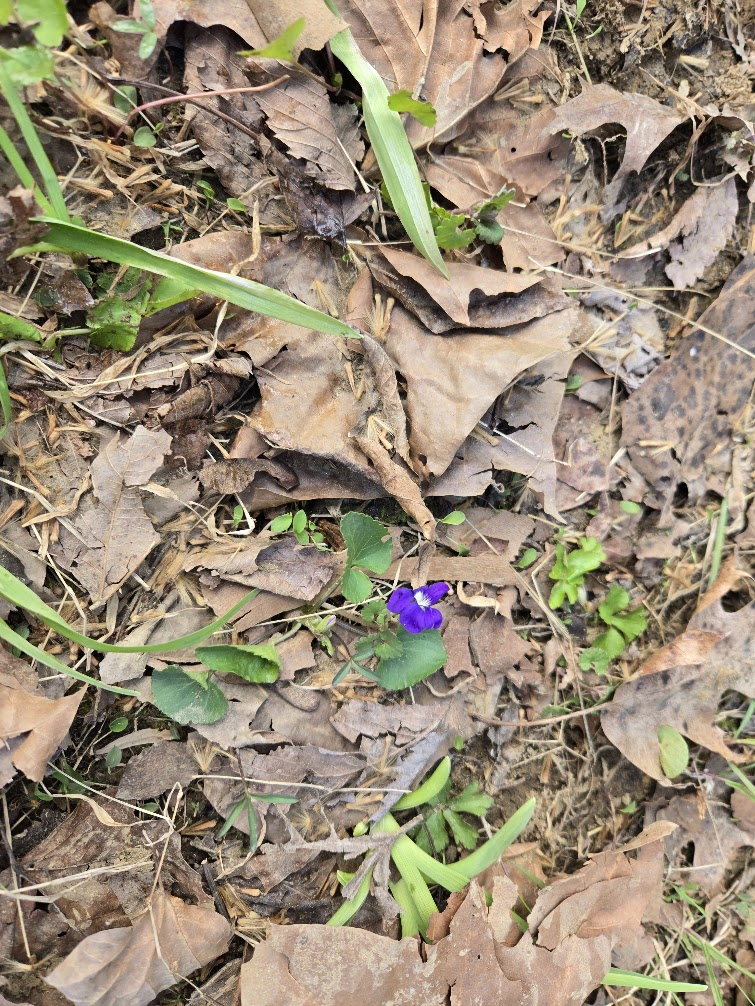
<p><strong>(<em>Viola sororia</em>)</strong> – Low-growing plant with heart-shaped leaves and blue-violet (sometimes white) flowers. Common in lawns, woodland edges, and open forests. <strong>Autotroph; spreads by seeds and rhizomes; often mycorrhizal.</strong><br><strong>Uses:</strong> Edible leaves and flowers (salads, teas, syrups); ornamental; important host plant for fritillary butterfly larvae.</p>
35
New cards

Toadshade

(Trillium sessile) – Maroon to reddish flower sitting directly on leaves (no stalk). Woodlands. Autotroph; mycorrhizal.
Uses: Ornamental; not edible.
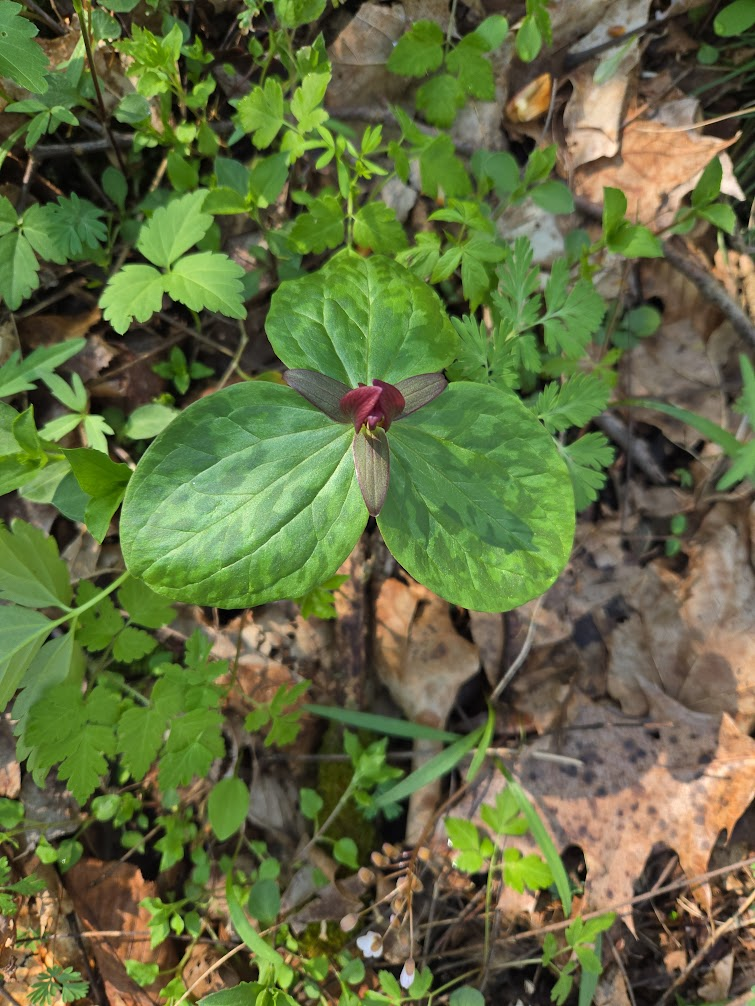
<p><strong>(<em>Trillium sessile</em>)</strong><span> – Maroon to reddish flower sitting directly on leaves (no stalk). Woodlands. </span><strong>Autotroph; mycorrhizal.</strong><br><strong>Uses:</strong><span> Ornamental; not edible.</span></p>
36
New cards

Star Chickweed

(Stellaria pubera) – Delicate woodland plant with opposite leaves and small white star-like flowers with deeply divided petals. Found in moist deciduous forests, especially in spring. Autotroph.
Uses: Edible greens when young (similar to common chickweed); also of ecological value as an early-season understory plant.
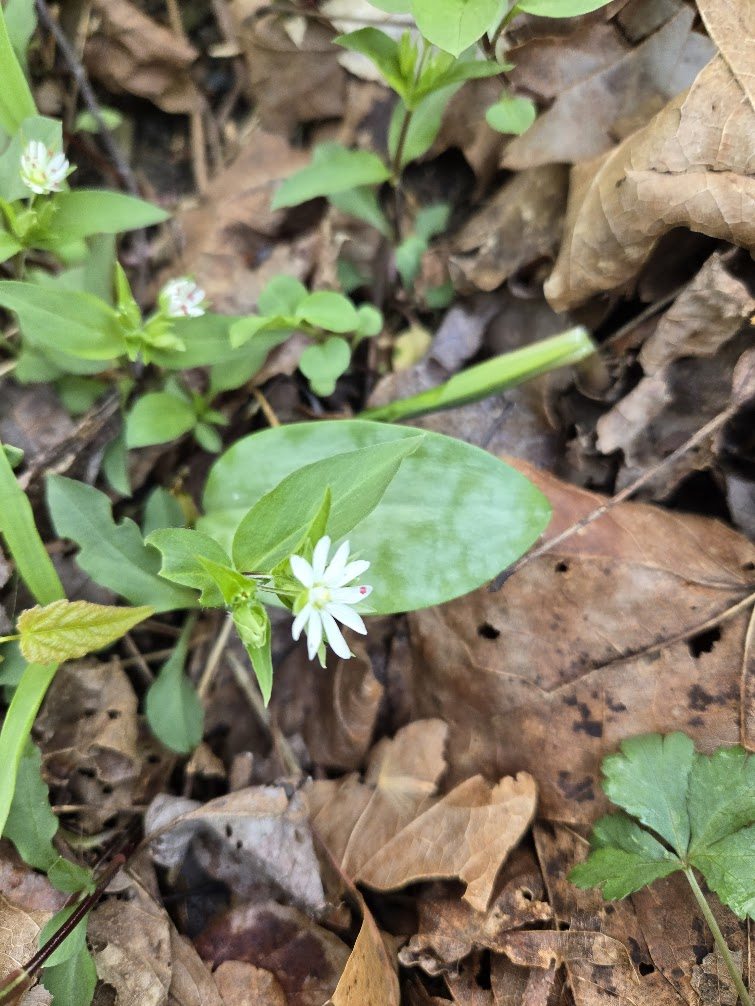
<p><strong>(<em>Stellaria pubera</em>)</strong> – Delicate woodland plant with opposite leaves and small white star-like flowers with deeply divided petals. Found in moist deciduous forests, especially in spring. <strong>Autotroph.</strong><br><strong>Uses:</strong> Edible greens when young (similar to common chickweed); also of ecological value as an early-season understory plant.</p>
37
New cards

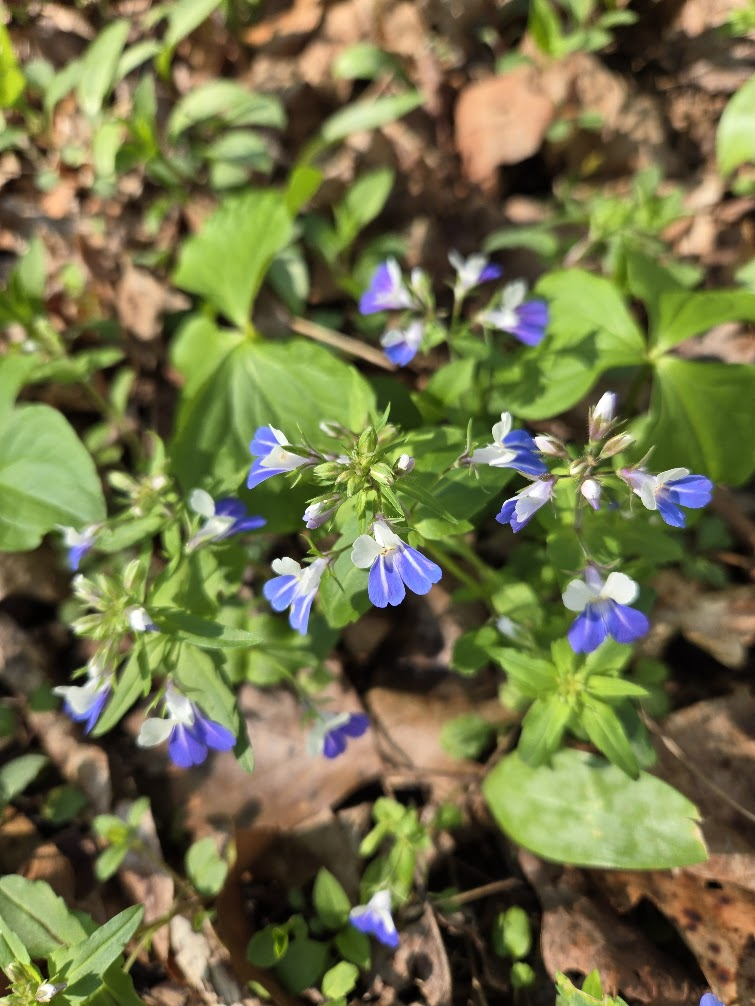
Spring Blue-Eyed Mary

(Collinsia verna) – Low spring annual with opposite leaves and small blue-and-white tubular flowers arranged in whorls along the stem. Found in rich deciduous woodlands, often in moist soils. Autotroph; spring ephemeral/early-season annual.
Uses: Primarily ecological and ornamental value; supports early pollinators.
<p><strong>(<em>Collinsia verna</em>)</strong> – Low spring annual with opposite leaves and small blue-and-white tubular flowers arranged in whorls along the stem. Found in rich deciduous woodlands, often in moist soils. <strong>Autotroph; spring ephemeral/early-season annual.</strong><br><strong>Uses:</strong> Primarily ecological and ornamental value; supports early pollinators.</p>
38
New cards

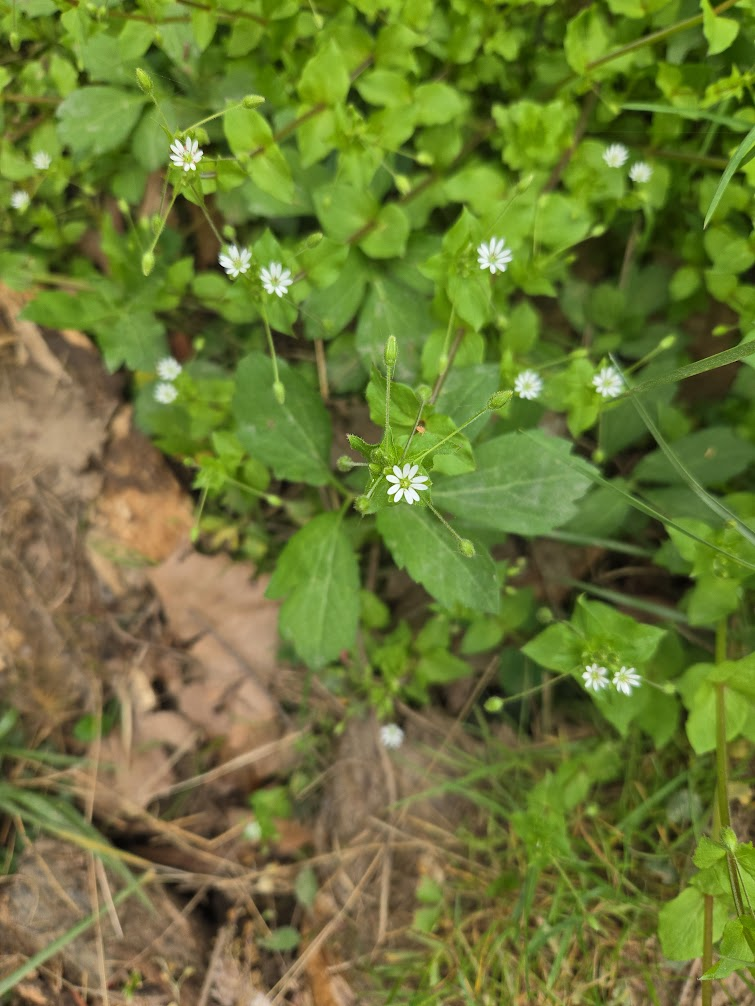
Common Chickweed

(Stellaria media) – Small, moist shady areas. Autotroph.
Uses: Edible; medicinal (skin soothing).
<p><strong>(<em>Stellaria media</em>)</strong> – Small, moist shady areas. <strong>Autotroph.</strong><br><strong>Uses:</strong> Edible; medicinal (skin soothing).</p>
39
New cards

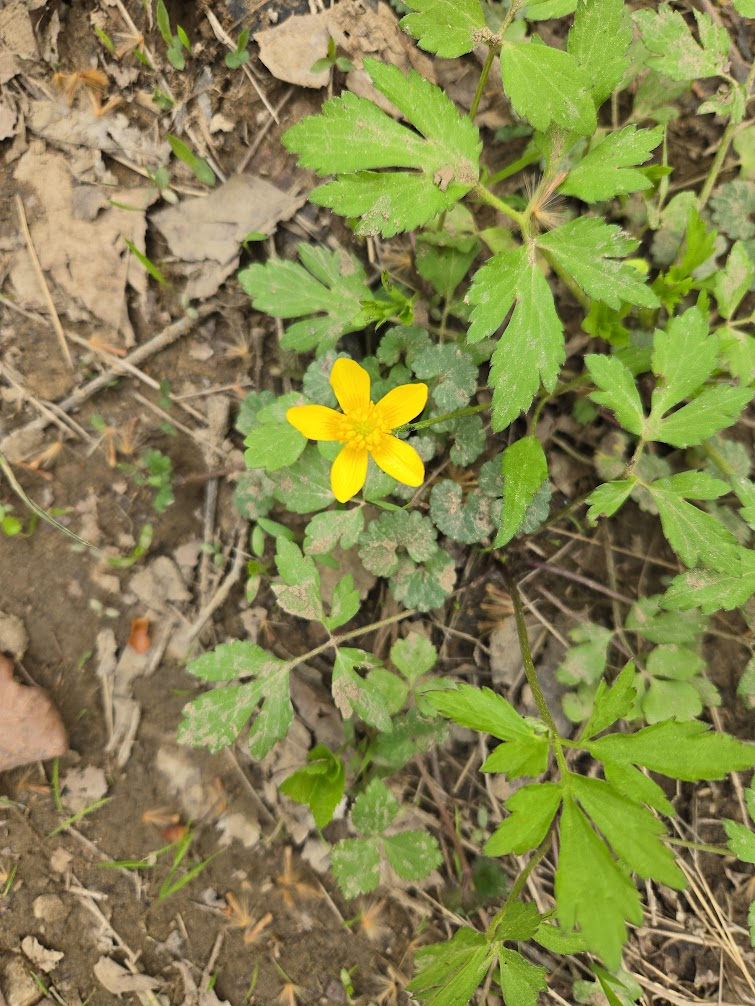
Marsh Marigold

(Caltha palustris) – Bright yellow, buttercup-like flowers with glossy, rounded leaves; found in wetlands, stream edges, and floodplains in early spring. Autotroph; rhizomatous; wetland specialist.
Uses: Historically eaten as a cooked green (must be properly prepared to remove toxins); toxic raw. Also valued as an ornamental wetland plant and early pollinator resource.
<p><strong>(<em>Caltha palustris</em>)</strong> – Bright yellow, buttercup-like flowers with glossy, rounded leaves; found in wetlands, stream edges, and floodplains in early spring. <strong>Autotroph; rhizomatous; wetland specialist.</strong><br><strong>Uses:</strong> Historically eaten as a cooked green (must be properly prepared to remove toxins); <strong>toxic raw</strong>. Also valued as an ornamental wetland plant and early pollinator resource.</p>
40
New cards

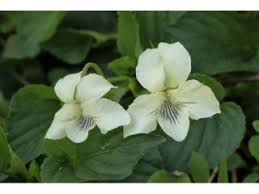
Cream Violet

(Viola striata) – Slender woodland violet with pale cream to white flowers marked with purple veins; prefers moist, rich forests and floodplains. Autotroph; often mycorrhizal.
Uses: Edible leaves and flowers; ecological value as a native understory species.
<p><strong>(<em>Viola striata</em>)</strong> – Slender woodland violet with pale cream to white flowers marked with purple veins; prefers moist, rich forests and floodplains. <strong>Autotroph; often mycorrhizal.</strong><br><strong>Uses:</strong> Edible leaves and flowers; ecological value as a native understory species.</p>
41
New cards

Northern Blue Violet

(Viola septentrionalis) – Low-growing violet with heart-shaped leaves and blue to purple flowers; found in woodlands and shaded habitats. Autotroph; often mycorrhizal.
Uses: Edible leaves and flowers; ornamental; supports pollinators and butterfly larvae.
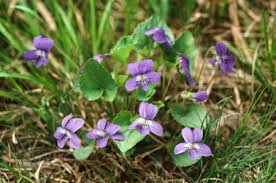
<p><strong>(<em>Viola septentrionalis</em>)</strong> – Low-growing violet with heart-shaped leaves and blue to purple flowers; found in woodlands and shaded habitats. <strong>Autotroph; often mycorrhizal.</strong><br><strong>Uses:</strong> Edible leaves and flowers; ornamental; supports pollinators and butterfly larvae.</p>
42
New cards

Golden Ragwort

(Packera aurea) – Basal rosette with rounded to heart-shaped leaves and clusters of bright yellow daisy-like flowers on tall stems; found in moist woods, floodplains, and wetlands. Autotroph; rhizomatous.
Uses: Primarily ornamental and ecological (pollinator support); contains toxic alkaloids— not edible.
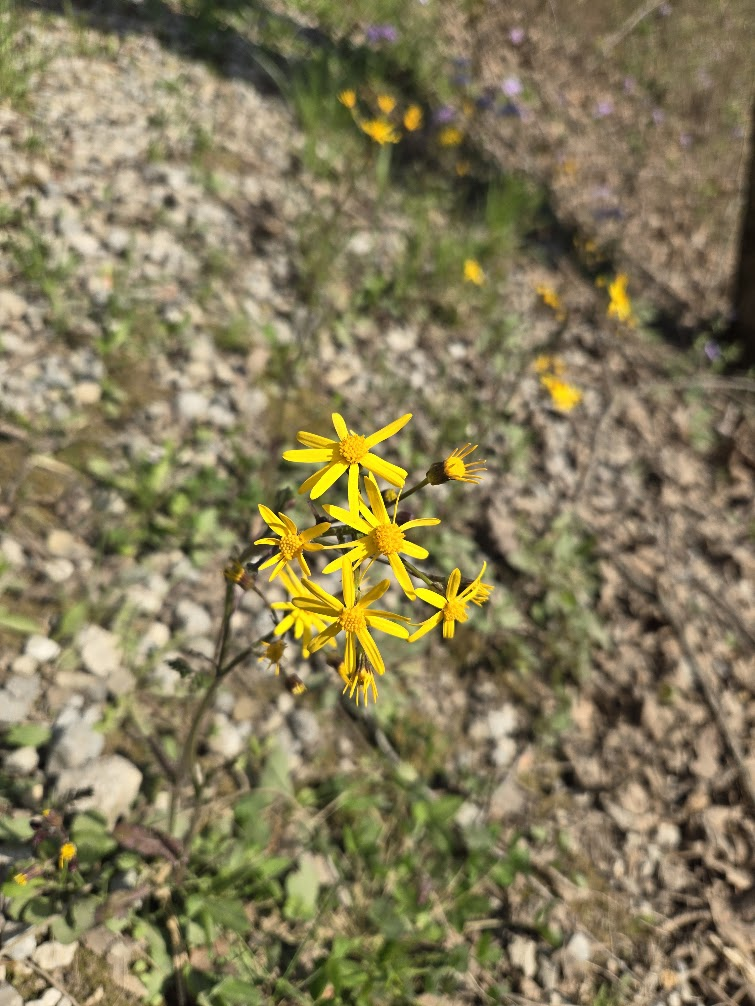
<p><strong>(<em>Packera aurea</em>)</strong> – Basal rosette with rounded to heart-shaped leaves and clusters of bright yellow daisy-like flowers on tall stems; found in moist woods, floodplains, and wetlands. <strong>Autotroph; rhizomatous.</strong><br><strong>Uses:</strong> Primarily ornamental and ecological (pollinator support); <strong>contains toxic alkaloids— not edible</strong>.</p>
43
New cards

Roundleaf Ragwort

(Packera obovata) – Similar to golden ragwort but with more distinctly rounded basal leaves; grows in drier woodlands and rocky slopes. Autotroph; rhizomatous.
Uses: Ornamental/ecological value; toxic (pyrrolizidine alkaloids), not edible.
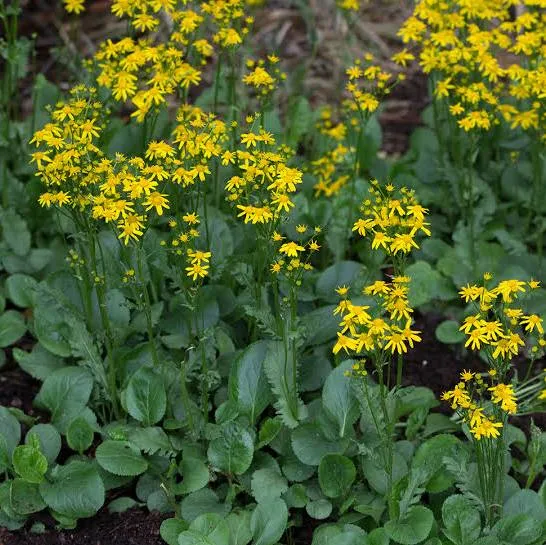
<p><strong>(<em>Packera obovata</em>)</strong> – Similar to golden ragwort but with more distinctly rounded basal leaves; grows in drier woodlands and rocky slopes. <strong>Autotroph; rhizomatous.</strong><br><strong>Uses:</strong> Ornamental/ecological value; <strong>toxic (pyrrolizidine alkaloids), not edible</strong>.</p>
44
New cards

Drooping Trillium

(Trillium flexipes) – Woodland perennial with three broad leaves and a nodding (drooping) white flower on a curved stalk; petals may age to pink. Found in rich deciduous forests. Autotroph; mycorrhizal; slow-growing perennial.
Uses: Ornamental and ecological value; not edible (like other trilliums, can be harmful and often protected).
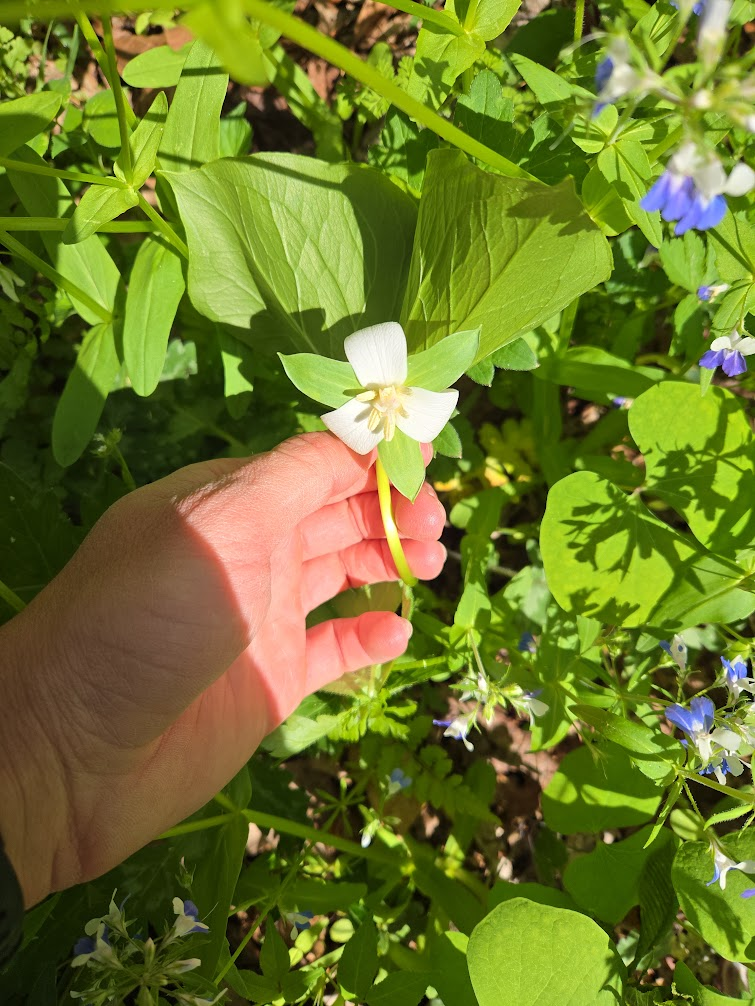
<p><strong>(<em>Trillium flexipes</em>)</strong> – Woodland perennial with three broad leaves and a nodding (drooping) white flower on a curved stalk; petals may age to pink. Found in rich deciduous forests. <strong>Autotroph; mycorrhizal; slow-growing perennial.</strong><br><strong>Uses:</strong> Ornamental and ecological value; <strong>not edible</strong> (like other trilliums, can be harmful and often protected).</p>
45
New cards

Dwarf Larkspur

(Delphinium tricorne) – Early spring woodland plant with deeply divided leaves and spikes of blue to purple flowers with backward-pointing spurs. Found in rich deciduous forests. Autotroph; spring ephemeral.
Uses: Toxic (contains alkaloids); not edible. Occasionally noted in traditional medicine, but generally avoided; valued for its ecological role and pollinator support.
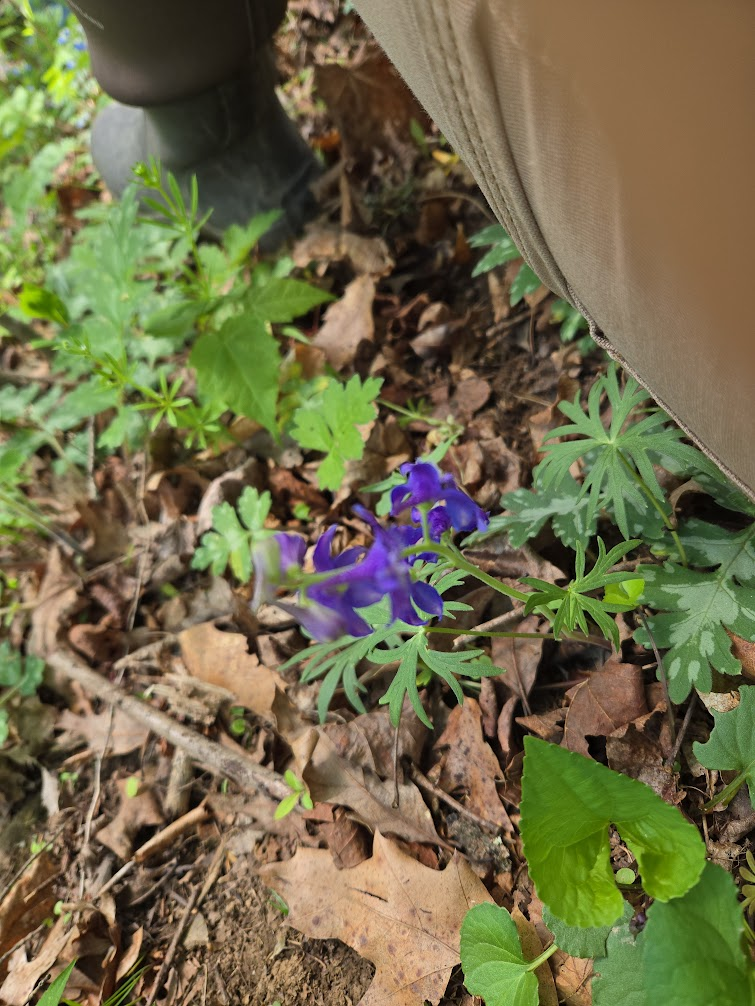
<p><strong>(<em>Delphinium tricorne</em>)</strong> – Early spring woodland plant with deeply divided leaves and spikes of blue to purple flowers with backward-pointing spurs. Found in rich deciduous forests. <strong>Autotroph; spring ephemeral.</strong><br><strong>Uses:</strong> <strong>Toxic (contains alkaloids); not edible.</strong> Occasionally noted in traditional medicine, but generally avoided; valued for its ecological role and pollinator support.</p>
46
New cards

Creeping Phlox

(Phlox subulata) – Low, mat-forming plant with needle-like leaves and abundant pink, purple, or white flowers in early spring; common on dry, rocky slopes and in gardens. Autotroph; spreading groundcover.
Uses: Ornamental; supports early pollinators.
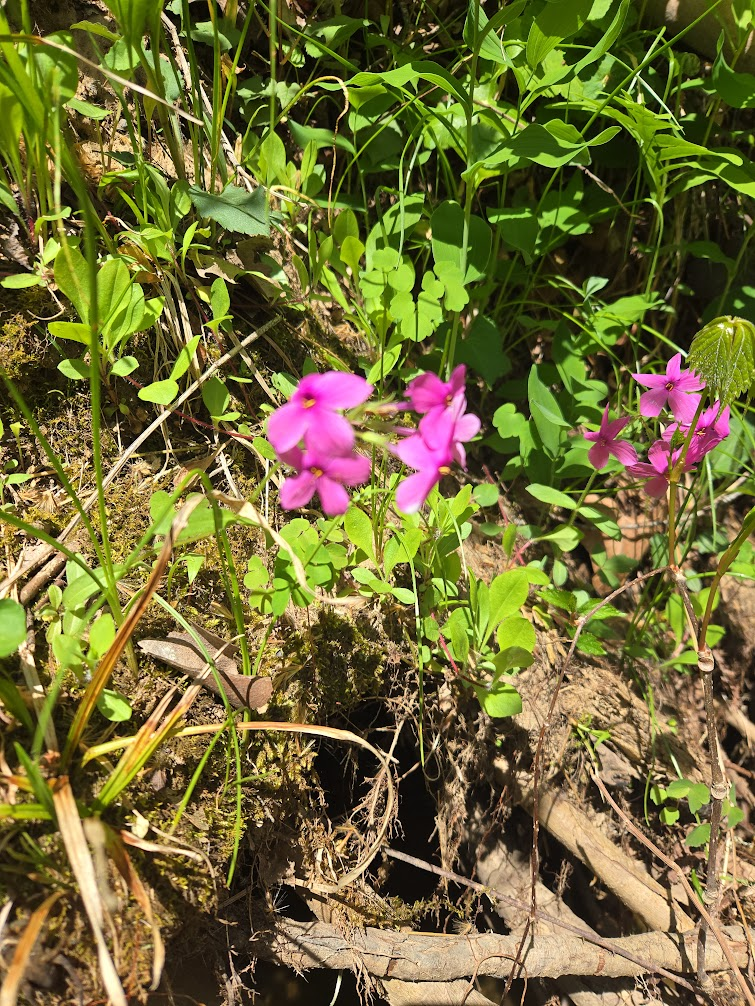
<p><strong>(<em>Phlox subulata</em>)</strong> – Low, mat-forming plant with needle-like leaves and abundant pink, purple, or white flowers in early spring; common on dry, rocky slopes and in gardens. <strong>Autotroph; spreading groundcover.</strong><br><strong>Uses:</strong> Ornamental; supports early pollinators.</p>



