Year 10 Bio - Term 2 & 3 Animals, Plants and Cells
 Call Kai
 Learn
Learn Practice Test
 Spaced Repetition
 Match
Match Flashcards
 Knowt Play
 Podcast
1/65

There's no tags or description
Looks like no tags are added yet.
Name | Mastery | Learn | Test | Matching | Spaced | Call with Kai | Chat |
|---|
No analytics yet
Send a link to your students to track their progress
66 Terms
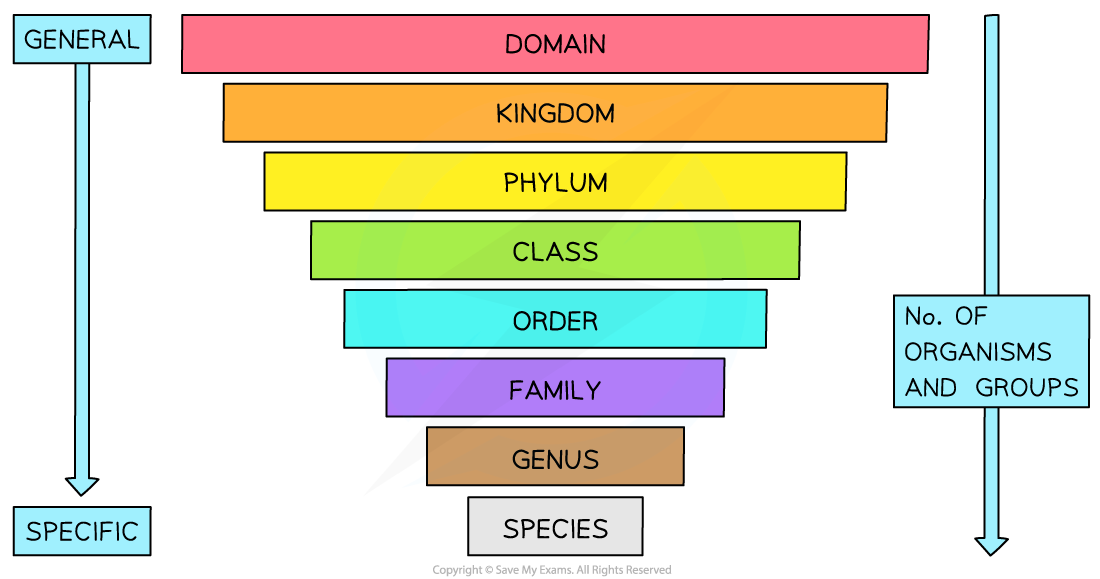
What is the order of the plant and animal classification?
Domain → Kingdom → Phylum → Class → Order → Family → Genus → Species (Do Keep Ponds Clean Or Frogs Get Sick)
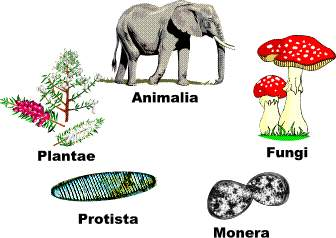
What are the 5 kingdoms?
Monera, Plantae, Fungi, Protista, Animalia (My Pet Frog Plays Accordion)
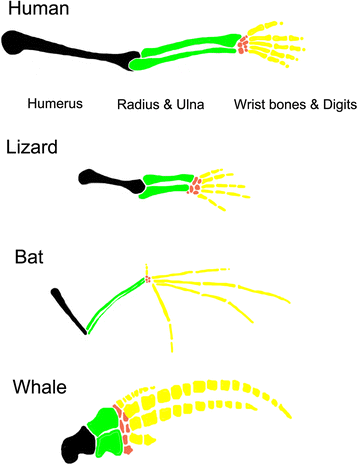
What is structural morphology?
How the structure changed, scientists look at fossils and compare structures to determine similar. Form of comparative anatomical evidence.
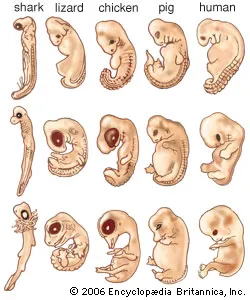
What is embryology?
The study of embryos to observe common features and determine a common ancestor. A con is ethical considerations. Form of comparative anatomical evidence.
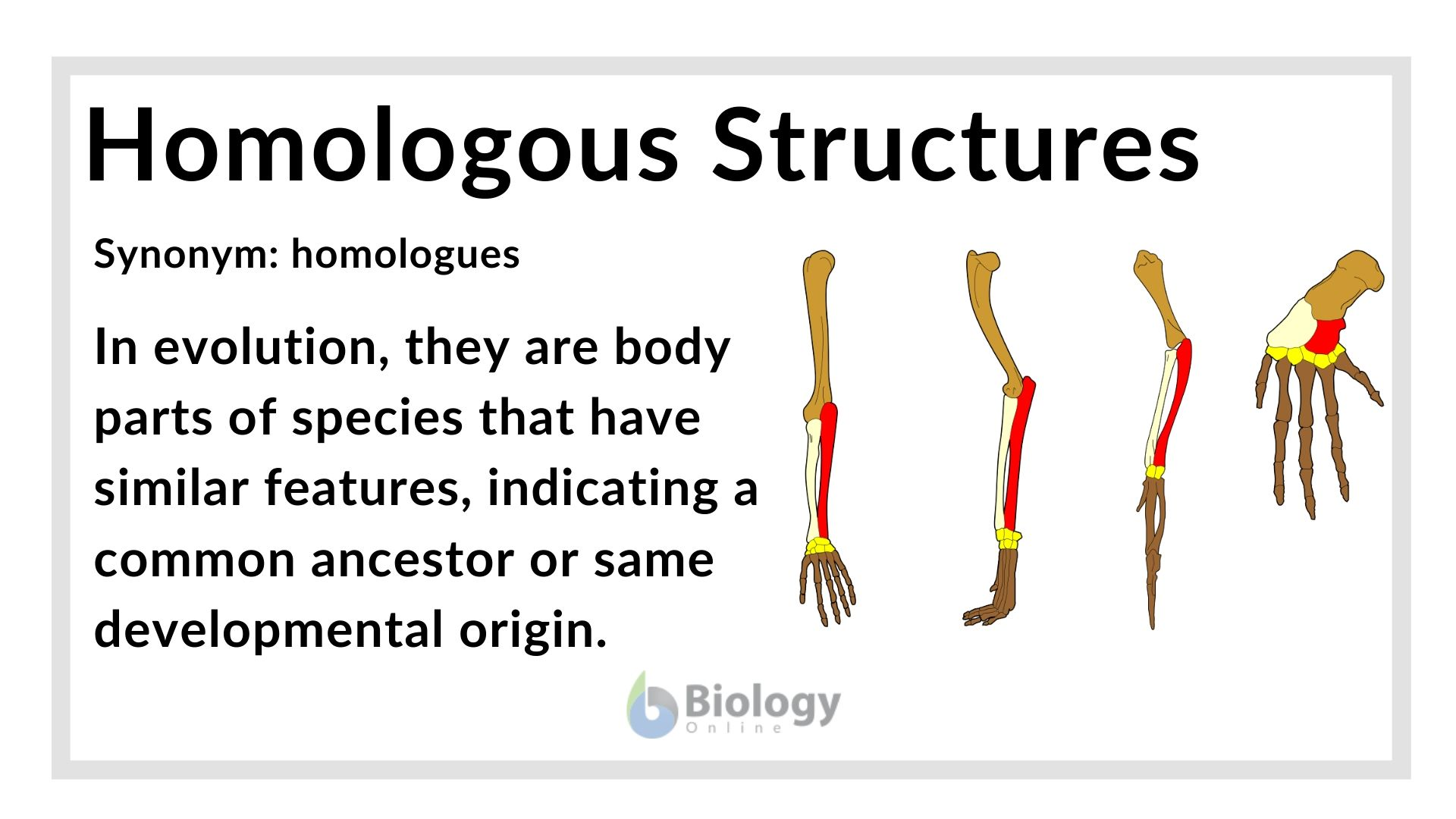
What are homologous structures?
Structures within body that are similar to other species, form of comparative anatomical evidence.
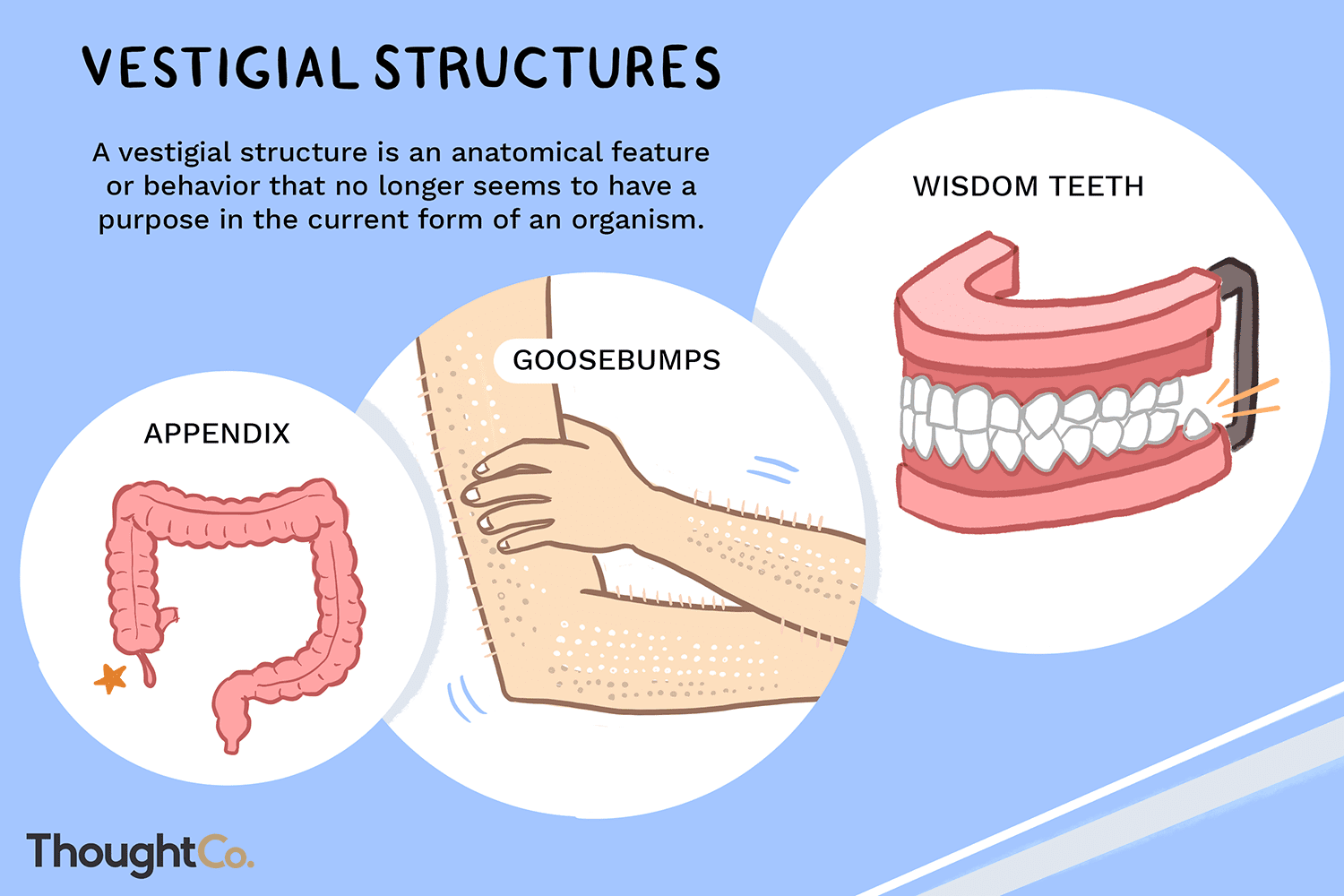
What are vestigial structures?
Structures that are no longer in use but evidence of previous evolutionary use. Form of comparative anatomical evidence.
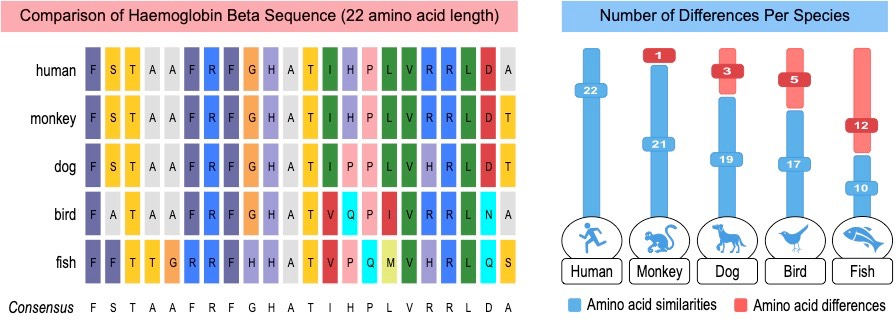
What is molecular evidence/comparative DNA evidence?
Evidence that shows the degree of relatedness of species by looking at differences in DNA between species. Shows rough timeframe of evolution as the more differences in DNA, the longer time the evolution was.
What is fossil evidence?
Historical rock formations of ancient life (hard parts of life), gives evidence of behaviour like nests, eggs, dens etc. A con is it only has hard parts, no muscle, fat, organ etc. Form of comparative anatomical evidence.
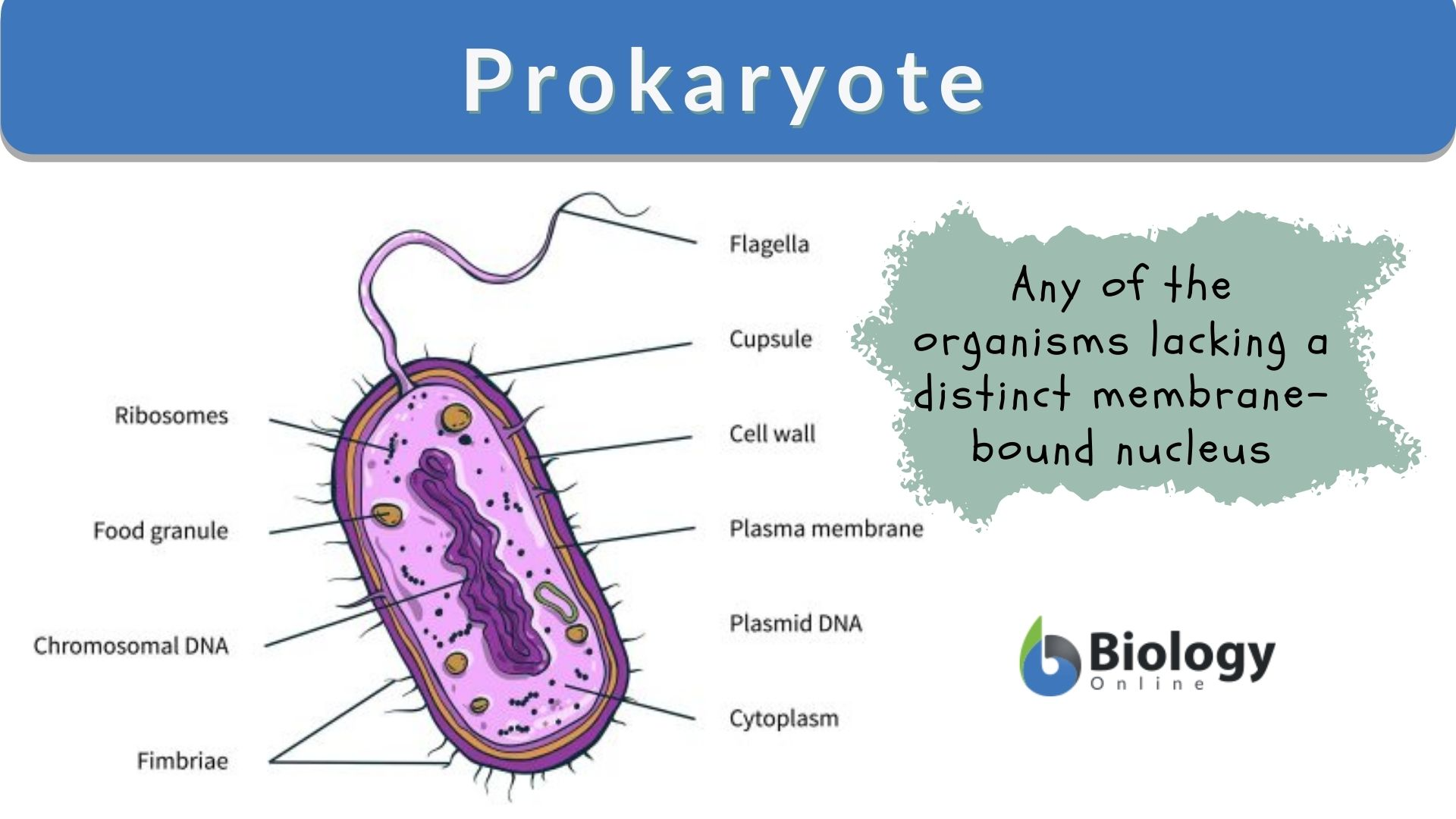
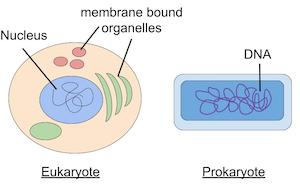
What is a prokaryote?
A simple, single-celled organism that does NOT have a nucleus or other complex structures enclosed in membranes. Its DNA floats freely. Examples include bacteria.
What is biogeography?
Species in different locations but similar environments, therefore having similar features.
What is a eukaryote?
An organism whose cells HAVE a nucleus and other complex structures (called organelles) enclosed in membranes. Its DNA is found inside the nucleus. Eukaryotes can be single-celled or multicellular. Examples include plants, animals, fungi, and protists.
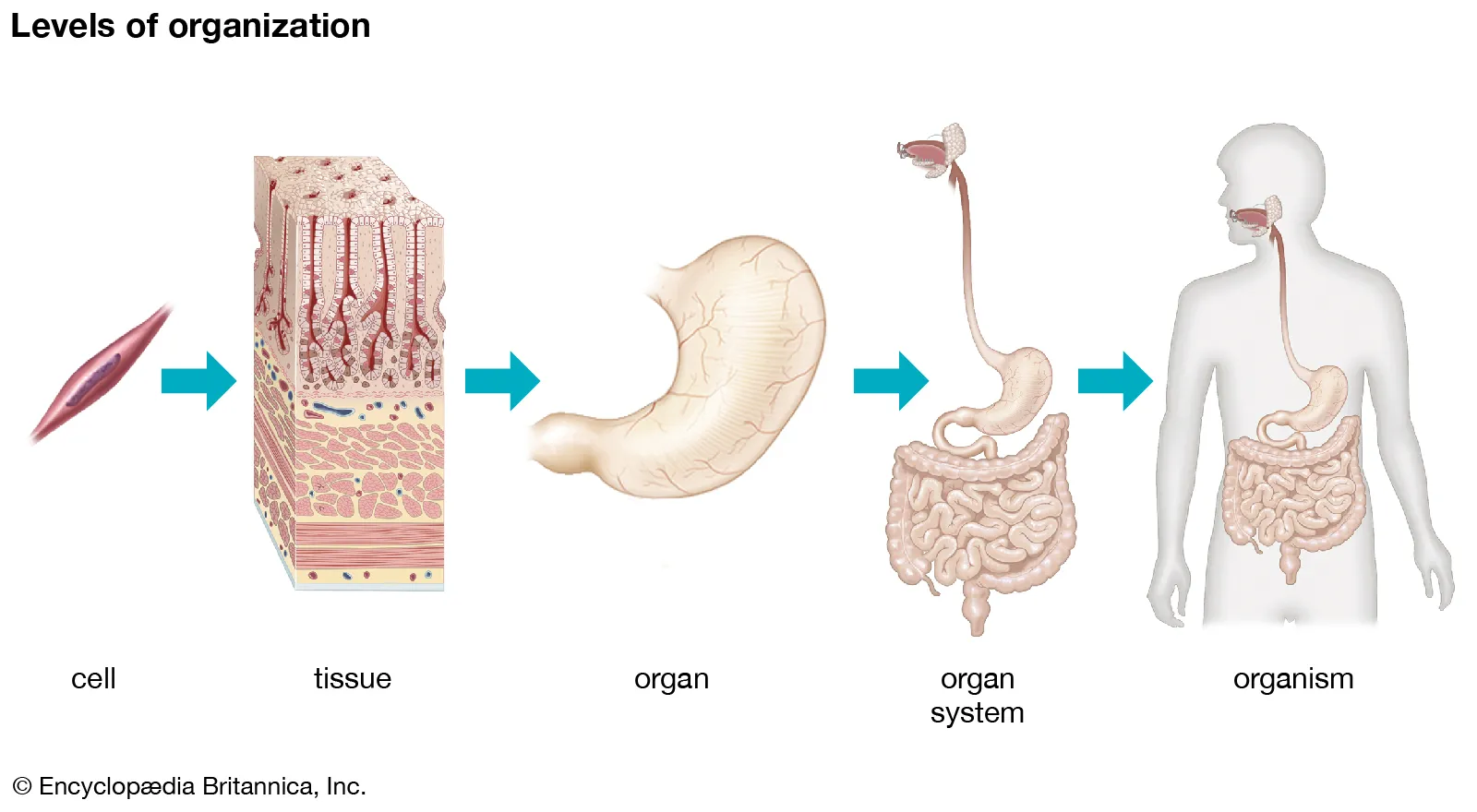
What are the levels of organisation in an organism?
Cells → Tissues → Organs → Organ systems → Organism
What is a property of an embryonic stem cell?
They are totipotent, meaning they can turn into any cell. They are found in embyros, which form from a zygote which is formed by two gametes (sex cells).
What is division of labour?
The distribution of functions across different cells in a multicellular organism. Cells are specialised for different things to happen at the same time, ensuring smoothness and efficiency.
What is locomotion?
Rapid movement.
What is respiration?
How living things get energy from food, gas exchange is a very common way in which organisms get oxygen needed for respiration.
What 7 things makes something a living thing?
MRSGREN, MRS GREN (Way to remember). Movement, Respiration, Senses environment, Growth, Reproduction, Excrement, Nutrients.
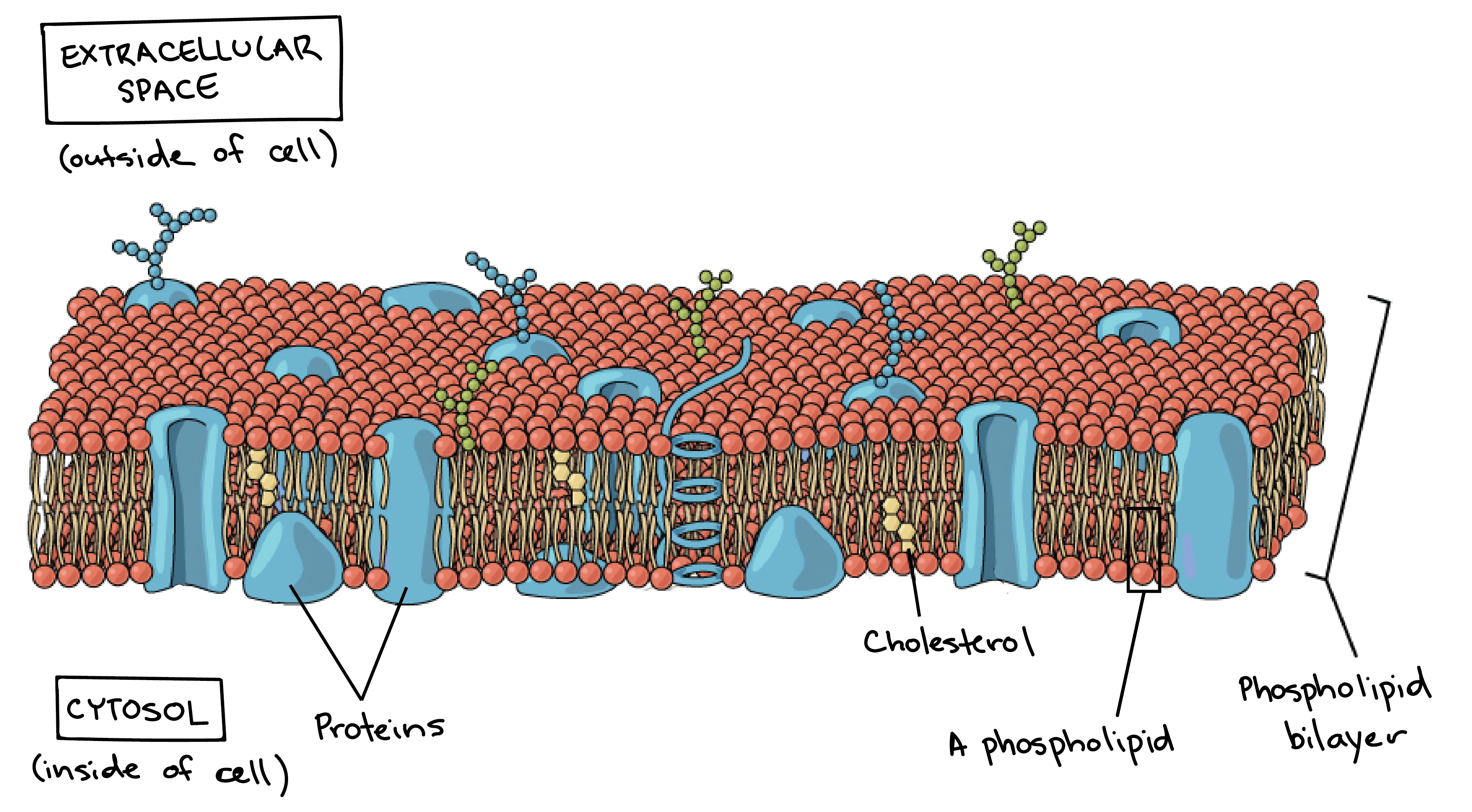
What is the purpose of the plasma membrane?
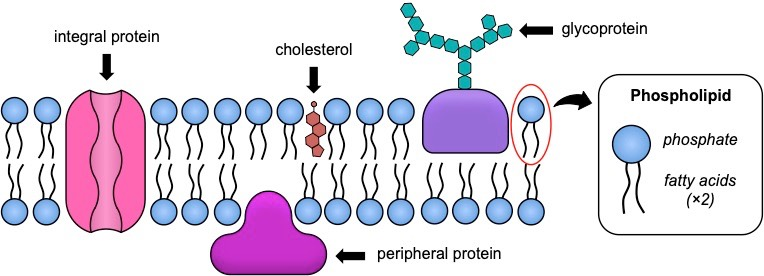
It is the boundary of the cell, and has 2 layers of fat and 1 layer of protein. It allows things in and out of the cell. Image of phospholipid bilayer.
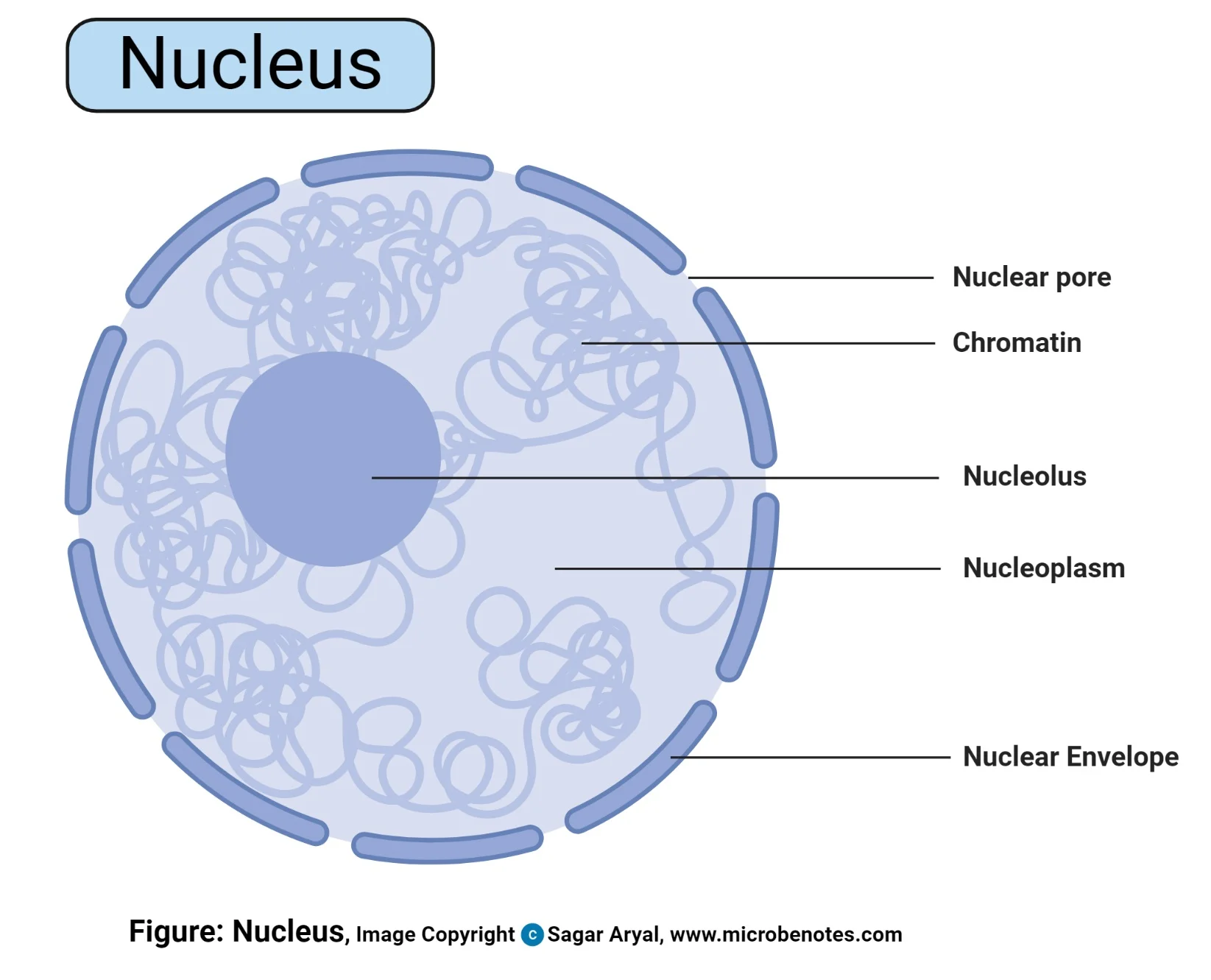
What is the nucleus?
A porous membrane containing DNA and chromatin, also containing the small round nucleolus. Image of nucleus only.
What are ribosomes?
They have no membrane, site of protein synthesis (create proteins), they are either free floating or attached to the Endoplasmic Reticulum, there are 2 subunits of ribosomes.
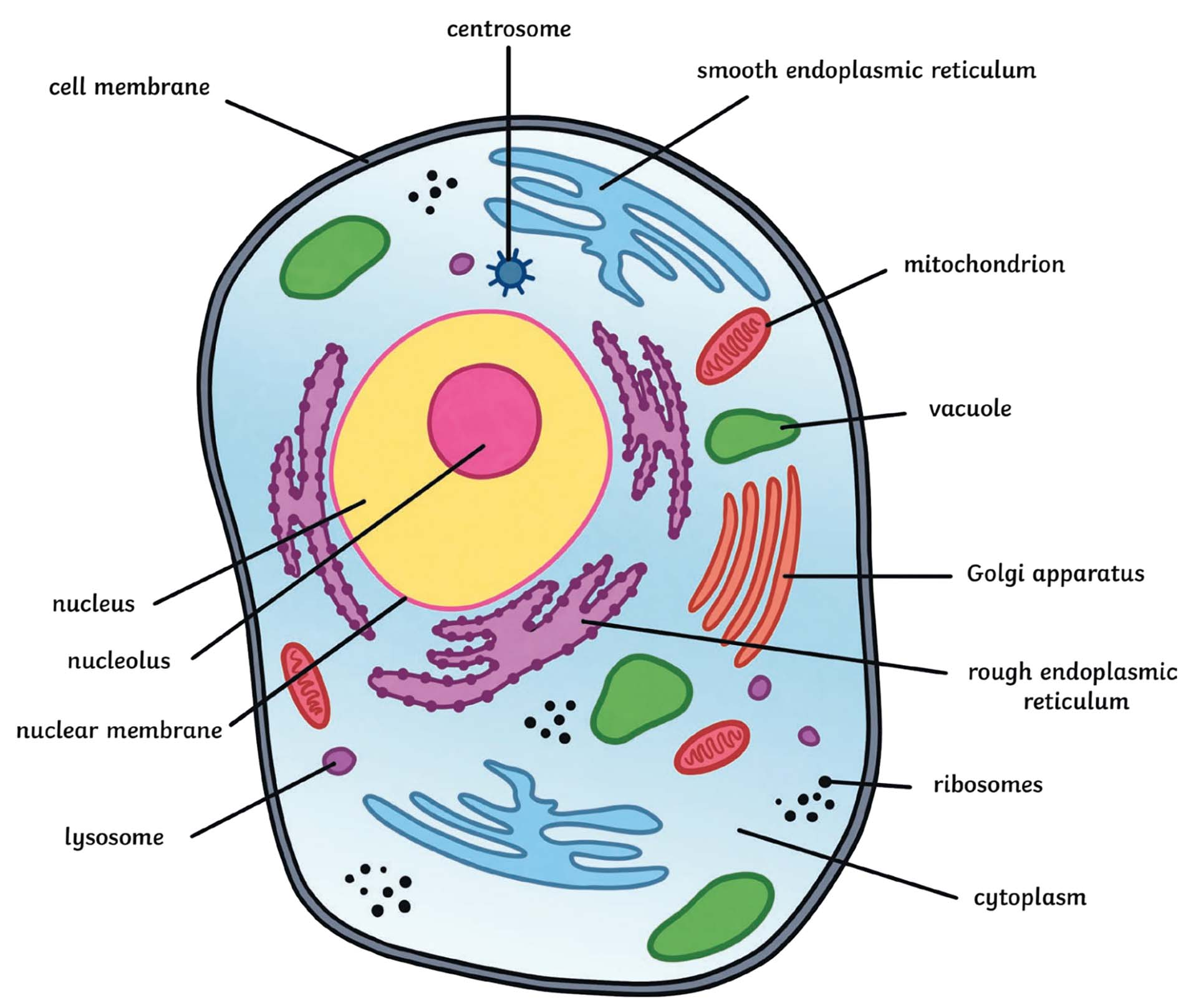
What is the SMOOTH endoplasmic reticulum?
A complex network of transport channels, the smooth ER is a single membrane, ribosome free and helps detox poisons, and synthesises and stores lipids & steroids. Image of nucleus and ER.
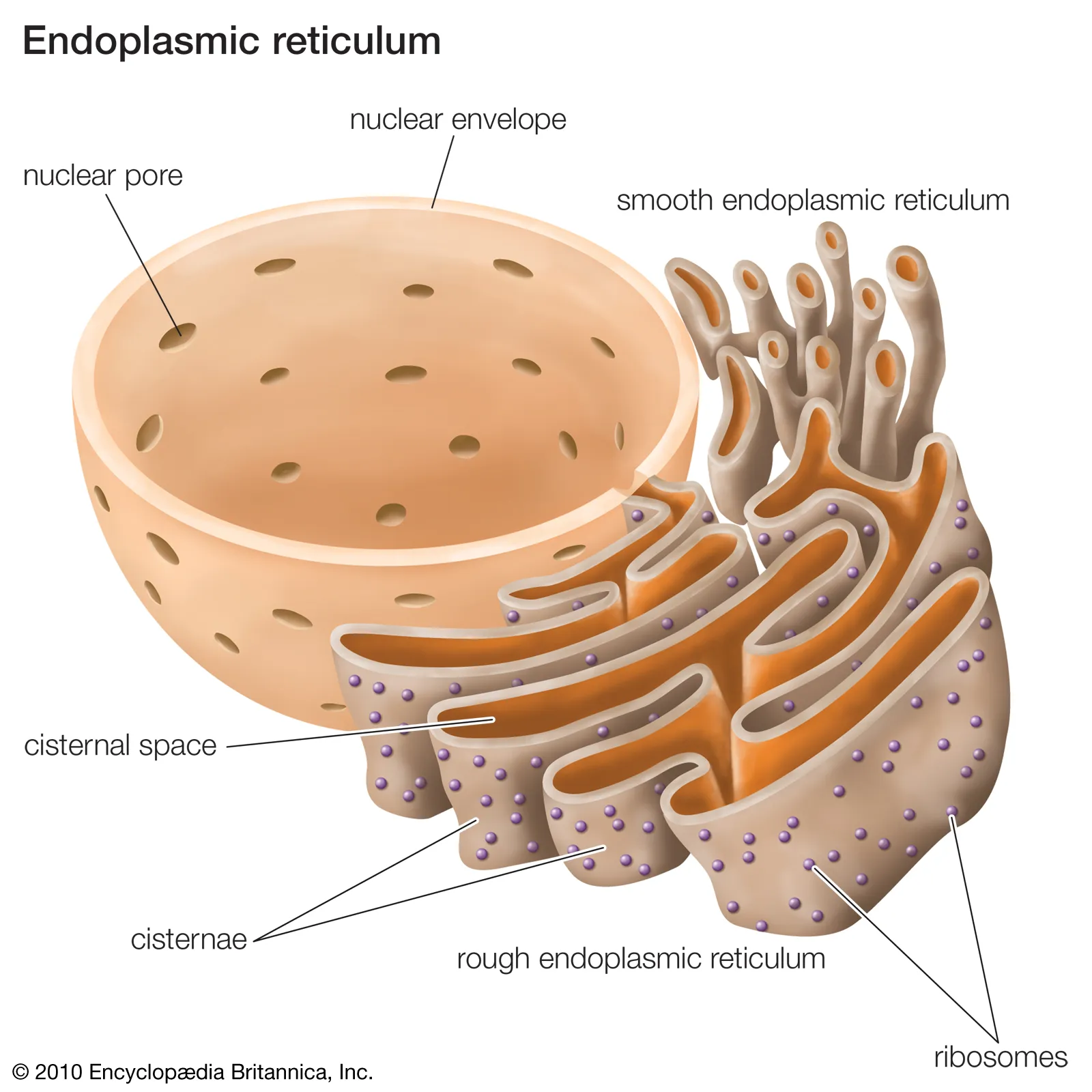
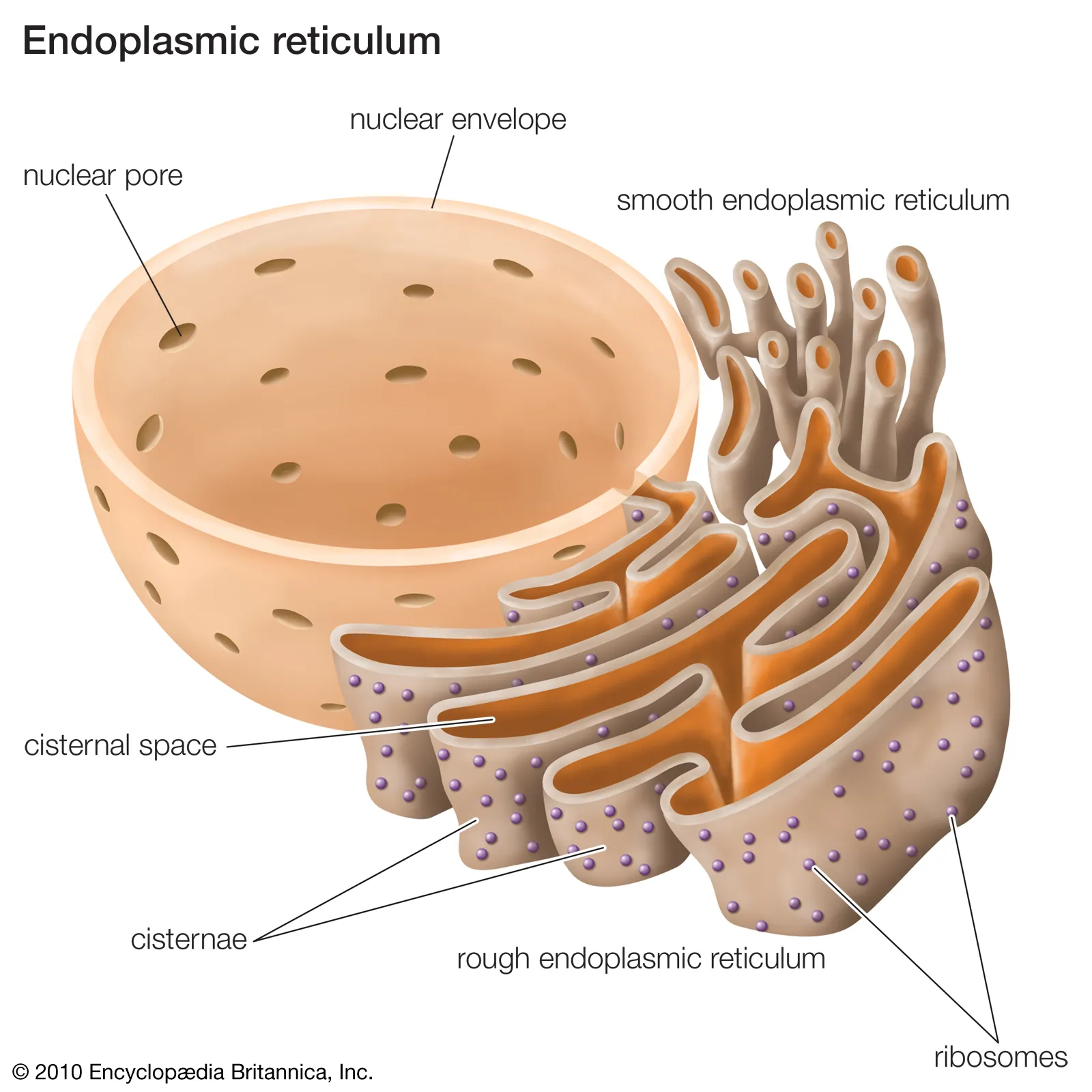
What is the ROUGH endoplasmic reticulum?
A complex network of transport channels. Single membrane, contains ribosomes and releases newly made proteins from the cell. Gets it rough appearance from the ribosomes attached to its surface. Image of nucleus and ER.
What is the golgi apparatus?
A stack of flattened sacs, which modifies and packages proteins and lipids from the ER, packaged into vesicles for transport to their final destinations.
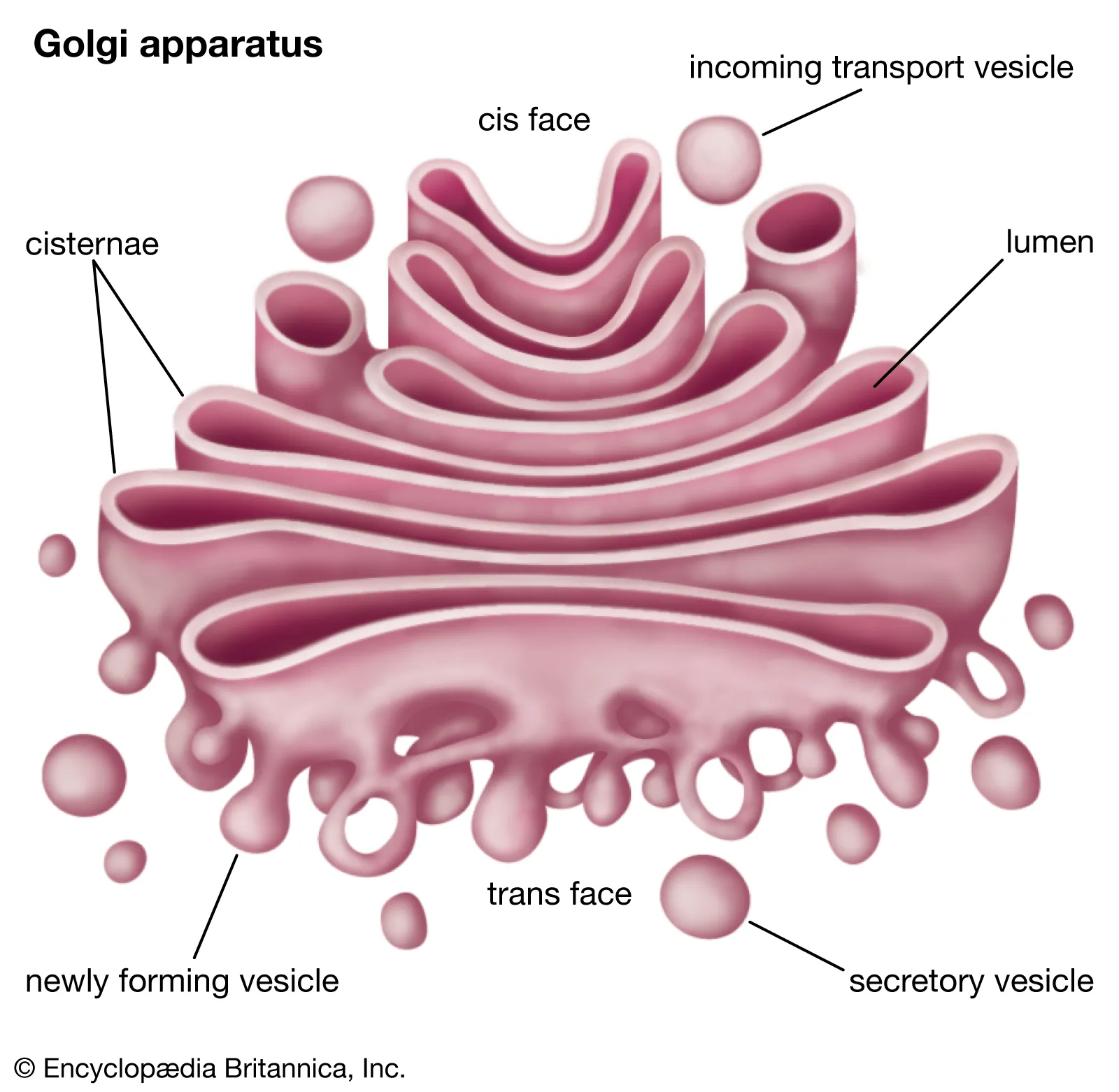
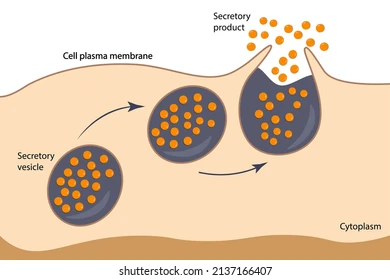
What is a secretory vesicle?
Membrane bound sacs that come from the golgi apparatus, and bind to the cell membrane exporting contents from the cell.
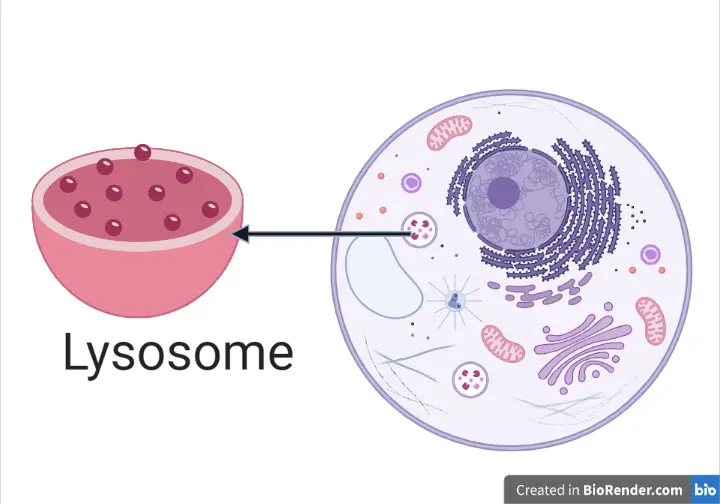
What are lysosomes?
They are organelles which recycle cellular debris, containing powerful enzymes to break down waste material. It has an acidic pH of 5, digesting particles in/outside of cells. Image of full cell, pointing out lysosome.
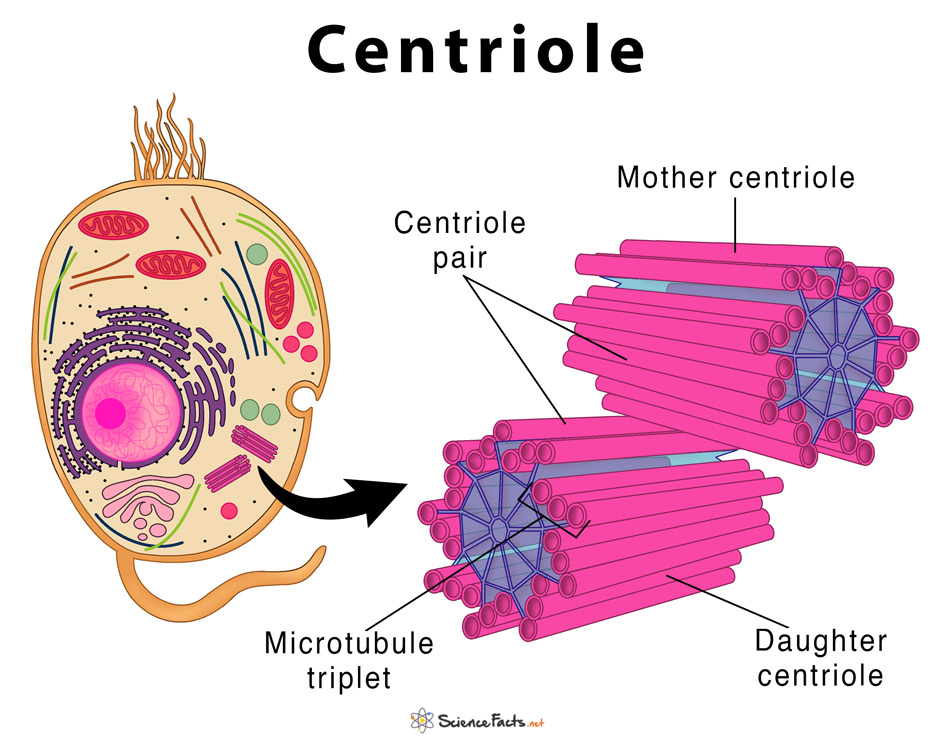
What are centrioles?
They are only found in animal cells, they are paired found together near the nucleus at right angles to eachother. Help build cilia and flagella (external attachments of cells e.g tails/hair), aids in cellular reproduction e.g mitosis. Image of full cell, pointing out centrioles.
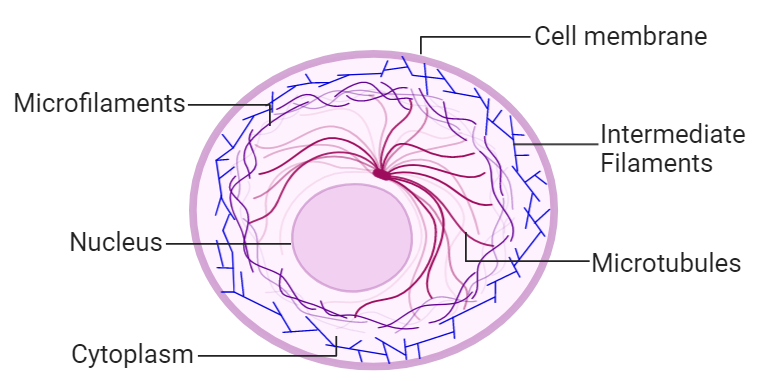
What is a cytoskeleton?
The framework of the cell, made up of microfilaments and microtubules. Provides structural support and helps movement of organelles. Image of full cell.
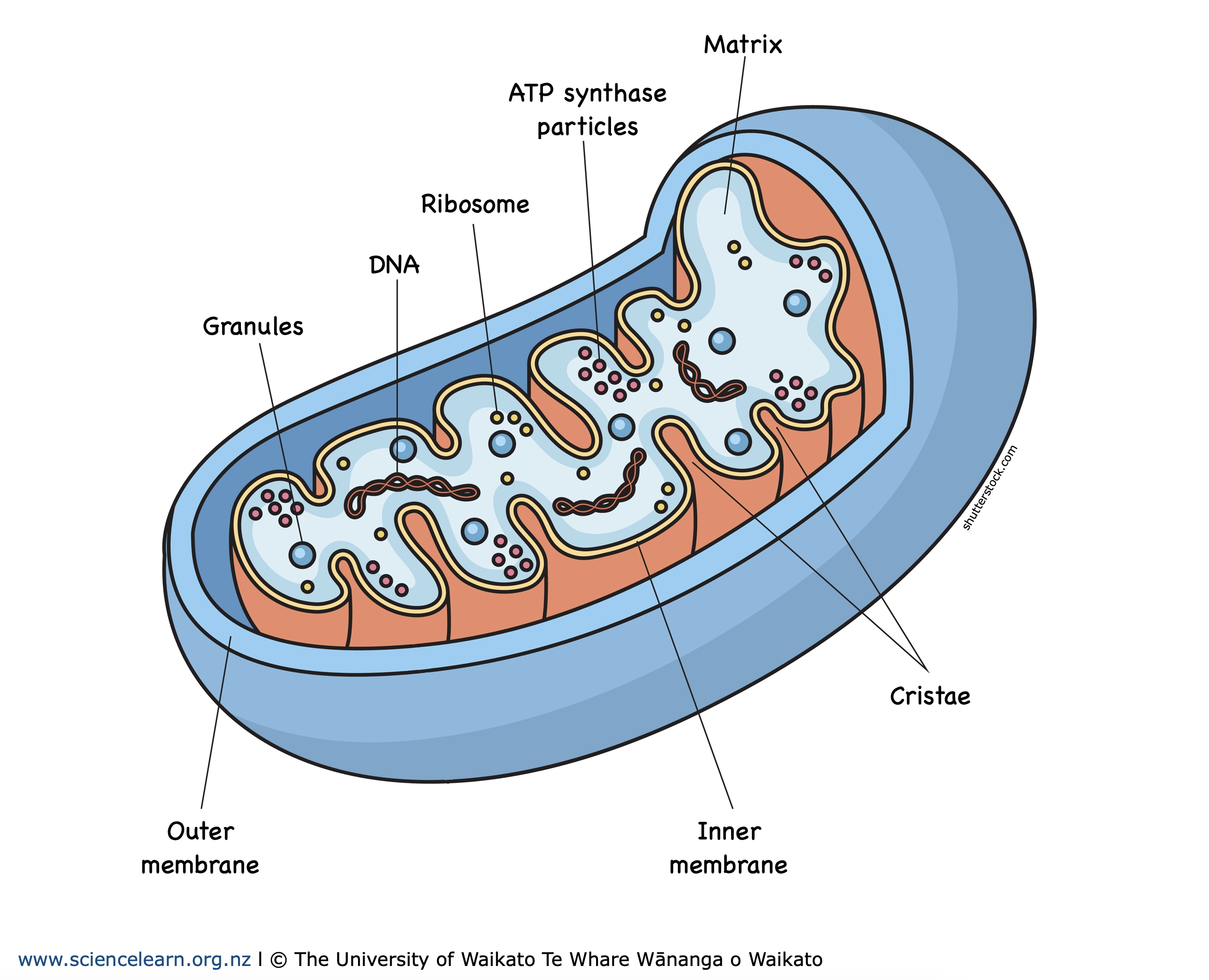
What is the mitochondria?
The powerhouse of the cell 😎🤙. It creates ATP (energy) via cellular respiration. It is double membraned and the size of a bacterium. It contains it’s own unique DNA, called mtDNA. Image of mitochondria.
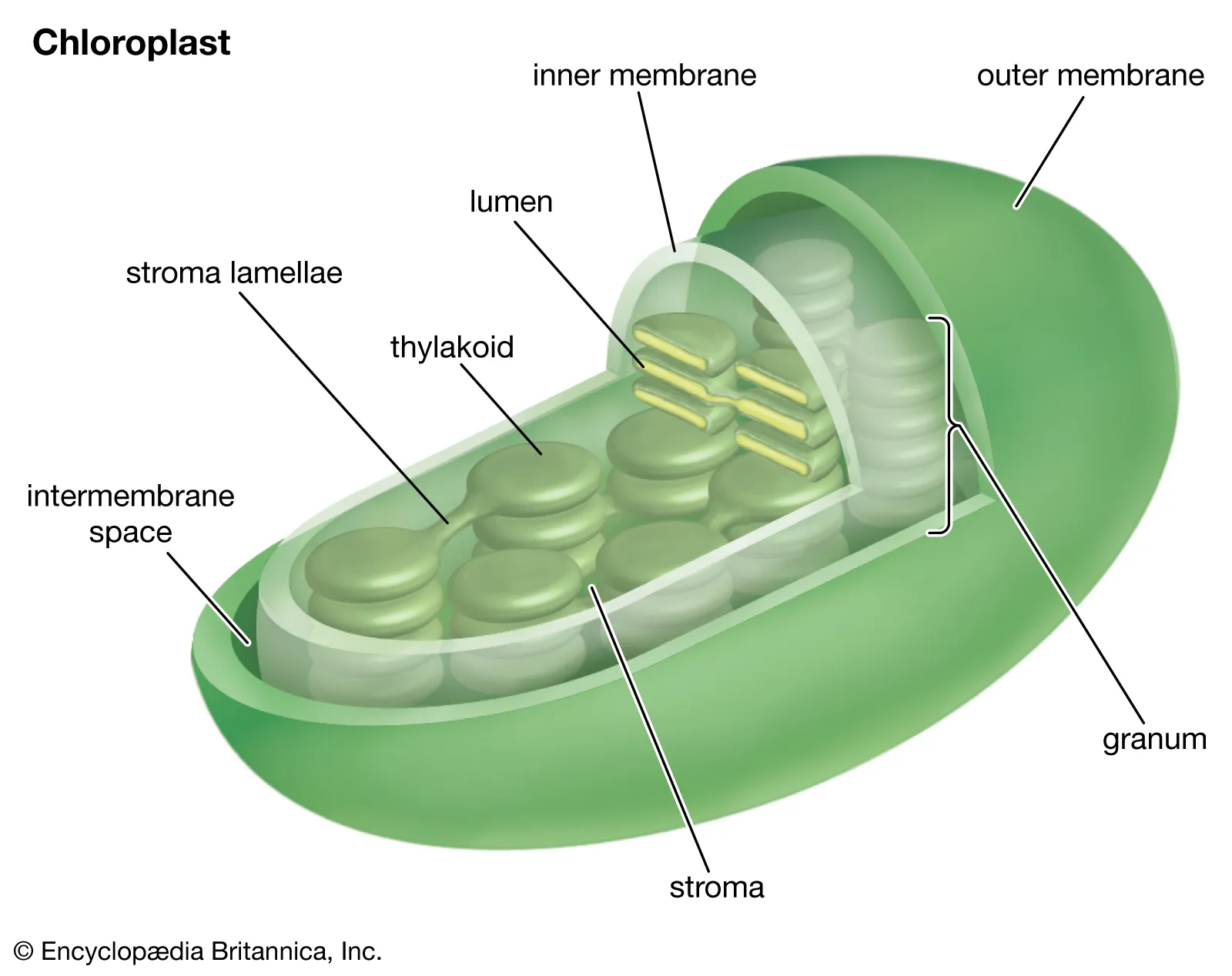
What are chloroplasts?
Double membraned organelles, which contain grana, which are stacks of flattened membrane bound sacs called thylakoid. The grana contain chlorophyll (green pigment in plants) and is the primary site of photosynthesis. Image is of a chloroplast, not a full cell.
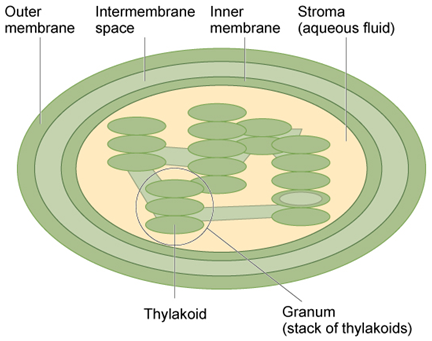
What is stroma?
Gel like material surrounding grana (like pathways) within a chloroplast, like the cytoplasm of the chloroplast. Light-independent reactions of photosynthesis occur there.
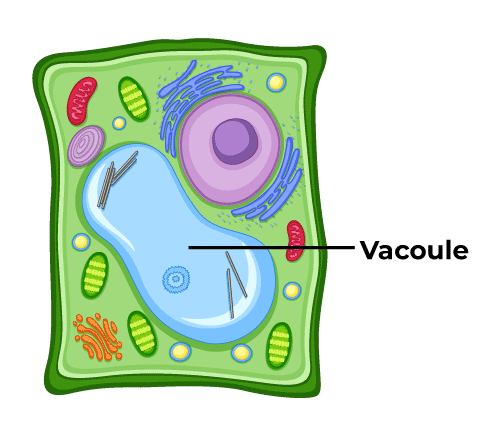
What are vacuoles?
Sacs that help digest food and help cell retain water and maintain water balance. Mainly found in plants and protists.
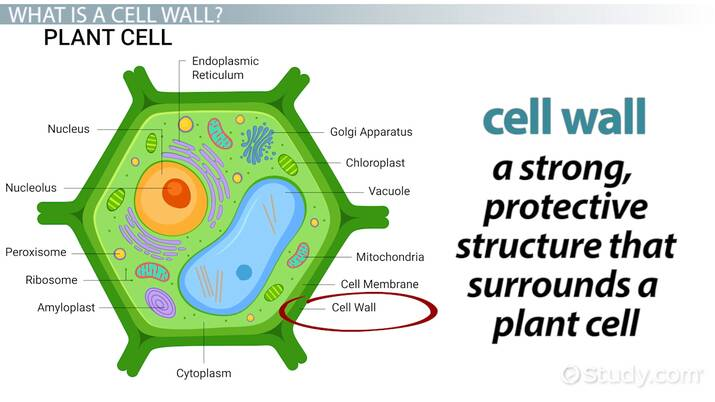
What is the cell wall?
Structural support surrounding plasma membrane. ONLY Found in plant, algae, fungi and bacteria. Provides strength and rigidity. In plants it’s made of cellulose, in fungi it’s made of chitin.
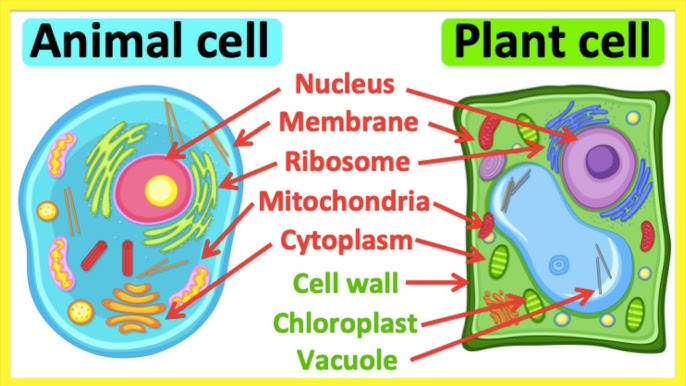
What organelles do plant cells have that animal cells don’t?
Chloroplasts, cell wall and large vacuoles.
What is the phospholipid bilayer, the functions and the main components of it?
The plasma membrane, it is flexible and acts as a protective barrier. It allows for transport in and out of the cell (selectively permeable). Allows for cell recognition, and provides anchoring sites for filaments of cytoskeleton. It’s made up of a hydrophilic phosphate head, two hydrophobic fatty acid tails, transport proteins that allow for larger molecules to pass through, and carbohydrates attached to the outer surface.
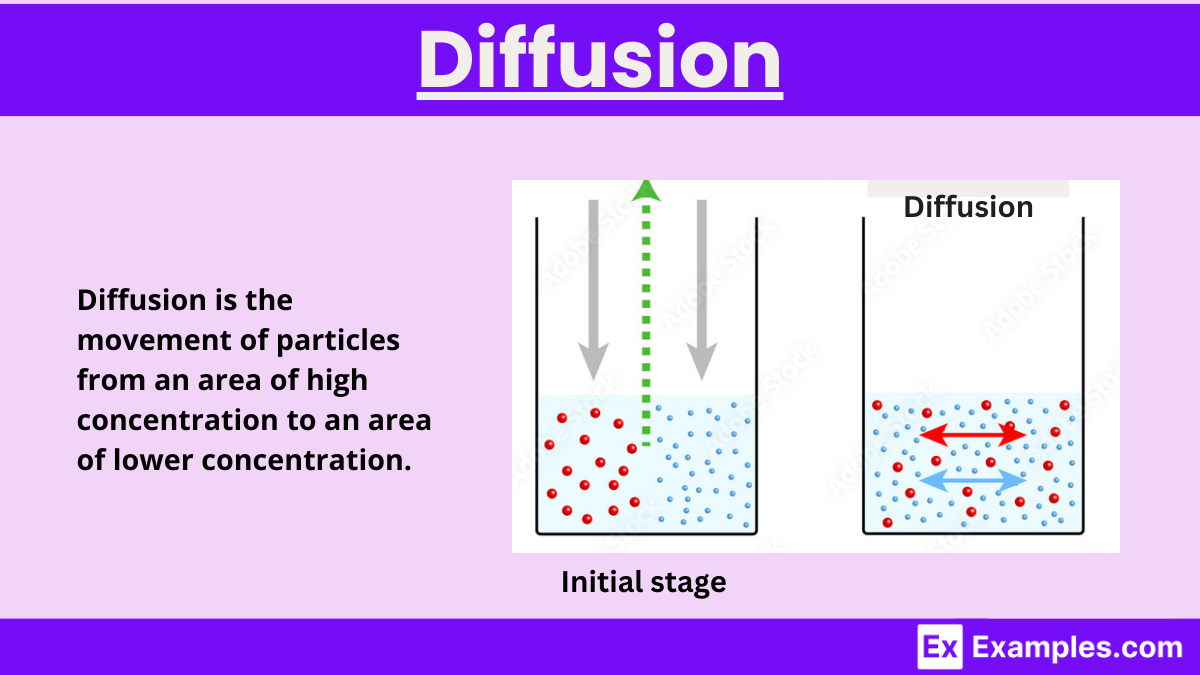
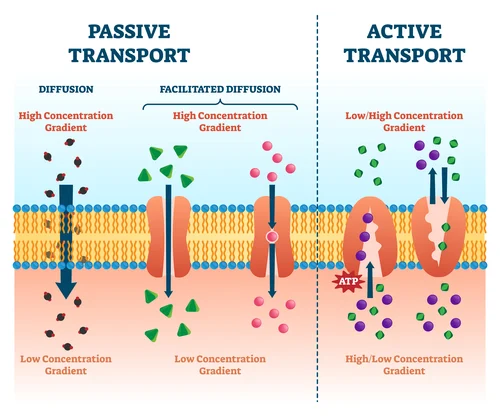
What is diffusion?
General, when molecules move from areas of high concentration to low concentration without requiring energy, done through natural kinetic energy.
What is osmosis?
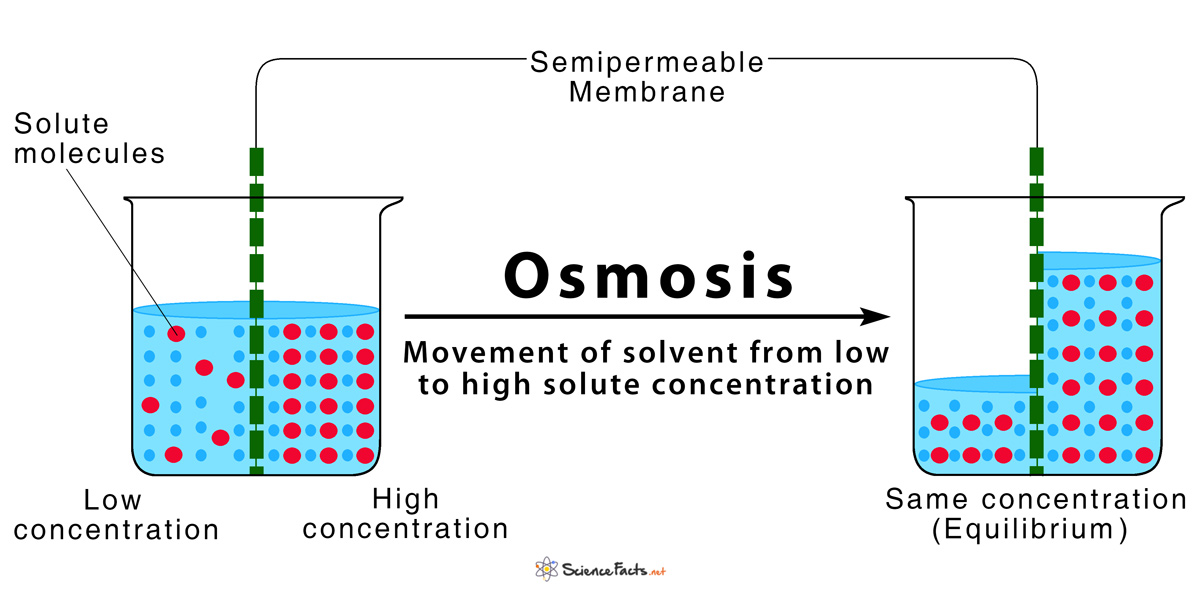
Specifically movement of water across semipermeable membrane, from a area of high water (solvent) concentration to an area of low water concentration to equalise concentration on both sides. Occurs without energy through natural concentration gradient.
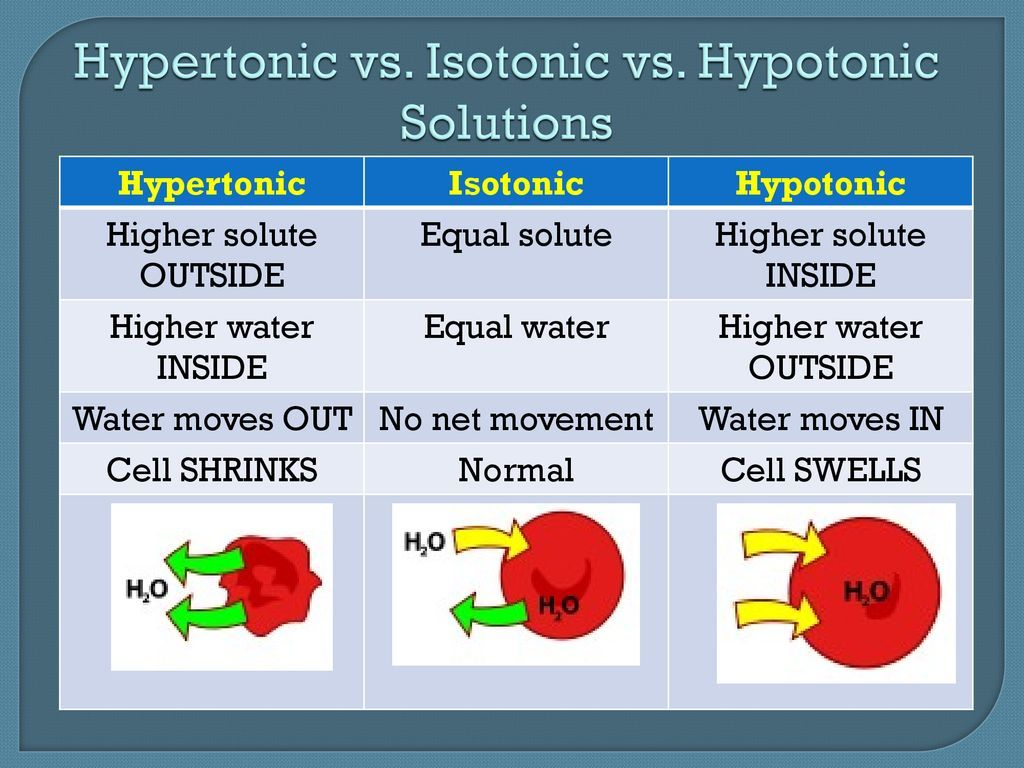
What is an isotonic solution?
It is at an equilibrium, there is no movement of molecules across the membrane as the solute concentration is the same in the cell and outside of it thus no change in cell volume.
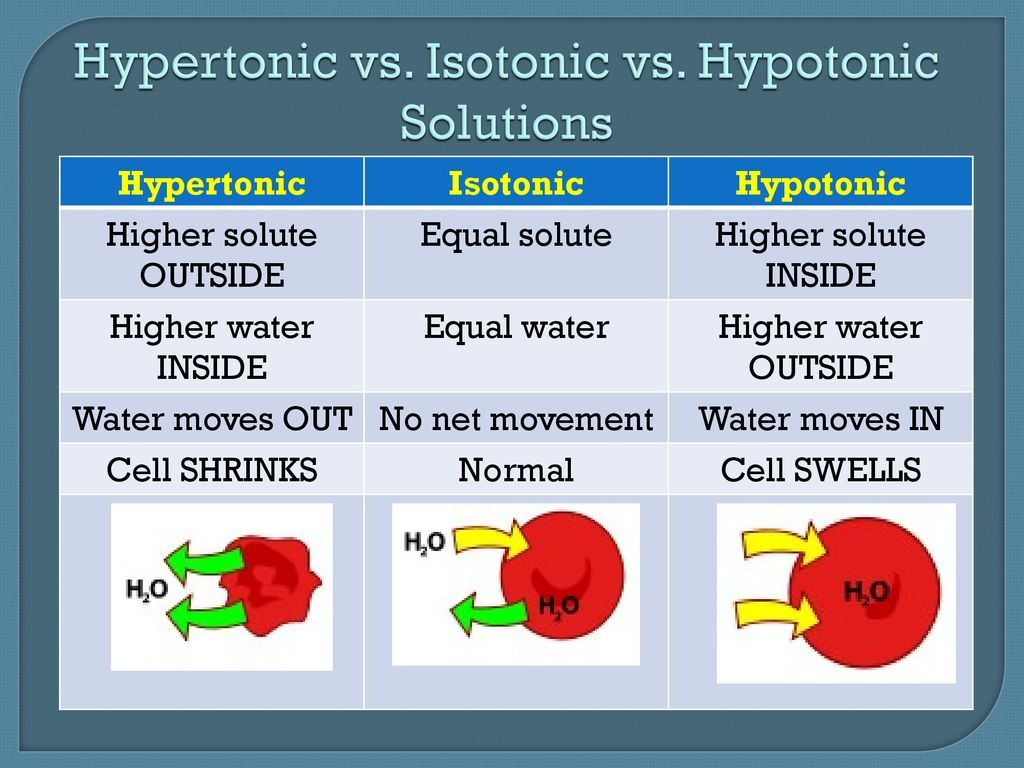
What is a hypotonic solution?
Movement into the cell, hypO, cell becomes swollen like an O. Water moves in to the cell, as theres less water inside, and it wants to move to a lower concentration via the natural concentration gradient.
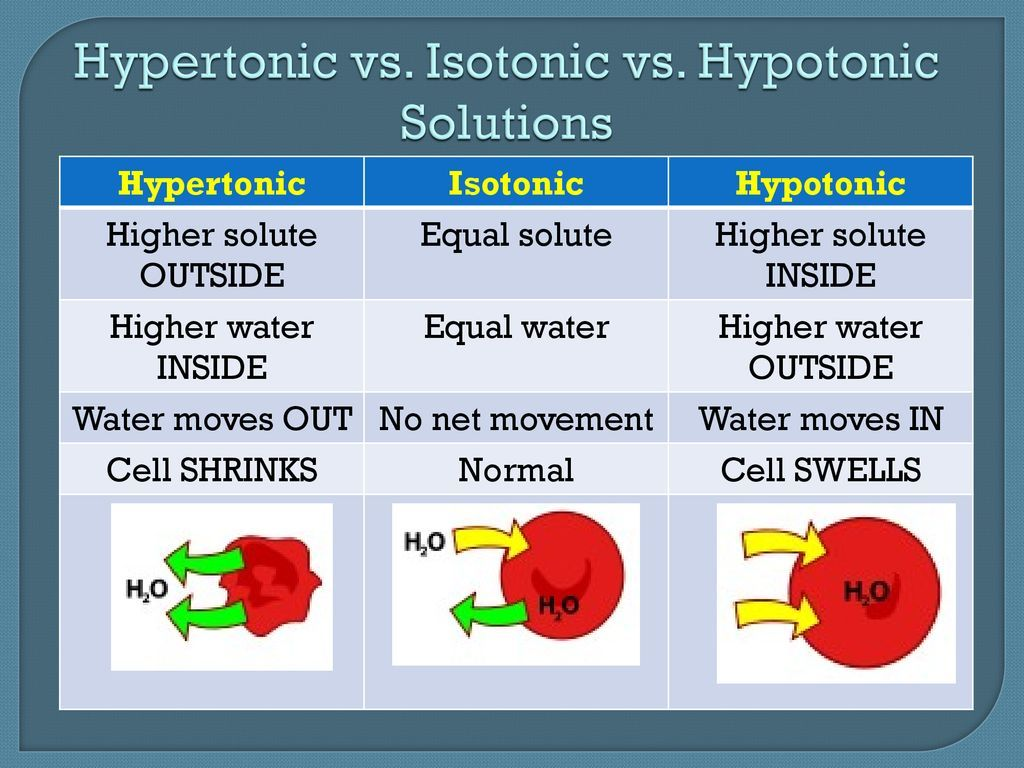
What is a hypertonic solution?
It has movement out of the cell, the solvent/water moves out of the cell, as theres more water in the cell and it wants to move out to the lower concentrated environment, so the cell shrinks.
What is active transport?
It requires energy/ATP, and moves material from low to high concentration against concentration gradient. Movement of chemicals in and out of cell requires ATP e.g. sodium potassium pump, 3Na+ pumped in for every 2K+ pumped out, created membrane potential.
What is homeostasis?
Homeostasis is the process of keeping the body’s internal environment stable, such as temperature and water.
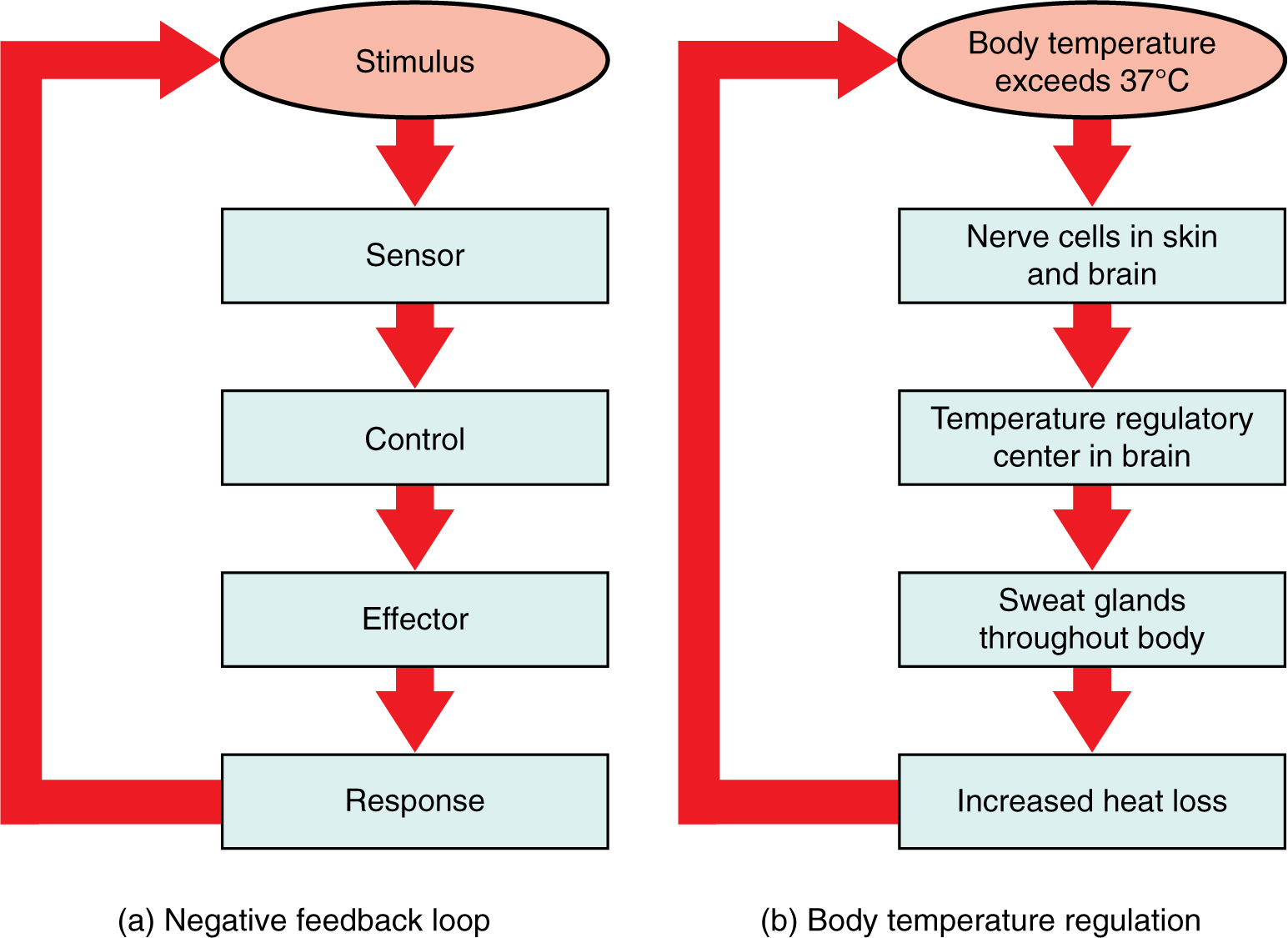
What is the negative feedback loop?
Stimulus occurs, which is detected by the receptor and sent through the PNS to the CNS (control centre), then sent back through the PNS to the effectors to create a response to counteract the stimulus, such as sweating when its hot to cool down.
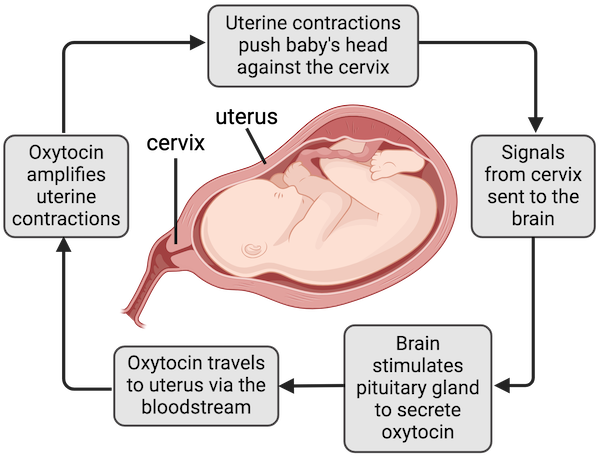
What is the positive feedback loop?
Stimulus occurs, which then causes a response that amplifies the original stimulus. This leads to a cascade effect where the response continues to intensify until the stimulus is removed or a specific outcome is achieved. An example is childbirth, where contractions intensify until the baby is born.
What are the three main body systems that respond to internal and external changes?
Nervous system, endocrine system and immune system.
What is the function of the nervous system?
To receive information from sensory organs, muscles and internal tissues and transmit it to tissues, organs and muscles throughout the body. Sends controls from the CNS.
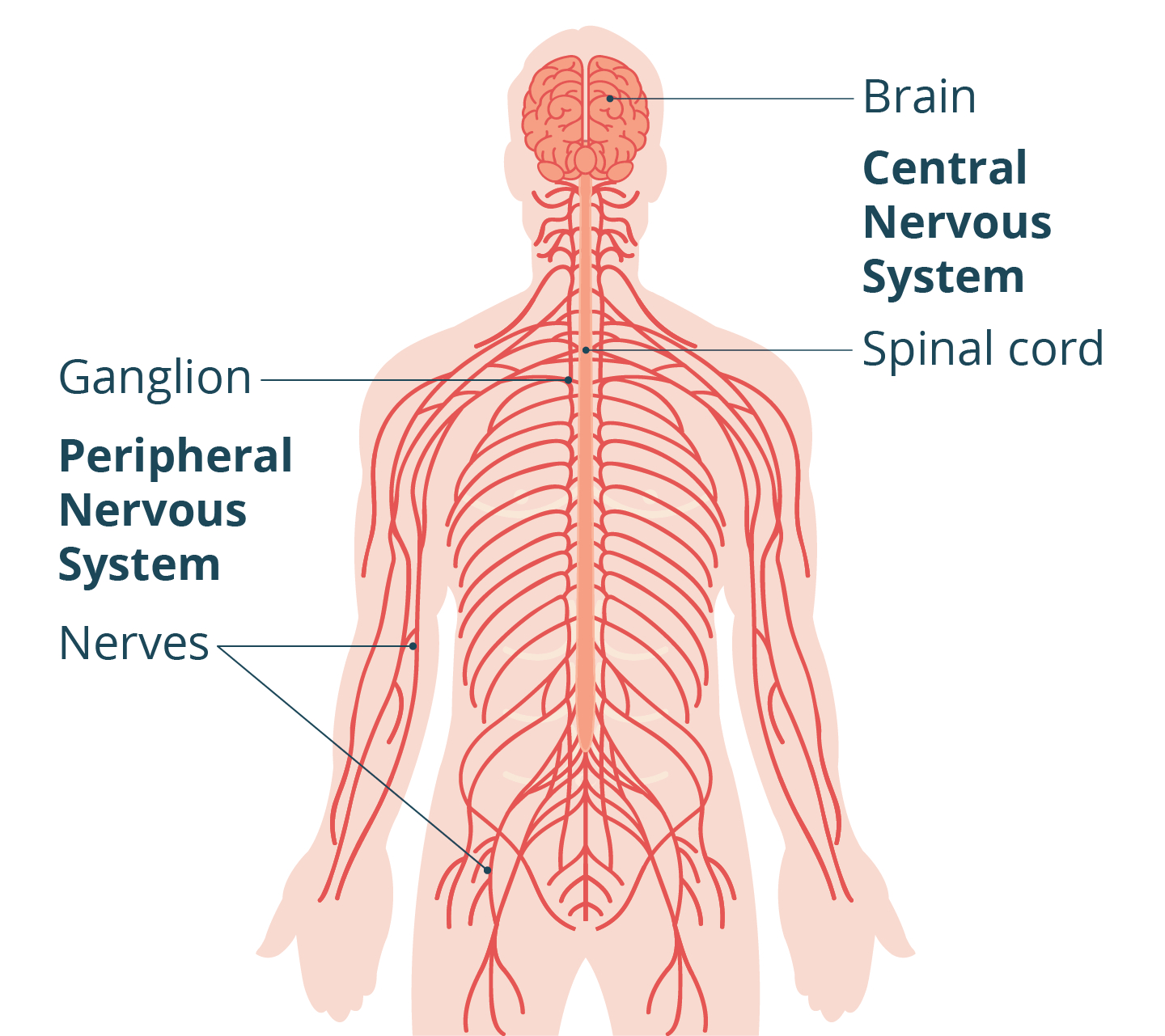
What is the central nervous system?
The part of the nervous system that consists of the brain and spinal cord, responsible for processing information and coordinating responses throughout the body.
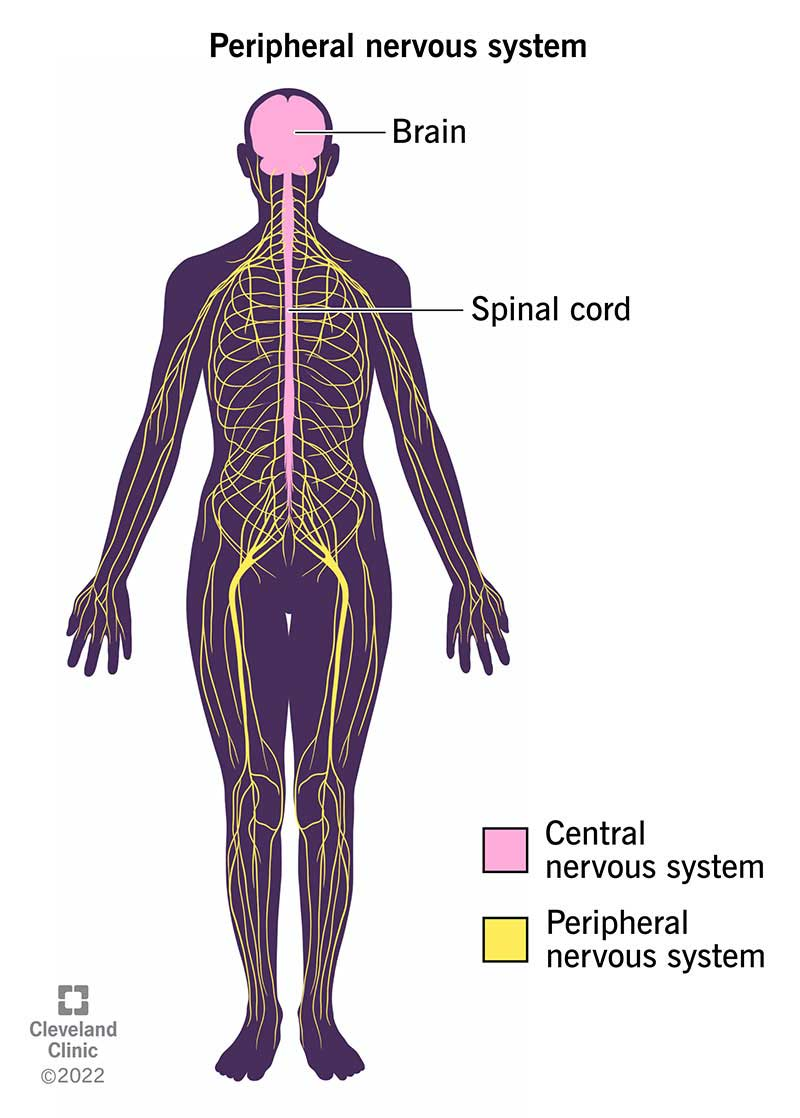
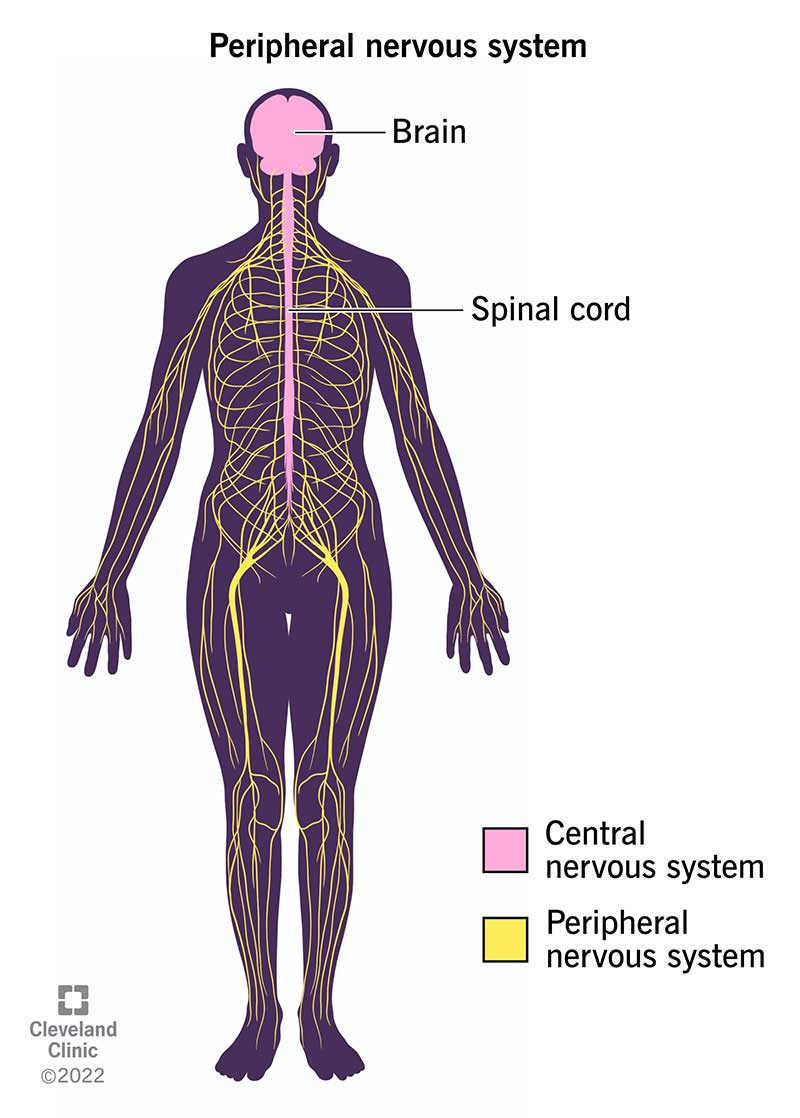
What is the peripheral nervous system?
The part of the nervous system that includes all the nerves outside the central nervous system. It connects the CNS to limbs and organs, facilitating communication.
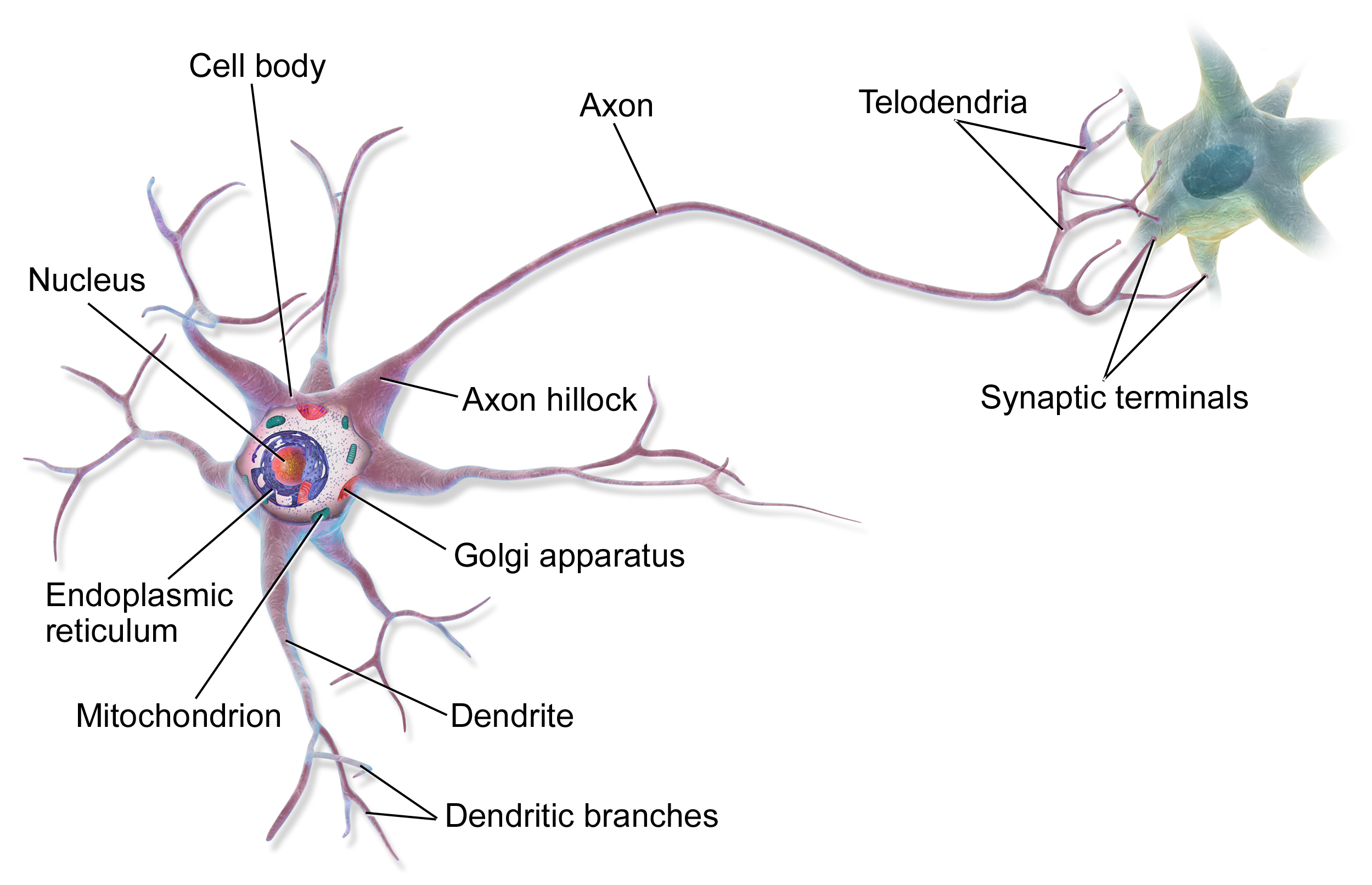
What are neurons?
Nerve cells that carry electrical signals throughout the nervous system.
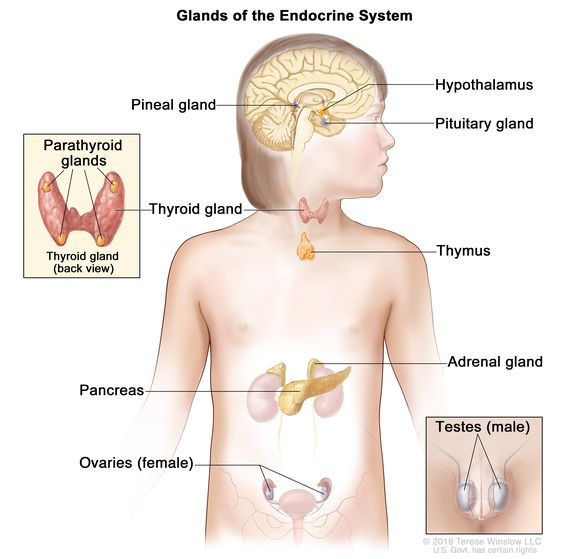
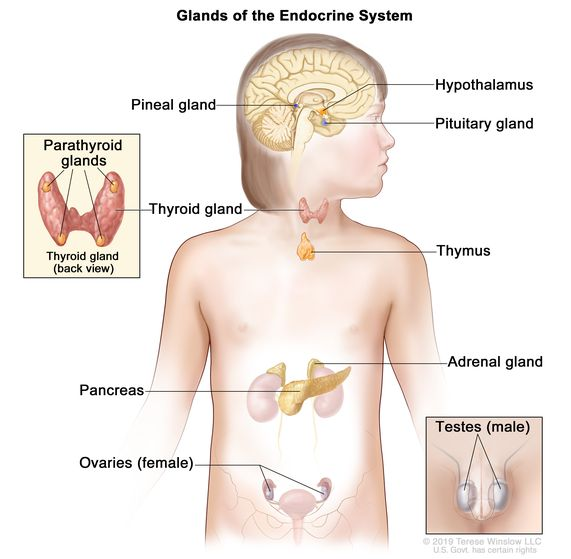
What is the function of the endocrine system?
The endocrine system is responsible for producing and secreting hormones (chemical messengers) that are released in to the blood to act on target tissues to regulate things like blood sugar and metabolism.
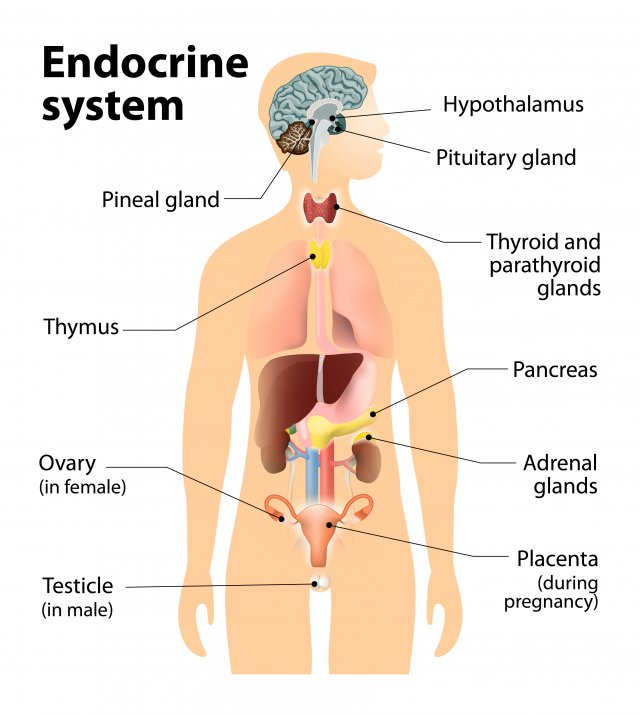
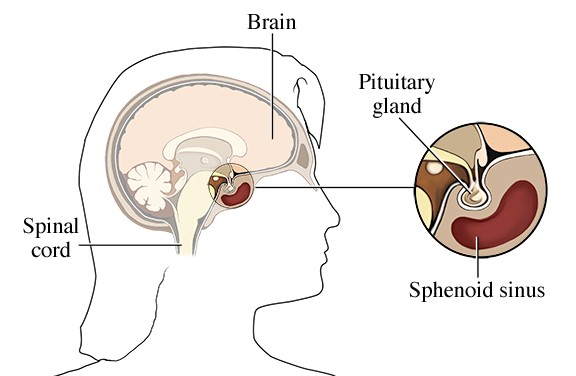
What is the function of the pituitary gland?
It is the system coordinator, controls release of release of hormones from other systems (Part of endocrine system).
What is the function of the hypothalamus (Part of endocrine system).
The hypothalamus regulates many bodily functions, including temperature, hunger, and the sleep-wake cycle.
What is the function of the pancreas (Part of endocrine system).
The pancreas produces insulin and glucagon, which regulate blood sugar levels.
What are the requirements of natural selection?
Population needs to have genetic variation as it will allow some organisms to survive faster, the variation helps for better survival can be inherited.
What is the function of the immune system?
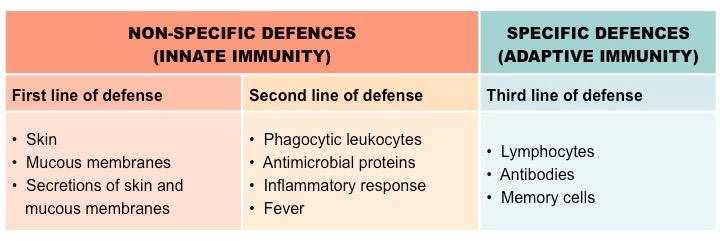
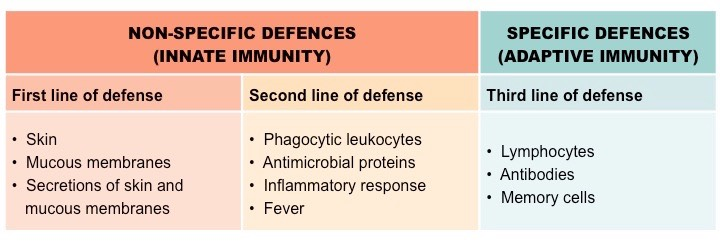
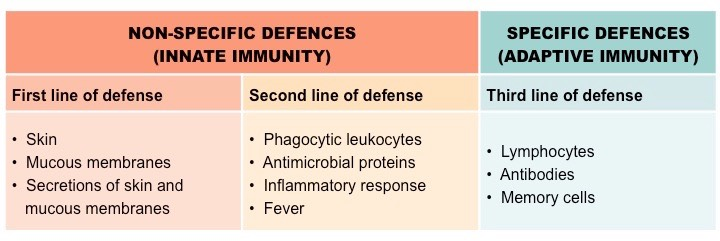
To provide physical and chemical barriers to prevent entry of pathogens, or expel/destroy them, as infections can disrupt homeostasis.
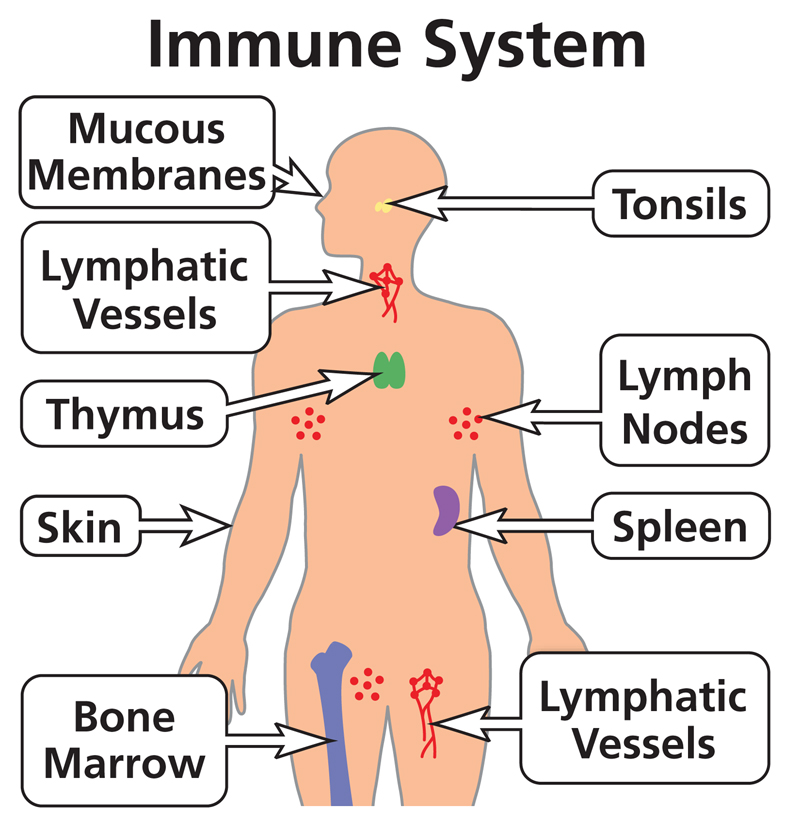
What is the first line of defence in the immune system?
It focuses on keeping pathogens out of the body through barriers like skin and mucous membranes. It is part of the innate system— it does not remember the pathogen
What is the second line of defence in the immune system?
It includes the inflammatory response and the action of phagocytes (type of white blood cell that engulfs pathogens), which help to eliminate pathogens that have breached the first line of defence. It is part of the innate system, it is a non specific immediate response.
What is the third line of defence in the immune system?
It involves the adaptive immune response, where lymphocytes, such as B cells and T cells, recognise and remember specific pathogens, leading to a stronger response and specific response. It is part of the adaptive system, remembering pathogens but taking longer to respond.
What is a complement protein? (Part of immune system)
Proteins that circulate in the bloodstream, causing lysis by puncturing pathogen plasma membranes, and coats pathogens to make them more identifiable for phagocytes.
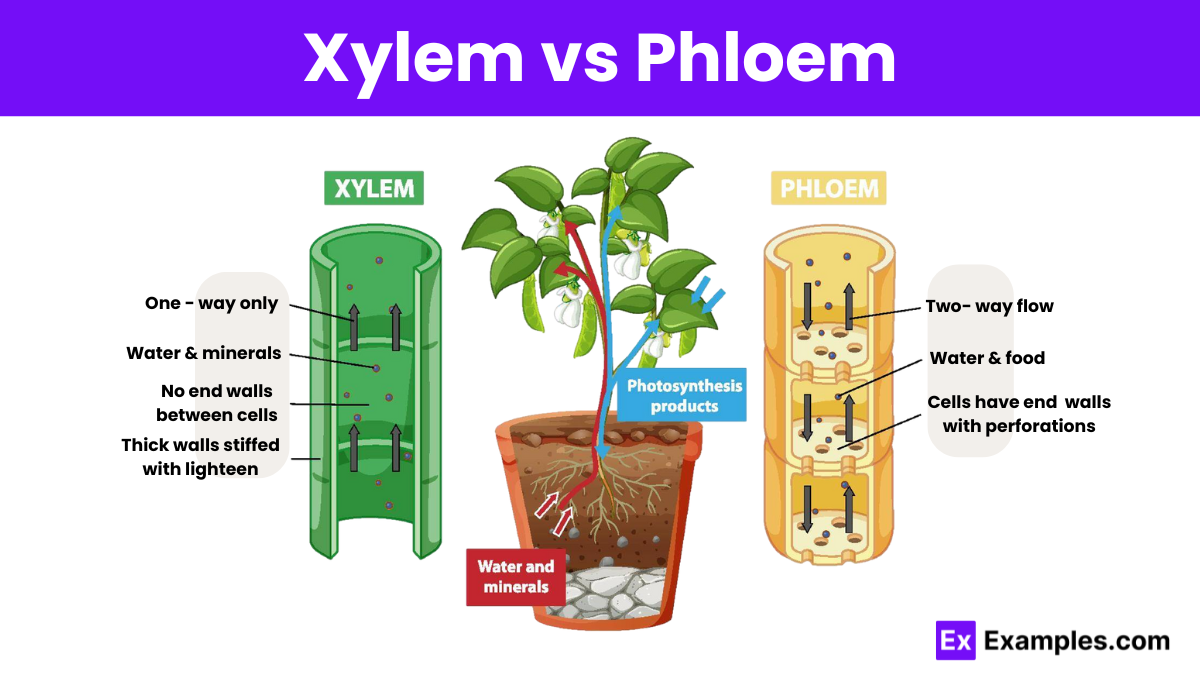
What is the function of the xylem?
The function of the xylem is to transport water and dissolved minerals from the roots upwards. It consists of dead cells, water movement is mechanical.
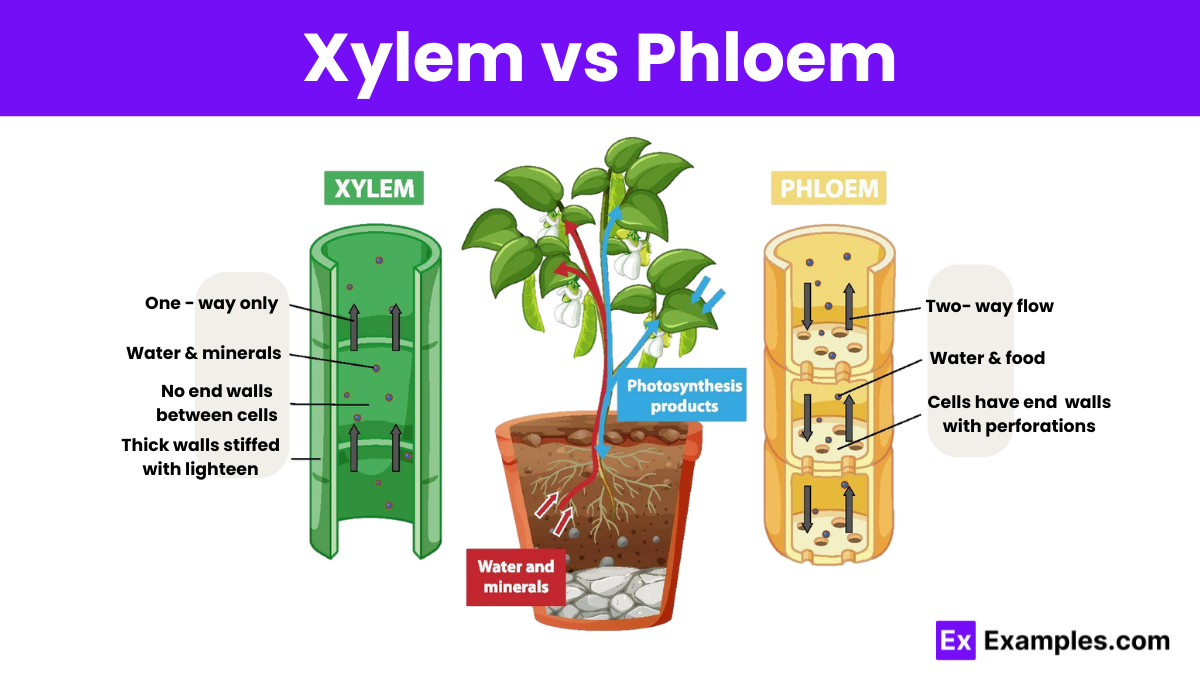
What is the function of the phloem?
The function of the phloem is to transport sugars from the leaves around the plant. Cells are alive, companion cells provide energy to the tube cells, and the end walls of the tube cells have pores which food is transported through.
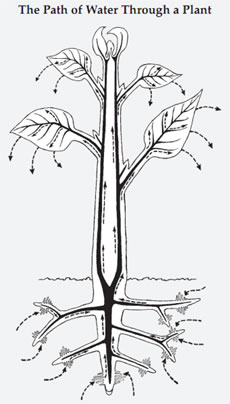
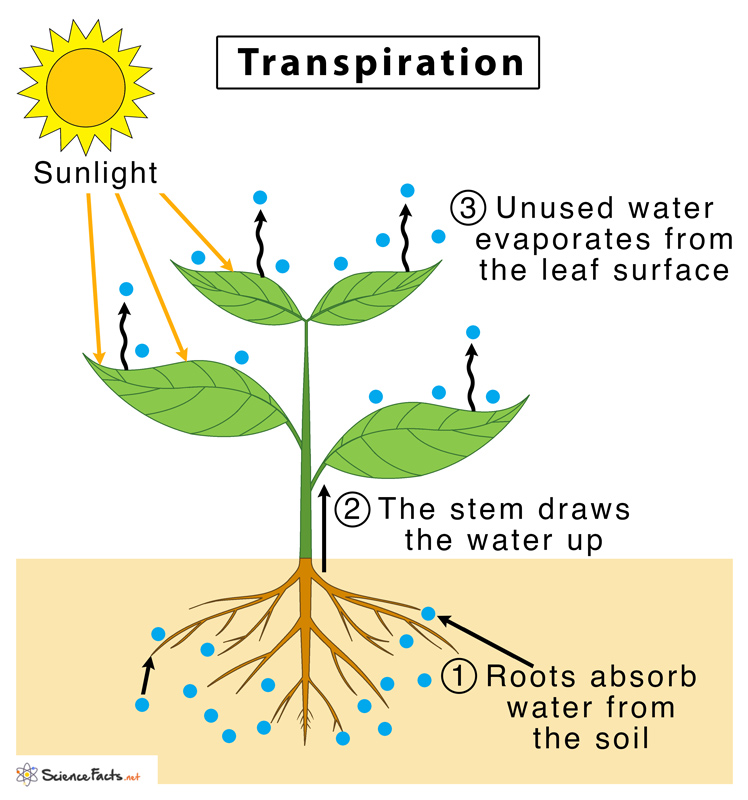
What is the process of water transport and transpiration in plants?
Water and dissolved minerals absorbed from roots moves via capillary action → shoots → leaves via xylem. Transpiration occurs when water evaporates from leaf surfaces, creating a negative pressure that pulls more water upward.
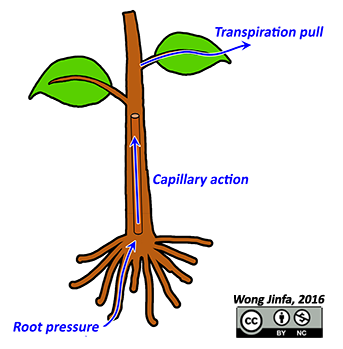
What is capillary action?
Water is drawn through thin tubes without external force, water molecules stick to the sides and other water molecules. Water pressure from roots pushing from the roots forces the water upwards. Pulling pressure from leaves occurs when there’s a lack of water.
What are stomata?
Small openings on plant leaves that allow for gas exchange, primarily for the release of oxygen and the intake of carbon dioxide. It’s formed by two guard cells. They also help regulate water loss.
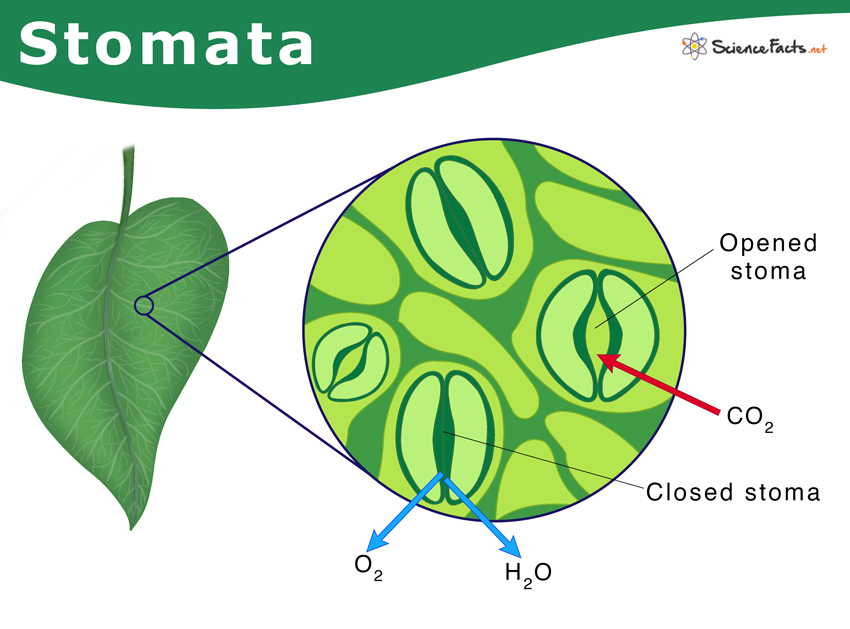
What is transpiration?
Flow of water upwards from the roots to the leaves. Plants control how long stomata stay open and closed to limit water loss.
What are characteristics of sexual reproduction?
Requires 2 parents, offspring genetically differ from parents, involves meiosis, require more energy than asexual reproduction, more genetic variability therefore more adaptable e.g. humans, most animals.W
What are characteristics of asexual reprouction?
Requires 1 parent, offspring genetically identical to parents, involves mitosis, requires less energy, less genetic variability therefore less adaptability e.g bacteria.