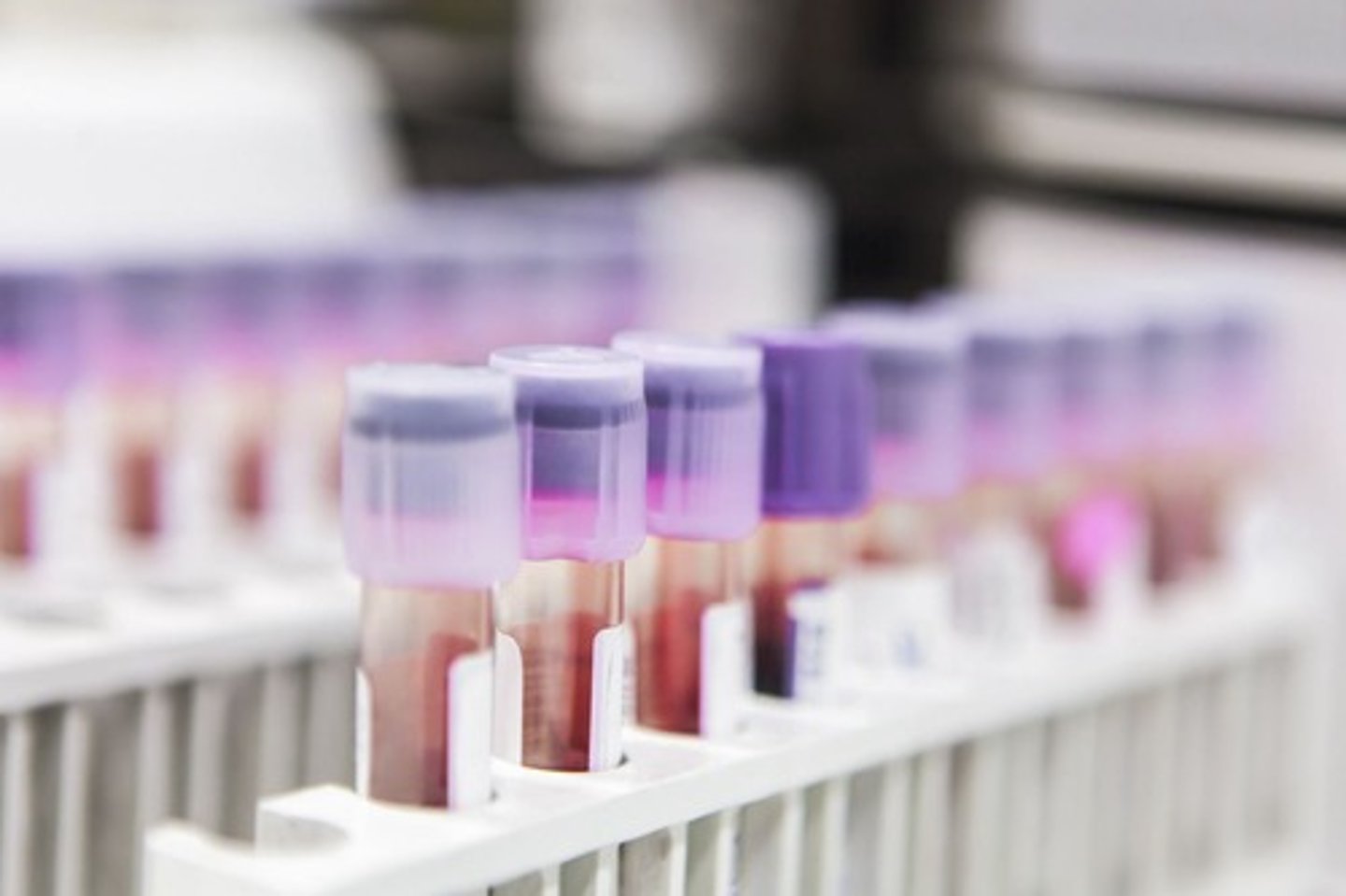
Informed Consent and Management of Blood Transfusions
 Call Kai
 Learn
Learn Practice Test
 Spaced Repetition
 Match
Match Flashcards
 Knowt Play
1/29

There's no tags or description
Looks like no tags are added yet.
Name | Mastery | Learn | Test | Matching | Spaced | Call with Kai |
|---|
No analytics yet
Send a link to your students to track their progress
30 Terms
What are the goals of informed consent for blood transfusions?
To inform patients about the indication for transfusions, the risks associated with transfusions, and to verbalize immediate actions needed to manage risks
What are the requirements for informed consent for blood transfusions?
- the nature of the test or treatment
- the risks, benefits, and consequences for each intervention
- alternatives to proposed interventions
- assessment of patient understanding
Who is responsible for obtaining consent for blood transfusions?
The patient's physician or Advanced Practice Provider (APP) is responsible for discussing risks, benefits, and alternatives
When should consent for blood transfusions be completed?
As soon as possible
Is a separate consent needed for each blood transfusion?
No, one consent is valid for one admission
If a patient has signed consent for a surgery, do they need to sign again for a blood transfusion related to that surgery?
No, not if the blood is required due to the surgery for which consent was signed
What is required if a patient needs blood for a different reason than the surgery?
Yes, a new consent must be obtained
What are the common adverse reactions associated with blood transfusions in the US?
80% of adverse reactions are due to allergies or febrile nonhemolytic reactions
What types of blood products are available for transfusion?
- Whole blood
- Packed RBC
- Washed RBC
- Random donor platelets
- Fresh Frozen Plasma (FFP)
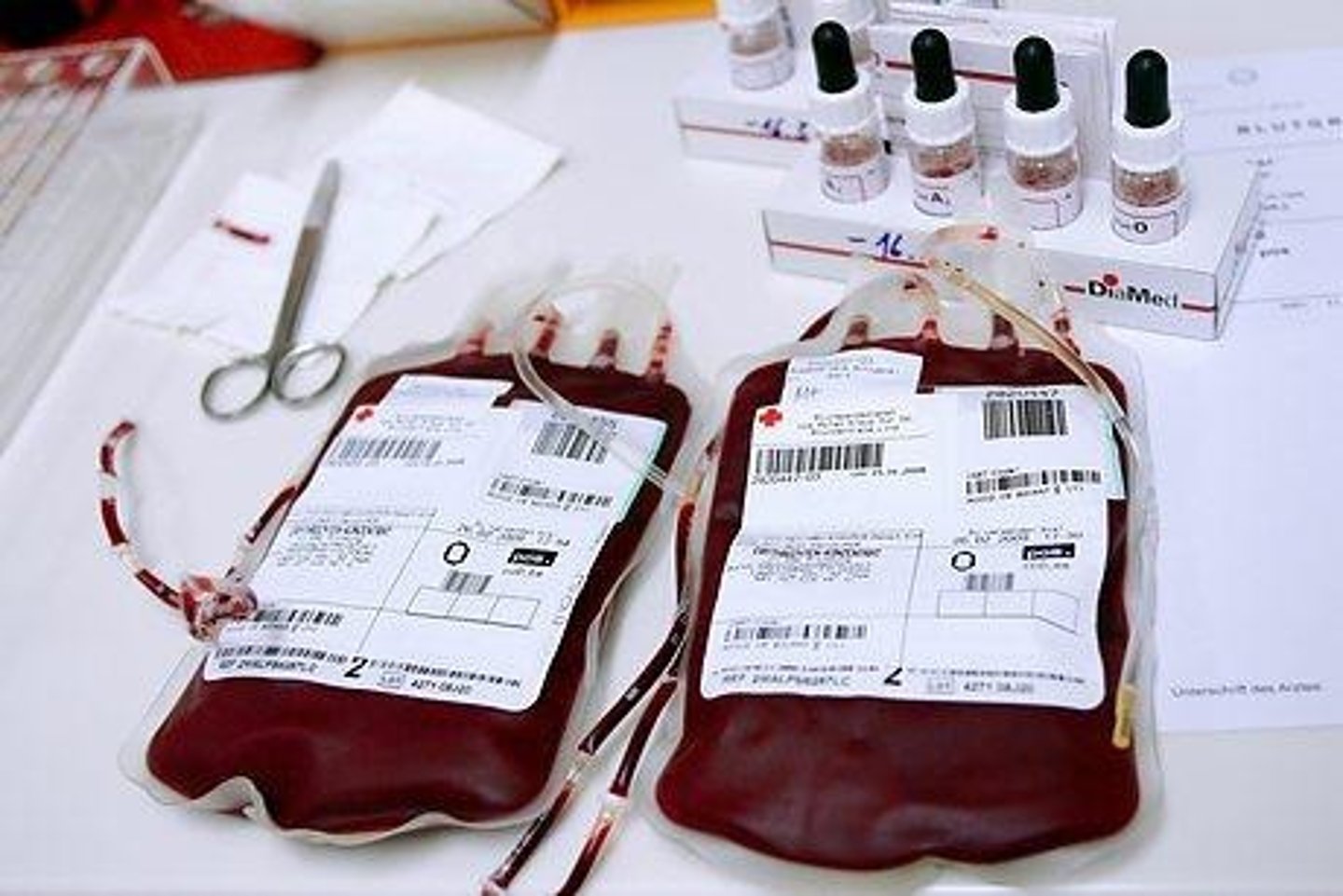
What does whole blood contain, and what is its use?
- RBC and plasma
- massive blood loss (trauma)
What is packed RBC, and what is its use?
- each unit raises hemoglobin 1g/dL
- nearly all who need a transfusion
What is washed RBC, and what is its use?
- RBC with plasma removed
- prior allergic reaction with IgA deficiency
What are random donor platelets, and what is their use?
- pooled platelets from 6 donors that should raise the platelet count
- nearly all who require platelet transfusion
What is FFP, and what is its use?
- all clotting factors, but high fluid volume
- To correct coagulopathy of liver disease or excess warfarin
What is the difference between a type and screen and a type and cross?
- Type and Screen: determines ABO blood group and Rh types and screens for alloantibodies
- Type and Cross: includes a crossmatch between the patient's sample and a unit of blood for immediate transfusion

What are the benefits of blood transfusions?
- make the patient feel better
- avoid death
What are the risks and complications of transfusion?
- infection
- immunologic reactions
- volume overload
- hyperkalemia
- iron overload
What are some minor infusion reactions to blood transfusions?
- Fever
- urticaria
- pain or infection at the IV site
What are examples of major infusion reactions that can occur during blood transfusions?
- acute hemolysis
- anaphylaxis
- transfusion-related acute lung injury (TRALI)
What can be virally transmitted by blood transfusions?
hepatits and HIV
What are immediate reactions to blood transfusions?
- reactions that occur within the first 24 hours
- can be immune causes or non-immune causes
What are examples of immediate immune reactions?
- Acute hemolytic transfusion reaction (ABO compatibility)
- Febrile nonhemolytic transfusion reaction
- Transfusion-related acute lung injury (TRALI)
- Anaphylaxis
- Allergic reactions
What are examples of immediate non-immune reactions?
- Bacterial infection
- Transfusion-associated circulatory overload (TACO)
What are delayed transfusion reactions?
- reactions that occur after the first 24 hours
- can be immune causes or non-immune causes
What are examples of delayed immune reactions?
- Delayed hemolytic transfusion reaction
- Post-transfusion purpura
- Graft versus host disease
What are examples of delayed non-immune reactions?
- viral infections
- malaria
What is Transfusion-Related Acute Lung Injury (TRALI)?
A serious immune reaction that can occur during a blood transfusion, leading to lung injury
What is Transfusion-Associated Circulatory Overload (TACO)?
A life-threatening condition that can occur when too much blood is transfused too quickly, leading to fluid overload
How long is a type and screen valid?
3 calendar days
What is the purpose of screening blood donors for infectious diseases?
To reduce the risk of transfusion-transmitted infections such as HIV, HCV, and HBV