[104.1] Act 11 - Volatile Oils
 Call Kai
 Learn
Learn Practice Test
 Spaced Repetition
 Match
Match Flashcards
 Knowt Play
1/30

There's no tags or description
Looks like no tags are added yet.
Name | Mastery | Learn | Test | Matching | Spaced | Call with Kai |
|---|
No analytics yet
Send a link to your students to track their progress
31 Terms
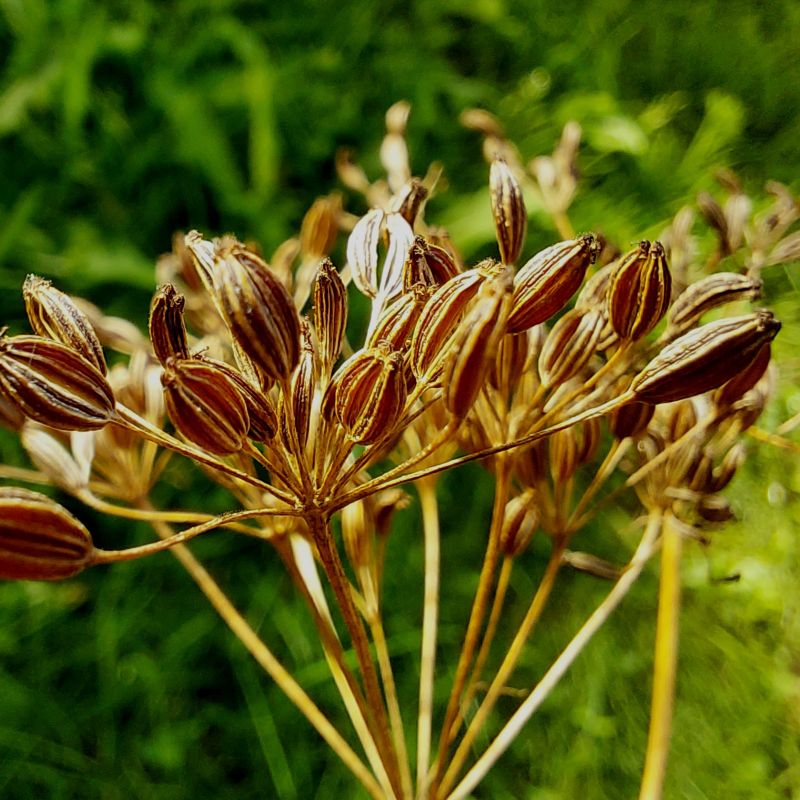
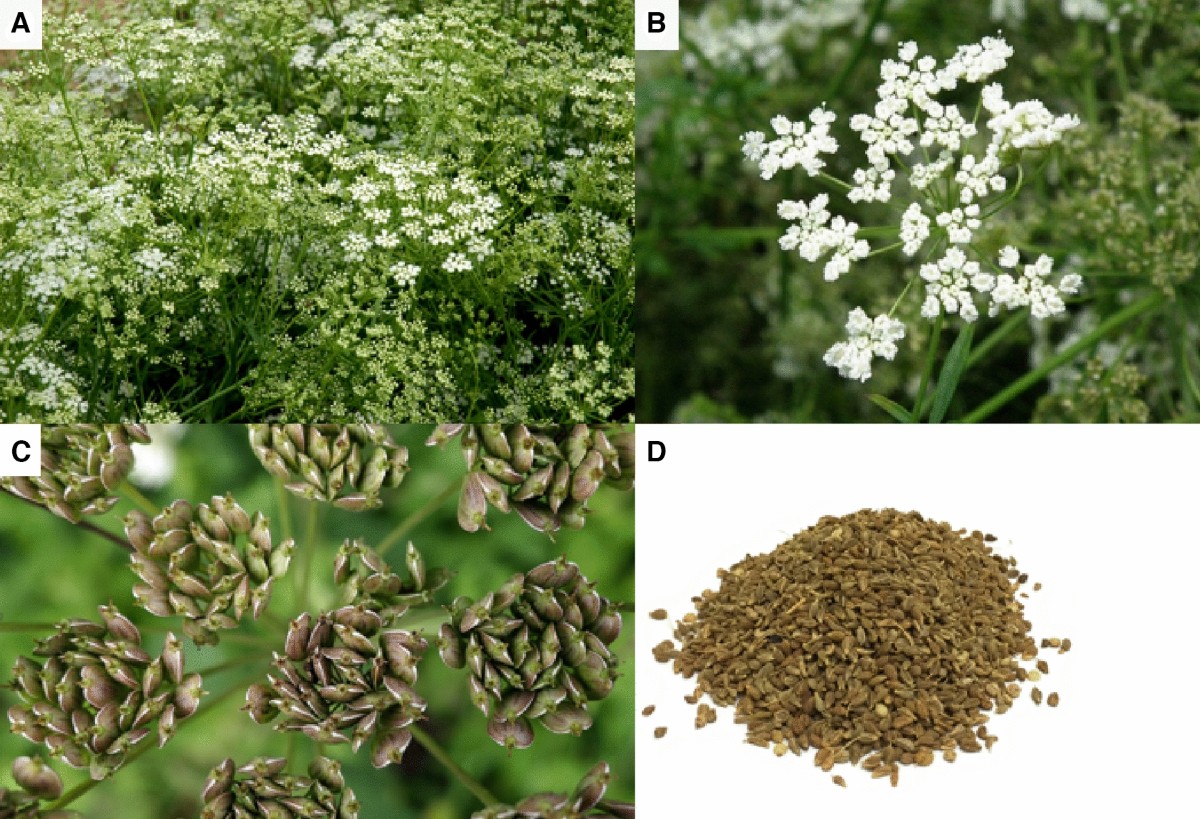
Carum carvi Linn. (Apiaceae)
Common name: Caraway
Part used: Seeds (dried fruit)
Uses: Digestive aid, indigestion, irritable bowel syndrome, obesity, constipation
Constituents: D-Carvone, D-Limonene (monoterpenes; volatile oil)
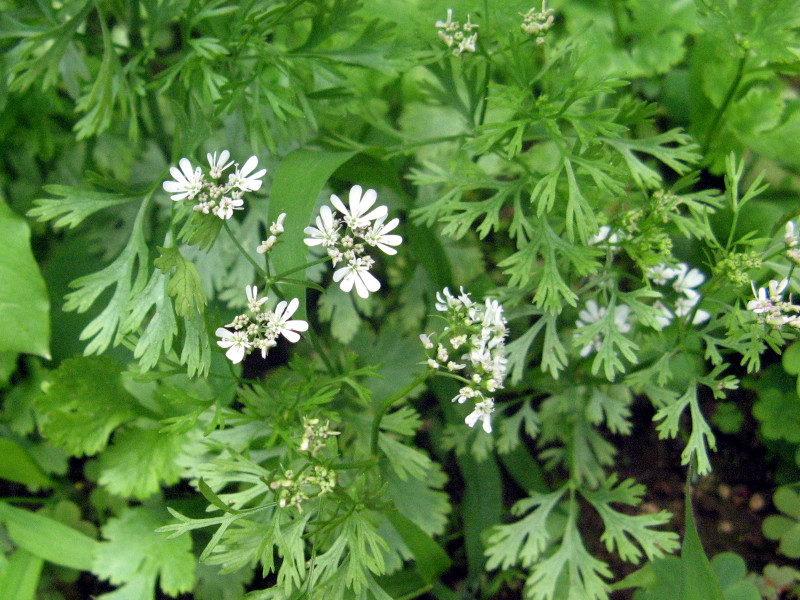
Coriandrum sativum L. (Apiaceae)
Common name: Coriander, cilantro
Part used: Leaves, vegetative parts, seeds, fruits
Uses: Spice; antioxidant, cardiovascular health (hypertension, atherogenic plaque, lowers TAG & cholesterol levels)
Constituents: Ferrulic acid, gallic acid (phenolic acids); esculetin, dicoumarin (coumarins); hyperoside, rutin (flavonoids), carotenoids
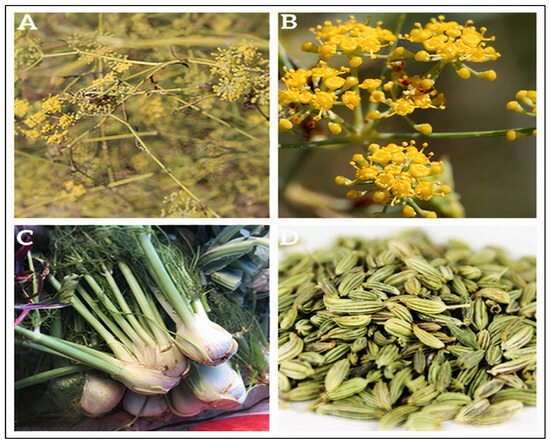
Foeniculum vulgare Mill. (Apiaceae)
Common name: Fennel
Part used: Stem, fruit, leaves, seeds
Uses: Antioxidant, anti-inflammatory, antimicrobial, hepatoprotective
Constituents: Trans-anethole (essential oil), flavonoids, phenolics
Pimpinella anisum L. (Apiaceae)
Common name: Anise
Part used: Seeds, essential oil
Uses: Carminative, antispasmodic, expectorant, antimicrobial; indigestion, galactagouge
Constituents: Trans-anethole, estragole (methyl chavicol), Anisaldehyde, Anisic acid, coumarins, flavonoids, fixed oils
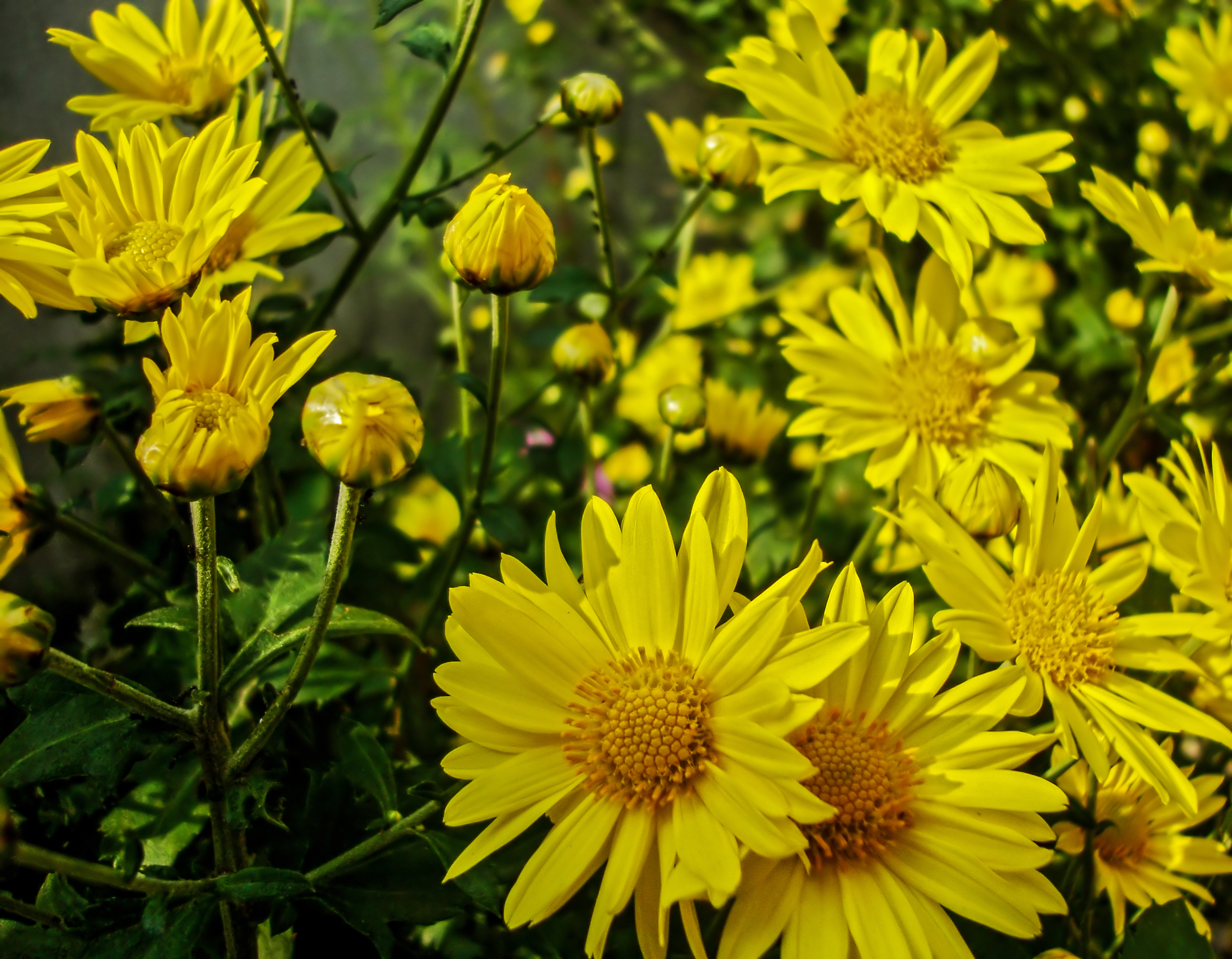
Chrysanthemum indicum L. (Asteraceae)
Common name: Manzanilla
Part used: Leaves, stems, and flowers
Uses: Treatment of Pemphigus; anti-inflammatory, antioxidant, antipathogenic
Constituents: Flavonoids, terpenes and terpenoids, phenolics, polysaccharides, carotenoids
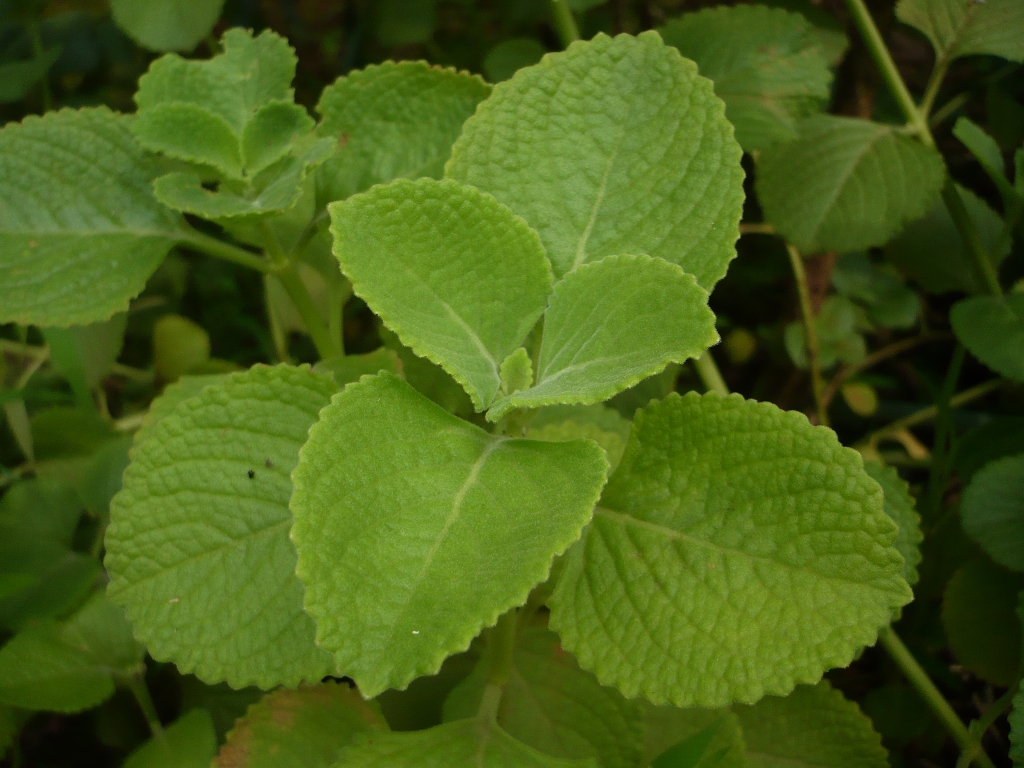
Coleus amboinicus Lour. (Lamiaceae)
Common name: Oregano, suganda
Part used: Leaves
Uses: Remedy for cough and respiratory issues; antimicrobial, antioxidant
Constituents: Carvacrol, thymol (monoterpenes; essential oil)
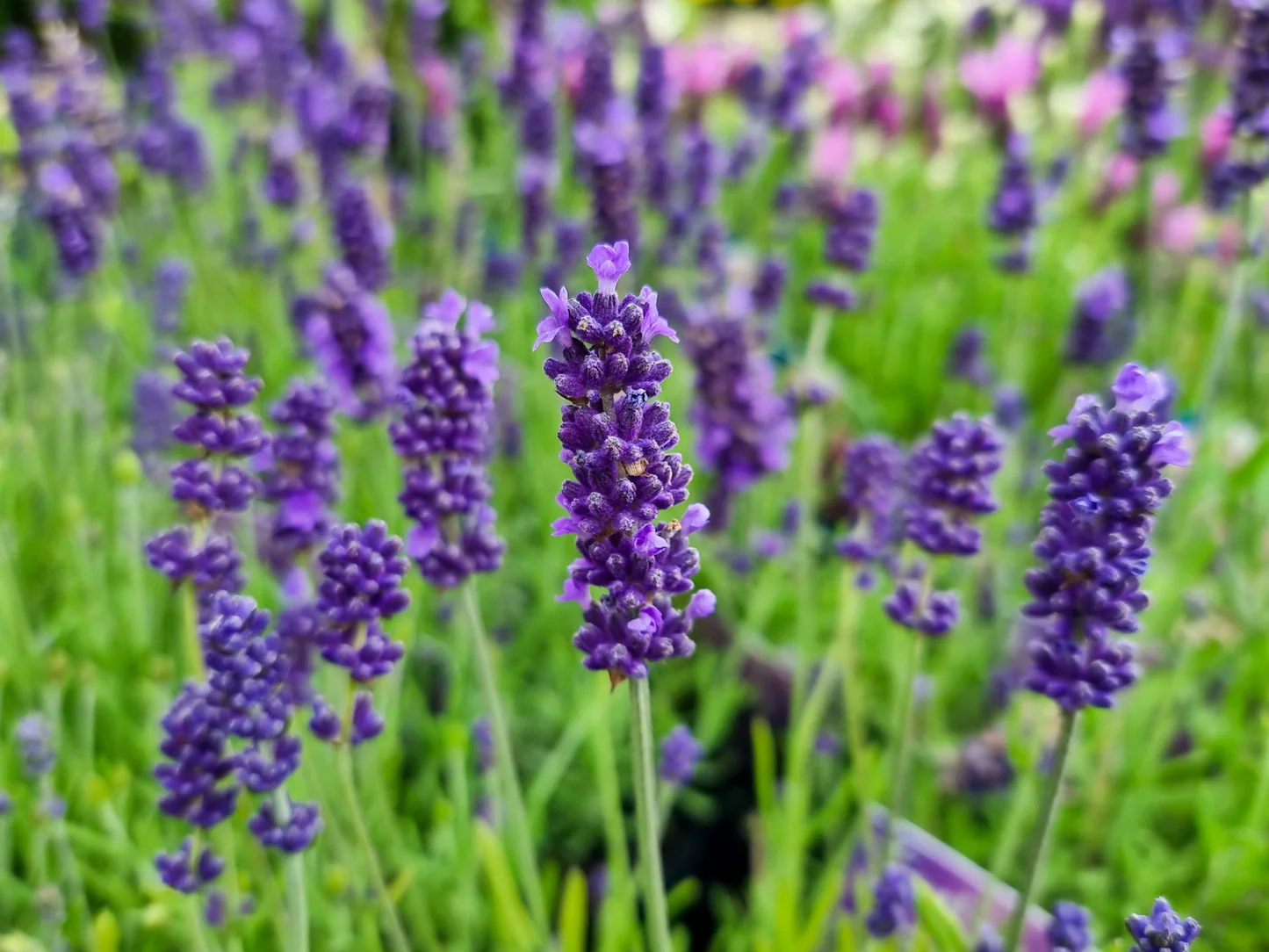
Lavandula angustifolia Miller (Lamiaceae)
Common name: Lavender
Part used: Flowerheads
Uses: Relaxant; antimicrobial, antifungal, and antioxidant
Constituents: Linalool, linalyl acetate, camphor (monotterpenes; essential oils); phenolics, flavonoids
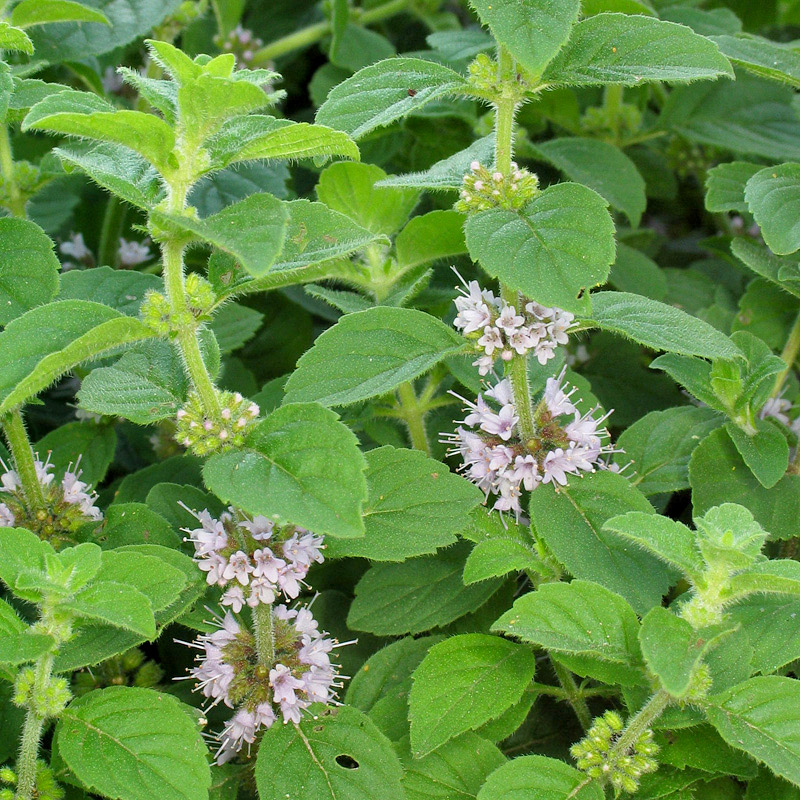
Mentha arvensis L. (Lamiaceae)
Common Name: Yerba buena, mint
Part Used: Leaves
Prescribed DOH Use/s: Analgesic
Uses: Anti-asthmatic (with oregano), antinociceptive, antiseptic, anticancer, diuretic, antispasmodic, antiemintic; indigestion, flatulence
Major Metabolites: Carvone, limonene (terpenes), luteolin derivatives (flavonoids), phenolic acids
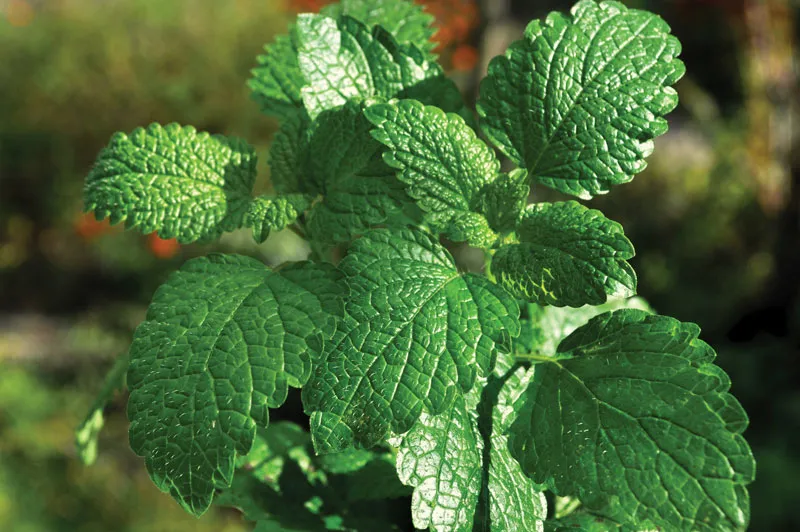
Mentha × piperita L. (Lamiaceae)
Common name: Peppermint
Part used: Leaves, flowering tops; essential oils
Uses: Antispasmodic, carminative, analgesic (topical), antimicrobial
Constituents: Menthol, menthone, menthyl acetate, limonene, 1,8-cineole (monoterpenes; essential oils)
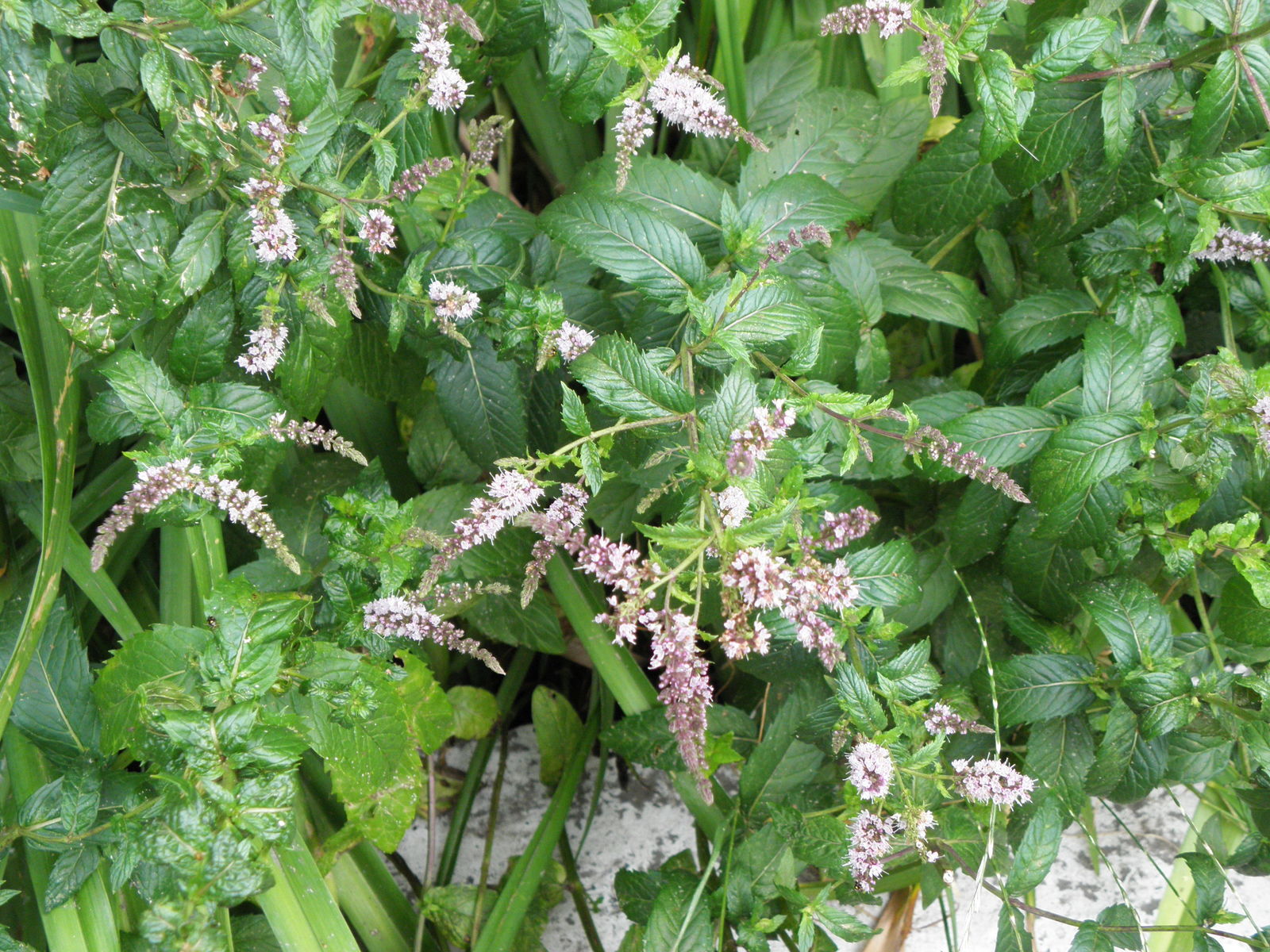
Mentha spicata L. (Lamiaceae)
Common name: Spearmint
Part used: Leaves
Uses: Antimicrobial; used in various food and commercial products as flavorant
Constituents: Carvone, limonene (monoterpenes), sesquiterpenes
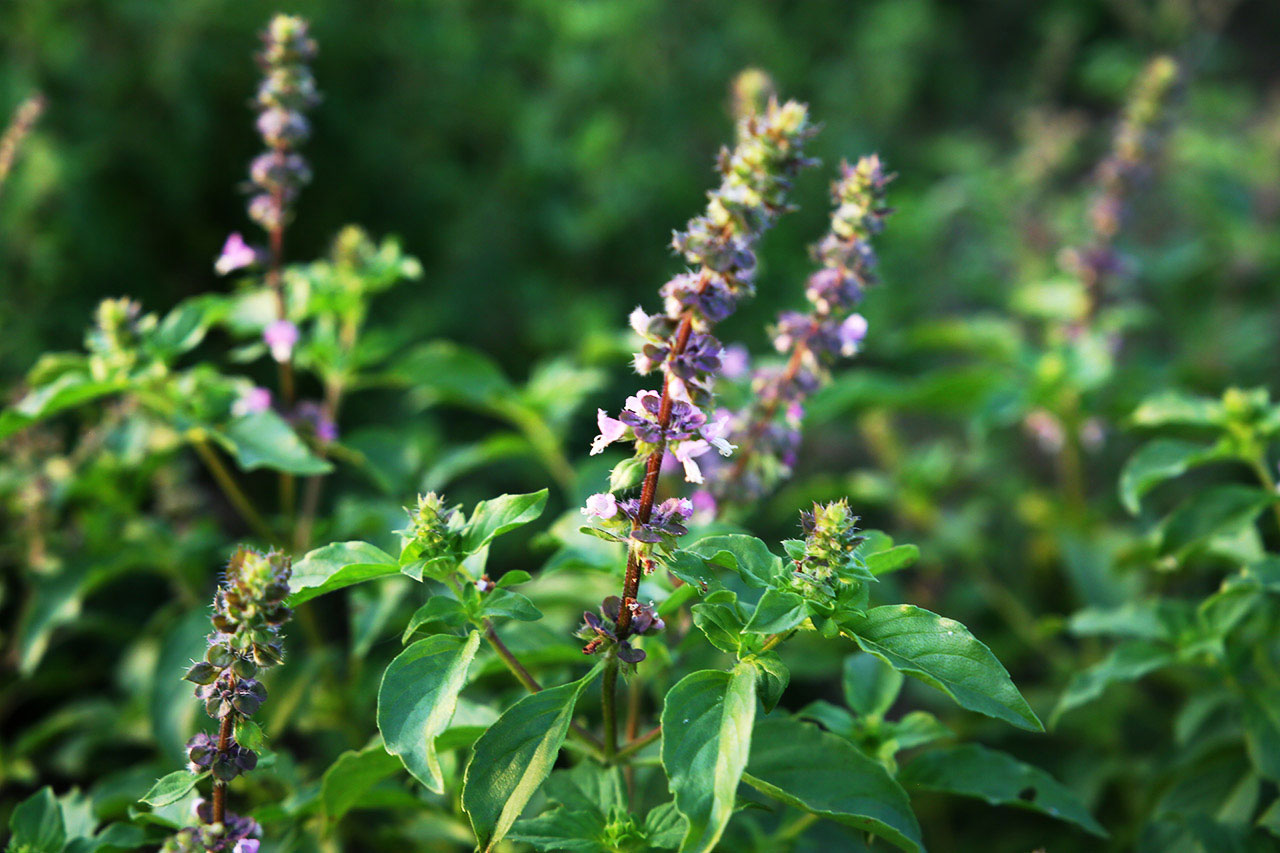
Ocimum tenuiflorum L. (Lamiaceae)
Common name: Sulasi, Holy Basil
Part used: Leaves
Uses: Adaptogen (for stress relief)
Constituents: Eugenol (monoterpene; essential oil), linoleic acid
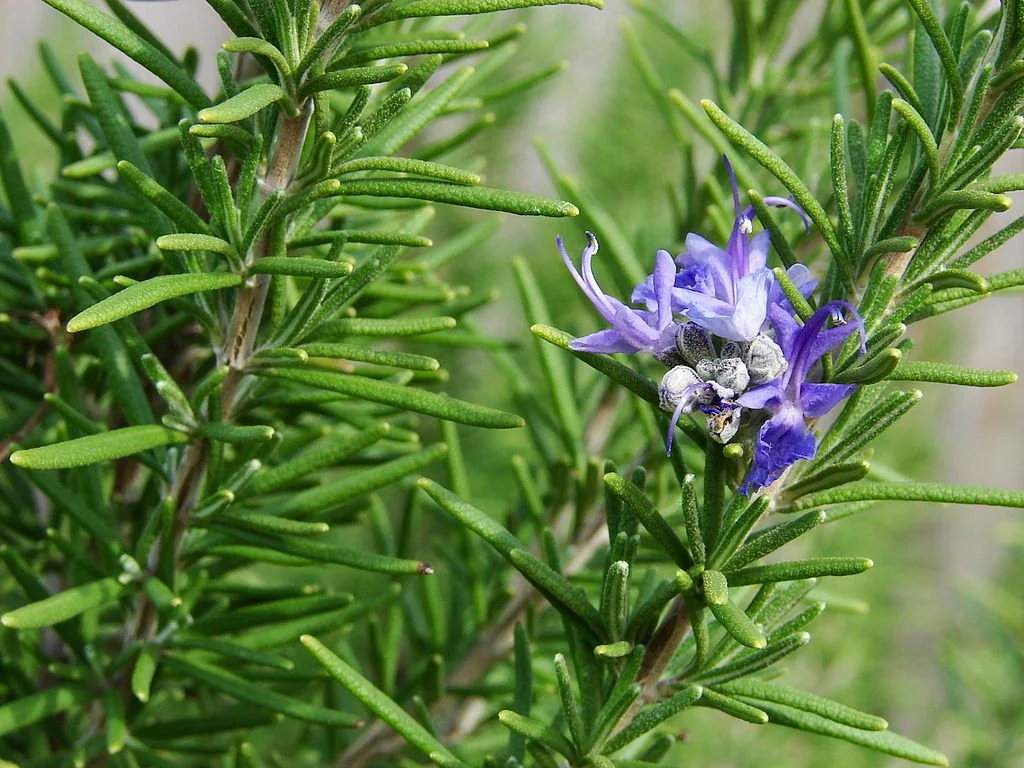
Salvia rosmarinus (L.) Schleid (Lamiaceae)
Common name: Rosemary, Rosmero
Part used: Leaves and twigs
Uses: Antibacterial, anti-inflammatory, antioxidant, anticomplement, antispasmodic
Constituents: Flavonoids, rosmarinic acids (phenols), monoterpenes (volatile oils), terpenoids
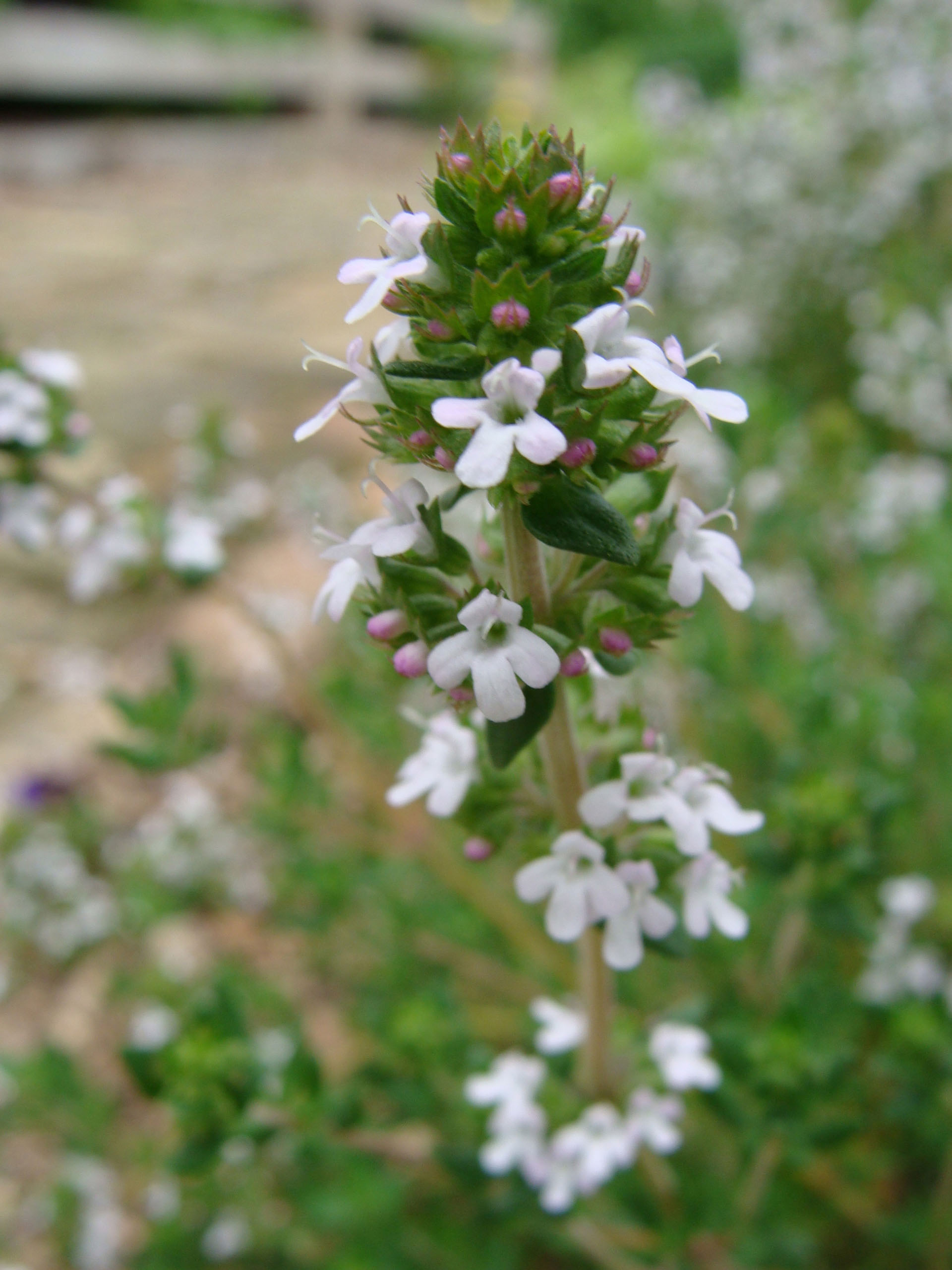
Thymus vulgaris L. (Lamiaceae)
Common name: Thyme
Part used: Leaves, flowers
Uses: Antiseptic, fumigants (disinfectant); respiratory disease, UTI, dyspepsia
Constituents: Thymol, carvacrol, linalool, eugenol (monoterpenes); apigenin (flavonoid), rosmarinic acid (phenolic acid)
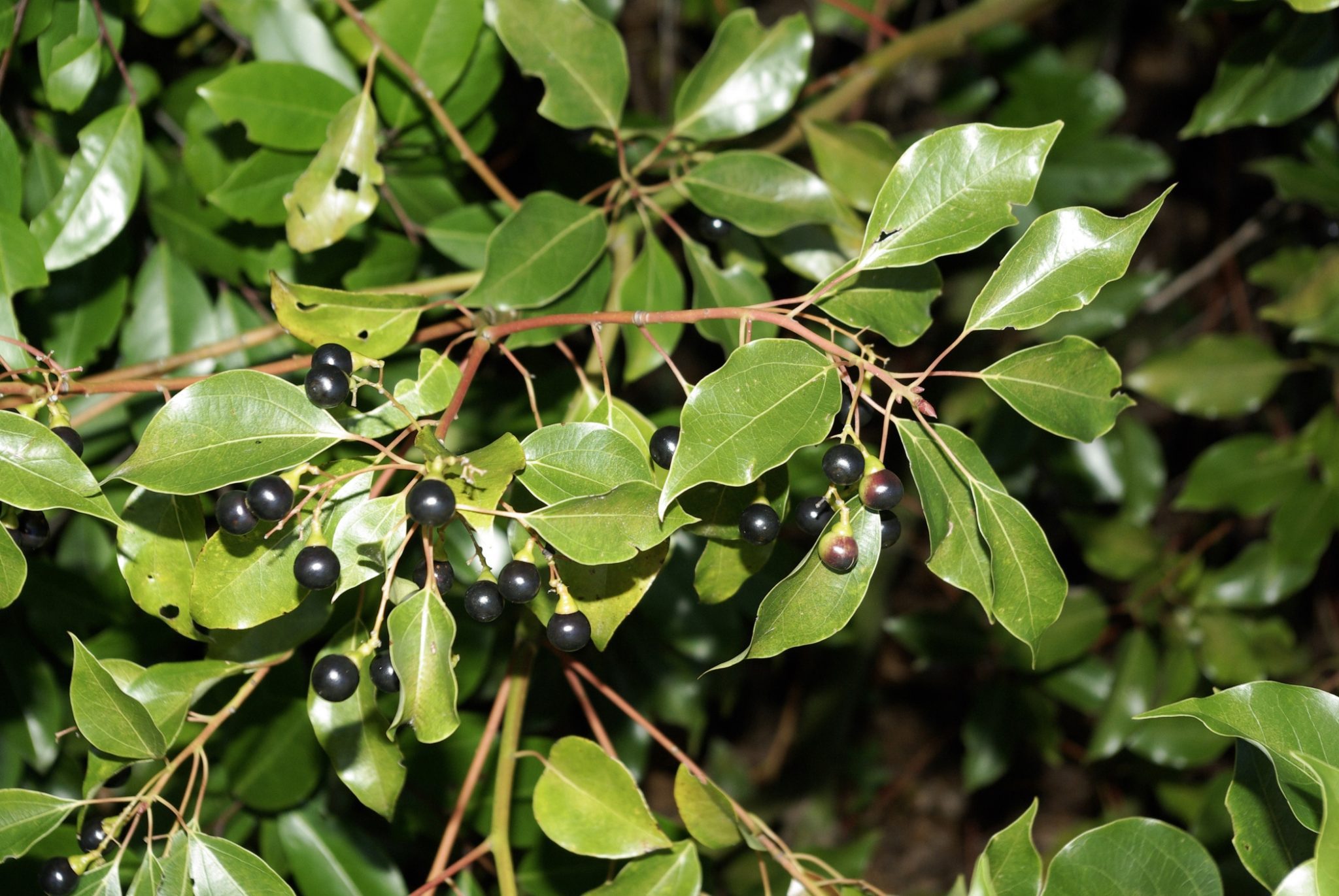
Cinnamomum camphora (L.) J. Presl (Lauraceae)
Common name: Camphor
Part used: Leaves, gum, chopped wood
Uses: Aphrodisiac, contraceptive, abortifacient, antiseptic, lactation suppressing, uterotrophic
Constituents: Camphor, linalool (monoterpenes; volatile oils), sesquiterpenes
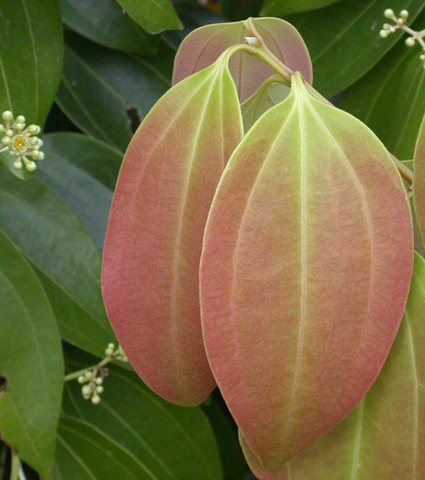
Cinnamomum loureiroi Nees (Lauraceae)
Common name: Saigon Cinnamon, Vietnamese Cinnamon
Part used: Bark, leaves, timber
Uses: Nutraceutics; antioxidant, antimicrobial, anti-inflammatory
Constituents: (E)-cinnamaldehyde (phenylpropanoid); coumarin, flavonoids, terpenoids, phenolics, alkaloids, tannins, saponins
Cinnamomum mercadoi S.Vidal (Lauraceae)
Common name: Kalingag
Part used: Bark
Uses: Digestive and respiratory issues
Constituents: Cinnamaldehyde, safrole (phenylpropanoids); eugenol (monoterpene)
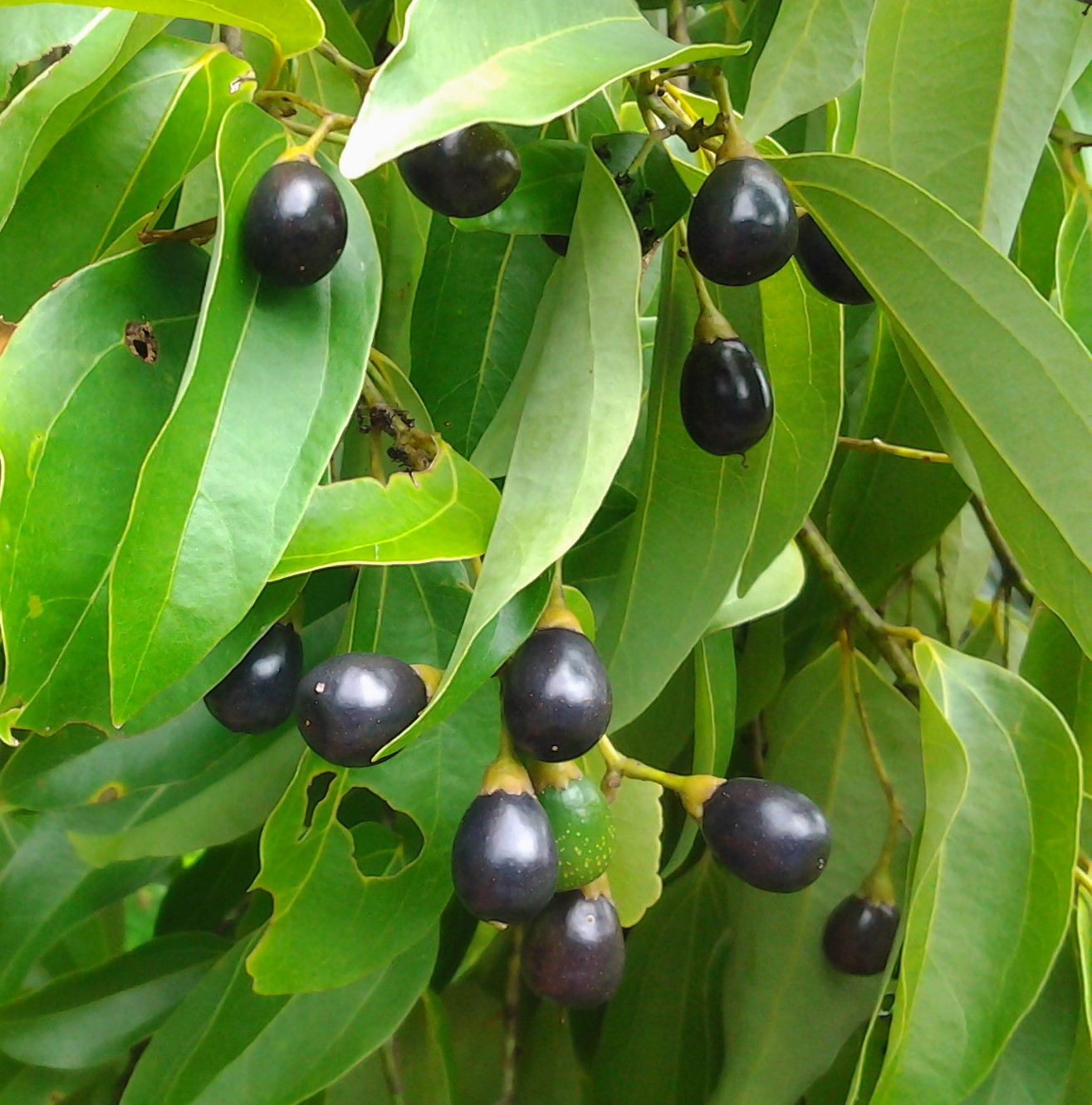
Cinnamomum sp. (Lauraceae)
Ex: C. zeylanicum Blume or C. verum Presl
Common name: Cinnamon (oil)
Part used: Bark
Uses: Carminative properties, germicide, antibacterial, antibacterial LPS, anti-tumor, anxiolytic, antidepressant, antioxidant
Constituents: Cinnamaldehyde (phenylpropanoid); eugenol, linalool (monoterpenes); clovene (sesquiterpene)
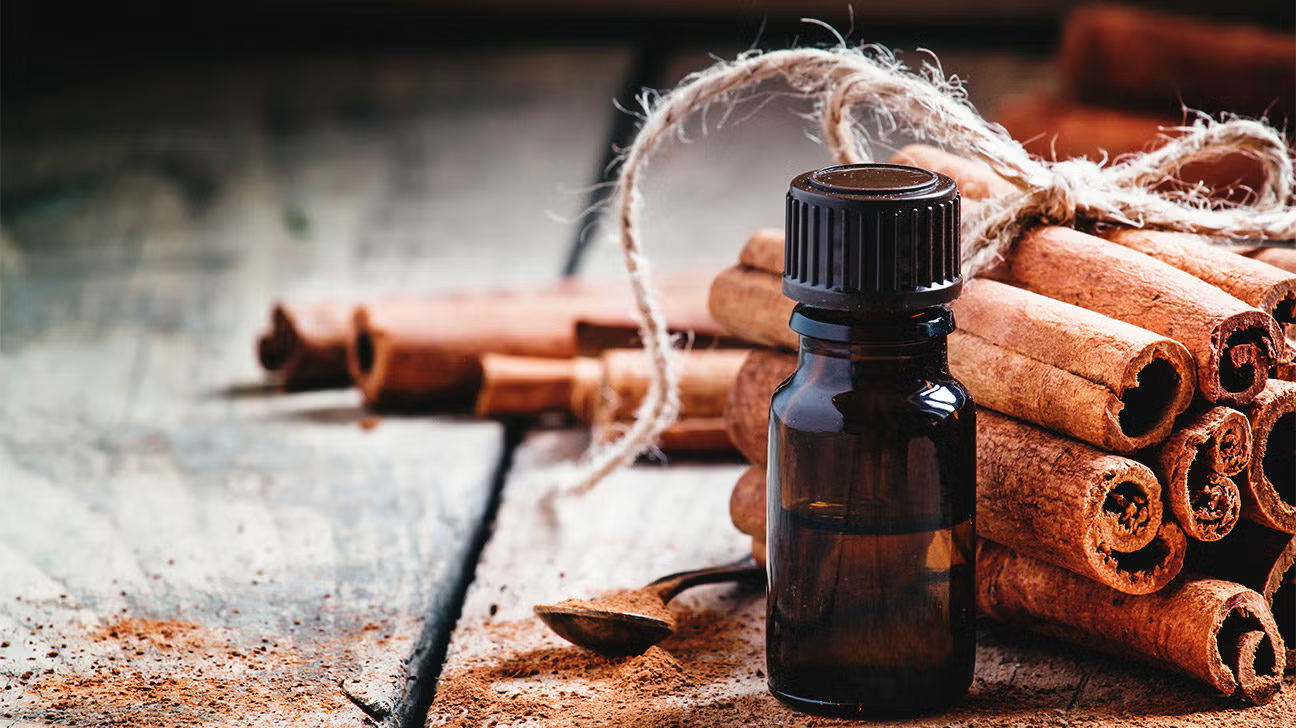
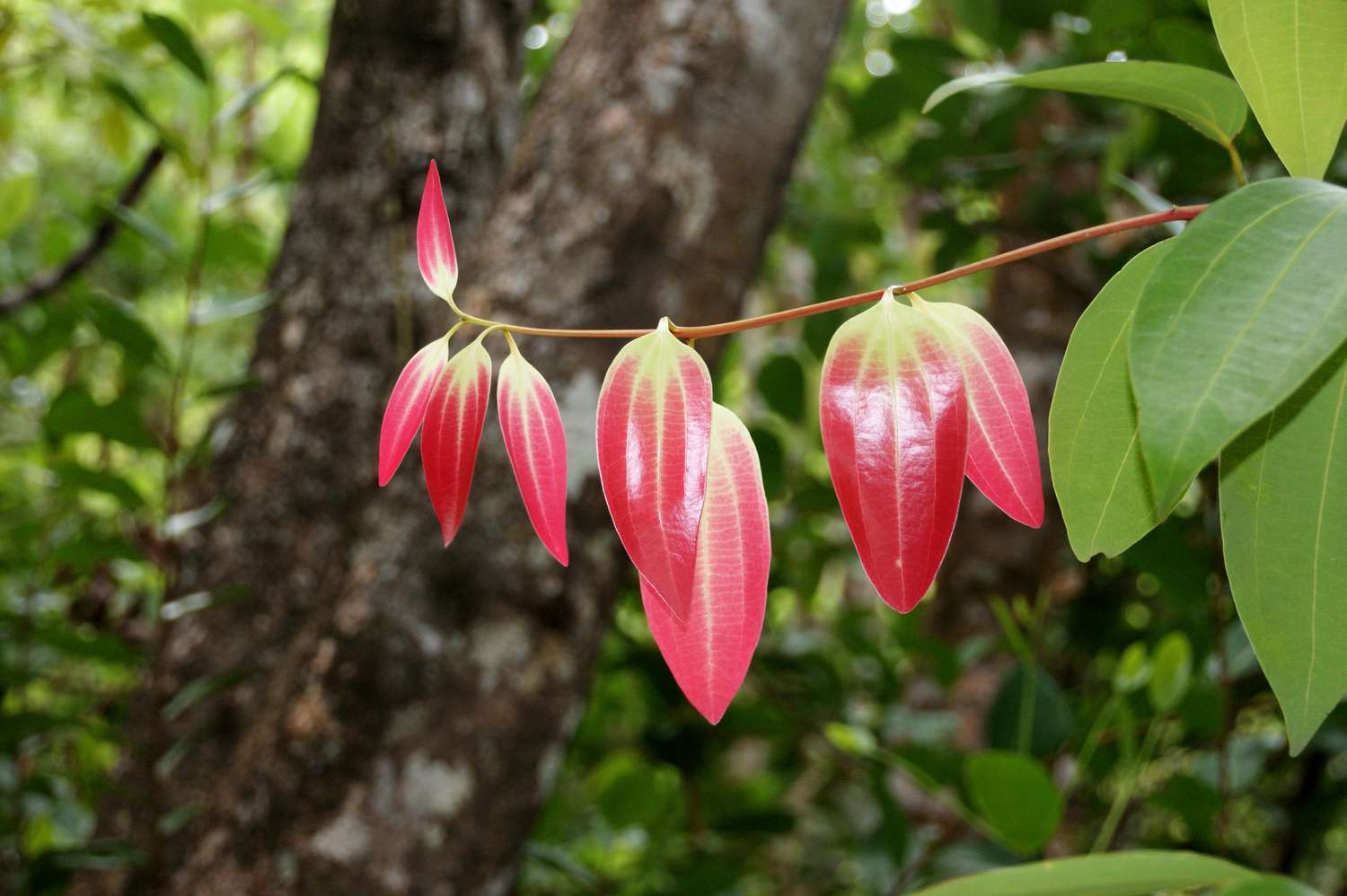
Cinnamomum zeylanicum Blume (Lauraceae)
Syn: Cinnamomum verum J. Presel (Lauraceae)
Common name: Ceylon Cinnamon, “True Cinnamon”
Part used: Dried bark; bark oil
Uses: Carminative, germicide
Constituents: Cinnamaldehyde (phenylpropanoid), eugenol (monoterpene); pinene (hydrocarbons)
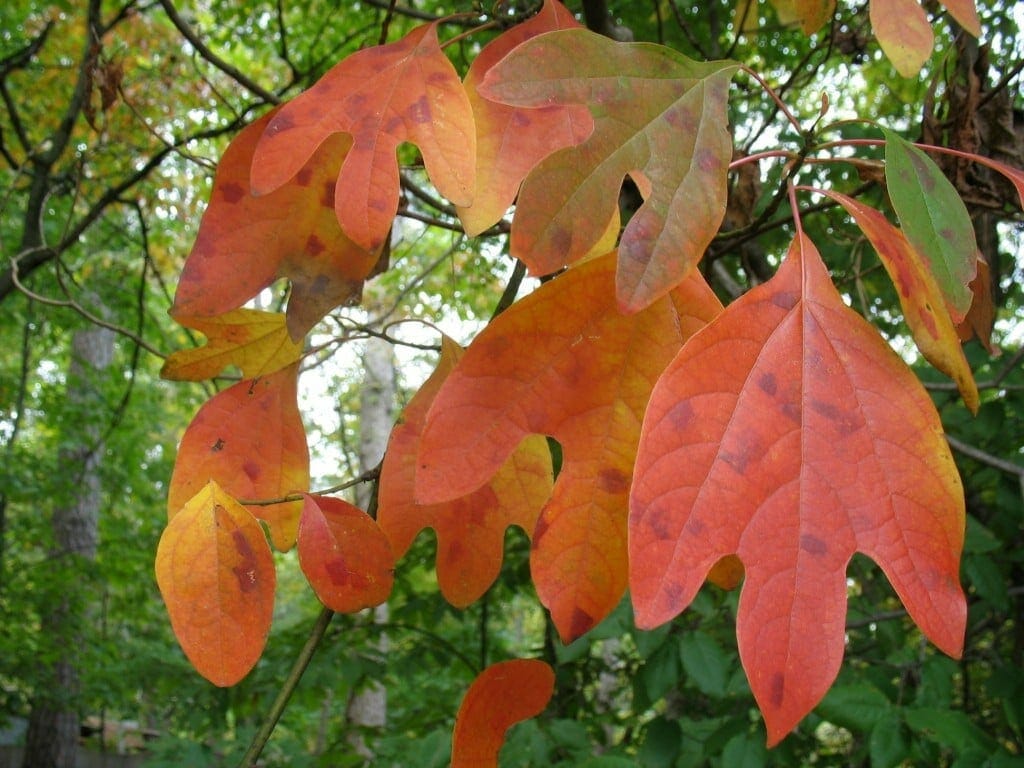
Sassafras albidum (Nutt.) Nees (Lauraceae)
Common name: Sassafras
Part used: Leaves, bark, root
Uses: Tea; treatment of eye inflammations, sudorific, relief of insect bites and stings, removal of lice
Constituents: Safrole (phenylpropanoid; essential oil)
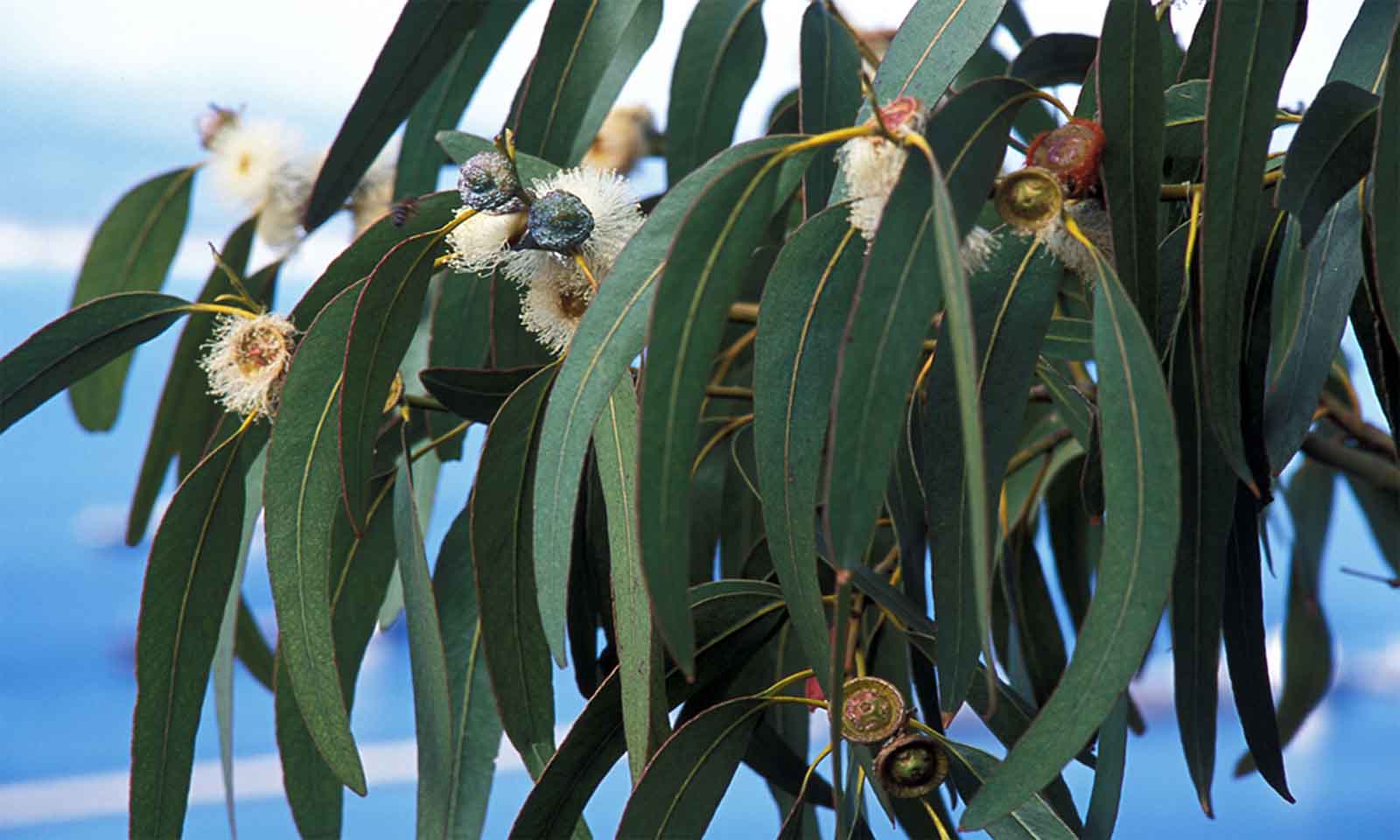
Eucalyptus globulus Labill. (Myrtaceae)
Common name: Eucalyptus
Part used: Mature leaves, oil
Uses: Antiseptic; tea for respiratory conditions (cough, bronchitis), dysentery, diabetes, malaria
Constituents: Cineol, pinene, limonene (monoterpenes; volatile/essential oils), sesquiterpenes
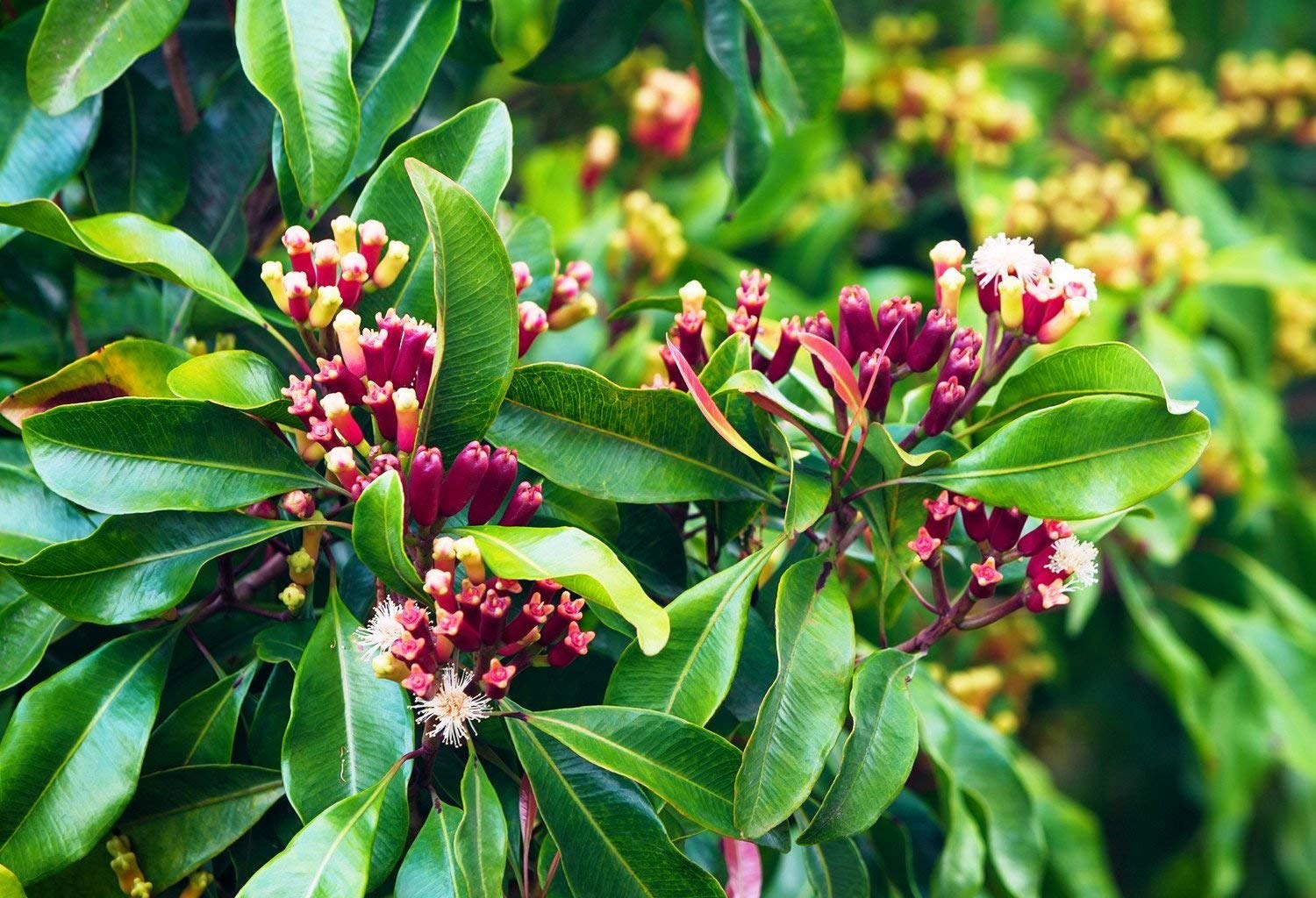
Syzygium aromaticum (L.) Merr. & L.M. Perry (Myrtaceae)
Common name: Clove, Eugenol
Part used: (Dried) flower buds
Uses: Tooth decay, halitosis, diarrhea, bowel and liver ailments, nerve stimulant; carminative, warming agent
Constituents: Eugenol, isoeugenol (phenylpropenes); quercetin (flavonol), phenolic acids, hydrolyzable tannins
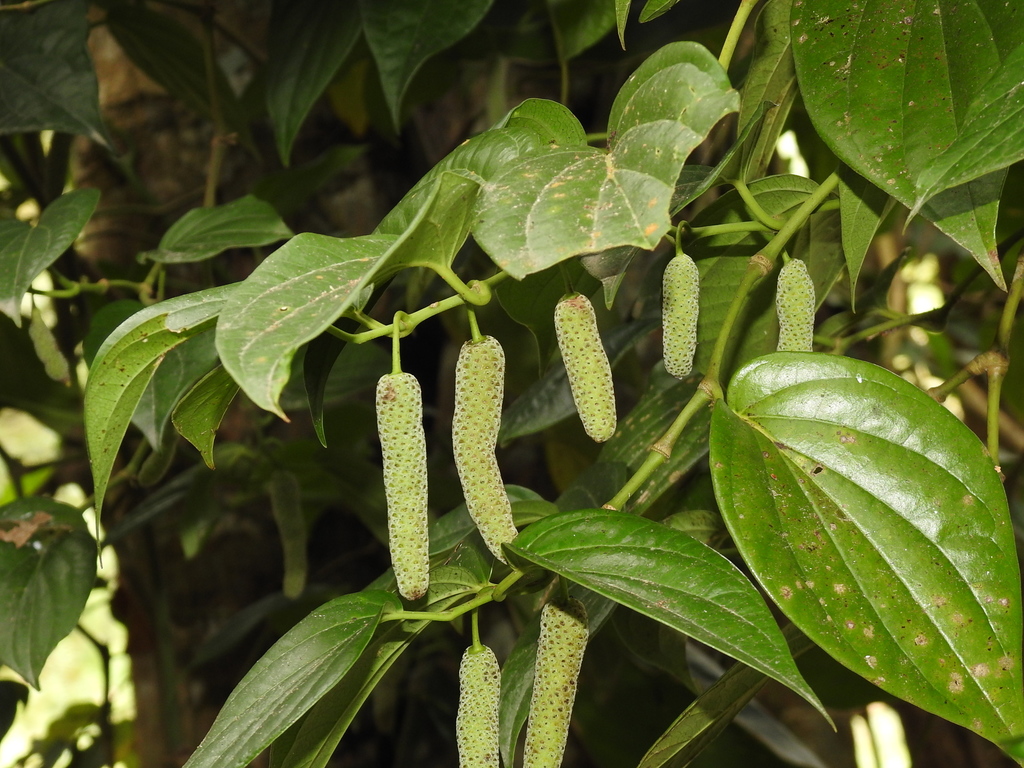
Piper betle L. (Piperaceae)
Common name: Ikmo, Betle, Betle pepper
Part used: Leaves
Uses: Stimulant, aphrodisiac, digestive/carminative, breath freshener; antiproliferative, anticancer, neuropharmacological, analgesic, antioxidant, antiulcer, hepatoprotective
Constituents: Hydroxychavicol, chavicol (phenols), caryophyllene oxide terpenes, 1,8-cineole eucalyptole (terpenes)
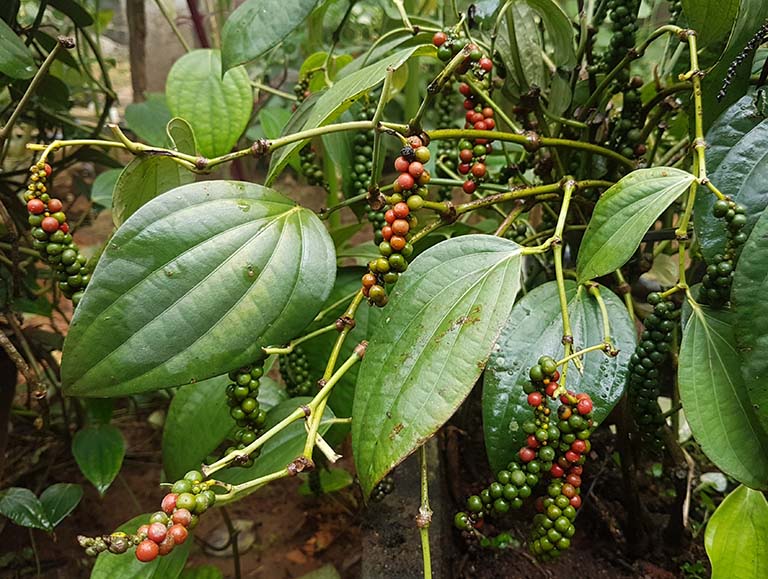
Piper nigrum L. (Piperaceae)
Common name: Black Pepper
Part used: Fruits (seeds); roots, leaves
Uses: Antiseptic, antibacterial, antiemetic; stimulant, expectorant, indigestion, nasal congestion
Constituents: Piperine, pellitorine, guineensine, trichostachine (alkaloids); flavonoids, tannins, terpenes
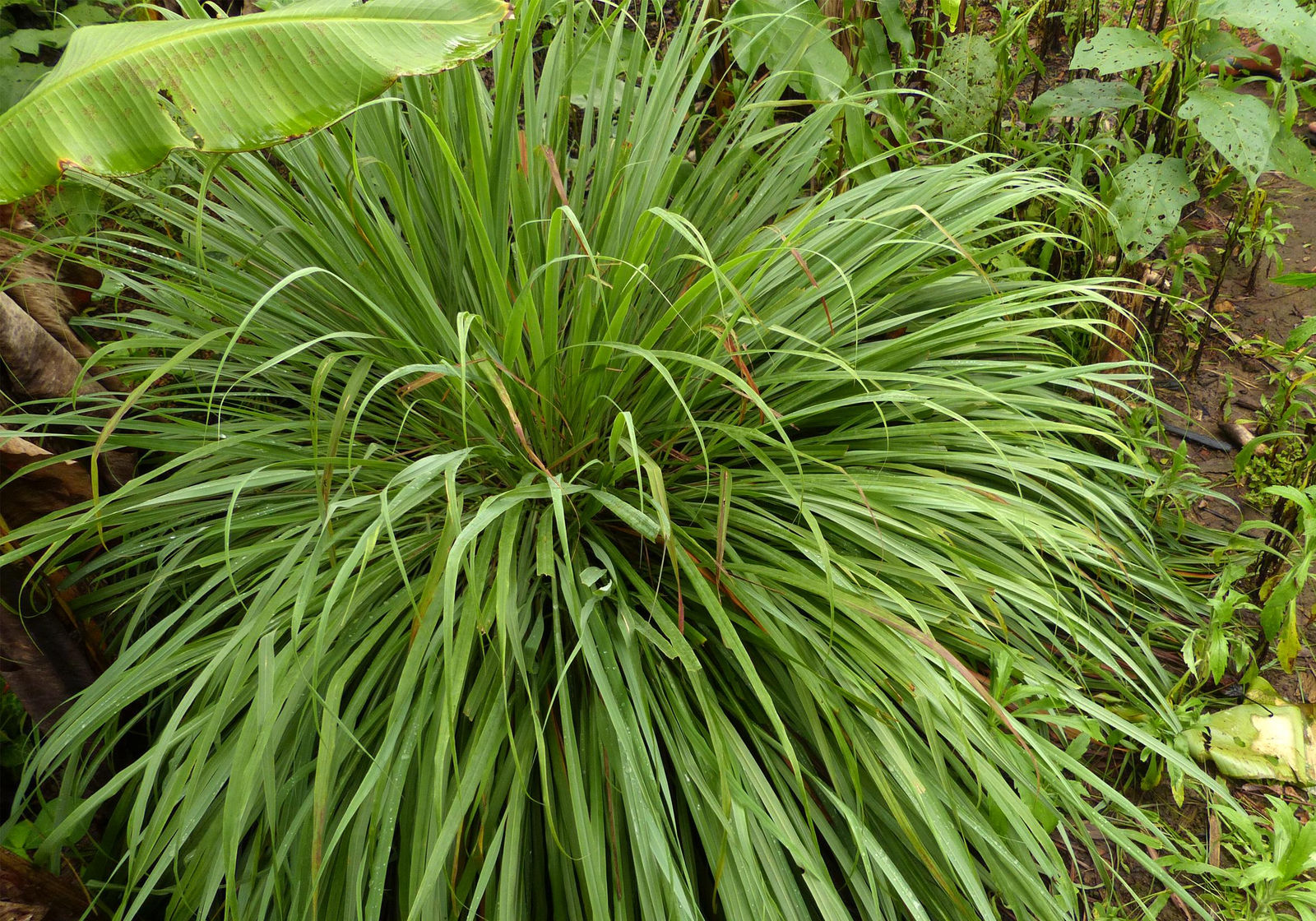
Cymbopogon citratus (DC.) Stapf (Poaceae)
Common name: Tanglad, Lemongrass
Part used: Leaves, stalks
Uses: Carminative, diaphoretic, analgesic, diuretic; antimicrobial, anti-inflammatory
Constituents: Geraniol, citral, citronellal (monoterpenes); quercetin, kaempferol (flavonoids), tannins, saponins, phenolics
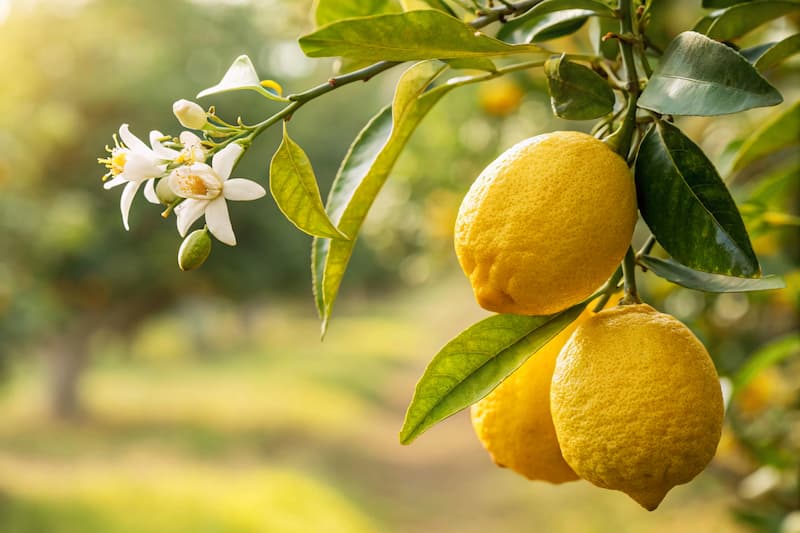
Citrus x limon (L.) Osbeck (Rutaceae)
Common name: Lemon
Part used: Rind or peel (essential oil)
Uses: Digestive aid, cardiovascular health, immunomodulatory; relief, anti-fungal
Constituents: Limonene, pinene (monoterpenes); flavonoids, polymethoxylated flavones
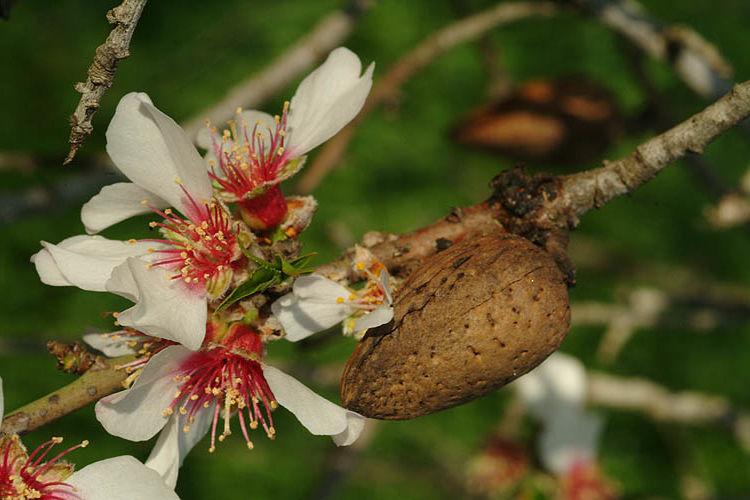
Prunus dulcis (Mill.) D. A. Webb (Rosaceae)
Common name: Almond
Part used: Drupes; kernel and endocarp
Uses: Lowers LDL, maintains HDL cholesterol; anti-colon cancer, glucose regulation
Constituents: Amygdalin (cyanogenic glycoside), flavonoids, phytosterols
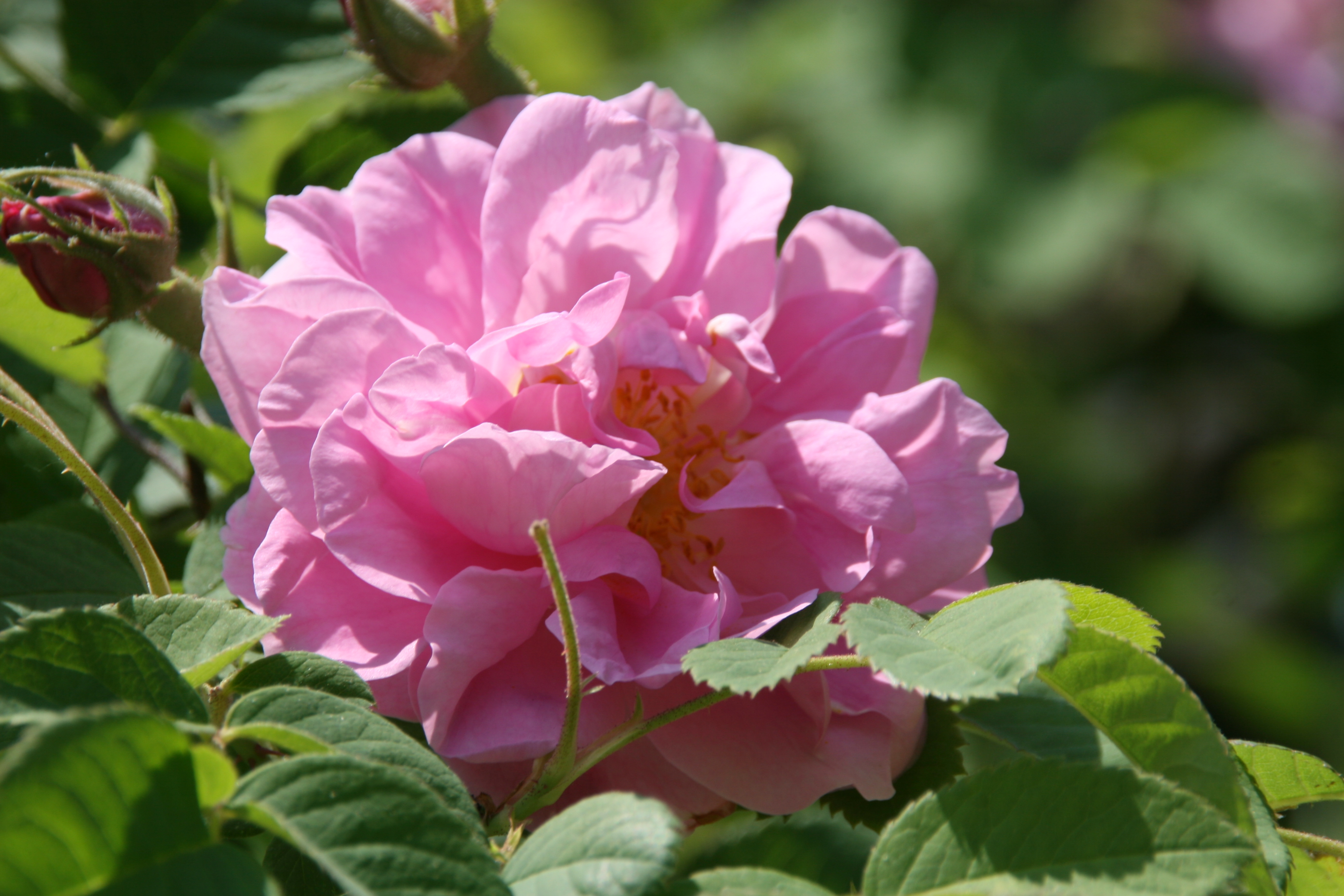
Rosa x damascena Herrm. (Rosaceae)
Rosa x centifolia L. (Rosaceae)
Common name: Damask rose (damascena sp.; shown in image), Cabbage rose (centifolia sp.); rose oil
Part used: Petals
Uses: Stress; antiseptic, antispasmodic, and astringent
Constituents: Linalool, citronellol, nerol, geraniol (monoterpenes)
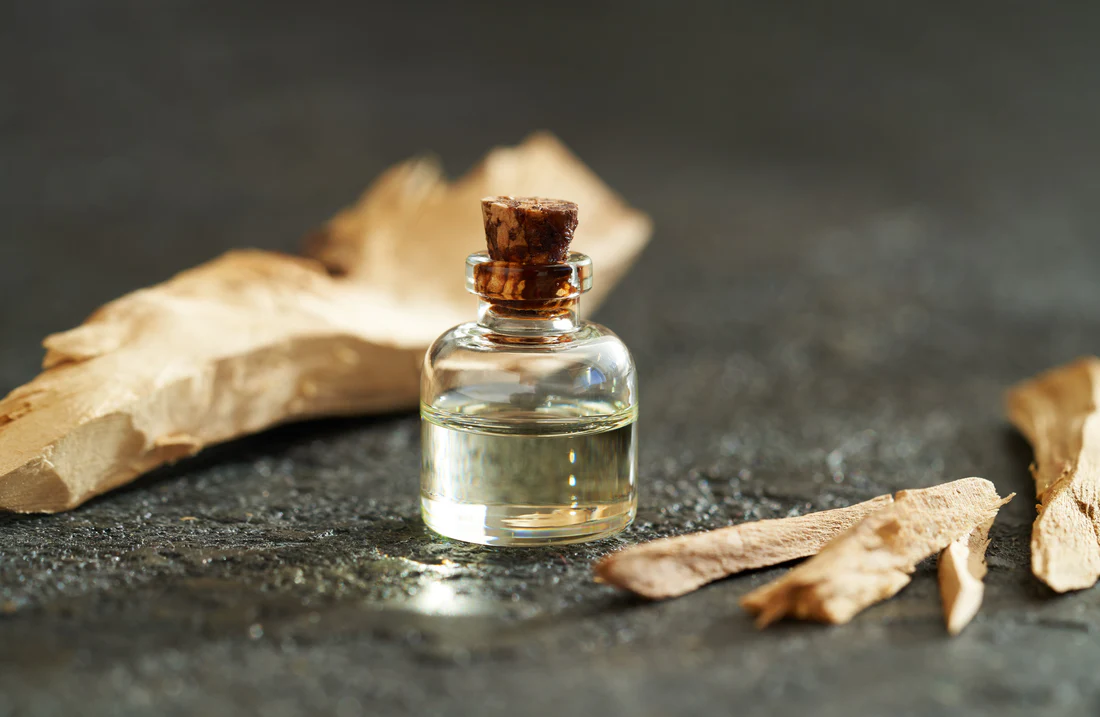
Santalum album L. (Santalaceae)
Common name: White Sandalwood
Part used: Core wood of tree trunk
Uses: Antimicrobial, antiviral, antipsychotic, antihyperglycemic, antihyperlipidemic
Constituents: Santalol, bergamotol (sesquiterpenoids); santalene, bergamotene (sesquiterpenes)
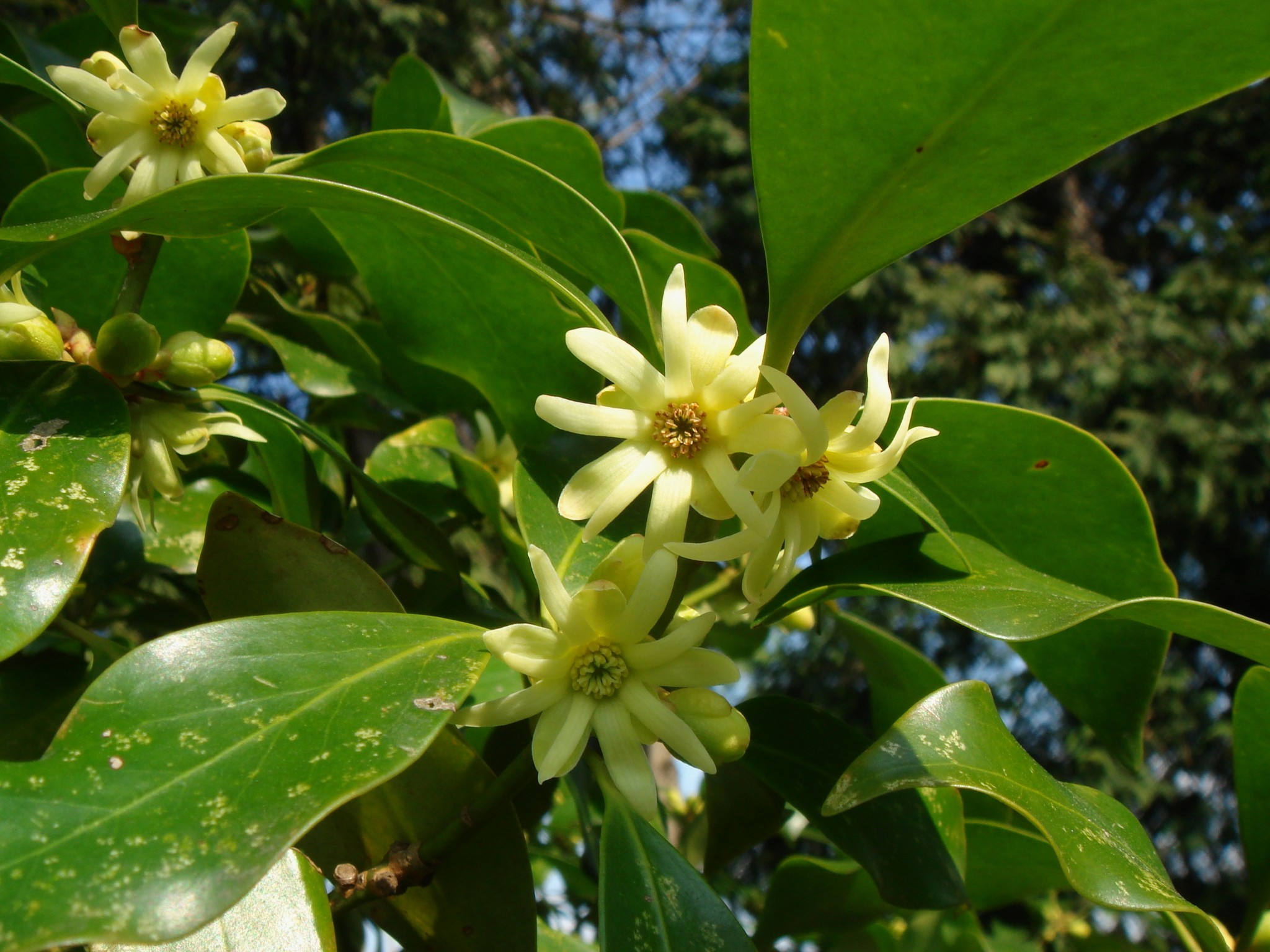
Illicium verum Hook.f. (Schisandraceae)
Common name: Chinese Star Anise
Part used: Fruits (Follicles)
Uses: Starting material (shikimic acid) for Oseltamivir (antiviral)
Constituents: Shikimic acid; trans-anethole, estragole (monoterpene); foeniculin (phenylpropene)
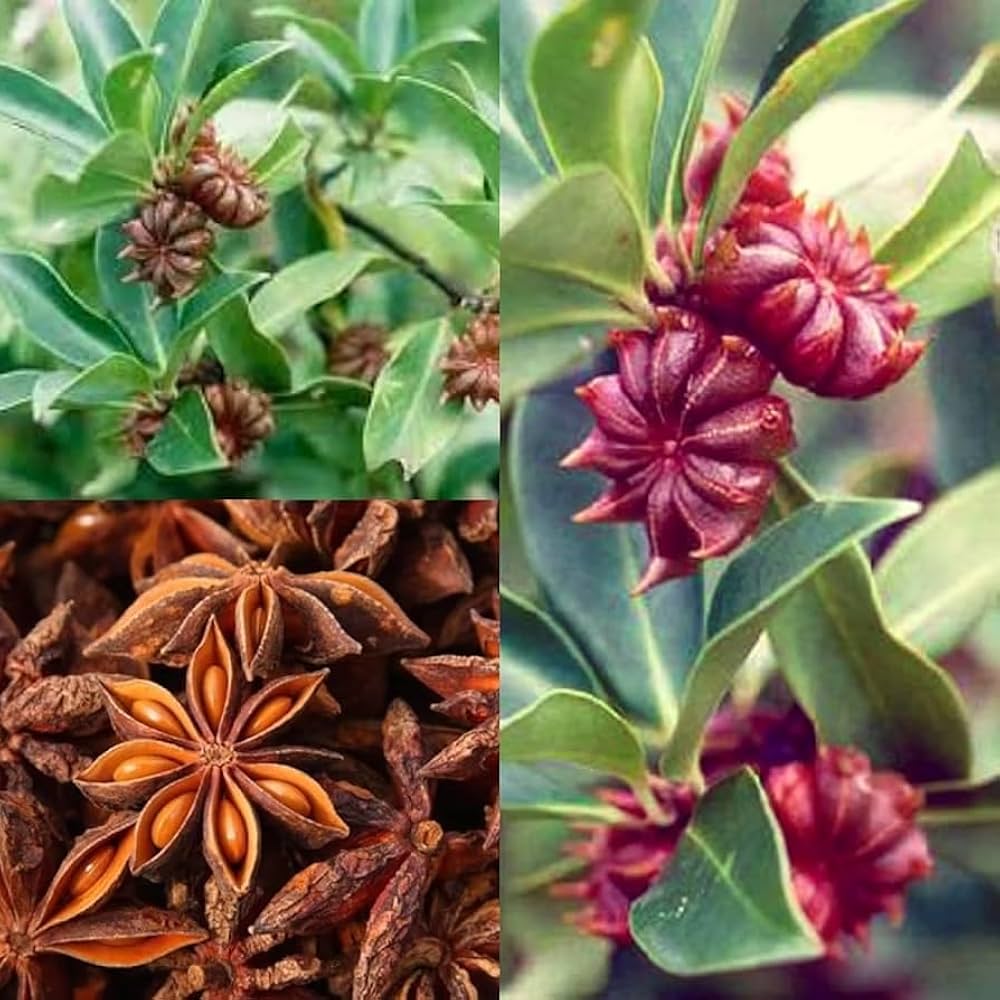
Illicium religiosum Siebold & Zucc. (Schisandraceae)
Common name: Japanese Star Anise
Part used: Fruits (Follicles)
Uses: Poisonous adulterant of Chinese star anise; possible source of shikimic acid
Constituents: Shikimic acid; sikimitoxin, sikimin (neurotoxic sesquiterpene lactones)
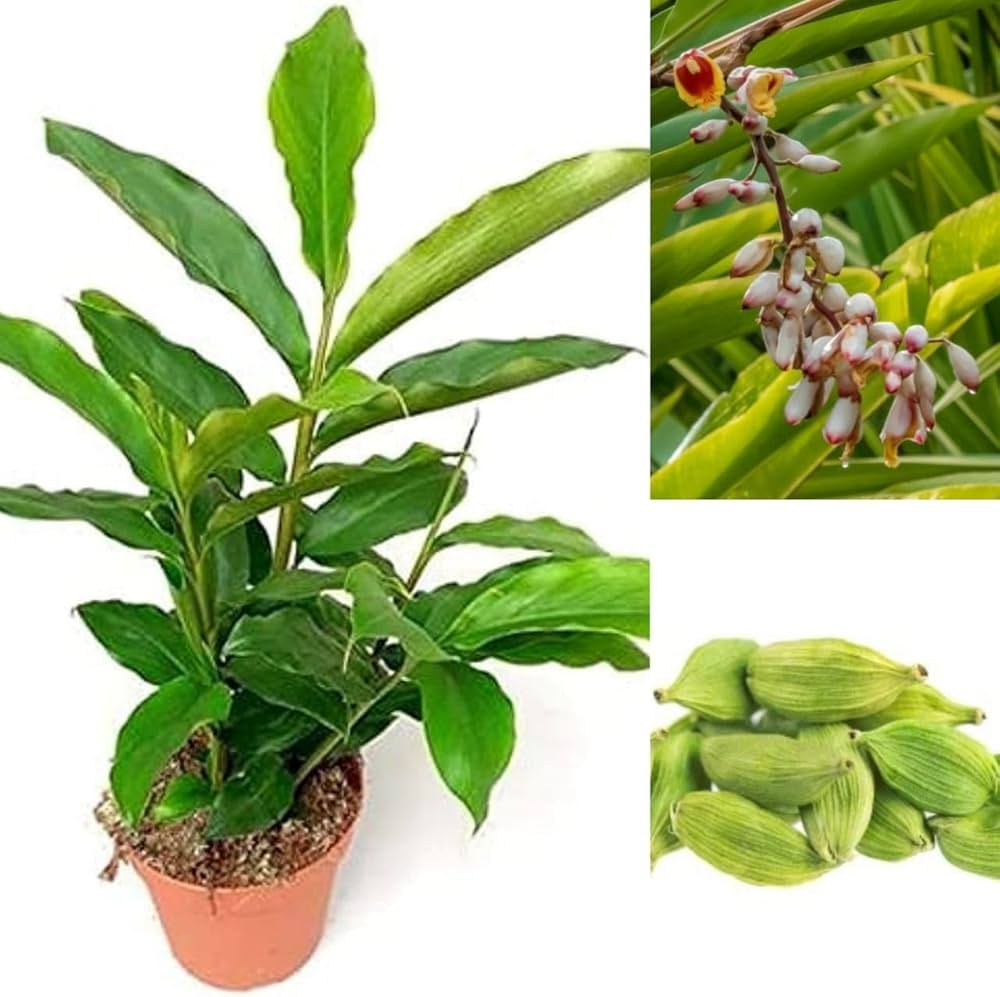
Elettaria cardamomum L. (Zingiberaceae)
Common name: Cardamom
Part used: Leaves, seeds
Uses: Carminative, digestive stimulant, antimicrobial, anti-inflammatory, antihypertensive, antimutagenic, anticancer
Constituents: α-Terpinyl acetate, 1,8-cineole (monoterpenes; essential oil)