Biological Psychology: Sleep, Circadian Rhythms, and Brain Activity
 Call Kai
 Learn
Learn Practice Test
 Spaced Repetition
 Match
Match Flashcards
 Knowt Play
1/66

There's no tags or description
Looks like no tags are added yet.
Name | Mastery | Learn | Test | Matching | Spaced | Call with Kai |
|---|
No analytics yet
Send a link to your students to track their progress
67 Terms
What are biorhythms?
Behaviors that occur at regular intervals in response to biological clocks.
What is a circadian rhythm?
A biological rhythm that repeats roughly every 24 hours, such as sleep and waking cycles.
What are zeitgebers?
Stimuli that help establish and maintain biological rhythms; 'zeit' means 'time' in German.
What is the human 'free running' circadian rhythm duration?
24.2 to 24.9 hours.
What are 'Larks' in terms of sleep patterns?
Morning people who tend to have more positive emotions and subjective well-being.
What are 'Night Owls'?
Individuals who prefer staying up late and sleeping in, often seen in adolescents.
How can sleep patterns be assessed?
Using the Morningness/Eveningness Questionnaire developed by Horne & Ostberg in 1976.
What hormone is associated with sleep promotion?
Melatonin, produced by the pineal gland in response to darkness.
What is Shift Maladaptation Syndrome?
Health problems and poor performance resulting from night shift work conflicting with natural circadian rhythms.
What are common symptoms of Shift Maladaptation Syndrome?
Excessive sleepiness at work, impaired sleep at home, mood dysregulation, and health issues.
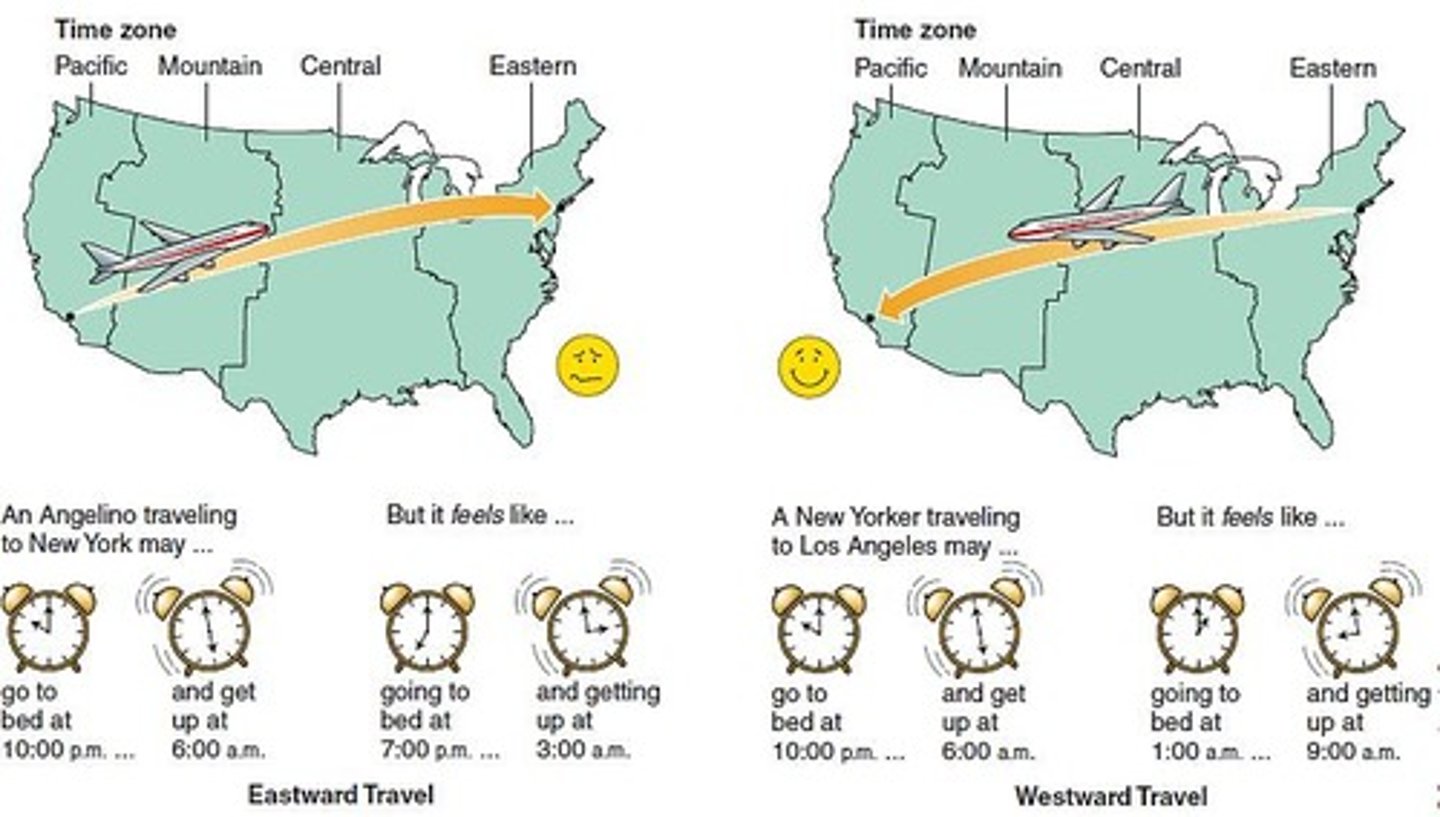
What is jet lag?
A temporary sleep disorder that occurs when a person's internal body clock is out of sync with the time zone they are in.
Why is jet lag worse when traveling east?
Eastward travel requires advancing the circadian rhythm, which is more challenging than delaying it.
What is the effect of Daylight Savings Time on health?
Shifting clocks forward in spring correlates with an increase in heart attacks due to sleep deprivation.
What is the master internal clock in the body?
The suprachiasmatic nucleus (SCN), a small cluster of neurons in the anterior hypothalamus.
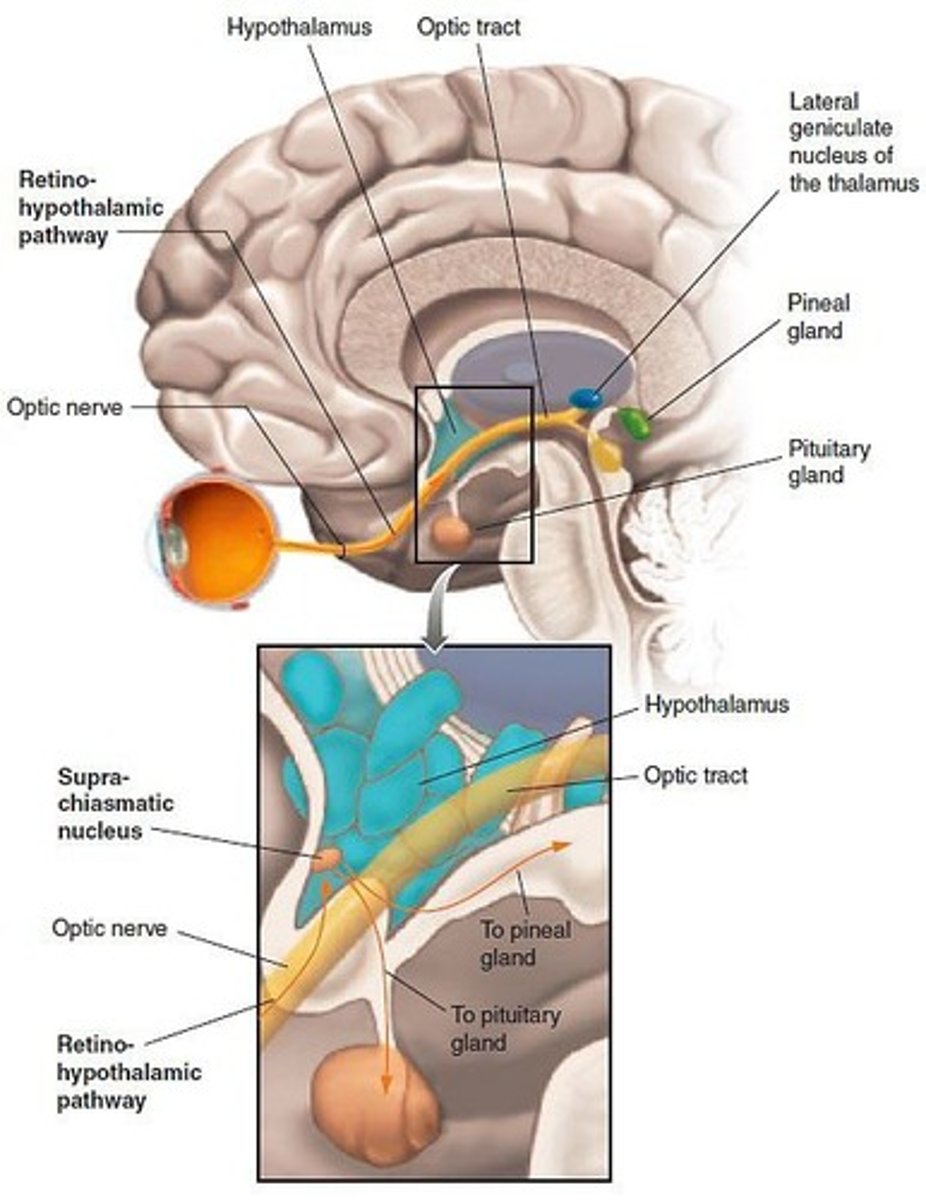
What proteins are involved in the cellular basis of circadian rhythms?
Per, tim, and Clock proteins.
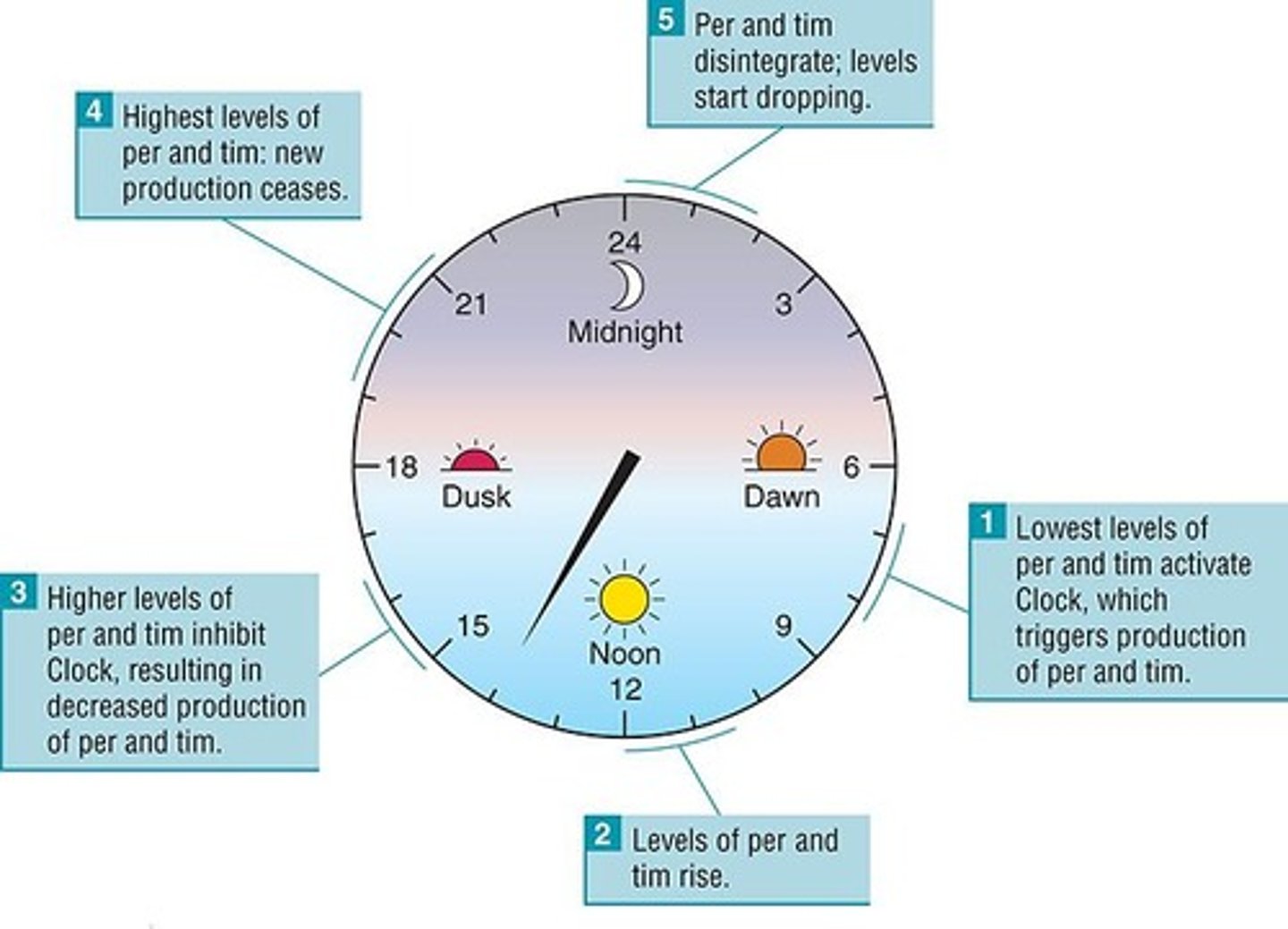
What type of cells provide light information to the SCN?
Intrinsically photosensitive retinal ganglion cells (ipRGC).
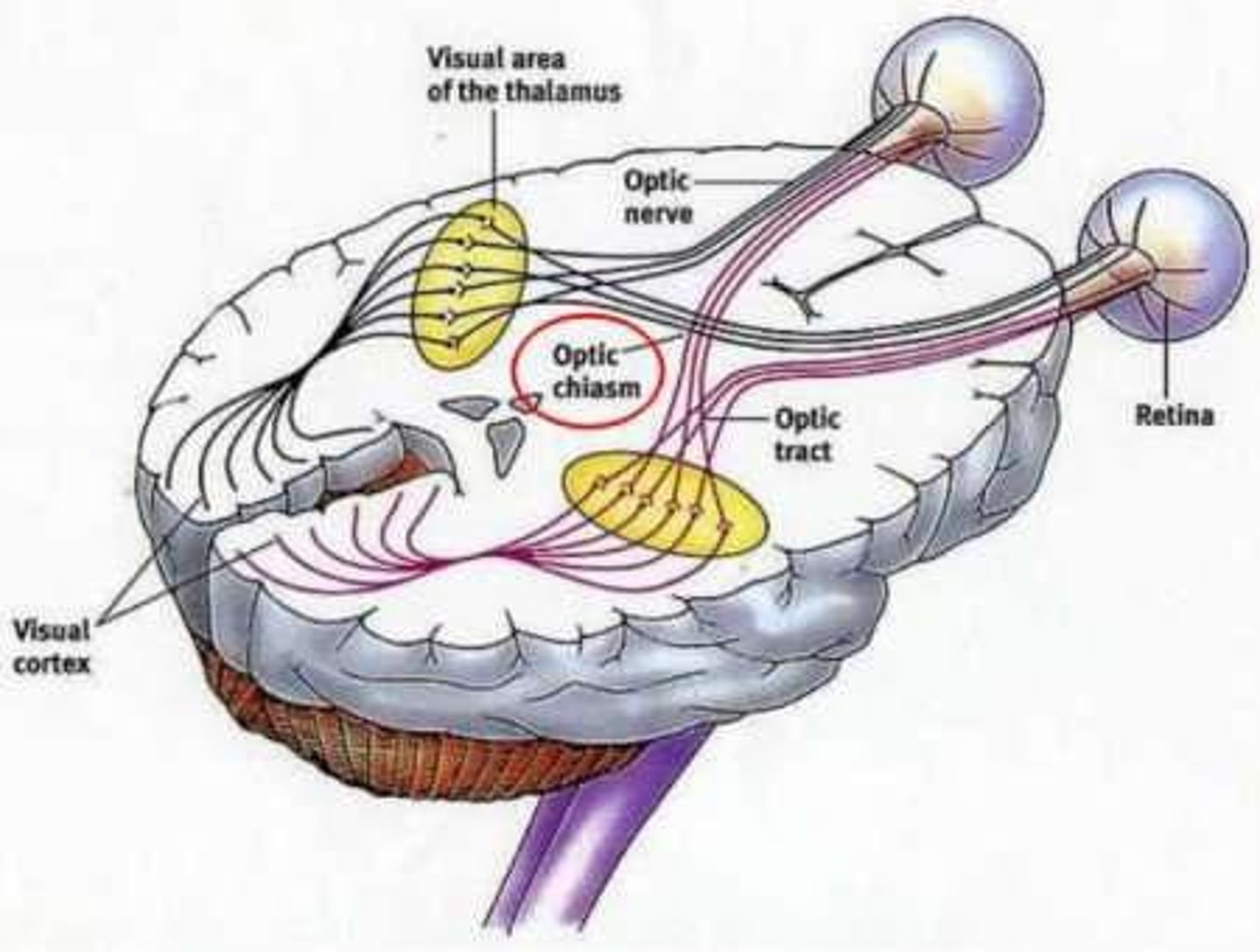
What is the role of melanopsin in the SCN?
It is a photopigment that helps ipRGC cells provide light information to the SCN.
How does the SCN influence the pineal gland?
Activity in the SCN produces responses in the sympathetic nervous system, which communicates with the pineal gland.
What is the relationship between serotonergic functioning and morningness?
Higher levels of serotonergic functioning may contribute to stability in personality and stronger entrainment to circadian rhythms.
What societal changes can help adolescents with sleep patterns?
Shifting school start times to later in the morning can improve attendance and grades.
What is the significance of stable sleep patterns after adolescence?
It may indicate brain maturity and the maturation of neural systems that regulate sleep.
What is the role of SCN neurons during the day?
They fire at their highest rate, suppressing melatonin release from the pineal gland.
What happens to SCN activity as the sun sets?
SCN activity decreases, leading to decreased sympathetic activity and increased melatonin production from the pineal gland.
How does the SCN maintain circadian rhythms?
The SCN can generate and maintain circadian rhythms independently of input from other structures.
What experimental findings support the SCN's independence?
Isolated SCN tissue cultures show activity fluctuations consistent with the donor's sleep-wake cycle, and transplants result in the host adopting the donor's cycle.
How quickly does the SCN adapt to phase shifts compared to peripheral clocks?
The SCN adjusts to phase shifts faster than peripheral clocks; for example, it adjusts after 1 or 2 cycles compared to 6 or more for peripheral tissues.
What information does the SCN receive about day/night?
The SCN receives information from the retina but also has its own intrinsic timekeeping mechanisms.
What genes are involved in the cellular basis of circadian rhythms?
The genes include PER (period), TIM (time), and CLOCK (circadian locomotor output cycles kaput).
What is the relationship between per, tim, and Clock proteins?
High levels of per and tim inhibit Clock production, while low levels disinhibit it, creating a feedback loop.
What biological processes do PER, TIM, and CLOCK proteins regulate?
They regulate melatonin, cortisol, and body temperature.
How does the SCN regulate melatonin release?
The SCN regulates melatonin release from the pineal gland via the sympathetic nervous system.
What happens to melatonin levels during the day?
Melatonin levels are suppressed by light and are very low during the day.
When do melatonin levels peak?
Melatonin levels peak around 4 am.
What factors can interfere with melatonin production?
Certain types of blindness, pineal gland tumors, medications, and bright lights can interfere with melatonin production.
What is cortisol and how does it fluctuate?
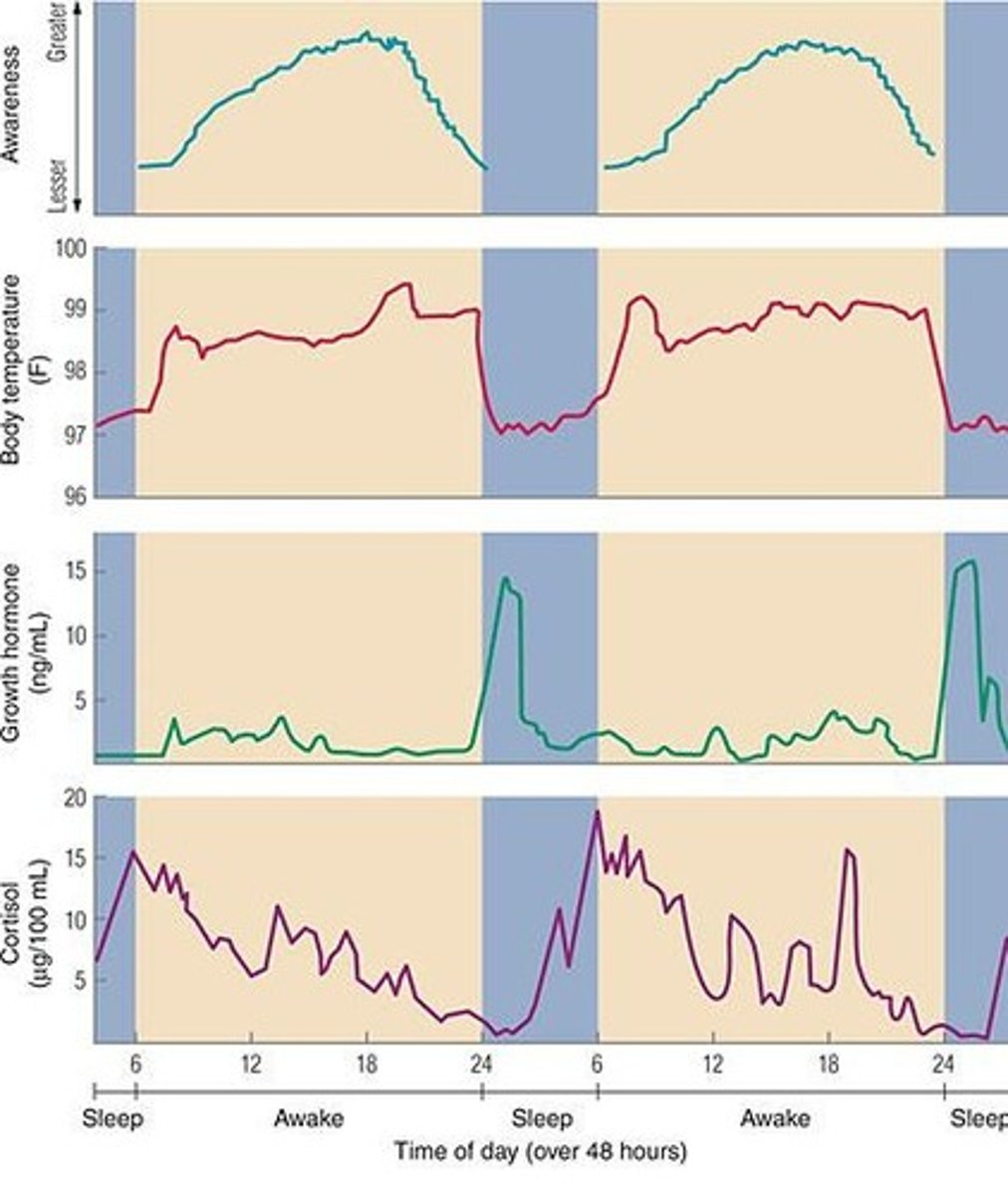
Cortisol is a hormone released by the adrenal glands, with levels highest in the morning and lowest at night.
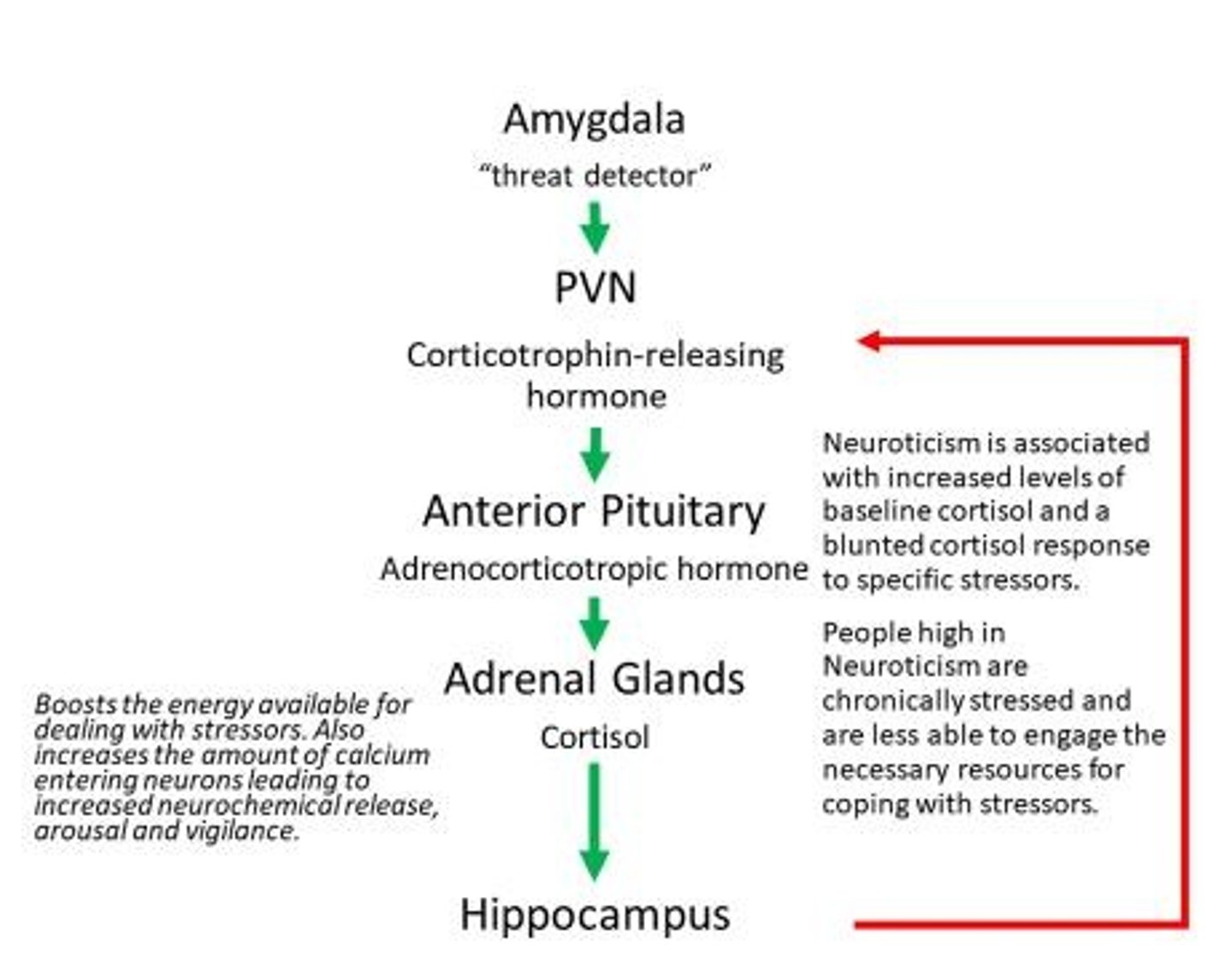
What are some effects of higher cortisol levels?
Higher cortisol levels are associated with increased blood pressure, heart rate, energy levels, and mental alertness.
What is the role of cortisol in the body?
Cortisol boosts energy for dealing with stressors and enhances focus during stress.
How does cortisol affect sleep quality?
Stress-induced cortisol levels during the night are associated with poor sleep quality.
What is the relationship between body temperature and circadian rhythms?
Body temperature drops as metabolic activity decreases, following circadian rhythms.
What are the potential dangers of melatonin supplementation?
Melatonin can cause daytime drowsiness, hormonal imbalances, and interactions with certain medications.
What effect does melatonin have on the body?
Melatonin has a cooling effect, causing the hypothalamus to lower the set point and dilate skin blood vessels.
When is growth hormone primarily released?
Growth hormone is released primarily during stages 3 and 4 of non-rapid eye movement (NREM) sleep.
What happens to cortisol levels throughout the day?
Cortisol levels are highest in the morning and decrease throughout the day.
What is Major Depressive Disorder with Seasonal Pattern?
Previously called Seasonal Affective Disorder, it is characterized by reduced daylight during winter months affecting circadian rhythms.
What is the prevalence of seasonal depression in sunny Florida compared to cloudy New Hampshire?
In Florida, rates are 1.4%, while in New Hampshire, rates are 9.7%.
What typically happens to serotonin levels in the fall and winter?
Serotonin levels typically drop.
What are two treatments for Seasonal Affective Disorder?
Antidepressants and light therapy.
How does light therapy help with seasonal depression?
Light therapy at dawn helps correct late sleep patterns, while evening therapy helps with early sleepiness.
What is the significance of serotonin transporter binding in patients after light therapy?
Following light therapy, serotonin transporter binding is reduced, indicating improved serotonin function.
What is the role of melanopsin in seasonal depression?
Variations in genes that express melanopsin may predispose individuals to seasonal depression.
What does EEG stand for?
Electroencephalogram.
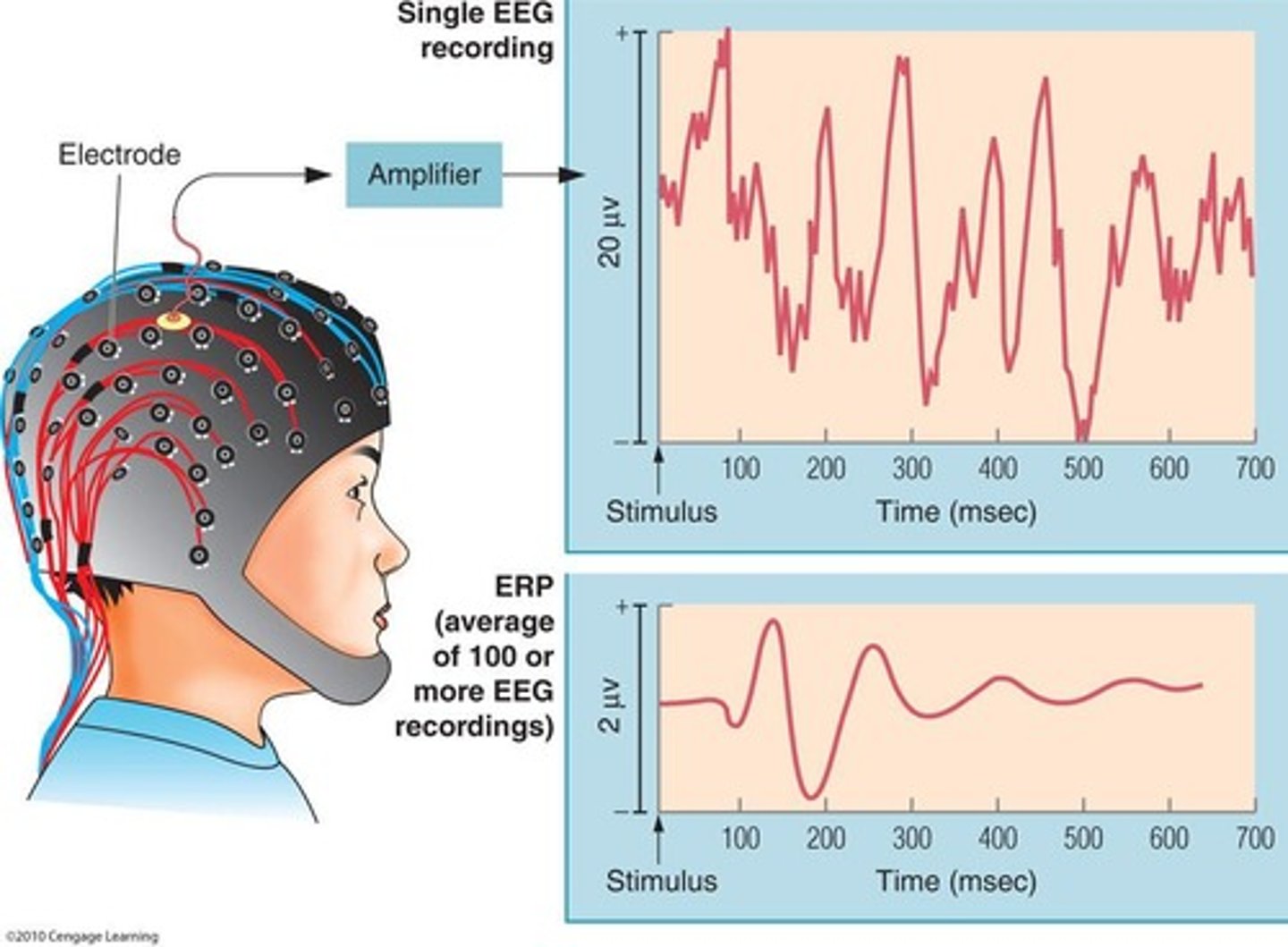
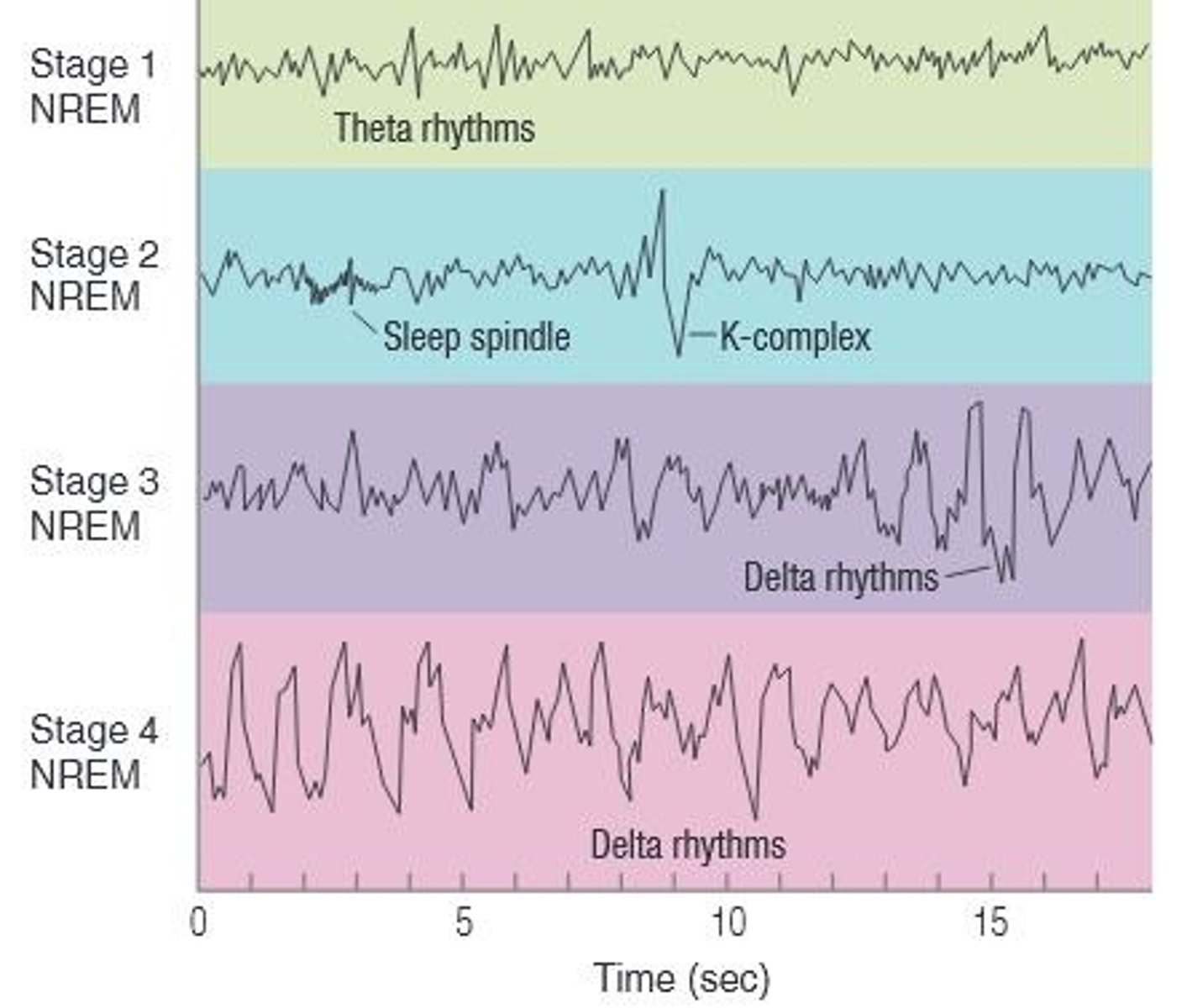
What are the frequency ranges for delta and theta waves?
Delta: 1-4 Hz; Theta: 4-8 Hz.
What characterizes synchronous brain activity?
Neurons firing in unison, correlated with sleep.
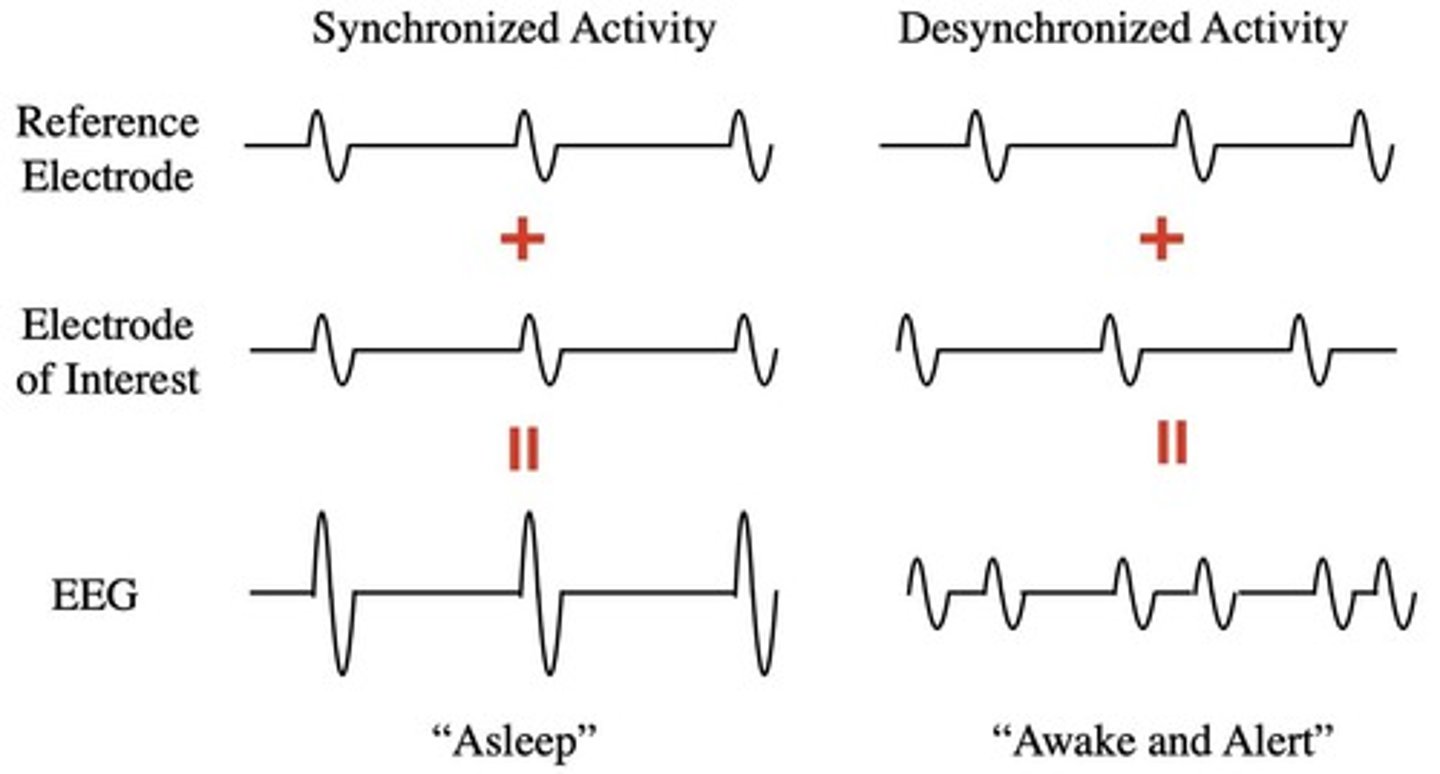
What characterizes desynchronous brain activity?
Independent action of many neurons, correlated with waking.
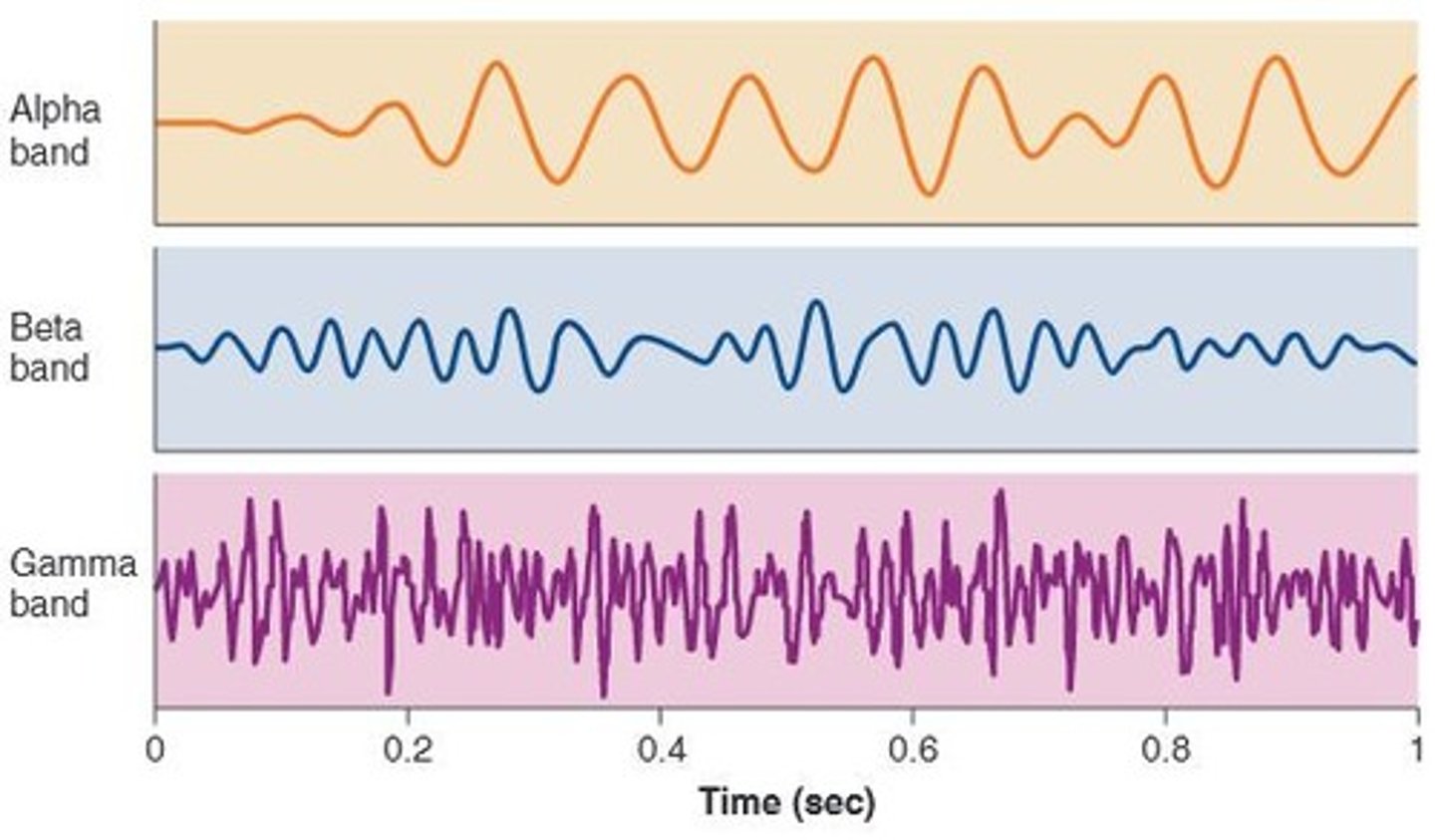
What is the primary EEG pattern during waking?
Alternates between alpha (8-13 Hz) and beta (13-30 Hz) patterns.
What is myoclonus?
Muscle jerks that typically occur during the early stages of sleep.
What happens during REM sleep?
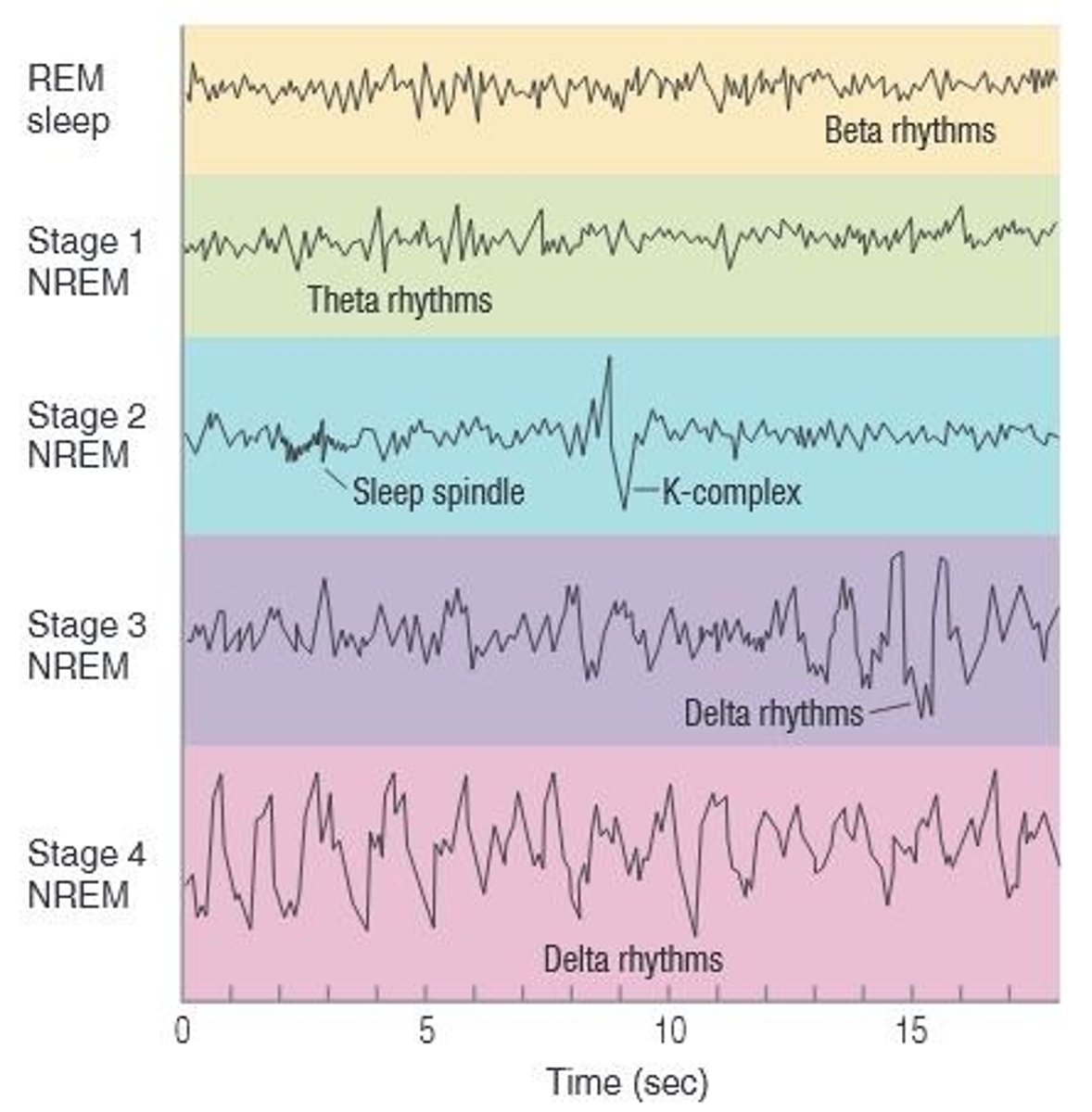
Muscle paralysis, eye movements, dreaming, and beta waves occur.
How many periods of REM sleep typically occur in 8 hours?
Five periods of REM sleep.
What happens to body functions during REM sleep?
Sympathetic activity increases body temperature, breathing, blood pressure, and heart rate.
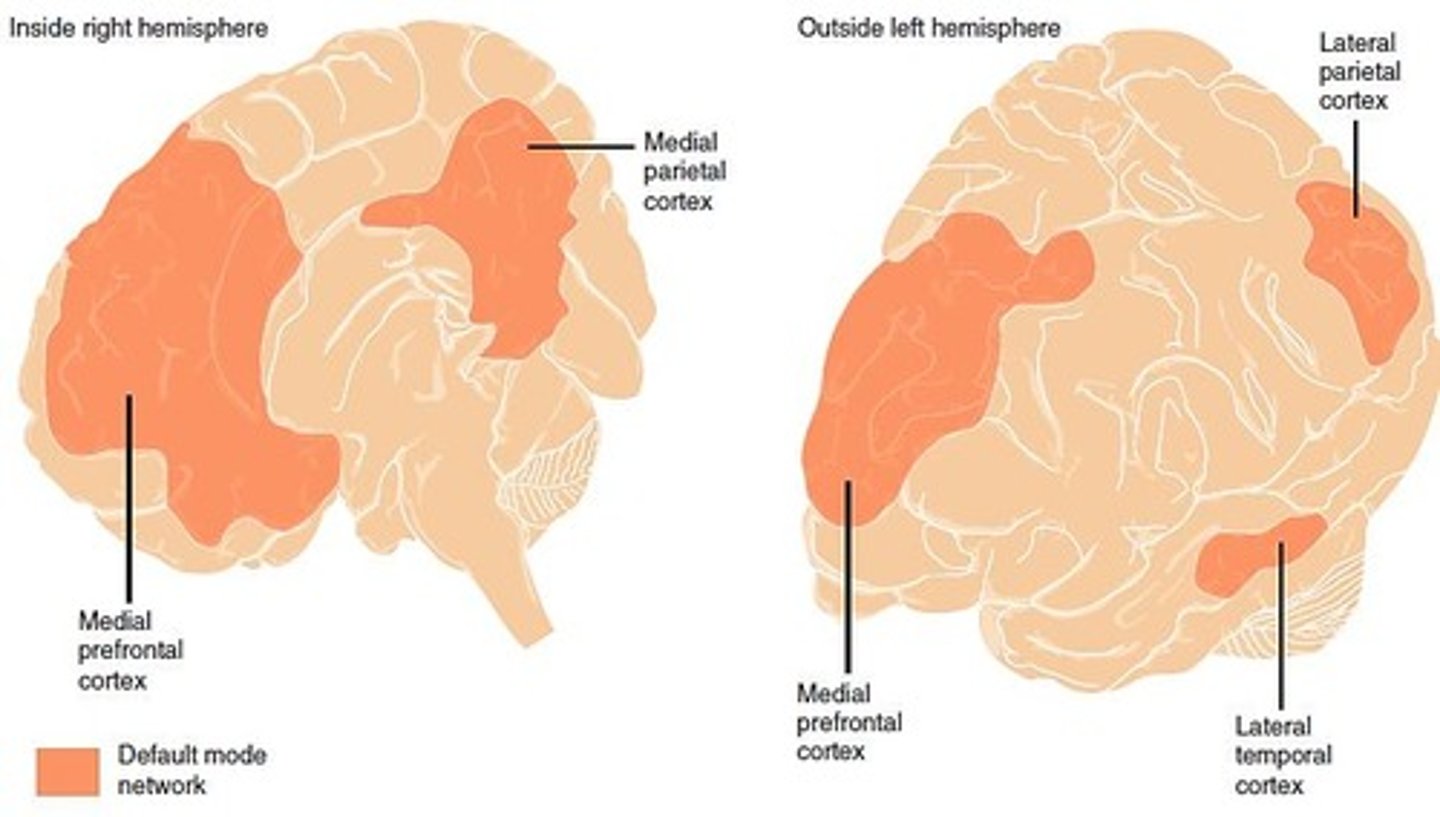
What is the Default Mode Network (DMN)?
A network of brain regions that corresponds to mind wandering and self-referential thought.
What are the four stages of NREM sleep?
Stage 1: Delta and theta waves; Stage 2: Sleep spindles and K-complexes; Stages 3 and 4: Delta waves and reduced physiological activity.
What is the significance of sleep spindles?
They are short bursts of EEG activity between 12-14 Hz that occur during Stage 2 sleep.
What physiological changes occur during NREM sleep?
Body temperature, breathing, blood pressure, and heart rate decrease.
What is the relationship between sleep stages and energy consumption of the brain?
Energy consumption drops by 11% to 40% during deep stages of NREM sleep.
What are the two cholinergic pathways involved in waking?
Ventral pathway (medulla to cortex) and dorsal pathway (midbrain reticular formation to cortex).
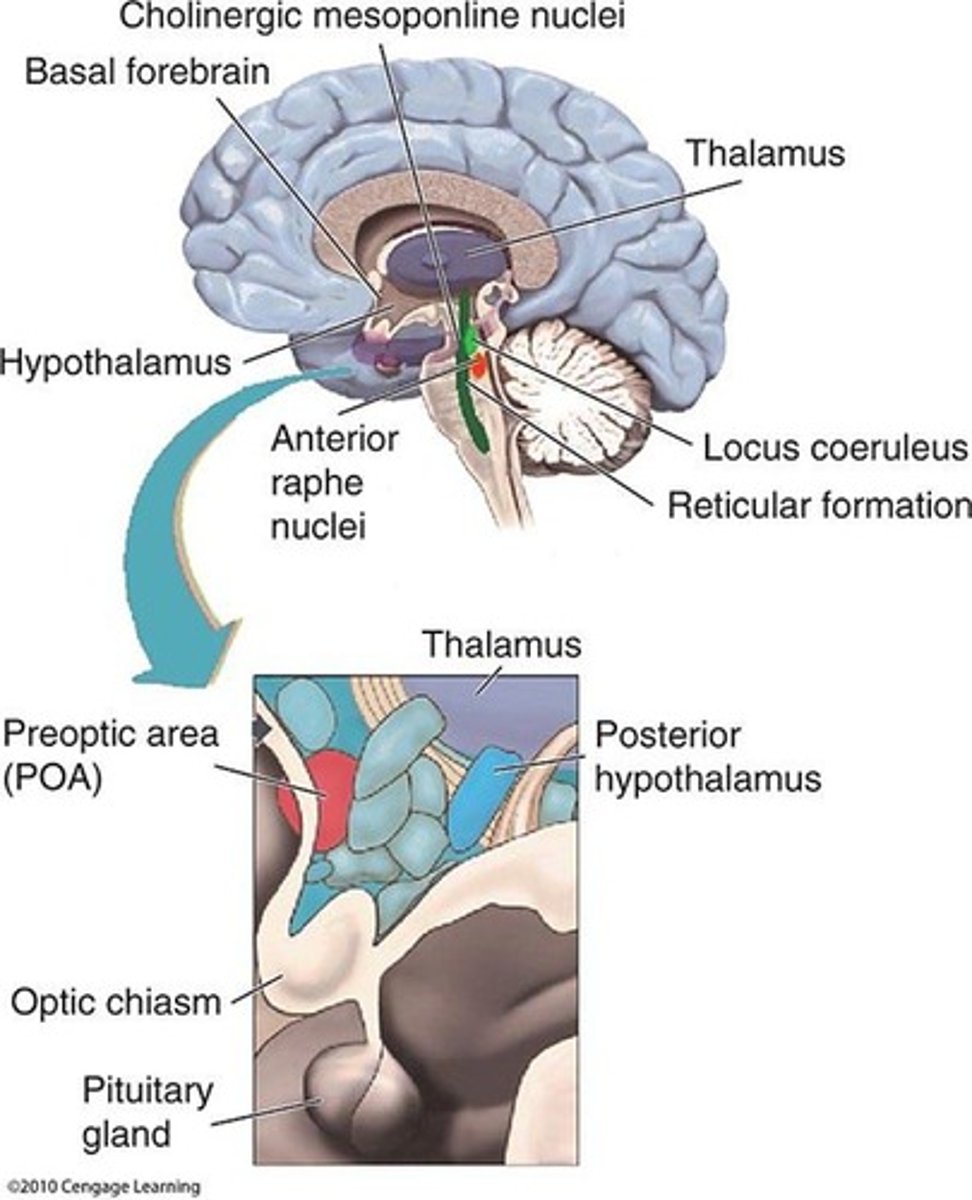
What neurotransmitter is primarily associated with the locus coeruleus?
Norepinephrine.
What is the role of raphe nuclei in sleep?
They are involved in serotonergic connections and are active during wakefulness but inactive during REM sleep.