business everything
 Call Kai
 Learn
Learn Practice Test
 Spaced Repetition
 Match
Match Flashcards
 Knowt Play
1/112

There's no tags or description
Looks like no tags are added yet.
Name | Mastery | Learn | Test | Matching | Spaced | Call with Kai |
|---|
No analytics yet
Send a link to your students to track their progress
113 Terms
robotics
using robots to carry out manufacturing with no human involvement
capital intensive production
production that uses machinery more than labour
labour intensive production
production that uses labour/workers more than machinery
job production
Purpose of market research
Identify customer needs & wants, identify gaps in market, reduce risks
Primary research
Discovering new into for 1st time
Primary research examples
Focus groups, questionnaires, interviews, surveys, observations, test marketing
Secondary research
Using existing info
Secondary research examples
Internet, market reports, government reports
Quantitative
Data expressed in numbers
Qualitative
Data expressed in letters
Primary research pros
Can be tailored for business
Primary research cons
Time-consuming, expensive
Secondary research pros
Cheap + convenient
Secondary research cons
Not tailored for business
Market orientation
Businesses respond to customers needs & wants based on feedback
Product orientation
Business develops product based on what it is good at
Mass market
Mass appeal and very similar to competitors so USP will be hard to figure out
Niche market
Only appealing to certain group, must focus on USP, can charge high prices eg. Six-fingered gloves
Market segmentation
Splitting of market into different parts/segments
Market segment
The Part the market has been split into
Categories of segment
Location, age, gender, lifestyle, income
Static market
Not much change stays the same
Dynamic market
Rapid innovation
Marketing mix ④p
Price, promotion, place, product
Product life cycle
Based on predictions & can be incorrect
PLC stages
Intro → growth → maturity → decline
Extending PLC
Price reductions
Promotions
Innovation to modify existing product
New target Market
financial objectives
market share
profit
sales
survival
financial security
non-financial objectives
personal challenge
personal satisfaction
independence and control
social objective
sole traders
when a business only has one owner
sole traders advantages
easy to set-up
financial info is private
choose own working hours
owner can keep all profits
sole traders disadvantages
unlimited liability
banks are less willing to give loans
only one person for start-up fund and workload
less expertise
partnerships
when a business has two or more owners
partnerships pros
shared workload
multiple people to fund start-up
more expertise
financial info is private
partnership cons
split profits
unlimited liability
risk of disagreement
Private LC
a business that only sell shares to selected few
Private LC pros
limited liability
banks are willing to give loans
no risk of takeover
Private LC cons
financial info is public
time consuming to set-up
Public LC
sell shares to anyone
Public LC pros
limited liability
can raise large amount of money
banks are willing to give loans
Public LC cons
financial info is public
risk of takeover
time consuming to set-up
unlimited liability
when the owner is responsible for all of the business’s debts so their personal possessions are at stake
incorporation
the process of how a registering your business as a limited company
shareholders
anyone who owns a share/part of business
stakeholders
anyone who is affected by business
franchise
a type of license that grants a franchisee access to a franchisor’s business knowledge
franchisee
business that sells branded goods with the franchisors permission
franchisor
the branded big company that grants franchisee permission for sale of goods
benefits to franchisee
higher profit
support from owner
brand recognition
cons to franchisee
not cheap
permission needed
limited creative oppurtunities
benefits to franchisors
increase reputation
access to new markets
access to money
cons to franchisors
can ruin reputation if franchisee makes mistakes
can loose complete control of business
large investment
public corporations
type of business funded by the government that usually has a service motive
pros of public corporations
protection of public interest
easier planning
autonomous set-up
cons of public corporations
difficult to manage
complex legal requirements
multinationals
a business that operates in more than one country
pros of multinationals
high-quality products is possible due to availability of raw materials
ore jobs available
lower production costs
cons of multinationals
availability to raw materials can lead to exploiting natural resources
locals stop earning money after a while
primary sector
extraction of raw materials
secondary sector
making/producing products
tertiary sector
production of services
decisions on business location
proximity to labour
proximity to market
proximity to materials
proximity to competition
why might government change locations
to set up in areas with high unemployment
avoid overcrowding
minimise impact on local communities
trade blocs
a group of countries form trading with each other which makes selling easier by removing trade barriers
ecommerce
trading of goods and services on the internet
trade barriers
restrictions on international trading
tariffs
taxes charged upon arrival of imported goods in a country by customs authority
market saturation
when a product is no longer in demand because many business offer it
globalization
how countries become more increasingly interconnected in all their activities
benefits to business of globalization
access to larger markets
reduce costs
access more labour
reduce taxes
threats to business of globalization
increased competition
risk of external shocks
increased risk of takeover
exchange rates
value of a currency in terms of another
S-DICED
strong dollar imports cheaper exports dearer
social enterprise
business that aim to have a positive social impact
external factors impacting business
Political
Environmental
Social
Technology
how is success measured?
revenue
personal satisfaction
growth of business
employee satisfaction
profit
market share
business failure reasons
over-spending money
lack of competitiveness
failure to innovate
Increased interest rates impact
customers are less likely to spend
loans are too expensive
people save more money
Internal Communication
communication between 2 people within the same business
External Communication
communication between someone in a business with someone outside
communication channels
routes along which info may travel in a business
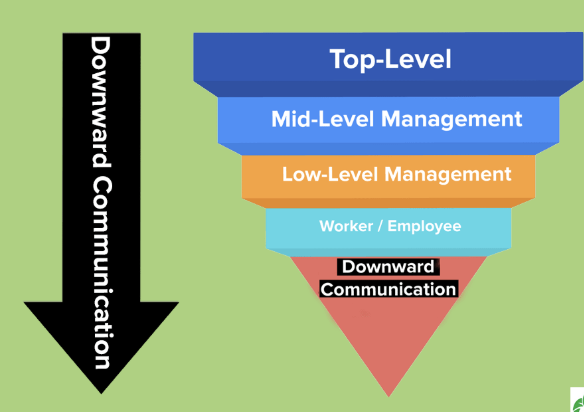
downward comm
from top of organisation to bottom (feedback)
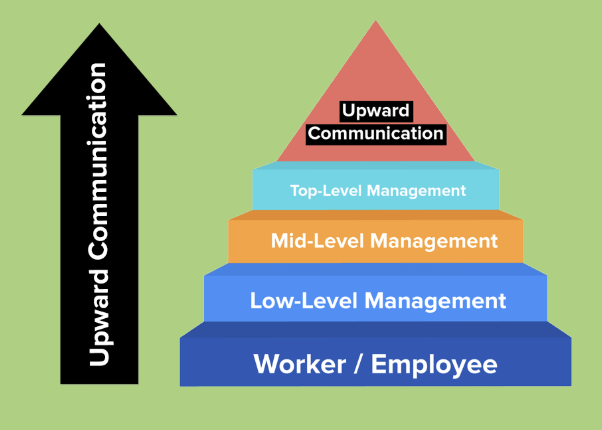
upward comm
form bottom of organisation to top (performance reports)
horizontal comm
exchange of info between two people on the same level (team meetings)
formal comm
use of recognised channels when communicating (business letter)
informal comm
using non-approved channels (whatsapp,messages)
subordinates
people below you in the hierarchy
barriers in comm
technological breakdown
lack of clarity
jargon-slang
long chain of command
inappropriate and inaccurate translations
improving communications
better recruitment
training
technology
Induction training
training that introduces a new worker to organisation and how to do their job
on-the-job training
takes place in the workplace with a more experienced member of staff providing training
off-the-job training
happens away from the workplace
why should the business comply with law
ensure staff know the risks involved in the workplace
kept safe from injuries
failure to comply- business could be sued for injury
benefits of training
workers stay up to date
workers become more skilled so workforce is more flexible
employee job satisfaction and motivation increases so worker can take on new jobs and feel more connected to business
drawbacks to training
high cost for some courses, equipment
loss of output
risk of leaving after all the training
learning as you go may not be very useful
temporary working
employee is giving fixed-term contract and only have job for limited amount of time
benefits of temporary workers
business can hire more staff during busy periods without paying yearly salary
seasonal working
if someone regularly has their job for particular times of year
casual employment
workers do not have guarantee of work from employer and can also turn down offers from employers