OK Order Carnivora
 Call Kai
 Learn
Learn Practice Test
 Spaced Repetition
 Match
Match Flashcards
 Knowt Play
1/31

There's no tags or description
Looks like no tags are added yet.
Name | Mastery | Learn | Test | Matching | Spaced | Call with Kai |
|---|
No analytics yet
Send a link to your students to track their progress
32 Terms
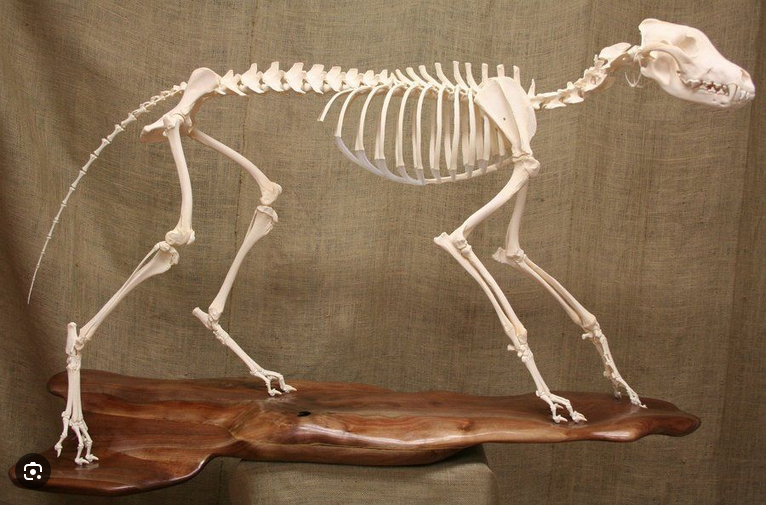
Family Canidae
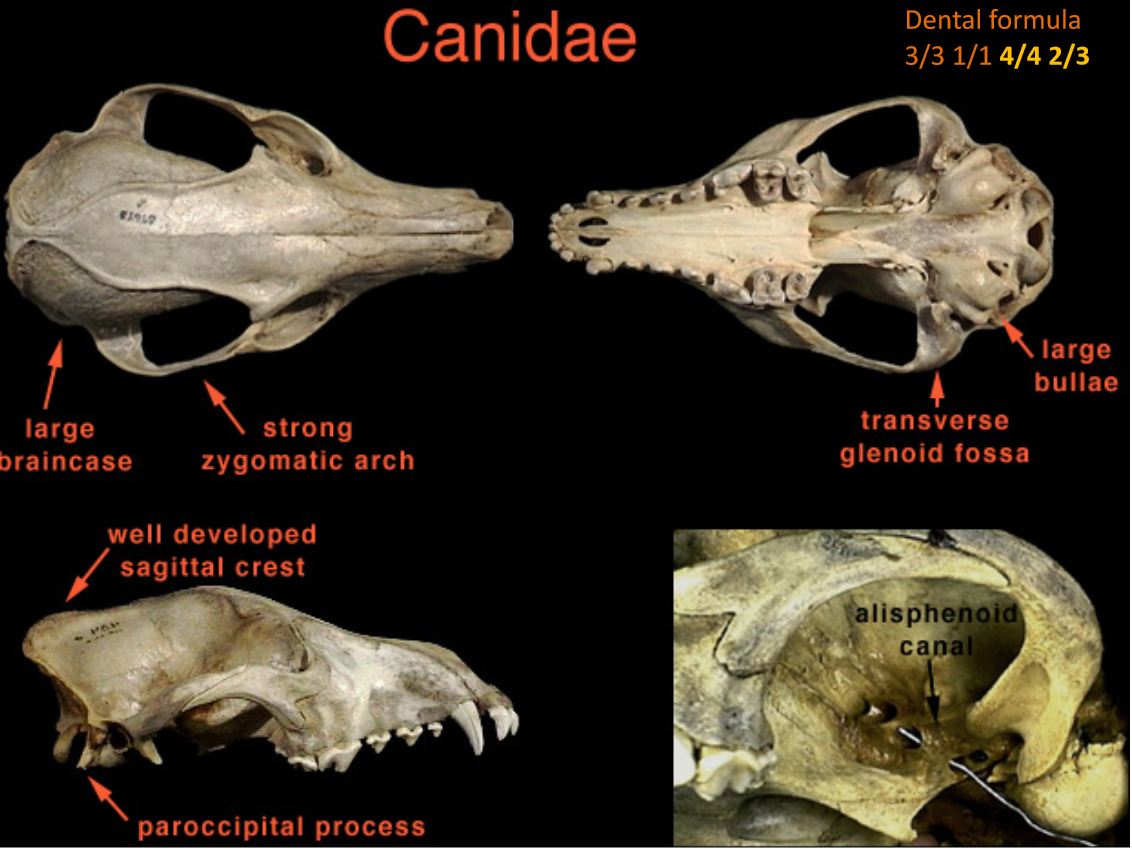
5 species. Digits. 5(4)-4, digitigrade. Teeth: 3/3,1/1, 4/4,2/3. Prominent carnassial pair, last molar flat and transverse. Skull. Long rostrum. Alisphenoid canal present.
Hind tracks a little bigger, than front.
Generalists, w/ preference for small mammals. Most species mate in late winter (Jan-Mar), 5-10 pups in early spring after ~60 day gestation. Solitary, besides coyotes. Both parents raise young. Sexual mature by late autumn 9-12 months, when they usually disperse.
Family Canidae
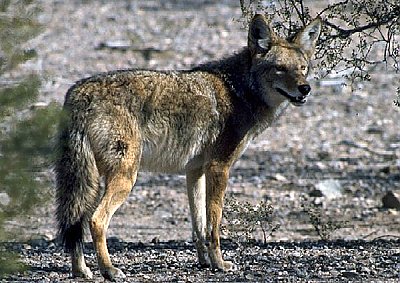
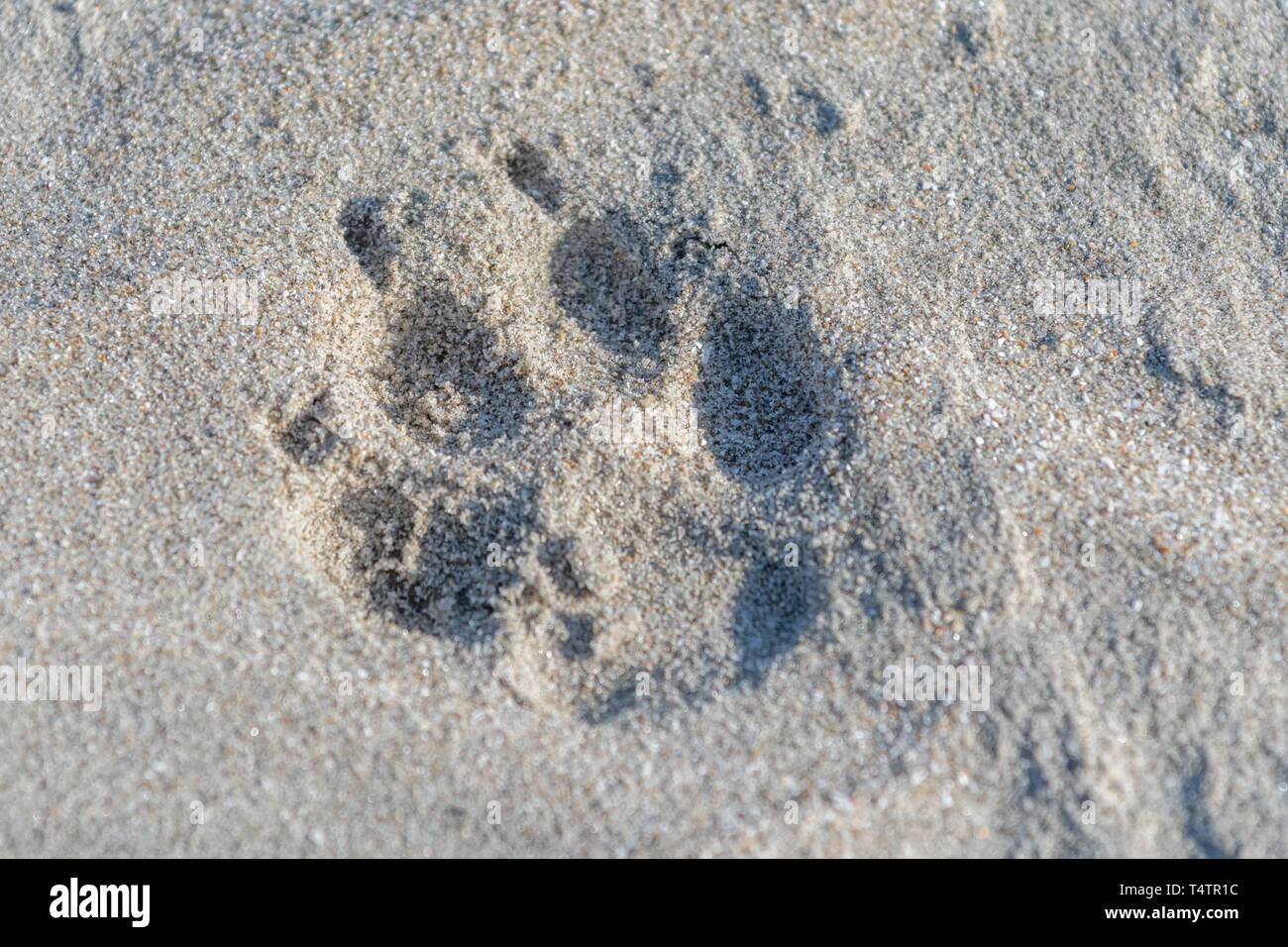
Coyote: Black tipped tail. Pointed ears. Grayish-brown, yellow hide.
Canis latrans.
Avg size: 20-35+ lbs. 4+ ft long w/ tail.
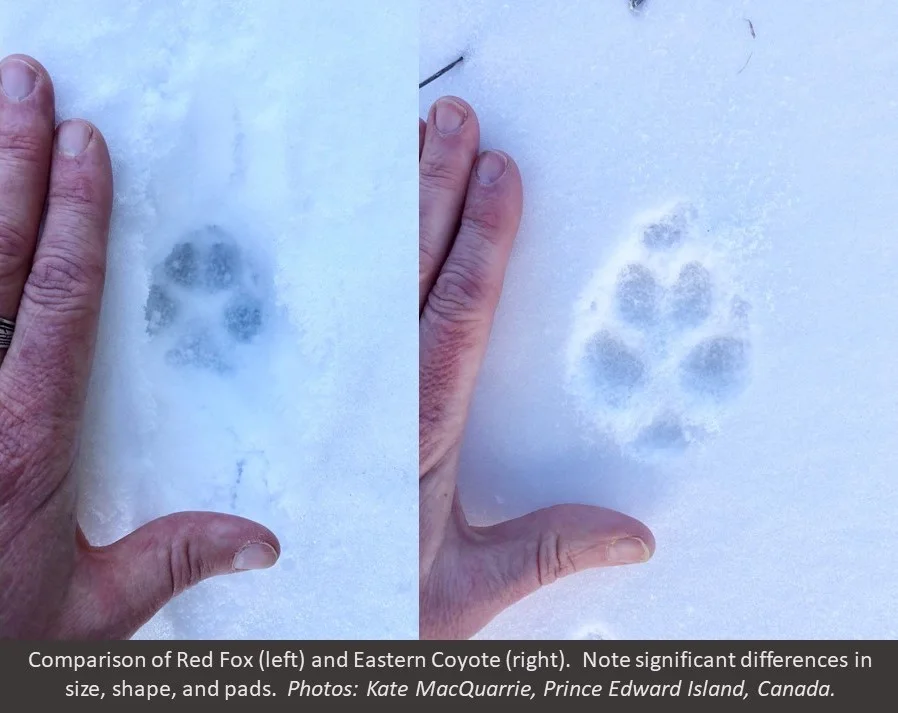
Track L:~2-3 in, W: ~1.5-2.5 in. Domestic dog tracks larger, nails are larger, warped. Outer nails splayed. Less oval.
Habitat generalist. Omnivore. ~Diurnal (nocturnal near humans). May hunt solitary, in pairs, or packs.
Family Canidae
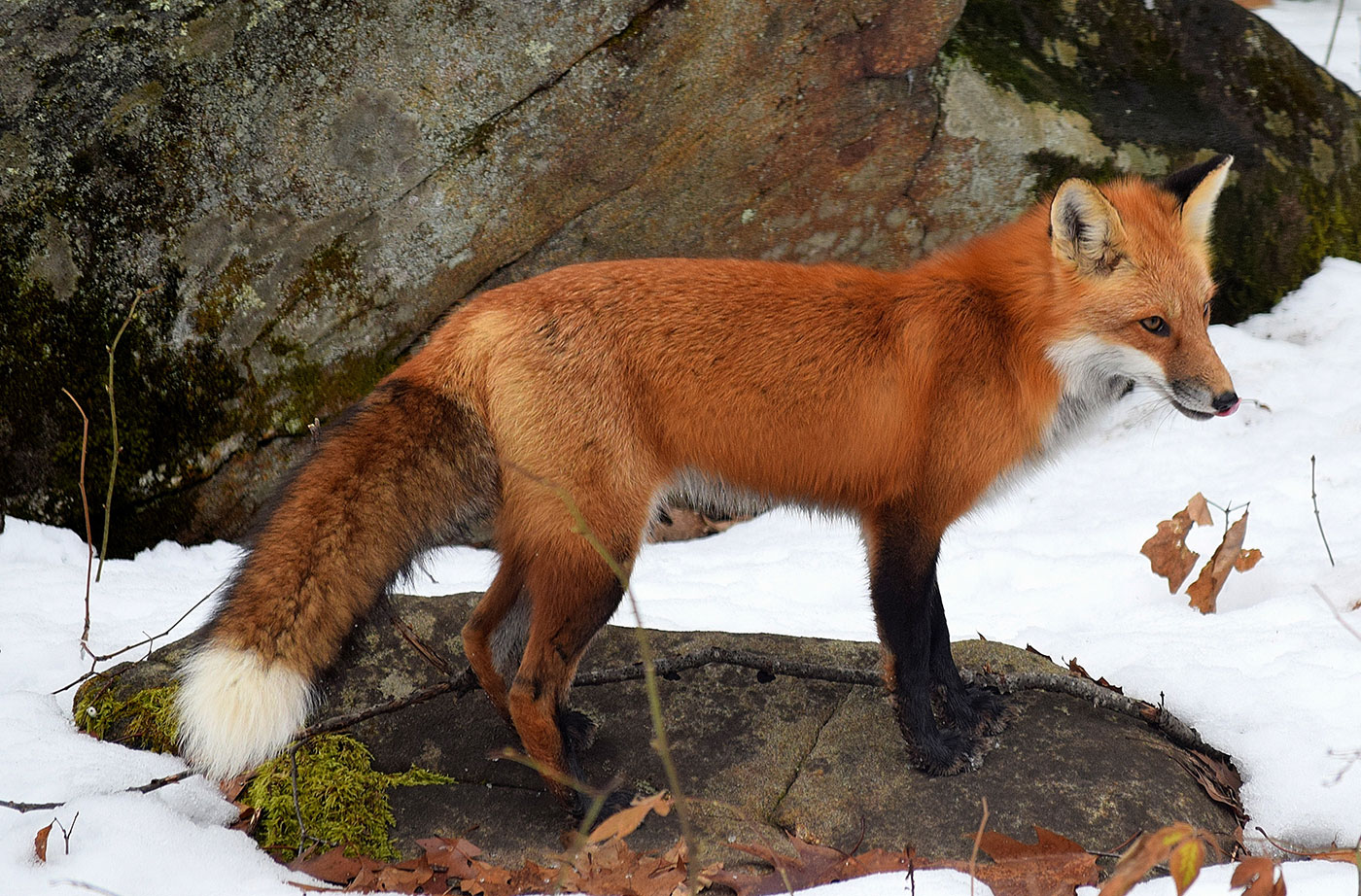
Red fox: White tipped tail. Red coat. Black legs
Vulpes vulpes
Avg size. ~10-15+ lbs. 3-4 ft long w/ tail.
Track L: ~ 1.75 - 2.5 in, W: 1.5- 2 in. (may need gait to distinguish).
Habitat generalist. Omnivore (voles/mice), caches food. Nocturnal. Solitary.
Family Canidae
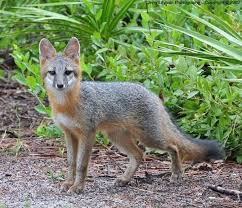
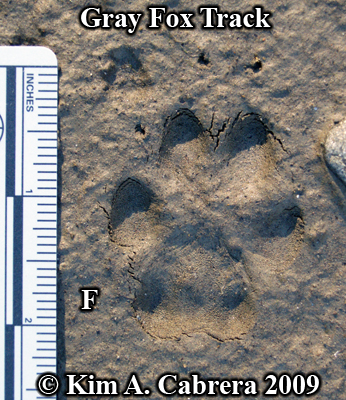
Grey fox: Black tipped tail. Gray, rusty below
Urocyon cinereo-argenteus
Avg size: <12 lbs. 2.75-3.5 ft long with tail.
Track L:~ 1.5-2 in, W: 1.25-1.75 in. Rear nails may not show.
Prefer woodland habitat & climbs trees. Omnivore, caches food. ~Nocturnal. Solitary.
Family Canidae
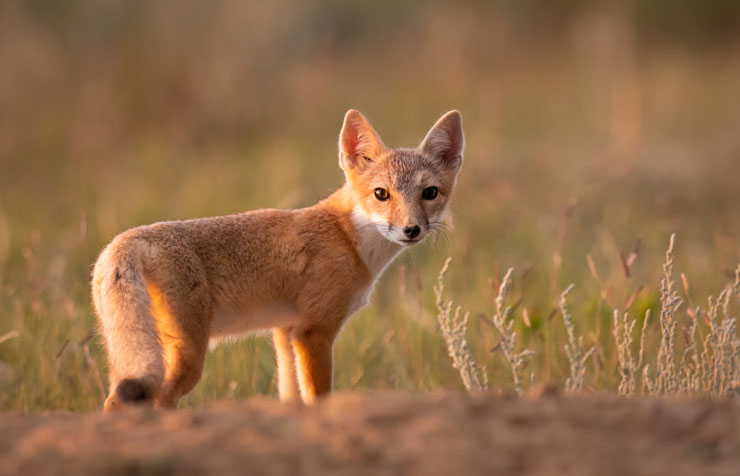
Swift Fox: Light, orange-tan. Top is more grey in winter.
Vulpes velox
Avg size: ~5 lbs. <3 ft long with tail.
Not likely.
Grassland.
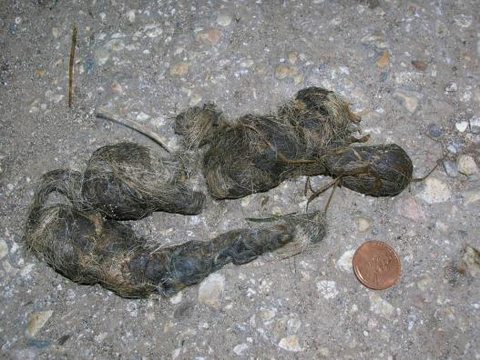
Canid scat and scrapes.
Both are often used to communicate via pheromones from feet.
More meat=darker, like a twisted rope, tipped end, will see fur/bones/seeds. Coyotes often deposit in middle of trails/edges of territory. Foxes often deposit on prominent areas (rock, mounds).
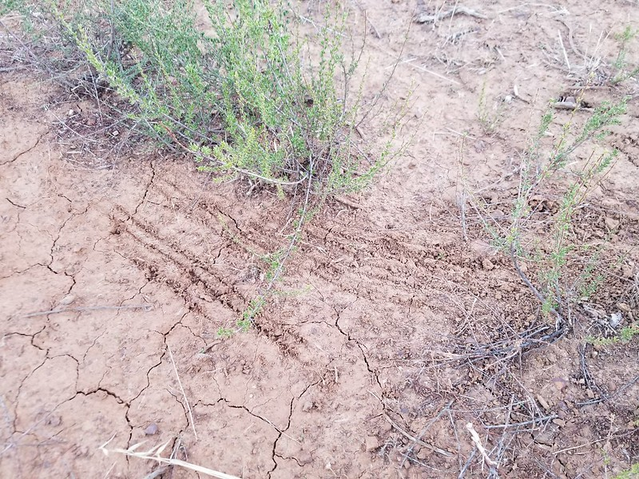
Scrapes are amorphous and scattered, unlike felines.
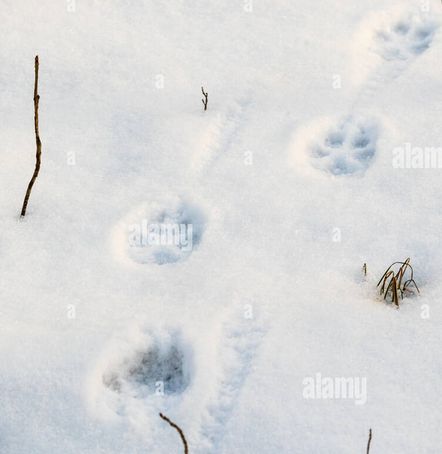
Canid Track Patterns
Diagonal Walkers RH-LF-LH-RF. Overstep walk, direct register trot, side trot. Rear feet are black.
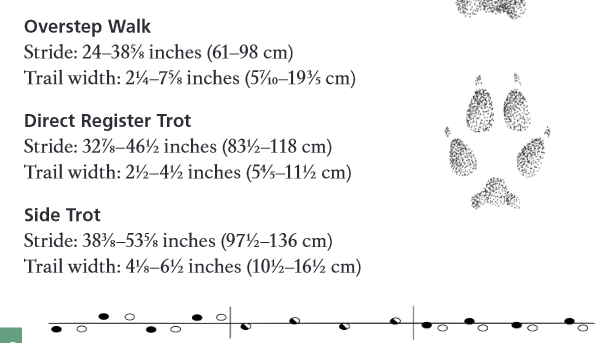
Felid vs Canid Tracks
Felid. Asymmetrical (leading toe, 2nd, trailing outside. Ridges don’t make an x, no nails, round outline. Canid. More symmetrical, rides form x/h, nails (though may be small indents.) Canid metacarpal pad chevron shaped, oval outline.
Family Felidae
2 species. Digits. 5(4)-4, digitigrade. Teeth: 3/3,1/1, 2-3/2,1/1. Prominent carnassial pair, last molar tiny, peg-like. Skull. short rostrum, short-rounded skull. Alisphenoid canal absent.
Nocturnal. Territorial, polygamous. Bobcats mate early spring, 3 kits in late spring/summer after ~60 day gestation. Disperse after 8 months. Cougars is year round, longer gestation, longer time to independence.
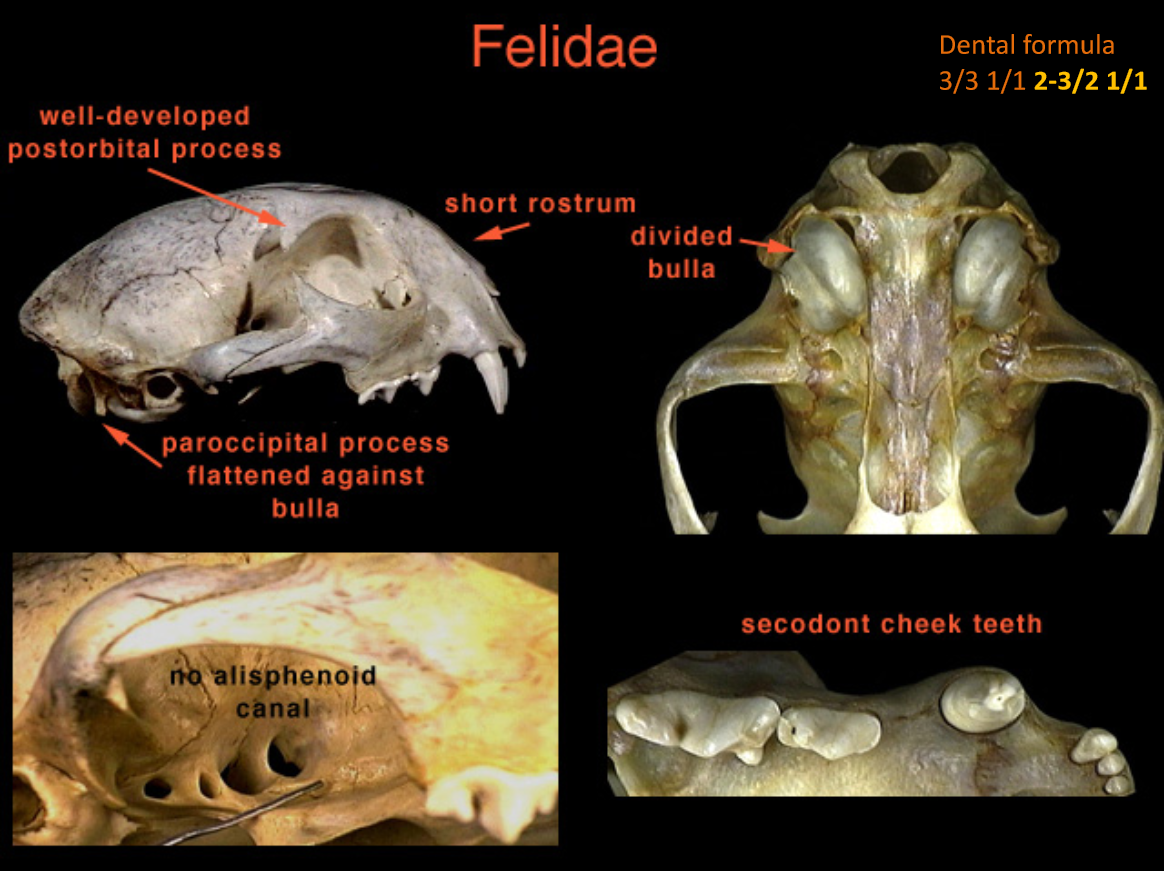
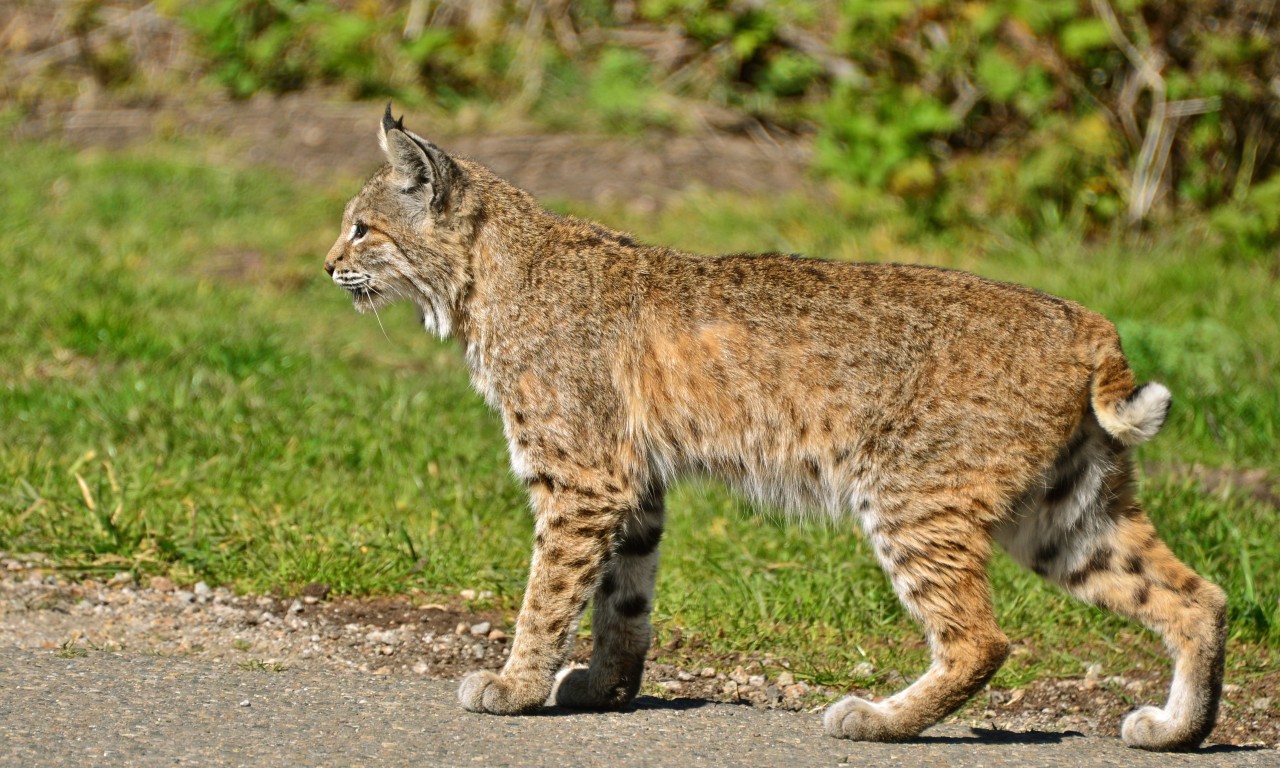
Family Felidae
Bobcat: Twice the size of a house cat. Short black, bobbed tail, short ear tufts, and spotted, light gray to reddish coat.
Lynx rufus
Avg size: 15-30 + lbs. 2.5-3.5 ft long with tail.
Track L:~ 1.5-2.25 in, W: 1.5-2.5 in.
Habitat generalist, but in areas w/ cover. Carnivore (rabbits, rodents).
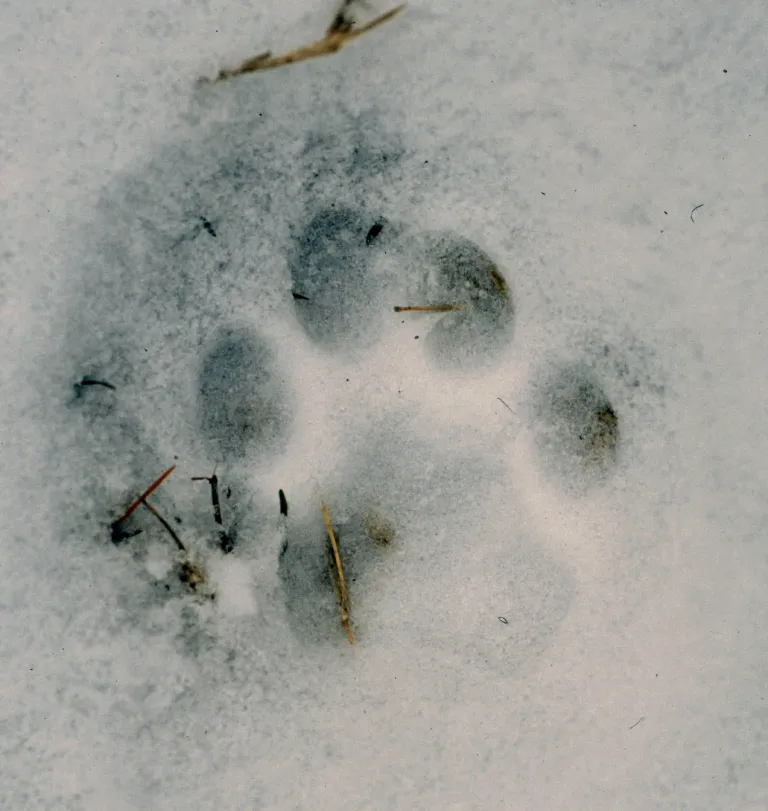
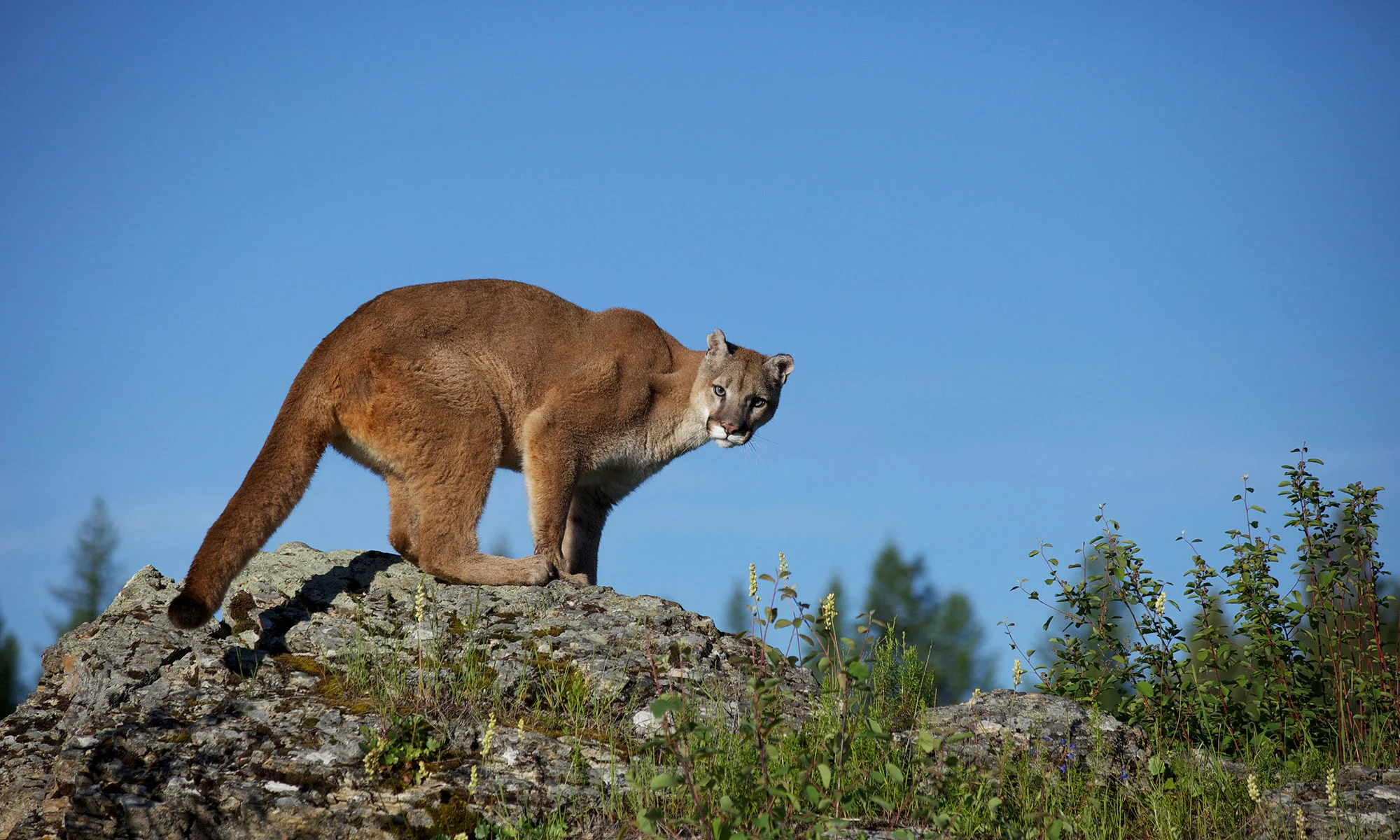
Family Felidae
Mountain lion
Puma concolor
Avg size: F: 75-100, M: 125-150 lbs. (Females much smaller). 6-ft long with tail.
Track L:~ 3.5 in, W: 4 in. Big cat…
Habitat generalist, but in areas w/ cover. Carnivore (ungulates and smaller).
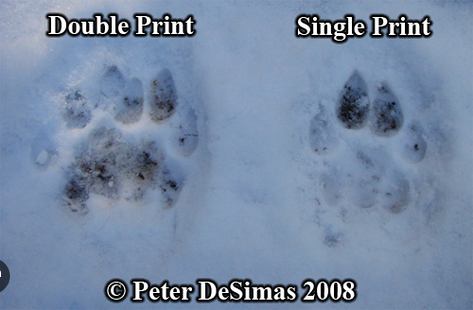
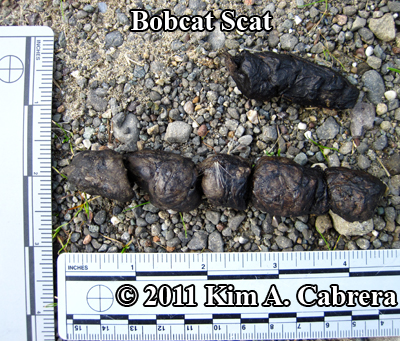
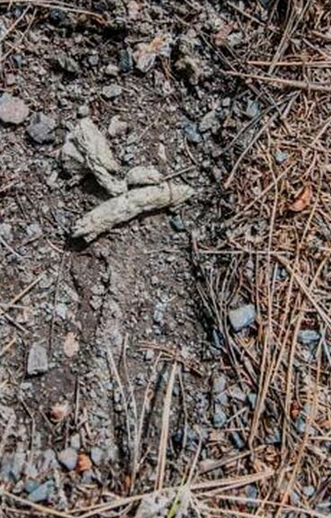
Feline scat and scrapes
Scrapes are neater and boxlike.
Scat is segmented and log-like, however will often still have a tipped end.
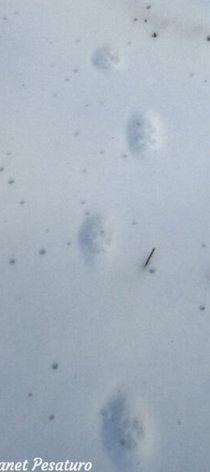
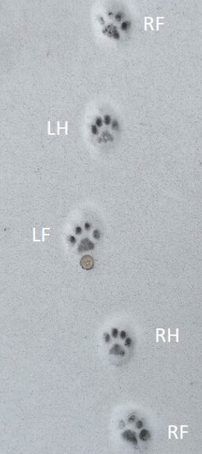
Feline track pattern
Diagonal Walkers RH-LF-LH-RF. Direct register walk most likely to be seen.
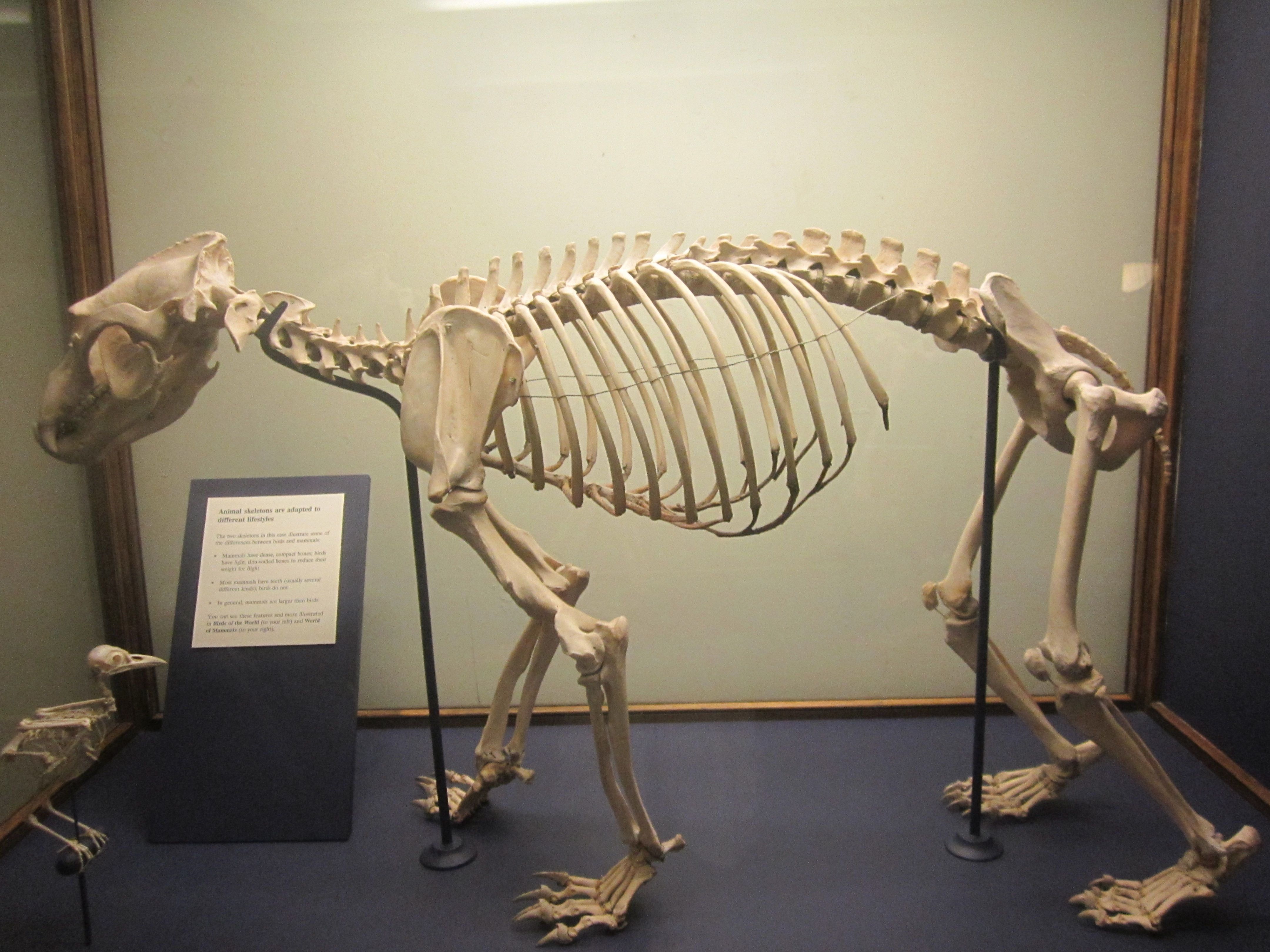
Family Ursidae
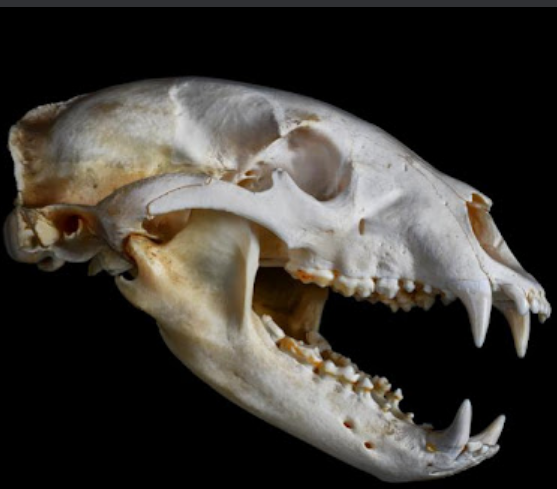
5-5, plantigrade. Teeth: 3/3,1/1, 4/4,2/3. No carnassial pair. Premolars tiny, may not be in a found skull.
Medium rostrum, oval skull. Alisphenoid canal present.
Diurnal. Omnivores. Mate in June/July, give birth in winter dens (January). Young stay with mother for 2 yrs (cubs/yearlings). Mature ~5. 2-3 years between breeding.
Family Ursidae
Black bear: Black, blonde & brown, no shoulder hump, pale muzzle.
Ursus americansus
Avg size: F: 100-300, M: 200-600 lbs. (Females much smaller). 5-7 ft tall standing.
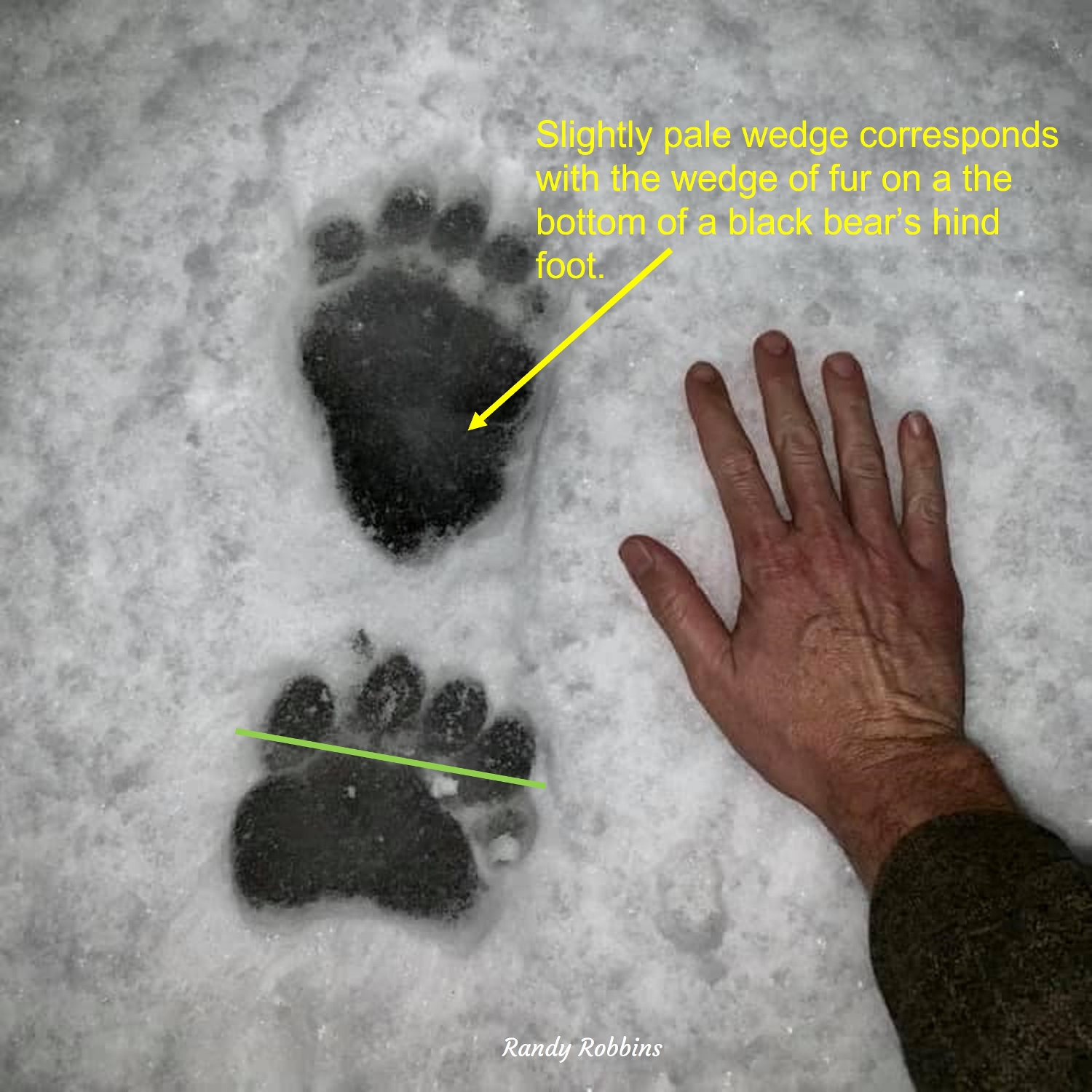
Track L:~ 4-6 in, W: 3.5-5.5 in. Hind feet bigger. No straight line behind front toes.
Family Ursidae
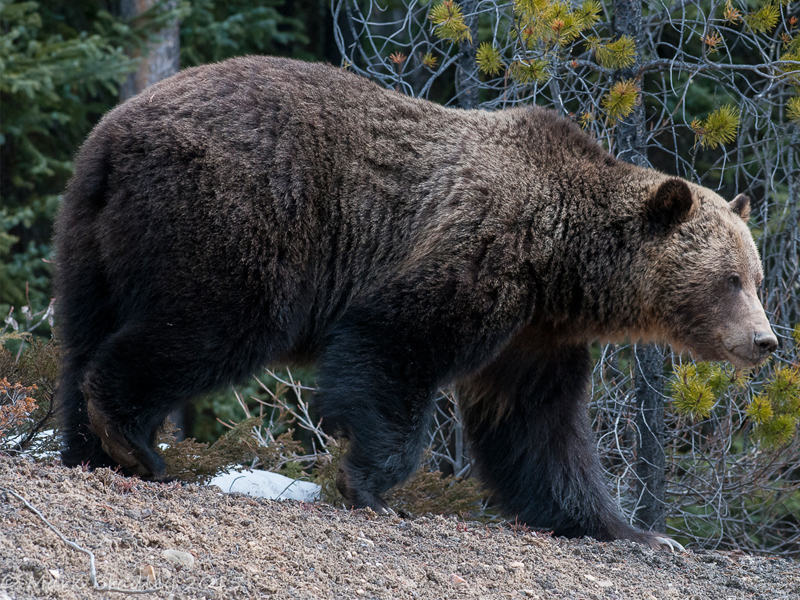
Grizzly bear
Ursus arctos
Avg size: F: 250-350, M: 400-600+ lbs. (Females much smaller). 6-8 ft tall standing.
Track L:~ 7 in, W: 5 in. Hind feet bigger.
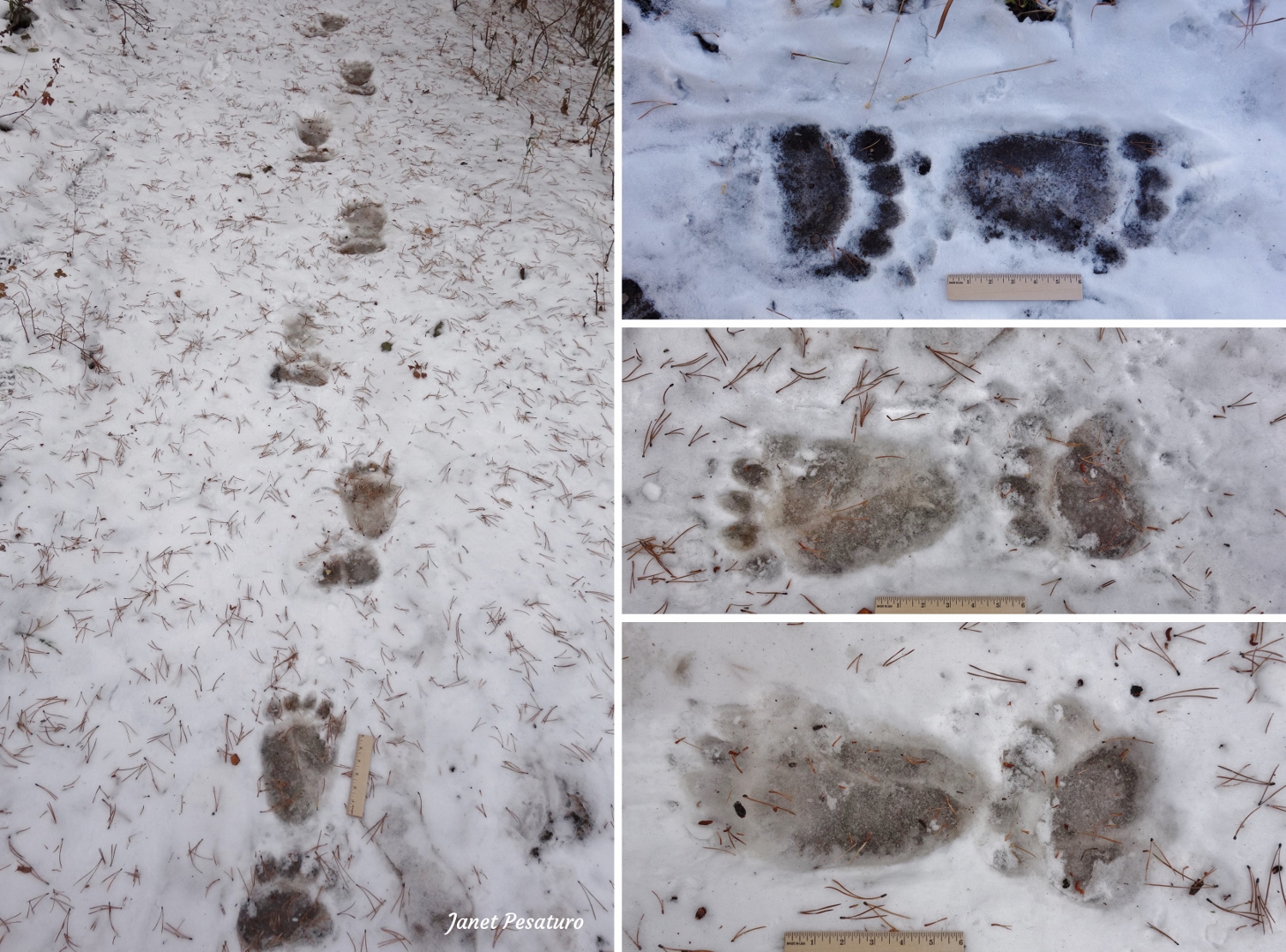
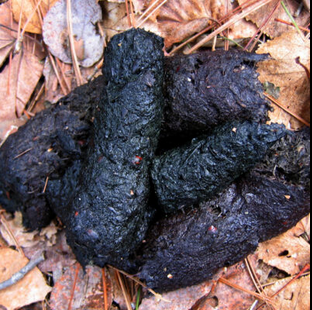
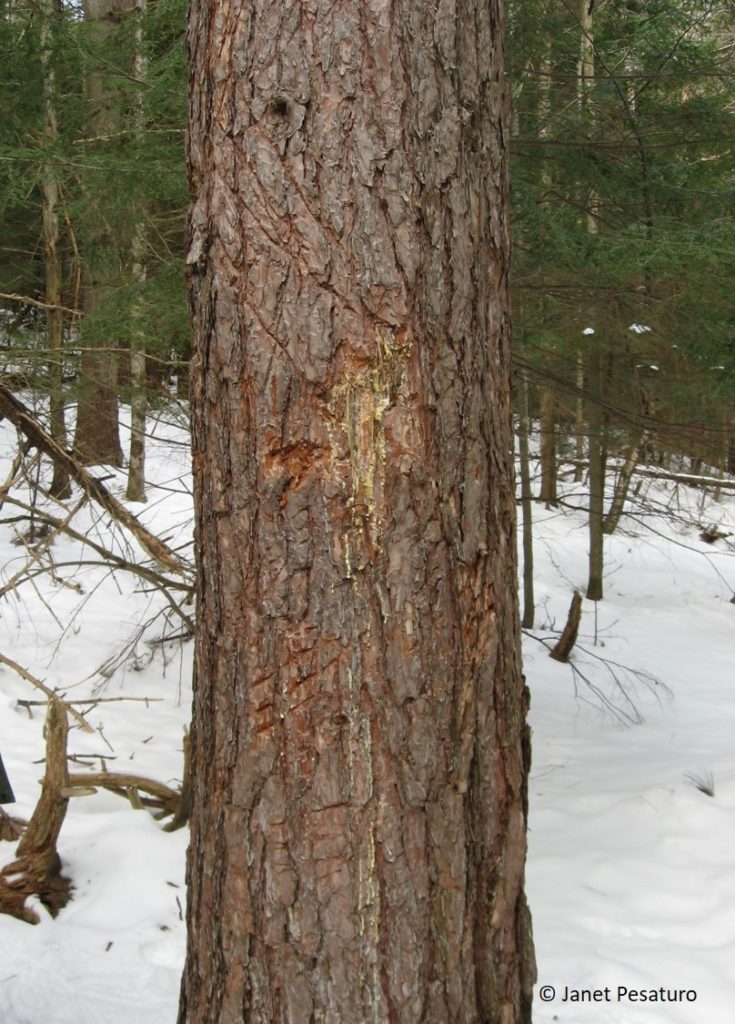
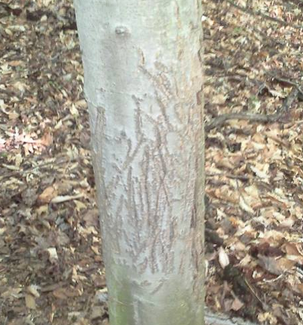
Bear Scat and Tree markings
Very, very, variable. Honestly, if it looks big and has undigested plant material probably bear.
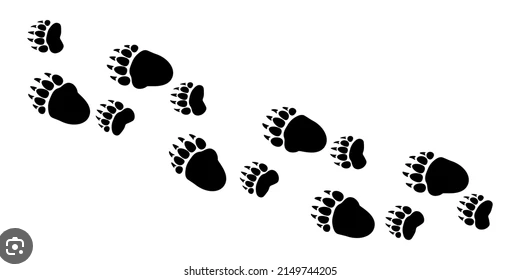
Bear Track Pattern
Waddlers. Left-left-right-right. Often an over-step walk.
Family Procyonidae
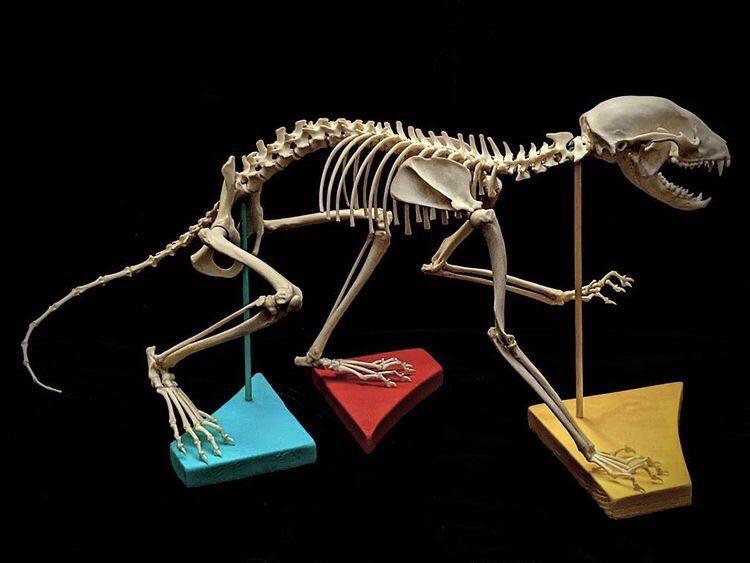
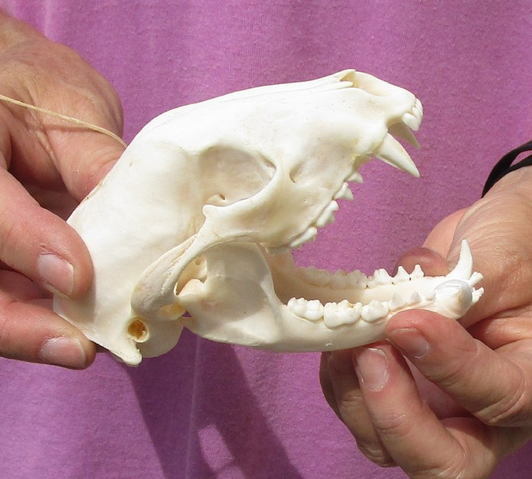
2 species (ring tail not included). Digits. 5-5, plantigrade. Teeth: 3/3,1/1, 4/4, 2/2 (raccoon, varied in other species). No carnassial pair, six upper cheek teeth unlike mephi/musti. Bear-like skull, is small, rostrum shorter than cranial & wide face, oval skull. No alisphenoid canal
Family Procyonidae
Racoon
Procyon lotor
Avg size: 15-25+ lbs. 2-3 ft tall.
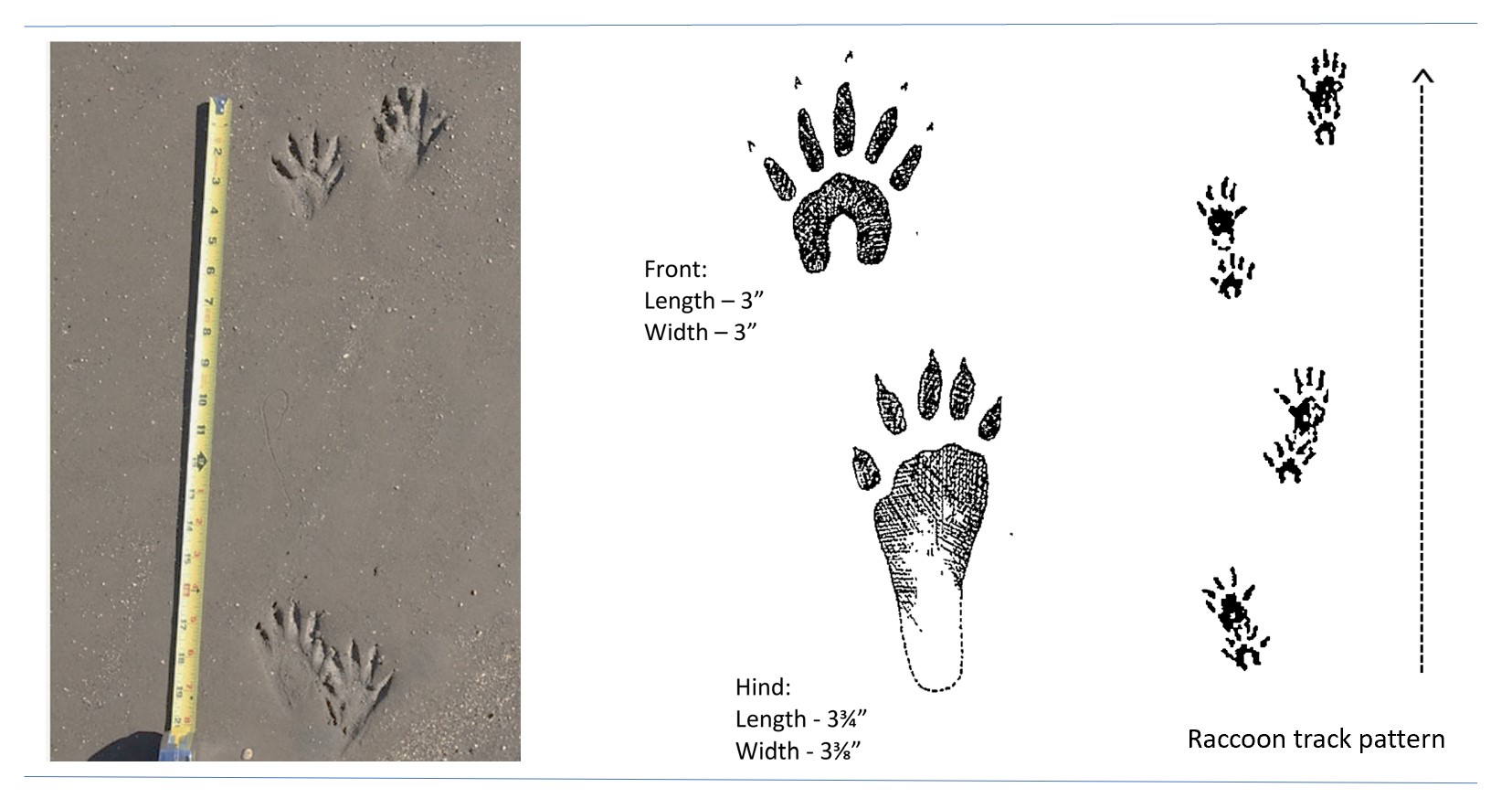
Track L:~ 3 in, W: 3 in. Hind feet bigger. Waddler gait.
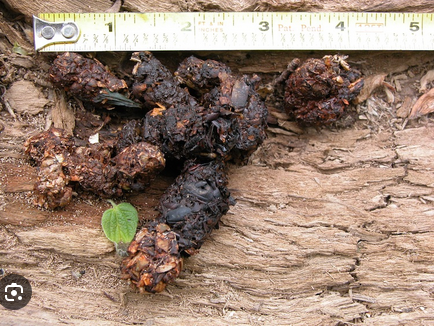
Largest of the family, very omnivorous eating plant material, inverts, and verts. 10-30 lbs. Scat has blunt ends (unlike dogs/opossums), seeds, often use latrines. Look for plant material to distinguish from cats.
Solitary to sex-specific social behavior. Variable reproduction periods. Late winter, gestate 60 days, 2-5 kits
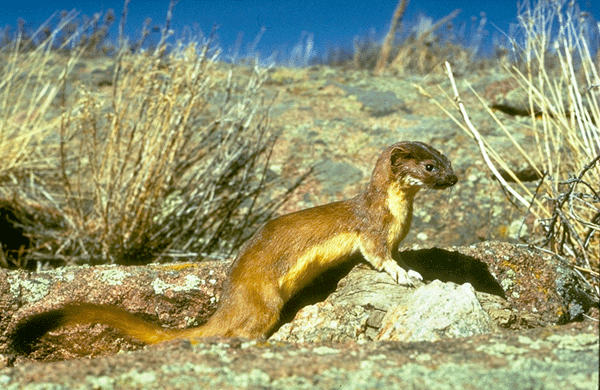
Family Mustelidae
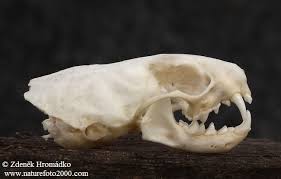
5 species (4 listed). Digits. 5-5, badger plantigrade, weasels digitigrade. Teeth: 3/3,1/1, 3/3,1/2. Prominent carnassial pair. Skull, is small, blocky, rostrum much shorter than long, flat braincase. C shaped glenoid fossa. Unlike skunks has a dumbbell shaped upper molar and , prominent , long auditory bullae. No alisphenoid canal.
Family Mustelidae
Badger
Powerful burrower, with strong forelimbs and long claws.
Taxidea taxus
Avg size: 15-25+ lbs. 2-3 ft long.
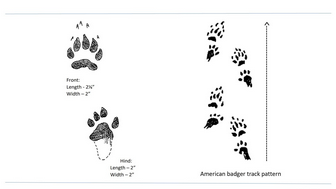
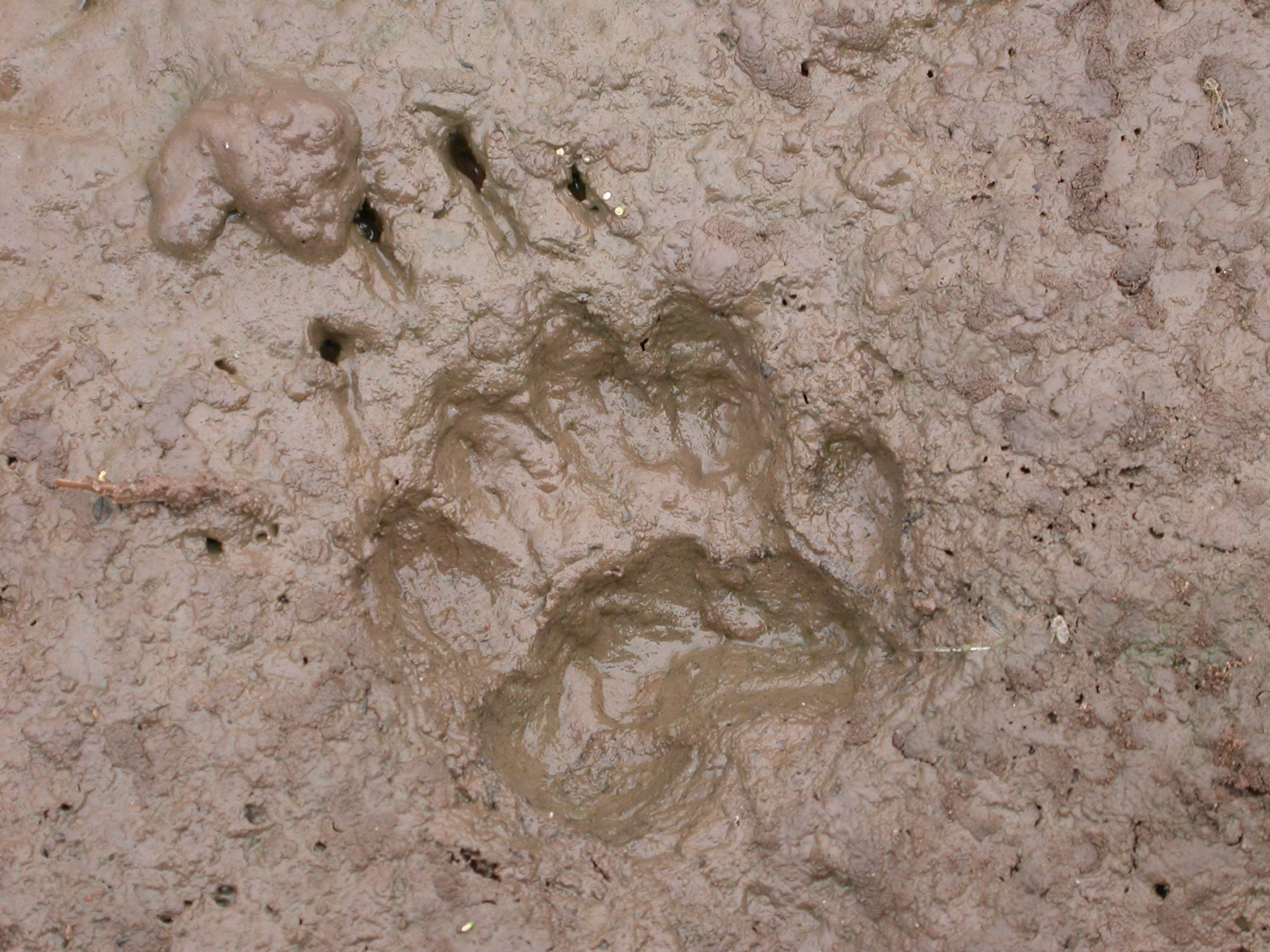
Track L: 2.75, W: 2. Waddler, in a pigeon-toed fashion, so tracks point inward. Long nail imprint. Hind tracks usually no nail imprint.
Den 10-12 in horizontal oval. Breeding late summer, young 2-3 young born in spring.
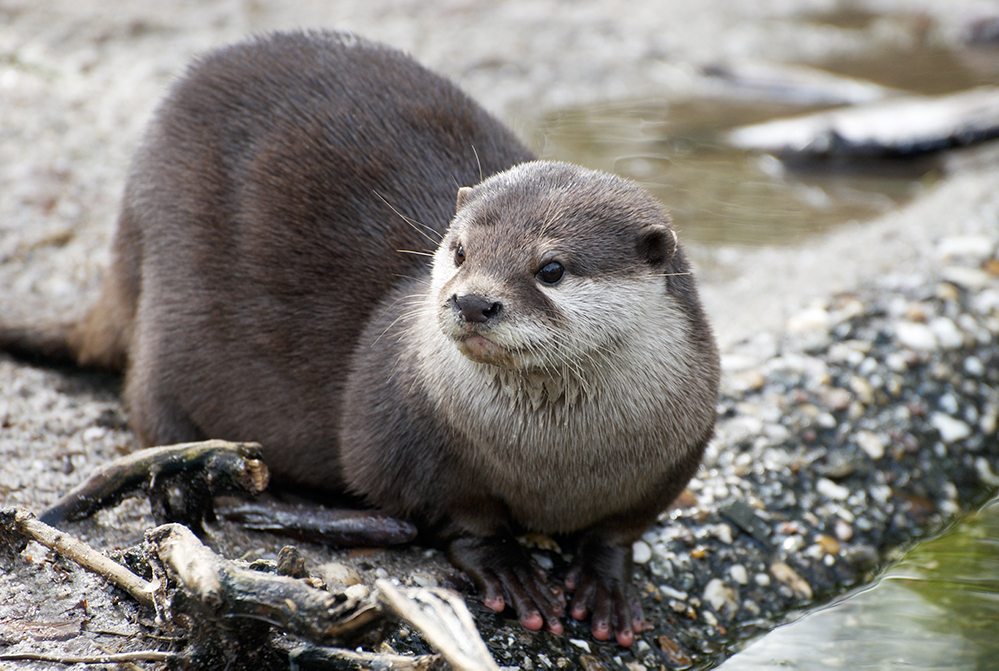
Family Mustelidae
River Otter
Lontra canadensis
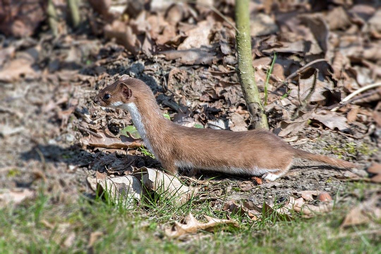
Family Mustelidae
Long-tail and least weasel
Habitat generalists, woods, meadows, often near water.
Mustela frenata & Mustela niva-lis
Avg size: 12-18 in /10 in long.
Track L: ~1, W: <1.
Will have white winter coats.
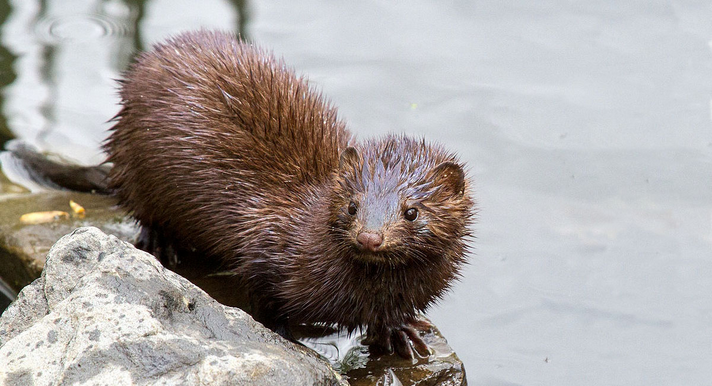
Family Mustelidae
Mink
Neovison vison
Top aquatic predator, nearly 2-ft long, 2-3 lbs. Diet varies from aquatics to more small mammals in cooler months. Breed in Jan-Mar, 4-7 kits in May.
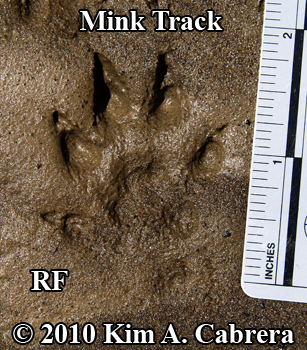
Only 4 toes appear on hind (sometimes front) tracks.
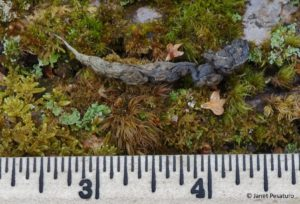
Mustelid scat
Trail, or territorial boundaries. May form latrines in frequently visited spots.
Mustelid Track Pattern
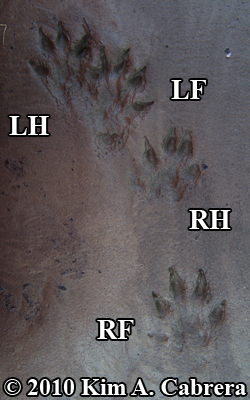
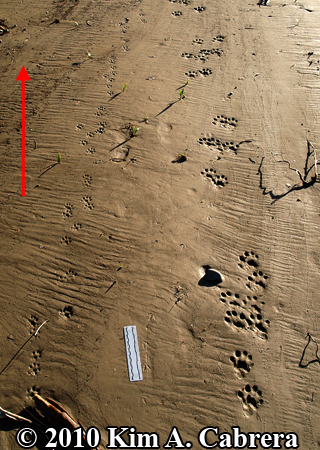
Bounders. Most species move with a loping gait that produces paired tracks or groups of 4. Pair of front paws together close to pair of rear paws together. The rear tracks are close to, or sometimes cover, the front tracks.
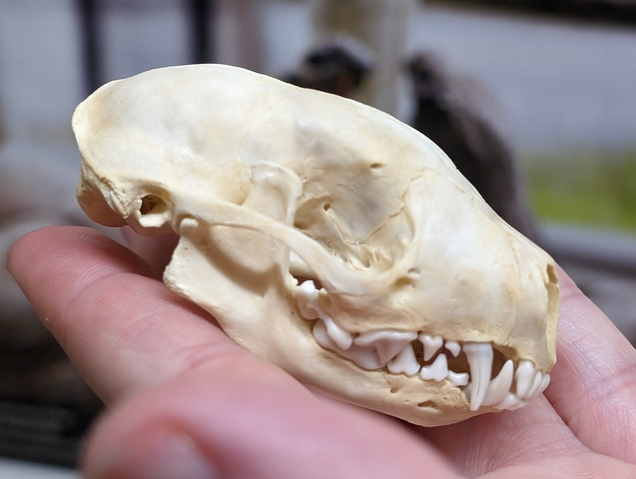
Family Mephitidae
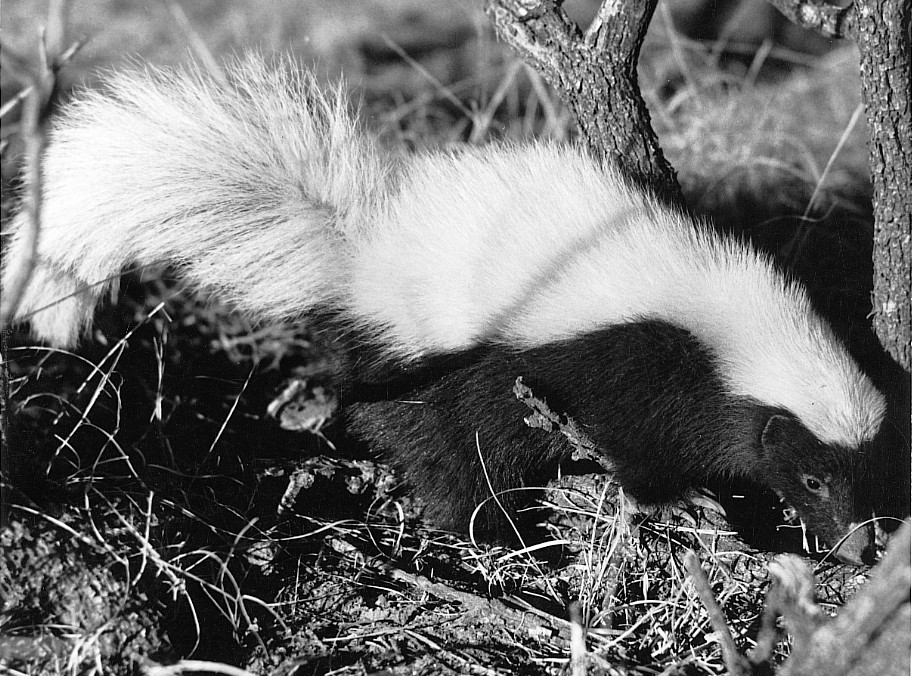
Conepatus leuconotus (shown)
3 species (2 listed). Digits. 5-5. Teeth: 3/3,1/1, 3/3,1/2. No alisphenoid canal. Carnassials developed. Rectangular upper molar and flat auditory bullae.
Family Mephitidae
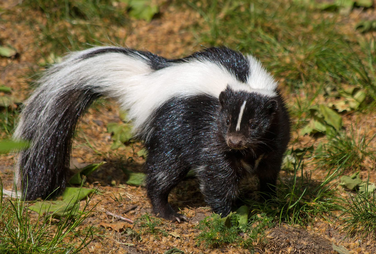
Striped skunk
Mephitis mephitis
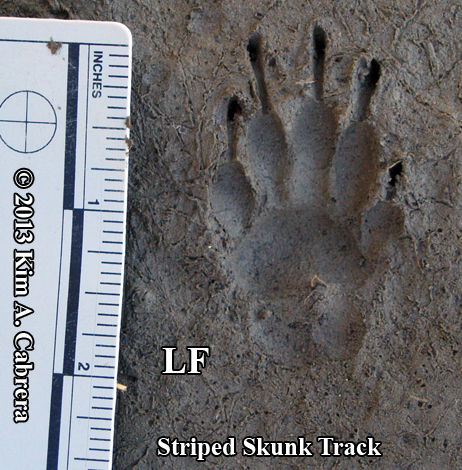
Avg size. <13 lbs. 16-35 inches. Cat sized, front paws kinda look cat-like with long nails and an extra toe. Habitat generalist, prefers edges, Often digs to forage for insects.
Polygamous, mate-Mar/April. 4-8 litter May/June.
Family Mephitidae
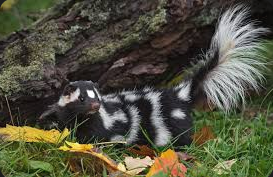
Eastern spotted skunk
Spilogale putorius
Much smaller. 10 in body, 7 in tail. Stands on front legs to warn predators.
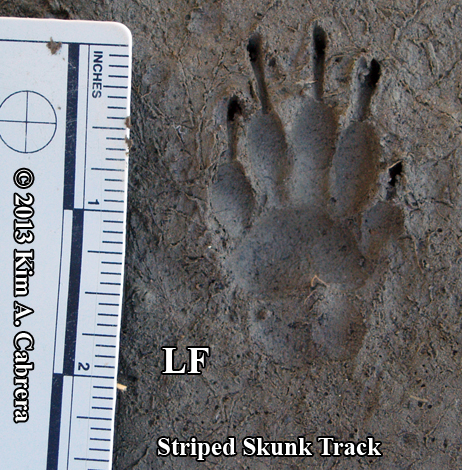
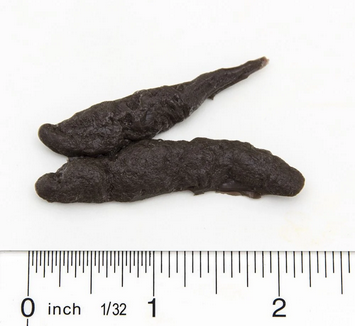
Skunk scat
Very similar to cats and not very hard.
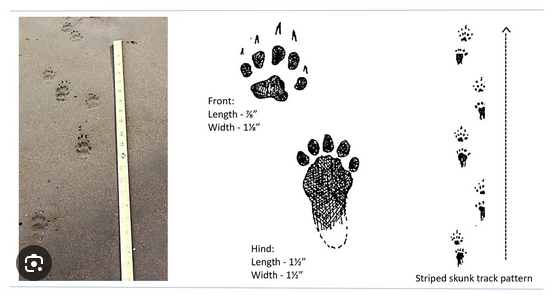
Skunk Track Pattern
Waddlers, but can have tracks like a loping weasel.. Distinct front and back feet, nails won’t register on hind feet or will be closer to pad than the front. May see tail impression.